Sunday 7th January

A sunny day throughout, with a light north easterly wind. Temperatures reached 5 degrees centigrade. Highlights of the morning sea watch included 1 Manx Shearwater, 202 Fulmar (2 blue morph), 1 Puffin, 1 Wigeon, 6 Eider, 25 Common Scoter and 42 Red-throated Diver.

On the land, 17 Lapland Bunting remained east of North Dykes. A Water Rail, 17 Fieldfare, 15 Redwing and a Mistle Thrush were on the outer headland. Buckton held 250 Fieldfare, 30 Redwing, 3 Song Thrush, 3 Snipe and a Water Rail.
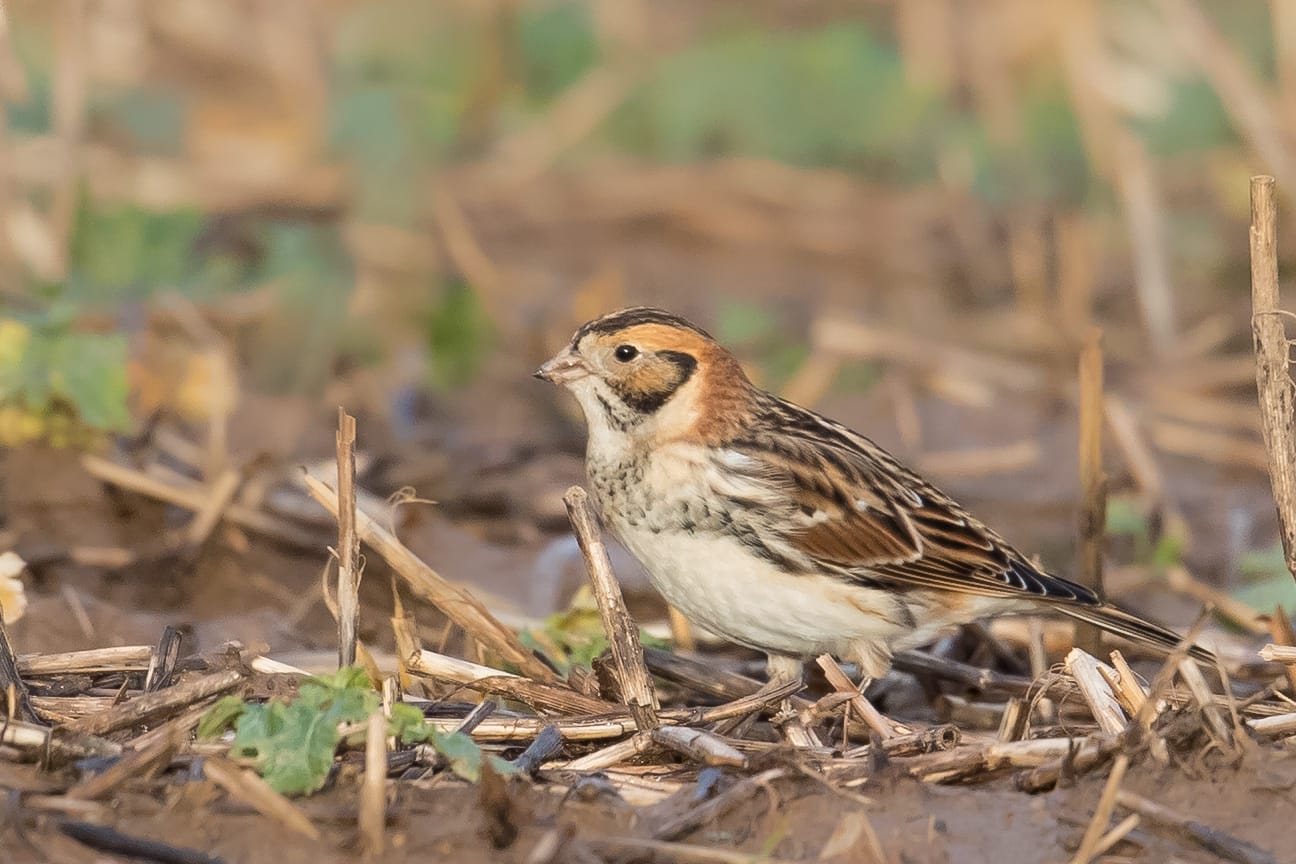
Lapland Bunting, North Dykes by Andrew Allport
Monday 8th January

Another sunny day with a moderate north easterly breeze and temperatures again peaking at 5 degrees centigrade. The days highlight pertained to a juvenile Glaucous Gull which flew south at 10:26, before later drifting north again. Also on the sea watch were 7 Wigeon, 3 Eider, 6 Common Scoter, 2 Red-breasted Merganser, 34 Red-throated Diver and 133 Fulmar.

30 Lapland Bunting remained in fields near North Dykes. A single Jack Snipe was at Thornwick pool along with 16 Common Snipe. 15 Teal, 76 Fieldfare and 17 Redwing were also logged.

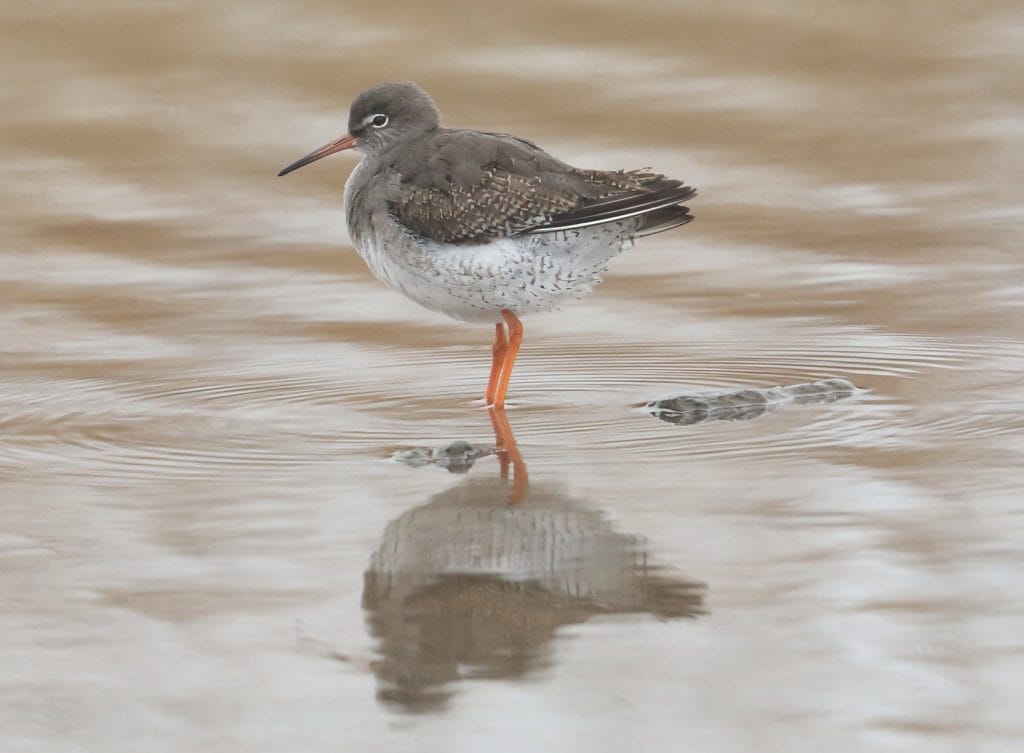
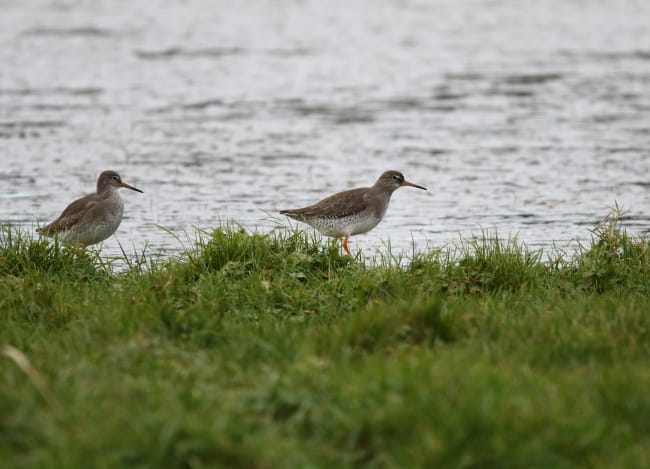
Redshank, Water Lane flash by Mike Smith.

Tuesday 9th January

It was a cloudy day with a moderate south easterly wind. The sea watch produced a single ‘blue’ Fulmar, 3 Wigeon, 5 Eider, 10 Common Scoter, 45 Red-throated Diver and one Bonxie. 2 Fieldfare were seen to come in off the sea.

At least one Nuthatch remained around the feeders at South Dykes. A single Jack Snipe, 25 Teal, 32 Fieldfare and 4 Redwing were also logged.

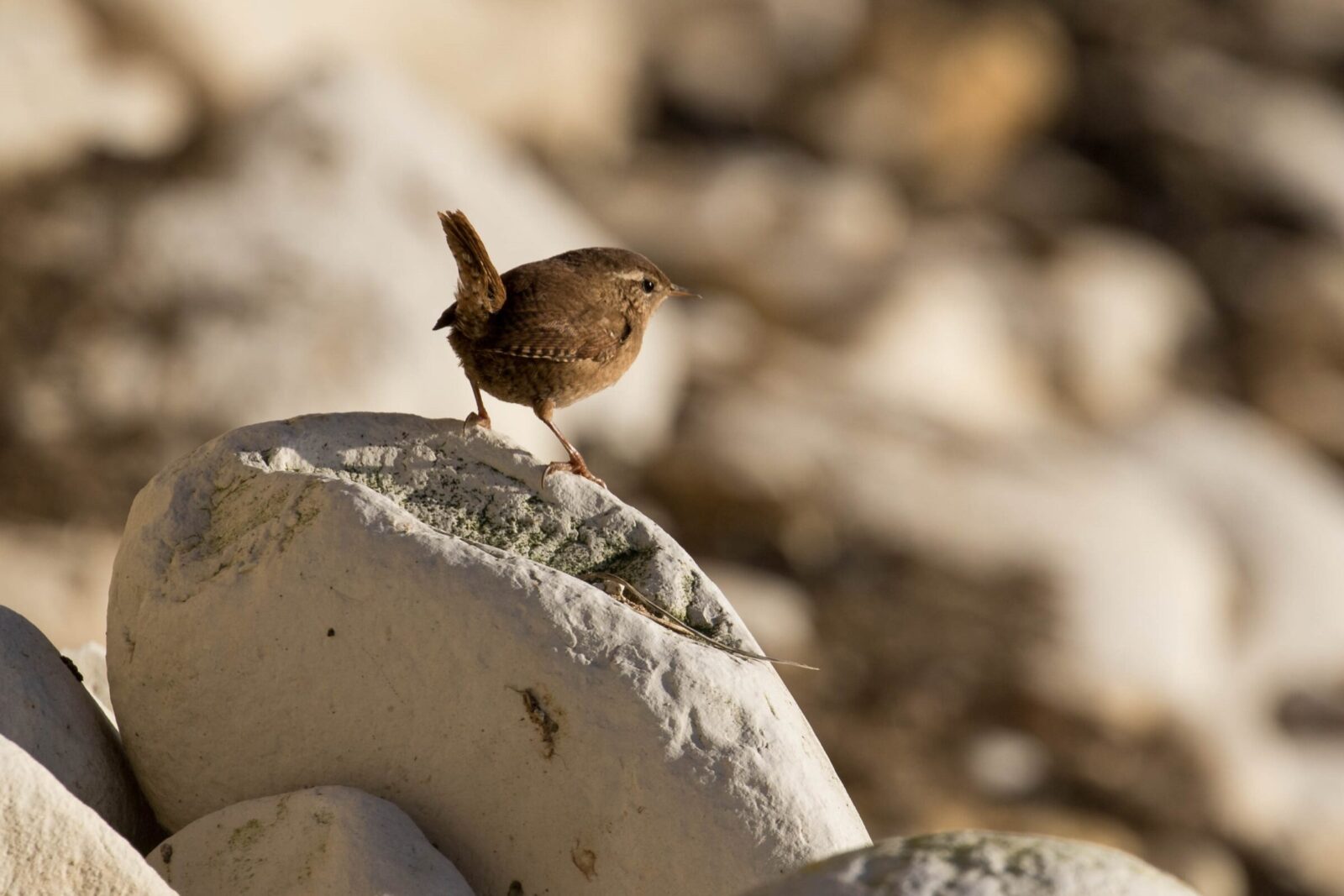
Wren by Jo Hood

Wednesday 10th January, 2018

A rather poor day with the weather, some fog, rain and little else. The heroic sea-watch produced two Red-throated Diver south and eight north and five Common Gull through. Present off the headland were 35 Shag, ten Cormorant, two Curlew and a Rock Pipit.

Other sites had a male Shelduck, ten Teal, two Sparrowhawk, Water Rail (motorway hedge) three Snipe, 34 Magpie, 24 Blackbird, 40 Fieldfare, two Redwing, 11 Robin and 178 Linnet.

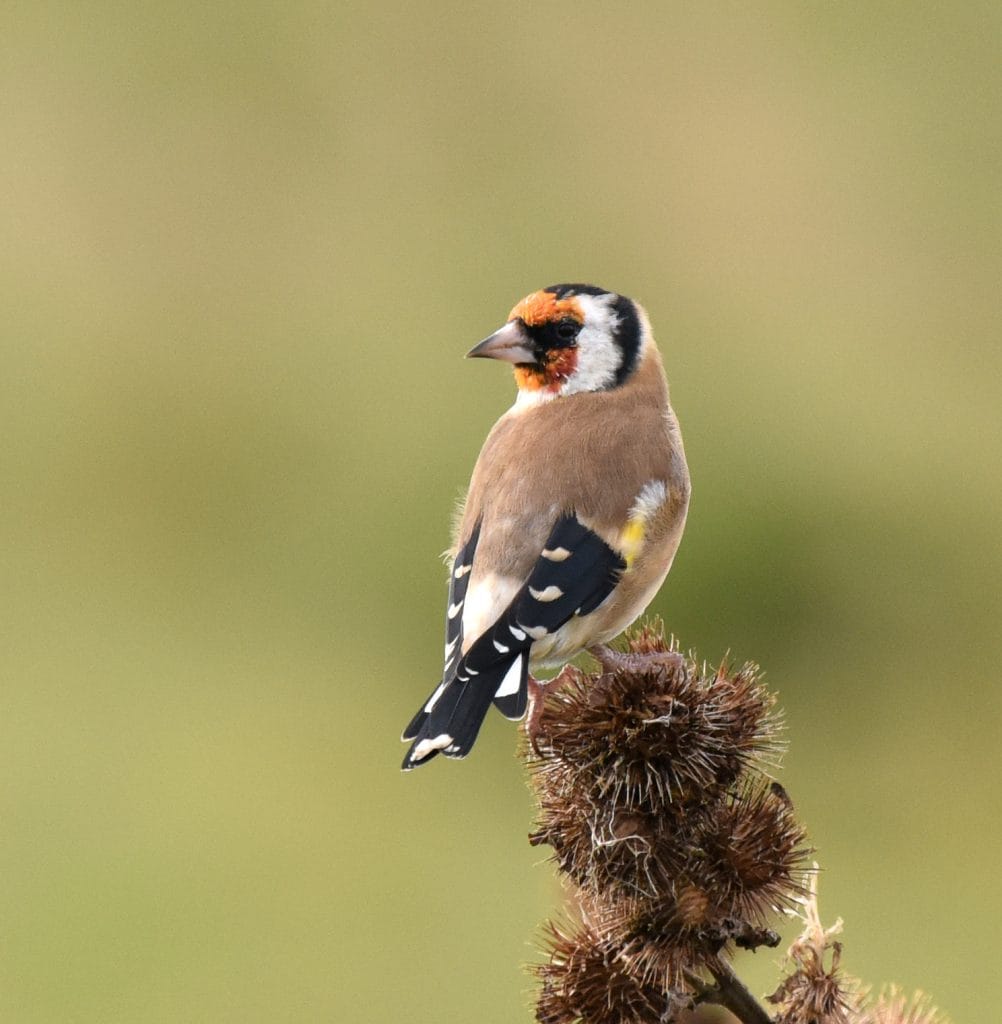
An interesting ringing recovery from Buckton of a Goldfinch caught there on 26/09/17, same date as last one mentioned a while ago, and re-trapped at the same site as previous bird at Livermere, Suffolk on 01/01/18. The two previous ringed birds appear to have taken the same journey south together (Mark Thomas).

Goldfinch by Geoff Carr

Thursday 11th January, 2018

A slightly better morning for the sea-watch in misty conditions with some drizzle.

18 Red-throated Diver south and 15 north, 69 Fulmar north including a dark morph, a Great Skua south and tens of thousands of Guillemot moving north. Off the headland were six Red-throated Diver, 13 Fulmar including a dark morph, 65 Shag and Peregrine.

Other parts of the headland recording area had 33 Teal, 14 Common Scoter, five Red-throated Diver, Grey Heron, 20 Great Crested Grebe, 18 Oystercatcher, Golden Plover, 17 Curlew, 72 Turnstone, two Purple Sandpiper, three Redshank, Jack Snipe (Thornwick Pools), Woodcock, two Snipe, 22 Skylark south, six Rock Pipit, 30 Fieldfare, 20 Linnet, 19 Yellowhammer, 11 Reed Bunting and two Lapland Bunting east over Oceanview.

Redshank by Alan Walkington

Friday 12th January

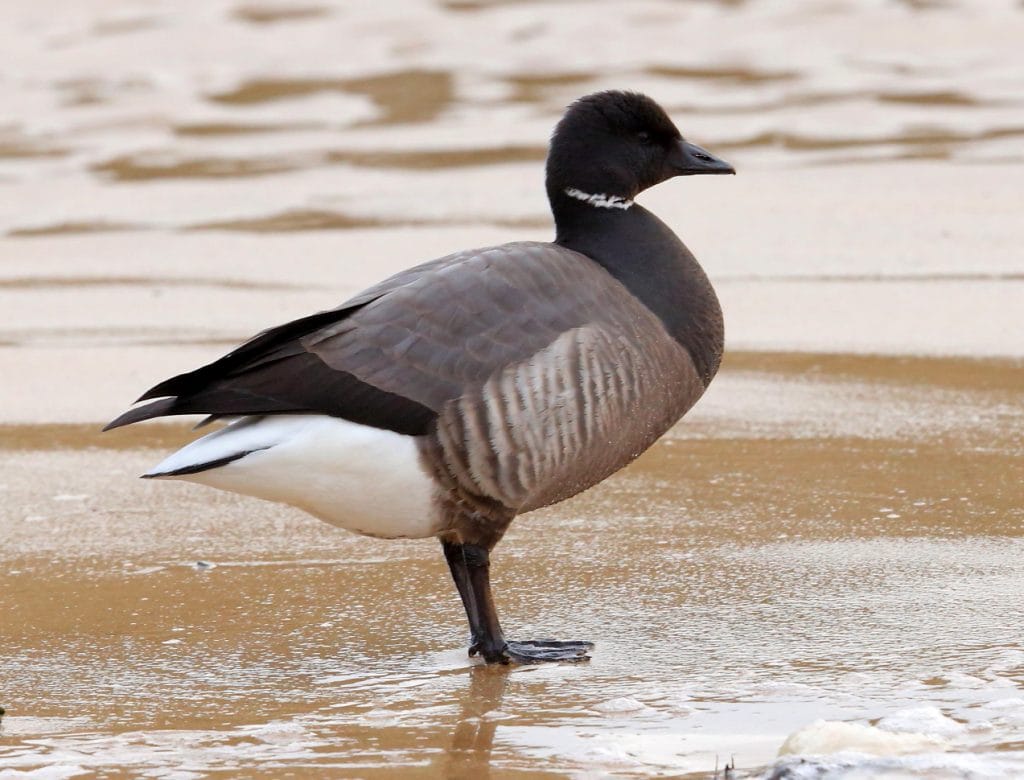
It was a day of light south westerly winds and patchy fog. Sea watching highlights included 2 Dark-bellied Brent Geese, 3 Eider, 99 Red-throated Diver and 62 Fulmar. 70 Shag left the roost.

The Red-necked Grebe reappeared, this time at South Landing during the afternoon, where a particularly high count of 91 Red-throated Diver were also offshore. Nearby 4 Lapland Bunting were in a stubble field adjacent to Booted Gully, with another over Oceanview. Other counts from the outer headland included 1 Water rail, 33 Fieldfare, 19 Yellowhammer, 17 Reed Bunting, 85 Tree Sparrow, 1 Shelduck, 5 Wigeon and 1 Woodcock. 17 Rock Pipit counted on the headland included at least 2 of the race littoralis.

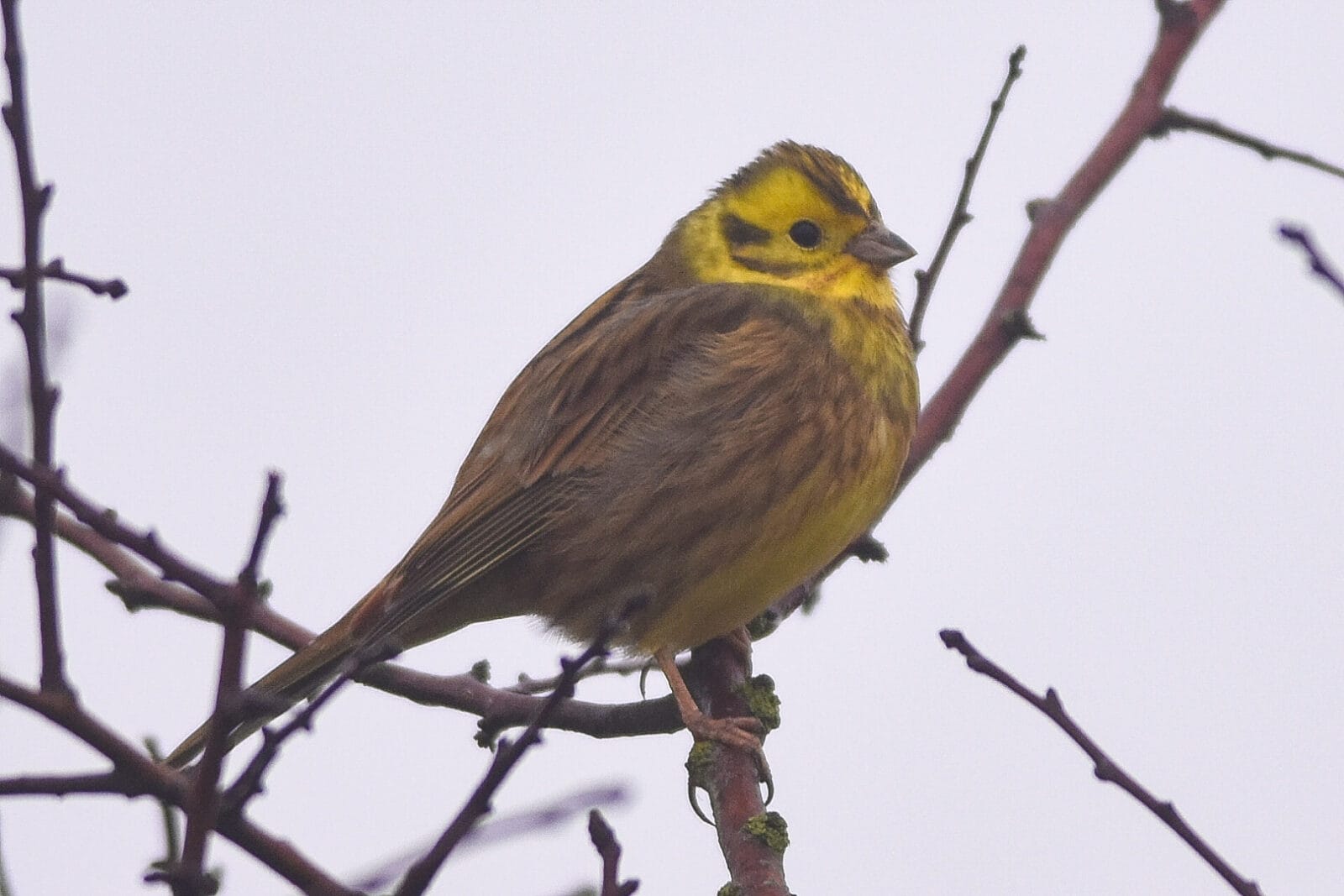
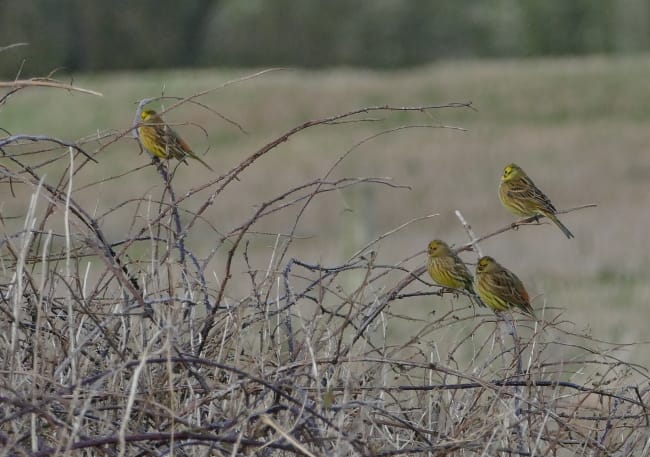
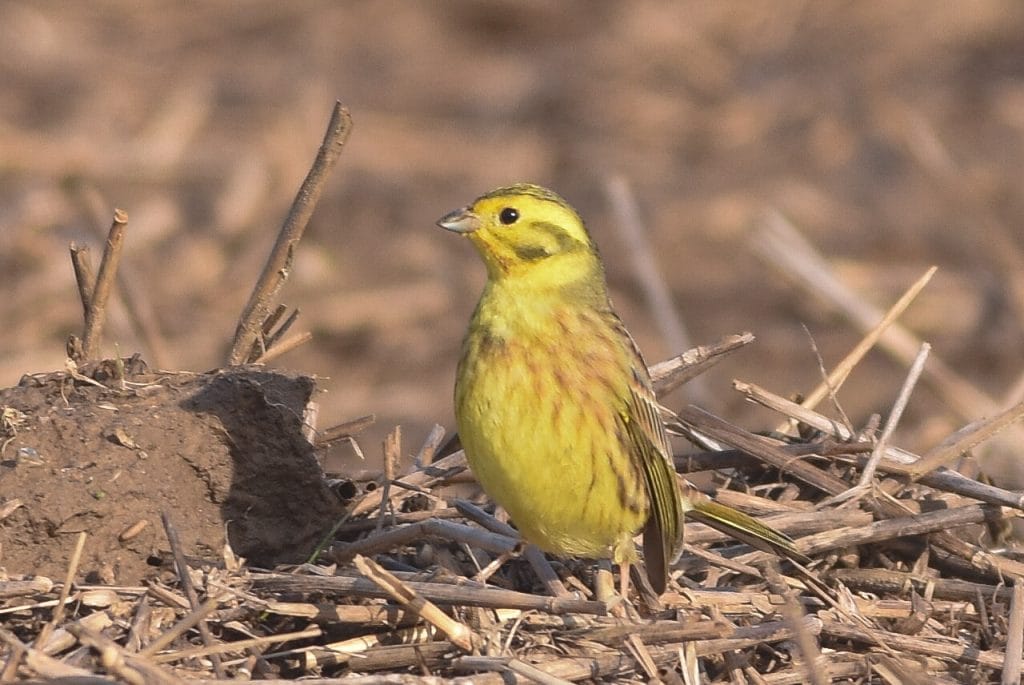
Yellowhammer by Andy Hood

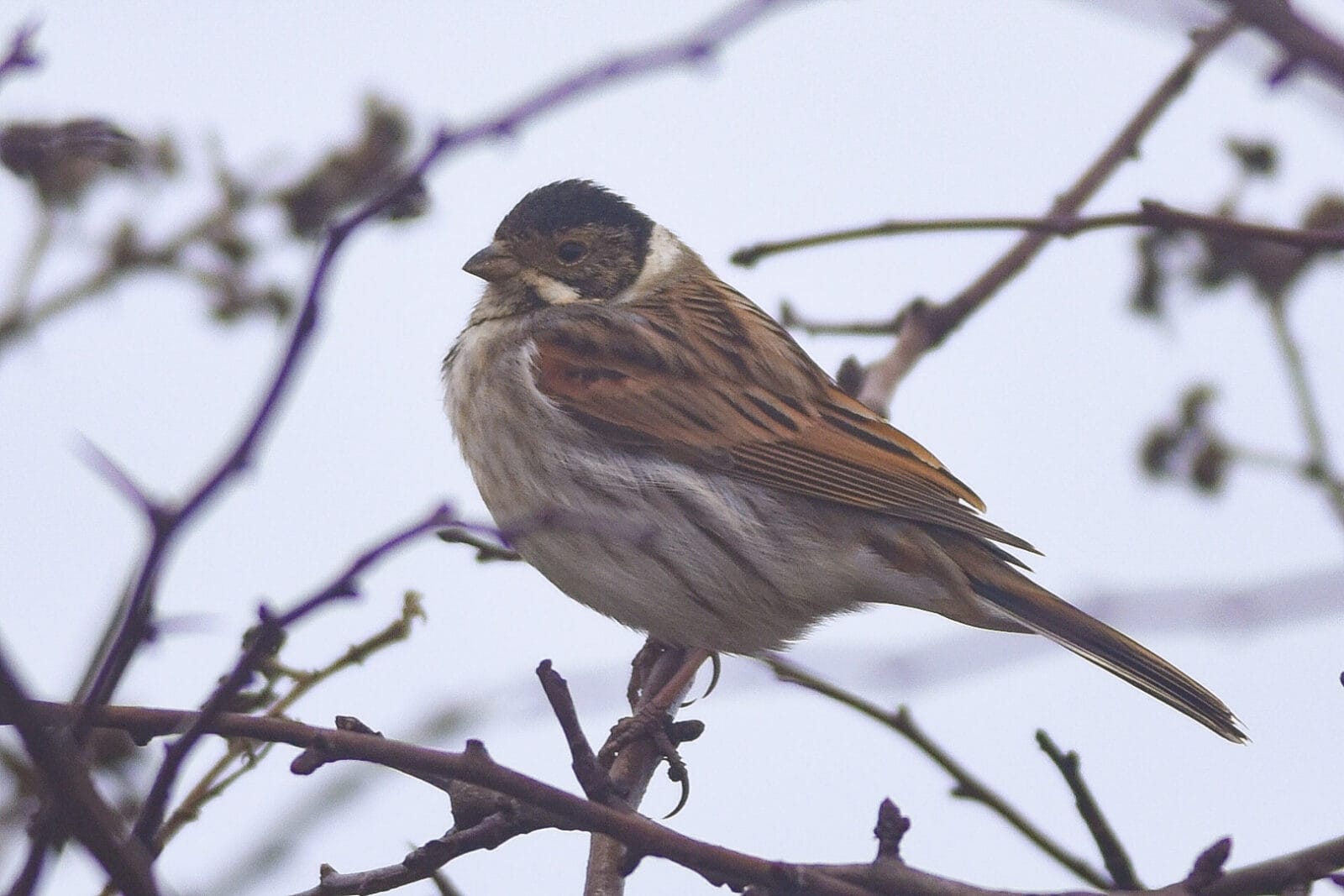
Reed Bunting by Andy Hood

Saturday 13th January

An overcast day with a moderate south easterly wind. Counts from Bempton included a single Woodcock, 3 Redwing, 4 Fieldfare and 10 Corn Bunting. On the outer headland 39 Teal and a Buzzard were logged.

The Sea watch included a Pintail flying south and then back north, a single Eider and 63 Red-throated Diver.

Teal, Thornwick Pool by Andrew Allport
Sunday 14th January

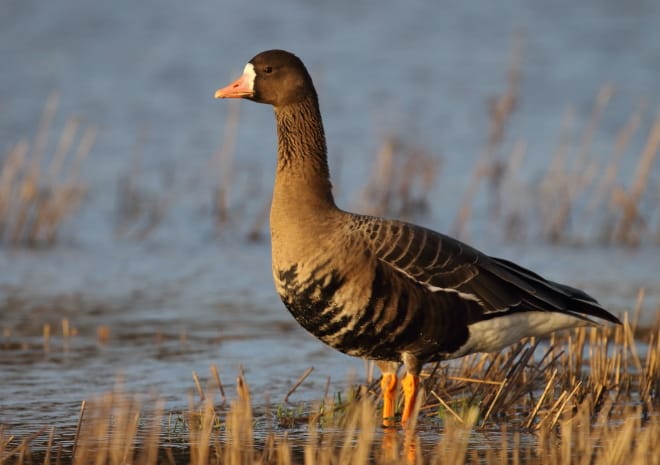
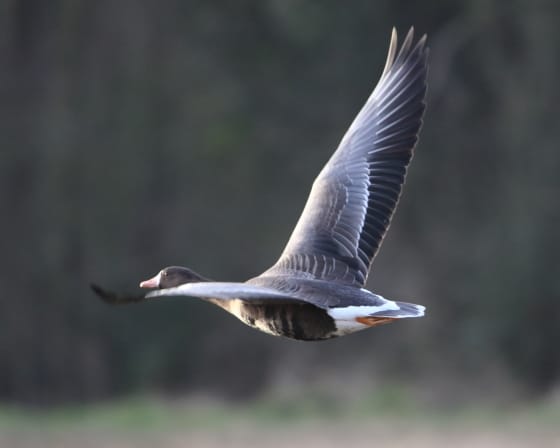
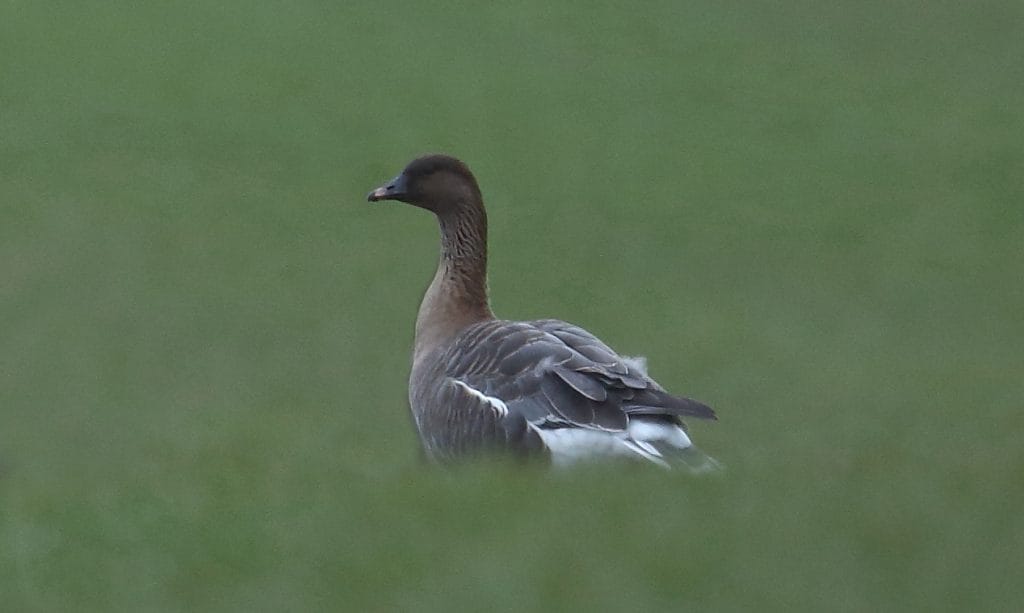
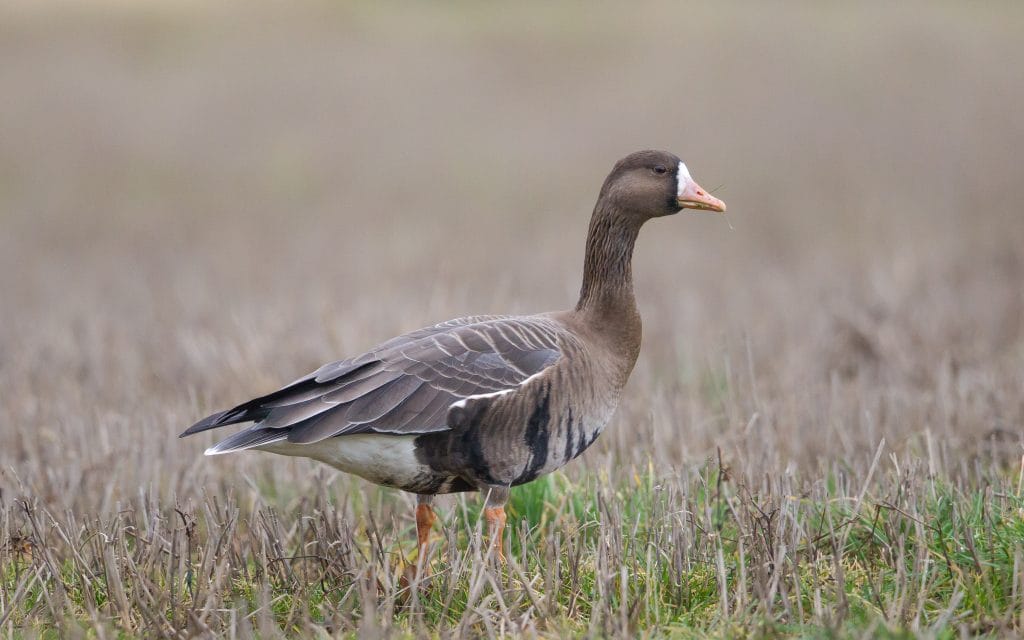
Another cloudy day with moderate southerly winds. Geese were on the move with 13 Eurasian White-fronted Geese dropping in to Hood’s Flash (near Northcliffe Marsh) at 14:20, being joined by another two individuals shortly afterwards. A further 8 White-fronts flew south on the sea watch at 8:55 and a single Pink-foot was on the headland.

In addition to the White-fronts, the sea watch also produced a Red-necked Grebe, 52 Fulmar (including one blue morph), 11 Wigeon, 1 Pochard and 32 Red-throated Diver.

At least 1 Nuthatch remained at the feeders at South Dykes, whilst South Landing held 15 Yellowhammer, 40 Red-throated Diver and 15 Great crested Grebe. 25 Wigeon and 73 Teal were also on the outer headland.

At Bempton, a male Bullfinch apparently came in off the sea and continued north west, whilst 37 Red-throated Diver were offshore.

Eurasian Wigeon by Alan Walkington

Monday 15th January, 2018

The weather not too good with cloud, rain and mist but from the sea-watch the highlights were three Dark-bellied Brent Geese south, 37 Red-throated Diver south and 16 north, 42 Fulmar including a “Dark Morph” and two Great Skua north.

Elsewhere were Shelduck, eight Teal, Buzzard, two Water Rail (Thornwick Pools), four Curlew, seven Redshank, two Snipe, Barn Owl, 18 Long-tailed Tit and a Stonechat on South Landing beach.

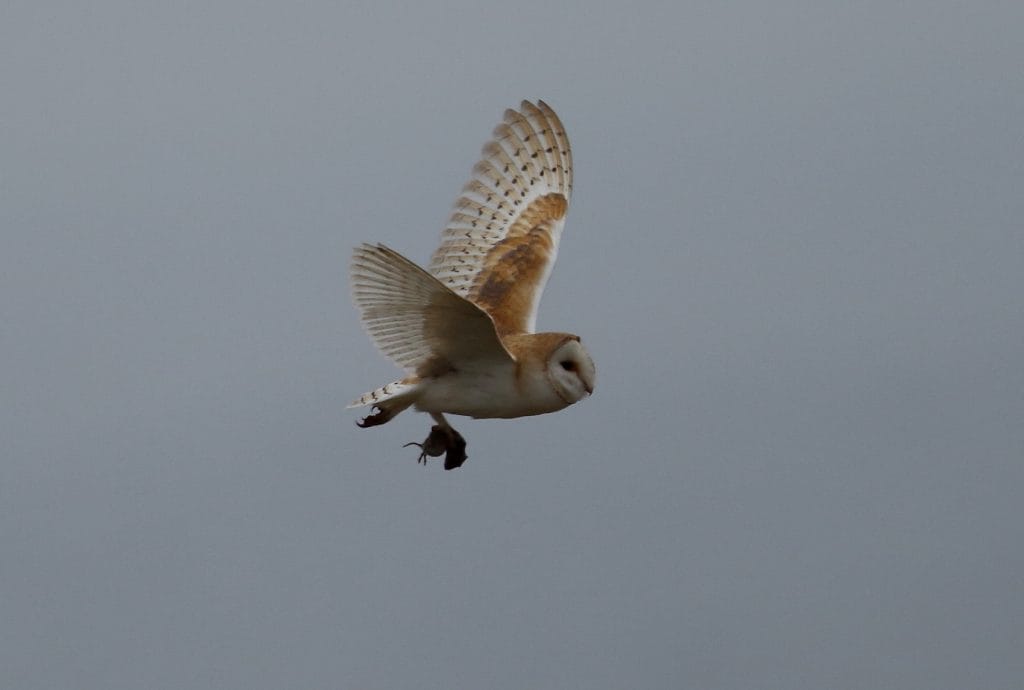
Barn Owl by Geoff Carr

Tuesday 16th January, 2018

A slightly brighter day although windy and cold. On the morning sea-watch a female Long-tailed Duck flew north, ten Red-throated Diver south and nine north, 20 Fulmar south and 150 north which included two “dark morphs”. Present off the headland were a further 33 Red-throated Diver. Highlights from the rest of the recording area were 27 Teal, two Common Scoter, 18 Red-throated Diver, nine Oystercatcher, nine Curlew, eight Redshank, two Jack Snipe (Thornwick Pools), Tawny Owl calling at South Dykes, 14 Long-tailed Tit, Stonechat, seven Rock Pipit and 50 Linnet.

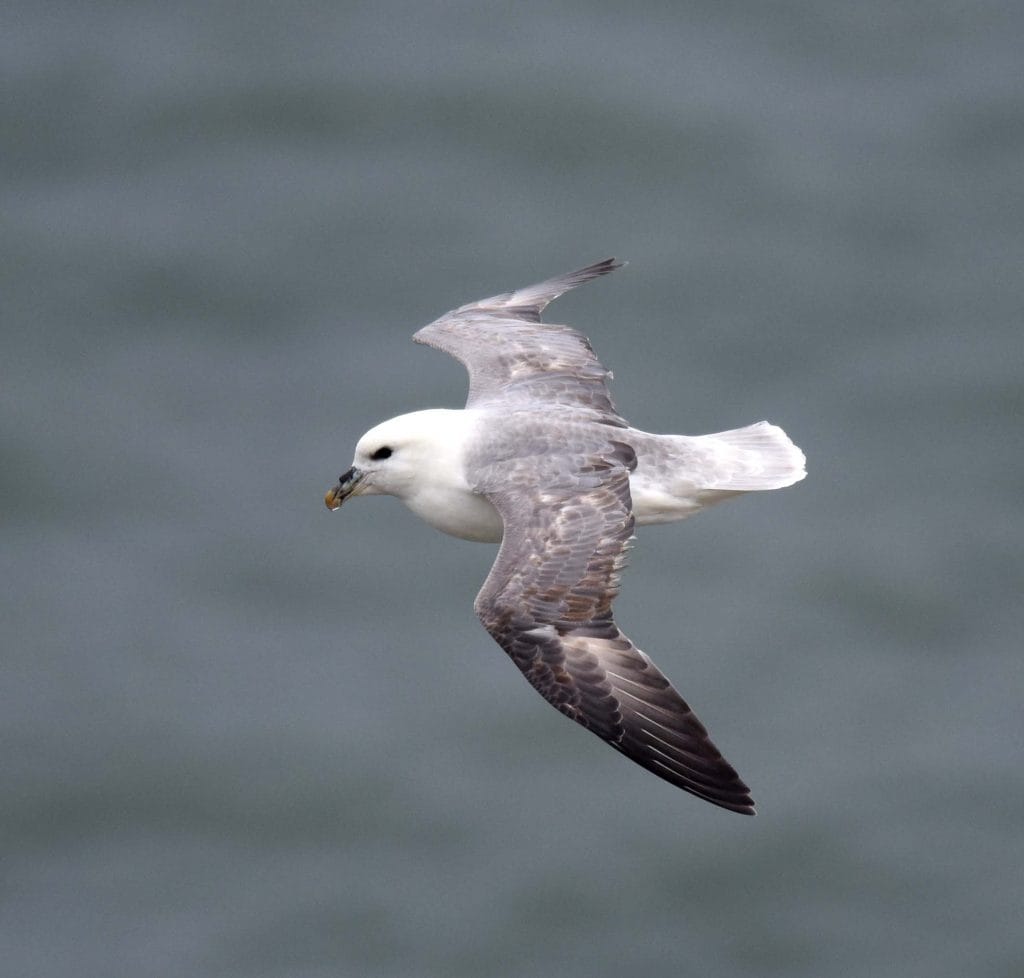
Fulmar by Geoff Carr

Wednesday 17th January, 2018

A couple of hours sea-watch this morning recorded four Common Scoter south, 22 Red-throated Diver south and four north, 174 Fulmar north including a “dark morph”, 17 Gannet south and 18 north and Great Skua south.

Elsewhere, two Dark-bellied Brent Goose on the rocks at South Landing, 43 Teal, two Buzzard, 25 Turnstone, two Woodcock, one Snipe, Barn Owl, 120 Stock Dove, 35 Fieldfare, 27 Redwing, Stonechat, seven Rock Pipit and 37 Linnet.

Woodcock at South Landing by Alan Walkington

Thursday 18th January, 2018

A few interesting highlights on the sea-watch this morning. Four Teal south, 40 Red-throated Diver south and five north, 69 Fulmar north including a “dark morph”, 16 Gannet south and 15 north, 26 Common Gull south and 18 north, Lesser Black-backed Gull adult south (scarce this time of year) and 357 Guillemot south and 27 north. 

At other sites, eight Common Scoter, two Dark-bellied Brent Goose, 17 Red-throated Diver, 11 Great Crested Grebe, Water Rail, 14 Curlew, 22 Turnstone, nine Redshank, Barn Owl, Peregrine, two Treecreeper, ten Rock Pipit, 71 Tree Sparrow, four Bullfinch, two Lapland Bunting, eight Reed Bunting and 16 Yellowhammer.

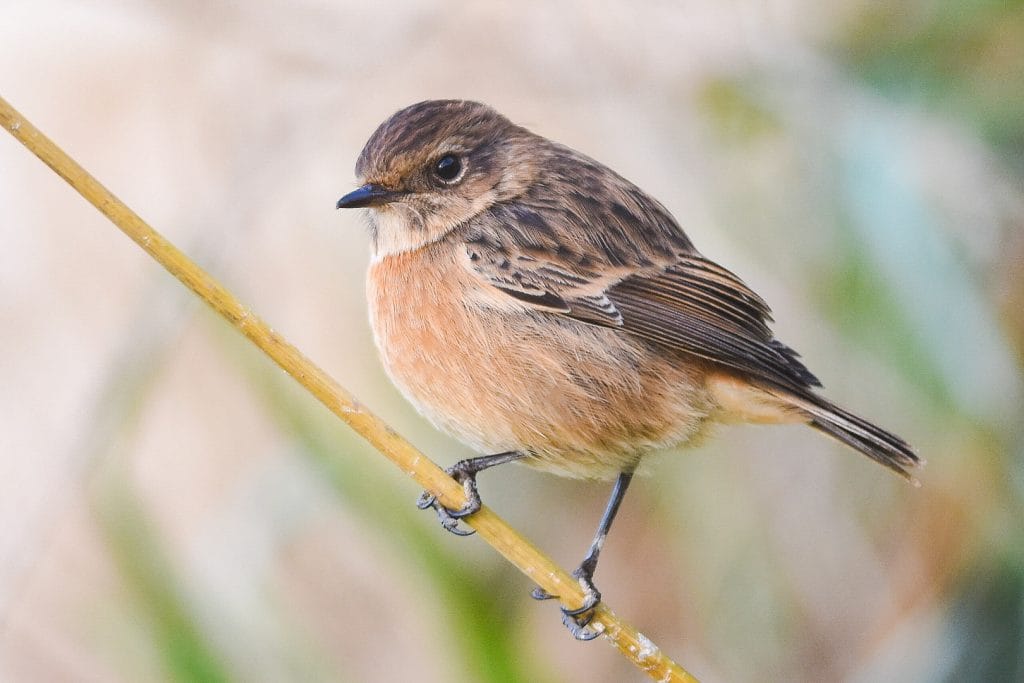
Female Stonechat by Andy Hood
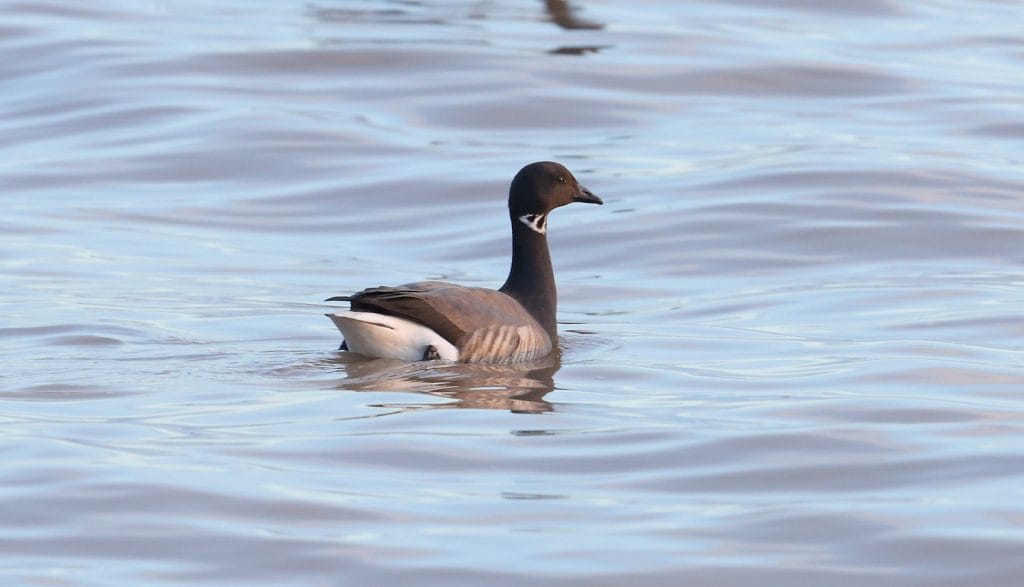
Dark-bellied Brent Goose by Alan Walkington

19th January 2018

A cold day, with temperatures of two degrees C, relatively overcast conditions after a bright start and light south-west winds. The highlight of the morning’s seawatch related to two Blue Fulmars flying south. 

Sightings on the headland included four White-fronted Geese and a Pink-foot at North Marsh, a Long-tailed Duck off Cattlemere, a Woodcock at South Landing, one Waxwing near Sykes Plantation, a Richard’s Pipit on the Golf Course, with 80 Tree Sparrows and a Corn Bunting at Oceanview.

Richard’s Pipit, Golf Course, by Andy Hood

20th January 2018

An overcast day, with light south-south-west winds and temperatures reaching three degrees C. During the seawatch, two Blue Fulmars lingered offshore and 11 Purple Sandpipers frequented rocks below the Fog Station. 

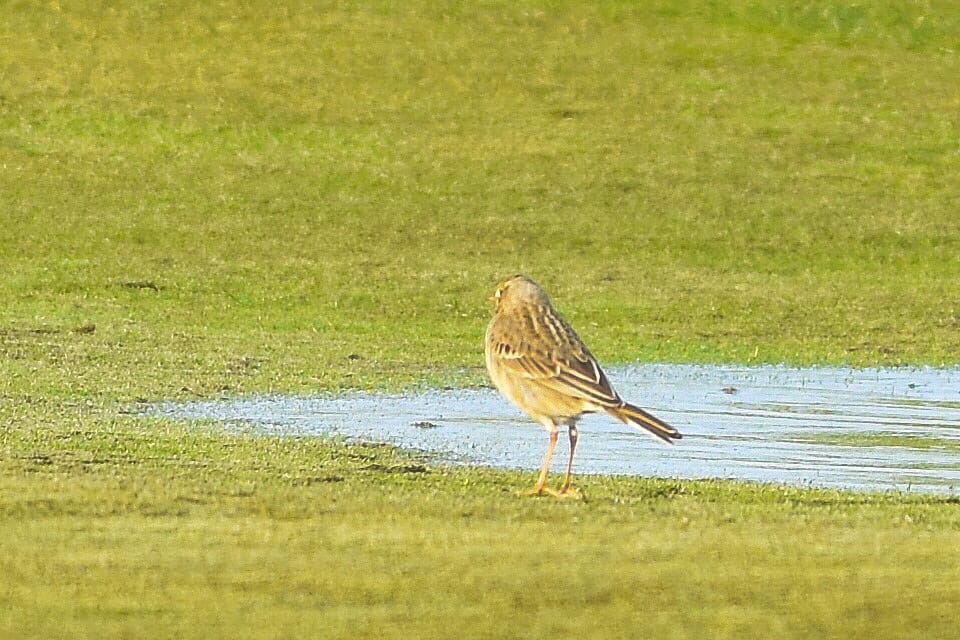
The two Brent Geese remained at South Landing, six White-fronted Geese frequented fields near North Marsh, whilst a female Long-tailed Duck was on the sea off nearby Breil Nook. The Richard’s Pipit continued to show well in the north-western corner of the Golf Course.

Brent Goose, South Landing, by Alan Walkington

21st January 2018

Increasingly strong south-westerly winds featured, with a band of wet snow arriving in the afternoon; temperatures peaked at two degrees C. During the seawatch, a Pintail flew south, 25 Purple Sandpipers were in residence and tens of thousands of Guillemots flew past the Fog Station. 

Six White-fronted Geese frequented North Marsh, while Thornwick Pools attracted three Jack Snipe. West of the Dykes, single Woodcock and Mistle Thrush and two Bullfinch were recorded at Buckton.

Barn Owl, outer head, by Jo Hood

22nd January 2018

A relatively light, overcast day with some sunny intervals and moderate westerly winds. Seawatching highlights included two Eider and 43 Red-throated Divers flying south, two Blue Fulmars heading north, with another lingering offshore.

North Marsh hosted four White-fronted Geese and a Pink-foot, with the Richard’s Pipit on the edge of the nearby Golf Course. Three Redwing and 22 Yellowhammers were present in the Beacon Hill area.

White-fronted Goose with Greylags, North Marsh, by Alan Walkington

23rd January 2018

A moderate/strong south-westerly wind and overcast conditions also resulted in a much milder day, with temperatures reaching 11 degrees C by evening. Away from a very quiet swatch, sightings included a Pink-footed Goose, six White-fronted Geese, two dark-bellied Brent Geese, 25 Wigeon and a Water Rail.

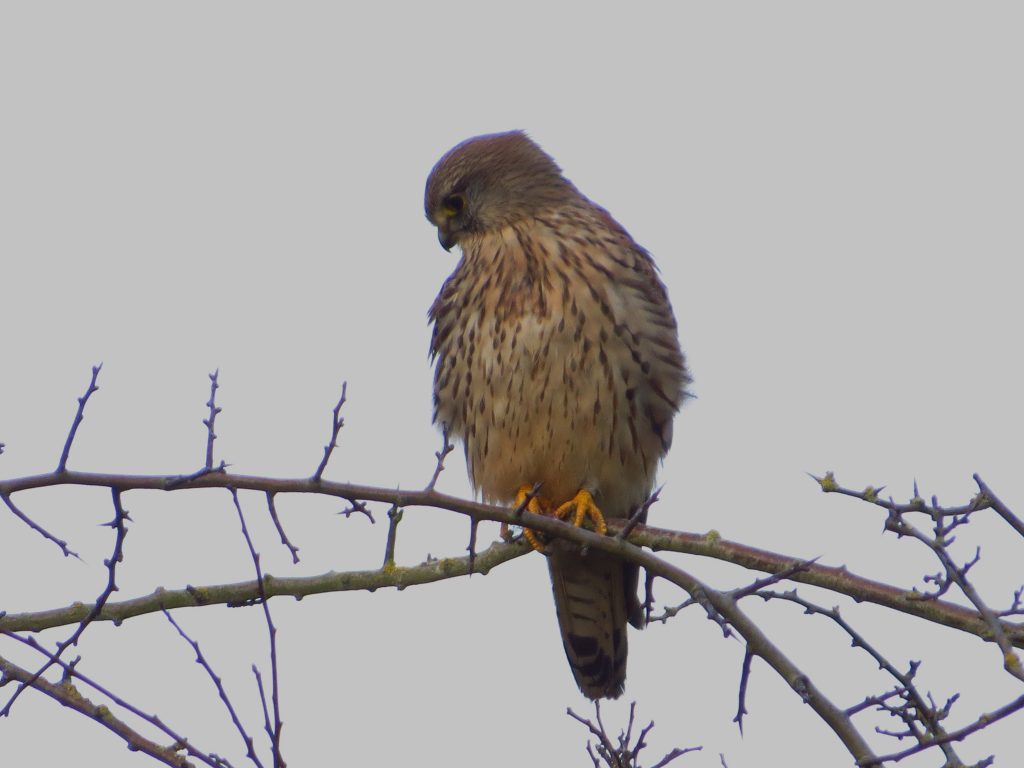
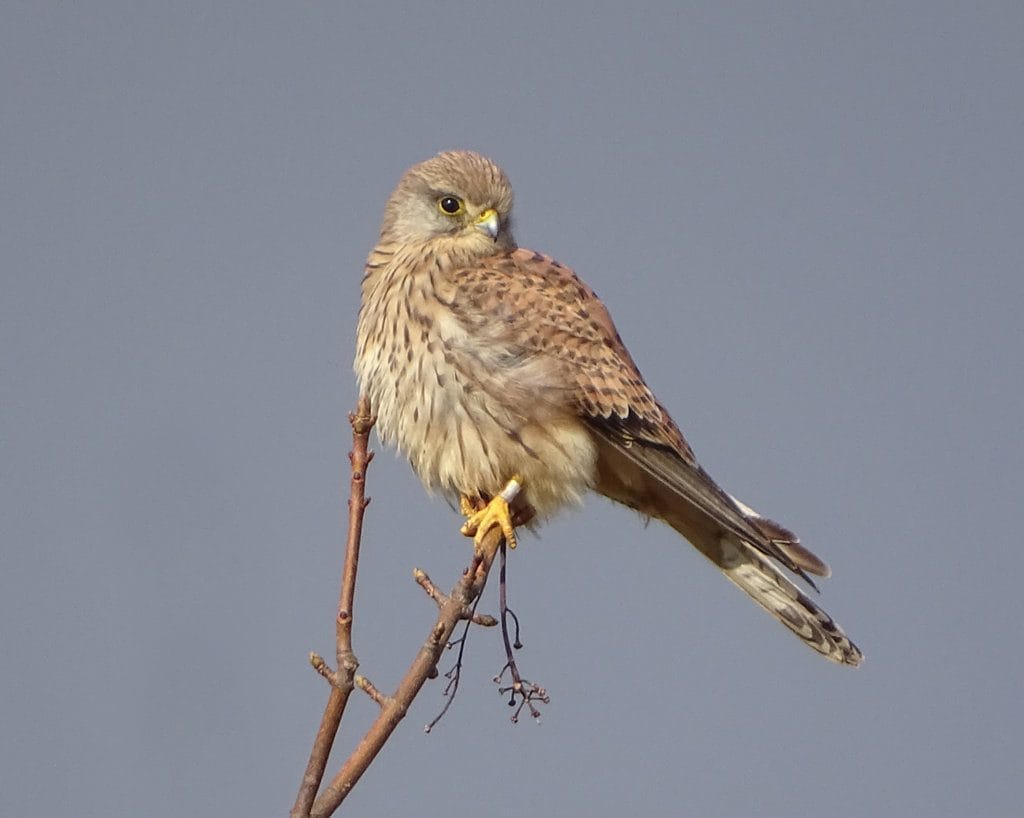
Kestrel, South Landing, by Brett Richards

24th January 2018

Strong south-westerly winds dominated with heavy rain during the morning. A seawatch from North Landing was rewarded with a lone Blue Fulmar. A flash near South Dykes attracted a single White-fronted Goose. Elsewhere, a minimum of 40 Tree Sparrows attended feeders in a garden on Church Lane.

White-fronted Goose, South Dykes, by Mike Smith

25th January 2018

A day of light/moderate south-west winds and sunny intervals. Geese on the headland included 124 Greylags, seven White-fronted Geese, with six at North Marsh and a lone bird at South Dykes, and one Pink-foot. Thirty-five Teal and 23 Wigeon were also present, as was one Jack Snipe; the latter at Thornwick Pools. A Goldcrest was present in the village, a Nuthatch remained in South Dykes and a Grey Wagtail frequented South Landing beach.

White-fronted Goose, South Dykes, by Mike Smith

26th January 2018

The weather consisted of moderate northerly winds and sunny intervals, after rain first thing. During the seawatch, a Red-breasted Merganser, 141 Fulmars, 108 Gannets, 5800 Guillemots and 17 Razorbills flew north. 

The White-fronted Goose continued to show well at South Dykes and a Flamborough record 76 Great Crested Grebes frequented the sea off the South Cliffs. The Nuthatch remained at South Dykes, with 20 Fieldfare and nine Redwing present. Sixty-two Skylarks were split between Oceanview, Beacon Hill and North Dykes, with a cumulative tally of 25 Reed Buntings across the same sites. The flock of 25 Lapland Buntings also remained in residence between Thornwick and North Dykes.

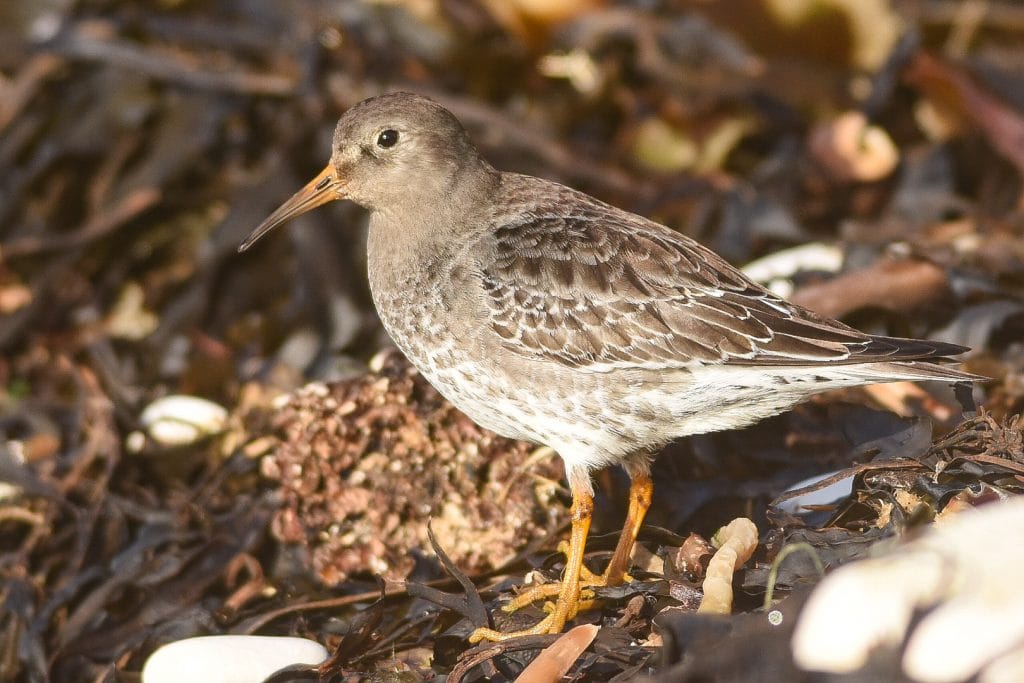
Purple Sandpiper, South Landing, by Andy Hood

27th January 2018

The weather consisted of moderate/strong south-westerly winds and generally overcast conditions, after a belt of rain crossed the area in the middle of the day. 

Seven White-fronted Geese were present; the party of six birds remained at North Marsh and the individual continued to show well alongside the South Dykes exit road. North Marsh also attracted 71 Teal and 26 Wigeon and Thornwick Pools continued to host a Jack Snipe. A Woodcock was flushed from Whelkie Winds, where there were also 30 Fieldfare.

White-fronted Goose, South Dykes, by Dave Aitken

28th January 2018

A relatively overcast day, with moderate/strong south-westerly winds. During the swatch, two Blue Fulmars flew south and 8500 Guillemots flew past the Fog Station. In addition, there was a significant arrival of the latter species to the cliffs, with 30,000 present at RSPB Bempton Cliffs.

The lone White-fronted Goose moved to the flooded flashes adjacent to Water Lane and the Jack Snipe remained in situ at Thornwick Pools. However, a juvenile Glaucous Gull that rested at Stainforth’s Flash was very much a new arrival.

Barn Owl, Thornwick Pools, by Mike Smith

29th January 2018

The weather consisted of moderate westerly winds, light rain first thing that cleared later to ensure a bright and sunny end to the day. Sightings from South Landing included a Shelduck and 53 Red-throated Divers flying south; an additional 24 Red-throats were on the sea, together with 36 Great Crested Grebes and an Eider. A total of 50 ‘sinensis’ Cormorants at the same location easily represented a January record.

The White-fronted Goose remained faithful to Water Lane, a Grey Wagtail overflew the latter site and the Nuthatch visited feeders in South Dykes. Meanwhile, after being absent for a few days, the Richard’s Pipit re-appeared in the north-west corner of the Golf Course.

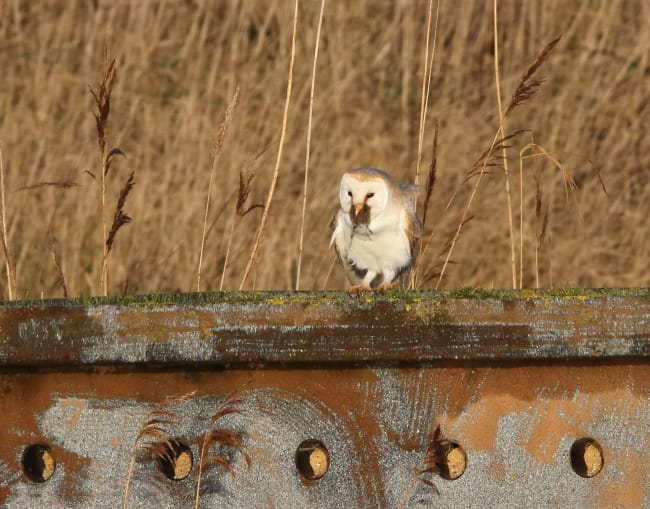
Redwing, Flamborough, by Andrew Allport
30th January 2018

An overcast start to a relatively bright day, with moderate westerly winds and lower temperatures that peaked at six degrees C. Water Lane continued to host the White-fronted Goose, whilst a Long-tailed Duck was on the sea near Cattlemere. The Water Rail re-appeared on the ‘motorway’ near the Lighthouse and the Jack Snipe continued to show at Thornwick Pools. Passerine interest included a Mistle Thrush on Church Lane and two Goldcrests at South Landing.

West of the Dykes, 20 Red-throated Divers were on the sea off Buckton, where there were seven Song Thrush on Hoddy Cows Lane.

White-fronted Goose, Water Lane, by Paul Reed
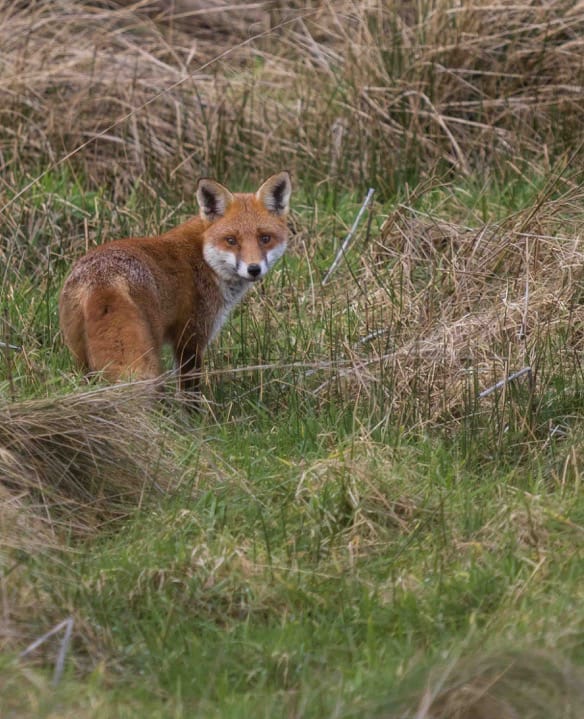
Fox, Buckton, by Paul Reed

31st January 2018

A sunny, but cold day, with temperatures of four degrees C and a moderate westerly wind. During the seawatch, two Shelduck and five Wigeon flew south and two Eider moved north. 

The White-fronted Goose lingered on Water Lane and the Water Rail remained in situ along the ‘Motorway’, with another frequenting a pond near the village. A Woodcock was located at Oceanview, whilst 48 Purple Sandpipers that fed on the shoreline below Cattlemere constituted a respectable count.

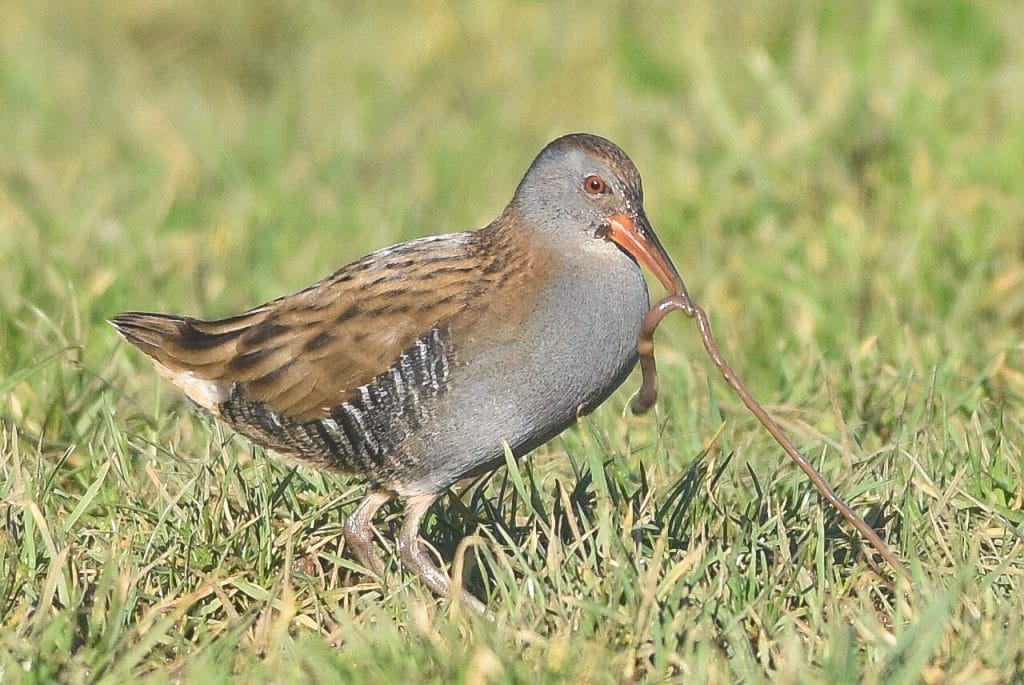
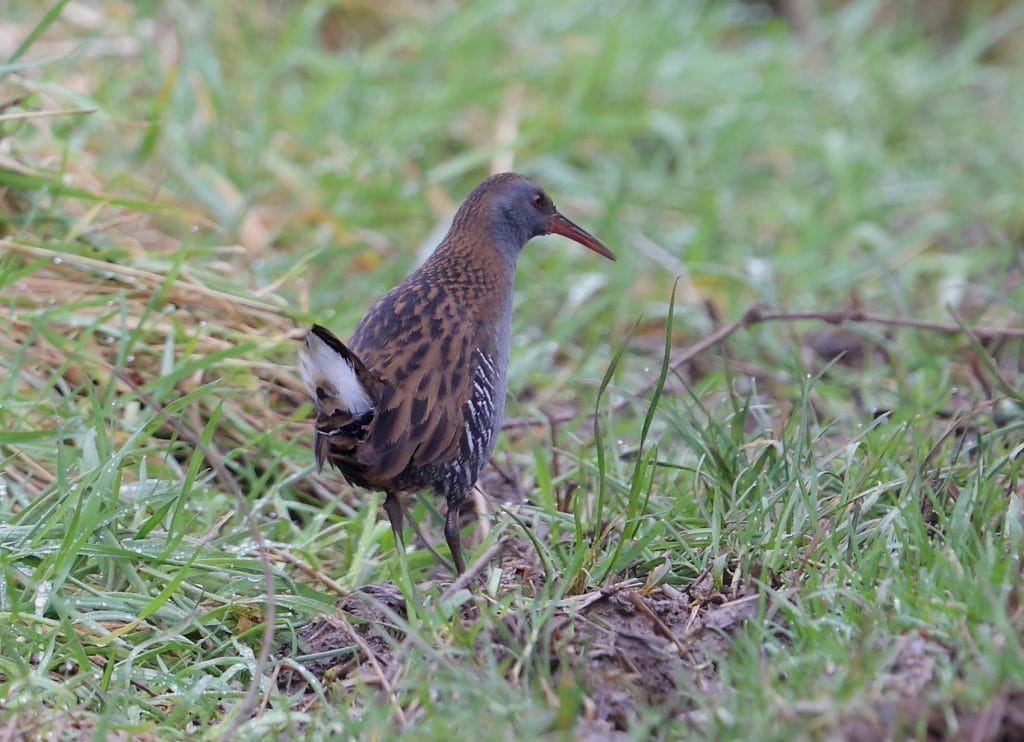
Water Rail, outer head, by Andy Hood

1st February 2018

The day began with moderate westerly winds and sunny skies, but clouds gathered and a strong north-westerly wind continued to gather strength. During the swatch, 701 Fulmars flew north, together with one Blue Fulmar, 946 Gannets and 15 Kittiwakes. 

Elsewhere, the White-fronted Goose remained along Water Lane, Purple Sandpiper and a Knot visited South Landing beach and the Nuthatch continued its stay at South Dykes.

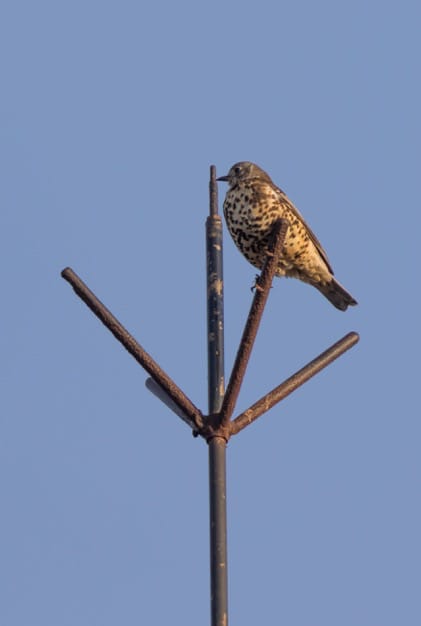
Mistle Thrush, Flamborough Church, by Paul Reed

2nd February 2018

Strong north-north-west winds gradually dropped in strength during the afternoon, with heavy, squally showers featuring all day. Seawatching highlights included a Velvet Scoter, two Goldeneye, two Great Northern Divers, two Blue Fulmars, 790 Fulmars, 502 Gannets and 30 Kittiwakes flying north.

The White-fronted Goose continued its lonely vigil alongside Water Lane. Passerine interest included one Nuthatch at South Dykes and a Grey Wagtail at South Landing.

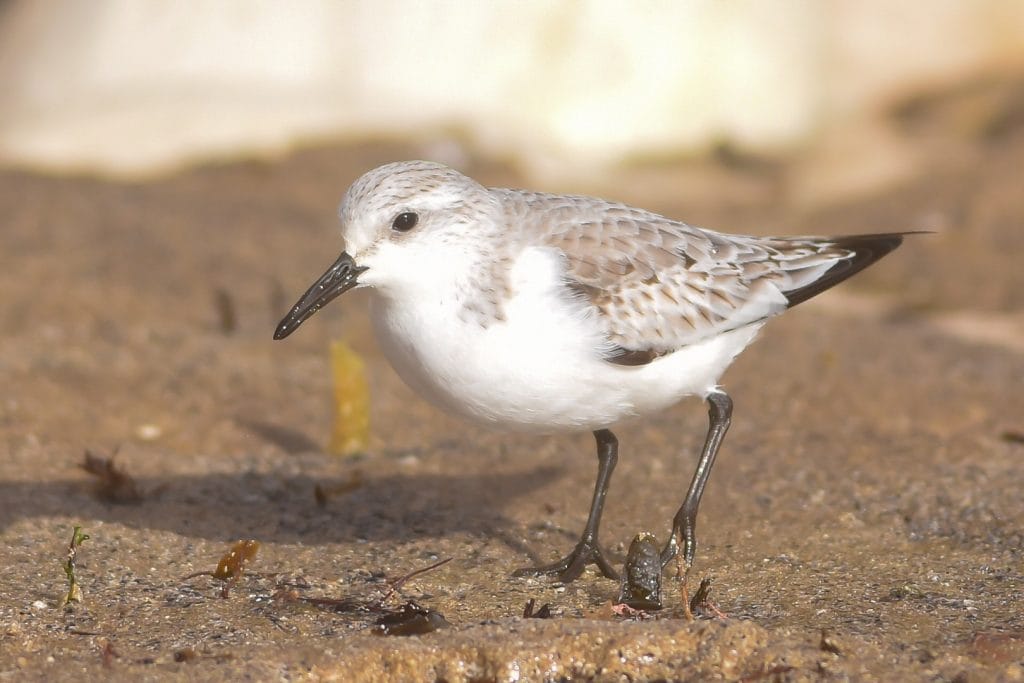
Sanderling, South Landing, by Andy Hood

3rd February 2018

An overcast day, with a light westerly/north-westerly wind and temperatures that eventually reached four degrees C. During the seawatch, an Eider, one Goldeneye, 520 Fulmars, a Blue Fulmar, 63 Kittiwakes and two Puffins flew north.

Fields adjacent to Micklemires hosted two White-fronted Geese, with four Shelduck and 57 Teal also present. A drake Goldeneye was on the sea off South Landing, where nine Sanderling fed on the beach, and two Water Rails were located on the outer head. Passerine interest included 36 Fieldfares, a Goldcrest and one Lapland Bunting; the latter at Oceanview.

West of the Dykes, records from Buckton included a Water Rail and the long-staying Willow Tit. 

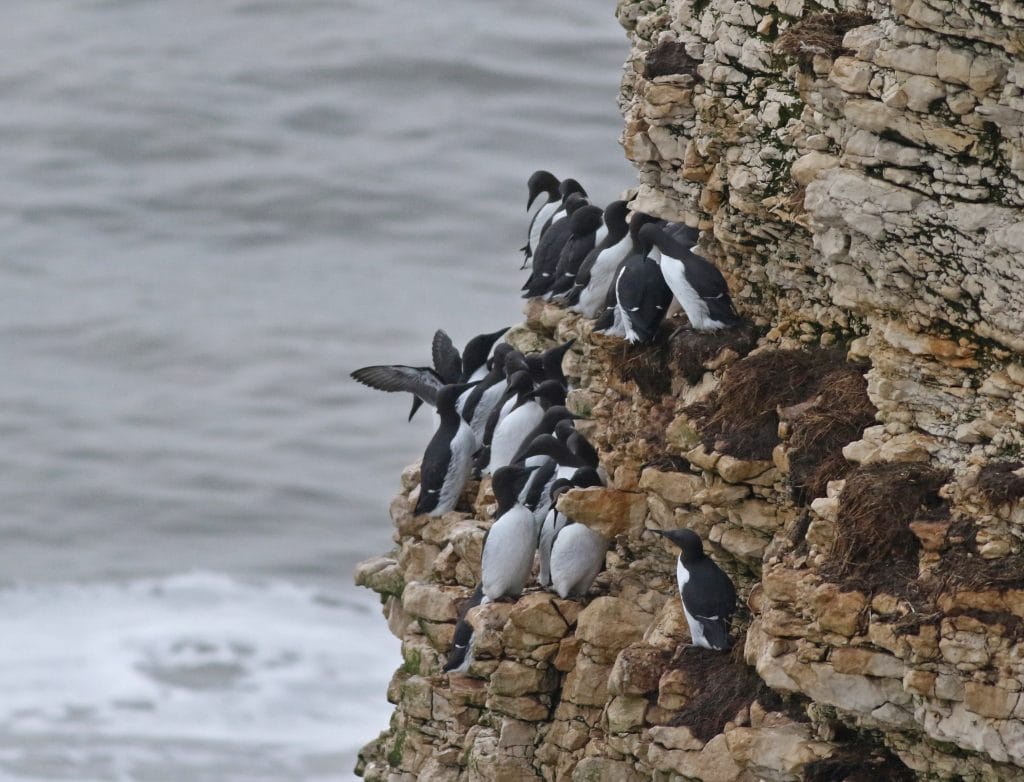
Guillemot, Fog Station, by Craig Thomas

4th February 2018

After a relatively cloudy start, sunny intervals prevailed, with moderate north-north-easterly winds. During the seawatch, 97 Kittiwakes flew north, but the day’s highlight referred to a juvenile Pomarine Skua that flew north; earlier it had been harrying gulls off South Landing. 

Two White-fronted Geese and one Pink-foot frequented Stainforth’s Flash early morning. Two Water Rails fed along the ‘motorway’ south of the Lighthouse and a Woodcock was flushed from South Landing. 

West of the Dykes, sightings from Buckton included a Water Rail and three Stonechat.

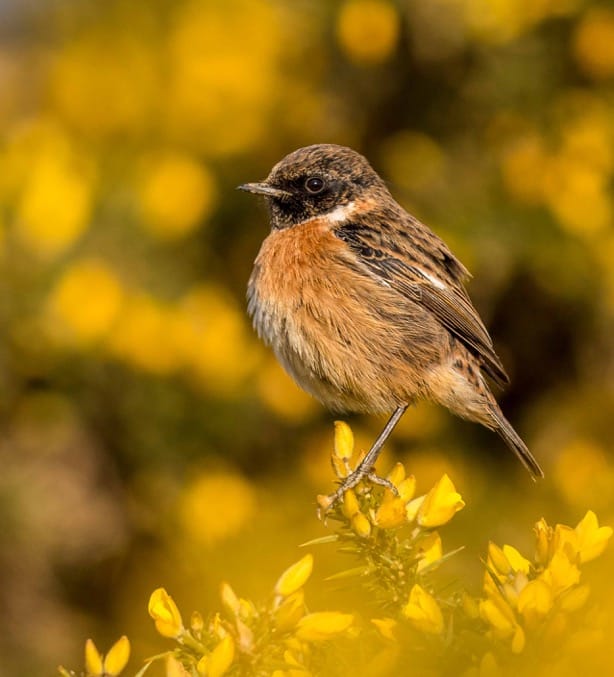
Stonechat, Buckton, by Paul Reed

5th February 2018

An overcast day, with light easterlies and temperatures that reached three degrees C. The seawatch was relatively quiet, although numbers of Gannets and Razorbills continue to increase. 

A Pink-footed Goose and three White-fronted Geese accompanied the Greylag flock. Meanwhile, higher than usual numbers of ‘winter thrushes’ continue to feature, including 18 Fieldfares and four Song Thrushes on Beacon Hill and 26 Fieldfares at Oceanview.

Kestrel, Beacon Hill, by Mike Smith

6th February 2018

A relatively overcast day, with snow arriving mid-afternoon and temperatures of two degrees C. During the seawatch, 15 Common Scoter and 39 Red-throated Divers flew past the Fog Station, with increased numbers of Razorbills also present. Two White-fronted Geese remained on the headland.

Yellowhammers, Beacon Hill, by Mike Smith

Wednesday 7th February

A bright and sunny day, with temperatures only just creeping above zero degrees. The two Russian White-fronted Geese remained, as did a single Nuthatch on the feeders at South Dykes. A male Merlin flew over Water Lane during the early morning and a Water Rail was on Bempton Lane. Notable counts from the outer headland included 28 Teal and 34 Stock Dove .

On the sea watch, 483 Fulmar flew north and included a single blue morph bird. 17 Red-throated Diver and 466 Gannet were also logged.

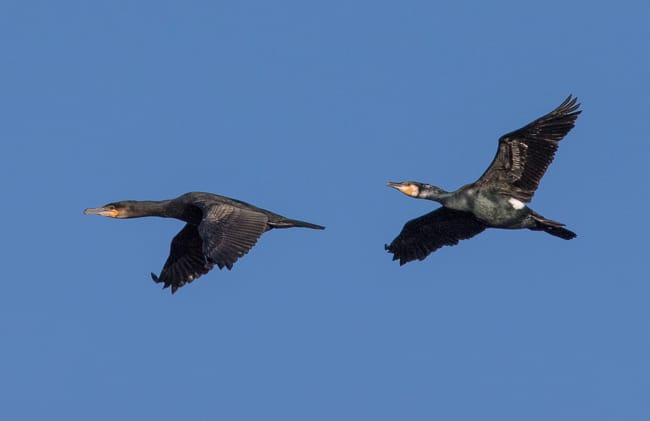
Cormorants by Mike Smith

8th February 2018

A relatively cloudy day with a light/moderate south-west wind and temperatures in low single figures. During the seawatch,  an Eider moved north and a Blue Fulmar flew south. 

A Nuthatch remained at South Dykes. Sightings from nearby Sewerby included 30 Great Crested Grebes, 11 Ringed Plovers, three Purple Sandpipers, 23 Redwing and a Grey Wagtail.

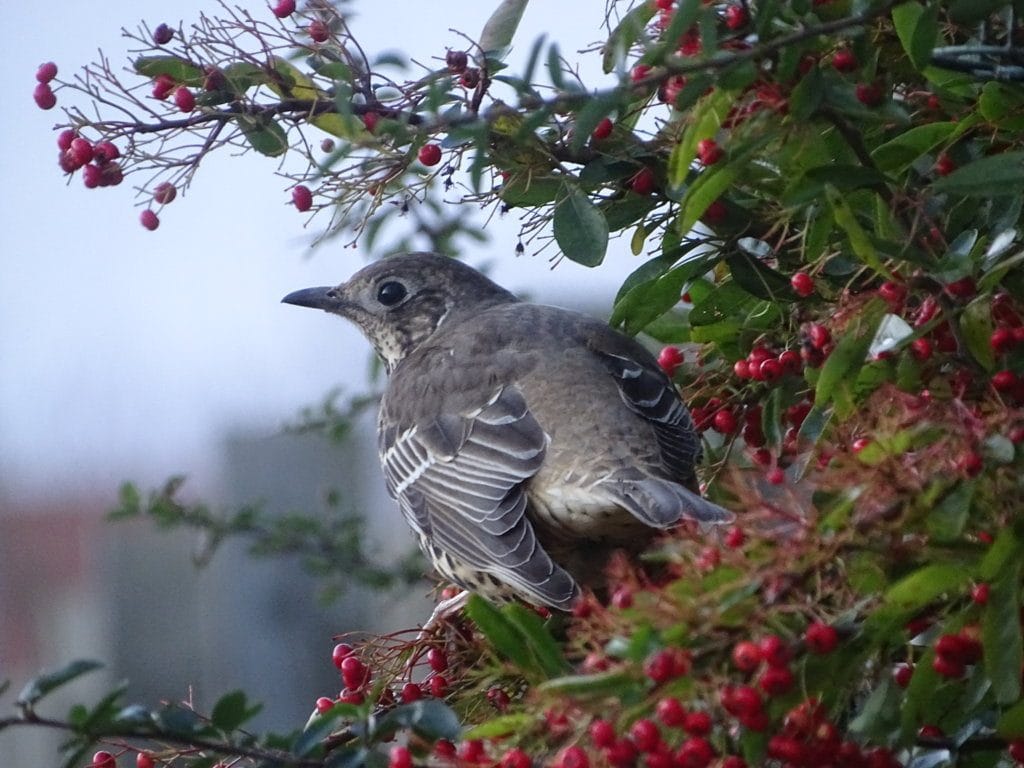
Mistle Thrush, Flamborough, by June & Malcolm Fox

9th February 2018

A relatively bright, but overcast morning with light south-west winds, although the latter strengthened during the day and switched to a more northerly direction, coinciding with a band of rain. During the seawatch, 635 Gannets flew past the Fog Station together with 2000 Guillemots. 

Sightings on the headland included single Woodcock and Nuthatch, 19 Fieldfares and a Lapland Bunting, with the latter at Oceanview.

Barn Owl, outer head, by Alan Walkington

10th February 2018

A day of moderate/strong westerly winds, generally overcast skies with rain and low single figure temperatures. During the seawatch, 58 Kittiwakes and 99 Common Gulls flew south, with low hundreds of Guillemots in residence.

Pink-footed Goose, outer head, by Alan Walkington

11th February 2018

A day of sunny intervals and a moderate westerly wind. The seawatch was again quiet, with 500 Gannets and 30 Kittiwakes representative of increasing numbers of birds returning to the colony, but there was no significant movement.

Two White-fronted Geese and one Pink-foot were present, along with a Water Rail, two Woodcock and a Jack Snipe. Thirty-six Fieldfare also toured the headland.

Water Rail, outer head, by Alan Walkington

12th February 2018

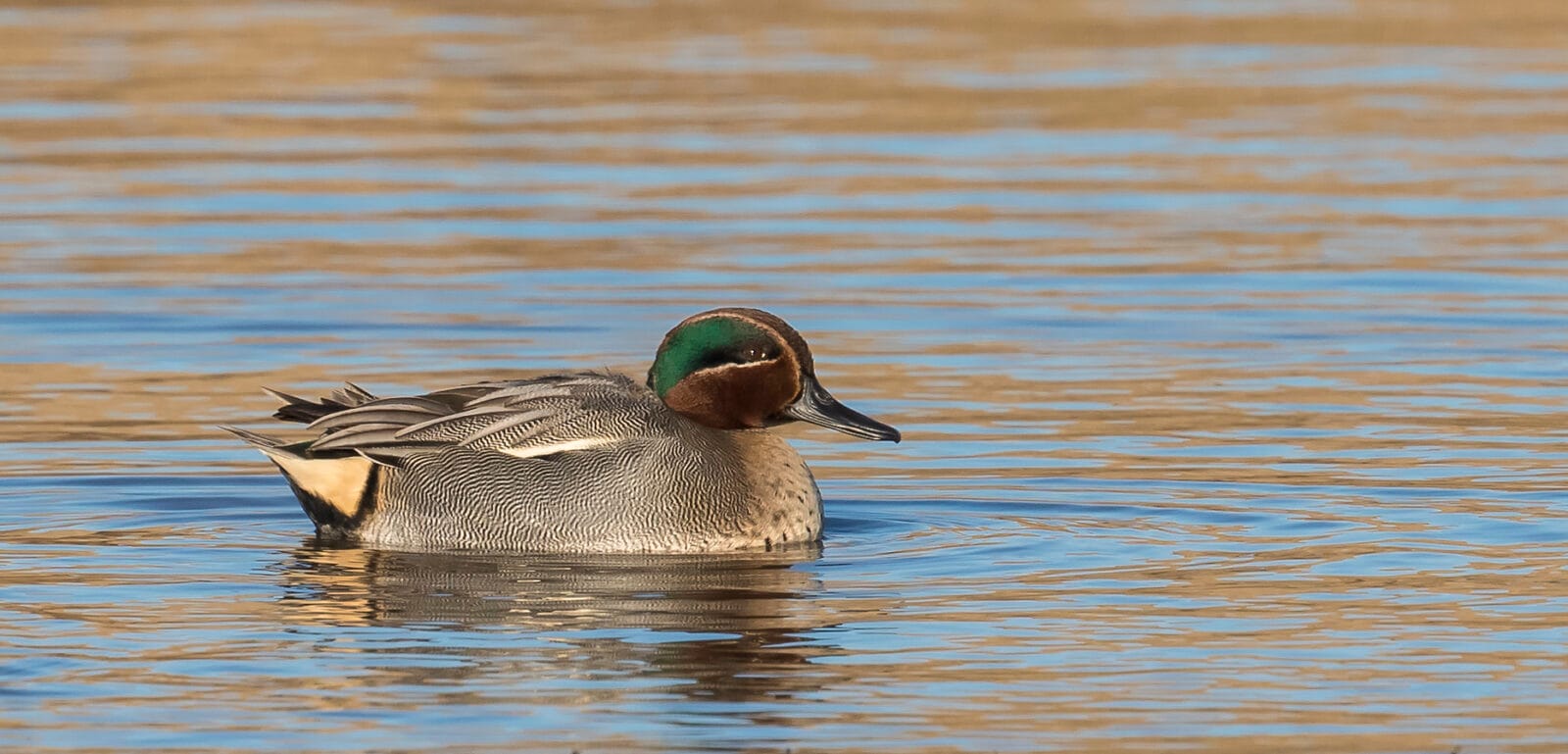
A day of sunny intervals, relatively light winds and low single figures once again. Ninety-three Greylag Geese were again accompanied by a Pink-foot and two White-fronts. North Marsh attracted 28 Wigeon and 46 Teal, whilst 70 Great Crested Grebes remained in residence on the sea off the South Cliffs. 

Sightings from Sewerby included 11 Stock Doves and seven Redwing.

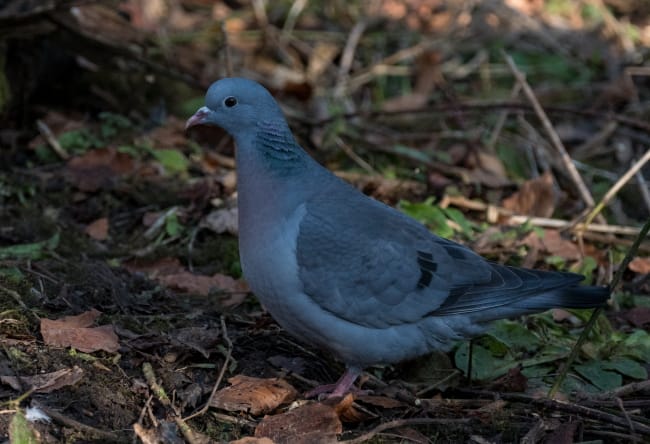
Stock Dove, Sewerby, by Mike Smith

13th February 2018

A day of strong southerly winds, rain for most of the day and temperatures that reached four degrees C. A Pink-footed Goose remained on the headland, whilst Thornwick Pools again hosted a single Jack Snipe. Six Fieldfares were also recorded, maintaining an above average series of records for a species that is usually scarce using the winter.

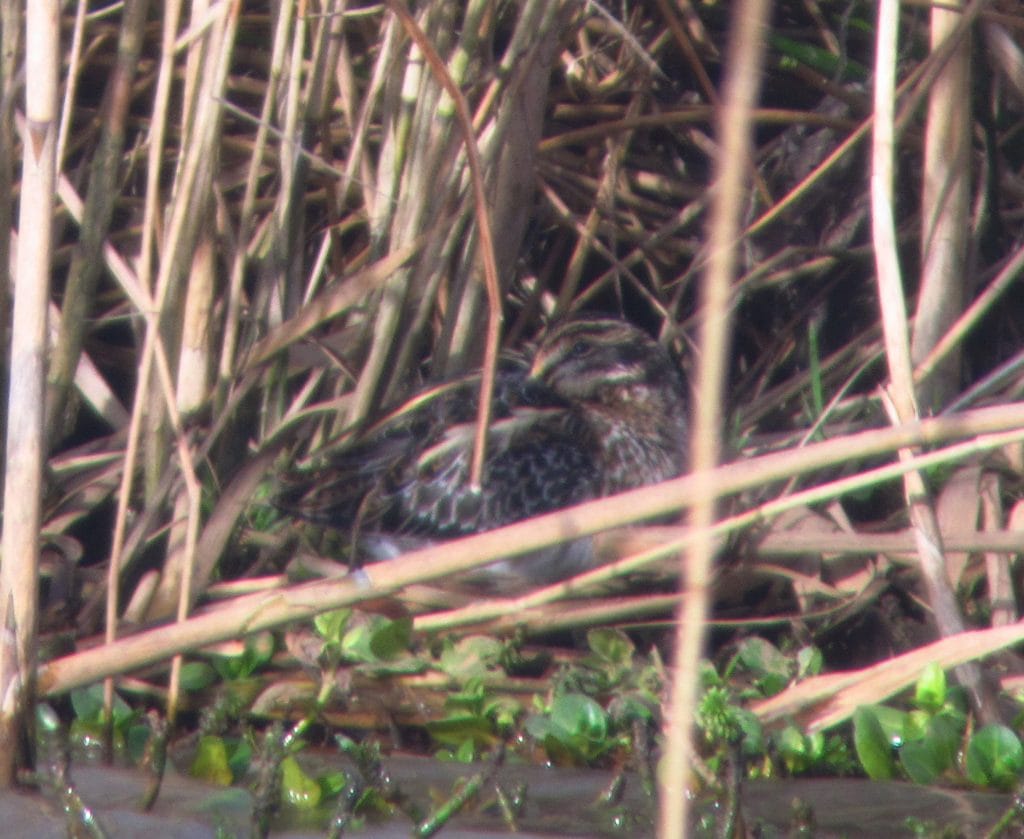
Jack Snipe, Thornwick Pools, by Brett Richards

14th February 2018

An overcast day, with gale force southerly winds and rain during the afternoon; temperatures reached five degrees C. During the seawatch, 14 Red-throated Divers flew south, 630 Gannets, tens of thousands of Guillemots and thousands of Razorbills flew past the Fog Station; the latter showing an appreciable increase over recent weeks. In addition, a Blue Fulmar lingered offshore.

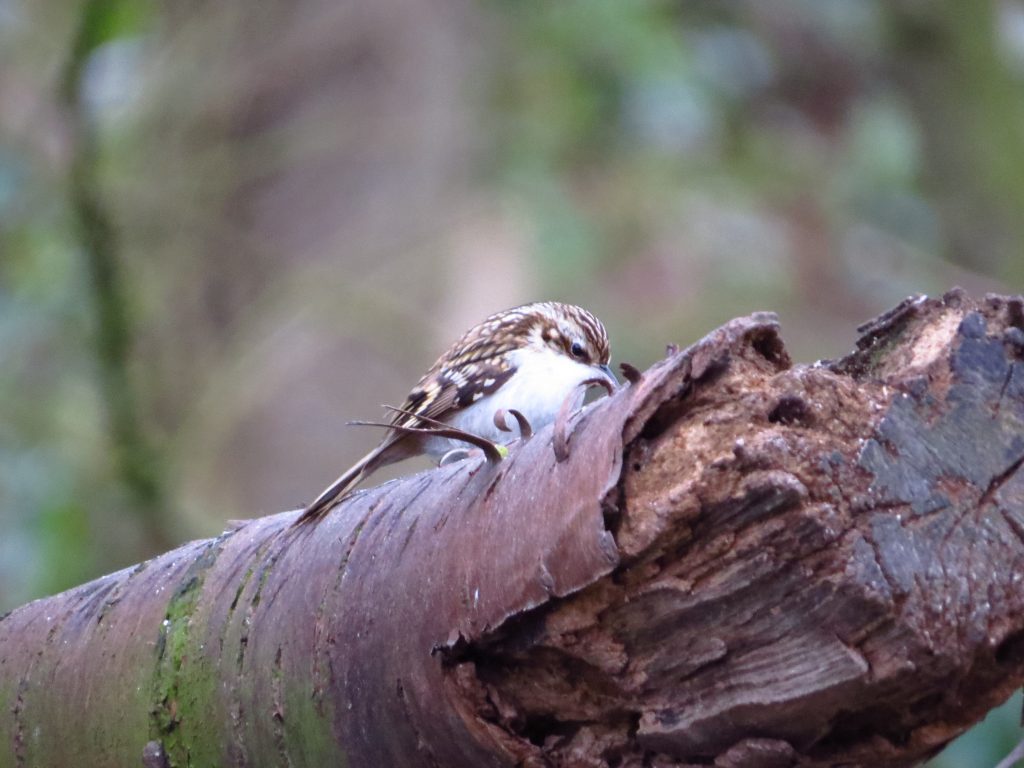
The Jack Snipe continued its vigil at Thornwick Pools. A Treecreeper in the car-park at South Dykes showed some features of the Northern subspecies, whilst at least one Nuthatch was also present there.

Treecreeper, South Dykes, by Brett Richards

15th February 2018

A bright day, with light south-westerly winds and temperatures that reached seven degrees C. Two Mute Swans that flew south during the seawatch were unusual, with an Eider and 10,000 Guillemots also flying past the Fog Station.

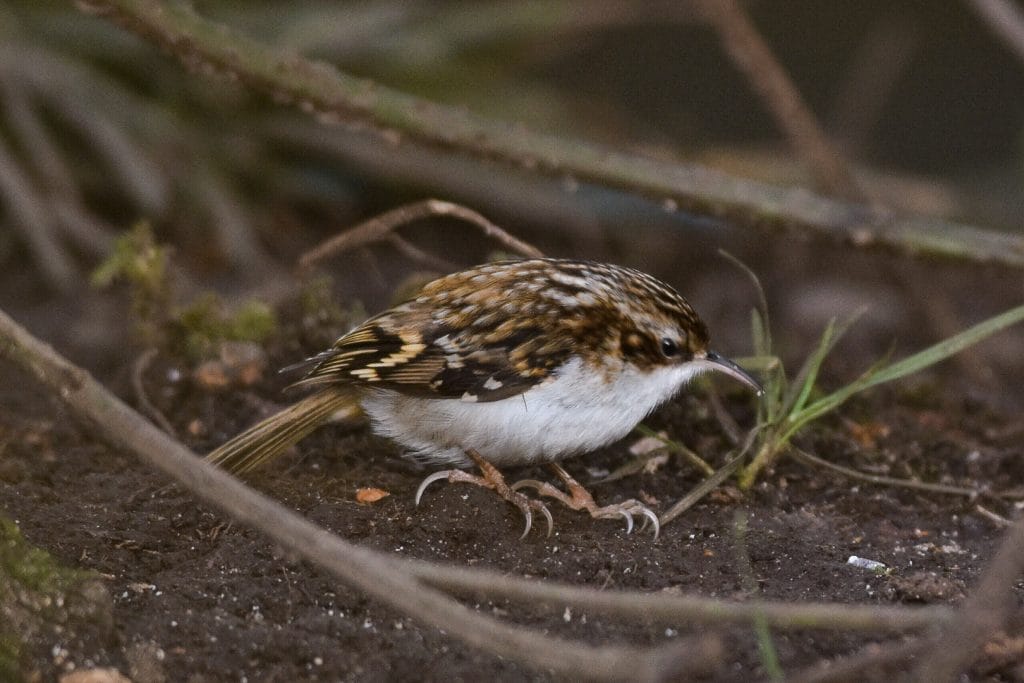
Two Nuthatch remained in the car-park at Danes Dyke, where the Treecreeper again performed.

Treecreeper, South Dykes, by Andy Hood

16th February 2018

A bright day, with sustained periods of sunshine, a light/moderate south-westerly wind and temperatures that briefly reached eight degrees C. During the seawatch, 47 Red-throated Divers flew south, with 1029 Gannets moving north; 579 of the latter also headed in the opposite direction.

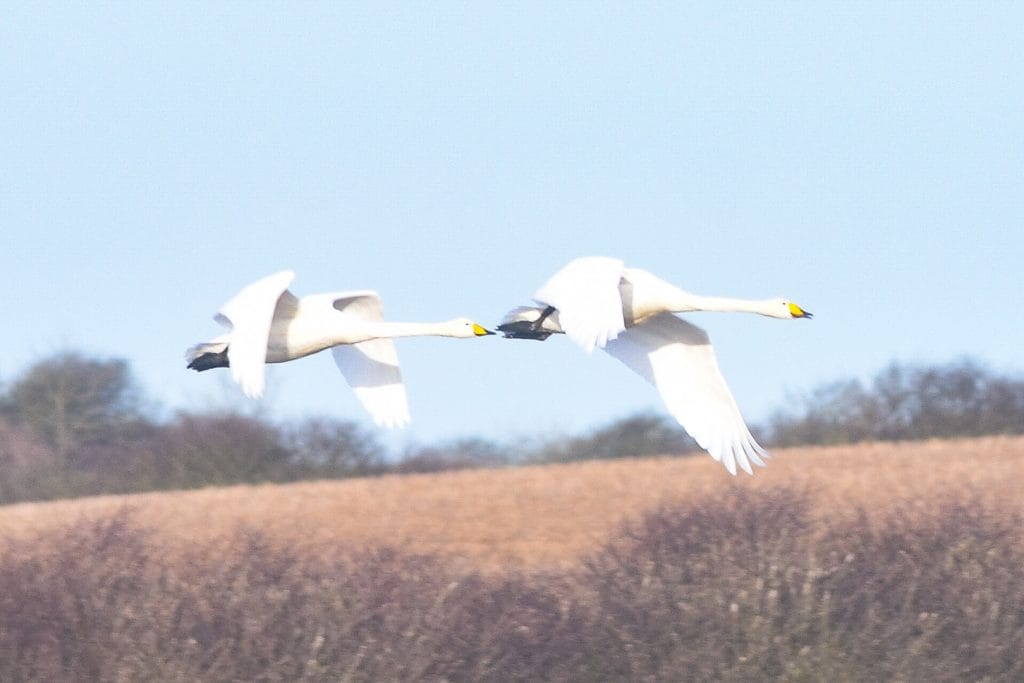
Two Whooper Swans rested on Stainforth’s Flash before heading south, with the single Pink-foot and two White-fronted Geese lingering with the Greylag flock. The day’s highlight related to a Red Kite, initially seen over South Landing, that eventually headed west over the Dykes. Once again, Thornwick Pools hosted the Jack Snipe and the eastern edge of the Gorse Field continued to prove attractive to two Water Rails. The two Nuthatch remained at South Dykes, and 62 Fieldfare and 21 Redwing toured the headland. A Siskin visited garden feeders on Church Lane, whilst 11 Lapland Buntings, 31 Reed Buntings and one Corn Bunting were also in residence.

West of the Dykes, a Long-eared Owl was located at roost in a hedge at Bempton Cliffs RSPB and showed throughout the day from the visitor centre.

Whooper Swans, Stainforth’s Flash, by Andy Hood
Lapland Bunting, Oceanview, by Andy Hood

17th February 2018

A relatively overcast day, with light/moderate south-west winds and temperatures reaching six degrees C. During the seawatch, six Common Scoters and a Puffin flew north, with a sub-adult Lesser Black-backed Gull heading south. 

The lone Pink-foot and two White-fronted Geese remained on the outer head, with 79 Great Crested Grebes off the South Cliffs and a Woodcock at Beacon Farm. Passerine interest included 44 Fieldfare, 27 Redwing, a 55-strong flock of Skylarks at North Moor, 33 Yellowhammers and two Lapland Buntings at Oceanview.

Bullfinch, South Dykes, by Craig Thomas

18th February 2018

A relatively bright, but generally overcast day, with light south-westerly winds and temperatures that reached eight degrees C. During the seawatch, two Whooper Swans, 63 Red-throated Divers and a Puffin flew south, with 55 Pink-footed Geese moving north; the latter part of a northbound movement witnessed elsewhere along the Yorkshire coast.

The lone Pink-foot and two White-fronted Geese remained on the headland, along with two Water Rails, 18 Curlew, 37 Fieldfare, 35 Redwing, four Mistle Thrush and five Lapland Buntings.

West of the Dykes, 61 Great Crested Grebes were off Sewerby, where 46 Redwing were also present. On the northern side of the headland, 90 Pink-footed Geese flew north over Buckton.

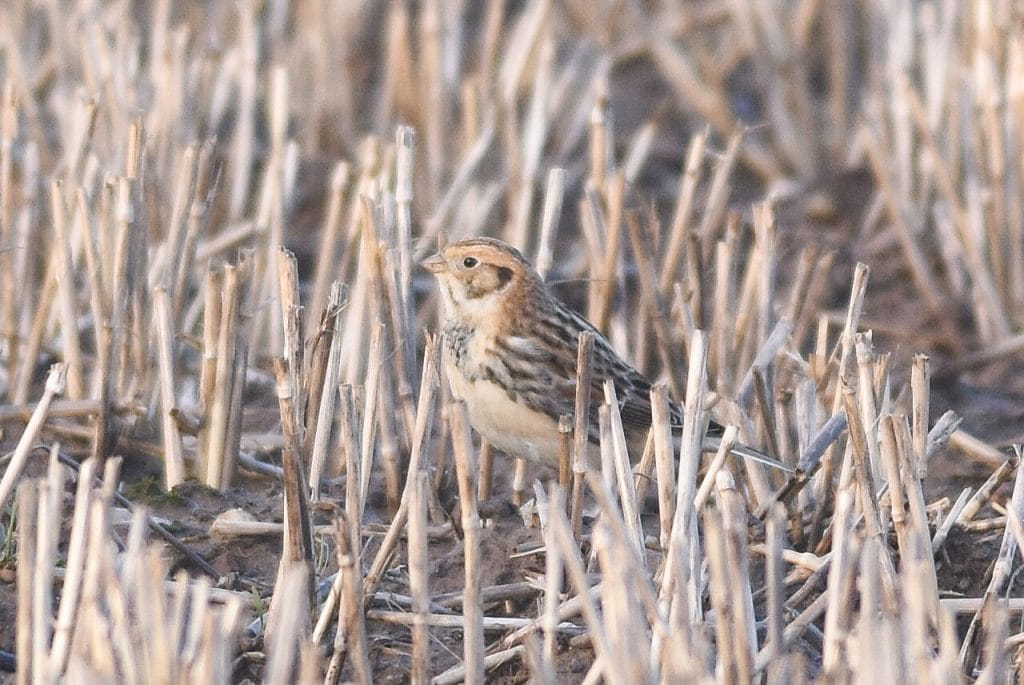
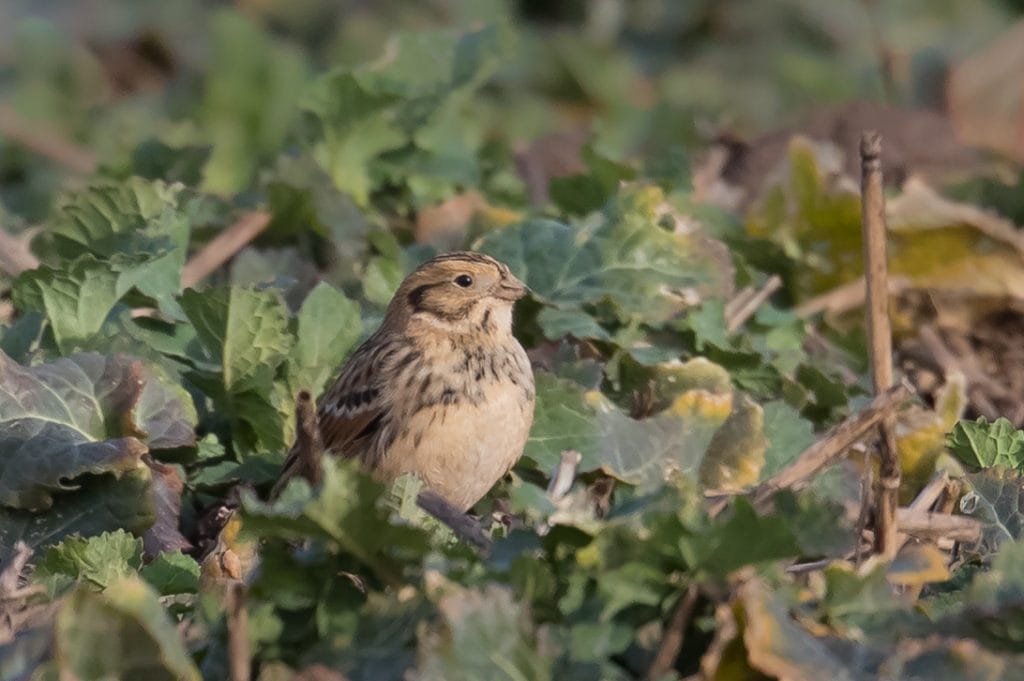
Lapland Bunting, North Dykes, by Andrew Allport
19th February 2018

A difficult day for birding, with mist/fog throughout and light rain for a high proportion of daylight hours. Thousands of Guillemots and Razorbills were again in residence off the outer head, with hundreds of Gannets also present; all adults.

The Treecreeper showing some features of the nominate race was seen again at South Dykes, where there were above average counts of 35 Blue Tits and 30 Great Tits, as well as eight Long-tailed Tits and a solitary Goldcrest. 

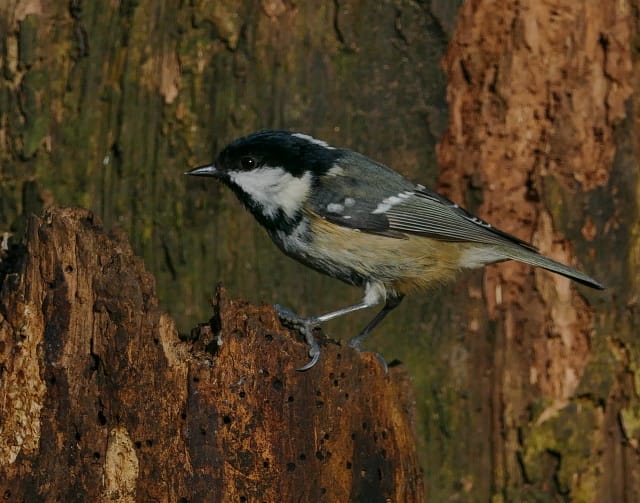
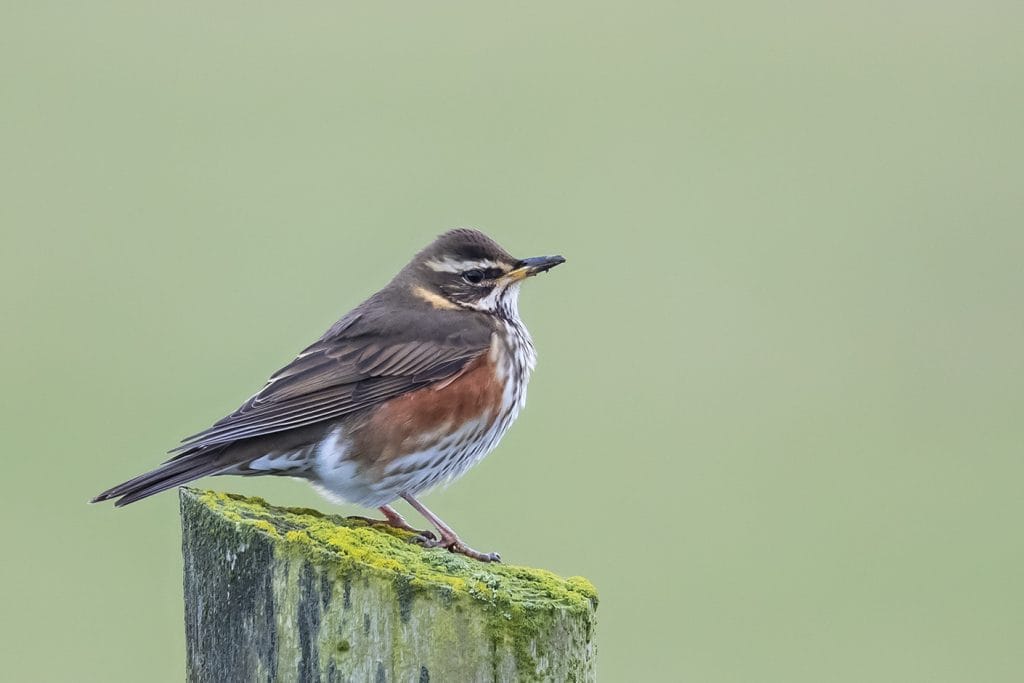
Coal Tit, Sewerby, by Mike Smith

20th February 2018

The weather consisted of strong north-westerly winds, overcast skies and long spells of light rain. During the seawatch, 138 Fulmars and a Puffin flew north. There had also been a large clear-out of auks, with tens of thousands of Guillemots leaving the cliffs and heading back out to sea. North Marsh attracted 21 Wigeon and 43 Teal, whilst a flock of 19 Fieldfares frequented Oceanview.

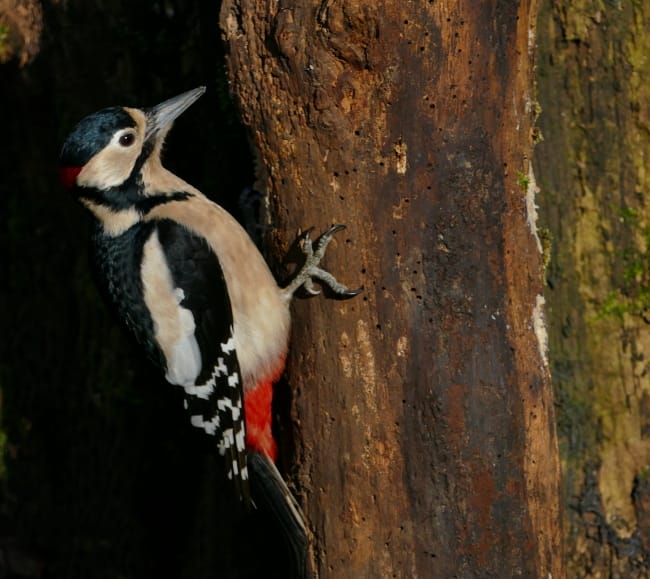
Great Spotted Woodpecker, Sewerby, by Mike Smith

21st February 2018

A light north-westerly wind, with sunny intervals after a wet start to the day. During the morning’s seawatch, a Shelduck and one Puffin flew south, whilst 270 Fulmars, 211 Kittiwakes and a Puffin moved north. However, the highlight related to 18 Bottlenose Dolphins that headed south – involving a pod of 15 animals followed by a further three. Interesting passerine totals included 44 Magpie, 46 Fieldfare, 41 Goldfinch and 25 Yellowhammer.

West of the Dykes, two Snow Buntings flew north-west over Bempton Cliffs RSPB.

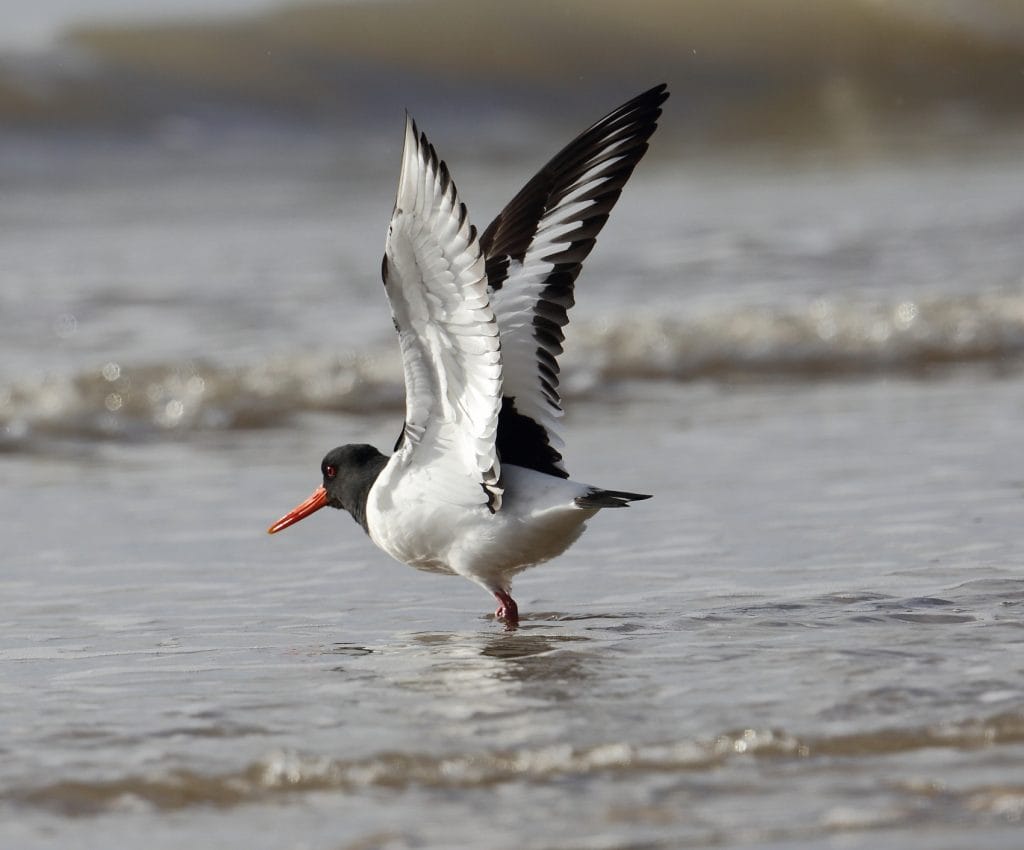
Oysetercatcher, South Landing, by Alan Walkington

22nd February 2018

The weather consisted of light south-east winds and prolonged sunny spells, with temperatures reaching five degrees C. During the seawatch, single Shelduck and Goldeneye flew south, with an adult Mediterranean Gull heading north. 

Wildfowl on the headland included a Pink-footed Goose, 27 Wigeon and 64 Teal. Wader interest was provided by five Jack Snipe and 13 Snipe, whilst a first-winter Glaucous Gull visited Stainforth’s Flash. Winter thrushes continue to be in above average numbers for the time of year, with 156 Fieldfare and 27 Fieldfare present. A single Snow Bunting and five Lapland Buntings were also located near North Dykes.

Yellowhammer, Oceanview, by Andy Hood

23rd February 2018

A moderate south-easterly wind prevailed throughout a day that also featured sunny intervals and temperatures that peaked at five degrees C. During the seawatch, a single Puffin flew north, whilst thousands of Guillemots and Razorbills were also recorded. 

The female Long-tailed Duck was again present on the sea off Cattlemere. There were 51 Fieldfare recorded on the headland, but the undoubted highlight referred to the single Waxwing that flew over the outer head towards the Lighthouse car-park.

Kestrel, South Landing, by June & Malcom Fox

24th February 2018

The weather featured moderate/strong south-easterly winds, sunny intervals and temperatures that eventually five degrees C. During the seawatch, ten Wigeon, three Eider and 68 Cormorants flew past the Fog Station. In addition, 11 Pintail flew east past South Landing. A Woodcock was also flushed from the cliff top at the latter location, 34 Redwing were located, whilst four Lapland Buntings frequented fields between Thornwick and North Dykes.

West of the Dykes, Sewerby Hall hosted 50 Redwing.

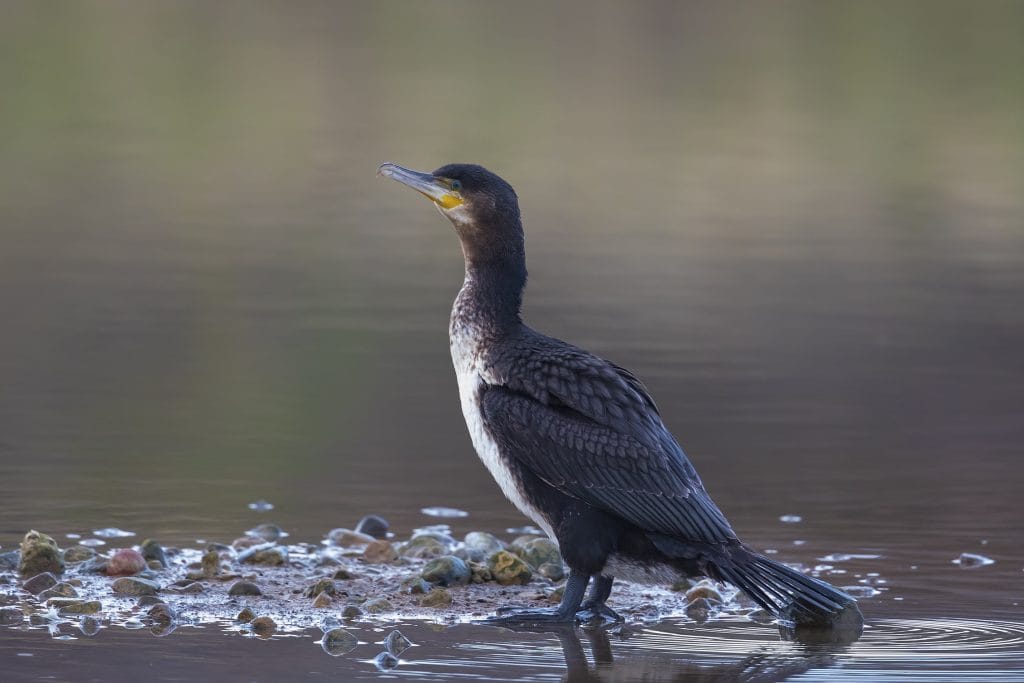
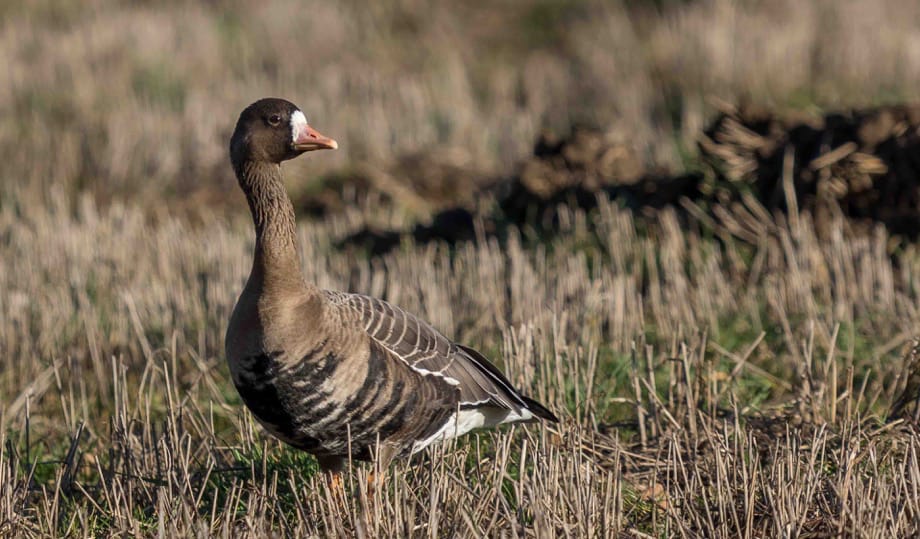
Cormorant, Thornwick Pools, by Andrew Allport
25th February 2018

A day of sunny intervals, cold south-easterly winds and temperatures that reached three degrees C. During a seawatch from South Landing, a Shelduck flew south and 37 Red-throated Divers moved north. 

Passerine interest included 39 Fieldfares at Oceanview, 26 Redwing and five Lapland Buntings near North Dykes. West of the Dykes, sightings from Bempton Cliffs RSPB included 14 Stock Doves, 70 Tree Sparrows, 30 Yellowhammers and two Corn Buntings.

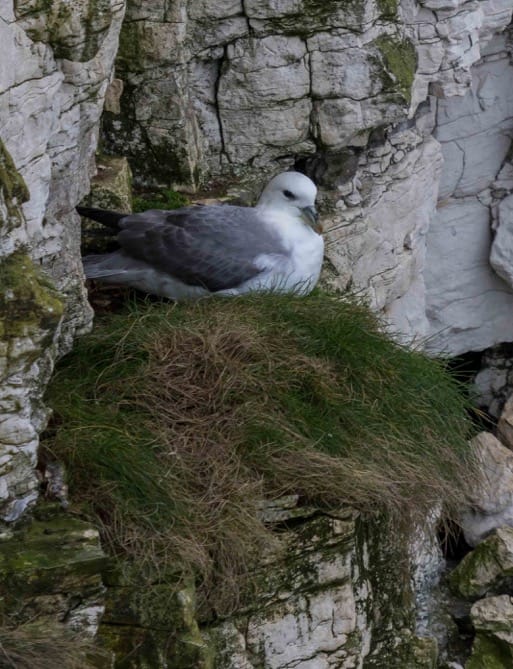
Fulmar, Buckton, by Paul Reed
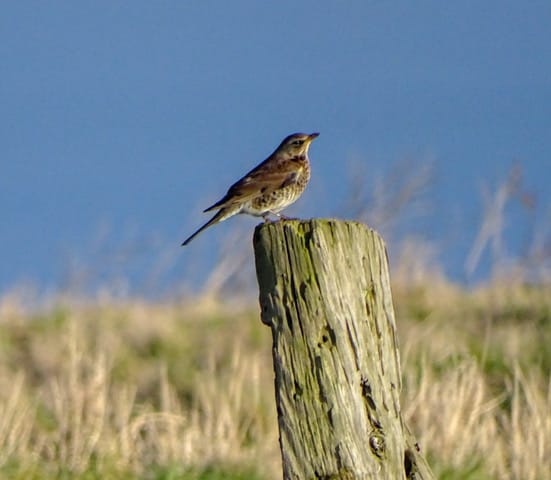
Fieldfare, Bempton Cliffs, by Robert Tyas