Saturday 18th November, 2017

The morning sea-watch recorded 48 Common Scoter south, 24 Red-throated Diver south and four north, Black-throated Diver north, 50 Common Gull south and 24 north, Glaucous Gull north, Great Skua south, Little Auk north and two Snow Bunting north.

At Thornwick Pools, two Water Rail and two Snipe, South Landing 11 Common Scoter, five Oystercatcher and 14 Redshank, Cattlemere had two Snow Bunting in the field and two Long-tailed Duck on the sea.

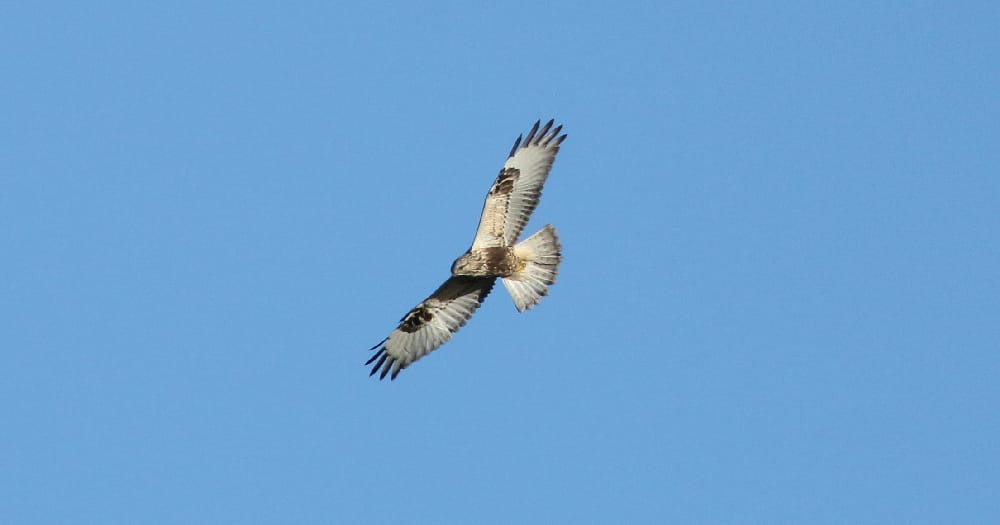
West of the Dykes: a Rough-legged Buzzard flew north-west over Bempton towards Buckton where it remained until the end of the afternoon. A Merlin was also recorded at Buckton.

Rough-legged Buzzard, Buckton, by John Beaumont
Sunday 19th November, 2017

A near, full morning sea-watching on the headland recorded four Eider south and one north, 20 Common Scoter south and ten north, two Black-throated Diver north, Great Northern Diver north, Balearic Shearwater north, 21 Common Gull south and 177 north and two Little Auk north. Present were 115 Shag and 15 Oystercatcher.

At South Landing were ten Oystercatcher, 65 Turnstone, Sanderling, Purple Sandpiper, 15 Redshank, 26 Tree Sparrow, five Bullfinch and four Siskin. A Snow Bunting flew over Oceanview early morning.

West of the Dykes, the Rough-legged Buzzard frequented the Buckton area until late afternoon again and at nearby Bempton RSPB 26 Pink-footed Goose north-west and a probable Bean Goose in the same group, Goosander north-west, 37 Golden Plover south-east, Woodcock south-east and one probable dead on the sea below the cliffs. 13 Siskin flew north-west and present were two Peregrine, five Stonechat, five Rock Pipit and five Bullfinch. At Sewerby 95 Pink-footed Geese flew north-west, male and female Goldeneye on the sea as well as eight Great Crested Grebe. A juvenile Glaucous Gull flew from the headland into Bridlington Bay to roost.

Rough-legged Buzzard, Bempton Cliffs RSPB, by Darren Ward
Stonechat, by Don Hustings

20th November 2017

A relatively overcast day, with light rain during the morning and light south-west winds, sunny intervals then featured during the afternoon. Seawatching highlights included five Wigeon, 106 Teal, a Tufted Duck, 45 Common Scoter, seven Goldeneye, a Great Northern Diver, one Blue Fulmar, a juvenile Glaucous Gull and a Bonxie all flying north. 

Elsewhere, a Pink-footed Goose, 40 Teal and two Water Rails were recorded; the latter at Thornwick Pools, where single Snipe and Dunlin were also present.

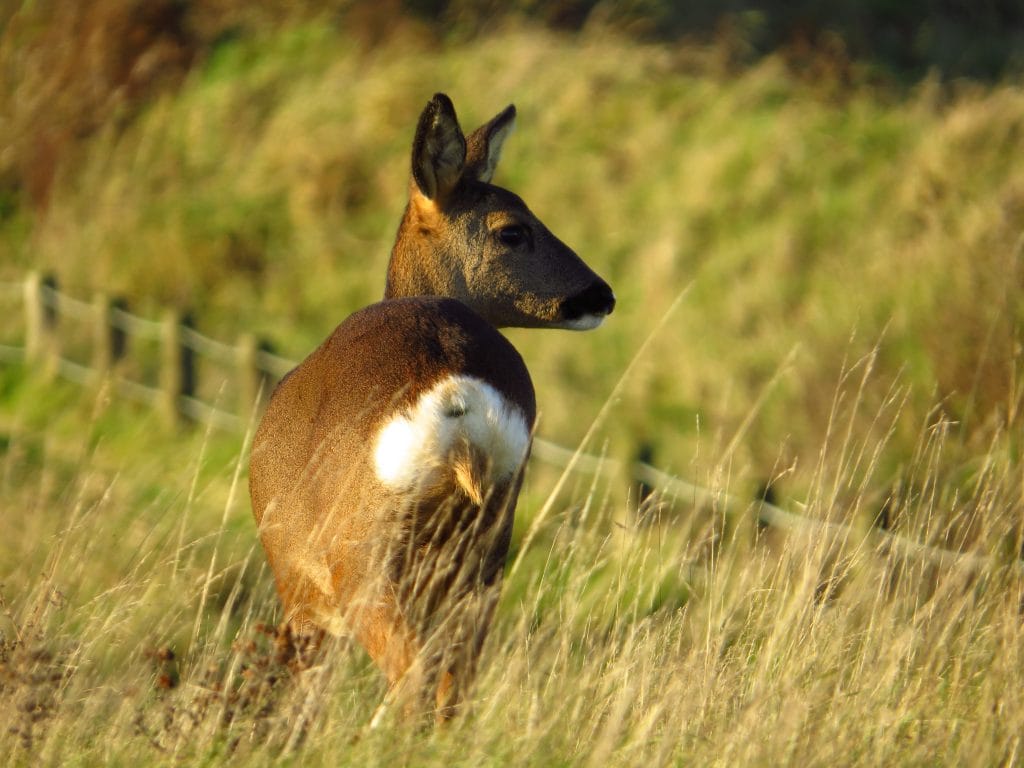
Roe Deer, Thornwick Pools, by Brett Richards

21st November 2017

It was a wet start to a day that featured increasingly strong south-west winds. Sightings included one Water Rail, a Woodcock, three Purple Sandpipers at South Landing, a first-winter Mediterranean Gull at Thornwick Pools and two Richard’s Pipits on the cliff top north of Thornwick.

Mediterranean Gull, Thornwick Pools, by Andrew Allport
Richard’s Pipit, Thornwick, by Andrew Allport

22nd November 2017

A relatively overcast day, with increasingly strong and eventually near gale force south-westerly winds. The highlight of the seawatch conducted from North Landing was a Great Northern Diver flew north.

Sightings on the headland included one Water Rail and the Nuthatch; the latter still present in South Dykes.

Sanderling, South Dykes, by Alan Walkington

23rd November 2017

A largely sunny day with increasingly strong south-west winds. During the seawatch, a Great Northern Diver flew south; presumably the same individual had earlier flown south past Bempton Cliffs RSPB. Low numbers of Starlings, thrushes and finches were also observed flying in off the sea, including 17 Fieldfares. Elsewhere, a Water Rail remained in residence at Thornwick Pools, 16 Curlew frequented Cattlemere, a Blackcap was in bushes near the Lighthouse and three Corn Buntings were nearby.

Redshank, South Dykes, by Jo Hood

24th November 2017

A day of sunny skies and light/moderate westerly winds, although temperatures didn’t exceed five degrees C. During the seawatch, 484 Common Scoters flew north (with 92 south), a Goosander also headed north, a Great Northern Diver and a Bonxie moved south, and a Sooty Shearwater flew north. Another Great Northern Diver was on the sea off the Fog Station.

A total of 355 Pink-footed Geese flew south, a Little Egret overflew Thornwick, two Woodcock were located, whilst four Water Rails were also present at Thornwick: one of the latter in the reedbed adjacent to the café and three at Thornwick Pools. An adult Mediterranean Gull followed the plough there and a Short-eared Owl frequented North Dykes. During a ringing session, a Blackcap was caught at South Landing. The two Richard’s Pipits remained in residence on the cliff top near Thornwick; other sightings included a Brambling, 24 Siskins, two Lapland Buntings near North Dykes and a Snow Bunting at South Landing.

Sightings from Buckton included two Common Buzzards and two Stonechats.

Mediterranean Gull, Thornwick, by Andrew Allport
Richard’s Pipit, Thornwick, by Andrew Allport

25th November 2017

After a frosty start, sunny throughout with light westerly winds. Seawatching highlights included a Bonxie flying south, whilst two Lapland Buntings also flew south over the Fog Station. The Thornwick area hosted a minimum of one Water Rail and an adult Mediterranean Gull.

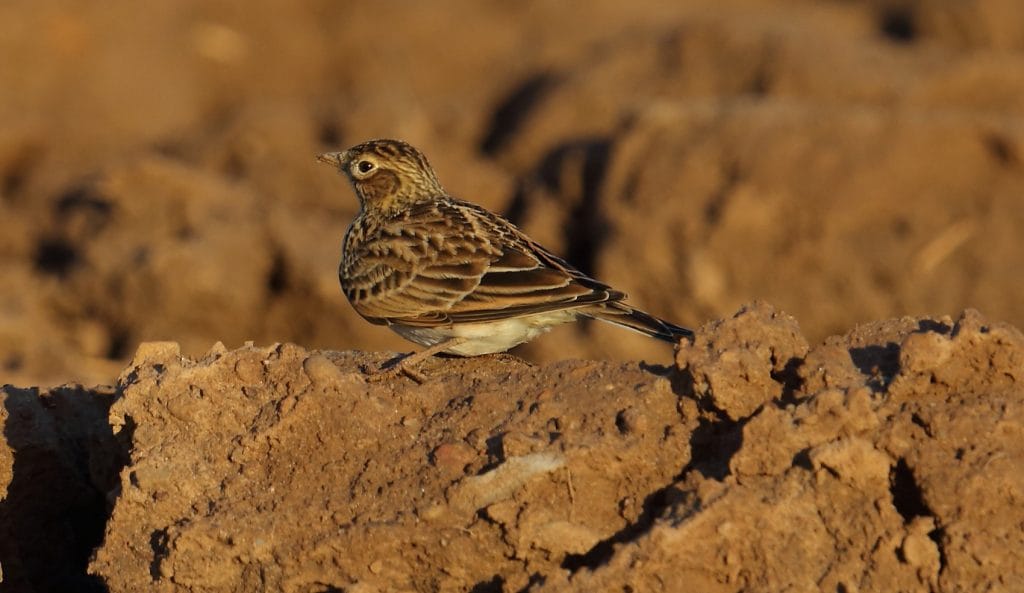
Skylark, Cattlemere, by Alan Walkington

26th November 2017

A largely sunny day, with a moderate westerly wind. The seawatch was quiet, with four Eider flying north the highlight, whilst three Water Rail remained at Thornwick Pools.

West of the Dykes, the Rough-legged Buzzard re-appeared at Buckton. Additional sightings there included 13 Grey Partridges, a Merlin, the long-staying Willow Tit, two Stonechat, 30 Tree Sparrows and 150 Linnet.

Grey Wagtail, Thornwick Pools, by Alan Walkington

27th November 2017

Sunshine and occasional showers featured throughout, with increasingly strong westerly winds dominating. Four Whooper Swans rested in a stubble field on the outer head before flying south, with three Pink-footed Geese doing the same. One Water Rail was seen and the two Nuthatch remained in South Dykes. A field near North Dykes attracted four Lapland Buntings and two Corn Buntings. 

West of the Dykes, the Rough-legged Buzzard was again present east of Buckton Hall.

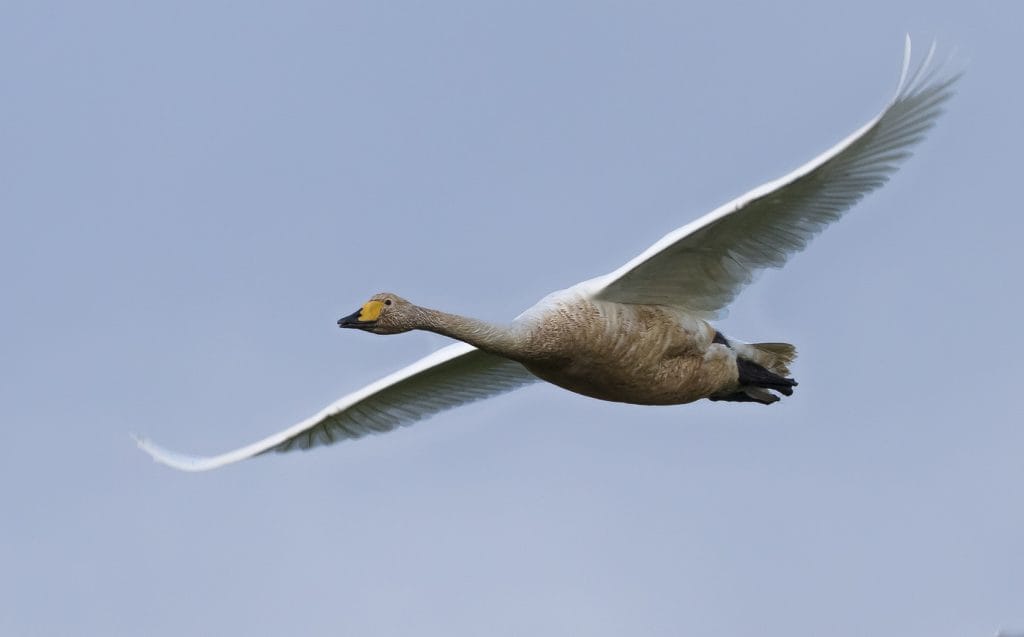
Whooper Swans, outer head, by Andrew Allport
Whooper Swan, outer head, by Andrew Allport
Lapland Buntings, North Dykes, by Andrew Allport

28th November 2017

A day of moderate north-westerly winds and heavy showers, occasionally wintery, with temperatures peaking at five degrees C. During the seawatch, a Blue Fulmar flew north and two Bonxies headed south. South Landing beach attracted 73 Turnstones and ten Sanderling, whilst a Lapland Bunting overflew the outer head.

West of the Dykes, the Rough-legged Buzzard again frequented the cliff top opposite Buckton Hall.

Peregrine, North Cliffs, by Andrew Allport

Wednesday 29th November

A strong northerly wind persisted throughout the day, with occasional snow and sleet showers interspersed with sunny spells.

Highlights during the sea watch included 3 Little Auk, 2 Pom Skua, 4 Bonxie, 1 GN Diver, 44 RT Diver and 554 Fulmar including two blue morphs.

The two Nuthatch remained at South Dykes and were observed caching food, suggesting they are looking to hang around for a while yet. A Blackcap in a village garden was particularly noteworthy, as was a Red Kite which flew north over mid-dykes early morning.

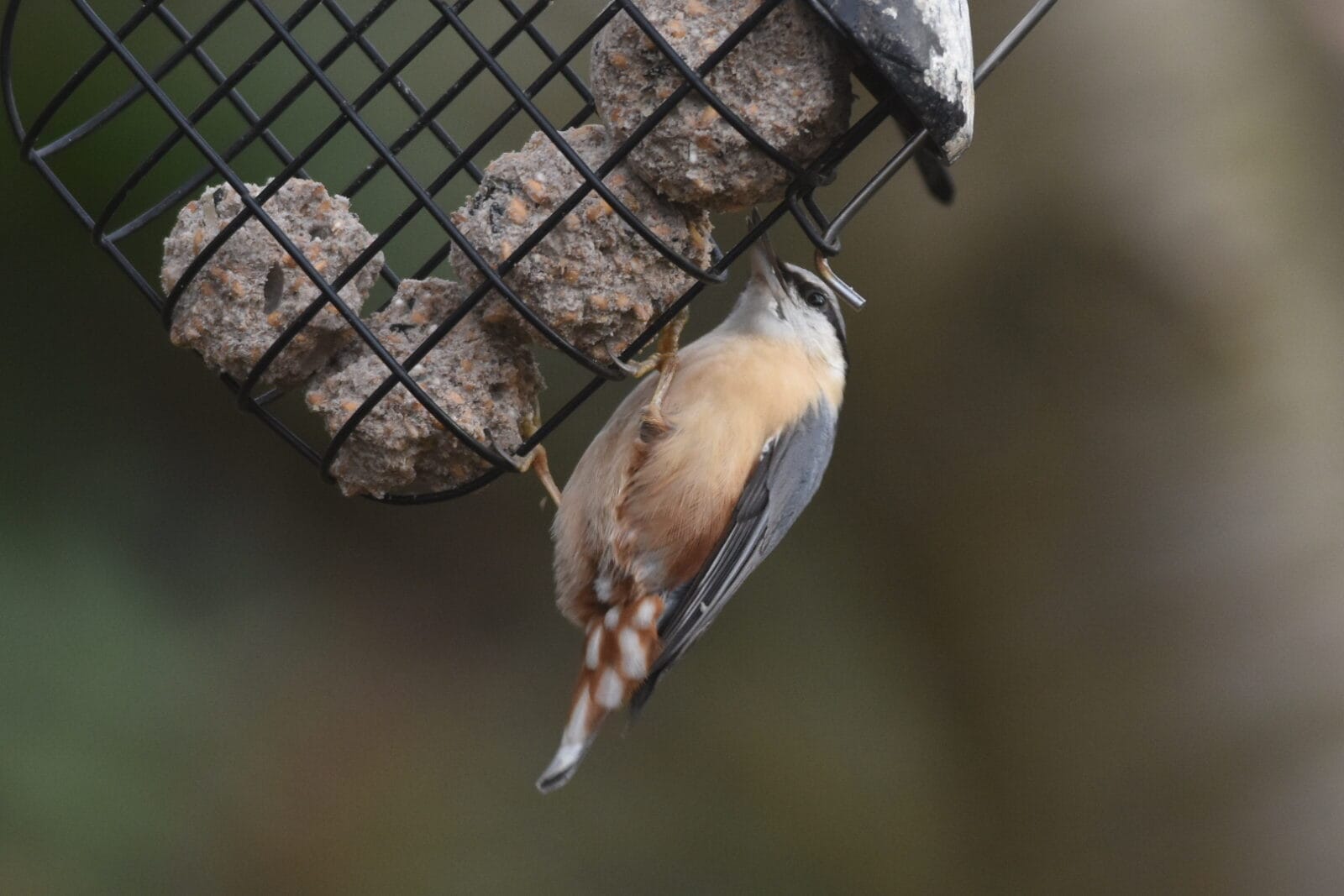
Nuthatch, South Dykes by Alan Walkington.

Blackcap,Village garden by Paul Reed.

Thursday 30th November

The day had a particularly wintry feel with the strong northerly wind continuing throughout and frequent snow, sleet, hail and rain showers.

The morning sea watch was relatively productive with single Long-tailed DuckScaup, GN Diver and Goldeneye. Other notable counts included 17 Shelduck, 39 Wigeon, 5 Teal, 16 Common Scoter, 9 RT Diver and 464 Fulmar.

A female Red-breasted Merganser was at South Landing, with other counts from the outer headland including 3 Water Rail, 58 Turnstone, 14 Sanderling and 4 Purple Sandpiper.

A Little Auk was picked up exhausted in a Bempton village garden early during the morning before being taken into care.

Great spotted Woodpecker, South Dykes by Alan Walkington

1st December 2017

Another day of moderate/strong northerly winds, sunny intervals and sleet showers. Seawatching highlights included a Shelduck, 38 Eiders, a Great Northern Diver, a Blue Fulmar, 555 Common Gulls, two Bonxies and an Arctic Skua flying north, with single Velvet Scoter and Long-tailed Duck heading south.

Eight Great Crested Grebes and two Goldeneye sheltered on the sea off Sewerby, Thornwick Pools attracted single Jack Snipe and Water Rail, whilst four Purple Sandpipers and 11 Sanderling frequented South Landing beach. In addition, the two Nuthatch remained in residence at South Dykes.

Purple Sandpiper, South Landing, by Alan Walkington

2nd December 2017

The weather improved, with sunny intervals and lighter winds. Nine Whooper Swans frequented Beacon Hill and, nearby, 16 Great Crested Grebes were off South Dykes and a Puffin at South Landing. A ringing session at the latter site was rewarded with three Mealy Redpoll and a Lesser Redpoll, whilst a Snow Bunting was also recorded.

Whooper Swans, Beacon Hill, by Brett Richards

3rd December 2017

After a cloudy start and occasional light rain, sunny intervals developed later; winds were moderate from the west-north-west. During the seawatch, five Shelduck, 20 Eider and a Black-throated Diver flew north and 38 Red-throated Divers flew south. A Blue Fulmar fed offshore, whilst hundreds of Guillemots were present, including significant numbers visiting the cliffs.

Additional sightings included eight Great Crested Grebes off South Dykes, where the two Nuthatches remained, a Jack Snipe and three Snipe at Thornwick Pools and 25 Siskin.

Blue Fulmar, Fog Station, by Brett Richards

4th December 2017

Sunny skies featured throughout a day of moderate westerly winds. During the seawatch, a Velvet Scoter flew north and three Eiders moved south.

On the headland, wildfowl interest was provided by 16 Wigeon and 54 Teal, whilst a Red-necked Grebe was off South Landing. Three Water Rails were still present, along with two Woodcock, whilst a search of North Marsh and other wetlands located five Jack Snipe and 41 Snipe. Fields near North Dykes continued to attract a lone Richard’s Pipit, with three Corn Buntings nearby. A hybrid Lanner x Peregrine cross sporting jesses was photographed along the cliff top north of Thornwick.

Richard’s Pipit, North Dykes, by Andrew Allport

Tuesday 5th December

A mild, overcast day with a light westerly wind, gradually increasing in strength during the afternoon. The morning sea watch was relatively quiet with 39 Fulmar, 23 Common Scoter and 8 RT Diver representing the highlights.

A single Chiffchaff was ringed at South Landing. Other notable sightings from the outer headland included a Mealy Redpoll, 7 Siskin, 4 Yellowhammer, 6 Purple Sandpiper, 105 Turnstone, 24 Teal and 4 Wigeon.

Sanderling, South Landing by Andrew Allport.

Wednesday 6th December

It was an overcast day with light to moderate south westerlies. The morning sea watch included 11 Common Scoter, 24 RT Diver, 19 Fulmar and 25 Shag.

Elsewhere on the headland the two Nuthatch remained at South Dykes, 10 Great crested Grebe were off Sewerby and 28 Teal were noted.

Interesting news was received regarding a Goldfinch ringed at Buckton on 26th September 2017, which was re-trapped at Livermere, Suffolk (216km SSE) on 12th November 2017.

Peregrine by Alan Walkington

Thursday 7th December

It was a day of overcast skies and occasional showers. Wind was a moderate south westerly, increasing in strength and turning northwest through the day. 14 RT Diver, 18 Kittiwake and 3 Common Scoter were noted on the morning sea watch. 143 Shag left the roost near the fog station and at least one Nuthatch remained around the feeders at South Dykes.

Nuthatch, South Dykes by Andy Hood

8th December 2017

A sunny day, with moderate and cold west-north-west winds and temperatures that reached three degrees C. Seawatching highlights included four Common Scoter, 33 Red-throated Divers, 195 Fulmars and a Blue Fulmar flying north, along with an adult Mediterranean Gull.

A second-winter Mediterranean Gull was recorded off South Landing, together with 260 Black-headed Gulls, 960 Common Gulls, 1160 Herring Gulls and 130 Great Black-backed Gulls.

Sightings at nearby Sewerby included a Great Northern Diver, 13 Great Crested Grebes and six Purple Sandpipers.

Purple Sandpiper, South Landing, by Alan Walkington

9th December 2017

A sunny day, with temperatures reaching a maximum of three degrees C in light north-west winds. Seawatch highlights included a Long-tailed Duck flying south, 63 Red-throated Divers moving north, two Bonxies, with single Little Auk and Puffin flying north.

The Thornwick area attracted six Pink-footed Geese, a Water Rail, five Common Snipe and two Jack Snipe. A single Richard’s Pipit remained in residence on the cliff top near North Dykes.

Sightings off Sewerby included one Shelduck, a Great Northern Diver and 12 Great Crested Grebes.

Oystercatcher, South Landing, by Andrew Allport

10th December 2017

An overcast day, with temperatures eventually reaching three degrees C, with moderate easterly winds. During the seawatch, 71 Red-throated Divers flew north, a Great Northern Diver headed in the opposite direction, whilst a Blue Fulmar, 276 Fulmars, a Bonxie and a juvenile Pomarine Skua also all headed north.

Eighteen Sanderling represented an above average local tally, whilst two Jack Snipe remained at Thornwick Pools.

Nuthatch, South Dykes, by Alan Walkington

11th December 2017

The weather consisted of moderate north-north-easterly winds, overcast skies and occasional showers, often of a wintry nature. During the seawatch, a Pink-footed Goose, two Velvet Scoters and 66 Kittiwakes flew north; the latter a relatively good tally for the time of year.

Thornwick Pools attracted 46 Teal, a Water Rail, the first returning Coot after the breeding season, and one Jack Snipe. A ringing session on South Landing beach was rewarded with four Rock Pipits.

Wood Mouse, South Landing beach, by Alan Walkington

12th December 2017

A sunny day with moderate westerly winds and temperatures of three degrees C. Seawatching highlights included three pale-bellied Brent Geese flying north (one south), a Red-breasted Merganser and 131 Red-throated Divers north, three Great Northern Divers south (two north) and 11 Snipe north.

A Ringed Plover on South Landing beach had been colour-ringed on the Wadden Sea coastline of Schleswig-Holstein in Germany. A total of 78 Golden Plover and 41 Lapwing indicated cold weather movement, as did an additional 16 Snipe; one Jack Snipe remained at Thornwick Pools. Forty-three Fieldfares flew west and additional passerine interest was provided by a Richard’s Pipit on the cliff top near the Golf Course, a Snow Bunting and four Lapland Buntings.

Lapland Bunting, North Dykes, by Andrew Allport

Wednesday 13th December, 2017

On a cloudy day with winds south-west force 4 the headland sightings were 13 Red-throated Diver south and ten north, Great Northern Diver north and Lapland Bunting north. Present off the headland two Red-throated Diver, Great Northern Diver and 50 Shag.

An adult Mediterranean Gull was on the beach at Sewerby.

Yesterdays colour-ringed Ringed Plover at South Landing was ringed as a chick at Beltringharder Koog NR in Northern Germany (54.542550 N 8.912648 E) on 20/06/17. It was still there on 21/07/17 then sighted at RSPB Frampton Marsh on 23/08/2017.

Great Northern Diver, Fog Station, by Brett Richards

14th December 2017

A day of moderate westerly winds, sunny intervals and temperatures that reached three degrees C. During the seawatch, a second-winter Mediterranean Gull flew north.

Thornwick Pools hosted 35 Teal and a Jack Snipe. A total of 35 Great Crested Grebes between Sewerby and South Dykes represented an above average tally indicative of the freezing of inland waters.

Tree Sparrow, outer head, by Andrew Allport

15th December 2017

A moderate/strong northerly wind lasted all day, bringing with it squally showers and sunny spells. Seawatching highlights included 39 Red-throated Divers, two Great Northern Divers, 393 Fulmars, eight Kittiwakes, 205 Guillemots and four Razorbills flying north. On the headland itself, the Jack Snipe again frequented Thornwick Pools.

The sea between South Dykes and Sewerby attracted two Great Northern Divers and 33 Great Crested Grebes.

Purple Sandpiper, South Landing, by Andy Hood

16th December 2017

Light north-west winds, sunny skies and temperatures peaked at three degrees C. During the seawatch, four Eiders, 32 Red-throated Divers, a Great Northern Diver, one Black-throated Diver, 555 Fulmars and an adult Mediterranean Gull flew north.

A first-winter Richard’s Pipit and three Lapland Buntings were on fields between North Dykes and Thornwick; the former was a different individual to one present a few days ago, so two Richard’s Pipits are clearly wintering in the area.

West of the Dykes, sightings from Bempton Cliffs RSPB included a Great Northern Diver and 31 Song Thrush.

Great Northern Diver (composite), Fog Station, by Andrew Allport

17th December 2017

After a relatively bright start to the morning, a belt of rain arrived mid-morning; temperatures increased slowly to four degrees C. Seawatching highlights included a Red-breasted Merganser and two Bonxies flying south.

A single Long-tailed Duck was located on the sea off Cattlemere and an adult Mediterranean Gull was present at South Dykes, where the Nuthatch again attended feeders in the car-park. One Richard’s Pipit remained in cliff top fields near North Dykes. West of the Dykes, 40 Fieldfares fed alongside the road at Buckton.

Grey Heron, South Landing, by Craig Thomas

18th December 2017

A day of sunny intervals and light north-west winds with temperatures eventually reaching six degrees C. Seawatching was relatively quiet, although low thousands of Guillemots flew north, with substantial numbers again on the cliffs.

Passerine interest included 32 Linnets on Beacon Hill, six Stonechats, whilst six Lapland Buntings were located between Thornwick and North Dykes. 

Redshank, Beacon Hill, by Mike Smith

19th December 2017

A sunny/light overcast day, with temperatures reaching seven degrees C by dusk after another frosty start; winds remained light and from the west. There were no highlights on the seawatch, although thousands of Guillemots were again in residence, with substantial numbers returning to the cliffs.

Stonechat, Thornwick, by Alan Walkington

20th December 2017

An overcast day, with light south-west winds and temperatures reaching a mild 11 degrees C. The day’s highlight related to the discovery of two Red-necked Grebes on the sea between South Dykes and Sewerby; a Great Northern Diver and 13 Great Crested Grebes frequented the same area.

The six Lapland Buntings remained in residence near North Dykes.

Sanderling, South Dykes, by Jo Hood

21st December 2017

An overcast day, with very light winds and heavy drizzle arriving late afternoon. The sea between Sewerby and South Dykes hosted two Red-necked Grebes, 19 Great Crested Grebes and a drake Long-tailed Duck.

The freshwaters on the headland attracted a Pink-footed Goose with 128 Greylags, 44 Teal and 11 Wigeon.

Great Crested Grebe, South Dykes, by Andy Hood

22nd December 2017

An overcast, slightly misty start with light, variable winds that eventually gave way to relatively thick fog. Seawatching highlights included 100 Pink-footed Geese, 641 Fulmars, two Blue Fulmars and 9013 Guillemots all flying north, with 98 Shags leaving the cliffs and heading south into Bridlington Bay.

Fifteen Pink-footed Geese circled the headland in the fog, whilst the two Red-necked Grebes remained in residence between Sewerby and South Dykes. Six Water Rails were located: three in the Thornwick area, two at North Marsh and another in the Bay Brambles. Thirty Purple Sandpipers frequented the immediate environs of the Fog Station, with an additional duo at South Landing and seven at Sewerby; four Jack Snipe were also discovered on the outer head.

A female Blackcap was new, less so, the single Nuthatch that attended feeders in South Dykes car-park. On the opposite side of the headland, one Richard’s Pipit remained in cliff top fields near North Dykes. A total of 20 Rock Pipits fed on the beach at South Landing, with the Norwegian-ringed Rock Pipit still present at nearby South Dykes beach.

Rock Pipit, South Dykes, by Andy Hood

23rd December 2017

A sunny day, with moderate west-south-west winds. The seawatch was quiet, a Woodcock overflew the ravine in South Landing, nearby Beacon Hill attracted ten Curlew, whilst passerine interest centred on the two Nuthatches in South Dykes. 

Nuthatch, South Dykes, by Alan Walkington

24th December 2017

A relatively overcast day, with moderate/strong westerly winds. During the seawatch, three Shelduck, a Great Northern Diver and a second-winter Mediterranean Gull flew south, with a Little Egret heading in the opposite direction. 

A Jack Snipe and three Snipe were recorded on the headland, as was a single Nuthatch, the latter again in South Dykes.

Long-tailed Tit, Flamborough, by Andrew Allport

25th December 2017

Firstly, Happy Christmas to all our followers!

Moderate south-south-westerly winds and sunny intervals were a feature of the day’s weather. During the seawatch, 51 Red-throated Divers, 437 Fulmars and 158 Gannets flew north, whilst the headland’s first ever December Whimbrel flew south. In addition, three Mediterranean Gulls flew past the Fog Station, two moving north and one south. A Black-throated Diver and two Little Auks were seen off South Landing.

Sightings on the headland included one Pink-footed Goose and a Jack Snipe.

Robin, Flamborough, by Mike Smith
Robin, Flamborough, by June & Malcolm Fox

26th December 2017

A day of sunny intervals, moderate west-south-westerly winds and temperatures that reached a mere four degrees C. Seawatching highlights included seven Teal, 49 Red-throated Divers, two Blue Fulmars, 672 Fulmars and a Bonxie all flying north, whilst a Woodcock flew in off the sea.

A Pink-footed Goose and 14 Curlew frequented Beacon Hill, with a Woodcock flushed from near the Living Seas Centre. Three Goldcrest, seven Fieldfare and three Redwing were also present.

Curlew & Redshank, Beacon Hill, by Alan Walkington

27th December 2017

An overcast start to a day that contained showers and occasional brighter spells; strong northerly winds, however, were the main feature. During the seawatch, single Black-throated Diver, Blue Fulmar and Red-necked Grebe flew north, with a Bonxie heading in the opposite direction.

Peregrine, Outer Head, by Brett Richards

28th December 2017

Sunny throughout, but temperatures only reached three degrees C in a moderate westerly wind. During the seawatch, two Eider and a Great Northern Diver flew south, as did 101 Shags from their roost on the North Cliffs. 

A total of 79 Teal and 19 Wigeon frequented the freshwaters on the headland, whilst an impressive 57 Great Crested Grebes sheltered in the bay between South Dykes and Sewerby. South Landing again attracted a Woodcock, with 15 Fieldfare, eight Song Thrush and seven Redwing were indicative of cold weather movement, including two of the former coming in off the sea.

Reed Bunting, South Landing, June & Malcolm Fox

29th December 2017

An overcast day, with rain throughout and light southerly winds; temperatures reached three degrees C. Seawatching highlights included a dark-bellied Brent Goose, 18 Barnacle Goose, 18 Wigeon and a Blue Fulmar flying south; two Fieldfare flew in off the sea at the Fog Station. 

An additional 40 Barnacle Geese also flew south over the outer head. Thornwick Pools hosted 56 Teal and a Jack Snipe. A total of 51 Great Crested Grebes were still offshore between Sewerby and South Dykes, with the two Nuthatch still present at the latter site.

Teal, Thornwick Pools, by Craig Thomas

30th December 2017

A largely overcast day, although with brighter periods later in the day, with a light/moderate westerly wind. During the seawatch, 13 Teal and two Blue Fulmars flew south, whilst a count of 200 Shags leaving the roost was larger than recent days. 

A Red-necked Grebe was located on the sea off South Landing, whilst 63 Great Crested Grebes frequented the sea between South Dykes and Sewerby. Two Lapland Buntings and a Snow Bunting were in cliff top fields at North Dykes.

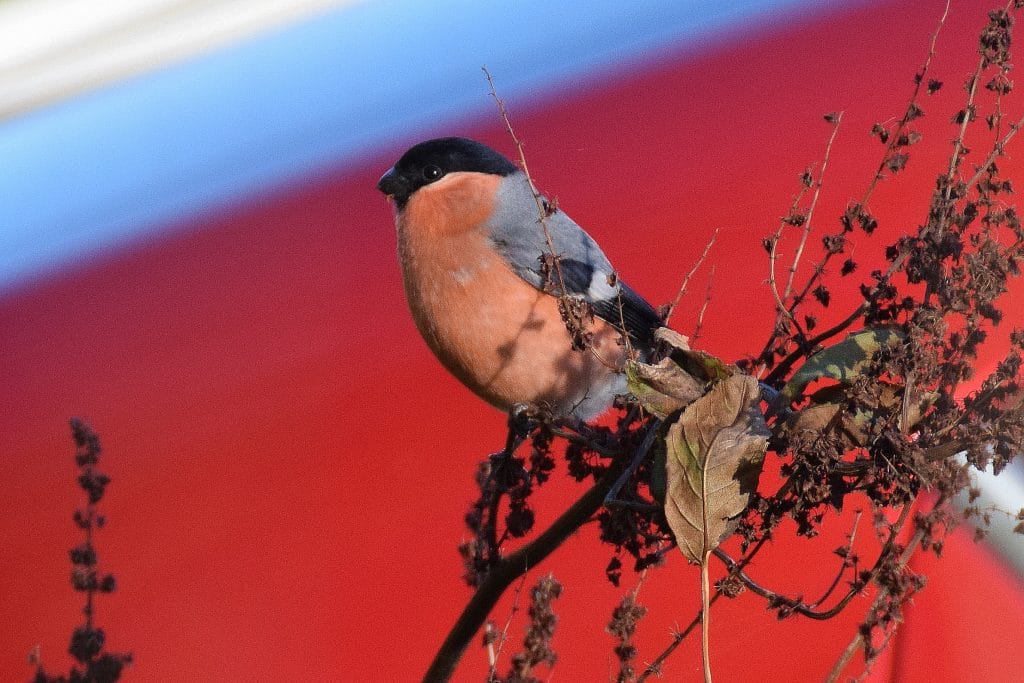
Bullfinch, North Dykes, by Don Hustings

31st December 2017

Sunny intervals prevailed after a cloudy start to a day that featured moderate westerly winds. The seawatching highlight related to three Blue Fulmars that lingered offshore. 

The Great Crested Grebe aggregation between South Dykes and Sewerby increased in size, with 69 birds present late afternoon over the high tide. A lone Pink-footed Goose again associated with the Greylag flock, whilst the Jack Snipe continued to show at Thornwick Pools and two Woodcock frequented South Landing.

Pink-footed Goose, Flamborough, by Alan Walkington

1st January 2018

Happy New Year to one and all!

A relatively overcast day, with sunny intervals and a moderate south-westerly wind; temperatures never exceeded five degrees C. The seawatch was quiet, with 100 Shag leaving their roost and 30 Purple Sandpipers below the Fog Station notable.

A total of 39 Barnacle Geese flew south at the outer head, 53 Great Crested Grebes were off Sewerby, the Jack Snipe showed well at Thornwick Pools and six Grey Partridge were located at Oceanview. A Nuthatch remained in South Dykes, whilst a minimum of 93 Tree Sparrows were recorded, including 88 at Oceanview. However, the day’s highlight undoubtedly related to the discovery of 20 Lapland Buntings over cliff top fields near North Dykes.

West of the Dykes, Bempton Cliffs RSPB attracted a Common Buzzard, 40 Yellowhammers, ten Reed Buntings and five Corn Buntings. Buckton hosted single Water Rail and Jack Snipe, the long-staying Willow Tit and 80 Linnets.

Stonechat, South Landing, by Andy Hood

2nd January 2018

Increasingly strong south-westerly winds were a feature of a day that started dry, but relatively light rain arrived late morning. During the seawatch, a Blue Fulmar flew north and a juvenile Glaucous Gull headed in the opposite direction.

Two Water Rails frequented the hedge line running south of the Lighthouse and the Jack Snipe remained at Thornwick Pools. Three Fieldfares included two in off the sea. 

Jack Snipe, Thornwick Pools, by John Beaumont

Wednesday 3rd January

A strong westerly wind persisted throughout the day, with wind speeds gusting in excess of 50mph. Despite the weather, three Fieldfare were observed coming in off the sea during the sea watch, with ten RT Diver and 91 Fulmar including 1 blue morph also noted.

A juvenile Glaucous Gull flew east over North Landing and later the Golf course mid-morning, whilst the Jack Snipe remained at Thornwick pool.

Barn Owl, Thornwick by Alan Walkington

4th January 2018

An overcast day, with an increasingly strong south-westerly wind and rain for much of the day. During the seawatch, a juvenile Glaucous Gull flew north, with 14 Fieldfare and two Redwing flying in off the sea.

Thirty-four Great Crested Grebes frequented the sea off Sewerby, whilst a Chiffchaff at Whelkie Wynds showed some characteristics of an eastern form. 

Chiffchaff, Whelkie Wynds, by Brett Richards

5th January 2018

A relatively overcast day, with light south-west winds and temperatures reaching five degrees C. During the seawatch, 25 Red-throated Divers and 414 Fulmars flew north, a Blue Fulmar lingered offshore and 40 Purple Sandpipers frequented the outer head. An influx of Fieldfares, presumably linked to cold weather further east, occurred with a minimum of 266 making landfall. Fifteen Song Thrush and 18 were also indicative of an influx of thrushes.

The North Dykes area attracted 44 Lapland Buntings, 27 of which were east of the Dykes. Additional sightings in the same area included 40 Skylarks, 50 Tree Sparrows, 30 Reed Buntings and 20 Corn Buntings. Additional Tree Sparrow sightings included 40 on Beacon Hill and 26 attending a garden feeding station on Church Lane.

Cold weather movement was also witnessed at Bempton Cliffs RSPB including 16 Fieldfare, 12 Redwing, 22 Song Thrush and 120 Chaffinch, with an adult Mediterranean Gull flying south-east.

Fieldfare, Beacon Hill, by Mike Smith

Saturday 6th January

It was a day of sunny spells interspersed with rain and hail showers and a moderate to strong north easterly wind. The morning sea watch produced a single Manx Shearwater, 614 Fulmar (including ten blue morph), 2 Shelduck, 6 Common Scoter, 1 Goldeneye, 1 Red-breasted Merganser and 37 Red-throated Diver. 70 Shag left the roost.

The Richard’s Pipit reappeared in fields east of North Dykes, having not been seen since the 22nd December. Fields between North Dykes and Thornwick also produced 5 Lapland Bunting and a single Snow Bunting. Two Nuthatch remained around the feeders at South Dykes. Other counts from the outer headland included 104 Fieldfare, 22 Redwing, 4 Snipe and a Water Rail. Bempton held 38 Fieldfare, 14 Redwing, 20 Yellowhammer and 11 Corn Bunting.

Roe Deer by Mike Smith