14th May 2026

A cool, showery day with a moderate northerly wind and maximum of 12 degrees C. The day’s highlight was the discovery of a Stone Curlew in a field near Highcliffe Manor, South Landing. Present from mid-morning, it unfortunately flew west mid-afternoon and wasn’t relocated.

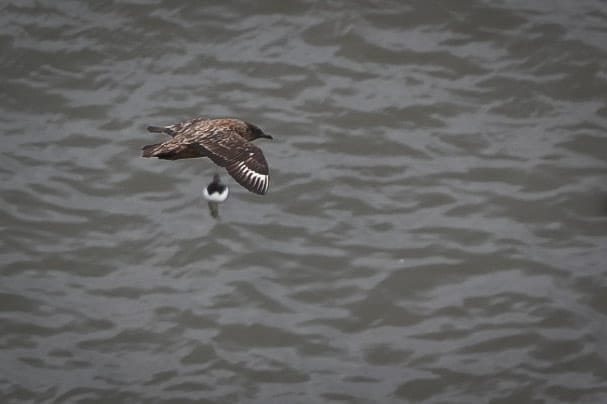
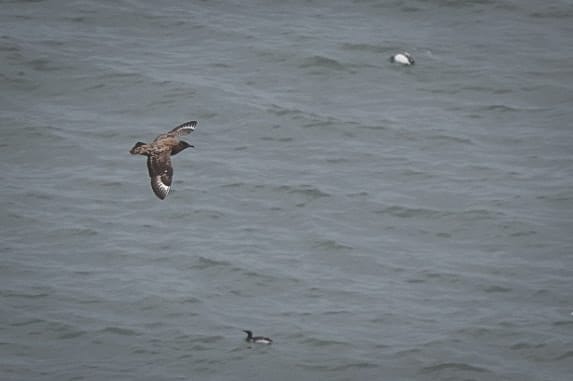
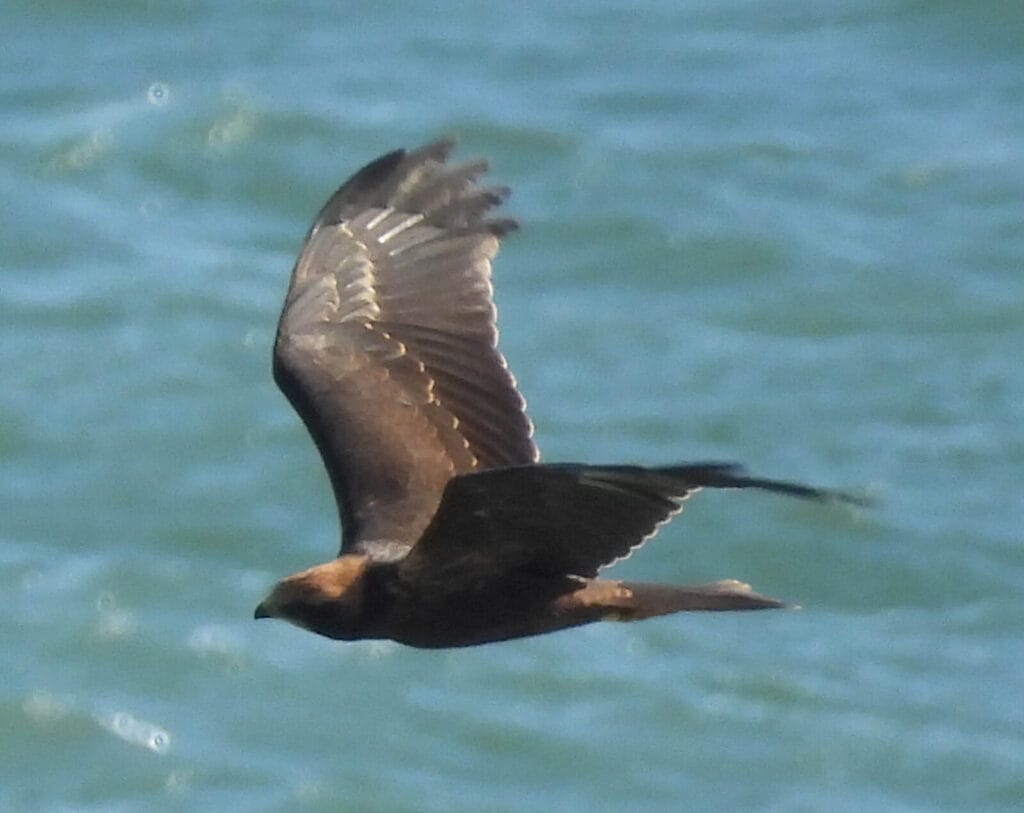
Other sightings included an Arctic Skua, four Manx Shearwaters and two Red-throated Divers on the morning seawatch. Thornwick Pools attracted a Gadwall, the male Pintail and a Common Sandpiper. Elsewhere, the male Black Redstart remained in residence near the Lighthouse and a Hooded Crow flew south over the Lighthouse Grassland. A creamcrown Marsh Harrier that flew north-west represented the most noteworthy record from RSPB Bempton Cliffs.
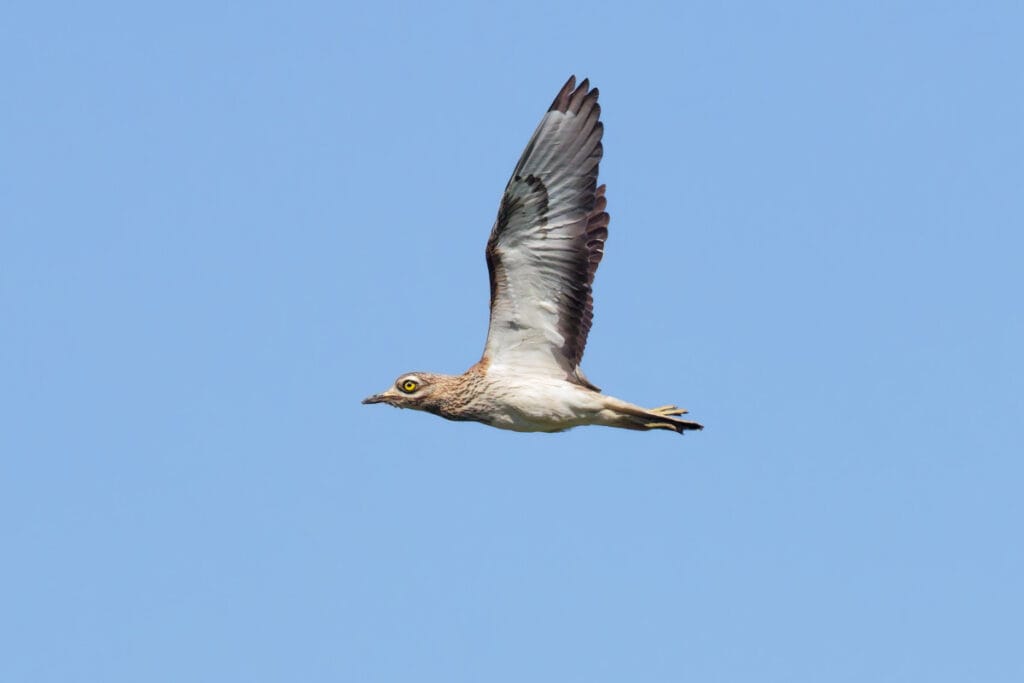
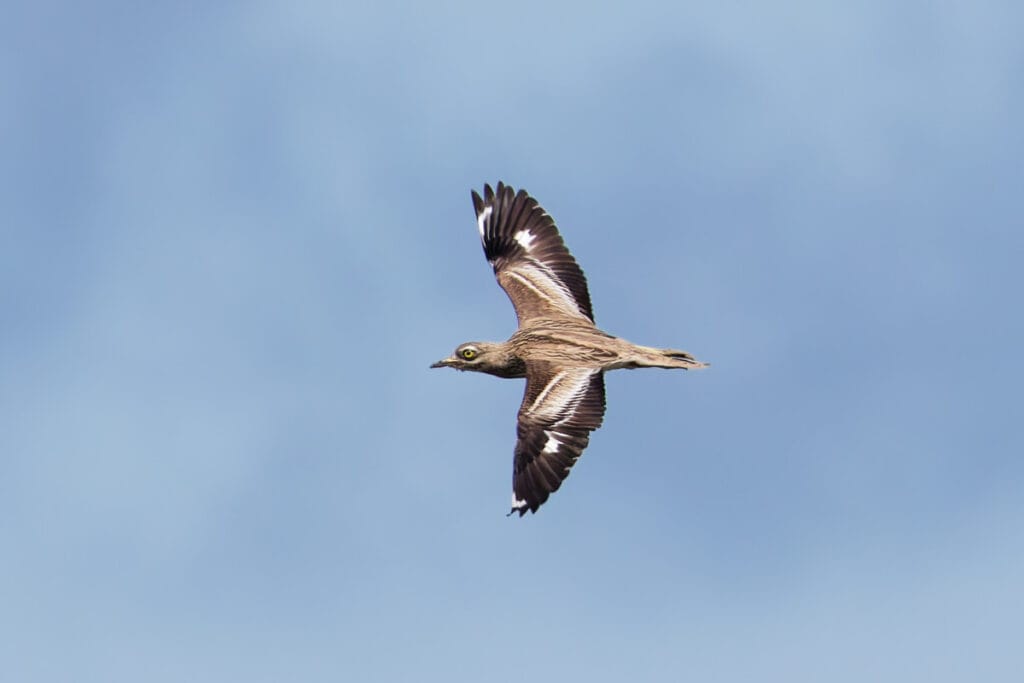
Stone Curlew, South Landing, by Rob Little

15th May 2026

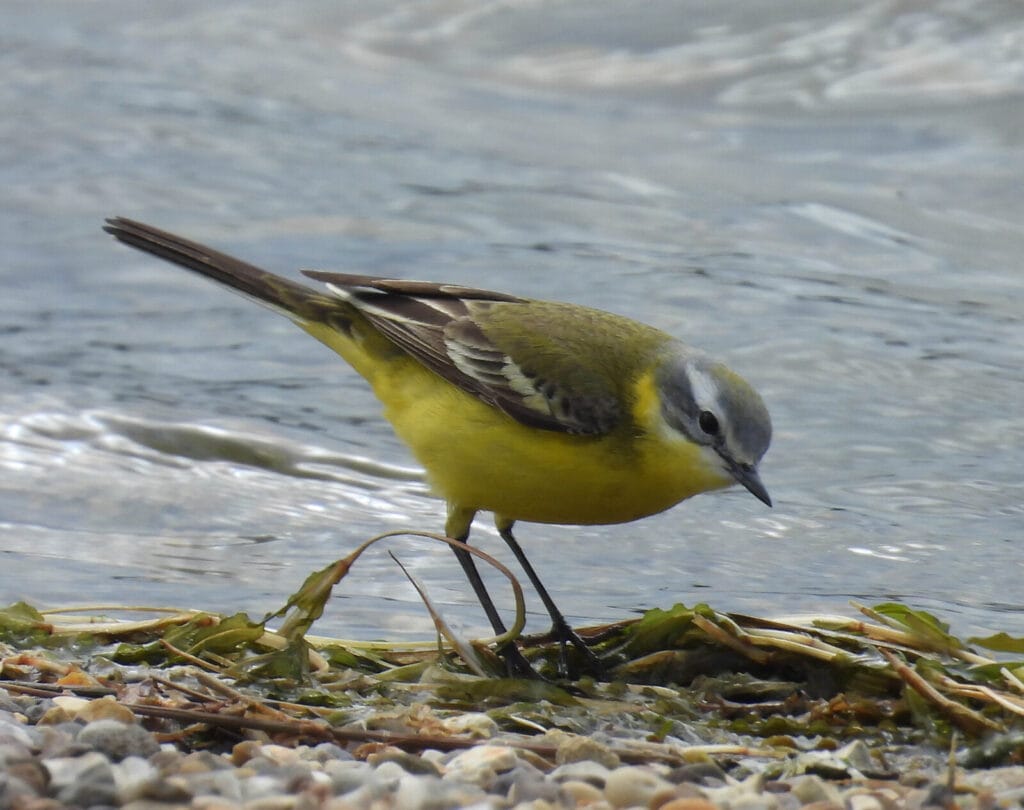
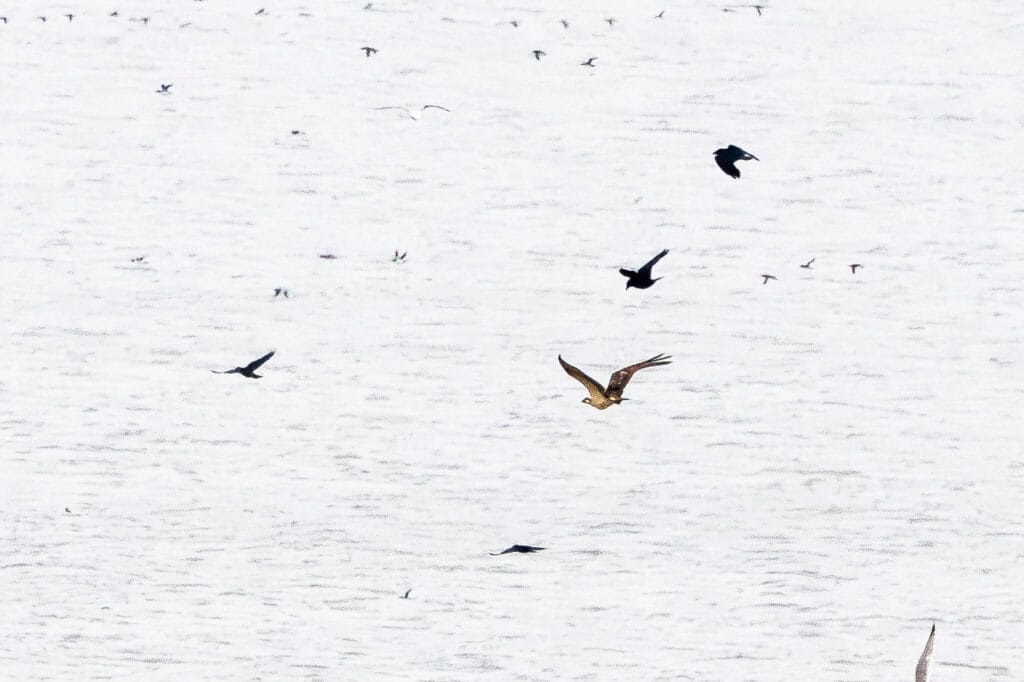
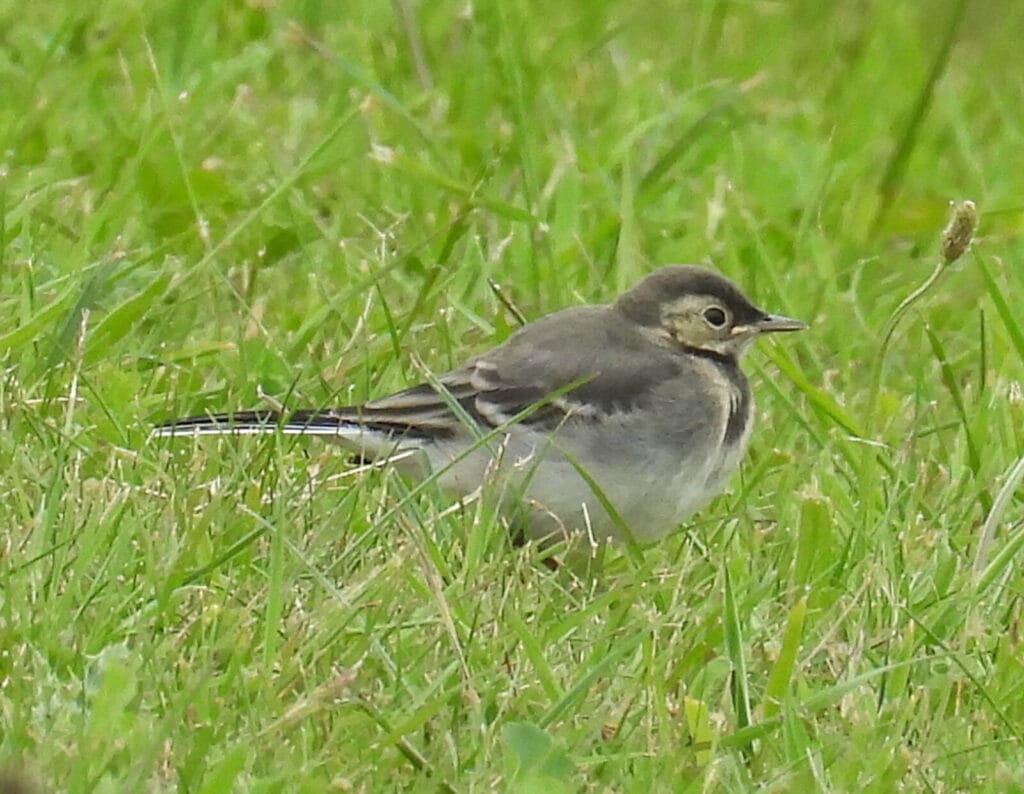
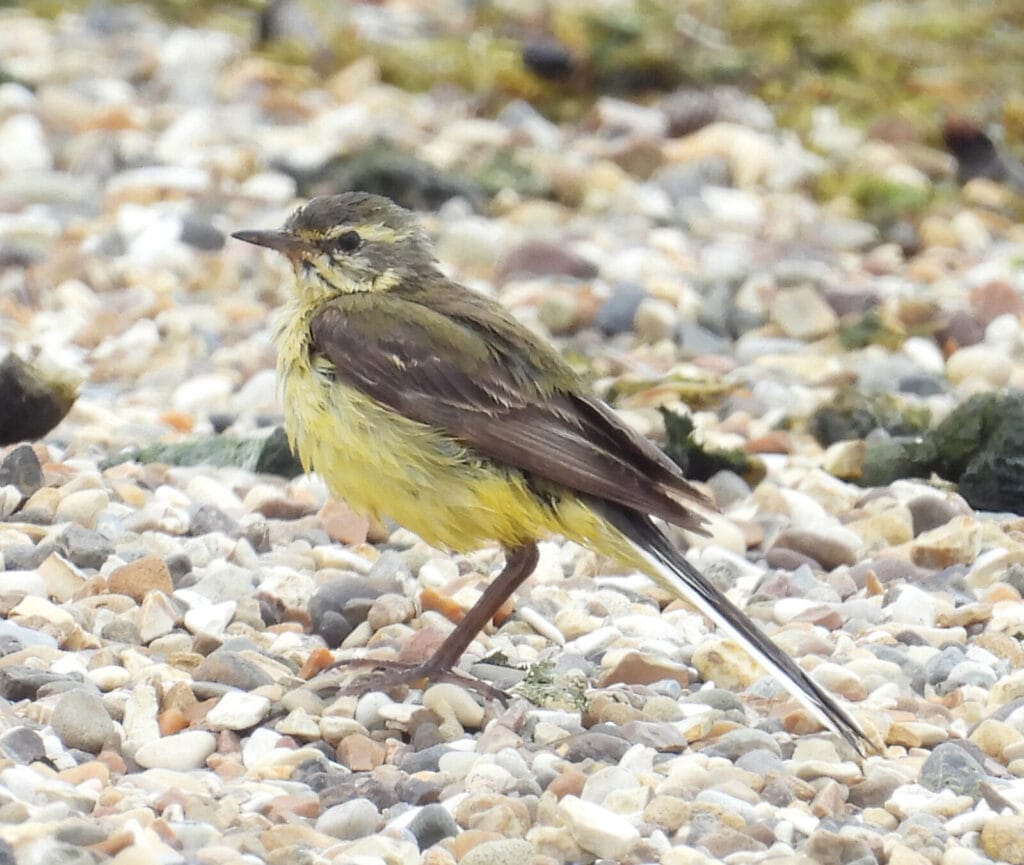
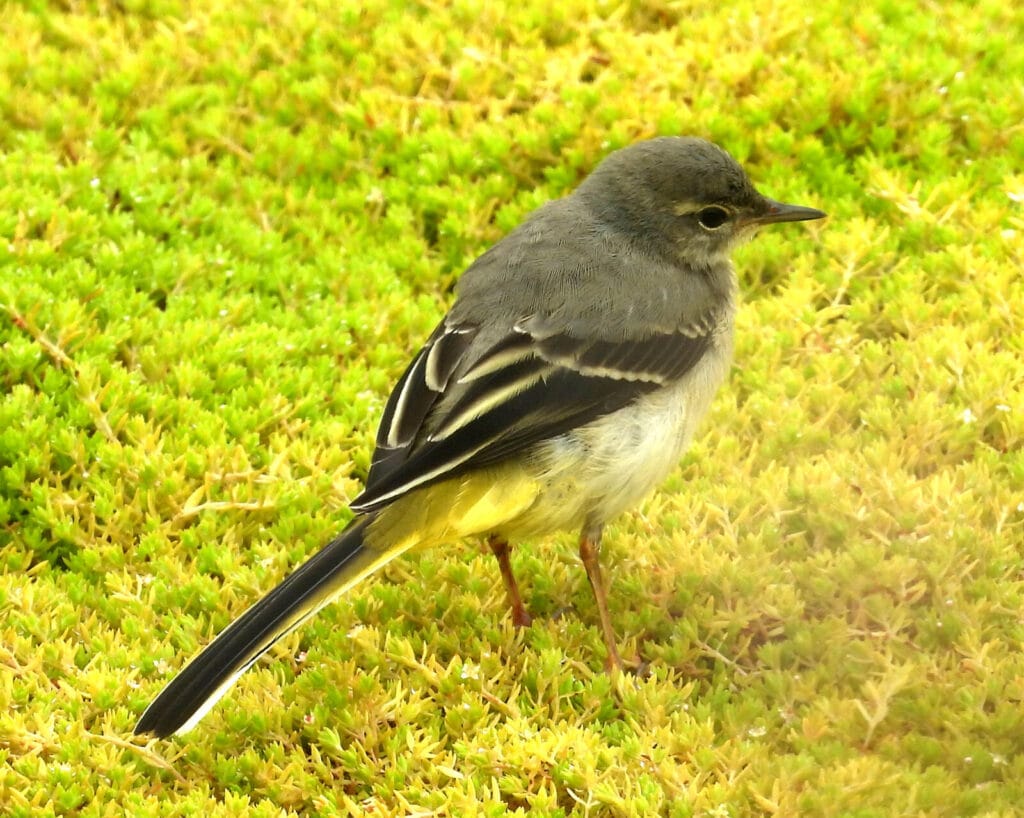
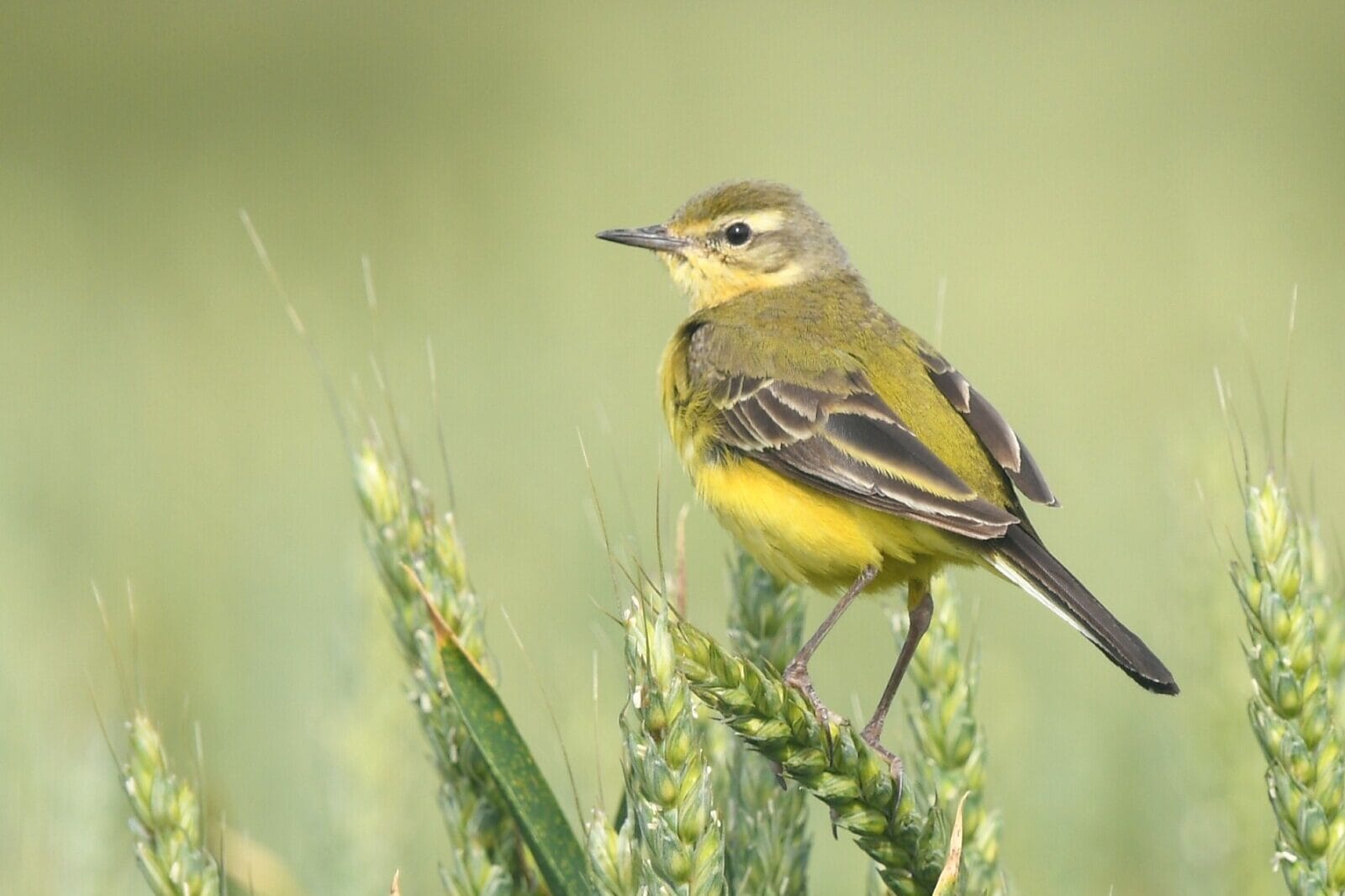
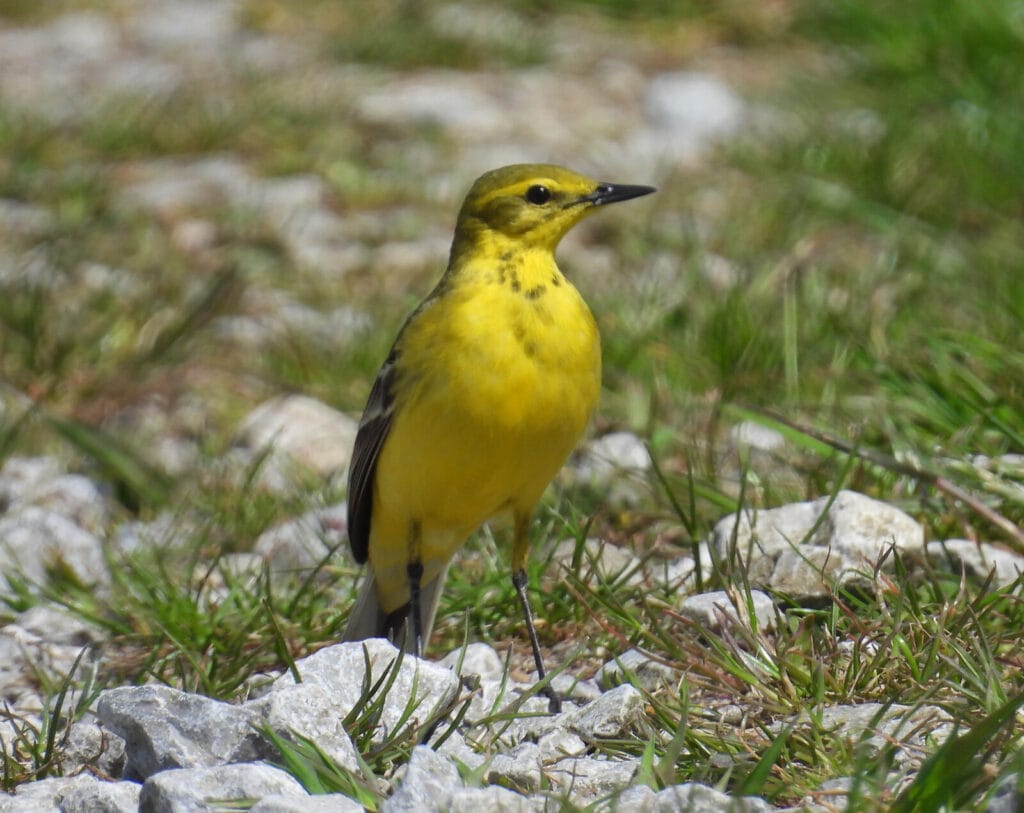
Another cool day, with moderate north-westerly winds, largely overcast skies and a best of ten degrees C. Seawatch highlights included a Goosander, four Arctic Terns, a Common Tern, nine Sandwich Terns, five Arctic Skuas (north), three Red-throated Divers and 23 Manx Shearwaters. Elsewhere, the male Black Redstart lingered around the Fog Station, a ‘Channel’ (Blue-headed x Yellow) or first-summer male Blue-headed Wagtail graced Thornwick Lakes, while an Osprey flew north over RSPB Bempton Cliffs.
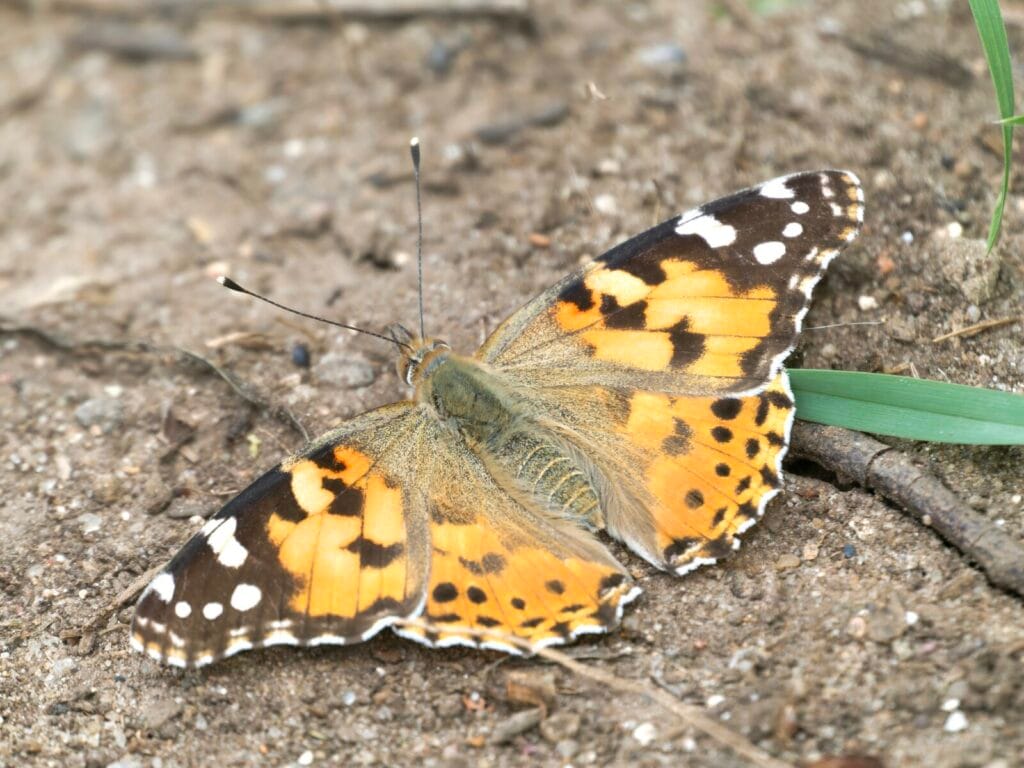
‘Channel’ Wagtail (or first-summer male Blue-headed Wagtail), Thornwick Lakes, by Brett Richards

16th May 2026

A bright day, with sunny intervals, light winds that were variable in direction and a high of 14 degrees C. RSPB Bempton Cliffs headlined with a Crane that flew north-west, a Hooded Crow that moved south-east, three Marsh Harriers and 23 Lesser Black-backed Gulls.
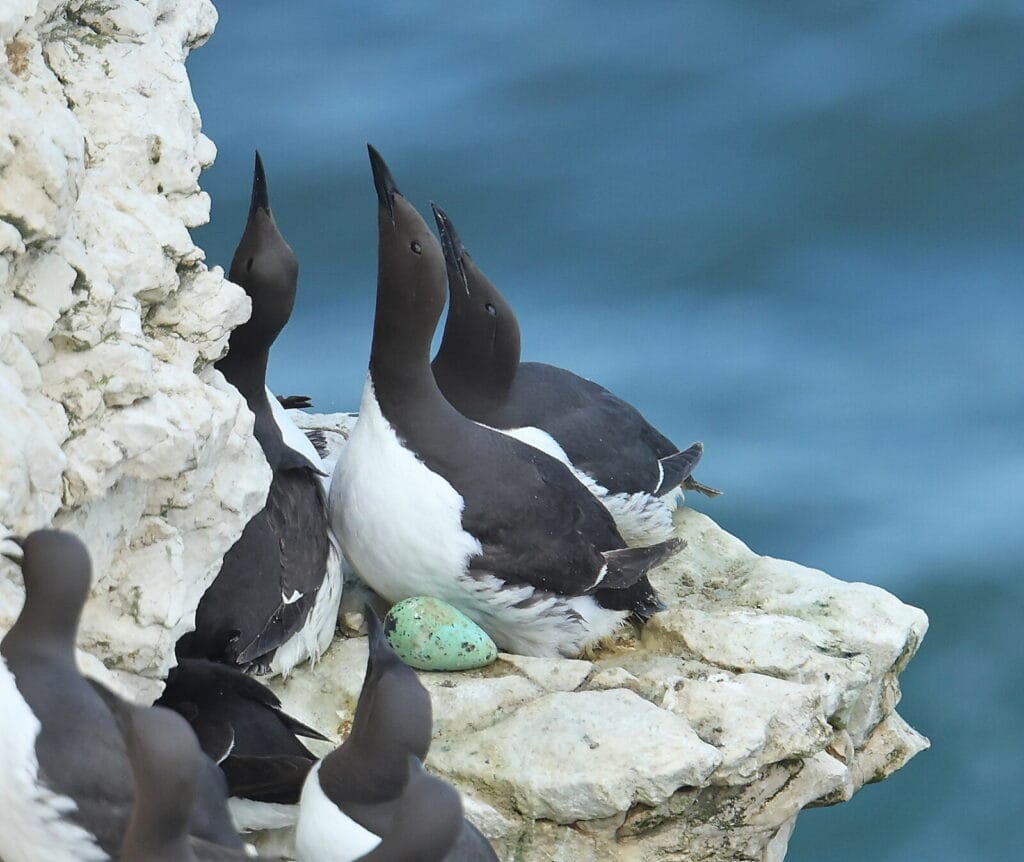
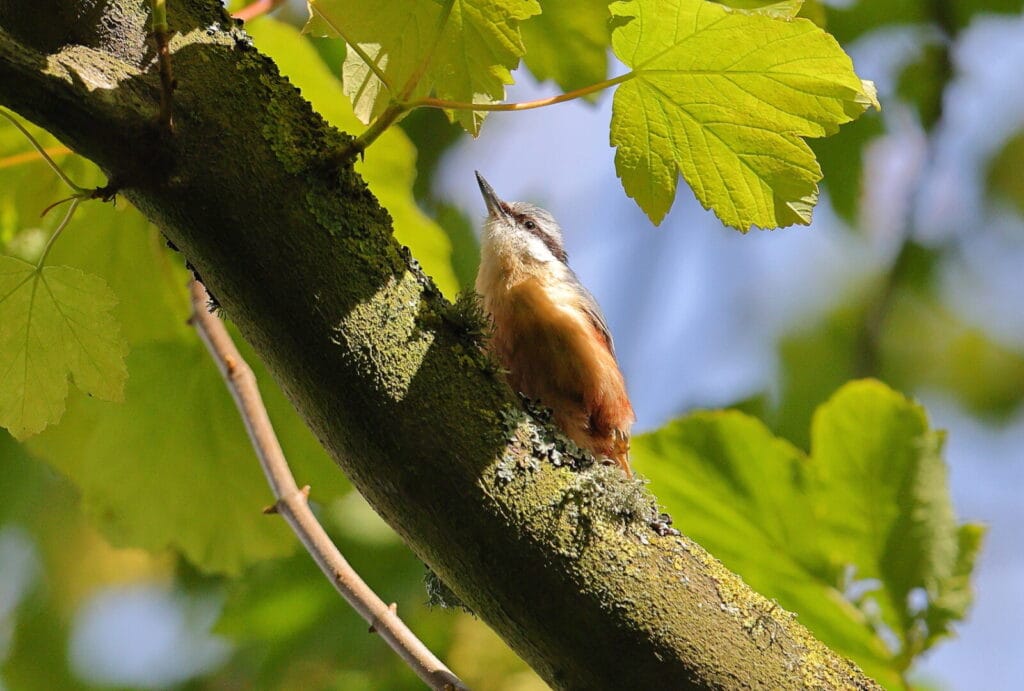
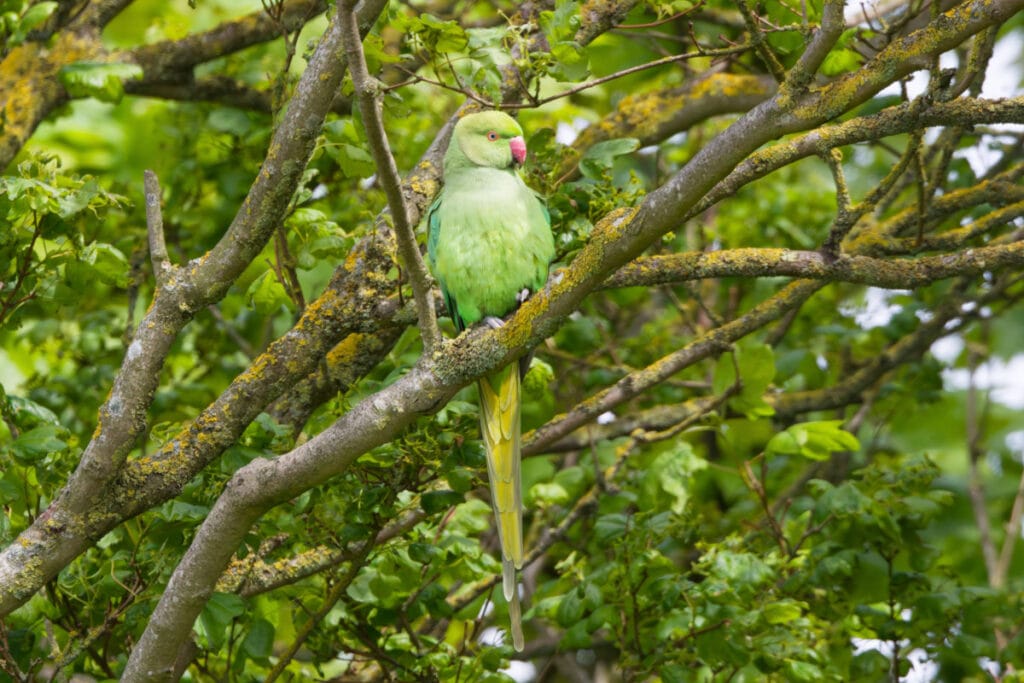
A morning seawatch at the Fog Station was rewarded with three Arctic Terns, three northbound Great Northern Divers and eight Manx Shearwaters; an Arctic Skua flew south during the evening, when an additional seven Manx Shearwaters headed north. Away from the sea, a Ring-necked Parakeet visited gardens near the Bowling Green and the male Black Redstart frequented the immediate vicinity of the Seawatch Observatory. Other outer head records included three Marsh Harriers, a White Wagtail, one Wheatear and two Yellow Wagtails.
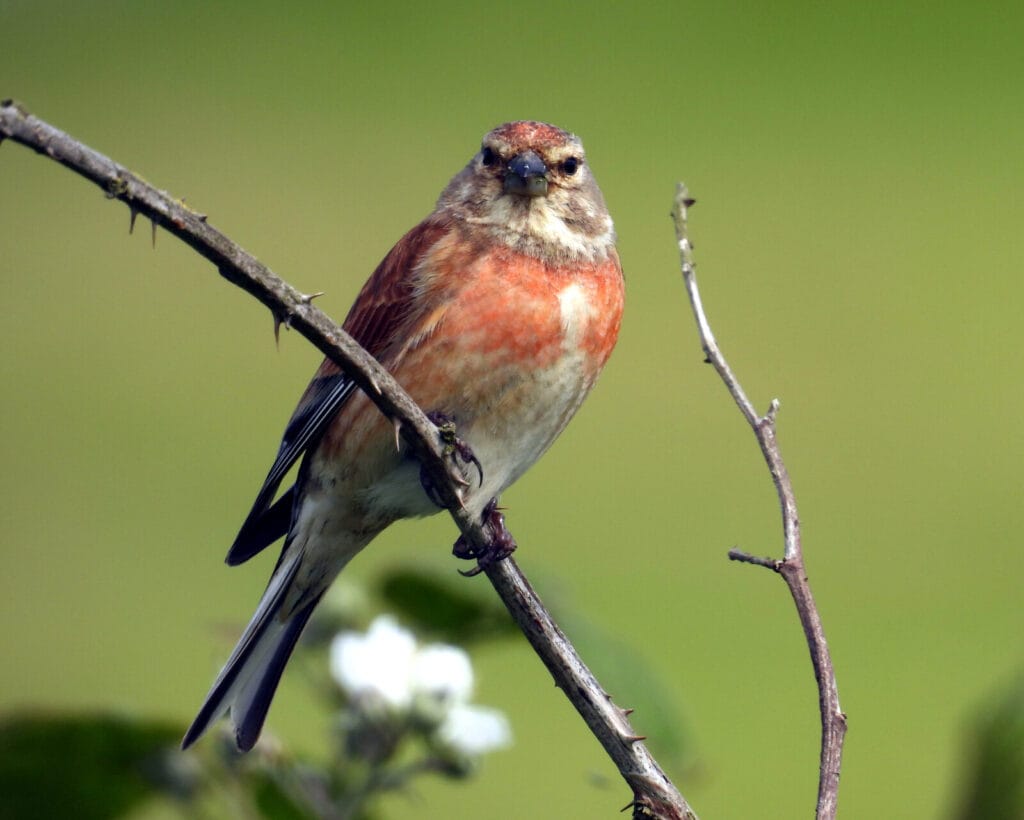
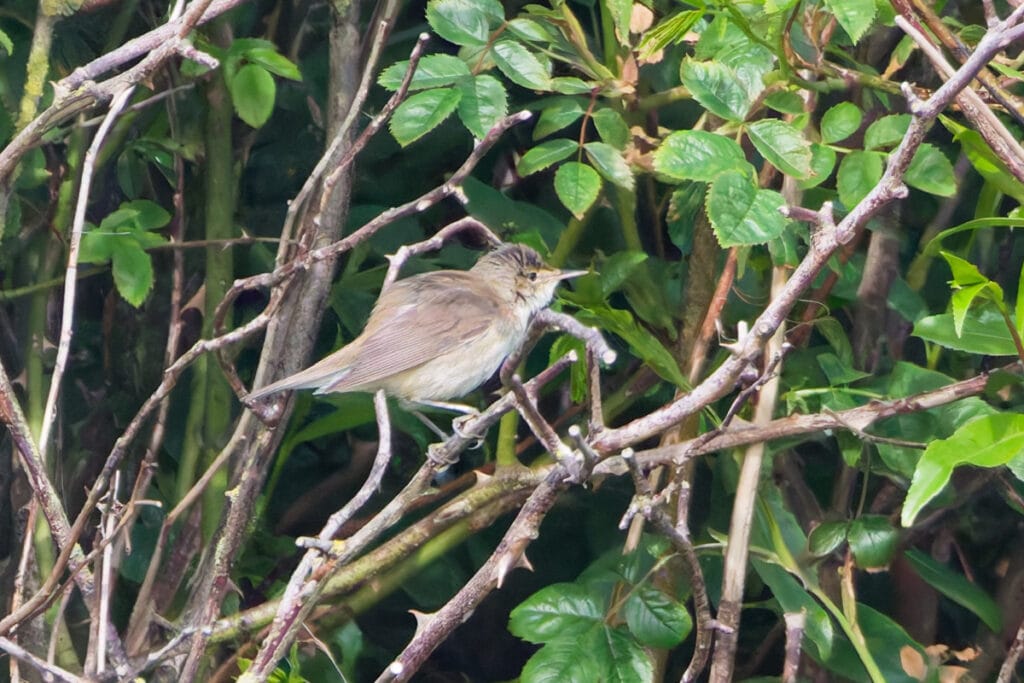
Nuthatch, South Dykes, by Alan Walkington

17th May 2026

Sunny intervals, a moderate south-westerly wind and high of 15 degrees C. Seawatching was rewarded with a Great Northern Diver (north), one Whimbrel, 32 Sanderling (north) and one Arctic Tern. Migrants on the land included two Marsh Harriers, three Whimbrel, 22 Swifts (a notable increase), a Wheatear and three Yellow Wagtails.

Ring-necked Parakeet, Bowling Green, by Rob Little (16/05)