
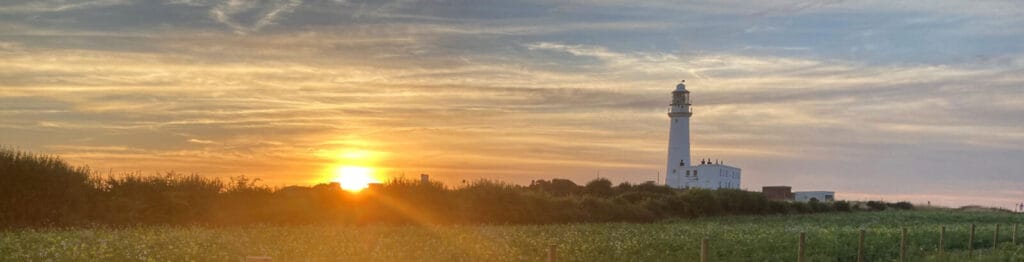
Flamborough Headland, situated on the North Sea coast of East Yorkshire, is renowned for having the largest mainland seabird colony in Britain and a reputation for the best seawatching on the British east coast. Not least, the area is a fantastic place to witness bird migration and see small birds such as thrushes, chats and warblers making landfall after crossing the North Sea. It also has an impeccable pedigree in attracting scarcities from continental Europe and many rarities from farther east.
Events
- Migweek 2026 Programme
 Saturday 10th – Sunday 18th October 2026 Every day Ringing Demonstration 8am – 12pm at the Living Seas Centre, Flamborough Come and meet FBO’s ringing team, see birds up close and discover the secrets of migration that bird ringing is helping to discover. ** Bird welfare is paramount – demonstrations will be cancelled if the…
Latest Sightings
- 26th October 2026
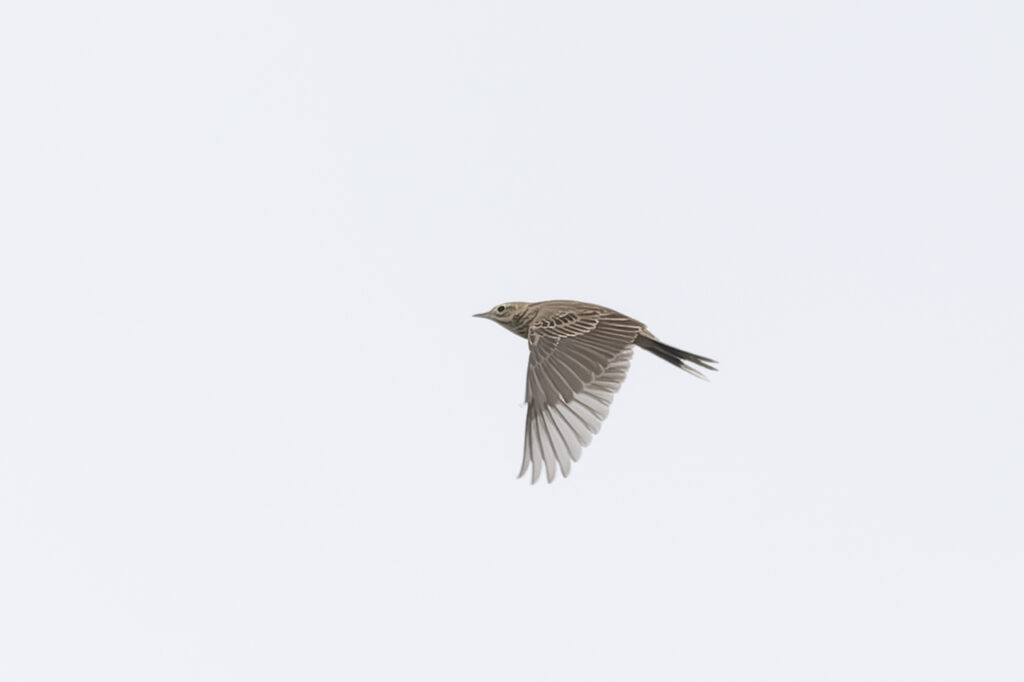
 Increasingly overcast with rain arriving from late morning; blustery southerly winds established and temperatures reached 12 degrees C. The Rufous-tailed Robin showed on several occasions during the day, but proved elusive once more. A Richard’s Pipit was in adjacent fields, while an Olive-backed Pipit was sound-recorded flying over the Bowling…
 - 25th October 2026Very strong westerly winds throughout a day of sunny intervals, occasional showers and a high of 12 degrees C. The Rufous-tailed Robin remained in residence in South Landing, where it even ventured onto the path early morning before reverting to type and skulking deep in the adjacent gully. The three…
- 24th October 2026Although the day began with relatively bright skies and light south-west winds, the weather soon deteriorated bringing very strong southerlies and rain; temperatures eventually reached 12 degrees C. The Rufous-tailed Robin continued its stay in South Landing and showed on several occasions. A Richard’s Pipit also re-appeared there, albeit it…
- 23rd October 2026The day began with rain and strong south-east winds, but after a brighter interlude ended with very light winds and thunderstorms. The Rufous-tailed Robin continued to delight and frustrate at South Landing proving ever elusive. Nearby, three Tundra Bean Geese continued to feed on Beacon Hill, although occasionally visited fields…
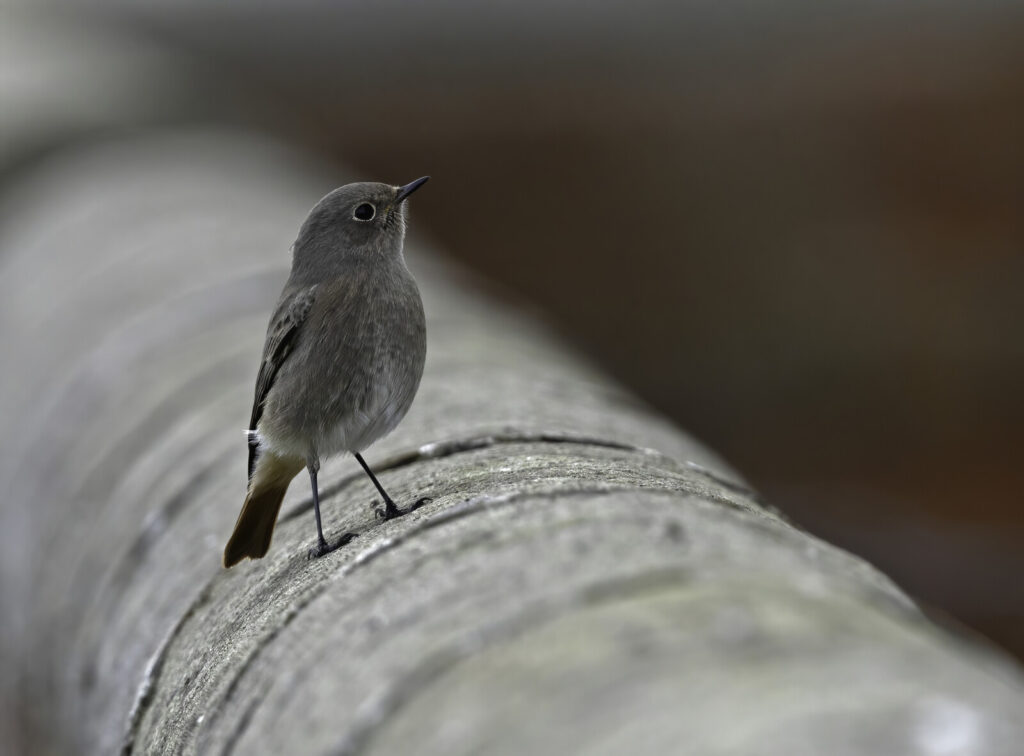
Daily Birding Highlights
Recent Birding Highlights
Click on the button below for full details of all birding highlights for the last 30 days. The posts are ordered with the latest first.
Birding Highlights Archive
Select the required month and highlights for every day will be presented for the chosen period. This archive goes back to 2014 and posts ordered with the earliest first.
The Ringing Diary
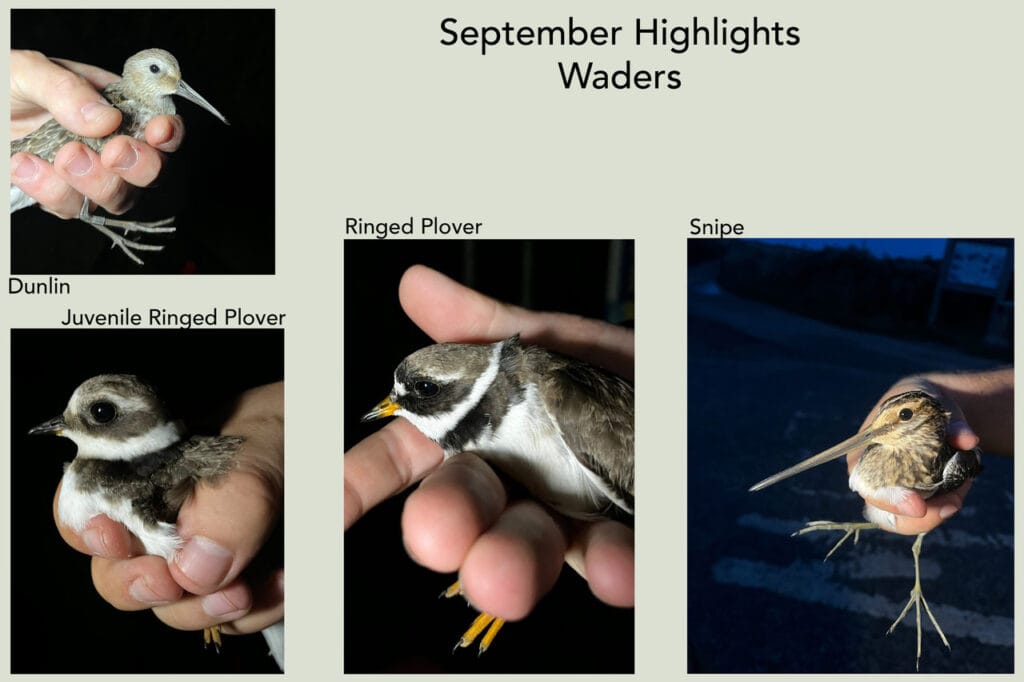
- September 2026Another quality month for ringing across the headland with a total of 33 sessions being held, 665 birds were caught with 540 of these newly ringed and 95 re-traps/controls. The roost at Thornwick delivered a surprise Snipe on the 3rd, and more waders were caught at a session on South…
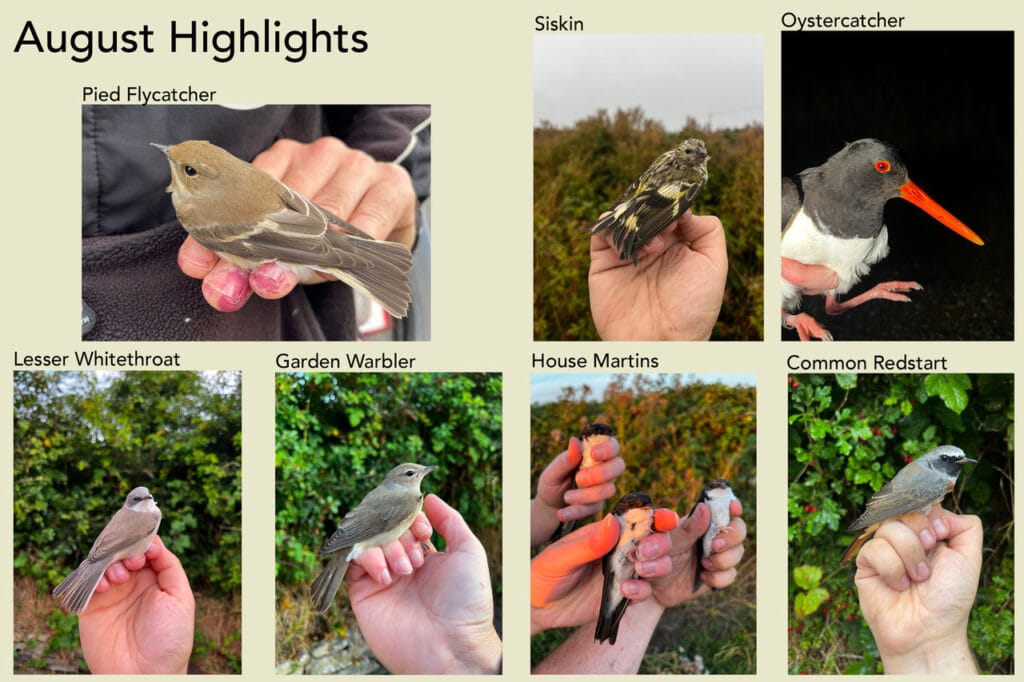
- August 2026August proved to be an excellent month for the team, in 43 sessions across the headland an amazing 1312 birds of 44 species were caught, with 1116 of these newly ringed and 196 retraps. The team at RSPB Bempton cliffs had a wonderful annual Bioblitz weekend with two ringing demonstrations…
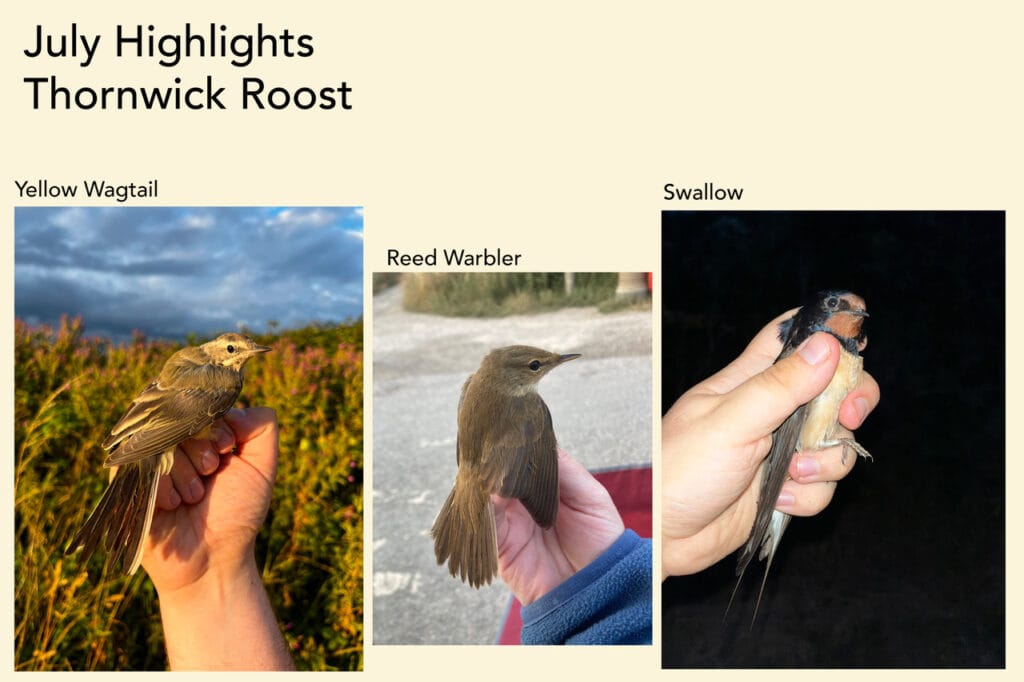
- July 2026A steady month for the ringing team, as breeding finishes and moulting starts. The majority of our 33 sessions were in garden sites or the roost at Thornwick, over the month we caught 753 birds with 698 of these being new and 55 re-traps. A total of 33 different species…
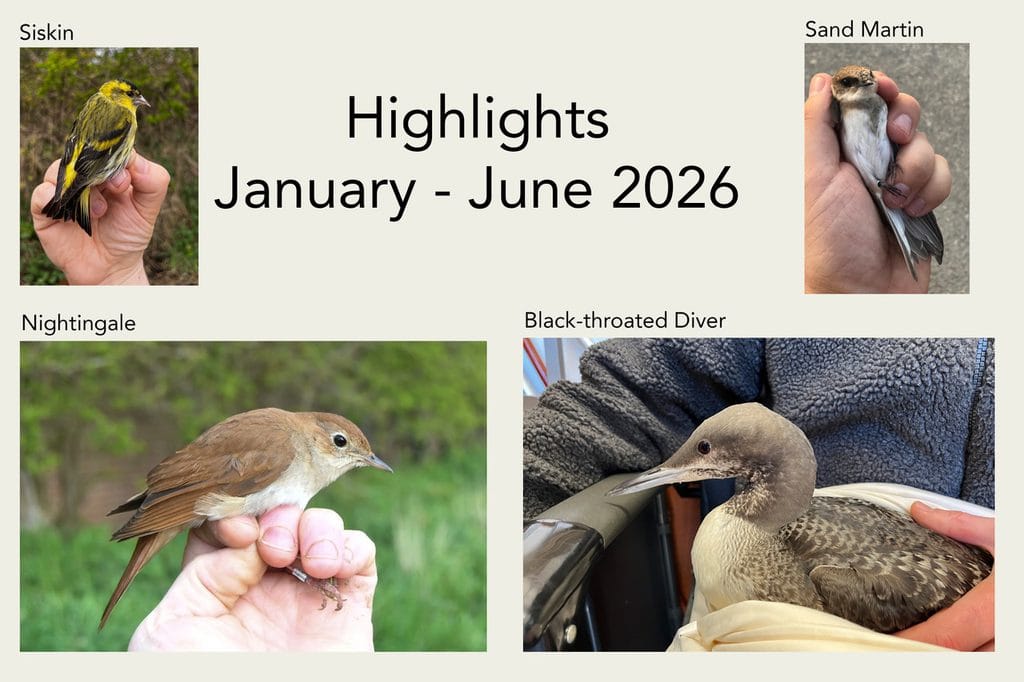
- January – June 2026A brief round up of the efforts of the FBO ringing team over the first half of the year, generally our quietest period, we are often hampered by wind and/or rain. Our ringing tends to begin in earnest around mid April when migrant birds begin to arrive, then in May…
Click on the button below for full details of all posts about ringing. The posts are ordered with the latest first.