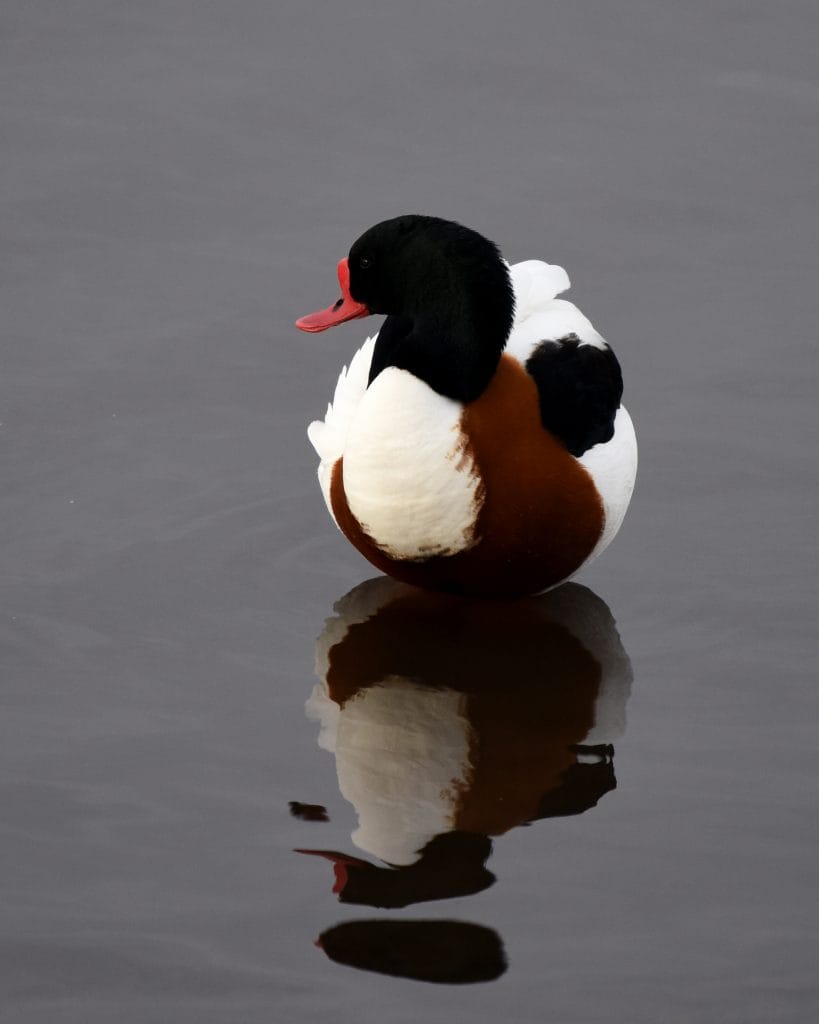
The weather consisted of increasingly strong easterly winds, flurries of light snow and temperatures of one degree C. Wildfowl included two Shelduck, 12 Wigeon and 45 Teal. A Woodcock frequented Whelkie Wynds, whilst one Nuthatch remained in South Dykes.
Great Spotted Woodpecker, South Dykes, by Alan Walkington
The day dawned with lying snow, whilst the weather consisted of moderate east-north-easterly winds and snow showers. Sightings from South Landing included a drake Eider, 32 Red-throated Divers, a Red-necked Grebe and 22 Ringed Plovers.
The snow displaced winter thrushes, with small parties touring the village: totals included 34 Redwing and 92 Fieldfare.
The main feature of the day was the weather. Easterly winds increased in strength during the day, becoming gale force overnight; even disregarding the windchill, the temperature at 3pm was -4 degrees C and snow showers became prevalent from mid-afternoon.
Thornwick Pools hosted three Jack Snipe, whilst eight Snipe and three Woodcock were also recorded. Thrushes displaced by the inclement ground conditions included 65 Fieldfare, seven Redwing and eight Song Thrush. Increasing numbers of birds also appeared in the village, including 35 Tree Sparrows and 17 Yellowhammers in a garden on Church Lane.
If the March proverb ‘In like a lion, out like a lamb’ holds true, then the 31st is going to be a belting summer day – the month started with gale force easterly winds, overcast skies and temperatures never exceeding zero. Sightings from South Landing included 11 Ringed Plovers and an adult Little Gull.
Above average totals of several species were indicative of the inclement conditions both on the headland and elsewhere: 24 Snipe, three Knot, 750 Common Gulls, 66 Fieldfare, 25 Redwing and 24 Yellowhammers.
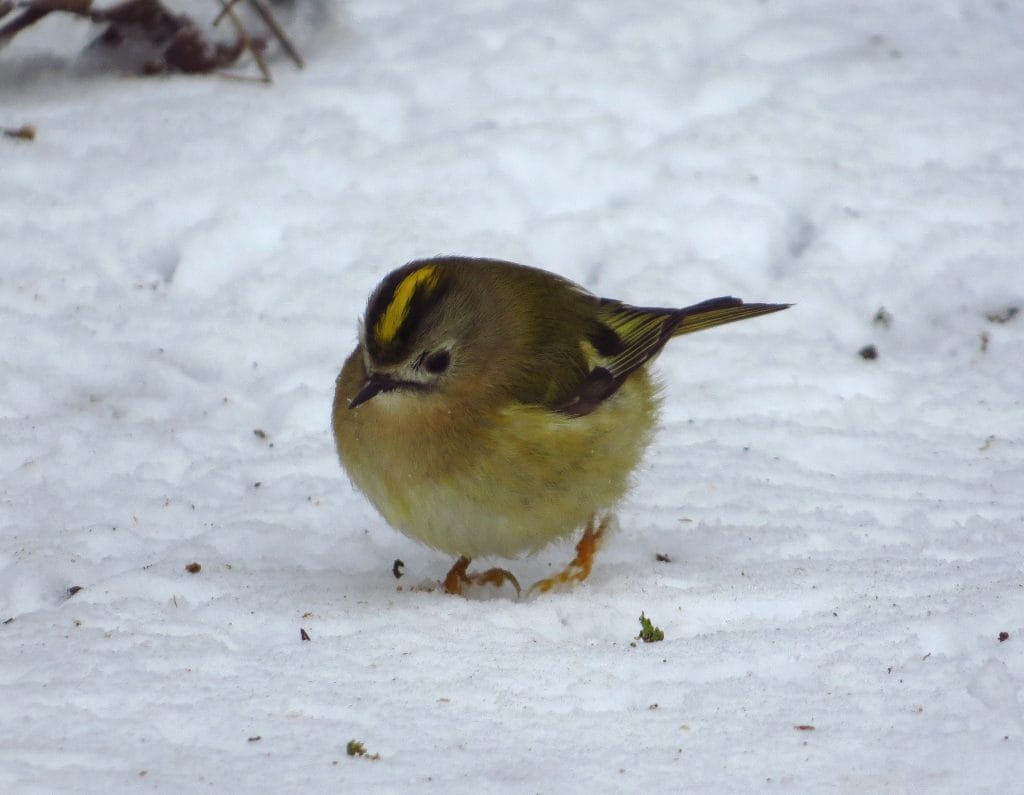
Snipe, Thornwick Pools, by Andy HoodGoldcrest, South Dykes, by Brett Richards
Another day of spectacular weather, with gale force easterly winds, overcast skies and temperatures reaching one degree C. Seawatching from South Landing produced the following ‘northbound’ totals: one Long-tailed Duck, 16 Red-throated Divers, 77 Kittiwakes, 800 Black-headed Gulls, seven Little Gulls and 4180 Common Gulls. An further 370 Black-headed and 800 Common Gulls were present offshore. Away from the sea, Thornwick Pools hosted four Jack Snipe.
West of the Dykes, a drake Velvet Scoter flew south past RSPB Bempton Cliffs.
Jack Snipe, Thornwick Pools, by Andy HoodFieldfare, Flamborough village, by Paul Reed
A moderate easterly wind, overcast skies and light snow showers confined to the morning; the temperature rose, peaking at two degrees C. Two Jack Snipe continued in residence at Thornwick Pools, whilst three Woodcock were also located.
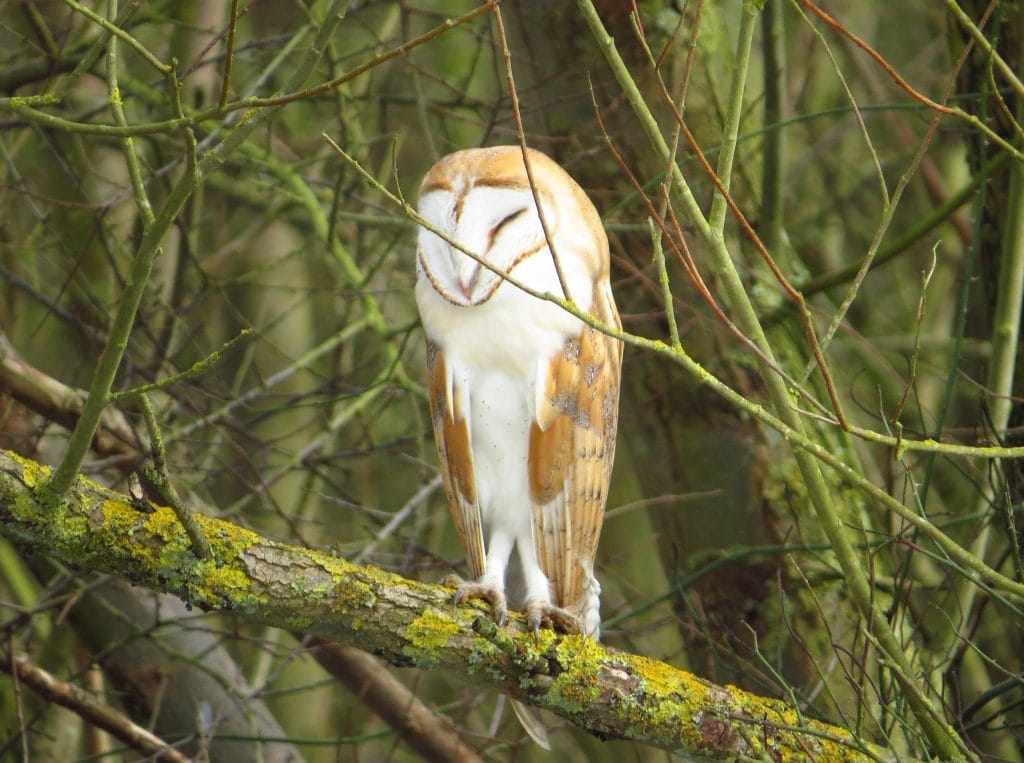
West of the Dykes, sightings from Buckton included four Grey Partridges, four Woodcock, two Barn Owls, 30 Linnets and 30 Yellowhammers.
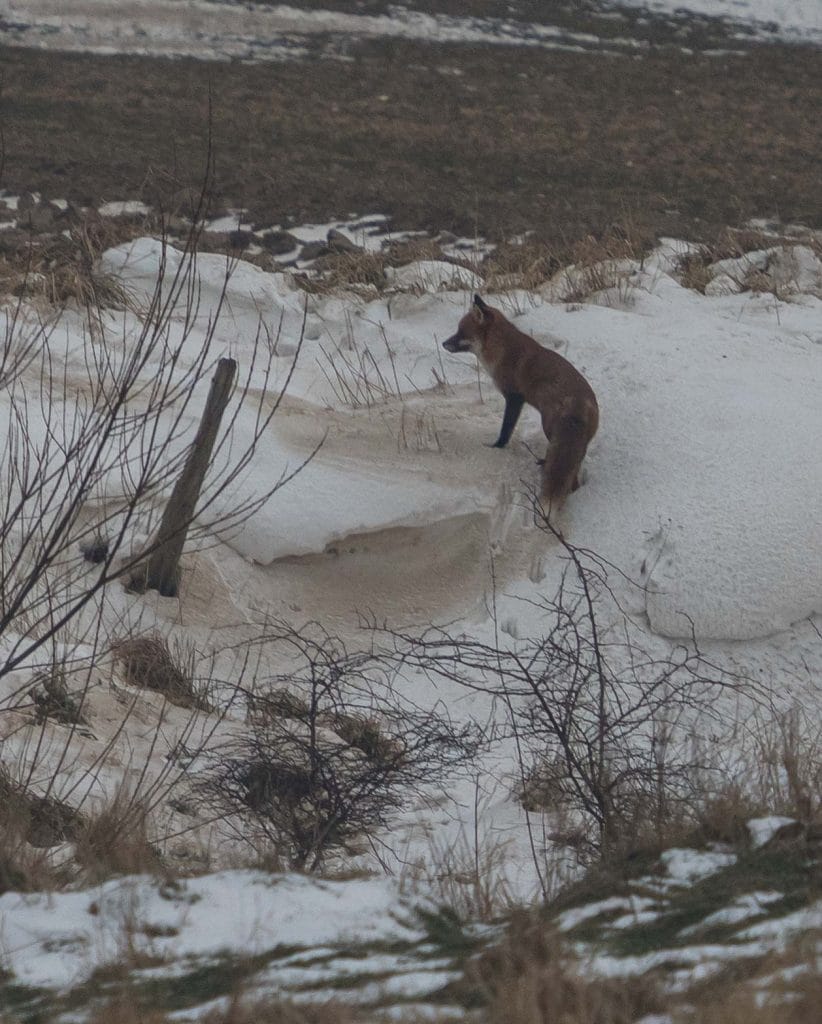
Little Gulls (2/3), South Landing, by Andrew AllportLittle Gull (2/3), South Landing, by Andrew AllportBarn Owl, Buckton, by Paul ReedFox, Buckton, by Paul Reed
An overcast day, with light rain for the majority of daylight hours, and poor visibility due to thick mist; temperatures reached three degrees by late morning. Birding was difficult due to the poor conditions, although 60 Teal frequented the freshwaters and a Jack Snipe lingered at Thornwick Pools. Apart from five Woodcock, there were few signs of the recent cold weather influx, with only eight Fieldfare and three Redwing remaining.
West of the Dykes, sightings from Sewerby included a drake Pintail and 15 Redwing.
Pheasant, Flamborough, by Craig ThomasFieldfare, South Landing, by Andy Hood
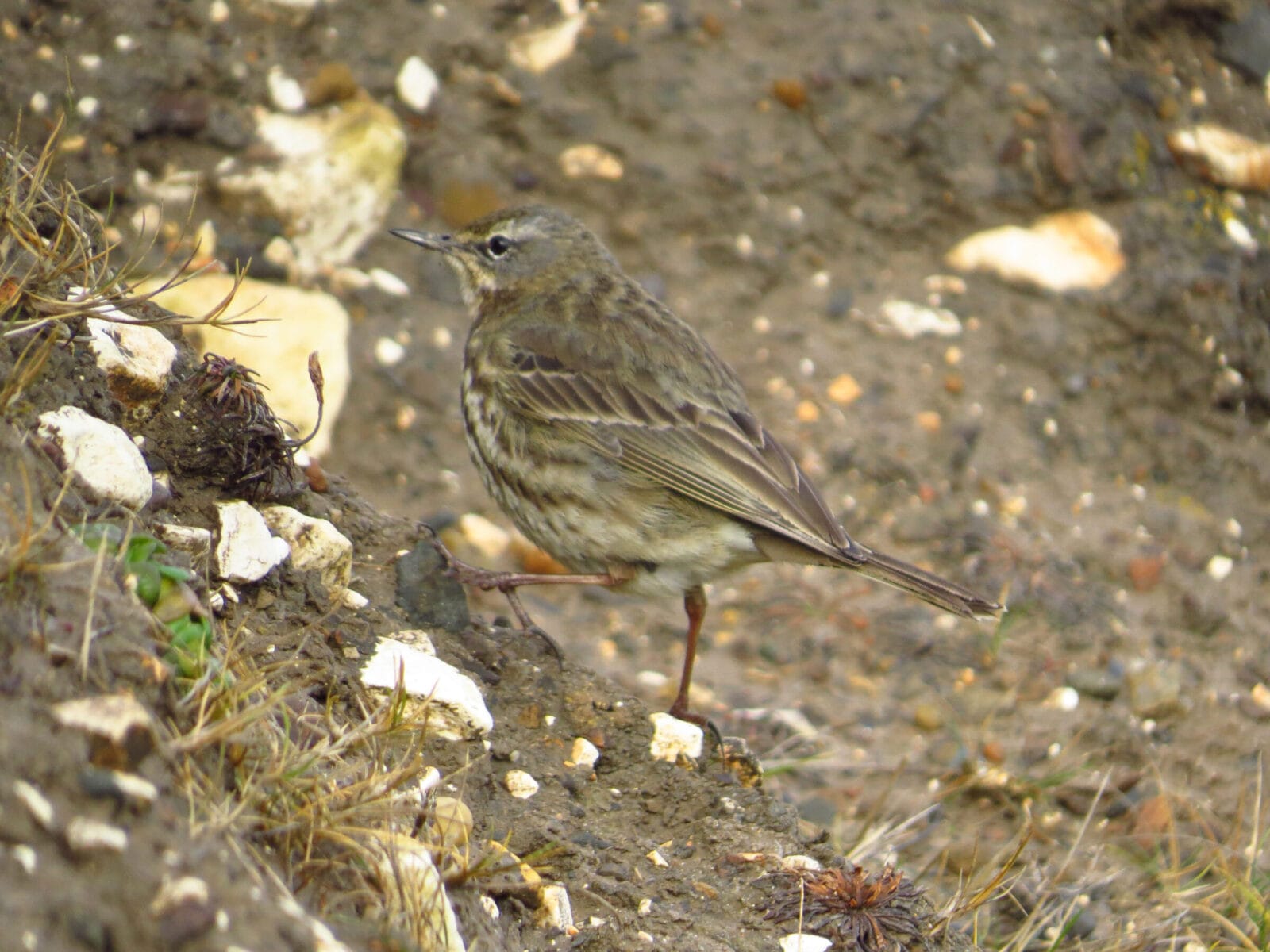
A relatively bright middle part of the day was book-ended by thick mist/fog from dawn and at dusk; temperatures reached six degrees C in light winds. The goose flock contained a lone Pink-footed Goose and 12 Wigeon frequented North Marsh. Two Nuthatch remained in South Dykes, whilst two Scandinavian Rock Pipits were identified at South Landing.
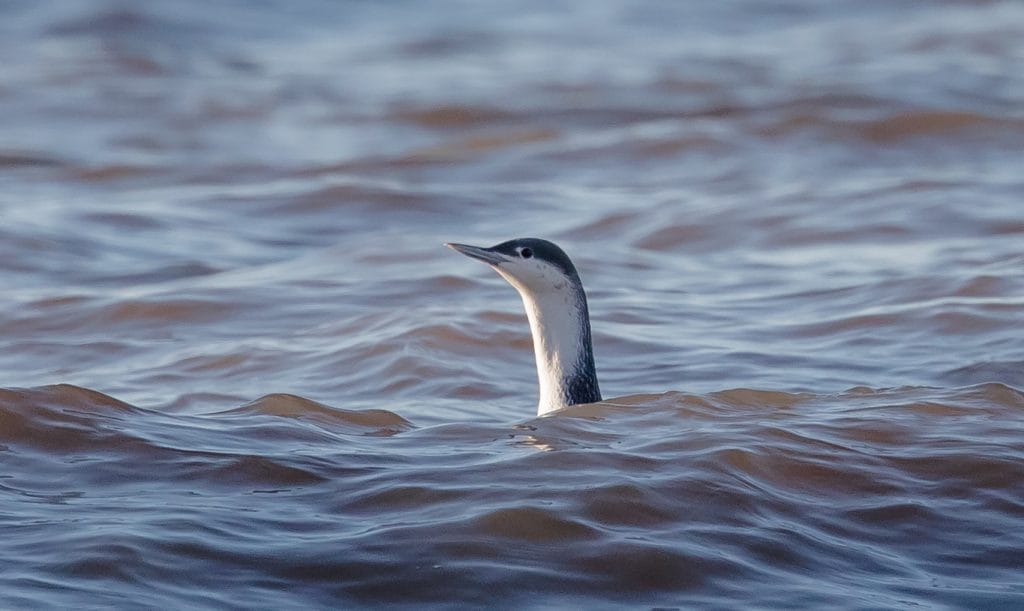
Red-throated Diver, South Landing, by Andrew Allport
Mist at dawn cleared to leave a largely overcast day, with light southerly winds and temperatures reaching six degrees C. The highlight of the morning’s seawatch related to a Blue Fulmar that flew south, with four Eider on the sea off the Fog Station.
A two hour morning sea-watch produced 15 Red-throated Diver south and two north, 109 Fulmar north, 164 Gannet south and 289 north, nine Kittiwake south and 24 north, seven Skylark south and one north. Present off the headland were 60 Shag and three Rock Pipit.
Thornwick Pools had eight Teal, Dunlin, two Shelduck, two Cormorant, Barn Owl, Sparrowhawk and two Song Thrush. Elsewhere were two Woodcock, Great Spotted Woodpecker, five Skylark and a female type Black Redstart along the motorway hedge and at Bay Brambles.
Early snow and rain not ideal for sea-watching but persistence had seven Common Scoter south, seven Red-throated Diver south and 20 north, 22 Fulmar north, 185 Gannet south and a large movement of 1474 north and an adult summer Mediterranean Gull south. On the sea were 13 Red-throated Diver and a Great Crested Grebe.
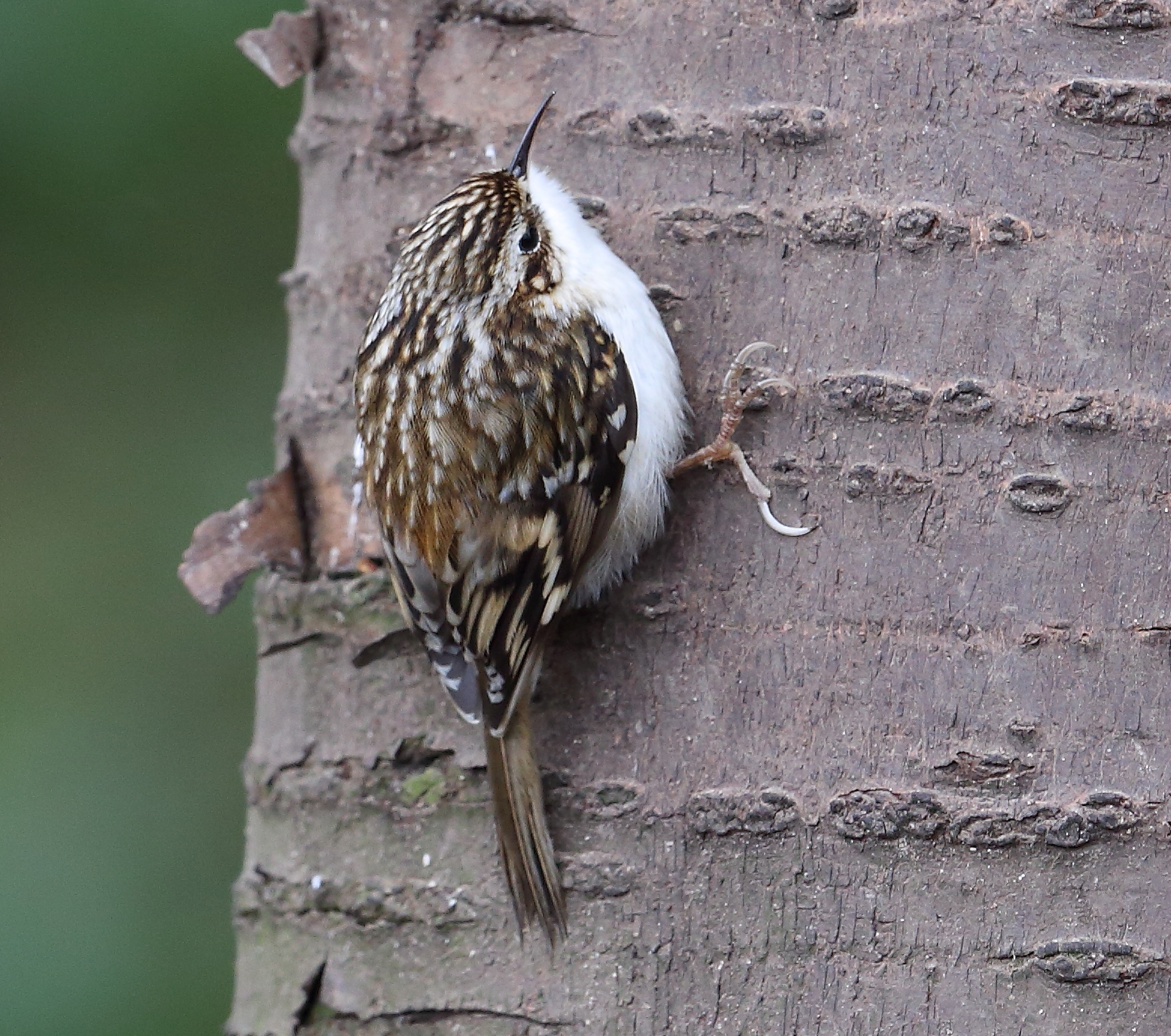
Throughout the remaining recording area were Pink-footed Goose, two Shelduck, 22 Wigeon, 34 Teal, two Grey Heron, 157 Lapwing, ten Curlew, three Redshank, Jack Snipe, two Barn Owl, two Great Spotted Woodpecker, Treecreeper, seven Skylark and 28 Carrion Crow.
The morning sea-watch recorded 166 Pink-footed Geese north, a pair of Pintail north, ten Red-throated Diver south and 123 north, 77 Fulmar north, 97 Gannet south and 1478 north, two Curlew north, 127 Kittiwake north and four Skylark south, four north. Present were 18 Red-throated Diver, two Great Crested Grebe, 120 Kittiwake and 25 Great Black-backed Gull.
Other areas had 14 Wigeon, 21 Teal, nine Great Crested Grebe, three Buzzard, seven Oystercatcher, 88 Lapwing, 19 Curlew, five Turnstone, five Redshank, five Dunlin, JackSnipe (outer head), seven Woodcock (with five together at Booted Gully), Barn Owl, Tawny Owl, 63 Skylark, Treecreeper, 23 Rock Pipit plus one “littoralis”, 13 Reed Bunting and 31 Lapland Buntings; the latter near North Dykes.
Thick fog from first light only started to clear mid-afternoon, whilst it rained for the vast majority of daylight hours. Seawatching proved impossible, whilst the most notable record pertained to six Siskins visiting garden feeders in the village.
Attendees to the AGM at the Links Clubhouse, South Dykes were heralded by two territorial Tawny Owls.
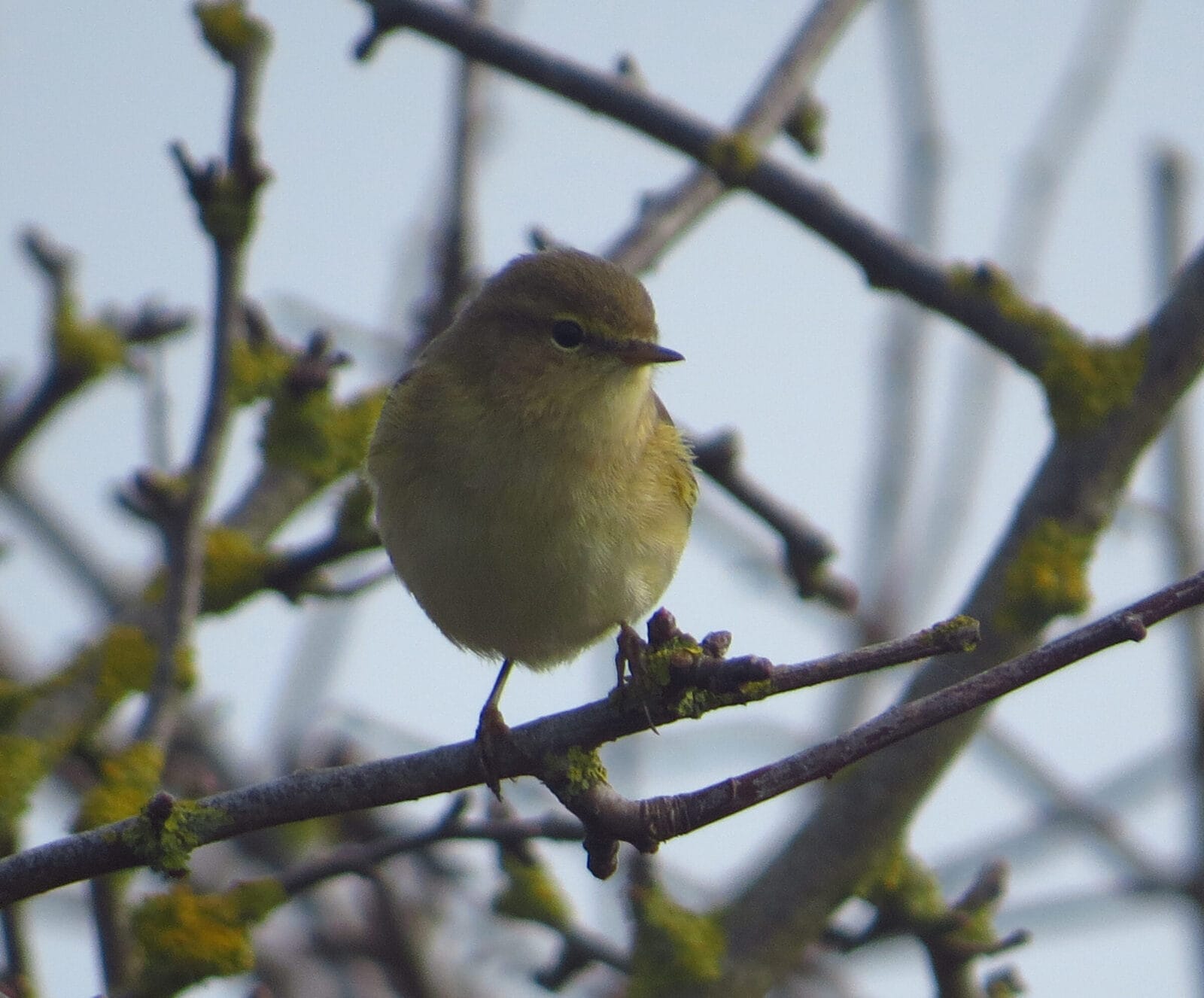
There was a spring like feel to the day with cloud first thing, clearing by late morning and temperatures up to 13 degrees centigrade. The conditions heralded the first spring migrant in the form of a Chiffchaff at Thornwick. Four Woodcock were present, including two in Old Fall, whilst two Russian White-fronted Geese and a Pink-foot were along North Marine Road. Two Corn Bunting remained in fields at North Dykes, with nine Golden Plover also in the area. Other notable counts included 10 Lapwing at Cattlemere, 17 Yellowhammer and 18 Reed Bunting at Oceanview.
The sea watch yielded a single Long-tailed Duck north, 31 Fulmar (including one ‘blue morph’) and 175 Red-throated Diver. An additional 56 Red-throated Diver were logged off Bempton, with 48 off the southern side of the outer headland.
A poor weather day with full cloud, rain and back to 5c.
However, a few birds around with 18 Red-throated Diver past on the sea-watch and present off the headland, a male Eider, eight Common Scoter, ten Red-throated Diver, five Great Crested Grebe, eight Oystercatcher, three Curlew, five Redshank, 49 Turnstone, Purple Sandpiper, four Rock Pipit and one “littorallis”type Rock Pipit.
The sea-watch had thousands of Guillemot and Razorbill passing on the sea as well as large numbers of Gannets, 102 Fulmar and a lone Puffin. Present off the cliffs were 120 Red-throated Diver, four Great Crested Grebe and 25 Shag.
Around the South Landing loop were nine Great Crested Grebe, four Oystercatcher, five Curlew, Woodcock, Barn Owl, Tawny Owl, five Bullfinch and five Yellowhammer.
A pair of Goldeneye on Thornwick Pools, two Russian White-fronted Goose “albifrons” seen from North Marine Road and a Siskin at Oceanview.
The usual morning sea-watch recorded three male Eider north, 55 Fulmar north, 22 Kittiwake south and 100 north and five Puffin as the highlights. Present off the headland were 75 Red-throated Diver, two Great Crested Grebe, 27 Shag and 120 Kittiwake.
At South Landing and South Dykes were seven Common Scoter, five Oystercatcher, two Curlew, Woodcock, two Great Spotted Woodpecker, eight Skylark, 11 Long-tailed Tit, Nuthatch, two Treecreeper, 25 Blackbird, five Song Thrush, eight Redwing, 23 Chaffinch, seven Bullfinch and seven Yellowhammer. A male Wheatear was at High Holme and a “littoralis” Rock Pipit at Thornwick Pools.
Wheatear by Andrew Allport“littoralis” Rock Pipit by Andrew Allport
A cold, cloudy day and a strong south-east wind force 8 during the sea-watch.
Nine Red-throated Diver south, 88 Fulmar south, three Purple Sandpiper south, 87 Great Black-backed Gull south, 327 Herring Gull south and 15 north. Present at the headland were 13 Red-throated Diver, Black-throated Diver, two Great Crested Grebe, 32 Shag, 25 Cormorant, five Oystercatcher, Woodcock and three Curlew.
A surprise Hawfinch at Oceanview, a male Black Redstart on Marine Road, Barn Owl south Dykes and a White Wagtail opposite Oceanview. Elsewhere, 12 Fieldfare, 21 Pied Wagtail and seven Greenfinch.
A rather steady day today with single Common Scoter and Red-throated Diver, 13 Fulmar and 131 Herring Gull, all north at the headland. Birds present at the headland were 12 Common Scoter, seven Oystercatcher, 100 Herring Gull and a Rock Pipit. Other birds in the area were two Shelduck, Grey Heron, 13 Curlew, two Redshank, 18 Blackbird, four Song Thrush, three Pied Wagtail and a female Black Redstart in Marine Valley, North Landing.
Another wintry day with strong easterly winds, frequent snow and hail showers and temperatures barely reaching above freezing.
Due to the poor weather the morning sea watch was undertaken from South Landing. Movement on the sea was particularly quiet with 300 Herring Gull the only notable count. Three Rock Pipit, of which at least two were of the race Littoralis were on the beach, whilst the ravine held a single Woodcock.
Elsewhere on the headland, the female type Black Redstart remained at North Landing, a Jack Snipe was at Thornwick Pools, two White Wagtail and a single Pink-footed Goose were logged. A count of 44 Lapwing was very noteworthy, given the relative scarcity of the species on the headland over recent years.
Strong easterly winds continued, though there was the occasional breaks in the cloud and temperatures crept up to 1 degree centigrade.
Poor weather meant the fog station was again abandoned for the relative shelter of North Landing for the morning sea watch. This yielded a single Manx Shearwater, 130 Fulmar, 6 Red-throated Diver, 3 Eider and a single intermedius Lesser Black-backed Gull, whilst the Black Redstart remained on the beach.
A single Nuthatch was still present at South Dykes. Notable counts elsewhere from the headland included 48 Redwing, 11 Song thrush, 39 Blackbird and 7 Teal.
A more pleasant day than of late, with sunny skies during the morning but clouding over later. A moderate easterly wind continued. The sea watch was again conducted from North Landing, where 5 Shelduck, 5 Eider, 20 Red-throated Diver, 382 Fulmar, 565 Gannet, 1 Great Crested Grebe and 363 Kittiwake were logged.
The recent run of Black Redstart sightings continued with a male at the lighthouse. Four Little Gull were battling the strong breeze at South Landing, whilst elsewhere on the headland 22 Wigeon, 82 Teal, a single Jack Snipe and a Woodcock were noted.
The easterly wind of previous days began to ease and turned more north easterly. Skies were again cloudy, with some scattered showers during the morning. A productive morning sea watch yielded the first Sooty Shearwater of the year, 2 adult summer Mediterranean Gull, 2 Pintail, 21 Eider, 1 Velvet Scoter, 7 Common Scoter, 44 Red-throated Diver, 237 Fulmar, 351 Gannet, 343 Kittiwake and 4 Puffin.
The male Black Redstart remained around the fog station, whilst another female type was seen in private gardens. 2 Grey Partridge at Cattlemere indicated the species is still hanging on in the area, whilst 32 Lapwing was a notable count.
A bright day with light south-west winds and up to 7c
Movement off the headland during the sea-watch were 24 Wigeon south, 18 Common Scoter south and three north, 30 Red-throated Diver south and eight north, 72 Fulmar north, 154 Kittiwake south and 63 north and two Puffin south. At the headland were 55 Shag, four Oystercatcher, six Curlew and a Black Redstart.
Other highlights within the observatory recording area were three Buzzard, two RussianWhite-fronted Geese off north Marine Road and five Barnacle Geese past South Landing. A Barn Owl was at the Lighthouse fields, Water Rail near the Golf Course and two Chiffchaff in the Golf Course Willows.
A cloudy start but improving to a sunny day and a warm 13c.
Sea-watching produced 16 Common Scoter south, 47 Red-throated Diver south and 11 north, a Great Northern Diver south, 134 Fulmar north, 158 Kittiwake south and 688 north. Present at the headland were 24 Red-throated Diver, Great Crested Grebe, 55 Shag, seven Oystercatcher, 13 Curlew, 28 Purple Sandpiper, 425 Kittiwake and a male BlackRedstart near the Fog Station.
Elsewhere a good recording day with two Russian White-fronted Goose, 16 Wigeon, 26 Teal, 19 Lapwing, 16 Curlew, four Redshank, Jack Snipe at Thornwick Pools and at North Cliff, seven Snipe, three Barn Owl, Tawny Owl, five Goldcrest, 36 Skylark, 740 Starling, 49 Blackbird, eight Song Thrush, two Stonechat, two White Wagtail, ten Meadow Pipit, three Rock Pipit, two Siskin, 22 Lapland Bunting and 26 Corn Bunting (Cliff-top fields between Thornwick and North Dykes) and five Reed Bunting.
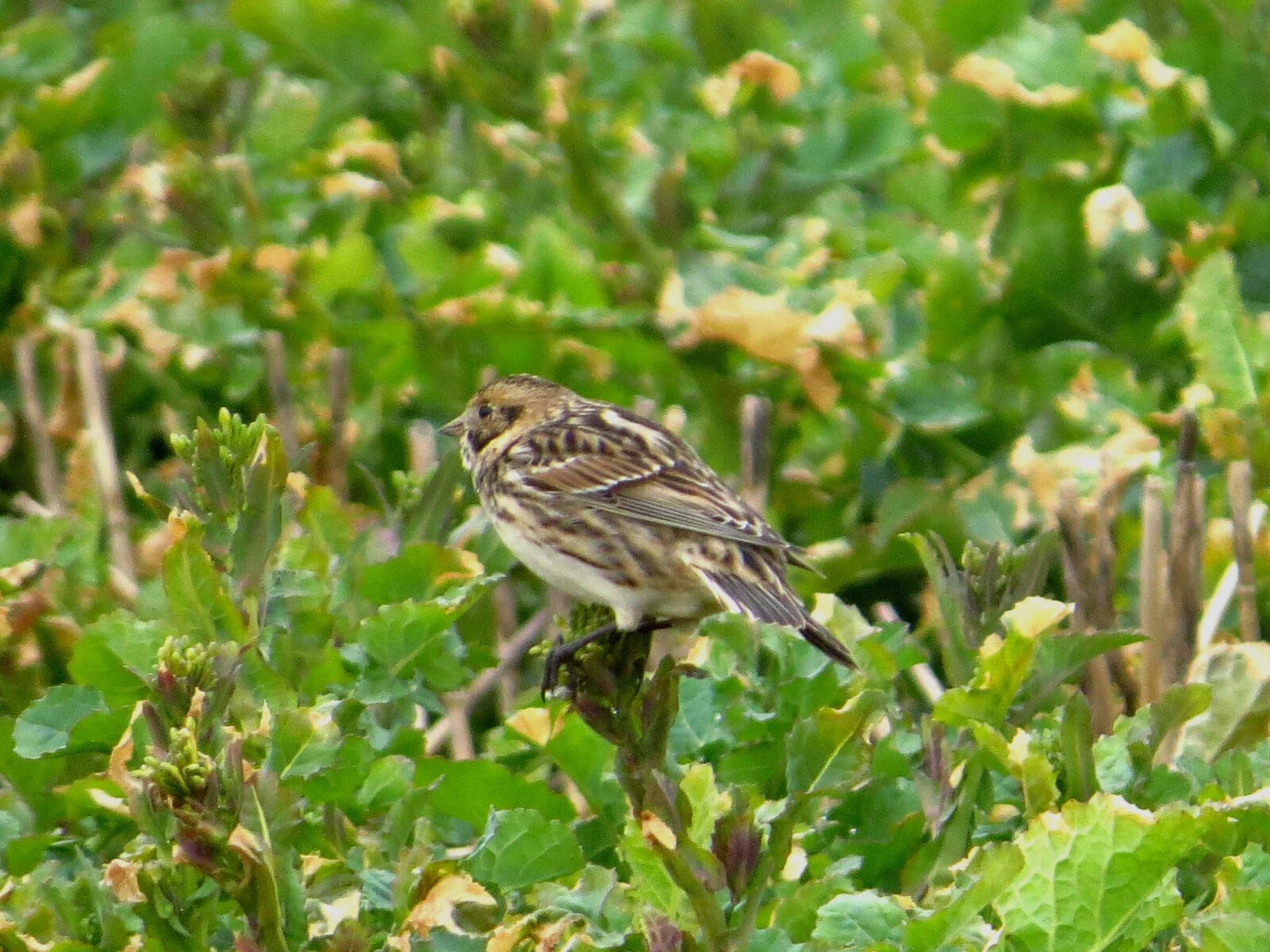
White Wagtail by Andrew AllportLapland Bunting by Andrew AllportBlack Redstart by Brett Richards
A quiet morning sea-watch with Pochard, three Common Scoter, nine Red-throated Diver, 89 Fulmar through. 67 Starling in off the sea as was a single Blackbird.
Two Russian White-fronted Goose were still in the area, three Buzzard, four Curlew, two Woodcock (Holmes Gut and Old Fall), Water Rail (motorway path), ten Stock Dove, 34 Magpie, 48 Blue Tit, 25 Great tit, 12 long-tailed Tit, 37 Blackbird, 11 Redwing, 24 Robin, 16 Dunnock, 29 Chaffinch and seven Bullfinch as an interesting collection of more common species.
A cloudy but mild day with a light north westerly wind. The sea watch was particularly productive for the time of year, with a summer plumaged Black Guillemot north at 10:58 being the stand out highlight. A single Manx Shearwater was also logged along with 39 Fulmar (including one blue morph), 102 Red-throated Diver, 9 Puffin, 35 Purple Sandpiper, 67 Common Scoter, 8 Eider, 2 Mallard, 12 Wigeon, 3 Greylag Goose and 3 Canada Goose.
The year’s first Avocet was on Stainforth’s flash early morning. 15 Lapland Bunting remained in fields around North Dykes, whilst 2 Black Redstart were in the walled compound on the golf course. Further signs of spring were provided by 4 Chiffchaff and 2 White Wagtail. The two Russian White-fronted Geese continued off North Marine Road along with a lone Pink-foot. Other wildfowl counts included 11 Canada Goose and 3 Whooper Swan, the later flying north. 2 Woodcock and 2 Water Rail were also logged.
Overnight sound recording at Buckton produced two fly over Water Rail, three owl species, Golden Plover, Pintail, several Wigeon flocks, Teal, Lapwing and 48 Redwings.
A sunny and mild day with light north westerly wind. Though quieter than the previous day, birds were still on the move on the sea watch, amounting to 4 Greylag Goose, 2 Shelduck, 2 Mallard, 2 Teal, 11 Common Scoter and 22 Red-throated Diver. As is typical for this time of year there was also a small movement of corvids offshore, with 26 Carrion Crow, 2 Jackdaw and a Rook.
The two Russian White-fronted Geese remained on the headland along with 64 Greylags and 8 Canada Geese, whilst Black Redstarts in the walled compound on the golf course had reduced down to one female. A single Brambling was in gardens in the village. Other counts included 10 Wigeon, 29 Teal, 2 Chiffchaff and 7 Redwing.
At Buckton, the Willow Tit which has overwintered was heard singing, whilst 80 Redwing, 6 Fieldfare, Water Rail and Woodcock were also in the area.
Morning sea passage from the headland amounted to two Wigeon, 11 Common Scoter and 20 Red-throated Diver all south. Just over 700 Gannet passed north and south, 19 Puffin, 15 Carrion Crow north and both single Siskin and Meadow Pipit in off.
Other parts of the recording area had three Brent Goose over Marine Drive, GreatNorthern Diver and eight Red-throated Diver off South Landing, 14 Wigeon, 42 Teal, five Buzzard, Red Kite over South Landing, Water Rail Golf Course Willows, six Curlew, Ringed Plover, 11 Redwing, five Goldcrest, 24 Linnet, Snow Bunting and ten LaplandBunting in Grange Farm fields. An escape Harris Hawk was present at Sykes Plantation.
A rather poor day with the weather. Rain and drizzle, a southerly F5 wind and 4c.
At the headland a Long-tailed Duck flew north, 12 Red-throated Diver, 29 Puffin and two Carrion Crow.
Due to the weather birding was limited with two Sparrowhawk, a Coot on the pond between Micklemires and North Marine Road, ten Curlew, five Snipe, Barn Owl, 20 Blackbird, Chiffchaff, 171 Starling, 24 Tree Sparrow, Siskin, 15 Yellowhammer and eight Reed Bunting.
The morning headland sea-watch recorded a pair of Eider past, 18 Red-throated Diver, 20 Fulmar, 300+ Guillemont and Razorbill, four Jackdaw and six Carrion Crow. On the sea were two Tundra Bean Goose at 0845.
Elsewhere was an Eider off South Landing, 18 Common Scoter, 11 Oystercatcher, 22 Curlew and two Redshank. Two Barn Owl, Tawny Owl, three Great Spotted Woodpecker, 15 Skylark, two “White” Wagtail, Chiffchaff, 68 Blackbird, 22 Dunnock, two Siskin, 16 Reed Bunting and 12 Yellowhammer. The escape Harris Hawk was at South Landing and at the same location 12 birds were ringed including two Goldcrest and a Treecreeper.
A cool day with a light south westerly wind, clouding over as the day went on. The days highlight pertained to a ringtail Hen Harrier, which flew north over Oceanview and latter Cattlemere, whilst a Lapland Bunting was also at the latter location.
Singles of both Jack Snipe and Pink-footed Goose remained on the headland, the former at Thornwick Pools. 24 Yellowhammer and 16 Reed Bunting were counted at Oceanview, where a Coot was also logged overflying during the night representing a particularly noteworthy record.
The morning sea watch was generally quiet with 11 Red-throated Diver and 99 Fulmar the highlights. A Blue morph Fulmar was logged at Bempton.
A day of light south easterly winds with patchy mist first thing, clearing to sunny spells before clouding over again during the afternoon. The first Whimbrel of the year flew north on the morning sea watch, along with 91 Fulmar (including 1 blue morph), 1 Velvet Scoter (south), 3 Shelduck, 2 Pintail, 21 Eider, 9 Common Scoter, 30 Red-throated Diver and 74 Puffin.
A minimum of 3 Lapland Bunting remained in the fields between Thornwick and North Dykes, along with a single Snow Bunting. There was a small but notable movement of Goldcrest with five on the outer headland, whilst a single Chiffchaff was at Bempton and a White Wagtail was at Cattlemere. The Pink-footed Goose remained with the Greylag flock. An adult Mediterranean Gull was near Bempton and a Water Rail frequented the golf course willows.
Lapland Bunting, Thornwick/North Dykes area by Brett Richards
A cloudy day with persistent rain and a moderate north easterly wind. The morning sea watch was conducted from South Landing where single Long-tailed Duck and Great Northern Diver both flew north. Other highlights included 9 Eider, 20 Common Scoter, 12 Red-throated Diver, a second calendar year Mediterranean Gull and two Sandwich Tern, the latter representing the first record for the year.
On the land, there was an arrival of chiffchaff, with 12 across the headland. A male Brambling was briefly at the feeding station at the Living Seas Center, whilst a single Nuthatch remained on feeders at South Dykes. A pair of Tufted Duck were at Thornwick fishing pond and later North Marsh.
A cloudy day with occasional showers and a moderate northerly wind. For the second day running a Great Northern Diver flew north on the sea watch, whilst notable counts included 24 Red-throated Diver, 227 Fulmar (including 1 dark morph), 2 Wigeon (south), 4 Teal, 5 Eider, 5 Common Scoter and 12 Puffin.
On the land 2 Dark-bellied Brent Geese were on the Golf Course before moving to fields near Northcliffe Marsh, with the pair of Tufted Duck also remaining at the latter location. Three Jack Snipe were in the Thornwick area, with a single Woodcock logged at Holmes Gut. Despite the northerly wind some obvious passerine movement was occurring with a Black Redstart in private gardens, Wheatear at Cattlemere, 10 Chiffchaff and 2 White Wagtail. Brambling visited feeders at Oceanview and in the village during the morning. There was also a notable movement of Robins with 18 around Cattlemere and 17 at Bempton.
Rain persisted throughout a day with moderate easterly winds and temperatures that rose from three degrees in the morning to five degrees by mid-afternoon. A Great Northern Diver flew past South Landing, Thornwick Pools hosted four Snipe and two Jack Snipe, whilst a Brambling fed in a garden in the centre of the village.
Spring sprung into action at last. It was a largely overcast day, with heavy showers from mid-afternoon; crucially, temperatures increased substantially to 13 degrees C in a light/moderate southerly wind.
The highlight of the morning’s seawatch pertained to three Sandwich Terns that flew north. Two Brent Geese and a lone Pink-foot remained at North Marsh. An immature male Marsh Harrier and a Red Kite overflew the headland during the morning; the latter having earlier flown through Bempton and a Short-eared Owl also frequented Thornwick.
Three Firecrests were located, including an individual at South Landing, whilst two Black Redstarts were also in residence. However, the day’s highlight related to the evening discovery of a female Bluethroat at Thornwick Pools. Meanwhile, the Old Fall Steps area hosted a Hawfinch mid-afternoon. Further migrants included the year’s first Willow Warbler, 17 Chiffchaffs, 23 Goldcrests, 121 Blackbirds, 50 Robin, three Wheatears, three White Wagtails and eight Brambling.
West of the Dykes, a Great Grey Shrike headlined at RSPB Bempton Cliffs, where additional interest was provided by the aforementioned Red Kite, a White Wagtail, 214 Meadow Pipits flying north-west and 22 Robins.
Firecrest, North Landing, by Andrew AllportBrambling, South Dykes, by Alan Walkington
A generally overcast day, with increasingly heavy showers and light/moderate westerly winds. The highlight of the morning’s seawatch related to four Sandwich Terns moving north. A Jack Snipe lingered at Thornwick Pools and two Woodcock were also located. The headlines were three Firecrests, including an individual around the car park at Thornwick Pools, and a Hawfinch along Lighthouse Road. Other migrant sightings involved five Blackcap, nine Chiffchaffs, a White Wagtail, six Brambling and four Siskin.
West of the Dykes, records from RSPB Bempton Cliffs included a Black Redstart and two White Wagtails. Nearby, Buckton attracted a Water Rail, one Firecrest, three Chiffchaff and a Brambling.
Firecrest, Thornwick, by Andrew AllportSiskin, Flamborough village, by Mike SmithBrambling, RSPB Bempton Cliffs, by Trevor Charlton
A sunny day, with moderate north-westerly winds slackening during the afternoon. Two Brent Geese remained at North Marsh, a Red Kite drifted east over North Landing and a lone Woodcock lingered.
Three Firecrests were present: at South Landing, Thornwick Pools and on the edge of the Gorse Field, whilst two Hawfinches frequented trees on the eastern fringes of South Landing early morning. Other migrants included the year’s first Sand Martin, a White Wagtail, 15 Chiffchaffs, two Blackcaps, five Brambling and three Siskin.
West of the Dykes, RSPB Bempton Cliffs hosted a Short-eared Owl and the Great Grey Shrike that made a re-appearance late afternoon. The Firecrest was also still present at Buckton.
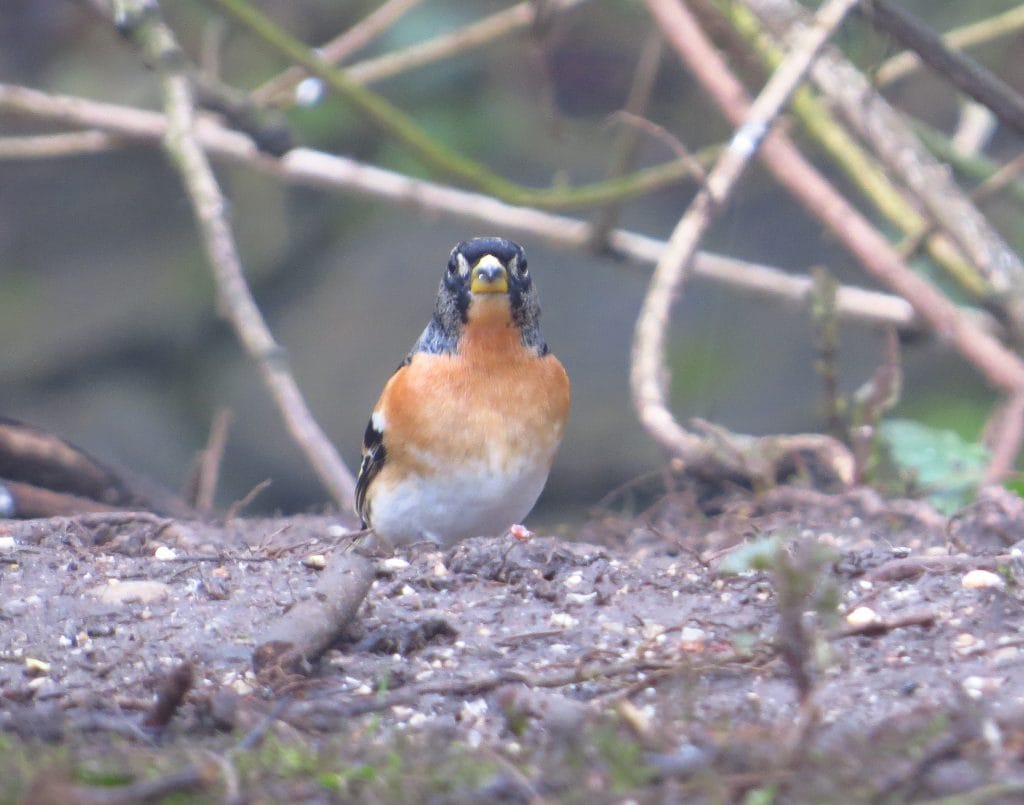
Brent Goose, North Marsh, by Andy HoodFirecrest, Thornwick Pools, by Andy HoodBrambling, South Dykes, by Alan Walkington
A day of increasingly strong south-easterly winds and feeling relatively cold under overcast skies. Seawatching highlights included two dark-bellied Brent Geese and 17 Common Scoters flying south, with two Sandwich Terns heading north.
A Little Grebe at North Marsh was the first of the year, whilst a Jack Snipe and two Woodcock were also present. The Firecrest remained at South Landing, with single Black Redstart and White Wagtail frequenting the Gorse Field. Additional migrant tallies included 14 Goldcrests, 20 Chiffchaffs and three Brambling.
Chiffchaff, Thornwick Pools, by Alan WalkingtonMistle Thrush, South Dykes, by June & Malcolm Fox
An overcast day, with a brief period of light rain in the morning, and light variable winds. Seawatching highlights included two dark-bellied Brent Geese and six Sandwich Terns flying north, with a Golden Plover moving south. In addition, a Yellow Wagtail flew north past the Fog Station.
The Pink-footed Goose remained in residence, whilst a Swallow on the outer head was new. Two Firecrests were present: the long-stayer at South Landing and a new arrival on Old Fall Hedge. Two Black Redstarts were on the outer head, whilst a male Hawfinch lingered at Old Fall Steps. Other migrants included 13 Goldcrests, 15 Chiffchaffs, three Blackcaps and a Grey Wagtail.
Tawny Owl, outer head, by Craig ThomasHawfinch, Old Fall Steps, by Brett Richards
A mild and still day with hazy cloud. Highlight of the day was the discovery of a Great White Egret at Northcliffe Marsh during mid-afternoon. Once a mega rarity on the headland, this species has seen a considerable up turn in records in the last few years. Also in the Northcliffe Marsh area were a Little Grebe, 2 Dark-bellied Brent Geese and a Pink-footed Goose. Yesterday’s Firecrest remained in Old Fall hedge, whilst three Black Redstarts included birds at Thornwick and Bempton RSPB. The Bempton area also held 2 Ring Ouzel, Blackcap, Brambling and a House Martin. 2 Willow Warbler were at Thornwick, with single Blackcap, Brambling, Golden Plover and 30 Fieldfare noted on the outer headland.
The year’s first Arctic Tern flew south on the morning sea watch, with Sandwich Tern, a blue morph Fulmar and a Swallow also recorded. A Great Northern Diver was on the sea off Cattlemere during the morning.
Although fog predominated, there were also sunny intervals, light winds and temperatures approaching the seasonal norm. Coverage was light, although a Black Redstart frequented a garden in the centre of the village and a Brambling lingered at Oceanview.
Puffin, RSPB Bempton Cliffs, by Alan WalkingtonBlack Redstart, Flamborough village, by June & Malcolm Fox
An overcast day, with rain during the morning replaced by thick fog later; temperatures reached a mere seven degrees C. The day’s only notable record related to two Avocets that frequented Thornwick Pools.
Avocet, Thornwick Pools, by Alan WalkingtonAvocet, Thornwick Pools, by Andy Hood
Another overcast, misty and cold day, with a light/moderate northerly wind. Two Firecrests were located in South Landing, a Black Redstart re-appeared in the village and a Wheatear frequented Beacon Hill, whilst two Hawfinch visited garden feeders in the village. A Siskin was also present at the same feeding station, with the equivalent at South Dykes attracting a Nuthatch and two Brambling.
West of the Dykes, sightings from RSPB Bempton Cliffs included a Woodcock, ten Chiffchaffs, two Willow Warblers, 19 Redwing, three Fieldfare, 17 Robins, a Lesser Redpoll and 15 Corn Buntings.
Another overcast day, with thick mist at times and light northerly winds. A Green Sandpiper overflew Thornwick Pools, where a Jack Snipe remained, and two Marsh Harriers hunted the fields proximate to Old Fall. Two ‘new’ Firecrests were located including one along Lighthouse Road, with 12 Goldcrests, 25 Chiffchaffs, two Willow Warblers, 16 Fieldfare, a Redwing and two Brambling also present.
West of the Dykes, sightings from RSPB Bempton Cliffs included a Ring Ouzel, two Black Redstarts, four Wheatear, a Lesser Redpoll, four Brambling and seven Corn Buntings.
Another foggy day, clearing slightly by the afternoon; it remained relatively cold, with light southerly winds. A Gadwall flew north over the sea off North Landing, whilst a Woodcock, one Jack Snipe and four Snipe were located in the Thornwick area. Migrants included two Swallows, a Ring Ouzel at Hartendale, seven Fieldfare, 23 Chiffchaffs, a Willow Warbler, two Blackcap, two Wheatear, a White Wagtail, six Brambling and two Hawfinch; the latter at Oceanview.
West of the Dykes, sightings from RSPB Bempton Cliffs included a Ring Ouzel, 14 Redwing, one Black Redstart and four Brambling.
Hawfinch, Oceanview, by Andy HoodBrambling, South Dykes, by Brett Richards
A dramatic change in the weather, with spells of sunshine, light southerly winds and temperatures that peaked at 13 degrees C. Northbound tallies during the seawatch included six Teal, ten Red-throated Divers, a Manx Shearwater, a Sandwich Tern and 1649 Puffins.
The day’s highlight was a Crane that initially flew east over the village at 1605hrs, before circling over the outer head and then heading north towards Bempton. Wader interest was provided by three Woodcock, a Jack Snipe near South Landing that was a clear migrant, with single Whimbrel, Bar-tailed Godwit and Common Sandpiper also new.
A Firecrest was fresh-in in the Bay Brambles and a total of 46 Chiffchaffs represented a sizeable influx, as did 15 Blackcap, with three Willow Warblers and seven Goldcrests also located. Migrant thrushes included a Ring Ouzel, 82 Fieldfare, 68 Redwing and 16 Song Thrush. Additional migrant totals included two Common Redstarts, 16 Wheatears, nine Swallows, four Sand Martins, a White Wagtail, two Yellow Wagtails, seven Siskin and nine Brambling. Three Hawfinch were also present; the duo continued to tour the outer head and a single frequented the Bay Brambles early morning.
West of the Dykes, sightings from RSPB Bempton Cliffs included a Marsh Harrier, a Short-eared Owl, 11 Swallows, a Firecrest, a Yellow Wagtail, 281 Meadow Pipits flying north-west, a Tree Pipit, one Common Redstart, a Black Redstart, ten Siskin, seven Brambling and 16 Corn Buntings. A Raven that lingered around the cliffs stole the headlines, although arguably of more importance was the count of 4105 Puffins between the Fog Station and Speeton. Buckton attracted five Tufted Duck, a Green Sandpiper and seven Wheatear.
Common Sandpiper, Thornwick Pools, by Mike SmithWheatear, Oceanview, by Andy Hood
Light south-easterly winds increased in strength during the morning, but after an increasingly bright morning, fog returned early afternoon; temperatures were pegged back to a maximum of nine degrees C. During the morning’s seawatch, a Tufted Duck, 15 Sandwich Terns and an Arctic Tern flew north.
A Pink-footed Goose lingered with the Greylag flock, 16 Teal frequented North Marsh and a pair of Little Grebes was on Hood’s Flash. Two Little Egrets flew south early morning, when two Ring Ouzels were on the outer head. Generally passerine migrants were in lower numbers than the previous day, although two White Wagtails were recorded, along with 11 Brambling and a Hawfinch; the latter attending a garden feeding station in the village. A Willow Warbler caught at North Landing was the first to be ringing this year.
West of the Dykes, sightings from RSPB Bempton Cliffs included single House Martin, Lesser Whitethroat, Common Redstart and Yellow Wagtail.
The weather consisted of light/moderate south-westerly winds, sunny intervals and temperatures reaching 14 degrees C. The highlight of the seawatch was the Osprey that flew north over the sea at 0900hrs.
A Merlin flew over the Golf Course early morning, with a Short-eared Owl on the cliff top near Thornwick later. Two House Martins were new, a Ring Ouzel frequented the Bay Brambles morning only and the Golf Course attracted two Black Redstarts. A White Wagtail was also present, whilst seven Brambling and two Hawfinch were seen in the village near the Church.