22nd August 2026

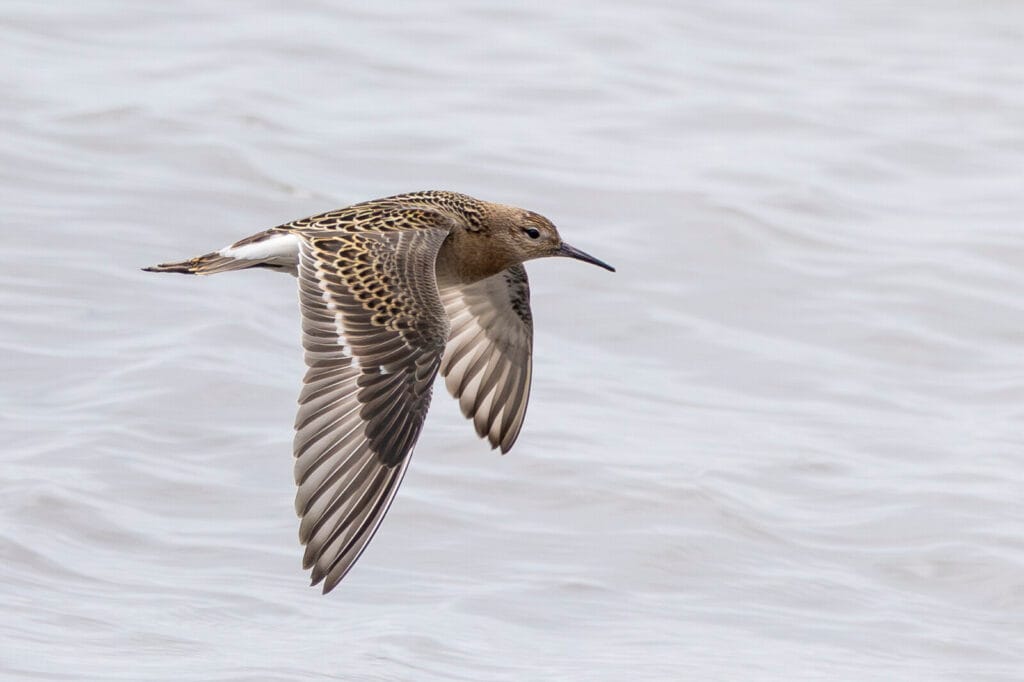
Generally overcast, although sunny intervals established by the afternoon; there were relatively light northerly winds and a high of 16 degrees C. The morning’s avian highlights came early, with single Great Shearwater and Grey Phalarope flying north past the Seawatch Observatory soon after first light. An evening watch was rewarded with a second Great Shearwater, a Cory’s Shearwater and the year’s first Balearic Shearwater. Better still, and following a sighting earlier in the month off Bempton, a Thresher Shark breached off the Observatory. Additional seawatch records included 118 Teal, a Ruff, two Black Terns, 246 Arctic Terns, three Little Gulls, a juvenile Yellow-legged Gull all flying north, along with 23 Bonxies, 48 Arctic Skuas and 59 Sooty Shearwaters.

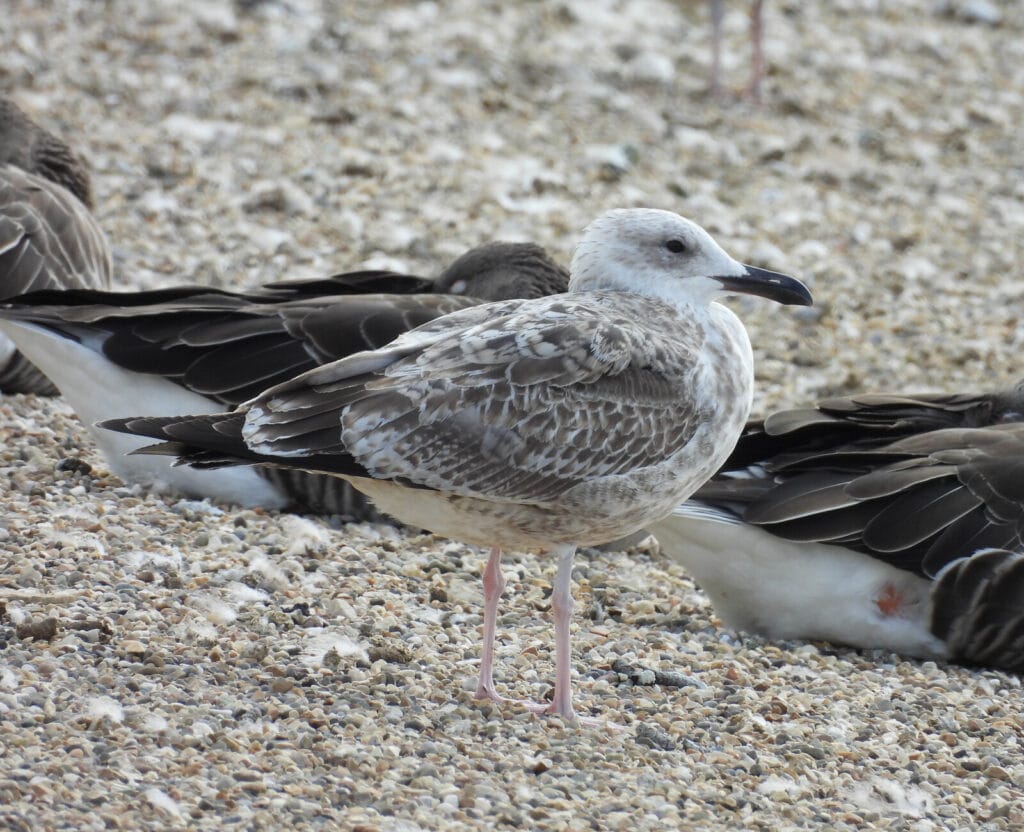
Five Caspian Gulls at Cattlemere included four juveniles, and more unusually, a fourth calendar-year. Additional interest on the land included single Hobby and Cuckoo, a Raven, three Spotted Flycatchers and six Corn Buntings.

Notable records from RSPB Bempton Cliffs included 11 Ringed Plovers, a Marsh Harrier and seven Willow Warblers.
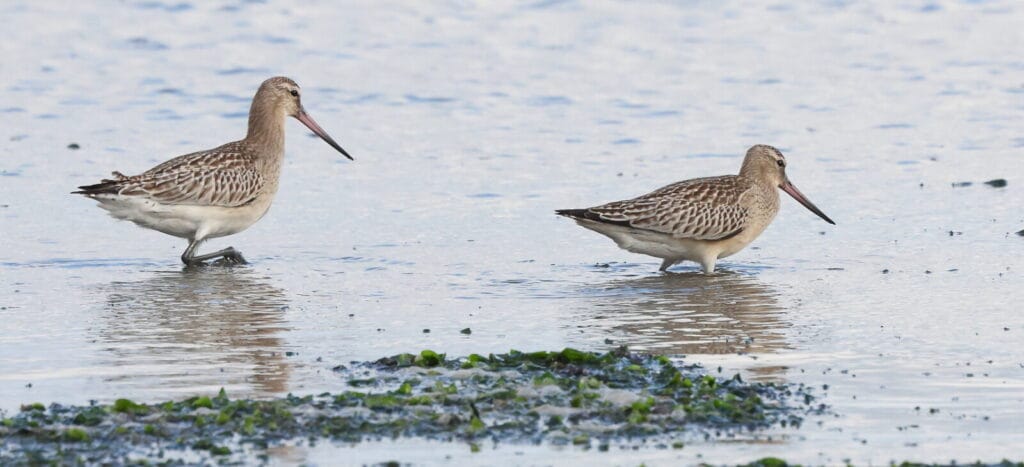
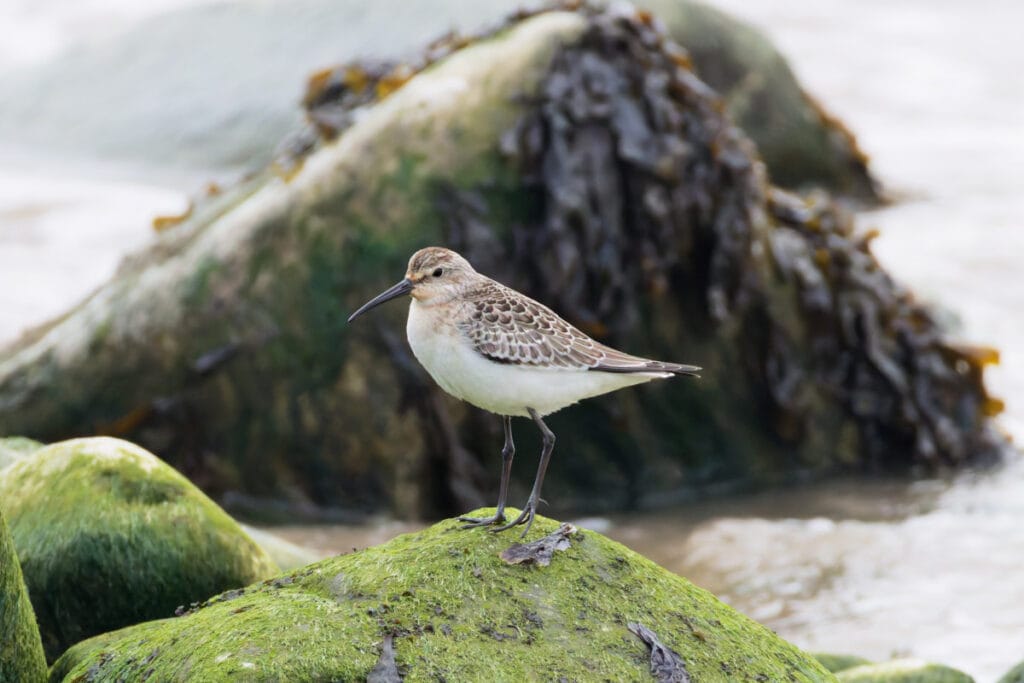
Bar-tailed Godwit, South Landing (Alan Walkington)

23rd August 2026

Sunny intervals, with light winds that switched to an onshore direction in the afternoon and a high of 21 degrees C. Sightings from South Landing included one Marsh Harrier, a Hobby, 17 Ringed Plovers, one Ruff, seven Bar-tailed Godwits, two Purple Sandpipers, a Knot and two Ravens that flew north-west. A total of nine Whimbrel also flew south over the outer head. Passerine interest included three Garden Warblers, a Wheatear, one Whinchat and four Spotted Flycatchers.

Three Minke Whales included two off RSPB Bempton Cliffs, where two Golden Plovers, four Whimbrel, a juvenile Cuckoo and five Yellow Wagtails were also seen.

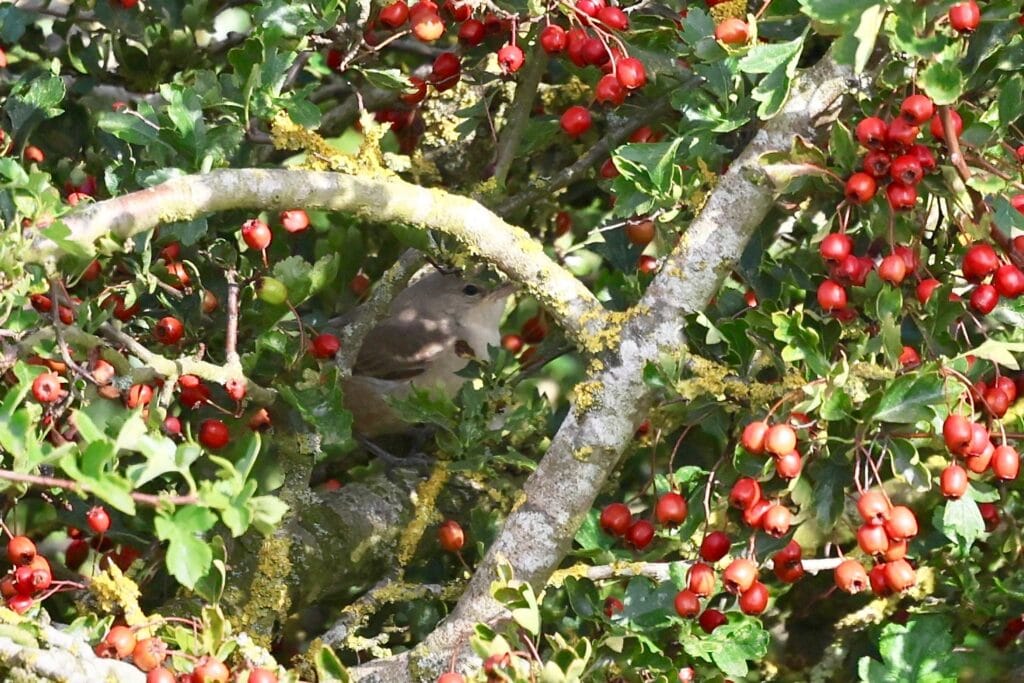
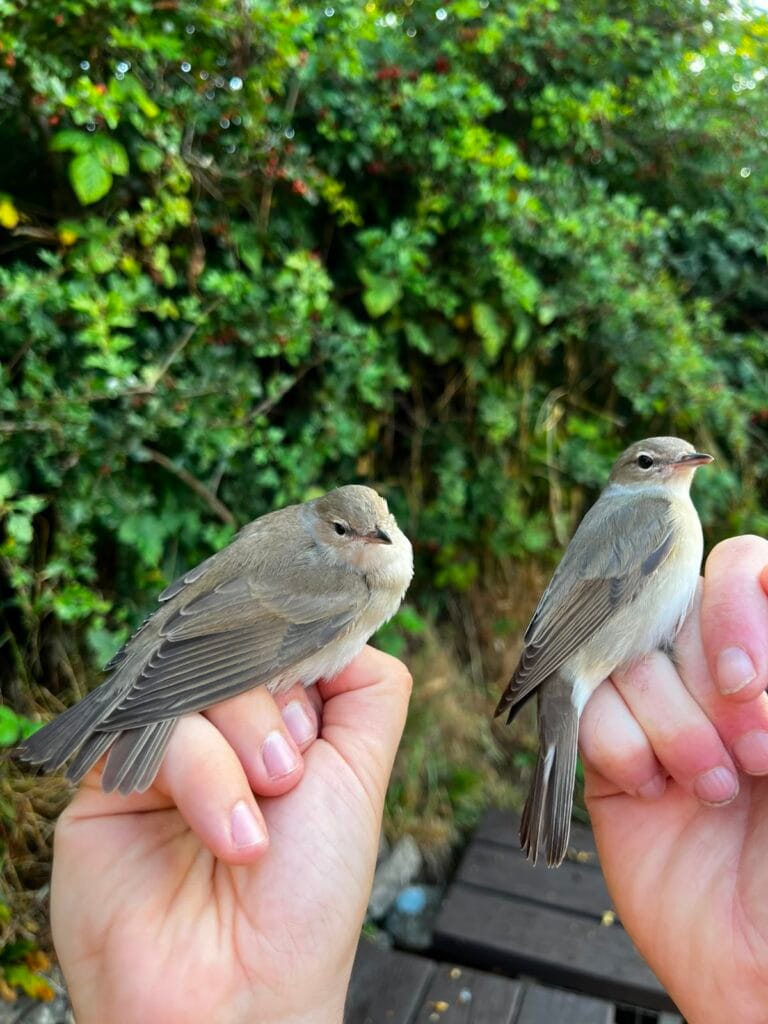
Garden Warbler, South Landing (Will Scott)

24th August 2026

Sunny intervals throughout a day when an easterly wind gradually increased in strength and temperatures reached 19 degrees C. Three Whimbrel were off Hartendale and a Green Sandpiper overflew Thornwick. A Short-eared Owl came in off the sea at Cattlemere, a juvenile Yellow-legged Gull was off the Fog Station, while a Water Rail was on the cliff top alongside the Golf Course. A Raven was recorded on the outer head for the third day running with one heard near Flatmere; additional passerine interest included two Spotted Flycatchers at Old Fall, a Reed Warbler at North Landing and 16 Yellow Wagtails.

Sightings from RSPB Bempton Cliffs included four Willow Warblers, a Goldcrest, one Spotted Flycatcher and two Wheatears.

Ruff, South Landing, by Andrew Allport

25th August 2026

Sunny intervals, moderate easterly winds and a high of 19 degrees C. A Barred Warbler at RSPB Bempton Cliffs represented the highlight of a small arrival of migrants including a Quail, three Garden Warblers and five Pied Flycatchers (including one at Bempton). Additional sightings from Bempton included the two Ravens that are clearly lingering around the head, a juvenile Yellow-legged Gull and a Merlin.

Elsewhere, a Balearic Shearwater flew north past the Fog Station in the mid-evening. Larid interest included three juvenile Caspian Gulls and a juvenile Yellow-legged Gull on Cattlemere, while single Common Sandpiper and Dunlin visited Thornwick Pools.

Barred Warbler, RSPB Bempton Cliffs, by Will Scott
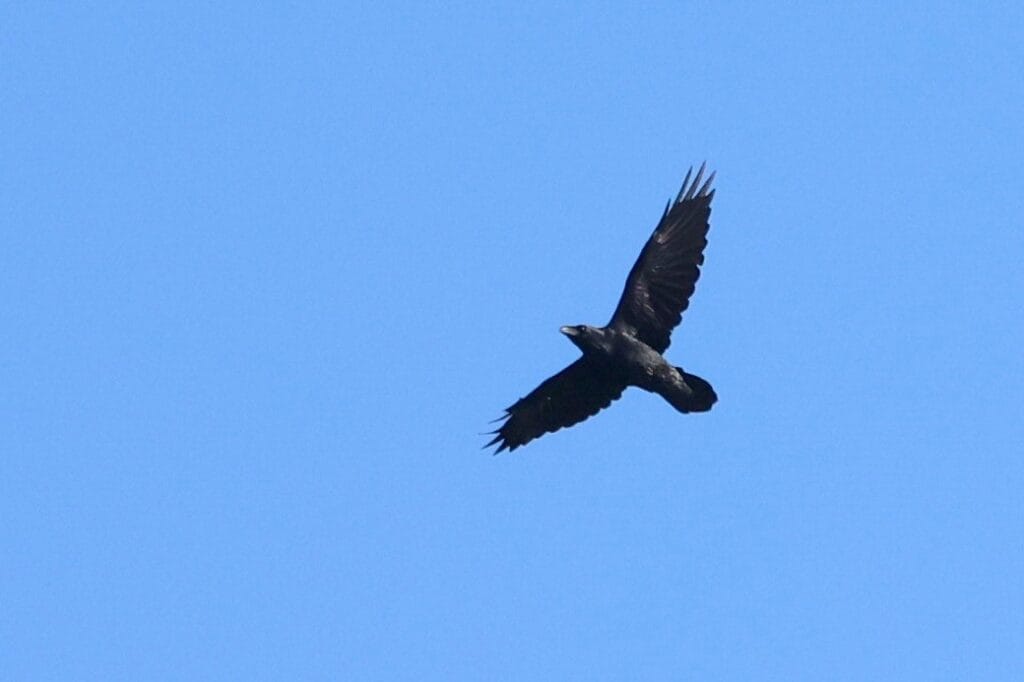
Raven, RSPB Bempton Cliffs, by Will Scott

26th August 2026

Sunny throughout, with light/moderate easterly winds and temperatures that peaked at 21 degrees C – essentially classic drift conditions. An impressive arrival of 68 Pied Flycatchers took place on the outer head, with the majority making landfall from early afternoon. They were accompanied by 23 Wheatears, 22 Willow Warblers, 19 Siskins, 14 Common Redstarts, seven Spotted Flycatchers, six Whinchat, three Garden Warblers, two Reed Warblers and two Tree Pipits. In addition, the two Ravens toured the outer head in the morning. Wader interest included nine Golden Plover, two Ruff, two Green Sandpipers, a Common Sandpiper and 15 Turnstone; the latter moving south over the headland in two flocks.

Seawatch highlights involved an adult Sabine’s Gull and a Pomarine Skua that flew south and a Balearic Shearwater that headed north.

The Barred Warbler continued in residence at RSPB Bempton Cliffs, where additional sightings included: 12 Pied Flycatchers, 12 Willow Warblers, a Garden Warbler, a Reed Warbler, two Whinchat, two Wheatear and five Siskin. A Hobby and another two Pied Flycatchers were along Stonepit Lane, Bempton.

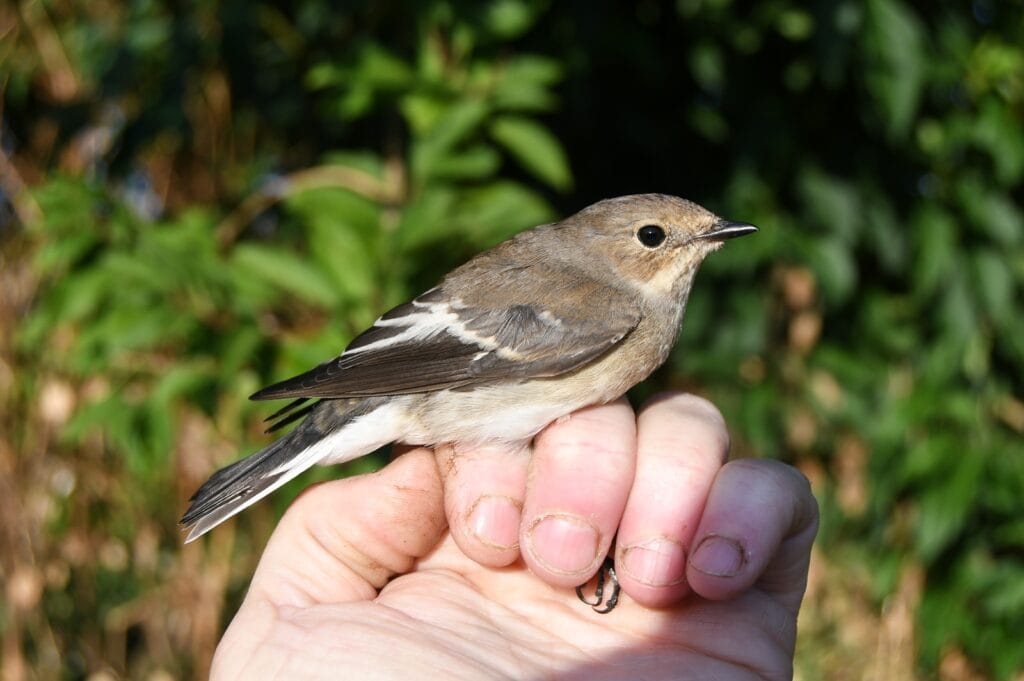
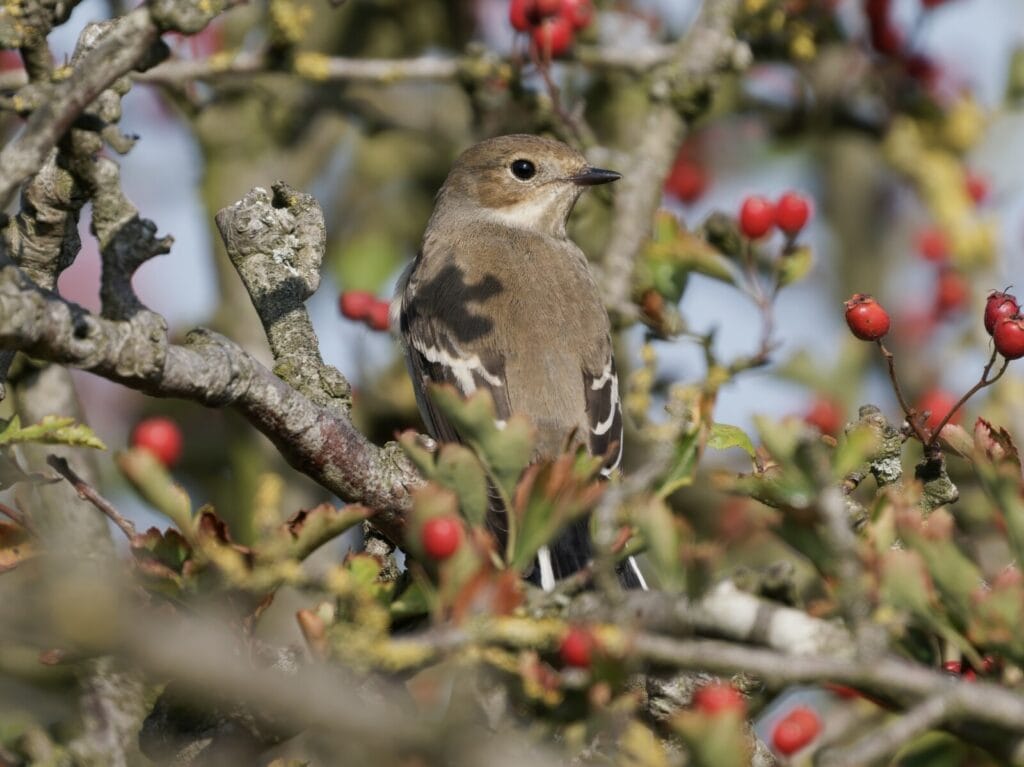
Pied Flycatcher, Oceanview, by Andy Hood
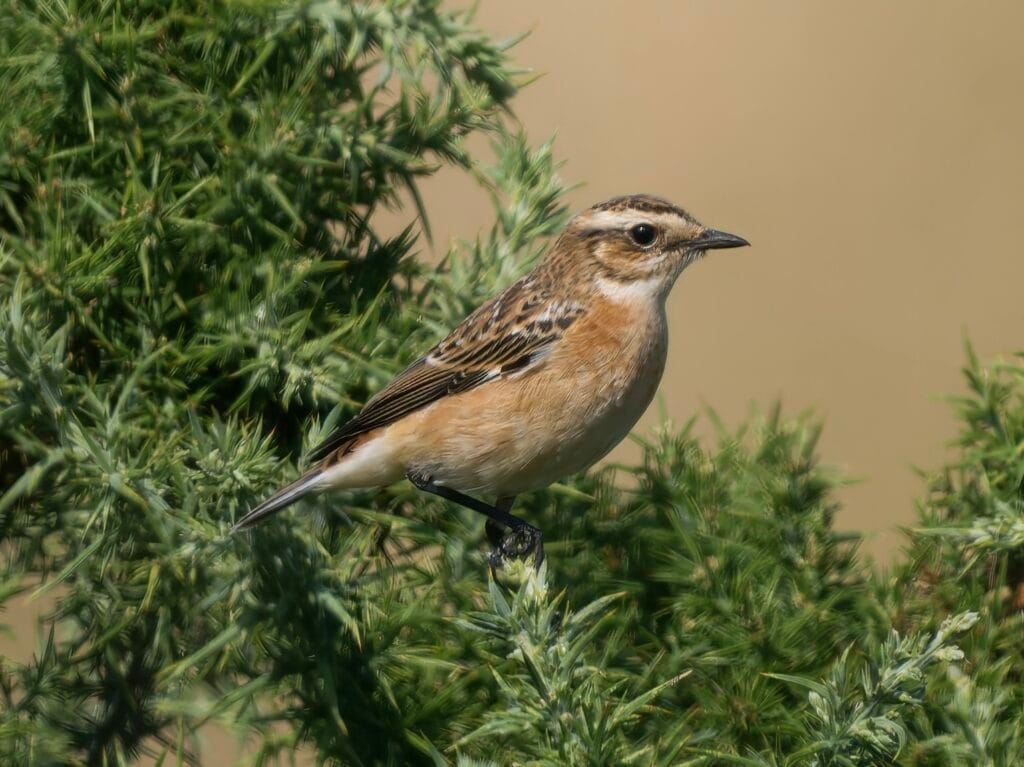
Whinchat, RSPB Bempton Cliffs, by Ian Howard

27th August 2026

Sunny intervals preceded overcast skies with rain, heavy at times, that arrived in the afternoon; light/moderate easterly winds dropped in strength once the rain began, while temperatures reached 20 degrees C.

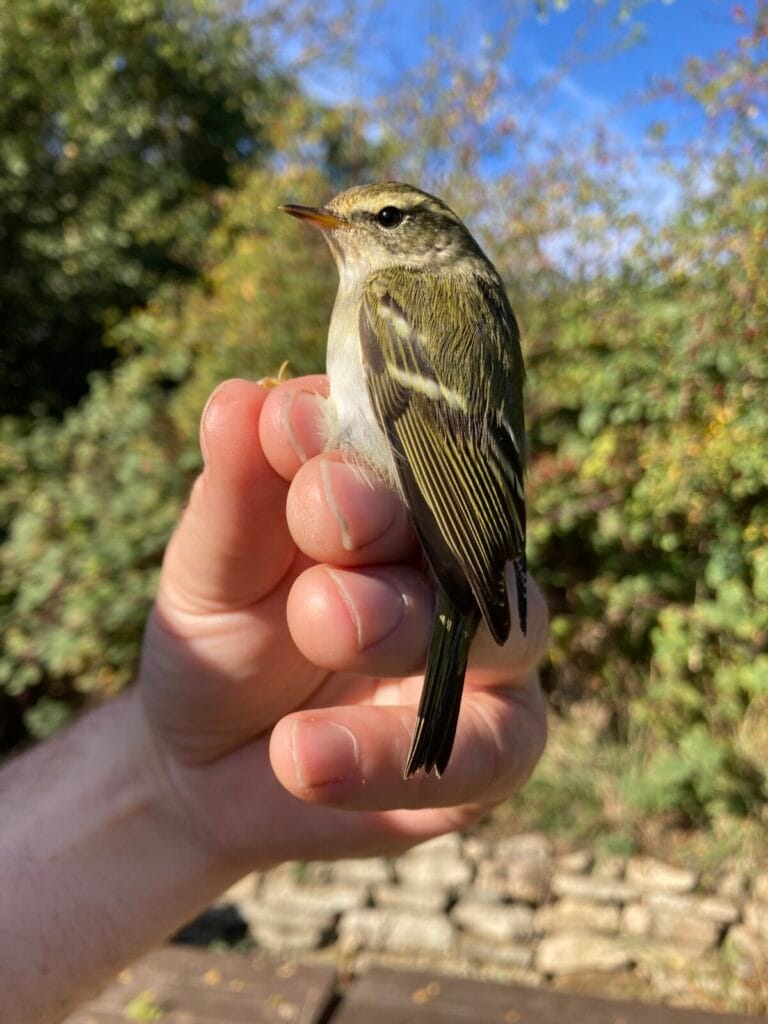
Migrant passerine numbers were lower than yesterday; albeit another pulse of arrivals made landfall in the afternoon ahead of the rain, the best of which was a Greenish Warbler ringed at Buckton. Nearby, sightings from RSPB Bempton Cliffs included five Willow Warblers, a Garden Warbler, 21 Pied Flycatchers, three Spotted Flycatchers, three Common Redstarts, a Whinchat, four Wheatear and a Siskin. Again the two Raven were recorded both at Bempton and the outer head.

Additional records from the outer head included two Hobby, a Merlin, two Quail, 35 Willow Warblers, two Reed Warblers, three Garden Warblers, 34 Pied Flycatchers, 11 Spotted Flycatchers, 10 Common Redstarts, six Wheatear, four Whinchats, two Tree Pipits and 56 Siskin.

Pied Flycatcher, RSPB Bempton Cliffs (Ian Howard)
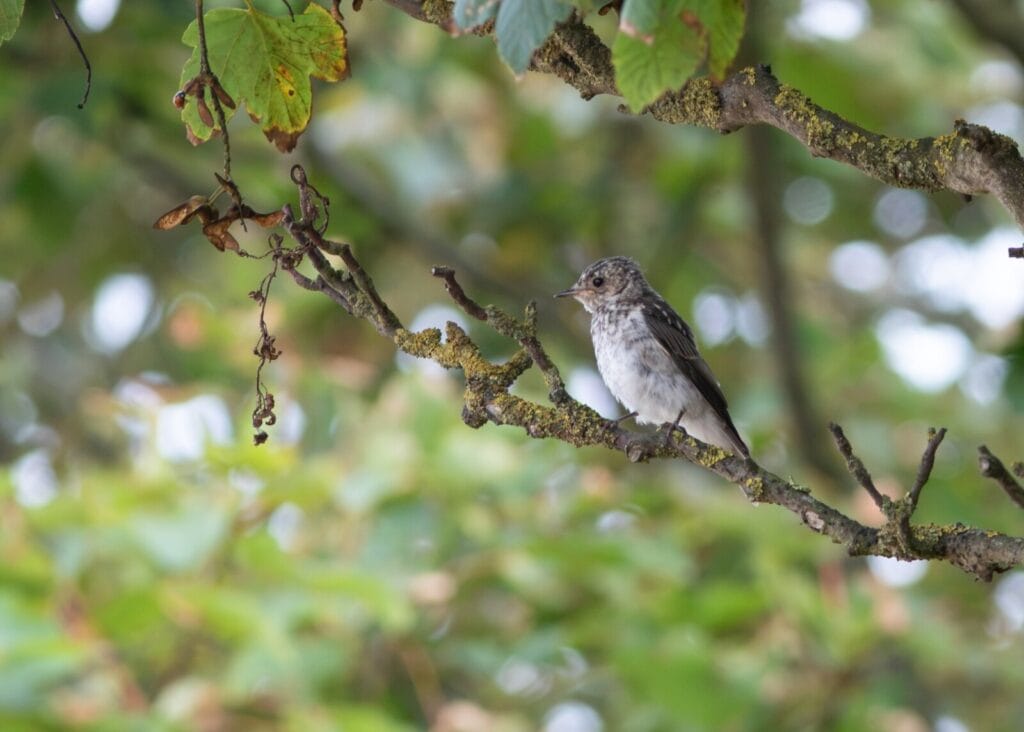
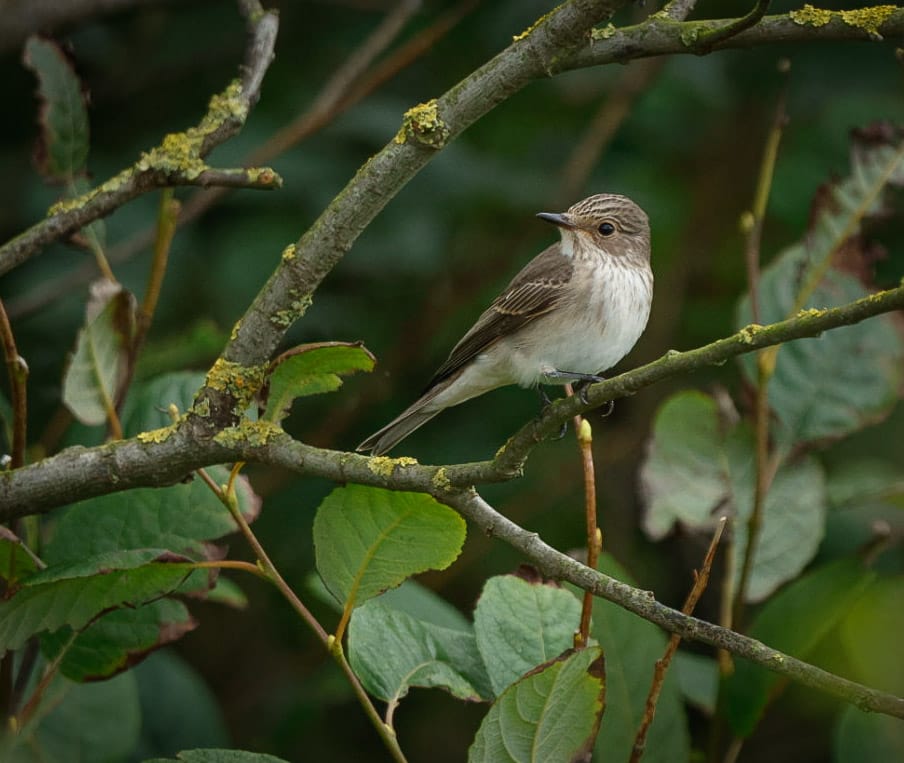
Spotted Flycatcher, Old Fall (Jo Hood)

28th August 2026

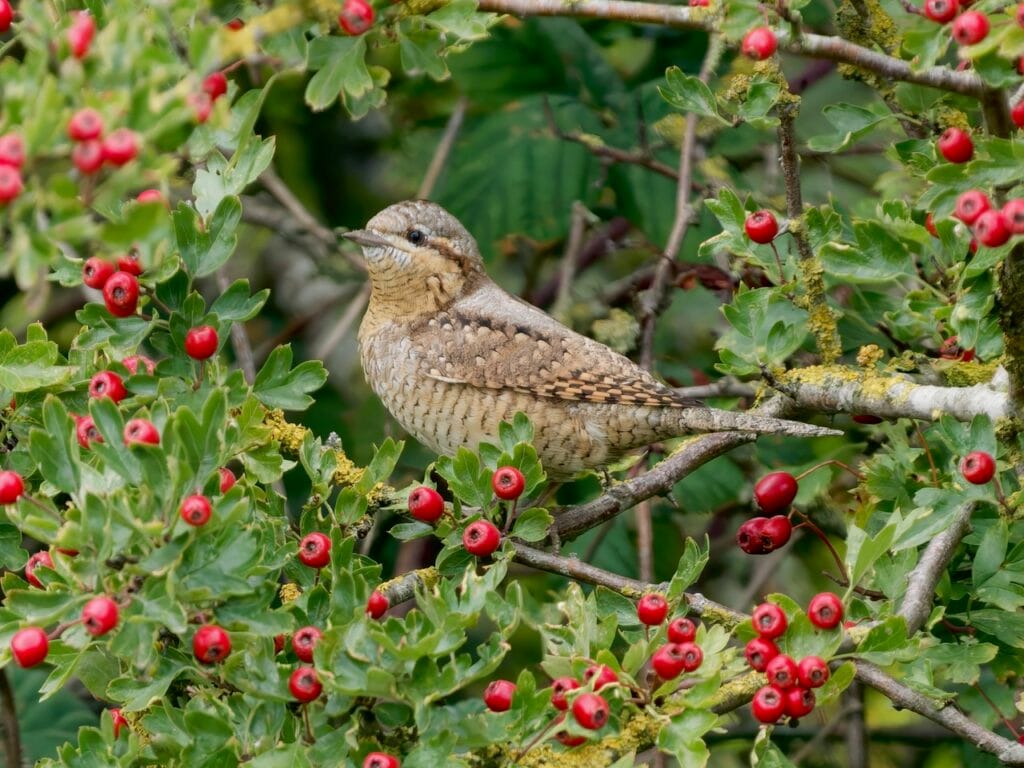
A band of rain in the morning was slow to clear, but was eventually followed by sunnier skies and heavy, thundery showers; a moderate south-west wind established and temperatures peaked at 22 degrees C. A Wryneck in the Lighthouse Field was a pleasing addition to the year. Commoner drift migrants were still in evidence on the outer head: 35 Willow Warblers, two Reed Warblers, three Garden Warblers, 30 Pied Flycatchers, seven Spotted Flycatchers, 11 Common Redstarts, four Whinchat, three Tree Pipits, three Wheatear and an impressive 97 Siskins.

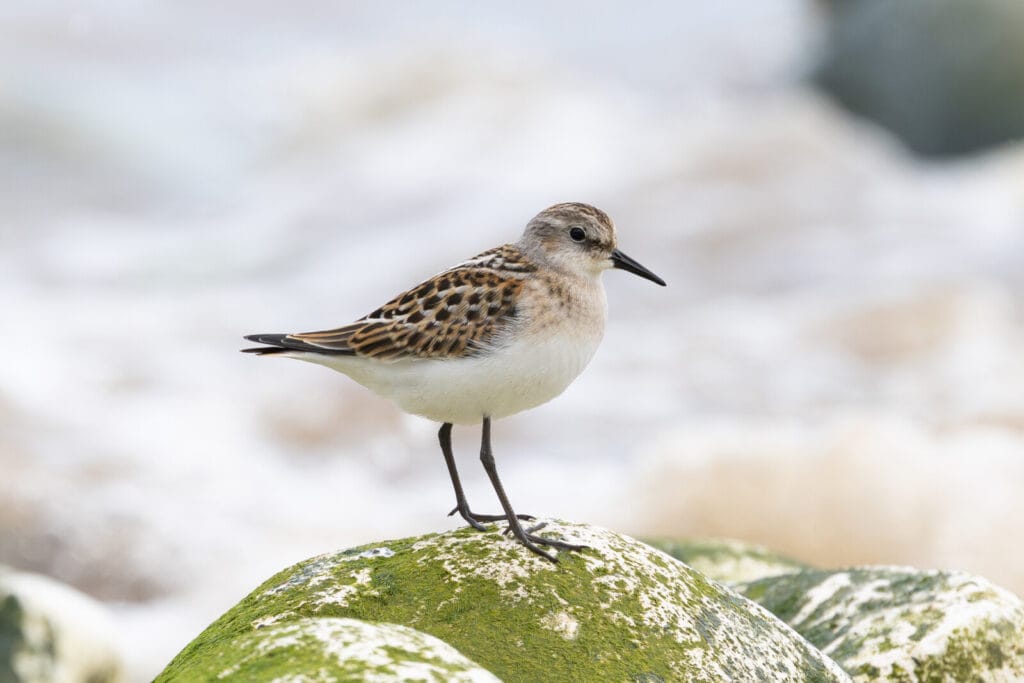
Wader interest was headlined by a juvenile Little Stint on South Landing beach together with 25 Dunlin, 15 Ringed Plovers and two Bar-tailed Godwits. Thornwick Pools attracted four Dunlin, a Ringed Plover and one Snipe. Four juvenile Caspian Gulls were recorded, a single at Thornwick and three at Cattlemere, while three Little Egrets were shared between the same two sites.

The Barred Warbler re-appeared in the Dell at RSPB Bempton Cliffs. Additional records from the reserve included a Hobby, a Caspian Gull, a Garden Warbler, a Common Redstart, five Spotted Flycatchers, 15 Pied Flycatchers, two Whinchat and 33 Siskins. Another seven Pied Flycatchers were along Cliff Lane, Bempton, while the nearby Chalet Park hosted a Garden Warbler, three Pied Flycatchers, a Spotted Flycatcher and one Wheatear.

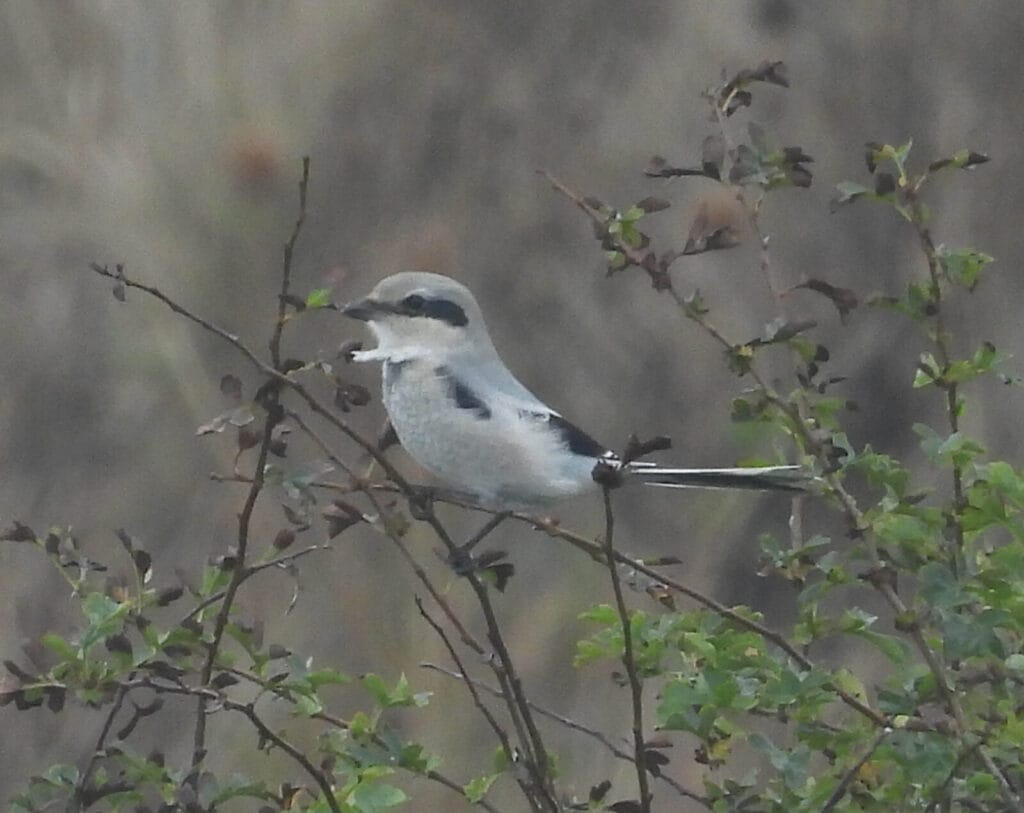
A first-winter Red-backed Shrike appeared at Buckton, where three Quail and three Pied Flycatchers were also present.

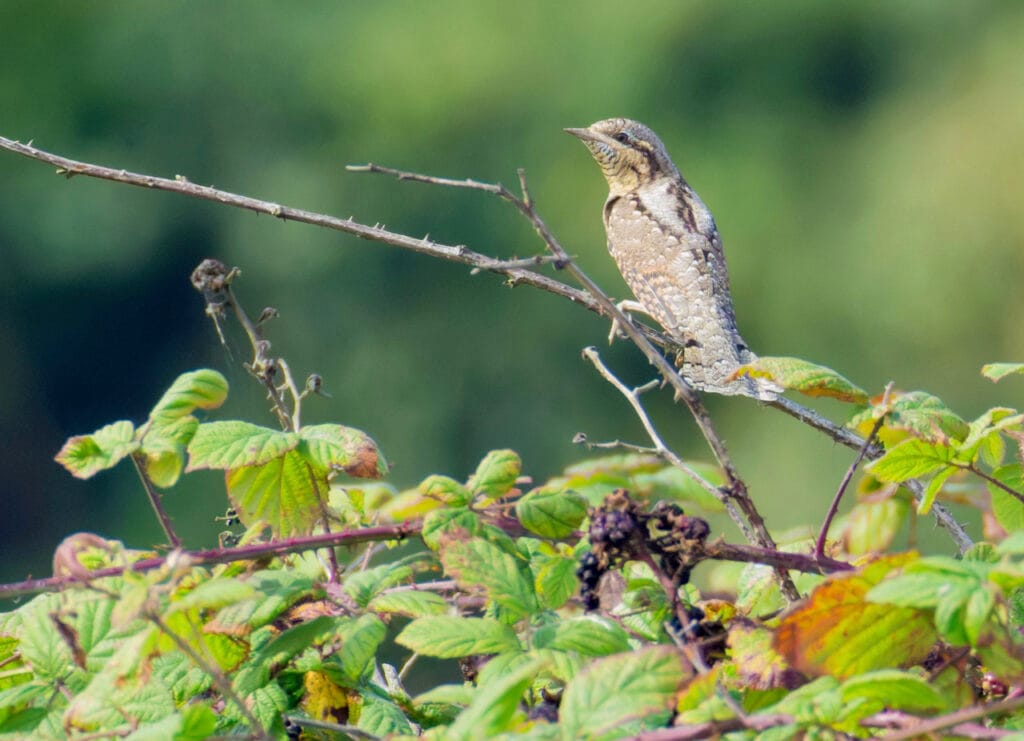
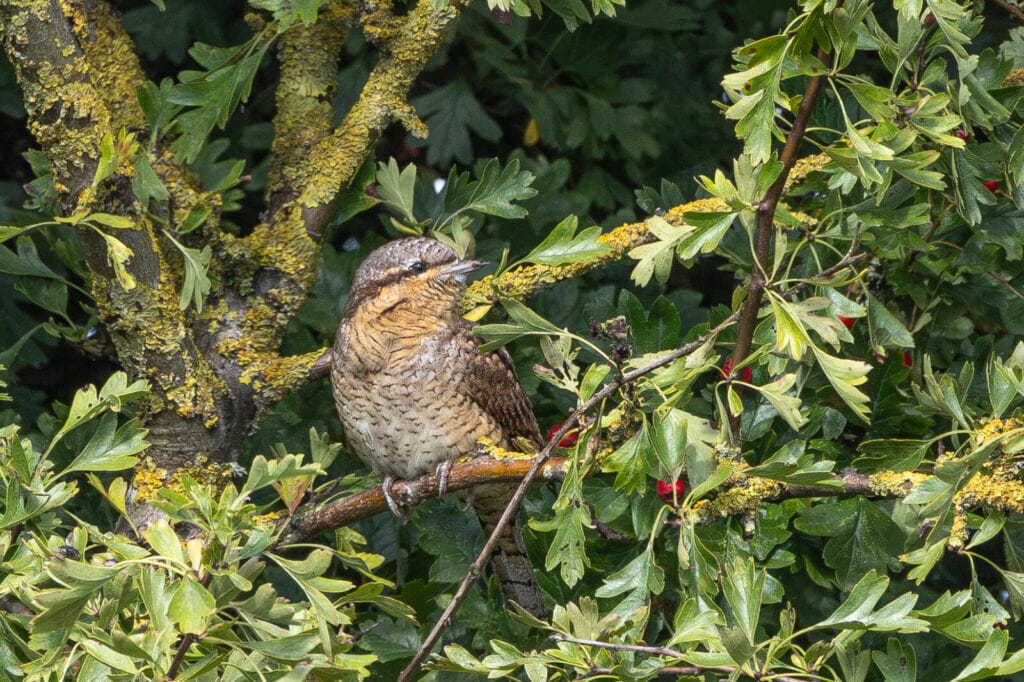
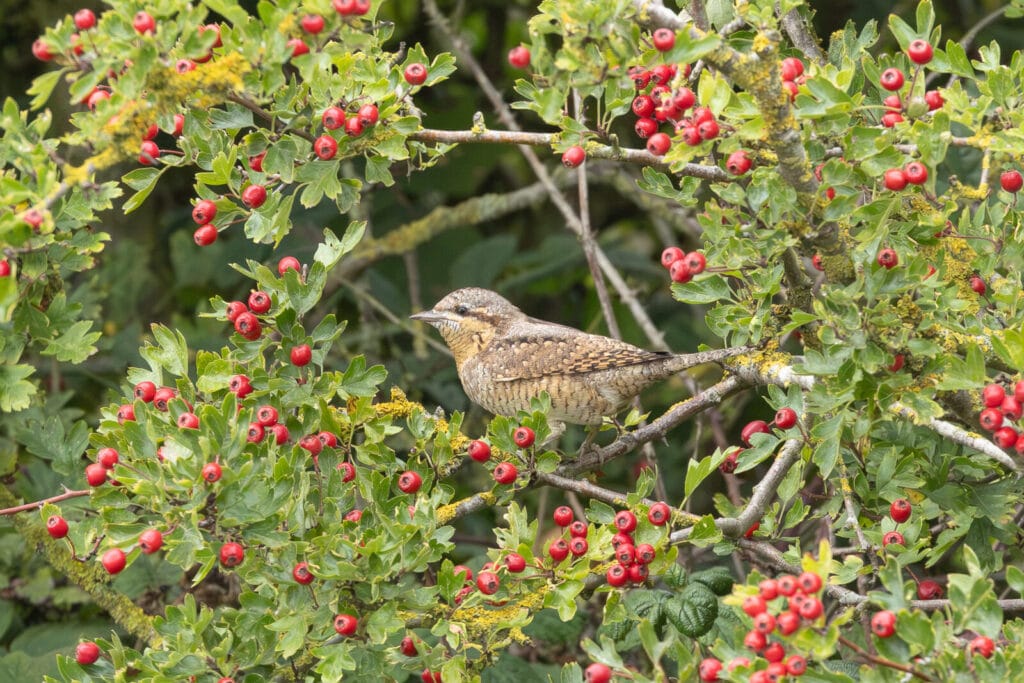
Wryneck, Lighthouse Field (Lee Johnson)
Barred Warbler, RSPB Bempton Cliffs (Ian Howard)

29th August 2026

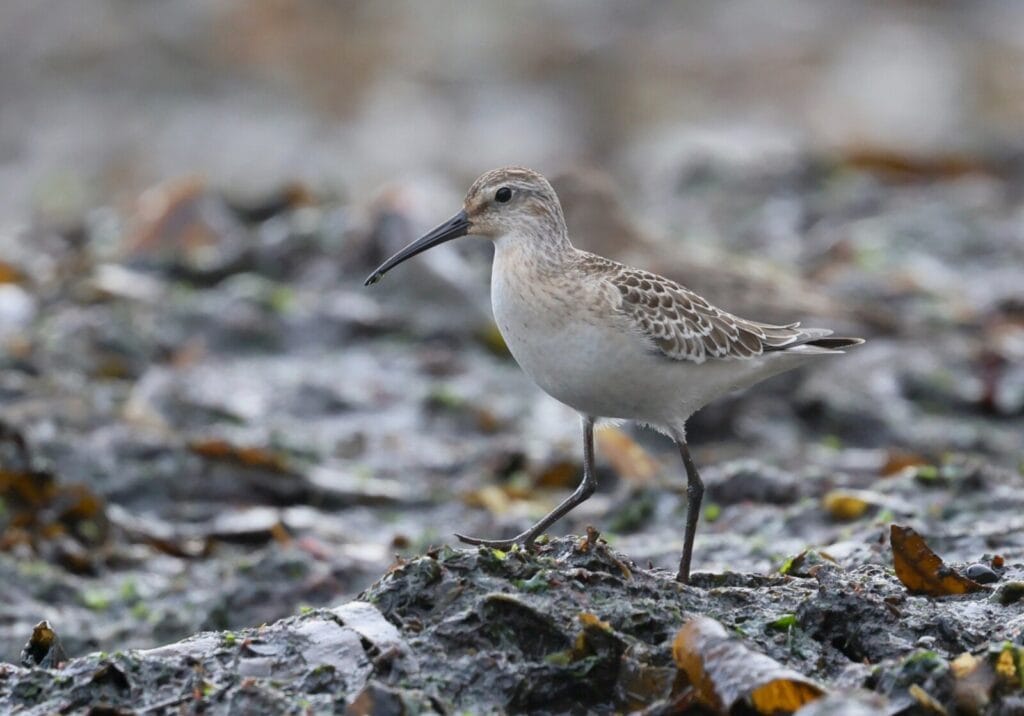
A relatively bright start, although cloud soon increased from the west. There were spells of mainly light rain from early afternoon; gentle winds were variable in direction, while temperatures reached 20 degrees C. The juvenile Little Stint remained on South Landing beach where it was joined by a juvenile Curlew Sandpiper; the latter the first record for six years. A southbound Spotted Redshank over Thornwick was another quality wader record, while two Greenshank overflew the headland. Also new for the year, a Bittern skulked in the reeds alongside Thornwick Fishing Lake and a Honey Buzzard flew west over the village at 1115hrs. In addition, single Short-eared Owl and Merlin hunted cliff top fields on the outer head. Passerine migrants were still in good numbers there including a Garden Warbler, three Reed Warblers, 31 Pied Flycatchers, ten Spotted Flycatchers, 17 Wheatear, 12 Whinchat, 12 Redstart, five Tree Pipits and 22 Siskin.

The Barred Warbler continued in residence at RSPB Bempton Cliffs, where three Garden Warblers, a Grasshopper Warbler, two Reed Warblers, 14 Pied Flycatchers, five Spotted Flycatchers, a Redstart, one Wheatear, seven Whinchat, a Tree Pipit, nine Yellow Wagtails and 34 Siskin were also present. Both Raven, Marsh Harrier and Merlin flew through the reserve. On the edge of the village, Bempton Chalet Park hosted six Pied Flycatchers and three Spotted Flycatchers. Nearby, the Red-backed Shrike remained at the top of Hoddy Cows Lane.

Common Redstart, Lighthouse Grassland (Rob Little)

30th August 2026

Overcast, with light variable winds and a high of 20 degrees C. Both the juvenile Little Stint and Curlew Sandpiper remained on South Landing beach, while a flock of 13 Ruff flew south-east over Sixpenny. A Hobby persistently hunted Linnets around North Marsh in the morning, with a single also over Beacon Hill. Passerine migrants on the outer head included 59 Willow Warblers, five Garden Warblers, five Reed Warblers, 11 Spotted Flycatchers, 34 Pied Flycatchers, 12 Redstart, eight Whinchat, 20 Wheatear, a Grey Wagtail, four Yellow Wagtails and 13 Siskin.

The Barred Warbler remained at RSPB Bempton Cliffs. Single Hobby and Raven flew south-east over the reserve, while other records included: a Marsh Harrier, nine Willow Warblers, three Reed Warblers, three Garden Warblers, two Spotted Flycatchers, seven Pied Flycatchers, four Whinchat, two Wheatear and four Siskin. Nearby, Bempton Chalet Park hosted four Willow Warblers and two Garden Warblers. The first-winter Red-backed Shrike also remained along Hoddy Cows, Buckton.

Little Stint, South Landing (Dave Aitken)
Curlew Sandpiper, South Landing (Will Scott)
Curlew Sandpiper, South Landing (Rob Little)

31st August 2026

Following heavy overnight rain, it was generally overcast with some brighter intervals, light west/north-west winds and a best of 21 degrees C.

Large numbers of terns fed offshore, with a minimum of 500 Common Terns off South Landing alone. Amongst which, a single Black Tern appeared off the Fog Station and single juvenile Caspian and Yellow-legged Gulls were also present. Away from the sea, a Great White Egret flew north-east over the village at 0855hrs. South Landing beach again hosted juvenile Little Stint and Curlew Sandpiper; a Greenshank also flew over the outer head. Raptor interest included two Hobby over South Landing and a creamcrown Marsh Harrier over Mid Dykes.

The day’s highlight was the second Wryneck of the last few days that gave superb views alongside the South Dykes exit road. Other migrants on the outer head included 22 Pied Flycatchers, five Spotted Flycatchers, nine Common Redstarts, 11 Wheatear, two Whinchats and a Siskin.

The Barred Warbler remained at RSPB Bempton Cliffs albeit it often proved very elusive. It was joined on the reserve by two Marsh Harriers, three Garden Warblers, a Reed Warbler, six Willow Warblers, 12 Pied Flycatchers, three Spotted Flycatchers, three Whinchat and a Siskin. Two Ravens again flew south-east over Bempton towards the outer head. Nearby, the first-winter Red-backed Shrike lingered along Hoddy Cows Lane, Buckton; Raven and Merlin also flew over the Dell there.

Wryneck, South Dykes (Andrew Allport)
Wryneck, South Dykes (Dave Aitken)
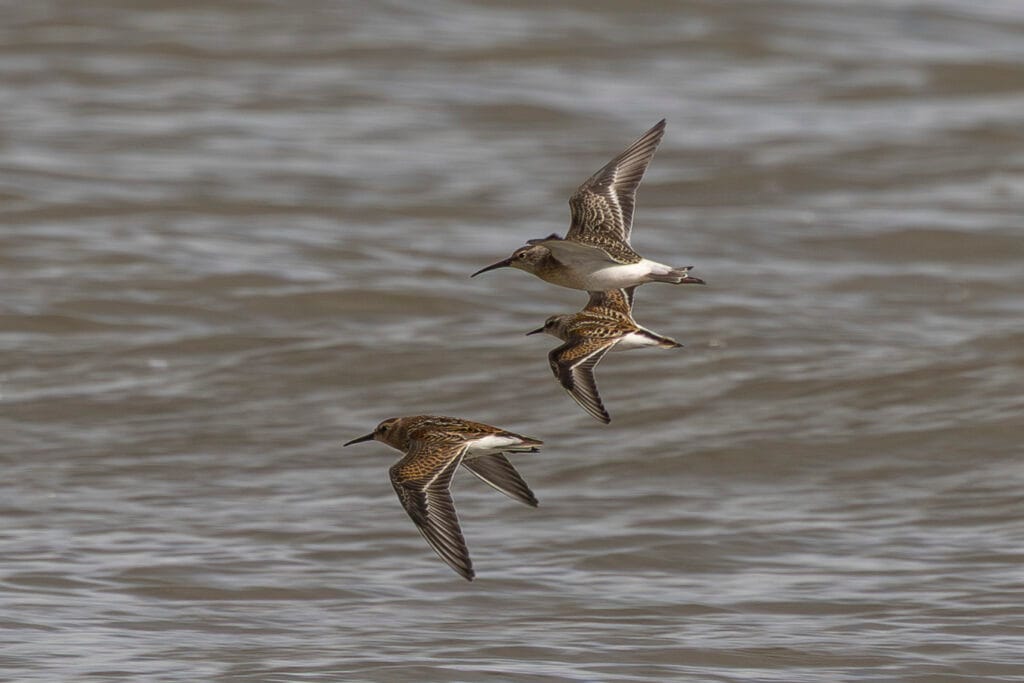
Curlew Sandpiper, Little Stint & Dunlin, South Landing (Andrew Allport)

1st September 2026

Sunny intervals after an overcast start; blustery south-westerly winds developed by the afternoon, with a high of 22 degrees C. An Osprey flew south-east at RSPB Bempton Cliffs mid-afternoon; there were Hobby sightings at South Dykes, Bempton Lane and Thornwick Pools and a creamcrown Marsh Harrier flew south-east over North Landing. On the opposite side of the headland, a Great Egret flew over Bridlington Links GC. Wader interest included 30 southbound Golden Plovers, three Black-tailed Godwits over Sixpenny and a Greenshank over the Lighthouse Grassland.

The Wryneck was still present at South Dykes early morning, when a Quail was flushed from stubble at Oceanview. Other migrants included a Swift, 13 Pied Flycatchers, two Spotted Flycatchers, two Redstarts, two Wheatear, nine Yellow Wagtails and two Siskin.

Wryneck, South Dykes (Ian Howard) 31/08
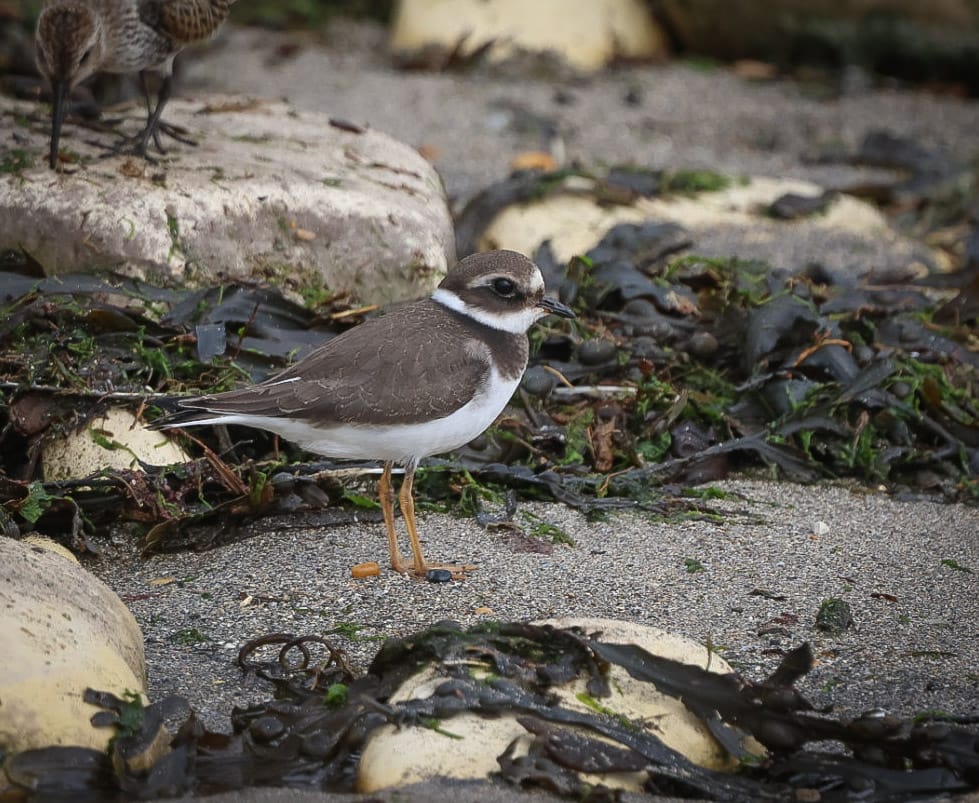
Ringed Plover, South Landing (Dan Howe)

2nd September 2026

Generally overcast, with moderate south-south-westerly winds and a high of 20 degrees C. Seabird highlights included 112 Common Terns, a juvenile Yellow-legged Gull, four Arctic Skuas and eight adult Little Gulls. A Curlew Sandpiper and one Dunlin dropped onto South Landing beach in the afternoon, where two Bar-tailed Godwits and 14 Ringed Plovers were also present. Passerine migrants on the outer head included five Pied Flycatchers.

The Barred Warbler continued in residence at RSPB Bempton Cliffs where other notable records included a Reed Warbler, three Garden Warblers, eight Willow Warblers, three Spotted Flycatchers, two Pied Flycatchers, two Whinchat and a Wheatear.

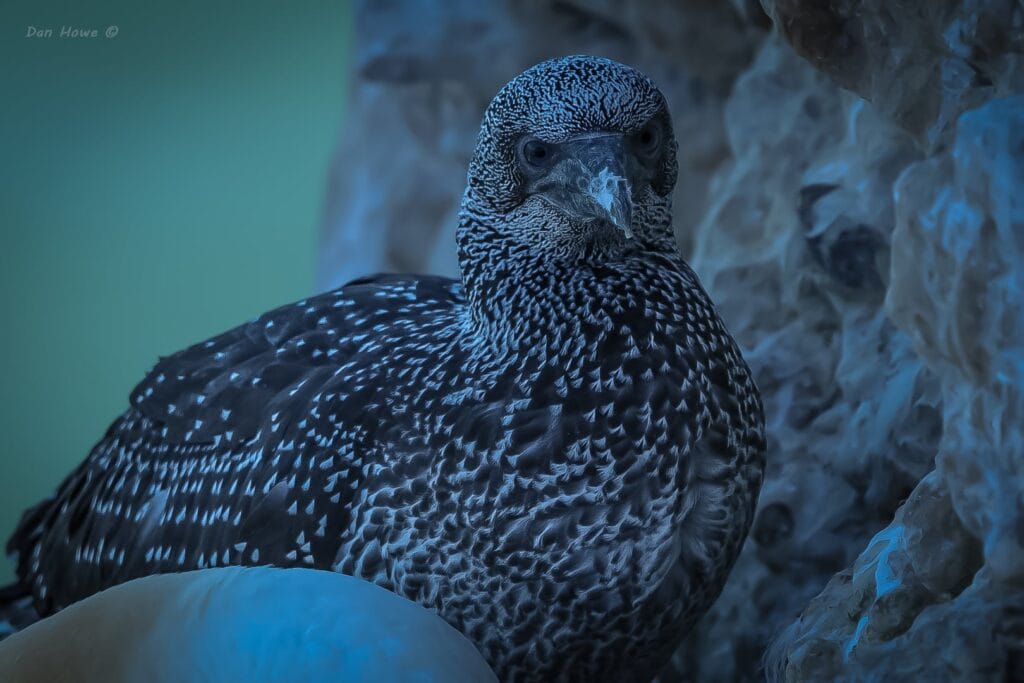
Gannet, RSPB Bempton Cliffs (Dan Howe)

3rd September 2026

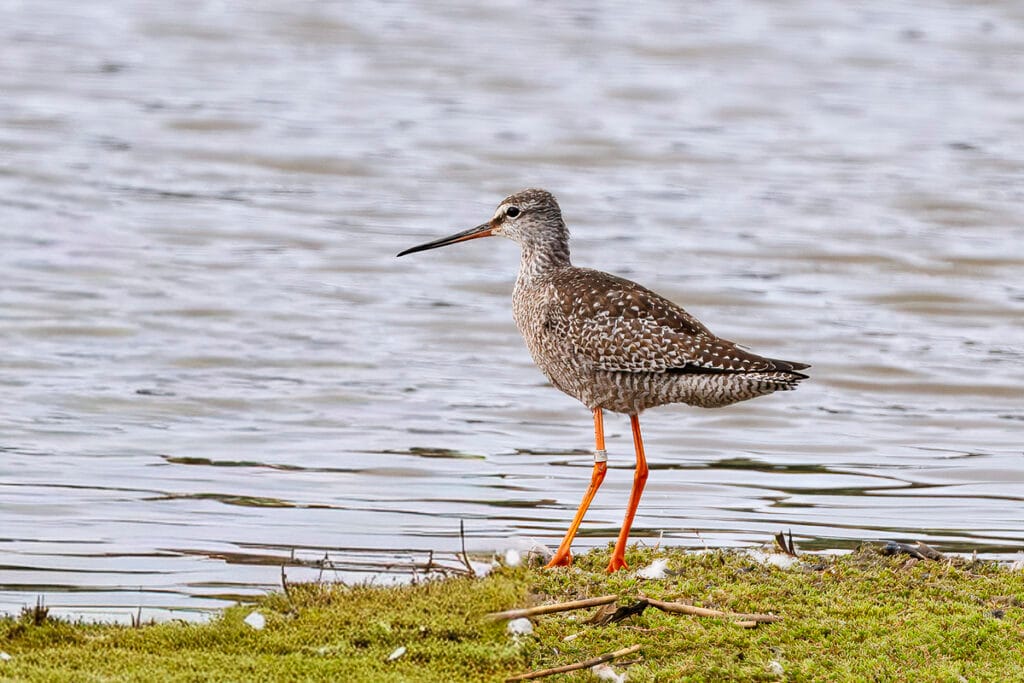
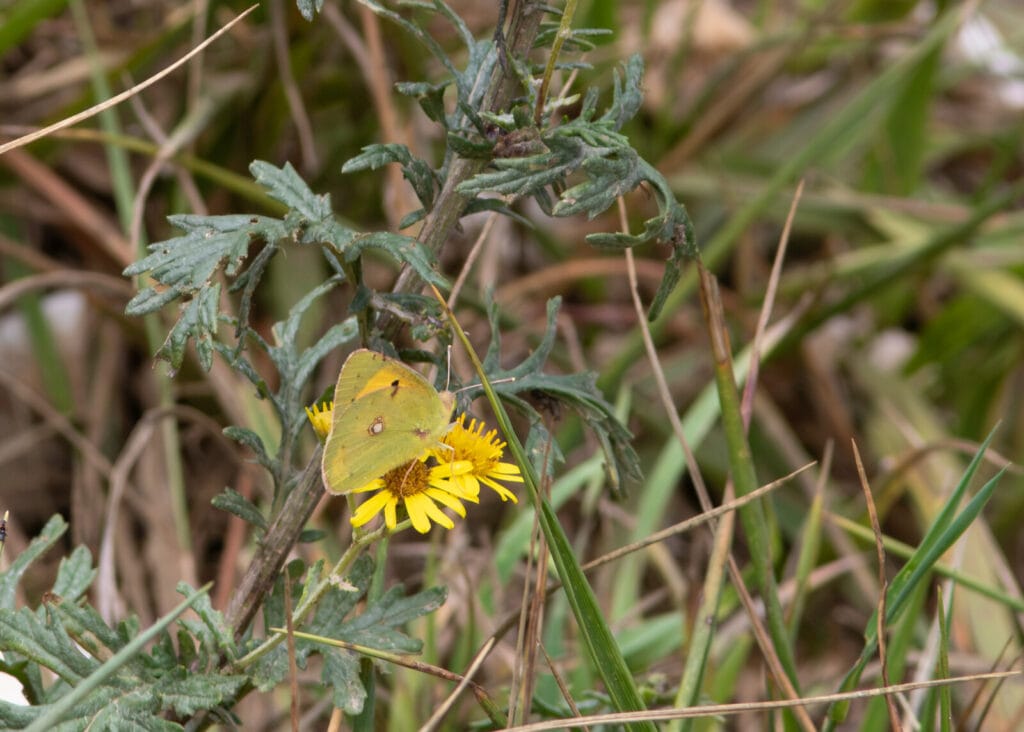
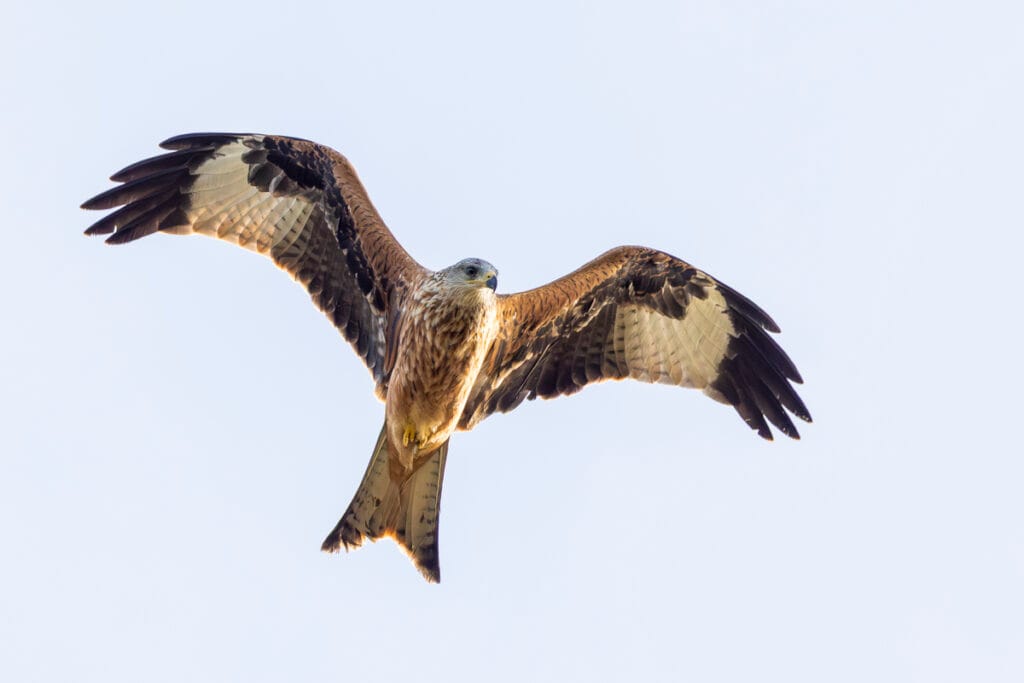
Overcast, with blustery west-south-westerly winds; temperatures peaked at 21 degrees C. A total of 680 Common Terns flew past the Fog Station, where 11 Arctic Skuas, a juvenile Long-tailed Skua (north) and a Marsh Harrier were also recorded. A Spotted Redshank made a brief visit to Thornwick Pools, two Ruff, a lone Black-tailed Godwit and a flock of 14 Whimbrel flew south-west, while the juvenile Curlew Sandpiper remained at South Landing. An Osprey, that initially flew south-east at RSPB Bempton Cliffs, then laboured for 20 minutes trying to head back west over South Landing. Other notable sightings on the outer head included a Red Kite, two Hobbies, a Merlin, three Swifts, three Spotted Flycatchers, six Pied Flycatchers, three Tree Pipits, 13 Yellow Wagtails and five Wheatear. A Clouded Yellow was also recorded at South Landing.

The Barred Warbler continued its long stay at RSPB Bempton Cliffs, where additional records included a first calendar-year Caspian Gull, a Merlin, one Marsh Harrier, four Garden Warblers, two Reed Warblers, three Spotted Flycatchers, three Pied Flycatchers and a Wheatear.

Spotted Redshank, Thornwick Pools (Andrew Allport)
Clouded Yellow, South Landing (Jo Hood)

4th September 2026

Overcast until mid-morning then sunny intervals; a blustery westerly wind and high of 19 degrees C. Seawatching was rewarded with 119 Common Terns, 89 Sandwich Terns, five Little Gulls, two first calendar-year Caspian Gulls, a first calendar-year Yellow-legged Gull, 15 Arctic Skuas, three Bonxies and six Red-throated Divers. Single Hobby, Swift and Wheatear were also around the Fog Station, while a Redstart was at Thornwick.

Sightings from RSPB Bempton Cliffs included the Barred Warbler and two Wheatear.

Wheatear, RSPB Bempton Cliffs (Dan Howe)

5th September 2026

Blustery westerly winds, sunny intervals and a high of 21 degrees C. The winds were responsible for pushing southbound migrants onto the outer head including a Hobby, seven Swifts, 216 Meadow Pipits (south-west over 60 minutes), a Tree Pipit, seven Yellow Wagtails, a Grey Wagtail, three Spotted Flycatchers, a Whinchat and two Wheatear. The undoubted highlight of the morning seawatch was a Thresher Shark that breached three times; this follows two sightings during August.

Sightings from RSPB Bempton Cliffs included a Hobby, the ‘resident’ Barred Warbler, a Garden Warbler, one Reed Warbler, five Pied Flycatchers, four Spotted Flycatchers and a Whinchat.

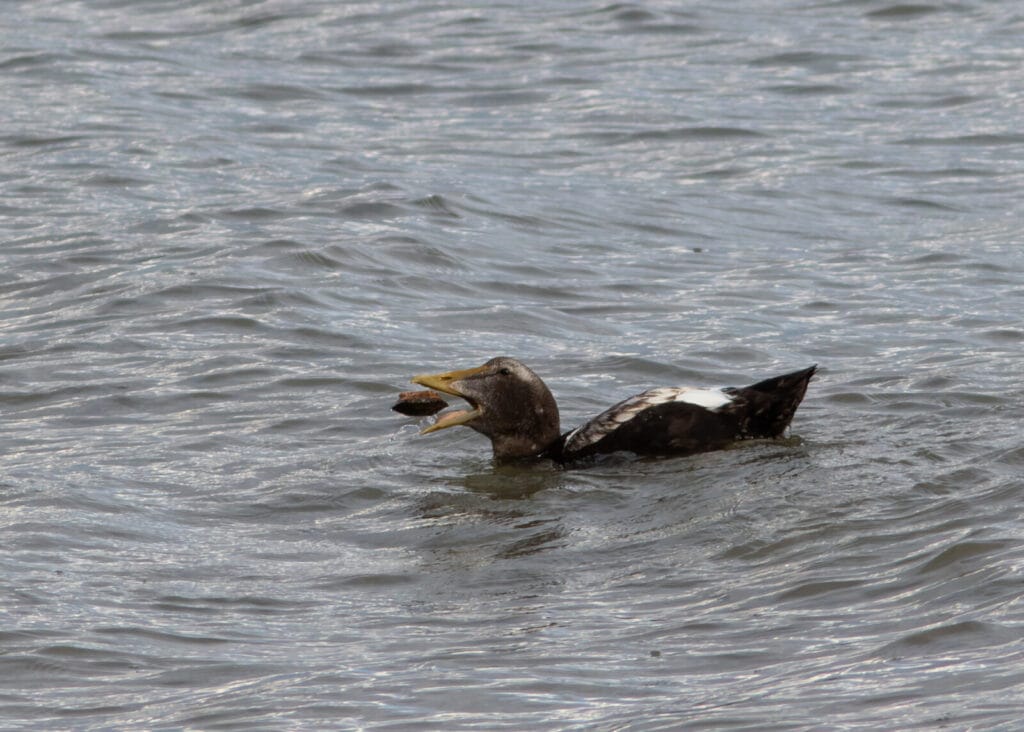
Eider, South Landing (Jo Hood)

6th September 2026

Sunny skies and light winds preceded a band of light rain from late morning, before brighter skies prevailed once again; there were moderate southerlies in the afternoon and a high of 21 degrees C. A seabird cruise off the headland was rewarded with 13 Bar-tailed Godwits, 17 Arctic Skuas, five Bonxies, 1200 Little Gulls, 30 Arctic Terns, 120 Common Terns, five Red-throated Divers, eight Sooty Shearwaters and six Manx Shearwaters.

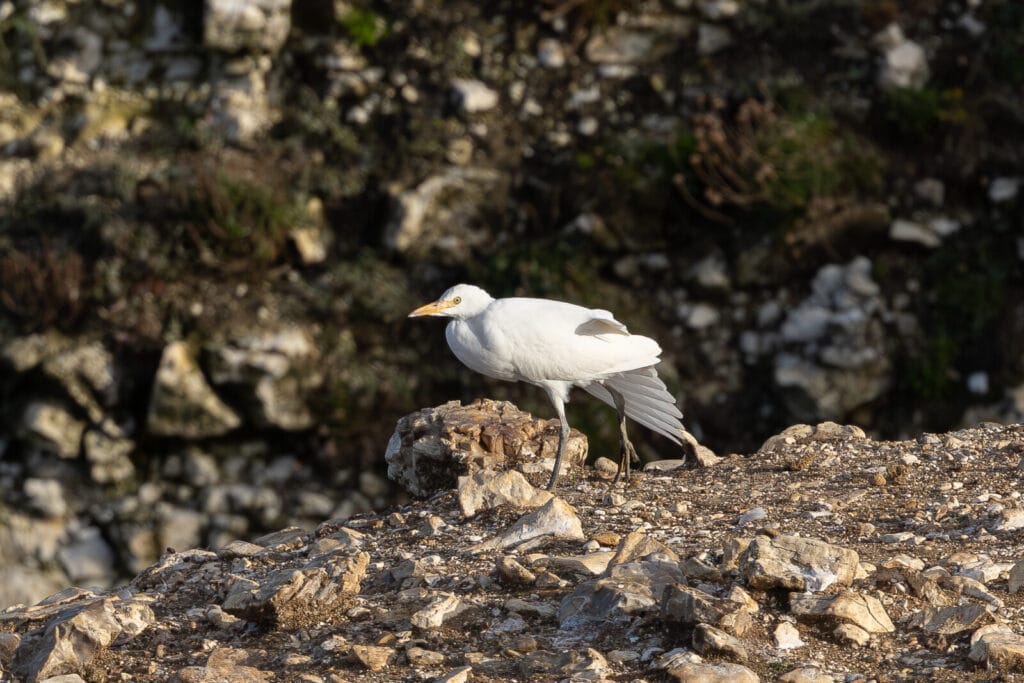
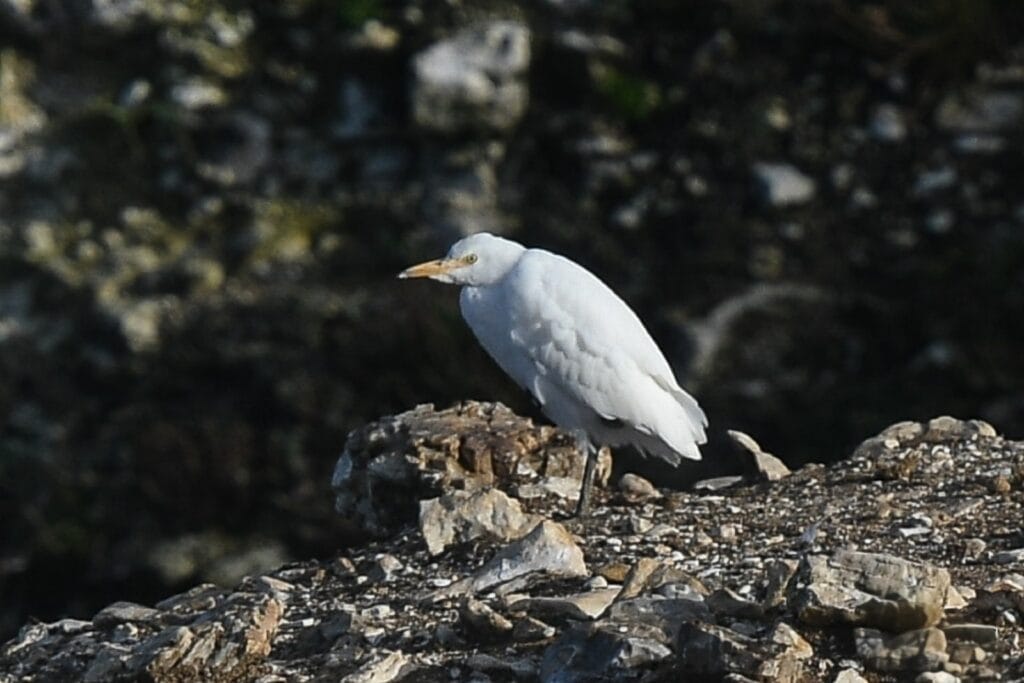
Onshore, the highlight was the headland’s third ever Cattle Egret peculiarly perched on High Stacks late afternoon. Three Little Egrets and three juvenile Caspian Gulls were also in residence, while passerine interest included Garden Warbler, eight Willow Warblers, Common Redstart and Spotted Flycatcher.

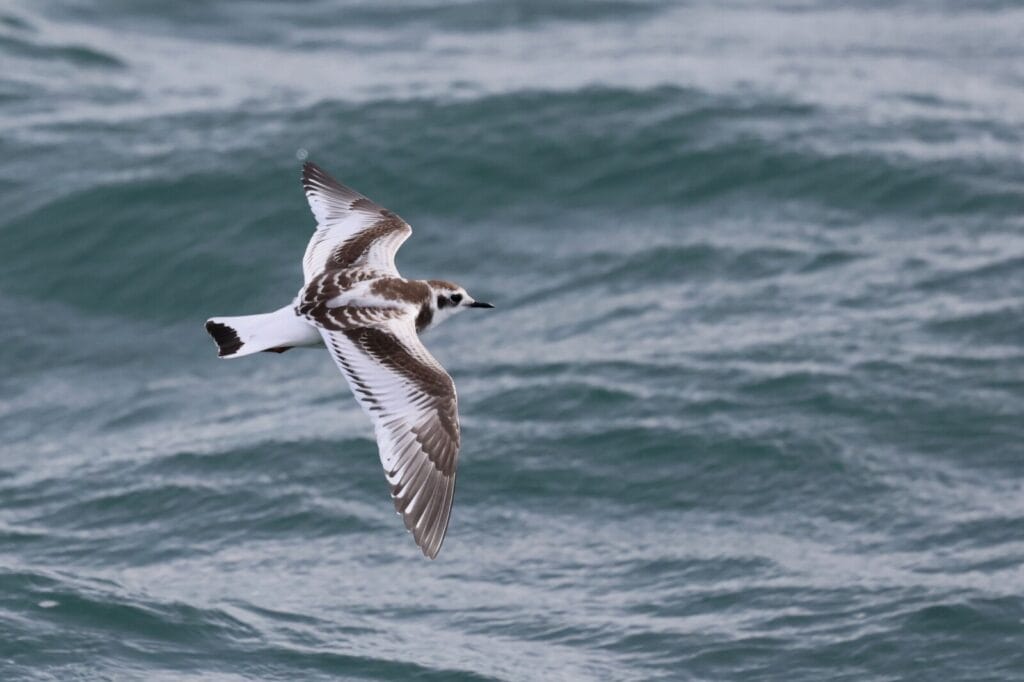
Little Gull, ‘Flamborough pelagic’ (Will Scott)
Cattle Egret, High Stacks (Dave Aitken)
Cattle Egret, High Stacks (Andy Hood)

7th September 2026

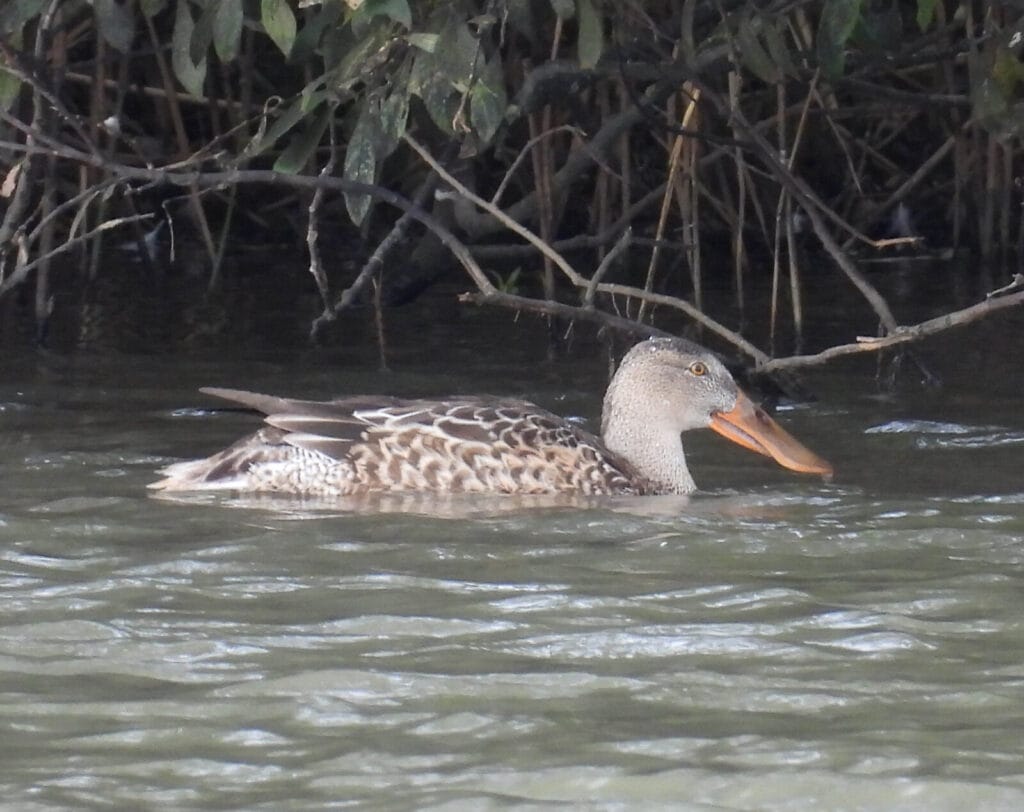
Sunny intervals, moderate westerly winds and a high of 21 degrees C. Seawatch highlights included two first-winter Caspian Gulls, two first-winter Yellow-legged Gulls, 25 Little Gulls, 74 Teal, a Goosander, six Arctic Skuas, a Bonxie and two Sooty Shearwaters. Away from the sea, a first-winter Caspian Gull was on fields at Mid Dykes and a similarly aged Yellow-legged Gull dropped onto Thornwick Lakes. Nearby, two Shoveler were on Thornwick Pools, together with eight Teal.

A south-westerly movement of passerines again took place along the southern edge of the headland including 84 Meadow Pipits, two Grey Wagtails and two Yellow Wagtails. Elsewhere, a Redstart remained in residence near the Lighthouse.

There was no sign of the Barred Warbler at RSPB Bempton Cliffs, although a Hobby, two Short-eared Owls, a Garden Warbler and three Spotted Flycatchers were present.

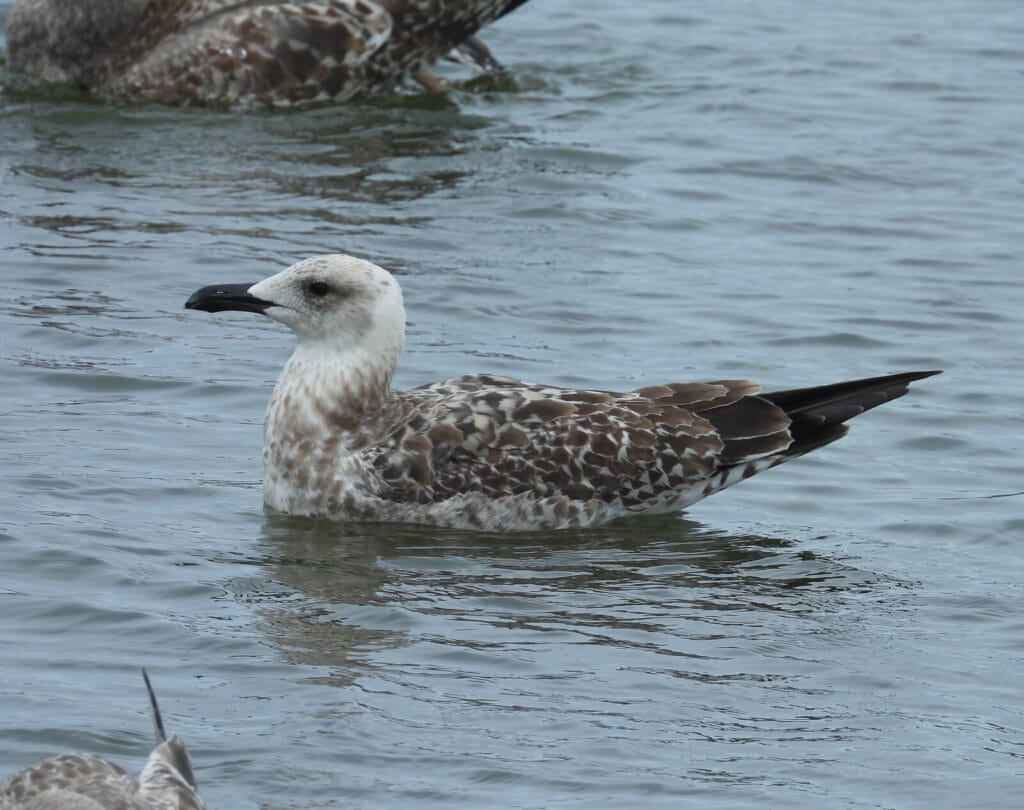
first-winter Yellow-legged Gull, Thornwick Lakes (Brett Richards)
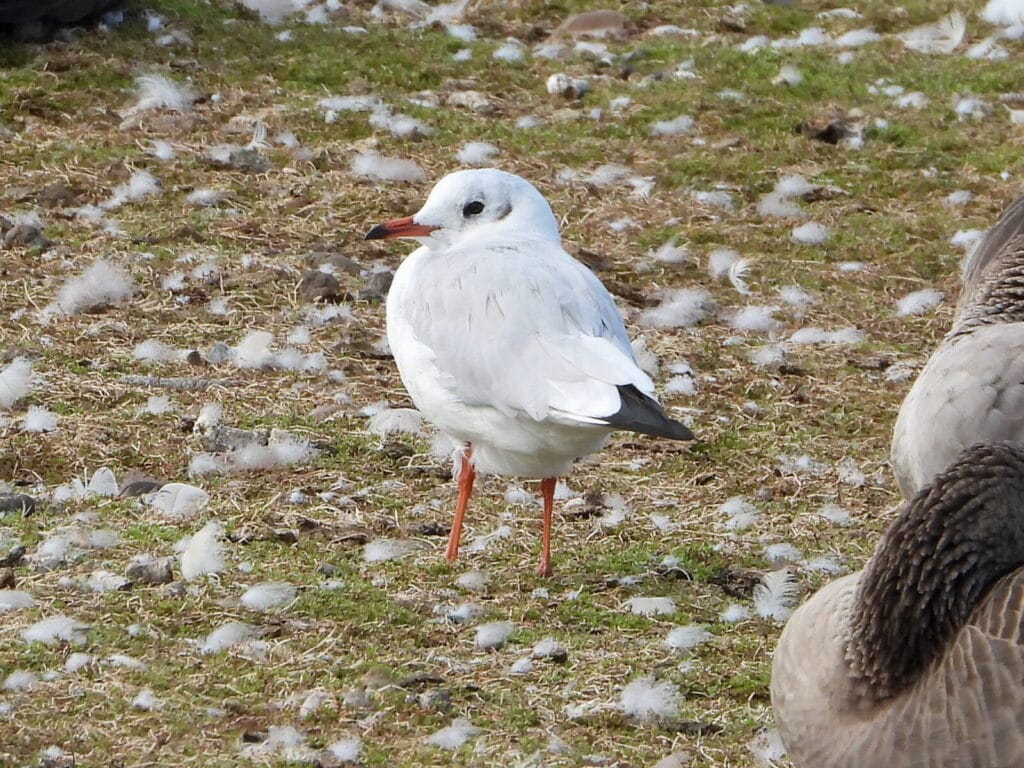
Black-headed Gull, Thornwick Pools (Don Hustings)

8th September 2026

Overcast initially, with sunny intervals later; a relatively blustery south-westerly wind and maximum of 19 degrees C. A morning seawatch was rewarded with a Sooty Shearwater, three Manx Shearwaters, 17 Arctic Skuas, four Bonxies, three first-winter Yellow-legged Gulls, four first-winter Caspian Gulls, three Shoveler, 350 Common Terns, an Arctic Tern and 94 Little Gulls; three Little Egrets and a Hobby in off the sea added further interest. Late evening, an Osprey flew south-east past the Lighthouse. A Marsh Harrier flew west over Oceanview and another Hobby appeared over South Dykes, with the latter also hosting single Spotted Flycatcher and Goldcrest.

An Osprey flew north-west at RSPB Bempton Cliffs, where two Spotted Flycatchers were also in residence.

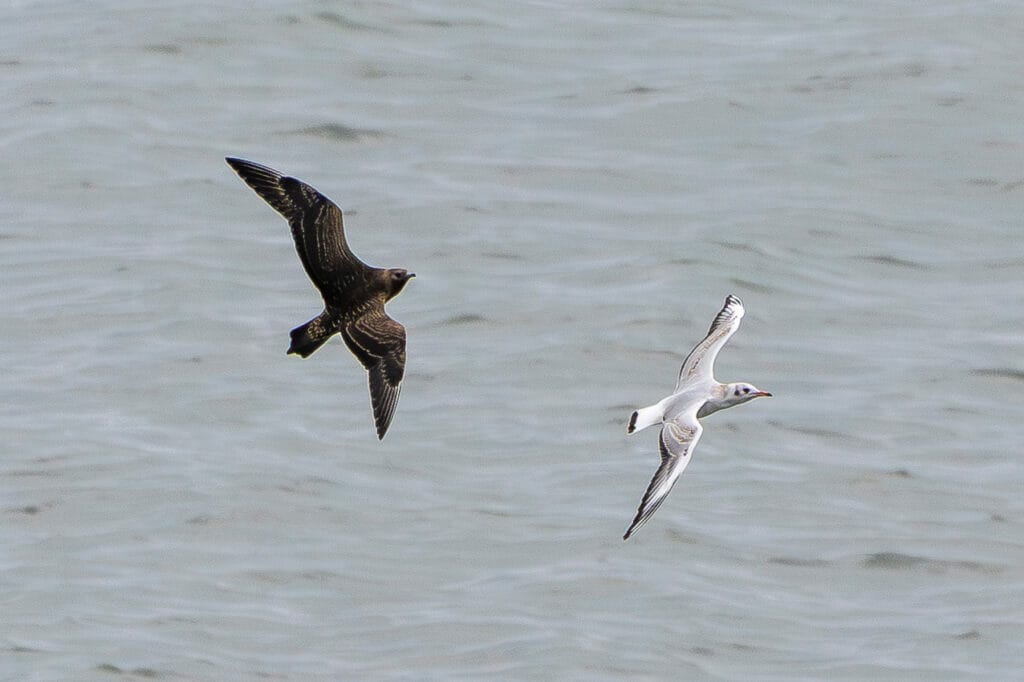
Arctic Skua with Black-headed Gull (Andrew Allport)

9th September 2026

Overcast with only occasional sunny intervals. Winds switched from moderate north-westerlies in the morning, to lighter north-easterlies during the afternoon; temperatures peaked at 16 degrees C. Conditions looked conducive for seawatching, proved by an impressive five Great Shearwaters re-orientating back north after the blow. Other notable records included 24 pale-bellied Brent Geese, 150 Sooty Shearwaters, 635 Common Terns, 68 Little Gulls, four first-winter Caspian Gulls, a first-winter Yellow-legged Gull, 33 Arctic Skuas, 20 Bonxies, 68 Red-throated Divers and 109 Manx Shearwaters. Cetacean interest included a pod of ten Common Dolphins moving north (a true Flamborough rarity) and a Minke Whale. A Short-eared Owl hunted the Lighthouse Grassland, with single Hobby, Common Redstart and Wheatear nearby.

Notable records from RSPB Bempton Cliffs included a Merlin, three Ravens, two Spotted Flycatchers and 12 Siskin.

Spotted Flycatcher, RSPB Bempton Cliffs (Dan Howe)

10th September 2026

Sunny intervals and light winds in the morning preceded overcast skies and a blustery south-westerly airstream in the afternoon; temperatures reached 19 degrees C. Two Cory’s Shearwaters and a Great Shearwater flew north during a morning seawatch that also featured five Little Gulls, 28 Arctic Skuas, 19 Sooty Shearwaters and 29 Manx Shearwaters. A skein of 24 Pink-footed Geese south over Bempton and Flamborough village was the first of autumn, while a Pintail dropped onto Thornwick Lakes. Three Little Egrets toured the outer head, while passerine interest included two Spotted Flycatchers and a Tree Pipit.

Additional sightings from RSPB Bempton Cliffs included a Merlin, a Spotted Flycatcher and nine Chiffchaffs; the latter species more evident across the headland. A Clouded Yellow was also seen on the reserve.

Pintail, Thornwick Pools (Brett Richards)

11th September 2026

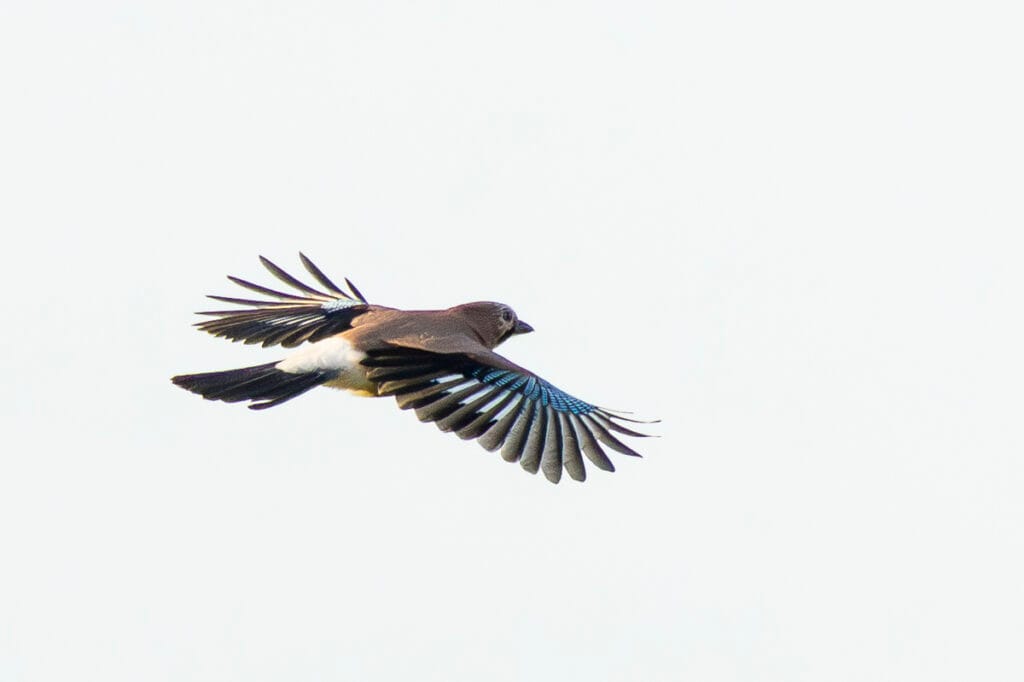
Light winds throughout which were variable in direction, sunny intervals with increasing cloud and a best of 19 degrees C. A day of quality over quantity, with the late afternoon discovery of a Western Bonelli’s Warbler on the south side of Old Fall the highlight; this represents the first record since a single at South Landing in mid-October 2021. In addition, a Barred Warbler was along the Motorway hedge early morning only, while a Grey Phalarope flew north before landing off the Fog Station at a similar time. Other sightings on the outer head included 12 Pink-footed Geese, a Curlew Sandpiper, a Greenshank, one Whimbrel, a Hobby, a first-winter Yellow-legged Gull, a Jay, two Spotted Flycatchers, a Pied Flycatcher, four Wheatear and a Grey Wagtail.

Sightings from Cliff Lane, Bempton included seven Snipe flying west and two Raven, while a Brambling was at the nearby reserve.

Western Bonelli’s Warbler, Old Fall (Dave Aitken)
Western Bonelli’s Warbler, Old Fall (Rob Little)

12th September 2026

Blustery south-westerly winds, mainly overcast with spells of light rain and occasional sunny intervals; a high of 21 degrees C. The shoreline at Cattlemere attracted juvenile Little Stint and Curlew Sandpiper, along with a first-winter Mediterranean Gull; a first-winter Yellow-legged Gull was off the nearby Fog Station. South Landing hosted three Little Egrets and three Dunlin.

A Spotted Flycatcher and two Wheatear were near Old Fall, but unfortunately there was no sign of yesterday’s Western Bonelli’s Warbler. Elsewhere, single Hobby and Brambling were at Oceanview and a Whinchat at North Marsh.

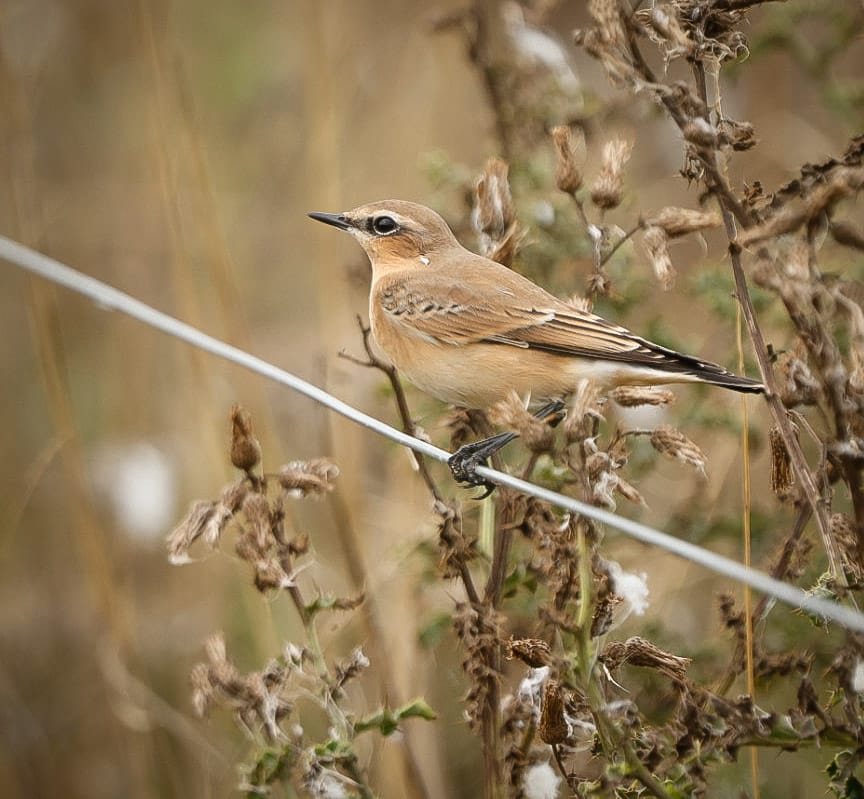
Wheatear, Old Fall Hedge (Andrew Allport)

13th September 2026

Very light winds throughout a day that began with cloudier skies before prolonged sunny intervals featured; temperatures reached 18 degrees C. The seemingly resident Thresher Shark breached twice off the Fog Station in the morning, with eight Little Gulls, 16 Arctic Skuas, two Bonxies and 27 Red-throated Divers also recorded.

Nine Brent Geese and 14 Pink-footed Geese flew south past the outer head, while a juvenile Curlew Sandpiper, four Dunlin, one Knot and 97 Turnstones fed on the shore at Cattlemere. Nearby, a Hobby flew past the Lighthouse. A Short-eared Owl flew west over South Landing early morning, where four Grey Wagtails also headed south-west. Additional passerine interest on the outer head included a Whinchat, four Wheatear and five Yellow Wagtails, while a Clouded Yellow butterfly was near Old Fall.

Sightings from RSPB Bempton Cliffs included eight Pink-footed Geese moving south-east, a Little Owl and three Ravens.

Common Whitethroat, RSPB Bempton Cliffs (Dan Howe)

14th September 2026

Sunny intervals established in the afternoon, boosting temperatures to a warm 24.5 degrees C in light south-west winds. Wildfowl were on the move, with 68 Pink-footed Geese, 18 Shelduck, 35 Wigeon, 215 Teal, 242 Common Scoters recorded during a morning seawatch. Following five flocks of Pink-footed Geese overflying the village during the hours of dark, a further 360 birds flew south-east over RSPB Bempton Cliffs/outer head where 32 also landed on stubbles. In addition, 102 Teal and three Wigeon were in the bay off Beacon Hill early morning. Other morning seawatch records included a Grey Plover, two Little Gulls, a first-winter Caspian Gull, ten Arctic Skuas, a Bonxie, 21 Red-throated Divers and a Sooty Shearwater. In the evening, a Balearic Shearwater flew south close inshore, with 25 Pink-footed Geese, 23 Arctic Skuas, 500 Common Terns, three Arctic Terns, 89 Little Gulls and three Caspian Gulls also logged. Thornwick Pools hosted a Pintail, a drake Mandarin and a lone Greenshank. On the land, the Barred Warbler was relocated along the Motorway hedge in the morning; migrant interest also included a Hobby, a Swift and a Whinchat.

Apart from the aforementioned geese, notable records from RSPB Bempton Cliffs included a Goldcrest and one Pied Flycatcher, while a Marsh Harrier overflew nearby Stonepit Lane.

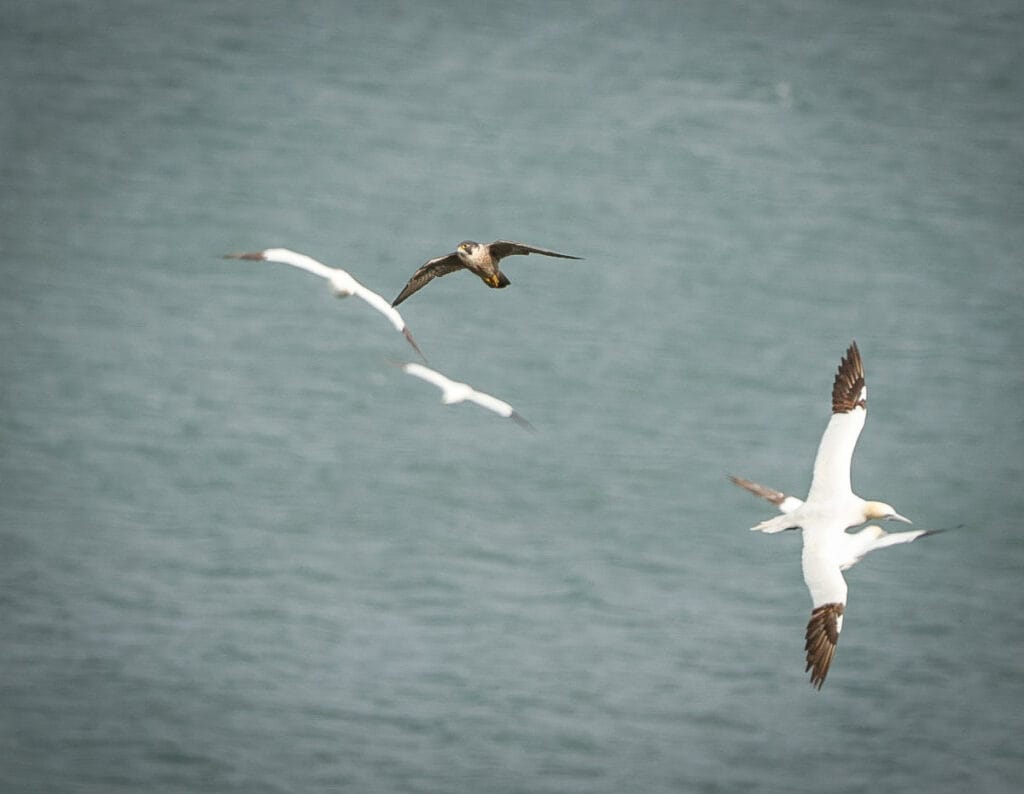
Peregrine (with Gannets), RSPB Bempton Cliffs (Dan Howe)

15th September 2026

A warm day with scattered clouds and a maximum temperature of 20°C in a moderate westerly breeze.

A Mediterranean Gull, a Yellow-legged Gull,three Arctic Skuas and a Bonxie passed the Fog Station where ducks were represented by two Shelduck, 77 Teal and 26 Common Scoter. A Ruff and 14 Bar-tailed Godwits flew south in the evening.

Other waders included a Grey Plover at Cattlemere Rocks, a Greenshank at Thornwick Pools. A Hobby continued to be seen on the Outer Head. A Spotted Flycatcher at the Fog Station and a Pied Flycatcher along the Motorway Hedge were both newly arrived.

Sightings at Bempton Cliffs RSPB included an impressive 432 House Martins in off, four Snipe and a good variety of common migrant warblers.
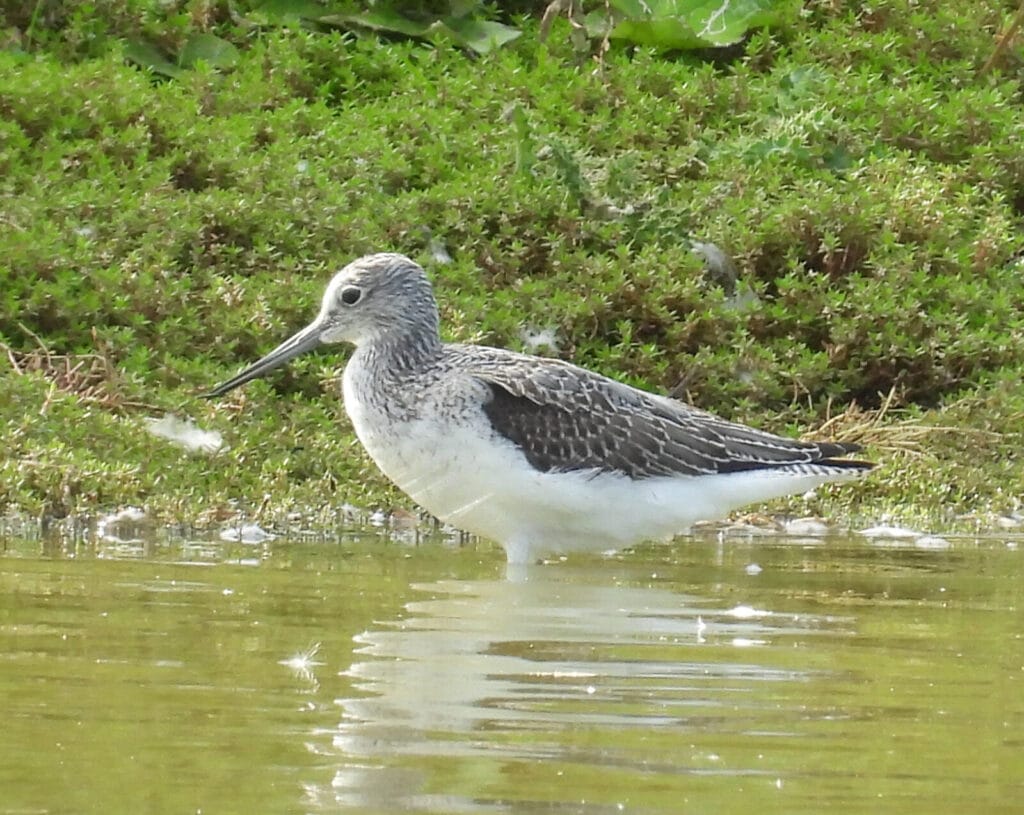
Greenshank, Thornwick Pools (Brett Richards)

16th September 2026

It was often cloudy with occasional sunny intervals, light northerly winds and a high of 17 degrees C; conditions caused by a ‘high pressure loop’ that resulted in a great seawatch. A Great Shearwater flew north at 0930hrs and an adult Sabine’s Gull headed in a similar direction at 1745hrs. Five juvenile Long-tailed Skuas included individuals lingering off the Seawatch Observatory, while a northbound Balearic Shearwater added further interest. Other notable sightings included one Goosander, 18 Bar-tailed Godwits, two Grey Plovers, 72 Arctic Skuas, 14 Bonxies, two Pomarine Skuas, 612 Little Gulls, 41 Sooty Shearwaters, 28 Manx Shearwaters, 107 Red-throated Divers, 20,095 northbound Gannets, three Caspian Gulls, three Yellow-legged Gulls, 1706 Common Terns and a Black Tern. A Minke Whale and at least one Thresher Shark added further gloss to proceedings. Away from the sea, a total of 195 Pink-footed Geese flew south over the outer head. Two Mute Swans, two Egyptian Geese, another Grey Plover, one Pintail, a Hobby, a Mistle Thrush, one Whinchat and two Grey Wagtails were also in residence.

Notable records from RSPB Bempton Cliffs included 70 Pink-footed Geese south, three Grey Plovers, two Bar-tailed Godwits, a Hobby, two Ravens, 15 Chiffchaffs and two Goldcrests.

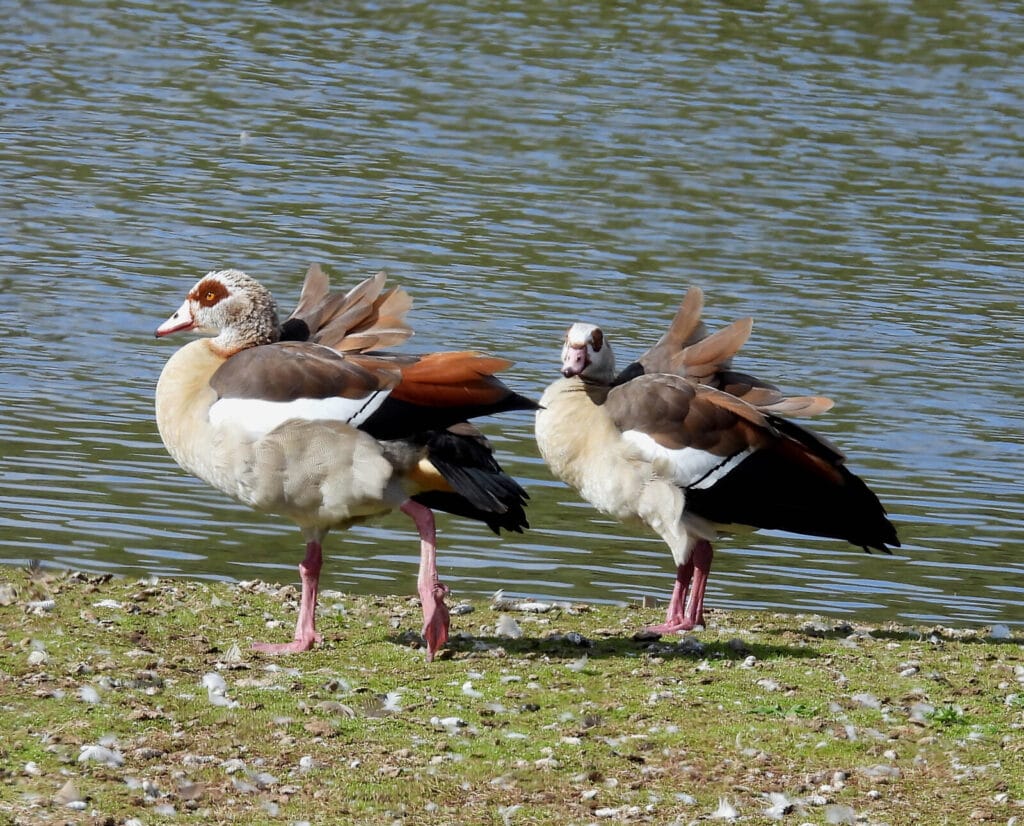
Egyptian Geese, Thornwick Pools (Brett Richards)

17th September 2026

Sunny intervals, blustery west-south-westerly winds and a high of 18 degrees C. Two juvenile Long-tailed Skuas flew south past the Seawatch Observatory in the afternoon, when 2300 Common Terns fed offshore; two Black Terns did similarly off South Landing. Other sightings included 12 Whooper Swans flying south, a Goosander, 27 Arctic Skuas, 237 Little Gulls, a Yellow-legged Gull and one Sooty Shearwater.

A flock of ten Mute Swans flying south over the headland was an unusual record. Pink-footed Geese were again moving south, with a total of 310 crossing the headland.

Sightings from RSPB Bempton Cliffs included a Merlin, one Goldcrest and a Grasshopper Warbler.

Long-tailed Skua composite (Andrew Allport) 16/09

18th September 2026

Sunny intervals with increasingly cloudy skies, a blustery south-west wind and high of 18 degrees C. Seawatching proved rewarding, especially in the afternoon, when a significant southerly movement of feeding terns developed, which in turn attracted large numbers of attendant skuas. Highlights included 6429 Common Terns, ten Black Terns, two adult Roseate Terns, seven juvenile Long-tailed Skuas, 80 Arctic Skuas and 831 Little Gulls. Additional sightings included five Sooty Shearwaters, a first-winter Caspian Gull and a first-winter Yellow-legged Gull. Away from the sea, a single Jay at Oceanview was the most noteworthy record.

Corn Bunting, RSPB Bempton Cliffs (Dan Howe)

19th September 2026

Sunny intervals, occasional showers in the morning, blustery westerlies and a high of 21 degrees C. Thousands of Common Terns again fed off the South Cliffs, with the feeding flock attracting six juvenile Long-tailed Skuas, a minimum of 19 Arctic Skuas, 206 Little Gulls and eight Black Terns. Three Caspian Gulls and three Sooty Shearwaters added further interest, as did the resident Thresher Shark. Thornwick Pools attracted a Pintail, drake Mandarin, 25 Teal and a Little Egret. A skein of 22 Pink-footed Geese flew south over the outer head, as did a Marsh Harrier. Sightings from Oceanview included single Hobby and Swift.

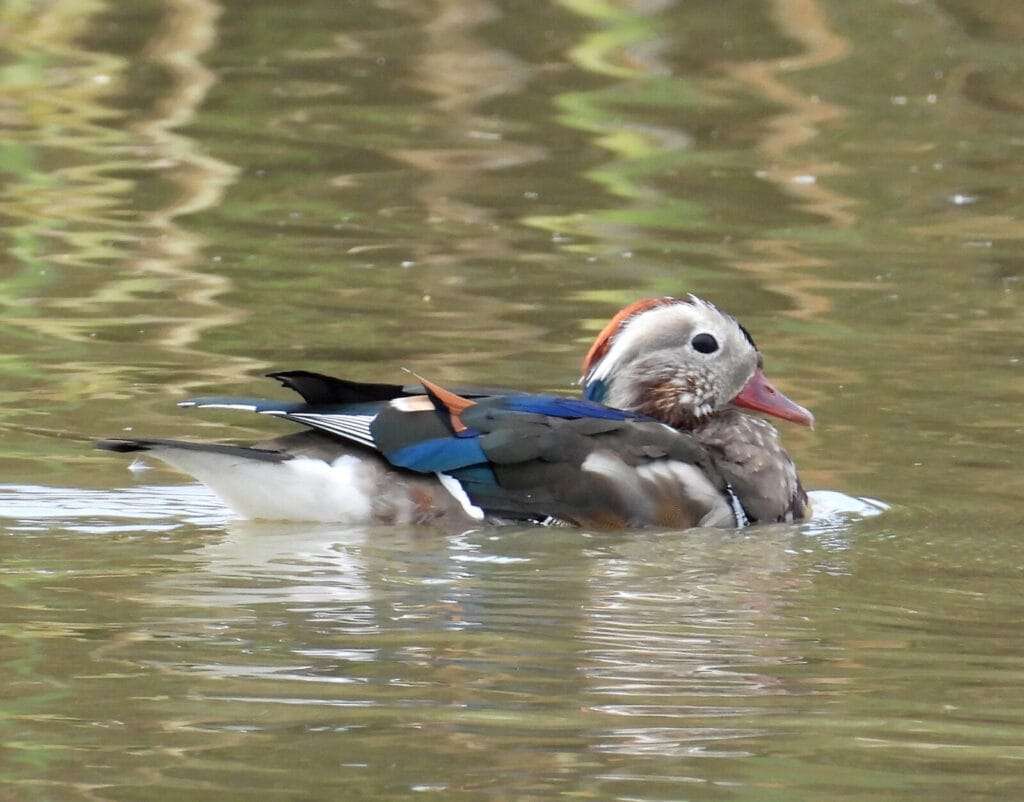
Mandarin, Thornwick Pools (Brett Richards)

20th September 2026

Sunny throughout, with blustery westerly winds and a high of 20 degrees C. Most attention again focused on the sea, with notable counts including four juvenile Long-tailed Skuas, 1600 Common Terns, five Black Terns, 600 Little Gulls and two Sooty Shearwaters. Unusually, a Minke Whale fed close inshore off the Fog Station, but far rarer was the Tuna sp. that joined a feeding frenzy north of Breil Nook. Additionally, a total of 190 Pink-footed Geese went south and a Short-eared Owl flew in off the sea. The most notable record from the land related to a Jay at South Dykes.

Elsewhere, four Goldcrest and a Wheatear were at RSPB Bempton Cliffs, with another two Goldcrests along Hoddy Cows Lane.

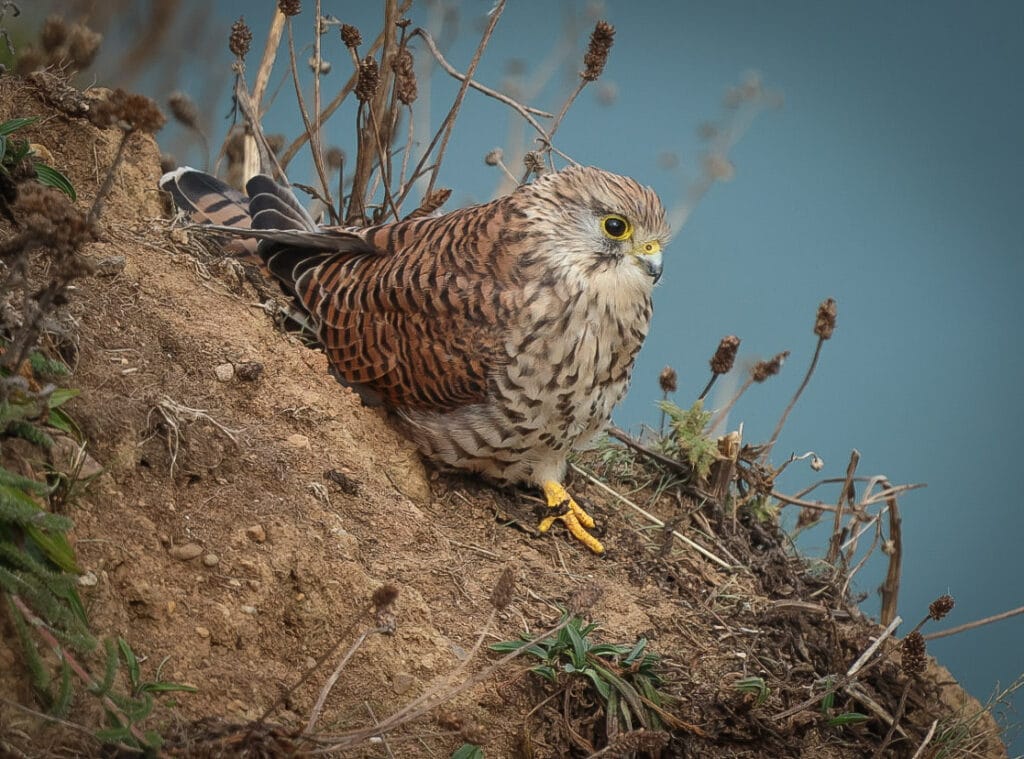
Kestrel, RSPB Bempton Cliffs (Dan Howe)

21st September 2026

The weather consisted of sunny intervals, light westerly winds and a best of 21 degrees C. A juvenile Long-tailed Skua flew north during a morning seawatch that also featured 537 Common Terns, 19 Little Gulls, 27 Arctic Skuas, ten Bonxies, 82 Red-throated Divers, 55 Sooty Shearwaters (north) and 24 Manx Shearwaters. Single Minke Whale and first-winter Caspian Gull were also in residence; another first-winter Caspian Gull, sporting a yellow darvic ring, loafed on the shore at Hartendale Gutter. Additional sightings included 67 Pink-footed Geese, the long-staying Pintail, a Red Kite, one Jay, four Wheatears and 970 Linnets.
Highlights from RSPB Bempton Cliffs included 52 Pink-footed Geese, a Hobby, two Golden Plovers, 20 Little Gulls, two Ravens, a Redwing, nine Dunnock (flying south-west), one Willow Warbler and a Goldcrest.
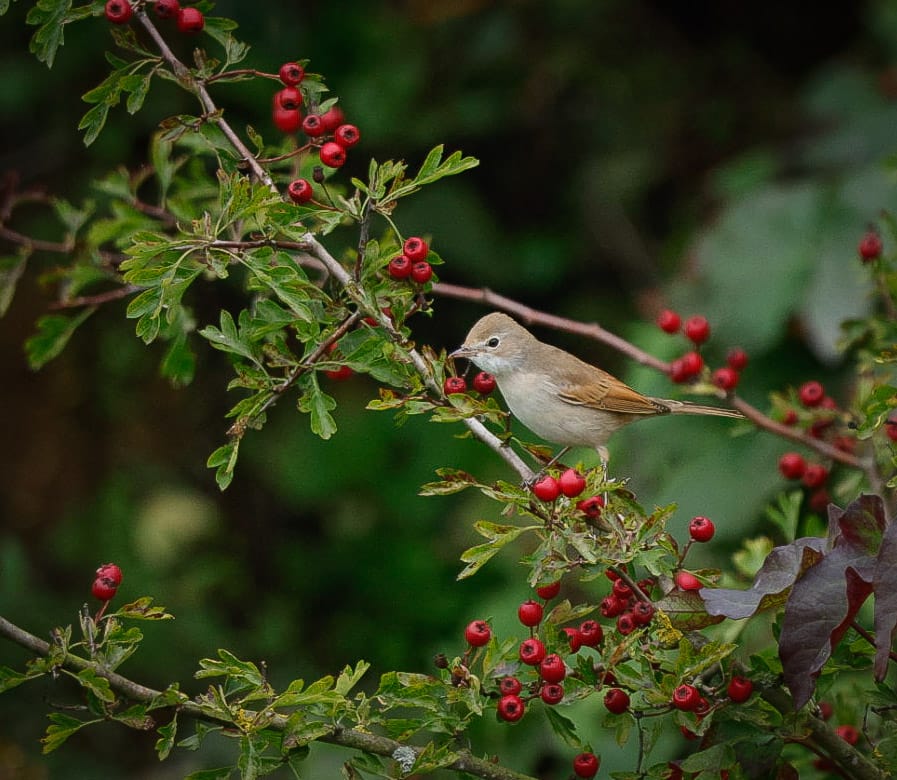
Jay, Motorway Hedge (Andrew Allport)

22nd September 2026

Sunny, with light winds and a high of 19 degrees C. Seawatch records included a Black Tern, two Little Gulls, two first-winter Yellow-legged Gulls and a Sooty Shearwater. Duck were also on the move, with 34 Teal off the Fog Station and another 190 off Beacon Hill. Elsewhere, South Landing attracted a single Brambling.

Four Minke Whales fed off RSPB Bempton Cliffs, where a Goldcrest and two Brambling were also in residence.

Red Kite, outer head (Andrew Allport) 21/09

23rd September 2026

A day of two halves that began with very light winds, sunny intervals and temperatures that reached 19 degrees C; but ended with blustery northerlies and temperatures no higher than 13 degrees. Two juvenile Long-tailed Skuas were recorded during seawatching along with four Sooty Shearwaters and 24 Little Gulls. Wildfowl were again prevalent with 59 Wigeon, 11 Pintail and 125 Teal flying past the Fog Station. A further 215 Teal and 27 Wigeon were in the bay off Beacon Hill, where an ‘argentatus’ Herring Gull and first-winter Mediterranean Gull were also present. A Hobby overflew the outer head, while single Redwing, Spotted Flycatcher and Grey Wagtail were at South Dykes.

Records from RSPB Bempton Cliffs included five Snipe, 11 Dunlin, a Merlin, one Sand Martin, ten Chiffchaffs, a Grey Wagtail, 30 Chaffinch and three Siskin.

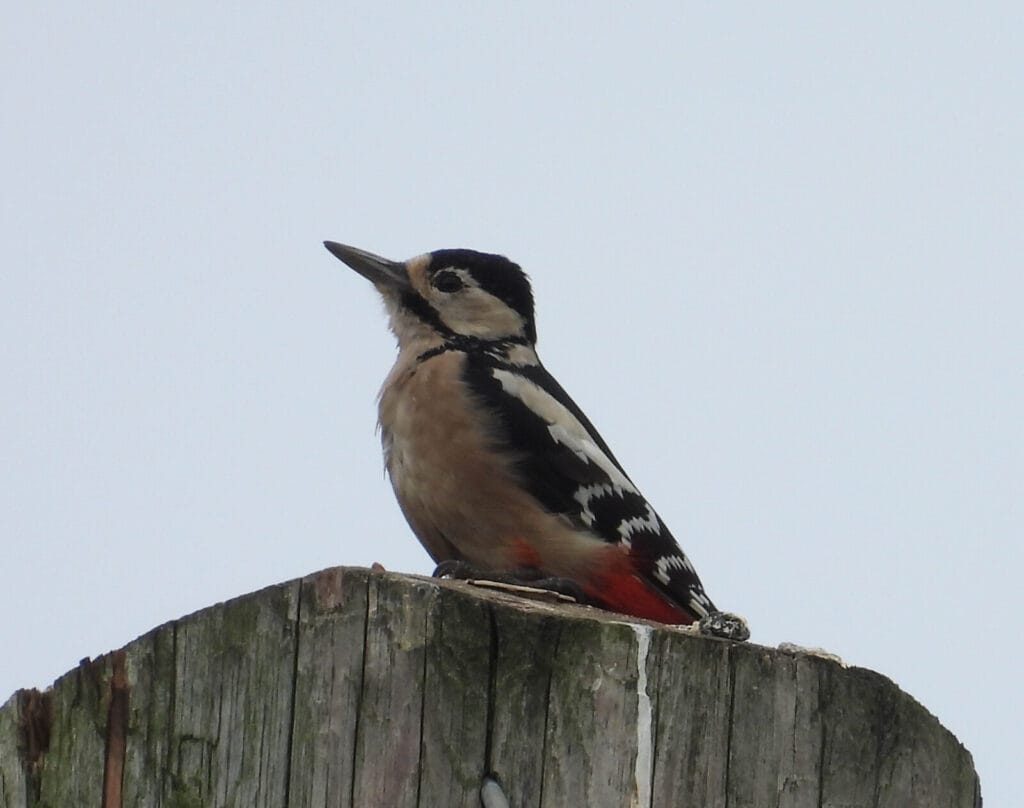
Great Spotted Woodpecker, Thornwick (Brett Richards)

24th September 2026

A moderate southerly airstream developed during a sunny day, with temperatures reaching 19 degrees C. The day’s most impressive sighting related to a flock of eight Great White Egrets that flew south-east past RSPB Bempton Cliffs at 1830hrs and the Fog Station at 1844hrs.

Eight Long-tailed Skuas were the highlight of a seawatch that also featured 123 Sooty Shearwaters, 55 Manx Shearwaters and a Balearic Shearwater moving north. Other counts included 146 Pink-footed Geese heading south, two Goosander, 476 Common Terns, 36 Little Gulls, 84 Arctic Skuas and 19 Bonxies. Three Minke Whales and the Thresher Shark were also off the Fog Station. Other notable records from the outer head included another skein of 210 Pink-footed Geese flying south, four Little Egrets, one Jay, a Mistle Thrush, one Brambling, 1230 Linnets and seven Corn Buntings.

A total of 140 Pink-footed also flew south over RSPB Bempton Cliffs, where a Raven, one Goldcrest and a Grey Wagtail were recorded.

Feathered Ranunculus, South Landing (Andrew Allport)

25th September 2026

Generally overcast, with light westerly winds and temperatures peaking at 18 degrees C. A Cory’s Shearwater that flew north close inshore past the Fog Station at 0900hrs headlined, with a juvenile Long-tailed Skua also lingering offshore. Additional seawatch records included 35 Little Gulls, two Mediterranean Gulls, two first-winter Caspian Gulls, 14 Arctic Skuas, 66 Red-throated Divers flying south and a Sooty Shearwater; a lone Minke Whale added further interest. Elsewhere, notable records included six Eiders and four Ruff at South Landing, a first-winter Caspian Gull on Thornwick Lakes, a Sedge Warbler, one Spotted Flycatcher and four Goldcrests.

Sightings from RSPB Bempton Cliffs included a ringtail Hen Harrier heading north-west, 17 Golden Plovers, two Ravens, a Cetti’s Warbler, one Goldcrest and two Mistle Thrush.

Caspian Gull, Thornwick Lakes (Brett Richards)

26th September 2026

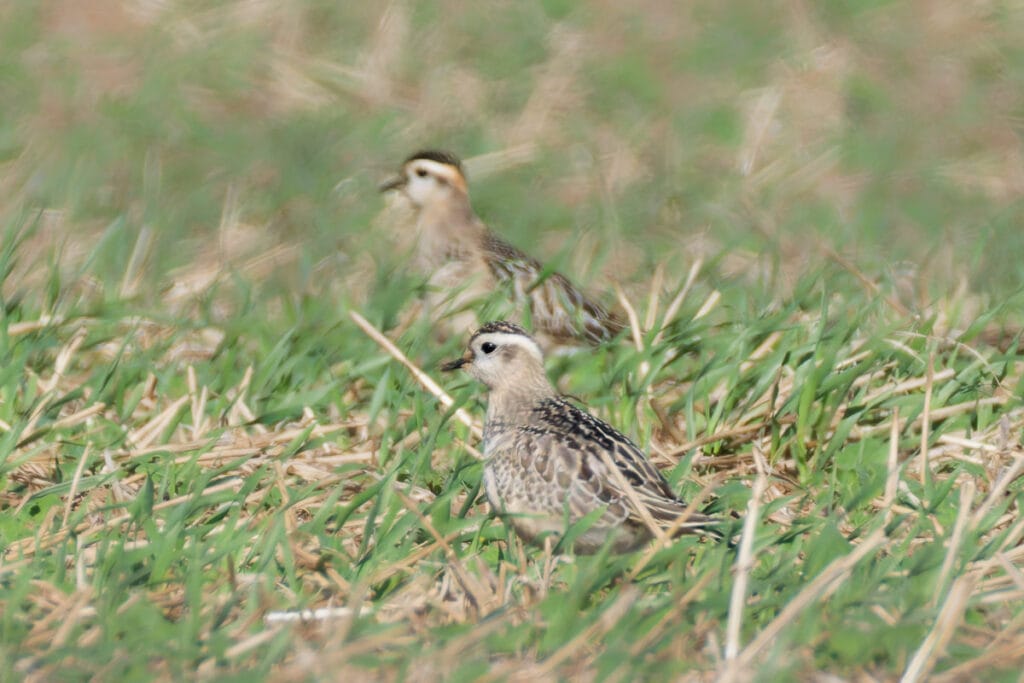
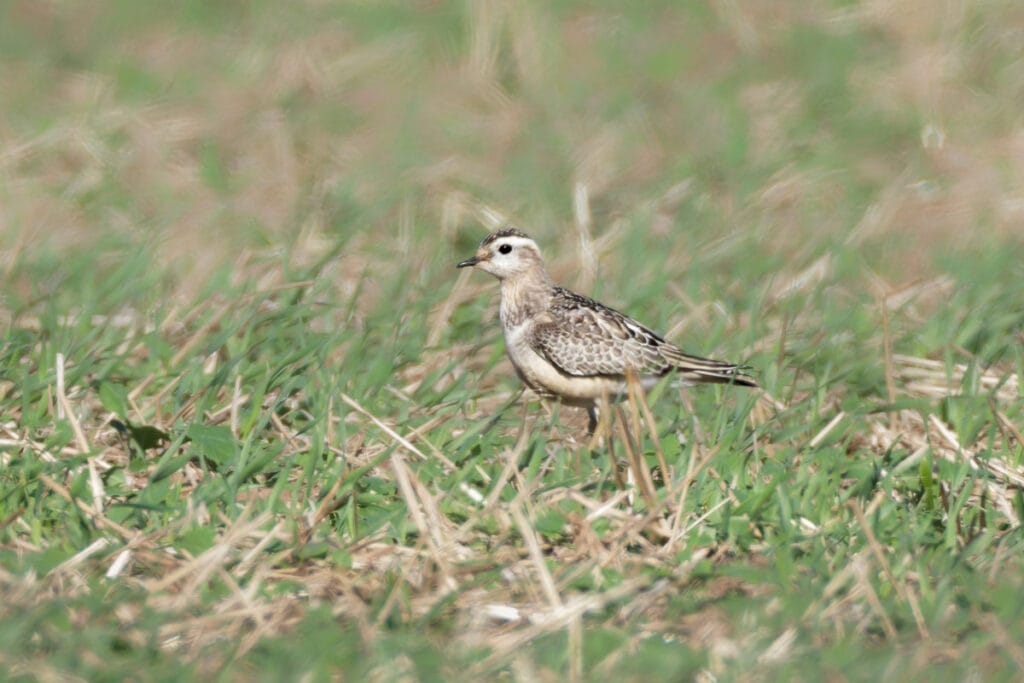
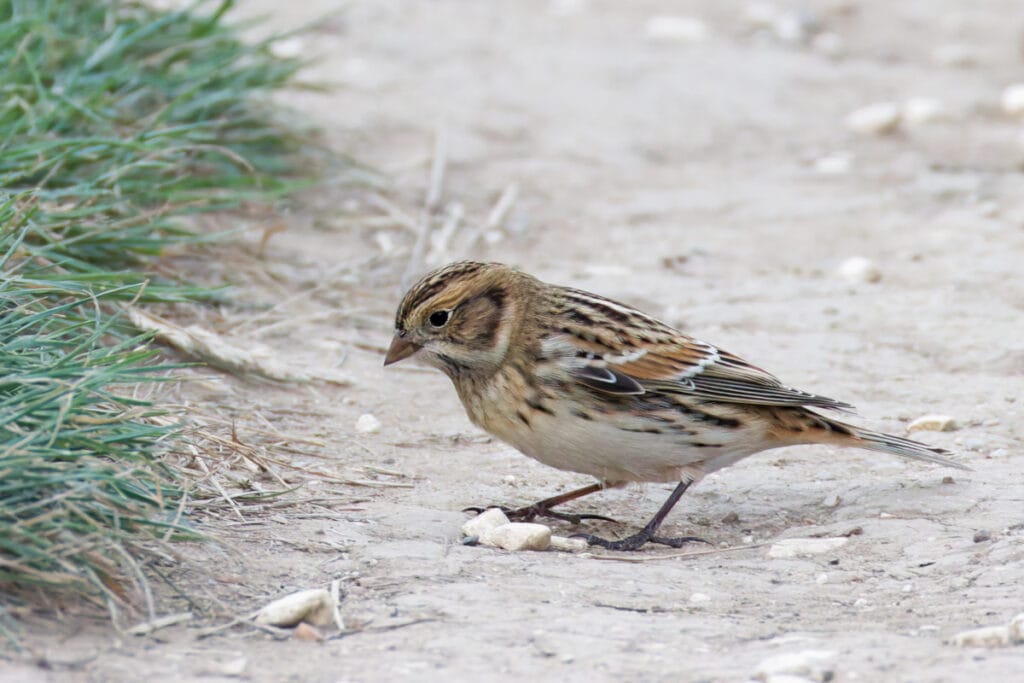
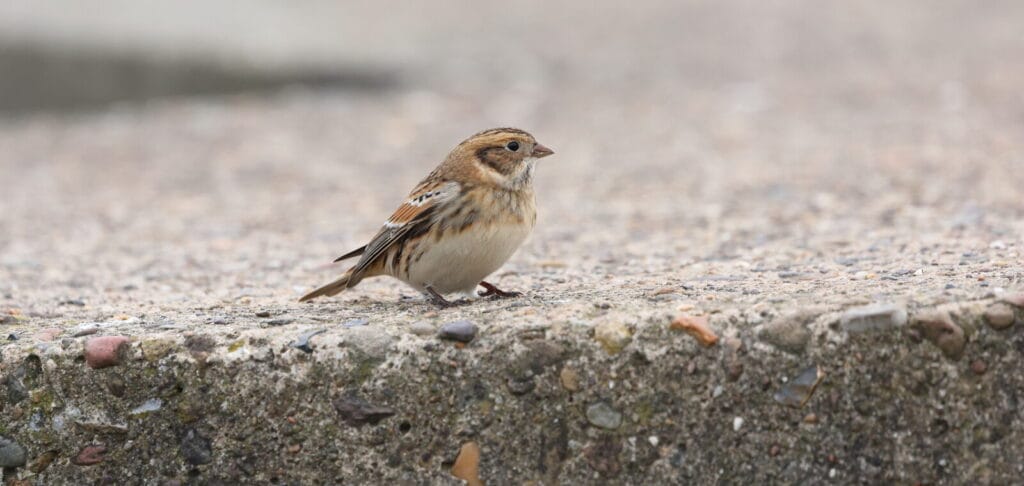
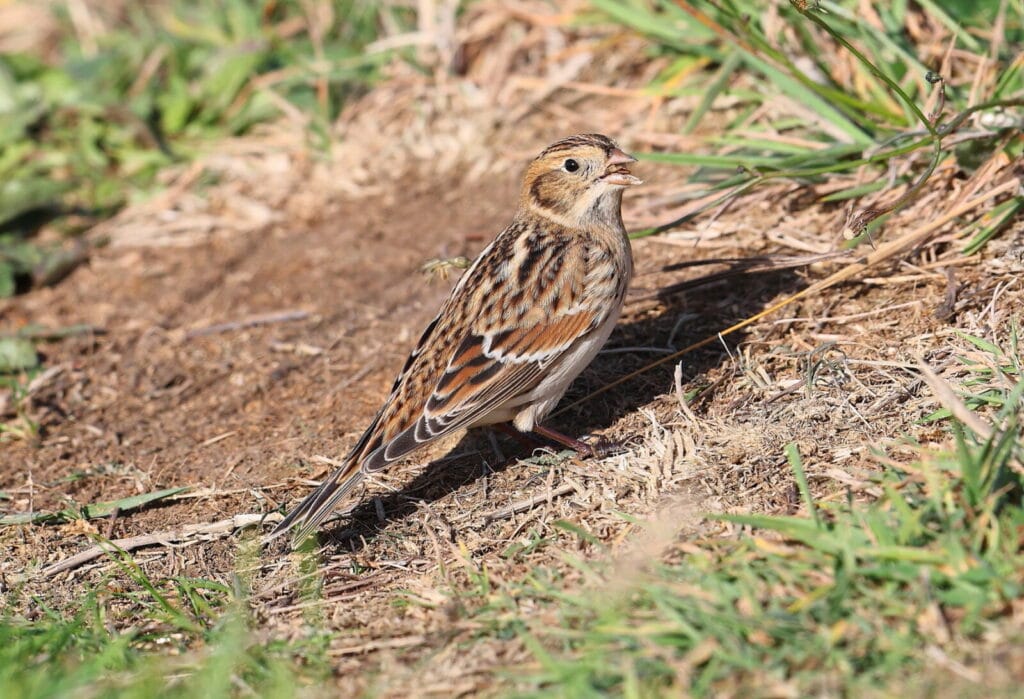
A bright, sunny day with light south-west winds and a high of 20 degrees C. Two Dotterel dropped onto Cattlemere early morning where they showed well until early afternoon when flushed by corvids. Another species whose records have reduced due to climate change also proved confiding; a Lapland Bunting gave point blank views at Bay Brambles. Other passerine sightings included a Jay and two Brambling.

Two Great White Egrets flew south-east over North Landing and a Merlin flew in off at the Fog Station. Seawatch records included three Long-tailed Skuas, 25 Arctic Skuas, a Grey Plover, a first-winter Caspian Gull, 201 Little Gulls, a first-winter Mediterranean Gull and three Sooty Shearwaters.

Notable records from RSPB Bempton Cliffs included a Caspian Gull, 14 Chiffchaff, a Goldcrest, a Jay and a Raven; a Clouded Yellow butterfly was also seen on the reserve.

Dotterel, Cattlemere (Rob Little)
Lapland Bunting, Bay Brambles (Rob Little)

27th September 2026

Blustery south-south-easterly winds were a feature of an overcast day with occasional sunny intervals and a high of 19 degrees C. Seawatch highlights included a Grey Phalarope that flew south before landing on the sea at 1215hrs, a Leach’s Petrel also heading south, ten juvenile Long-tailed Skuas, 52 Arctic Skuas, four Sooty Shearwaters, 230 Little Gulls, a Caspian Gull and two Yellow-legged Gulls.

A Great White Egret flew in off the sea over the Golf Course Willows and later flew south off the outer head. The Lapland Bunting remained in residence, with additional sightings from the outer head including a Short-eared Owl, two Wheatear, a Redstart and four Brambling.

A Yellow-browed Warbler made landfall at RSPB Bempton Cliffs early afternoon, where single Redstart, Garden Warbler and Pied Flycatcher also dropped in post-lunch. Other reserve sightings included a Merlin and four Goldcrests.

Lapland Bunting, Bay Brambles (Alan Walkington)
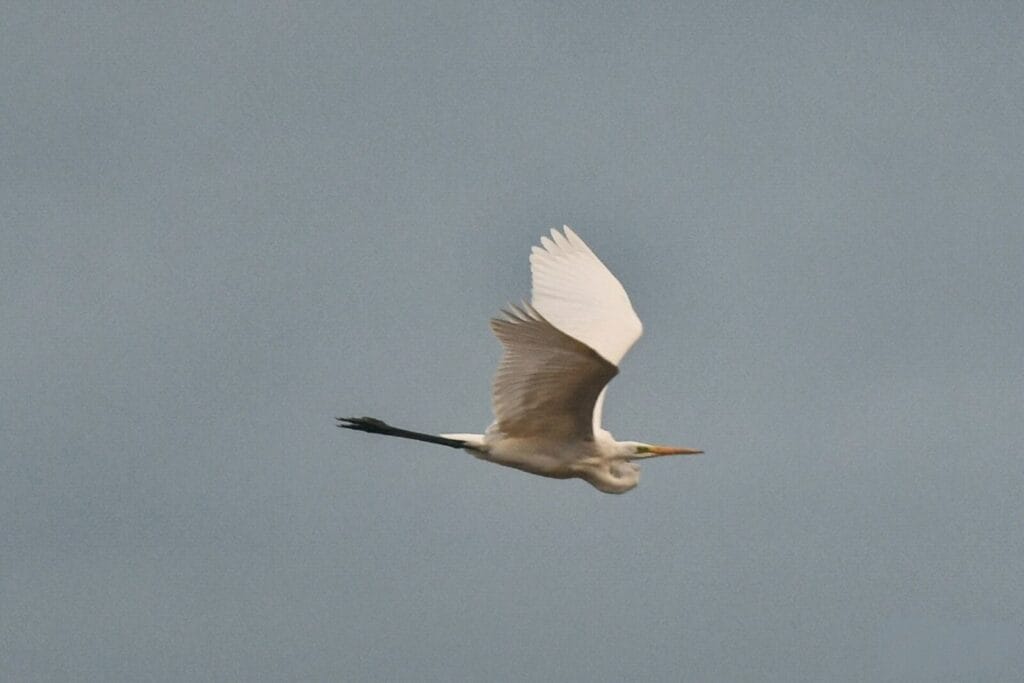
Great White Egret, Oceanview (Andy Hood)

28th September 2026

Sunny, with light winds that turned onshore in the afternoon and a high of 19 degrees C. Little moved over the sea, although 320 Teal flew south along with eight Wigeon; an additional 41 Teal rested on the shore at Cattlemere, while 60 were off South Landing. Other notable records from the outer head included a Great White Egret that flew south over the Gorse Field at 0825hrs, three Jays, a Redstart, a Spotted Flycatcher, one Pied Flycatcher, four Siskin, a Brambling and the confiding Lapland Bunting.

A total of five Yellow-browed Warblers were present across the headland: a single at Thornwick Pools, three birds at RSPB Bempton Cliffs and another at Buckton. Other sightings at Bempton included one Jay, ten Chiffchaffs, a Garden Warbler, a Goldcrest, one Pied Flycatcher, two Wheatear and a Brambling.

Lapland Bunting, Bay Brambles (Alan Walkington)

29th September 2026

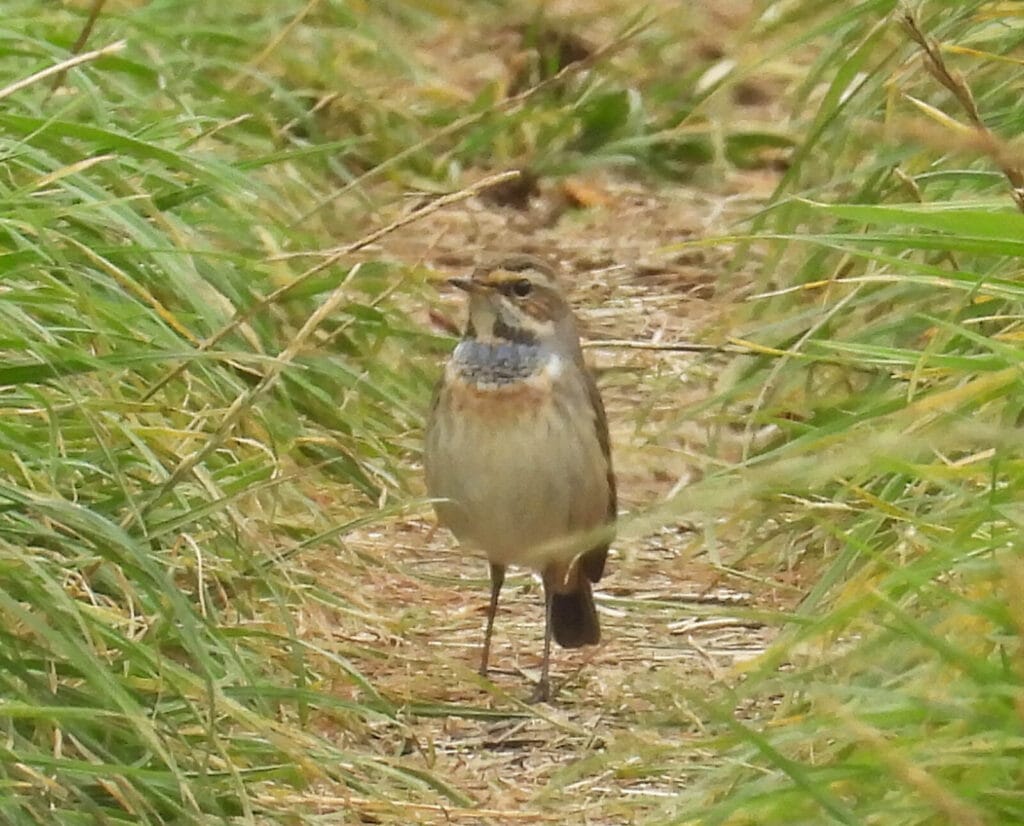
Overcast with spells of drizzle, a moderate easterly wind and high of 17 degrees C. Finally the weather gods relented and the arrival of a genuine easterly brought a significant improvement to the birding. A Great Grey Shrike in the Bay Brambles and a Bluethroat along Old Fall Hedge both arrived in the afternoon, a pattern shared with most of the passerine migrants. Seven Yellow-browed Warblers made landfall on the outer head, where migrant totals included: a Merlin, a ringtail Hen Harrier, four Jays, 24 Chiffchaff, a Willow Warbler, two Blackcap, three Goldcrests, 45 Skylarks, 180 Robins, 40 Redwing, 30 Song Thrush, one Grey Wagtail, three Wheatear, two Redstarts, a Pied Flycatcher, 55 Brambling, 12 Redpoll, eight Siskin and 25 Reed Buntings. The sea also proved rewarding with a Cory’s Shearwater flying south, along with four Scaup, three Long-tailed Skuas and a Sooty Shearwater.

In addition to the three Yellow-browed Warblers at RSPB Bempton Cliffs other records included a Short-eared Owl in off, 31 Chiffchaffs, a Willow Warbler, three Blackcaps, a Spotted Flycatcher, two Redstart, a Wheatear, 51 Robins, 14 Redwing, 24 Song Thrush, a Grey Wagtail, seven Redpoll and 118 Brambling.

Bluethroat, Old Fall Hedge (Brett Richards)
Great Grey Shrike, Bay Brambles (Brett Richards)

30th September 2026

Sunny intervals dominated after an overcast start, with temperatures reaching 23 degrees C in blustery winds that began from the south-south-east. The Great Grey Shrike again toured the outer head, but there was no sign of yesterday’s Bluethroat. An arrival of 910 Song Thrushes was particularly noticeable east of the Dykes. Other notable migrant totals there included 90 Skylarks, a Jay, one Fieldfare, seven Yellow-browed Warblers, two Willow Warblers, three Whinchat, one Redstart, two Pied Flycatchers, a Spotted Flycatcher, four Grey Wagtails, 18 Brambling, 11 Redpoll, two Lapland Buntings and ten Corn Buntings.

Seawatching was rewarded with a Cory’s Shearwater flying south close inshore at 1500hrs. Earlier in the day, records included six Shoveler, a Gadwall, 217 Wigeon, ten Pintail, 673 Teal, two Grey Plover, nine Ruff, 59 Little Gulls, a Caspian Gull, two Yellow-legged Gulls and a Great Northern Diver.

An additional 585 Song Thrushes made landfall ar RSPB Bempton Cliffs, where two Yellow-browed Warblers were present. Other sightings at the reserve included two Great White Egrets flying south-east, a Velvet Scoter, one Merlin, a Willow Warbler, two Redstarts, a Whinchat, 38 Redwing, 38 Brambling, a Siskin and six Redpolls.

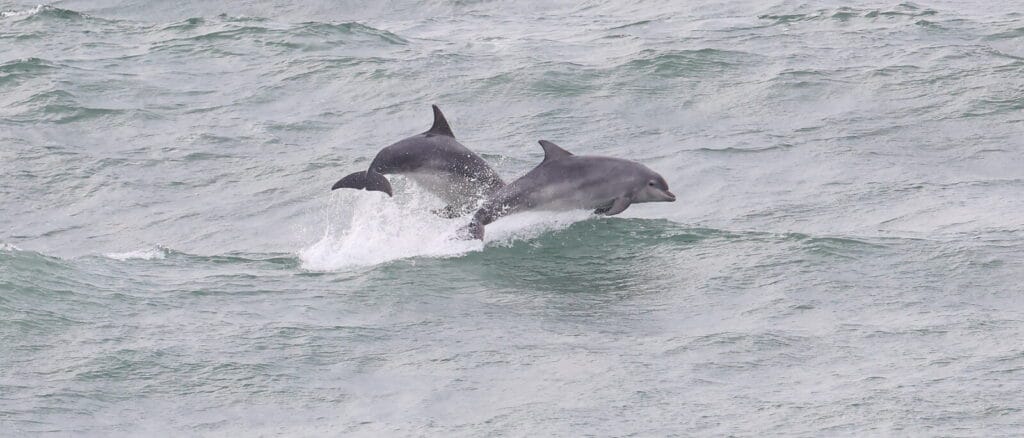
Bottlenose Dophins (Alan Walkington)

1st October 2026

Traditionally THE birding month began with light west-south-winds, sunny skies and a high of 19 degrees C. A morning seawatch was rewarded with a Balearic Shearwater, one Long-tailed Skua, five Arctic Skuas, eight Little Gulls and 30 Red-throated Divers. Sightings on the land included two Grey Plovers, 30 Lapwing, at least six Jays, two Willow Warblers, 13 Yellow-browed Warblers, a Spotted Flycatcher, 12 Brambling and three Siskin.

Two Yellow-browed Warblers remained at RSPB Bempton Cliffs, where additional migrants included two Willow Warblers, a Whitethroat, two Pied Flycatchers, two Redstarts, 150 Song Thrush, 17 Brambling and four Redpolls. Three Yellow-browed Warblers were also in residence at Buckton.

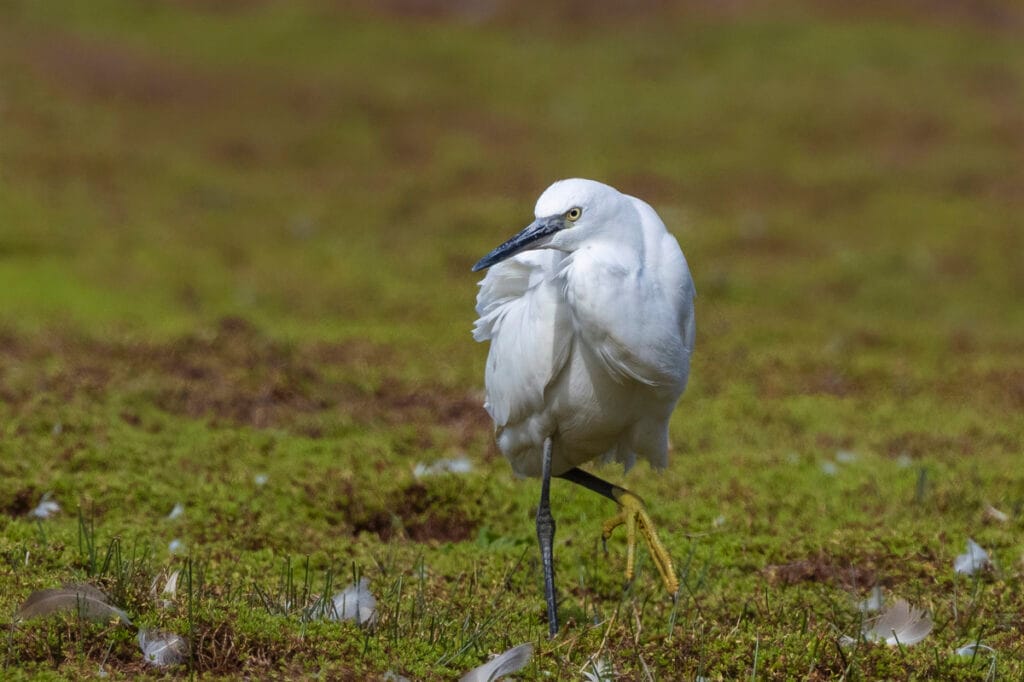
Little Egret, Thornwick Pools (Andrew Allport)

2nd October 2026

Prolonged sunny spells, a blustery south-west wind and high of 21 degrees C. Although a morning seawatch was quiet, a total of 23 Little Gulls flew north past the Fog Station, where a late Common Swift cruised the cliff top. Thornwick Pools attracted four Little Egrets and two Snipe, while the Grey Plover made another appearance on the Golf Course. Four Yellow-browed Warblers remained, as did a single Spotted Flycatcher.

Notable sightings from RSPB Bempton Cliffs included a Yellow-browed Warbler and four Whinchat. Better still, a Turtle Dove made a brief appearance in Bempton village.

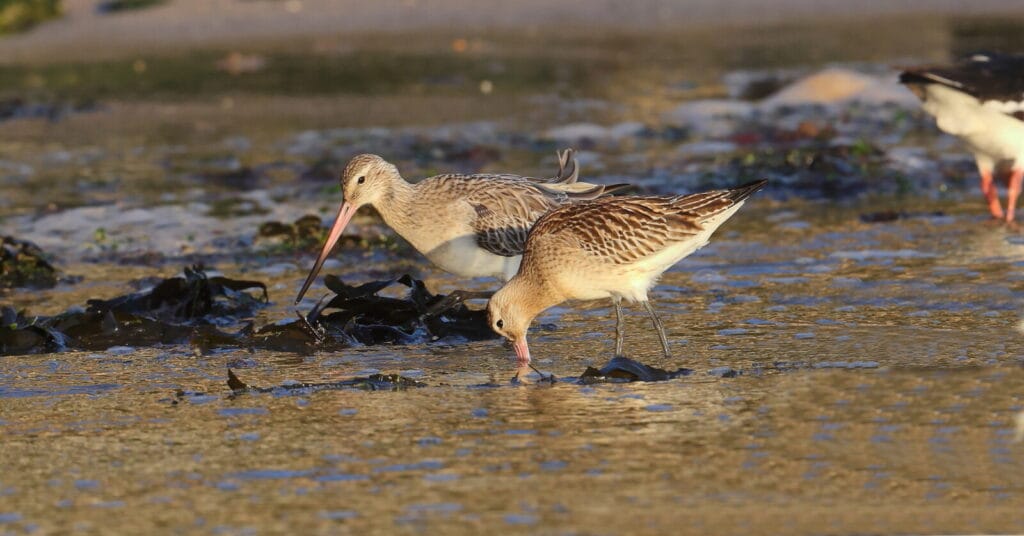
Bar-tailed Godwits, South Landing (Alan Walkington)

3rd October 2026

Light, variable winds throughout a sunny day, with temperatures reaching 19 degrees C. A morning seawatch was rewarded with 37 Little Gulls, a Mediterranean Gull, a Pintail, three Arctic Skuas and 81 Red-throated Divers. A first-year Caspian Gull was also on the sea off Danes Dyke. The day’s most notable passerine was a Wood Warbler photographed in South Dykes; this represents the first record for the ‘obs recording area’ for three years. Further interest on the outer head included two Jays, 13 Yellow-browed Warblers, two Willow Warblers, three Lesser Whitethroats, three Pied Flycatchers, a Tree Pipit, 14 Brambling and a Snow Bunting.

Bridlington Links GC attracted another Yellow-browed Warbler, a Jay and 20 Brambling. On the opposite side of the headland, Bempton village hosted a Merlin, a Turtle Dove for its second day and a Willow Warbler. Sightings from the nearby reserve included a Short-eared Owl, two Ravens, a Yellow-browed Warbler and a Pied Flycatcher.

Lesser Whitethroat, Thornwick Lakes (Brett Richards)

4th October 2026

The weather consisted of relatively bright skies, a light/moderate south-westerly wind and high of 17 degrees C. Three Mediterranean Gulls, a Caspian Gull and a Yellow-legged Gull were recorded on a seawatch that also produced 52 Little Gulls and a single Sooty Shearwater. Six Bearded Tits that dropped into the setaside crop at North Marsh provided the day’s highlight; they eventually flew south at significant altitude. Elsewhere, single Yellow-browed Warbler and Jay were recorded in the village.

A Yellow-browed Warbler lingered at RSPB Bempton Cliffs, where sightings included nine Pink-footed Geese and a Brambling.

Chiffchaff, RSPB Bempton Cliffs (Dan Howe)

5th October 2026

A large movement of 1090 Little Gulls was evident late afternoon off the Fog Station, while an impressive 6800 Razorbills were also noted over a mere 75 minutes of observation. Thornwick Pools hosted a Shoveler and 40 Teal. Elsewhere, three Mediterranean Gulls and one Caspian Gull were in residence, along with three Little Egrets. Passerine interest was confined to two Yellow-browed Warblers and two Grey Wagtails.

Shoveler, Thornwick Pools (Brett Richards)

6th October 2026

Seawatch highlights included two Red-breasted Mergansers, a juvenile Long-tailed Skua, 95 Little Gulls and two Mediterranean Gulls. Better still, a Balearic Shearwater lingered off Cattlemere. A Jay flew west over Crofts Hill, while a small arrival of Chiffchaffs, Blackcap and Goldcrest took place at RSPB Bempton Cliffs and the outer head mid-afternoon.

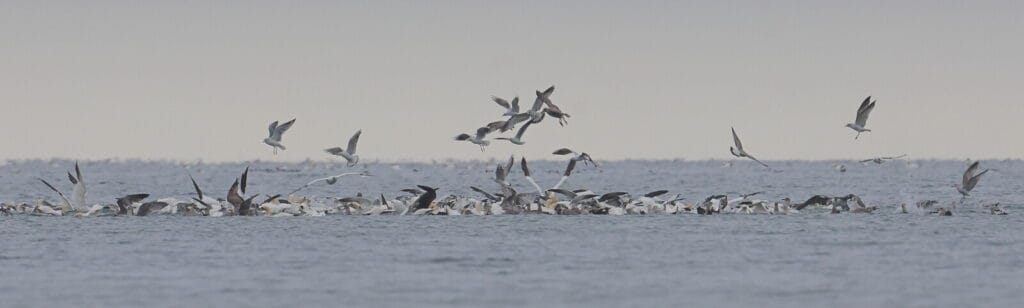
Feeding frenzy, South Landing (Alan Walkington)

7th October 2026

An overcast morning, with spells of relatively light rain driven onshore by blustery northerly winds, superceded by bright skies; temperatures only reached 12 degrees C. A northbound drake Surf Scoter headlined seawatching that produced 58 Wigeon, five Pintail, 238 Common Scoters, 16 Goosanders, three Red-breasted Mergansers, nine Purple Sandpipers, 1900 Little Gulls, two Mediterranean Gulls, 38 Arctic Skuas, 144 Red-throated Divers and eight Sooty Shearwaters; in addition, the Thresher Shark breached offshore early afternoon.

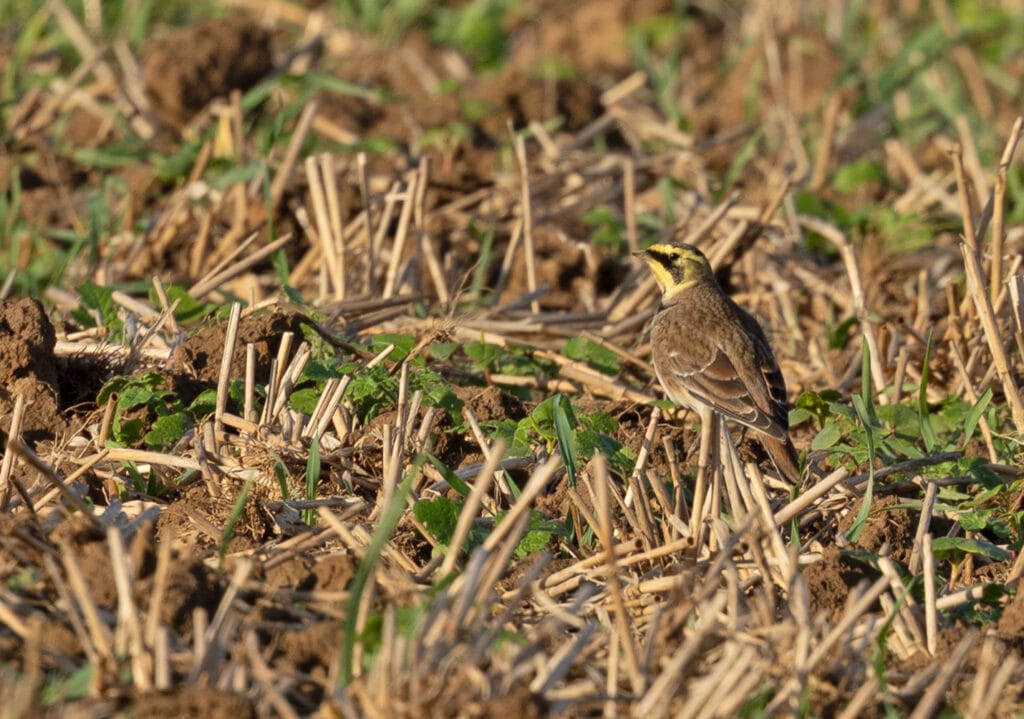
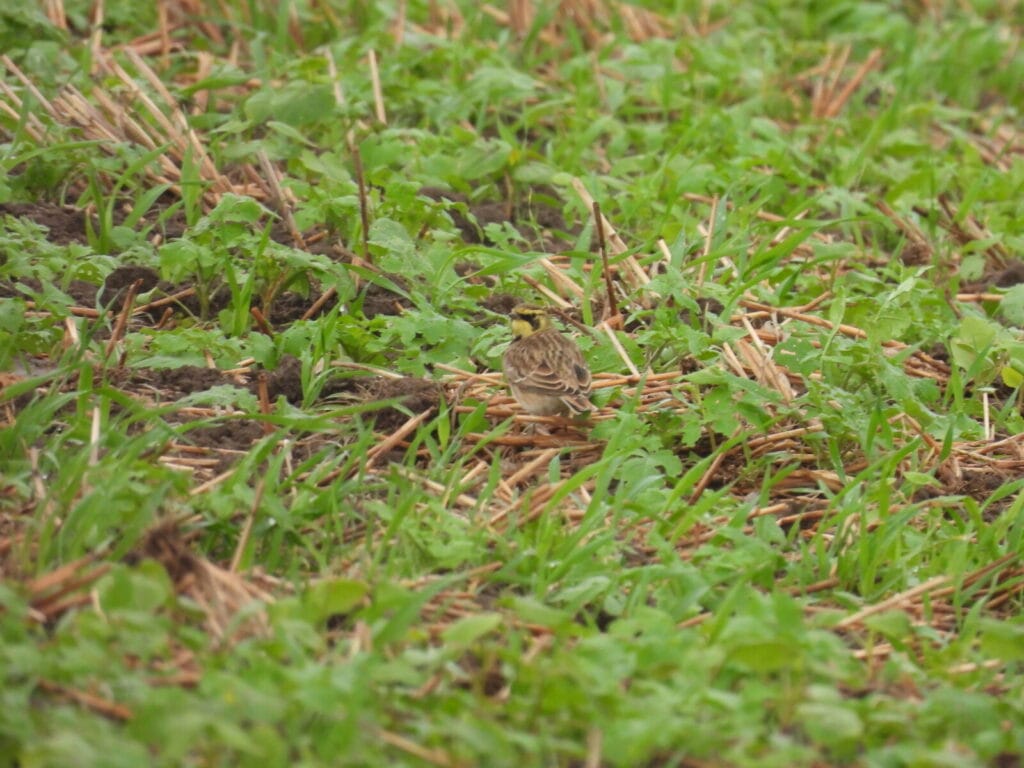
An arrival of migrants started with a trickle in the morning, before more substantial numbers from early afternoon. The most notable record related to five Shore Larks that frequented cliff top fields between Booted Gully and Sykes Plantation, while other counts included: two Woodcock, a Jack Snipe, a Jay, 2150 Redwing, 565 Song Thrush, a Ring Ouzel, 102 Swallows, 13 House Martins, two Yellow-browed Warblers, nine Chiffchaffs, five Grey Wagtails, 85 Brambling, a Snow Bunting and one Lapland Bunting.

Two Whooper Swans flew south-east at RSPB Bempton Cliffs, where arriving migrants included 29 Chiffchaffs, three Goldcrests, 15 Song Thrush, 24 Redwing, nine Swallows and 46 Brambling. The two long-staying Ravens also flew along the cliffs at the reserve.

Shorel Lark, South Cliffs (Craig Thomas)
Shore Lark, South Cliffs (Stuart Beeby)

8th October 2026

Prolonged sunny intervals, a light/moderate north-westerly wind that gradually slackened in strength and a high of 14 degrees C. A juvenile Long-tailed Skua flew south during a seawatch that also featured 17 Arctic Skuas and six Bonxies. Two dark-bellied Brent Geese also flew past along with 138 Wigeon and four Goosanders. A total of 982 Little Gulls were logged along with four Mediterranean Gulls, two Yellow-legged Gulls and 13 Sooty Shearwaters.

Further immigration included two Short-eared Owls flying in off the sea and 4336 Redwing flying west from the headland between 0700-0850hrs. Other notable records included eight northbound Barnacle Geese, eight Jays, a Garden Warbler, five Yellow-browed Warblers, a Wheatear, three Siskin, 91 Brambling, a Lapland Bunting and a Snow Bunting.

Sightings from RSPB Bempton Cliffs included 205 Pink-footed Geese and five Barnacle Geese moving south, a Hobby, four Jays, a Whinchat and 20 Brambling.

Yellow-browed Warbler, South Landing (Jo Hood)

9th October 2026

Generally overcast, with occasional sunny intervals and showers, a blustery westerly wind and high of 18 degrees C. The seawatch was above average with four species of skuas recorded, including no fewer than ten Long-tailed Skuas and a ‘spooned’ adult Pomarine Skua. Additional highlights included ten Barnacle Geese heading north, a Goldeneye, ten Pintail, 390 Little Gulls, two first-winter Caspian Gulls, a first-winter Yellow-legged Gull and four Mediterranean Gulls. Two Brent Geese, two Bar-tailed Godwits and four Dunlin were recorded at South Landing.

Yellow-browed Warblers remained at South Dykes and Thornwick Roost, while other passerine migrants include a Lesser Whitethroat on the outer head; six Brambling were shared between South Dykes and Thornwick Roost.

Sightings from RSPB Bempton Cliffs included 22 Barnacle Geese and 80 Pink-footed Geese flying south-east. Better still, a ringtail Hen Harrier hunted cliff top fields at Buckton, where 65 Pink-footed Geese fed in fields. Elsewhere, a Jay was seen over Bridlington Links GC.

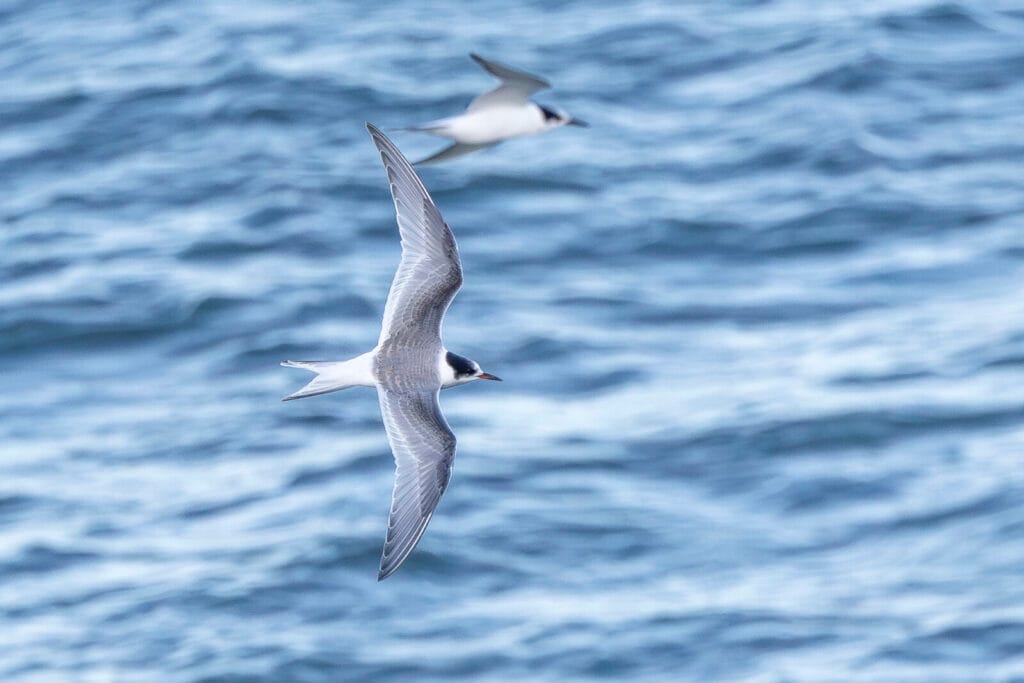
Arctic Tern, Fog Station (Andrew Allport)

10th October 2026

Migweek began with sunshine throughout, strong westerly winds and a high of 15 degrees C. The morning seawatch was rewarded with a Cory’s Shearwater lingering close inshore late morning, two juvenile Long-tailed Skuas harassing 100 Little Gulls that fed offshore. A juvenile Mute Swan was on the sea and a first-winter Mediterranean Gull flew north. Two adult Mediterranean Gulls rested on South Landing beach.

Ten Whooper Swans flew south over South Dykes, while six Barnacle Geese were recorded on the outer head – five birds flew south and an individual was on the edge of the village. In addition, 15 Pink-footed Geese landed on fields near Old Fall.

A Shore Lark fed on the cliff top just east of South Landing. Other passerine interest included: seven Yellow-browed Warblers shared between Old Fall, Thornwick, South Dykes and Booted Gully; 90 Redwing, seven Jays, a Pied Flycatcher, 11 Siskin and ten Brambling.

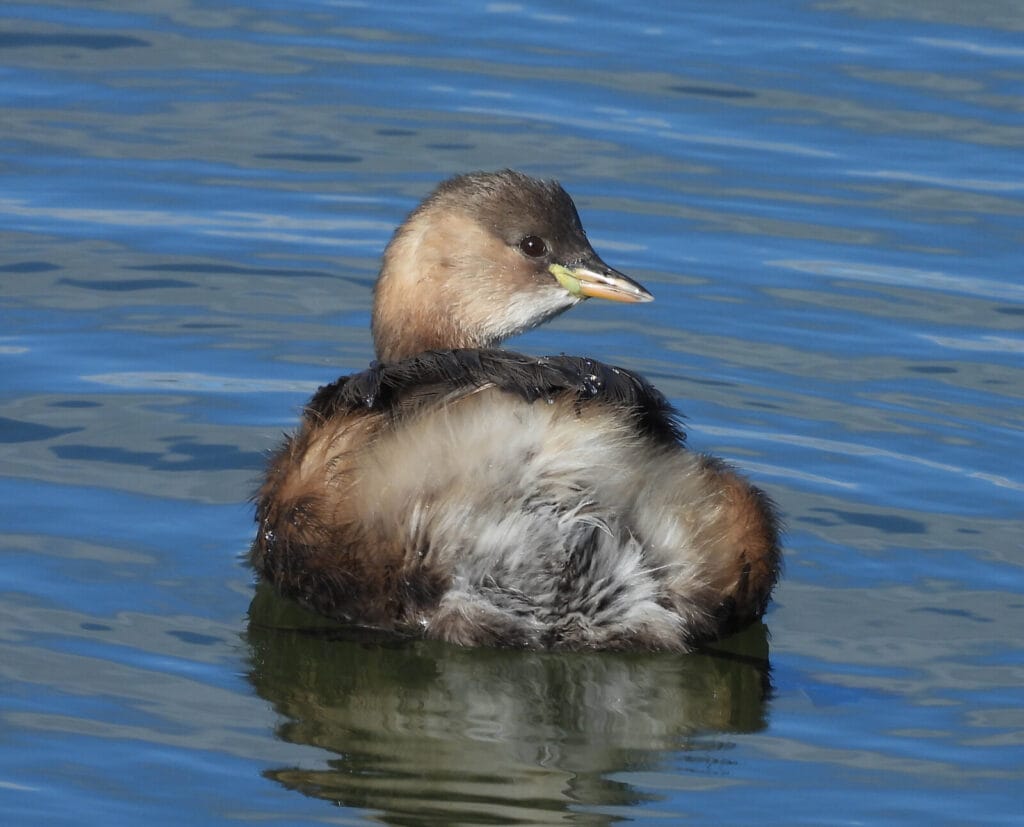
Little Grebe, Thornwick Lakes (Brett Richards)