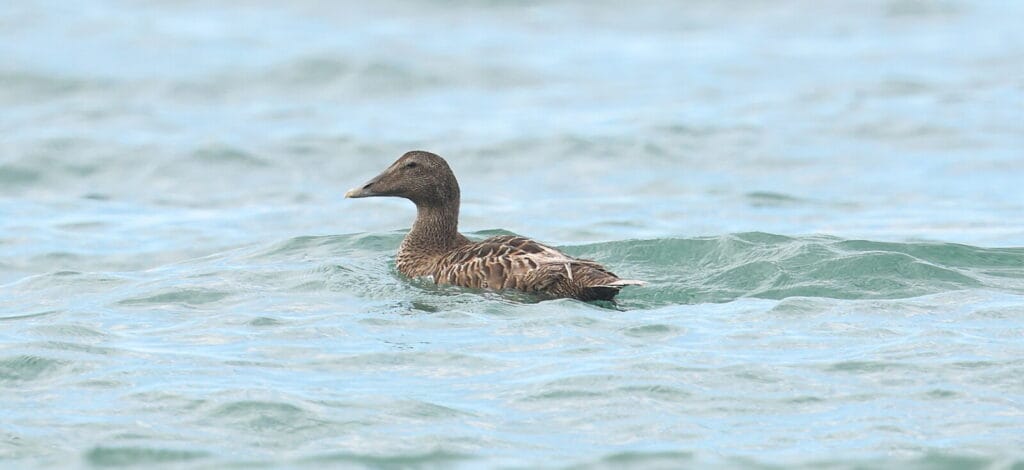
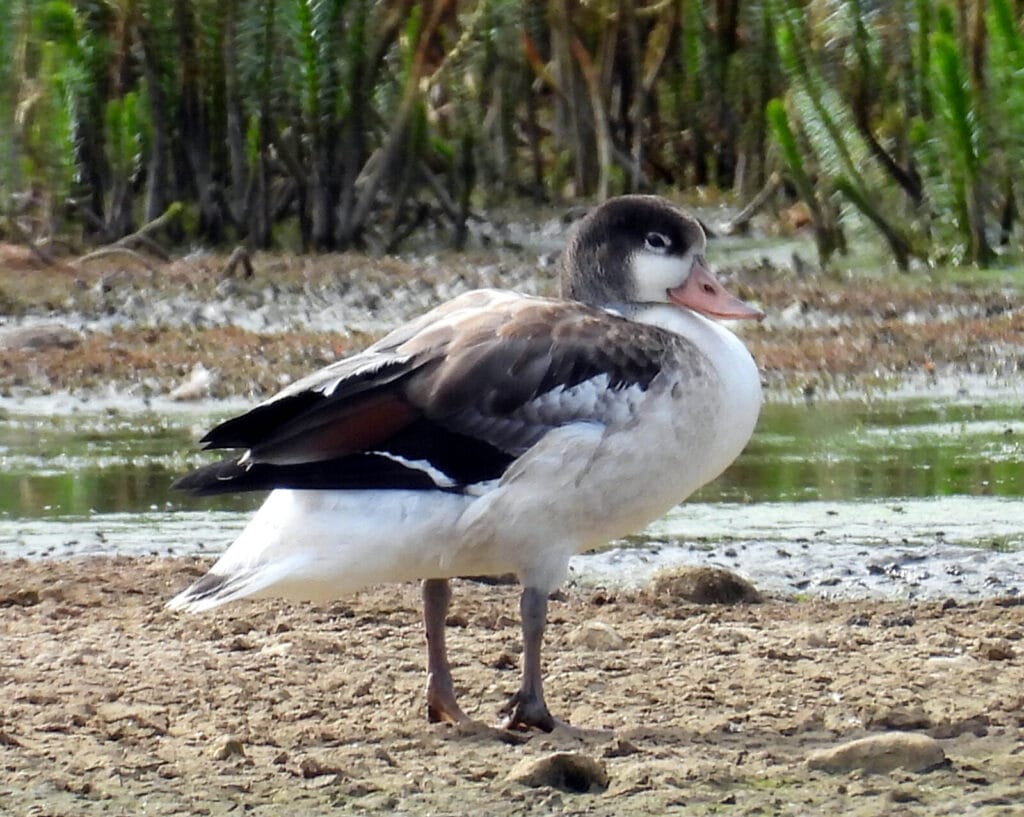
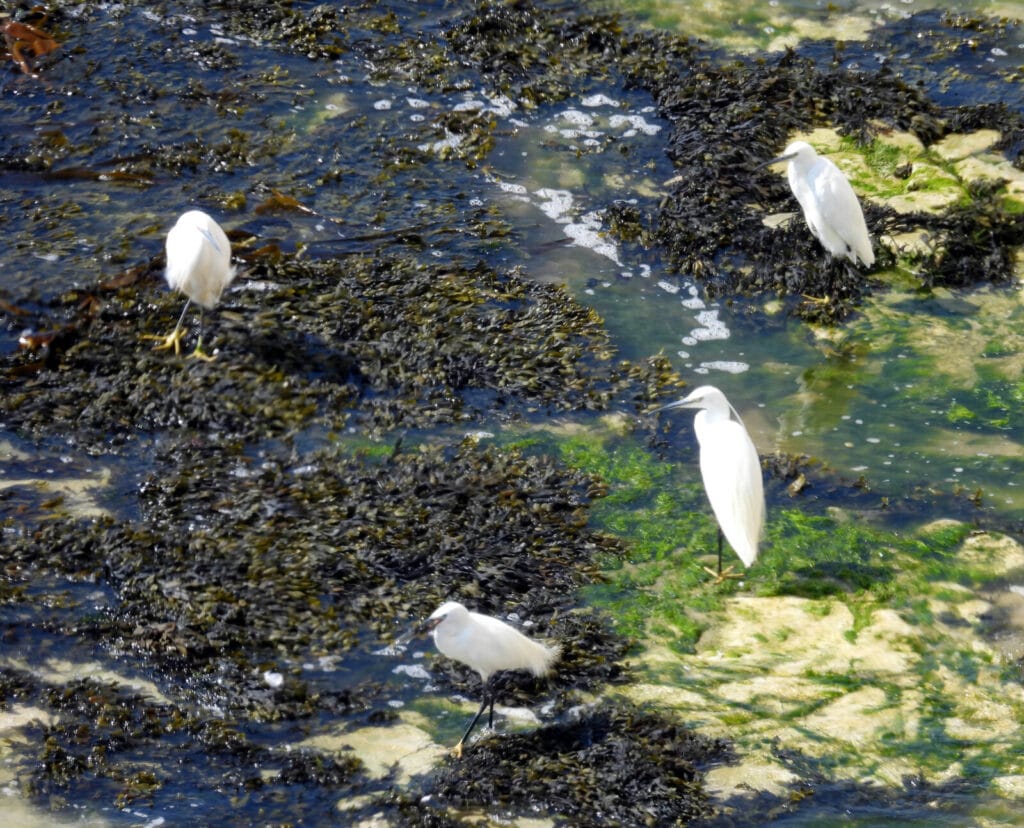
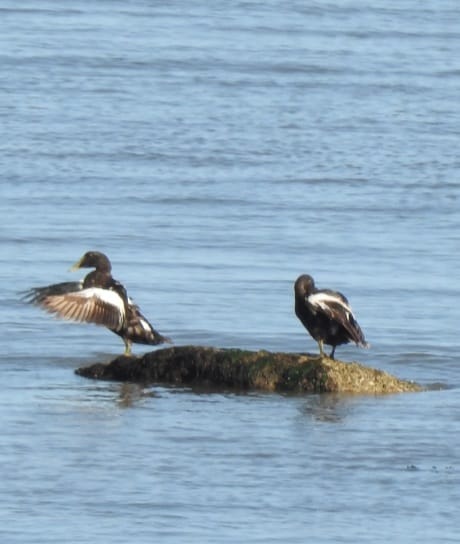
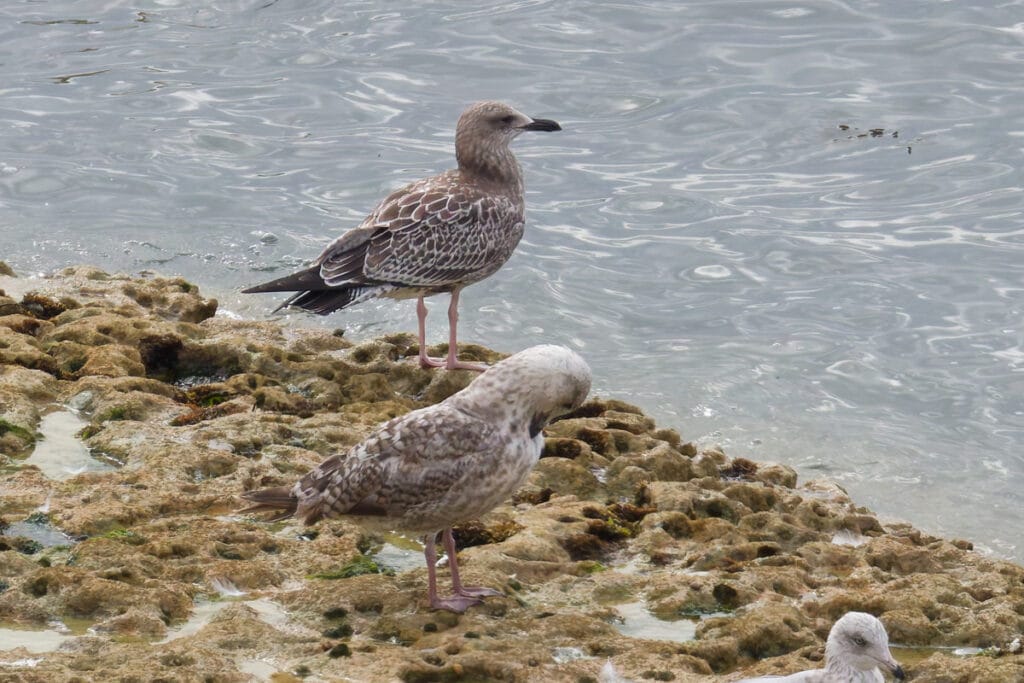
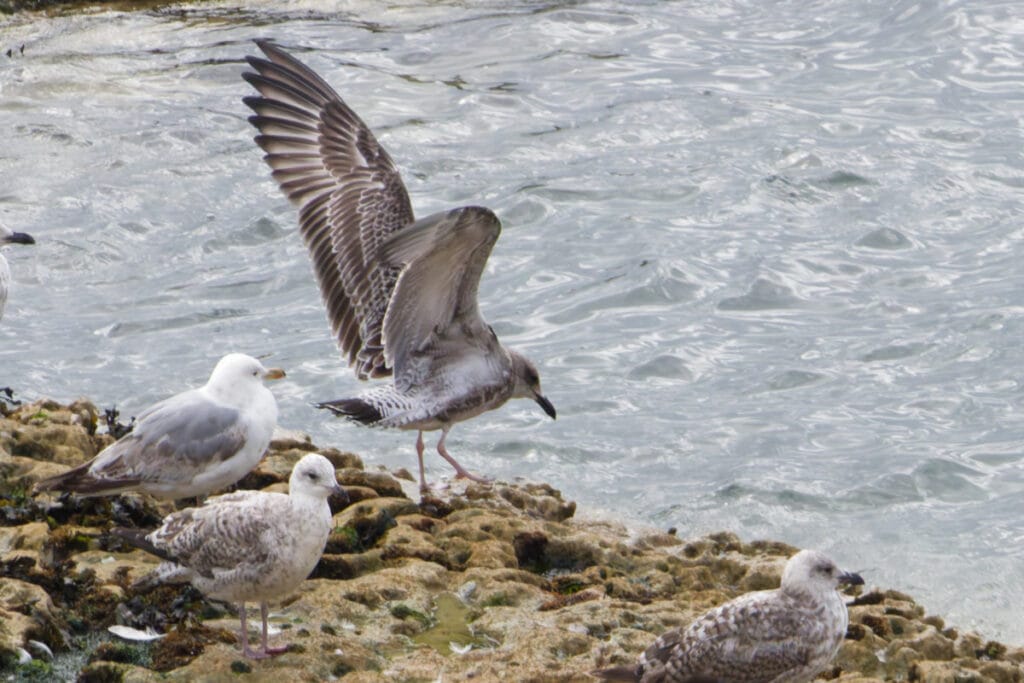
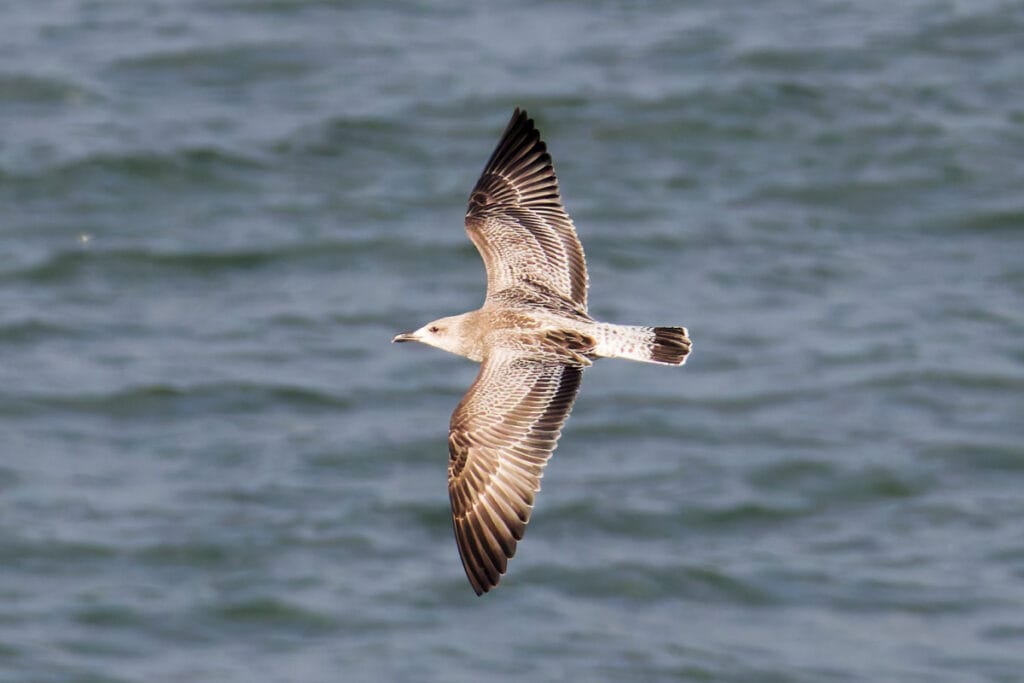
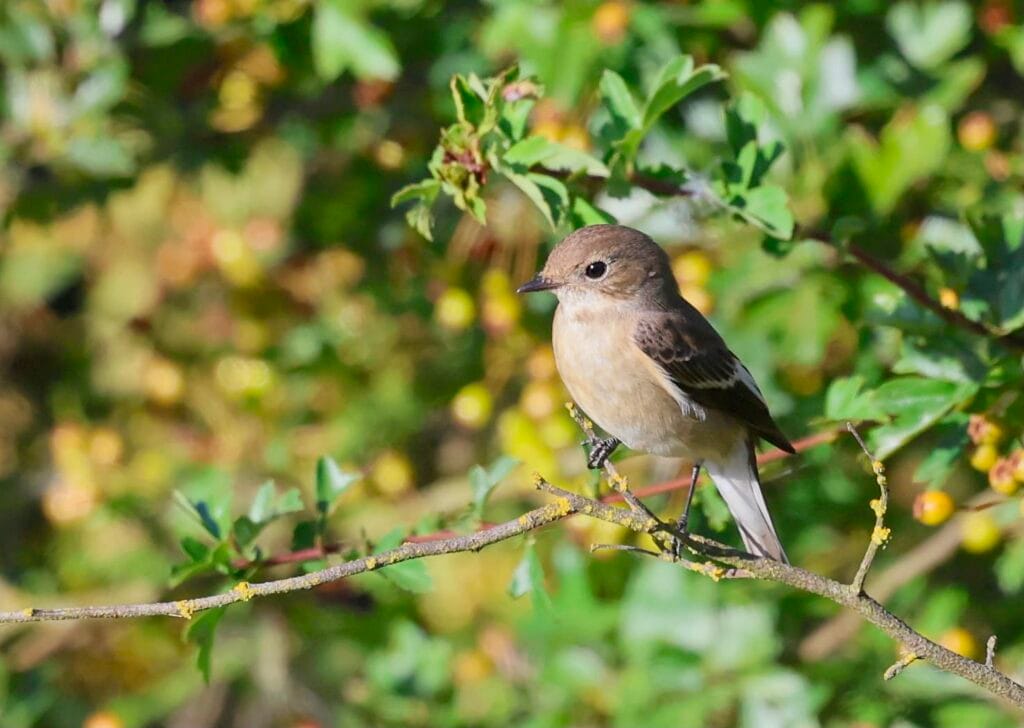
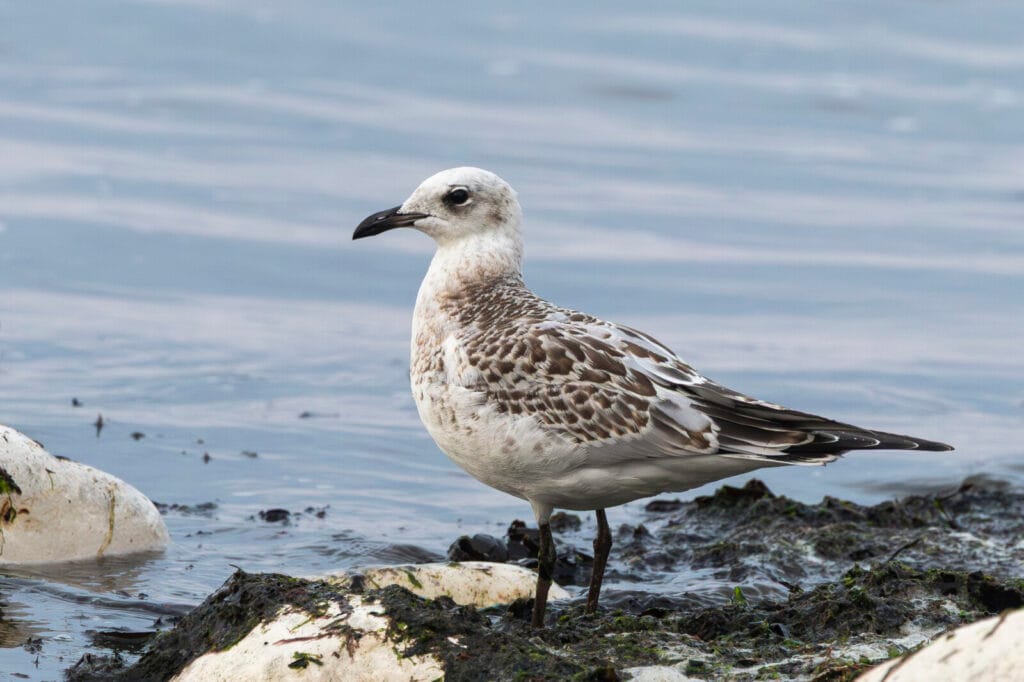
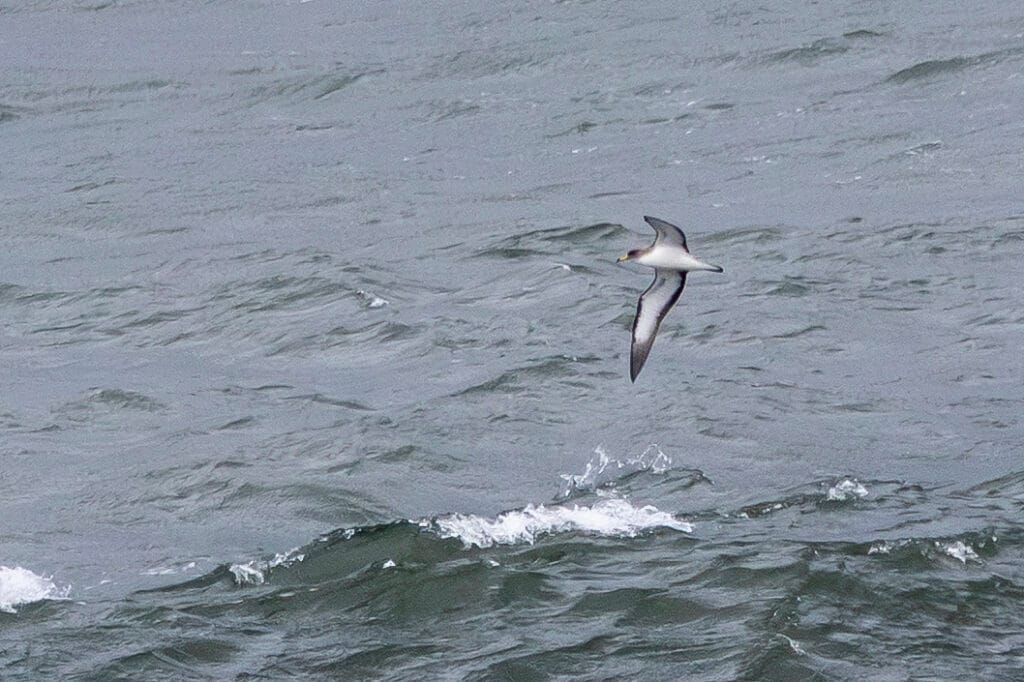
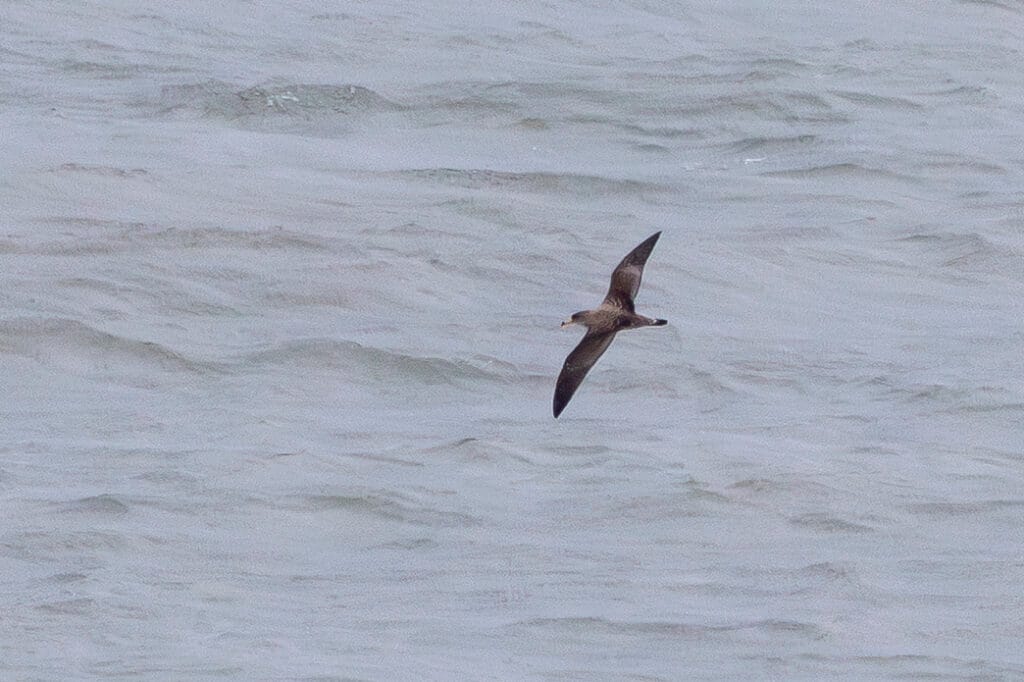
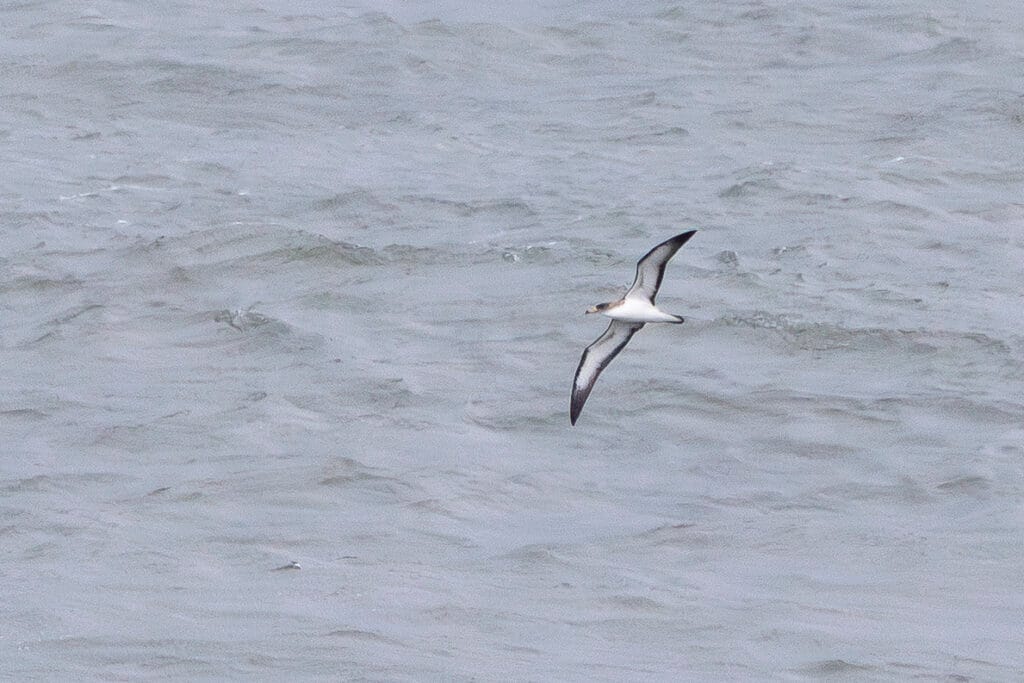
More cloud than of late, but temperatures still reached 24 degrees C during sunny intervals; initally light, a moderate westerly wind established in the afternoon. Nine Mediterranean Gulls flew north during a morning seawatch that also featured an Arctic Tern, a Blue Fulmar and 36 Manx Shearwaters. Four Eider were also close inshore off the south side of the headland. The second earliest ever juvenile Yellow-legged Gull flew along the South Cliffs in the morning, where a Quail and two Little Egrets were also in residence. A juvenile Common Redstart and a single Spotted Flycatcher were surprising passerine migrants.
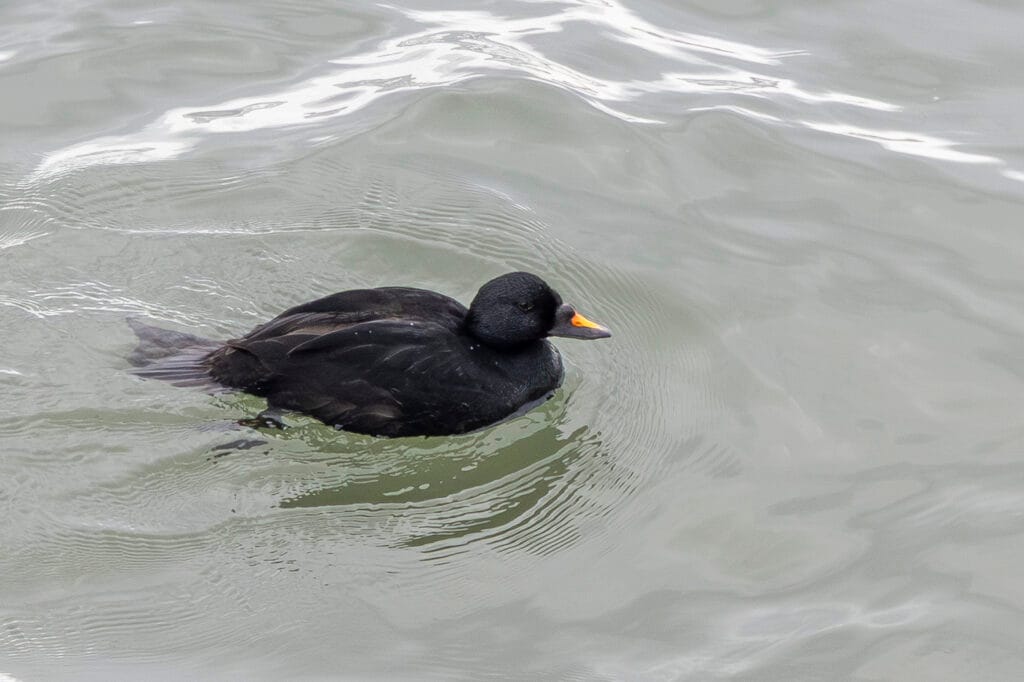
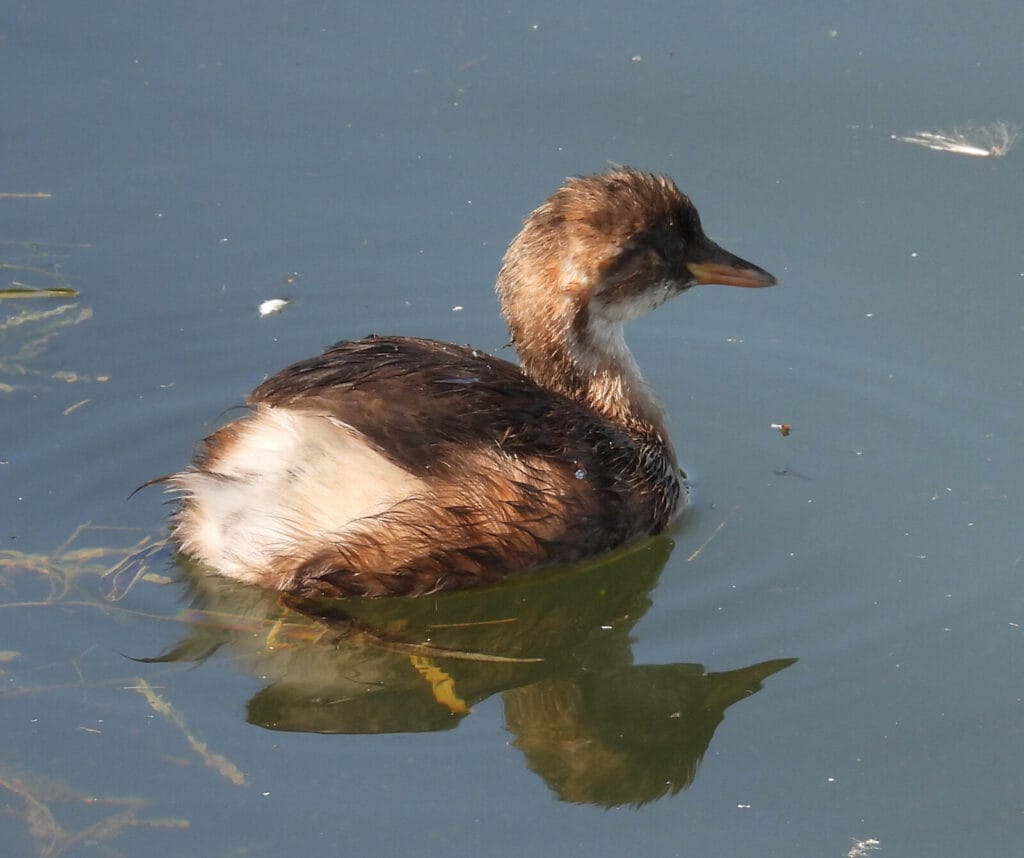
Overcast for the majority of the day, with some sunny intervals, an increasingly blustery westerly wind and high of 24 degrees C. Seawatch highlights included a Bonxie, 40 Common Scoters, 50 Sandwich Terns and 18 Manx Shearwaters. The Thornwick area attracted a Shelduck, 23 Tufted Ducks, two Teal and a Little Grebe. Single Quail (calling), Grey Wagtail and Goldcrest were recorded near South Landing, while a Red Kite toured the outer head.
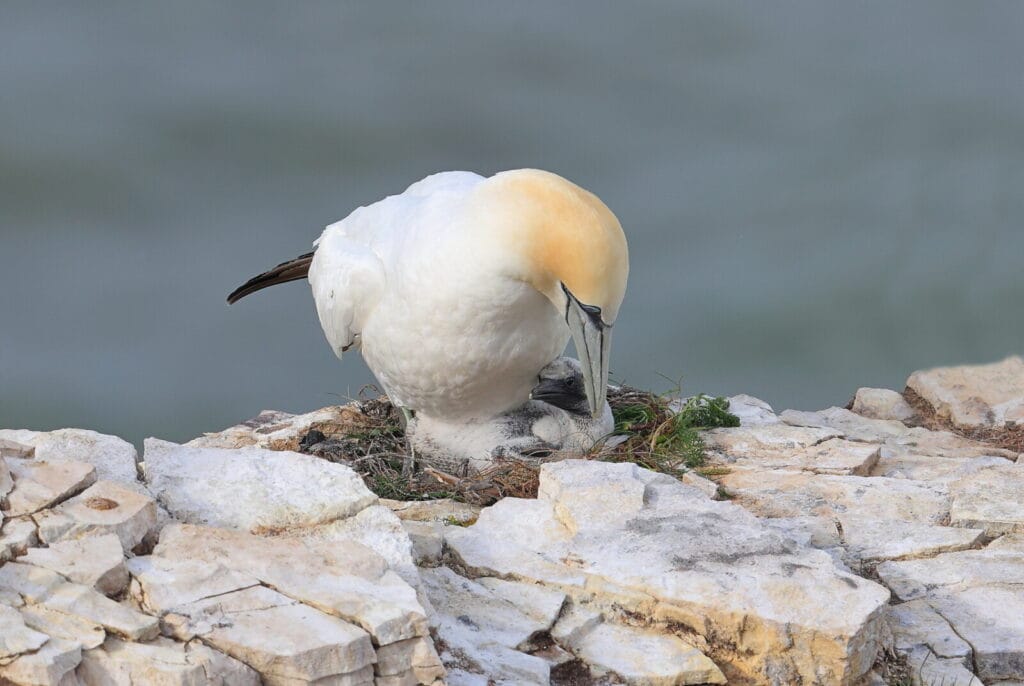
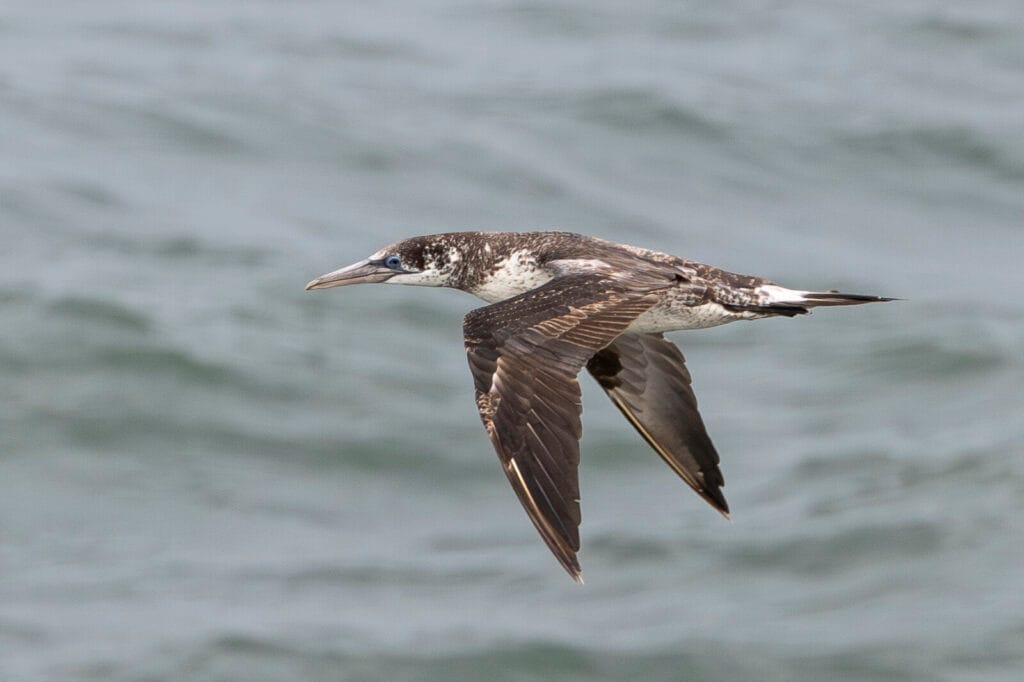
Gannet (with chick), RSPB Bempton Cliffs by Alan Walkington
Mainly cloudy but the temperature still rose to 24°C. The wind was a moderate westerly.
Two Mediterranean Gulls and eight Manx Shearwaters were the highlights off the Fog Station during the morning seawatch. Reports of Quails continue with three along the South Cliffs and another at Bempton Cliffs RSPB where the Bonxie continued to scavenge offshore.
A warm day again,the temperature reaching 28°C. Mostly cloudy in a moderate westerly.
Two Quail remained near Old Fall and one at Bempton Cliffs RSPB. A Common Sandpiper and a juvenile Shelduck were at Thornwick Pools while seawatching highlights included nine Manx Shearwaters and 12 Common Scoters.
As has become a regular feature, pods of Bottle-nosed Dolphins were again seen at several watchpoints around the headland and three Minke Whales were off Bempton Cliffs RSPB.
Cloudy but warm again, maximum temperature 27°C. Winds light westerly.
Seawatching highlights comprised a Mediterranean Gull, 14 Manx Shearwaters. and two Minke Whales.
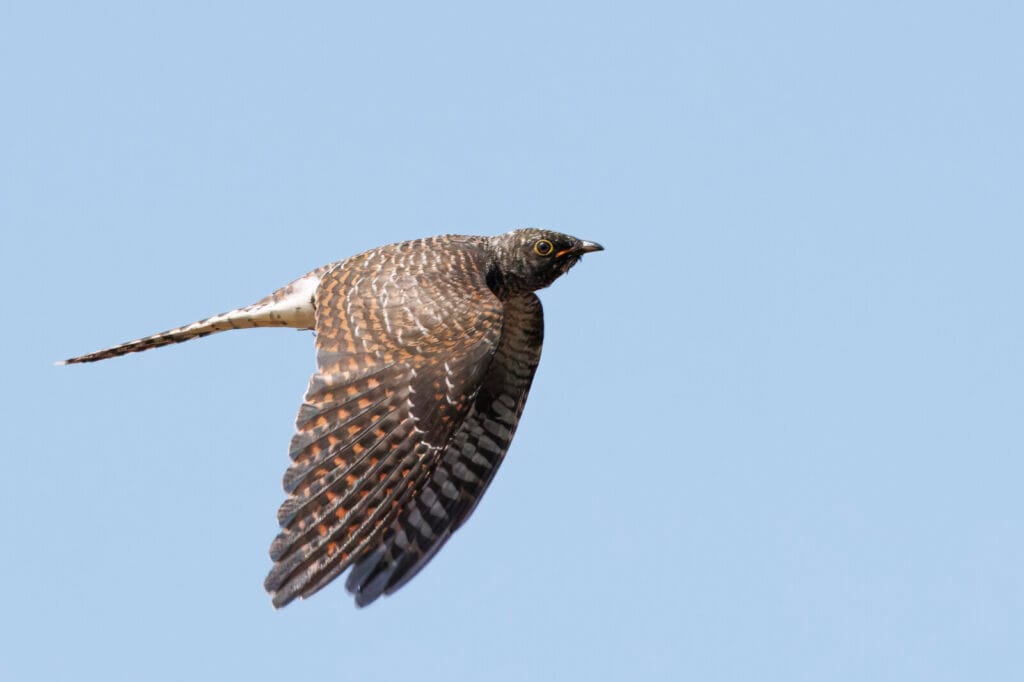
A singing Quail remained at Old Fall and a juvenile Cuckoo was also seen on the Outer Head while a Hobby was at South Dykes and a Little Egret at Head Farm.
A further six Minke Whales were feeding off Bempton Cliffs RSPB and two more Quails were on the reserve.
Cloudless skies, light easterlies and the temperature rose to 23°C.
The morning seawatch was productive with six Shelduck, 158 Common Scoter, a Whimbrel, an adult Mediterranean Gull, an Arctic Skua and four Manx Shearwaters. Forty Common Scoter also flew north off Bempton Cliffs RSPB.
Up to four Little Egrets were around the Outer Head along with two Cuckoos, two singing Quail and a Green Sandpiper at Thornwick Pools.
Another warm, sunny day, the light easterly breeze moderating the temperature which rose to 22°C.
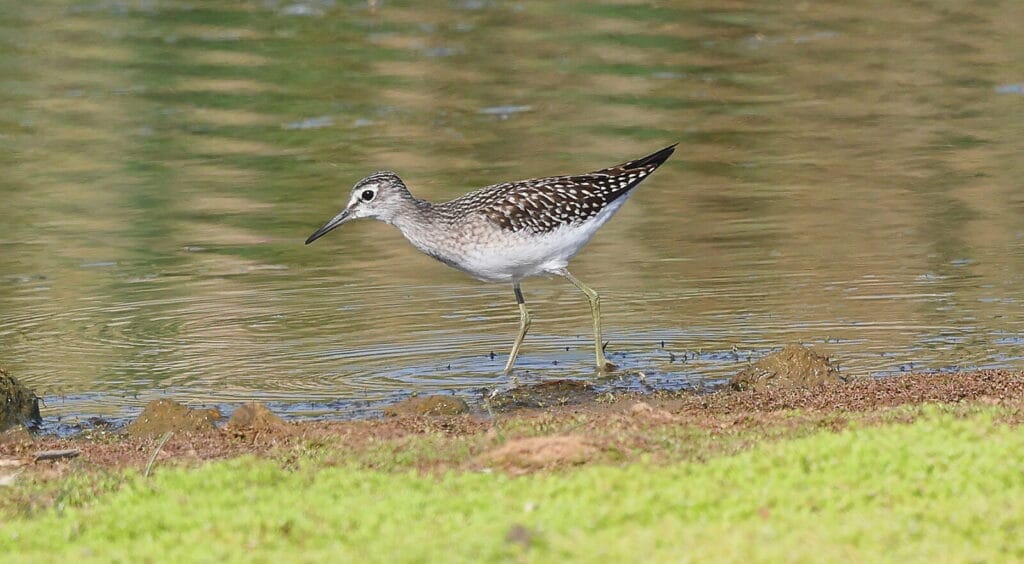
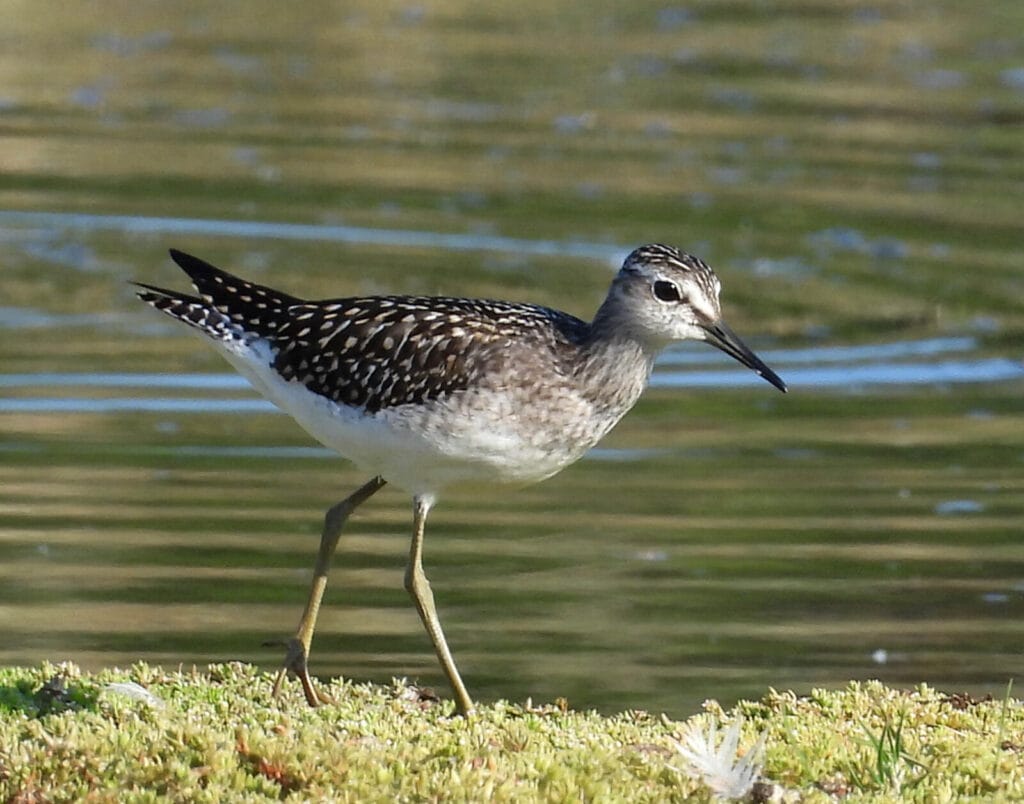
Seawatching was predictably quiet, a single Minke Whale being the highlight. Four Little Egrets graced the rocks at Cattlemere and a Wood Sandpiper spent all afternoon at Thornwick Pools. A Red Kite flew north over the village. Four Quails continued to sing on the Outer Head.
The dry, sunny weather goes on. A light easterly breeze and a maximum temperature of 22°
Seawatching yielded 27 Common Scoters, an Arctic Tern and an Arctic Skua while a Grey Wagtail passed overhead. The Wood Sandpiper remained at Thornwick Pools, three Little Egrets were at Cattlemere Rocks and a Cuckoo at Old Fall.
Quails continue to be found with six along Hoddy Cows Lane, Buckton.
Cloud carried in on an onshore light north-easterly meant cooler conditions with the temperature reaching 19°C.
Seawatching at the Fog Station provided highlights that include seven Eider, 252 Common Scoter, a Whimbrel, two Arctic Skuas and two Manx Shearwaters.
Yesterday’s Wood Sandpiper remained at Thornwick Pools, two Whimbrel came in off the sea at Breil Nook and five Mediterranean Gulls were along the southern cliffs. A single Quail called on the Outer Head.
A phylloscopus, thought to be either a Greenish or Green Warbler, sang for just a few minutes at Bempton Cliffs RSPB and recorded but, frustratingly, it was not seen or heard subsequently. Investigation into its identity is ongoing.
Variable cloud cover in a moderate to fresh north-easterly, the temperature reaching 19°C.
Unexpected finds of the day were a drake Scaup off South Landing and a Black Redstart. Other sightings around the Outer Head include two Whimbrel, a Greenshank, two Grey Wagtails and a singing Quail. Eleven Manx Shearwaters, three Arctic Terns and 12 Common Scoters were the best of a morning seawatch.
A Great Skua continued to patrol offshore at Bempton Cliffs RSPB.
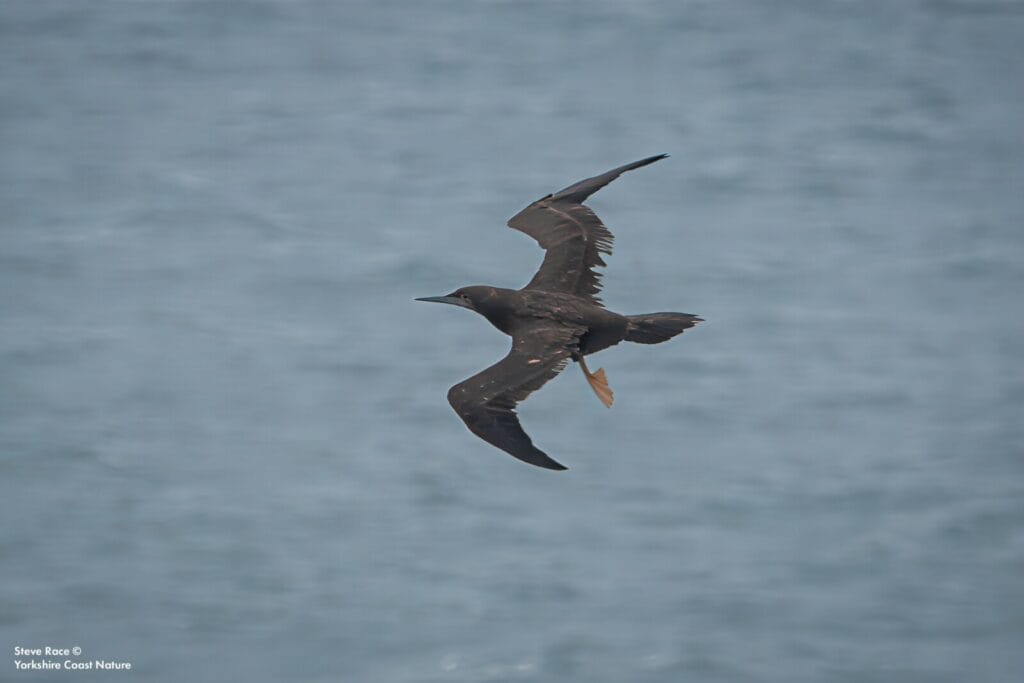
A blustery northerly wind, relatively cloudy skies and a high of 17 degrees C. The undoubted highlight was the discovery of an immature Brown Booby at RSPB Bempton Cliffs. Photographed off Breil Nook late morning, it eventually flew off north-west. However, it then re-appeared briefly along the cliffs mid-afternoon before disappearing below the cliff-line. This constitutes the second record for the headland, following the well-twitched bird that lingered off the Flamborough/Filey coast in September 2023. Additional sightings from Buckton/Bempton included a Bonxie, a singing Quail, a Marsh Harrier and an adult Mediterranean Gull.
A morning seawatch at the Fog Station was rewarded with 58 Common Scoters, 32 Manx Shearwaters, 1503 Puffins, 14 Arctic Terns and two Bonxies flying north; a lone Arctic Skua also flew south. In the evening, 30 Common Scoters, ten Manx Shearwaters and 1308 Puffins flew north in 90 minutes. Elsewhere, two Quail sang on the outer head, while a Hobby flew over South Landing.
Brown Booby, RSPB Bempton Cliffs (Steve Race, Yorkshire Coast Nature)
Overcast until the evening when sunny intervals prevailed; there were light north-east winds and a high of 18 degrees C. Seawatch highlights included 15 Teal, 225 Common Scoters, five Arctic Terns, 196 Sandwich Terns, a Mediterranean Gull, three Arctic Skuas and 27 Manx Shearwaters that all flew north. A lone Bonxie lingered offshore, while a recently fledged Herring Gull loafed with gulls at Cattlemere.
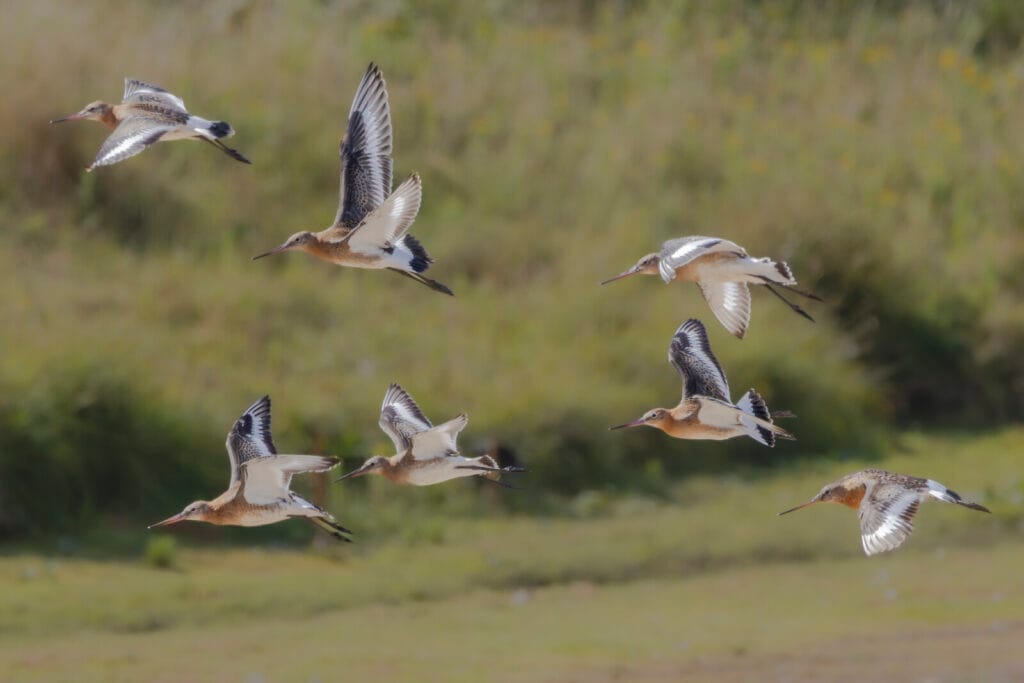
Light northerly winds throughout; an overcast morning preceded brighter skies, while temperatures reached 20 degrees C. The morning seawatch was rewarded with 126 Common Scoters, 32 Arctic Terns, 73 Sandwich Terns, two Arctic Skuas and 13 Manx Shearwaters flying north; a flock of 17 Black-tailed Godwits headed south.
Elsewhere, a lone Quail continued to sing from fields along Lighthouse Road, a Whimbrel was on the shore at Hartendale and a female-type Black Redstart appeared at the Fog Station; the latter the second individual this week, following an adult male.
Sightings from RSPB Bempton Cliffs included a Marsh Harrier, one Snipe, seven Eiders (flying north-west) and a Bonxie.
A northerly wind strengthened during the day; overcast at first, with sunny intervals from late morning and a high of 19 degrees C. These were essentially seawatch conditions, and oft said, the season begins in mid-July – certainly the day featured an uptick in quality.
The undoubted highlight of a morning seawatch was a summer-plumaged Black Guillemot that flew north past the Fog Station at 0915hrs. Number of Puffins tend to peak during July, presumably as non-breeding birds reconnoitre colonies ahead of the next breeding season: a total of 4950 Puffins flying north during the morning was testament to such an increase. Other notable records included a Blue Fulmar lingering offshore, an eclipse drake Red-breasted Merganser, 11 Manx Shearwaters, 20 Oystercatchers south, two juvenile Yellow-legged Gulls, a juvenile Mediterranean Gull, an Arctic Skua, 286 Sandwich Terns north and six Arctic Terns also north. In addition, a Marsh Harrier flew in off the sea. Later in the day, a Cory’s Shearwater flew north relatively close inshore from 1915-1922hrs.
Thornwick Pools hosted 47 Tufted Ducks, including a female with a recently hatched duckling. Passerine records included a Garden Warbler at Oceanview and nine Yellow Wagtails.
A Quail was seen in flight at Bempton, where single Marsh Harrier and Bonxie were also recorded.
Overcast until mid-afternoon, with a blustery northerly wind and high of 18 degrees C. Attention focused on seawatching which was rewarded with: 115 Oystercatchers south, 35 Arctic Terns north, 82 Sandwich Terns, a juvenile Yellow-legged Gull, three Little Gulls, two Bonxies, 3660 Puffins north and 71 Manx Shearwaters also north.
Further evidence that some passerines are already on the move came in the form of a Spotted Flycatcher at the Bowling Geen.
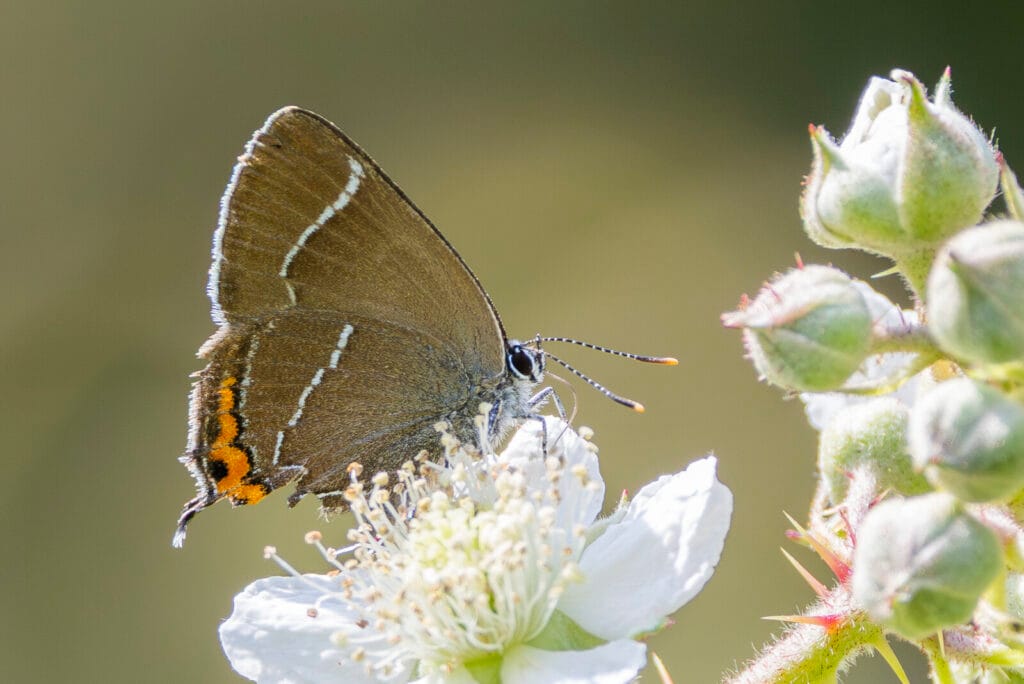
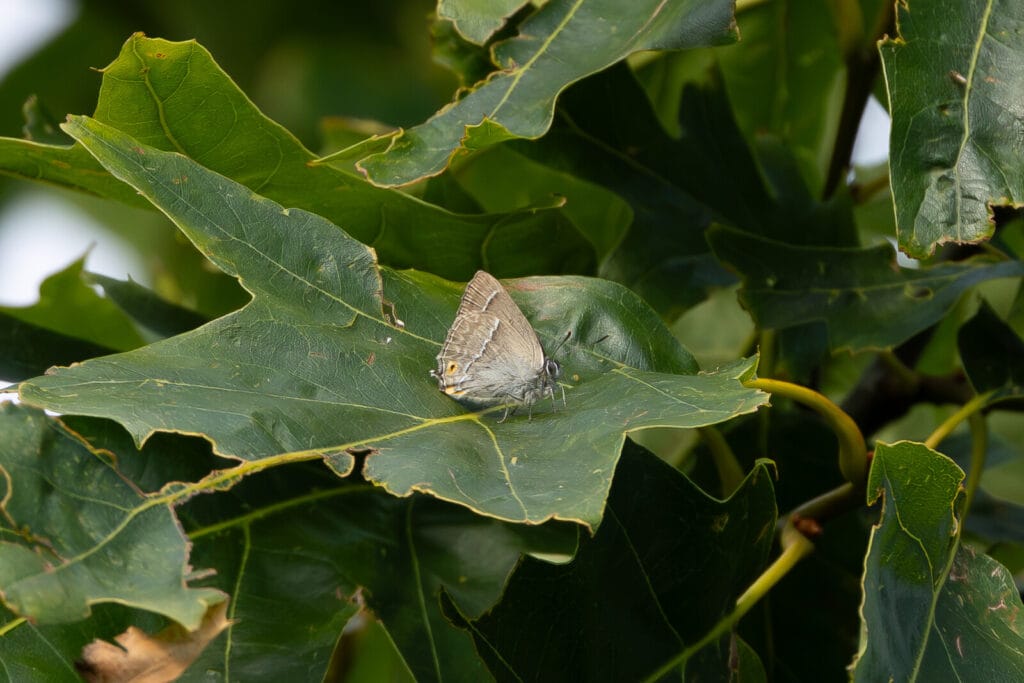
White-letter Hairstreak, South Dykes, by Andrew Allport
Blustery northerly winds, an overcast morning with occasional light showers that preceded brighter skies; temperatures eventually reached 18 degrees C after a distinctly cooler start. Seawatch highlights included five Wigeon, seven Arctic Terns, 237 Sandwich Terns, a Mediterranean Gull, a Bonxie and 26 Manx Shearwaters.
The summering Bonxie was still in residence at RSPB Bempton Cliffs where additional sightings included two Arctic Terns, a Hobby and three Yellow Wagtails.
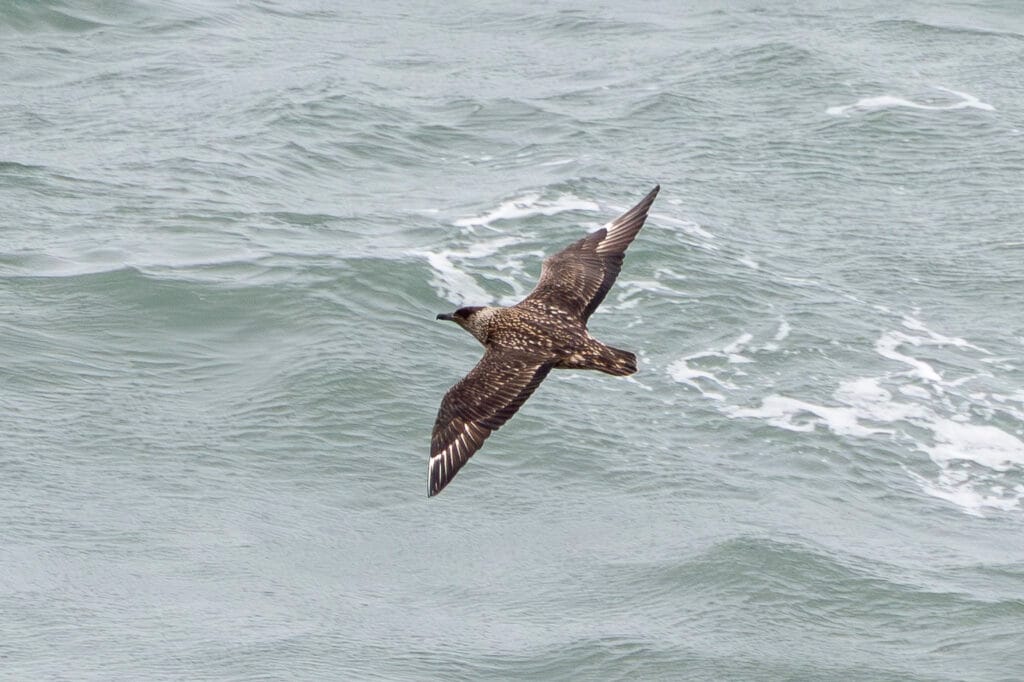
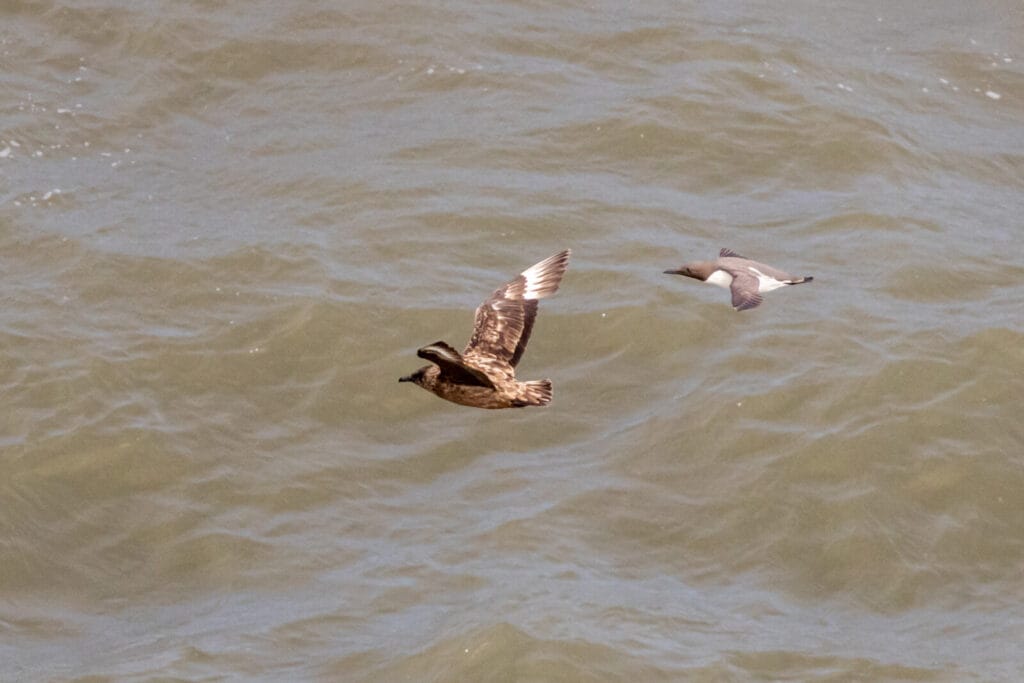
Bonxie (& Guillemot), RSPB Bempton Cliffs by Alan Coe
Sunny, with light onshore winds and a peak of 21 degrees C. Seawatching produced the year’s first Sooty Shearwater, a Blue Fulmar, the first juvenile Caspian Gull of the season, a flock of 16 Whimbrel moving south, 621 Sandwich Terns north (including 47 birds that cut the head by flying overland), two Arctic Skuas, a Bonxie and 42 Manx Shearwaters. Elsewhere, Thornwick Pools hosted single Green Sandpiper and Redshank along with two Dunlin.
The day’s most significent surprise was an adult Spotted Flycatcher feeding a newly fledged juvenile in Old Fall. Additional records included six Eider, a Quail calling along the South Cliffs and 19 Yellow Wagtails.
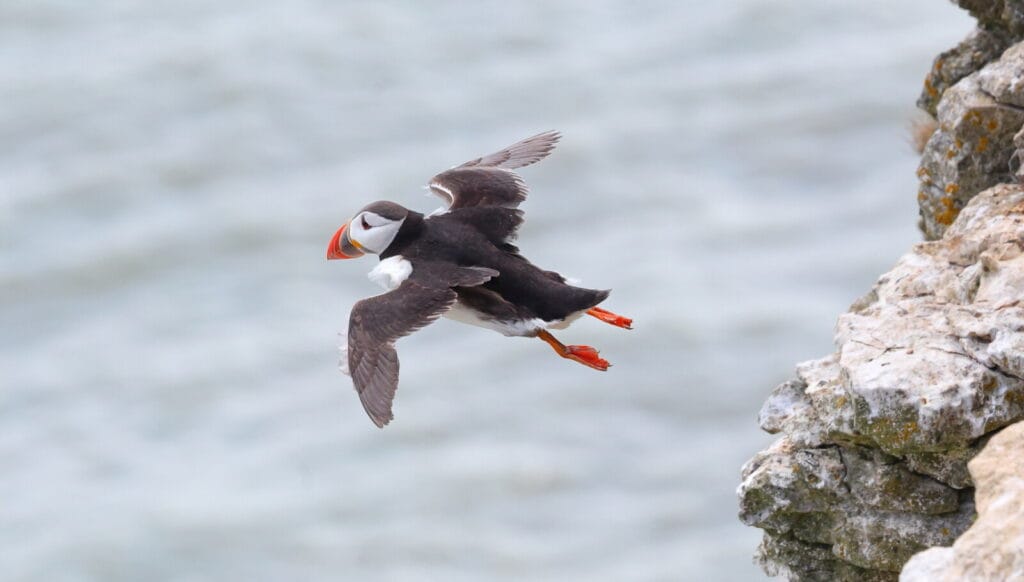
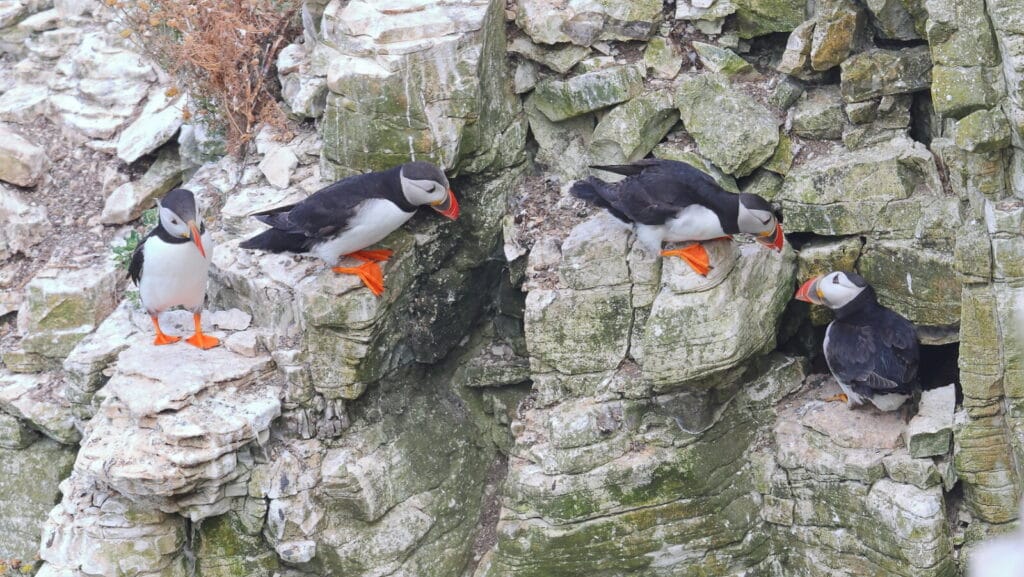
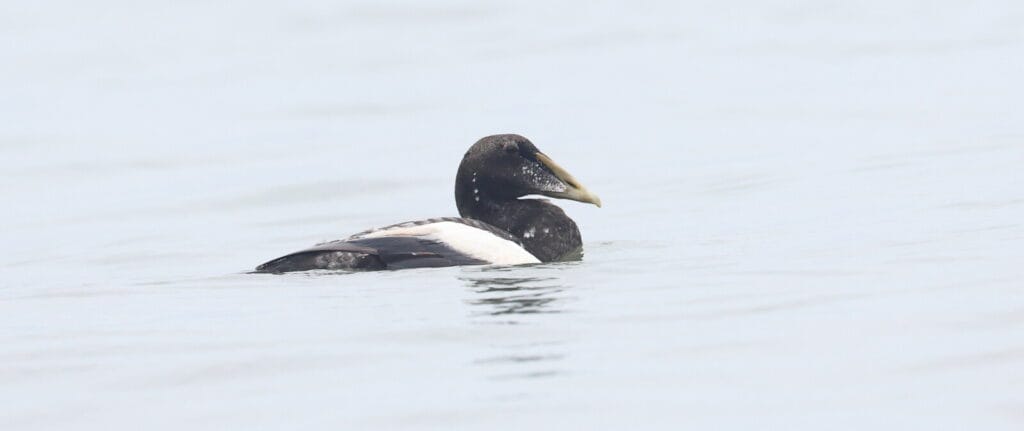
Puffin by Alan WalkingtonEider, South Landing, by James Kenny
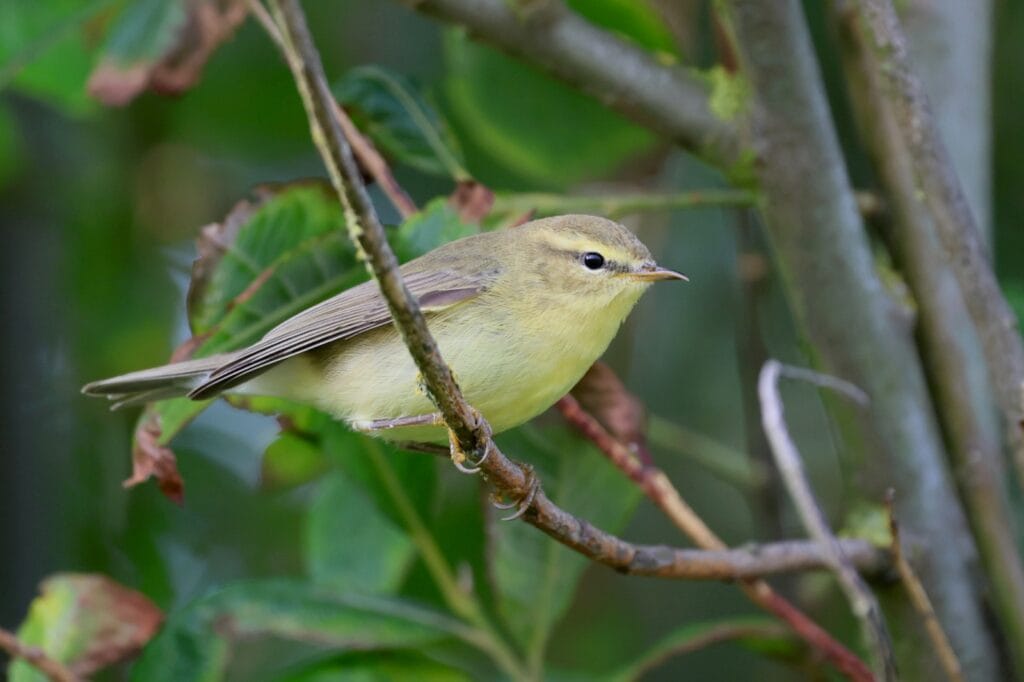
The day ended with sunny skies after an overcast start; there were light northerly winds and temperatures reached 19 degrees C. A record-breaking 14 juvenile Mediterranean Gulls flying north were a particular feature of the seawatch. Two juvenile Caspian Gulls included a yellow darvic-ringed individual. Other notable records included 345 Common Scoters, four Arctic Terns, 256 Sandwich Terns, two Arctic Skuas and three Little Egrets. A single Quail was singing from the outer head, a Hobby overflew North Landing and 13 Whimbrel were recorded at South Landing. Evidence that passerines have started to move came in the form of five Willow Warblers and a ‘migrant’ Sedge Warbler.
Three Marsh Harriers, five Yellow Wagtails and 420 Painted Lady butterflies were the most notable sightings from RSPB Bempton Cliffs.
Four Purple Hairstreaks near South Dykes represented an excellent local record.
The weather followed a similar pattern of late, with overcast skies and occasional light drizzle preceding sunshine; light northerly winds once again and a high of 20 degrees C. Seawatch highlights included 114 Common Scoters, 206 Sandwich Terns, two juvenile Mediterranean Gulls, a juvenile Yellow-legged Gull, an Arctic Skua, two Sooty Shearwaters and 18 Manx Shearwaters all flying north. A Sunfish off High Stacks represented an unusual record.
A juvenile Marsh Harrier toured the outer head, while six Eider and a Little Egret remained below the South Cliffs; another juvenile Mediterranean Gull flew past South Landing. Three Quail called from fields on the south side of the outer head. The Spotted Flycatcher family remained at Old Fall, where a migrant Willow Warbler a Hobby were present. Twelve Yellow Wagtails also frequented the outer head.
Sightings from Buckton included two creamcrown Marsh Harriers, three Quail calling and a Tree Pipit. An adult Mediterranean Gull was on the shore between South Dykes and Sewerby.
Sunny intervals established mid-morning during a day of very light winds and high of 21 degrees C. Seawatch highlights included two Common Terns, 332 Sandwich Terns and two juvenile Mediterranean Gulls flying north, while 62 Oystercatchers and a Ringed Plover headed south. In addition, four Minke Whales fed offshore, the first sighting for a couple of weeks. Three Marsh Harriers toured the outer head, where three Willow Warblers were also present. At least one calling Quail also remained in the same area.
Records from Buckton included two Quail and a Marsh Harrier, while an adult Mediterranean Gull overflew RSPB Bempton Cliffs.
A sunny and warm day, with light/moderate westerly winds and a maximum of 26 degrees C. Seawatch records included juvenile Yellow-legged Gull and juvenile Caspian Gull together with five Great Crested Grebes and an Arctic Skua. Three Little Egrets, four Whimbrel, three Golden Plover, 42 Redshank, 17 Turnstone and an adult Mediterranean Gull were in residence. A Short-eared Owl briefly dropped into the Gorse Field, while a single Red Kite toured the outer head. Other notable sightings included a single Quail, a juvenile Cuckoo, two Wheatear, 11 Yellow Wagtails and four Willow Warblers were present. A Nuthatch that visited a village garden was unusual.
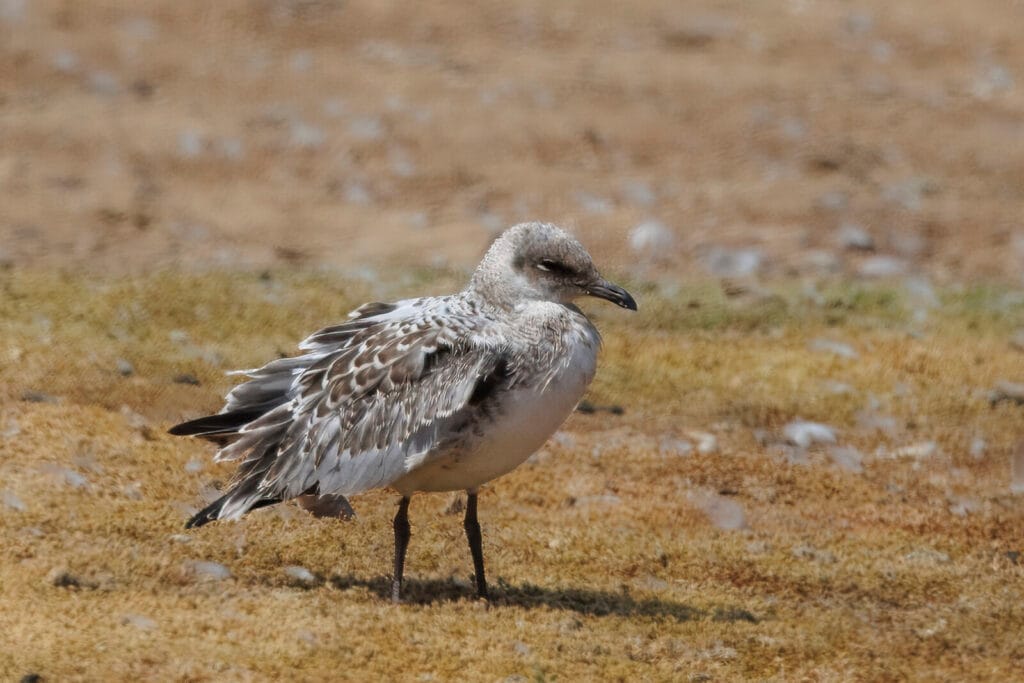
Caspian Gull, Cattlemere, by Rob LittleCaspian Gull, Cattlemere, by Rob Little
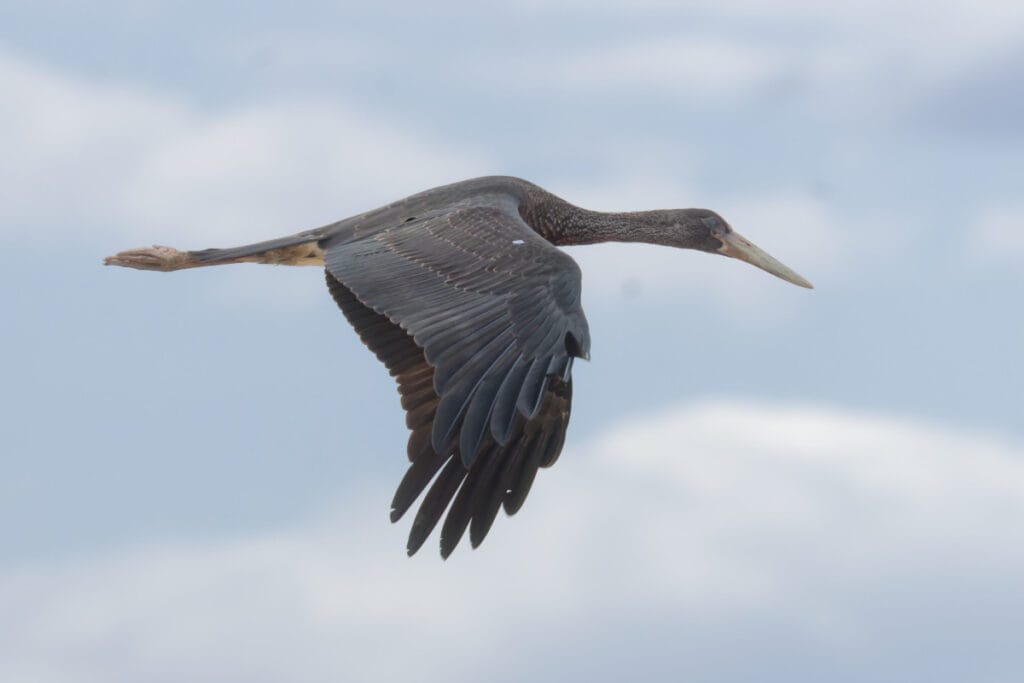
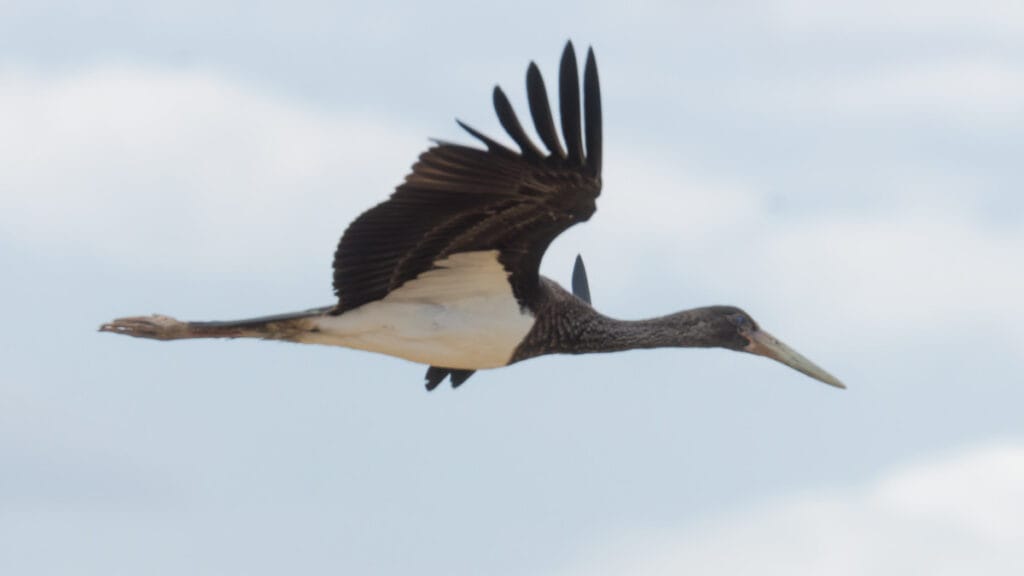
Mainly overcast, with occasional sunny intervals, a high of 24 degrees C and, importantly, a blustery westerly wind. The latter was responsible for pushing a headline-grabbing juvenile Black Stork onto the headland. Initially photographed moving south-east over the sea at RSPB Bempton Cliffs at 1040hrs, it made landfall at the Fog Station ten minutes later. Despite being elusive for much of the day, it toured various fields (but mainly hidden dips!) east of the village through to the evening. This represents the second record for the headland, following a single in August 2021.
Additional seawatch highlights included six juvenile Mediterranean Gulls, two juvenile Caspian Gulls and a juvenile Yellow-legged Gull. A total of 250 Sandwich Terns flew north, while a single Minke Whale added interest. Elsewhere, nine Dunlin dropped onto Thornwick Pools and a Hobby flew west over the village.
Black Stork by Rob LittleBlack Stork by Rob Little
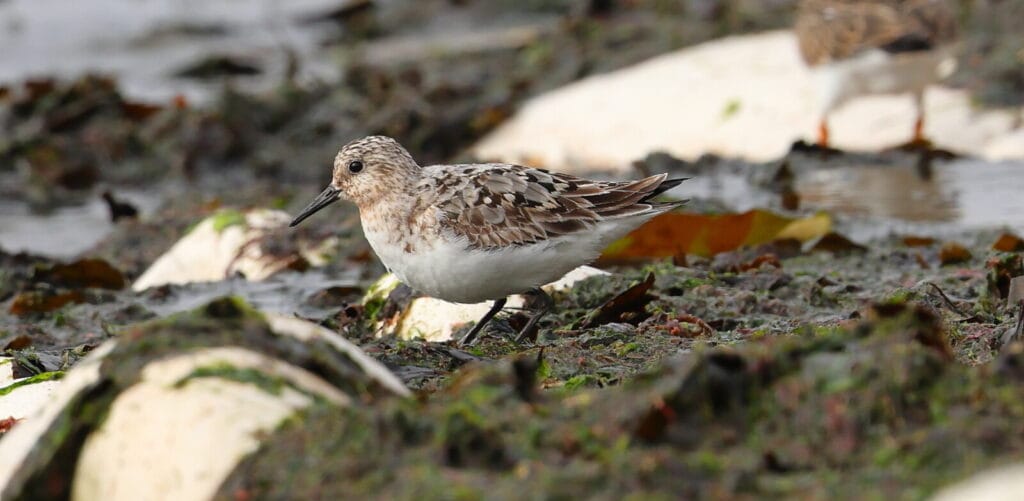
Generally overcast, with a moderate westerly veering northerly, occasional showers interspersed with sunny intervals and a high of 22 degrees C. The juvenile Black Stork presumably roosted in the Micklemires area, where it showed in flight a couple of times during the morning. However, perhaps due to the subtle change in wind direction, just before mid-day it overflew Whelkie Wynds and slowly drifted south-west; it was last seen continuing in the same direction south of Bridlington early afternoon. Two Shelduck, four Black-tailed Godwits, a juvenile Mediterranean Gull and a juvenile Merlin were seen from the Fog Station. Nearby, a juvenile Mediterranean Gull, two Sanderling and 17 Turnstones were at Cattlemere. South Landing hosted three Eider, another juvenile Mediterranean Gull, two Ringed Plover, a Dunlin and one Whimbrel.
A Hobby flew past Old Fall, where two Spotted Flycatchers remained, while a Quail was calling on the north side of Lighthouse Road. Another Quail was calling at Croft’s Hill in the evening. Numbers of Swifts were pushed onto the headland by the showers and included 300 birds over Marton.
Sightings from RSPB Bempton Cliffs included three Manx Shearwaters, four Willow Warblers, three Yellow Wagtails and a Minke Whale.
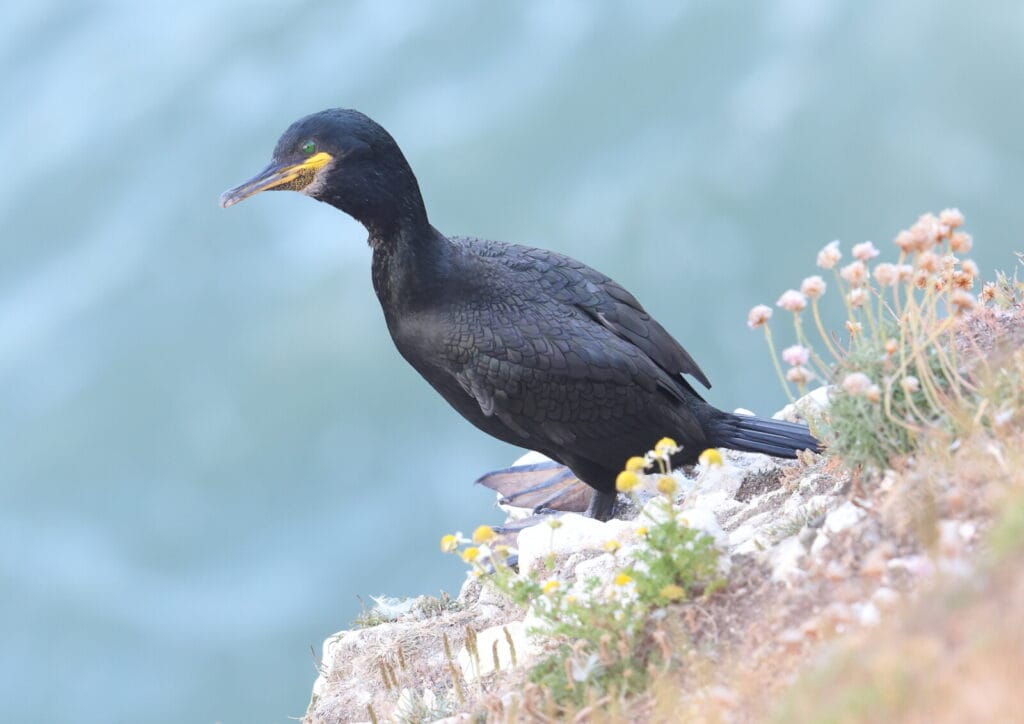
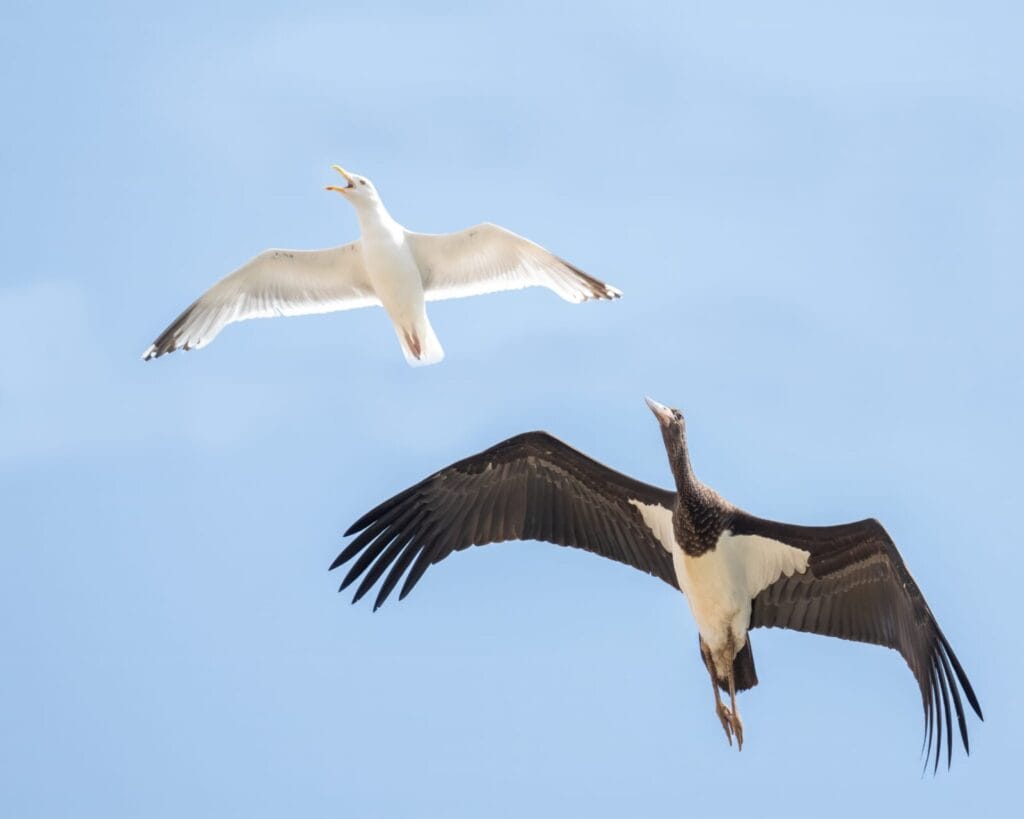
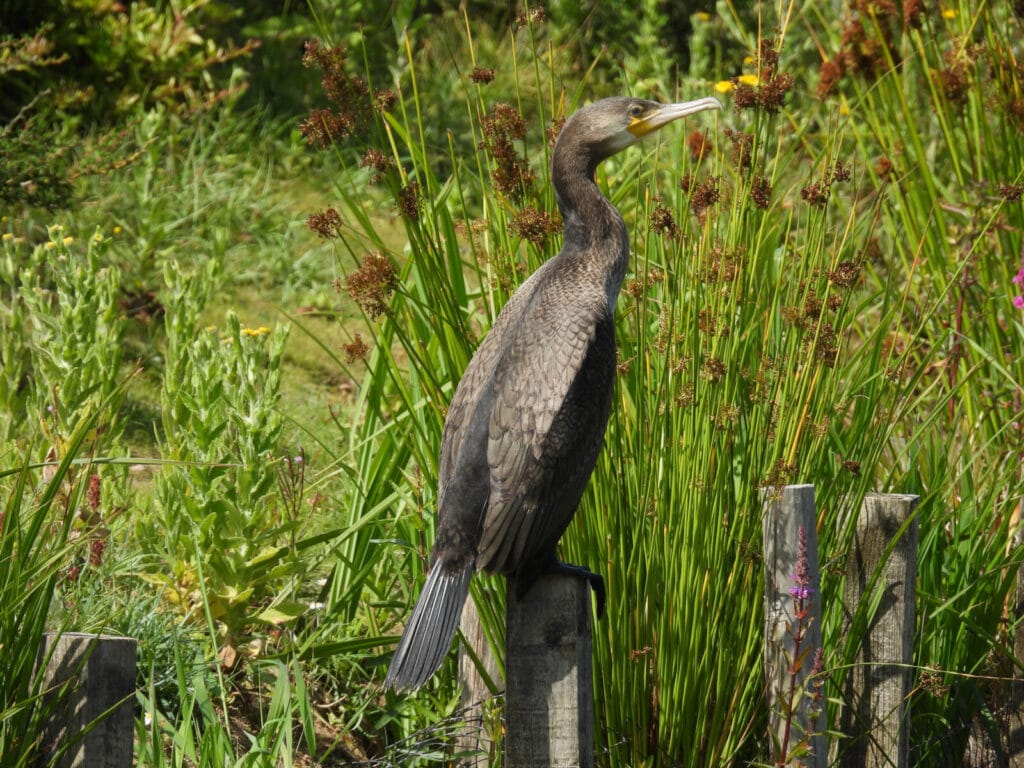
Black Stork (with Herring Gull), Sewerby, by John BeaumontCormorant, Thornwick, by Brett Richards
A relatively bright day, with a moderate westerly wind and high of 23 degrees C. An arrival of Willow Warblers was apparent: 24 were shared between the Old Fall circuit, South Dykes and Oceanview, indicating the potential scale of numbers that must have been present across the entire headland. In addition, a juvenile Spotted Flycatcher and the long-staying Quail lingered at Old Fall. Other notable sightings included three Grey Wagtails on the outer head and a juvenile Red Kite over Bempton village.
A hot day, with sunny intervals, a moderate south-west wind and maximum of 29 degrees C. Quail again featured strongly, with four calling on the outer head, one at Mid Dykes, three at Bempton Cliffs and another at Buckton Hall.
A Red Kite toured the the outer head before visiting RSPB Bempton Cliffs. A juvenile Mediterranean Gull and two Arctic Skuas flew past the Fog Station, with six Eider and four Dunlin also at South Landing. A Green Sandpiper flew west over Mid Dykes.
Additional records from Bempton included a Marsh Harrier and a Clouded Yellow. Four juvenile Marsh Harriers hunted fields around Buckton Hall.
Another warm day, with temperatures reaching 27 degrees C by midday under sunny skies; a cooling onshore breeze subsequently provided relief in the afternoon. Seawatch highlights included five Golden Plovers moving south, a Common Tern, 245 Sandwich Terns and two Arctic Skuas north with a Minke Whale offshore.
There were five calling Quail on the outer head providing further evidence of an increase over the last two days. Other notable records included a Merlin, a creamcrown Marsh Harrier, two Whimbrel and a ‘migrant’ Reed Warbler.
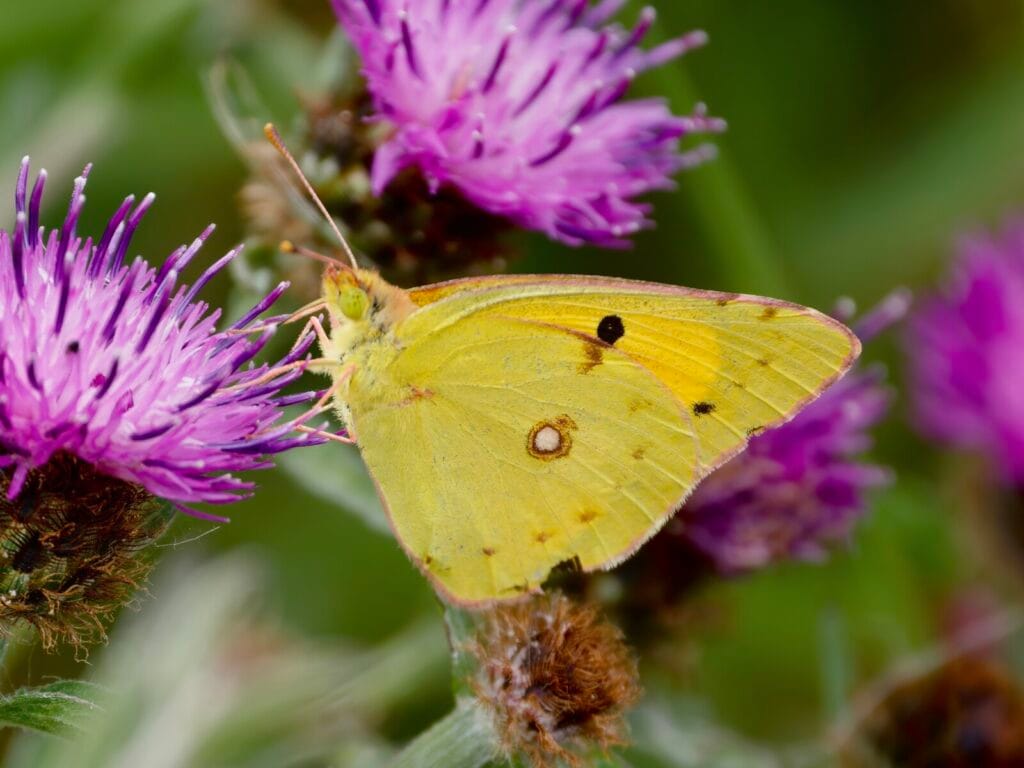
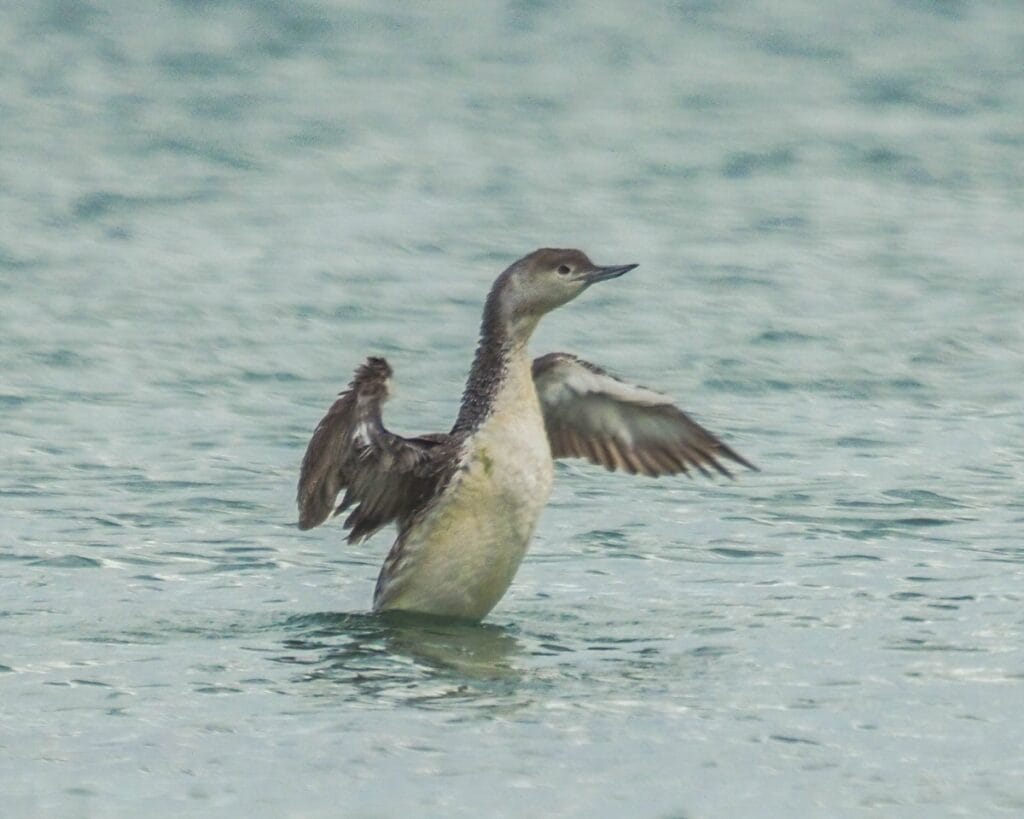
Clouded Yellow, RSPB Bempton Cliffs (Ian Howard) 28/07Red-throated Diver, by Julia Vasylevska
Light, variable winds, some sunny intervals and a high of 23 degrees C. Eleven juvenile Mediterranean Gulls flew north during a morning seawatch that also featured an Arctic Skua.
Three Quail continued to call from arable crops between Old Fall and Oceanview. Two juvenile Cuckoos were present – a single at Oceanview and another at Speeton. Passerine interest on the outer head included Goldcrest and Redpoll.
Another Quail was singing from cliff top fields at RSPB Bempton Cliffs, where a Golden Plover, a juvenile Mediterranean Gull, six Yellow Wagtails and a Minke Whale were also recorded.
Sunny intervals, light variable winds and a high of 21 degrees C. The Cattlemere rocks hosted five juvenile Caspian Gulls, a Little Egret, four Eider, two Dunlin and nine Whimbrel. Elsewhere, Thornwick Pools attracted single Snipe, Green Sandpiper and Dunlin. A Short-eared Owl toured the outer head where four Quail, seven Willow Warblers, two Wheatear, two Spotted Flycatchers and five Yellow Wagtails were also present. A juvenile Mediterranean Gull was off North Landing, while a singing Grasshopper Warbler was on the opposite side of the head at South Dykes.
Increased cloud, especially inland, induced a Swift movement: 585 flew south-west over the outer head in the evening. Seawatch highlights included a juvenile Mediterranean Gull and one Arctic Skua.
An additional two Quail were singing between RSPB Bempton Cliffs and Hoddy Cows Lane, Buckton. A creamcrown Marsh Harrier also hunted cliff top fields in the Bempton area, as did a Merlin.
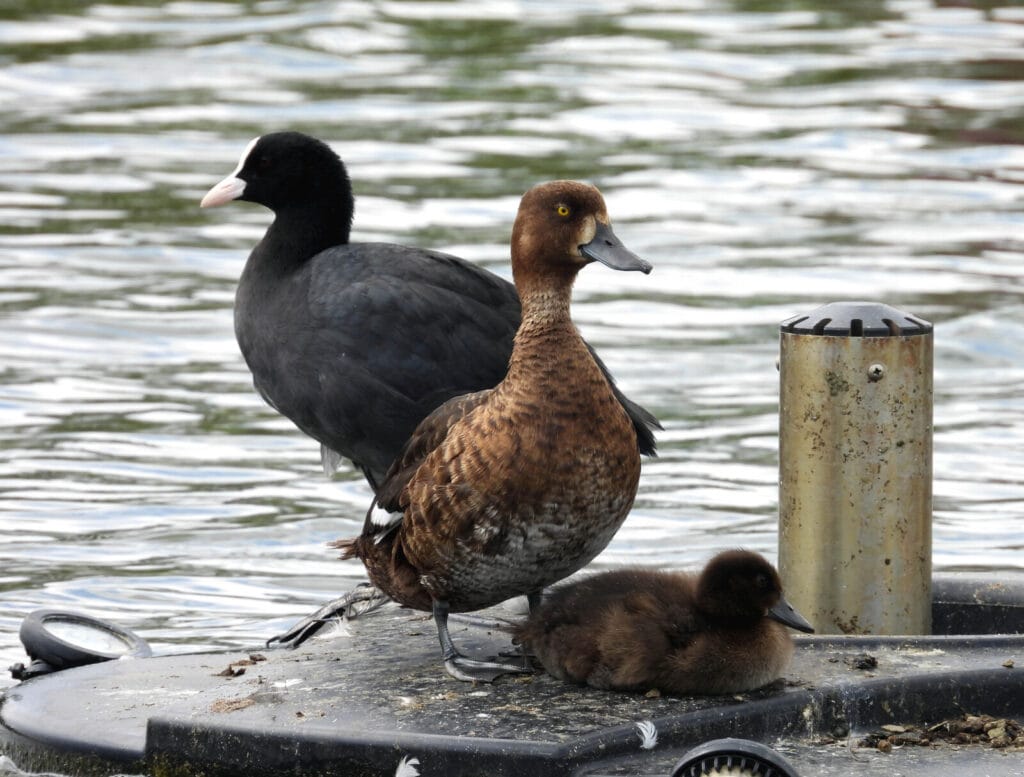
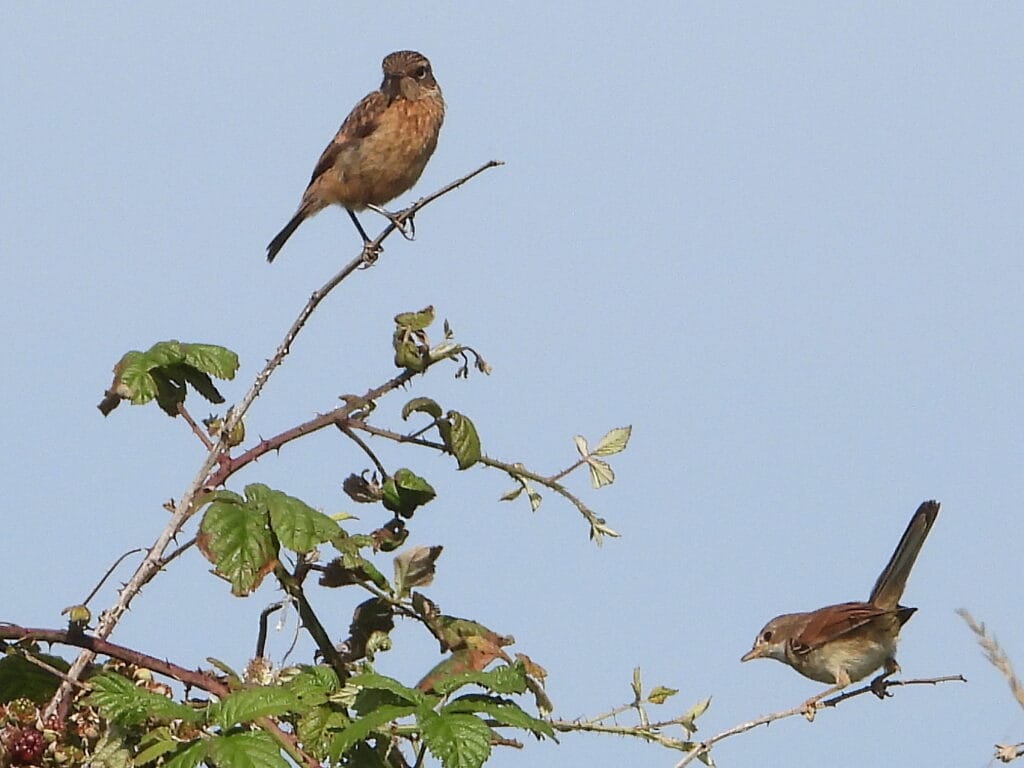
Tufted Duck & Coot, Thornwick Lakes, by Brett RichardsStonechat & Whitethroat by Don Hustings
The month opened with sunny intervals, a light/moderate westerly wind and high of 23 degrees C. A record-breaking 25 Mediterranean Gulls (24 juvs, one second-summer) flew north, while larid interest was maintained with four Caspian Gulls (three juvs, one second-summer) and a juvenile Yellow-legged Gull. Three Quail called from fields adjacent to Old Fall and a Hobby chased Linnets off High Stacks. A feeding movement of 200 Swifts gradually drifting west over South Landing took place mid-morning, with 70 also recorded over Bempton. Further evidence of passerine migration included a Reed Warbler and 11 Willow Warblers at Oceanview.
Three Quail and a Marsh Harrier were recorded at RSPB Bempton Cliffs, while a further two Quail were audible from Bempton village.
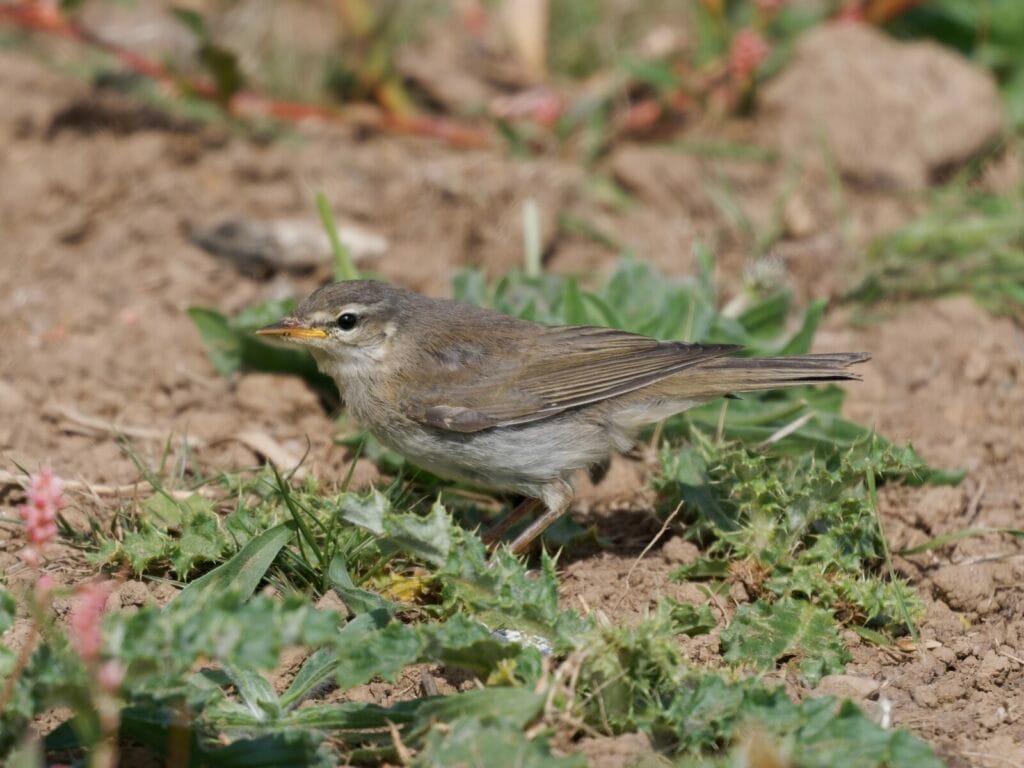
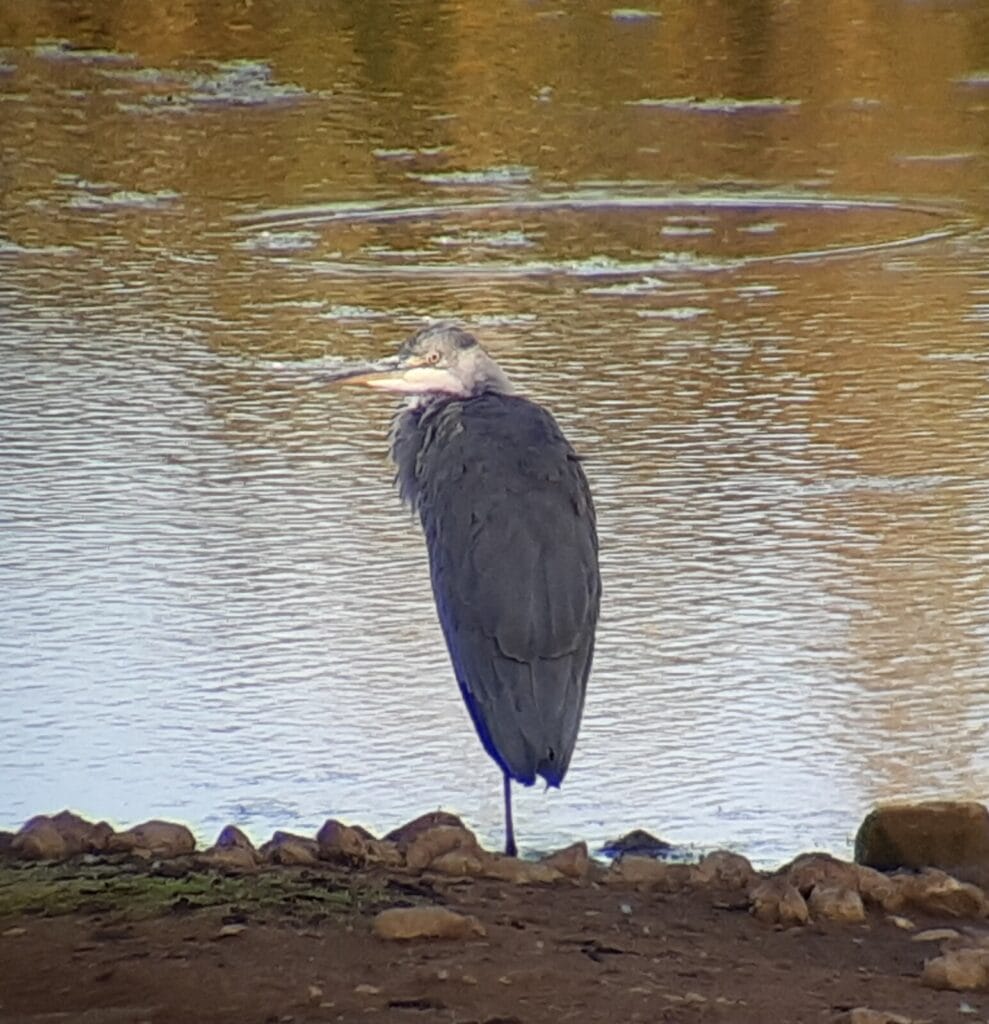
Willow Warbler, RSPB Bempton Cliffs, by Ian HowardGrey Heron, Thornwick Pools, by James Kenny
Sunny throughout with temperatures only reaching 20 degrees C as an onshore easterly established. Three juvenile Caspian Gulls, a juvenile Yellow-legged Gull and a juvenile Mediteranean Gull were recorded at Cattlemere, where single Dunlin, Knot and Whimbrel were also present. Other records along the South Cliffs included three Eider, a Little Egret, a creamcrown Marsh Harrier, an additional three Whimbrel, two Dunlin, a Ringed Plover and two juvenile Mediterranean Gulls. Three singing Quail remained in crop near Old Fall. A juvenile Cuckoo lingered on the outer head, where passerine interest included a migrant Reed Warbler, seven Willow Warblers, a Spotted Flycatcher, two Grey Wagtails and 14 Yellow Wagtails. However, the true extent of passage was indicated by a marathon ringing session at South Landing that included: 66 Common Whitethroats, four Lesser Whitethroats, 14 Blackcap, two Garden Warblers, three Reed Warblers, seven Sedge Warblers, nine Chiffchaffs, ten Willow Warblers and a Goldcrest. While a proportion of these birds may have been local in origin, many would undoubtedly be migrants from further afield.
Sightings from RSPB Bempton Cliffs/Buckton included a Marsh Harrier, a Hobby, four singing Quail and 20 Yellow Wagtails.
A moderate easterly wind established during a largely sunny day with temperatures reaching 22 degrees C. Seawatch highlights included four Teal, 78 Common Scoters, 99 Oystercatchers, four Arctic Terns, 45 Common Terns, 534 Sandwich Terns, four Mediterranean Gulls, two juvenile Caspian Gulls, two juvenile Yellow-legged Gulls and an Arctic Skua. Nearby, five juvenile Caspian Gulls and two juvenile Yellow-legged Gulls dropped onto Cattlemere, while five Mediterranean Gulls were shared between South Landing/Hartendale and Thornwick Pools.
Wader interest included two Greenshank and two Green Sandpipers, while three Quail remained in residence on the outer head. The switch to easterlies also resulted in the arrival of single Reed Warbler, Pied Flycatcher, Wheatear and Redstart.
Mediterranean Gull, Thornwick Pools, by Andrew Allport
The weather consisted of sunny intervals, occasional and very light showers, a light/moderate easterly wind and high of 21 degrees C. Seawatch highlights included 162 Oystercatchers, 18 Whimbrel and 28 Knot all south and 1088 Sandwich Terns; the latter the highest count for at least 15 years. Other sightings included a Little Gull, a Red-throated Diver, two juvenile Caspian Gulls and a juvenile Yellow-legged Gull. Four Quail sang on the outer head, where other notable records included: five Golden Plovers, a Common Sandpiper, a Green Sandpiper, two Greenshank, four Mediterranean Gulls, one Garden Warbler, a Spotted Flycatcher and a Grey Wagtail.
A total of six Quail sang between RSPB Bempton Cliffs and Buckton, with other sightings including a Golden Plover, five Yellow Wagtails and two Willow Warblers.
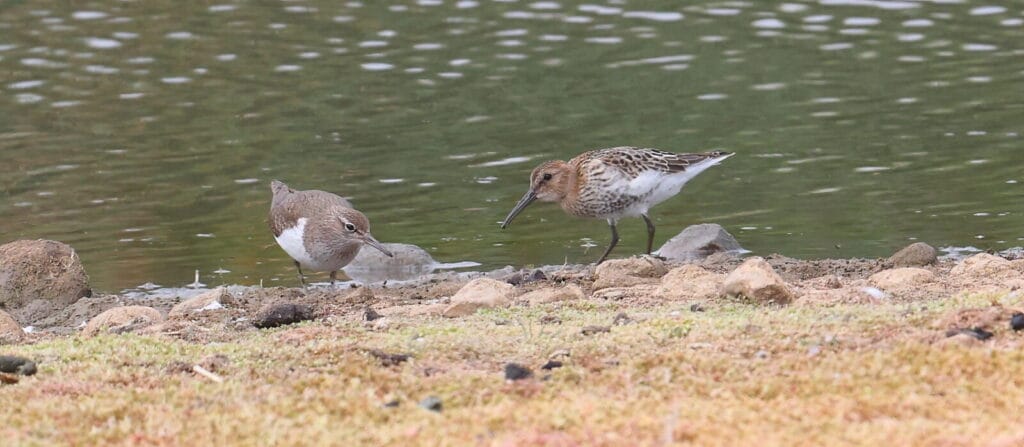
Common Sandpiper & Dunlin, Thornwick Pools, by Alan Walkington
Sunny intervals, strong westerly winds and a high of 23 degrees C. A Sooty Shearwater provided the highlight of the morning seawatch. Nearby, the Cattlemere shoreline attracted a juvenile Caspian Gull, a Whimbrel and three Knot. Single Marsh Harrier and Short-eared Owl were pushed onto the extreme outer head by the strength of the winds, as no doubt was a Hobby tracking back west over the village.
The Thornwick area hosted 46 Tufted Ducks, two Little Grebes, two Dunlin and a Wood Sandpiper. Two Quail called from RSPB Bempton Cliffs, with another on the outer head near Old Fall.
A southbound Cory’s Shearwater at 1230hrs represented the highlight of a seawatch that also recorded eight Whimbrel, three juvenile Mediterranean Gulls, two juvenile Caspian Gulls, four Arctic Skuas, four Sooty Shearwaters and two Minke Whales. Thornwick Pools hosted a Bar-tailed Godwit, a Greenshank, one Green Sandpiper, the juvenile Wood Sandpiper and three Dunlin. Grounded migrants on the outer head included a Short-eared Owl, one Quail, a Cuckoo, 17 Willow Warblers, a Reed Warbler and two Spotted Flycatchers.
Sightings from Buckton included two Quail, two Marsh Harriers, a Hobby, one Redstart and a Spotted Flycatcher. Nearby, Bempton attracted another two Quail and a fly-over Green Sandpiper.
Sunny intervals, a light/moderate south-westerly wind and high of 24 degrees C. Seawatch highlights included 91 Common Scoters, eight Common Terns, 82 Sandwich Terns and 32 Manx Shearwaters all flying north. Two juvenile Caspian Gulls and a juvenile Yellow-legged Gull rested on the rocks at Cattlmere. A Marsh Harrier came in off the sea and another two hunted the outer head, where a Hobby pursued hirundines. Wader interest included the long-staying Wood Sandpiper at Thornwick Pools, single Greenshank and Ruff flying south at the outer head and four Black-tailed Godwits over the Bowling Green. Elsewhere, two Quail continued to sing east of the Dykes. Other migrants included a Cuckoo, a Garden Warbler, three Spotted Flycatchers and two Grey Wagtails.
At least seven Quail were singing in the Bempton/Buckton area, with other records including a Greenshank and one Wheatear.
Sunny, with a moderate onshore wind developing that resulted in temperatures peaking at 22 degrees C. Seawatching was rewarded with an Arctic Tern, 18 Common Terns, 222 Sandwich Terns and a juvenile Mediterranean Gull all flying north, while a Minke Whale fed offshore. Additional records from the outer head included four Eiders, a Wood Sandpiper (Thornwick Pools), two juvenile Caspian Gulls (Cattlemere), another juvenile Mediterranean Gull (South Landing), a Red Kite, one Quail, 12 Willow Warblers, a Grey Wagtail and four Yellow Wagtails.
Two Quail were calling at RSPB Bempton Cliffs, where sightings included a Hobby, 16 Willow Warblers, 17 Corn Buntings and a Minke Whale. Three Clouded Yellow butterflies were also present on the reserve.
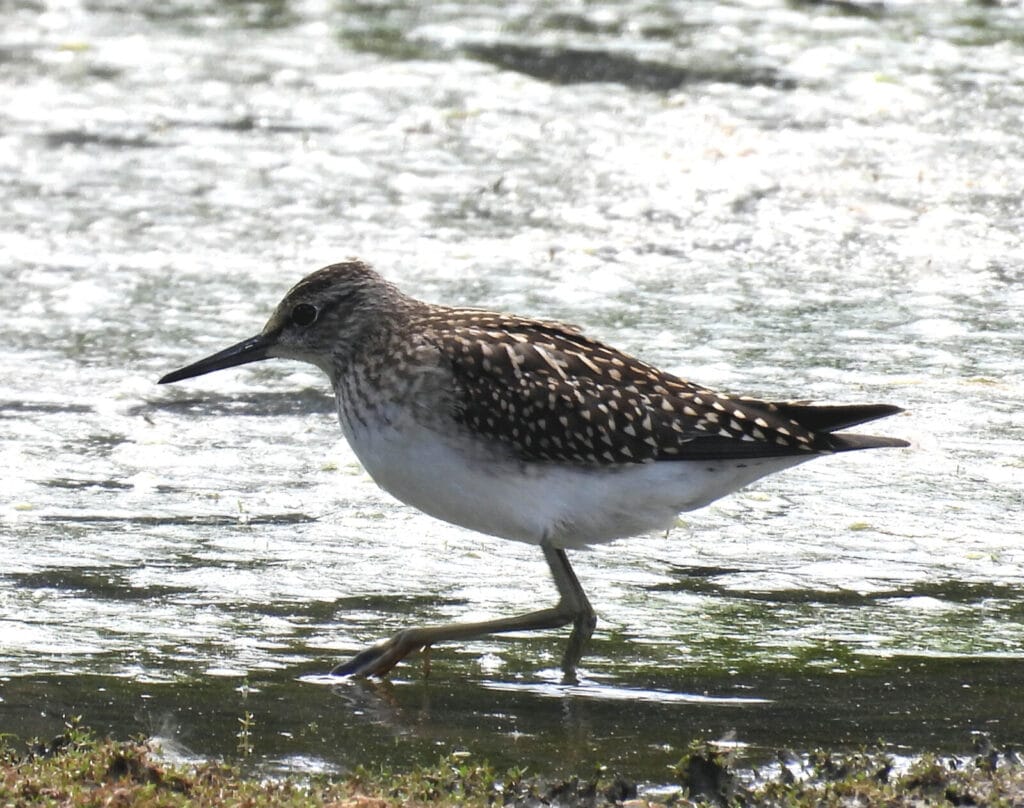
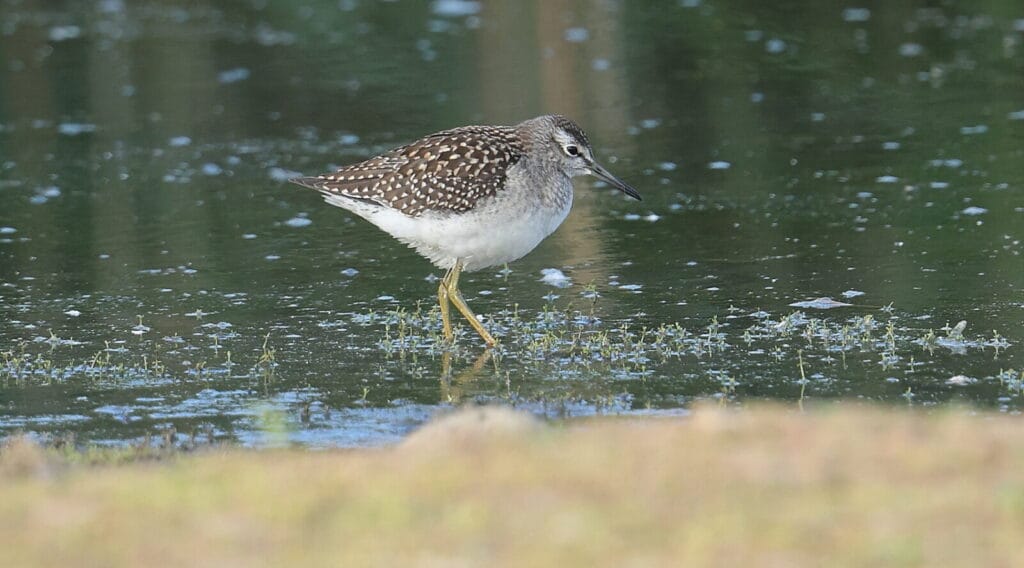
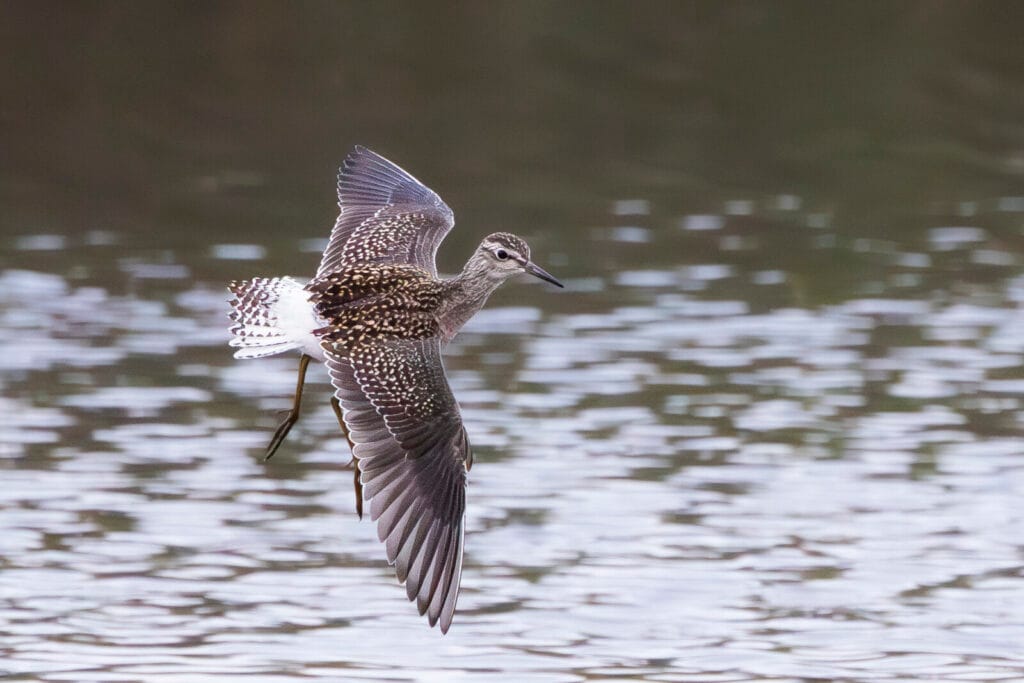
Wood Sandpiper, Thornwick Pools, by Alan Walkington
Another warm day, with sunny intervals, light westerly winds and a high of 27 degrees C. The rocks at Cattlemere hosted three juvenile Caspian Gulls, a juvenile Yellow-legged Gull, a juvenile Mediterranean Gull, 106 Sandwich Terns and seven Common Terns. Elsewhere, the Wood Sandpiper remained in residence at Thornwick Pools and a Quail continued to sing on the outer head. A juvenile Mediterranean Gull and seven Yellow Wagtails were at Hartendale/South Dykes.
An impressive nine Quail were singing at RSPB Bempton Cliffs, with another two at nearby Buckton. Additional sightings at Bempton included a Marsh Harrier, 15 Willow Warblers, a Goldcrest, four Yellow Wagtails and three Minke Whales. Another Quail sang at Speeton, where an adult male Marsh Harrier, a Goldcrest and ten Yellow Wagtails provided further interest.
Wood Sandpiper, Thornwick Pools, by Andrew Allport
Light/moderate northerly winds, sunny thoughout and a best of 19 degrees C. Three Goosanders were on the sea off Beacon Hill, while the long-staying Wood Sandpiper and a Snipe graced Thornwick Pools. A Little Egret scoured rock pools on Cattlemere and six Ringed Plovers fed on South Landing beach. In addition, a juvenile Caspian Gull lingered off the Fog Station in the morning. Passerine interest included a Cetti’s Warbler (Needles Plantation), a Spotted Flycatcher, one Grey Wagtail and five Yellow Wagtails.
The day’s most notable passerine migrant was a Pied Flycatcher that arrived at RSPB Bempton Cliffs in the afternoon; two Quail, one Goldcrest, a Tree Pipit and 18 Yellow Wagtails were also recorded at the reserve.
Sunny skies, a moderate south-easterly wind and high of 21 degrees C. The Thornwick wetlands hosted 46 Tufted Ducks, four Little Grebes, a Snipe, one Common Sandpiper and two Green Sandpipers. The uptick in wader records was also apparent over the sea, with 46 Redshank moving south; in addition, two Greenshank headed in the same direction over the outer head. Six juvenile Caspian Gulls rested on rocks at Cattlemere during low tide, including two darvic-ringed individuals. On the land, the Quail continued to sing from barley crop on the outer head. A Clouded Yellow butterfly battled the wind on Beacon Hill.
A total of 51 Oystercatchers headed south-east past RSPB Bempton Cliffs, where a Reed Warbler, seven Willow Warblers, a Goldcrest and four Yellow Wagtails were present.
Sunny throughout, with a light/moderate south-easterly wind and maximum of 23 degrees C. An adult Roseate Tern flew north during a morning seawatch that also featured two Purple Sandpipers, eight Arctic Terns, 78 Common Terns, 290 Sandwich Terns, a Black Tern, three Arctic Skuas and a Bonxie. Five juvenile Caspian Gulls and a juvenile Yellow-legged Gull flew south in the evening. Elsewhere, nine Black-tailed Godwits and a Common Sandpiper dropped onto Thornwick Pools. A Common Sandpiper was on South Landing beach and a Greenshank flew south over the village.
A Pied Flycatcher at RSPB Bempton Cliffs was new, while single Marsh Harrier and Hobby were recorded at nearby Buckton.
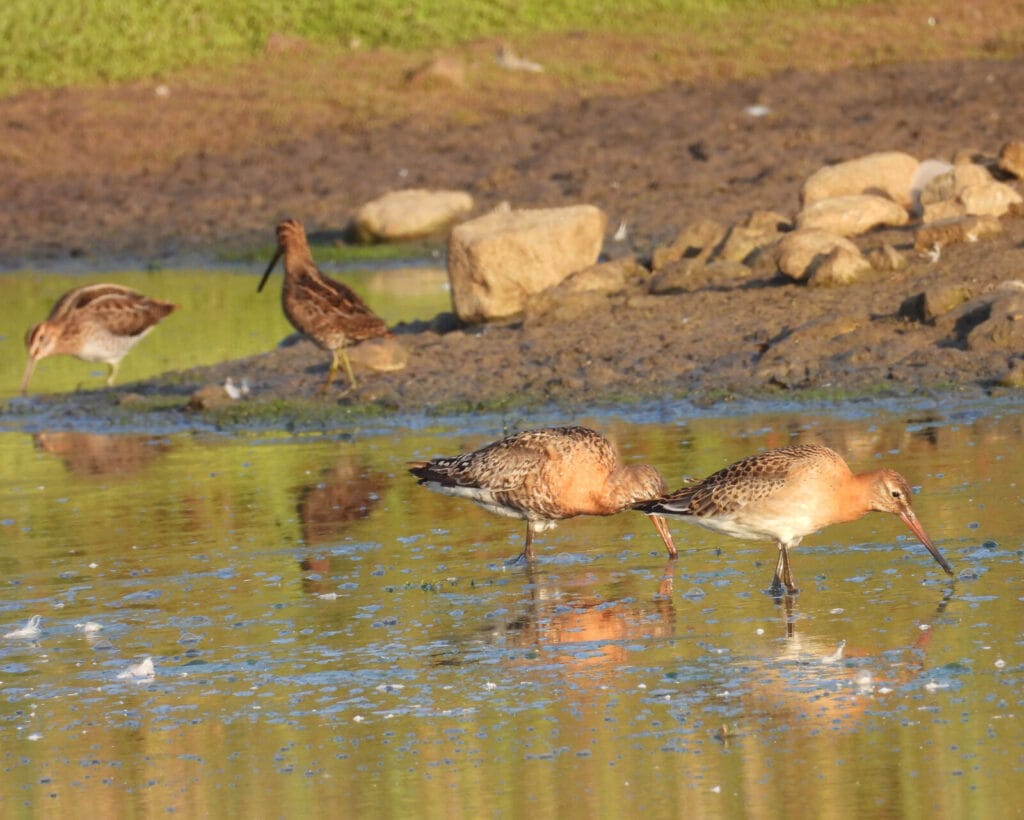
Black-tailed Godwits, Thornwick Pools, by Andrew Allport
Seven Shelduck, 89 Teal, three Whimbrel, an Arctic Skua and a Bonxie flew south during the morning seawatch, while 237 Sandwich Terns went north. Sightings from the Thornwick wetlands included 41 Tufted Ducks, three Teal, two Little Grebes, a Whimbrel, five Black-tailed Godwits, two Snipe and a Common Sandpiper. Other notable records from the outer head included a juvenile Mediterranean Gull, a Hobby and 11 Yellow Wagtails.
Willow Warbler, RSPB Bempton Cliffs, by Will ScottBlack-tailed Godwit & Snipe, Thornwick Pools, by Brett Richards
Another hot day under bright skies, very light winds and a high of 27 degrees C. Thornwick Pools attracted five Black-tailed Godwits, two Snipe and a Common Sandpiper. A Great White Egret flew in off the sea at South Landing early morning where three Eider and a juvenile Mediterranean Gull were also present. Single Hobby overflew Head Farm and South Dykes, while six Golden Plovers headed over Lighthouse Road. Passerine interest on the outer head included eight Willow Warblers, a Garden Warbler, a Whinchat and 13 Yellow Wagtails.
Two Pied Flycatchers were in residence at RSPB Bempton Cliffs, where a headline-grabbing Thresher Shark breached twice offshore. A Short-eared Owl also hunted the cliff top fields there late evening.
Sunny intervals, light north-west winds and a high of 20 degrees C. Two juvenile Caspian Gulls, a Little Egret and a Short-eared Owl were recorded in the Cattlemere area; presumably the latter overflew Croft’s Hill/Sixpenny in the evening. Thornwick Pools hosted two Teal, a Black-tailed Godwit and two Snipe; 55 Tufted Ducks were on the nearby Lakes. Migrant interest on the outer head included a juvenile Cuckoo, 17 Willow Warblers, one Whinchat, a Common Redstart, a Pied Flycatcher, three Spotted Flycatchers and five Yellow Wagtails.
Notable records from RSPB Bempton Cliffs included a Golden Plover, two Ringed Plovers, two Reed Warblers, five Willow Warblers, a Garden Warbler, 12 Yellow Wagtails, a Tree Pipit, 39 Corn Buntings, a Humpback Whale (south-east at 1115hrs) and a Minke Whale.
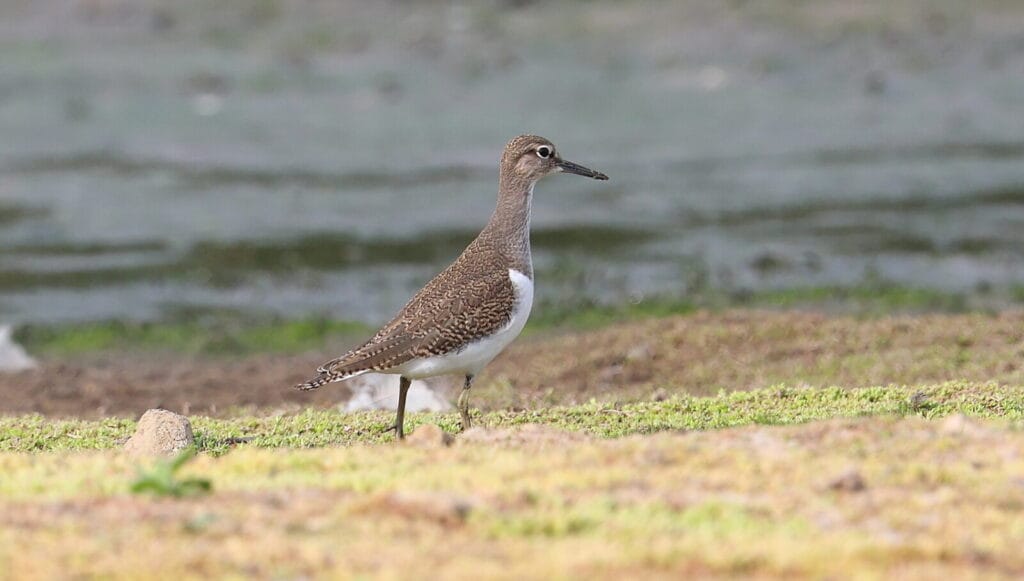
Common Sandpiper, Thornwick Pools (Alan Walkington)
Light winds turned onshore in the afternoon, mainly overcast skies and a high of 19 degrees C. Seawatch highlights included 20 Teal, 16 Common Terns, 116 Sandwich Terns, a juvenile Caspian Gull, an Arctic Skua, one Red-throated Diver and a Manx Shearwater. Three Little Egrets frequented Cattlemere, while three Eider and a juvenile Mediterranean Gull lingered at South Landing. Other notable records included a Water Rail, one Short-eared Owl, three Reed Warblers, a Grey Wagtail and 12 Yellow Wagtails.
Sightings from RSPB Bempton Cliffs included a Little Owl, one Green Sandpiper, a Cetti’s Warbler, a Garden Warbler, two Reed Warblers, a Pied Flycatcher, five Yellow Wagtails and a Minke Whale.
Overcast, with very light winds and a high of 19 degrees C. Seawatch highlights included 284 Oystercatchers south, 75 Common Terns and 109 Sandwich Terns north, three Little Gulls, five Arctic Skuas, a Bonxie, one Red-throated Diver and two Minke Whales. South Landing hosted 12 Ringed Plovers, three Whimbrel, a Knot, a Common Sandpiper, three Purple Sandpipers, three Sanderling and two juvenile Mediterranean Gulls. Additional records below the South Cliffs included three Little Egrets and a juvenile Caspian Gull, while a Marsh Harrier flew east over the Bowling Green. Passerine interest on the outer head included a Spotted Flycatcher, one Wheatear, two Grey Wagtails and 23 Yellow Wagtails.
Notable sightings from RSPB Bempton Cliffs included 61 Oystercatchers south-east, a Marsh Harrier, one Little Owl, seven Willow Warblers, four Yellow Wagtails and two Minke Whales. Nearby, a Hobby and seven Common Buzzards flew west over Bempton village.
Mediterranean Gull, South Landing (Andrew Allport)
Overcast with some brighter spells; a moderate westerly wind established during daylight hours while temperatures reached 23 degrees C. Single juvenile Yellow-legged and Caspian Gulls were off the Fog Station, where a Grey Plover flew south. A Sooty Shearwater, seven Whimbrel, three Arctic Terns, 52 Common Terns and 129 Sandwich Terns all moved north. Sightings on the outer head included two Quail, two Short-eared Owls, one Hobby, a Marsh Harrier, two juvenile Mediterranean Gulls and 19 Yellow Wagtails.
The day’s most notable record from RSPB Bempton Cliffs related to a Spotted Redshank that flew south-east; additional were single Little Owl and Short-eared Owl, as well as a single Minke Whale.
Occasional sunny intervals and showers, with light winds variable in direction and a high of 22 degrees C. A Sooty Shearwater flew north during a morning seawatch that also featured 92 Common Terns, 175 Sandwich Terns, a Little Gull, two Arctic Skuas, three Red-throated Divers and two Manx Shearwaters. Passerine interest on the outer head included two Spotted Flycatchers, a Whinchat and a Wheatear.
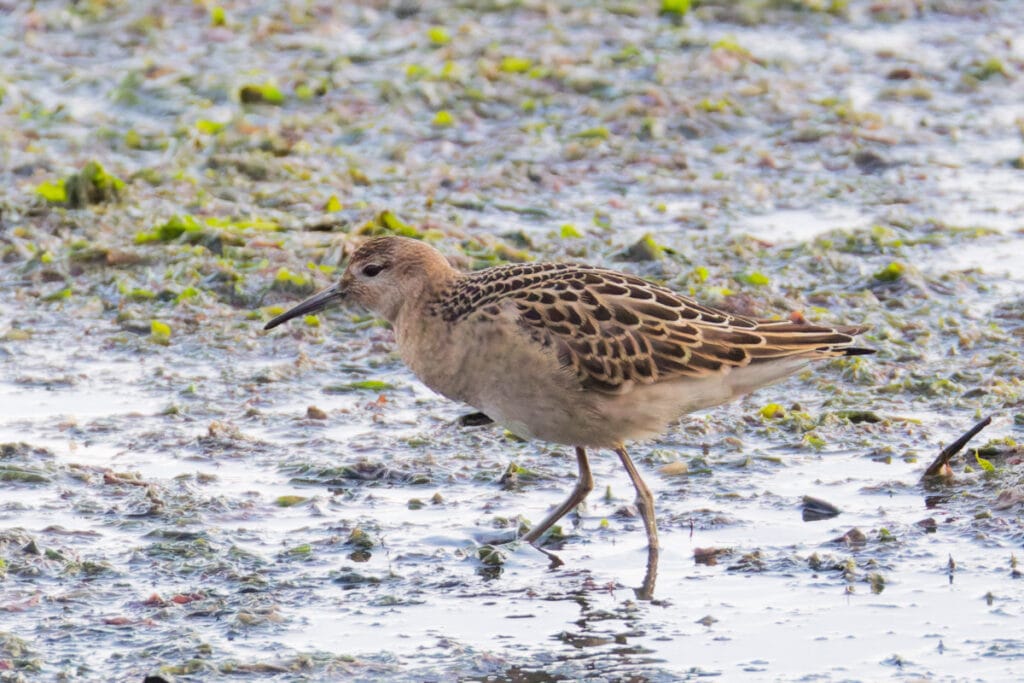
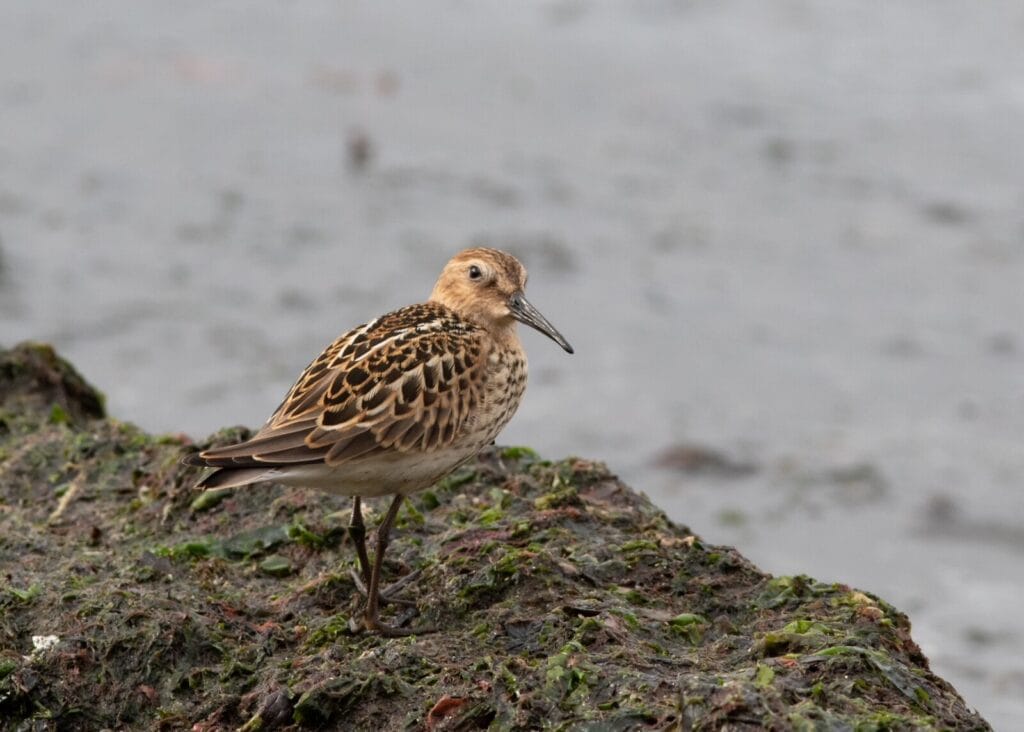
There wasn’t any perceptible wind at first light, but this gradually increased from the north, albeit still relatively light for the majority of daylight hours. There were also sunny intervals and a few showers, with temperatures reaching 16 degrees C. The morning seawatch took place before the advent of the northerlies and was limited to three juvenile Caspian Gulls, a juvenile Yellow-legged Gull, nine Arctic Terns, 161 Common Terns, 16 Little Gulls, two Sooty Shearwaters, two Manx Shearwaters and an Arctic Skua. Wader interest, mostly focused at South Landing, included 19 Ringed Plover, five Whimbrel, two Bar-tailed Godwit, a Ruff, one Sanderling and eight Dunlin. Single Quail and Hobby were recorded from the Bowling Green. Passerine interest included a Pied Flycatcher, three Spotted Flycatchers and 12 Yellow Wagtails.
Elsewhere, a flock of 17 Black-tailed Godwits flew north-west over RSPB Bempton Cliffs.
Ruff, South Landing (Rob Little)Dunlin, South Landing (Jo Hood)
A northerly wind strengthened late morning when a series of heavy and squally showers tracked down the coast; temperatures reached 16 degrees C. Given the weather conditions, seawatching was the obvious birding activity for the first time in many weeks. Single Great Shearwater and Cory’s Shearwater provided the highlights: the Cory’sflew north close inshore at 1320hrs, while the ‘Great Shear’ headed north before landing amongst a feeding flock at 1910hrs. Three juvenile Long-tailed Skuas were logged: two flew south together early morning, with a single tracking back north in the evening. Seven Roseate Terns and a Black Tern fed offshore amongst 1690 Arctic Terns, 354 Common Terns, 690 ‘Commic Terns’ and large numbers of Kittiwakes. Other notable sightings included 104 Sooty Shearwaters (99 north, 5 south), 41 Manx Shearwaters (38 north, 3 south), a Blue Fulmar, a Greenshank, a Bar-tailed Godwit, a Ruff, 55 Arctic Skuas, eight Bonxies, four juvenile Caspian Gulls and a single juvenile Yellow-legged Gull.
South Landing attracted five Eider, 20 Ringed Plovers, five Dunlin, two Bar-tailed Godwits and a Ruff, while a Hobby flew along the adjacent cliffs.