6th May 2020

The following summary only includes records from our resident birders’ health walks and garden sightings; consequently, it provides a mere snapshot of the true scale of our spring migration.

A sunny day, with a light south-easterly breeze and temperatures reaching 11 degrees C. A Great Northern Diver flew north past the Fog Station, with three Red-throated Divers and four Sandwich Terns moving in the opposite direction. 

Sightings elsewhere included a pair of Gadwall, a  Tufted Duck, seven Whimbrel, one Common Sandpiper, a Long-eared Owl, 12 Swifts, a Redwing, two Garden Warblers, a Spotted Flycatcher, two Common Redstarts, two Whinchat, 14 Wheatears, a Tree Pipit and two Yellow Wagtails. Notable records from Buckton/Bempton involved two Grey Partridge, three Swift and ten Corn Buntings. A Natterer’s Bat was an excellent local record at Oceanview.  
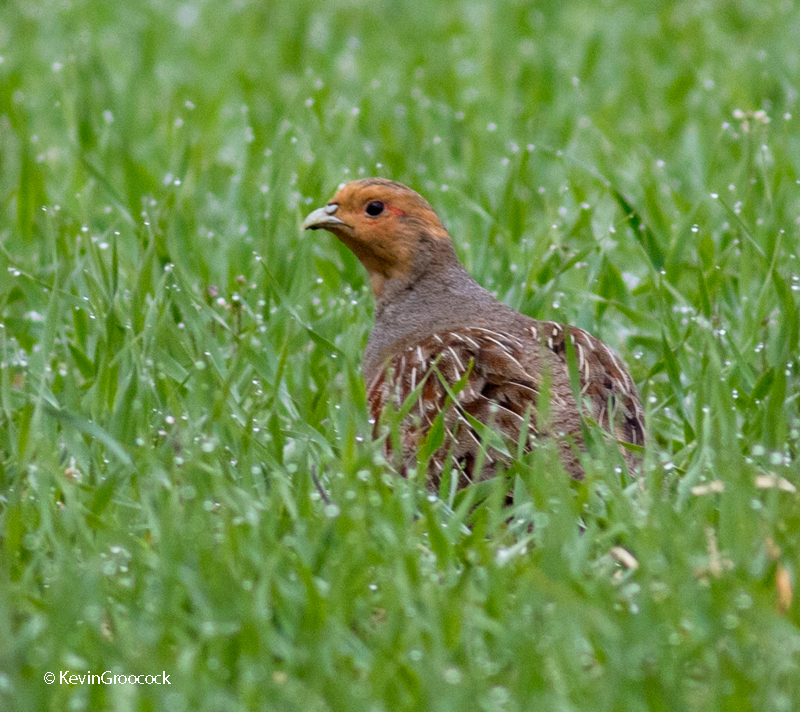
Grey Partridge, by Kevin Groocock

7th May 2020

The following summary only includes records from our resident birders’ health walks and garden sightings; consequently, it provides a mere snapshot of the true scale of our spring migration.

Light winds backed from south-west to south-east during a sunny day and temperatures peaked at 14 degrees C. Three Eider, 11 Common Scoter, a Red-breasted Merganser, a Red-throated Diver, three Ringed Plovers and 211 Sandwich Terns flew south past the Fog Station. 

On the headland, notable records included two Gadwall, four Little Egrets flying south, two creamcrown Marsh Harriers, a summer-plumaged Spotted Redshank, a male Ruff, three Ringed Plovers, two Whimbrel and three Dunlin. Additional interest included 11 Swifts, a Cuckoo and a southerly movement of hirundines; 230 Swallows, 75 House Martins, 15 Sand Martins. Additional passerine interest included one Hooded Crow, a reeling Grasshopper Warbler, 26 Willow Warblers, five Garden Warblers, a Reed Warbler, two Spotted Flycatchers, one Pied Flycatcher, a Common Redstart, six Whinchat, 19 Wheatears, a White Wagtail and eight Yellow Wagtails. Sightings at Bempton/Buckton included four Swift, single Yellow Wagtail and Wheatear, along with four Corn Buntings.

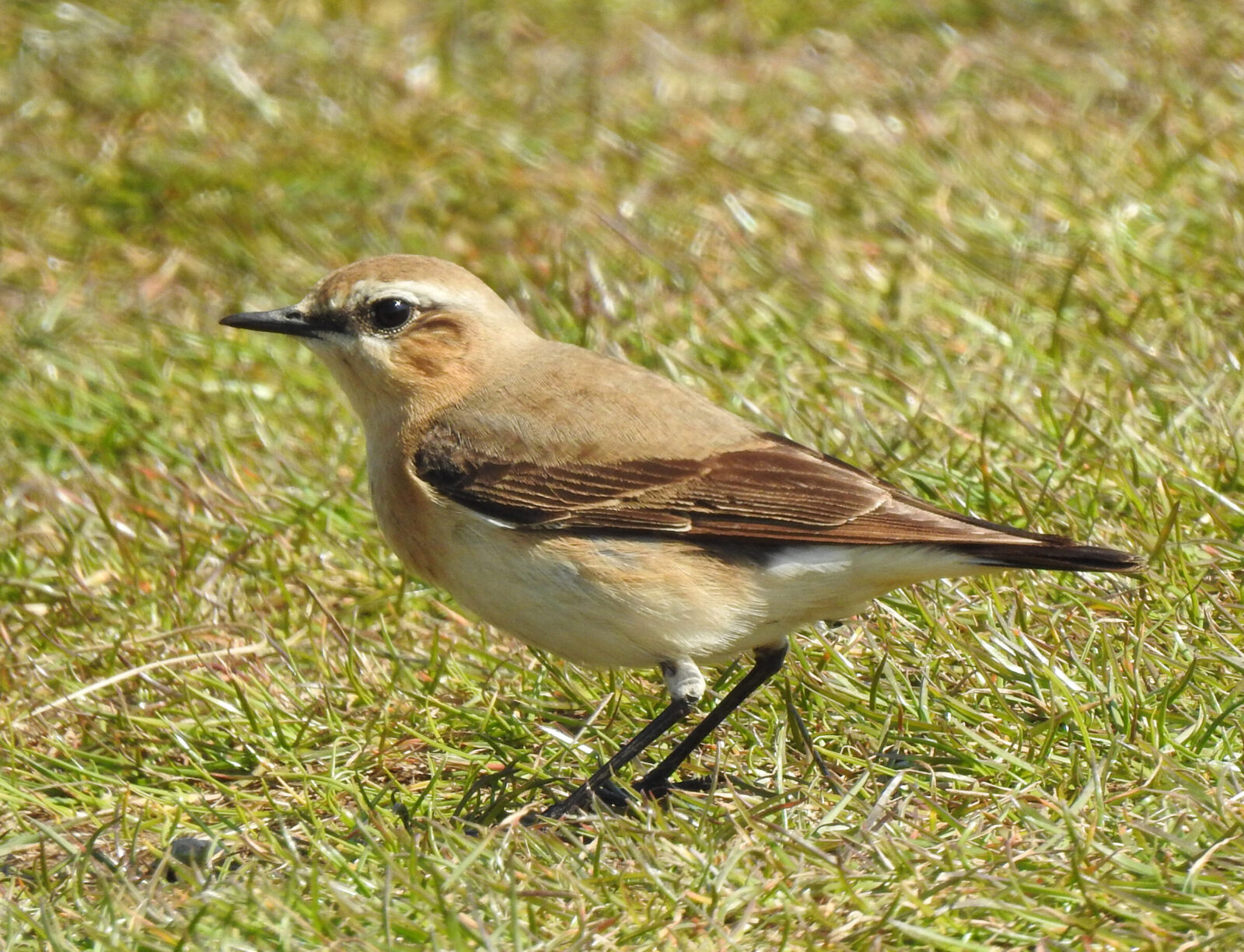
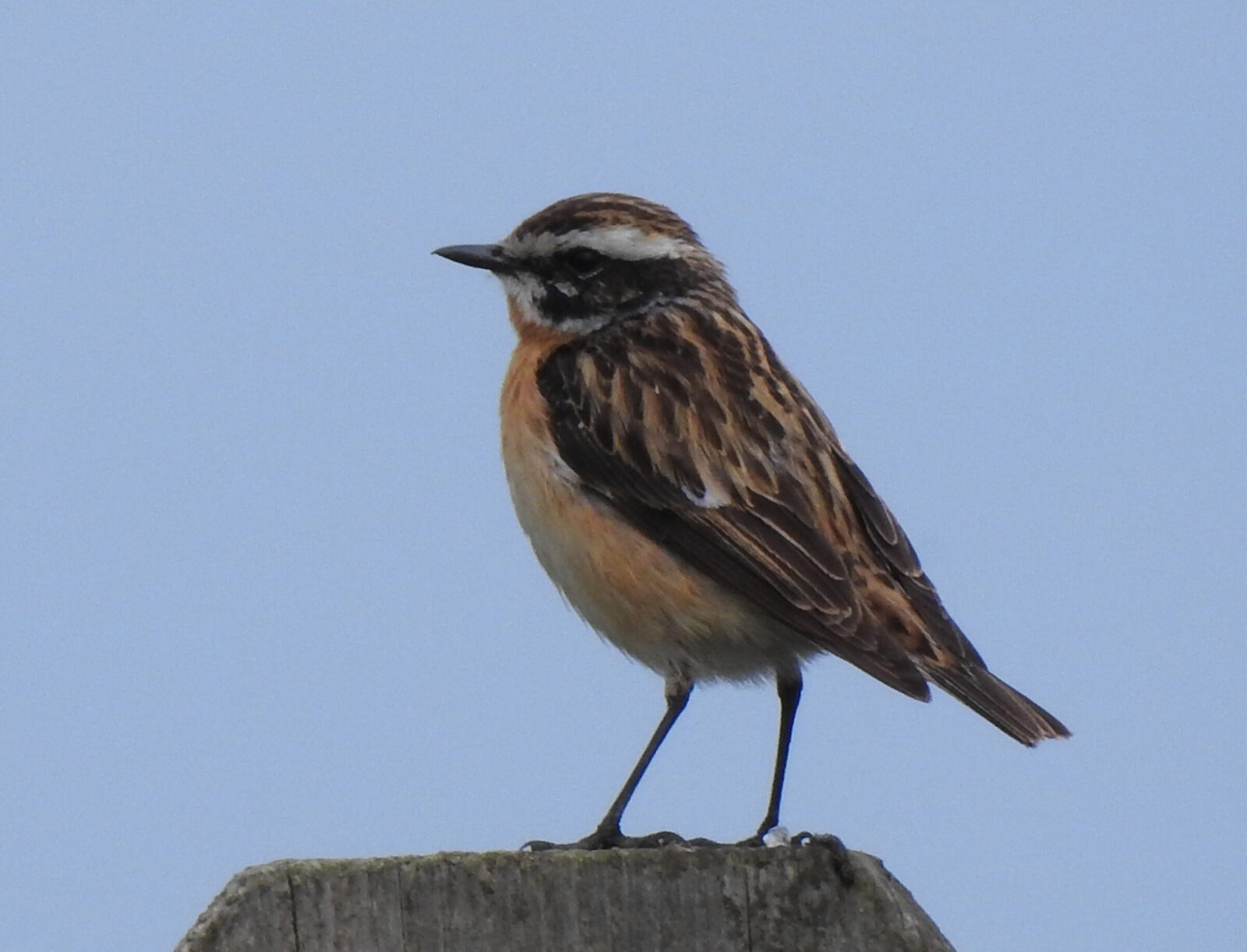
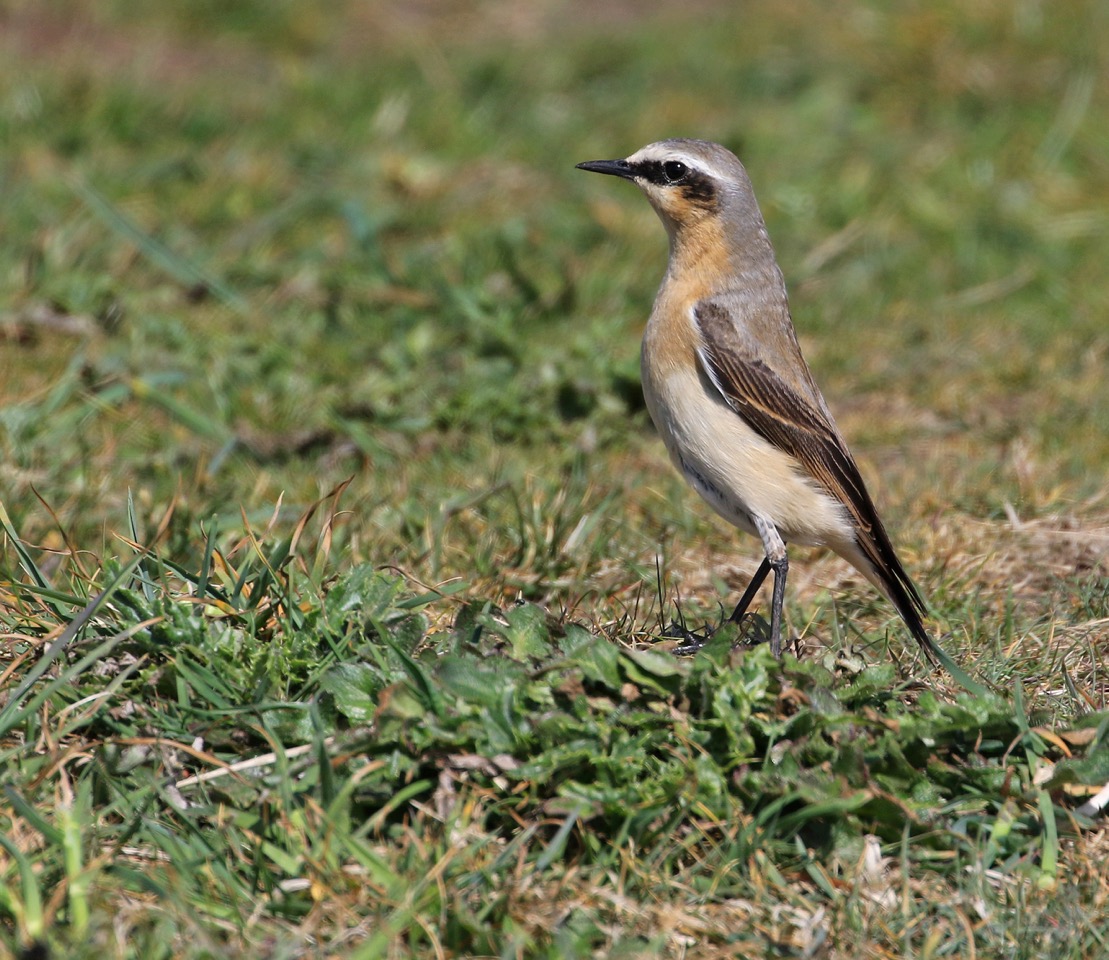
Wheatear, by Brett Richards
Natterer’s Bat, by Andy Hood

8th May 2020

The following summary only includes records from our resident birders’ health walks and garden sightings; consequently, it provides a mere snapshot of the true scale of our spring migration.

A light, variable but generally onshore wind, prolonged sunny intervals and temperatures that reached 17 degrees C. Three Eider, 14 Common Scoter, a Bar-tailed Godwit, 14 Knot, 57 Sandwich Terns and an Artic Tern flew south past the Fog Station.

The day’s highlight related to a Bee-eater late morning; initially heard over the village and similarly as it headed east over the headland, it was then watched to successfully catch a bee near the lighthouse, but then disappeared. Other notable sightings included three Gadwall, the year’s first Hobby and Wood Sandpiper, lingering Spotted Redshank and Ruff, two Whimbrel, 14 Swifts, 45 House Martins, a Hooded Crow, a Fieldfare, one Redwing, a Firecrest, one Garden Warbler, three Reed Warblers, 45 Willow Warblers, eight Spotted Flycatchers, four Whinchat, 12 Wheatears, a Common Redstart, one Black Redstart, one White Wagtail, a Channel Wagtail, 24 Yellow Wagtails, three Siskin and two Corn Buntings. Sightings from Bempton/Buckton included single Garden Warbler, Whinchat and Yellow Wagtail, along with six Corn Buntings. 

Firecrest, by Andy Hood

9th May 2020

The following summary only includes records from our resident birders’ health walks and garden sightings; consequently, it provides a mere snapshot of the true scale of our spring migration.

The weather consisted of light winds from a general northerly direction, sunny intervals after an overcast start and temperatures reaching 17 degrees C. A Great Northern Diver, Manx Shearwater, two Whimbrel, 30 Sandwich Terns and a Common Tern flew past the Fog Station.

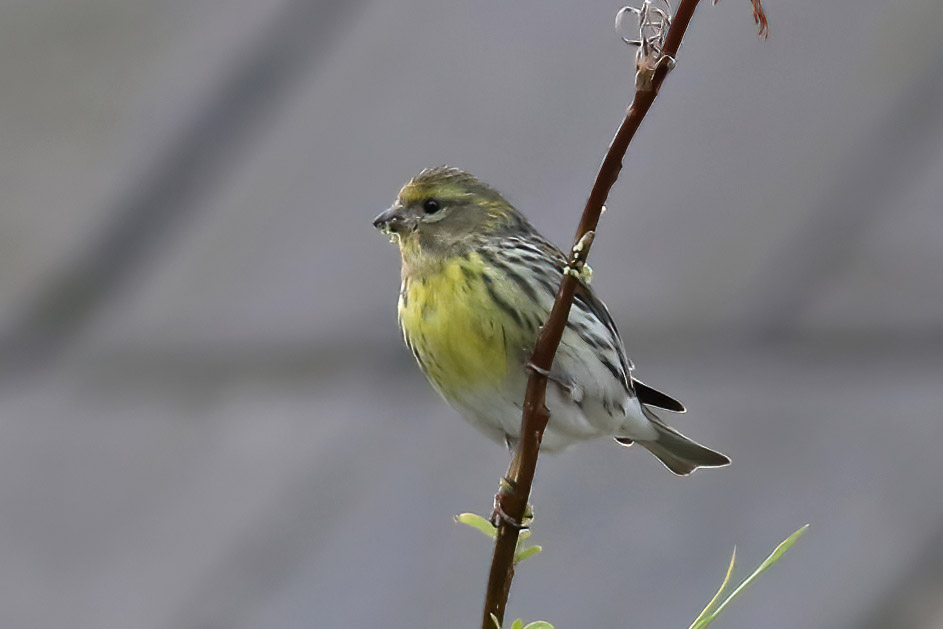
The day’s highlight related to a Serin that showed well on the outer head early morning only, before departing. Other sightings included three Gadwall, two Tufted Ducks, a Mute Swan, two Little Ringed Plovers, four Ringed Plovers, the Spotted Redshank, six Whimbrel, two Reed Warblers, a Fieldfare, one Spotted Flycatcher, a Black Redstart, two Whinchat, six Wheatears, a Tree Pipit and four Yellow Wagtails. Three Wheatears, two pairs of Yellow Wagtails and four Corn Buntings were located at Buckton/Bempton.

Serin, by Craig Thomas

10th May 2020

The following summary only includes records from our resident birders’ health walks and garden sightings; consequently, it provides a mere snapshot of the true scale of our spring migration.

Near gale force north-north-easterly winds ushered in drastically lower temperatures peaking at eight degrees C, relatively overcast skies and very occasional light rain. Two Gadwall, two Great Northern Divers, two Manx Shearwaters and five Sandwich Terns flew past the Fog Station. Sightings on the headland included an Egyptian Goose, one Little Egret, the summer-plumaged Spotted Redshank, six Swifts and two Wheatear.

Razorbill, by Jo Hood

11th May 2020

The following summary only includes records from our resident birders’ health walks and garden sightings; consequently, it provides a mere snapshot of the true scale of our spring migration.

The weather consisted of force seven northerly winds, sunny intervals and temperatures reaching nine degrees C. These conditions resulted in a good spring seabird passage, with four summer-plumaged Great Northern Divers, 408 Fulmars, six Manx Shearwaters, a Bonxie, a spooned adult Pomarine Skua and an Arctic Skua flying north. Notable wader records on the headland included three Ringed Plovers, two Little Ringed Plovers, the Spotted Redshank and three Common Sandpipers.  

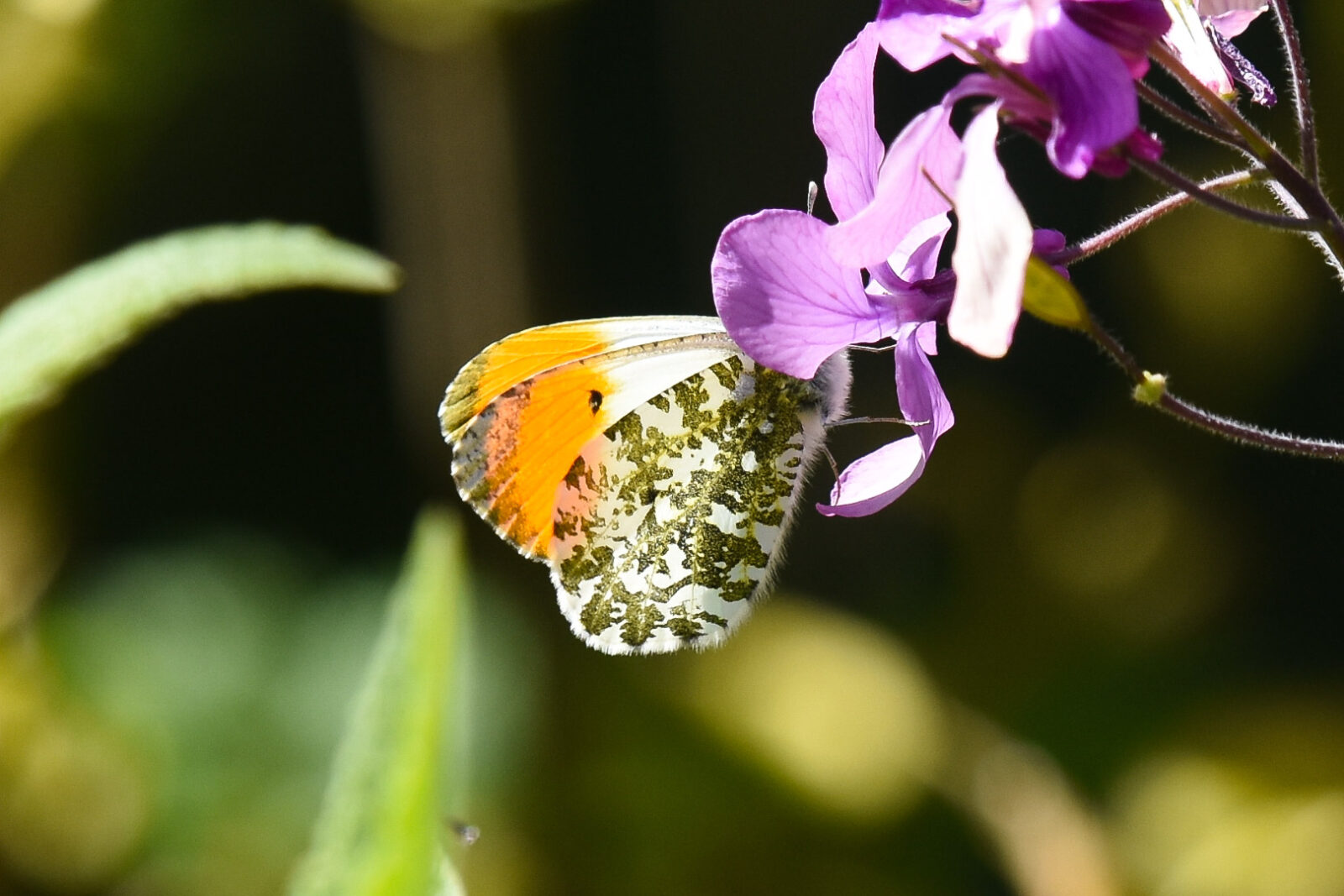
Orange Tip, by Andy Hood

12th May 2020

The following summary only includes records from our resident birders’ health walks and garden sightings; consequently, it provides a mere snapshot of the true scale of our spring migration.

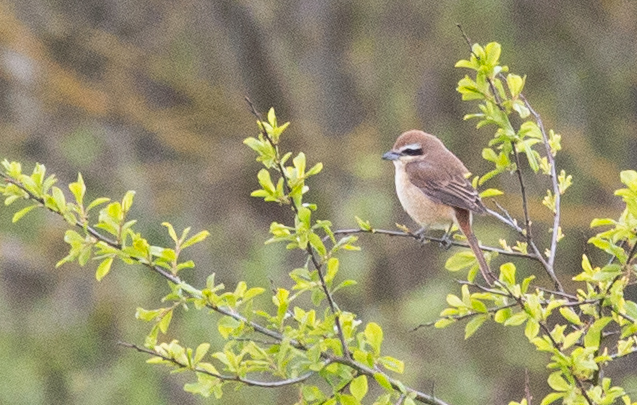
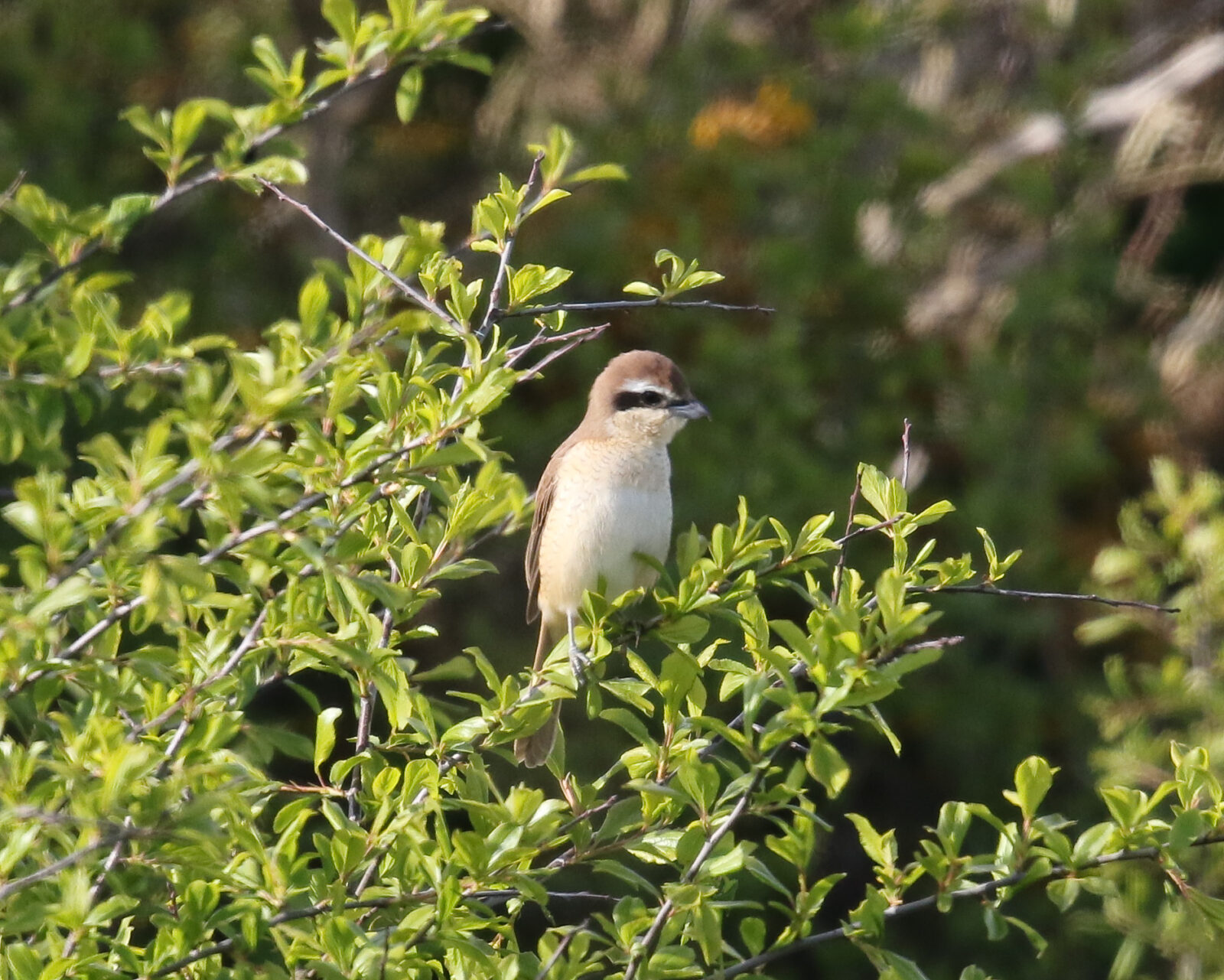
The weather consisted of moderate north-west winds veering northerly later, sunny intervals and temperatures that reached ten degrees C. Undoubtedly the year’s first big surprise, a female Brown Shrike was discovered on the Golf Course side of South Dykes mid-afternoon. Subsequently, it gave sporadic views in thick scrub until the evening; this represents Flamborough’s third record following more typical autumn records in 2008 and 2010.

Other notable sightings included an Egyptian Goose, summer-plumaged Great Northern Diver, single Gadwall, a pair of Teal, two Red Kites, two Whimbrel, a Short-eared Owl, one Cuckoo, 40 Swifts and a Ring Ouzel.

Brown Shrike, by Robert McLaughlin

13th May 2020

Government guidance states: ‘To ensure people are social distancing, the government has prohibited by law all public gatherings of more than two people’ (gov.uk website, 13th May 2020). When contemplating visiting Flamborough, please reflect upon this guidance. Consider how necessary your visit is to an area popular with tourists, many of whom will be concentrated on the outer head, North or South Landing and along the cliff top path.

Sunny intervals, occasional showers and temperatures that reached a mere six degrees During the morning; moderate/strong northerly winds gradually moderated during the day. Two Red-throated Divers, a Great Northern Diver, nine Manx Shearwaters, three Whimbrel, 13 Sandwich Terns and 91 Puffins flew north during the morning’s seawatch. The Brown Shrike remained in residence for its second day. Additional sightings included a Gadwall, two Teal and a lone Dunlin.

Brown Shrike, by Rob Little
Brown Shrike, by John Harwood

14th May 2020

Government guidance states: ‘To ensure people are social distancing, the government has prohibited by law all public gatherings of more than two people’ (gov.uk website, 13th May 2020). When contemplating visiting Flamborough, please reflect upon this guidance. Consider how necessary your visit is to an area popular with tourists, many of whom will be concentrated on the outer head, North or South Landing and along the cliff top path.

Sunny throughout, with a light/moderate south-easterly wind developing during the day; temperatures reached 12 degrees C. During the seawatch, a Red-throated Diver, two Manx Shearwaters, nine Sandwich Terns and a Common Tern flew north; a Bonxie headed in the opposite direction.

Although no sign during the morning, the Brown Shrike re-appeared in the evening. Other notable sightings included a Gadwall, two Teal, a Little Ringed Plover, six Whimbrel, 65 House Martins, two Reed Warblers, four Wheatears, a Yellow Wagtail and two Siskin.

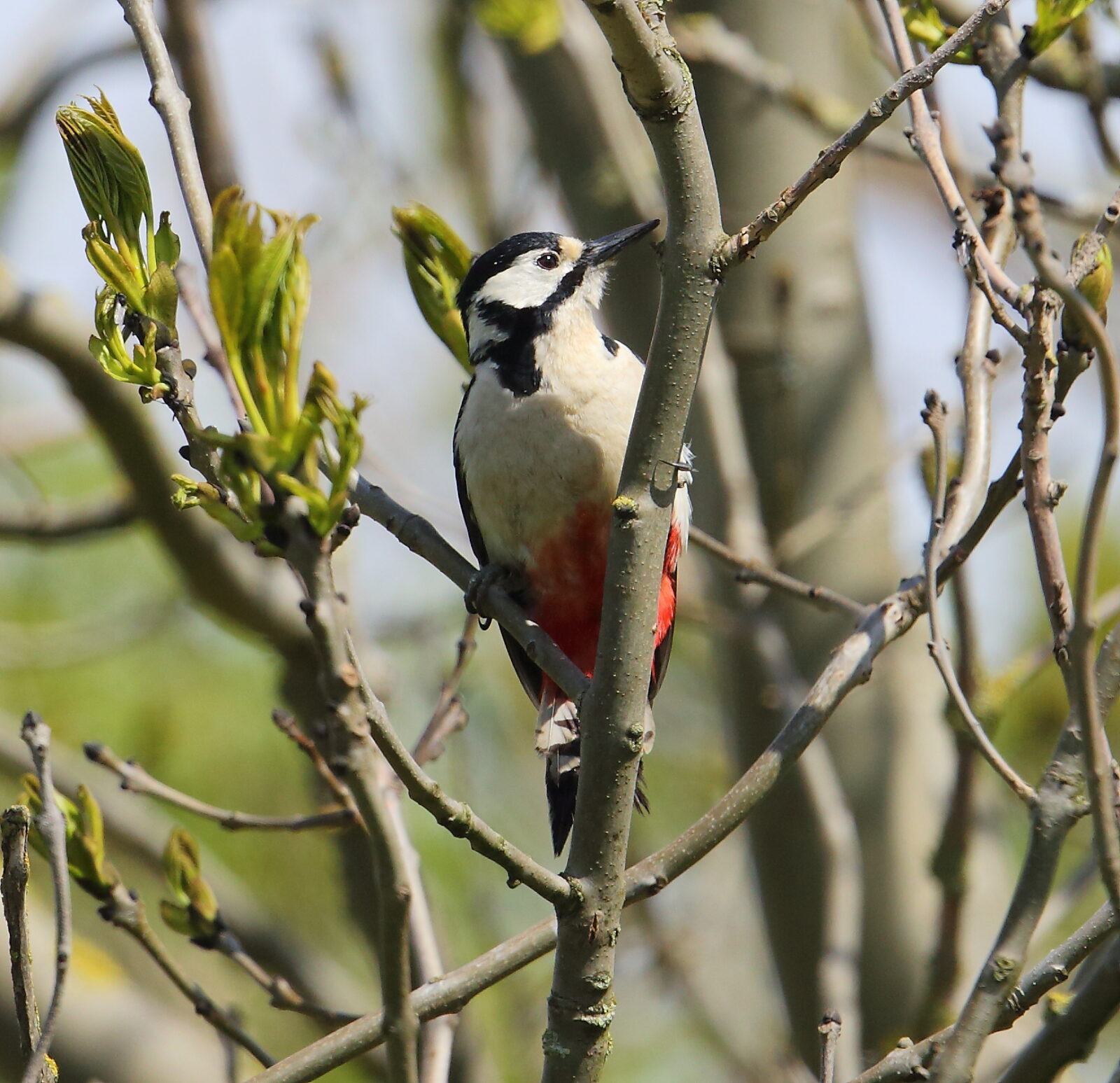
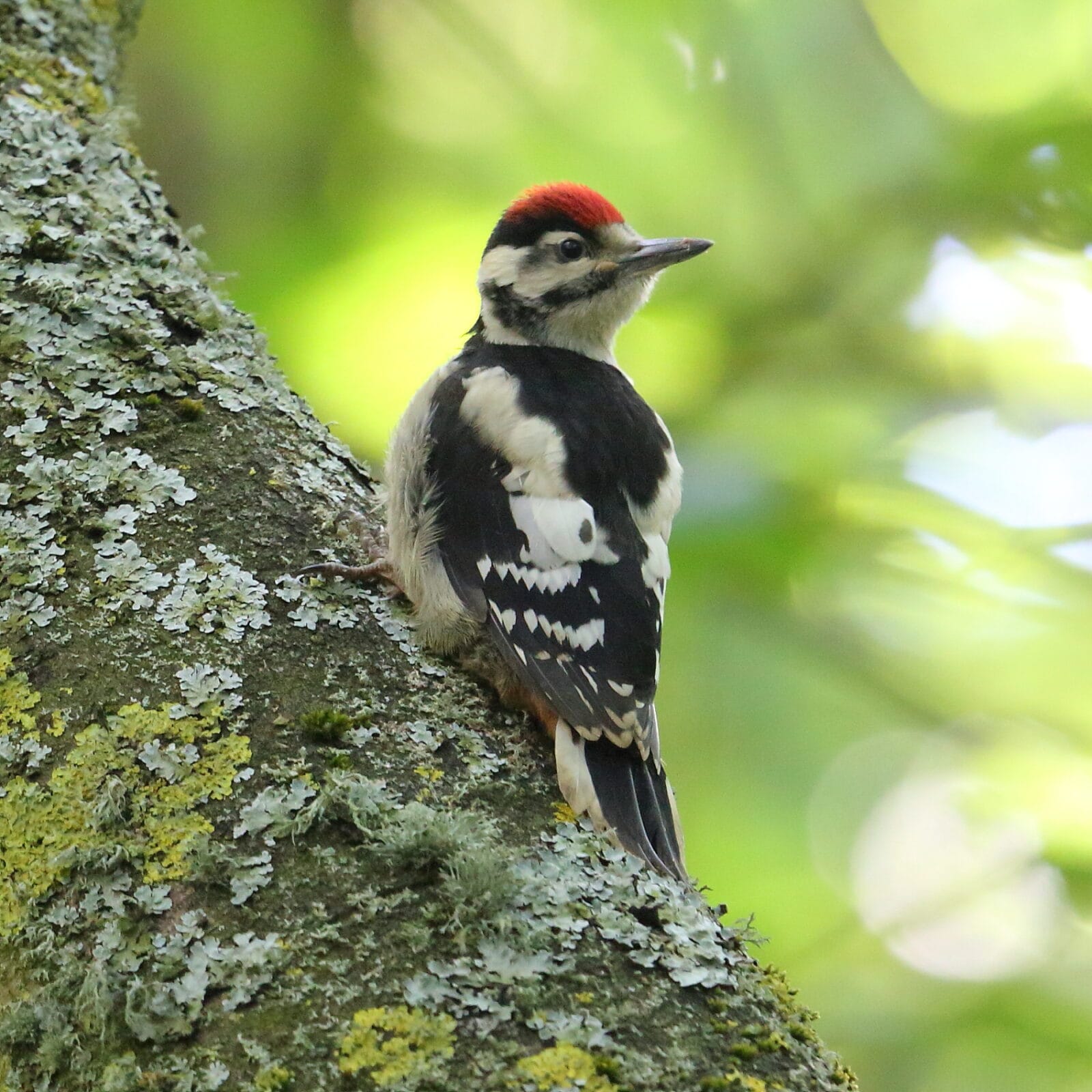
Great Spotted Woodpecker, by Alan Walkington

Brown Shrike

Brown Shrike 12th-14th May 2020

During the afternoon of 12th May, a Flamborough Bird Observatory member discovered a shrike whilst walking along the coastal path. Unsure whether the bird was a female Red-backed, he circulated an image on our closed Whatsapp group: it was soon clear the bird was a Brown Shrike.

A few local members visited the location and eventually relocated the bird. The shrike frequented thick scrub between two fairways on a golf course. Due to the lockdown, the course was still shut on 12th so it was easy to maintain social distance to view the bird safely. However, golfing was due to resume the following day, precluding viewing from the fairway edge. Anyone hoping to watch the bird would be restricted to observing from the narrow cliff top path, effectively blocking it for potential users.

The following government advice was consulted which states:  ‘You can exercise outside as often as you wish and you can also sit and rest outside – exercise or recreation can be alone, with members of your household, or with one other person from outside your household, while keeping two metres apart at all times. You may drive to outdoor publicly accessible open spaces irrespective of distance, but should follow social distancing guidance whilst you are there. You should plan ahead to ensure that, where you are visiting places like National Parks, you have checked that they are open and appropriately prepared for visitors.’ (gov.uk website, 13th May 2020).

In our opinion, even a relatively small crowd would inevitably contravene this guidance given the limited viewing opportunities. The alternative would be for birders to step onto the golf course edge, potentially causing conflict with golfers from the local community. As with all bird observatories, maintaining a positive relationship between the obs and the local community is of paramount importance. We rely on the goodwill of local landowners and the Council for our access and conservation initiatives; jeopardising this relationship was not something we could countenance.

It was with reluctance that we decided to keep the news within the membership and asked them to refrain from propagating the news on social media. The presence of the shrike unfortunately leaked out the following morning. I contacted both national rare bird news providers to request that information be withheld. Both provided very polite and thorough responses; Birdguides very kindly agreed to withhold news. The shrike was last seen on 14th May.

Suffice to say, the last few days have proved to be very trying. Effectively we felt forced to suppress the news of a national rarity, albeit one that is now a more regular visitor. Indeed, this was the third Brown Shrike to have visited Flamborough, with the first in 2008 widely twitched from far and wide. Over the last 20 years, the headland has managed to accommodate several significant twitches including Baikal Teal, Crag Martin, Eastern Crowned Warbler, Eastern Olivaceous Warbler, Brown Flycatcher (twice), Taiga Flycatcher and Black-headed Bunting (twice). We very much look forward to hosting many more, provided we can do so without jeopardising the health of our local community or our relationship with residents, landowners and local businesses.

Brown Shrike, Flamborough, by Craig Thomas

15th May 2020

Government guidance states: ‘To ensure people are social distancing, the government has prohibited by law all public gatherings of more than two people’ (gov.uk website, 13th May 2020). When contemplating visiting Flamborough, please reflect upon this guidance. Consider how necessary your visit is to an area popular with tourists, many of whom will be concentrated on the outer head, North or South Landing and along the cliff top path.

Light winds initially from the north-west veered east in the afternoon; sunny throughout, with temperatures reaching 12 degrees C. During the morning’s seawatch, an Eider, 57 Sandwich Terns and an Arctic Tern flew south, with three Red-throated Divers and three Common Terns moving north. A pod of 15-20 Bottlenose Dolphins also swam north.  

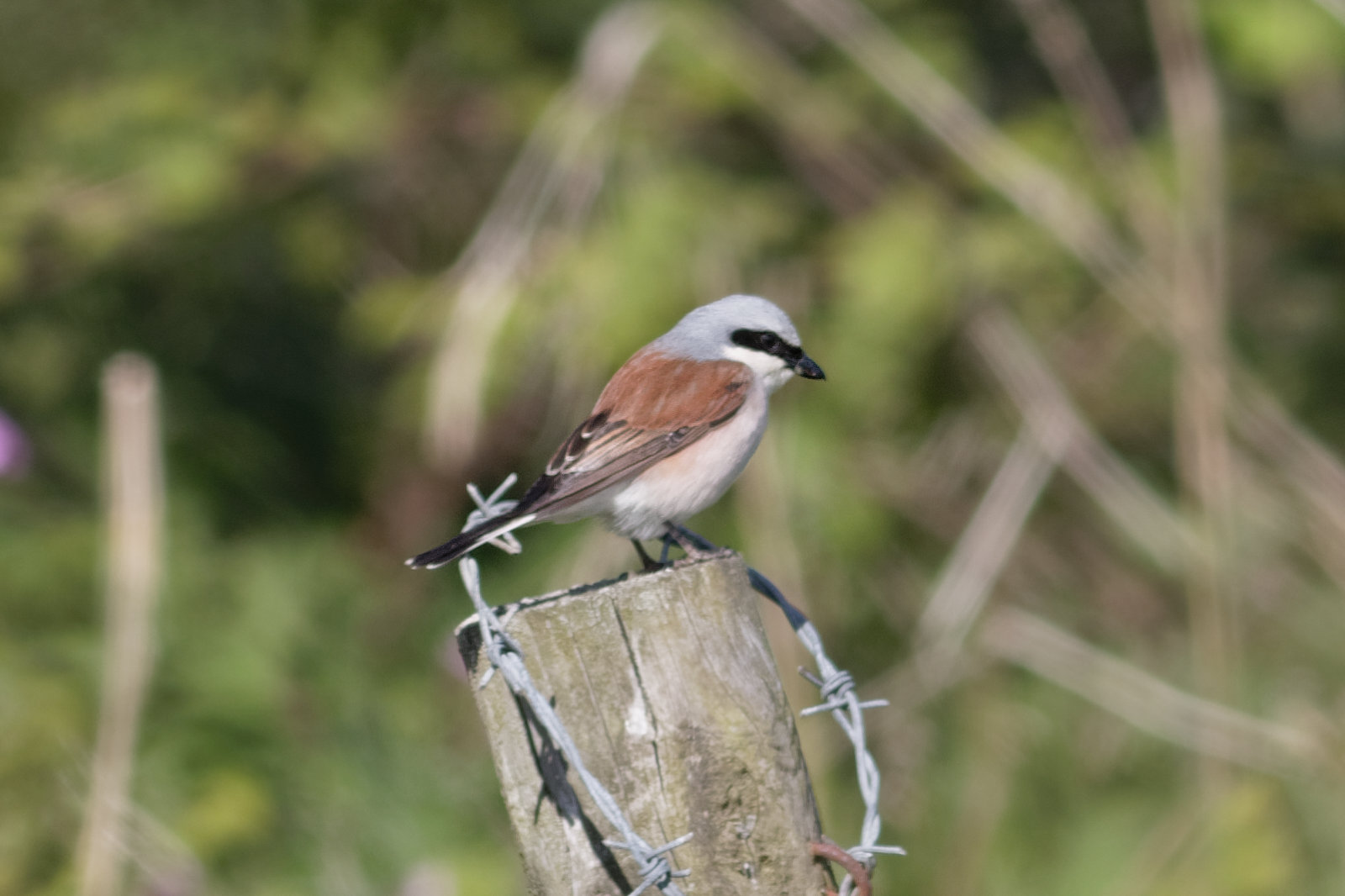
The day’s highlight related to the discovery of two Red-backed Shrikes: an adult male located in the morning was joined by a second bird of indeterminate age/sex (although probable male) in the afternoon. Other sightings included a Gadwall, single Little Ringed Plover and Ringed Plover, two Whimbrel, a Fieldfare, one Redwing, three Wheatear, one Grey Wagtail, a White Wagtail and four territorial Corn Buntings.

Red-backed Shrike, by Rob Little

16th May 2020

The weather consisted of sunny intervals, a moderate westerly wind that gradually dropped in strength and temperatures that reached 14 degrees C. During the morning’s seawatch, 13 Common Scoter and four Manx Shearwaters headed north, with a Knot and two Sandwich Terns moving south.

Thornwick Pools attracted three Gadwall and a Pintail, nearby fields hosted a pair of Grey Partridge, whilst single Ringed Plover and three Whimbrel flew north. Thirty Swifts hawked insects over the Dykes, but passerine migrants were scarce: a migrant Reed Warbler was additional to five singing males on territory, and other records included one Fieldfare, a single Redstart and three Wheatear.

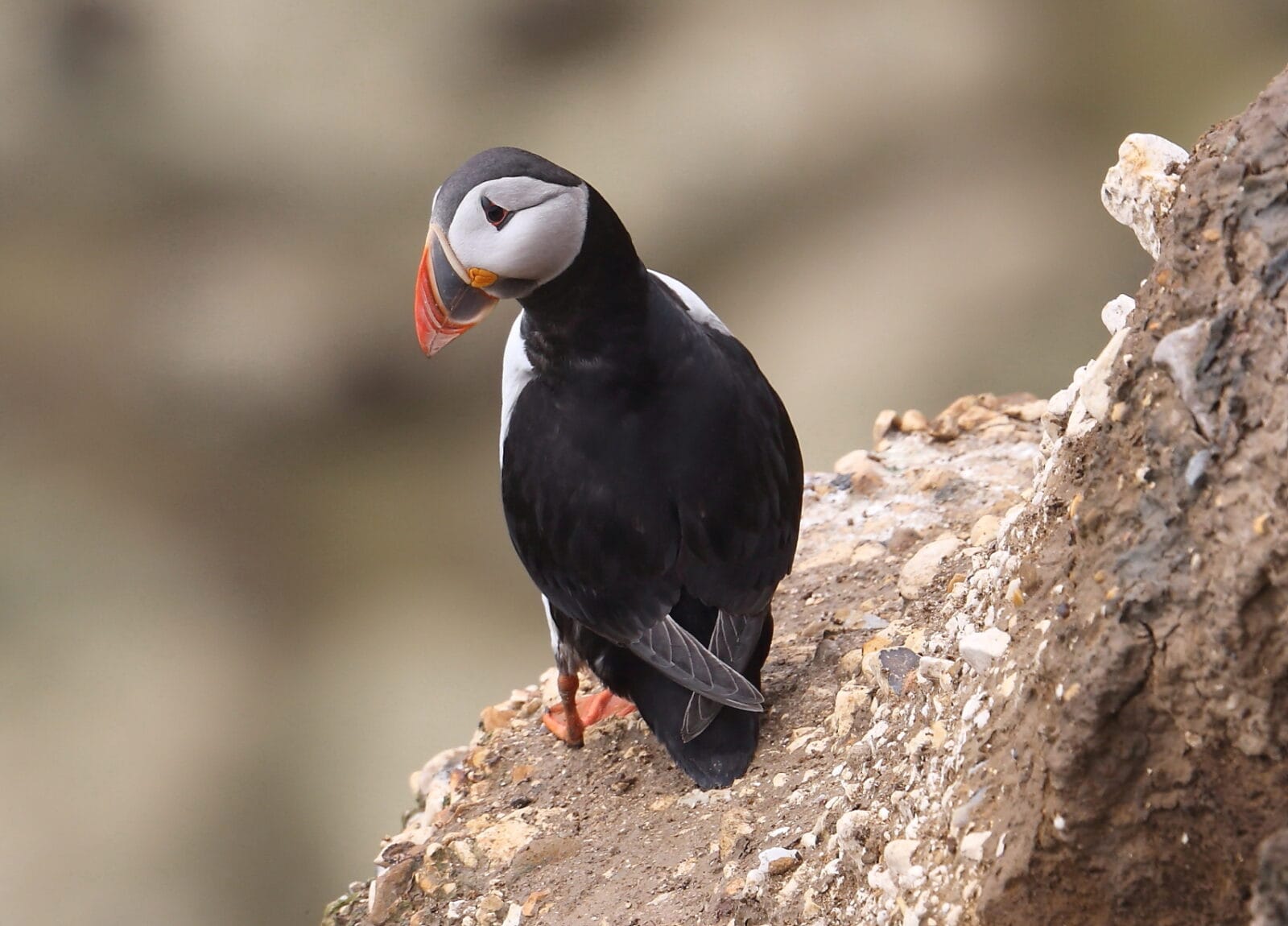
Puffin, by Alan Walkington

17th May 2020

Government guidance states: ‘To ensure people are social distancing, the government has prohibited by law all public gatherings of more than two people’ (gov.uk website, 13th May 2020). When contemplating visiting Flamborough, please reflect upon this guidance. Consider how necessary your visit is to an area popular with tourists, many of whom will be concentrated on the outer head, North or South Landing and along the cliff top path.

Overcast for the most part, with a brief shower during the afternoon and a moderate westerly wind; temperatures reached 16 degrees C. The morning’s seawatch was quiet, with two Red-throated Divers flying north and a Manx Shearwater and 11 Sandwich Terns flying south. Notable sightings away from the seawatch included a Gadwall, drake Pintail, two Eider, a Hobby, two Little Ringed Plovers, one Spotted Flycatcher, a Black Redstart, one Whinchat, a Wheatear and a Yellow Wagtail. 

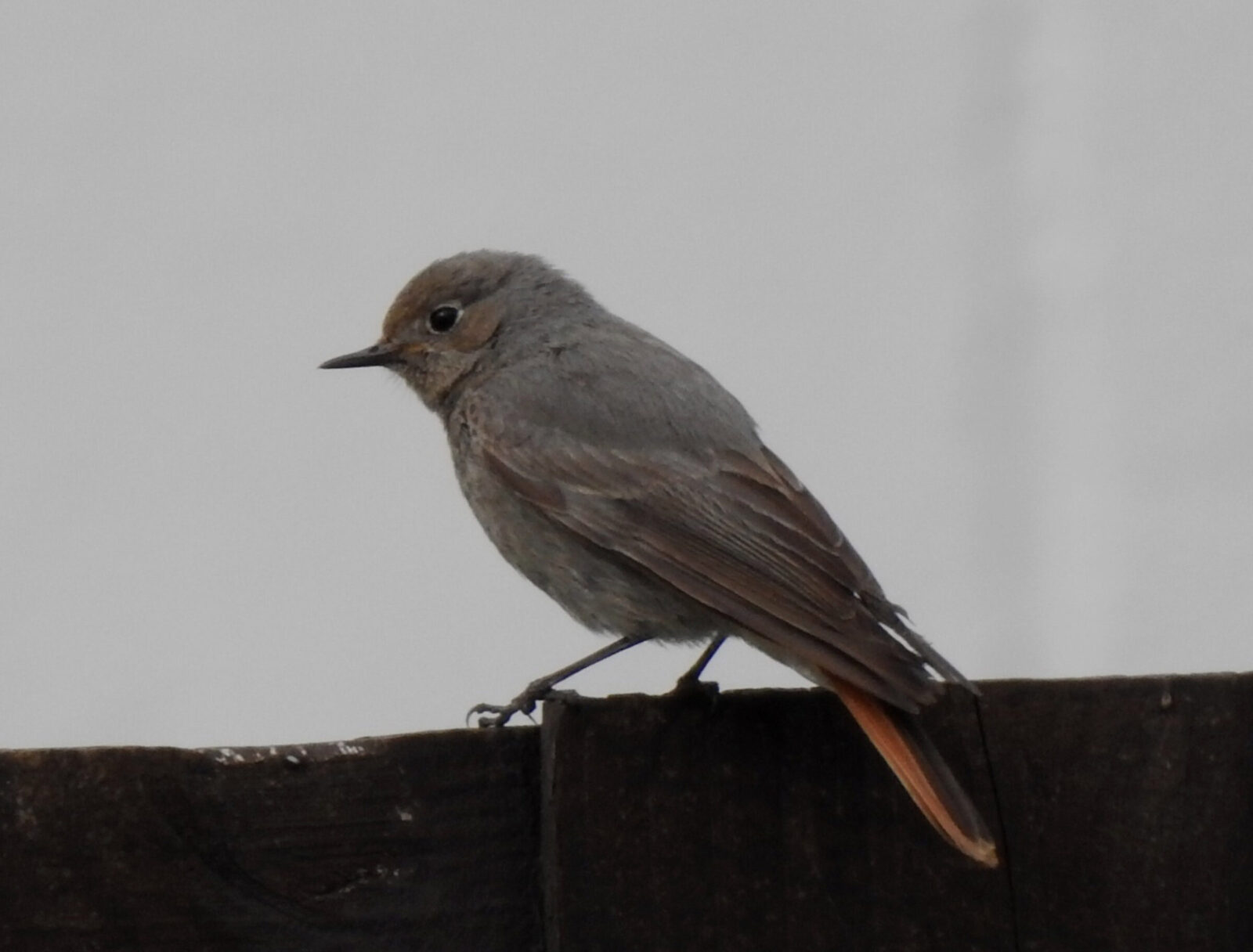
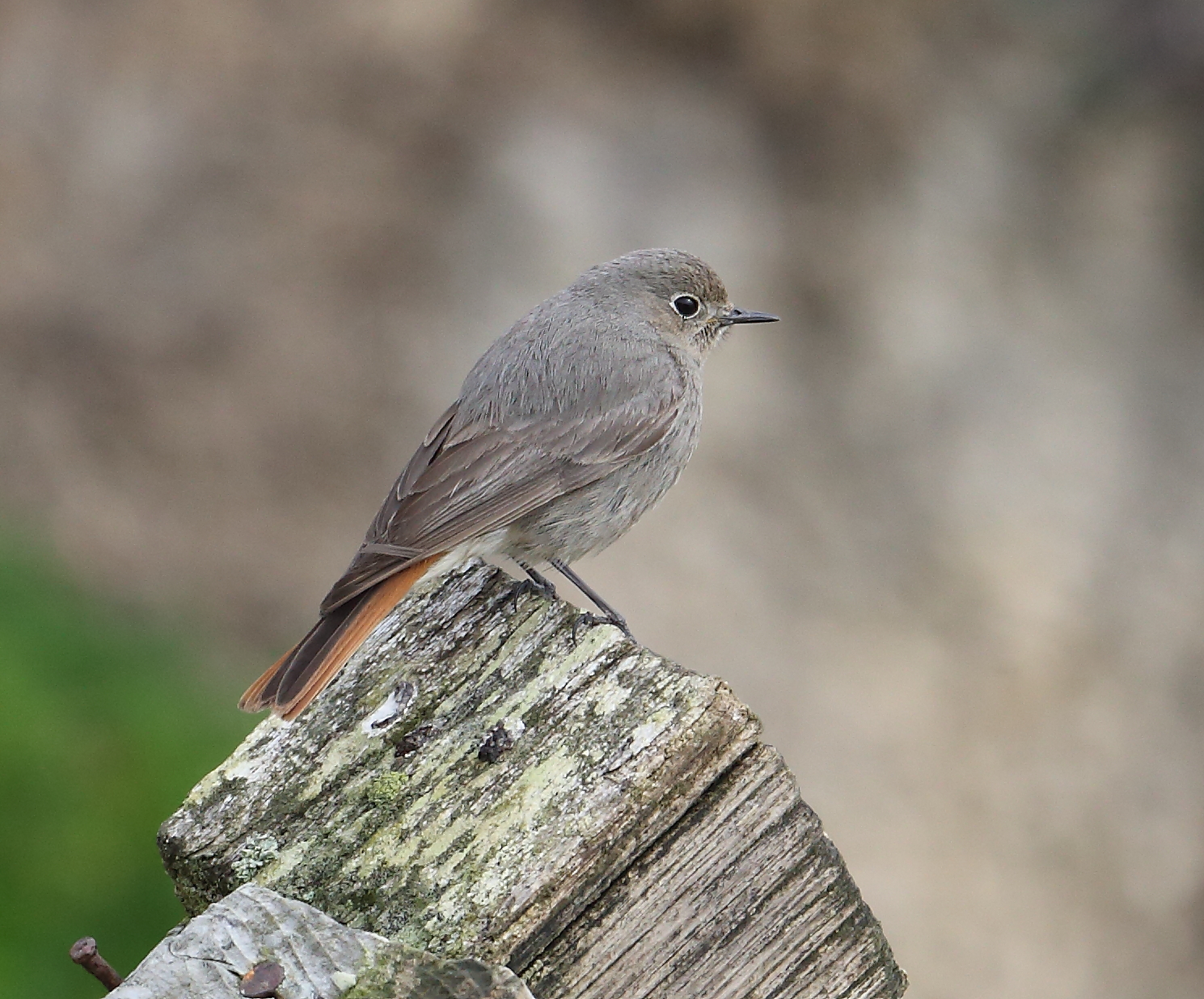
Black Redstart, by Brett Richards
Whinchat, by Brett Richards

18th May 2020

A relatively overcast day, with a moderate westerly wind and temperatures reaching 14 degrees C. Two Manx Shearwaters and 15 Sandwich Terns flew north during the morning’s seawatch. Notable records from the headland itself included the drake Pintail, one Wigeon, a Little Ringed Plover, a Short-eared Owl, a Cuckoo, the Black Redstart, two Wheatears and a White Wagtail.

Black Redstart, by Alan Walkington

19th May 2020

After an overcast start and spells of light rain, the day ended with prolonged sunny spells; warm, with temperatures reaching 19 degrees C in a light south-west wind. During the morning seawatch, two Red-throated Divers, four Manx Shearwaters, 13 Sandwich Terns and three Common Terns flew past the Fog Station.

The day’s highlight related to a Red-rumped Swallow over Bay Brambles near the lighthouse at 0935hrs that soon departed. Other notable records included a Long-eared Owl, a Spotted Flycatcher, one Black Redstart, six Wheatear and a White Wagtail. In addition, a Quail called from barley fields at Buckton. 

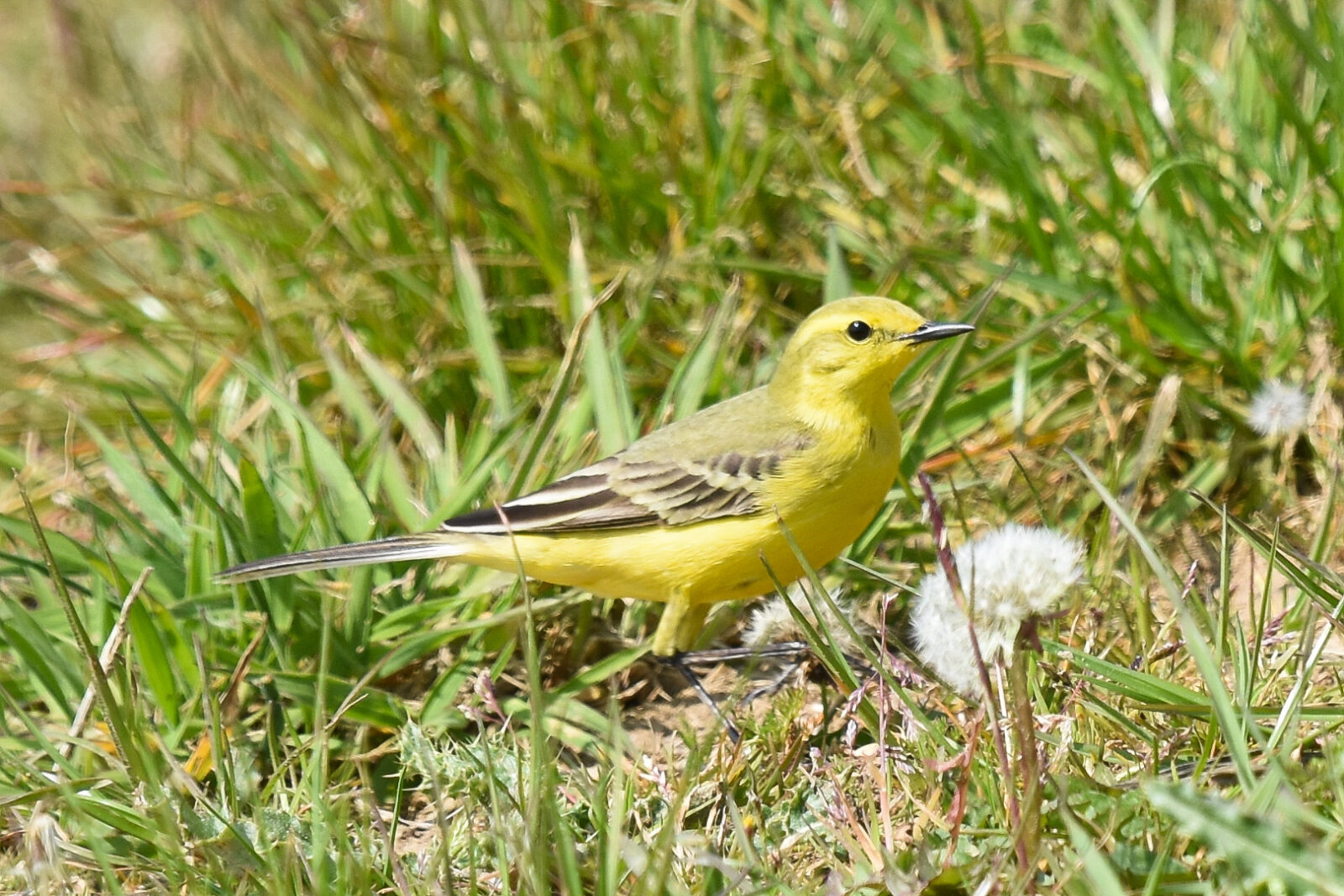
Yellow Wagtail, by Andy Hood

20th May 2020

Sunny throughout, with a light/moderate south-east wind developing during the afternoon and temperatures reaching 19 degrees C. During the seawatch, 30 Common Scoters, four Manx Shearwaters, two Whimbrel and 26 Sandwich Terns flew past the Fog Station.

The scarce overshoot theme continued when a Bee-eater was heard, but remained unseen, over Old Fall at 0925hrs; two Bee-eaters later flew south through Spurn five hours later. Wildfowl interest included an Egyptian Goose, together with single Pintail and Wigeon. Single Marsh Harrier and Hobby were recorded, whilst wader interest was confined to a Ringed Plover and a Common Sandpiper; the latter sound-recorded over the village during the night of 19th/20th. Passerine interest included one Garden Warbler, a Whinchat, three Wheatear, two Yellow Wagtails, two Grey Wagtails and a couple of Siskin.

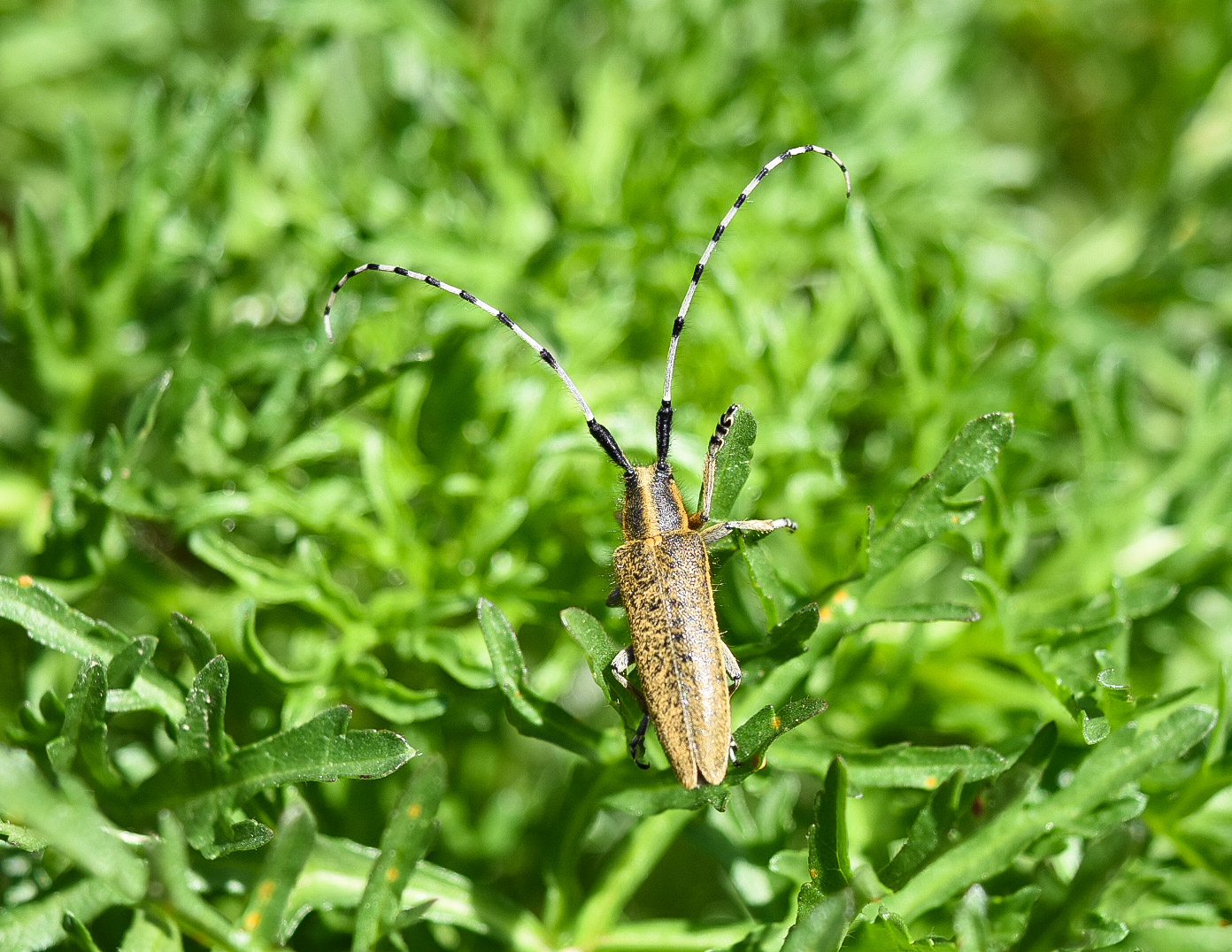
Longhorn Beetle (Agapanthia villosoviridescens), by Andy Hood

21st May 2020

Government guidance states: ‘To ensure people are social distancing, the government has prohibited by law all public gatherings of more than two people’ (gov.uk website, 13th May 2020). When contemplating visiting Flamborough, please reflect upon this guidance. Consider how necessary your visit is to an area popular with tourists, many of whom will be concentrated on the outer head, North or South Landing and along the cliff top path.

The weather consisted of prolonged sunny intervals, light/moderate south-west winds and temperatures that reached 19 degrees C. During the morning seawatch, five Manx Shearwater flew north, with a Shelduck, four Tufted Ducks, two Red-throated Divers, 26 Sandwich Terns and two Common Terns flying south. Six drake Eider rested on the sea off Beacon Hill.

Two stints provided the day’s highlight: with both Temminck’s Stint and Little Stint stopping off at freshwater sites. Other wetland species included an Egyptian Goose, two Teal, a Wigeon, seven Ringed Plover, a Little Ringed Plover, one Redshank and nine Dunlin. A Red Kite overflew the village, whilst no fewer than three Hobbies were present. Other notable records included a pair of Grasshopper Warblers together, two migrant Reed Warblers (in addition to at least six singing males holding territory), three Spotted Flycatchers, six Wheatear, the Black Redstart, a Grey Wagtail, three Yellow Wagtails, a Siskin and two Corn Buntings.

Wheatear, by Andy Hood
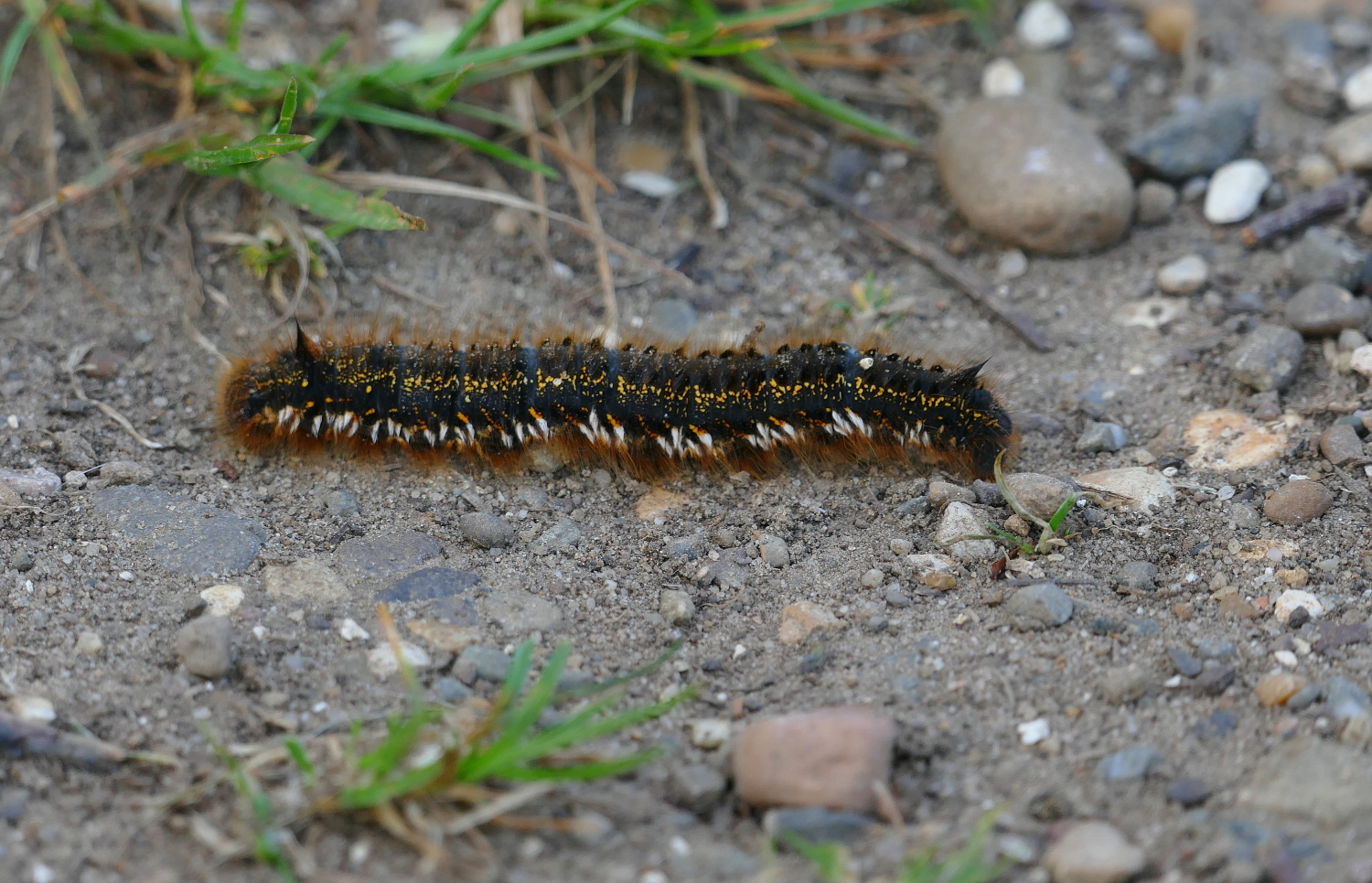
Drinker Moth caterpillar, by Mike Smith

22nd May 2020

A day of strong south-westerly winds and prolonged sunny intervals after light rain early morning. Fifteen Common Scoter, a Red-throated Diver one Manx Shearwater and a Sandwich Tern flew past during the morning seawatch. Seven Bottlenose Dolphins swam north past the Fog Station, but the headline act was undoubtedly a Basking Shark photographed off Bempton Cliffs as it swam south towards the outer head.

Both the single Wigeon and Egyptian Goose lingered on the outer head, whilst two Barnacle Geese were transient. Two Hobbies were recorded: a single south over Flatmere and another near Bempton Cliffs. The Temminck’s Stint re-appeared on Thornwick Pools, a Redshank was also present and four Ringed Plovers were recorded. Single Spotted Flycatcher, Wheatear and Grey Wagtails were all located in difficult conditions.

Corn Bunting, by Craig Thomas

23rd May 2020

A cloudier day than of late, with periods of sunshine, occasional showers and a strong, blustery south-west wind.

Both the Egyptian Goose and Wigeon remained in residence on pools on the outer head. The recent good run of Hobby records continued, when one flew west over the village early afternoon; two Marsh Harriers flew south during the morning, including one in off the sea during the seawatch. Wader interest included five Lapwing, three Ringed Plovers, a Little Ringed Plover, two Dunlin, a Redshank, one Sanderling and a Bar-tailed Godwit. Understandably given the strong winds, passerine records were scarce, although four Spotted Flycatchers managed to locate shelter on the outer head. 

Basking Shark, Bempton Cliffs, by Alan Johnson (22/5)

24th May 2020

For the third consecutive day, strong westerly winds ensured birding was difficult on a day of sunny intervals, after a largely overcast start. An Eider, four Common Scoter, two Red-throated Divers, seven Manx Shearwaters, two Sandwich Terns and a Common Tern flew past the Fog Station during the morning.

The Egyptian Goose and lone Wigeon remained in residence, whilst wader interest included a Ringed Plover, one Little Ringed Plover and three Dunlin. A Quail called from cliff top fields at Buckton and a Hobby flew west over Wolds Farm. However, better still the same location hosted the year’s first Turtle Dove. A total of 22 Swifts flew south, but passerine interest was confined to a Spotted Flycatcher, two Wheatear, a White Wagtail and the year’s first Crossbills; two flew west over the outer head. 

Wheatear, by Lee Johnson

25th May 2020

A light south-westerly backed south-east and strengthened during the afternoon; sunny throughout and temperatures reached 18 degrees C. During the morning’s seawatch, 20 Common Scoter, seven Red-throated Divers, 320 Fulmars, 244 Manx Shearwaters, 32 Sandwich Terns, three Arctic Terns, an Arctic Skua and 244 Puffins all flew north.

Two Pink-footed Geese joined the Greylag flock which still contained the long-staying Egyptian Goose; a Wigeon also remained. Other notable sightings included a single Hobby over the village and subsequently at Thornwick and two Spotted Flycatchers.

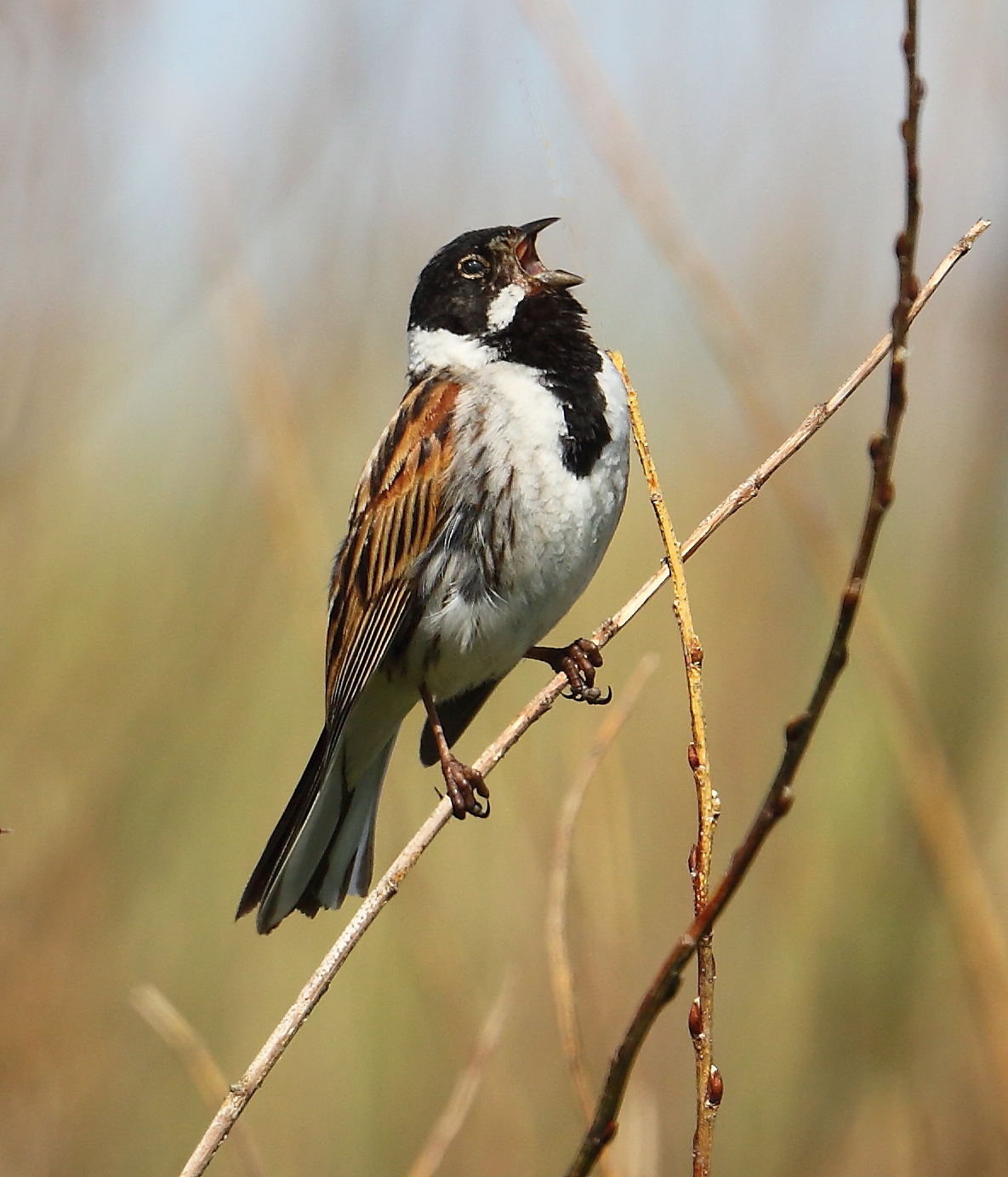
Reed Bunting, by Alan Walkington

26th May 2020

A relatively overcast, but warm day, with light westerly winds and temperatures reaching 18 degrees C. During the morning’s seawatch, five Common Scoter, 12 Manx Shearwaters and a Common Tern flew north; a Red-throated Diver and 29 Sandwich Terns moved in the opposite direction. 

The Egyptian Goose lingered on the outer head. Rare in spring, a Curlew Sandpiper was a surprise, accompanying single Ringed Plover, Little Ringed Plover and Dunlin. Seven Lesser Black-backed Gulls flew north, whilst passerine migrants included a Redwing and six Spotted Flycatchers.

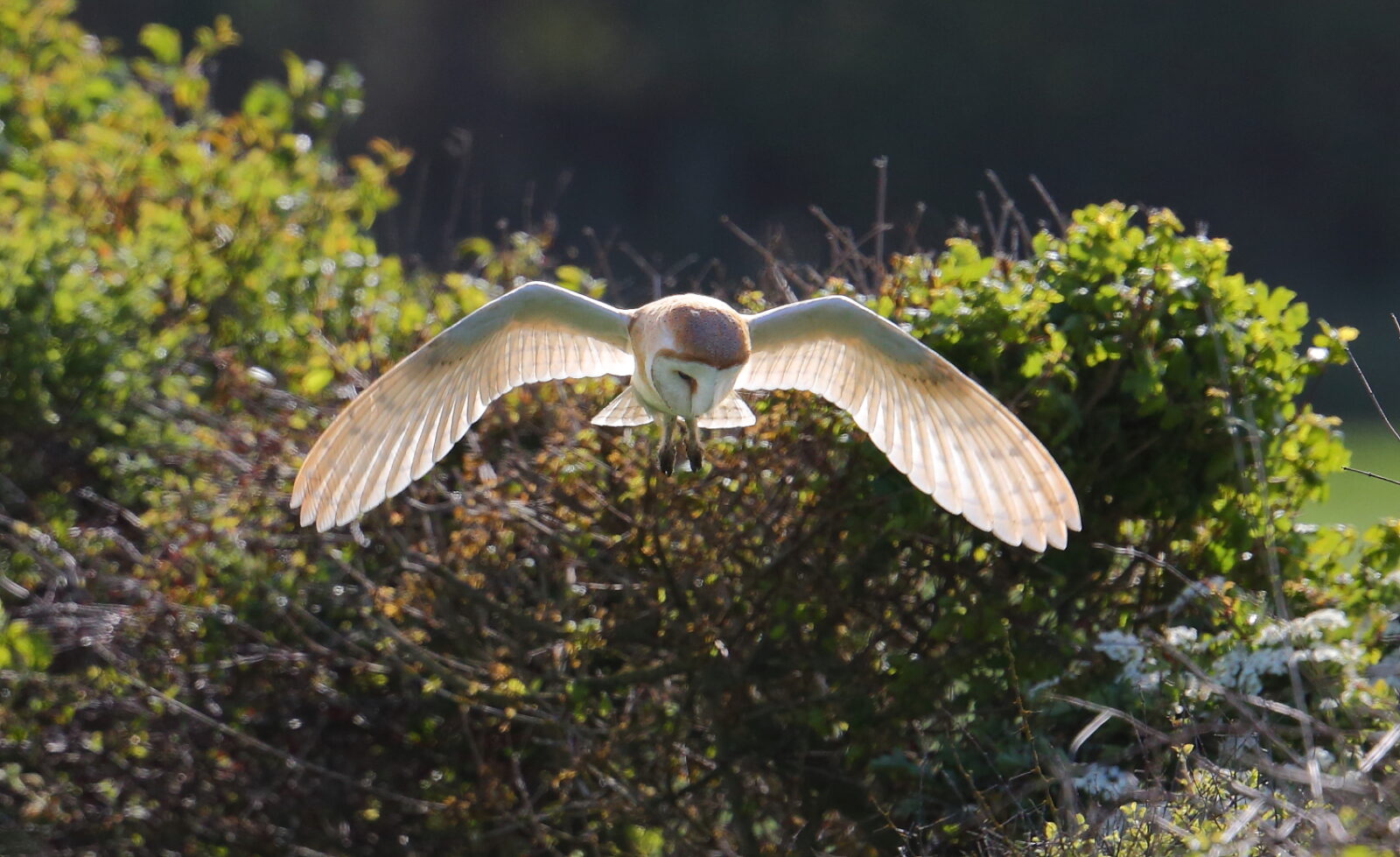
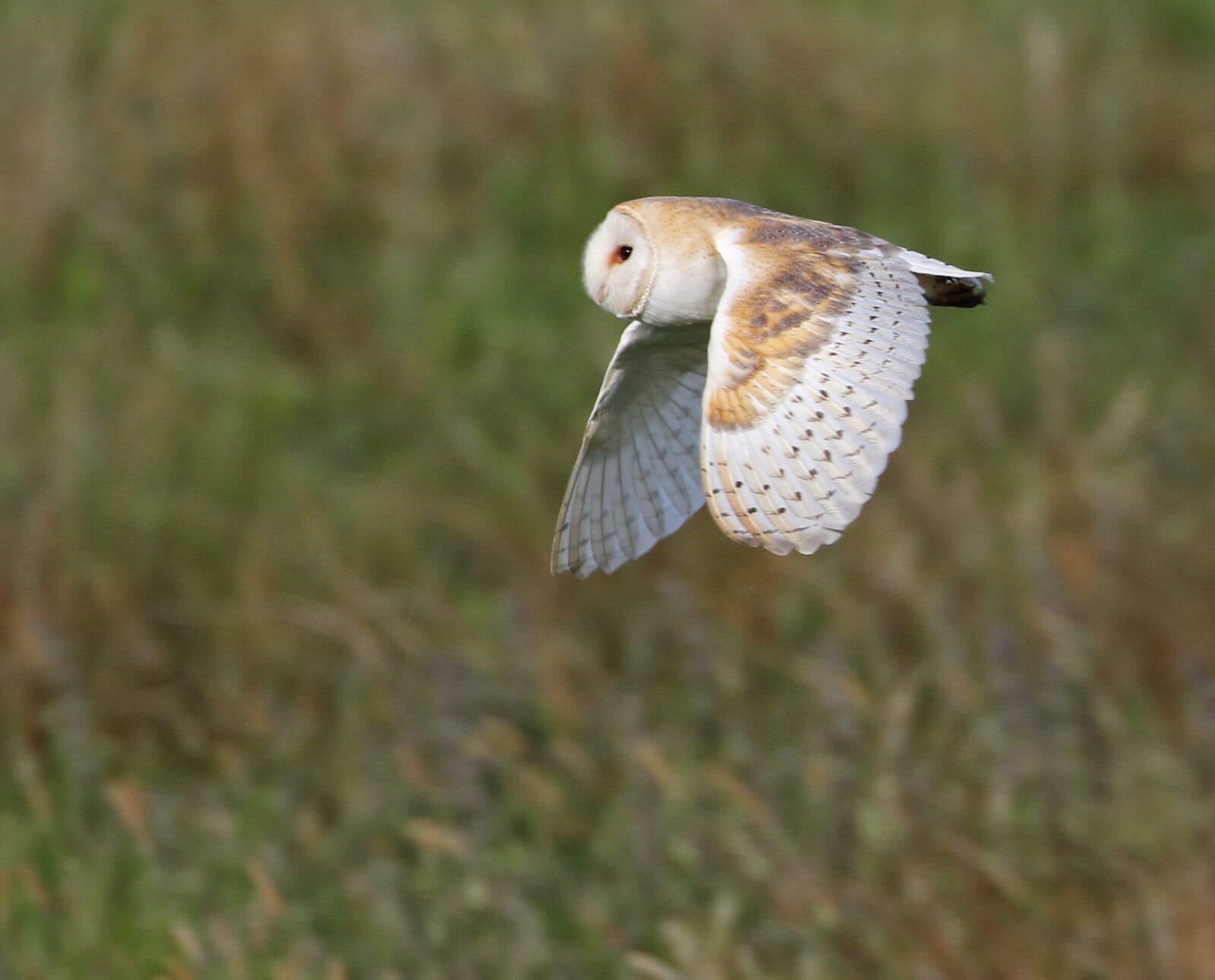
Barn Owl, by Alan Walkington

27th May 2020

Initially overcast, with sunny intervals developing in a moderate northerly breeze; occasional mist/fog drifted in off the sea in the morning. Fifteen Common Scoter, four Red-throated Divers, 20 Manx Shearwaters and 17 Sandwich Terns flew past the Fog Station. Two Pink-footed Geese lingered, as did a Wigeon and one Little Ringed Plover. A Quail was calling again near Buckton, whilst passerine interest on the outer head included Spotted Flycatcher and Corn Bunting. The year’s first Painted Lady butterfly was also recorded. 

Flamborough Cliffs, by Jo Hood

28th May 2020

The day began with overcast skies and a light southerly breeze which backed south-east and strengthened during an afternoon dominated by sunny skies. During the morning seawatch two Eider, eight Common Scoter, four Red-throated Divers, 13 Manx Shearwaters and 26 Sandwich Terns flew north.

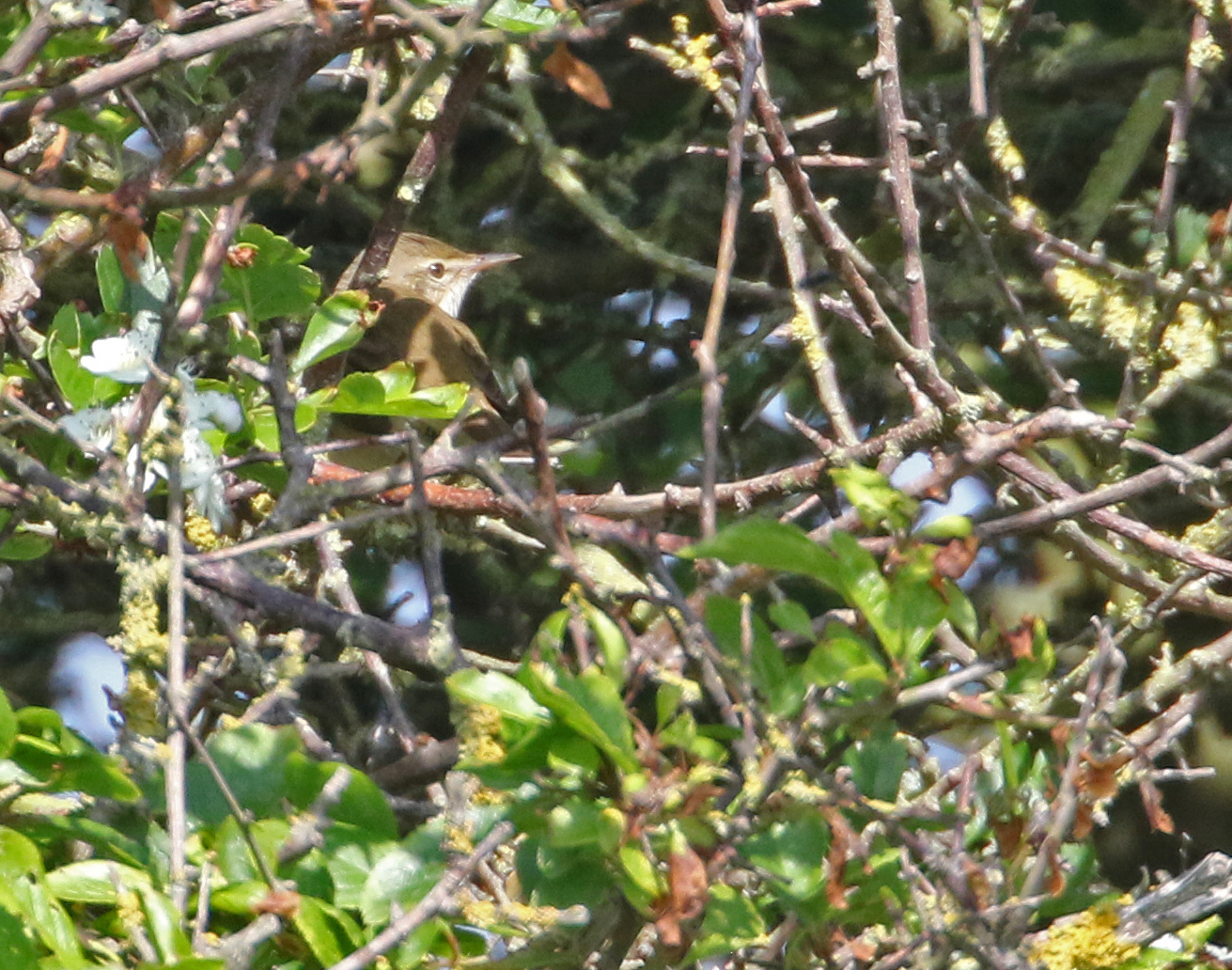
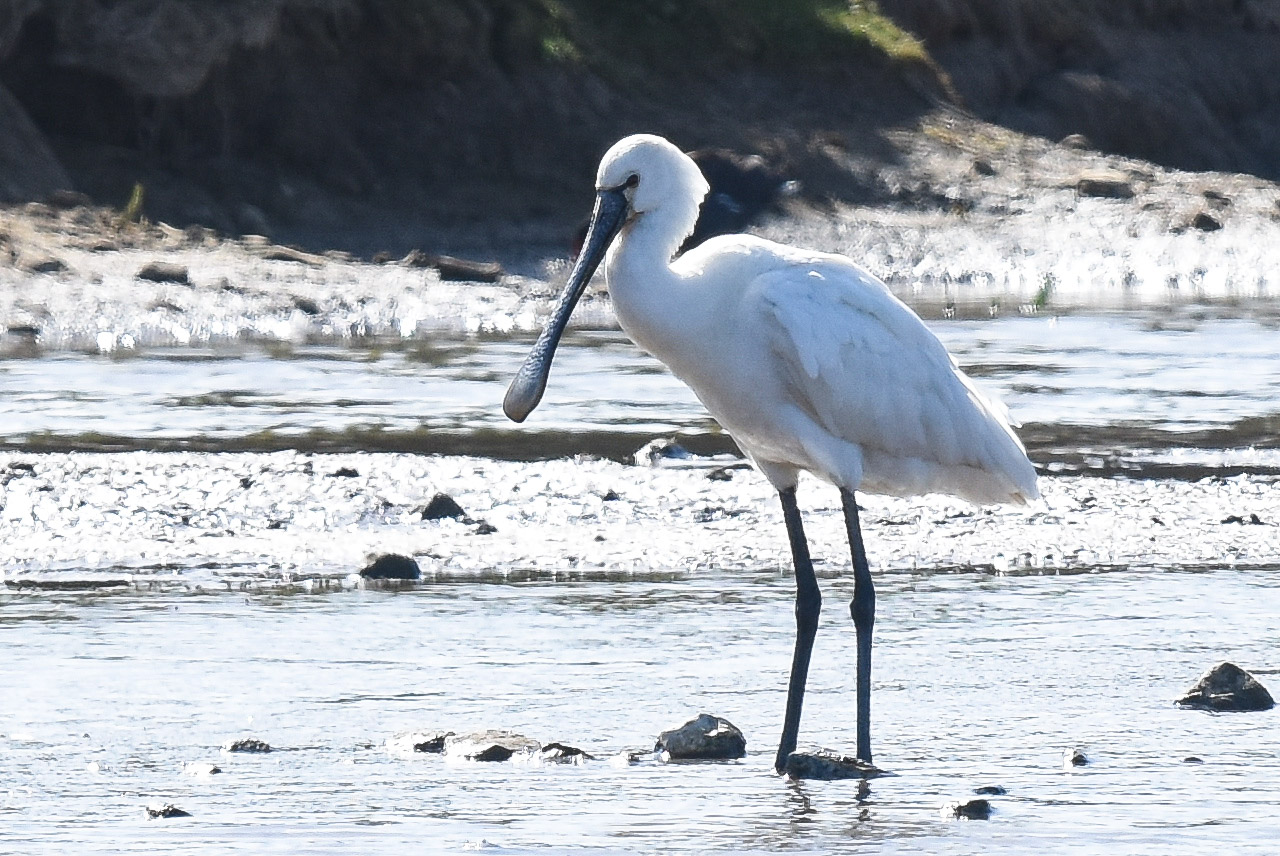
The day’s highlight was the mid-morning discovery of a singing Blyth’s Reed Warbler in a mature hedge on the outer head; the first local record since October 2007. Also new for the year, a Spoonbill graced Thornwick Pools from mid-afternoon. Additional sightings included two Pink-footed Geese, a drake Tufted Duck, one Wigeon, a Hobby, single Dunlin and Little Ringed Plover, two Spotted Flycatchers, one Wheatear and a Siskin. 

Blyth’s Reed Warbler, by Lee Johnson

Blyth’s Reed Warbler singing, recorded by Rob Little:

Spoonbill, Thornwick Pools, by Andy Hood

29th May 2020

A sunny day, with a light south-west wind backing south-east during the afternoon; temperatures reached 15 degrees C. One Brent Goose, five Gadwall, a Tufted Duck, eight Manx Shearwaters and 11 Sandwich Terns flew south during the morning seawatch, with 15 Canada Geese, four Eider, a Red-throated Diver and a Bonxie moving north.

Fourteen Barnacle Geese flew south over the sea past RSPB Bempton Cliffs. Thornwick Pools hosted a Dunlin and two Tufted Ducks; with another Tufted Duck flying south over the headland. The day’s highlight related to the mid-afternoon discovery of a female Red-backed Shrike near Thornwick Bay.  

Red-backed Shrike, by Brett Richards

30th May 2020

Sunny throughout, with a very light easterly breeze initially increasing in strength during the afternoon. Four Red-throated Divers, a Sandwich Tern and one Common Tern flew north during the morning’s seawatch, with six Sanderling moving south.

The discovery of an Icterine Warbler at Old Fall represented the day’s highlight. Other notable sightings included two Pink-footed Geese with the Greylag flock on the outer head, the long-staying Wigeon, a Little Ringed Plover over North Marsh and another at Thornwick Pools, six Lapwing and the discovery of another territorial Corn Bunting; the sixth such east of the Dykes.  

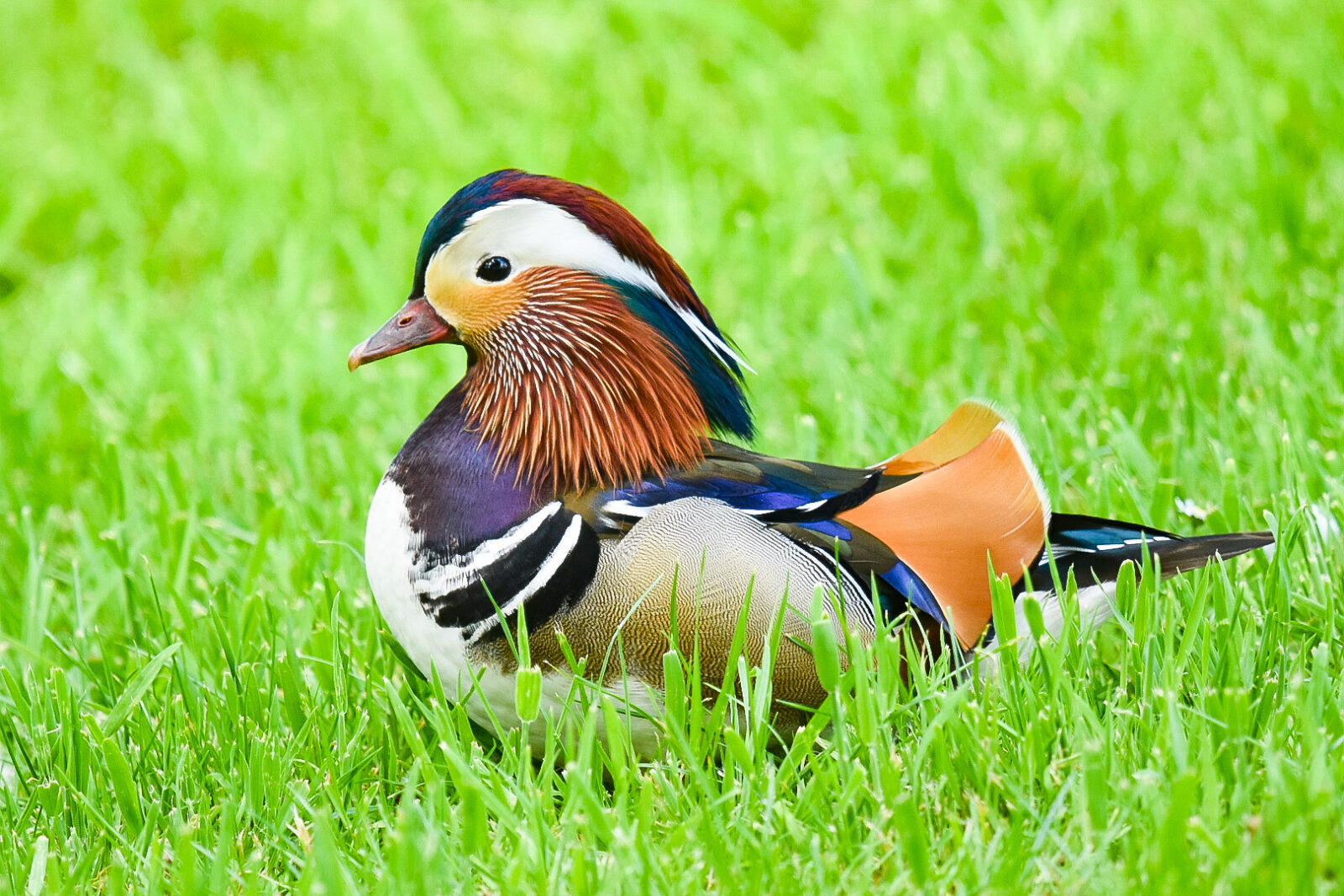
In addition, the pond in Bempton village hosted a drake Mandarin. Nearby Buckton attracted a female Marsh Harrier and three breeding pairs of Yellow Wagtails.  

Mandarin, Bempton, by Andy Hood

31st May 2020

Sunny throughout, with a light north-easterly wind and temperatures peaked at 15 degrees C. During the morning’s seawatch, ten Canada Geese, two Red-throated Divers and two Common Terns flew north, with nine Manx Shearwaters, a Knot and 22 Sandwich Terns flying south.

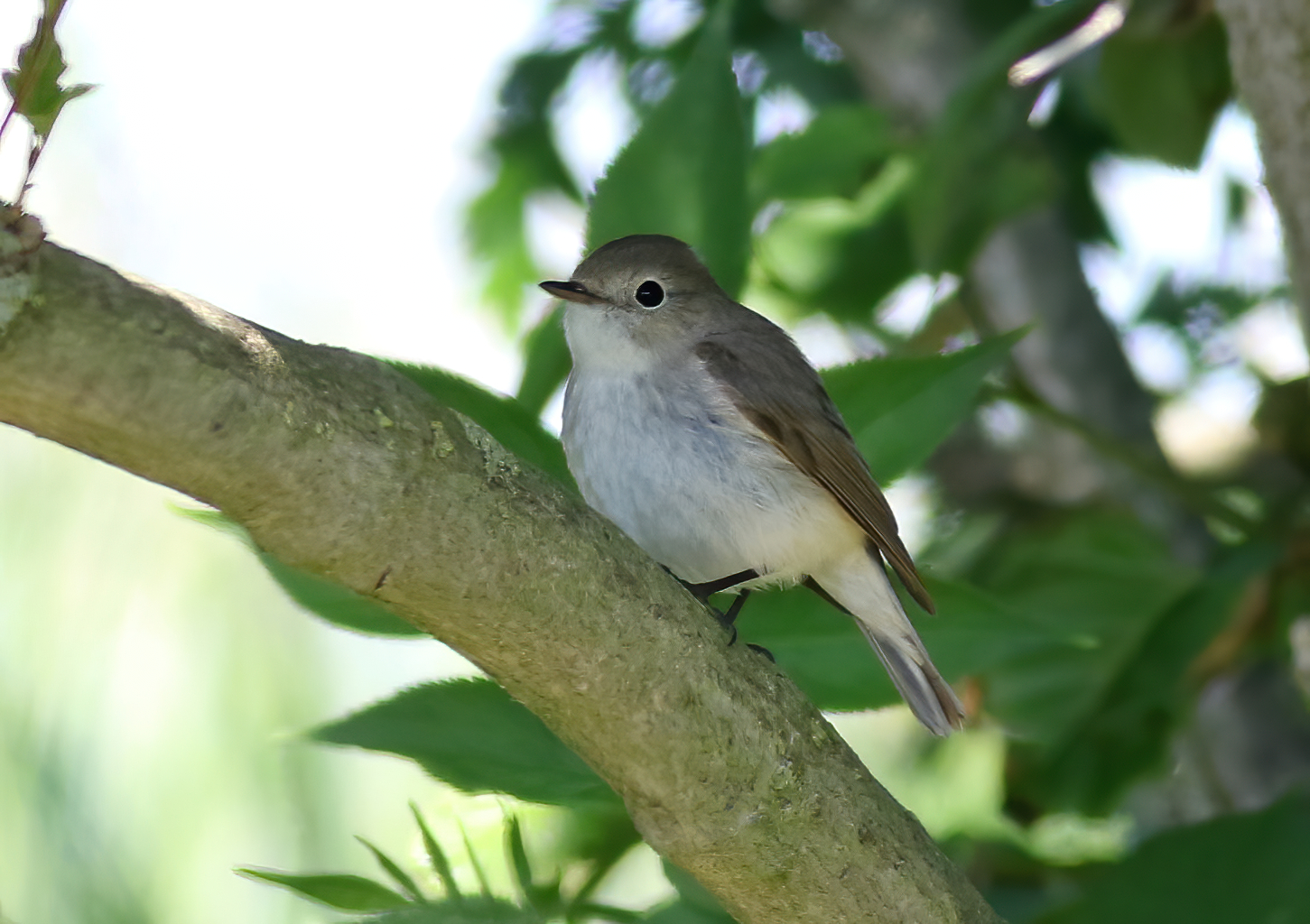
Two Pink-footed Geese lingered on the outer head along with the Wigeon; three Barnacle Geese also flew south. A Hobby overflew Mid Dykes, a Red Kite appeared over the village (presumably the same bird was later seen at Bempton), whilst Ringed Plover and Little Ringed Plover were also present. The day’s highlight comprised a female Red-breasted Flycatcher at North Landing; additional sightings included a Wheatear and three Siskin. A Hairy Hawker dragonfly was a notable local record.

Red-breasted Flycatcher, North Landing, by Craig Thomas

1st June 2020

Another sunny day, with light northerly winds and temperatures that reached 16 degrees C. During the morning’s seawatch, 47 Common Scoter, a Red-throated Diver, 13 Sandwich terns and two Bonxies flew north.

Wildfowl interest included two Pink-footed Geese, a Wigeon and a Tufted Duck. A Marsh Harrier flew east and a Hobby appeared over Old Fall, whilst a Greenshank flew north over Old Fall Steps. The only transient passerine migrant was a Spotted Flycatcher at the latter location. 

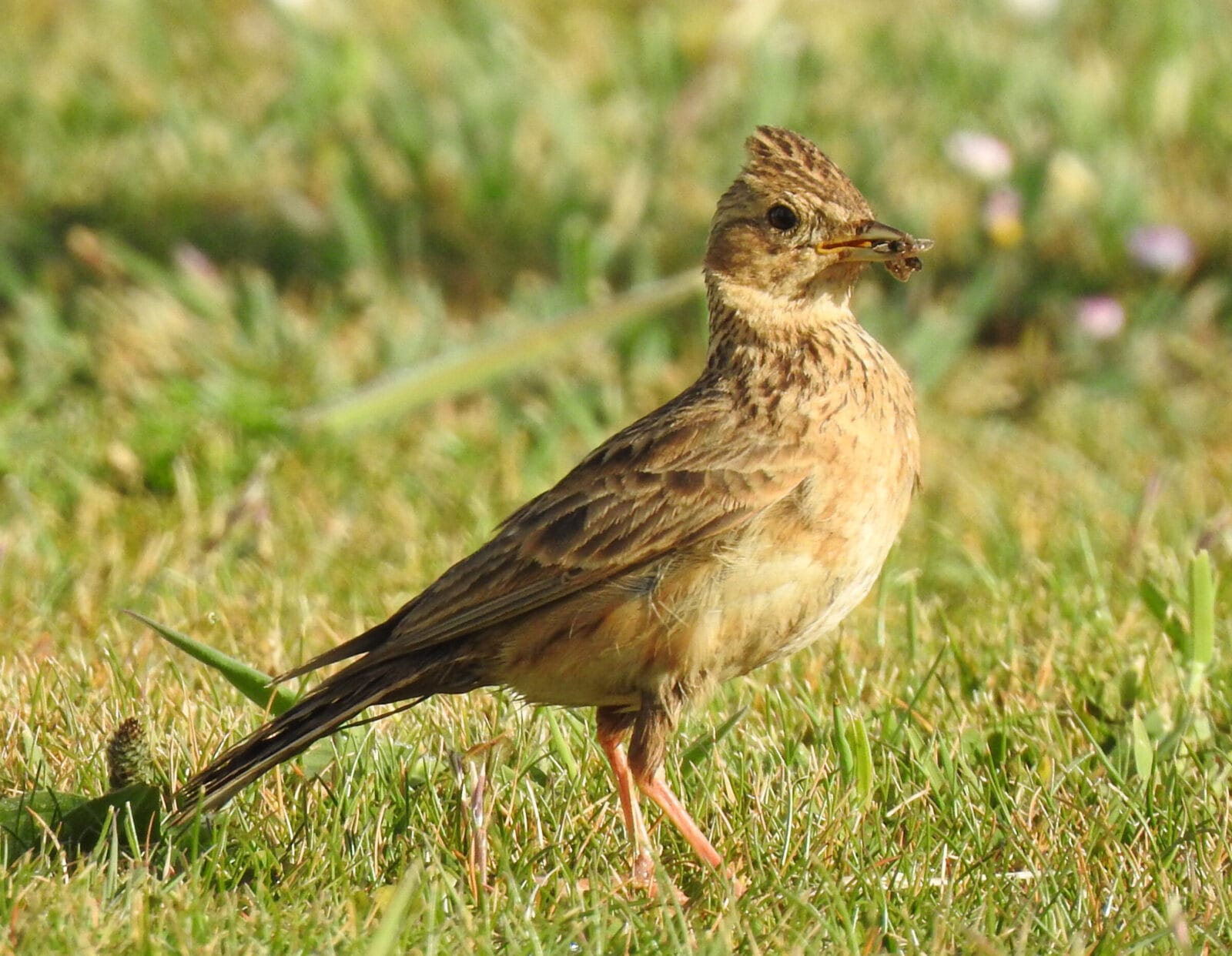
Skylark, Fog Station, by Brett Richards

2nd June 2020

The weather consisted of moderate north-north-west winds, sunny intervals and temperatures that peaked at 16 degrees C. Seawatch highlights included 61 Common Scoters flying south, with four Manx Shearwaters and 13 Sandwich Terns.

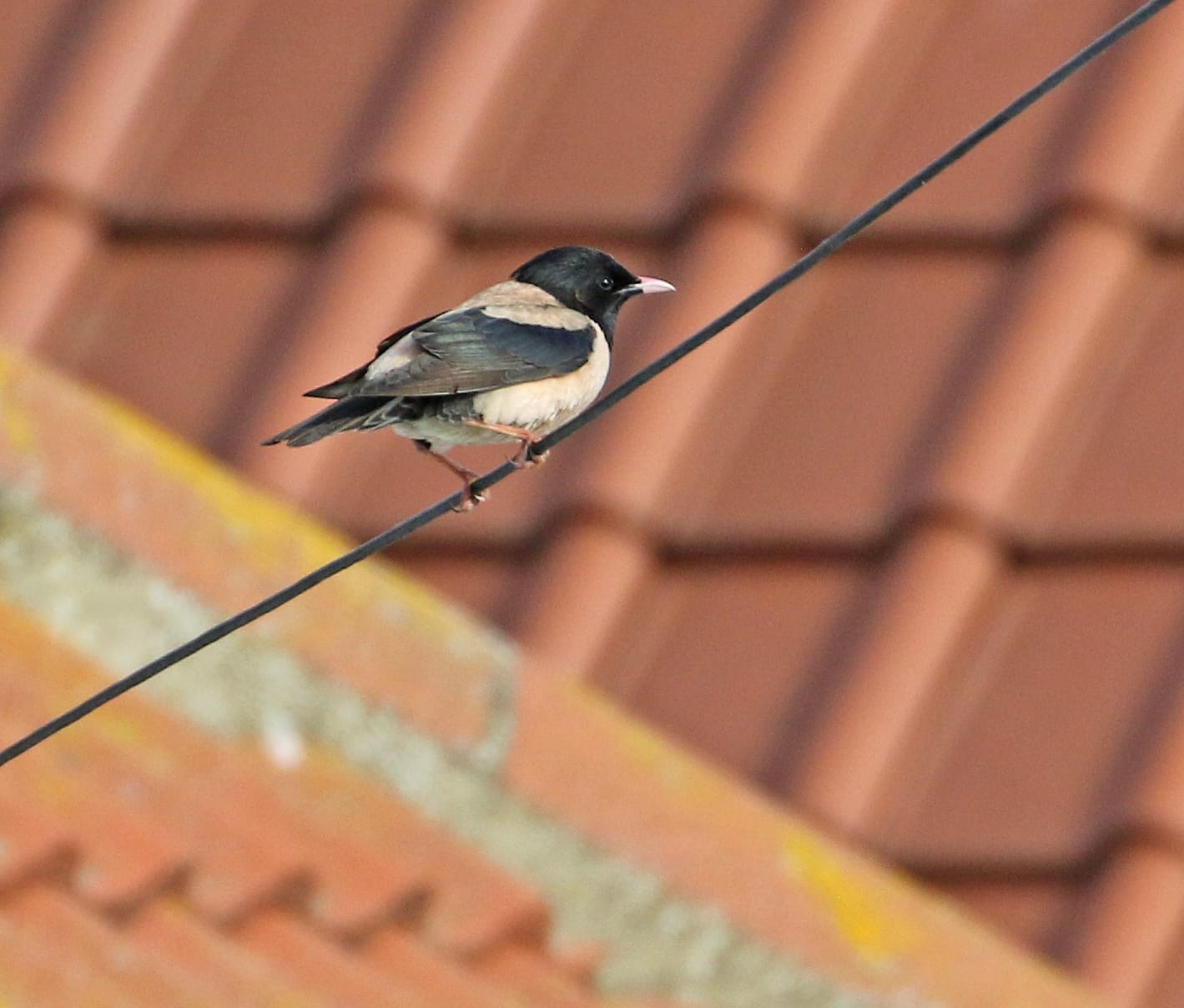
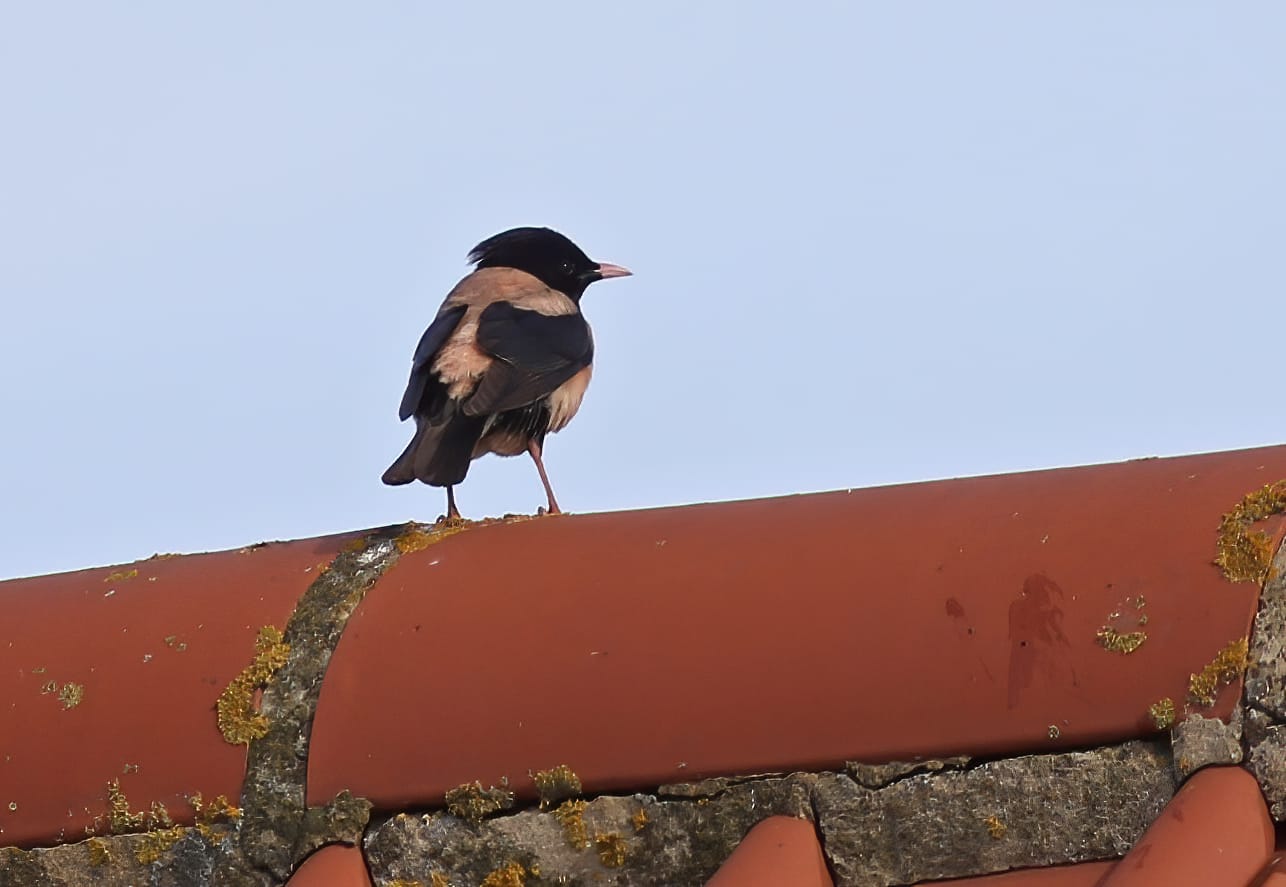
The two Pink-footed Geese and Wigeon remained, five Grey Herons included three birds that eventually flew north-west and aa Hobby over the Gorse Field continued the recent good run of sightings. Wader sightings included two Ringed Plovers, two Little Ringed Plovers and a Common Sandpiper. A Rosy Starling discovered early morning near the Lighthouse was the day’s highlight; it alternated between feeding in the Gorse Field and the Golf Course. Other notable sightings included a migrant Willow Warbler, a Spotted Flycatcher, a Siskin and three Crossbills.

Rosy Starling, outer head, by Lee Johnson
Rosy Starling, outer head, by Craig Thomas

3rd June 2020

A dramatic change in weather, with overcast skies, light rain and a moderate/strong northerly wind. Thirty Manx Shearwaters, 14 Common Scoters, a Whimbrel, three Sandwich Terns and two Common Terns were recorded during the morning’s seawatch which also featured 505 Puffins moving north. 

The run of Hobby sightings continued, with an individual hunting the outer head, whilst wader records included single Little Ringed Plover and Common Sandpiper. A Grasshopper Warbler at RSPB Bempton Cliffs comprised the most notable passerine record. 

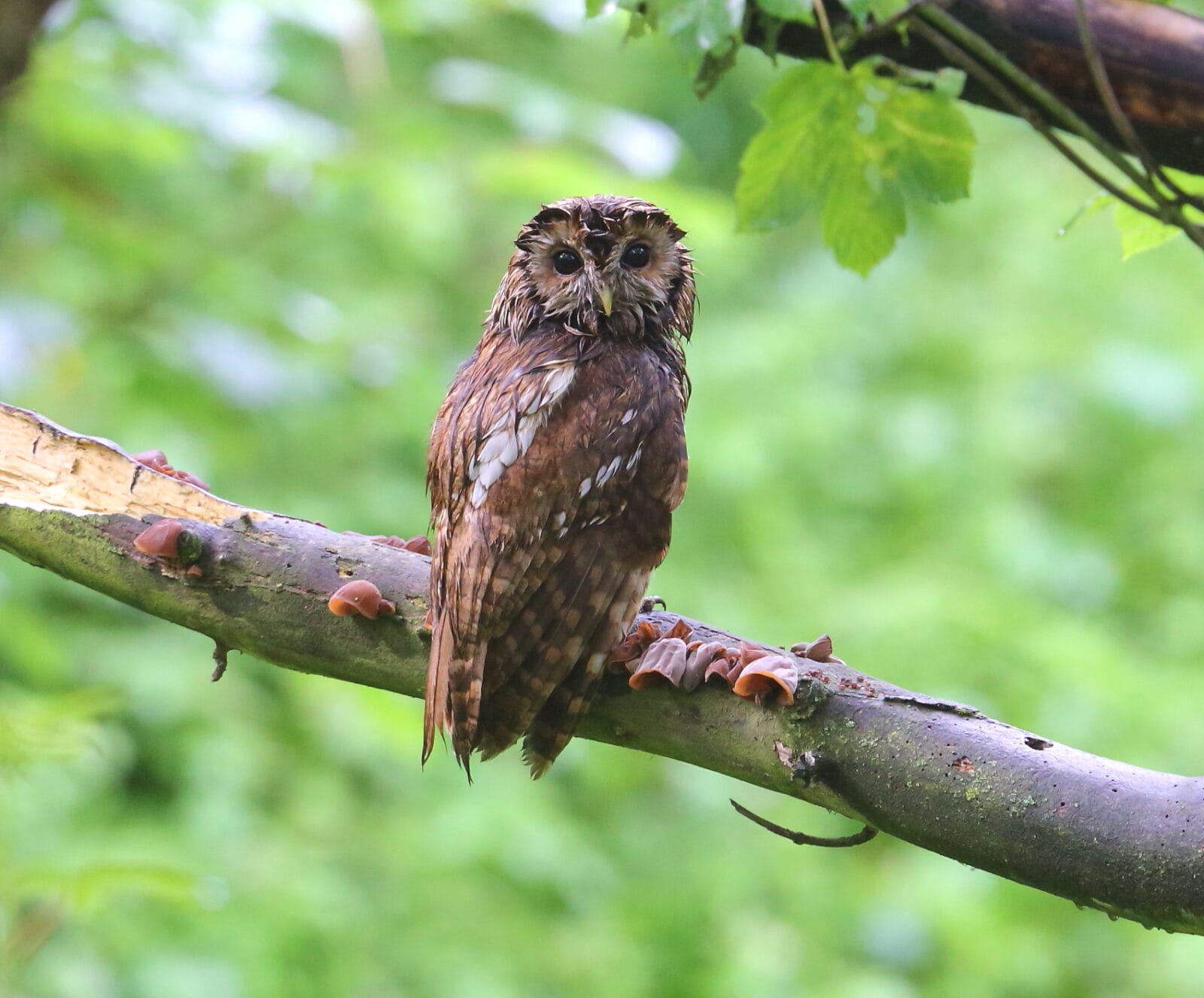
Tawny Owl, South Landing, by Alan Walkington

4th June 2020

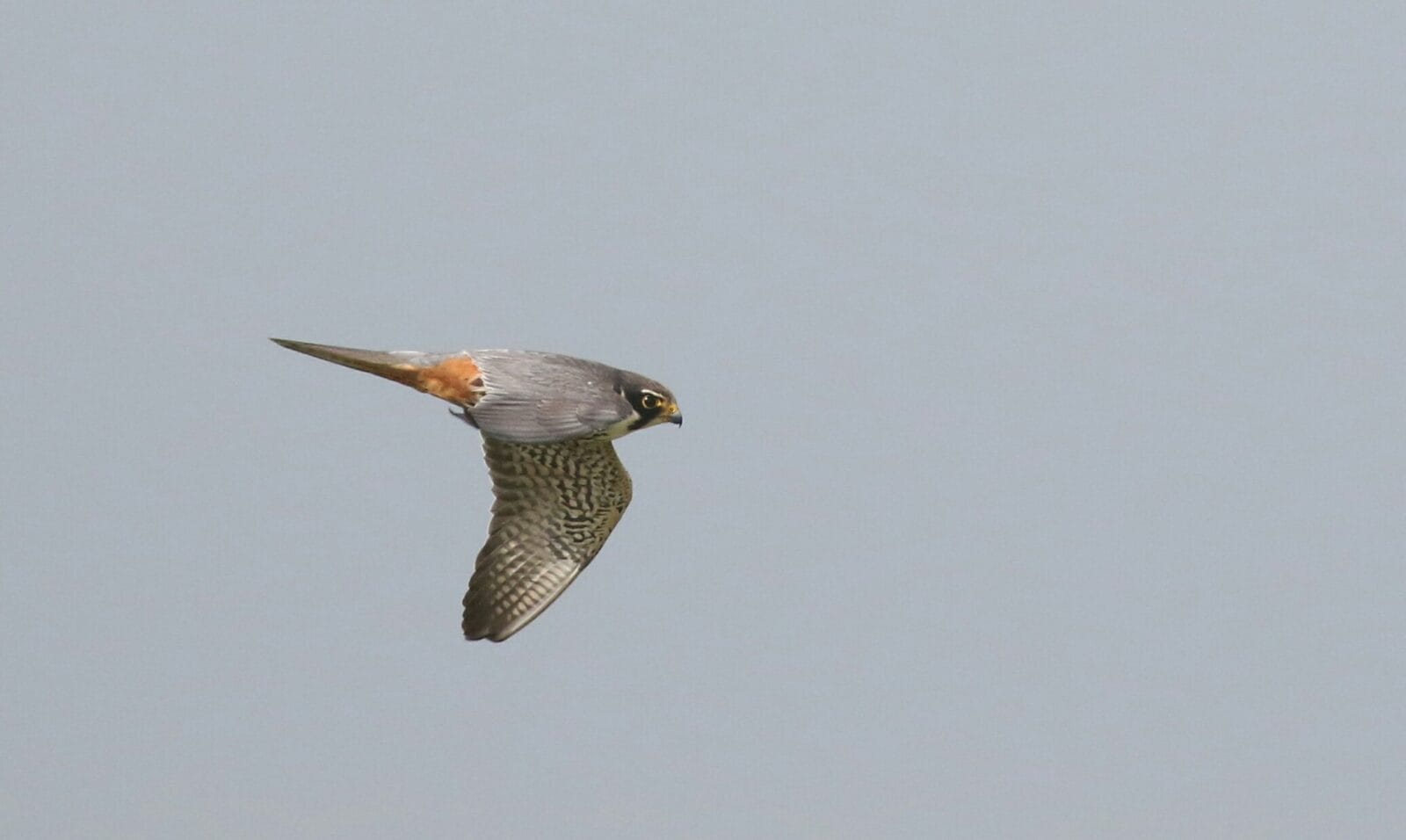
Force five northerly winds from early morning gradually dropped in strength during the day; after an overcast morning, sunny intervals prevailed later on and temperatures reached 12 degrees C. Seawatch highlights included two Eiders moving south, with other notable sightings all heading north, including: the year’s first Storm Petrel, 240 Fulmars, a Blue Fulmar, 78 Manx Shearwaters, a Common Tern, an Arctic Skua and 376 Puffins. In addition, a Hobby frequented the cliff top between Bempton and North Dykes. 

Hobby, North Dykes, by Dave Bywater

5th June 2020

The weather consisted of heavy showers, occasionally of hail and sunny interval. Temperatures varied between 6 and 12 degrees C dependent of whether showers were passing through, with a moderate north-westerly wind. Highlights of today’s seawatching were nine Common Scoters, a Red-throated Diver, 40 Manx Shearwaters, two Sandwich Terns, four Arctic Terns and 643 Puffins flying north, with a Bar-tailed Godwit moving south. 

On the headland itself, two Pink-footed Geese, a Little Ringed Plover and one Common Sandpiper frequented the Thornwick area.

Barn Owl, Gorse Field, by Lee Johnson

6th June 2020

A moderate/strong south-westerly wind veered north and increased in strength by late afternoon; heavy showers featured throughout a day where temperatures only reached ten degrees C. Seawatch highlights included 210 Fulmars, 103 Manx Shearwaters, two Sandwich Terns and 479 Puffins flying north, with 15 Canada Geese moving south; a Bonxie lingered off the Fog Station. 

Puffin, outer head, by Alan Walkington

7th June 2020

Overcast throughout, with light but persistent rain until mid-afternoon, a strong northerly wind and temperatures reaching ten degrees C. Seawatching highlights included four Gadwall, 658 Manx Shearwaters, 705 Fulmars, the year’s first Little Tern, 25 Sandwich Tern, 1463 Puffins all flying north, with two Bonxie lingering off the headland. Two Curlew, 17 Oystercatchers and two Knot frequented the rocky shore near High Stacks. 

Thornwick Pools attracted a drake Teal and Common Sandpiper, North Marsh the long-staying Wigeon. 

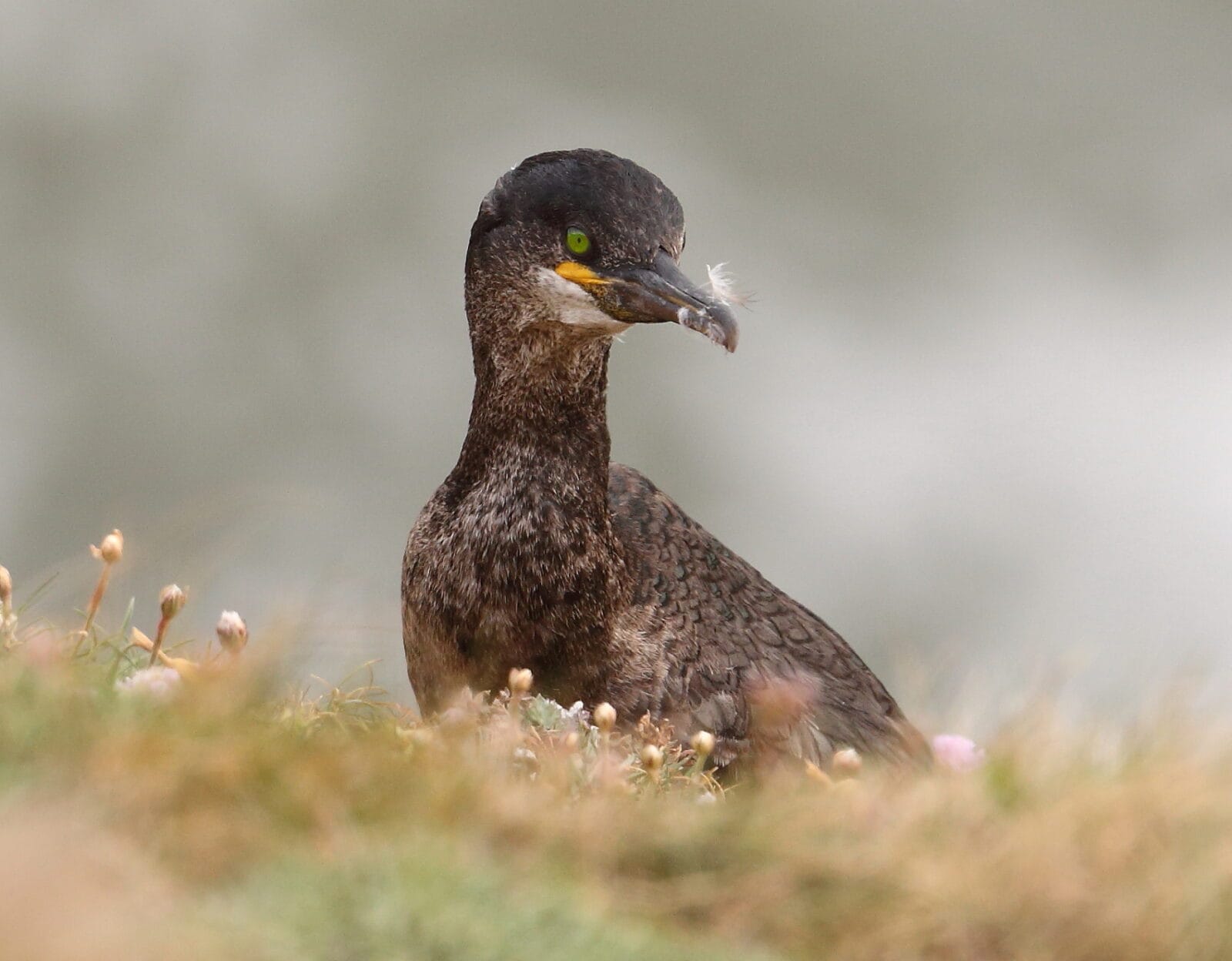
Shag, outer head, by Alan Walkington

8th June 2020

Light/moderate northerly winds continued, with occasional sunny intervals and temperatures reaching 12 degrees C. An impressive seawatch once again was dominated by an appreciable northerly movement of shearwaters: a total of  1828 Manx Shearwaters were logged during the day, a June record and the second highest tally of the last decade. Other notable northbound sightings included a Blue Fulmar, 412 Fulmars, 61 Common Scoter, a Red-throated Diver, 22 Sanderling, 29 Sandwich Tern, three Arctic Tern, four Arctic Skuas and 916 Puffins. Away from the sea, a Cuckoo called near the Grange, a male Pied Flycatcher graced South Landing and six Siskin were scattered at various locations.

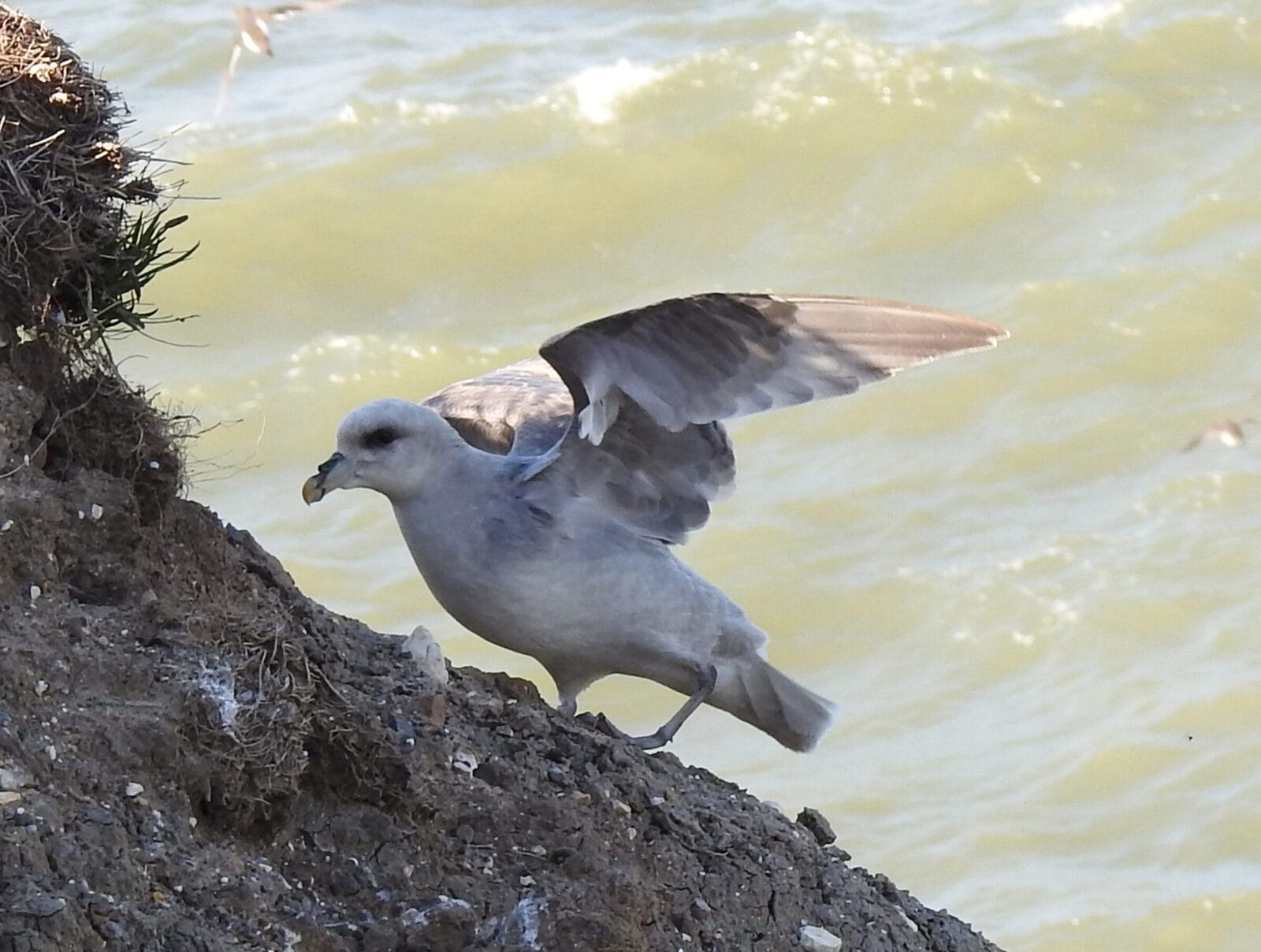
Blue Fulmar, Fog Station, by Brett Richards

9th June 2020

A day of sunny intervals, light onshore winds and temperatures that reached 13 degrees C. During the seawatch, 184 Common Scoters, 35 Manx Shearwaters, a Whimbrel, 21 Sandwich Terns and a Common Tern flew north. 

Land-based records of interest included a Quail calling near the Golf Course, a creamcrown Marsh Harrier, two Ringed Plovers, a Little Ringed Plover, four Dunlin, a Tree Pipit at Old Fall and two Siskin.

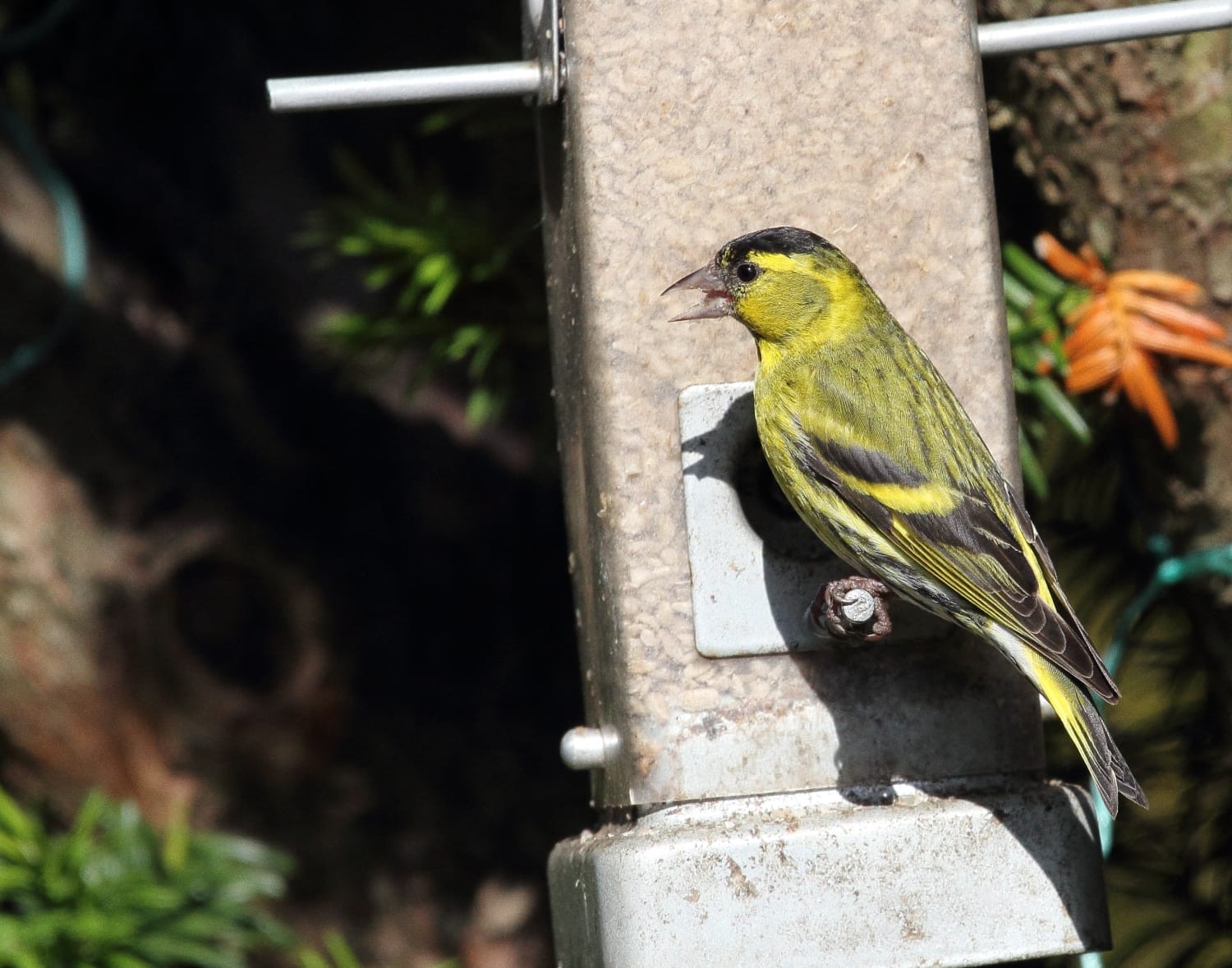
Siskin, Flamborough, by Mike Smith

10th June 2020

Moderate south-easterly winds, overcast skies and persistent, but mainly light rain featured throughout the day. During a morning seawatch at North Landing, eight Eider flew north, with 63 Common Scoter and 369 Puffins heading south.

The Thornwick area attracted three Tufted Ducks, a Little Grebe and a Little Ringed Plover, whilst a Hobby was seen nearby; another Hobby frequented airspace at Speeton. Passerine migrants were limited to a Reed Warbler at RSPB Bempton Cliffs, with four Siskin and a Corn Bunting on the outer head. 

Great Spotted Woodpecker, South Landing, by Alan Walkington

11th June 2020

The weather consisted of moderate/strong north-easterly winds, overcast throughout, with rain arriving mid-afternoon and temperatures that reached 11 degrees C. Highlights of a morning seawatch included 17 Manx Shearwaters, 31 Sandwich Terns and 159 Puffins flying north; a Bonxie rested on the sea off RSPB Bempton Cliffs.

The run of Hobby sightings continued when a lone bird flew over Hartendale, whilst a Quail called from crop near North Dykes.

Tawny Owl, South Landing, by Alan Walkington

12th June 2020

Conditions were overcast throughout, with mainly light rain for prolonged periods during the morning and afternoon; there were moderate north-north-easterly winds and temperatures peaked at 12 degrees C. An hour’s seawatch during the morning was rewarded with 13 Manx Shearwaters, four Sandwich Terns, two Little Terns and 149 Puffins flying north. 

The day’s star bird was a Greenish Warbler discovered early afternoon in Old Fall; it sang and showed sporadically over 90 minutes before disappearing; albeit, during difficult viewing conditions of driving rain and moderate winds.  

Twelve Teal were shared between North Marsh and Thornwick Pools, a lone Redshank frequented flood near North Marsh and a Green Sandpiper flew west over Old Fall. A Cuckoo visited the outer head, a Willow Warbler in Old Fall was a migrant, a juvenile Stonechat visited North Marsh, six Siskin lingered in Old Fall and a Crossbill was noted at Old Fall Steps. Sightings from RSPB Bempton Cliffs included six Shelduck flying south and a juvenile Stonechat. 

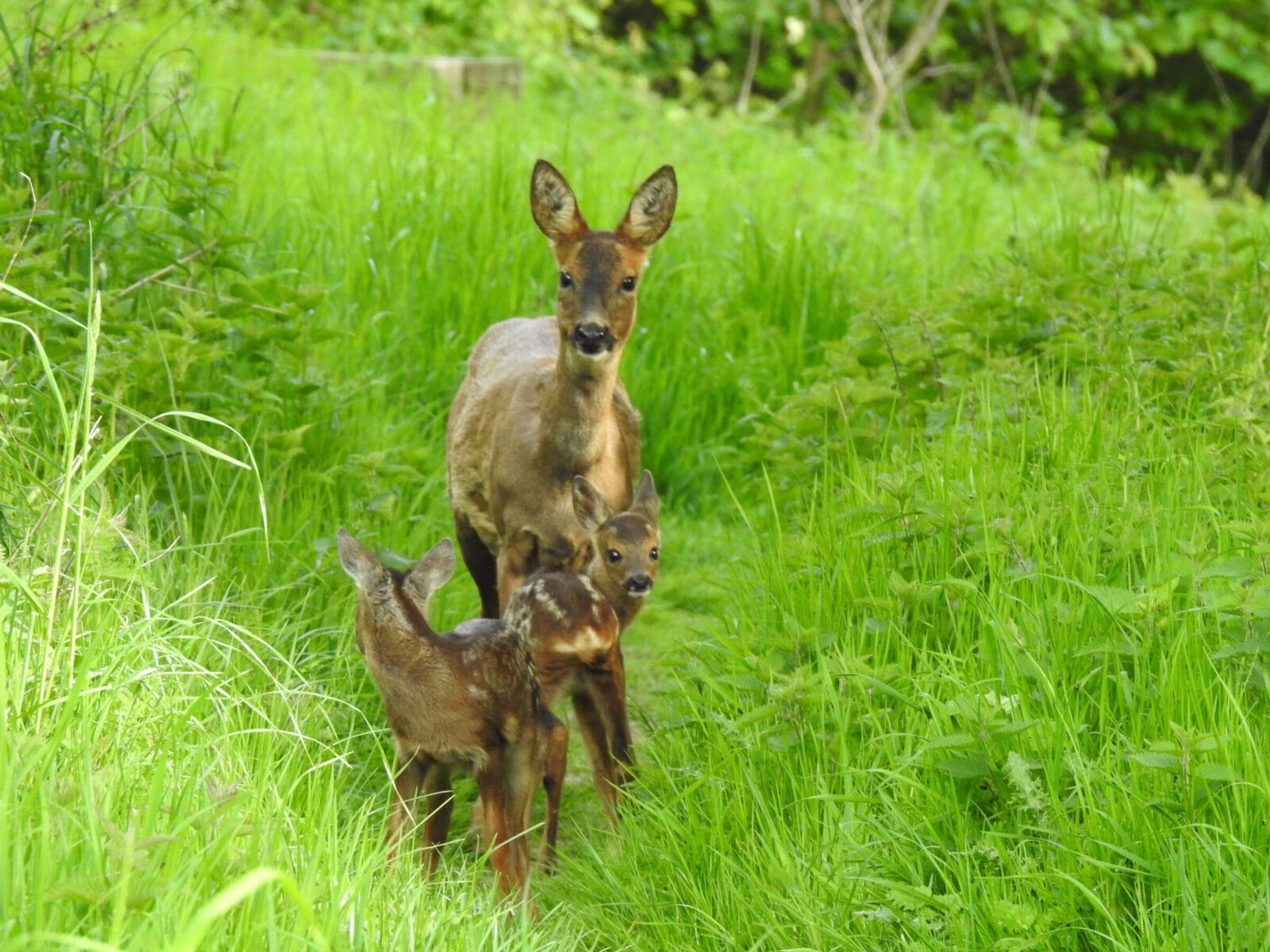
Roe Deer, by Brett Richards

13th June 2020

After a misty, damp start, the skies brightened late morning leading to a warm, sunny afternoon; light easterly winds gradually strengthened after lunch. 

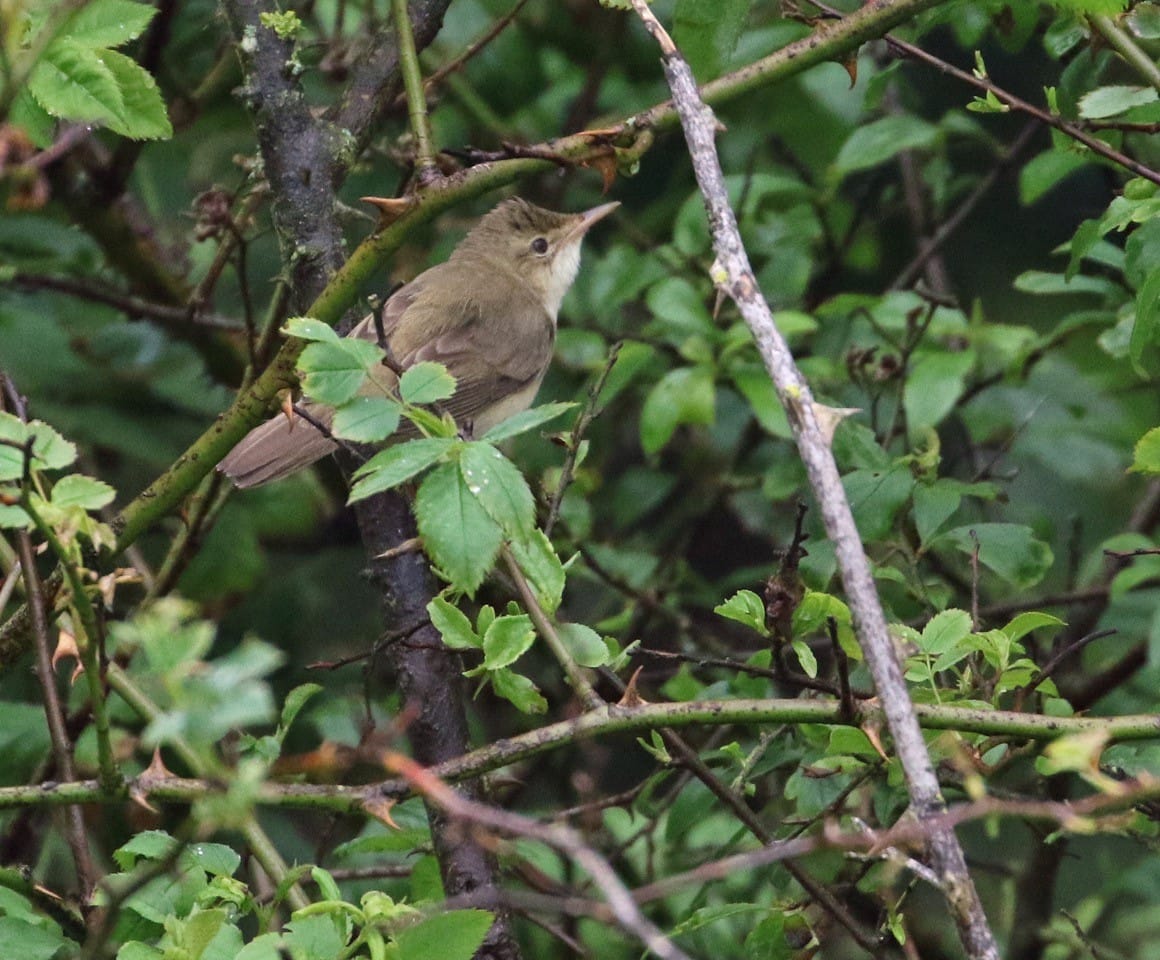
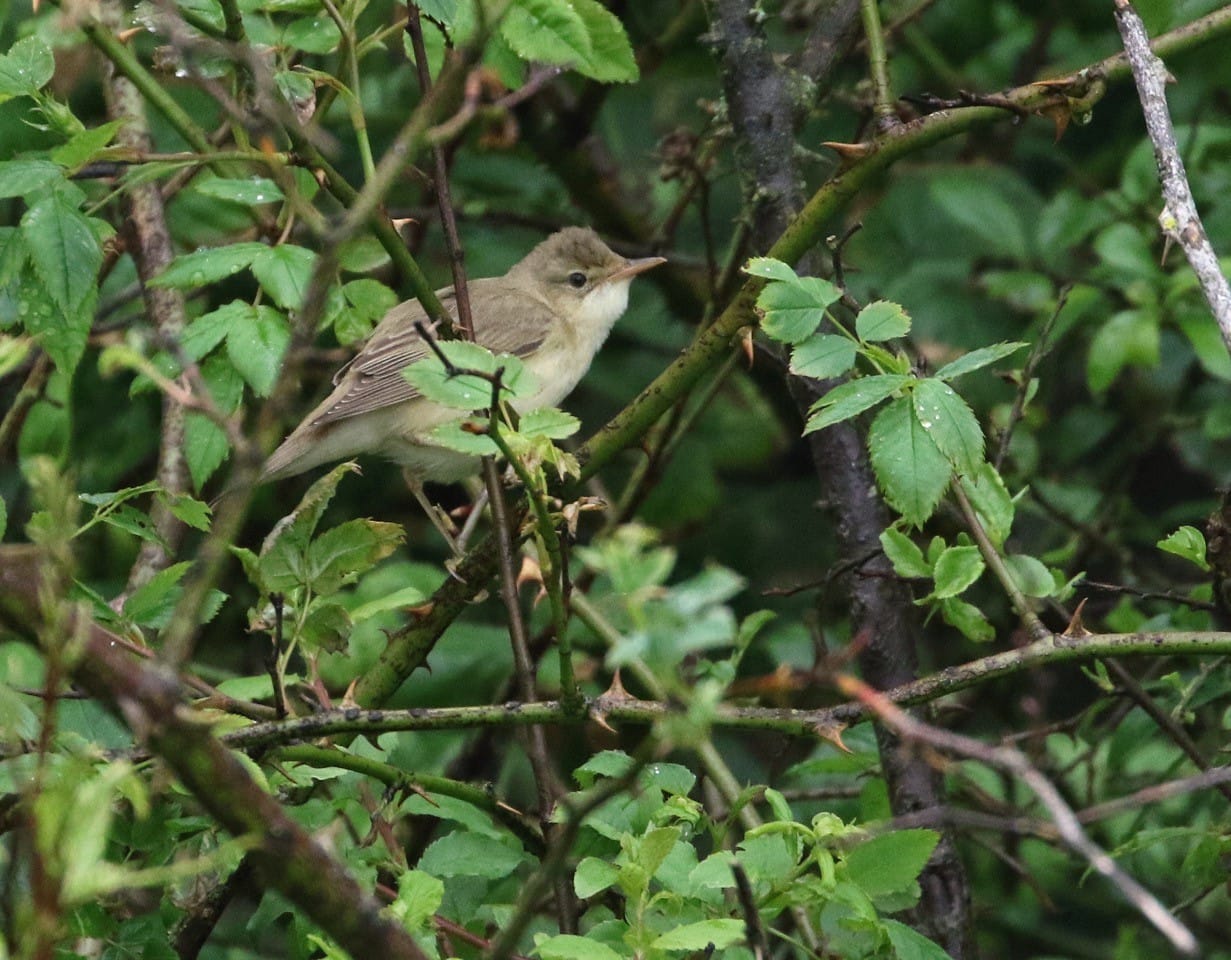
Wildfowl interest included two Teal, two Tufted Ducks, a pair of Shoveler, five Eider, a Little Grebe, single Golden Plover, Ringed Plover, Little Ringed Plover and three Curlew. Migrant passerines included single ‘out of breeding habitat’ Reed Warbler and Willow Warbler, two Marsh Warblers on the north side of the headland, the singing Greenish Warbler at Old Fall for its second day, a Wheatear, three Stonechat, a Crossbill and 26 Siskin.
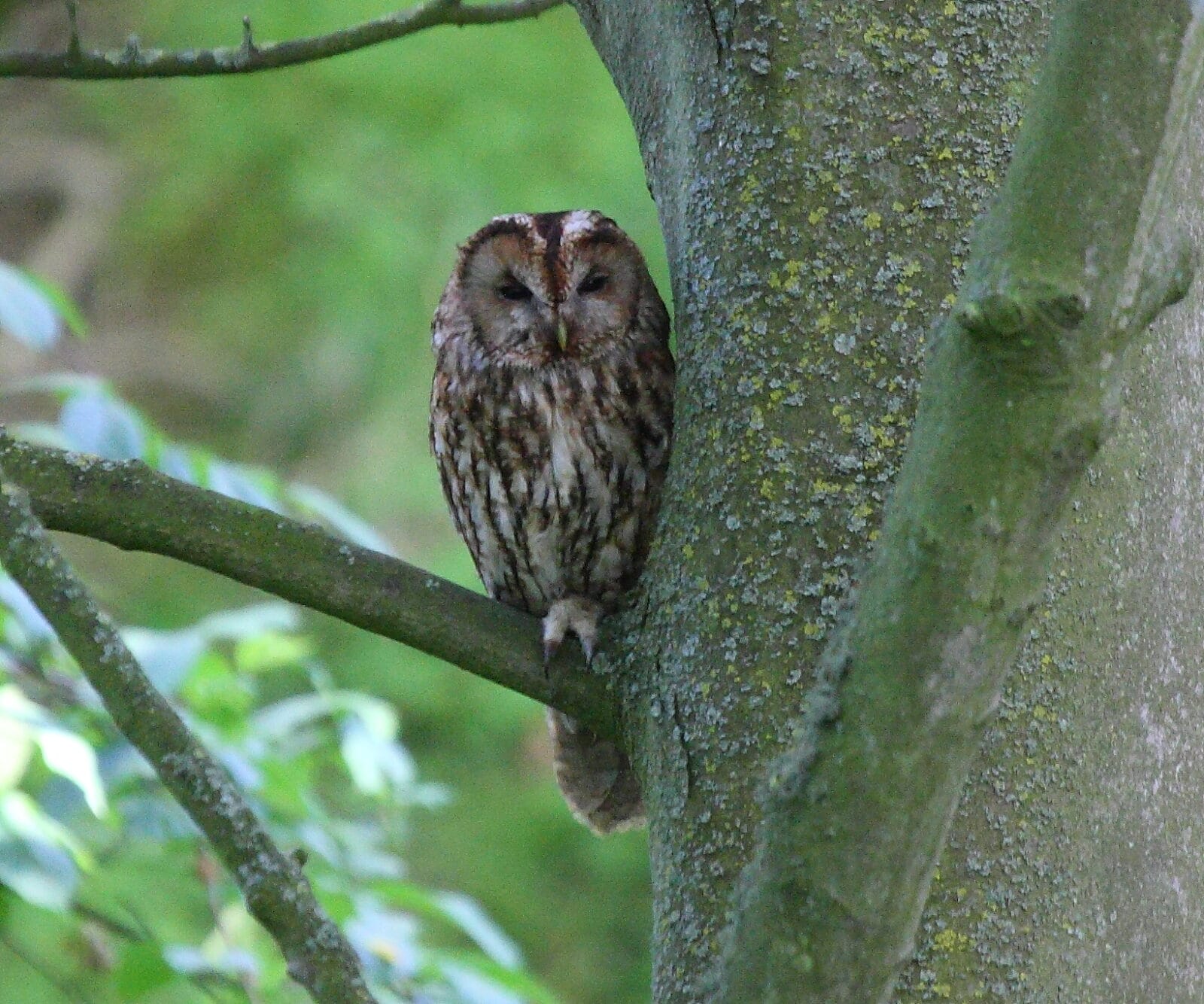
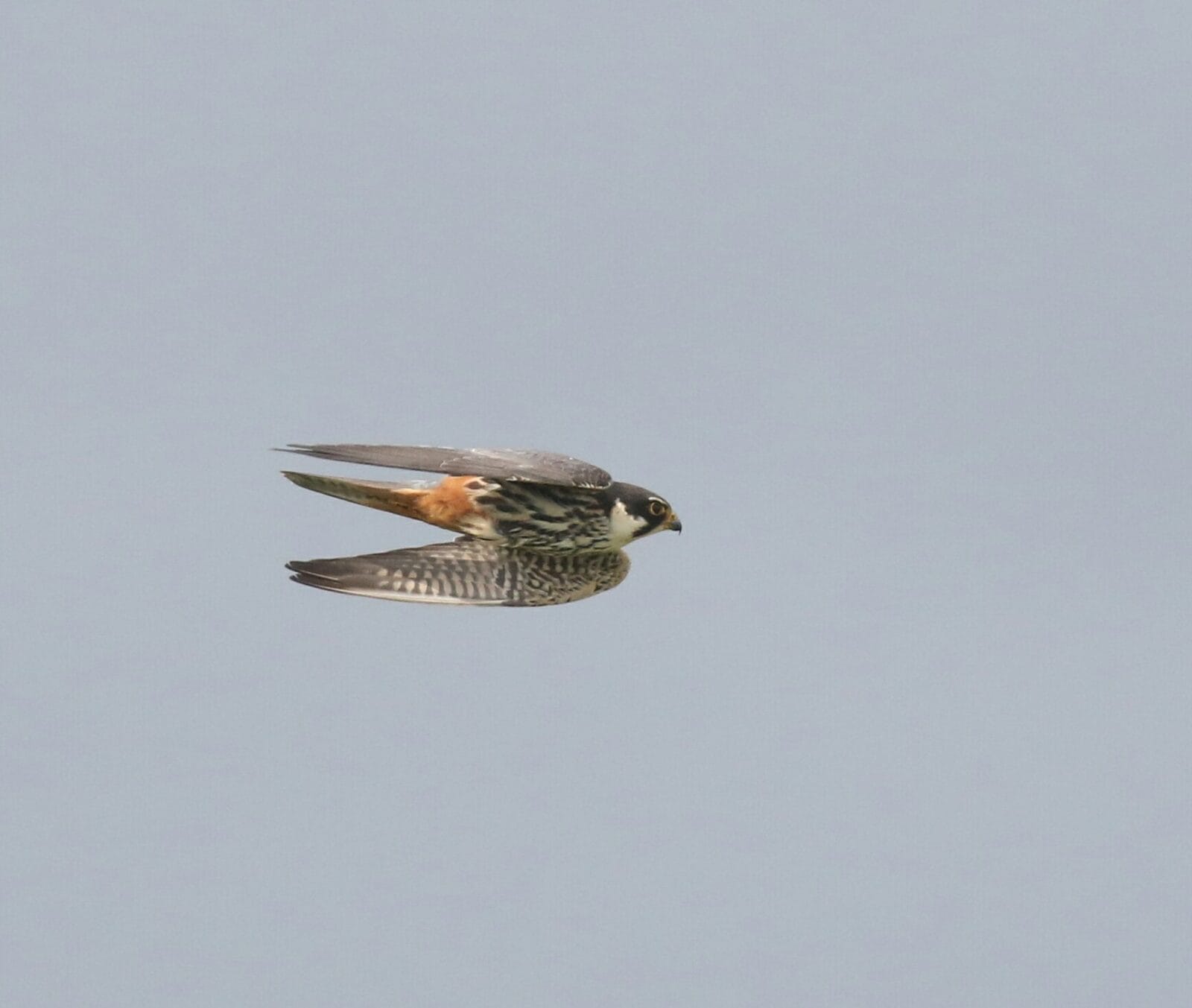
Marsh Warbler, Flamborough, by Lee Johnson

14th June 2020

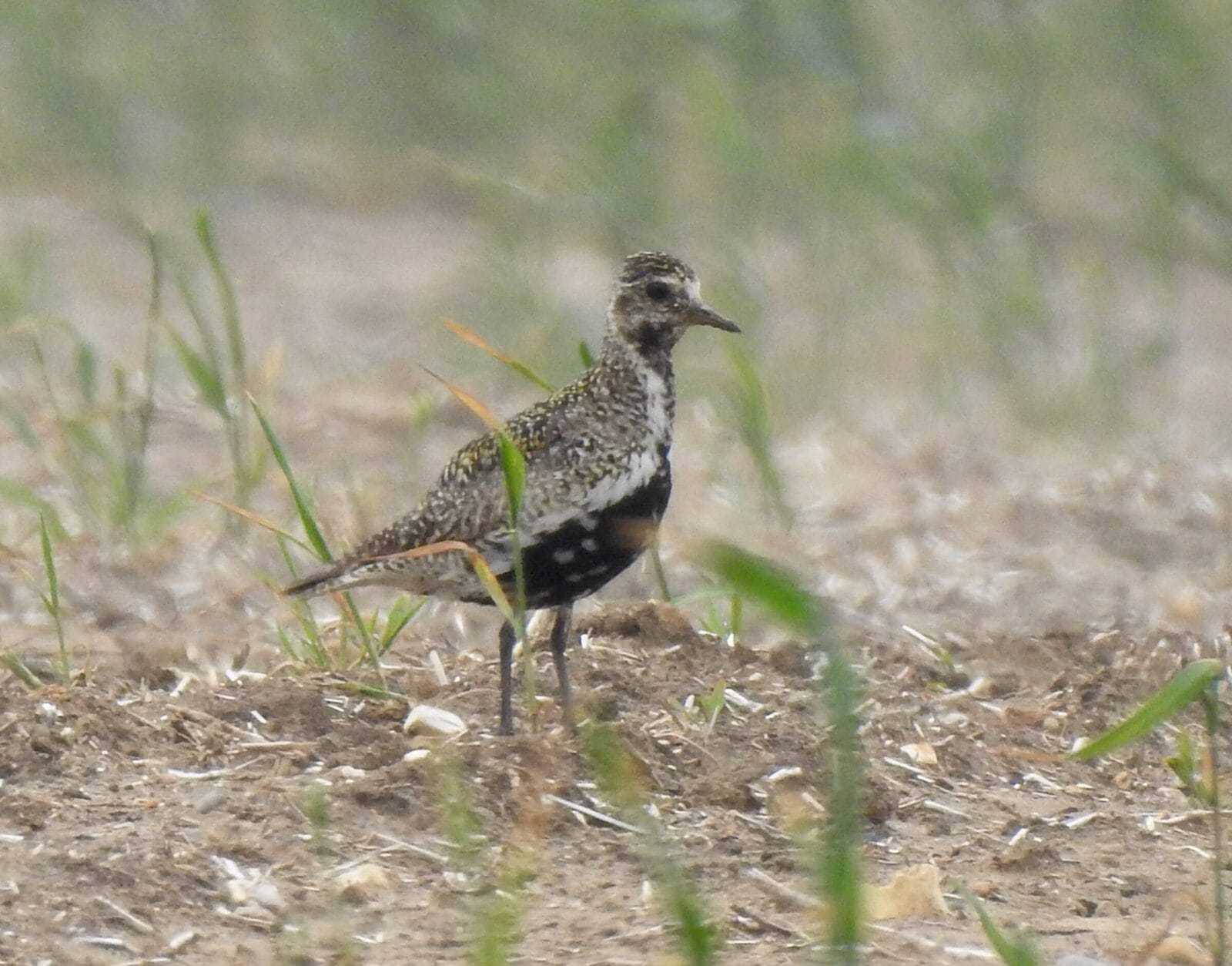
After a foggy start, a generally overcast day, with periods of mist drifted onshore by a northerly wind. Single Shelduck, Wigeon and Tufted Duck were present, along with a Golden Plover, single Grey Plover flying south over the headland and one Little Ringed Plover. Passerine migrants involved two Willow Warblers, a Reed Warbler (RSPB Bempton Cliffs), four Spotted Flycatchers (including one at RSPB Bempton Cliffs) and no fewer than 43 Siskin. 

Golden Plover, Flamborough, by Brett Richards

15th June 2020

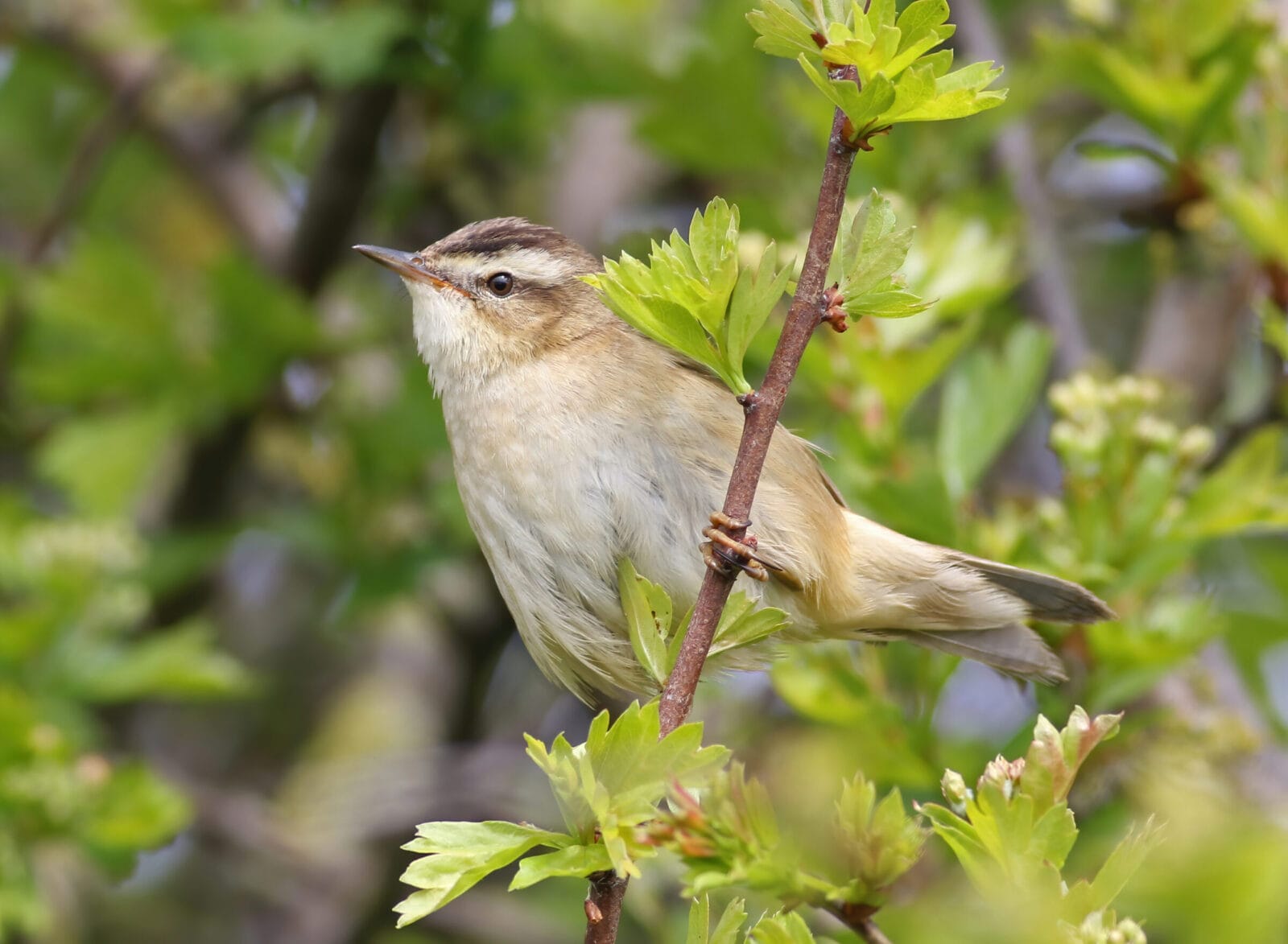
An overcast day, with periods of mist drifting ashore on light north/north-east winds. The headland’s freshwater sites attracted two Tufted Duck, whilst wader interest included a Golden Plover, one Little Ringed Plover, two Dunlin and a Redshank. In addition, a Hobby graced the skies above South Landing. The only passerine migrants were confined to a Wheatear at the Fog Station and 42 Siskins. Even over the last two weeks, additional Sedge Warblers have established territories and a total of 42 singing males are present east of the Dykes; a significant increase on recent summers.

Sedge Warbler, Thornwick, by Craig Thomas

16th June 2020

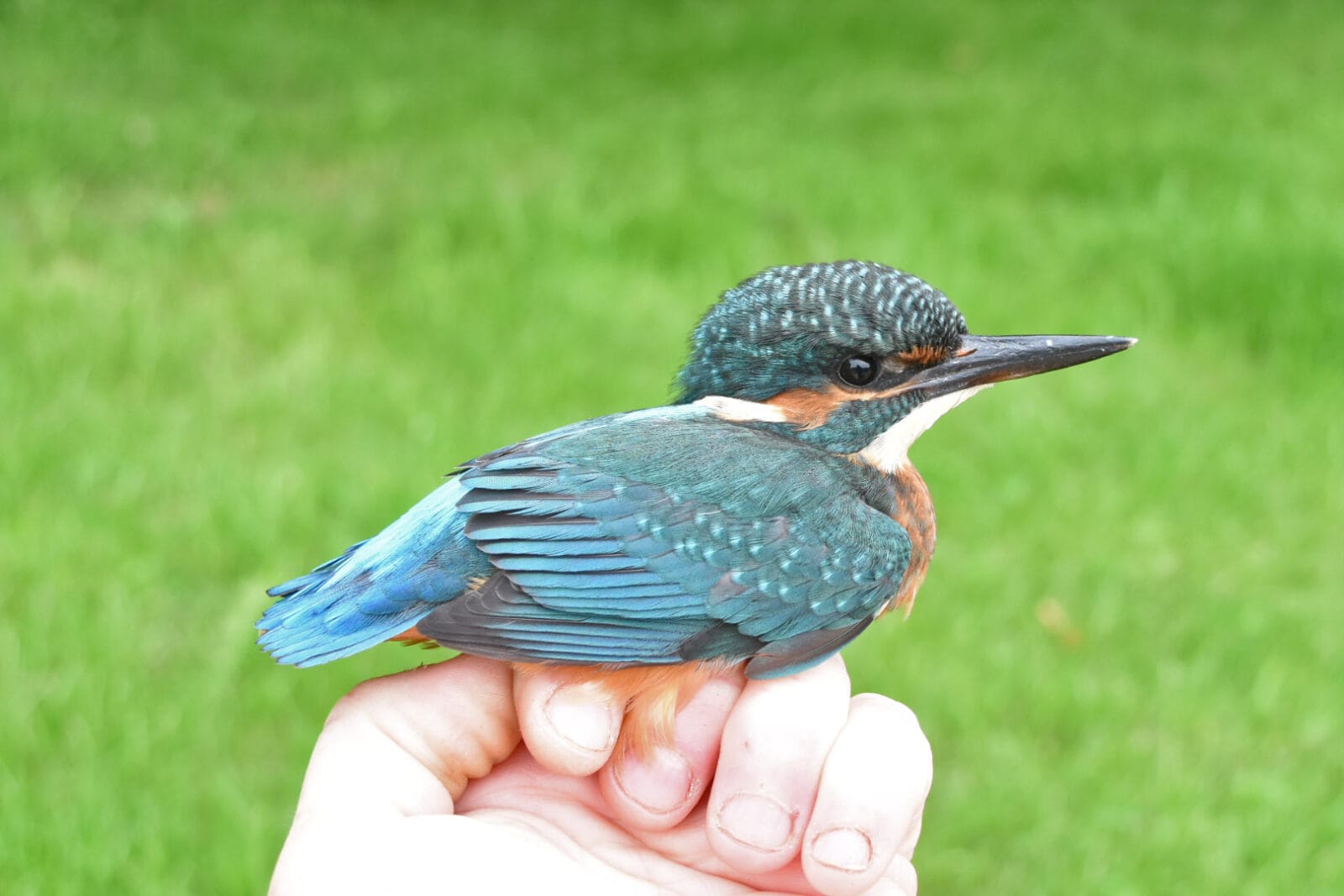
An overcast day, with mist drifting ashore at times due to a light easterly breeze; temperatures reached 15 degrees C. The day’s undoubted highlight related to a Kingfisher ringed at Oceanview; the first ever caught on the headland. A Hobby over North Landing was also of interest, continuing the run of almost daily sightings over recent weeks. 

Elsewhere, a Golden Plover flew north-west over RSPB Bempton Cliffs, where a juvenile Stonechat remained.

Kingfisher, Oceanview, by Andy Hood

17th June 2020

Foggy conditions prevailed at both ends of a day that also featured brighter spells and temperatures that reached 17 degrees C. Once again, the conditions rendered a seawatch impossible. A Whimbrel flew north, a Little Ringed Plover remained in residence and two Sandwich Terns flew south over Thornwick Pools.

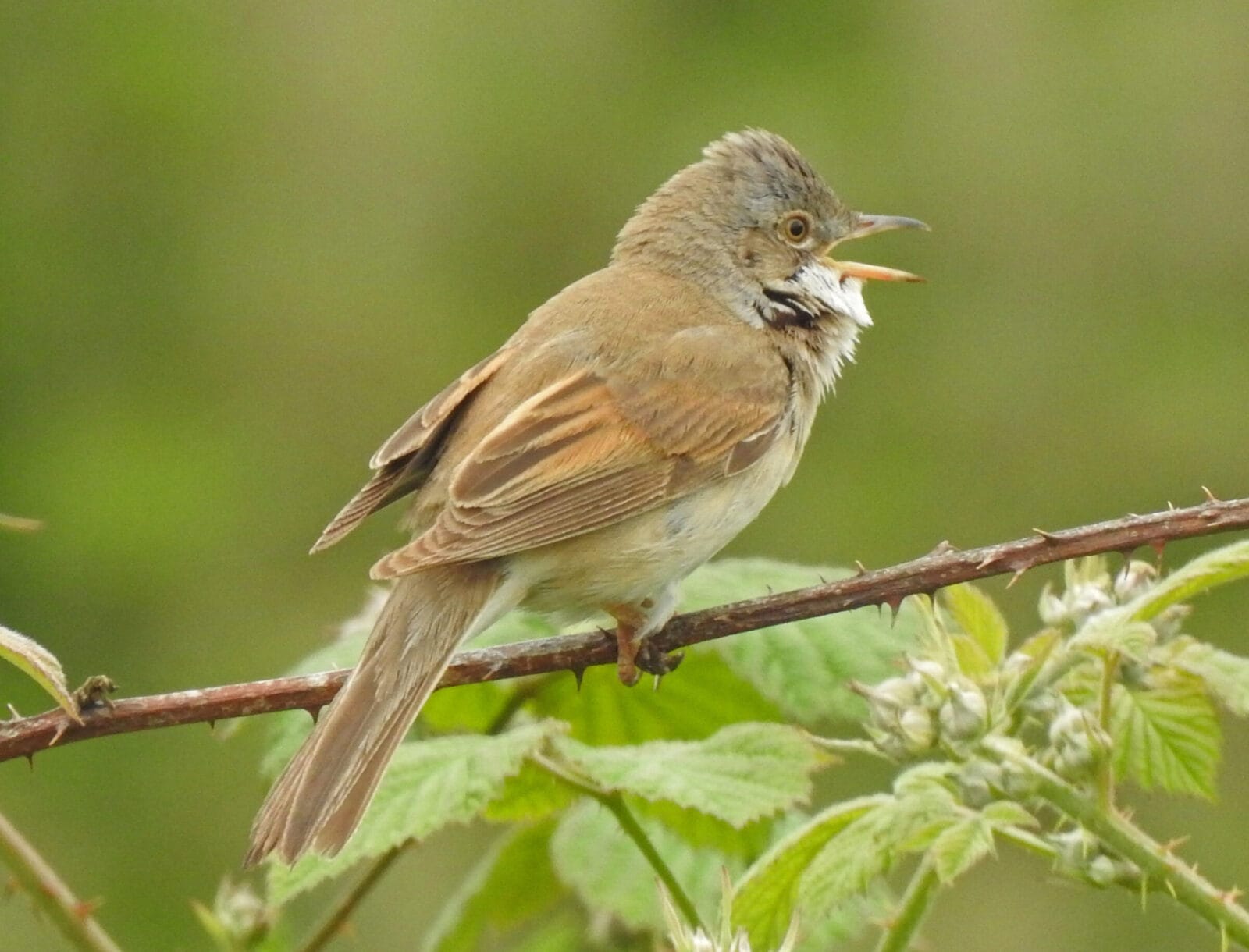
Whitethroat, Stylefield, by Brett Richards

18th June 2020

Moderate northerly winds throughout an overcast day, with rain during the afternoon; temperatures reached 13 degrees C. During the morning seawatch, two Shoveler, a Manx Shearwater, three Sandwich Terns and a Bonxie flew north.

Single Teal and Tufted Duck were in situ, whilst wader interest included two Little Ringed Plovers, a Whimbrel and four Curlew; the latter typically starting to increase in number during the latter half of June.  The only migrant passerine was a Reed Warbler singing at Old Fall. 

Notable sightings from RSPB Bempton Cliffs included 74 Common Scoters, one Curlew and a Bonxie. 

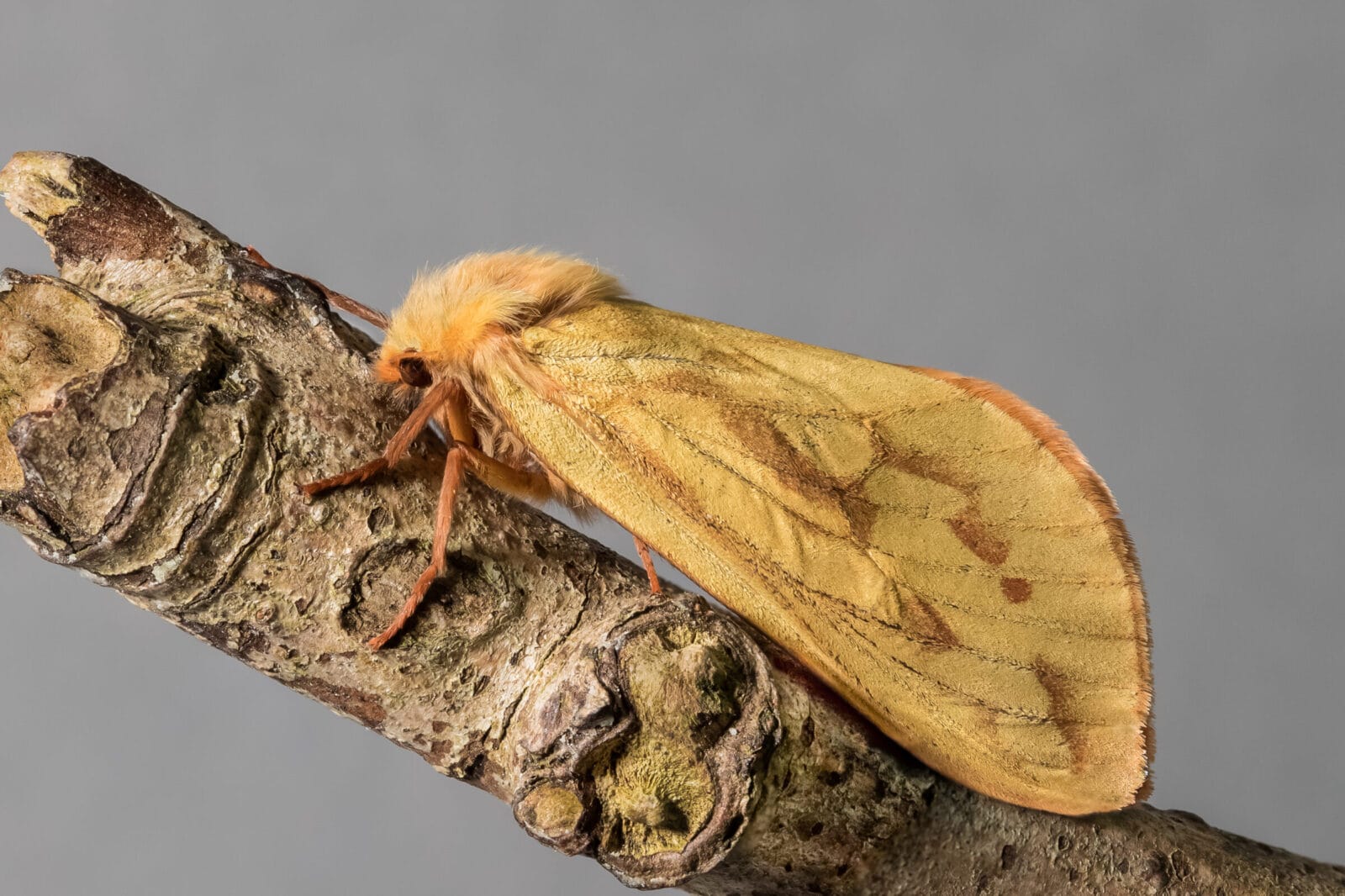
Ghost Moth, South Landing, by Andrew Allport

19th June 2020

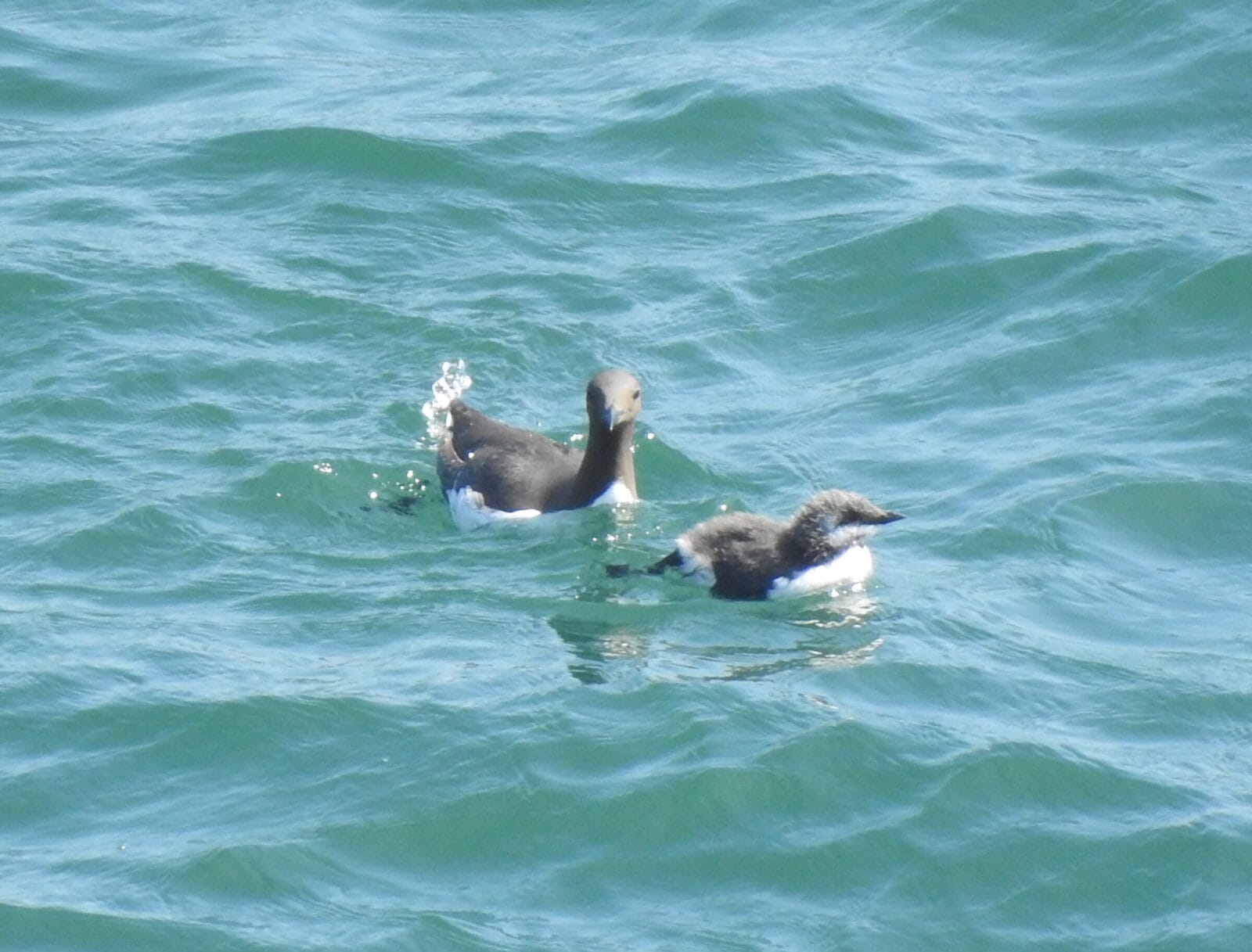
The weather consisted of sunny intervals, showers post-lunch and a south-easterly wind that gradually increased in strength; temperatures reached 17 degrees C. During the morning’s seawatch, five Shelduck, 20 Common Scoter and 12 Knot flew south. A lone Common Tern moved north, a Bonxie lingered offshore and the year’s first Guillemot chick to leave the ledges accompanied an adult off the Fog Station.

The discovery of a singing Blyth’s Reed Warbler at Old Fall was the highlight; the second individual of the spring, it proved elusive throughout. Other notable sightings included a Tufted Duck, three Grey Herons, a Hobby, two Little Ringed Plovers, a Redshank, one Curlew and two Siskins.  

Guillemot & chick, Fog Station, by Brett Richards

20th June 2020

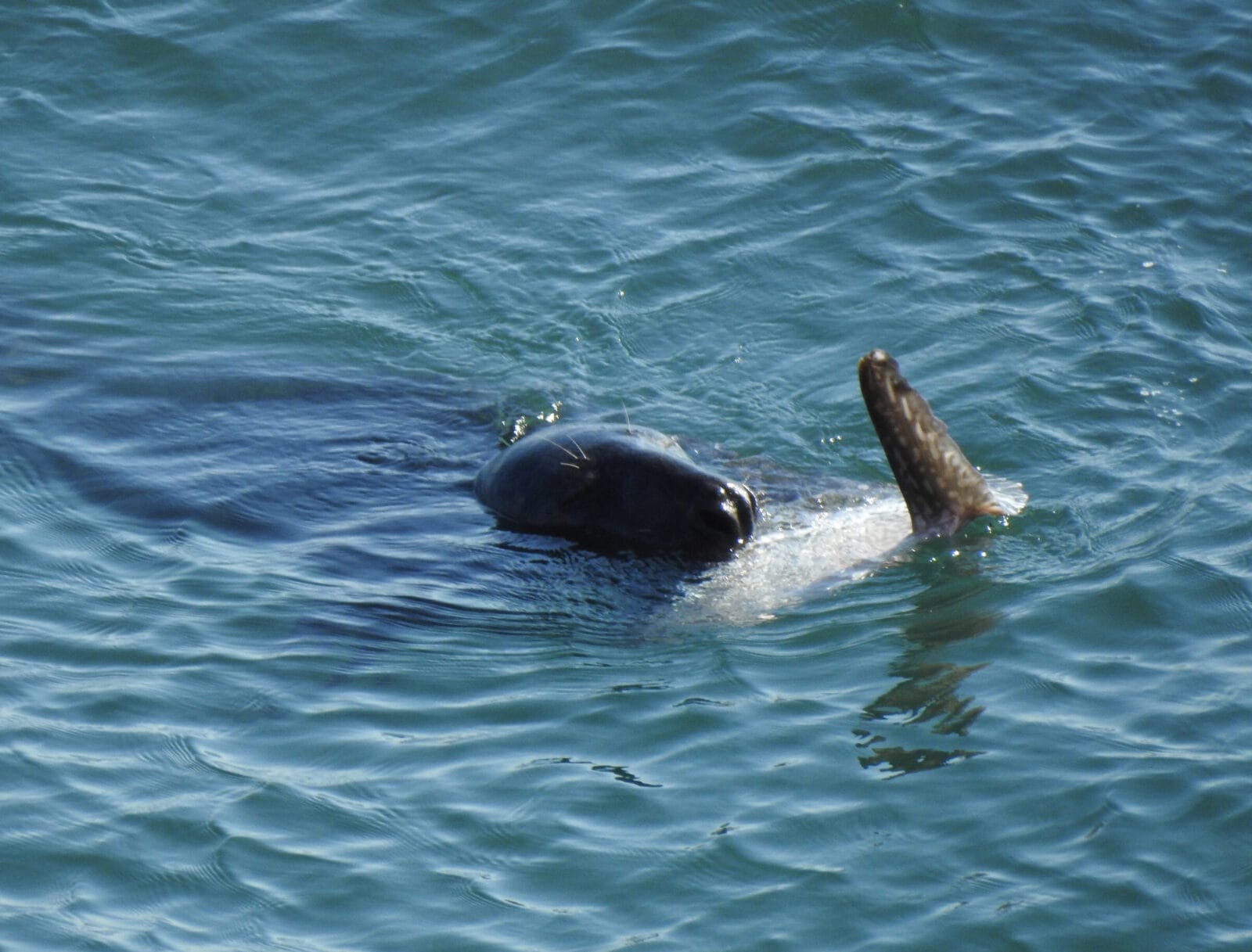
Sunny conditions throughout, with a light/moderate south-east wind and temperatures that reached 18 degrees C. During the seawatch, 47 Common Scoter, two Manx Shearwaters and 12 Sandwich Terns flew north. However, the highlight was an Ocean Sunfish which attracted the unwanted attentions of a Grey Seal before swimming off. Thornwick Pools attracted a Dunlin, with a Hobby flying over the same location. A Wheatear at the Fog Station was late, whilst Oceanview attracted four Siskin. 

Ocean Sunfish/Grey Seal, Fog Station, by Brett Richards

21st June 2020

Moderate southerly winds initially veered south-westerly in the afternoon during a day that featured sunny intervals after a damp start; temperatures reached 19 degrees C. A total of 264 Common Scoters flew past the Fog Station during the morning’s seawatch along with single Red-throated Diver and Manx Shearwater; one Bonxie lingered off the headland. 

An influx of Swifts occurred with 600 birds present, including 74 flying south over the Fog Station during the seawatch. A Little Ringed Plover, five Curlew, a Hobby and two Siskin were also recorded.

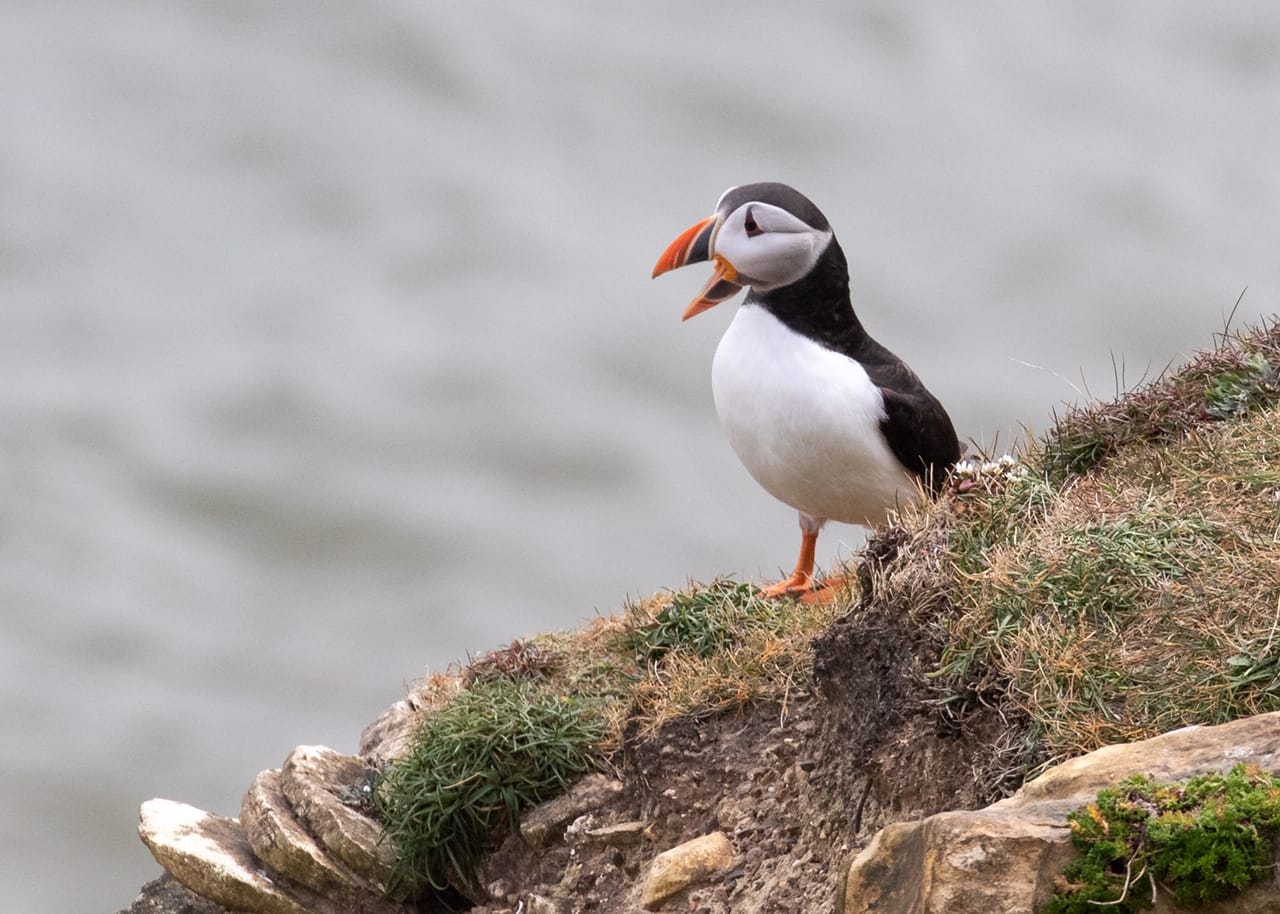
Puffin, Fog Station, by Jo Hood

22nd June 2020

Moderate south-westerly winds featured throughout a largely sunny day, with temperatures reaching 20 degrees C. During the seawatch, an Eider, 21 Common Scoters, ten Sandwich Terns and three Common Terns flew north.

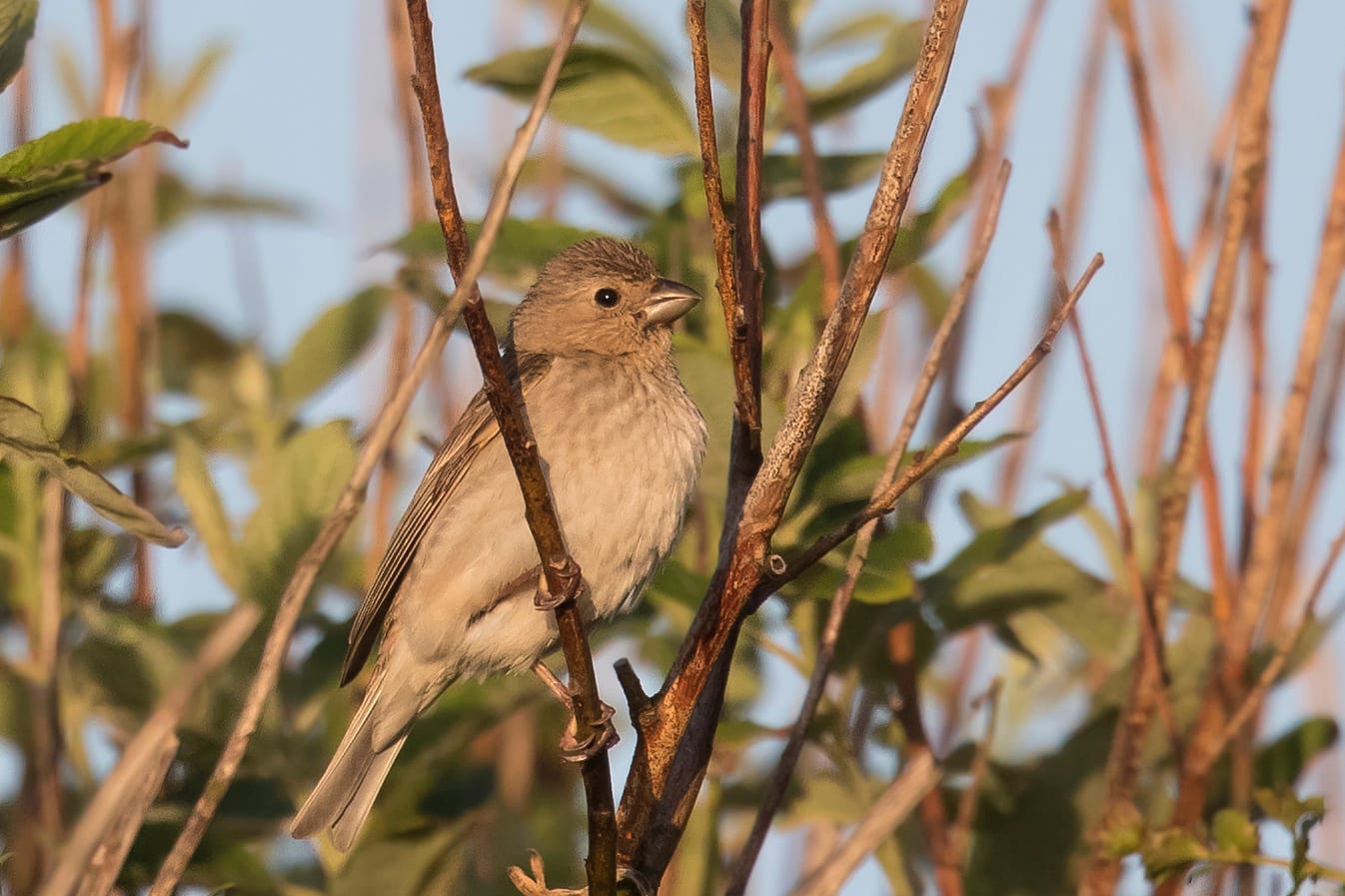
Proof positive that it’s rarely ‘too late’  before June is out, a Golden Oriole sang at South Landing early morning only and a Common Rosefinch rested briefly in the Lighthouse bushes. Other notable sightings included a Ringed Plover, 228 Swifts moving south, a ‘migrant’ Reed Warbler on the edge of the Gorse Field, one Grey Wagtail, nine Siskin and two Crossbills.

Common Rosefinch, Lighthouse bushes, by Andrew Allport

23rd June 2020

The weather consisted of prolonged sunny intervals, a light south-westerly wind backing south-easterly and temperatures peaked at 19 degrees C. 

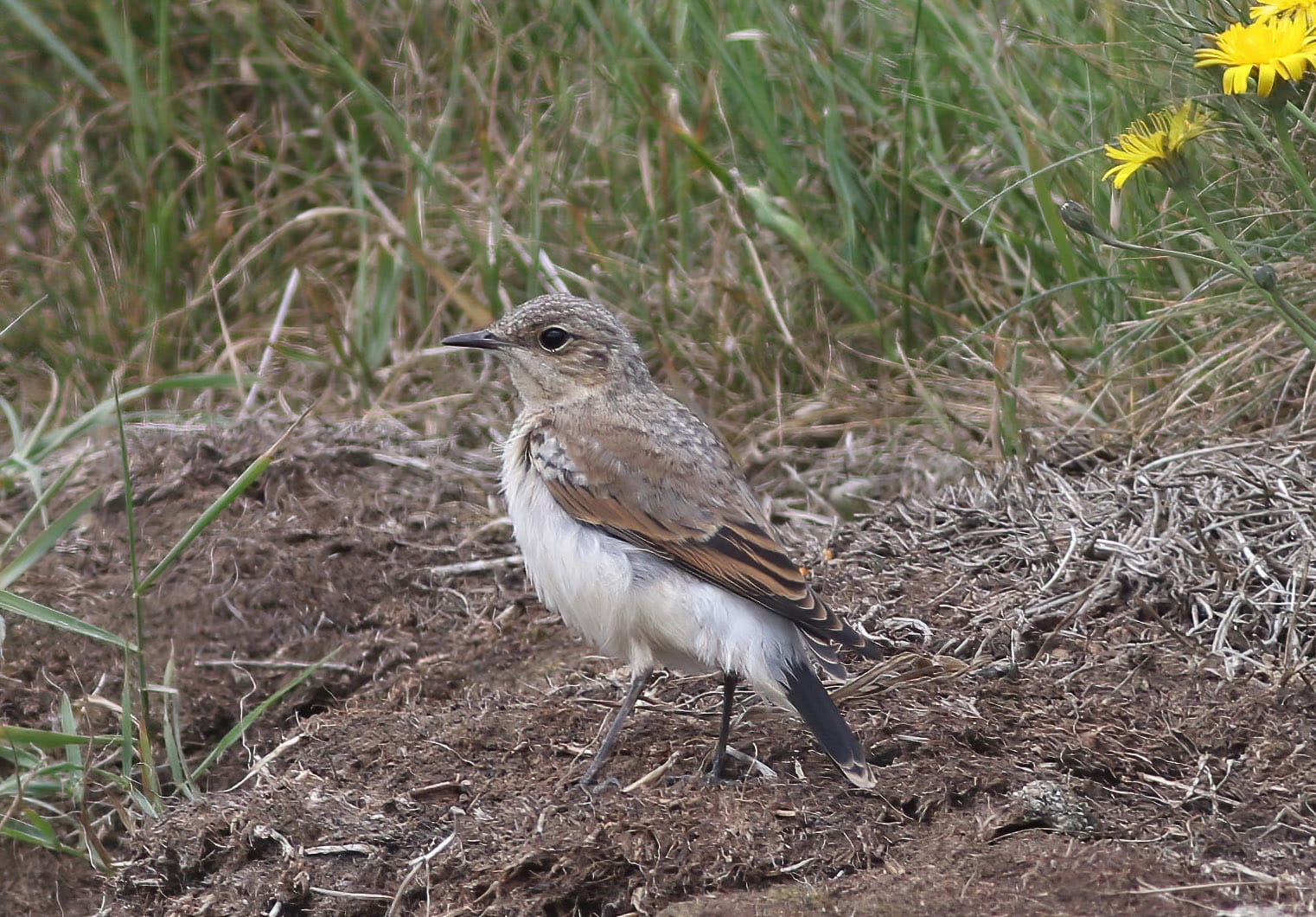
Sightings off the Fog Station included 41 Common Scoters, two Red-throated Divers, a Manx Shearwater and an adult Mediterranean Gull; a first-summer Mediterranean Gull frequented South Landing. A Green Sandpiper and a juvenile Wheatear were already moving south towards winter quarters, whilst a Common Rosefinch near South Landing was a reminder that spring migration isn’t over yet.

Wheatear, High Holme, by Craig Thomas