10th January 2021

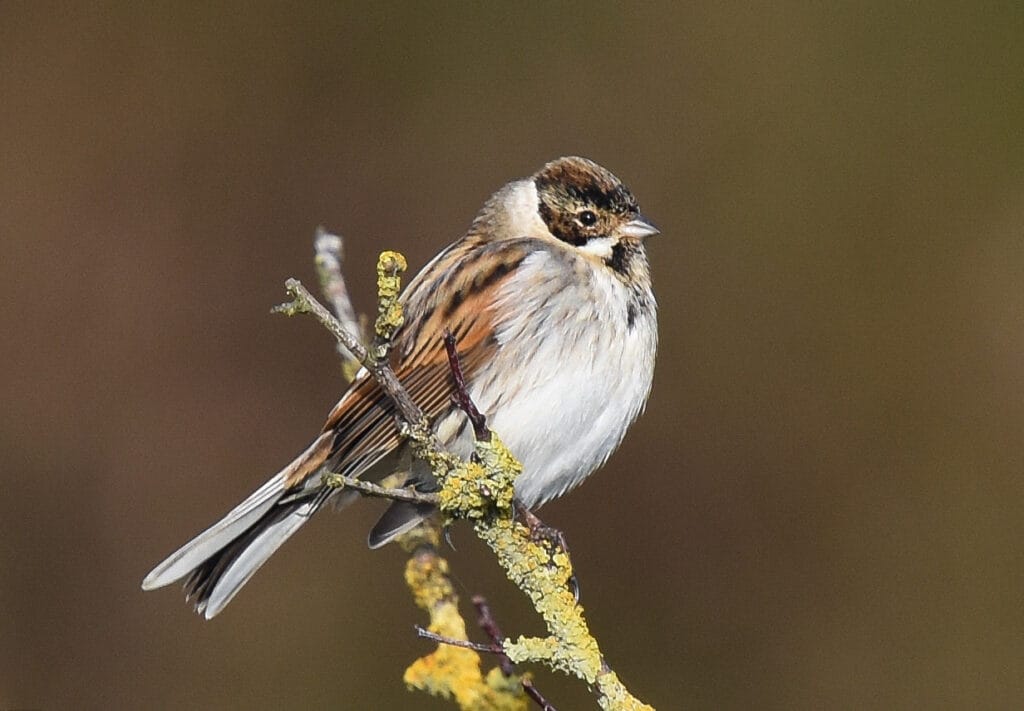
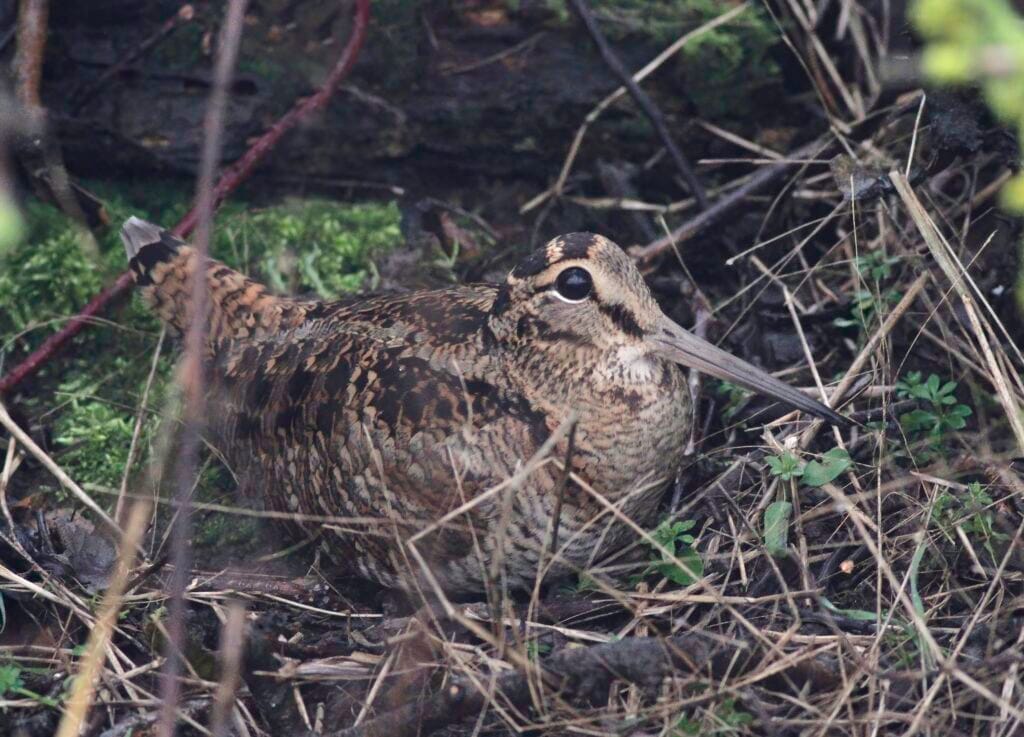
A relatively cloudy day, with a light/moderate westerly wind and temperatures reaching five degrees C. During the morning seawatch, 35 Red-throated Divers flew south and two ‘northern’ Herring Gulls headed north. In addition, a Great Northern Diver remained on the sea off South Dykes, where the Black Redstart lingered on the beach. Notable sightings on the headland itself included 25 Wigeon, a Woodcock and one Sanderling. Stubbles attracted six Mistle Thrush, 18 Redwing, five Fieldfare, 160 Tree Sparrows, 144 Linnet, 45 Reed Buntings and 105 Yellowhammers.
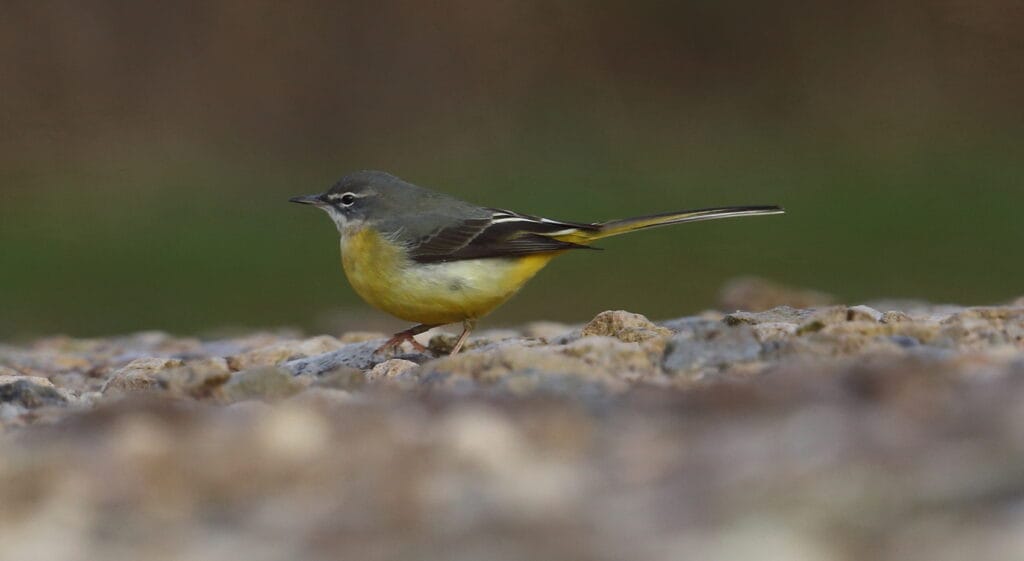
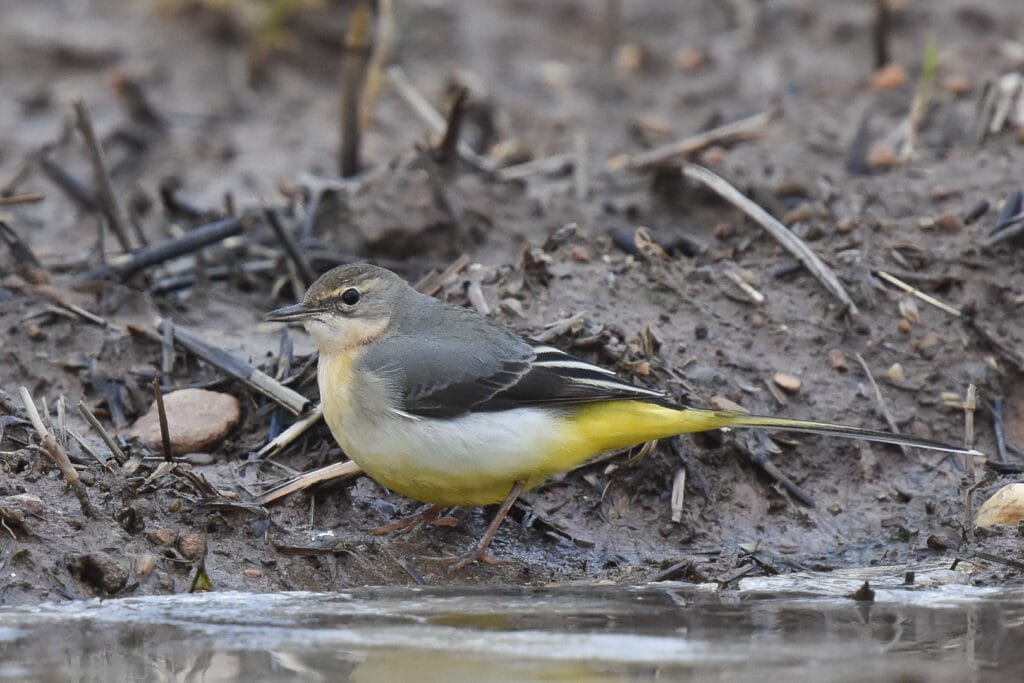
Grey Wagtail, South Landing, by Alan Walkington

11th January 2021

Another overcast day, with a moderate/strong westerly wind and temperatures edging higher to reach seven degrees C. A Tundra Bean Goose flew east over South Dykes, where a Long-tailed Duck remained offshore and a Sanderling on the beach. Three Treecreepers and a Nuthatch frequented the nearby wooded ravine.

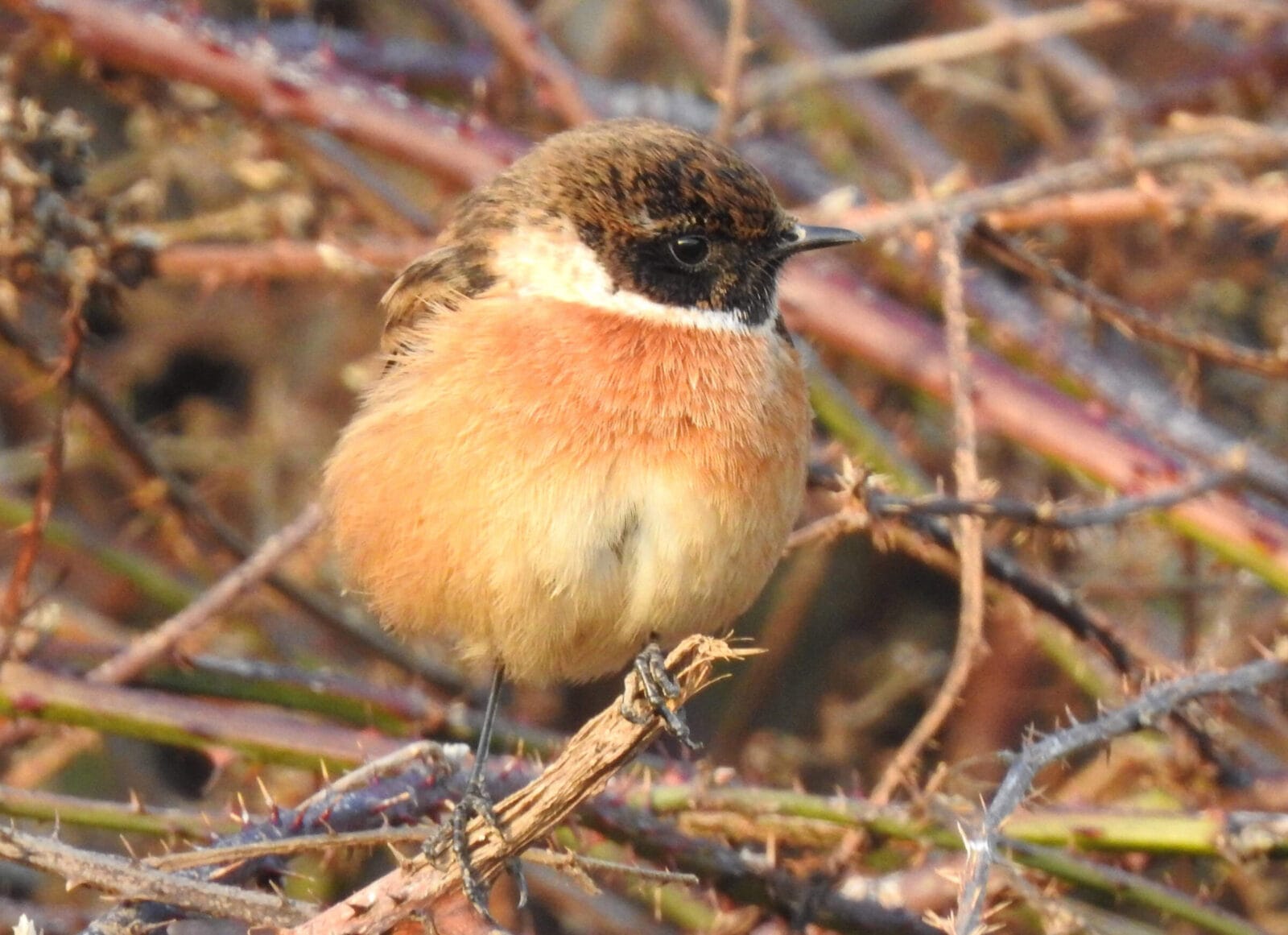
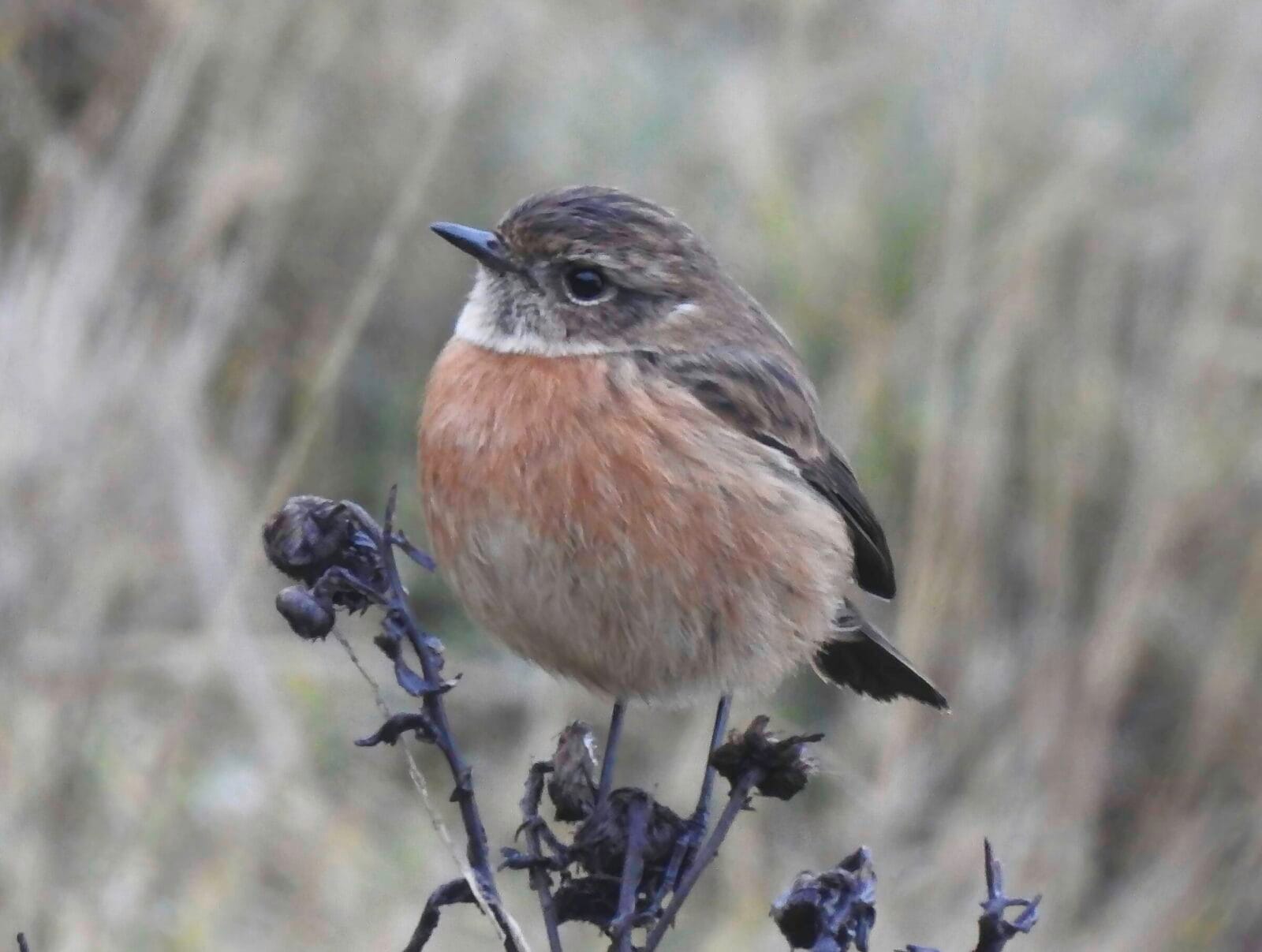
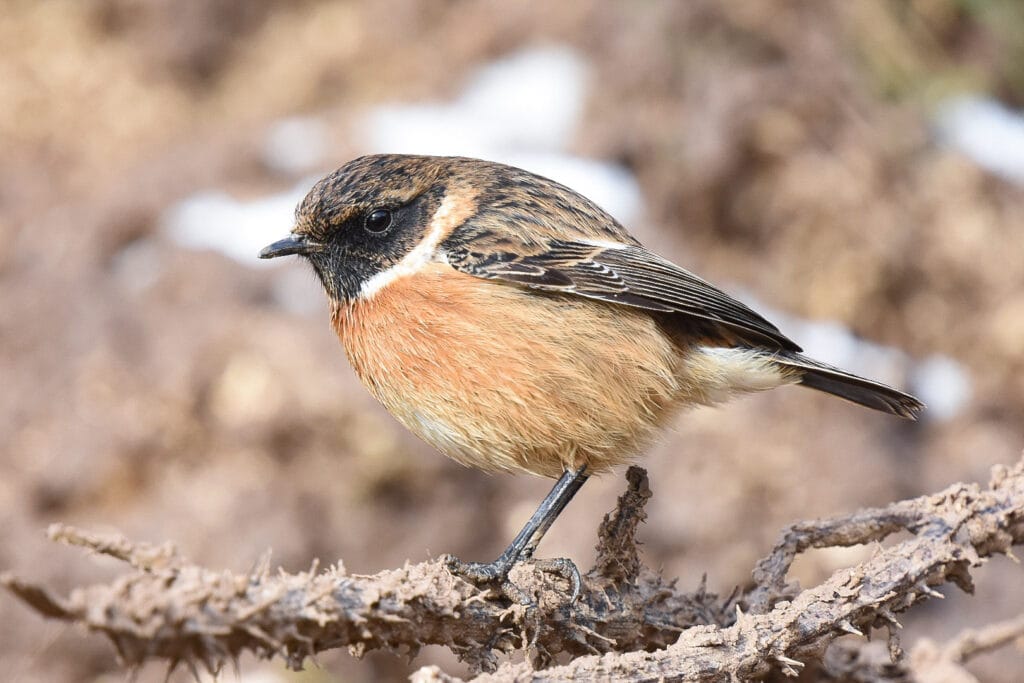
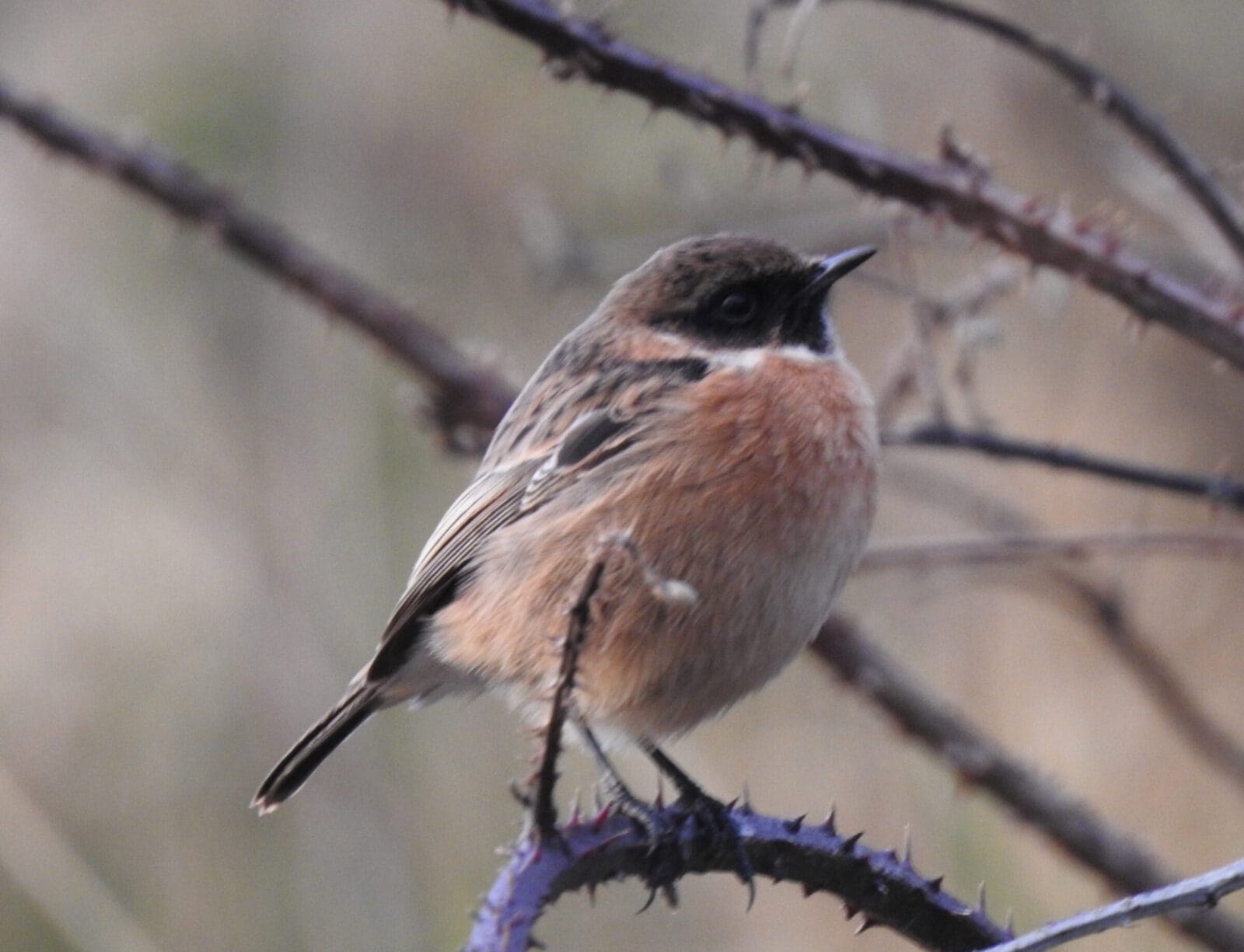
Stonechat, South Landing, by Brett Richards

12th January 2021

A bright day, with prolonged sunny spells, a moderate north-westerly wind and temperatures that reached four degrees C. Seven Eider flew north during the morning’s seawatch, whilst 11 Red-throated Divers and a Bonxie moved south. Two Long-tailed Ducks continued in residence off the South Cliffs and four Red-legged Partridges frequented Beacon Hill. Passerine interest included 15 Redwing, three Stonechat and a Grey Wagtail.

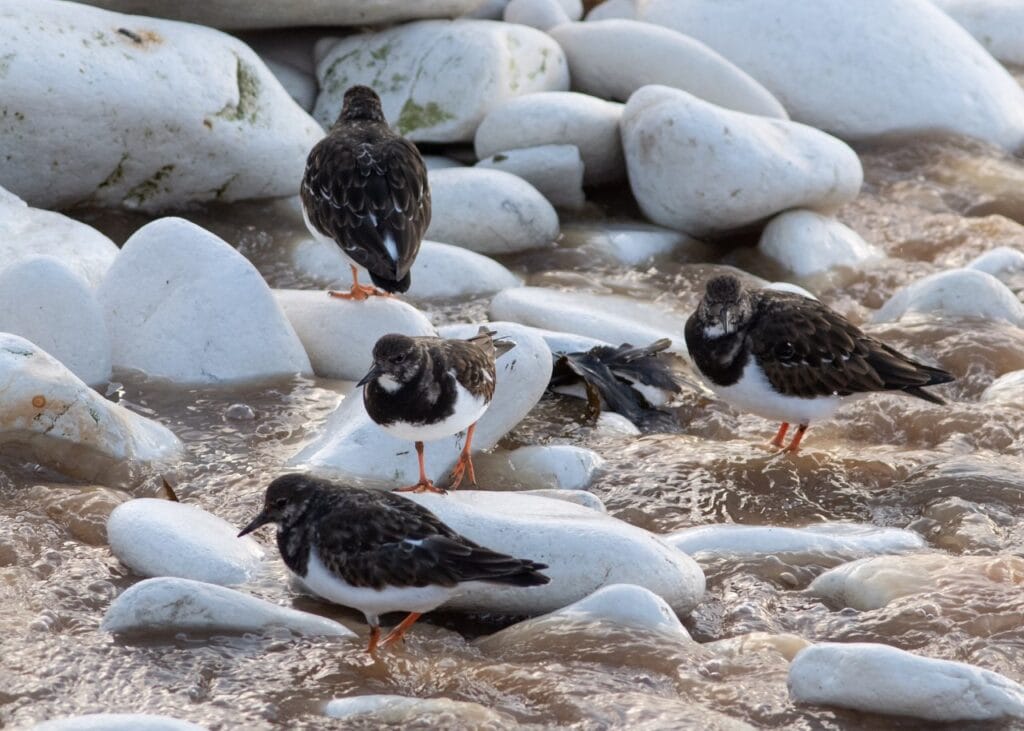
Turnstone, South Landing, by Jo Hood

13th January 2021

A day of light north-west winds, mainly overcast with occasional sunny intervals and temperatures only reaching two degrees C. A Great Northern Diver proved to be the highlight of the morning seawatch.

Elsewhere three Pintail flew north, with three Eider and three Long-tailed Ducks sheltering off the South Cliffs. The North Marsh area attracted a Pint-footed Goose amongst the Greylag flock and 22 Wigeon, whilst a Short-eared Owl hunted adjacent grasslands. Three Sanderling and a Ringed Plover frequented South Landing beach. Passerine interest included nine Fieldfare, two male Black Redstarts on the outer head and a Snow Bunting over.

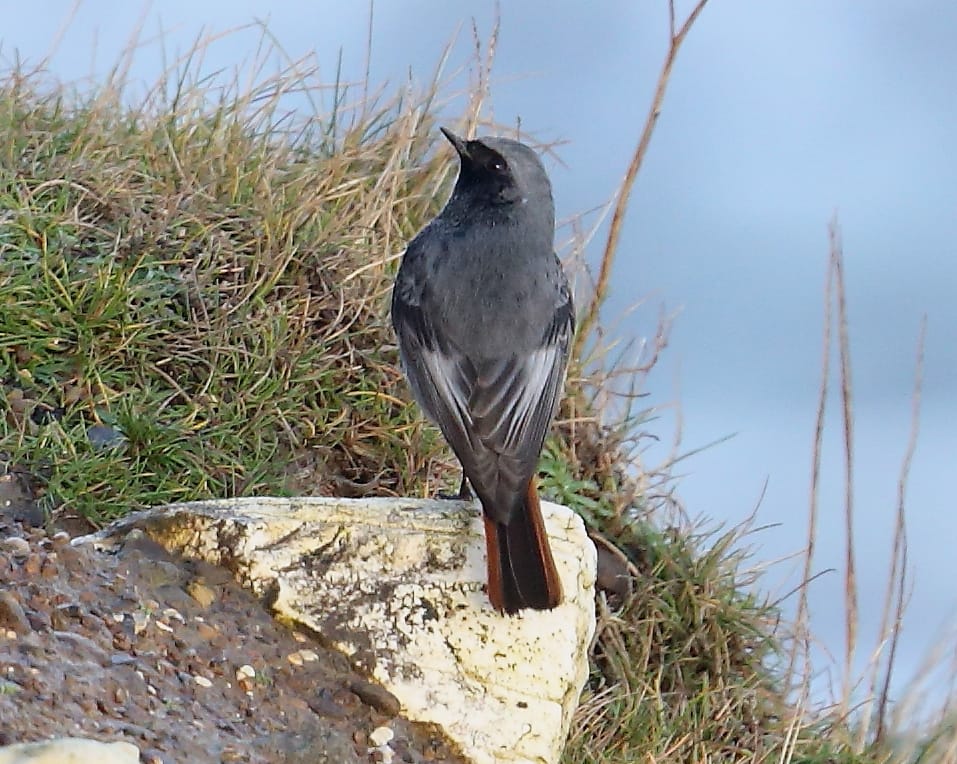
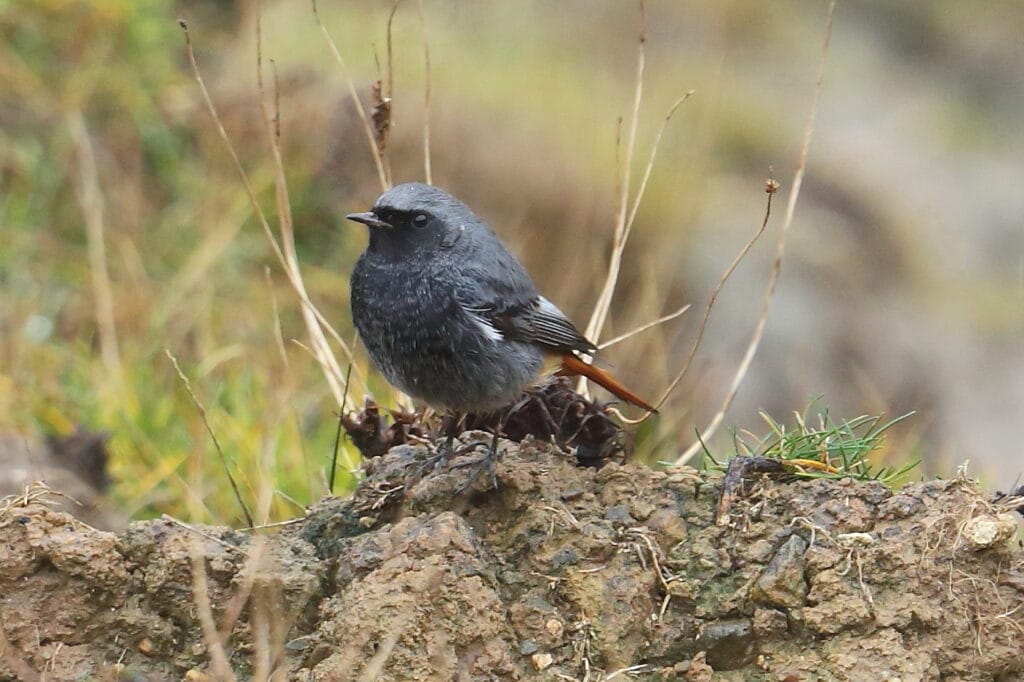
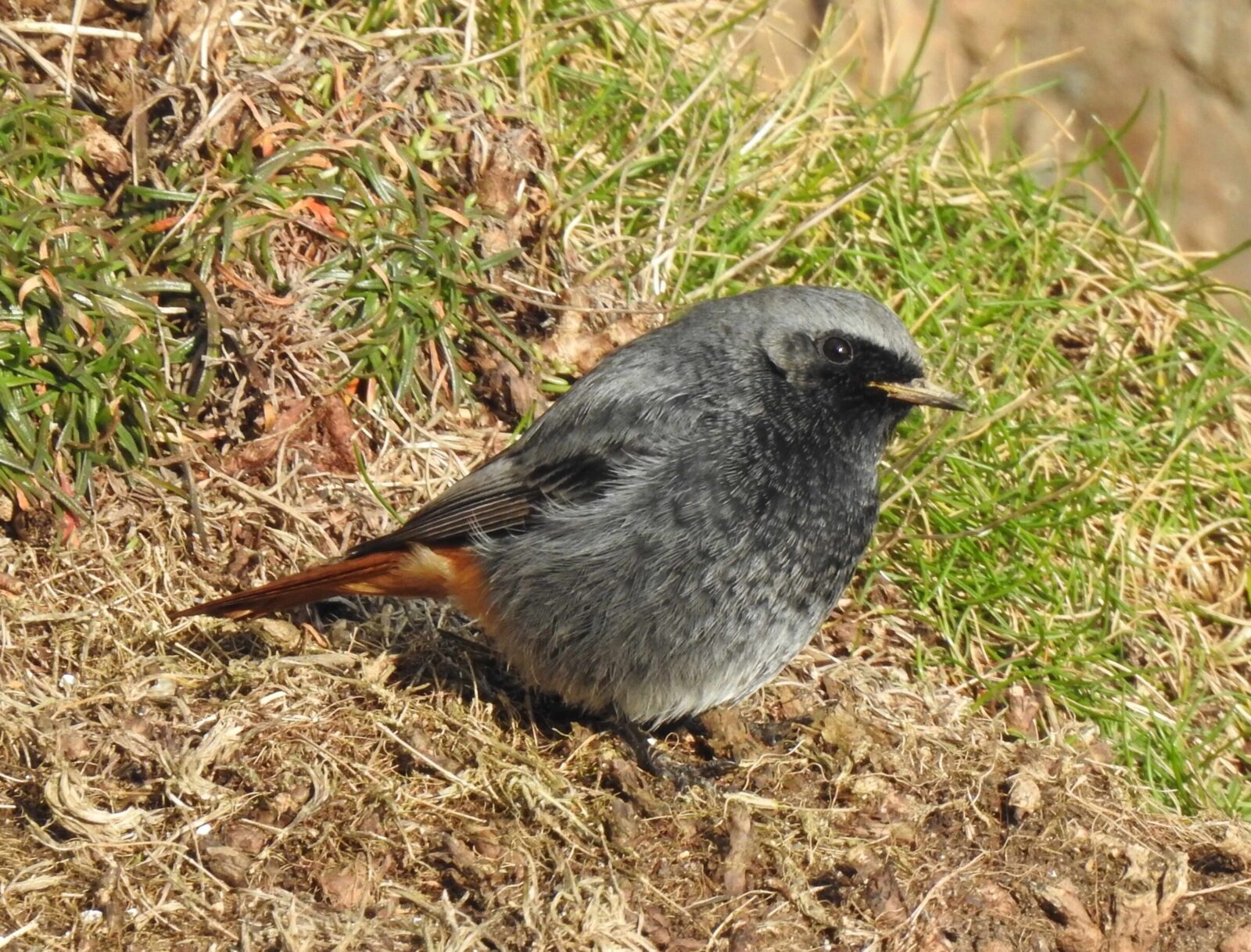
Black Redstart, outer head, by Alan Walkington

14th January 2021

The weather consisted of south-east/east winds, persistent rain until early afternoon and temperatures reaching four degrees C. Seawatch highlights included six dark-bellied Brent Geese, a Goldeneye and a Great Northern Diver flying south. Single Woodcock and Short-eared Owl were on the northern fringe of the village, while a Chiffchaff frequented gardens at Hartendale.

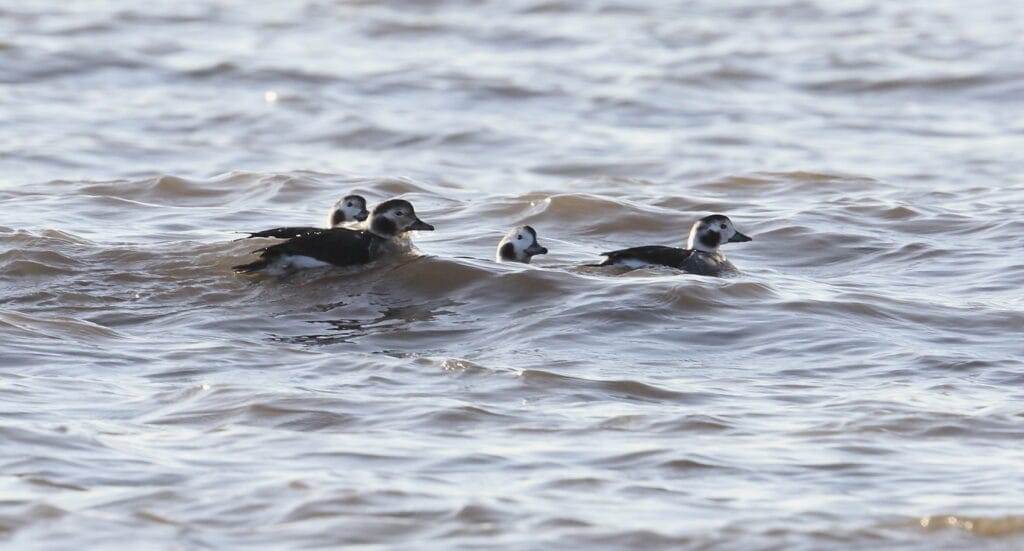
Long-tailed Ducks, South Dykes, by Alan Walkington (12/1)

15th January 2021

Sunshine eventually prevailed after an overcast start; winds were very light and temperatures peaked at five degrees C. Two Velvet Scoters and a Goldeneye flew south during the morning seawatch. Scanning the calm seas off the South Cliffs was rewarded with two Great Northern Divers, 51 Red-throated Divers, ten Great Crested Grebes, 30 Common Scoters, a drake Goldeneye, three Eider and six Long-tailed Ducks. Four Woodcocks were located on the headland, along with 83 Skylark, six Mistle Thrush, six Fieldfare, 32 Redwing, five Stonechat, 122 Linnets, two Siskin and 45 Yellowhammers. Buckton attracted a flock of 40 Lapland Buntings.
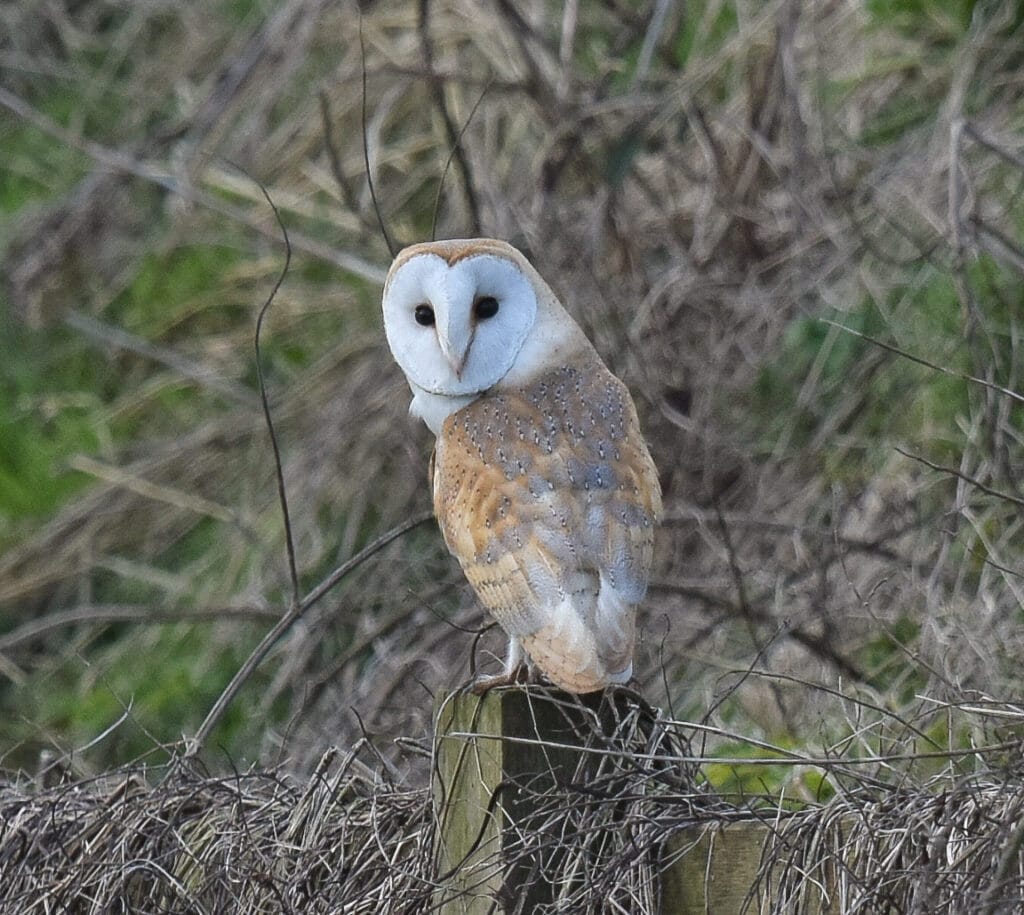
Barn Owl, Lighthouse Road, by Andy Hood

16th January 2021

An overcast start to the day with persistent rain until mid-morning; sunny intervals developed later, when the south-westerly wind gradually abated. Skeins of Pink-footed Geese containing a total of 430 birds flew south late afternoon. Three Long-tailed Ducks remained, whilst five Woodcock represented an influx. A Short-eared Owl hunted the North Cliff top grasslands, with 12 Redwing nearby. Two Nuthatch remained in Sewerby gardens.

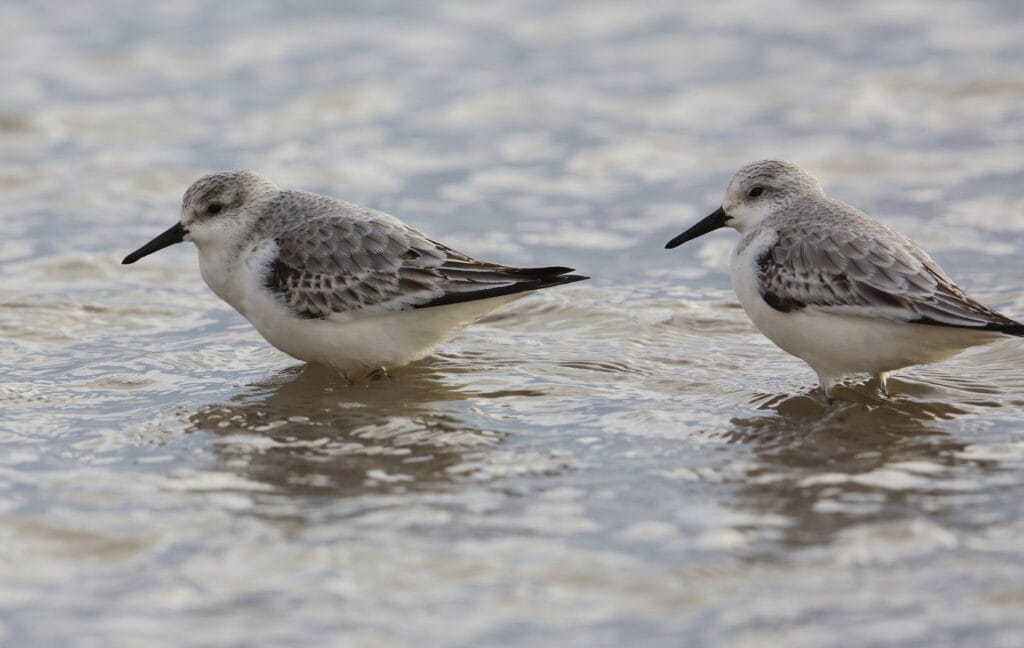
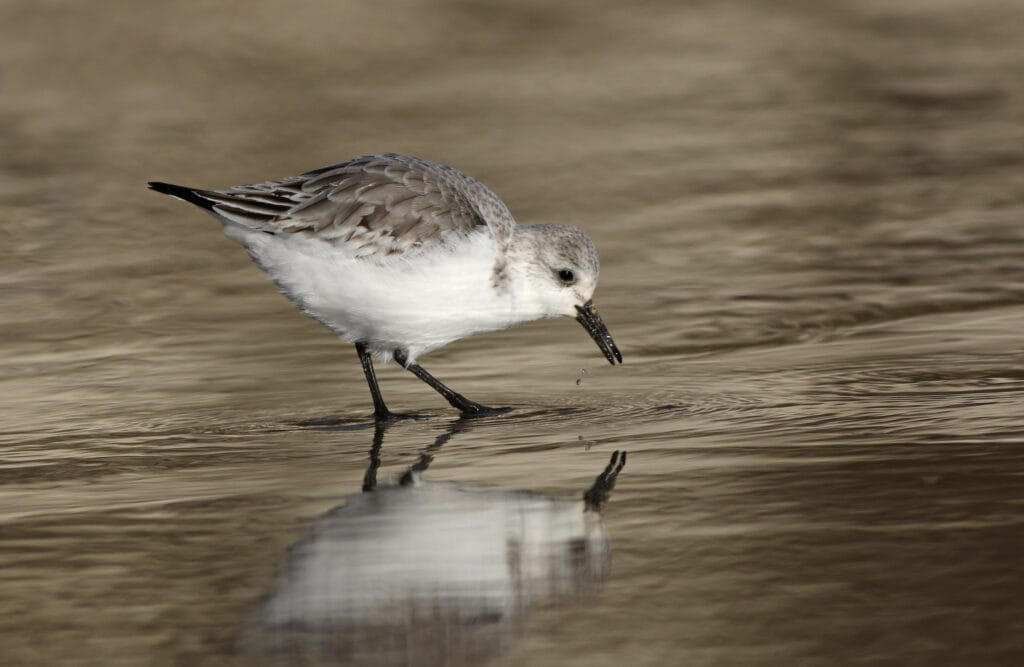
Sanderling, South Dykes, by Alan Walkington

17th January 2021

A bright day, with prolonged sunny intervals, a relatively light north-westerly wind and temperatures reaching five degrees C. A northerly movement of 674 Fulmars was the most noteworthy record from the morning seawatch.

Another feeding movement of Pink-footed Geese took place, with 570 moving north-west early morning. The outer head also attracted three Woodcock, two Snipe, 60 Redwing, ten Mistle Thrushes, a Fieldfare, 160 Tree Sparrows, 285 Linnets, 56 Yellowhammers and a Lapland Bunting. Notable sightings west of the Dykes included a Short-eared Owl, four Stonechats and a flock of 55 Lapland Buntings.

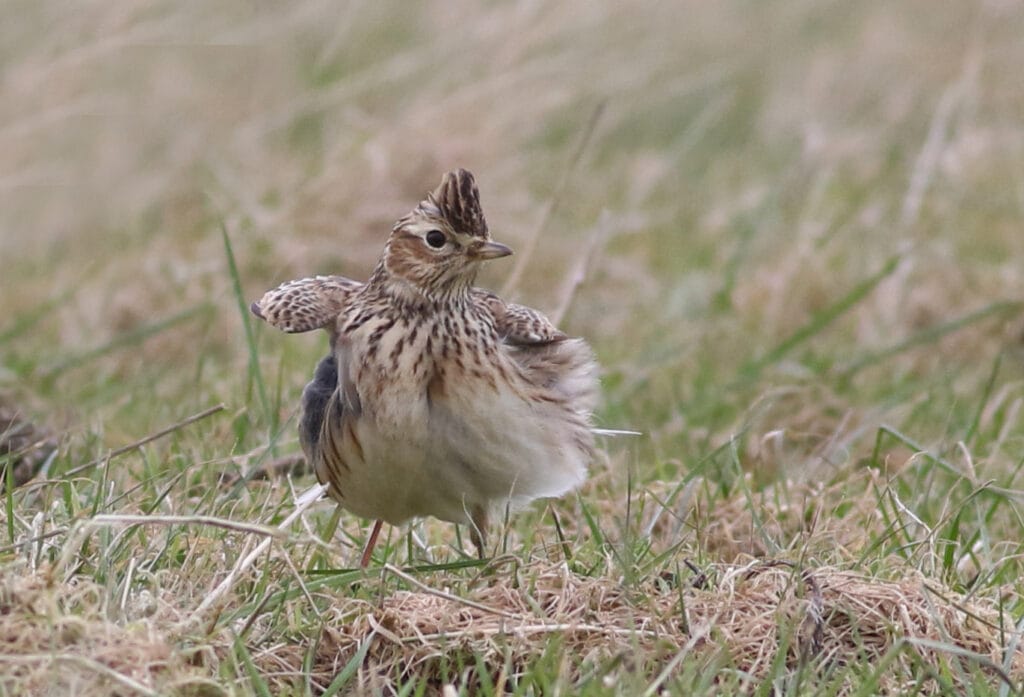
Skylark, North Cliffs, by Craig Thomas

18th January 2021

The weather consisted of moderate south-westerly winds, sunny intervals followed by bright overcast skies and temperatures peaking at five degrees C. The morning seawatch was quiet, although there were indications of increased numbers of Gannets (30) and Razorbills (8), potentially the forerunners of a return to the colony over forthcoming weeks. Wildfowl interest included a Shelduck on Thornwick Pools, 22 Wigeon and a Pink-footed Goose. Passerine interest included nine Mistle Thrush, two Fieldfare, five Redwing and 140 Tree Sparrows.

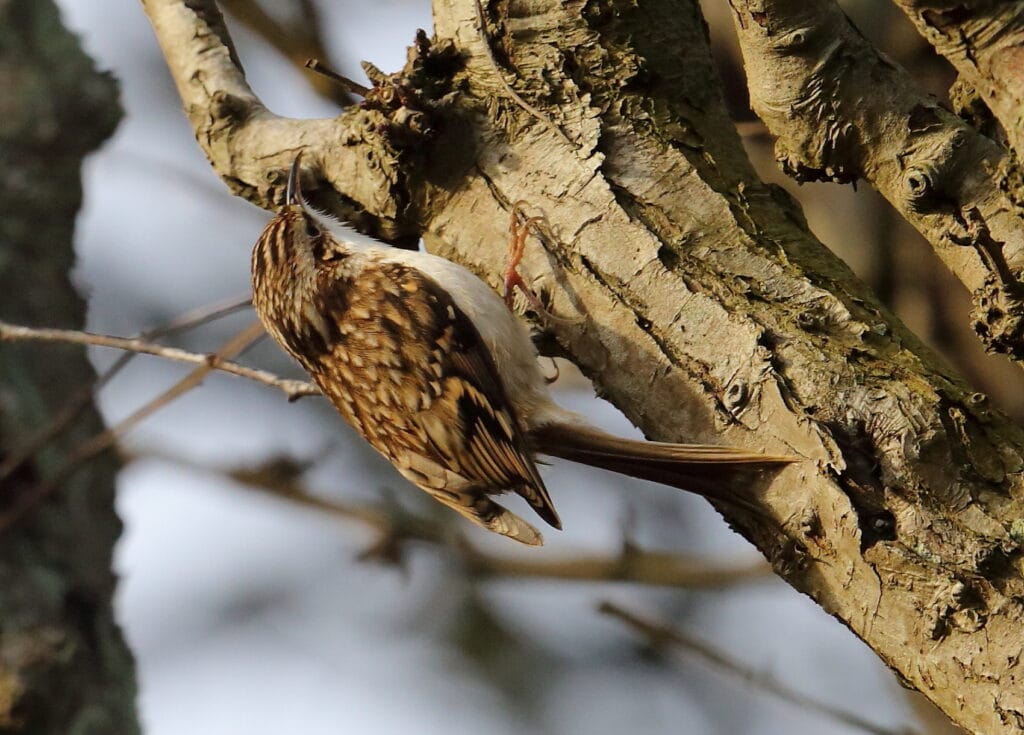
Treecreeper, South Landing, by Alan Walkington

19th January 2021

Light rain throughout most of an overcast day, with a light west-south-westerly wind and temperatures reaching seven degrees C. Three Shelduck flew south during the seawatch, together with 17 Red-throated Divers, 22 Gannets, two Kittiwakes and two Razorbill. The male Black Redstart also re-appeared at the Fog Station, whilst the Thornwick area attracted a Shelduck, 16 Mallard and a Coot.

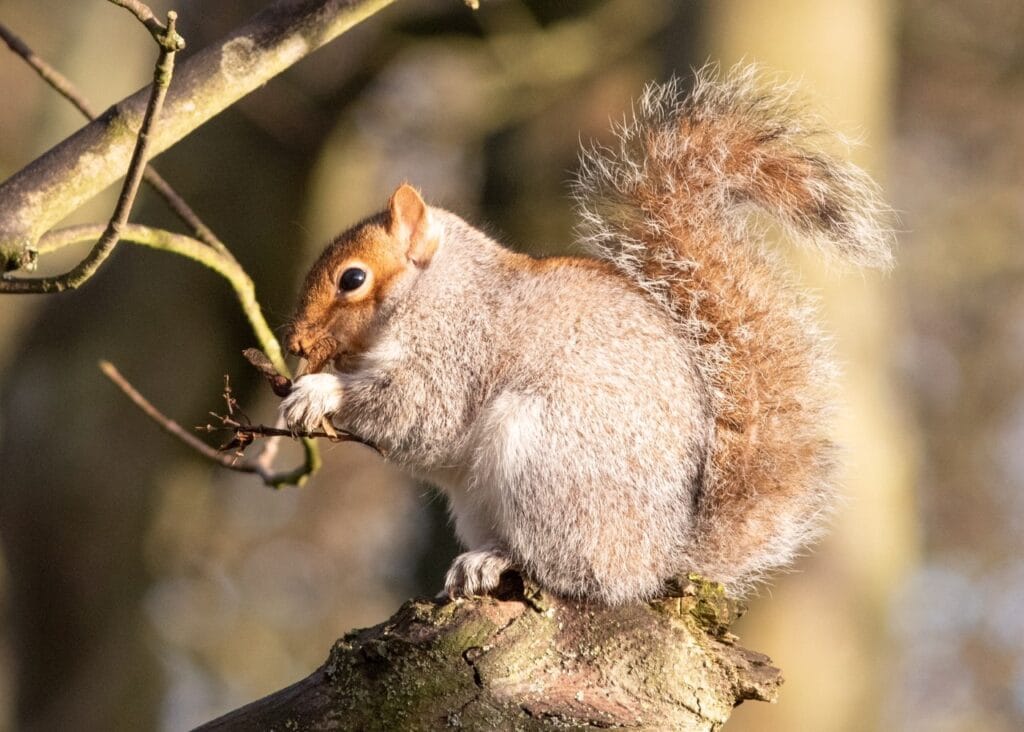
Grey Squirrel, South Landing, by Jo Hood (17/1)

20th January 2021

Rain featured throughout another dark, overcast day with increasingly strong south-south-west winds and temperatures reaching a relatively mild nine degrees C. The morning’s seawatch was quiet, although 104 Gannets represented a further increase and three Razorbills accompanied far larger numbers of Guillemots; 28 Curlew were also notable. The male Black Redstart continued its residence on the cliffs near the Fog Station.

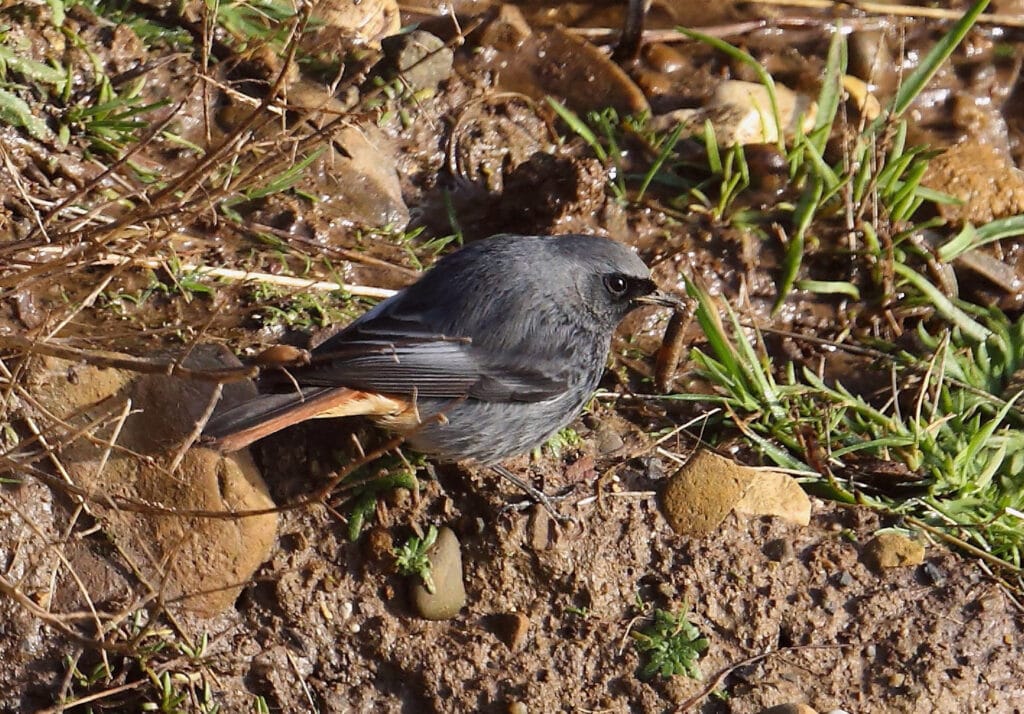
Black Redstart, Fog Station, by Alan Walkington

21st January 2021

A strong south-south-westerly wind only gradually abated during a day of sunny intervals, occasional light showers and temperatures reaching five degrees C. During the morning seawatch, 138 Fulmars flew north, with 42 Gannets and 37 Kittiwakes also flying past the headland. A Pink-footed Goose accompanied the Greylag flock, with single Redwing, Fieldfare and two Stonechats also in residence.

Stonechat, South Landing, by Brett Richards

22nd January 2021

A bright, sunny day with moderate/strong westerly winds and temperatures reaching five degrees C. A Pink-footed Goose continued to accompany the Greylag flock, with 36 Wigeon in the same area. A Water Rail remained at Thornwick Pools, whilst two Woodcock were located on the outer head. Six Long-tailed Ducks, 59 Red-throated Divers and 34 Great Crested Grebes were on the sea off South Dykes. Passerine interest included single Nuthatch, a Grey Wagtail and 222 Linnets.

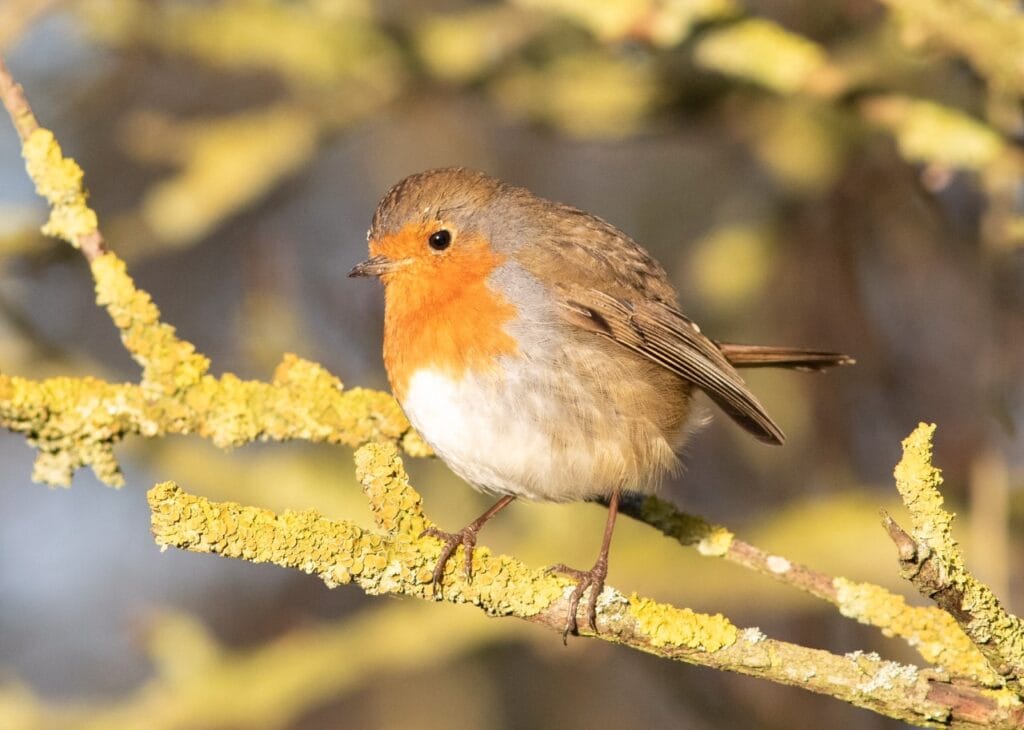
Robin, South Landing, by Jo Hood

23rd January 2021

Sunny intervals throughout, with temperatures eventually reaching two degrees C after a heavy overnight frost and light westerly winds. Fulmars were again on the move, with 392 flying north during the seawatch that also featured 64 Gannets. Six Long-tailed Ducks remained off the South Cliffs, along with two Eiders, 38 Great Crested Grebes and 46 Red-throated Divers. Four Lapwing and a Woodcock overflew South Landing. Two stubble fields attracted 65 Skylark, 61 Rock Pipits, 115 Tree Sparrows, 95 Linnets and two Lapland Buntings, whilst the Black Redstart remained at the Fog Station.

Black Redstart, Fog Station, by Alan Walkington

24th January 2021

The weather consisted of very light north-westerly winds, sunny intervals interspersed with high cloud; temperatures at dawn were -3 degrees C and they peaked early afternoon at +3 degrees C. Seawatch highlights consisted two Manx Shearwaters flying north and a Great Northern Diver moving south. Calm seas off the South Cliffs yielded three Great Northern Divers and seven Long-tailed Ducks. Two Sanderling, 16 Curlews, five Snipe and a Woodcock provided wader interest. Land-based sightings also included 180 Skylarks, two Nuthatch, four Mistle Thrush, ten Song Thrush, 24 Redwing, a female Black Redstart (Cattlemere), two Grey Wagtails, 240 Linnets, two Lapland Buntings and 115 Yellowhammers.
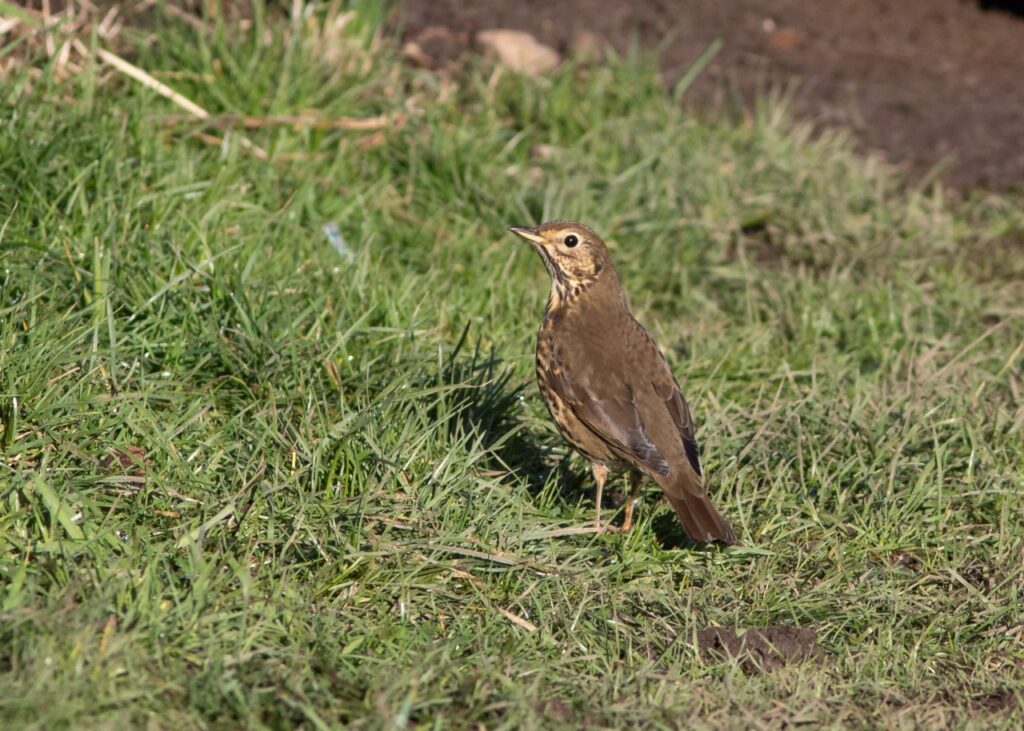
Song Thrush, South Dykes, by Jo Hood

25th January 2021

A day of moderate west-north-westerly winds, sunny intervals and temperatures reaching four degrees C. The day’s highlight related to an adult Glaucous Gull that flew north past Breil Nook mid-afternoon. Two Long-tailed Ducks were on the sea off South Landing, where four Sanderling and a Woodcock were also present; six Sanderling and another Woodcock frequented South Dykes. In addition, a male Blackcap visited a garden on the edge of the village, with a male Black Redstart also re-appearing on the cliffs near the Seawatch Observatory.

Grey Wagtail, Oceanview, by Andy Hood

26th January 2021

The weather comprised overcast skies dominating after a brighter dawn, moderate south-west winds and temperatures only reaching two degrees C. A Pink-footed Goose remained with the Greylag flock and three Shelduck flew past the Fog Station, with another heading over Thornwick Camp. South Landing attracted single Woodcock and Sanderling, whilst four Snipe were flushed near Holmes Gut and seven at North Dykes. Passerine interest included six Mistle Thrushes, two Fieldfare, 78 Skylarks, two male Blackcaps in the village, a female Black Redstart at South Dykes, 130 Linnets, 160 Yellowhammers and seven Lapland Buntings.

Sightings from Buckton included a Woodcock, 150-200 Lapland Buntings and four Corn Buntings, whilst Bempton attracted two Short-eared Owls and three Stonechat.

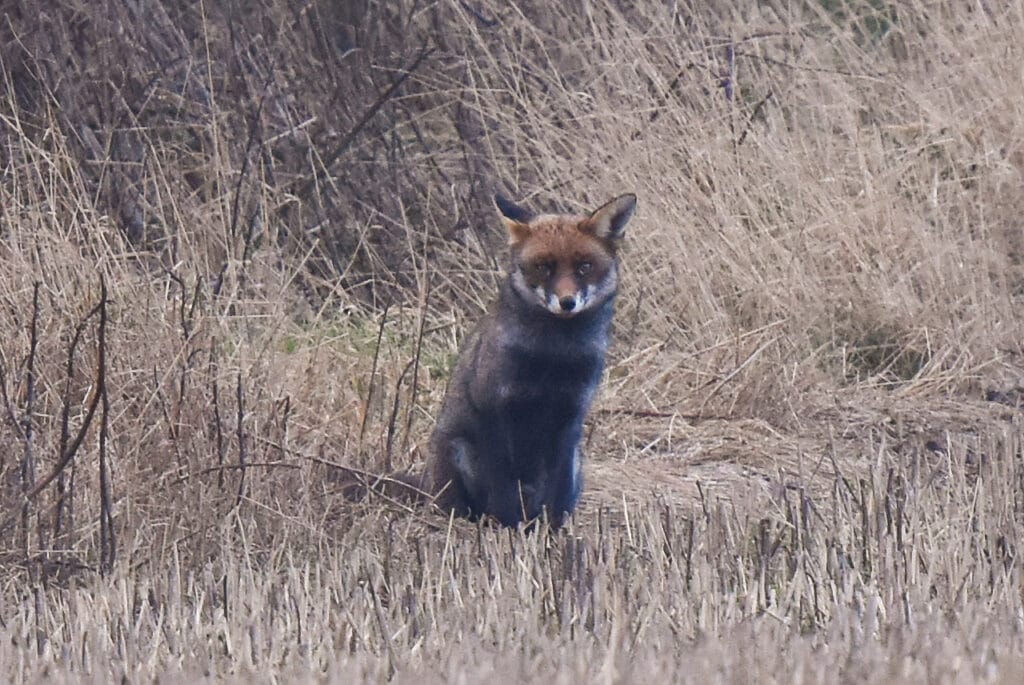
Fox, Oceanview, by Andy Hood

27th January 2021

Relatively light westerly winds, generally overcast skies with light rain and temperatures reaching six degrees C. Nine Shelduck and a drake Red-breasted Merganser represented the highlights of the morning’s seawatch. Two Woodcock, a Short-eared Owl and at least four Lapland Buntings were located near North Dykes. The two male Blackcaps continued to attend village feeders, whilst 119 Lapland Buntings remained at Buckton.

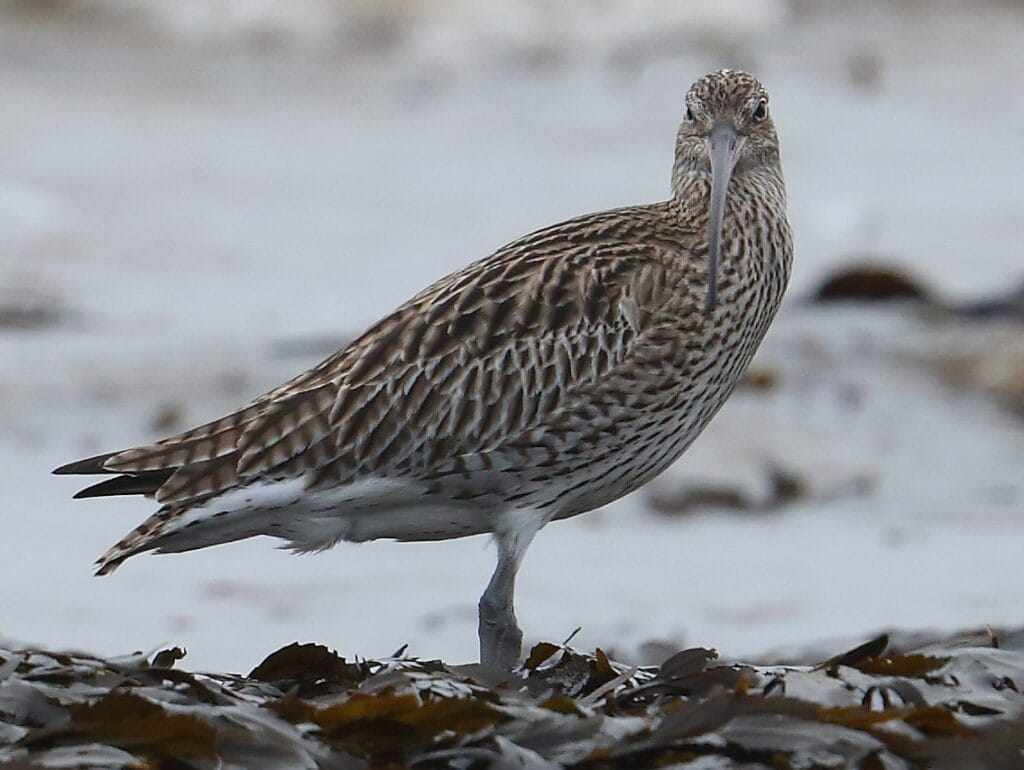
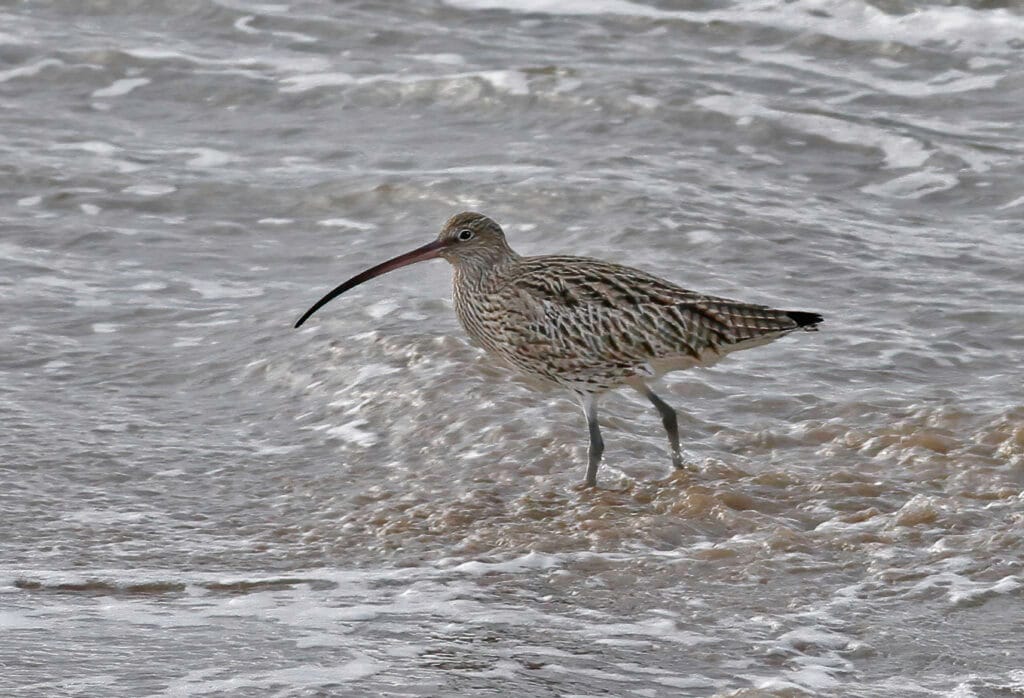
Curlew, South Dykes, by Alan Walkington

28th January 2021

The weather consisted of a moderate south-easterly wind, overcast skies with heavy rain confined to the morning, with drizzle later. Nine Snipe frequented fields near High Holme, where a Short-eared Owl hunted the cliff top.

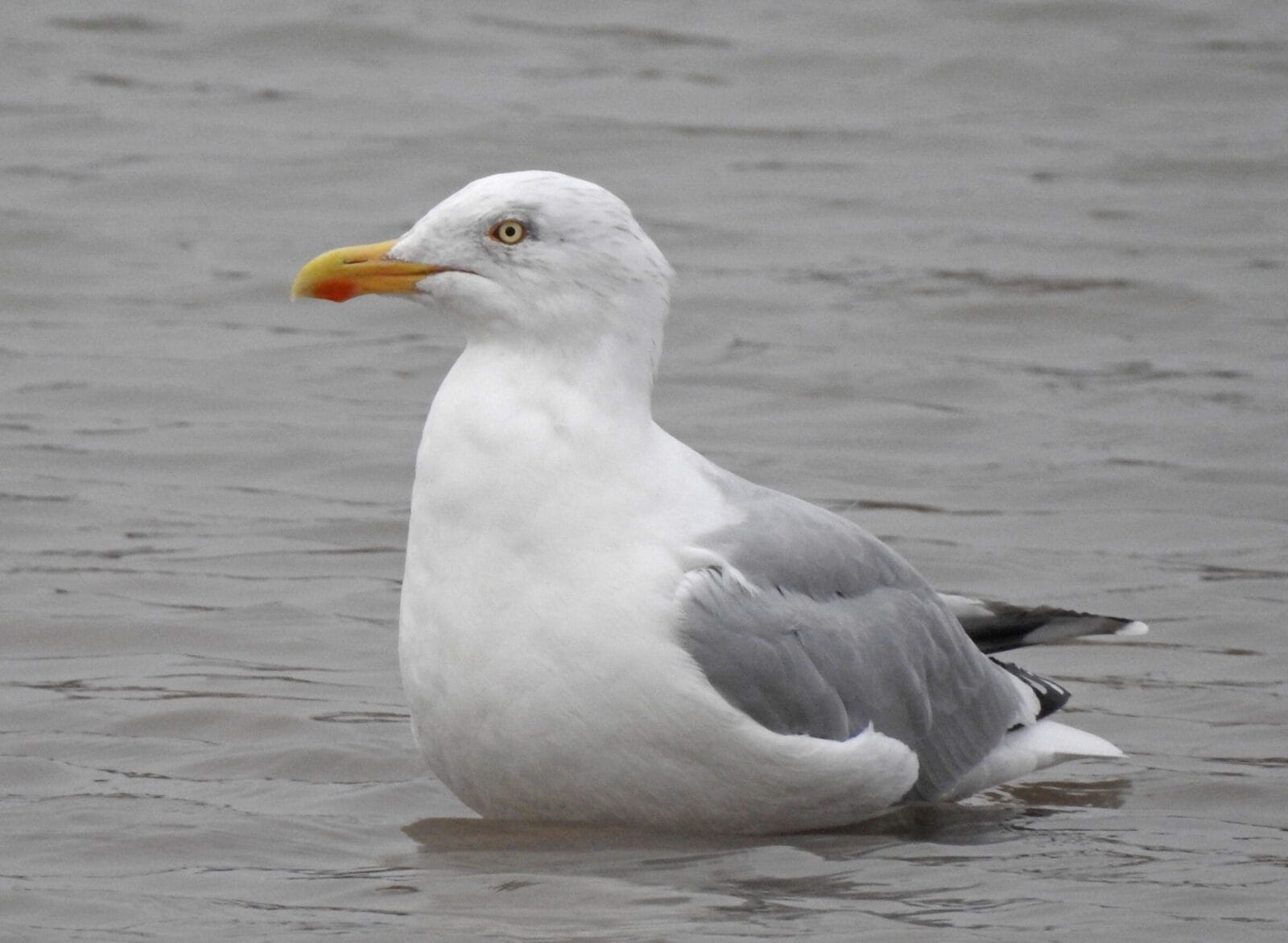
Herring Gull, Thornwick Pools, by Brett Richards

29th January 2021

A relatively overcast day, with spells of light drizzle in a light/moderate north-north-westerly wind. Seawatching was rewarded with a Blue Fulmar that flew north before landing on the sea and a flock of 110 Cormorants that flew out of Bridlington Bay before heading back south.

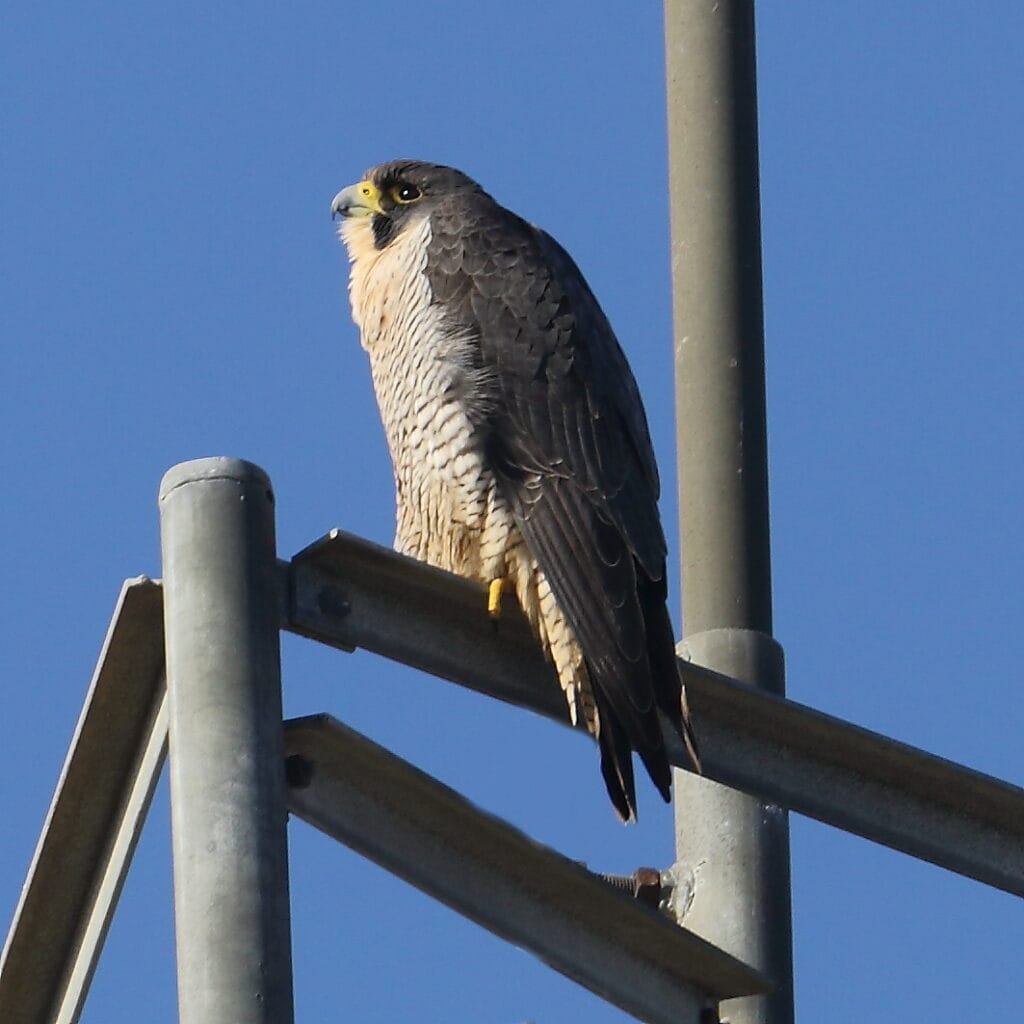
The outer head hosted 24 Wigeon, 22 Curlew, a Peregrine that caught a Woodcock over the Golf Course and a male Black Redstart still in residence. Sightings from North Dykes included 42 Pink-footed Geese, a Grey Heron, single Snipe and Woodcock, 355 Common Gulls, 35 Redwing, two Fieldfare, 100 Linnets and six Lapland Buntings; a Jack Snipe was flushed near Thornwick Pools. Again, four Long-tailed Ducks were off South Dykes.

Sanderling, South Dykes, by Craig Thomas

30th January 2021

A relatively overcast day, with moderate/strong easterly winds and temperatures reaching four degrees C. During the morning seawatch, an Eider flew south, 323 Gannets headed past the Fog Station and an adult Little Gull also moved south. The female Black Redstart continued in residence on the beach at South Dykes, with the Grey Wagtail similarly at South Landing and two Lapland Buntings remained at North Dykes.

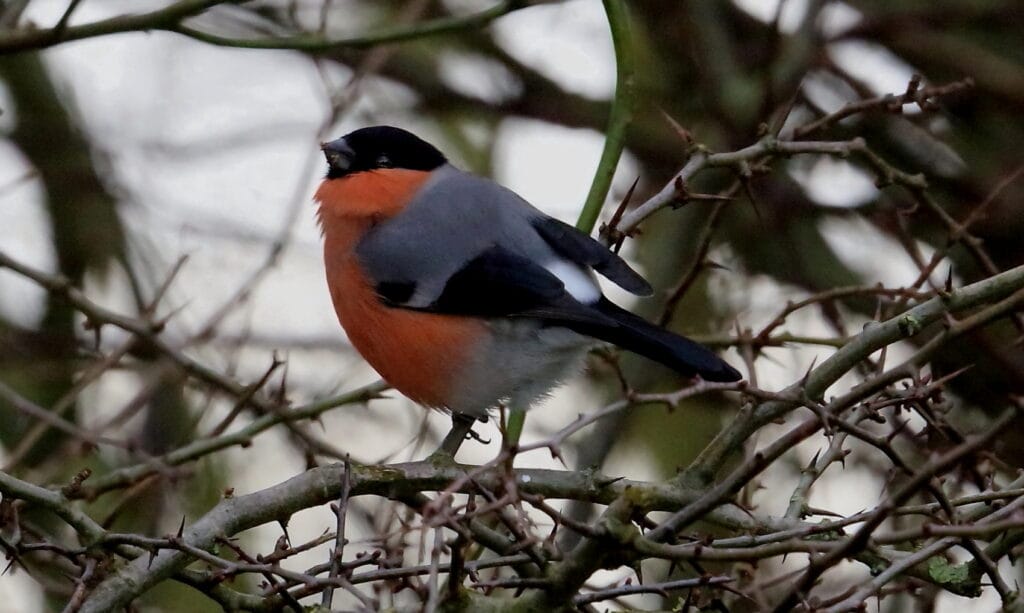
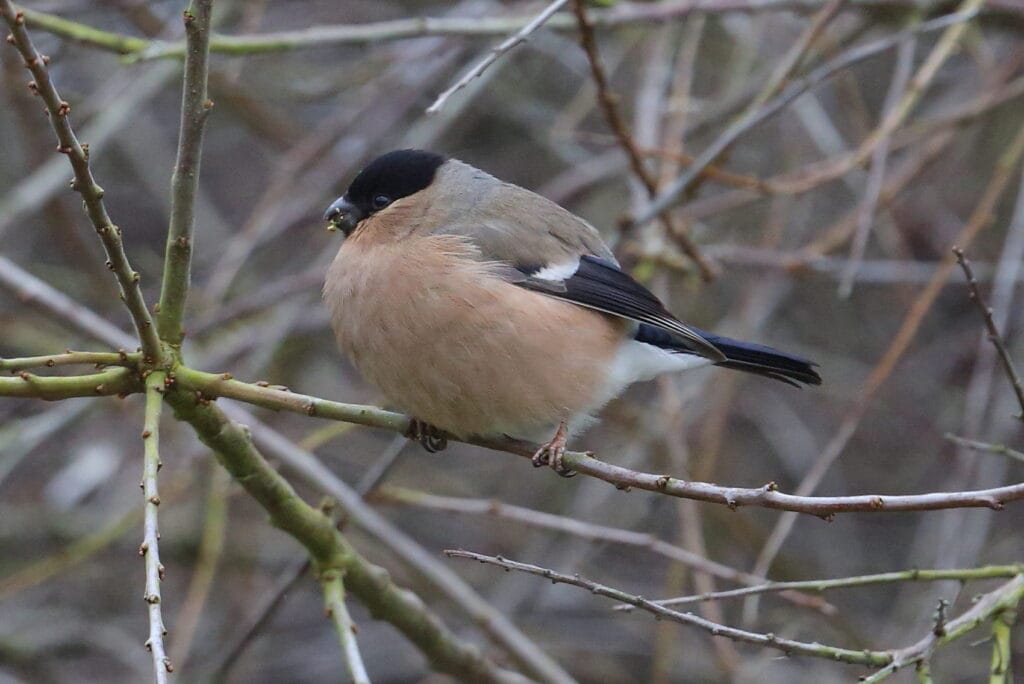
Bullfinch, South Dykes, by Alan Walkington

31st January 2021

A light south-easterly wind gradually increased in strength during a relatively bright, but cold day, with temperatures peaking at four degrees C. Seawatch highlights included three Eiders flying north, 397 Gannets and a Bonxie heading south. A scan of the sea between South Landing and South Dykes produced five Long-tailed Ducks, three Eiders, 87 Red-throated Divers and 49 Great Crested Grebes. The latter count was presumably the result of icy conditions further inland and the same conditions probably contributed to a tally of five Woodcock. Other notable records included 16 Snipe, a Short-eared Owl at Thornwick, 28 Redwing and six Mistle Thrush.

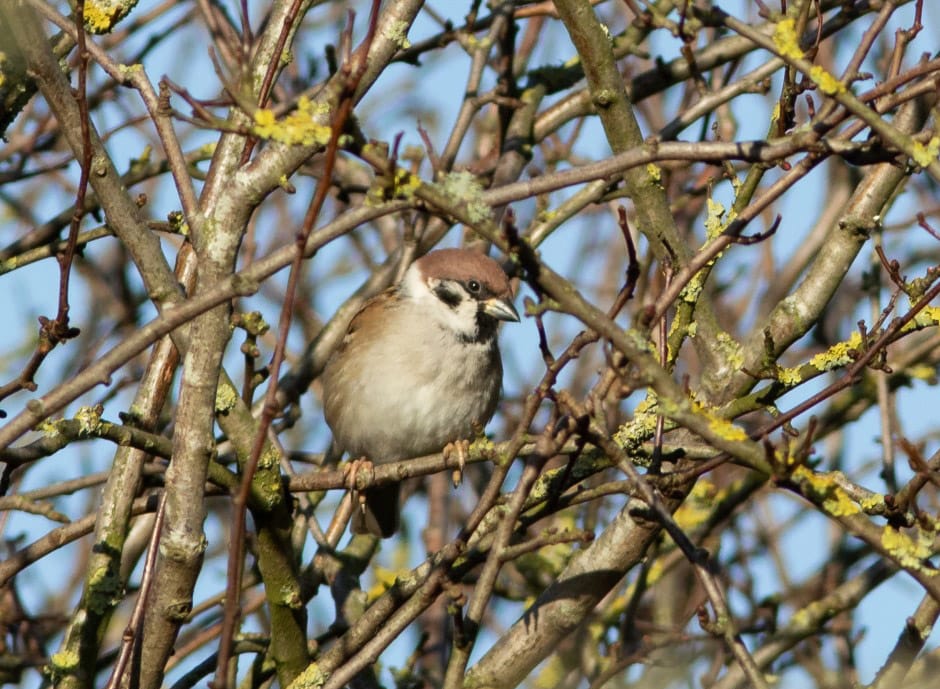
Tree Sparrow, Flamborough village, by Jo Hood

1st February 2021

A bright day, with light easterly winds and temperatures reaching six degrees C. Three dark-bellied Brent Geese flew ‘north’ past South Landing, where four Long-tailed Ducks remained offshore. Better still, an adult Glaucous Gull appeared off the Fog Station before flying south into Bridlington Bay. Two Woodcock and a Siskin were also present on the outer head.

Reed Bunting, Oceanview, by Andy Hood

2nd February 2021

Rain throughout, sleety in nature during the morning driven ashore on moderate/strong south-easterly winds, with temperatures of two degrees in the morning rising to four later. Not a day for the faint-hearted, the most notable records were three Stonechats and a Grey Wagtail on South Landing beach and 31 Redwing north of Thornwick Camp.

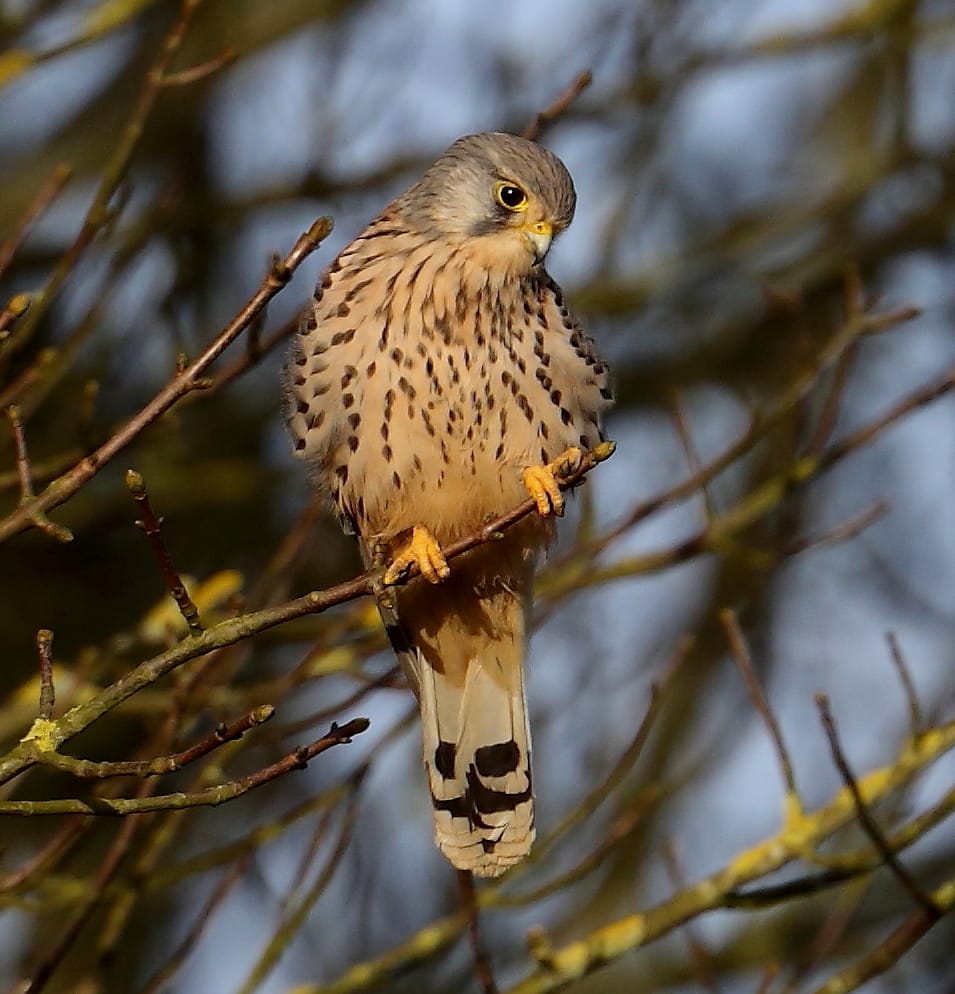
Kestrel, South Dykes, by Alan Walkington (1/2)

3rd February 2021

An overcast day, with drizzle throughout, a strengthening easterly wind and temperatures reaching five degrees C. The seawatch was quiet, although 87 Gannets and 75 Herring Gulls moved north in 90 minutes. A Pink-footed Goose frequented the Golf Course, six Long-tailed Ducks were on the sea off South Dykes and a Water Rail remained at Thornwick Pools. The beach at South Dykes continued to host single Black Redstart and Grey Wagtail.

Curlew, South Landing, by Craig Thomas

4th February 2021

A light south-easterly wind, light rain for most of the day and temperatures reaching five degrees C. During the morning seawatch, two dark-bellied Brent Geese flew south and 524 Gannets also flew past the headland. Sightings off the South Cliffs included 101 Red-throated Divers and 33 Great Crested Grebes, with the freshwaters of North Marsh hosting 82 Teal. Two pairs of Grey Partridges were located at Grange Farm, four Woodcock were divided equally between North Landing and South Landing, a Dunlin visited flooded pools along Water Lane, with fields east of North Dykes attracting 600 Common Gulls. Passerine-wise, a Black Redstart frequented the beach at South Landing, whilst three Lapland Buntings overflew North Landing.

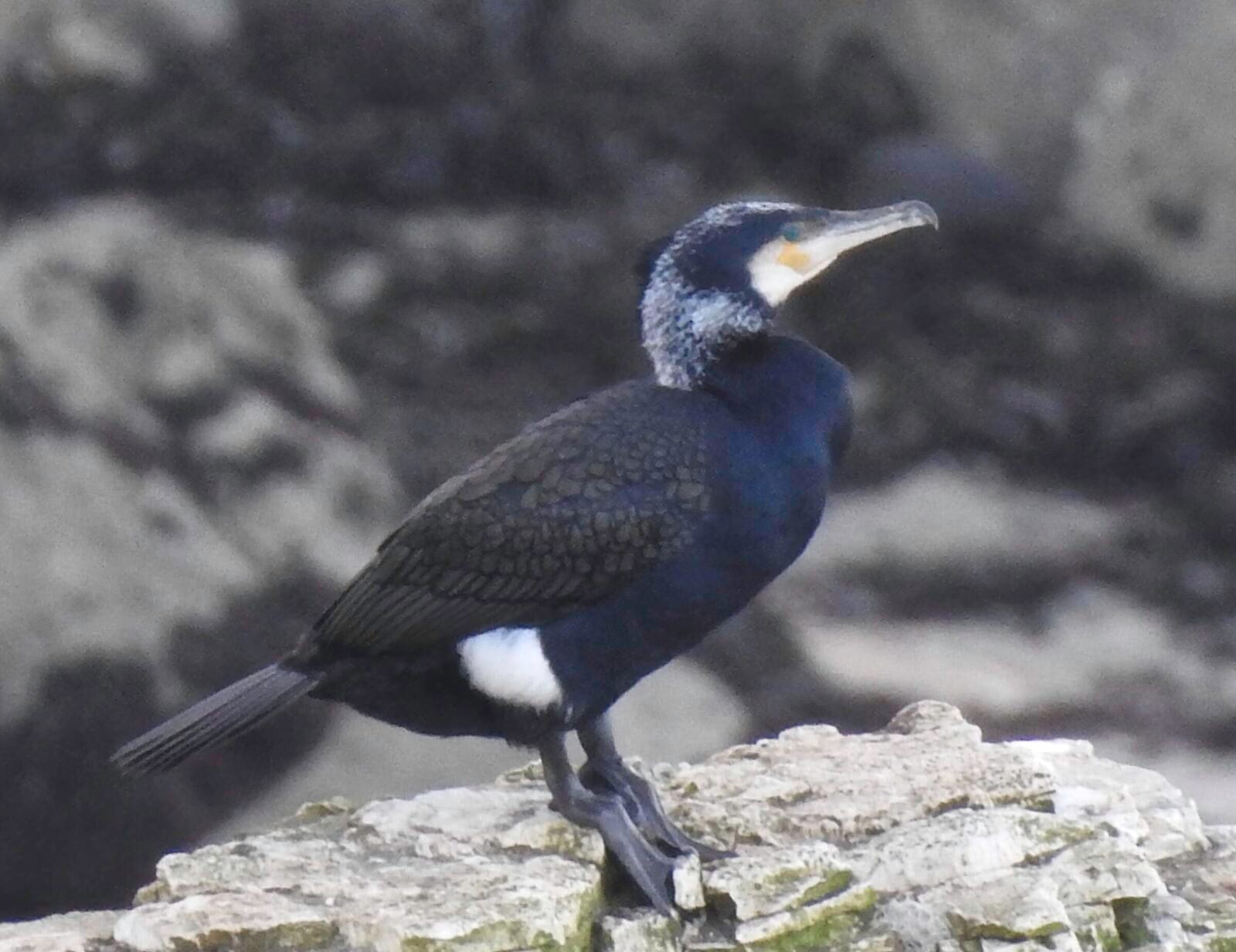
Cormorant, North Cliffs, by Brett Richards

5th February 2021

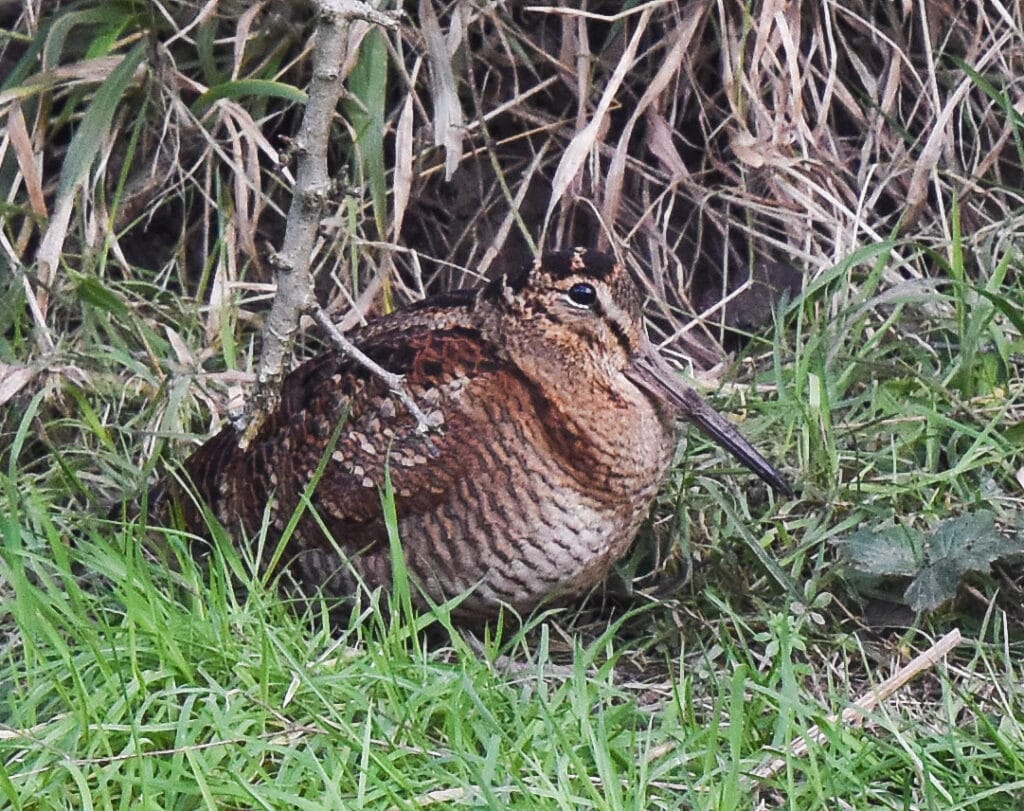
Another overcast day, with persistent light rain and fog during the afternoon. The day was dominated by one species, with record-breaking numbers of Woodcock scattered across the headland. In total 195 Woodcock were located, although significant areas of suitable habitat including the Dykes went unchecked; this smashes the previous best ever local count of 96 birds. Other indications of cold weather movement included three Lapwing, 42 Redwing and 13 Fieldfare. A morning seawatch at North Landing was quiet, although four Wigeon, three Eider and a Bonxie flew south.

Woodcock, outer head, by Craig Thomas

6th February 2021

Easterly winds, moderate at first strengthened during an overcast day, with temperatures reaching five degrees C. Twelve Common Scoters, 329 Fulmars and 518 Gannets flew south during a seawatch, whilst two Great Northern Divers were off South Dykes. Woodcocks remained in evidence despite minimal coverage, with 48 located during the day.

Stonechat, North Landing, by Brett Richards

7th February 2021

Overcast, with a strong east-north-easterly wind and a top temperature of two degrees C. Two dark-bellied Brent Geese on the outer head sought shelter on flooded fields, whilst further evidence of cold weather displacement included 33 Woodcock, 17 Snipe and two Jack Snipe. Cliff top fields on the northern side of the outer head also hosted a Short-eared Owl.

Bullfinch, South Dykes, by Alan Walkington

8th February 2021

The weather consisted of moderate/strong north-east winds, frequent snow showers throughout and temperatures hovering around zero degrees. Although the morning’s seawatch was quiet, with the vast majority of birds flying south including a higher proportion of winter-plumaged Guillemots than of late – perhaps indicative of birds from further afield. There were also further signs of cold weather displacement on the headland itself, including a Lapwing, four Ringed Plovers, 15 Woodcock, 43 Fieldfare and three Redwing.

Stonechat, South Landing, by Andy Hood

9th February 2021

A day of moderate north-easterly winds, snow showers augmenting lying snow, and temperatures peaking at two degrees C. Seawatch highlights included 564 Fulmars, 115 Gannets and 133 Common Gulls flying south. Two Great Northern Divers and a pair of Grey Partridges were present at South Landing. Birds displaced by the inclement conditions included 18 Woodcock, 12 Ringed Plovers, seven Dunlin, eight Fieldfare and 70 Redwing. An additional 13 Woodcocks were also present at Buckton.

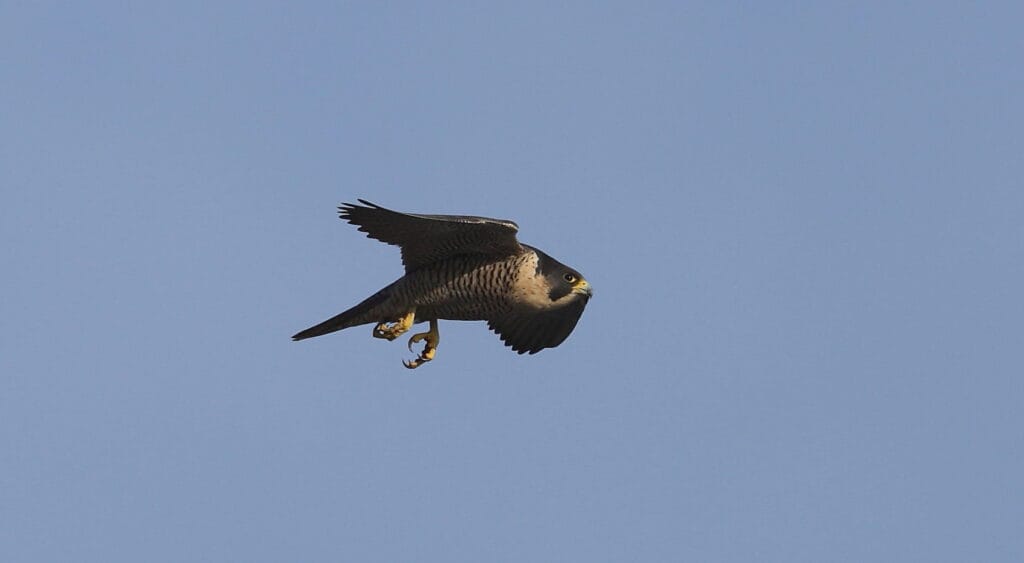
Peregrine, outer head, by Alan Walkington

10th February 2021

Moderate north-easterly winds featured throughout a brighter day, with occasional snow showers and temperatures reaching zero degrees once again. A second-winter Mediterranean Gull that flew north represented the highlight of the morning’s seawatch. South Landing beach hosted 12 Ringed Plovers and five Dunlin, whilst two Great Northern Divers remained offshore. Woodcock were still in evidence, with 26 located during the day and 33 Lapwing frequented northern stubbles. Additional signs of cold weather movement included gardens offering shelter to 65 Blackbird, 42 Redwing, eight Mistle Thrush and 35 Fieldfare.

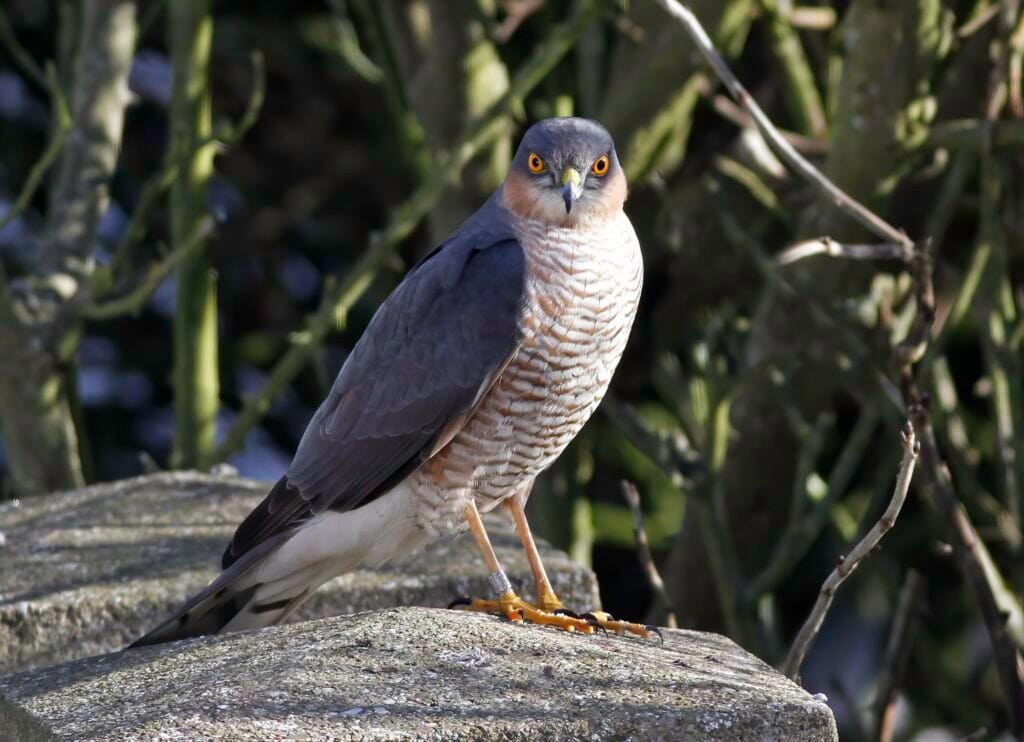
Sparrowhawk, Flamborough village, by Craig Thomas

11th February 2021

A sunny day, with a light/moderate south-easterly wind and temperatures reaching three degrees C. Seawatch highlights included two Velvet Scoters and 8100 Guillemots flying north, with two Red-breasted Mergansers and the year’s first Lesser Black-backed Gull moving south. Single Long-tailed Duck and Great Northern Diver were off South Landing. A male Marsh Harrier that flew east over the village early afternoon was unseasonal. Wader interest included a Golden Plover, 12 Ringed Plovers and 12 Woodcock. Passerine interest included 182 Skylarks, 98 Fieldfare, 24 Redwing, 104 Yellowhammers and a Lapland Bunting.

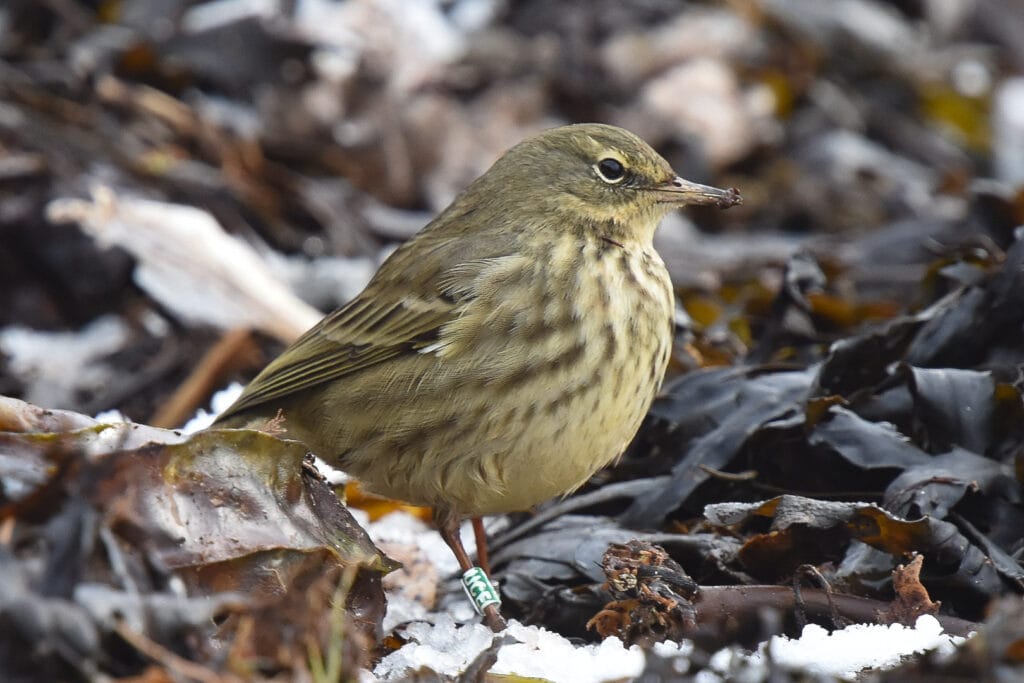
Rock Pipit, South Landing, by Andy Hood (rung in Norway)

12th February 2021

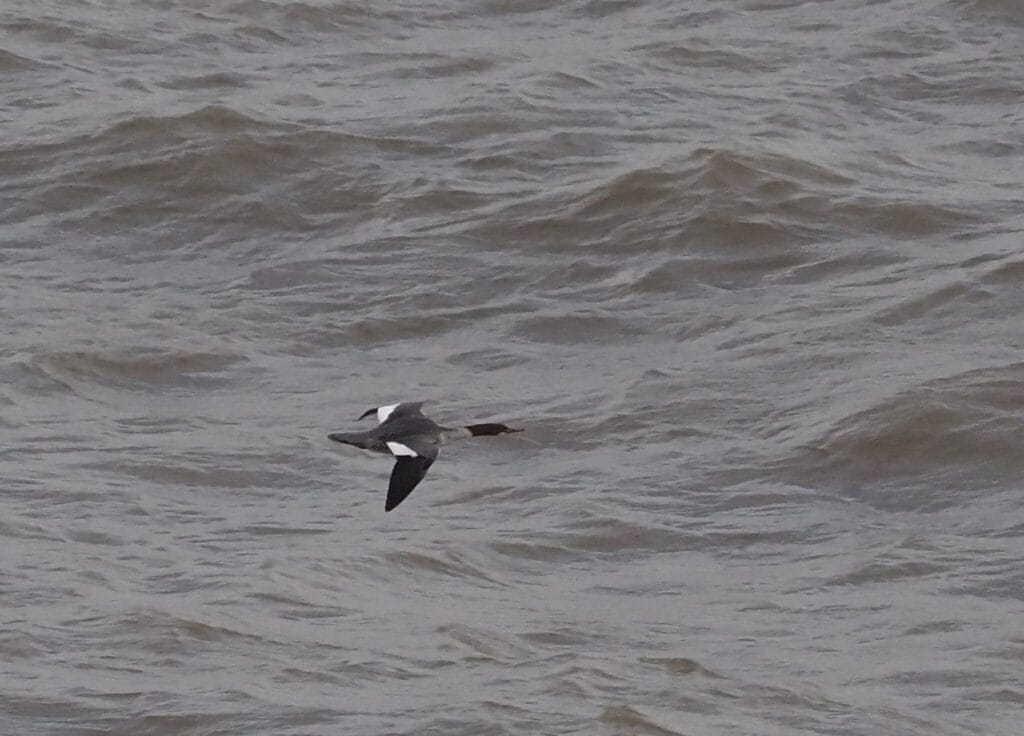
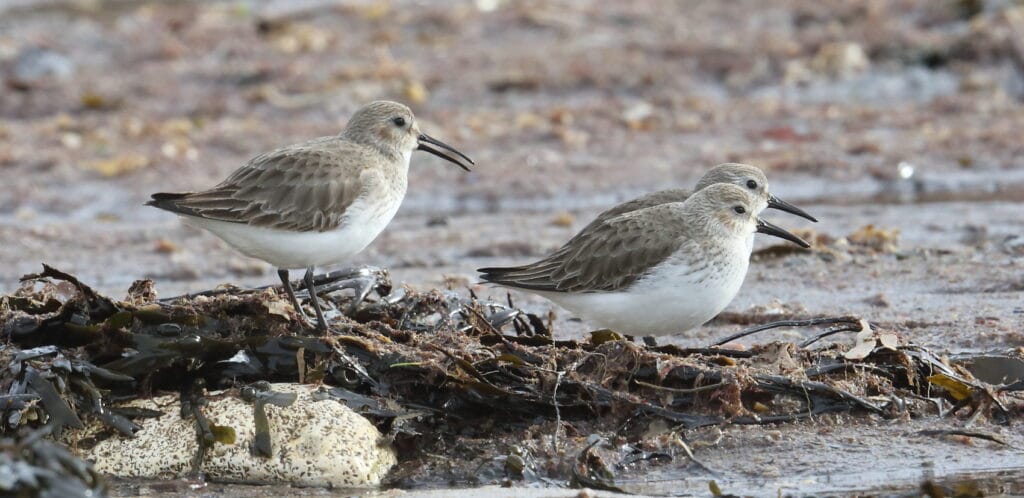
An overcast morning with frequent snow showers followed by sunny intervals; it remained bitterly cold, with a moderate/strong south-east wind and daytime temperatures hovering between -2 and 0.5 degrees C. A Black-throated Diver flew south during the seawatch, together with two Tufted Duck, three Eider, two Goldeneye and a Dunlin.

A Grey Phalarope sheltered from rough seas on South Landing beach early afternoon, but unfortunately soon departed, whilst five Long-tailed Ducks remained offshore; seven pale-bellied Brent Geese flew north and another p.b. Brent Goose visited South Landing late afternoon. Two Grey Partridge and a Red-legged Partridge sought snow-free ground on the headland. Further signs of a cold weather influx were provided by four Lapwing, two Dunlin, 102 Woodcock, an impressive influx of 104 Snipe and two Jack Snipe. Passerine totals included 570 Skylarks, 245 Fieldfare, 50 Redwing, 12 Song Thrush, four Mistle Thrush, 25 Meadow Pipits and 155 Yellowhammers.
Woodcock, South Landing, by Andy Hood

13th February 2021

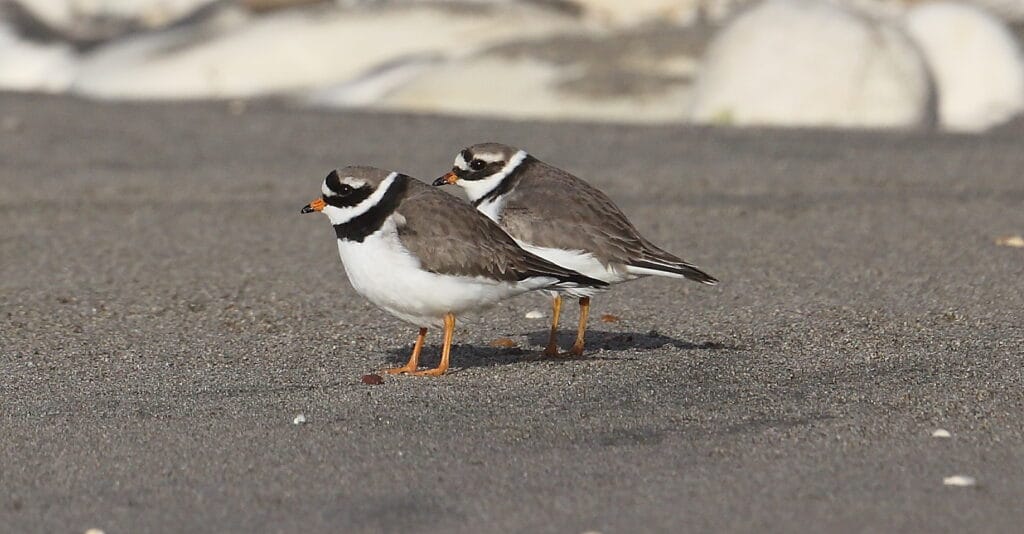
A relatively bright day, with very strong south-south-easterly winds and temperatures no higher than one degree C. During the seawatch, ten Goldeneye and 46 Red-throated Divers flew south. A Jack Snipe and six Dunlin were seen at North Landing, eight Ringed Plover and two Sanderling at South Landing, with three Lapwing, a Golden Plover and 81 Woodcock also on the headland. A total of 910 Herring Gulls represented an influx, with the majority feeding along the tideline at South Dykes. Additional remnants of the cold weather movement, 63 Fieldfare and 34 Redwing frequented the few areas of shelter on the headland.

Ringed Plover, South Landing, by Alan Walkington

14th February 2021

Force seven southerly winds, overcast skies with rain late afternoon and temperatures that reached a mere one degree C. A Goldeneye flew north during the morning’s seawatch, whilst 19 Red-throated Divers and three Great Crested Grebes headed south. South Landing beach attracted two Knot, four Dunlin and 22 Ringed Plovers, with four first-winter Little Gulls feeding in the surf there. Elsewhere, notable sightings included two Pink-footed Geese, 11 Woodcock, eight Redwing and five Fieldfare; a female Black Redstart continued to winter at South Dykes beach.

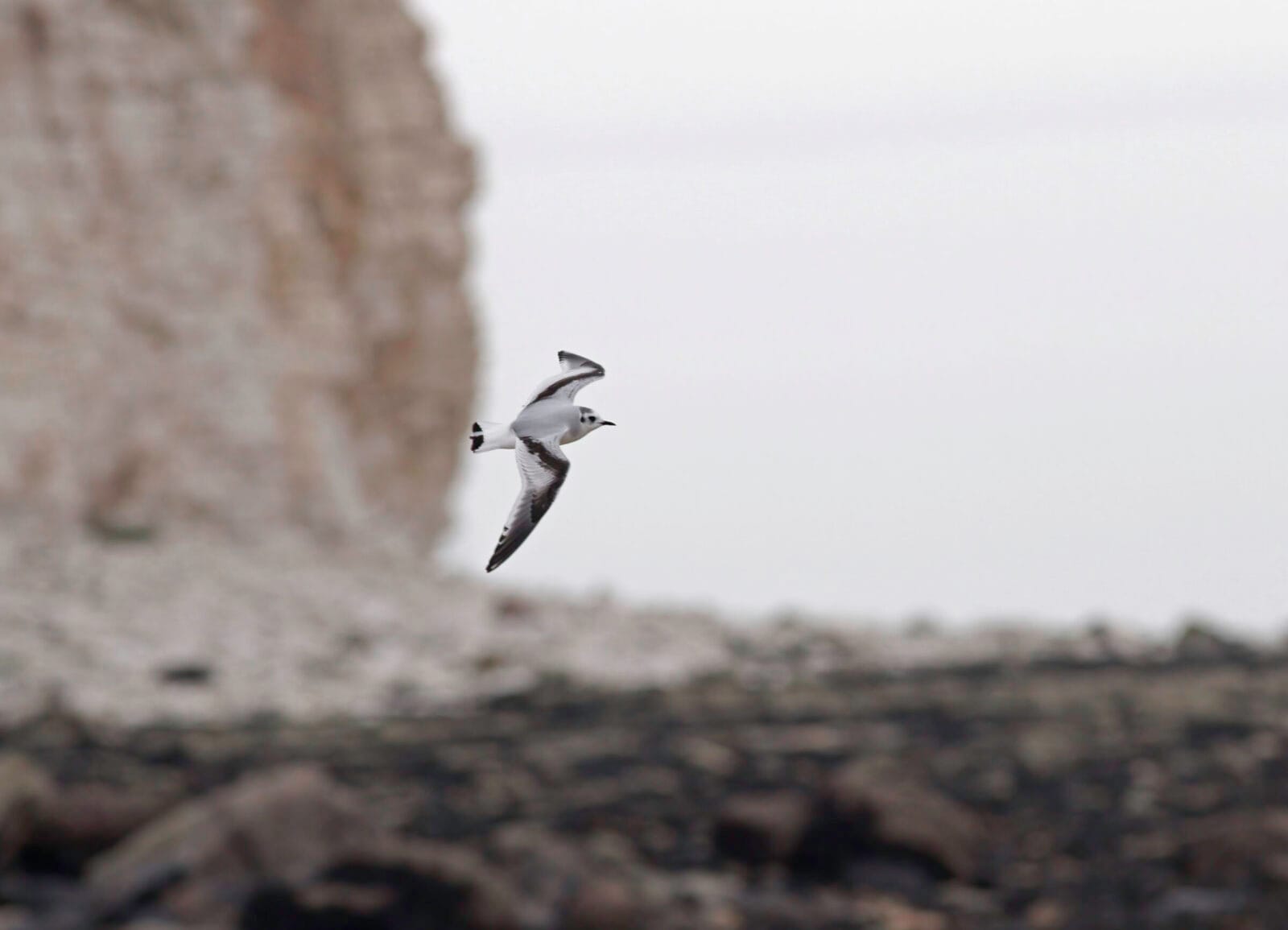
Little Gull, South Landing, by Craig Thomas

15th February 2021

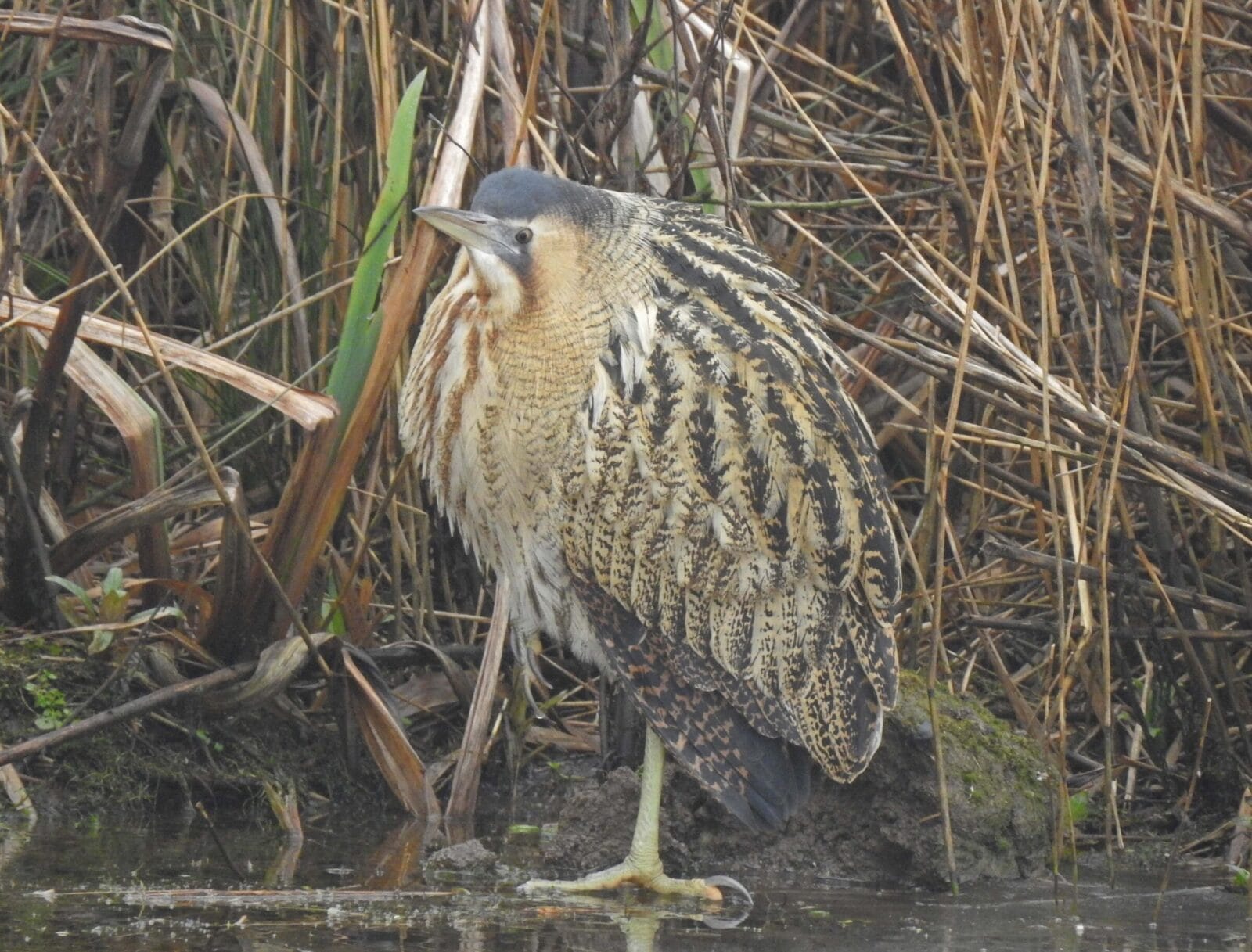
The weather consisted of light south-west/south winds, sunny intervals developing after a foggy morning and temperatures reaching seven degrees C. A Bittern seen at Thornwick Pools was predictably elusive and although a true rarity on the headland, wasn’t entirely unexpected given the recent low temperatures; the same location also attracted a Water Rail and a Grey Wagtail. A juvenile Glaucous Gull flew south over Thornwick Nab and latterly North Marsh, whilst a Little Egret also moved south over Holmes Gut. Other notable sightings included two Pink-footed Geese, single Great Northern Diver and Long-tailed Duck (both at South Landing), two Grey Partridges, a Jack Snipe, 14 Woodcock, 67 Fieldfares, 11 Redwing, six Stonechats, two Siskin and seven Lapland Buntings.

Bittern, Thornwick Pools, by Brett Richards

16th February 2021

The significant change in the weather continued, with sunny intervals and temperatures reaching 11 degrees C in a light/moderate south-westerly wind. A Great Northern Diver flew north during the morning seawatch, with a ‘northern’ Herring Gull and a Snipe moving south.

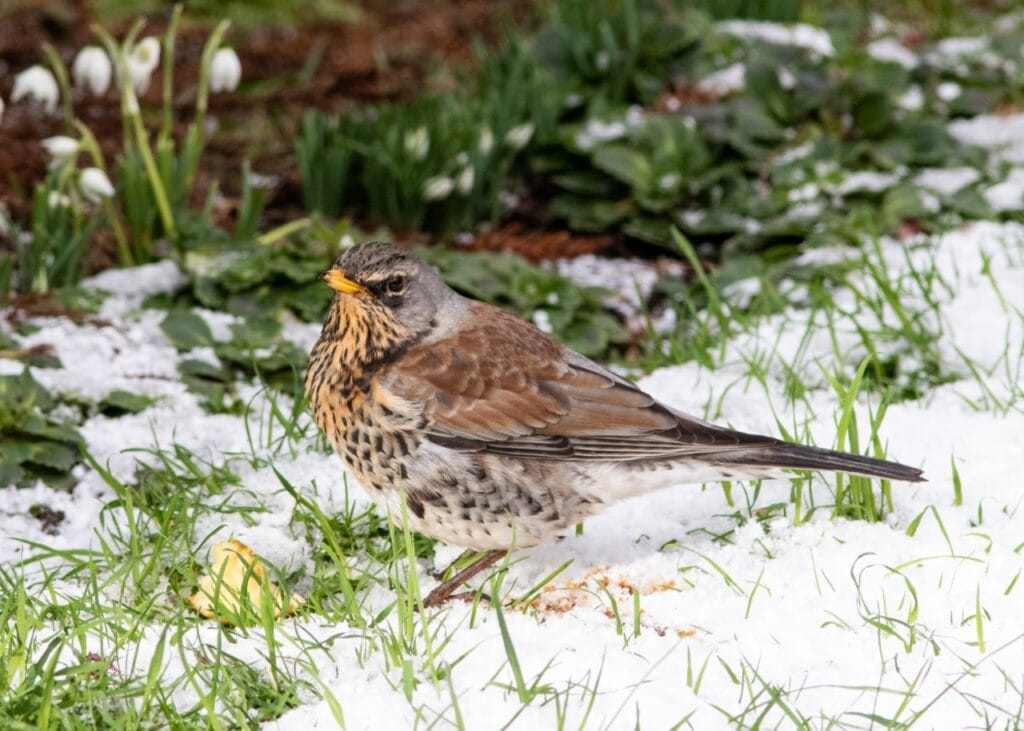
Two Pink-footed Geese were on the headland, with four Long-tailed Ducks, three Eider and eight Great Crested Grebes off the South Cliffs. Gull interest included 500 Herring Gulls on the beach between South Landing and South Dykes, a first-winter Little Gull on the beach at Sewerby and a first-winter Lesser Black-backed Gull at Thornwick’s New Workings. A total of 23 Woodcock revealed significant numbers are still present, although the peak count has clearly passed with the improving weather. Passerine interest included 36 Fieldfare, eight Mistle Thrush, 35 Redwing, 12 Song Thrush and the male Black Redstart still at the Fog Station.

Fieldfare, Flamborough village, by Jo Hood (14/2)

17th February 2021

A south-south-easterly wind veered south-south-west later during a day that featured sunny intervals and temperatures that reached nine degrees C. The morning seawatch was quiet, although six Wigeon flew south and 60 Razorbills represented an increase as birds started to return to inshore waters around the colony.

A skein of 40 Pink-footed Geese flew south over North Dykes, where 27 Woodcock remained, as did two Lapland Buntings. Four Long-tailed Ducks were on the sea off South Landing, which also attracted six Woodcock. Additional sightings elsewhere included a single Woodcock, four Common Buzzards, 62 Redwing, 69 Fieldfare, ten Song Thrush and six Mistle Thrush.

Dunlin, South Landing, by Alan Walkington

18th February 2021

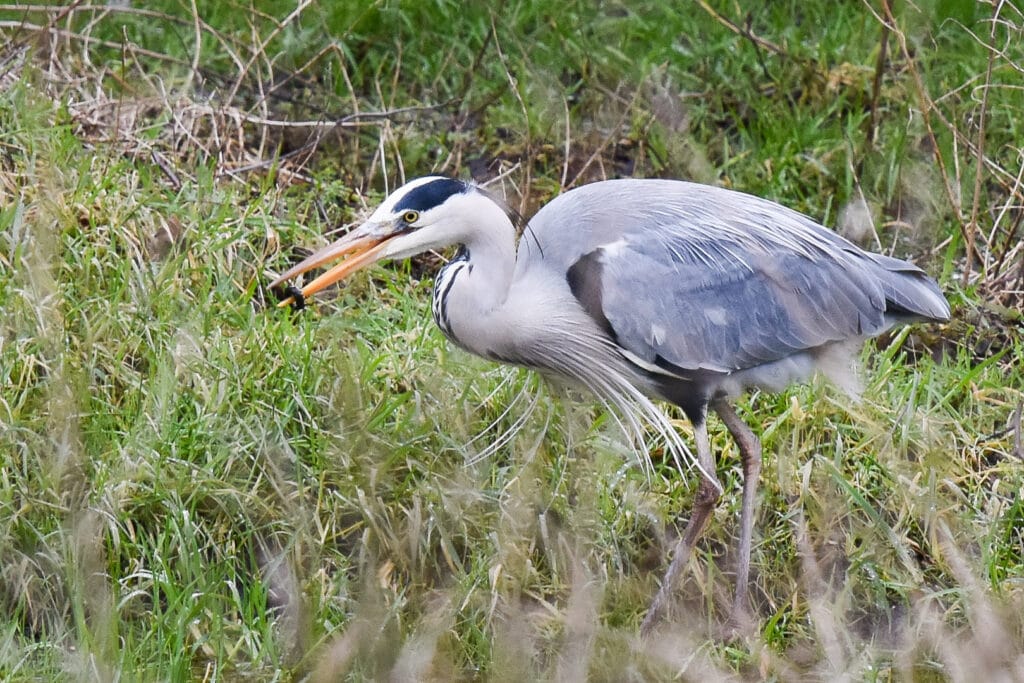
Moderate/strong south/south-west winds, a band of heavy rain in the middle of the day and sunny intervals later, with temperatures reaching eight degrees C. Five Knot and a ‘northern’ Herring Gull flew south during the morning seawatch, with 172 Razorbills representing another increase. Two Pink-footed Geese were still in residence, whilst 36 Fieldfare and a couple of Redwing also remained following last week’s cold weather.

Grey Heron, Oceanview, by Andy Hood

19th February 2021

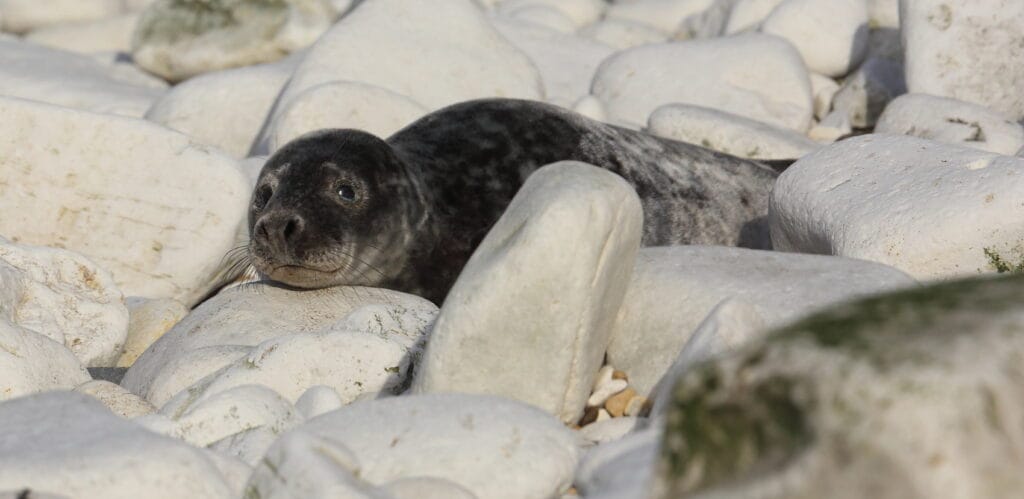
An overcast day, with long spells of relatively light rain, a blustery southerly wind and temperatures that rose from four degrees during the morning to eight degrees by late afternoon. The North Marsh area hosted a Shelduck, 41 Wigeon, 76 Teal and 29 Mallard, with two Pink-footed Geese remaining on Thornwick’s New Workings. Although fewer in number a total of 16 Woodcock were located, a Dunlin flew south past the Fog Station and 18 Curlew frequented the outer head. Passerine interest included 35 Redwing, a Chiffchaff at Thornwick, two Grey Wagtails and the male Black Redstart at the Fog Station.

Grey Seal, South Landing, by Alan Walkington

20th February 2021

Another overcast day with blustery southerly winds, light rain during the morning and temperatures that reached seven degrees C. A Gadwall, an Eider and two Little Gulls flew south during the morning’s seawatch. The sea below the South Cliffs hosted five Long-tailed Ducks, ten Common Scoters, an Eider, 37 Great Crested Grebes and 45 Red-throated Divers. Twelve Woodcock and two Jack Snipe were located on the south side of the headland. Other notable sightings included seven Fieldfare, 12 Redwing, two Grey Wagtails and three Lapland Buntings. Buckton attracted two Grey Partridge, two Golden Plover, two Woodcock, a Corn Bunting and 13 Lapland Buntings.
‘Northern’ Herring Gull, Oceanview, by Andy Hood

21st February 2021

An overcast day, with light south-south-west winds and temperatures reaching eight degrees C. Two Tufted Ducks, a Great Northern Diver, 27 Dunlin, a Little Gull and two ‘northern’ Herring Gulls flew south during the morning seawatch, but the undoubted highlight was a Shore Lark that headed south past the Fog Station; the first record for two years.
Three Pink-footed Geese were on the New Workings at Thornwick and five Long-tailed Ducks off South Landing. A total of 57 Lapwing flew south, replicating the Dunlin movement on the seawatch, whilst Black-headed Gulls were also on the move, with 260 including many flying south over the headland. Other notable records involved 18 Woodcock, a Jack Snipe, 19 Redwing, two Fieldfare, 13 Song Thrush, four Mistle Thrush and the male Black Redstart at the Fog Station.

Fieldfare, Flamborough village, by Craig Thomas

22nd February 2021

The weather consisted of light variable winds, overcast skies and light rain followed by sunny intervals later and temperatures reaching seven degrees C. During the seawatch a Pintail, 80 Red-throated Divers and a Lesser Black-backed Gull flew south. A northerly movement of Pink-footed Geese occurred during the morning, with a total of 585 birds including 190 birds moving over the sea. The male Black Redstart remained at the Fog Station, with six Fieldfare and four Redwing also present. The sea off Bridlington Links GC attracted six Long-tailed Ducks and 19 Great Crested Grebes, whilst a Woodcock, two Stonechats and two Siskin frequented the nearby cliff top.

Shelduck, Thornwick Pools, by Brett Richards

23rd February 2021

Increasingly strong southerly winds established during a day that featured sunny intervals and increasingly cloudy skies with temperatures reaching ten degrees C. A skein of 60 Pink-footed Geese flew north early morning, a Goosander moved south, whilst three Long-tailed Ducks lingered on the sea off Hartendale. Two Red-legged Partridges frequented Beacon Hill and a total of three Woodcocks also lingered. A Corn Bunting east of the village was a noteworthy record of a species that has been scarce throughout the winter. Although the larger numbers now seem to have dispersed, 25 Lapland Buntings were still on cliff top fields at Buckton.

Goosander, Fog Station, by Phil Buxton

24th February 2021

A relatively overcast day, with strong southerly winds and very mild temperatures peaking at 15 degrees C. Seawatch highlights included three Eider, two Knot, 13 Dunlin, nine Redshank and a Lesser Black-backed Gull flying south. The Water Rail remained at Thornwick Pools and the male Black Redstart at the Fog Station. The most notable sighting related to a male Ring Ouzel that appeared at RSPB Bempton Cliffs; potentially the individual present on site in December, or possibly a newly arrived migrant?

Black Redstart, Fog Station, by Brett Richards

25th February 2021

The weather consisted of sunny intervals, a moderate westerly wind and temperatures that reached 12 degrees C. During the seawatch, 20 Red-throated Divers, 31 Black-headed Gulls and 113 Common Gulls flew south. The male Black Redstart continued its long stay in and around the Fog Station. A total of 280 Kittiwakes rafting on the sea off the North Cliffs was a clear indication of early spring. Another species on the move, five Stonechats frequented the fringes of North Marsh.

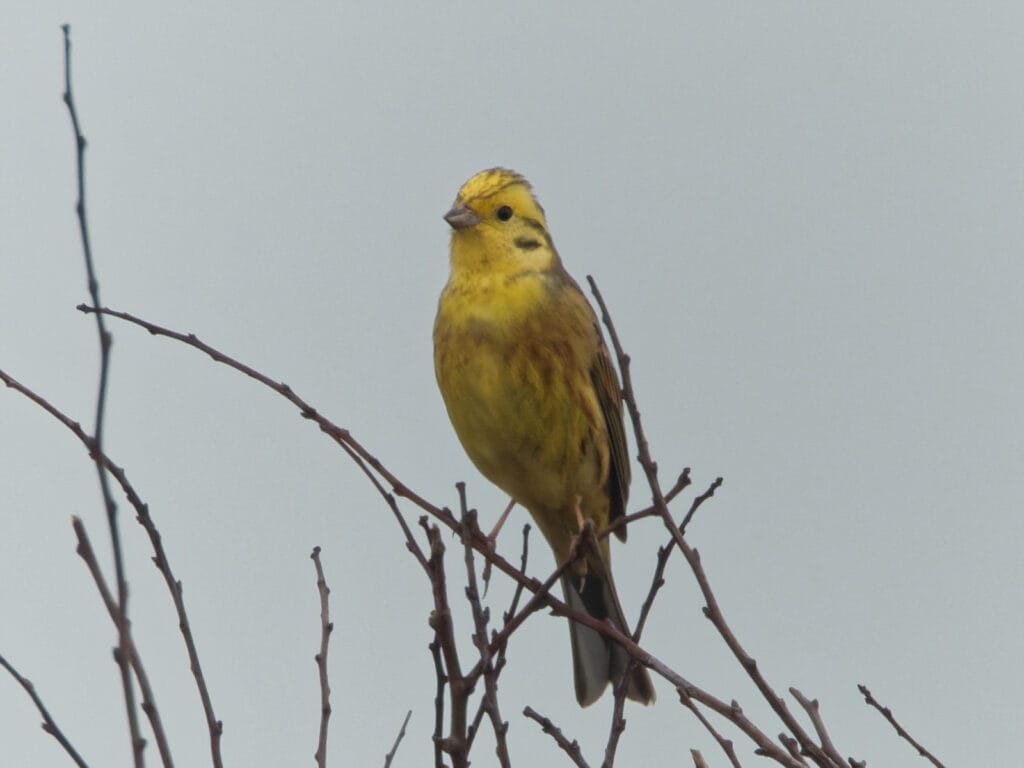
Yellowhammer, South Landing, by Rob Little

26th February 2021

A day of light/moderate westerly winds, prolonged sunny intervals and temperatures reaching nine degrees C. The undoubted highlight was a juvenile White-tailed Eagle that flew east over RSPB Bempton Cliffs at 1445hrs and then back west over Thornwick Bay at 1528hrs.
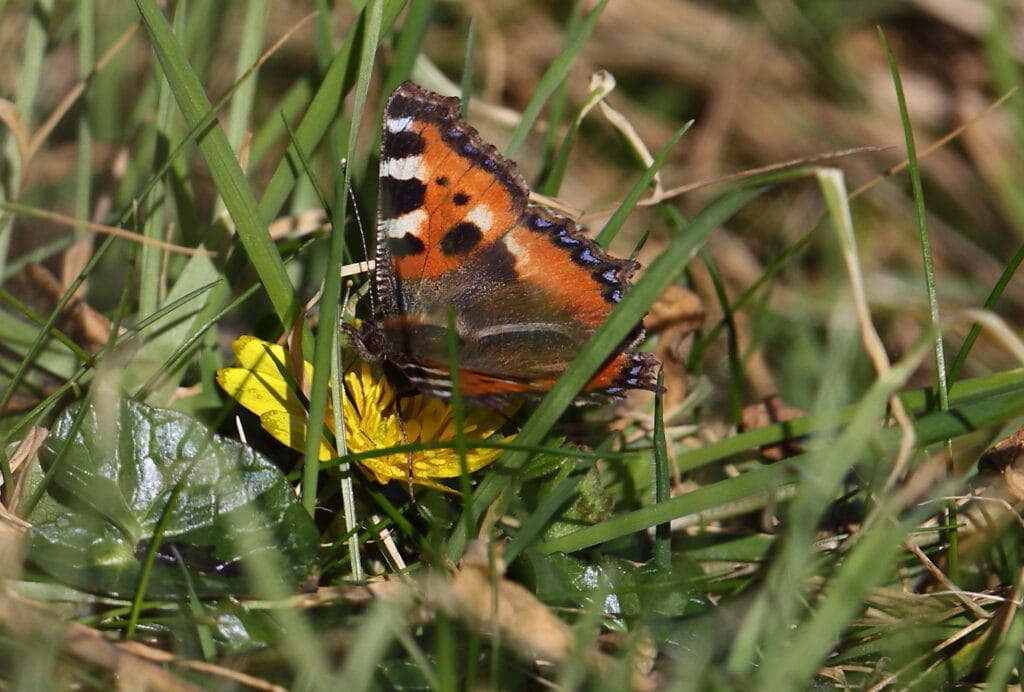
Wildfowl interest included 20 Pink-footed Geese flying north; another lingered around North Marsh, where it accompanied a Barnacle Goose, 47 Wigeon and 70 Teal, whilst six Shoveler flew south past the Fog Station. A lone Woodcock indicated a significant departure over the last few days. The Lighthouse garden hosted a female Black Redstart, which might well qualify as the first spring passerine migrant, albeit a singing Chiffchaff in Selwick’s Bay was located shortly afterwards. An influx of 16 Stonechats also took place, smashing the previous highest February count of five, and the male Black Redstart remained on the cliffs near the Fog Station. Eighty Lapland Buntings remained at Buckton. The year’s first butterfly, a Small Tortoiseshell was located on the cliffs below the Fog Station.
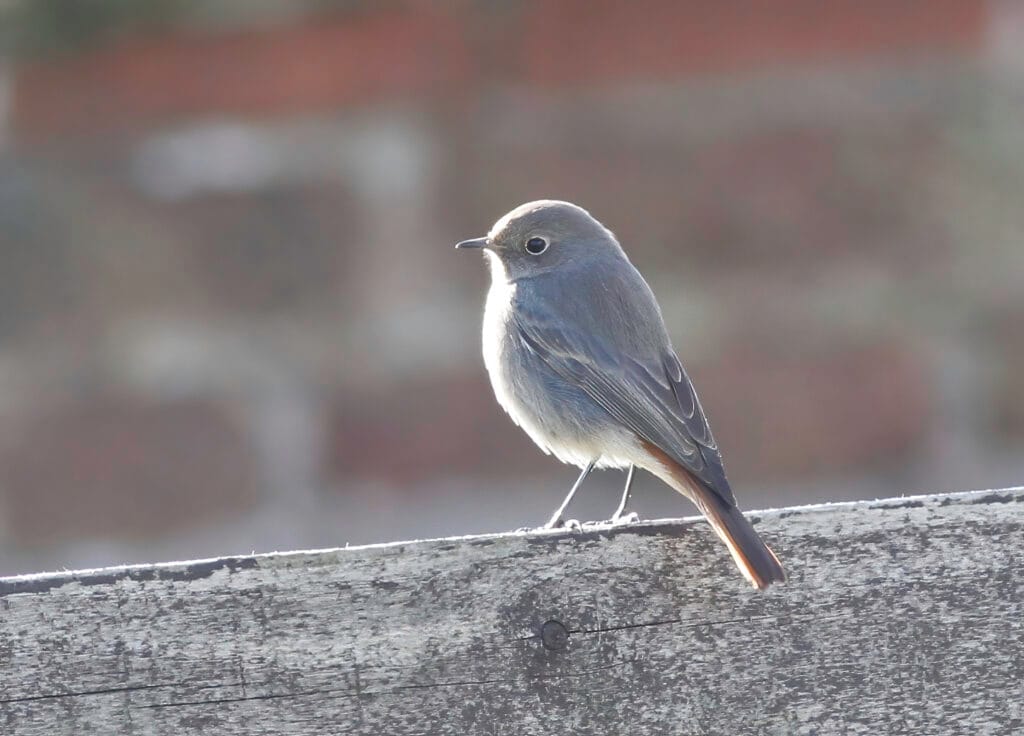
Black Redstart, Lighthouse, by Craig Thomas

27th February 2021

Another sunny day, with light westerly winds and temperatures reaching ten degrees C. A Barnacle Goose that flew north past the Fog Station later headed past Thornwick Bay. Two Eiders also flew north, with 65 Red-throated Divers moving south during the seawatch.

A Pink-footed Goose and 47 Wigeon continued in residence on the headland’s freshwaters. However, the day’s biggest surprise was the brief re-appearance of the White-tailed Eagle that drifted east off South Landing at 0804hrs. The Water Rail remained at Thornwick Pools and two sites hosted a total of four Snipe. Passerine interest included 38 Redwing, a Fieldfare and 11 Stonechat. Three Small Tortoiseshell butterflies were also located on the headland.

Small Tortoiseshell, Fog Station, by Alan Walkington

28th February 2021

After a frosty start to the day, sunny throughout with a light south-easterly breeze developing and temperatures reaching eight degrees C. Two Gadwall flew south during the morning seawatch and a Golden Plover headed north. Wildfowl interest included a Pink-footed Goose with the Greylag flock, a Shelduck, 47 Wigeon and 101 Teal. Typical of date and weather conditions, the year’s first Red Kite drifted onto the headland early afternoon. Notable passerine records included two male Blackcaps that visited a garden feeder in the village, two Stonechats on the outer head and two Siskin that visited Oceanview.

Peregrine, outer head, by Alan Walkington