21st November 2020

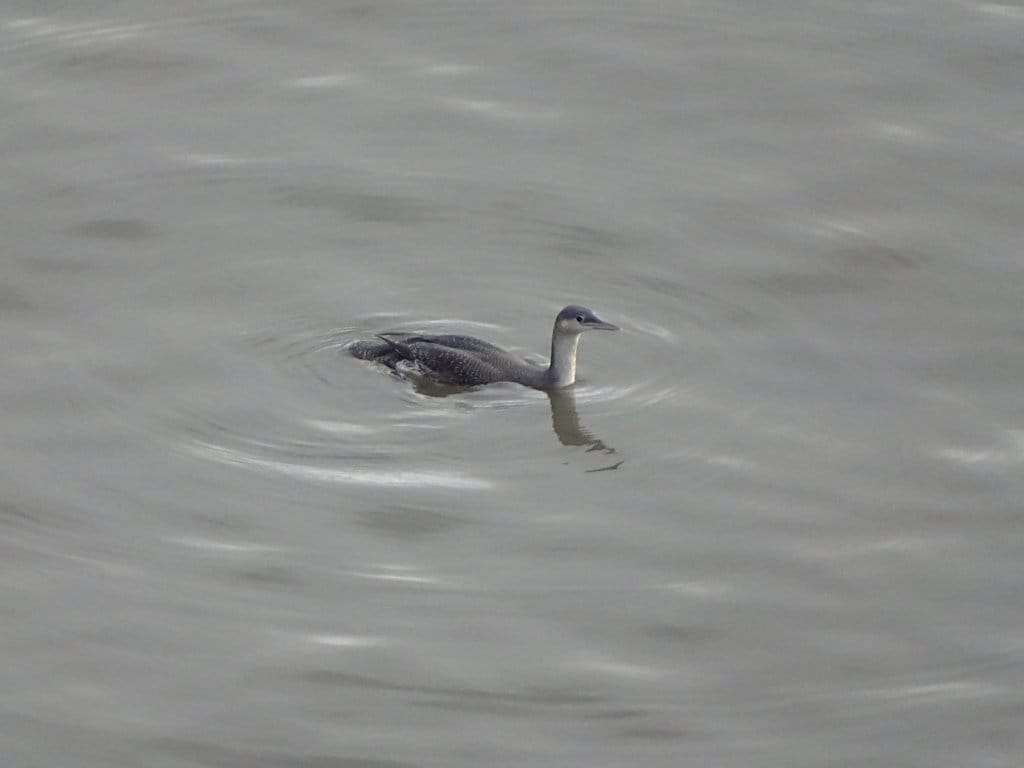
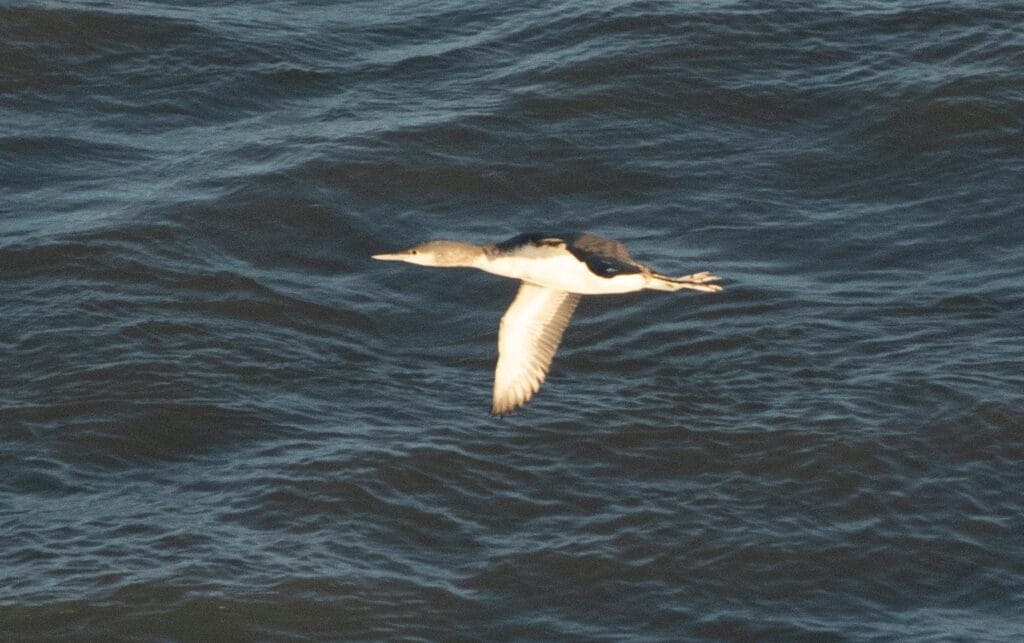
A relatively overcast day, with sunny intervals and light showers in the afternoon, moderate/strong south-west winds and temperatures that reached 12 degrees C. A Black-throated Diver south past the Fog Station provided the seawatch highlight, albeit seven Great Northern Divers were also noteworthy. Three Little Gulls also flew south, with a Bonxie moving in the opposite direction.

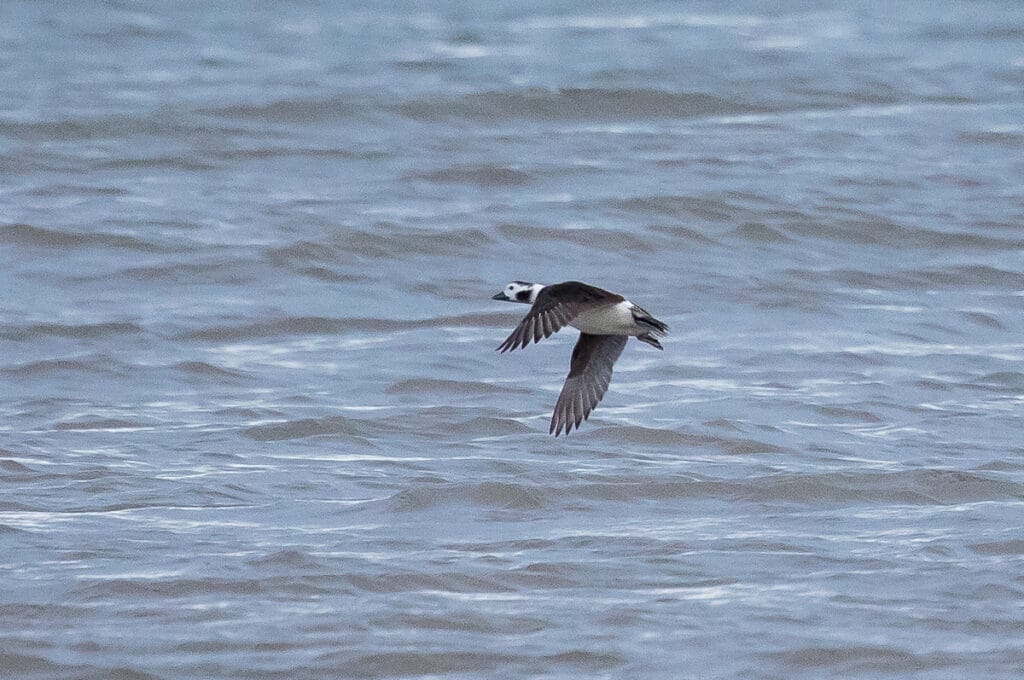
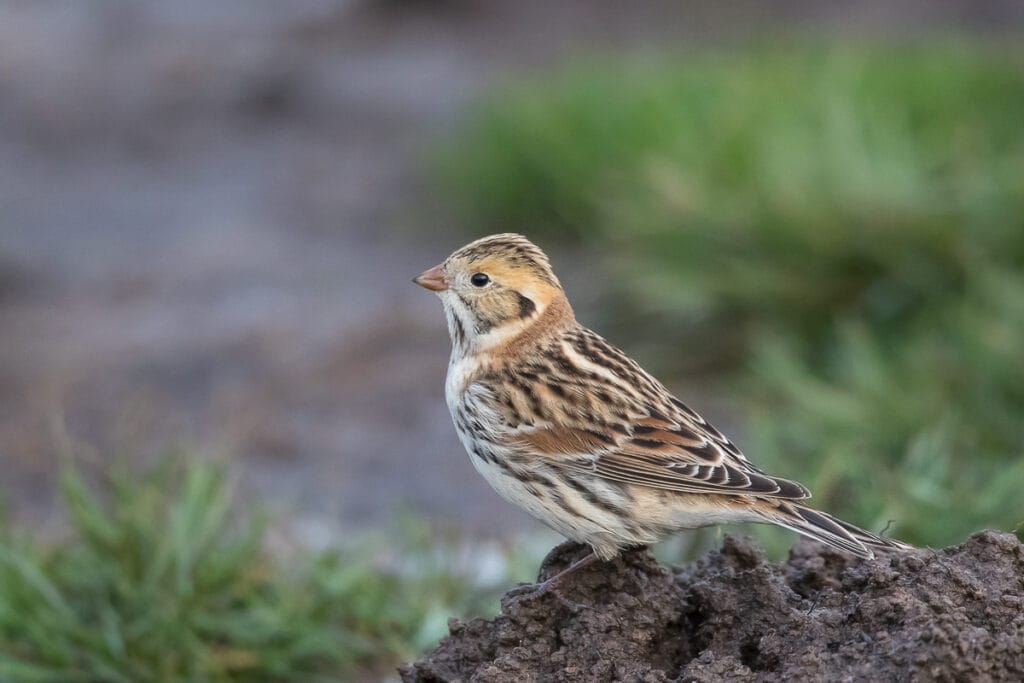
Four Long-tailed Ducks and 120 Common Scoter sheltered below the South Cliffs, with 144 Teal (135 North Marsh, 9 Thornwick Pools), 64 Mallard and 37 Wigeon also in residence. Six Woodcock included a single in off, whilst passerine interest included a Siskin, 13 Lapland Buntings and six Snow Buntings.

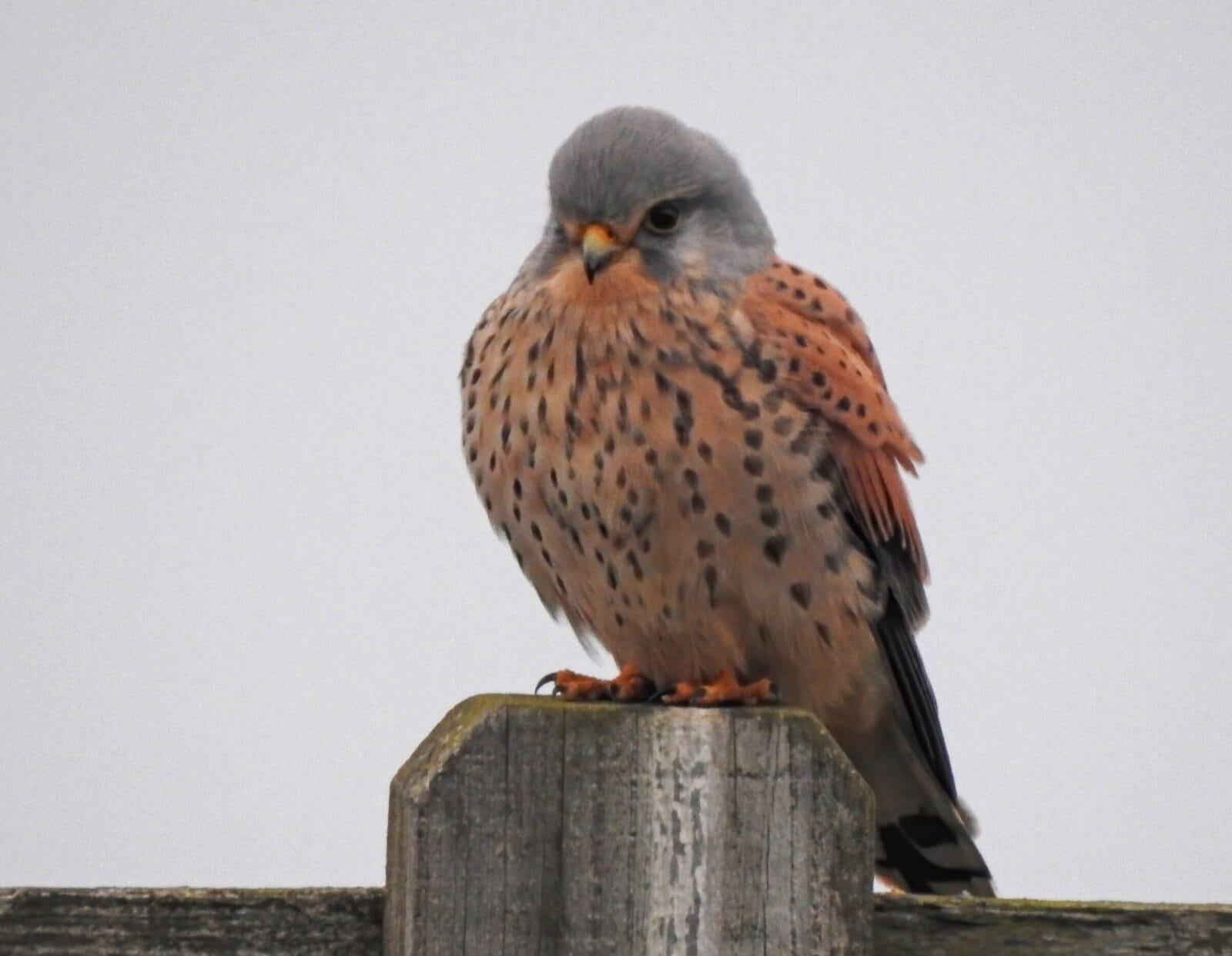
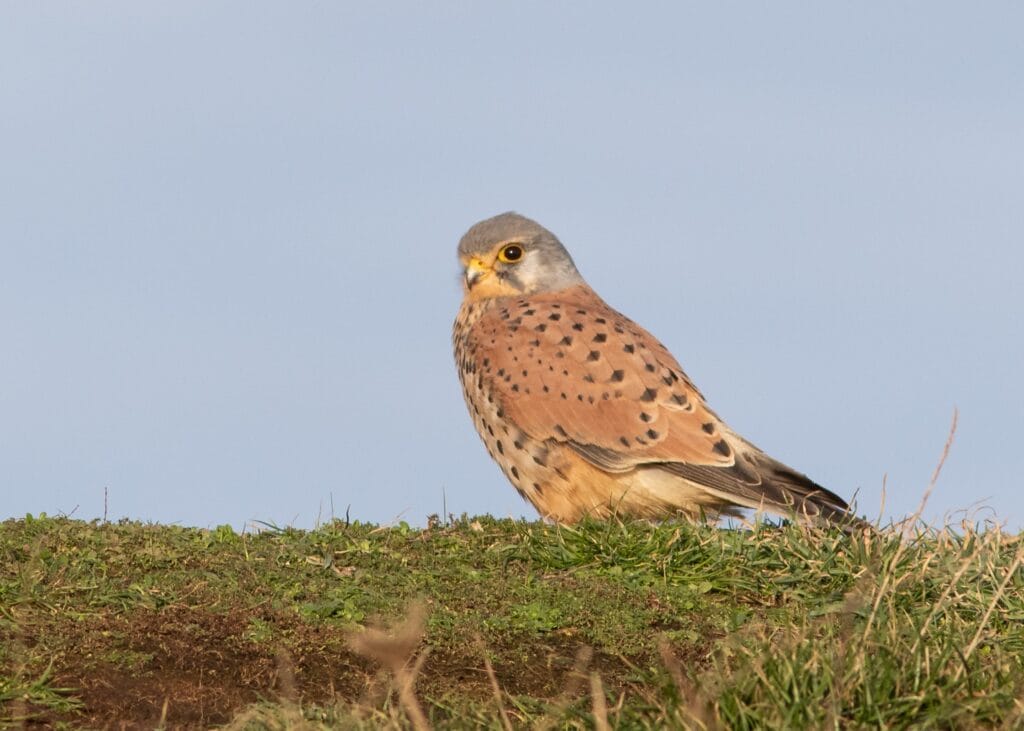
Kestrel, North Landing, by Andrew Allport

22nd November 2020

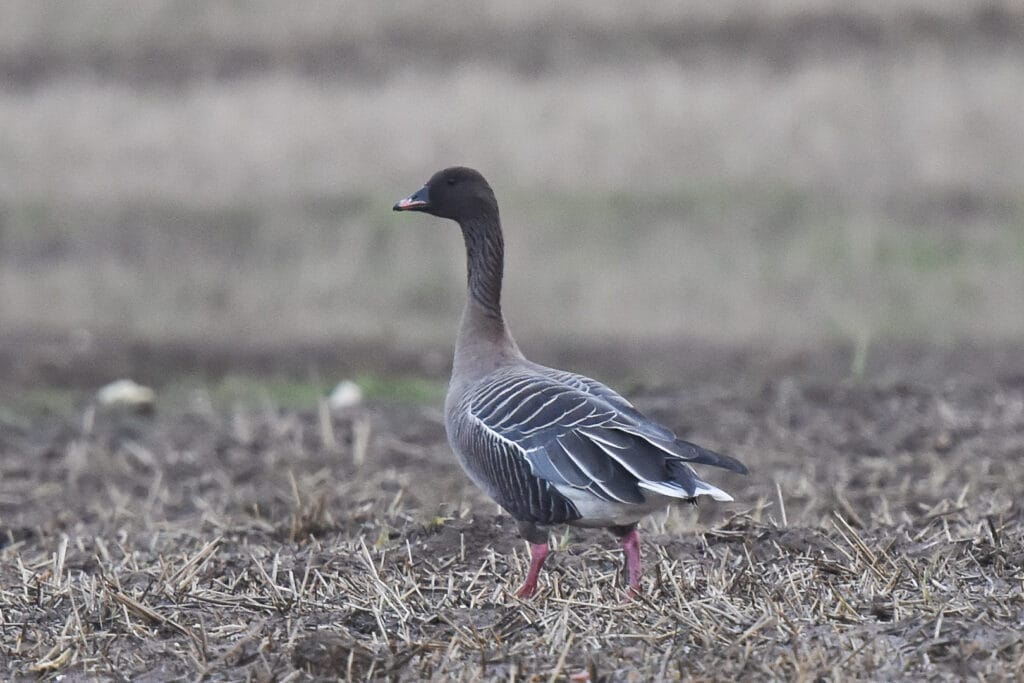
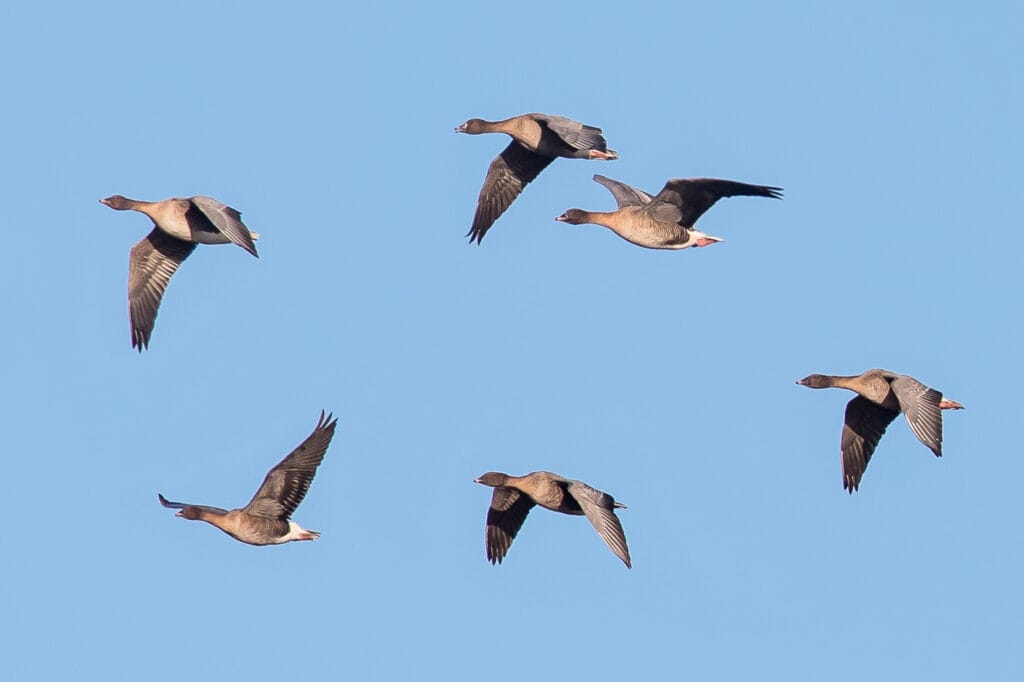
Light westerly winds finally provided respite during a relatively bright day, with temperatures peaking at eight degrees C. A skein of 113 Pink-footed Geese flew south during the seawatch, with other notable sightings from the Fog Station including a Long-tailed Duck, four Great Northern Divers and two Bonxies.

In addition to the seawatch record, a southerly movement of Pink-footed Geese also took place over the headland: six additional skeins contained a total of 460 birds. More unusually, a Great Northern Diver flew south at height over the village, whilst a Red Kite toured fields west of there late morning. A late House Martin (Old Fall), three Mistle Thrush, 19 Redwing, 66 Blackbirds, two Chiffchaffs, 28 Meadow Pipits and four Lesser Redpoll were also recorded.

Ringing effort was rewarded with 64 birds being processed, including a Redwing, two Chiffchaffs and a Lesser Redpoll.

Lesser Redpoll, South Landing, by Jo Hood

23rd November 2020

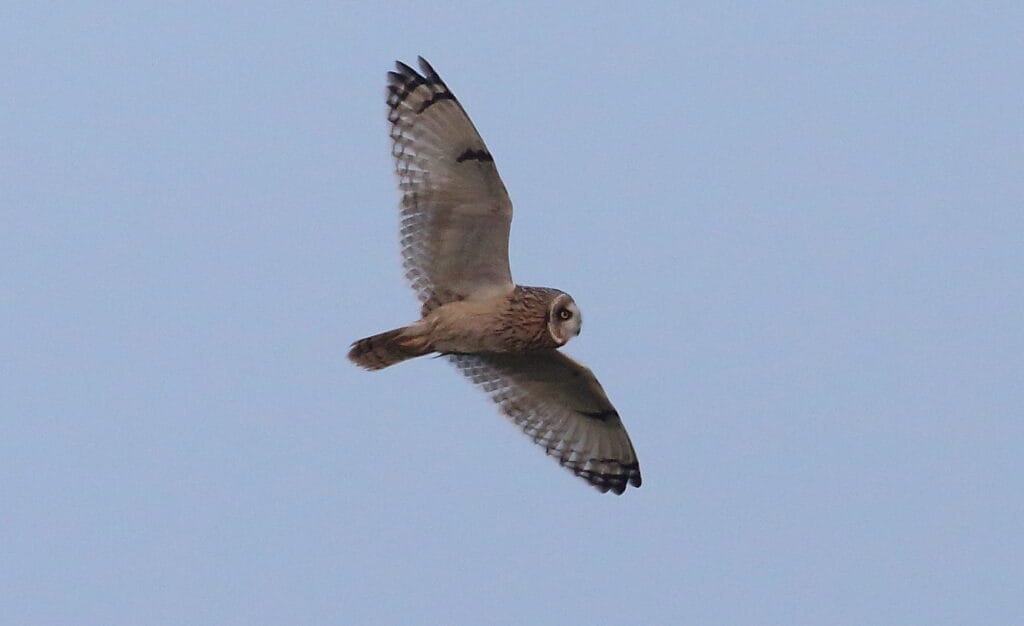
The weather consisted of relatively overcast skies after a sunny morning, increasing south-west winds and temperatures that peaked at seven degrees C. Seawatch highlights included 111 Common Scoters, six Pintail (south), three Great Northern Divers (south) and a Sooty Shearwater north. In total, 107 Pink-footed Geese flew south, with additional wildfowl in residence including 44 Wigeon, 156 Teal and 230 Common Scoters. Single Great Northern Diver (South Landing) and Little Grebe were present, along with lone Woodcock and Jack Snipe. Three Short-eared Owls hunted cliff top grasslands near North Dykes. A late Blackcap was rung at Oceanview, whilst three Lapland Buntings frequented the North Landing area.

Blackcap, Oceanview, by Andy Hood

24th November 2020

Winds backed from the south-west to the south and increased in strength during a day that featured increasing cloud and temperatures that reached ten degrees C. Nine Great Northern Divers past the Fog Station continued the excellent run of records for this species in recent weeks; 17 Golden Plovers also flew south, with two Bonxies moving in the opposite direction.

Three Long-tailed Ducks frequented the sea off the South Cliffs, a Water Rail remained in residence at Thornwick Pools, whilst single Woodcock were present at North and South Landing; a lone Snow Bunting was on cliff top fields near the latter location.

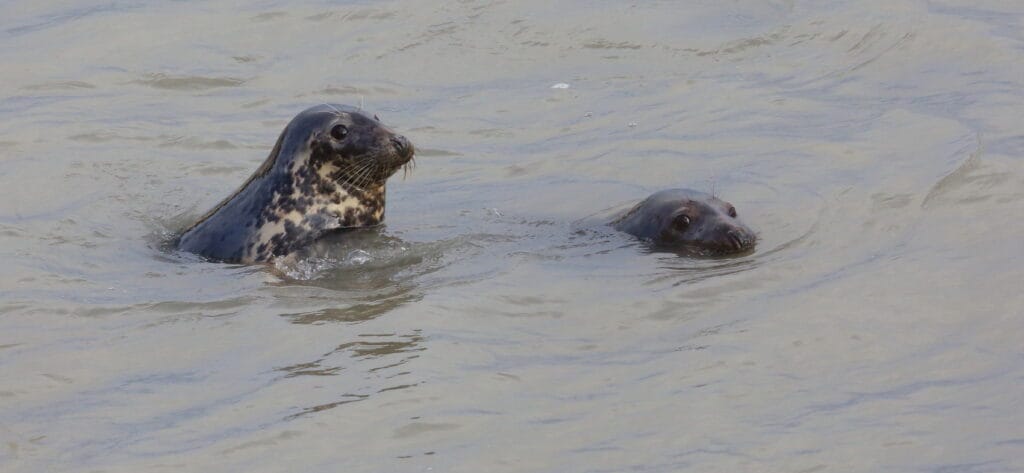
Grey Seals, Selwick’s Bay, by Alan Walkington

25th November 2020

Light winds initially from the south-west veered north-west later; temperatures reached eight degrees, with light rain through the middle part of the day. Seawatch highlights included two Pintail flying north, with 95 Common Scoters, four Goosander, 64 Red-throated Divers and three Great Northern Divers heading south. Ninety Turnstone on the headland included a flock of 50 at South Landing; 30 Purple Sandpipers were also in residence. Two Short-eared Owls hunted cliff top grasslands at RSPB Bempton Cliffs.

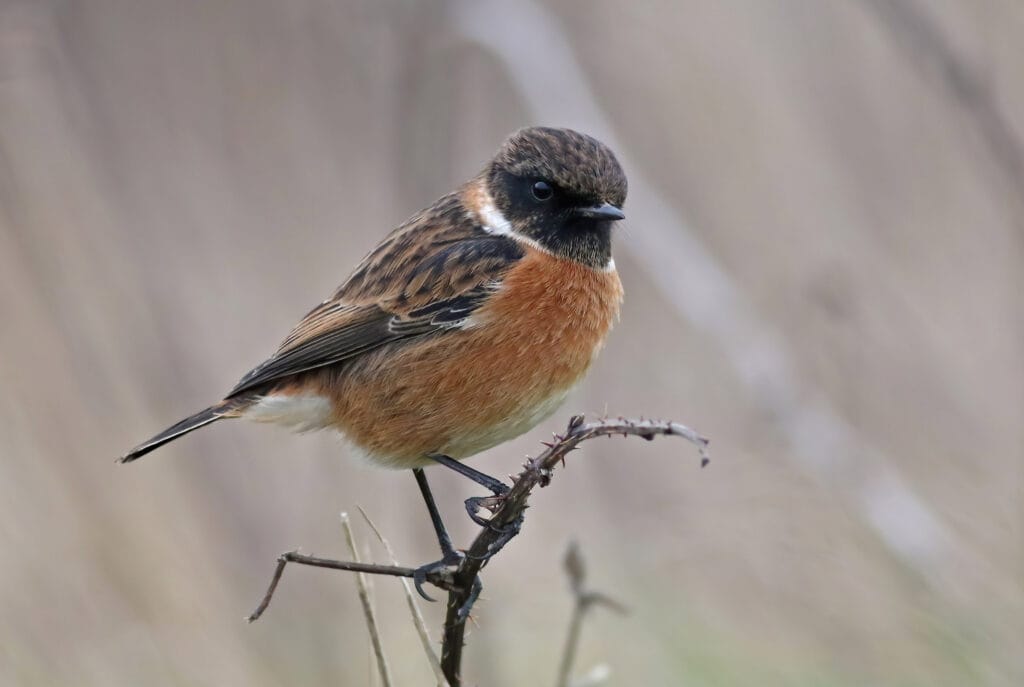
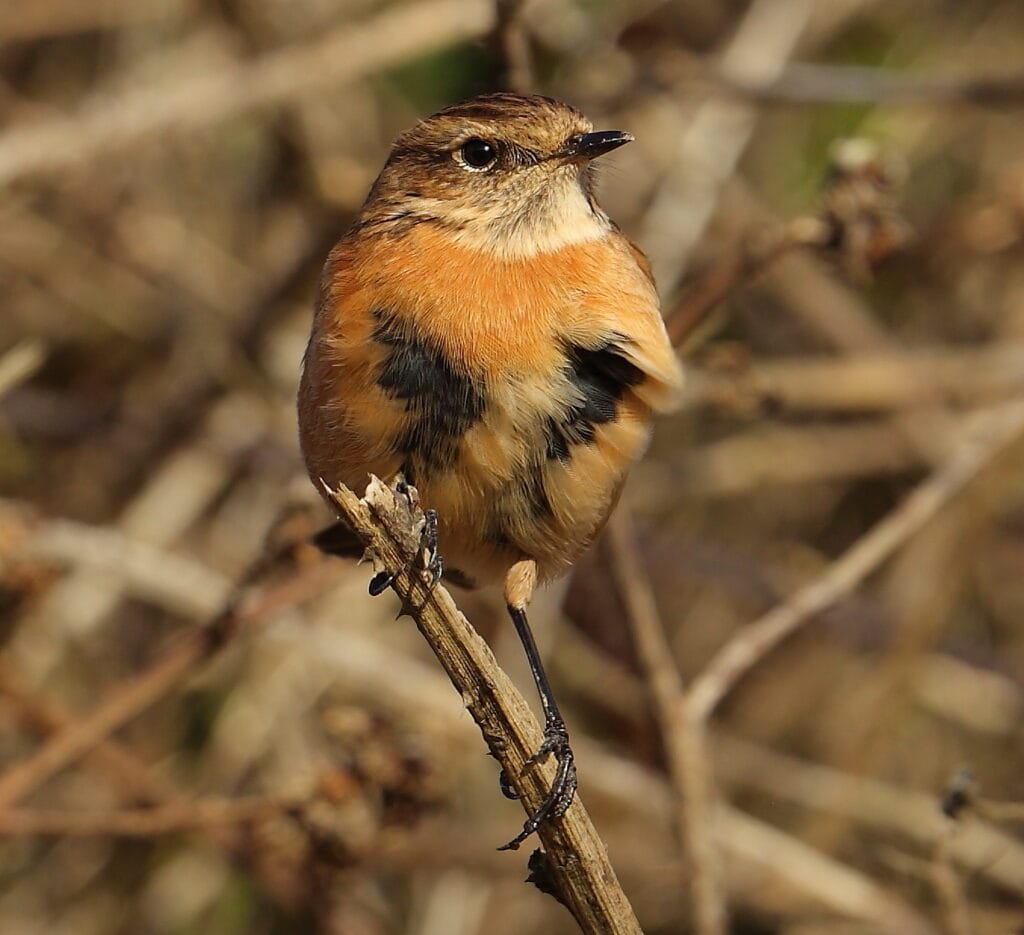
Stonechat, North Landing, by Craig Thomas

26th November 2020

The weather consisted of light westerly winds, sunny intervals and temperatures that reached nine degrees C. During the morning seawatch 58 Common Scoters, 38 Red-throated Divers and two Bonxies flew south. Two Grey Wagtails and three Siskin overflew the Fog Station. South Landing hosted a Long-tailed Duck and three Great Northern Divers offshore and an impressive 125 Turnstones on the beach. A Chiffchaff frequented the nearby ravine, with three Snow Buntings over.

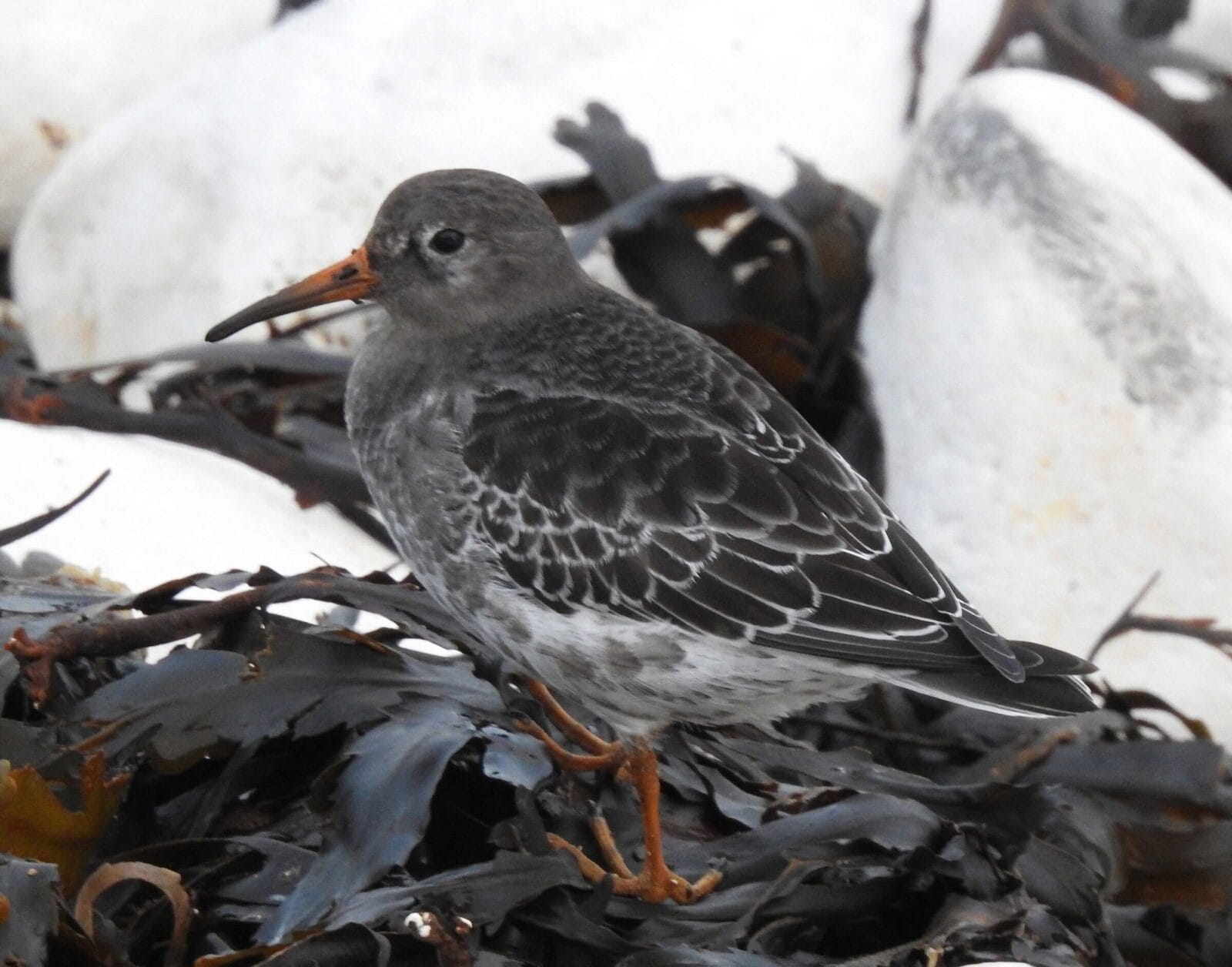
Purple Sandpiper, South Landing, by Brett Richards

27th November 2020

After a still morning, a light south-easterly wind developed during the afternoon; the skies were mainly overcast with some bright intervals and temperatures reached seven degrees C. A dark-bellied Brent Goose, 53 Wigeon, 27 Teal, two Tufted Ducks and ten Eider flew north during the seawatch, with two Velvet Scoters, two Goldeneye and a Great Northern Diver moving south. A juvenile Glaucous Gull initially on rocks below the North Cliffs later flew past the Fog Station.

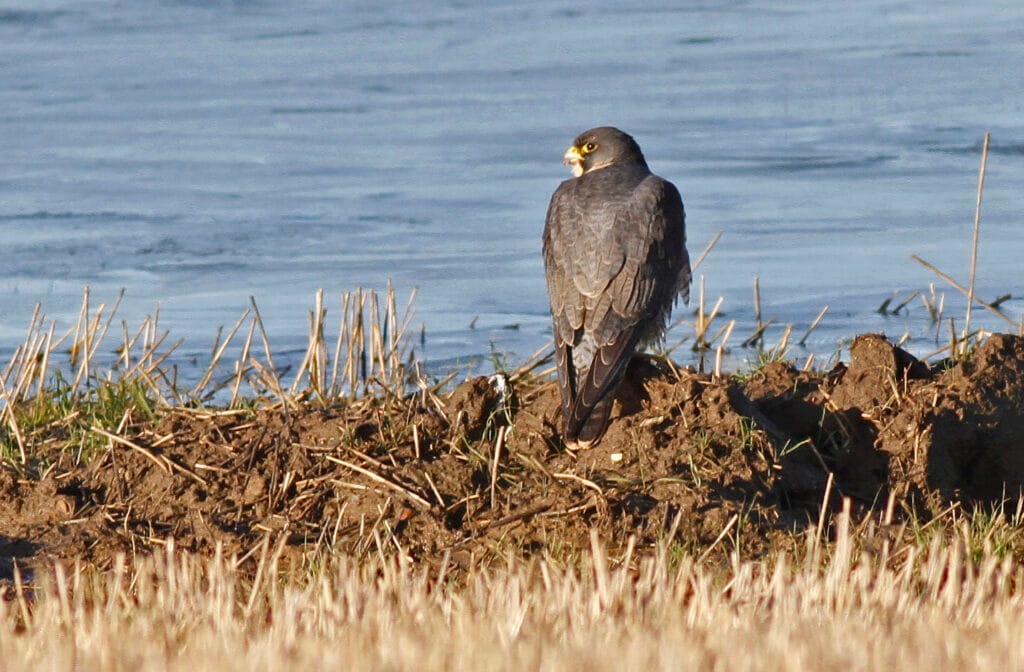
A Great Northern Diver and three Long-tailed Ducks were off the South Cliffs. An influx of late autumn migrants included 17 Woodcock (one taken by a Peregrine), 235 Blackbirds, ten Fieldfare, 13 Redwing, a Brambling, six Lesser Redpoll, a Siskin, four Lapland Buntings and a Snow Bunting. Sightings from RSPB Bempton Cliffs included two Short-eared Owls, 35 Blackbirds, a Chiffchaff, two Goldcrests and two Lapland Buntings.
Thirty-two birds were caught during a ringing session at South Landing including single Redwing, Lesser Redpoll and Siskin.

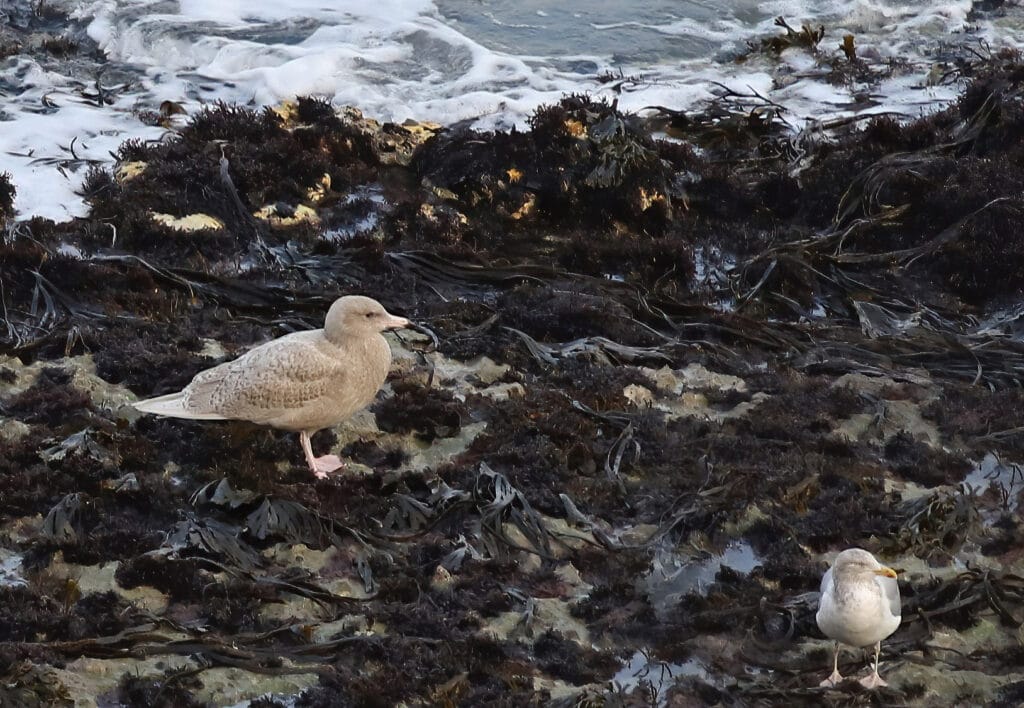
Glaucous Gull, North Cliffs, by Craig Thomas

28th November 2020

An overcast day, with moderate east-south-easterly winds and temperatures that reached eight degrees C. During the morning seawatch a Shoveler, 12 Wigeon, 51 Teal, a Goldeneye and two Knot flew south, with 34 Eider and a Great Northern Diver flying north.

A Long-tailed Duck remained in residence, seven Goosanders flew south over Thornwick, whilst 15 Eider sheltered in the bay. Additional migrant interest included six Woodcock, one Chiffchaff, two Blackcap, two Goldcrests, 265 Blackbirds, 14 Redwing, a Lesser Redpoll and six Lapland Buntings. RSPB Bempton Cliffs hosted 30 Blackbirds.
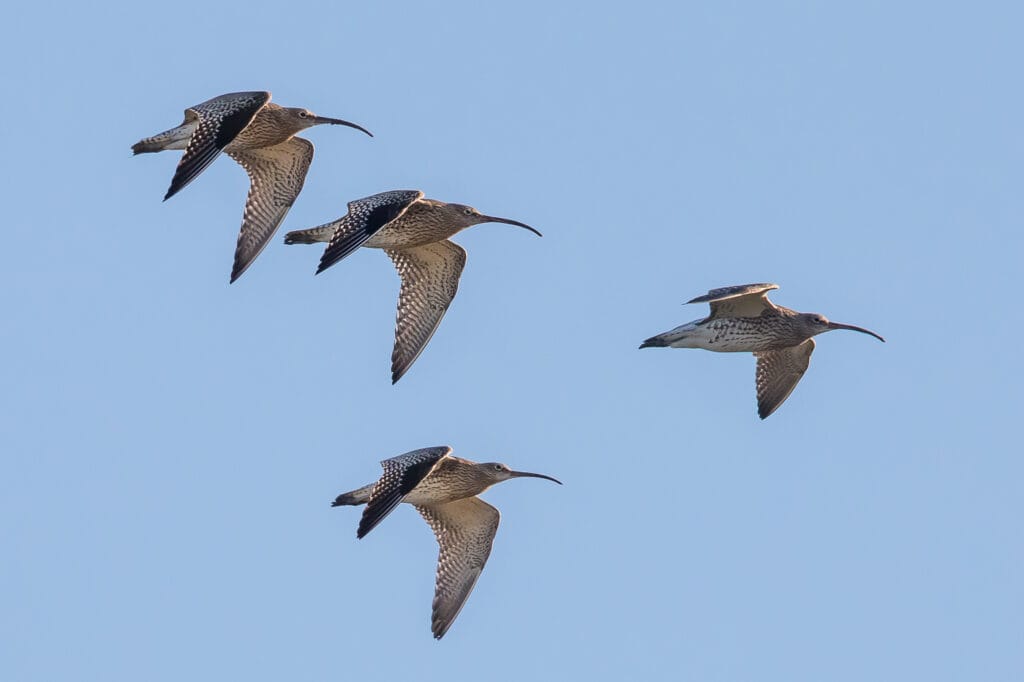
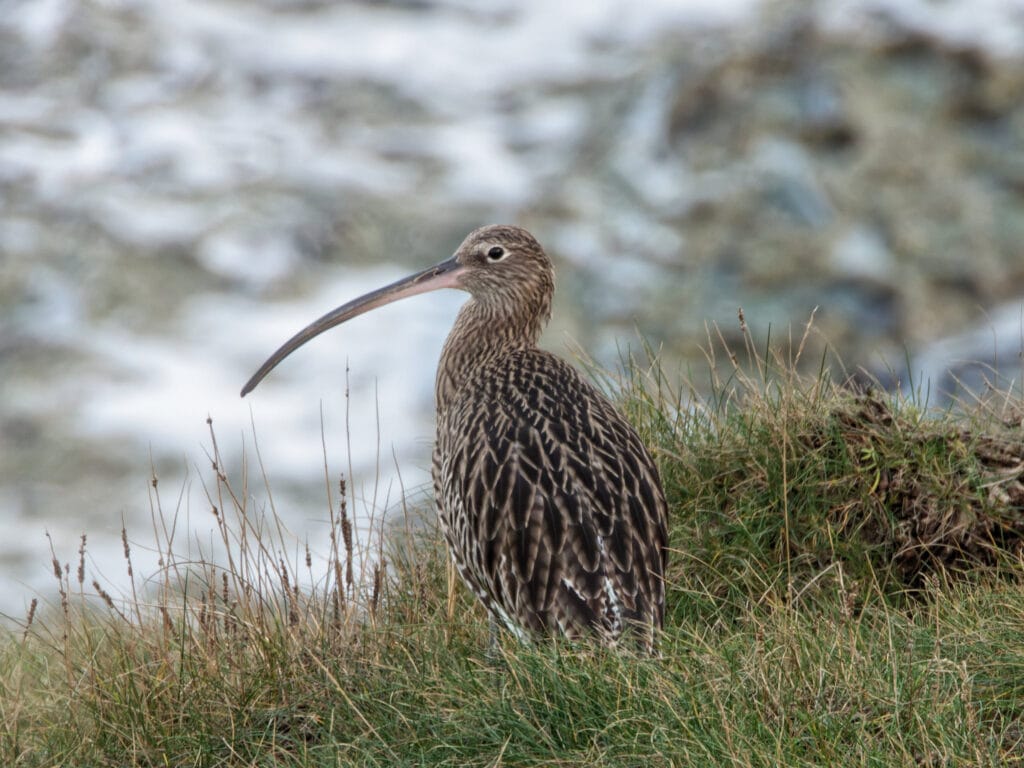
Curlew, North Cliff, by Rob Little

29th November 2020

A misty day, with light south-west winds developing after a calm start and temperatures peaking at eight degrees C. Sixty-five Teal flew south during the morning’s seawatch, along with a Tufted Duck and 21 Common Scoters, with a Long-tailed Duck moving north. Better still, a juvenile Iceland Gull offshore eventually flew south. Two Whooper Swans flew south over South Landing, with four Long-tailed Ducks and seven Goldeneye offshore. A Golden Plover, six Woodcock and six Snipe were located on the outer head. Notable passerine records included two Chiffchaff, 190 Blackbirds, 28 Fieldfare, 18 Redwing, two Grey Wagtails, 65 Yellowhammers, 20 Reed Buntings and ten Lapland Buntings.
Ringing effort was rewarded with 60 birds being rung, including a Woodcock, 39 Blackbirds and a Chiffchaff.

Woodcock, South Landing, by Jo Hood

30th November 2020

A band of rain from dawn eventually relented to give occasional sunny intervals; an increasingly strong wind veered from the south-south-west to the west-north-west during daylight hours. A juvenile Iceland Gull attended fishing boats off North Landing where two Goldeneyes flew north and a Woodcock flew in off the sea.

Three Long-tailed Ducks lingered off South Landing, whilst two Woodcocks were in residence. The recent influx of thrushes was still evident, with 75 Blackbirds and 26 Fieldfare present, along with single Chiffchaff and Blackcap.

Knot, South Landing, by Alan Walkington

1st December 2020

A switch in wind direction, the day featuring strong north-north-westerlies, heavy showers during the morning, with sunny intervals later and temperatures reaching seven degrees C. Unsurprisingly given the conditions, the morning’s seawatch provided interest including 23 Eiders flying north, three Great Northern Divers south, 685 Fulmars and a Sooty Shearwater north, with a creamcrown Marsh Harrier, 169 Kittiwakes, two Mediterranean Gulls and 13 Bonxies all heading south.

Two Great Northern Divers and eight Long-tailed Ducks sheltered off South Landing, whilst a first-winter Caspian Gull frequented the new workings at Thornwick.

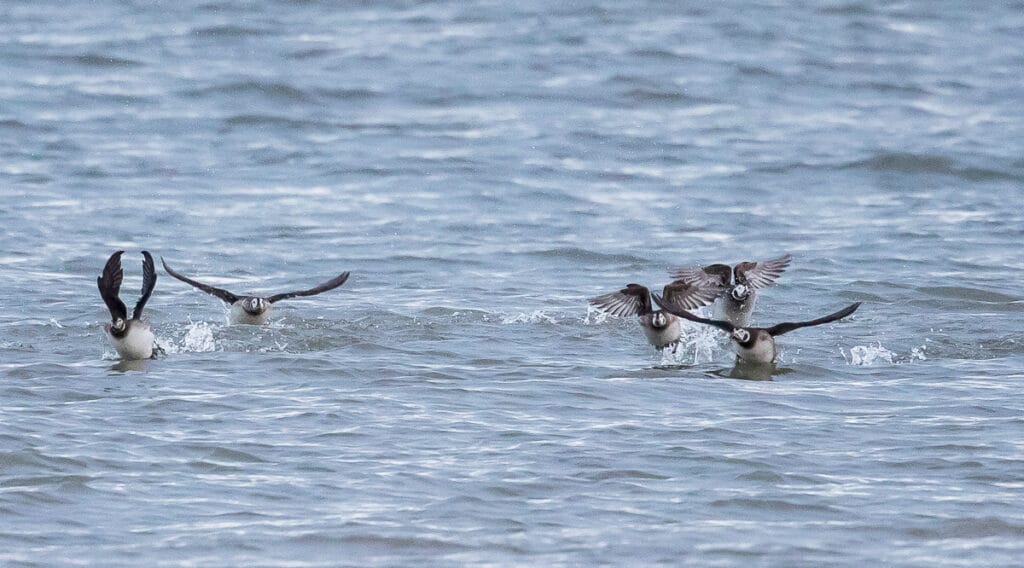
Long-tailed Ducks, South Landing, by Andrew Allport

2nd December 2020

Overcast, with a moderate south-west wind and temperatures reaching seven degrees C. The seawatch was quiet, but included 15 Eider flying north and a Great Crested Grebe moving south; a Great Northern Diver also lingered off the Fog Station. Elsewhere, a total of 93 Pink-footed Geese headed south-west over South Landing, where three Long-tailed Ducks and 50 Common Scoter remained offshore.

Kestrel, Fog Station, by Brett Richards

3rd December 2020

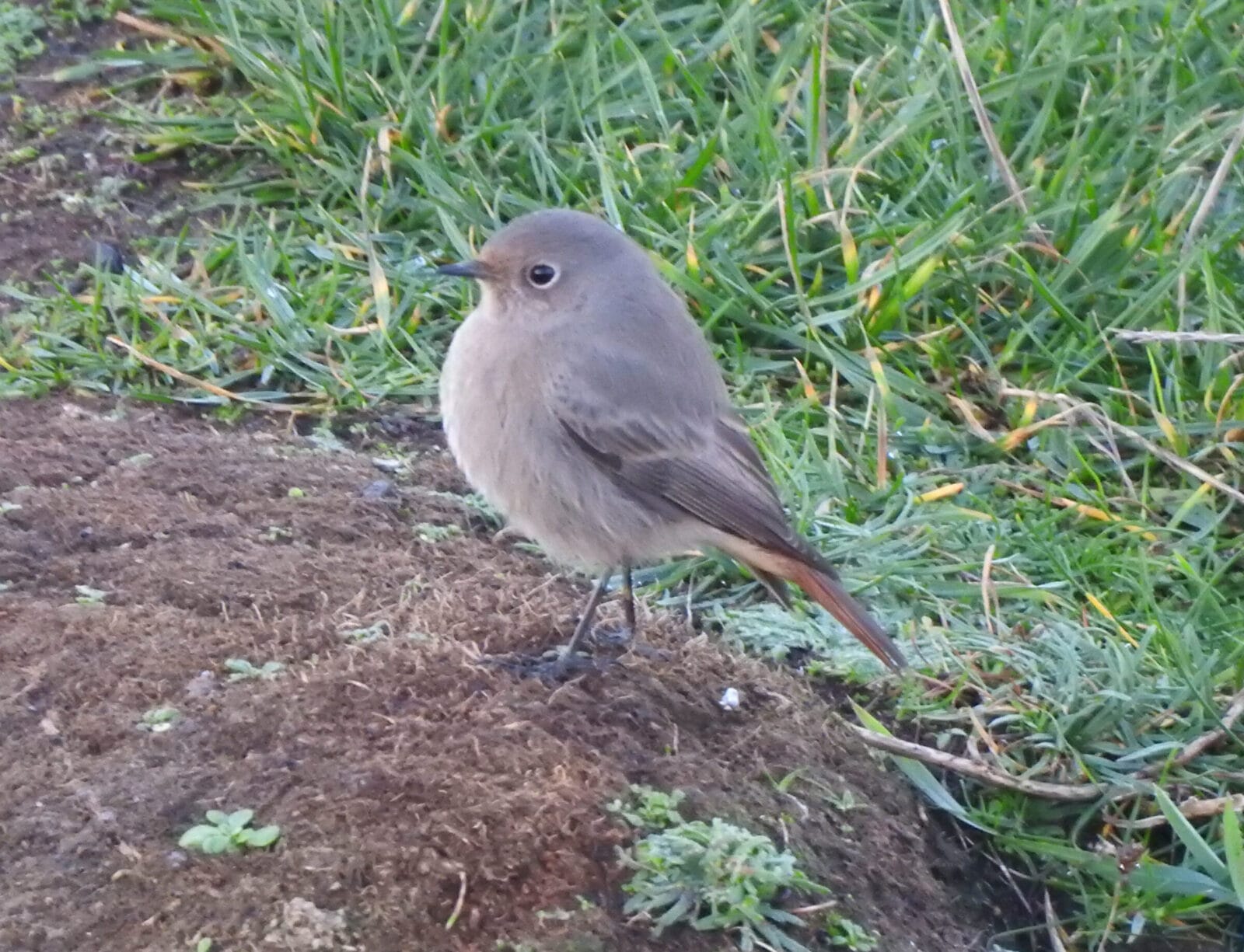
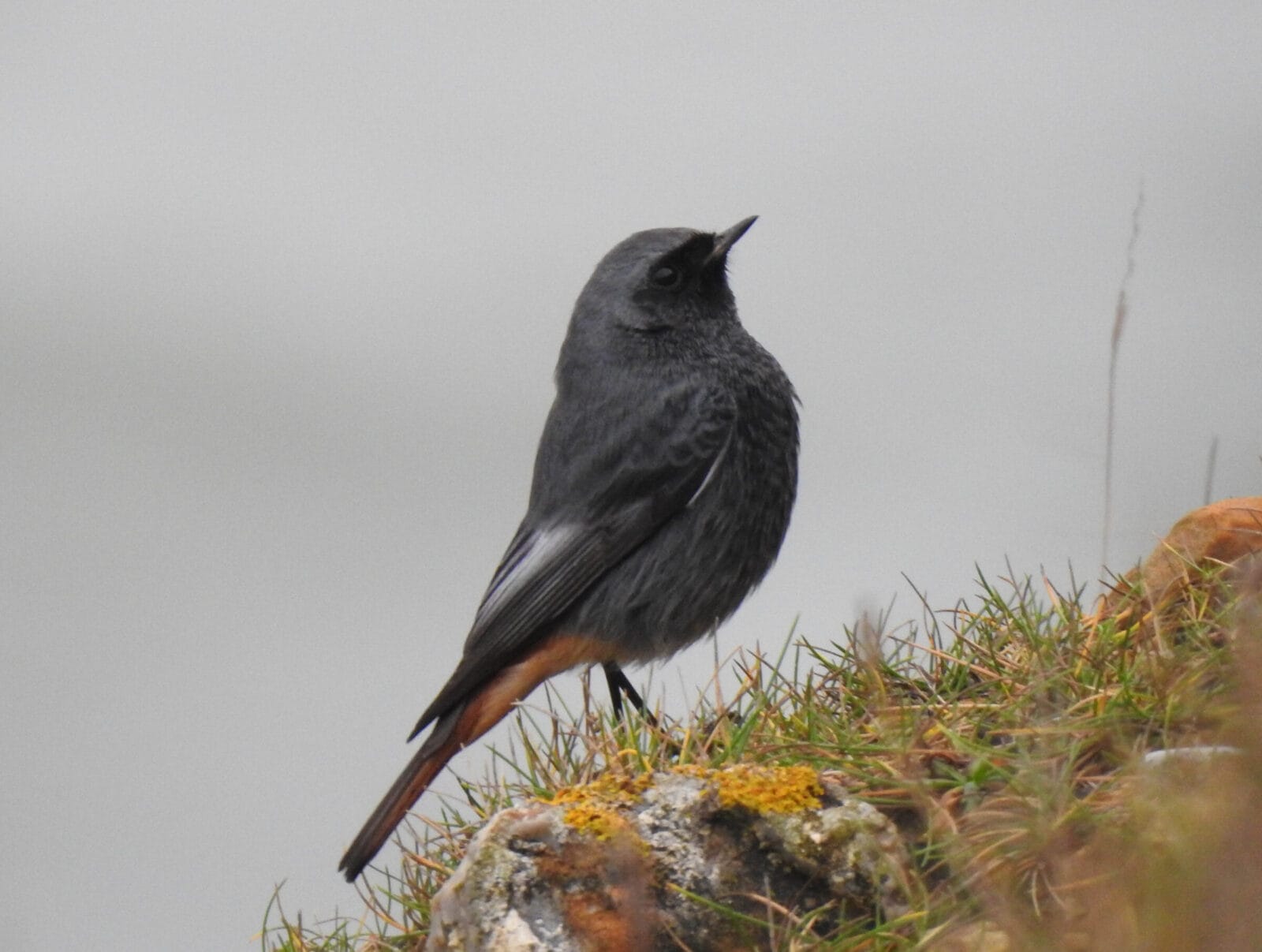
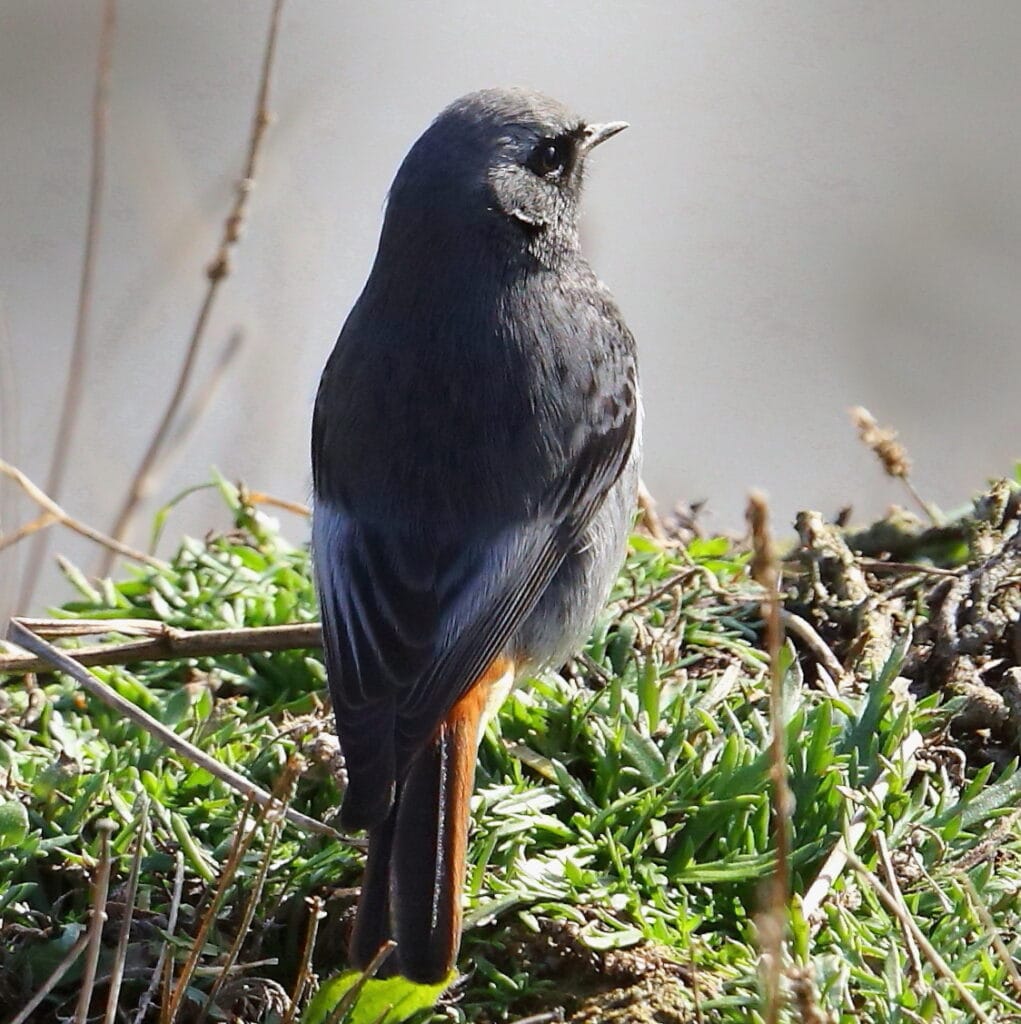
An overcast day, with light rain during the afternoon, light south-west winds and temperatures reaching five degrees C. It was a relatively quiet day, with the highlight a male Black Redstart around the Fog Station. Seawatching was quiet, with typically low numbers of Razorbills (3) and Kittiwakes (2) amongst significantly larger flocks of Guillemots.

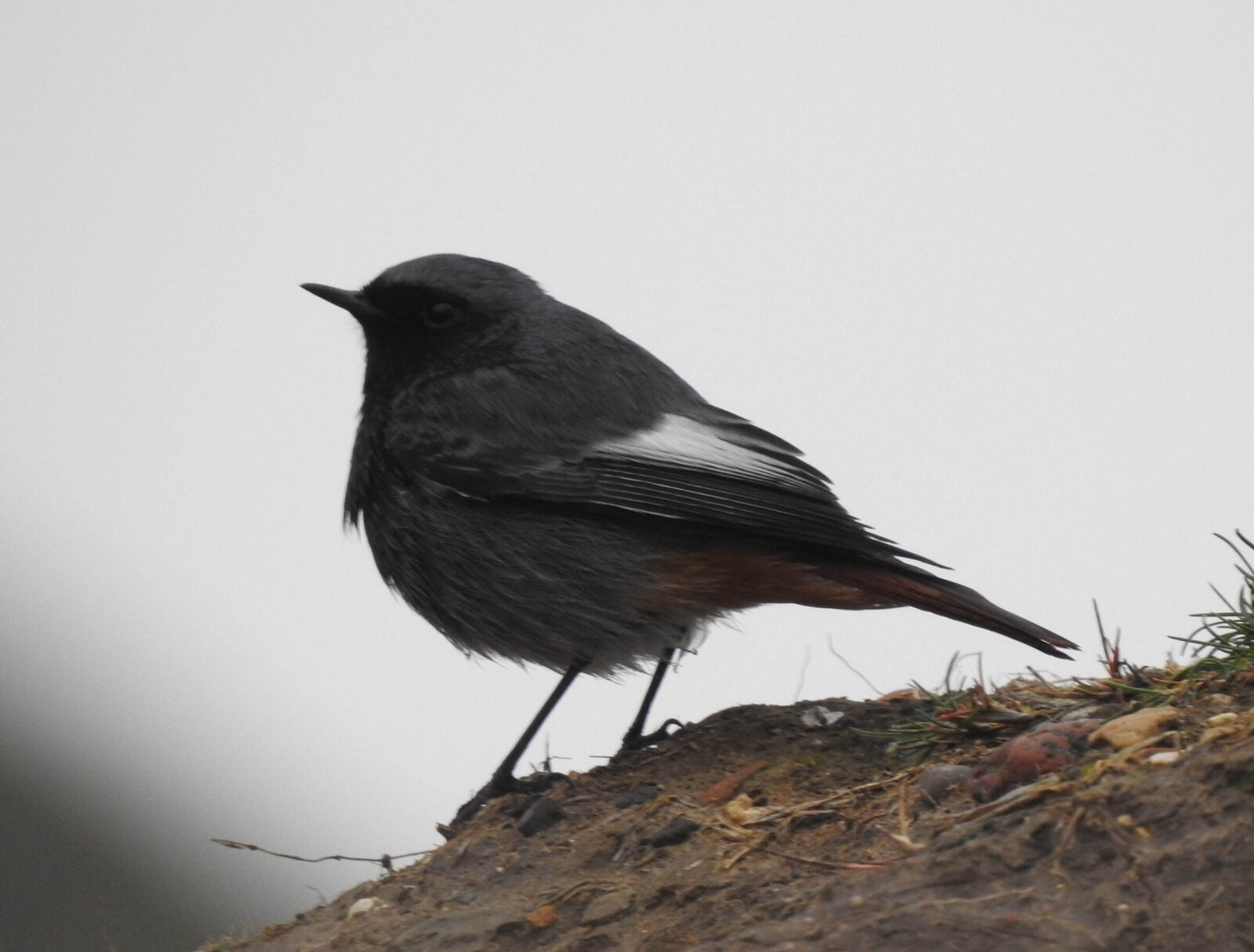
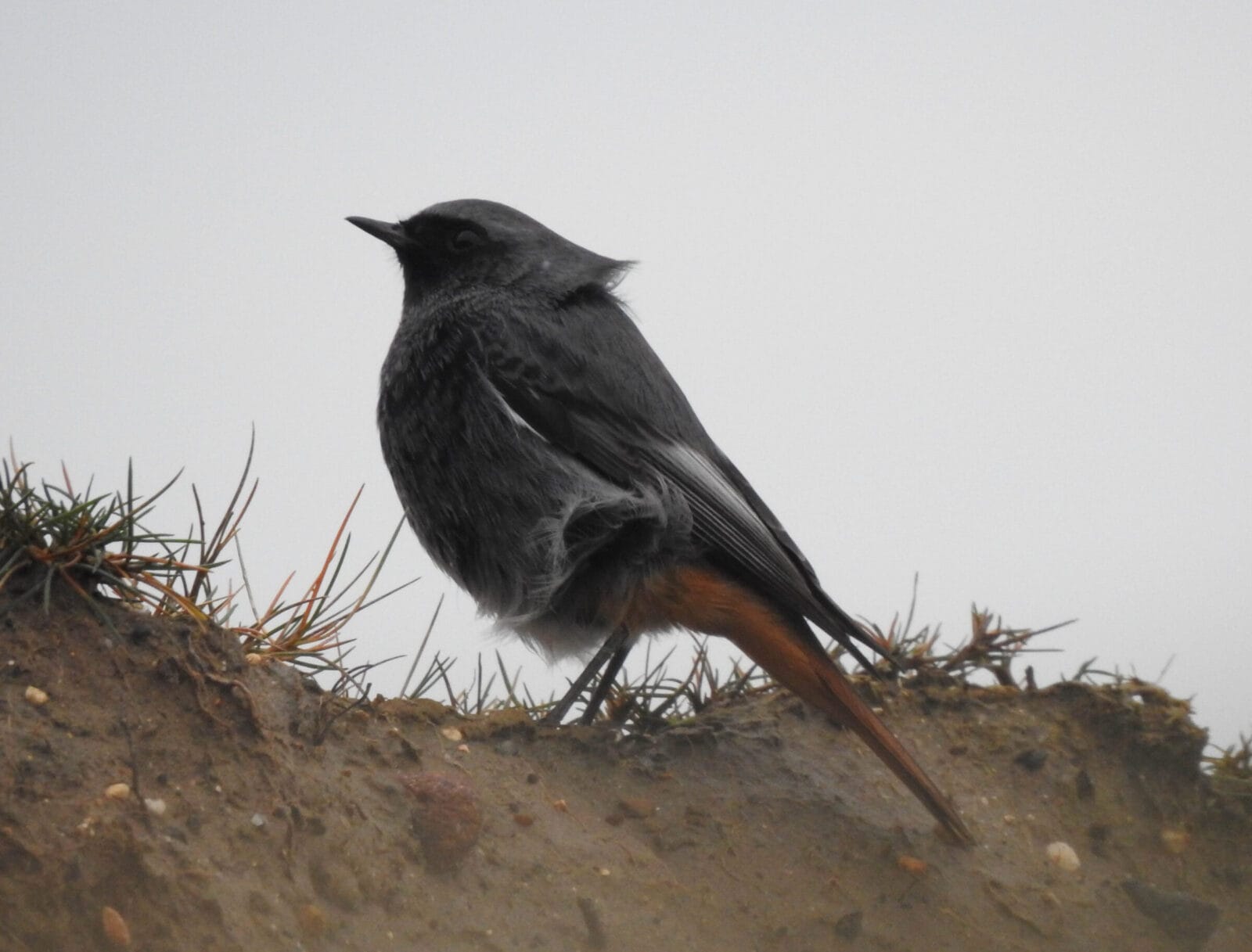
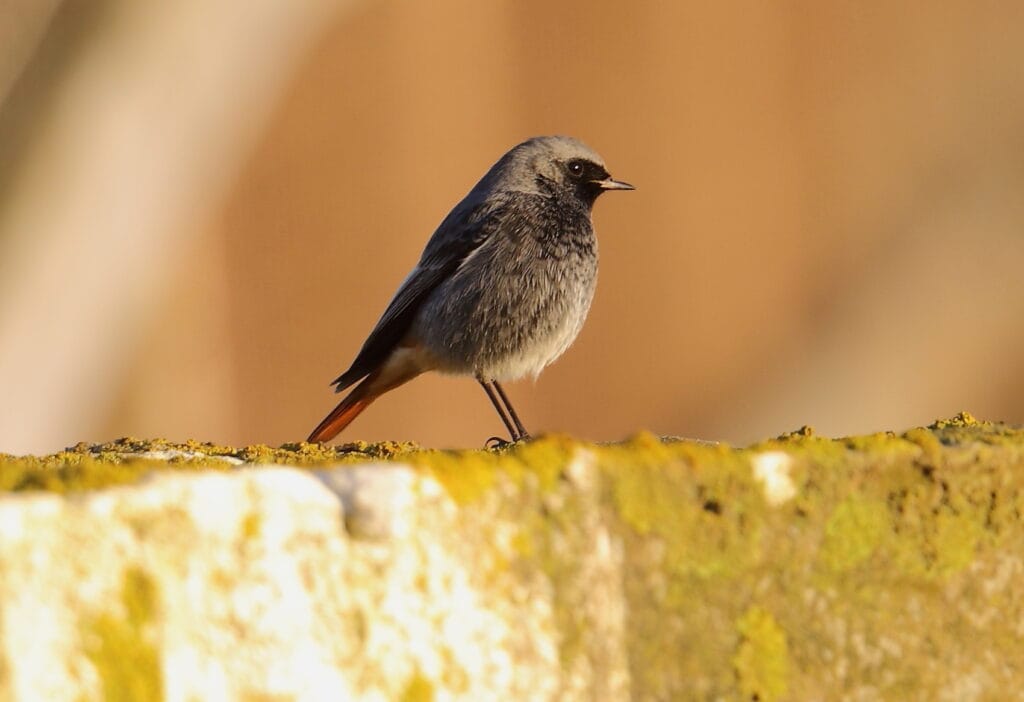
Black Redstart, Fog Station, by Brett Richards

4th December 2020

Light winds initially from the north-west veered south-easterly later and increased in strength; there was heavy rain from first light, turning showery later and temperatures reached six degrees C. A female Velvet Scoter, an impressive five Great Northern Divers on the water together, 117 Turnstones, a Knot, two Purple Sandpipers and single Stonechat and Grey Wagtail were present at South Landing in the morning. A southerly passage of Kittiwakes then occurred in the afternoon, with 31 flying south past the Fog Station in 20 minutes and another dropped onto the new workings at Thornwick. A Woodcock flew inland over the outer head, whilst three Short-eared Owls hunted cliff top fields at RSPB Bempton Cliffs.

Red-throated Diver, South Landing, by June & Malcolm Fox

5th December 2020

Initially moderate winds gradually dropped in strength and backed from a south-easterly to a westerly direction; sunny intervals and occasional showers in the morning, with temperatures peaking at six degrees C. Seawatch highlights included a Great Northern Diver flying north, 105 Kittiwakes south, whilst single Bonxie, Pomarine Skua and Arctic Skua also headed north. A total of 199 Teal in residence (198 North Marsh, one Thornwick) represented an excellent headland count, whilst five Long-tailed Ducks lingered off South Landing. Two Woodcock were flushed near Thornwick and 36 Purple Sandpipers fed on rocks between the Seawatch Observatory and High Stacks. Passerine interest included the male Black Redstart around the Fog Station, nine Stonechats and a Lapland Bunting.

Long-tailed Ducks, South Landing, by Andrew Allport

6th December 2020

A relatively overcast day, with light south-west/south-east winds and temperatures reaching five degrees C. During the morning’s seawatch, two Great Northern Divers, two Bonxies and two northern Herring Gulls flew past the Fog Station. Overwintering Black Redstarts often feature in the same location, but today’s tally of three there, including two adult males, was notable. Three Long-tailed Ducks sheltered on the sea off Hartendale, whilst notable passerine records from nearby South Dykes included six Goldcrests, two Nuthatch and a Grey Wagtail.

Black Redstart, Fog Station, by Brett Richards

7th December 2020

Cloud increased after a bright and very frosty start, with light rain by the afternoon; temperatures only reached four degrees C. Highlights of the morning’s seawatch included single Shoveler and Pochard and 12 Eider flying north, with four Great Northern Divers and two Bonxies moving south. Away from the seawatch, wildfowl interest included three Pink-footed Geese, 48 Wigeon, 191 Teal, four Long-tailed Ducks, eight Eider and a drake Goosander. Thornwick Pools hosted a Jack Snipe and seven Snipe. Passerine interest included two male Black Redstarts on the outer head and five Lapland Buntings.
Lapland Bunting, Flamborough, by Andrew Allport

8th December 2020

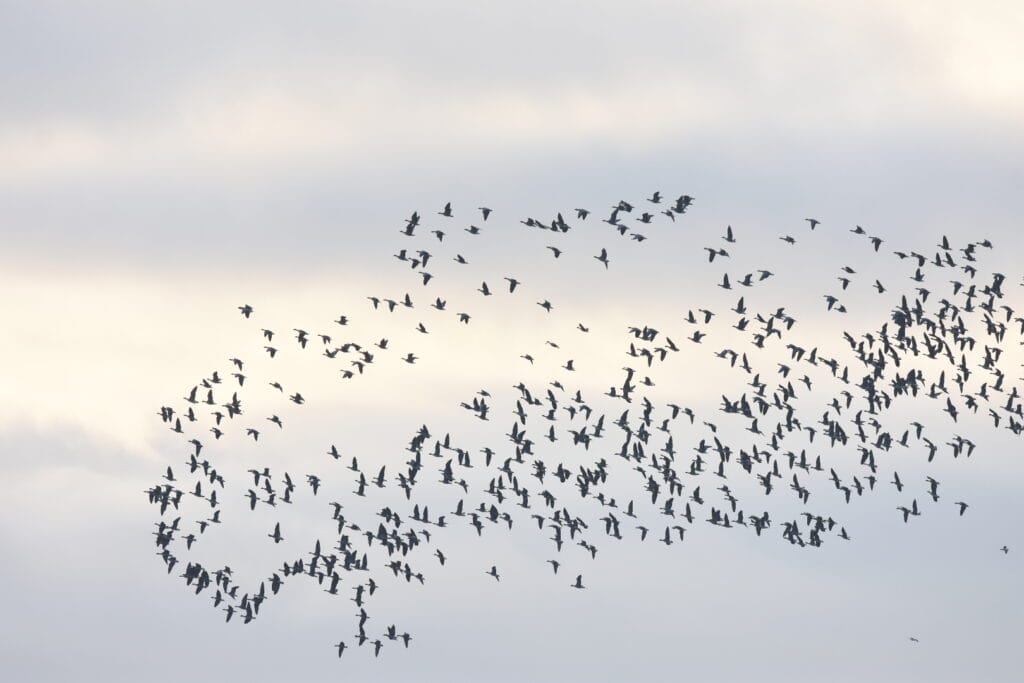
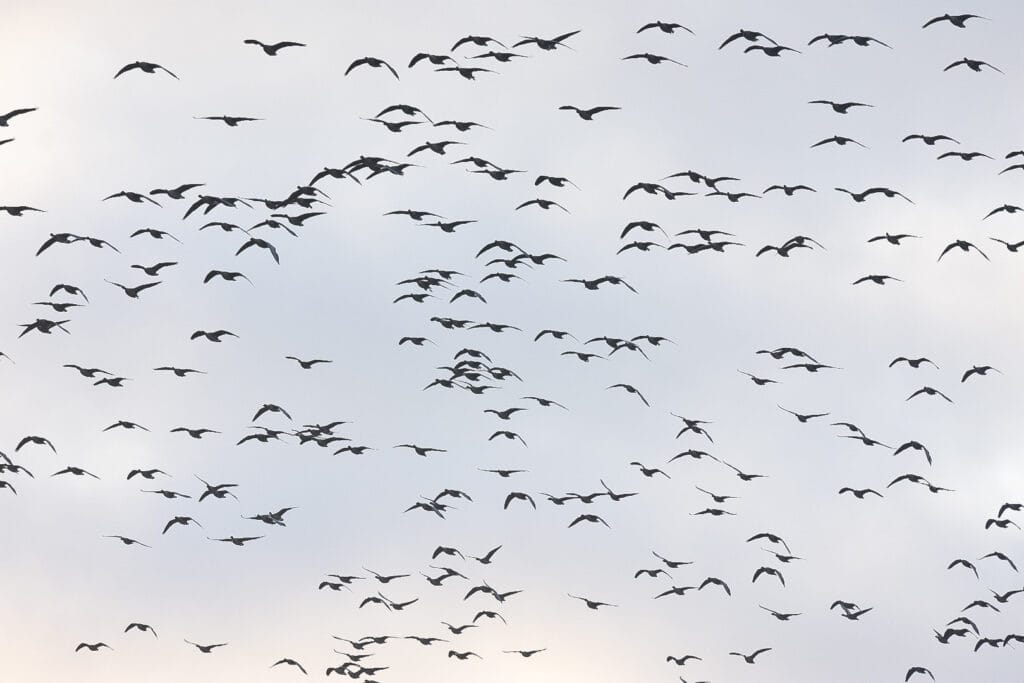
Misty conditions prevailed during the morning, otherwise there were generally overcast skies, moderate south-west to south-east winds and temperatures reaching a mere five degrees C. The day’s main feature was an influx of Pink-footed Geese; several unseen skeins were heard passing overhead, although as visibility improved, various-sized flocks were observed heading inland and resting on outer head stubbles. Including a skein of 64 geese flying south during the seawatch, a total of 1635 Pink-footed Geese were observed. This movement was also witnessed at neighbouring coastal sites; potentially these sightings related to birds leaving the Humber to feed on the Wolds, but then becoming disorientated in the low cloud. Other notable sightings included a Pintail on the seawatch, a Water Rail at the Golf Course Willows and a Woodcock at South Landing.

Pink-footed Geese, Oceanview, by Andy Hood

9th December 2020

Another overcast day, with light westerly winds and temperatures reaching five degrees C. During the morning’s seawatch a dark-bellied Brent Goose, four Gadwall, 18 Wigeon, two Pochard and two Goldeneye flew past the Fog Station; 90 Red-throated Divers and a Great Northern Diver flew south.

Pink-footed Geese again featured in numbers, with a total of 950 recorded during the day. Thornwick Pools attracted a Water Rail and four Snipe. Three Black Redstarts remained in residence on the outer head, whilst 13 Lapland Buntings were located near North Dykes.

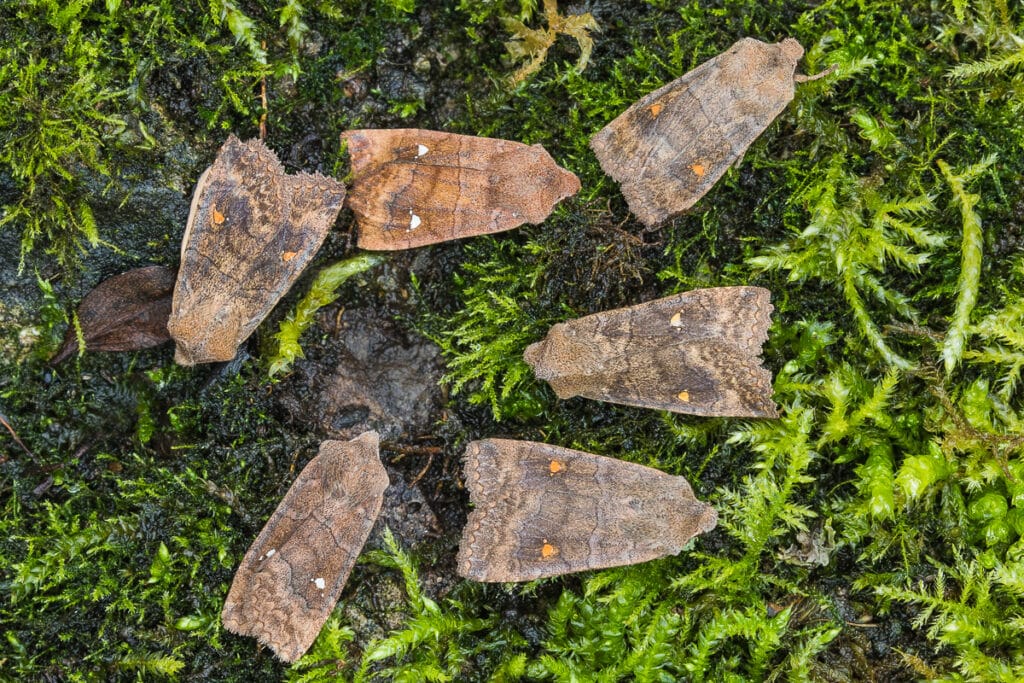
Satellite Moths, South Dykes, by Andrew Allport

10th December 2020

Another overcast day, with a moderate/strong southerly wind and temperatures reaching six degrees C. Seven Velvet Scoters flew south past the Fog Station at 0905hrs; the same group had earlier flown past Long Nab, Scarborough at 0825hrs and later headed past Spurn at 1030hrs. Two Bar-tailed Godwits also flew south during the morning’s seawatch. A male Black Redstart remained in residence on the outer head.

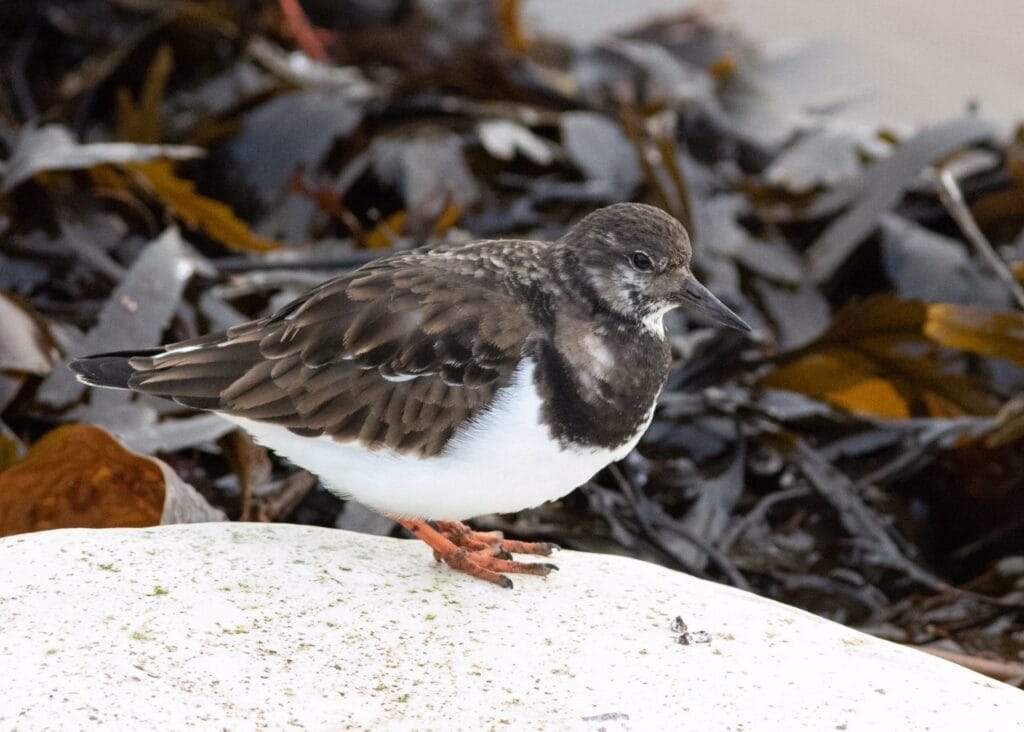
Turnstone, South Landing, by Jo Hood

11th December 2020

Low cloud, overcast skies and rain was more or less constant during a day that featured light south-south-east winds and temperatures that reached eight degrees C. The inclement weather ensured sightings were sparse, although a Little Owl calling near Micklemires was notable. RSPB Bempton Cliffs attracted two Short-eared Owls, and more unusually, a Ring Ouzel.

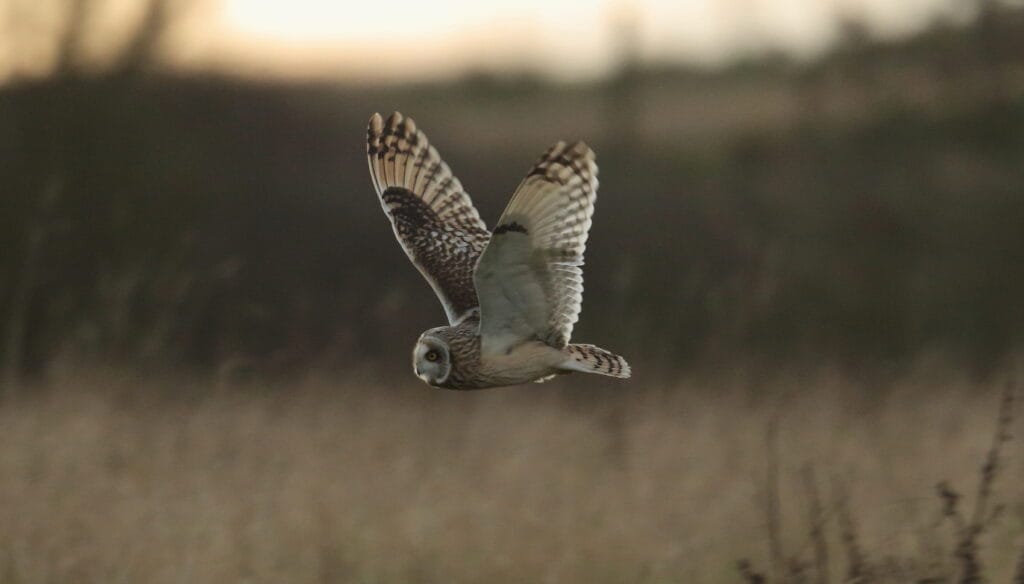
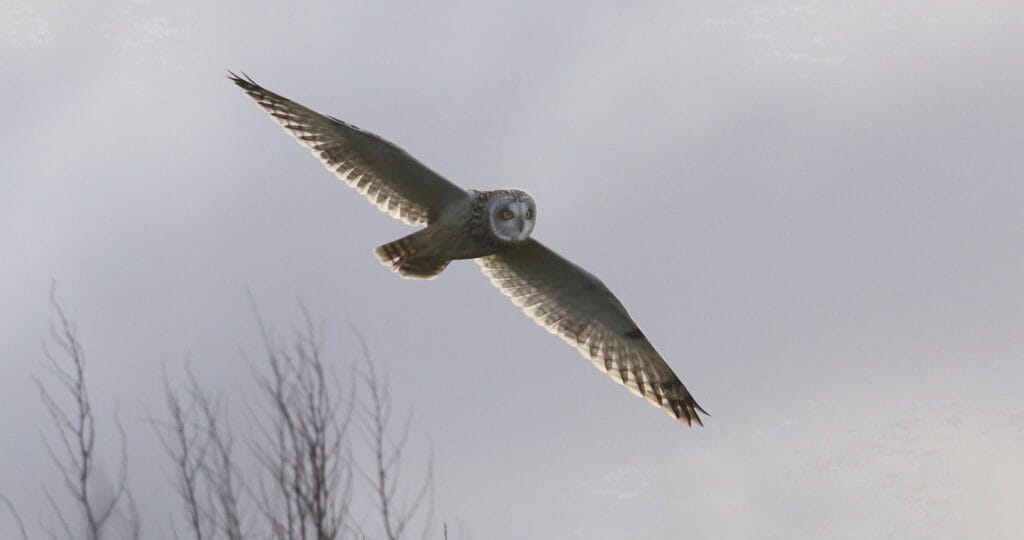
Short-eared Owl, RSPB Bempton Cliffs, by Alan Walkington

12th December 2020

Cloudy throughout, with persistent rain for the majority of the day; light easterly winds and temperatures peaked at eight degrees C. Three Tundra Bean Geese circled the outer head early morning before flying west towards the village. North Marsh hosted 30 Wigeon and 195 Teal, whilst five Long-tailed Ducks continued in residence off the South Cliffs. Stubble fields attracted three Grey Partridges, four Redwing, two Fieldfare, 45 Skylarks, 74 Linnets, ten Reed Buntings, 55 Yellowhammers, 13 Lapland Buntings and a Corn Bunting. Sightings from RSPB Bempton Cliffs included 25 Pink-footed Geese, two Short-eared Owls and yesterday’s Ring Ouzel remained.

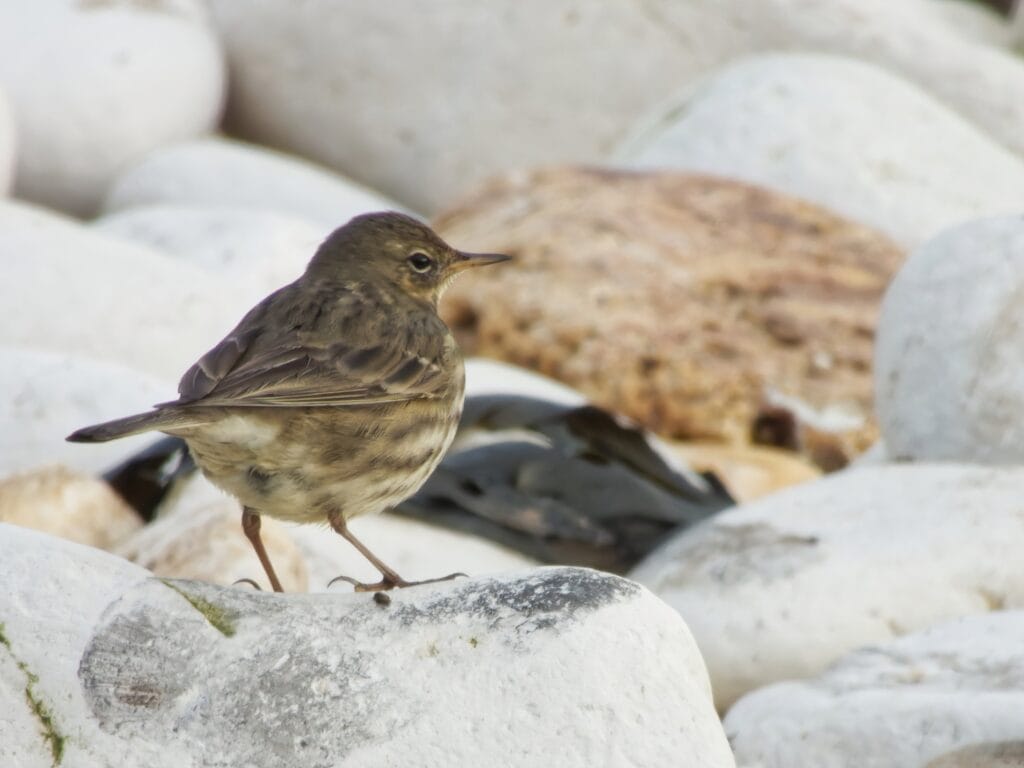
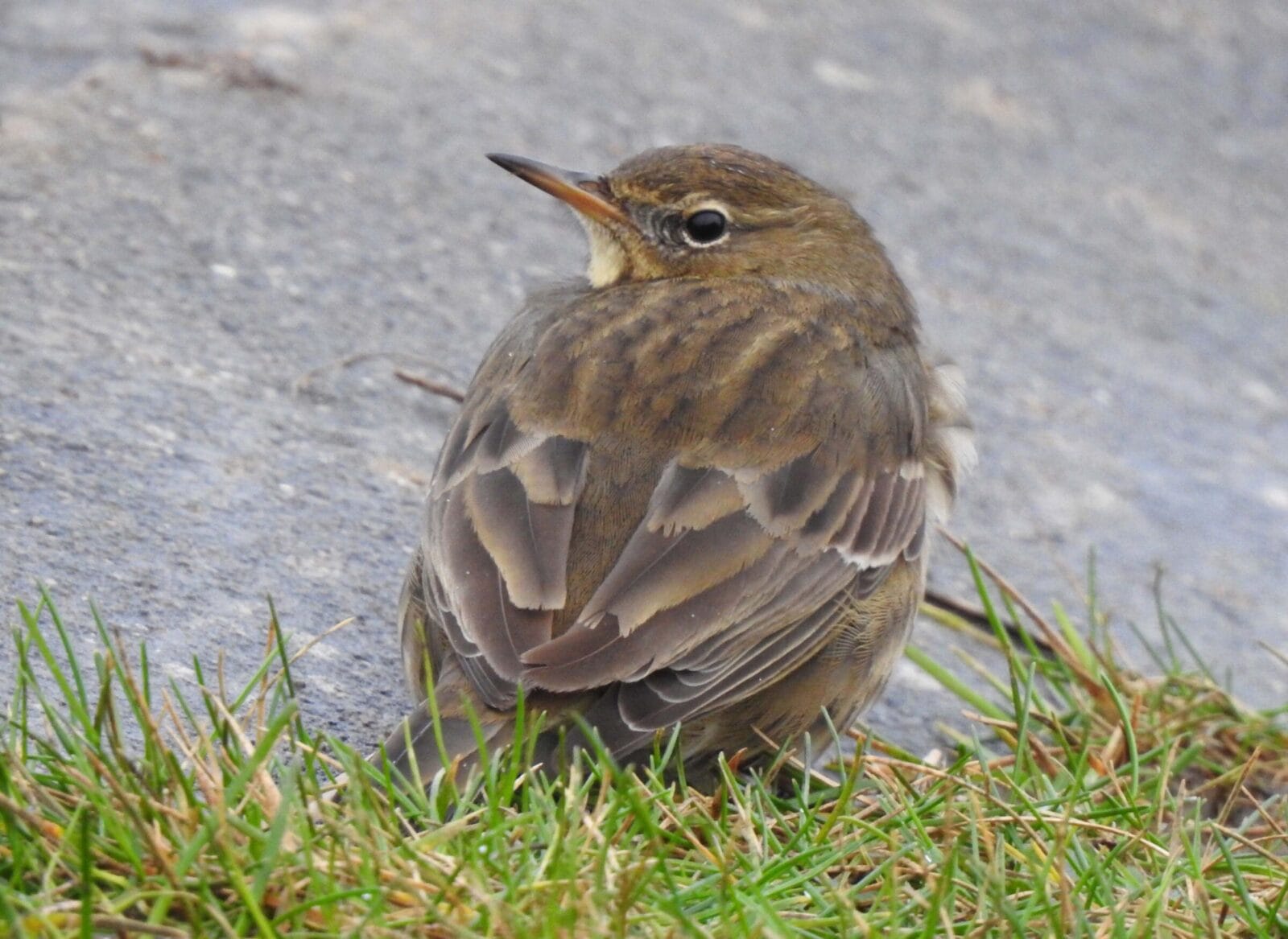
Rock Pipit, South Landing, by Rob Little

13th December 2020

Strong south-south-easterly winds established during an overcast day, with rain from late morning and temperatures reaching seven degrees C. A Velvet Scoter flew south during the morning’s seawatch which also featured tens of thousands of Guillemots.

Two skeins of Pink-footed Geese containing a total of 330 Pink-footed Geese flew south over North Dykes. North Marsh hosted 185 Teal, 33 Wigeon, two Snipe and three Stonechats, a Long-tailed Duck remained off South Landing, as did a male Black Redstart at the Fog Station.

Black Redstart, Fog Station, by Brett Richards

14th December 2020

The weather consisted of moderate south-west winds, sunny intervals and temperatures reaching ten degrees C. A tally of 242 Fulmars during the morning’s seawatch represented an increase, although far fewer Guillemots were in residence after yesterday’s large return to the cliffs. Scarce of late, four Red-legged Partridges frequented Beacon Hill, whilst three Short-eared Owls hunted cliff top fields at RSPB Bempton Cliffs late afternoon.

Stonechat, South Landing, by Alan Walkington

15th December 2020

A bright day with prolonged sunny intervals, light/moderate south-west winds and temperatures that peaked at ten degrees C. A large flock of Pink-footed Geese frequented fields near RSPB Bempton Cliffs and North Dykes, with 897 present in total. Three Long-tailed Duck were present on the sea off South Landing and a Water Rail frequented a small pond near Micklemires. Passerine interest included a Blackcap on a feeder in the village, two Black Redstarts (male and female) at the Fog Station and six Snow Buntings that flew south near The Grange. Two Short-eared Owls remained at RSPB Bempton Cliffs.

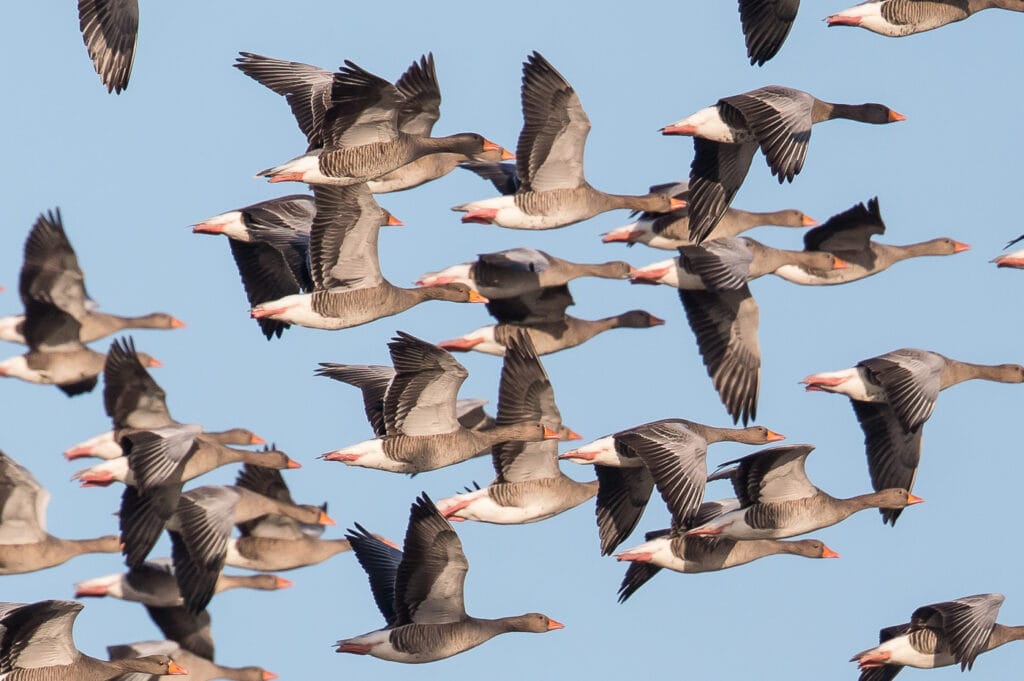
Greylag Geese, North Cliffs, by Andrew Allport

16th December 2020

Strong southerly winds, overcast skies with rain arriving in the afternoon and temperatures peaking at nine degrees C. During the morning’s seawatch two Velvet Scoters and a Blue Fulmar flew south, with 75 Common Scoter heading north. RSPB Bempton Cliffs continued to host at least one Short-eared Owl.

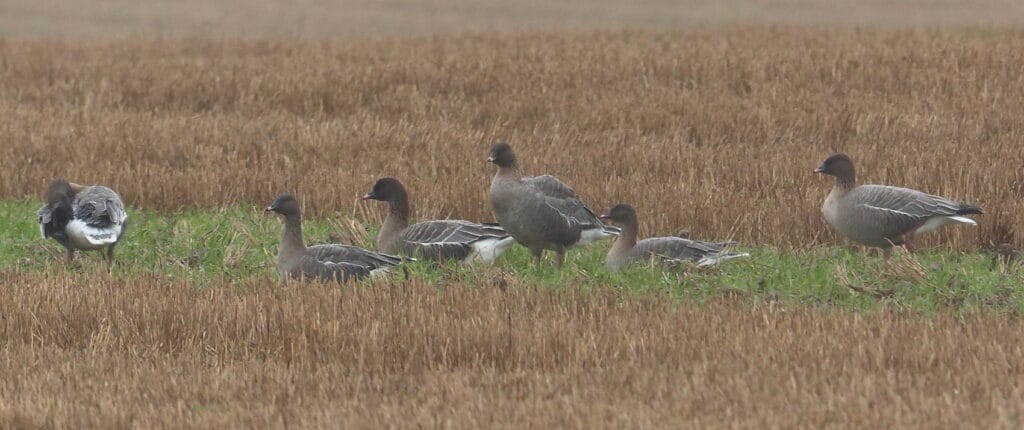
Pink-footed Geese, Bempton, by Alan Walkington

17th December 2020

Sunny throughout, with light south-west winds and a peak of nine degrees C. Seawatch highlights included a White-fronted Goose, one Velvet Scoter and two Goldeneyes moving south and a Black-throated Diver flying north. A flock of 34 Pink-footed Geese flew south over the headland, where a Chiffchaff was still in residence in South Landing. Elsewhere, three Short-eared Owls continued to entertain at RSPB Bempton Cliffs.

Short-eared Owl, RSPB Bempton Cliffs, by Alan Walkington

18th December 2020

An overcast day with strong southerly winds, rain during the afternoon and temperatures peaking at 11 degrees C. Eleven Pink-footed Geese flew in off the sea and were later relocated on stubble near North Dykes; an additional bird frequented Thornwick’s New Workings. A total of 47 Common Scoter and 57 Red-throated Divers also flew south during the seawatch, along with a single Knot, a lone Kittiwake and four Razorbills together with larger numbers of Guillemots. A second-winter Mediterranean Gull rested on fields near South Landing, whilst two Black Redstarts continued their residence on the cliffs around the Fog Station.
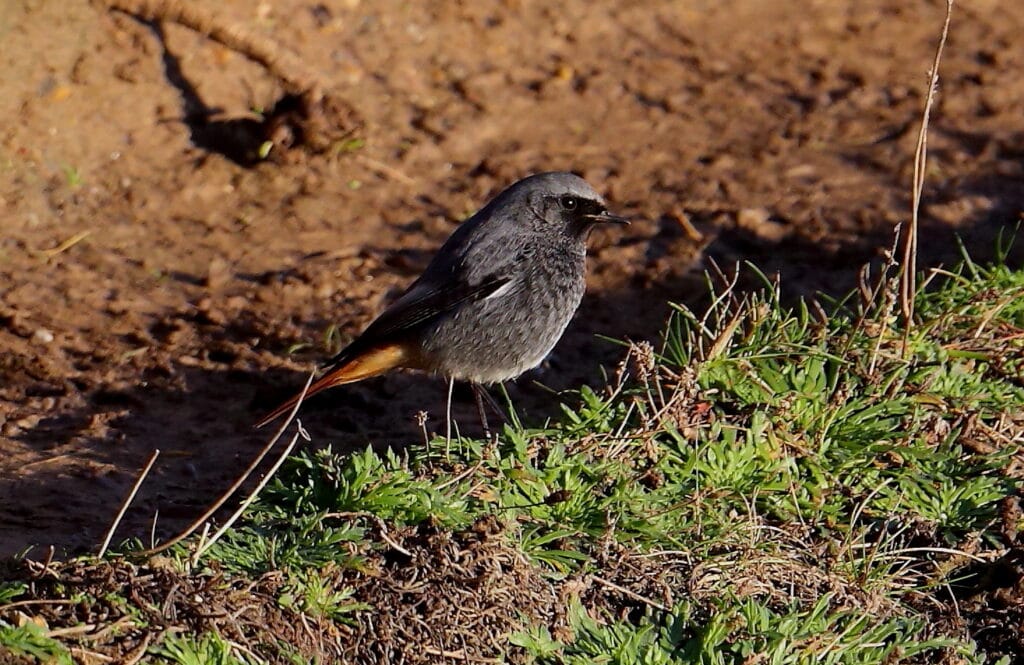
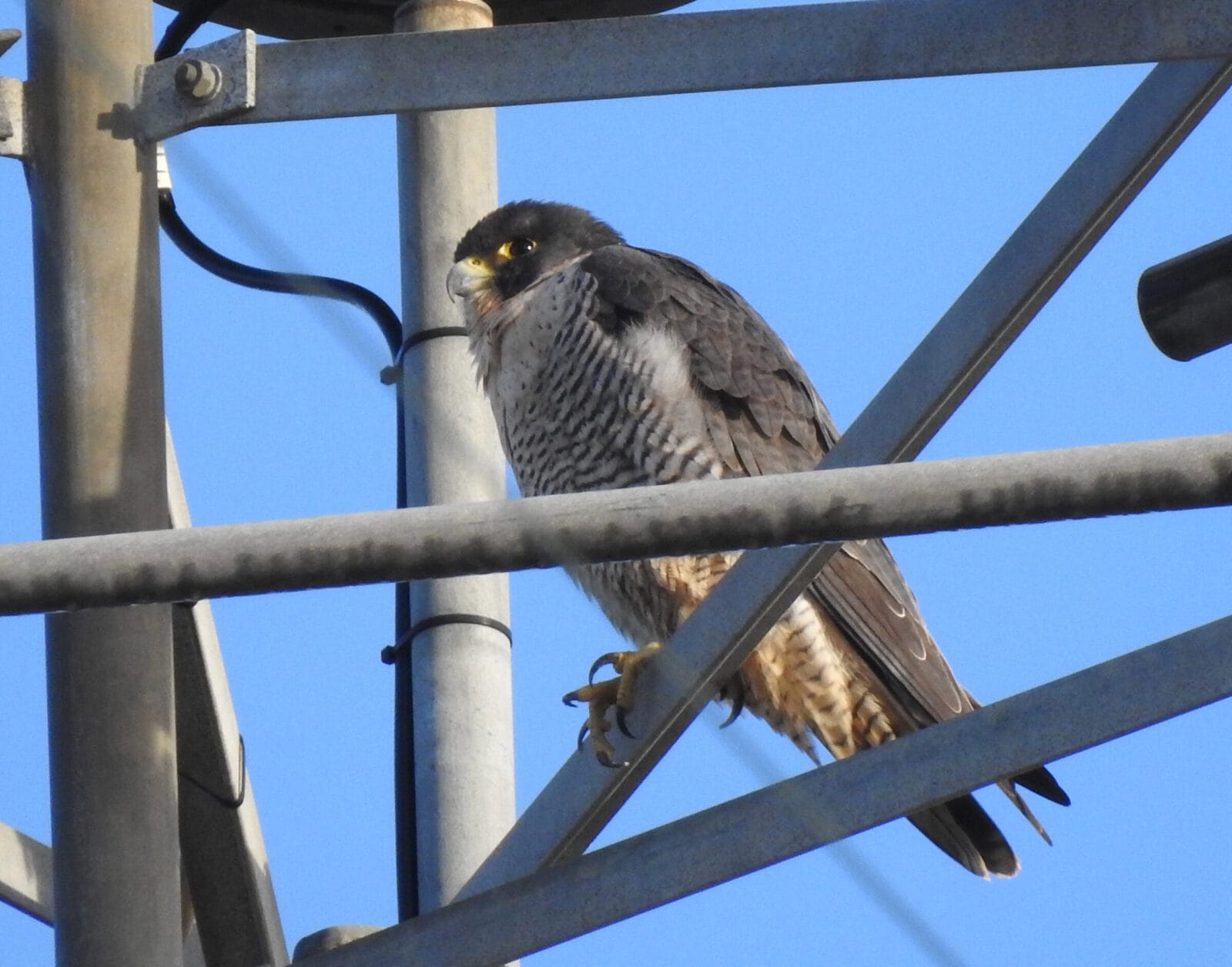
Black Redstart, Fog Station, by Brett Richards

19th December 2020

Sunny intervals eventually established after an overcast start, with moderate/strong south-south-west winds and temperatures that reached ten degrees C. The seawatch was quiet, although a Sanderling that flew south was notable; 65 Turnstone, 20 Purple Sandpipers were also recorded below the Fog Station, along with the male Black Redstart. The area around North Marsh hosted 36 Wigeon and a dark-bellied Brent Goose. A tally of 213 Pink-footed Geese flew south along the Dykes, where two Chiffchaffs and a Nuthatch were also in residence.

Sightings from RSPB Bempton Cliffs included 110 Pink-footed Geese flying south, a Merlin and two Short-eared Owls.

Pink-footed Geese, North Dykes, by Andrew Allport

20th December, 2020

Weatherwise, it was a quiet day with sunny intervals, a light south-westerly wind and the temperature reaching a maximum of 9C.

Morning seawatching was quiet with 7 Common Scoter being the highlight while 35 Red-throated Divers were offshore and 40 Purple Sandpipers were below the Fog Station. The main interest of the day concerned groups of geese around the Outer Head with 8 Russian White-fronts near Northcliffe Marsh and several small parties of Pink-feet totalling 116 mostly on or over the southern side of the Head. Other wildfowl seen included a dozen Whooper Swans overflying Sykes Plantation and 2 Shelduck. More than 2000 Woodpigeon were feeding on stubble near South Landing while passerines were represented by the long staying male Black Redstart at the Fog Station, 2 Grey Wagtails and 5 Lapland Buntings on North Cliff. A lone Short-eared Owl was at Thornwick Nab.

At Bempton Cliffs, owls showed well again with 3 Short-eared and 2 Barn viewed from Cliff Lane. A Little Egret was photographed flying overhead, a Goldeneye flew south and 5 Grey Partridge were at the Visitor Centre. Between 20 and 30 Harbour Porpoises were off the cliffs at Grandstand / Bartlett Nab.

Curlew by Andrew Allport

21st December 2020

Moderate south-easterly winds later veered south-westerly during an overcast day, with light rain for the majority of daylight hours. Seawatch highlights included five Wigeon, a Pintail, 28 Common Scoter, three Goldeneyes, 28 Red-throated Divers, a Great Crested Grebe, one Knot and 11,000 Guillemots flying south.

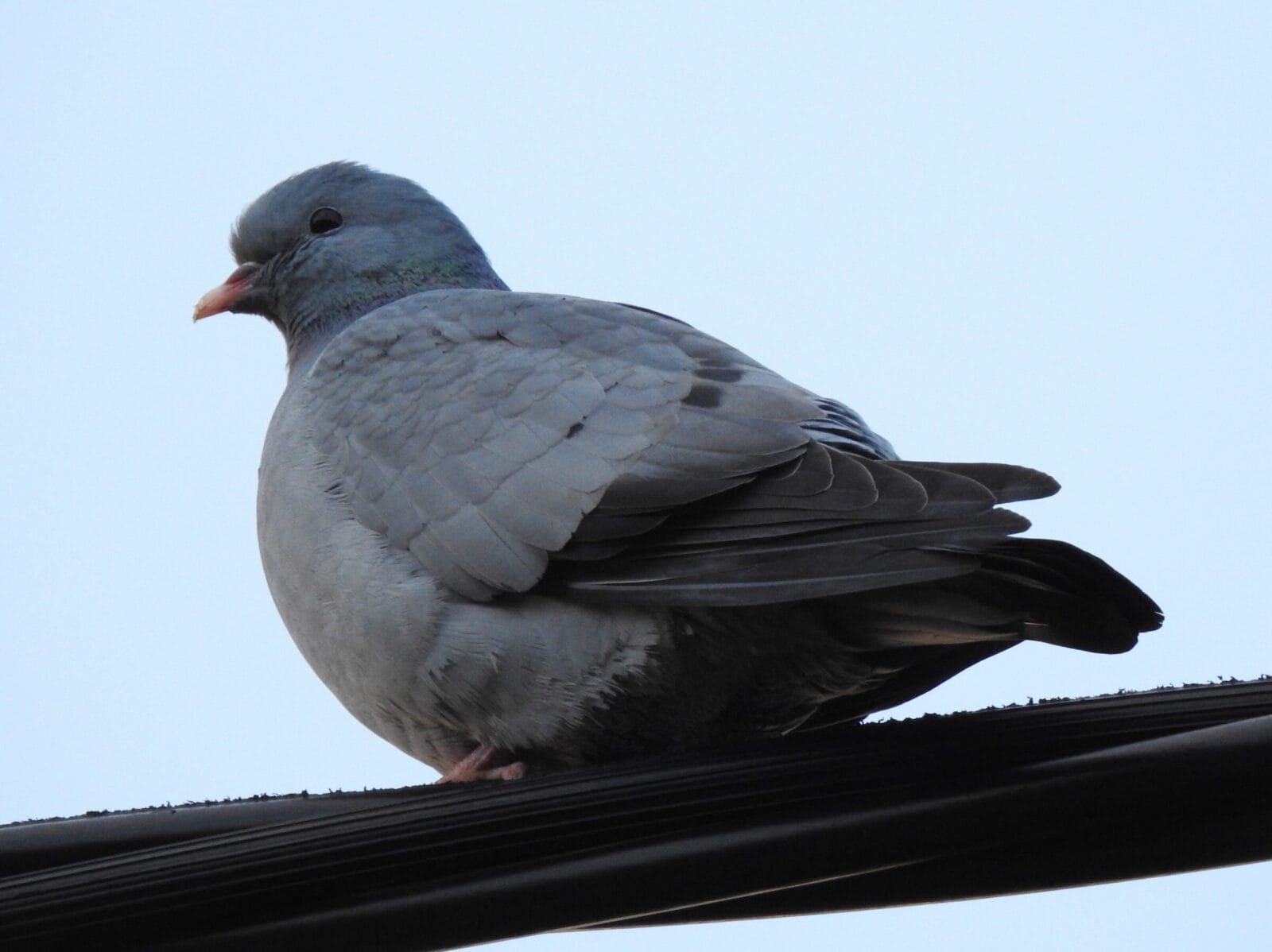
Stock Dove, by Brett Richards

22nd December 2020

A bright start to a day with light, overcast skies later; light south-west winds and temperatures reached five degrees C. Only the year’s second Red-necked Grebe flew south during the morning’s seawatch, with two Black Redstarts still in residence around the Fog Station. Elsewhere, 48 Pink-footed Geese included a skein of 47 birds over North Dykes and an individual touring the headland with the Greylag flock; the lone dark-bellied Brent Goose was also located on fields near North Dykes. A total of 15 Stonechats included three birds at North Marsh and a similar number at South Landing. The Ring Ouzel was again reported from RSPB Bempton Cliffs.

Black Redstart, Fog Station, by Alan Walkington

23rd December 2020

Light/moderate winds from the east strengthened and backed north-easterly during an overcast day with persistent, but heavy drizzle throughout.; temperatures reached six degrees C. A seawatch from South Landing was rewarded with a Red-breasted Merganser, 14 Red-throated Divers, three Great Crested Grebes, 36 Kittiwakes and a Bonxie flew north. Fifty Turnstones, three Stonechat and a Grey Wagtail frequented the beach.

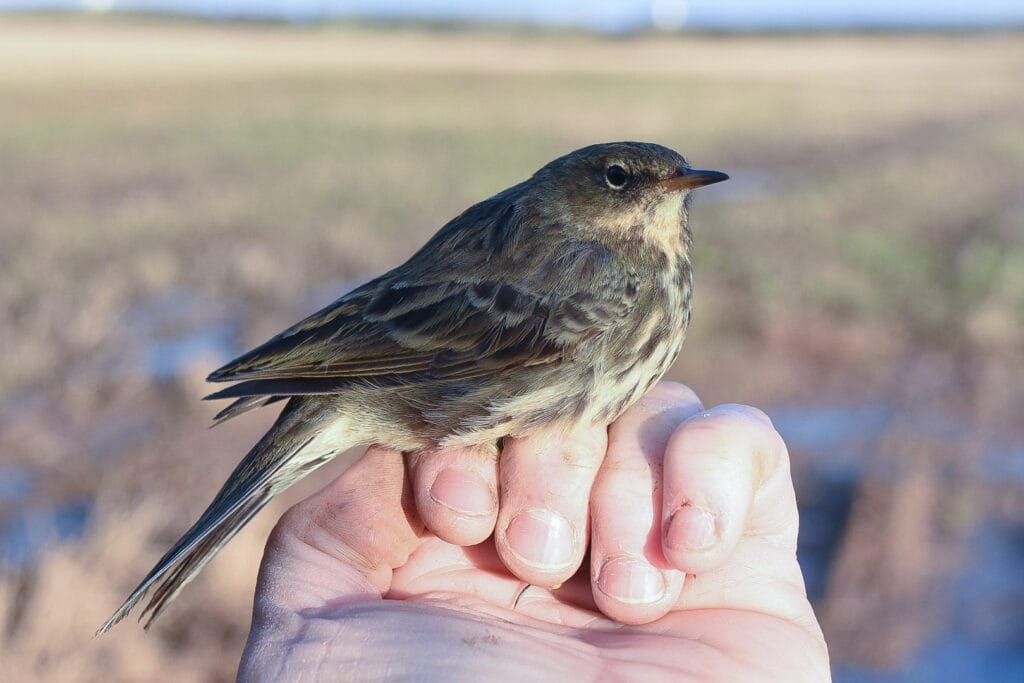
Rock Pipit, South Landing, by Brett Richards

24th December 2020

Strong northerly winds dominated a day of frequent showers, often of sleet, with temperatures peaking at a mere five degrees C. The morning seawatch proved relatively quiet, with a northerly movement of 449 Fulmars the obvious feature. South Landing beach again attracted 80 Turnstones, three Stonechat and two Grey Wagtails.

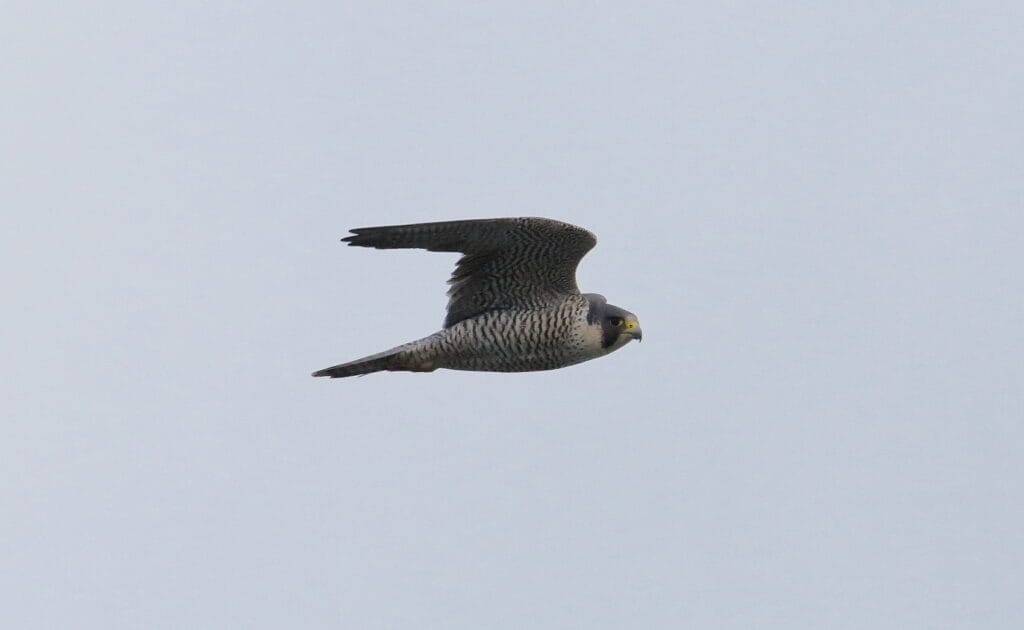
Peregrine, by Alan Walkington

25th December 2020

All at FBO wish all our supporters a very happy Christmas!

Cold winds backed from the north-west to the west during a largely sunny day, with temperatures remaining at one degree C through the morning rising to three degrees in the afternoon. A Great Northern Diver, 65 Common Scoters, 570 Fulmars and two ‘northern’ Herring Gulls flew north during the seawatch, with a Goldeneye moving south. Elsewhere, three Long-tailed Ducks remained off South Landing, Thornwick Pools hosted a Water Rail and Oceanview 50 Rock Pipits. Two dark-bellied Brent Geese frequented a flash on fields at Buckton.

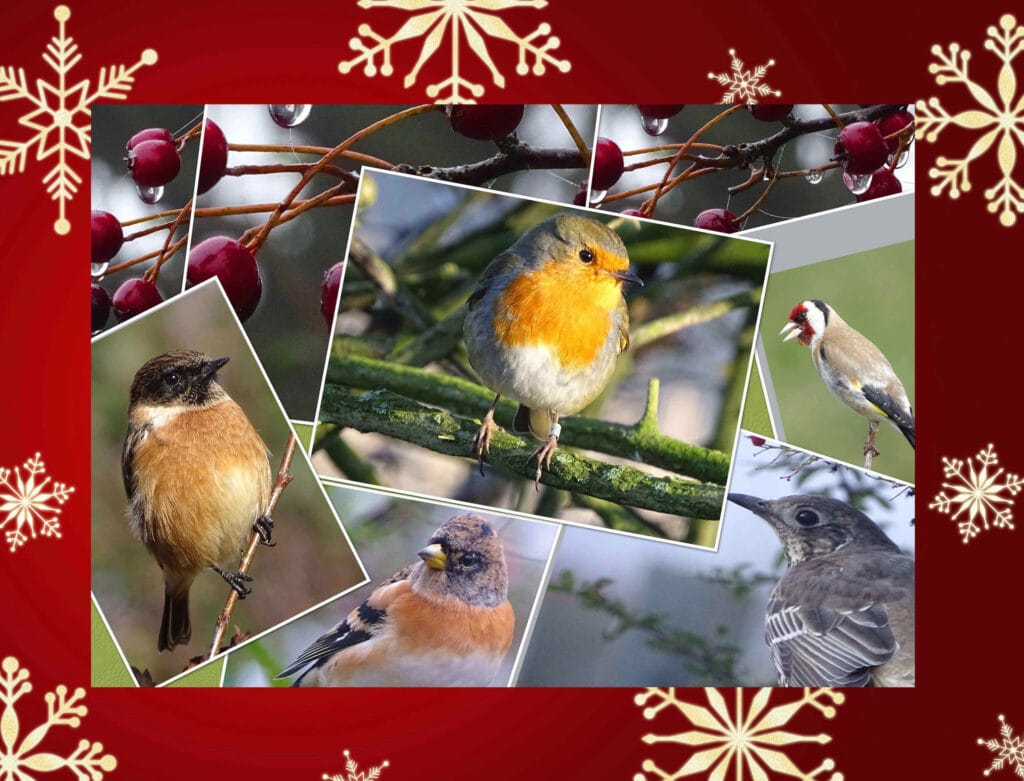
Xmas montage, by June & Malcolm Fox

26th December 2020

The weather consisted of moderate south-westerly winds, relatively overcast skies and temperatures that reached seven degrees C. A Great Northern Diver flew south during the seawatch, along with a drake Goldeneye and one Great Crested Grebe, whilst three northern Herring Gulls flew north. The male Black Redstart frequented the cliff top at the Fog Station, with five Lapland Buntings in stubbles near North Dykes.

Rock Pipit, Oceanview, by Andy Hood

27th December 2020

A south-west wind increased in strength during a day that started sunny, with cloud building in the afternoon; temperatures reached five degrees C. Highlights of the morning seawatch included a Black-throated Diver flying north, with lone Long-tailed Duck and Great Northern Diver moving south.

Single Long-tailed Duck and Goldeneye sheltered on the sea off South Dykes, where two Whooper Swans also flew south. Five Short-eared Owls hunted the cliff top between RSPB Bempton Cliffs and Thornwick, with the former location favoured. The long-staying Ring Ouzel also remained at Bempton, with the male Black Redstart at the Fog Station.

Black Redstart, Fog Station, by Alan Walkington

28th December 2020

A relatively bright day, with sunny intervals, a light northerly wind developing and low temperatures which hovered around 0 degrees until mid-morning, then peaked at four degrees C. A skein of 100 Pink-footed Geese flew north over Sixpenny, whilst two Grey Partridge frequented nearby setaside. A record breaking 99 Rock Pipits were in residence, largely attributable to two flocks of 40+ birds each near North Dykes and Oceanview respectively. Additional passerine records included 175 Jackdaw, three Fieldfare, seven Redwing, eight Song Thrush, four Mistle Thrush, 50 Skylarks, the male Black Redstart and 162 Tree Sparrows. Sightings from RSPB Bempton Cliffs included 500 Pink-footed Geese overhead, two Short-eared Owls, the Ring Ouzel and four Stonechats.

Peregrine, Fog Station, by Brett Richards

29th December 2020

Following heavy rain overnight, the weather consisted of light/moderate northerly winds, sunny intervals and showers and temperatures reaching six degrees C. Two Eider, 65 Common Scoters and five Long-tailed Ducks sheltered on the sea off the South Cliffs between Danes Dyke and High Stacks. A Water Rail visited a garden on the outer head, whilst the male Black Redstart lingered nearby at the Fog Station. Two Short-eared Owls and the Ring Ouzel continued in residence at RSPB Bempton Cliffs.

30th December, 2020

It was a bright and mainly sunny day though it remained cold all day. After an overnight frost, the afternoon temperature struggled to reach 3C in a light W to NW breeze.

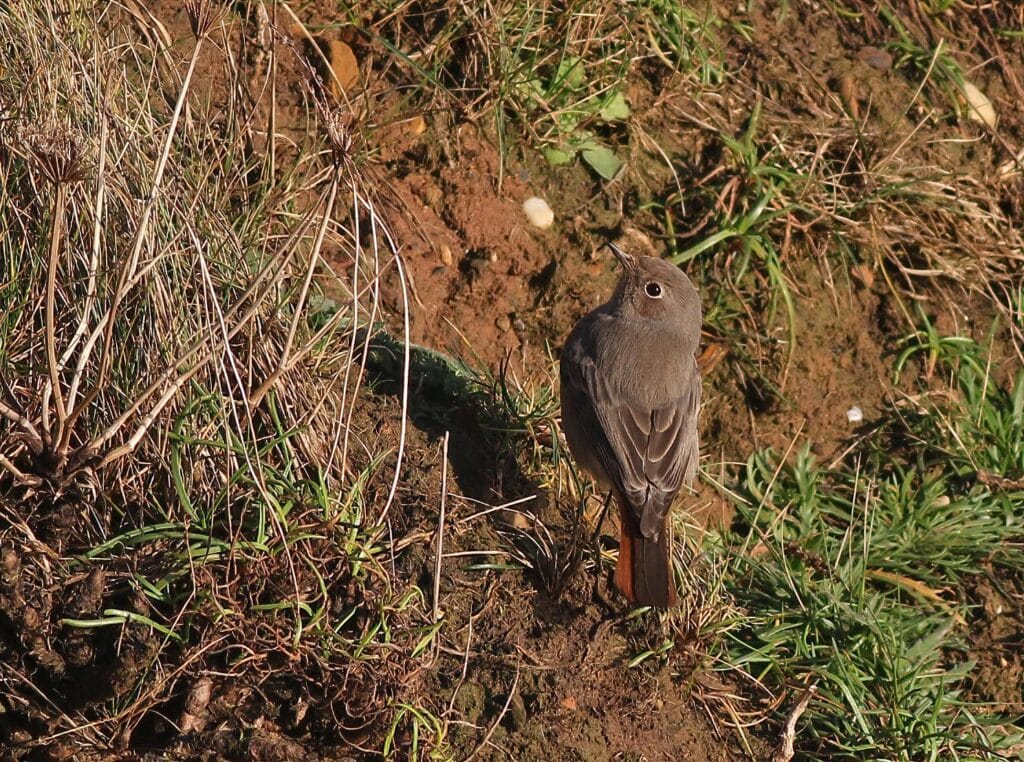
The highlight of the morning seawatch was a first-winter Iceland Gull that wandered slowly north and was supported by a Velvet Scoter and 40 Common Scoter passing north and a lone Great Northern Diver in each direction. On land, a bean goose was flushed gave frustratingly brief views and remained unidentified to species while the single Pink-footed Goose remained at Hartendale. Long-tailed Ducks were seen offshore both east and west of South Landing with at least 5 present. A second-winter Mediterranean Gull was at Grange Farm. Newly found passerines came in the form of a Hooded Crow flying over the Outer Head, a female Black Redstart at New Fall and a Chiffchaff at Water Lane.

West of the Dykes, the Ring Ouzel continued its stay at Bempton Cliffs and 120 Pink-footed Geese flew NW at Buckton.

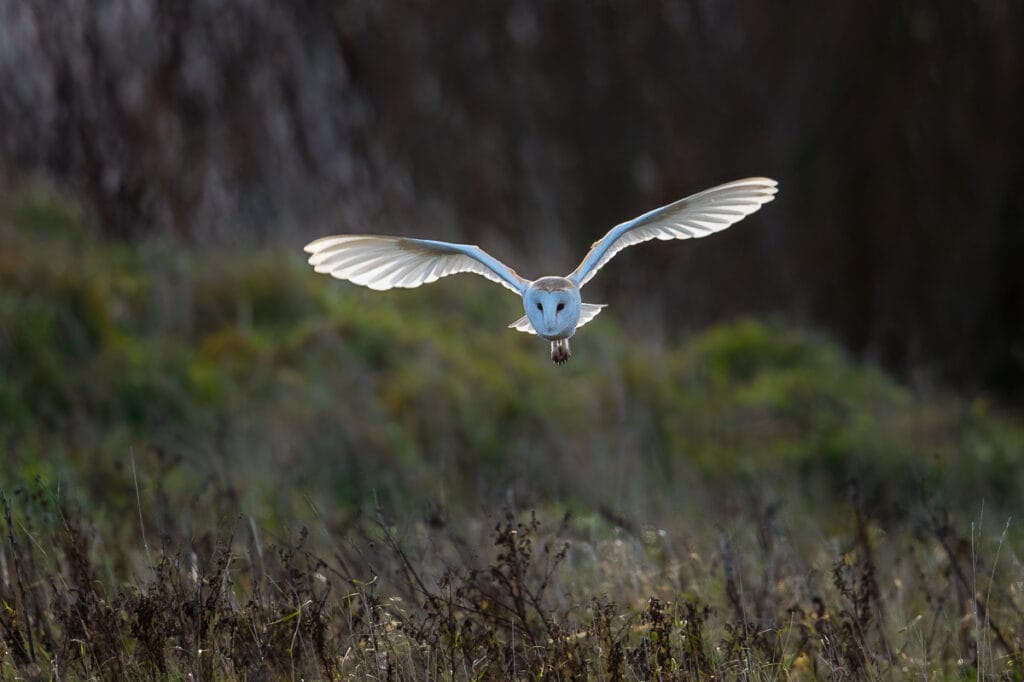
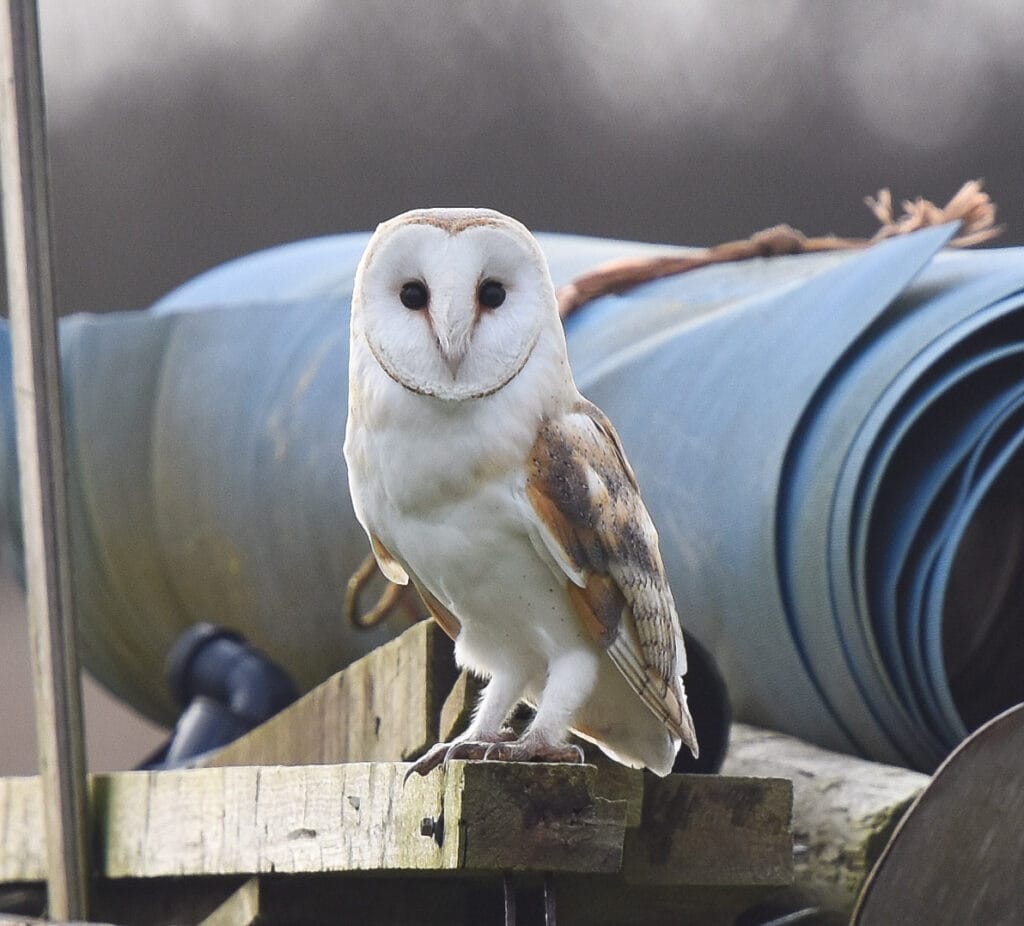
Barn Owl by Andrew Allport

31st December 2020

Sunny throughout, with a light westerly wind and temperatures reaching three degrees C after a hard frost. During the morning’s seawatch, 152 Common Scoters, 193 Fulmars and a ‘northern’ Herring Gull flew north, with a Great Northern Diver heading south. Seventy-four Pink-footed Geese toured the outer head, with 56 of these resting on fields at North Dykes where they were also joined by two Whooper Swans; at least one Long-tailed Duck remained off the South Cliffs. Passerine interest included the Hooded Crow lingering from yesterday, a Chiffchaff, 50 Skylarks, 32 Fieldfare, 32 Redwing and 75 Yellowhammers.

Finally, all at FBO would like to wish the followers of our daily sightings a very Happy New Year!

Black Redstart, Fog Station, by Alan Walkington (27/12)

1st January 2021

Happy New Year to one and all.

A moderate northerly wind blew throughout, with frequent squally showers interspersed with occasional sunny intervals and temperatures that peaked at six degrees C. During the morning seawatch, eight Common Scoters, a Great Northern Diver, 433 Fulmars, 16 Kittiwakes, two Razorbills and a Puffin flew north.

A single Pink-footed Goose remained on the outer head, whilst four Great Northern Divers were recorded off the South Cliffs between South Landing and Sewerby. Other notable sightings included four Mistle Thrush, 220 Tree Sparrows (including a flock 145-strong on stubbles), a Grey Wagtail and 90 Linnets.

Red-throated Diver, Fog Station, by Chrys Mellor

2nd January 2021

The north-westerly wind continued, with occasional showers and temperatures reaching four degrees C. A Grey Phalarope that flew north provided the seawatching highlight, with a Blue Fulmar and 268 Fulmars also moving north, whilst an unidentified Asio owl species flew in off the sea.

Six Long-tailed Ducks, a Great Northern Diver and four Great Crested Grebes were present in the bay off South Dykes, with five Sanderling shared between the beaches at the same location and South Landing. Four Whooper Swans flew south over South Landing, with a Chiffchaff at nearby Hartendale and two Black Redstarts; one at the Fog Station and the other at South Dykes beach.

Black Redstart, South Cliffs, by Craig Thomas

3rd January 2021

A relatively overcast day, with sunny intervals and occasional showers, a moderate north-easterly wind and temperatures reaching six degrees C. Highlights of the morning swatch included two Velvet Scoters heading south, with two Blue Fulmars, 27 Gannets and 481 Kittiwakes moving north. Five Long-tailed Ducks remained off South Dykes, where four Sanderlings and the Black Redstart remained on the beach and two Nuthatch frequented the wooded ravine.

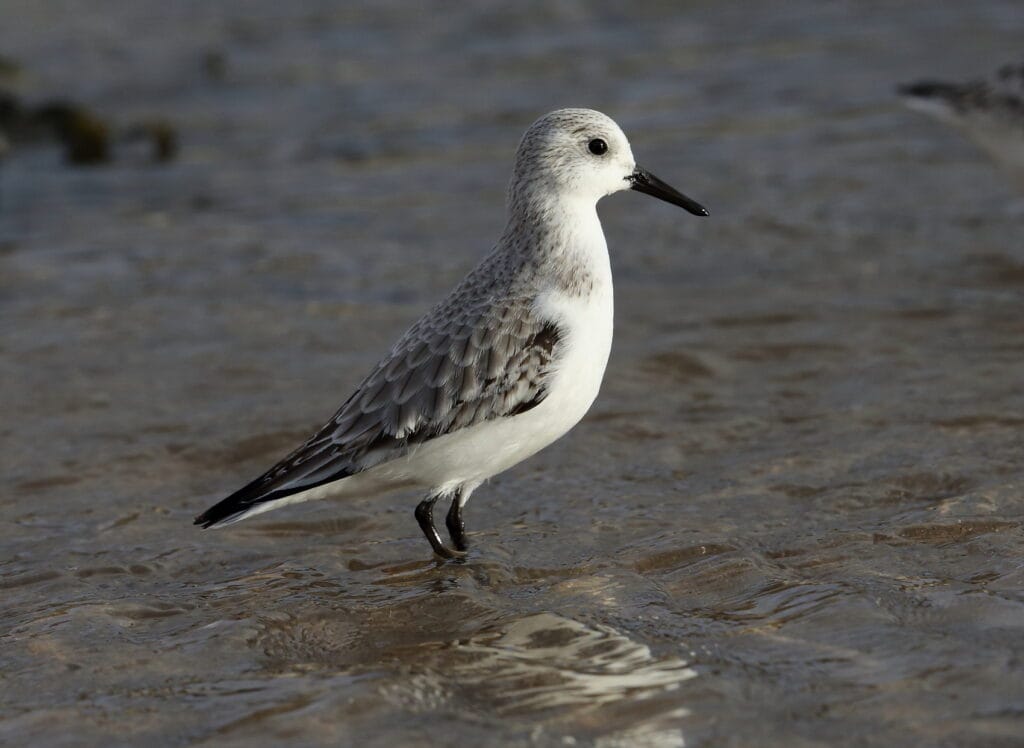
Sanderling, South Dykes, by Alan Walkington

4th January 2021

Relatively strong north-easterly winds and overcast skies, with heavy showers and temperatures peaking at six degrees C. Although the seawatch was quiet, 25 Eiders flying north were notable. The sea off South Dykes continued to offer shelter from the northerly airflow, with notable sightings including seven Long-tailed Ducks, a Great Northern Diver, 11 Great Crested Grebes, 28 Common Scoters and three Eider, with single Grey Wagtail and Black Redstart on the beach. Oceanview attracted a Woodcock, 63 Rock Pipits and 64 Yellowhammers, with another Woodcock at Thornwick.

Barn Owl, Oceanview, by Andy Hood

5th January 2021

Moderate north-easterly winds and frequent squally showers throughout a day where temperatures only reached four degrees C. During the seawatch, a Blue Fulmar and 31 Eiders flew north. Two Velvet Scoters flew south (with another Velvet north) and a Woodcock also flew in off the sea.

In addition, six Eiders, six Long-tailed Ducks, two Velvet Scoters, two Great Northern Divers and 28 Great Crested Grebes sheltered on the sea between South Landing and South Dykes. Single Grey Wagtails were present on the beach at both locations, with the Black Redstart still in residence at South Dykes. An influx of gulls was also apparent, with 690 Black-headed Gulls, 1400 Common Gulls, 230 Great Black-backed Gulls and 3800 Herring Gulls recorded during the day.

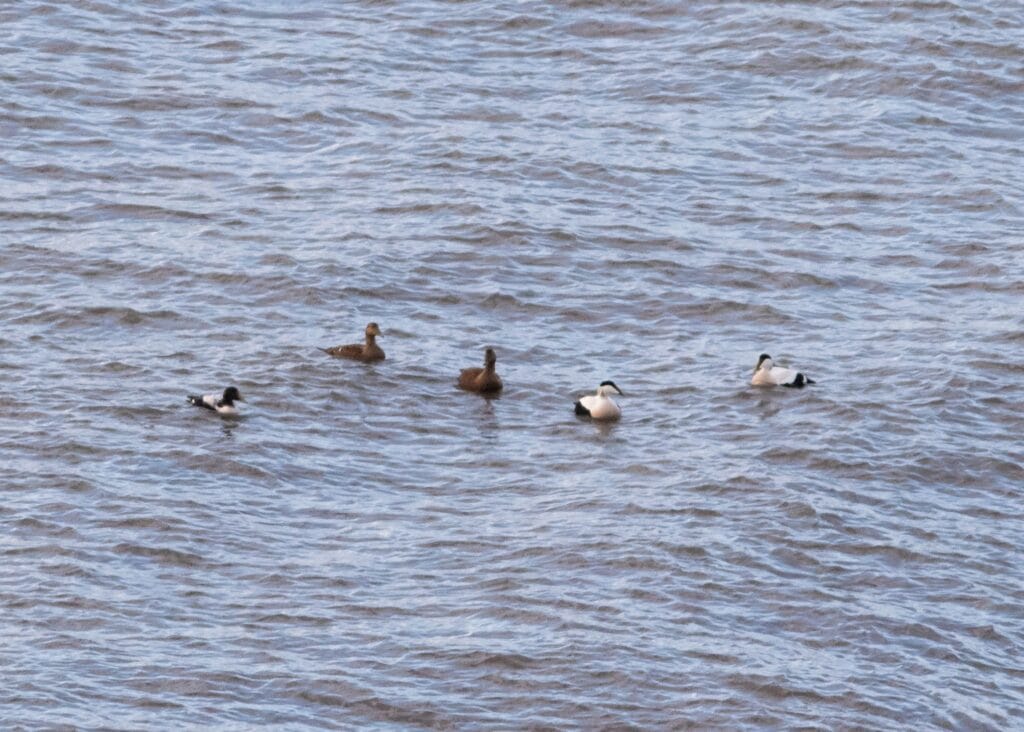
Eider, South Dykes, by Jo Hood

6th January 2021

A light/moderate north-easterly wind, squally showers and temperatures that reached four degrees C. During the morning seawatch, a Blue Fulmar, five Eiders and three Velvet Scoters flew north. Four Long-tailed Ducks lingered off South Dykes, a Great Northern Diver off South Landing, whilst a Woodcock was flushed from Old Fall. Passerine records included three Fieldfare, 12 Redwing and two Black Redstarts (Fog Station & South Dykes).

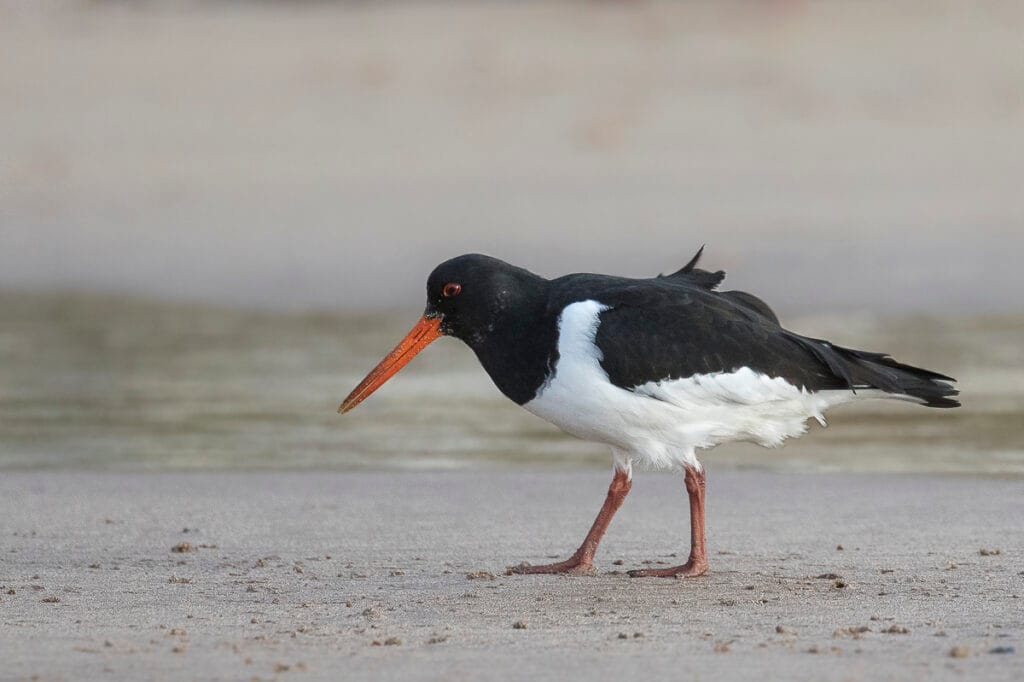
Oystercatcher, South Landing, by Andrew Allport

7th January 2021

A bright day, with a light north-westerly wind and temperatures reaching a mere three degrees C. A Great Northern Diver remained off the South Cliffs, whilst 29 Pink-footed Geese included a skein of 28 birds heading west. Wader interest included six Knot and two Woodcock. A flock of 45 Stock Dove was noteworthy, as were two Redwing, two Fieldfare and the long-staying male Black Redstart. The day’s highlight comprised a flock of 34 Lapland Buntings on the outer head.

Pink-footed Goose, Oceanview, by Andy Hood

8th January 2021

A day of light/moderate north-easterly winds, sunny intervals preceding increasingly prevalent showers and temperatures that peaked at four degrees C. Sightings between South Landing and South Dykes included 19 Great Crested Grebes, a Great Northern Diver, 13 Common Scoters and six Long-tailed Ducks. Wader interest included the year’s first two Ringed Plovers and a Woodcock. The following passerine totals were also recorded: 21 Redwing, two Fieldfare, a Chiffchaff, Black Redstart (South Dykes), 13 Meadow Pipits, 270 Tree Sparrows, 140 Linnets, 30 Reed Buntings, 120 Yellowhammers and a Lapland Bunting.

Kestrel, Lighthouse, by Jo Hood

9th January 2021

A gloriously sunny day, with a frosty start and temperatures only reaching two degrees C in a very light westerly wind. Such perfect finding conditions resulted in some noteworthy discoveries on the open farmland, including a pair of Red-legged Partridges and two pairs of Grey Partridges, along with a Golden Plover and five Woodcock. Passerine interest included 60 Skylarks, 50 Redwing, eight Fieldfare, seven Mistle Thrush, six Song Thrush, a first-winter Ring Ouzel (ringed in the village), 78 Linnets, 39 Reed Buntings and 184 Yellowhammers.

Peregrine, Flamborough, by Craig Thomas