2nd October 2020

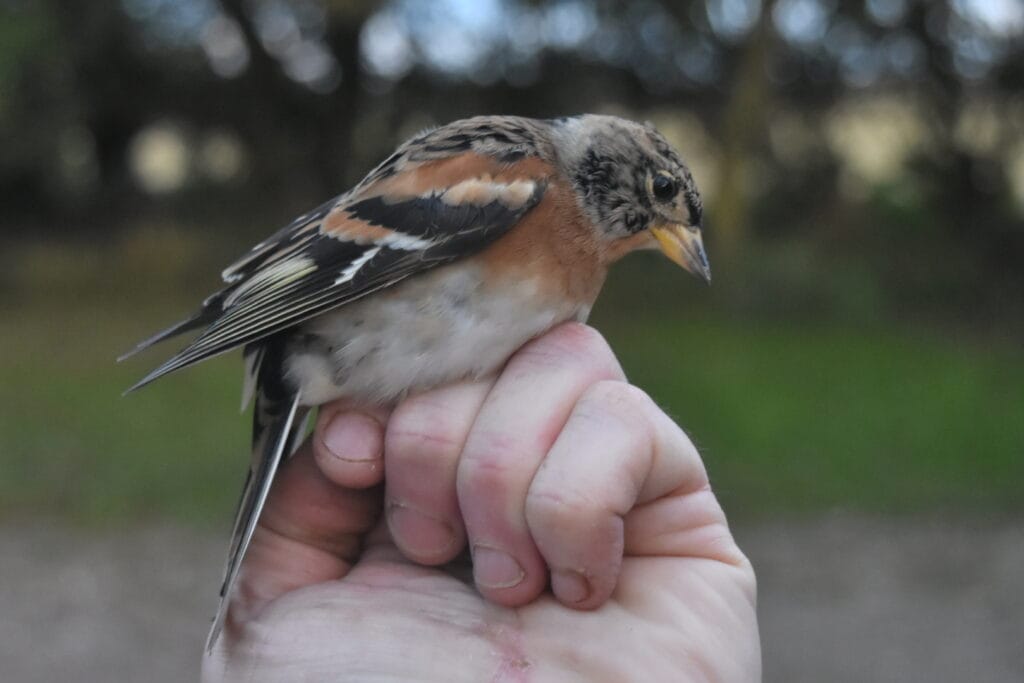
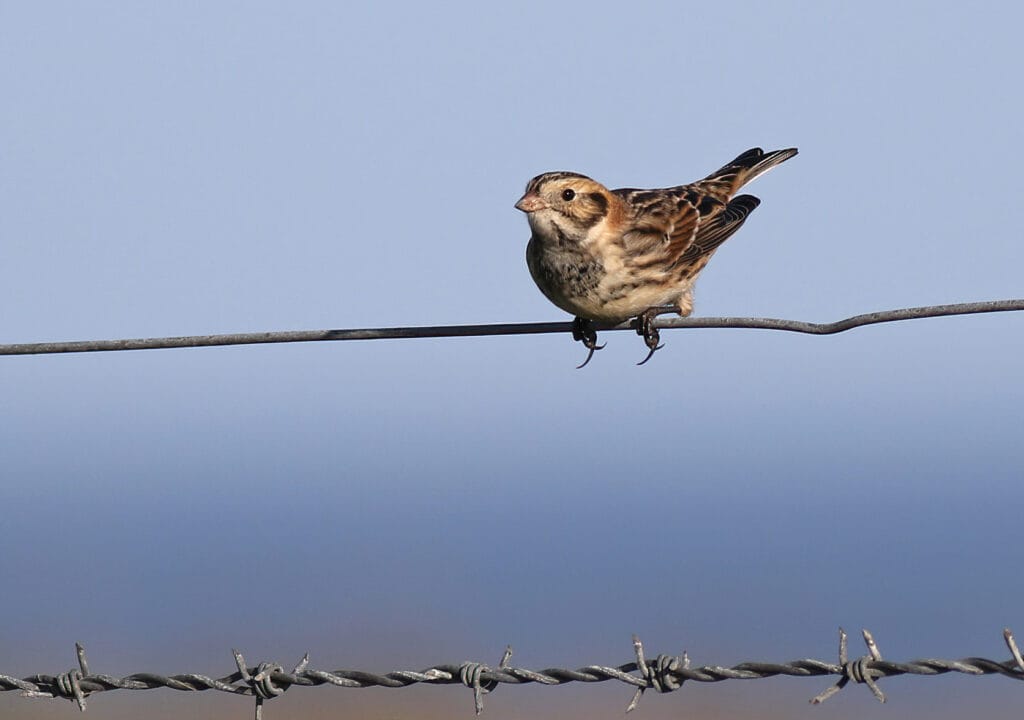
The weather consisted of moderate east-north-easterly winds throughout, with spells of overcast and sunny intervals and temperatures reaching 13 degrees C. Although a pale-bellied Brent Goose flew north, a southerly movement of wildfowl was more evident over the headland involving 130 Wigeon, two Pintail and 45 Teal. A Green Sandpiper frequented Thornwick Pools and a Greenshank headed south, whilst two first-winter Caspian Gulls associated with the gull flock on the outer head. Presumably the same Little Bunting last seen on 28th September re-appeared along Old Fall Hedge, although it again proved elusive. Additional passerine sightings included 16 Goldcrests, 15 Yellow-browed Warblers, a Grasshopper Warbler, five Blackcap, two Barred Warblers (Golf Course Willows & south-east corner of Gorse Field), a Pied Flycatcher, three Redstarts, four Wheatear, four Whinchat, 14 Stonechat, one White Wagtail, a Tree Pipit, eight Brambling, 18 Lesser Redpolls, a Crossbill, 25 Siskins and three Lapland Buntings.

Passage at RSPB Bempton Cliffs included three dark-bellied Brent Geese, 203 Wigeon, four Pintail and 55 Skylarks all heading south-east. The reserve itself hosted a Marsh Harrier, seven Redwing, 11 Song Thrush, two Yellow-browed Warblers, a Lesser Whitethroat, two Stonechats and two Brambling.
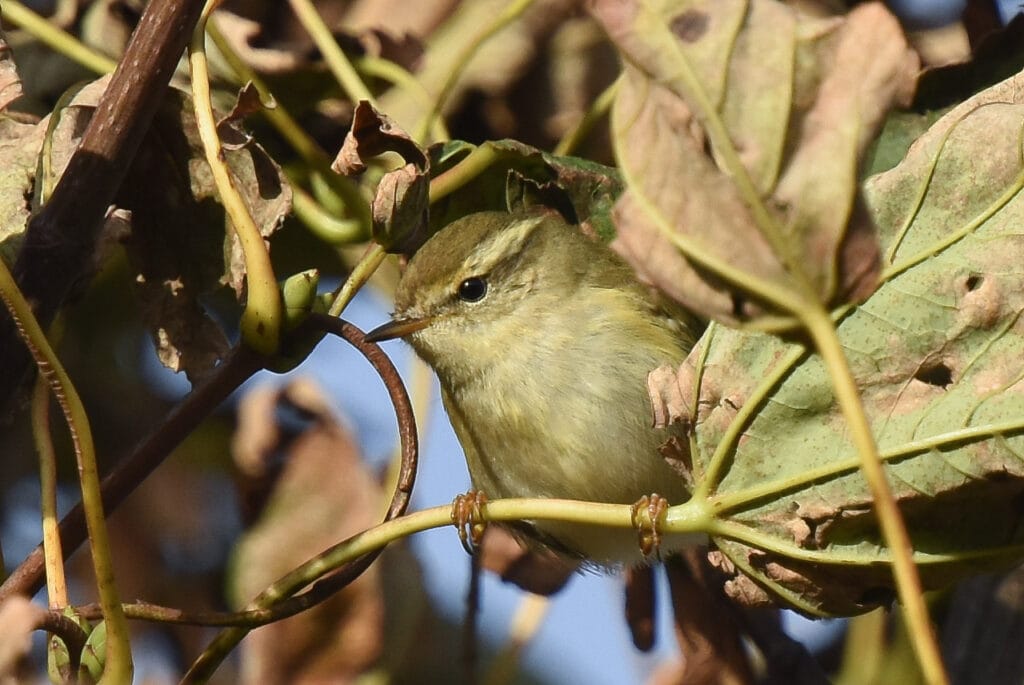
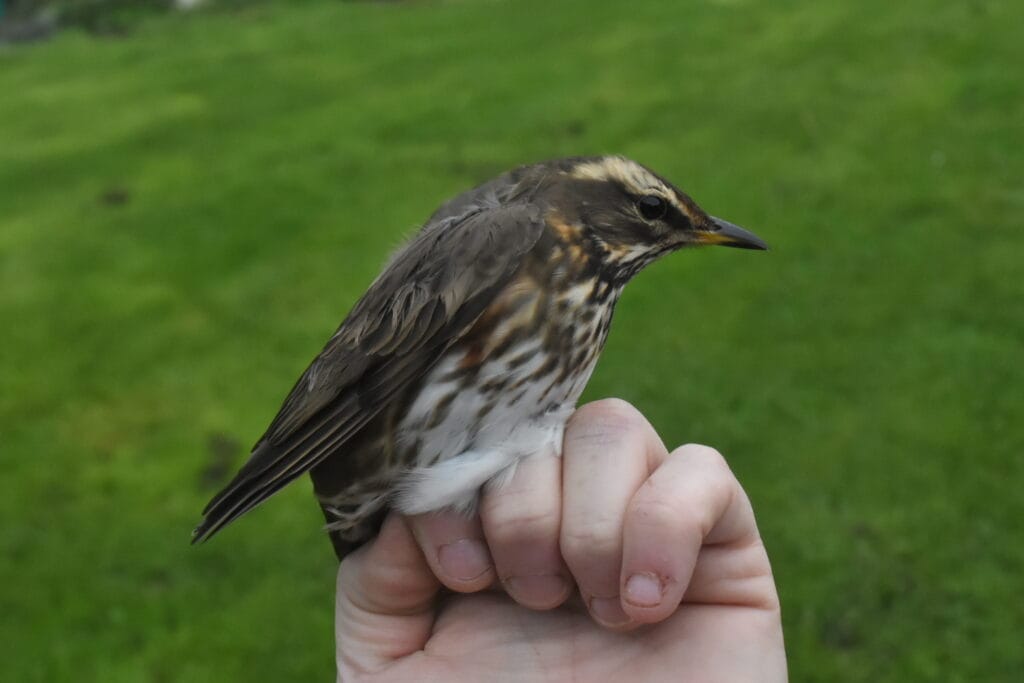
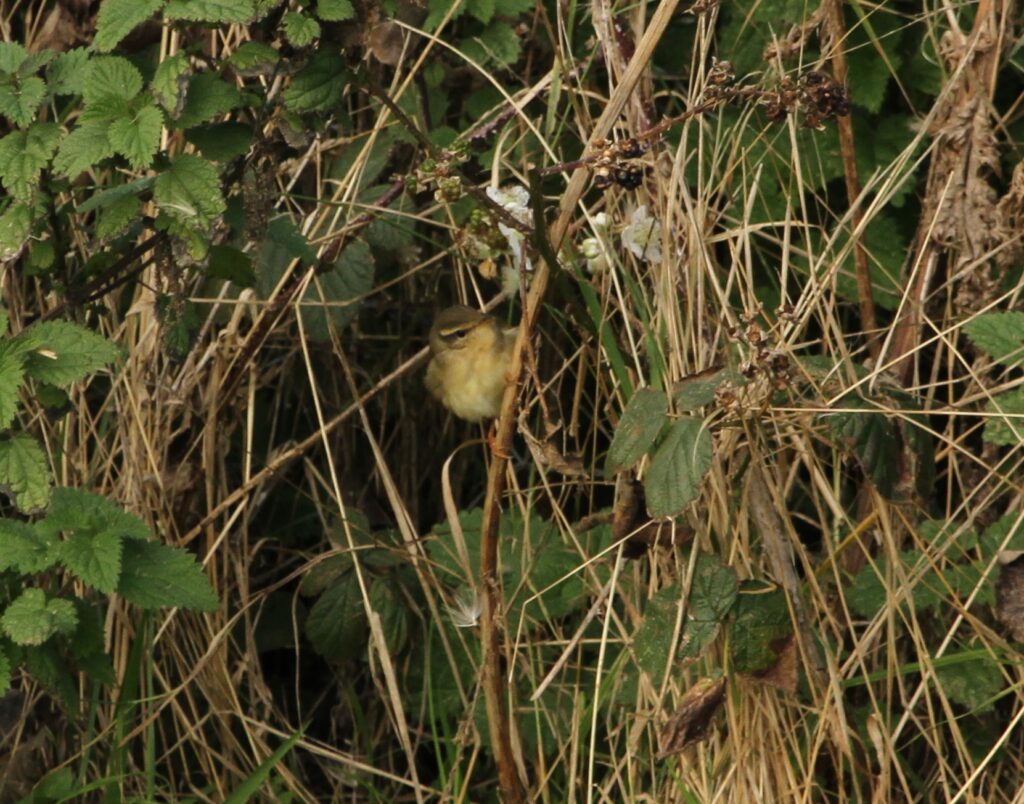
Yellow-browed Warbler, Oceanview, by Andy Hood

3rd October 2020

Persistent rain and a light/moderate north-easterly wind featured throughout, with temperatures reaching 13 degrees C. A brief seawatch was rewarded by two Sooty Shearwaters and a Pomarine Skua flying north. However, it was a substantial fall of migrants that provided the highlight, albeit with the inclement conditions rendering birding extremely difficult. The year’s first Great Grey Shrike near North Marsh was noteworthy, as was a Red-breasted Flycatcher at North Landing, but the honours went to the significant arrival of Robins and Chiffchaffs amongst others that took place during daylight hours.

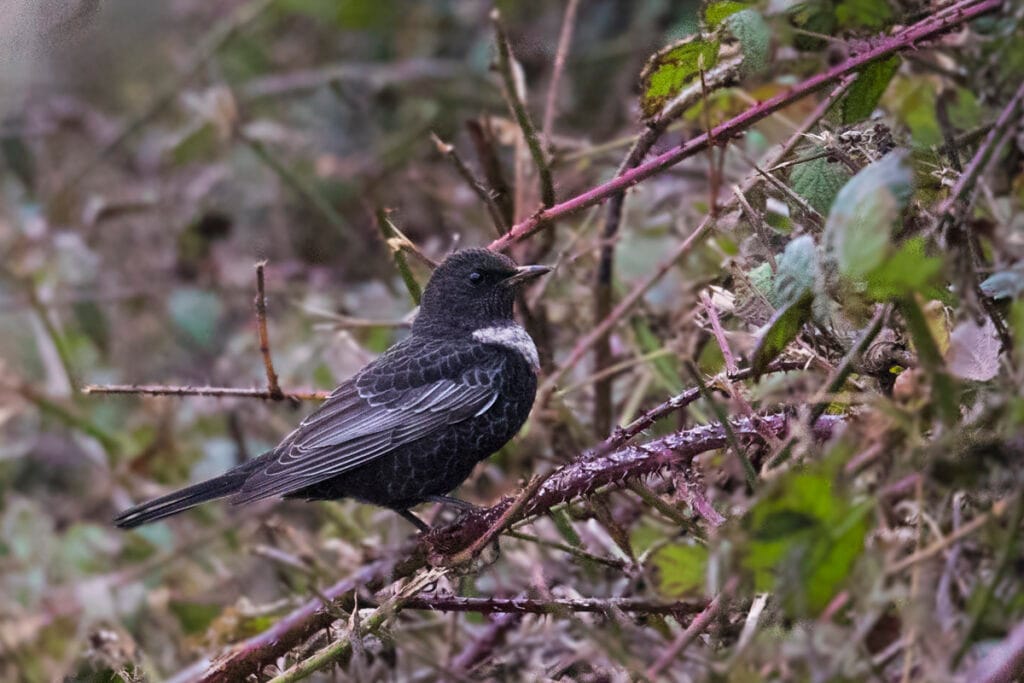
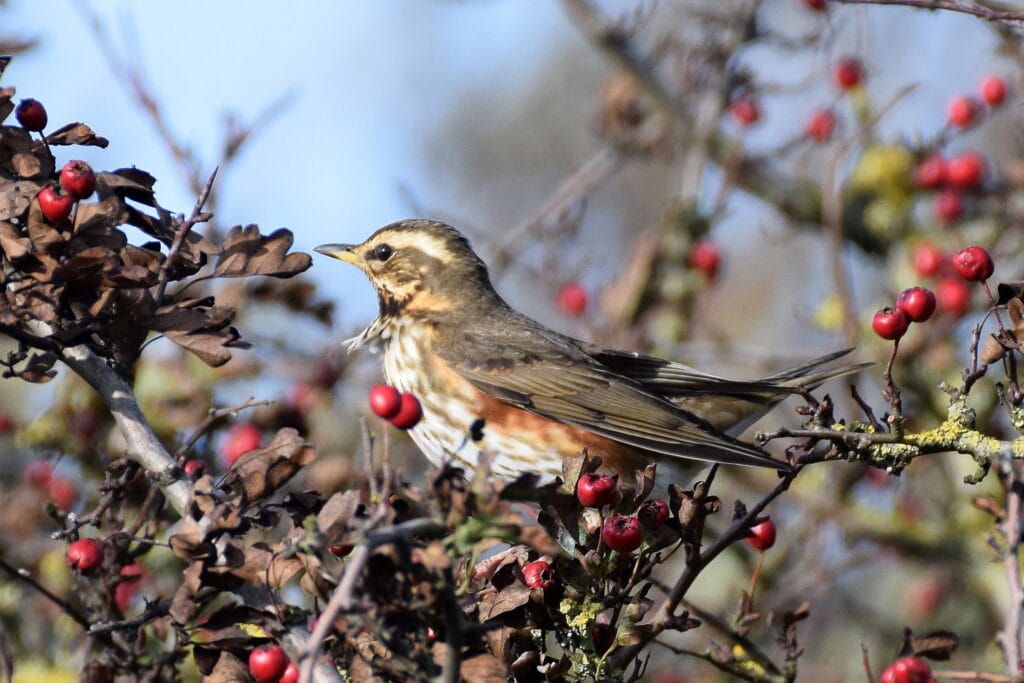
Migrant totals included three Woodcock, two Ring Ouzels, 15 Blackbirds, 180 Song Thrush, 110 Redwing, a Fieldfare, 265 Robins, 110 Goldcrests, a Firecrest, one Reed Warbler, a Grasshopper Warbler, a Barred Warbler (Golf Course Willows), 28 Blackcap, a Lesser Whitethroat, 13 Yellow-browed Warblers, 43 Chiffchaffs, a Willow Warbler, one Spotted Flycatcher, nine Redstarts, four Wheatears, two Tree Pipits and 17 Brambling.

Sightings from RSPB Bempton Cliffs included 15 Chiffchaffs, three Yellow-browed Warblers, 30 Blackcap, three Garden Warblers, 100 Goldcrests, a Firecrest, 35 Robins, four Redstarts, three Wheatear and 16 Brambling; a dark-bellied Brent Goose flew south-east, whilst seven Goosanders headed in the opposite direction.

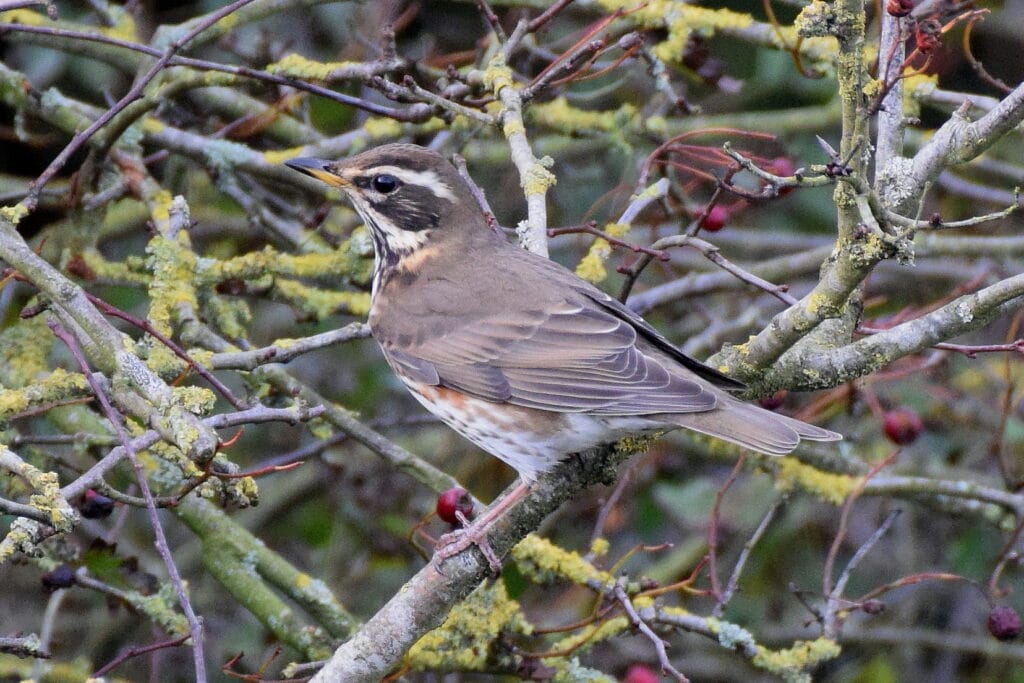
Redwing, Oceanview, by Andy Hood

4th October 2020

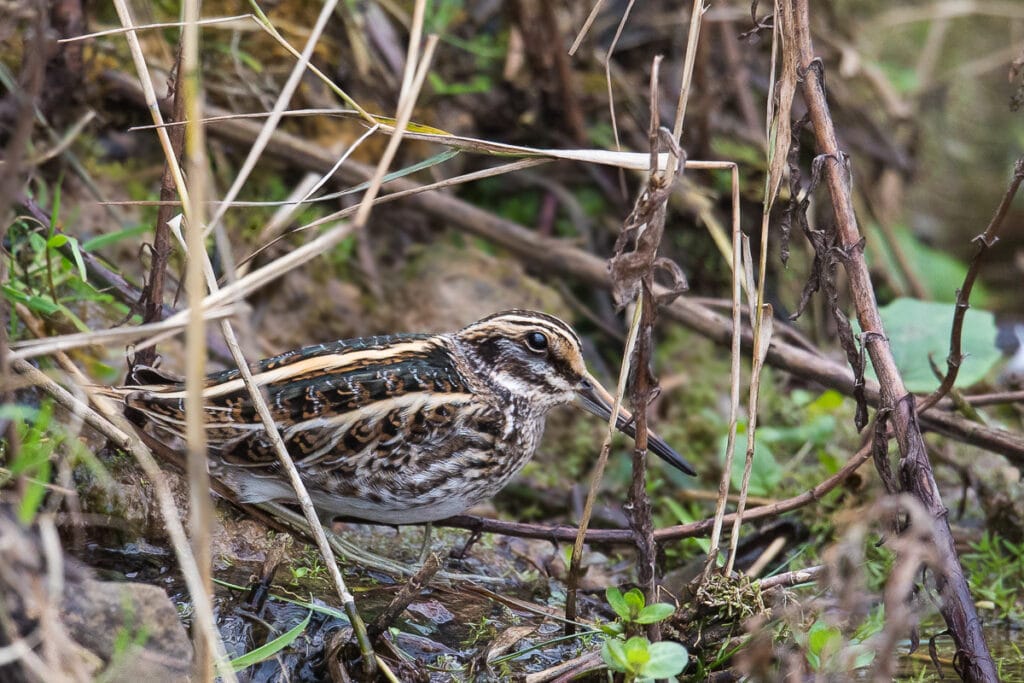
A moderate easterly wind gradually dropped in strength during a day that featured sunny intervals and light showers in the afternoon; temperatures reached 13 degrees C. Barnacle Geese were on the move, with 63 observed flying south over the outer head. A Merlin on the outer head was undoubtedly ‘spoilt for choice’ with regard prey, whilst a Woodcock, two Jack Snipe and a relatively late Whimbrel were also present.

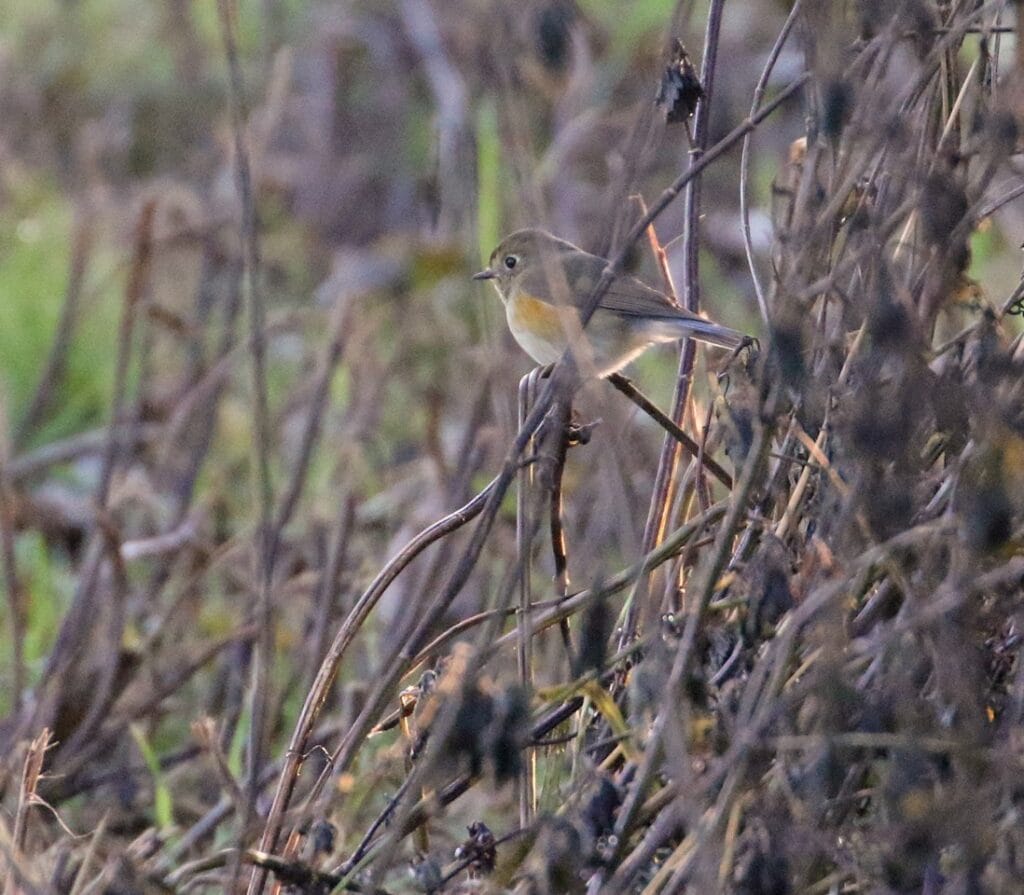
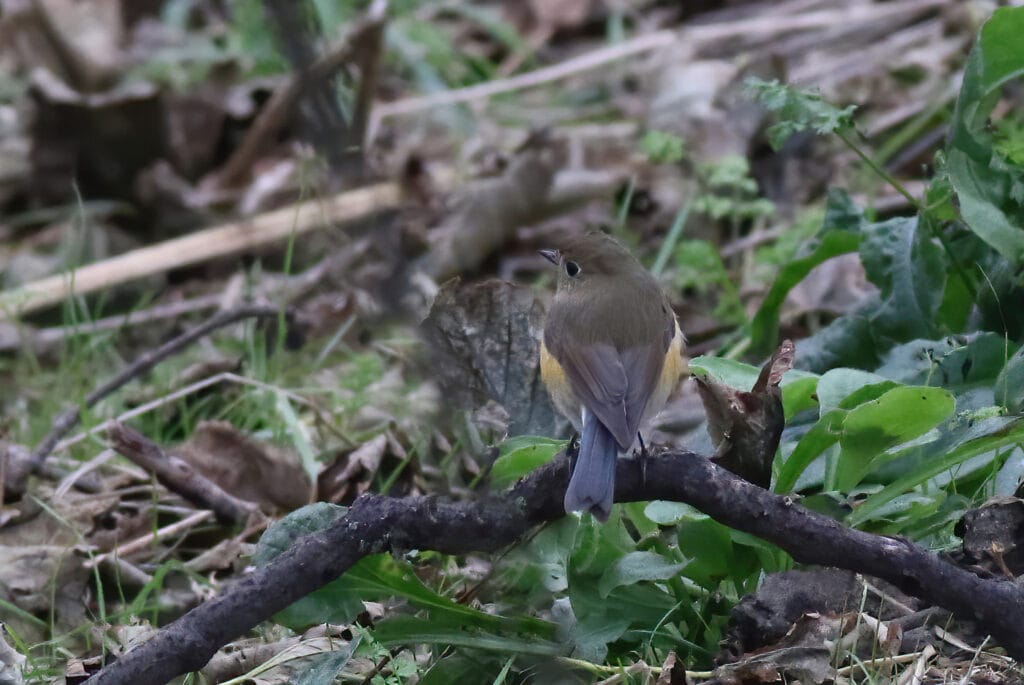
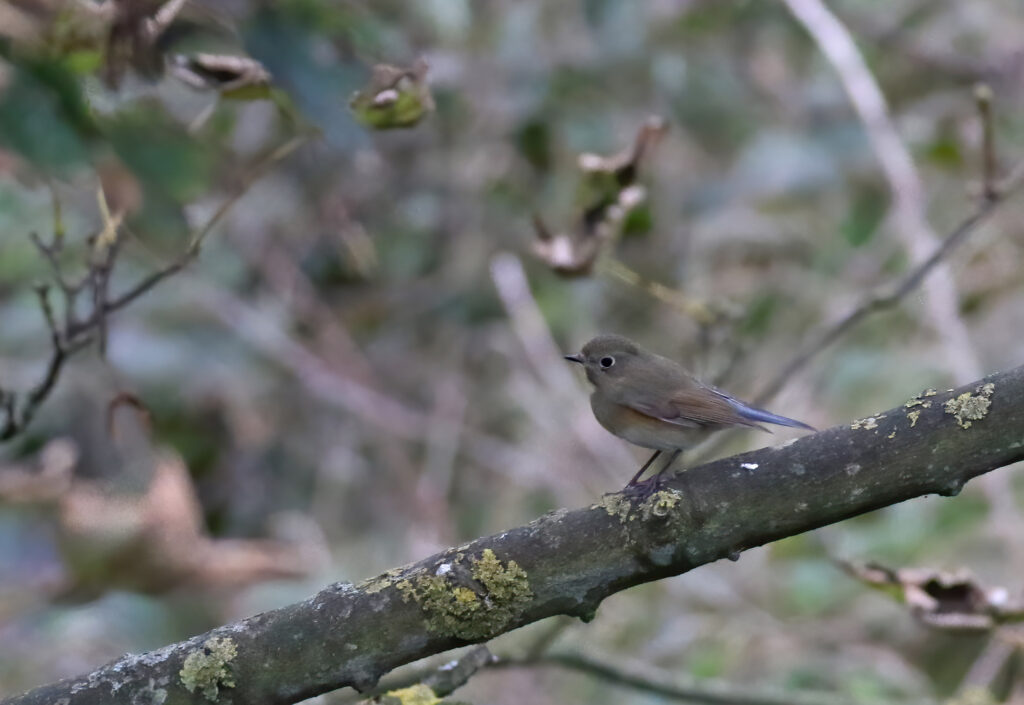
A Red-flanked Bluetail discovered on the edge of Old Fall mid-morning attracted a steady stream of admirers throughout the day. The sixth record for the headland, it favoured the hollow at the eastern end of the plantation. In the local context, a Raven that flew west over Micklemires and latterly RSPB Bempton Cliffs was notable. A total of 116 Skylark headed south-west, whilst grounded migrants included 66 Chiffchaff, four Willow Warblers, 27 Yellow-browed Warblers, a Grasshopper Warbler, one Reed Warbler, four Garden Warblers, a Barred Warbler (Golf Course Willows), two Common Whitethroats, five Lesser Whitethroats (at least two showing characteristics associated with ‘blythi’), 28 Blackcap, a Firecrest (Old Fall), 68 Goldcrests, yesterday’s Great Grey Shrike still near North Marsh, one Spotted Flycatcher, the Red-breasted Flycatcher still at North Landing, a Pied Flycatcher, seven Ring Ouzels, three Fieldfare, 17 Redstart, a Whinchat, 19 Stonechat, eight Wheatear, 42 Brambling, 19 Siskin, five Crossbill, a Hawfinch (Thornwick Camp) and two Lapland Buntings.

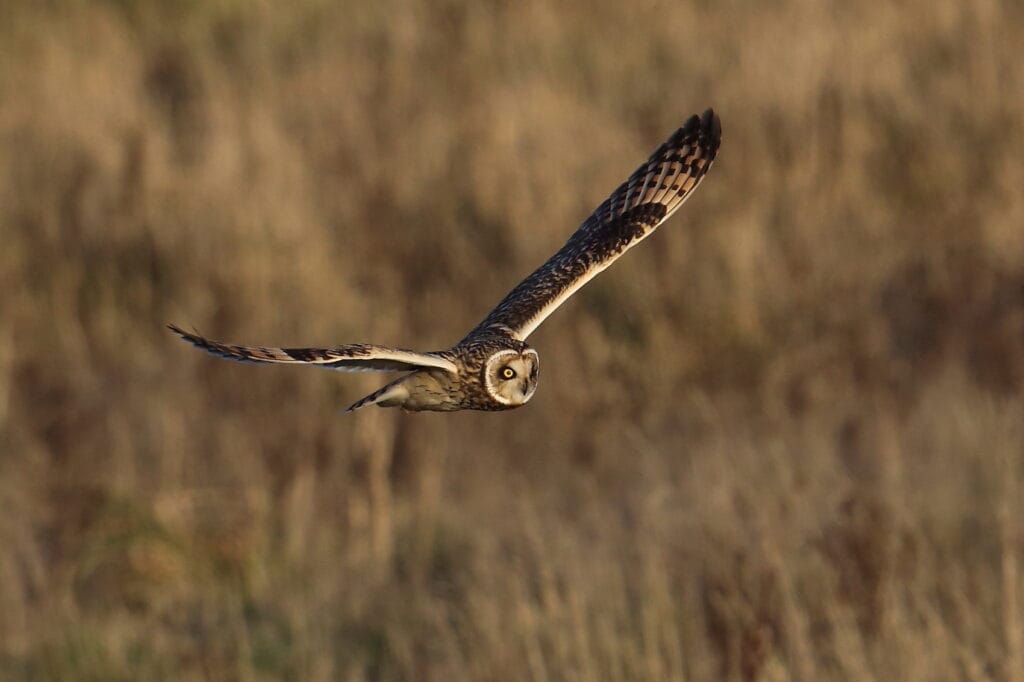
Visible migration at RSPB Bempton Cliffs included nine Brent Geese, 94 Barnacle Geese, a Short-eared Owl, 162 Skylarks and a Tree Pipit flying south-east. Grounded migrants included a Short-eared Owl, one Willow Warbler, 20 Chiffchaffs, two Yellow-browed Warblers, 12 Blackcap, a Garden Warbler, one Lesser Whitethroat, a Firecrest, three Redstarts and a Red-breasted Flycatcher.

A total of 116 birds were processed during an excellent ringing session at South Landing, including 14 Song Thrush, a Redwing, 37 Robin, eight Blackcap, three Goldcrests, four Chiffchaffs, two Willow Warblers, five Yellow-browed Warblers, a Redstart and a Siskin.

Red-flanked Bluetail, Old Fall, by Lee Johnson
Red-flanked Bluetail, Old Fall, by Craig Thomas

5th October 2020

Following heavy overnight rain, the weather consisted of light westerly winds, sunny intervals and light showers. A single Sooty Shearwater and 42 Little Gulls flying north and a Pomarine Skua south represented the highlights of the morning seawatch.

Although small by comparison with Saturday, an overnight arrival of passerine migrants bolstered the numbers of several species. A relatively late Wood Warbler was located in South Landing, whilst three Barred Warblers were present: singles at North Landing and South Landing, as well as the long-stayer in the Bay Brambles. Two Red-breasted Flycatchers were on the outer head, at North Landing and Old Fall and the lingering Great Grey Shrike frequented the Golf Course/North Marsh area. No fewer than three Hawfinch were also present: a single flew west over Roadside Pool, one was near Sixpenny and, late on, another appeared at Old Fall Steps.

Ten Barnacle Geese flew south over the headland, a Marsh Harrier overflew Old Fall as did a Merlin over North Landing. A Jack Snipe was seen at Thornwick, a first-winter Caspian Gull dropped in on Thornwick New Workings and a Short-eared Owl hunted the Lighthouse Grassland. Passerine interest included 156 Goldcrests, 18 Yellow-browed Warblers, 118 Chiffchaffs, two Willow Warblers, 102 Blackcaps, two Garden Warblers, two Whitethroats, three Lesser Whitethroats, two Spotted Flycatchers, three Ring Ouzels, 13 Redstarts, two Whinchat, 20 Stonechat, three Wheatear, 80 Lesser Redpoll, 40 Siskin, ten Brambling, four Crossbills and five Lapland Buntings.

RSPB Bempton Cliffs attracted two Short-eared Owls, a Reed Warbler, two Yellow-browed Warblers, a Red-breasted Flycatcher, two Redstarts and 20 Siskins.

Goldcrest, Golf Course Willows, by Alan Walkington
Yellow-browed Warbler, South Landing, by Jo Hood

6th October 2020

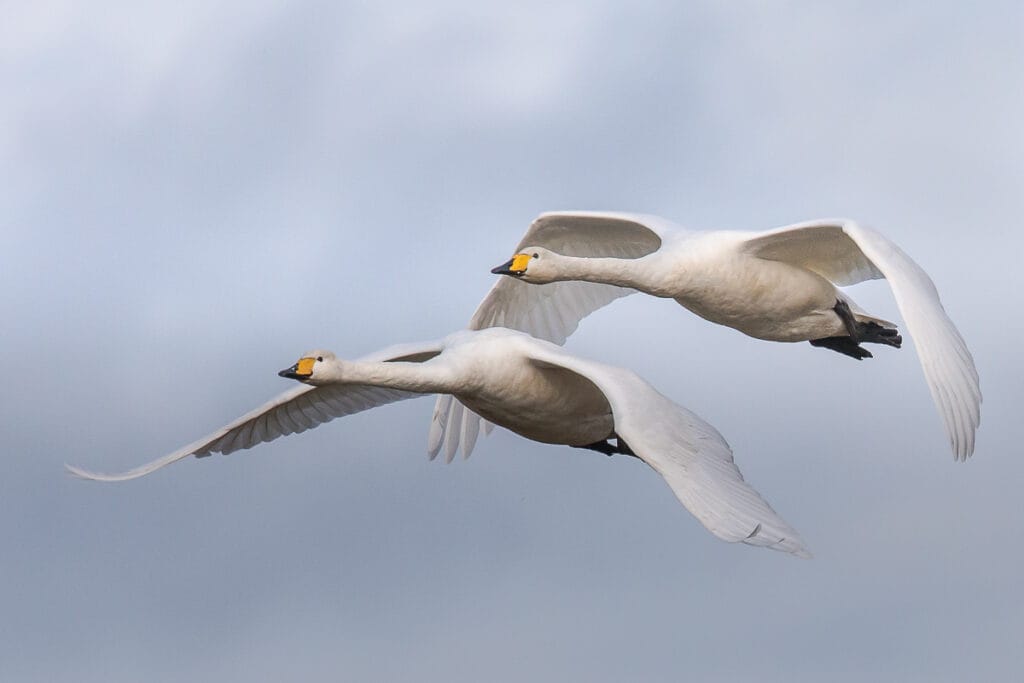
There were light south-westerly winds throughout, along with sunny intervals, occasional light showers and temperatures peaking at 14 degrees C. A Velvet Scoter flew north during a relatively quiet seawatch that also featured a southerly passage of Pink-footed Geese; albeit the latter was more obvious over the headland itself, with a total of 1172 birds flying south. Of interest, helping maintain one of the skeins perfect ‘V’ were 12 Pintails. Eleven Whooper Swans (4,3,4) also headed south.

The day’s highlight was the discovery of a Nightjar early morning at South Landing that flushed into nearby trees; persistence paid off when undoubtedly the same bird was relocated hunting at dusk. Two Bearded Tits initially seen in the Bay Brambles before they headed south represented another local rarity. A juvenile Red-backed Shrike in the Bay Brambles was fresh-in and joined the Great Grey Shrike that made occasional visits to the same area, although more often it frequented mature hedgerows along the western edge of the Golf Course. Notable sightings also included a Merlin, a relatively late Hobby, 175 Redwings, 12 Yellow-browed Warblers, a Barred Warbler (North Landing), 23 Stonechats, two Whinchats, four Redstart, one Tree Pipit and a Hawfinch (South Dykes). Of additional interest, four Bottlenose Dolphins were off the Fog Station at noon.

The southerly Pink-footed Geese movement was also witnessed at RSPB Bempton Cliffs with a total of 730 logged, along with a Barnacle Goose and 12 Pintail. Migrants there also included two Short-eared Owls, the lingering Red-breasted Flycatcher and a Lesser Whitethroat.

Red-breasted Flycatcher, RSPB Bempton Cliffs, by Trevor Charlton

7th October 2020

The weather consisted of blustery westerly winds, sunny intervals and temperatures that reached a maximum of 14 degrees C. A solitary Manx Shearwater, 15 Sanderling, 41 Little Gulls and 525 Common Gulls flew north during the seawatch.

Wildfowl were again on the move south, with totals of 377 Pink-footed Geese and 14 Whooper Swans recorded. A Merlin flew past the Fog Station, whilst a first-winter Caspian Gull was located on the recent plough near Old Fall Steps. A Common Swift was a late record, whilst other notable sightings included the Red-backed Shrike in the Bay Brambles, six Yellow-browed Warblers, the Barred Warbler at North Landing, one Common Whitethroat, a Ring Ouzel accompanying a small afternoon arrival of thrushes, ten Stonechat, two Redstart and ten Lesser Redpolls.

Visible migration over RSPB Bempton Cliffs involved 316 Pink-footed Geese south-east (41 north-west), 17 Barnacle Geese north-west, eight Whooper Swans south-east, a Merlin, 65 Redwing and ten Lesser Redpolls all north-west.

Barred Warbler, North Landing, by Andy Hood

8th October 2020

A moderate wind from the east backed northerly later during a day that started with heavy rain and ended with sunny intervals; temperatures reached 12 degrees C. Hedges adjacent to Thornwick Camp’s New Workings attracted a Little Owl, whilst a lone Short-eared Owl hunted the Lighthouse Grasslands. South Landing hosted single Yellow-browed Warbler and Spotted Flycatcher; four Crossbills flew north over nearby gardens. Another Yellow-browed Warbler and a Merlin were recorded at Oceanview.

An ‘eastern’ Lesser Whitethroat and a Yellow-browed Warbler were the most notable records from RSPB Bempton Cliffs.

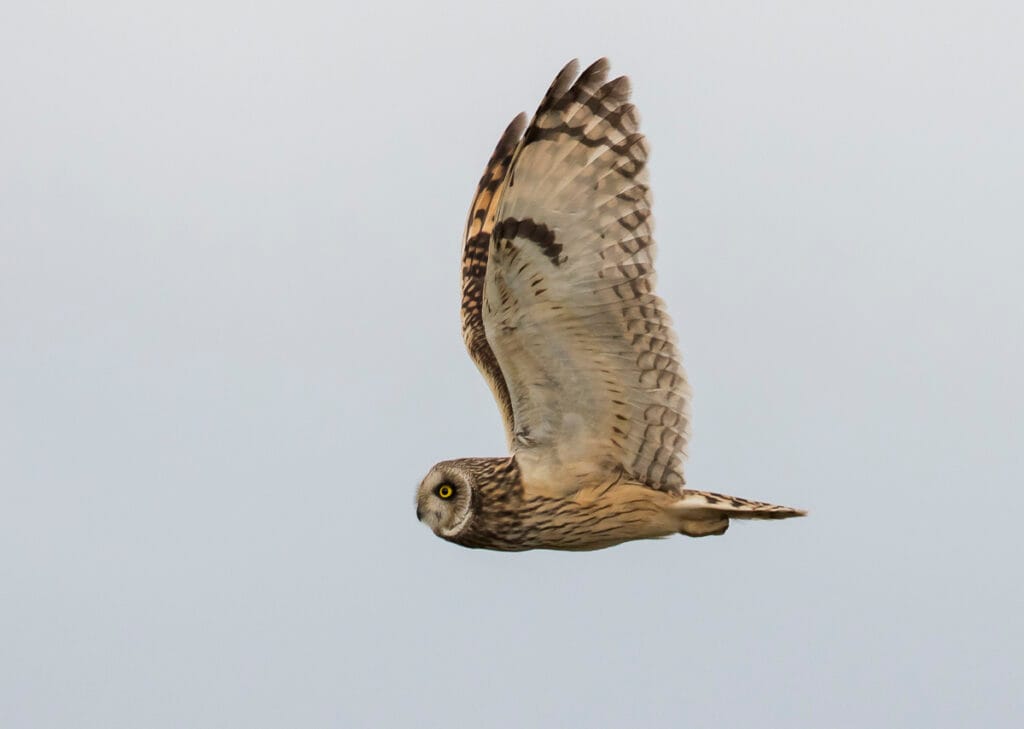
Short-eared Owl, Lighthouse Grassland, by Andrew Allport

9th October 2020

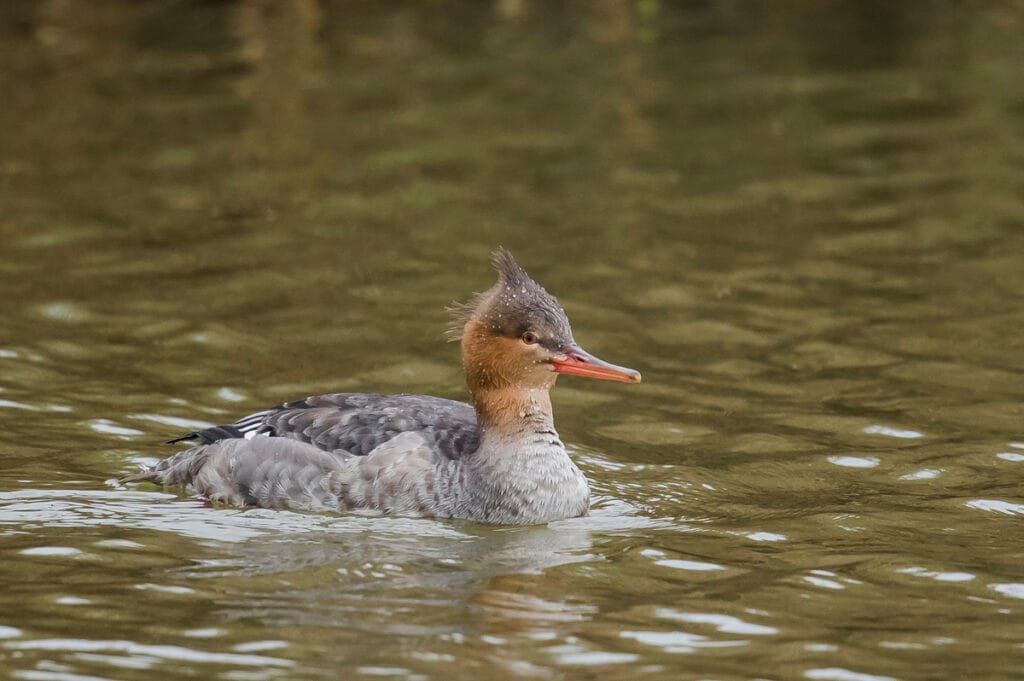
The weather consisted of moderate westerly winds, largely overcast skies and temperatures reaching 11 degrees C. Pink-footed Geese were again moving south in numbers, with 955 passing over the headland from 1120-1305hrs. These were accompanied by 14 Whooper Swans. A Red-breasted Merganser on Thornwick Pools was a first site record, with a lone Shoveler also present. A Short-eared Owl hunted the Lighthouse Grassland. Passerine interest included three Yellow-browed Warblers, a Ring Ouzel, one Wheatear, ten Lesser Redpoll, five Siskin and 20 Crossbills.

Visible migration through RSPB Bempton Cliffs involved two Barnacle Geese heading north-west, 799 Pink-footed Geese and 16 Whooper Swans south-east, with six Crossbills and four Lapland Buntings moving north-west. Grounded migrants included an eastern Lesser Whitethroat and a Hawfinch amongst smaller numbers of winter thrushes.

Red-breasted Merganser, Thornwick Pools, by Andrew Allport
Ring Ouzel, Old Fall, by Andrew Allport

10th October 2020

The wind veered from a south-westerly to a northerly direction during a day that featured showers and a maximum temperature of 11 degrees C. Three Sooty Shearwaters heading north, an adult Mediterranean Gull, a lone Sandwich Tern, a juvenile Yellow-legged Gull, one juvenile Pomarine Skua and a Merlin were the highlights of the seawatch.

An appreciable arrival of 2225 Redwings took place in the morning, with flocks forced lower by shower cloud. Nineteen Tundra Bean Geese in off at South Landing late afternoon were the first of the year. A Red Kite toured the Mid Dykes/South Landing area in the morning, a Jack Snipe skulked at Thornwick Pools, a first-winter Caspian Gull rested on fields near Old Fall and a Short-eared Owl hunted the Lighthouse Grassland. Passerine migrants included two Ring Ouzels, 33 Goldcrests, 11 Yellow-browed Warblers, 25 Chiffchaffs, 17 Blackcaps, two Stonechat, a Redstart, two Grey Wagtails, six Brambling, 70 Lesser Redpolls, 41 Siskins and a Lapland Bunting.

A Basking Shark graced the sea off RSPB Bempton Cliffs, where three Short-eared Owls gave good views. Fifty Pink-footed Geese headed north-west over reserve, an additional Short-eared Owl moved south-east and an eastern Lesser Whitethroat remained in residence.

Redwing, Old Fall, by Don Hustings

11th October 2020

North-north-westerly winds strengthened during a day that featured frequent showers and temperatures that reached 11 degrees C. Seawatching was rewarded with four Velvet Scoters, a Goldeneye, two Red-breasted Mergansers, 41 Sooty Shearwaters, 25 Manx Shearwaters, two Grey Phalaropes and ten Little Gulls flying north; single Arctic Skua and two juvenile Pomarine Skuas flew south, whilst a Grey Wagtail and six Crossbills headed over the Fog Station.

Elsewhere, the Jack Snipe remained at Thornwick Pools and a Short-eared Owl overflew Old Fall. An influx of thrushes was noted for the second consecutive day, with Redwings (512) again to the fore, but there was also an appreciable arrival of Blackbirds (268). In addition, passerine migrants included a Ring Ouzel, 12 Fieldfare, five Yellow-browed Warblers, five Chiffchaffs, an Eastern Lesser Whitethroat, five Goldcrests, one Redstart, nine Brambling, a Hawfinch (South Landing) and a Snow Bunting; the latter on the cliff top between Old Fall and the Lighthouse. A ringing session at South Landing processed 55 birds, including 28 Blackbirds, five Song Thrush and 12 Redwing.

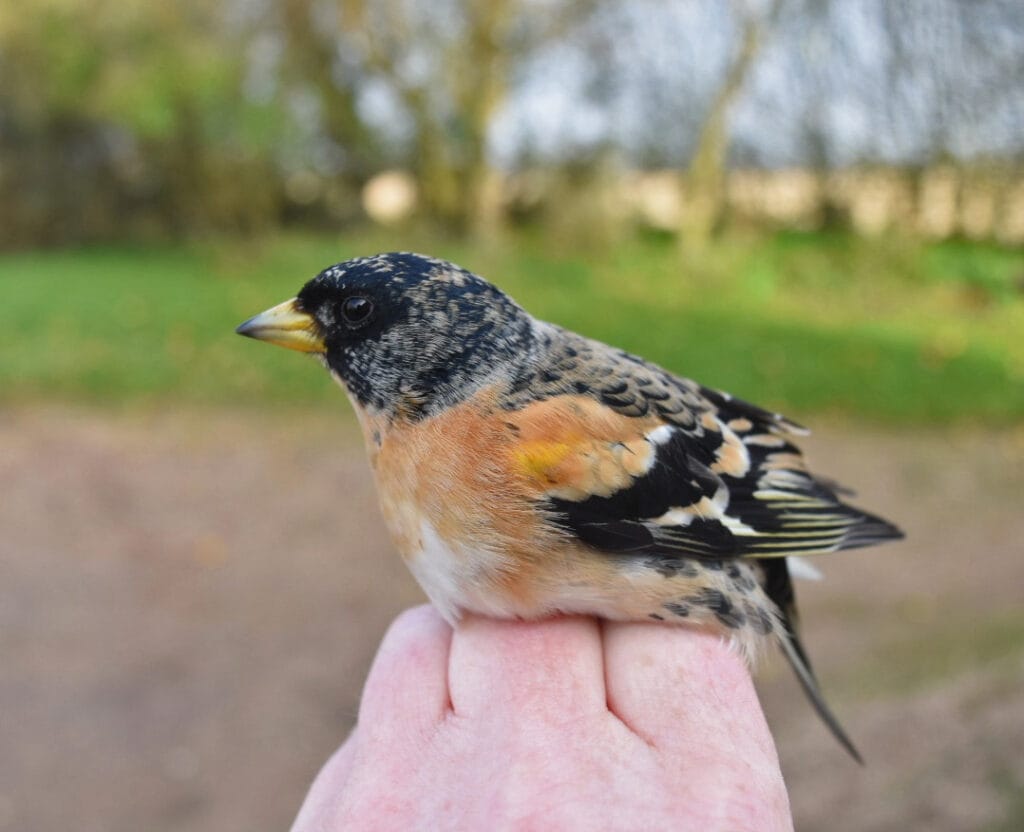
Brambling, Oceanview, by Andy Hood

12th October 2020

An overcast day, with a south-westerly wind increasing in strength throughout and peak temperatures of 11 degrees C. Seawatch highlights consisted of the following birds reorientating back north after strong northerly winds yesterday: 15 dark-bellied Brent Geese, 23 Wigeon, 69 Common Scoters, two Great Northern Divers, 13 Sooty Shearwaters, 62 Manx Shearwaters, 30 Little Gulls, ten Bonxies, an Arctic Skua, 20,000 Razorbills and 16 Puffins.; a Snow Bunting also flew in off the sea.

A Velvet Scoter sheltered off South Landing and the Jack Snipe remained at Thornwick Pools. The first appreciable arrival of Fieldfares (594) accompanied 476 Redwing, whilst notable passerine records also included three Yellow-browed Warblers, 50 Siskin, 20 Lesser Redpoll and a Crossbill. An additional 120 Fieldfare and 20 Redwing flew through RSPB Bempton Cliffs.

It was a productive day for ringing on the outer head, with 127 birds caught including the autumn’s first Siberian Chiffchaff, a Garden Warbler and a Grey Wagtail.

Jack Snipe, Thornwick Pools, by Andrew Allport
Rusty Dot Pearl, South Landing, by Andrew Allport

13th October 2020

A moderate wind veered from the north-west to the north-east late morning; heavy showers were prevalent until mid-morning and temperatures peaked at 13 degrees C. Such conditions proved conducive for an amazing arrival of thrushes who had clearly powered through the ‘opening corridor’ from Scandinavia to the UK; they made landfall throughout the day, but especially during the morning and early afternoon. A total of 32,080 Redwings flew west, along with 4475 Fieldfares, 410 Blackbirds, 14 Ring Ouzels and a Hawfinch; these totals were augmented by thrushes still grounded on the outer head, including 940 Blackbirds, 250 Song Thrush and 750 Redwings.

A southerly movement of 243 Barnacle Geese took place over the outer head until mid-morning, whilst 135 Pink-footed Geese also flew south. In addition to the thrushes, a Woodcock, two Jack Snipe and a Short-eared Owl also made landfall. Further passerine interest included four Yellow-browed Warblers (including one seen to come in off the sea at North Landing!), an eastern Lesser Whitethroat, one Garden Warbler, 28 Rock Pipits on South Landing beach and 17 Brambling. RSPB Bempton Cliffs hosted a Siberian Chiffchaff, whilst Dusky Warbler and Yellow-browed Warbler were rung at Buckton.

A ringing session at South Landing/Oceanview/Thornwick resulted in 165 birds being rung including 70 Redwing, 37 Blackbirds and a Ring Ouzel.

Ring Ouzel, Oceanview, by Andy Hood

14th October 2020

Moderate north-easterly winds throughout, with sunny intervals and temperatures reached 13 degrees C; ideal conditions to prompt the arrival of passerines from the east! A Whooper Swan and three Pink-footed Geese lingered near North Marsh, a nearby flash attracted 70 Teal, 11 Wigeon and a Ruff, whilst two Velvet Scoter flew south offshore. A first-winter Caspian Gull rested on new plough south of the lighthouse.

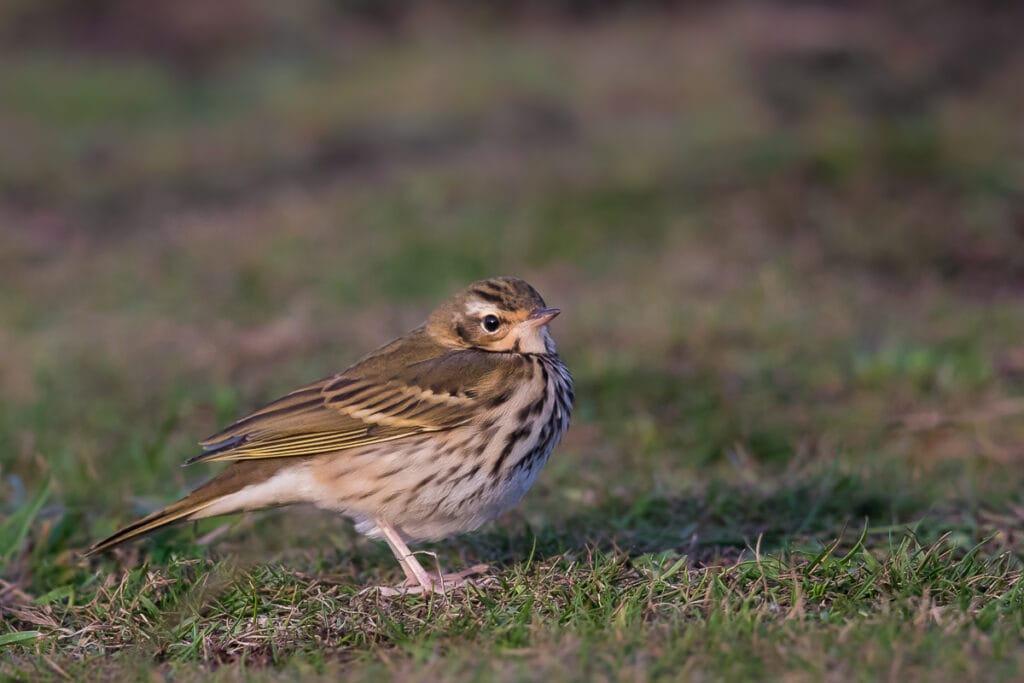
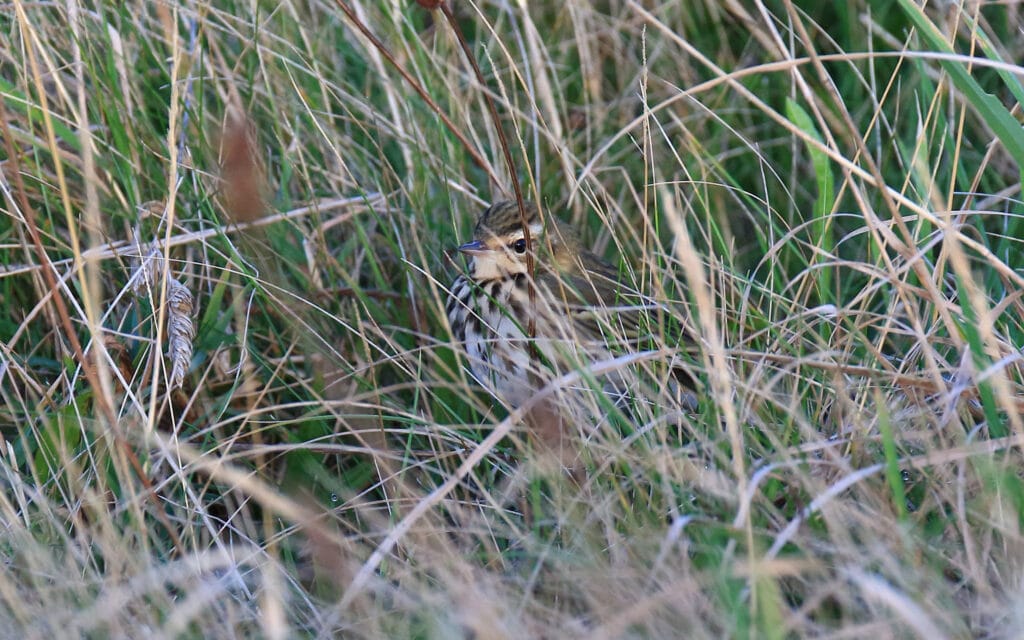
The day’s highlights were the discovery of an Olive-backed Pipit in the Lighthouse Grassland and two Little Buntings, including one in brambles immediately adjacent to the pipit. Other migrants included two Woodcock, one Short-eared Owl, a Merlin, a Swallow, 15 Chiffchaff, six Yellow-browed Warblers, a newly arrived Barred Warbler (Old Fall Hedge), 16 Blackcap, 112 Goldcrests, 1140 Redwing, 145 Fieldfare, 295 Blackbirds, 64 Song Thrush, two Ring Ouzels, one Spotted Flycatcher, two Redstart, a Grey Wagtail, 41 Brambling, a Crossbill and three Lapland Buntings.

Ringing took place at four sites with a combined total of 216 birds being rung, including 51 Redwing, 58 Blackbirds, six Song Thrush, four Fieldfare, three Chiffchaff, a Yellow-browed Warbler, ten Blackcap, 46 Goldcrest and a Brambling.

Olive-backed Pipit, Lighthouse Grassland, by Andrew Allport
Olive-backed Pipit, Lighthouse Grassland, by Mark Breaks
Olive-backed Pipit, Lighthouse Grassland, by Rob Little

15th October 2020

The north-easterly airstream persisted, with occasional light showers, sunny intervals and temperatures reaching 13 degrees C. The Olive-backed Pipit and Little Bunting remained in residence in the Lighthouse Grassland, although both proved very elusive. Two Dusky Warblers made landfall: one trapped at Buckton (the second there this week) and another along Lighthouse Road on the outer head. RSPB Bempton Cliffs attracted a Siberian Chiffchaff, again a new individual following the one there on 13th. Other interesting migrants included five Woodcock, a Long-eared Owl (outer head), a Willow Warbler, five Yellow-browed Warblers, 124 Goldcrest, a Redstart, one Tree Pipit, five Grey Wagtails, two Hawfinch (Old Fall Hedge), 25 Brambling, ten Redpoll, 14 Crossbills and two Lapland Buntings.

Seawatching was rewarded with two dark-bellied Brent Geese, five Barnacle Geese, two Velvet Scoters and a Long-tailed Duck all flying north.

Ringing effort on the outer head was rewarded with 104 birds being rung including Woodcock and Yellow-browed Warbler. In addition 46 birds were rung at RSPB Bempton Cliffs including 23 Goldcrests.

Siberian Chiffchaff, RSPB Bempton Cliffs, by Trevor Charlton

16th October 2020

The weather consisted of light/moderate northerly winds, sunny intervals after an overcast morning and temperatures reaching a maximum of 12 degrees C. Amazingly, five Dusky Warblers were present on the headland, with three on the outer head (including one Golf Course Willows) and the others at RSPB Bempton Cliffs and one remaining at Buckton. Two Olive-backed Pipits included a new arrival at Thornwick Pools, with the other showing occasionally near the Lighthouse. The autumn’s first Pallas’s Warbler was located near North Dykes, whilst the Little Bunting continued to give occasional views in the Lighthouse Grassland. A Red-breasted Flycatcher showed well in the ravine at South Landing from mid-afternoon, whilst five Siberian Chiffchaffs were in residence (four outer head, one RSPB Bempton Cliffs). Arguably, a first site record of Cetti’s Warbler on the reserve was the highlight at the latter location, whilst a Marsh Tit at South Landing represented another local rarity.

Additional migrant totals included a Jack Snipe (Thornwick Pools), six Woodcock, two Short-eared Owls, a Willow Warbler, eight Yellow-browed Warblers, 190 Goldcrests, one Black Redstart, a Redstart, 16 Crossbills and nine Lapland Buntings. Sightings at RSPB Bempton Cliffs also included three Brent Geese flying south-east, one Woodcock, a Merlin, 70 Skylarks flying east and 200 Linnets. Two Yellow-browed Warblers were new at Buckton, where there were also three Jack Snipe, a Short-eared Owl, 25 Goldcrests and a Mealy Redpoll.

Two ringing stations on the outer head were rewarded with a total of 97 birds being caught, including 46 Goldcrests at South Landing.

Olive-backed Pipit, Thornwick Pools, by Mark Breaks
Pallas’s Warbler, Flamborough, by Andrew Allport
Pallas’s Warbler, Flamborough, by Colin Scott

17th October 2020

Light/moderate northerly winds persisted, with overcast skies during the morning and sunny intervals later; temperatures peaked at 13 degrees C. The highlight was the late afternoon discovery of a Red-flanked Bluetail on the cliff top at Beacon Hill where it showed well until dusk. A Radde’s Warbler near North Dykes represented the first record of the year, but proved very elusive. The Olive-backed Pipit in the Lighthouse Grassland and one Dusky Warbler lingered from the previous day, as did the Red-breasted Flycatcher in South Landing.

Other notable records included a Long-tailed Duck still off South Landing, one Barnacle Goose and two Pink-feet with the Greylag flock, a Water Rail at North Marsh, a Jack Snipe, four Woodcock and a Short-eared Owl. Passerine migrants included five Swallows, yesterday’s Marsh Tit touring the outer head, a Siberian Chiffchaff, three Yellow-browed Warblers, Black Redstart, two Redstart, 12 Crossbills and ten Lapland Buntings. Elsewhere, a Barred Warbler showed near Buckton Pond, whilst a Black Redstart frequented RSPB Bempton Cliffs, where three Short-eared Owls hunted the grasslands late afternoon.

A total of 80 birds were rung on the outer head, including 23 Goldcrests and 16 Redwing. A further 23 birds were rung at RSPB Bempton Cliffs including eight Goldcrests and two Brambling.
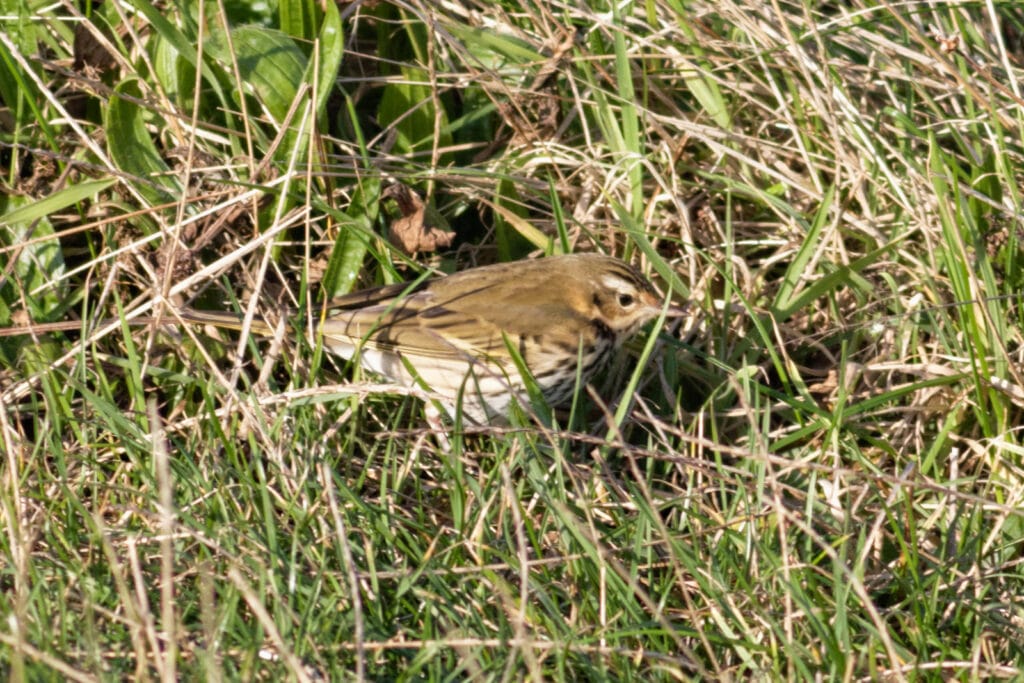
Red-flanked Bluetail, Beacon Hill, by Craig Thomas
Radde’s Warbler, Flamborough, by Andy Malley
Stonechat, Lighthouse Grassland, by Phil Buxton

18th October 2020

The weather comprised light north-north-westerly winds, sunny intervals and light showers; temperatures only reached nine degrees C. Two Red-breasted Mergansers that flew south were the highlight of a relatively quiet seawatch. Yesterday’s Red-flanked Bluetail remained on the cliff edge at Beacon Hill, a Radde’s Warbler made a brief appearance in the north-west corner of Thornwick Camp, whilst two Dusky Warblers remained: one on the outer head and the other at Buckton. However, a Barred Warbler in cliff top scrub between South Landing and Beacon Hill was a new discovery.

Three Whooper Swans that initially flew north over the Coastguard Cottages, later headed past RSPB Bempton Cliffs. The North Marsh area attracted 90 Teal and 16 Wigeon, whilst Thornwick’s New Workings hosted a Shoveler. Two Woodcock were in situ and a Short-eared Owl flew in off the sea on the outer head. Passerine migrants included a House Martin, three Yellow-browed Warblers, a Siberian Chiffchaff, a Lesser Whitethroat, 115 Goldcrests, one Ring Ouzel, 50 Redpolls, 12 Siskins, 18 Crossbill and two Lapland Buntings.

Sewerby gardens attracted three Yellow-browed Warblers, 45 Redpolls and a Siskin, with two Short-eared Owls hunting the cliff top at Bempton late afternoon.

Brambling, RSPB Bempton Cliffs, by Alan Walkington

19th October 2020

An increasingly blustery south-westerly wind was a feature of a day with prolonged sunny intervals and temperatures that peaked at 13 degrees C. Seawatching highlights included three Shoveler, a Goldeneye and a Mediterranean Gull flying south, whilst a Sandwich Tern headed in the opposite direction. Two Grey Wagtails were also seen at the Fog Station.

An influx of Fieldfares was apparent, with a flock of 100 birds heading west late afternoon. The Thornwick area attracted a Siberian Chiffchaff and a male Black Redstart and five Twite frequented Thornwick Nab, with another 13 Twite at the Fog Station. Elsewhere, a Marsh Harrier overflew Bempton village.

20th October 2020

A day of moderate southerly winds, sunny intervals and temperatures peaking at 15 degrees C. Sightings included a Woodcock, a Red Kite on the outer head, two Yellow-browed Warblers (North Landing, South Landing), a newly arrived Red-breasted Flycatcher (North Landing) and 16 Twite at the Fog Station. In addition, Buckton hosted the long-staying Dusky Warbler and a Little Bunting along Hoddy Cows Lane; the latter present since 17th.

Dusky Warbler (18/10), Flamborough, by John Beaumont
Twite, Fog Station, by Jo Hood

21st October 2020

The weather comprised light, variable winds, overcast skies and temperatures that reached 14 degrees C. A quiet seawatch was enlivened by an adult Mediterranean Gull; 13 Twite frequented the cliffs at the Fog Station.

A Long-tailed Duck accompanied 95 Common Scoters on the sea off Hartendale. Five Swallows and a House Martin fed over South Landing, Yellow-browed Warblers were located at both South Landing and South Dykes, whilst three Grey Wagtails were also in residence. The Dusky Warbler remained along Hoddy Cows Lane, whilst three Yellow-browed Warblers and a Siberian Chiffchaff were seen at Sewerby.

Grey Wagtail, Thornwick Pools, by Alan Walkington

22nd October 2020

A relatively bright day, with a moderate south-westerly wind and temperatures that peaked at 14 degrees C. During the morning seawatch, single Arctic Tern and Bonxie flew north, with two Twite, 16 Lesser Redpoll and two Lapland Buntings flying south. A total of 257 Pink-footed Geese, six Whooper Swans and five Goosanders flew south, whilst a Long-tailed Duck remained on the sea off Hartendale. Seven Swallow, eight Twite and five Lesser Redpoll were also recorded on the headland itself. Sightings from RSPB Bempton Cliffs included seven Whooper Swans flying east, a House Martin and one Brambling.

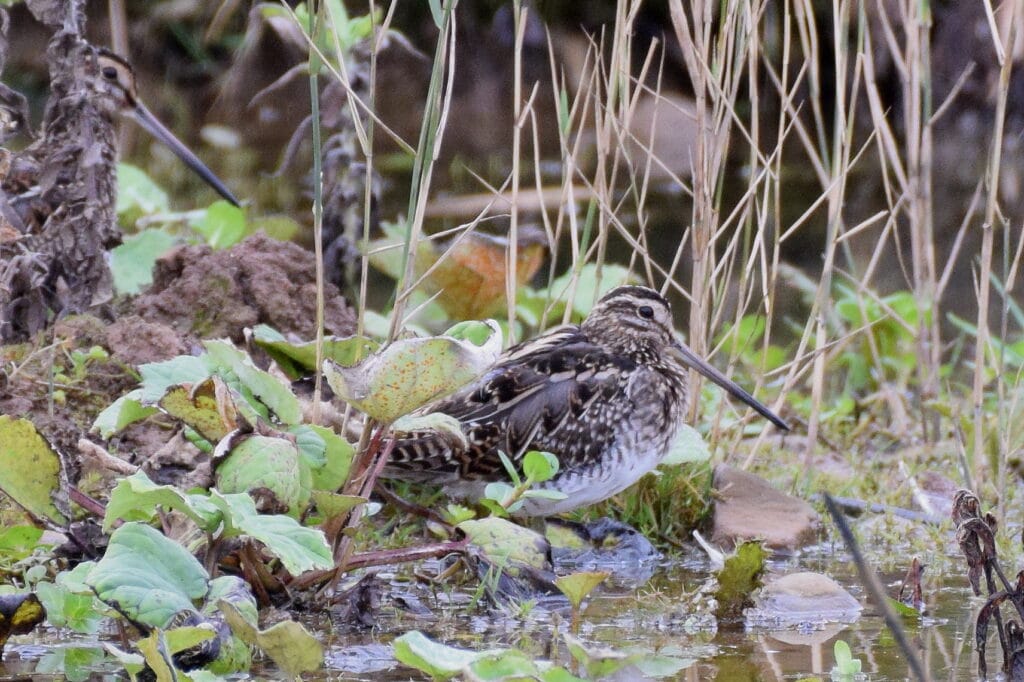
Snipe, Thornwick Pools, by Andrew Allport
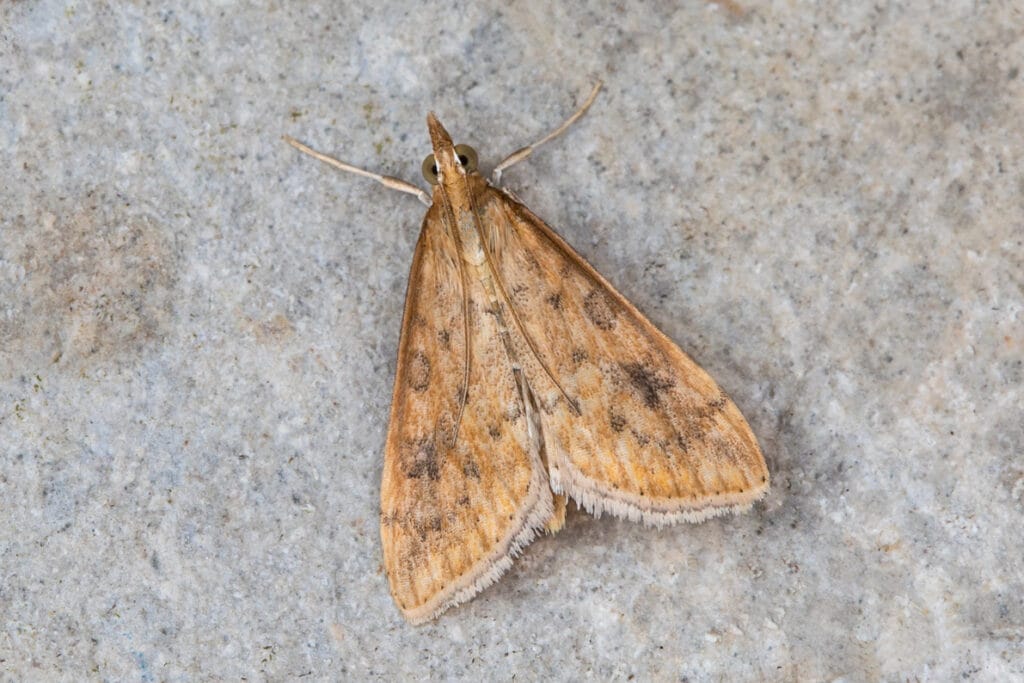
Brindled Ochre moth, South Landing, by Andrew Allport

23rd October 2020

The day featured light/moderate south-west winds, overcast skies, with sunny intervals and light showers and temperatures that peaked at ten degrees C. Seawatch highlights included 80 Pink-footed Geese and a Long-tailed Duck flying south, one Sooty Shearwater, a Mediterranean Gull and two Bonxies heading north, with a Snow Bunting south over the Fog Station.

Thirty-three Whooper Swans toured fields on the outer head, where a flock of 40 Pink-footed Geese also moved south. A setaside field in the same area hosted eight Snipe, a Jack Snipe and a Woodcock, with an additional two Snipe at Thornwick Pools; a Yellow-legged Gull was on the sea off the Fog Station early afternoon. Passerine interest included a single House Martin, a small arrival of winter thrushes including 94 Fieldfare, 92 Redwing and 45 Blackbirds on the outer head, a Lesser Whitethroat, 17 Lesser Redpolls and two Brambling. Elsewhere, the Dusky Warbler remained at Buckton.

Lesser Whitethroat, Flamborough, by John Beaumont

24th October 2020

Strong southerly winds featured throughout a relatively overcast day with rain arriving mid-afternoon. During a morning seawatch, five Whooper Swans, a Long-tailed Duck, a Great Northern Diver and 1180 Guillemots flew south, with three Bonxies heading north. A flock of 23 Whooper Swans toured the outer head, whilst a Jack Snipe on the Lighthouse Grassland was subsequently chased by a Peregrine. The Dusky Warbler remained in residence at Buxton, where four Lapland Buntings overflew cliff top fields.

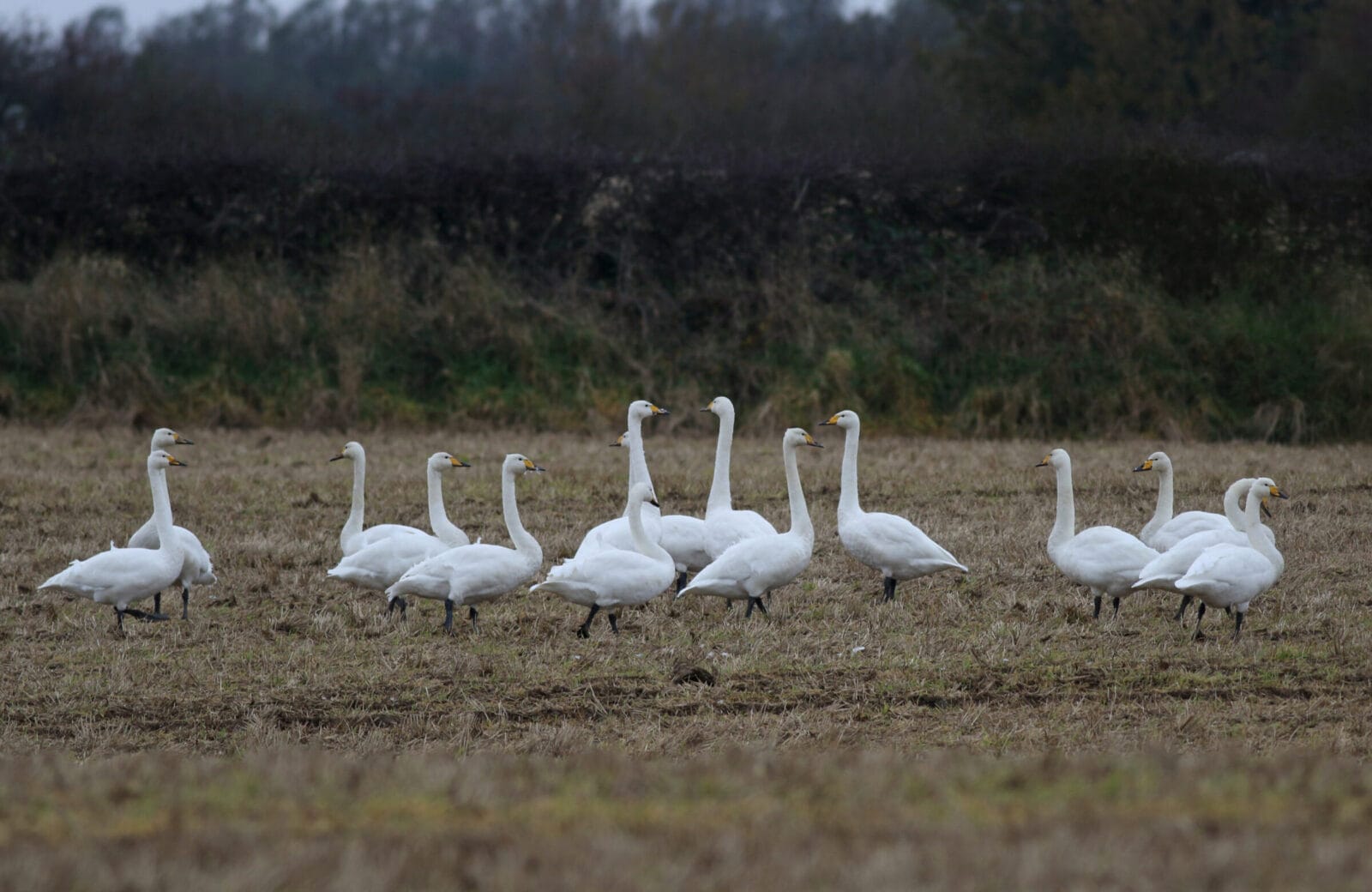
Whooper Swans, outer head, by Craig Thomas

25th October 2020

The weather consisted of blustery south-west winds, sunny intervals and temperatures that reached 11 degrees C. Seawatching was rewarded with four Velvet Scoters, a Great Northern Diver and a Mediterranean Gull flying south. A skein of 125 Pink-footed Geese flew south over the head, a Barnacle Goose lingered with the Greylag flock, whilst a Shoveler, 110 Teal and 19 Wigeon were in residence near North Marsh together with 23 Whooper Swans. An influx of Woodpigeons was apparent in the morning, with 560 present on the outer head, where additional interest included 80 Skylarks, 12 Twite and nine Lapland Buntings. On the north side of the head, the Dusky Warbler remained at Buckton, where a Water Rail was also present.

Lapland Bunting, North Landing, by Craig Thomas

26th October 2020

South-westerly winds increased in strength during a day featuring sunny intervals and heavy showers. A Tundra Bean Goose flew west over the outer head, where 36 Whooper Swans, a Shoveler, 20 Wigeon and 131 Teal were present. A Water Rail frequented Thornwick Pools, whilst two Jack Snipe and a Merlin were seen on the outer head. Fields near the entrance to Thornwick Camp hosted a first-winter Caspian Gull early morning. Four Swallows and two House Martin lingered, but more notable was a flock of 62 Twite near the Fog Station and four Crossbills flying west. The Dusky Warbler remained at Buckton and a House Martin flew north-west over RSPB Bempton Cliffs.

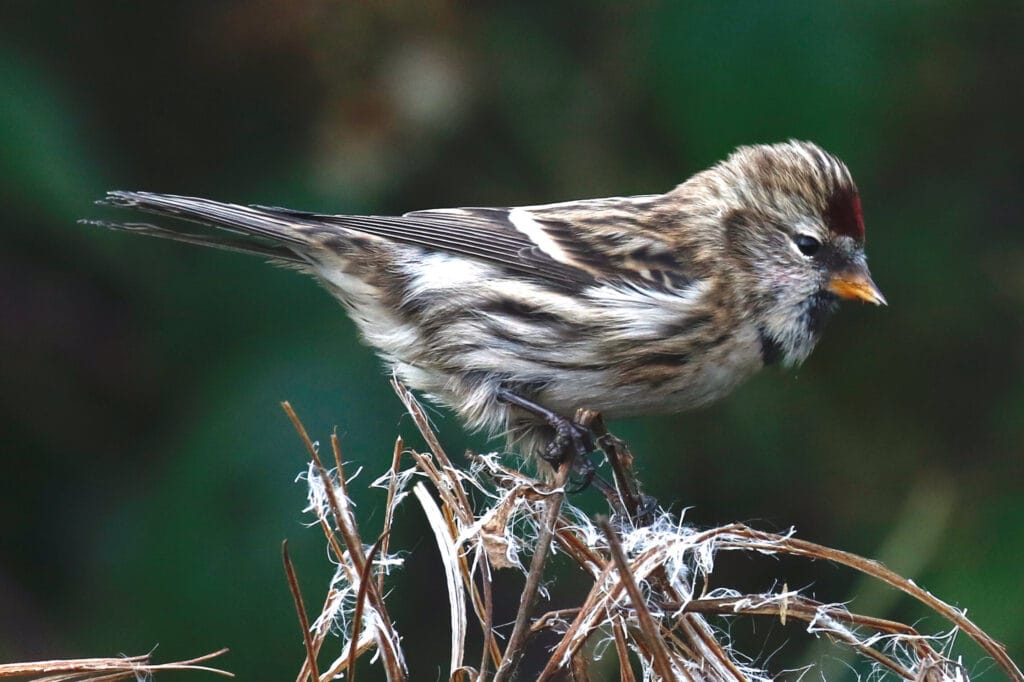
Twite, outer head, by Andrew Allport
Merveille du Jour, South Landing, by Andrew Allport

27th October 2020

An overcast day, with a moderate south-westerly wind and light rain for sustained periods . Seawatching proved rewarding, with 75 Whooper Swans, seven Goosander, a Black-throated Diver, six Great Northern Divers, 14 Little Gulls, two Mediterranean Gulls and an Arctic Skua all flying south; a lone Manx Shearwater moved north, whilst a Swallow over the Fog Station was also notable.

Away from the sea, 15 Whooper Swans lingered, with an additional flock of 17 birds flying south over the headland. Ten Pink-footed Geese frequented Oceanview, three Goosander flew west over North Marsh and nearby North Landing hosted a Woodcock. Passerine interest included 80 Fieldfares in off the sea, a Crossbill doing the same, 13 Twite and six Lapland Buntings. A total of 105 Fieldfares also made landfall at RSPB Bempton Cliffs.

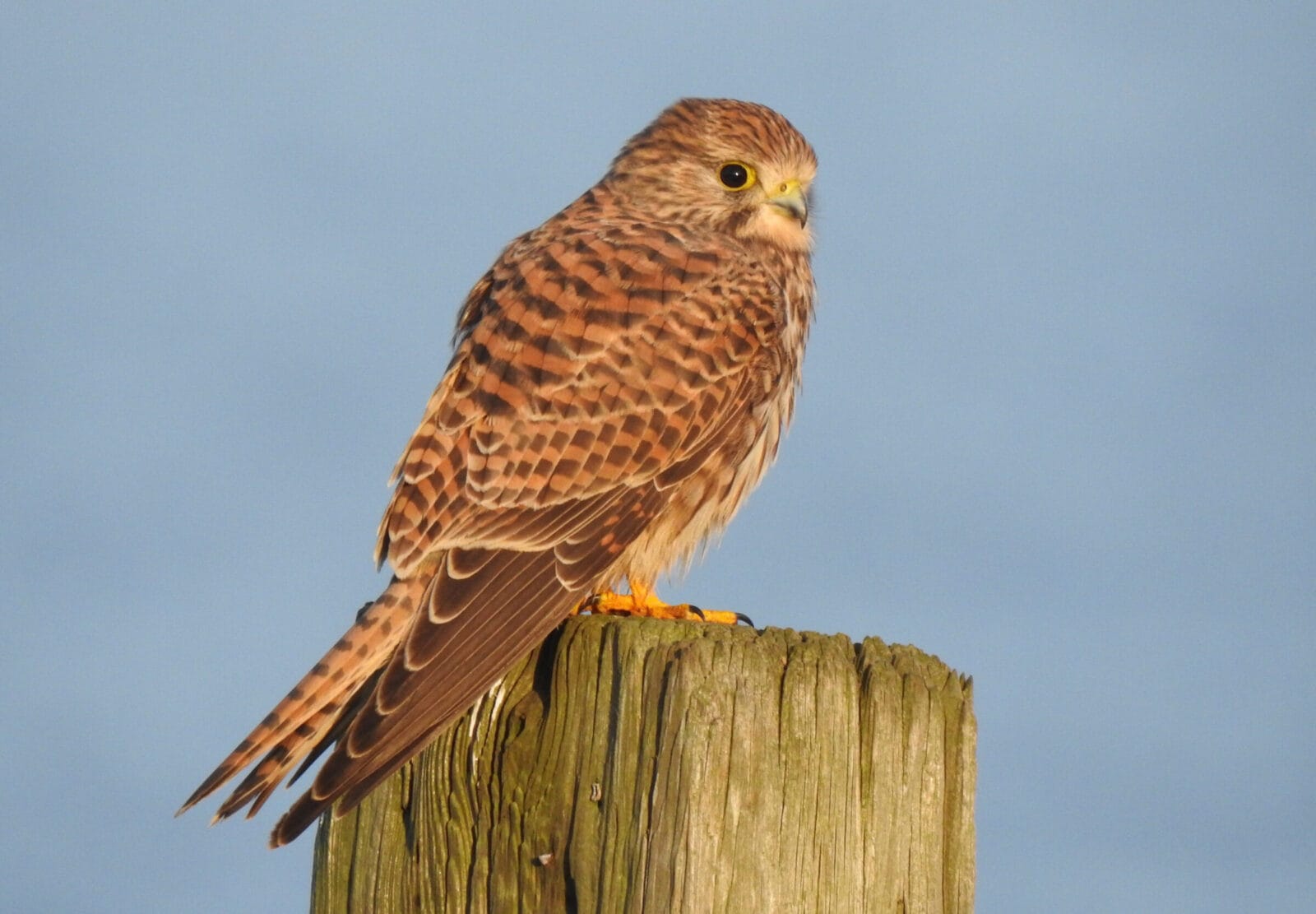
Kestrel, Fog Station, by Brett Richards

28th October 2020

A south-westerly wind strengthened throughout a day of sunny intervals and temperatures peaked at 12 degrees C. Seawatch highlights included single Goosander, Great Northern Diver and Arctic Skua flying south; a Manx Shearwater and a Mediterranean Gull headed in the opposite direction, whilst a Merlin overflew the Fog Station. Wildfowl interest on the headland involved 63 Pink-footed Geese, 17 Whooper Swans, a Shoveler, 17 Wigeon, 120 Teal and a drake Goldeneye. A Water Rail frequented Thornwick Pools, with a first-winter Caspian Gull on nearby fields early morning. Passerine interest included a Yellow-browed Warbler at South Dykes, 33 Twite, 340 Linnets, a Wheatear, eight Crossbills, eight Lapland Buntings and a Snow Bunting. The Dusky Warbler remained at Buckton and a Short-eared Owl graced RSPB Bempton Cliffs.

Goldeneye, Thornwick New Workings, by Andrew Allport
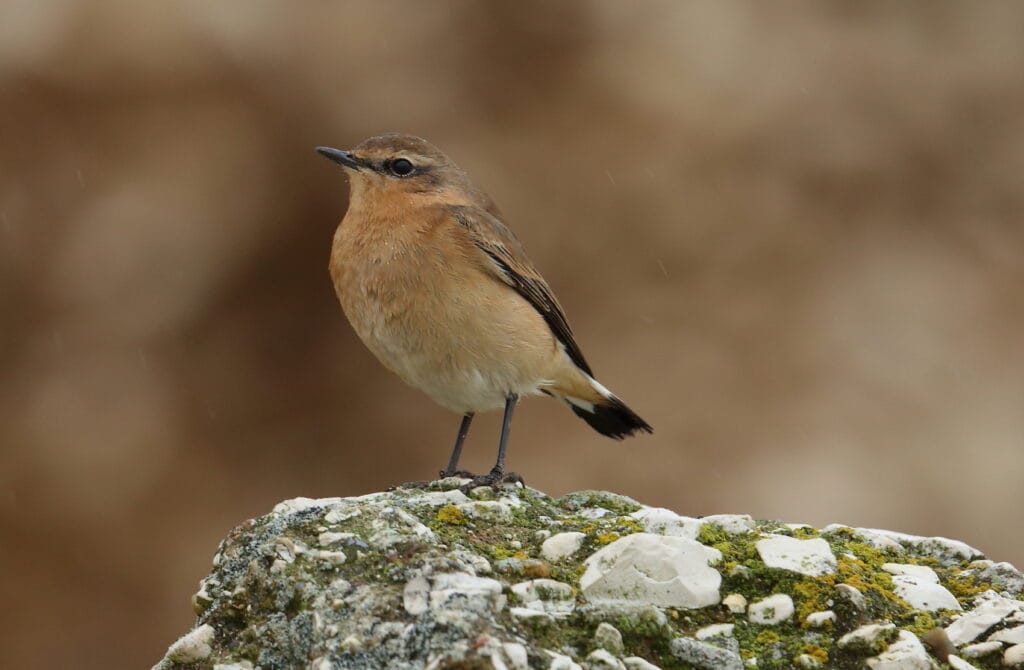
Wheatear, Oceanview, by Andy Hood

29th October 2020

The weather consisted of overcast skies and persistent, but relatively light, rain for much of the day; temperatures reached 11 degrees C. The morning seawatch was rewarded with a Long-tailed Duck, eight Goosanders and two Great Northern Divers flying south. Although 22 Whooper Swans on the outer head were suggestive of birds remaining from this week’s herd, seven juveniles within them were new, indicating significant turnover. Elsewhere, the drake Goldeneye lingered on the new workings at Thornwick. Two Lapland Buntings appeared over Cattlemere, whilst further west a Short-eared Owl re-appeared at RSPB Bempton Cliffs.

Whooper Swans, outer head, by Andrew Allport

30th October 2020

Overcast with prolonged spells of light rain, a light south-westerly and milder temperatures that reached a maximum of 14 degrees C. During the seawatch, two Shoveler, 21 Wigeon, a Velvet Scoter, a female Long-tailed Duck, seven Goldeneye, a Red-breasted Merganser, three Great Northern Divers, four Snipe and 16 Little Gulls flew south; a drake Long-tailed Duck also headed north. The year’s first Slavonian Grebe drifted south past the Fog Station, where a first-winter Caspian Gull and an Arctic Skua also lingered offshore; 12 Twite frequented the adjacent cliff top.

Nineteen Whooper Swans were still in residence, whilst Thornwick Pools hosted a drake Goldeneye, a Water Rail and three Snipe. A waterlogged field on the outer head attracted 15 Snipe, a Jack Snipe and one Woodcock. An arrival of winter thrushes included 230 Fieldfare and 55 Blackbirds. In addition, the Yellow-browed Warbler was still present at South Dykes.

RSPB Bempton Cliffs continued to host a Short-eared Owl, where 32 Fieldfare flew north-west.

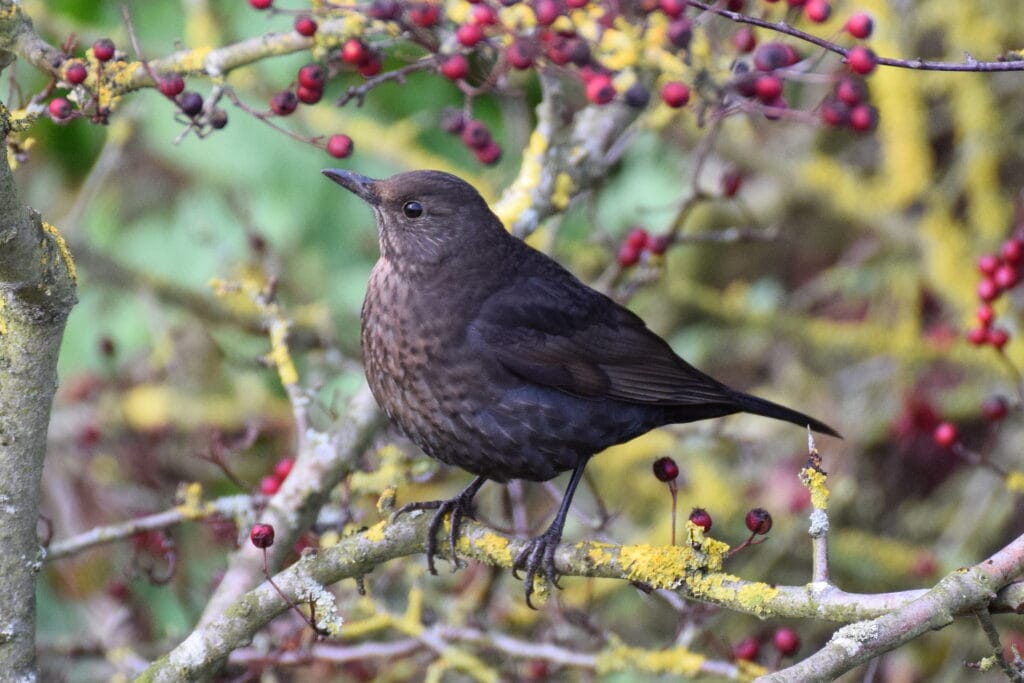
Blackbird, RSPB Bempton Cliffs, by Don Hustings

31st October 2020

A day of strong southerly winds, overcast skies and spells of rain, with temperatures peaking at 14 degrees C. A total of 69 Wigeon, a Tufted Duck and 24 Common Scoters flew south during the seawatch, along with three Knot, a first-winter Yellow-legged Gull and a Bonxie. Furthermore, a southerly movement of large gulls included 551 Great Black-backed Gulls and over 2500 Herring Gulls. The nineteen Whooper Swans remained on the outer head, whilst passerine interest included a Yellow-browed Warbler at South Landing and 265 Fieldfare making landfall. Sightings from RSPB Bempton Cliffs included five Whooper Swans flying south-east and a Short-eared Owl.

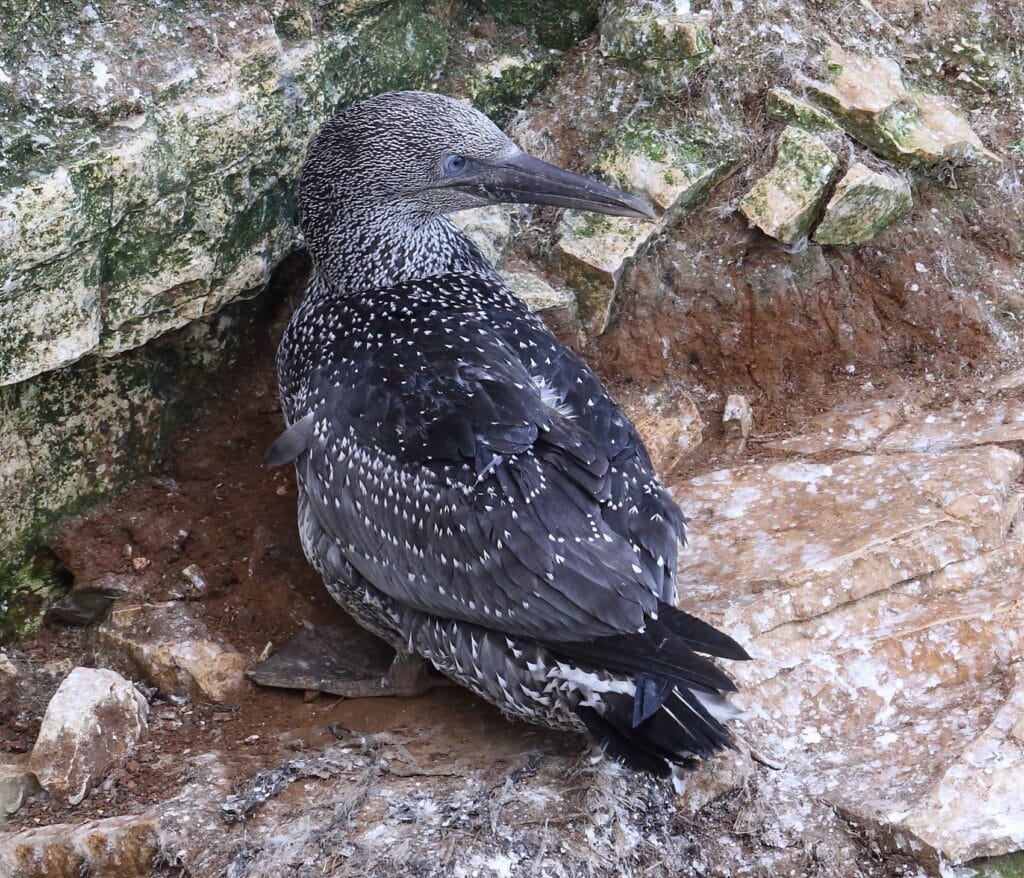
Gannet, RSPB Bempton Cliffs, by Alan Walkington

1st November 2020

The month opened with a continuation of the weather witnessed for the last two weeks; strong south/south-west winds, periods of rain and temperatures that reached 14 degrees C. During the morning seawatch, two Gadwall, 38 Wigeon, four Tufted Duck, two Goldeneye, three Great Northern Divers, five Knot and a Mediterranean Gull flew south; a juvenile Pomarine Skua and an Arctic Skua headed north.

Whooper Swans were again on the move, with four flocks totalling 45 birds. A Goosander flew south over the headland, as did a Swallow and 50 Fieldfare frequented Oceanview. Sightings from RSPB Bempton Cliffs included a Short-eared Owl, a Swallow, 30 Fieldfare and two Brambling.

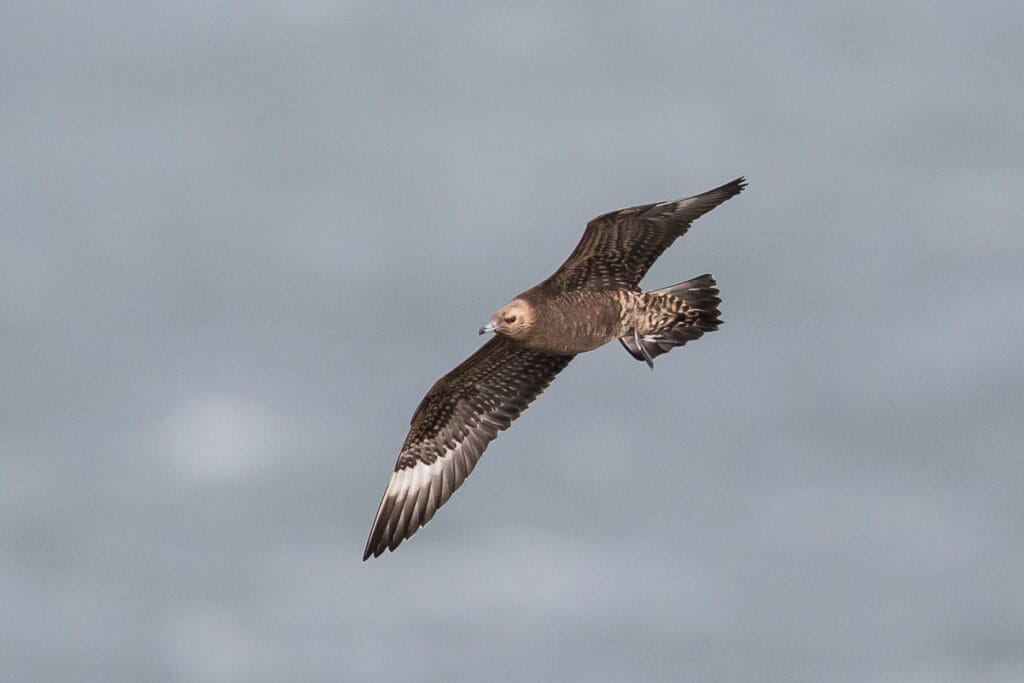
Arctic Skua, by Andrew Allport

2nd November 2020

A westerly wind strengthened once again, with occasional showers and sunny intervals; temperatures reached 12 degrees C. Seawatch highlights included 16 Whooper Swans, a Great Northern Diver and one Manx Shearwater flying south, with a Long-tailed Duck and 103 Little Gulls moving north.

In addition, 142 Pink-footed Geese and a further 90 Whooper Swans flew south over the headland; wildfowl interest also included a Shoveler, 15 Wigeon, 143 Teal and two Goldeneye. Passerine interest included a 5000-strong flock of Woodpigeons and three Lapland Buntings over the outer head.

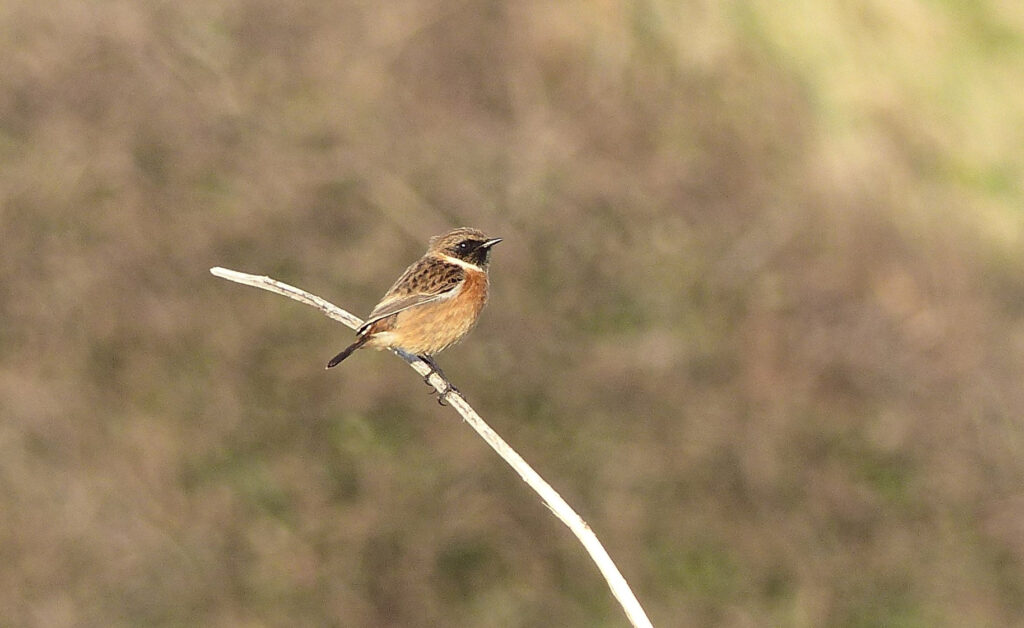
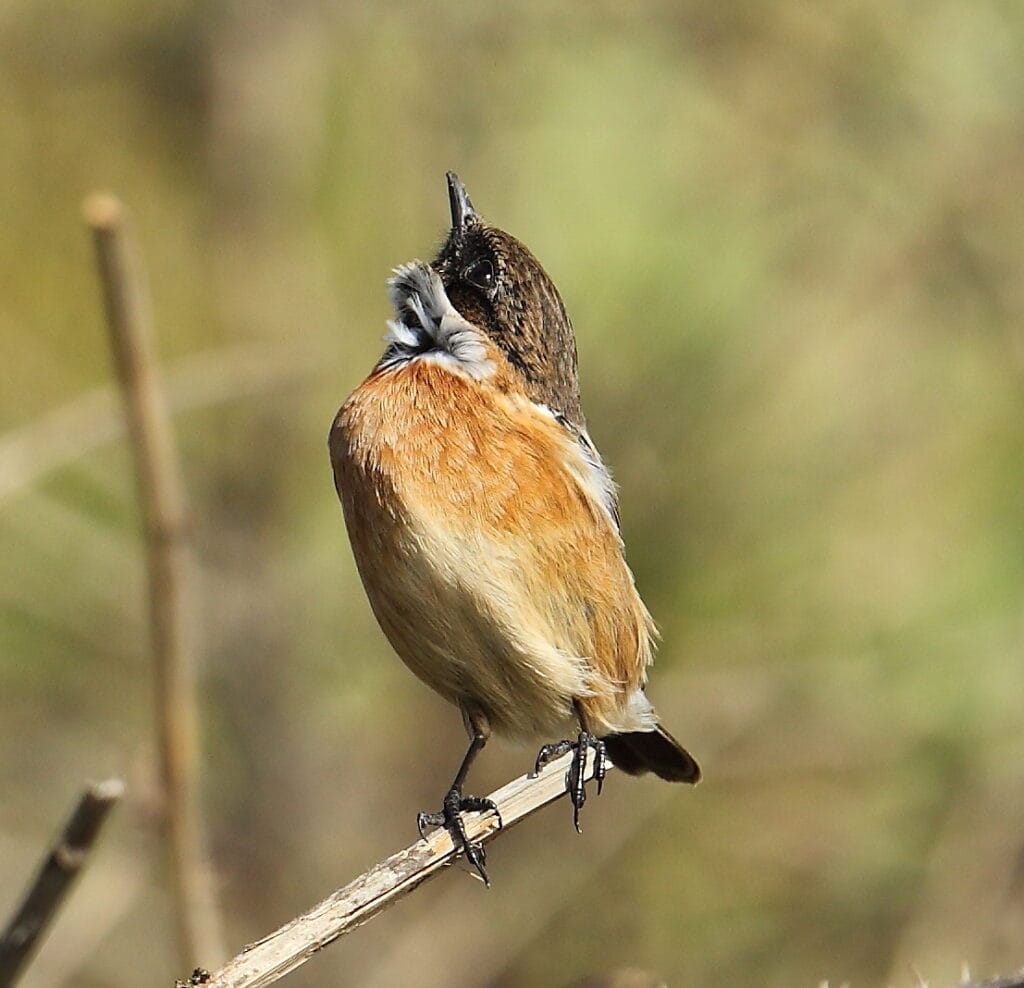
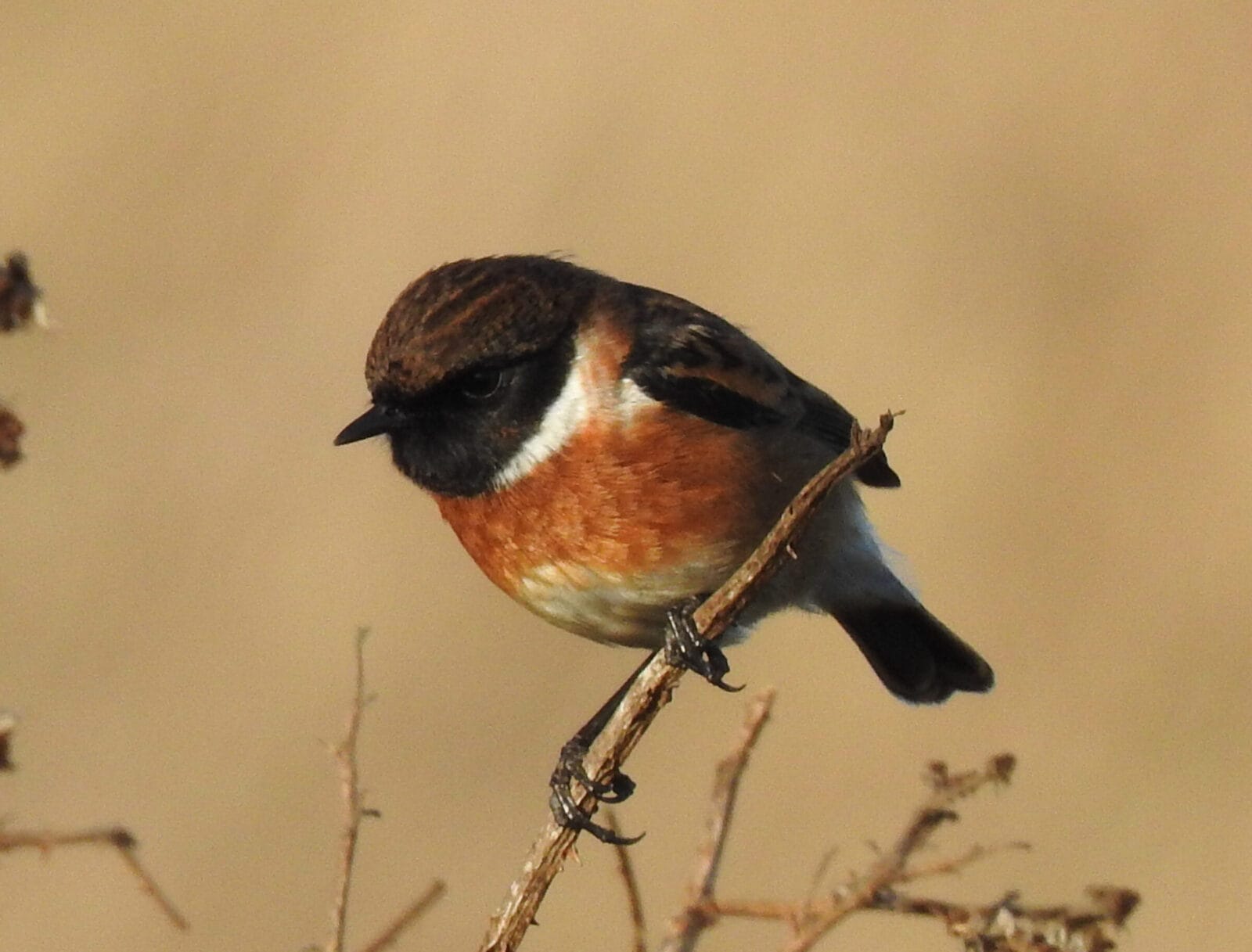
Stonechat, South Landing, by Alan Walkington

3rd November 2020

The weather consisted of light south-west/west winds, relatively overcast skies and temperatures reached nine degrees C. The morning seawatch provided variety with six Whooper Swans, two Goosanders, two Goldeneye, three Great Northern Divers, two Little Gulls and two Mediterranean Gulls moving south; a Manx Shearwater also headed north. Ninety Purple Sandpipers on the outer head was a record monthly tally, whilst single Merlin and Snow Bunting overflew the Fog Station.

An additional 19 Whooper Swans were seen over the headland (16 and 3), where there were also 83 Teal and 18 Wigeon. Nineteen Crossbills represented a respectable count, whilst a Lapland Bunting and four Snow Buntings frequented the North Cliffs. Elsewhere, five Whooper Swans and three Goosanders flew south-east over RSPB Bempton Cliffs, where two Short-eared Owls quartered the cliff top fields mid afternoon.

4th November 2020

A relatively bright day, with a cold but relatively light north-westerly wind and temperatures peaking at 11 degrees C. Two skeins of Pink-footed Geese (112 birds in total) flew south during the morning’s seawatch that also featured five Eiders, a Velvet Scoter, 37 Red-throated Divers, a Great Northern Diver, a Bonxie and a juvenile Pomarine Skua moving south. Four Grey Wagtails south over the Fog Station were notable, where a Snow Bunting flew north.

Pink-footed Geese (607) were also observed moving south over the headland, whilst three Woodcock made landfall. Two thousand Woodpigeons were noteworthy, as were nine Chiffchaffs, a Yellow-browed Warbler (South Landing) and four Blackcap. A late Wheatear, three Grey Wagtails, a Twite and one Crossbill were also recorded. A skein of 290 Pink-footed Geese flew south over RSPB Bempton Cliffs at mid-day.

Eighteen birds were processed during a ringing session at South Landing and included two Grey Wagtails and two Goldcrests.

Grey Wagtail, South Landing, by Jo Hood

5th November 2020

The weather consisted of relatively overcast skies, light westerly winds and temperatures that reached 12 degrees C. Seawatch highlights included five Velvets Scoters flying south, two Great Northern Divers (north/south), a Little Gull north and 70 Purple Sandpipers in residence on the outer head.

Pink-footed Geese were again on the move, with three skeins containing a total of 705 birds flying south. A small arrival of thrushes took place during the morning which involved 95 Fieldfare, 16 Redwing and two Ring Ouzels. RSPB Bempton Cliffs hosted single Woodcock and Short-eared Owl along with a late Willow Warbler.

Willow Warbler, RSPB Bempton Cliffs, by Trevor Charlton

6th November 2020

Sunny intervals eventually prevailed after a foggy morning; there were light south/south-south-east winds and a temperature high of ten degrees C. Seawatching was rewarded with two Gadwall and two Long-tailed Ducks flying south and five Goosanders moving north. Seven Whooper Swans flew south over the headland, whilst 70 Purple Sandpipers and 11 Snipe were in residence. A Short-eared Owl frequented the Thornwick area. Eight Fieldfares, a Redwing and 250 Starlings were observed coming in off the sea from mid-afternoon. Additional passerine interest included eight Stonechat and a Lapland Bunting.

Sightings from RSPB Bempton Cliffs included a Short-eared Owl and a Siberian Chiffchaff.

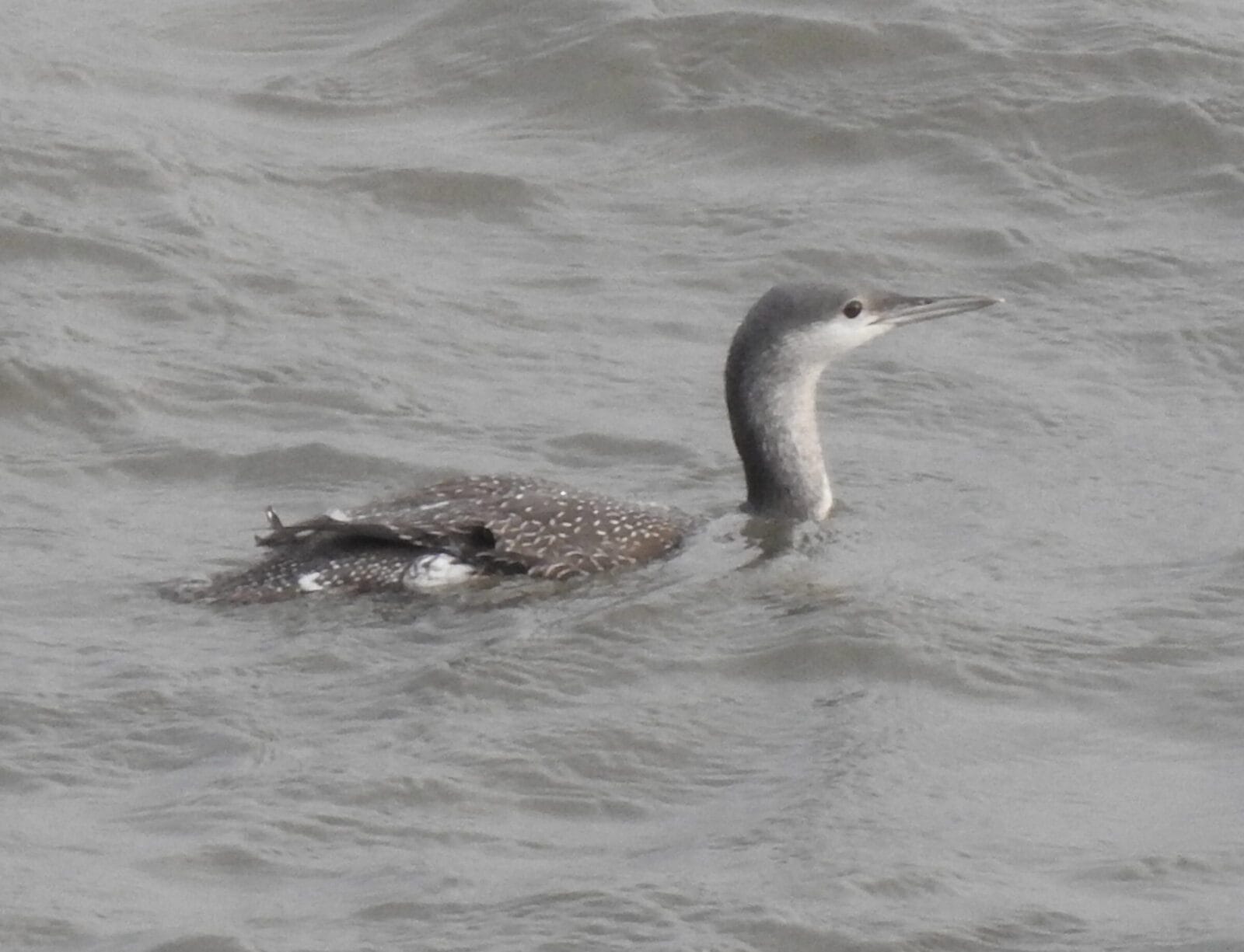
Red-throated Diver, Fog Station, by Brett Richards

7th November 2020

A light south-easterly wind established from late morning; there were sunny intervals throughout and temperatures reached 11 degrees C. Three Great Northern Divers were recorded during the morning seawatch (two south, one north), three Goldeneye also flew south and a Bonxie headed north.

Three Long-tailed Ducks were on the sea off New Fall, five Whooper Swans overflew the outer head, as did 17 Golden Plovers. A small arrival of late autumn migrants included a Woodcock, 104 Fieldfare, 70 Redwing, nine Goldcrests, a Firecrest (South Landing), one Chiffchaff, two Blackcap, a Brambling and four Lapland Buntings. The Siberian Chiffchaff remained at RSPB Bempton Cliffs, where two Short-eared Owls also lingered.

Kestrel, Thornwick, by Brett Richards

8th November 2020

The weather consisted of a light south-east/east wind, relatively misty conditions with some sunny intervals from late morning and temperatures that peaked at 11 degrees C. Wildfowl passage was evident over the sea: 15 Shelduck, 107 Wigeon, two Pochard, 12 Tufted Duck and 26 Eider flew north; a Bonxie lingered offshore.

Away from the seawatch, three Long-tailed Ducks were again off Cattlemere, whilst a dark-bellied Bent Goose, five Gadwall and a Little Grebe were also recorded. An influx of late autumn migrants involved seven Woodcock, a Short-eared Owl, four Chiffchaff, five Goldcrests, 165 Blackbirds, 195 Fieldfare, 215 Redwing, a Black Redstart, six Brambling and a Snow Bunting. However, the day’s highlight was the discovery of a Woodlark that circled the Gorse Field. Ringing sessions on the outer head resulted in 41 birds being rung, including 13 Redwing, a Fieldfare, one Chiffchaff and a Blackcap.

RSPB Bemtpon Cliffs hosted 40 Blackbirds, 30 Fieldfare, 80 Redwing, a Brambling and a lone Lapland Bunting.

Brambling, Oceanview, by Andy Hood

9th November 2020

Thick fog that precluded morning observation eventually cleared to leave an overcast day with light south/south-east winds. Three Long-tailed Ducks remained off New Fall, whilst further into Bridlington Bay, a Great Northern Diver was seen off Sewerby. Despite relatively little coverage due to the inclement conditions, migrant sightings still included two Water Rail, ten Woodcock, 144 Blackbirds, 122 Fieldfare, 131 Redwing, two Blackcap, a late Northern Wheatear and a Brambling. RSPB Bempton Cliffs attracted a Great Northern Diver, seven Goldeneye, 27 Pink-footed Geese, four Woodcock, a Mealy Redpoll and 30 Corn Buntings.
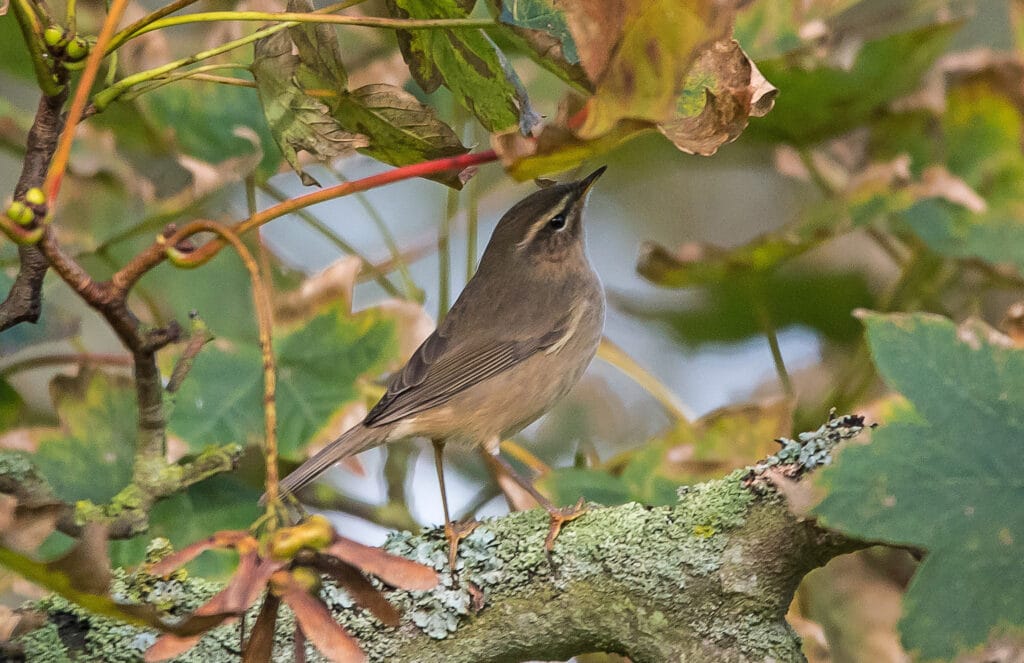
Mealy Redpoll, RSPB Bempton Cliffs, by Trevor Charlton

10th November 2020

The weather consisted of light, variable winds, overcast skies with mist and temperatures peaking at 12 degrees C. During the morning seawatch, 16 Wigeon, 14 Teal and ten Knot flew south, whilst six Eider and a Bonxie headed north. Wildfowl in residence included 75 Pink-footed Geese, a Shoveler, 24 Wigeon, 176 Teal, 120 Common Scoter and two Goldeneye. A Water Rail remained at Thornwick Pools, while six Woodcock frequented the outer head. Passerine migrants included seven Goldcrests, seven Chiffchaff, the autumn’s second Pallas’s Warbler, a Blackcap, 110 Blackbirds, 41 Fieldfare, 121 Redwing, 14 Stonechat, a Northern Wheatear and four Grey Wagtails. Elsewhere, two Black-throated Divers on the sea off RSPB Bempton Cliffs were unusual.

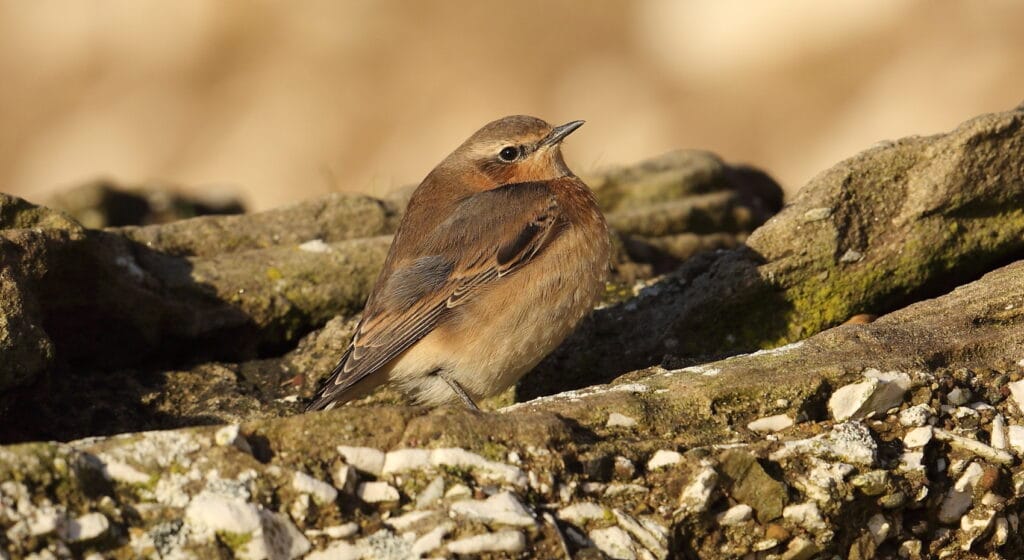
Wheatear, South Landing, by Alan Walkington

11th November 2020

A relatively overcast day, with a moderate/strong southerly wind and temperatures reaching 11 degrees C. The morning’s seawatch was quiet, with nine Teal, 44 Common Scoters and two Knot flying south. The headland’s freshwater pools attracted 37 Wigeon, 133 Teal, a Pintail and one Goldeneye. Single Water Rail and Woodcock were present, whilst the Wheatear also remained in residence on South Landing beach. RSPB Bempton Cliffs hosted a lone Black Redstart.

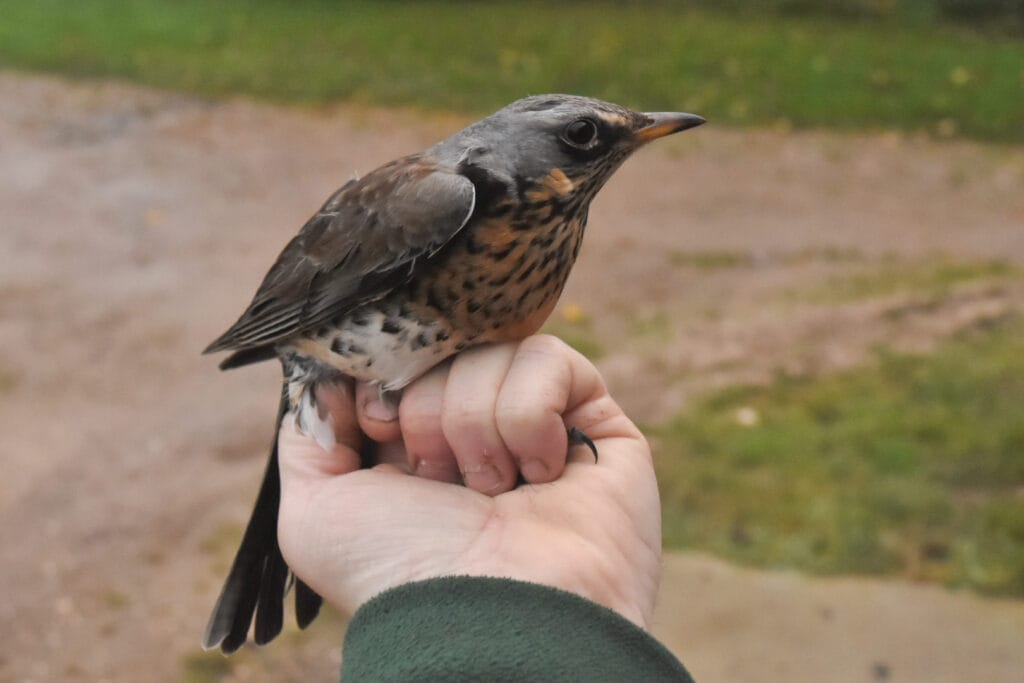
Fieldfare, Oceanview, by Andy Hood

12th November 2020

Sunny intervals established after a relatively overcast morning, with moderate west-south-west winds and temperatures reaching 12 degrees C. Highlights of the morning seawatch included a dark-bellied Brent Goose, a Great Northern Diver and 120 Little Gulls flying north, five Egyptian Geese and a Bonxie south; a Woodcock also flew in off the sea.

A flock of 188 Common Scoters gathered off the South Cliffs, the Water Rail remained at Thornwick Pools and a second calendar-year Mediterranean Gull visited the new workings at Thornwick. A Black Redstart frequented the horse paddocks at Hartendale. RSPB Bempton Cliffs attracted a Short-eared Owl.

Short-eared Owl, RSPB Bempton Cliffs, by Alan Walkington

13th November 2020

After an overcast start with light rain, sunny intervals established during a day of moderate south-west winds and temperatures that reached ten degrees C. Seawatch highlights included a dark-bellied Brent Goose, three Eider, 28 Common Scoter, a Goosander and a Great Northern Diver flying south, with 350 Little Gulls moving north. North Marsh hosted 120 Teal, 36 Wigeon, two Goldeneye and two Stonechats; a pair of Stonechat also graced the cliff top near Thornwick Camp.

Stonechat, Thornwick, by Brett Richards

14th November 2020

Another day of blustery southerly winds and overcast skies with light rain early morning and temperatures peaking at 12 degrees C. The morning’s seawatch was quiet, with 25 Common Scoters and three Knot flying south; 32 Purple Sandpipers frequented the rocks below the Fog Station. The sea off Beacon Hill attracted 20 Red-throated Divers, a Great Crested Grebe and 75 Common Scoters; nearby South Dykes hosted two Chiffchaffs amongst a tit flock.

Snipe, Thornwick Pools, by Don Hustings

15th November 2020

Moderate/strong winds veered from a southerly to a south-west direction; showers in the morning preceded sunny intervals in the afternoon. Seawatch highlights included a Velvet Scoter and a Bonxie flying north, with a Great Crested Grebe, six Knot, a Dunlin and an adult Mediterranean Gull moving south. Wildfowl interest on the headland included a dark-bellied Brent Goose, 157 Teal (152 North Marsh, five Thornwick), 36 Wigeon and two Goldeneyes.

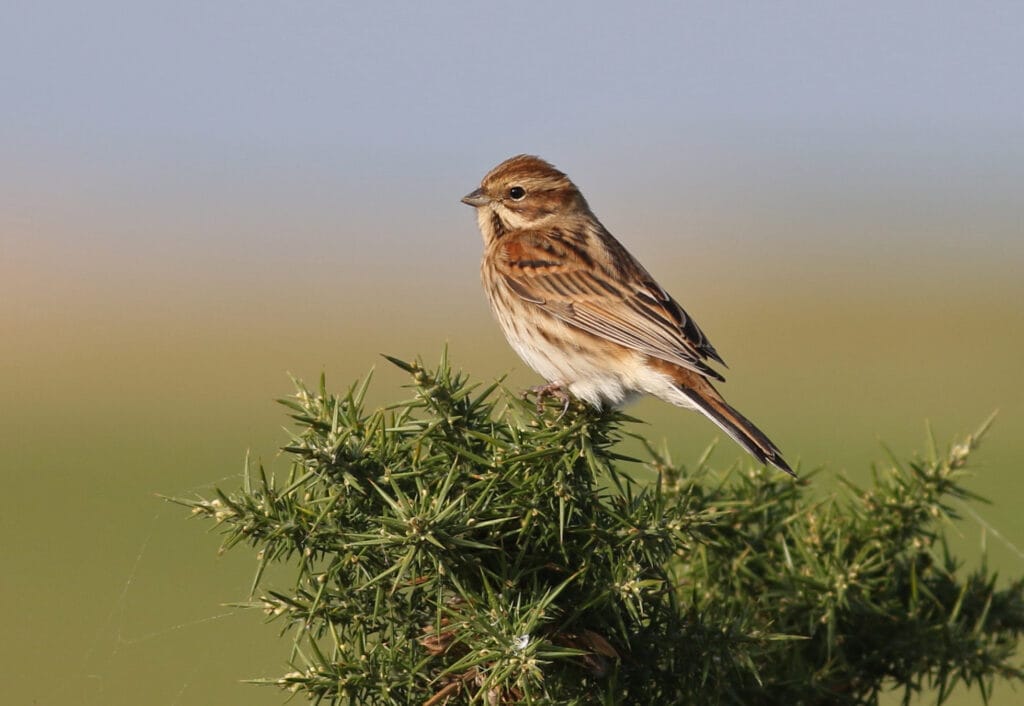
Reed Bunting, North Marsh, by Craig Thomas

16th November 2020

The weather consisted of sunny intervals, moderate/strong westerly winds and temperatures that peaked at ten degrees C. During the morning’s seawatch, a dark-bellied Brent Goose, 98 Pink-footed Geese, two Tufted Ducks and a Bonxie flew south; single Great Northern Divers flew south/north, whilst two Sanderling and eight Little Gulls headed north.

A Short-eared Owl flew in off the sea and later headed west over the headland, while three Short-eared Owls showed well at RSPB Bempton Cliffs; 81 Pink-footed Geese and three Snow Buntings also overflew the reserve. Further sightings on the outer head included two Whooper Swans and 138 Pink-footed Geese moving south, ten Goldeneyes on North Marsh, a Blackcap, the long-staying Wheatear on South Landing beach, three Snow Buntings and a Lapland Bunting. Fourteen Pink-footed Geese and a Marsh Harrier frequented cliff top fields at Buckton.

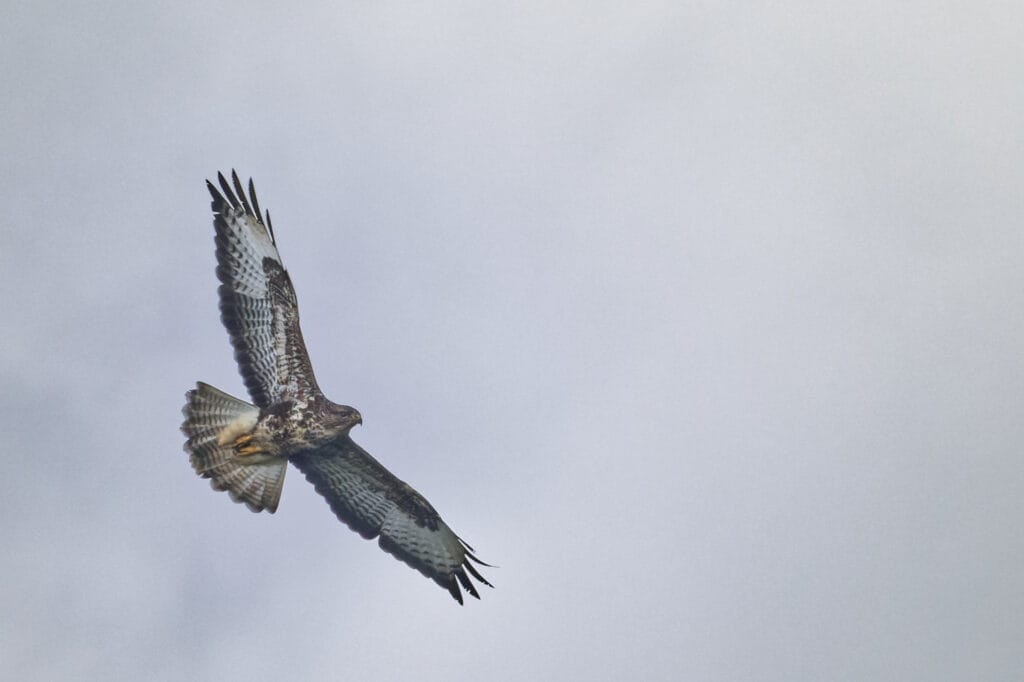
Common Buzzard, South Landing, by Rob Little

17th November 2020

A relatively overcast day, with a moderate/strong south-west wind and temperatures reaching 13 degrees C. During the seawatch, three Velvet Scoters and two Little Gulls flew north, with a Great Northern Diver and a Bonxie heading south. Passerine interest included 130 Fieldfare flying west over the village, whilst 17 Snow Buntings frequented cliff top fields east of South Landing, with a lone Lapland Bunting nearby.

Wheatear, South Landing, by Alan Walkington (16/11)

18th November 2020

Strong winds veered from a southerly direction to a westerly during a relatively overcast day. Seawatch highlights included a dark-bellied Brent Goose, 15 Pink-footed Geese and 16 Little Gulls flying south. North Marsh attracted 22 Wigeon, 60 Teal and two Goldeneyes and Thornwick Pools five Snipe. Passerine interest included single Stonechat, Grey Wagtail and Brambling.
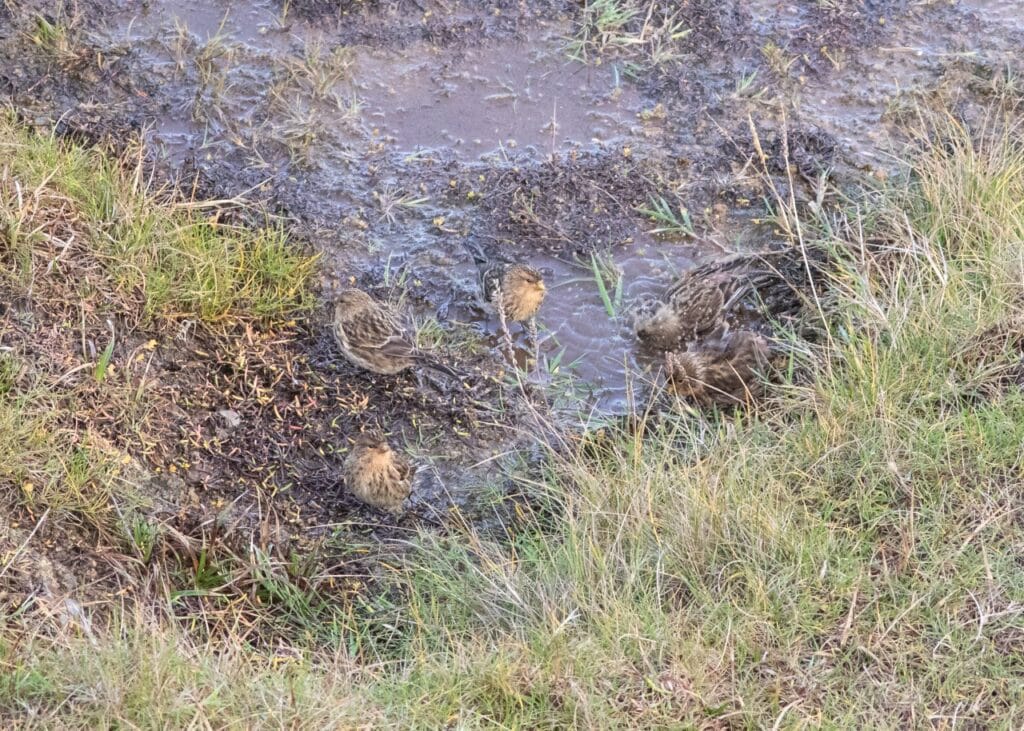
Redwing, by Don Hustings

19th November 2020

North-westerly winds dropped in strength throughout the day from a peak of force 7 gusts at dawn; there were showers early on, with sunny intervals later, whilst temperatures reached a mere six degrees. These provided the first conducive seawatch conditions for several weeks, albeit the weather window was short: 58 Red-throated Divers, two Great Northern Divers, 1630 Kittiwakes, four Bonxies, a relatively late juvenile Arctic Skua and a Mediterranean Gull flew south, while a Little Auk and two Puffins headed north. A Nuthatch in South Dykes was the first sighting for several months; two Snow Buntings flew along the cliff top at North Landing.
Nuthatch, South Dykes, by Jo Hood

20th November 2020

The season’s first ground frost ushered in a cold day, with temperatures reaching seven degrees under overcast skies and moderate south-westerly winds. Seawatching proved productive during the morning, presumably as a result of yesterday’s northerly airflow displacing birds into the North Sea. Highlights included a Mute Swan, 12 Goldeneye, four Great Northern Divers, the year’s first Red-necked Grebe and eight northern Herring Gulls flying south, with a Sooty Shearwater, a Red-breasted Merganser and two Bonxies headed north. An influx of Woodcock and winter thrushes was also evident: 11 Woodcock on the outer head included three watched coming in off the sea by the Fog Station (with another at RSPB Bempton Cliffs), along with 52 Blackbird, 15 Fieldfare and 23 Redwing.

A Great Northern Diver sheltered off South Landing mid-afternoon, Thornwick Pools hosted single Jack Snipe and Water Rail, with another Jack Snipe was flushed at Bempton.

Great Northern Diver, Fog Station, by Craig Thomas