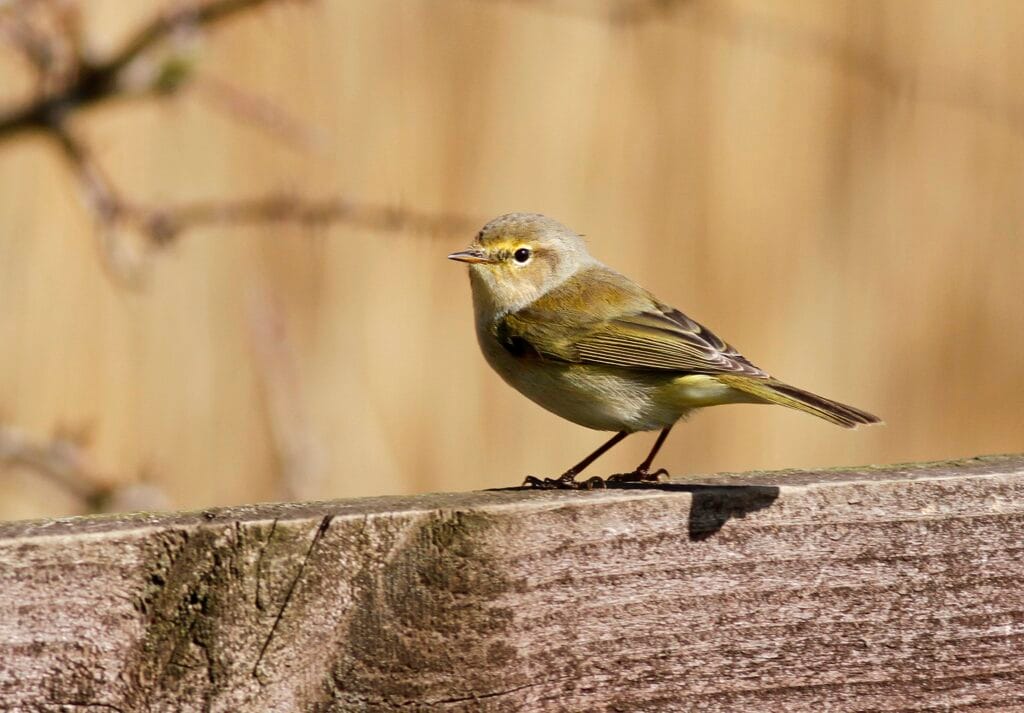
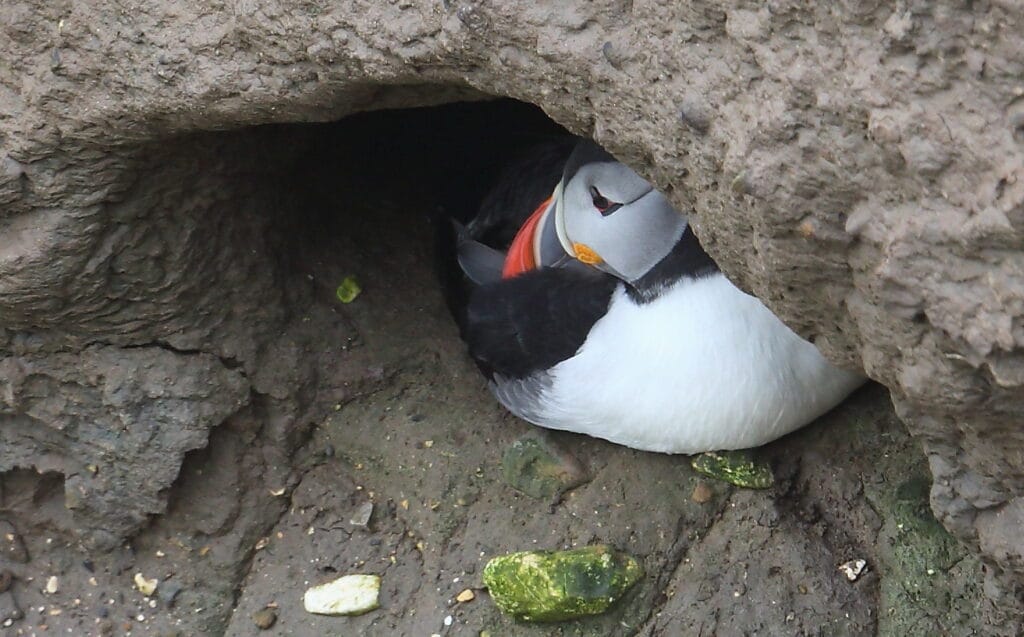
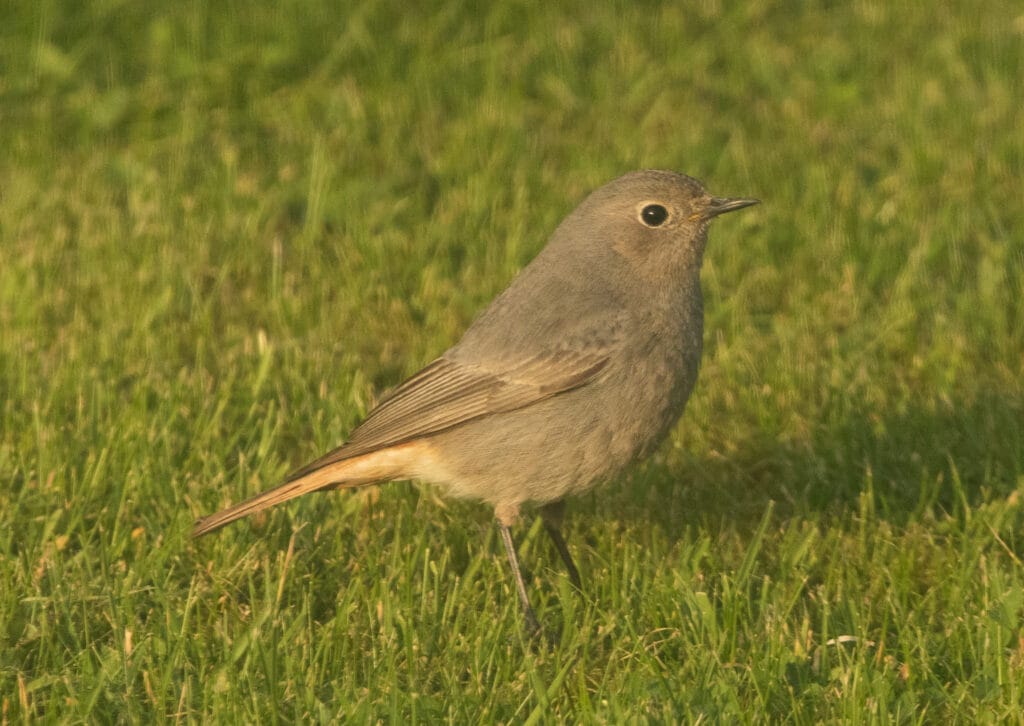
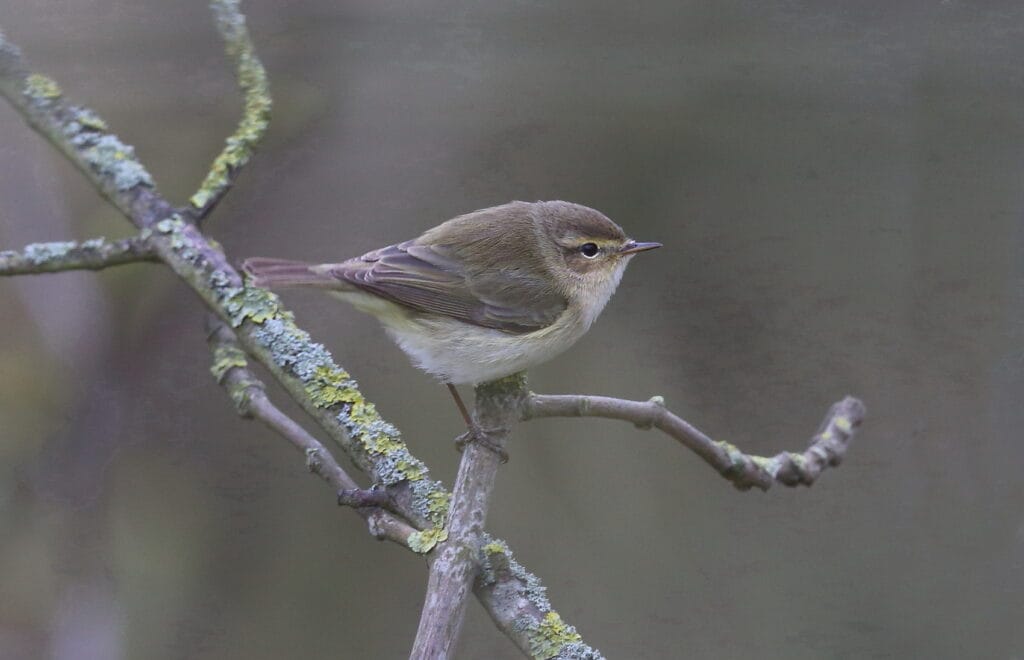
An overcast day, with daytime temperatures not exceeding a chilly five degrees, a light south-east wind resulting in foggy conditions. The seawatch was limited due to the visibility, but ten Puffins were recorded (nine south, one north), whilst tens of thousands of seabirds, mainly Guillemots and Razorbills were feeding offshore. The headland itself hosted a Chiffchaff at Thornwick and the male Black Redstart continued to frequent the cliffs around the Fog Station.
An overcast day, with a very light easterly wind and temperatures reaching a cool four degrees C. A total of 28,000 Guillemots moved south during the morning seawatch, with a mere two Razorbills also noted.
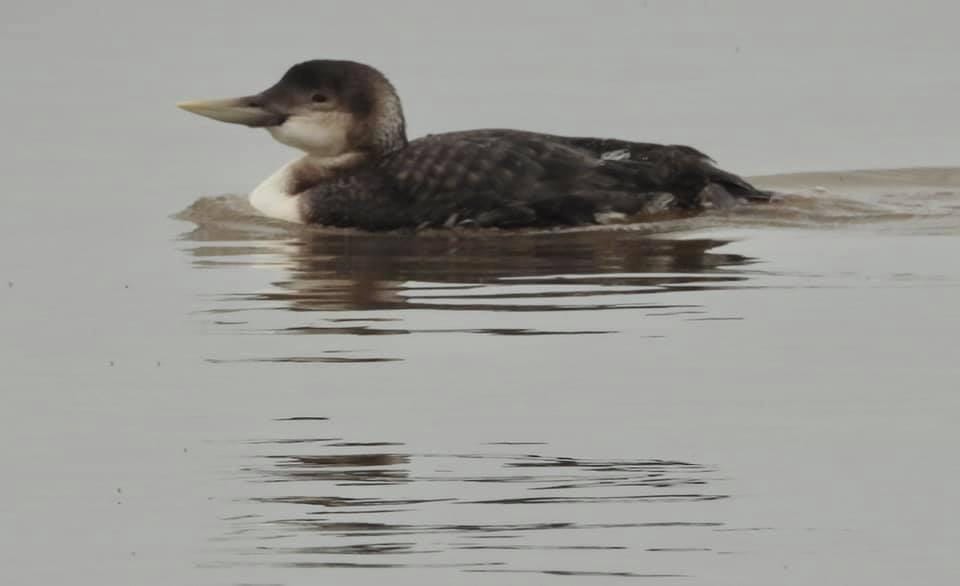
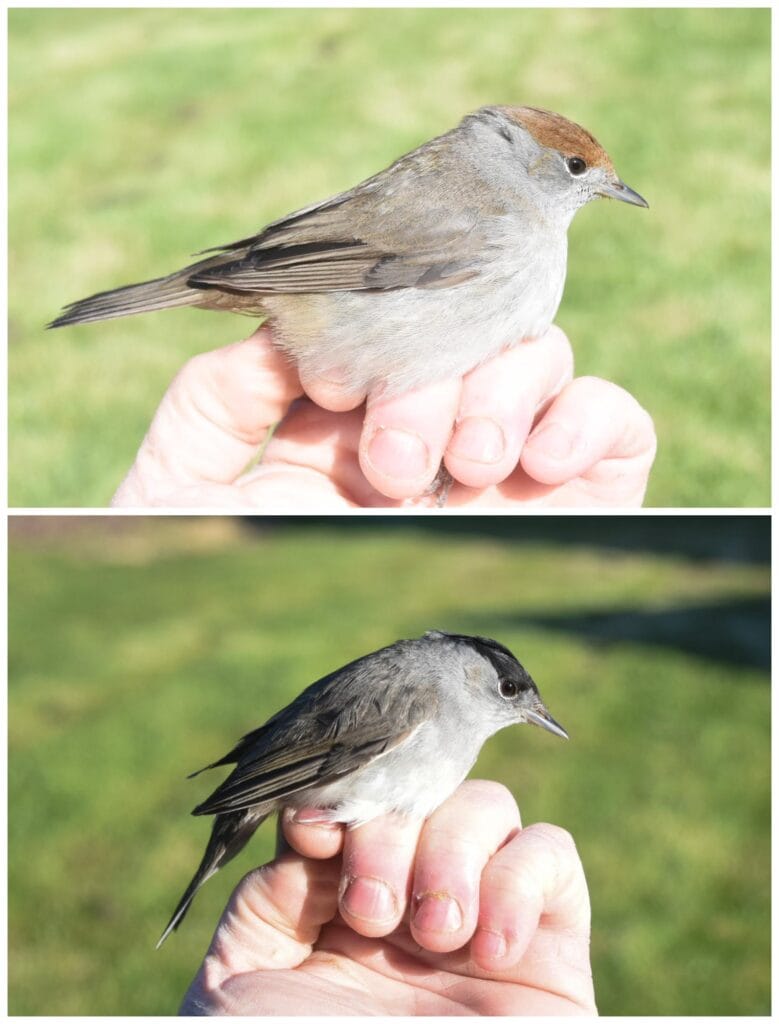
Elsewhere, a Great Northern Diver and 13 Great Crested Grebes were on the sea off Hartendale. The lone Pink-footed Goose remained within the Greylag flock near Thornwick, the Barnacle Goose with the Greylags on the Golf Course and a Golden Plover overflew The Grange. Passerine interest included a male Blackcap in the village, a Chiffchaff at Thornwick, ten Redwing, two Grey Wagtails and three Stonechat at South Dykes.
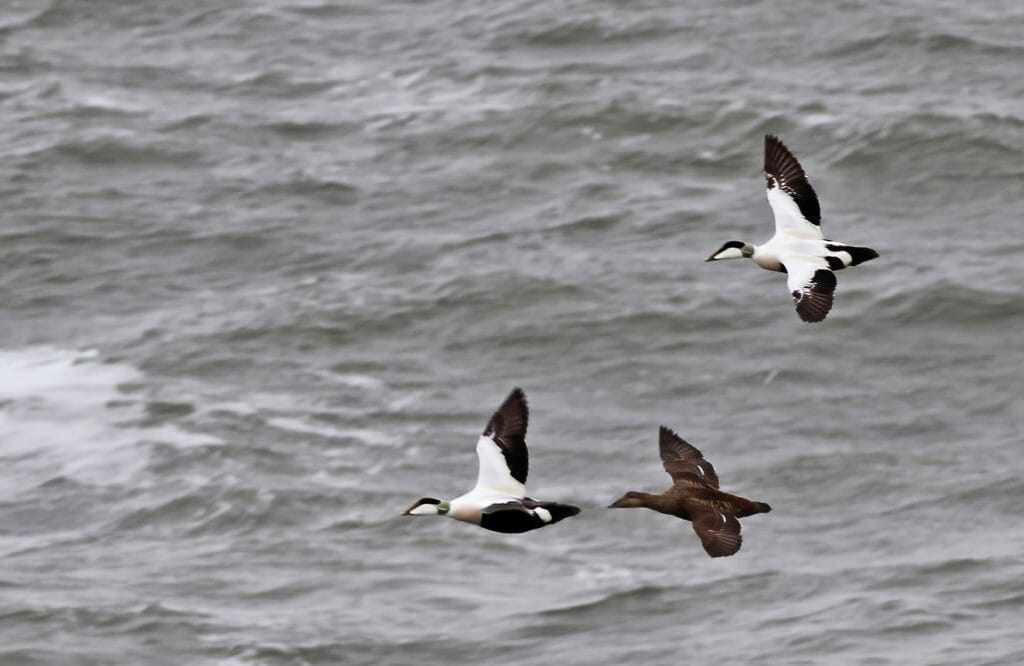
An overcast, calm day with temperatures reaching a mere four degrees C. A pair of Goosander and two Shelduck flew north during the morning seawatch. The sea off the South Cliffs attracted six Long-tailed Ducks, a Shelduck, two Eider, 52 Red-throated Divers, a Great Northern Diver and 14 Great Crested Grebes.
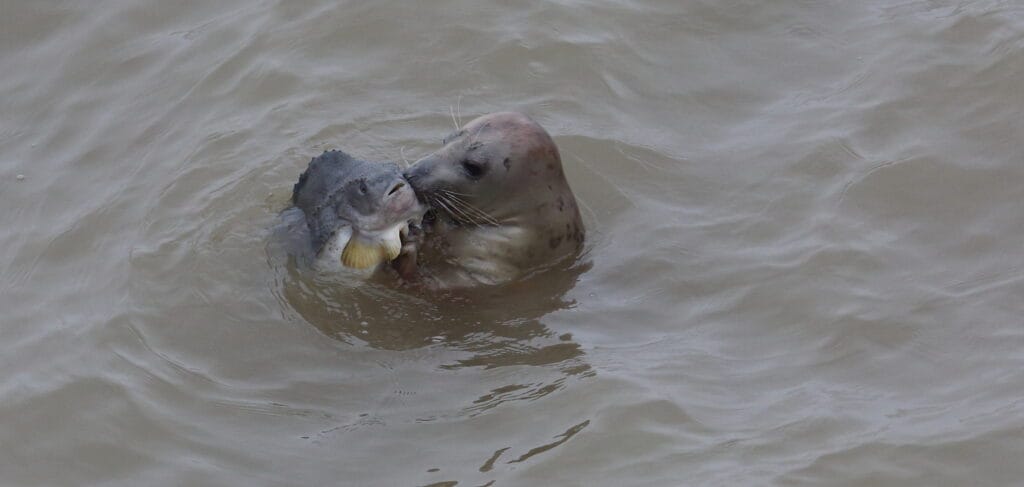
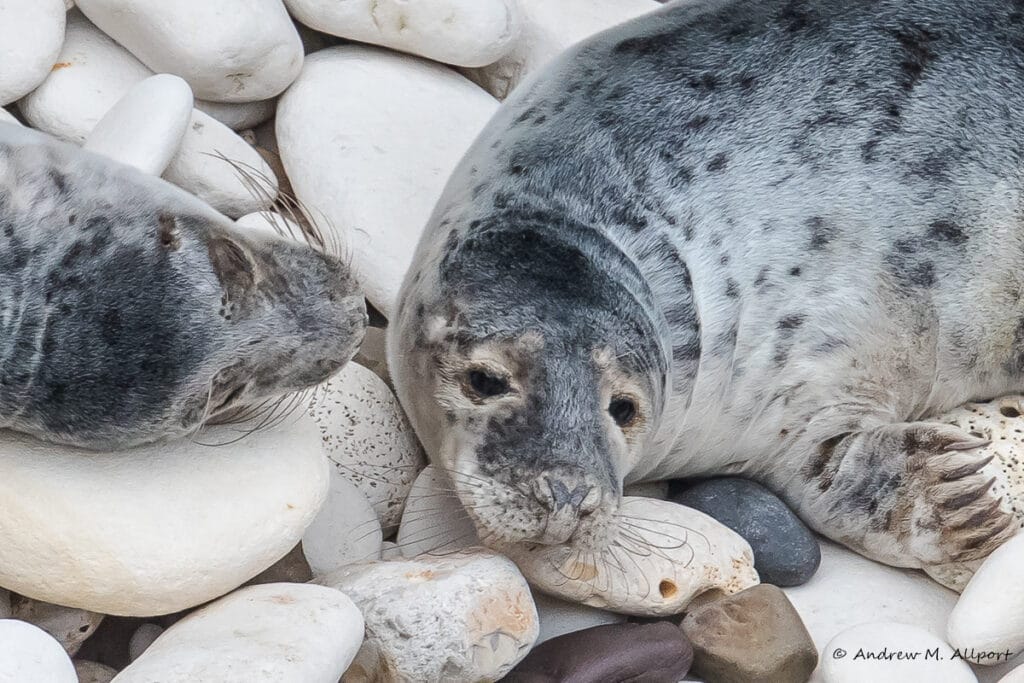
Grey Seal with Lumpsucker Fish, by Alan Walkington
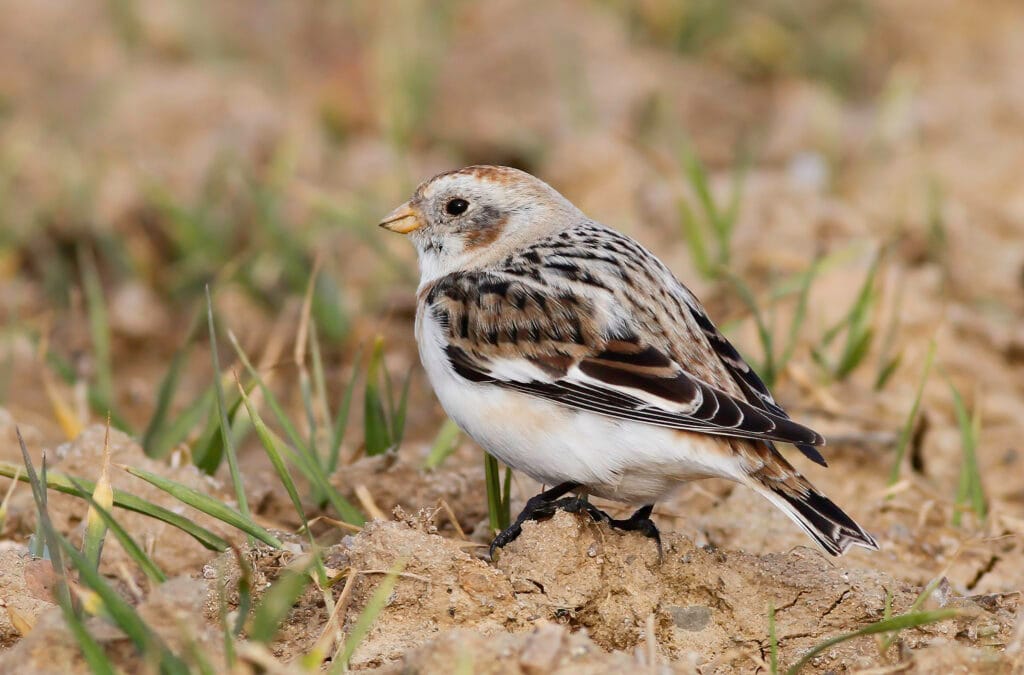
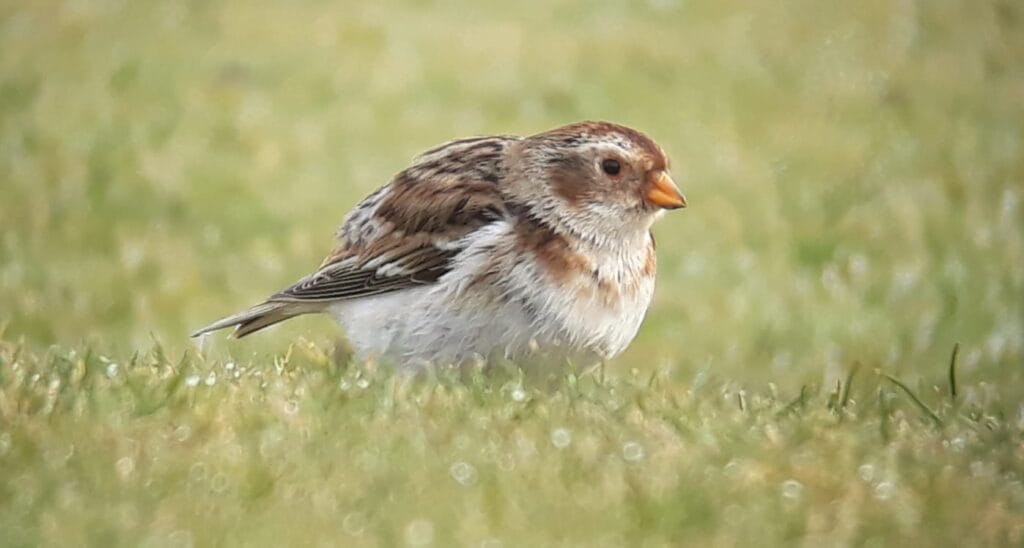
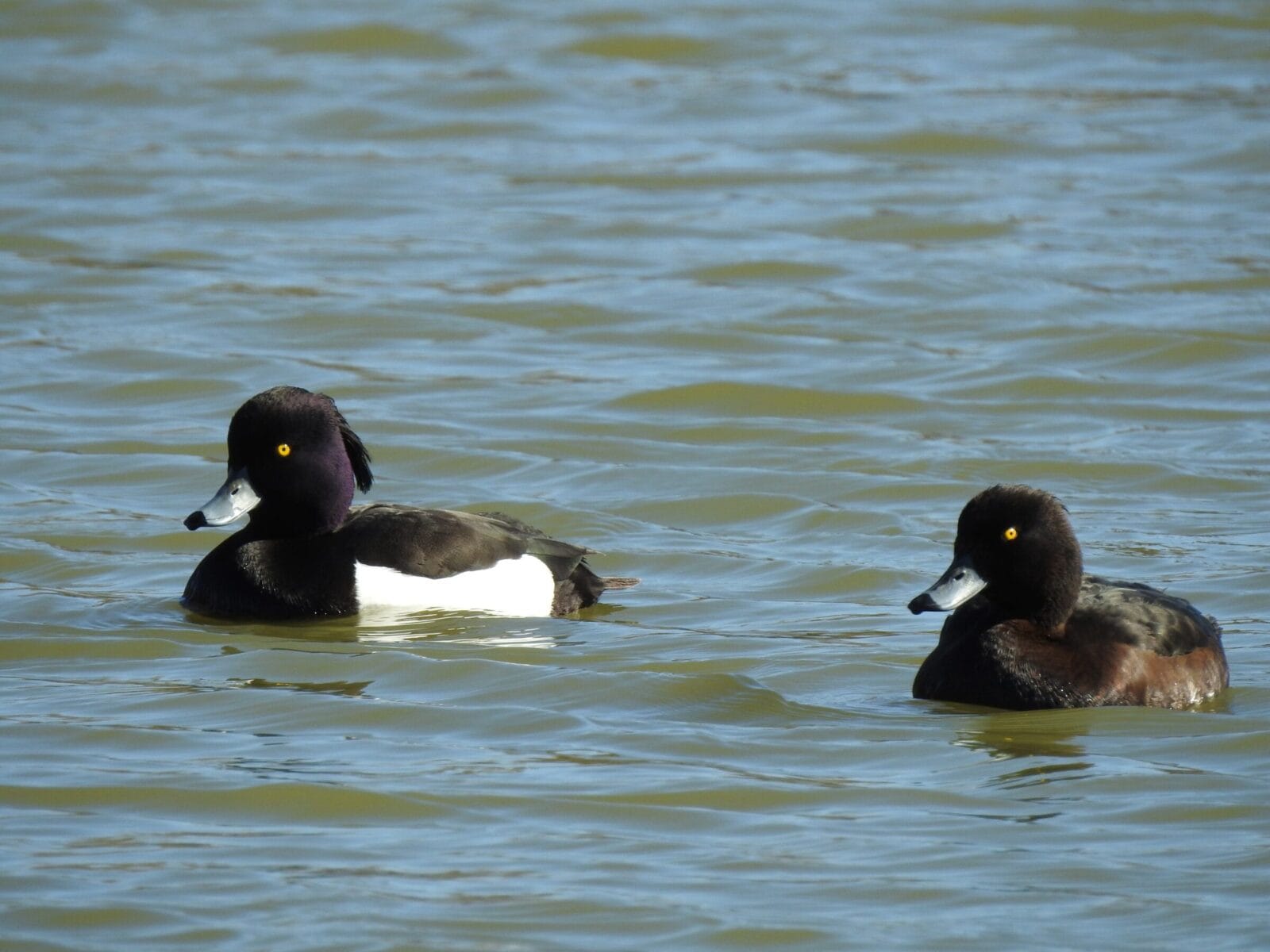
The weather consisted of moderate north-north-east winds, overcast skies with light showers and temperatures reaching five degrees C. Three Long-tailed Ducks, a pair of Tufted Ducks and a Great Northern Diver sheltered on the sea off Beacon Hill. A Snow Bunting on the south side of the headland was noteworthy, especially given the scarcity of the species this winter.
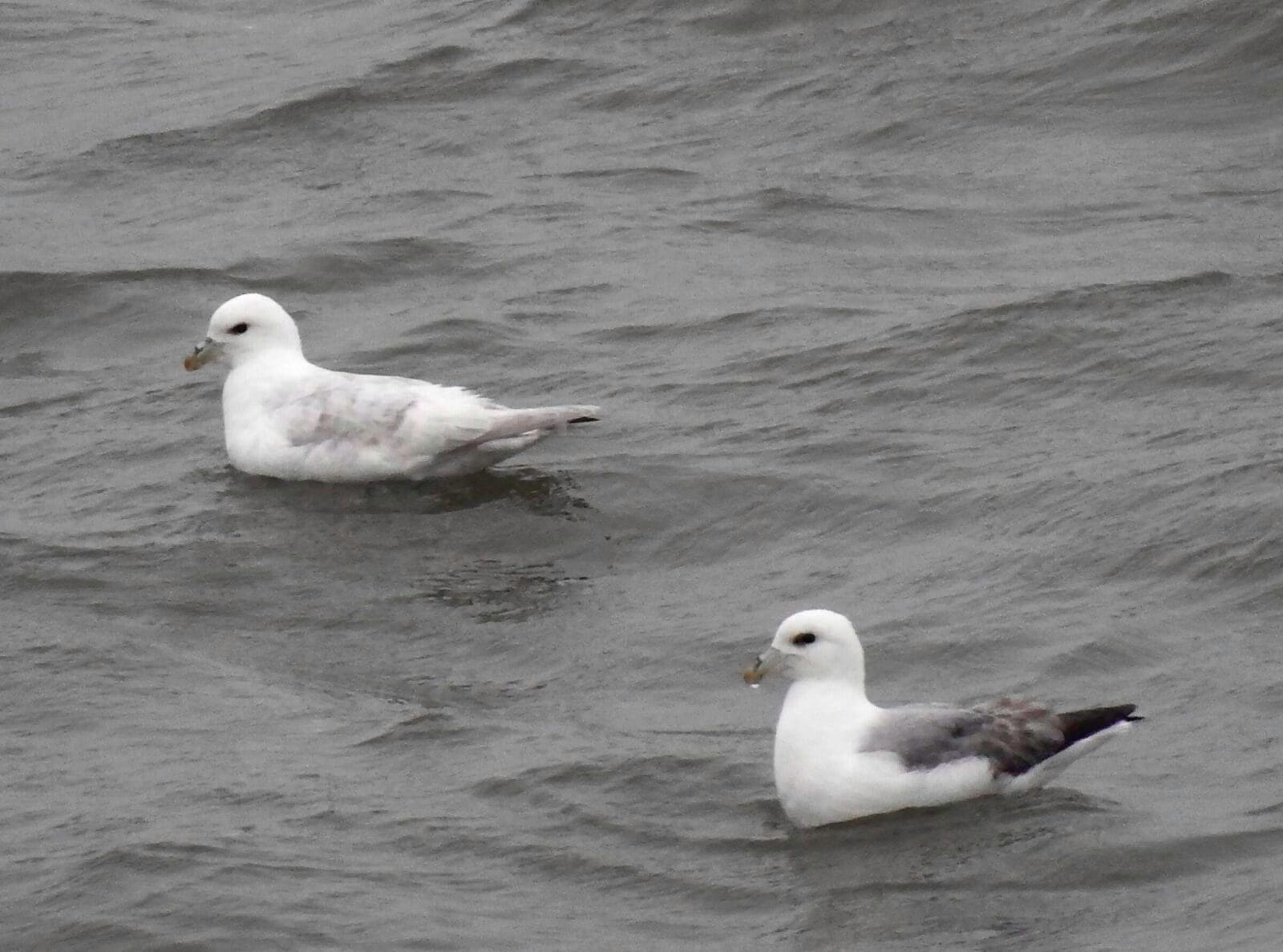
An overcast morning with occasional showers some of a wintry nature, brighter intervals later and temperatures reaching a mere 4.5 degrees C. The morning seawatch was productive with two Velvet Scoters, 42 Red-throated Divers, two Great Northern Divers, a Blue Fulmar, one Manx Shearwater, a Grey Plover and 488 Kittiwakes flying north; a pair of Goosander flew south.
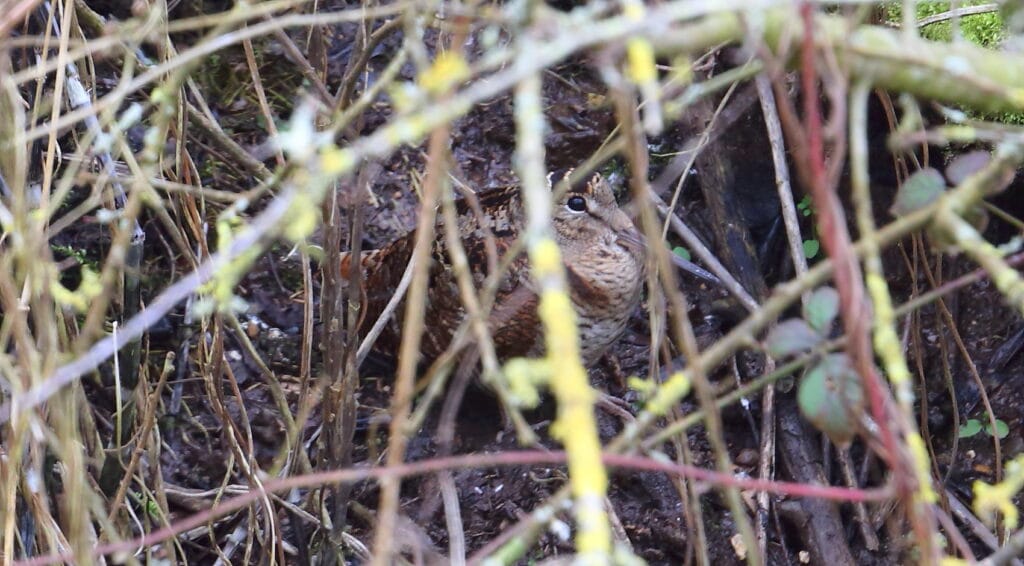
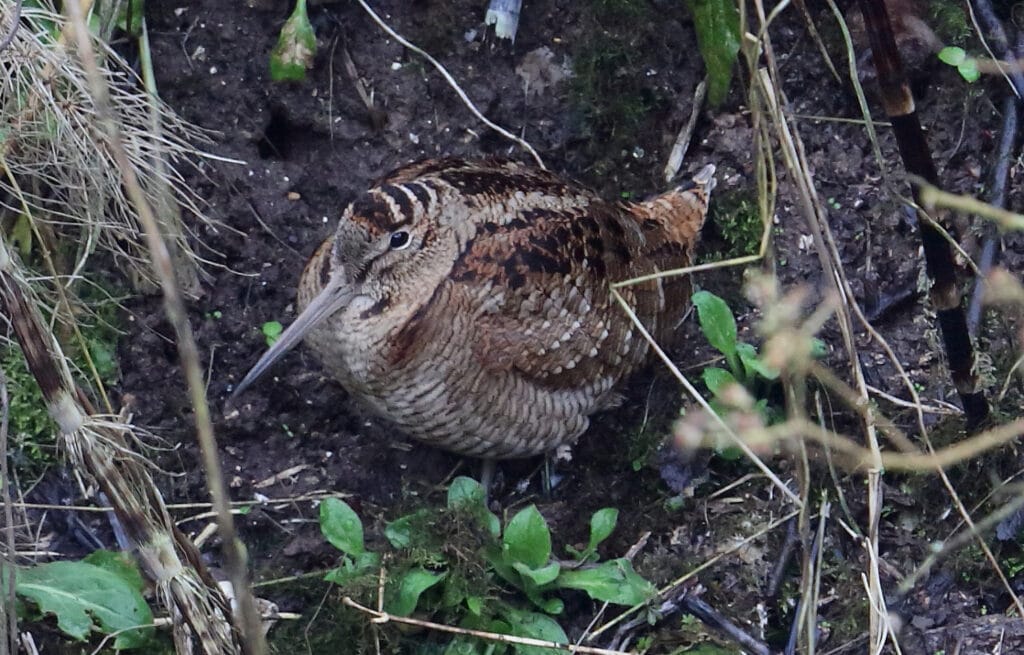
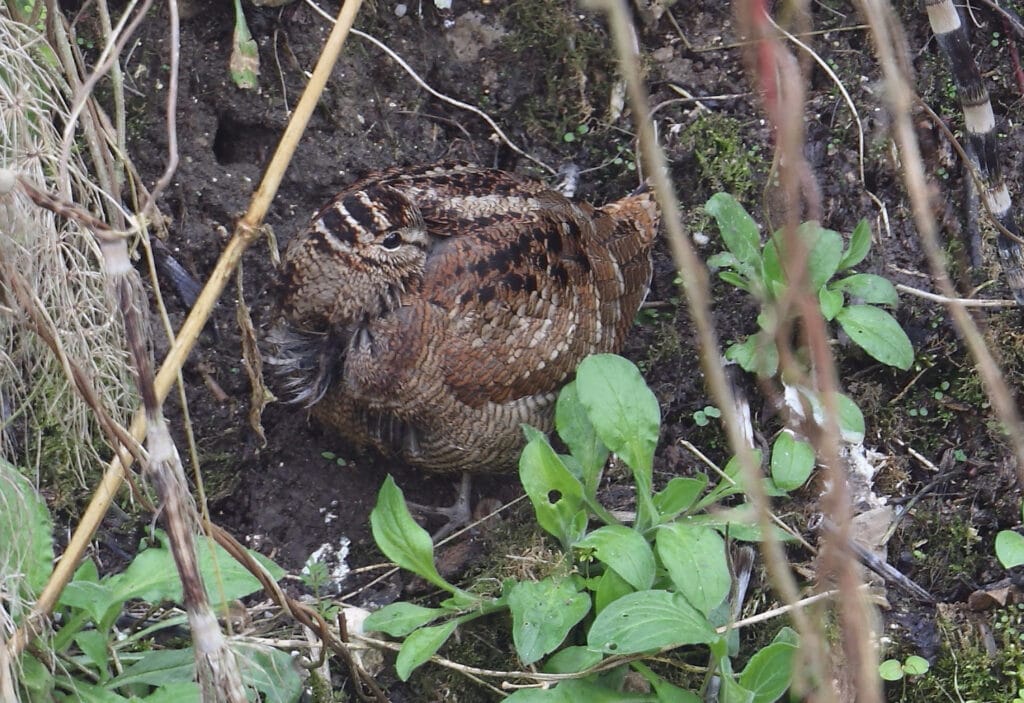
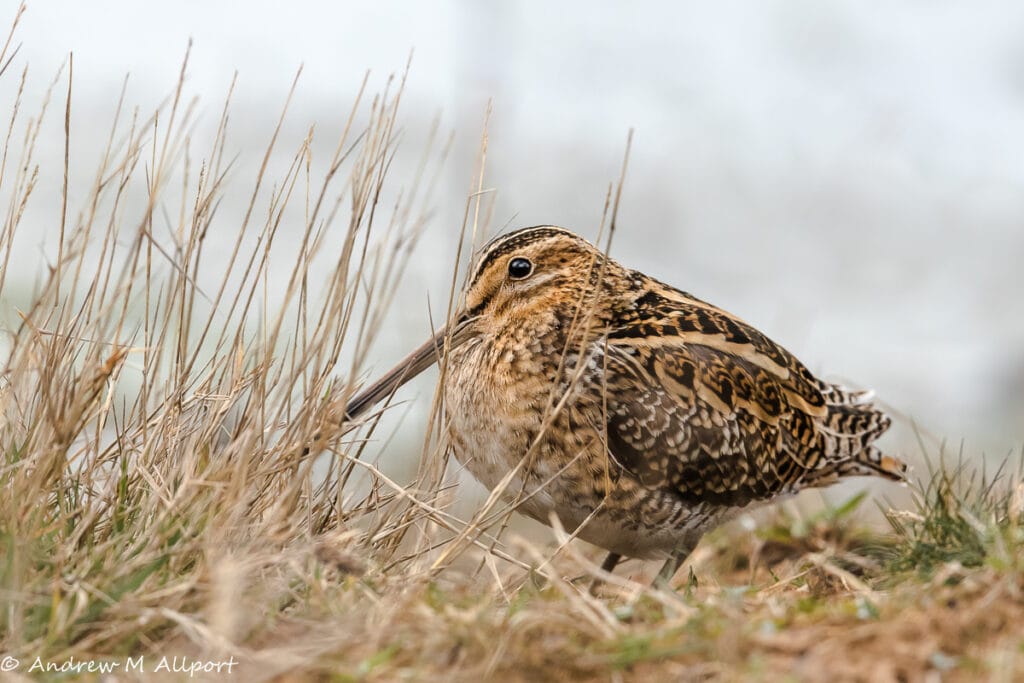
North Marsh and environs hosted a Barnacle Goose, two Shelduck, 49 Wigeon, 74 Teal, a Coot, ten Curlew, a Lapwing and an Oystercatcher. A Great Northern Diver and three Long-tailed Ducks were on the sea off Booted Gully and two Woodcock skulked in South Landing; another Woodcock was seen at Whelkie Wynds. An influx of Redwing was apparent with 72 present, with the Snow Bunting remaining on the cliff top east of South Landing.
Overcast and cold, with a light westerly wind and temperatures reaching five degrees C. Notable seawatch sightings included 65 Red-throated Divers, a Black-throated Diver, one Blue Fulmar and a Lesser Black-backed Gull flying north.
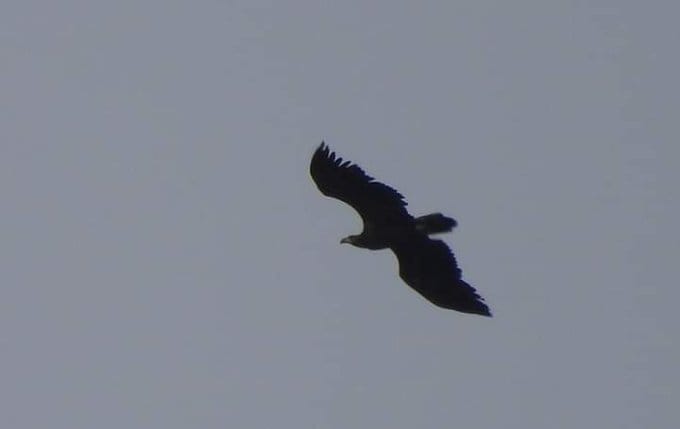
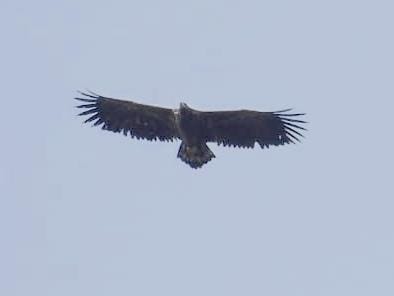
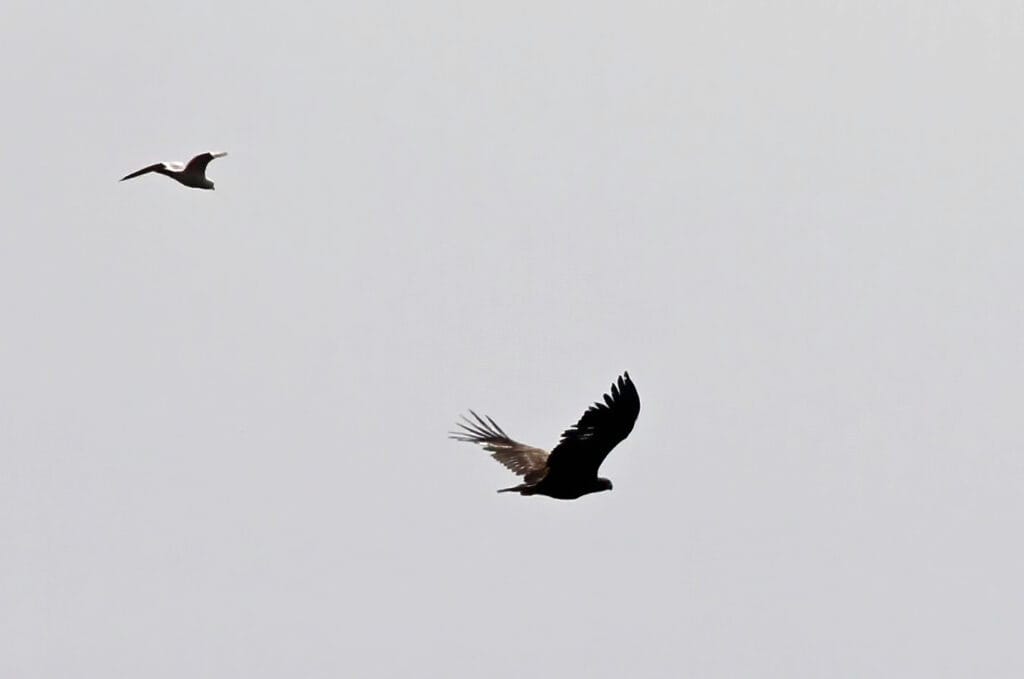
The day’s highlight was the appearance of the juvenile White-tailed Eagle over the headland; initially watched flying south over Buckton at 1420hrs, it was relocated minutes later circling over Mid-Dykes. After drifting further east, it then headed purposefully south-west and was watched crossing Bridlington Bay and back inland near Fraisthorpe at 1500hrs. More surprising still, photos show this wasn’t the individual that visited the headland on 26th/27th February, but a bird seen earlier in the week in Northumberland.
Five Long-tailed Ducks and the Great Northern Diver remained off South Landing, while the headland’s freshwaters hosted a Shelduck, 48 Wigeon and 83 Teal; wader interest included two Woodcock and three Snipe. Fourteen Redwing and the long-staying male Black Redstart were on the outer head. Buckton attracted 48 Lapland Buntings, whilst three Short-eared Owls remained at RSPB Bempton Cliffs.
The day started bright, but a front brought high cloud mid-morning; temperatures rose from 0 to 6 degrees C in a light north-west wind. A Puffin flew north during a quiet seawatch. Five Long-tailed Ducks and a Great Northern Diver were on the sea off Hartendale, with the Barnacle Goose still in residence on the outer head and a drake Goosander flew north over Thornwick Pools.
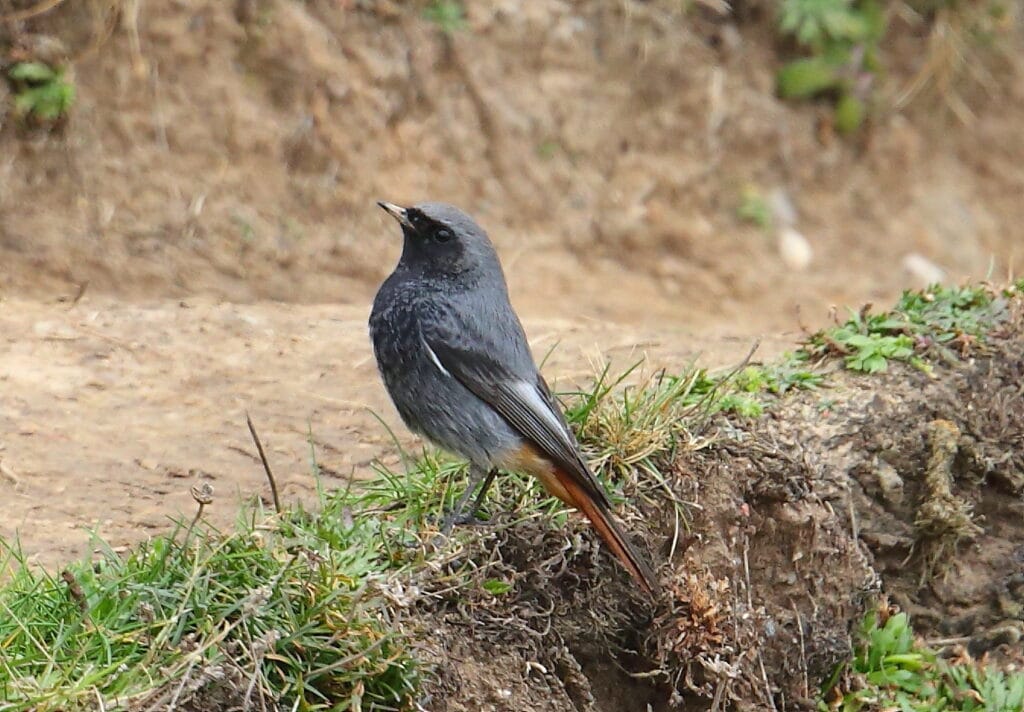
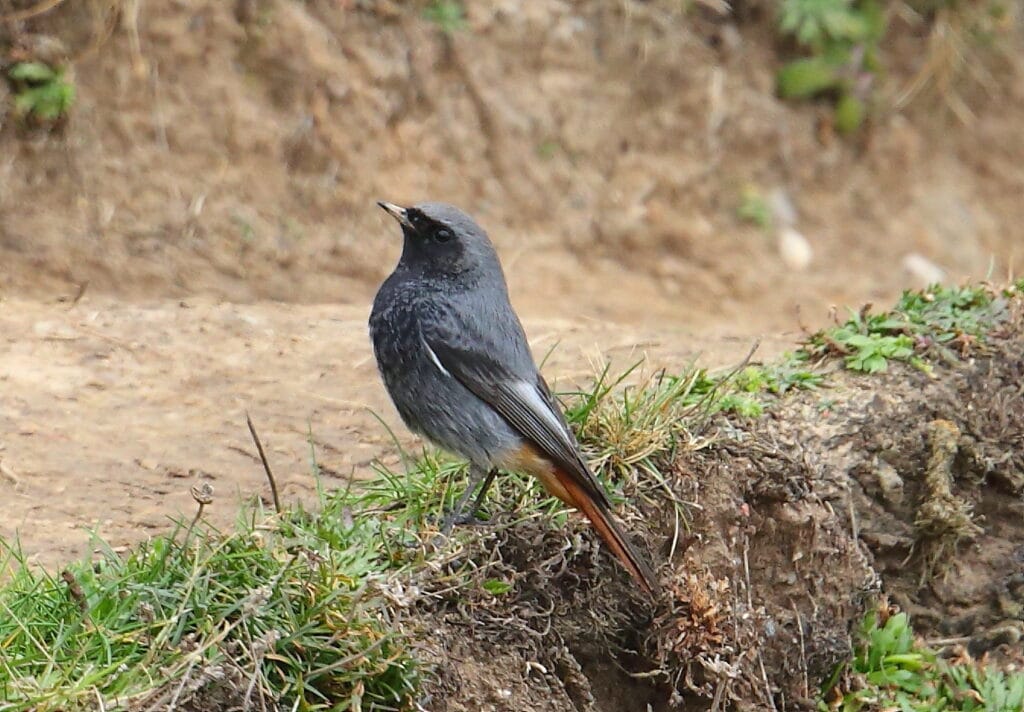
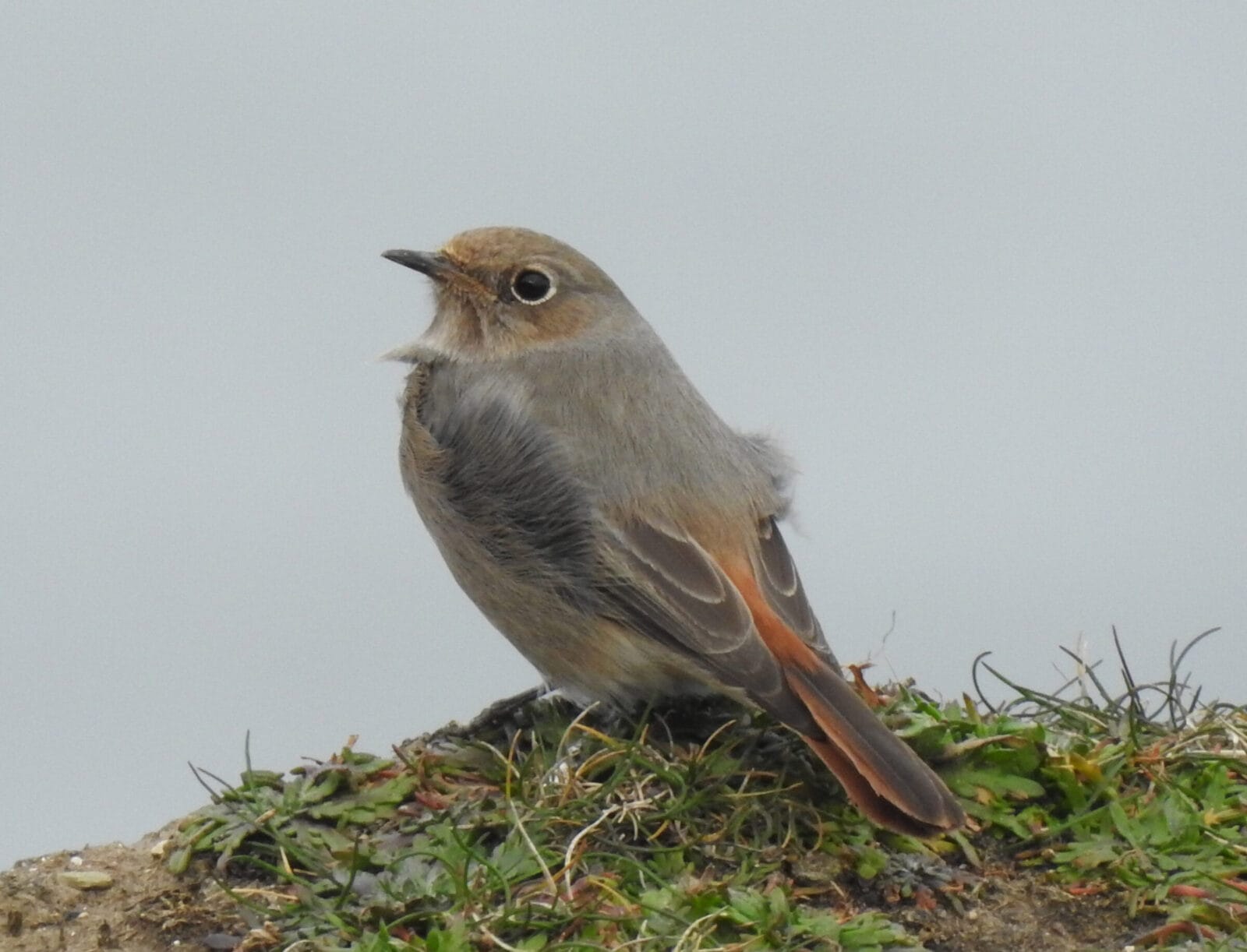
Black Redstart, Fog Station, by Alan Walkington (6/3)
An overcast day, with light rain for most of the daylight hours, a light/moderate westerly wind and temperatures reaching seven degrees C. The morning seawatch was quiet, although the first Kittiwake had returned to the cliffs. The Thornwick area attracted 20 Teal, three Coots, two Jack Snipe and eight Snipe. On the opposite side of the headland, single Woodcock and Chiffchaff were located in the main ravine at South Landing.
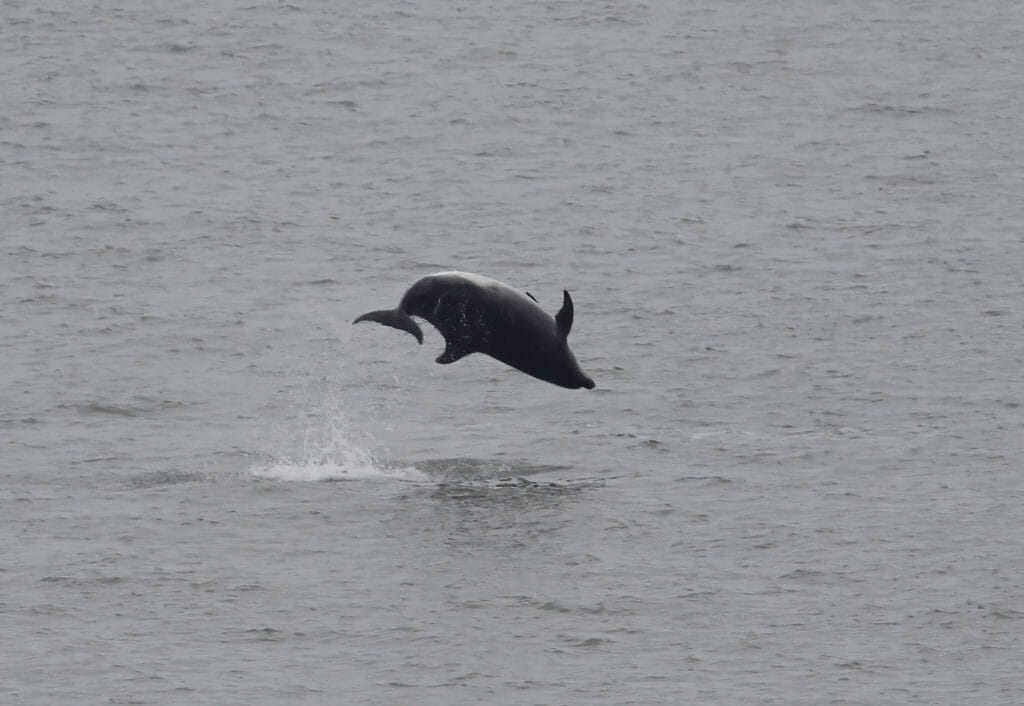
The weather featured light winds that backed west-north-west to southerly, relatively overcast skies and temperatures reaching nine degrees C. A drake Mandarin flew past the Fog Station on four occasions during the morning a seawatch, but equally noteworthy a pod of 20-25 Bottlenose Dolphins swam south past RSPB Bempton Cliffs and latterly the outer head early/mid-morning.
Away from the sea, the White-tailed Eagle tantalised the headland when it circled over Sewerby Hall at height before drifting south over Bridlington at 1215hrs. Other notable sightings included three Long-tailed Ducks off South Dykes, two Woodcock, two Fieldfare and a singing Chiffchaff.
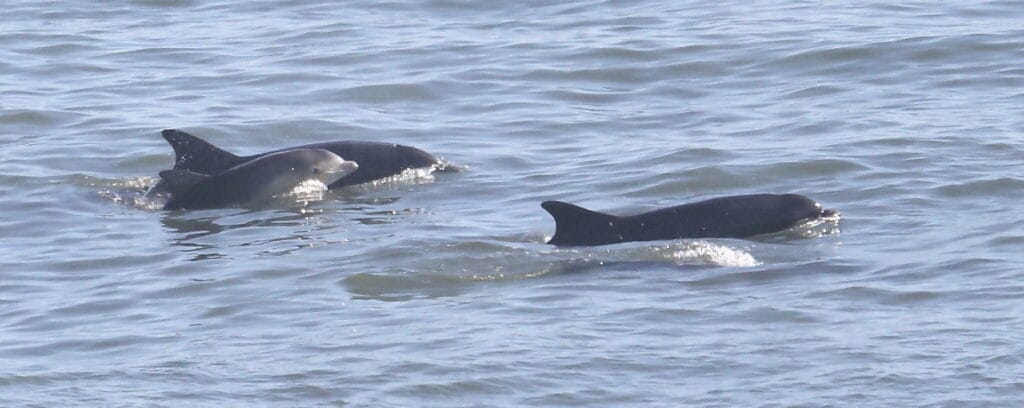
White-tailed Eagle, Sewerby, both images Jo SymonBottlenose Dolphin, Flamborough, by Craig Thomas
The weather comprised moderate/strong south-south-westerly winds, light rain off and one throughout the day and temperatures that reached eight degrees C. A seawatch at North Landing was rewarded with 19 Red-throated Divers flying south, two adult Lesser Black-backed Gulls and a Grey Wagtail. Thornwick Pools attracted a Shelduck, 13 Teal and three Coot, whilst the Woodcock continued to show well at South Landing.
Gale force westerly winds accompanied squally showers during the morning, with the wind gradually slackening in the afternoon, with temperatures reaching nine degrees C. The seawatch was quiet, with seven Common Scoters and 15 Red-throated Divers flying south. Sightings at South Landing included two Stonechat and a Grey Wagtail. A pod of Bottlenose Dolphins once again moved south past RSPB Bempton Cliffs in the morning.
After an overcast morning, sunny spells developed during the afternoon, with blustery south-westerly winds throughout and temperatures reaching six degrees C. An Eider and a Lesser Black-backed Gull flew north on the seawatch, with three Knot heading south. The North Marsh area hosted 42 Wigeon, 40 Teal, an Oystercatcher, four Dunlin and ten Curlew; six Snipe and two Woodcock were also located elsewhere. Passerine interest included four Chiffchaffs, indicating a small arrival, 45 Redwing and a Siskin.
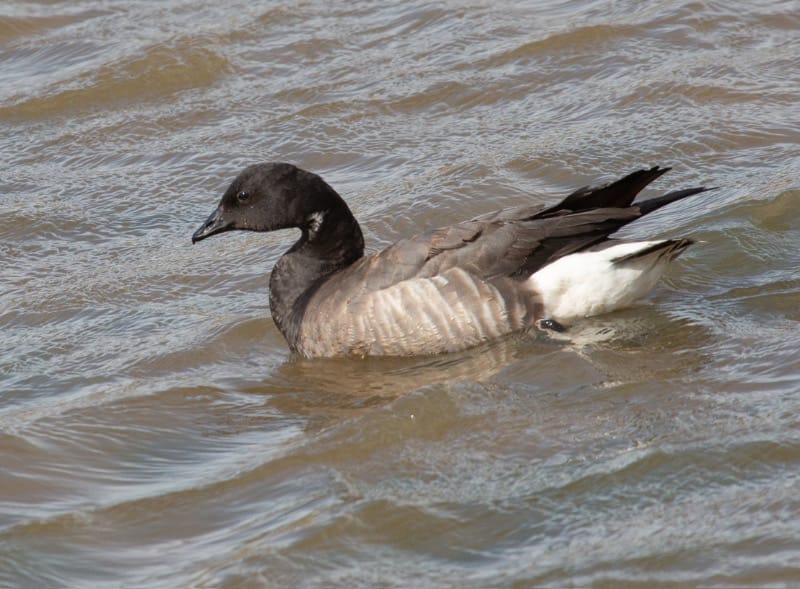
A day of strong north-west winds, sunny intervals and showers, with temperatures reaching five degrees C. A dark-bellied Brent Goose flew north during the seawatch, with three Eider and a Lesser Black-backed Gull heading in the opposite direction. The headland’s freshwater sites attracted a Pink-footed Goose, two Shelduck, 40 Wigeon, 50 Teal, 12 Curlew, four Snipe and a Jack Snipe, whilst a Woodcock lingered at South Landing.
The weather consisted of sunny intervals, a moderate/strong north-westerly wind and temperatures reaching nine degrees C. Seawatch highlights included two Eider, 30 Common Scoter, 18 Red-throated Divers and three adult Little Gulls all flying south. Wildfowl interest included a Pink-footed Goose, a Shelduck, 36 Wigeon, 30 Teal and two Long-tailed Ducks, the latter on the sea off South Dykes. A Water Rail flushed from a ditch on the outer head was undoubtedly a migrant, whilst a lone Woodcock remained in South Landing. Passerine interest included five Redwing and a Chiffchaff.
Moderate/strong north-north-westerly winds, sunny intervals and temperatures that reached eight degrees C. A second/third calendar-year Glaucous Gull flew north during the morning’s seawatch that also featured 31 Puffins moving in the same direction. The lone Pink-footed Goose continued in residence with the local Greylag flock, with a Shelduck, 16 Teal and four Coot at Thornwick Pools. Two Grey Wagtails included an individual at the latter site, while a Siskin attended a garden on the southern edge of the village.
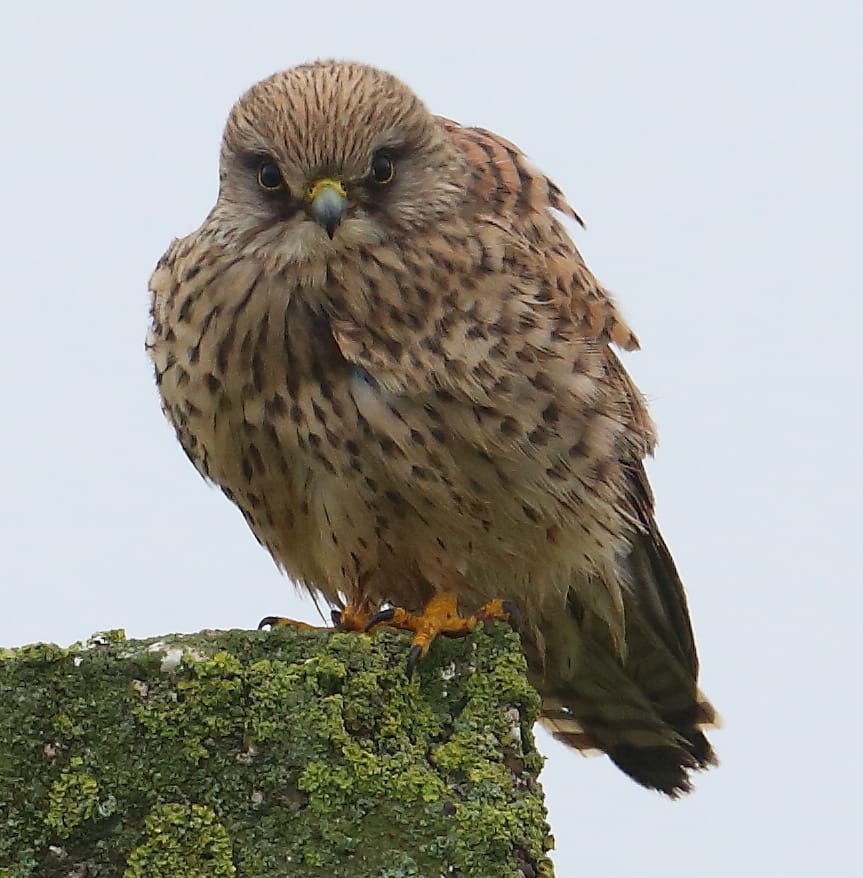
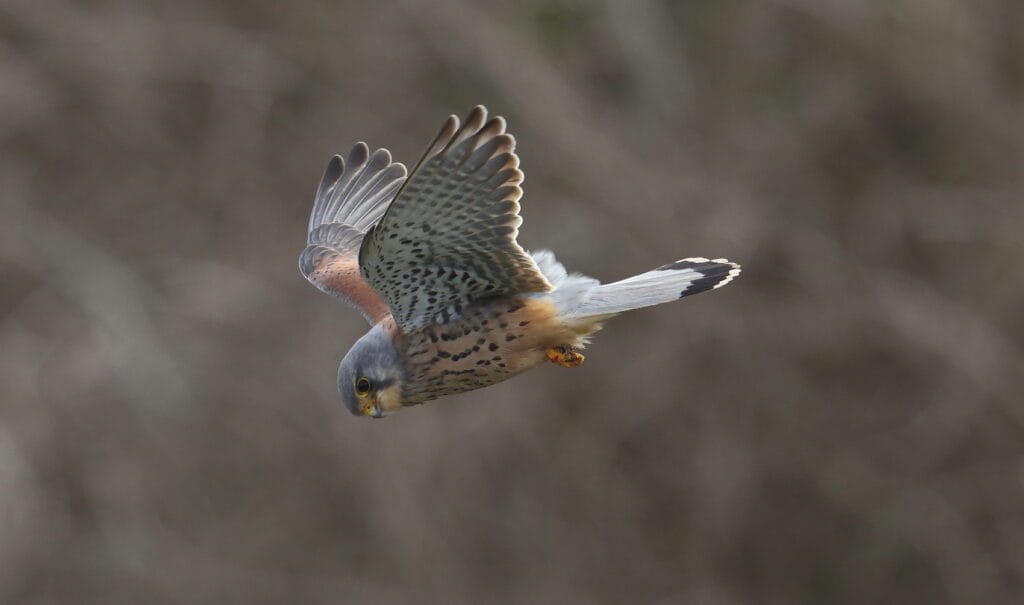
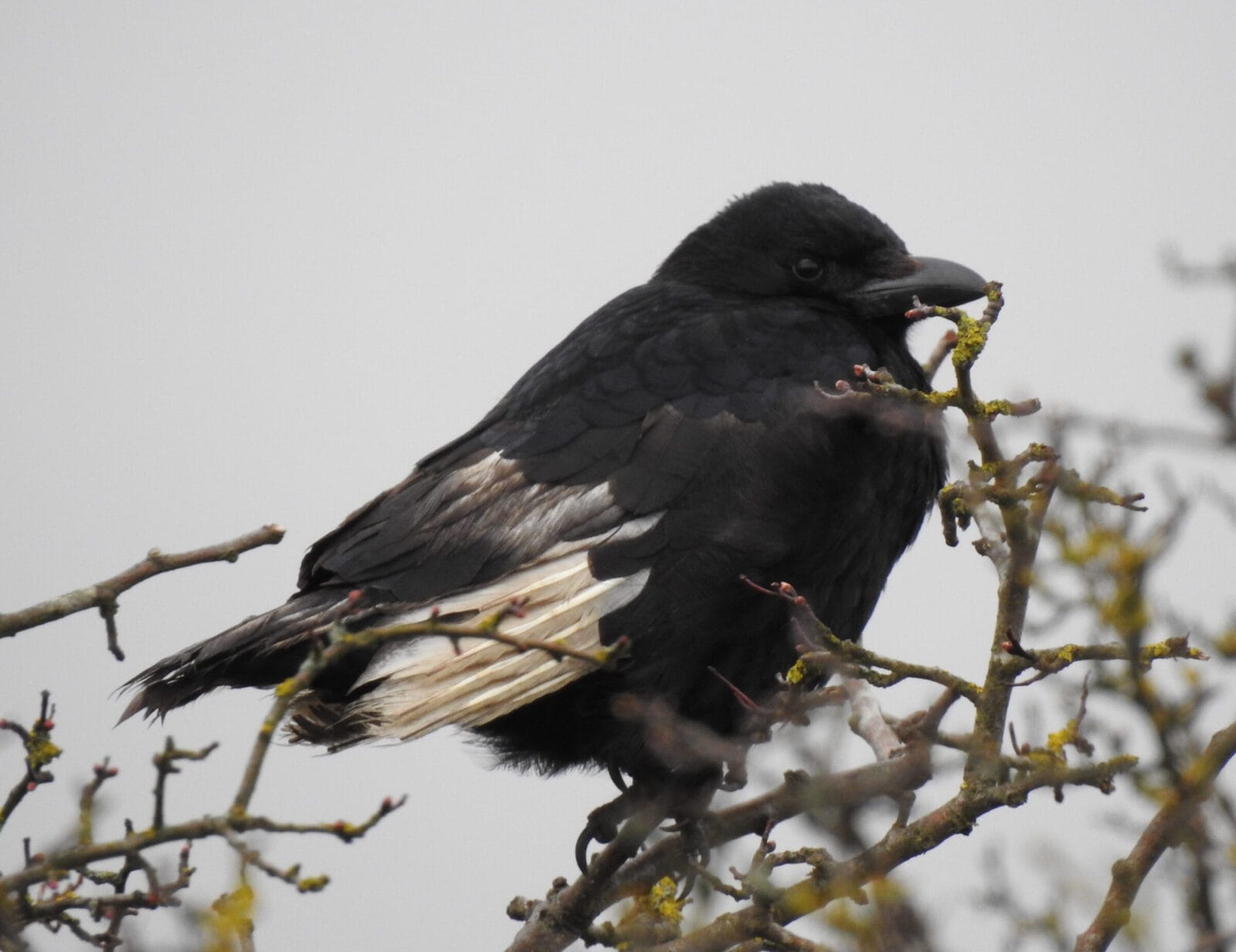
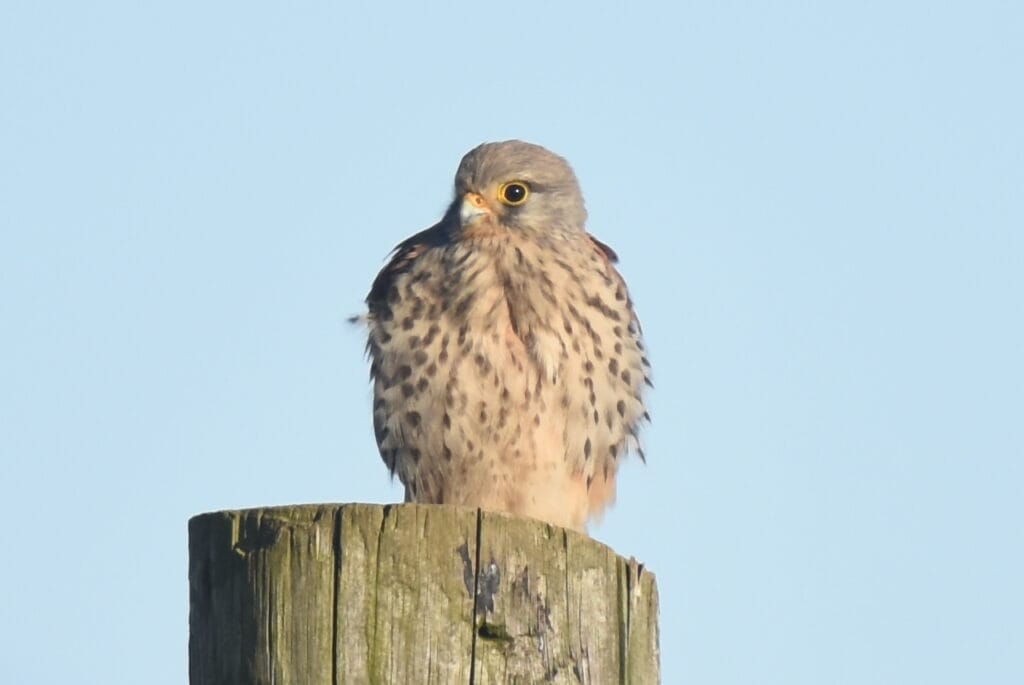
Kestrel, Fog Station, by Alan WalkingtonCarrion Crow, Flamborough, by Brett Richards
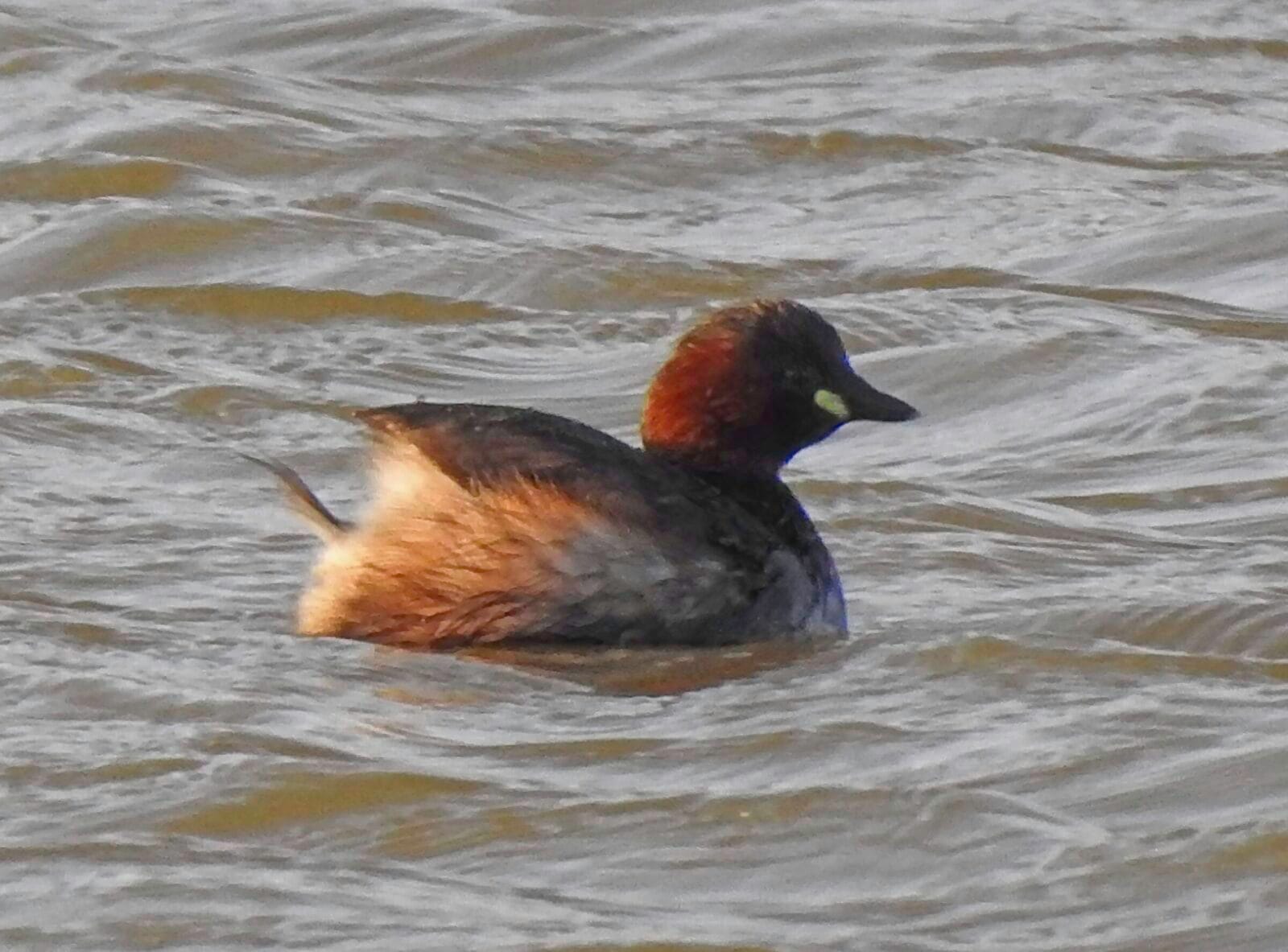
Winds, initially light from the south-west, veered north-west during the day and strengthened; sunny intervals developed after initial light rain and temperatures reached ten degrees C. A Tufted Duck flew north during the morning seawatch, with the male Black Redstart still in residence around the Fog Station. Thornwick Pools attracted the year’s first Little Grebe , with additional migrants including two Woodcock, 35 Redwing, four Chiffchaff and two Grey Wagtails.
Moderate north-north-west winds were a feature of a day that started overcast, but with prolonged sunny spells later and temperatures reaching eight degrees C. Two Great Northern Divers flew north during the morning seawatch, a Short-eared Owl was offshore briefly before heading back inland, whilst the male Black Redstart continued to inhabit the cliffs around the Fog Station; a Redpoll sp. also overhead represented the first of the year.
Thornwick Pools attracted a Shelduck, 45 Teal, a Little Grebe and four Coot, with 1200 Starlings on the nearby camp. Two Woodcock continued to roost in South Landing.
Overcast, with spells of light rain and a moderate/strong north-north-west wind. A pale ‘dilute’ Fulmar represented the highlight of a seawatch that also featured two Woodcock flying in off. The sea off South Dykes offered shelter to a Great Northern Diver, seven Great Crested Grebes, a drake Goosander, a drake Tufted Duck, four Eider and five Long-tailed Ducks. In addition, 80 Pink-footed Geese flew north, two Siskins visited a village garden and a Snow Bunting was on the Golf Course.
Sightings from RSPB Bempton Cliffs included a Short-eared Owl and five Snow Buntings, with the latter flying north-west.
The most significant news was the late reporting of a White-billed Diver photographed at close range off South Landing on 7th March by a visitor.
Winds remained in the north, with a heavy overcast, thick mist for much of the day accompanied by light drizzle and temperatures reaching a miserly six degrees C. During the seawatch, three Shelduck, an Eider, 803 Fulmars, a Blue Fulmar and 109 Puffins flew north. Nine Bottlenose Dolphins swam north out of Bridlington Bay during the day (groups of two and seven).
The North Marsh area hosted 37 Wigeon, 76 Teal, 12 Curlews and an Oystercatcher. The Thornwick area attracted a Pink-footed Goose, Shelduck, 13 Teal and a Little Grebe. Passerine interest included a Redwing, 2950 Starlings (Mid Dykes), a Grey Wagtail, two Scandinavian Rock Pipits (Fog Station), four Siskin, a Snow Bunting and a Lapland Bunting.
White-billed Diver, South Landing, by Ian Aitken (7/3)Snow Bunting, Golf Course, by John McLoughlin
A subtle shift from light north-west winds and overcast skies to light south-westerlies and sunshine resulted in temperatures rising from six degrees to 15 degrees C by mid-afternoon. Large numbers of Puffins were back in residence, with 89 flying north during the seawatch, 25 around the Fog Station and 778 on the sea between Thornwick Nab and North Dykes.
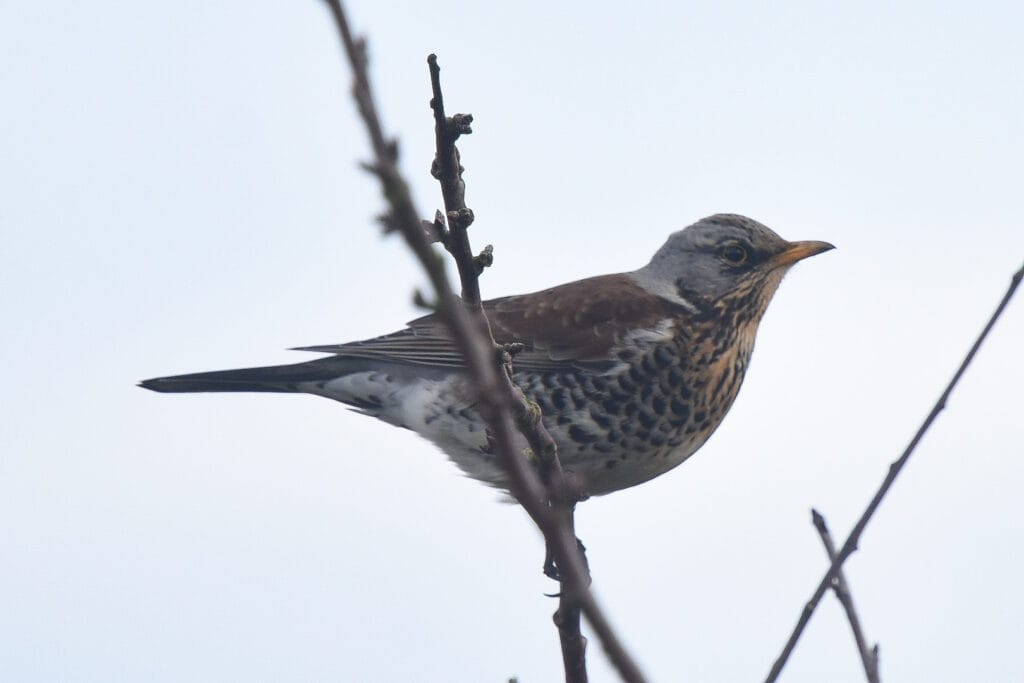
A flock of 20 Whooper Swans and a skein of 38 Pink-footed Geese flew north over the headland. The headland’s freshwaters attracted one Pink-footed Goose, a Shelduck, 73 Teal, 43 Wigeon, a Little Grebe and nine Coot. Six Lapwing were new arrivals, with a Woodcock and two Snipe remaining. Passerine interest included two Chiffchaffs, 5000 Starlings, 26 Redwing, a Fieldfare, the male Black Redstart at the Fog Station, six Scandinavian Rock Pipits, the year’s first White Wagtail, four Siskin, two Lapland Buntings and a Snow Bunting. Notable sightings from RSPB Bempton Cliffs included a White Wagtail and a Snow Bunting.
Light/moderate north-north-westerly winds gradually dropped in strength during a largely sunny day, with temperatures reaching nine degrees C. Four Long-tailed Ducks and a Great Northern Diver were on the sea off South Dykes, whilst a Nuthatch and a singing Chiffchaff were located in the nearby wood. Elsewhere notable sightings included a Pink-footed Goose, 35 Wigeon, 92 Teal, 13 Curlew, two Lapwing and two Woodcock. Eight Redwing remained on the outer head, along with the male Black Redstart, 18 Pied Wagtails and seven Siskin.
Light variable winds eventually settled into easterlies during the afternoon, with sunshine throughout and temperatures reaching ten degrees C. After the prolonged northerly winds of late, it felt like a day when migrants might feature and so it proved. Two skeins containing a total of 123 Pink-footed Geese flew north in the morning, whilst a Water Rail frequented the Golf Course Willows. The year’s first two Hooded Crows fed on recent plough at Northcliffe, and were joined on the outer head by 15 Goldcrests, five Chiffchaffs, five Redwing, a Fieldfare, four Stonechats, two Black Redstarts (a female joining the long-staying male near the Fog Station), a White Wagtail (Hartendale) and six Siskin. In addition, the pod of 20 Bottlenose Dolphins re-appeared off the headland.
Bottlenose Dolphins, Fog Station, by Alan Walkington
The weather consisted of overcast skies, a strengthening south-west wind and temperatures reaching ten degrees C. Twenty Eider on the seawatch was a surprise, with 16 north and four south. Fifty Pink-footed Geese flew north over the headland, whilst 45 Wigeon and a Woodcock remained in residence. Migrant passerines included three Hooded Crows, six Chiffchaffs, 12 Goldcrests, 26 Redwing, a Black Redstart and a Snow Bunting.
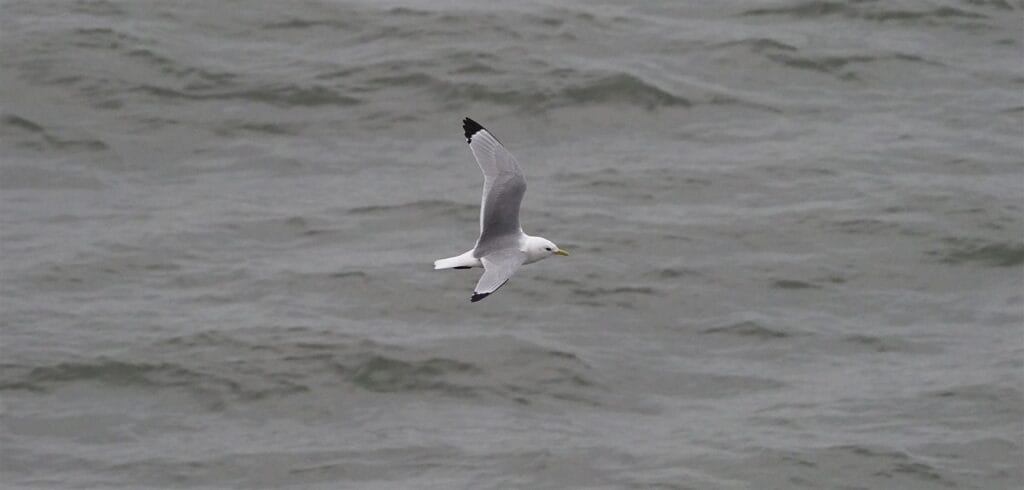
Kittiwake, Fog Station, by Phil BuxtonBlack Redstart, outer head, by Brett Richards
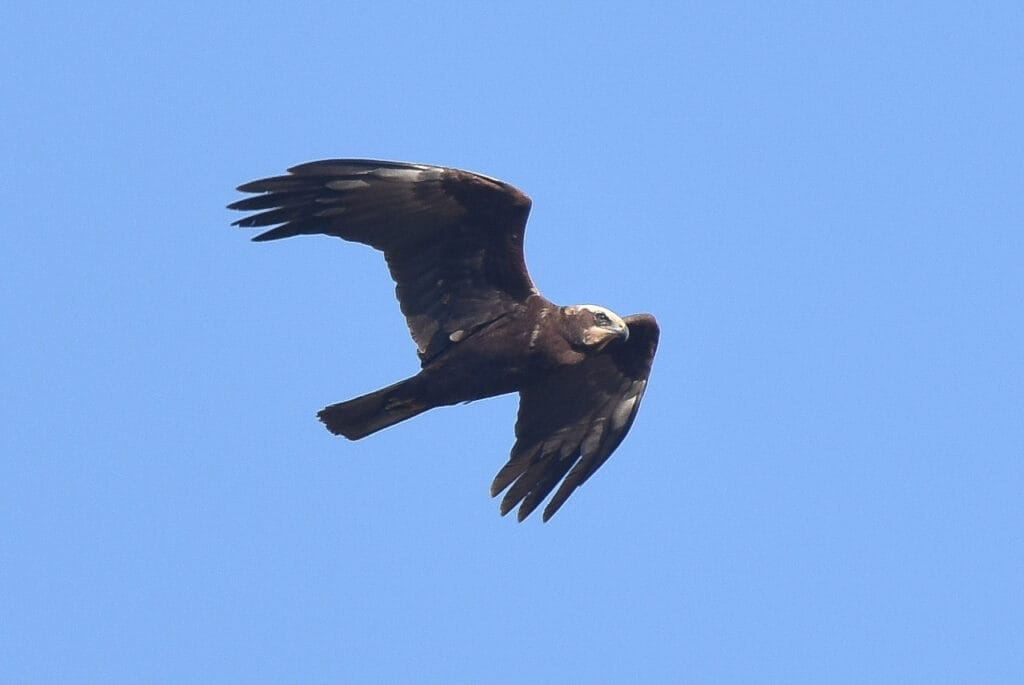
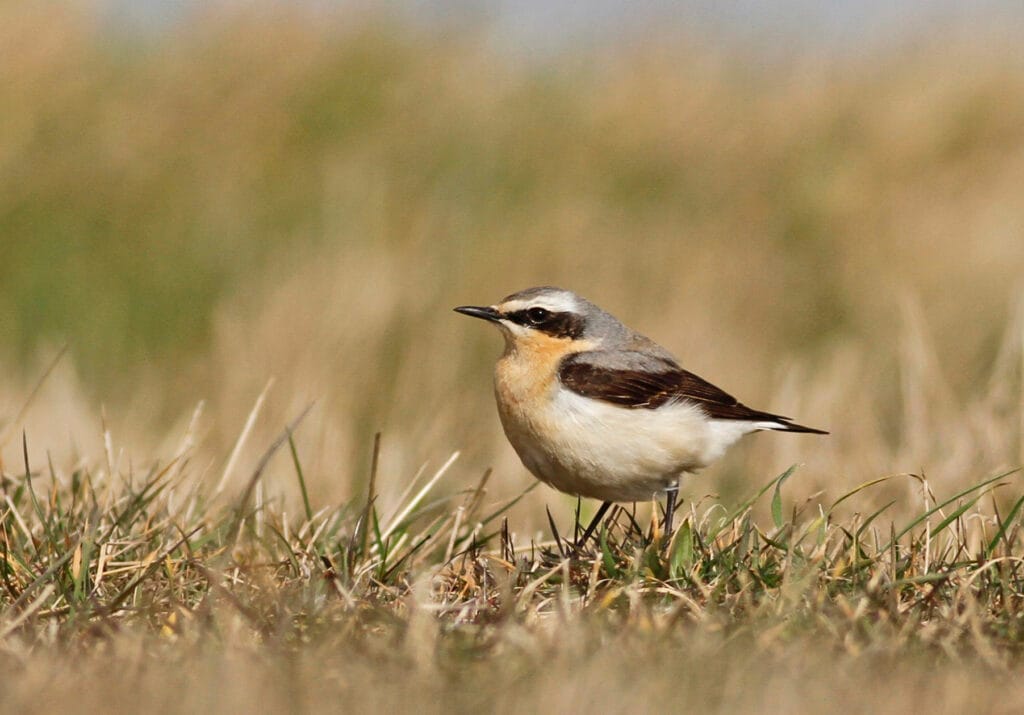
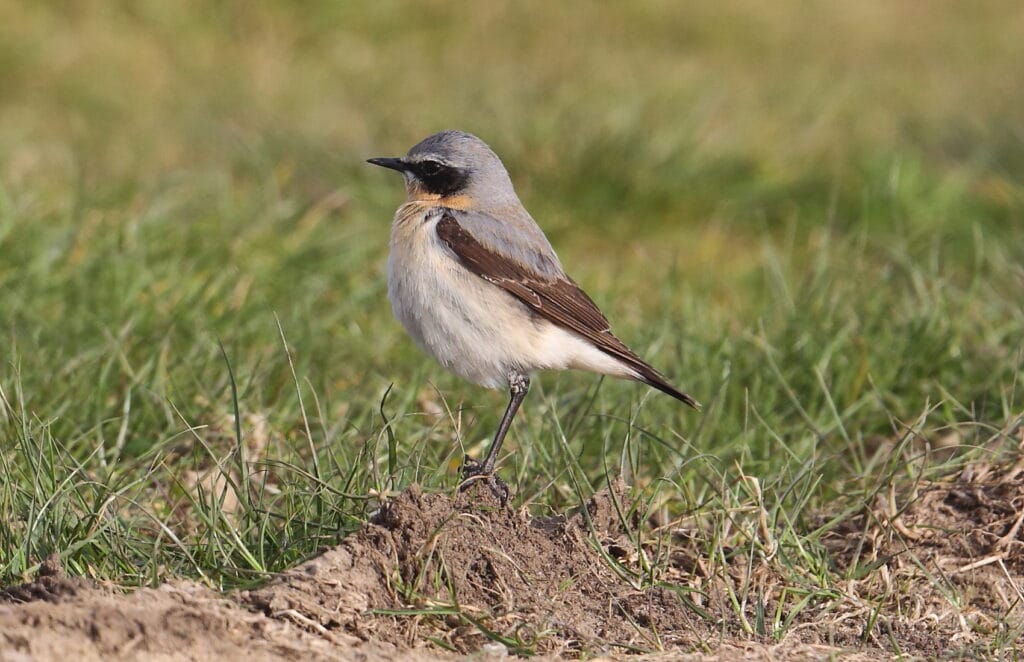
Sunny intervals throughout, with a light/moderate south-west wind and temperatures reaching 14 degrees C; ideal conditions to aid the arrival of early spring migrants. The year’s first two Sandwich Terns flew north during the morning seawatch, with a Grey Plover heading south. The south-westerly airflow also encouraged a Red Kite and a creamcrown Marsh Harrier to visit the headland, while wader interest included two pairs of displaying Lapwing, a Ringed Plover, 20 Curlew and four Woodcock. An influx of Chiffchaffs took place, with 13 arriving during the day; better still, the year’s first Wheatear frequented the Golf Course. Other notable passerine records included seven Fieldfare, 13 Redwing, seven Goldcrests, five Stonechats, two Black Redstarts, spring’s first Brambling, three Siskin and the Snow Bunting.
The weather consisted of light/moderate south-west winds, sunny intervals establishing after an overcast start and temperatures that reached 13 degrees C. A Manx Shearwater that flew north during the seawatch was noteworthy.
A Pink-footed Goose, three Shelduck and a Little Grebe remain in residence, whilst a single Little Ringed Plover at Thornwick New Workings represented a particularly early local record. Two Shelduck and a Woodcock were also located at South Dykes. Seven Chiffchaffs were present on the outer head, with another at RSPB Bempton Cliffs, whilst the outer head also attracted two male Black Redstarts.
Moderate/strong south-south-westerly winds veered westerly later and gradually dropped in strength; sunny intervals and occasional showers with temperatures peaking at 11 degrees C. A dark-bellied Brent Goose and six Eider flew north during the seawatch. The Little Grebe was still in residence at Thornwick Pools, whilst a Dunlin was on seasonal flood near North Marsh. Migrant passerines included eight Chiffchaff, a male Wheatear and a Black Redstart (Hartendale).
Blustery westerly winds featured throughout a day of sunny intervals and temperatures that reached nine degrees C. Sixteen Common Scoters, three Red-throated Divers and 53 Common Gulls flew south during the morning seawatch. Wildfowl interest on the headland included eight Wigeon and 44 Teal. Two Red Kites flew west over Thornwick Pools, whilst two Woodcock were still present. Six Chiffchaffs were in residence, as was a Black Redstart for its second day at Hartendale.
Sightings from RSPB Bempton Cliffs included one Short-eared Owl, a White Wagtail flying north-west and a Black Redstart.
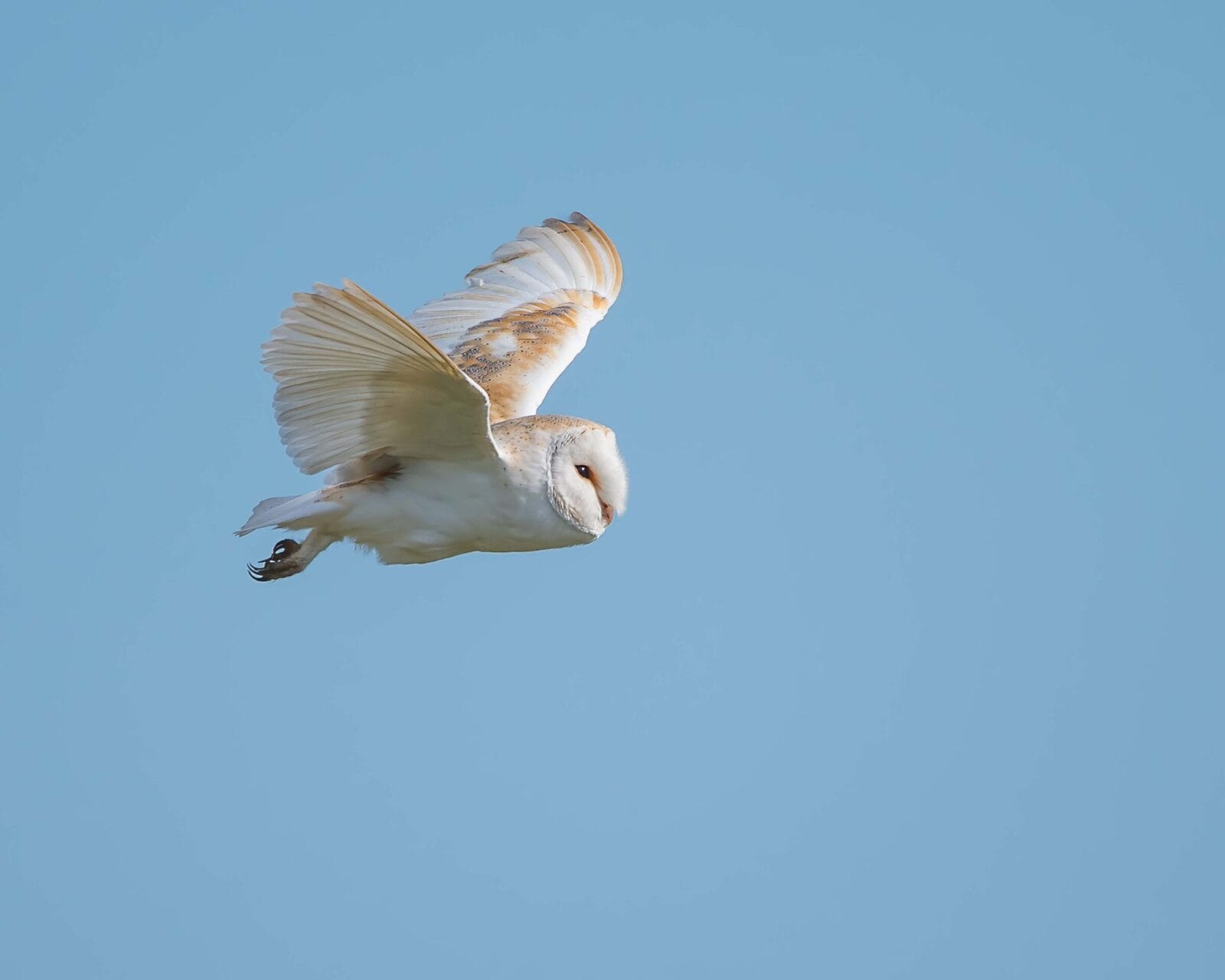
Barn Owl, Lighthouse Grassland, by Alan Walkington
An overcast day, with strong south-westerly winds and temperatures reaching 11 degrees C. A Pink-footed Goose continued to accompany the Greylag flock, whilst Thornwick Pools attracted a Shelduck, 14 Teal, five Coot, the year’s first two Sand Martins and a White Wagtail. The Black Redstart lingered along Water Lane, with another Black Redstart remaining at RSPB Bempton Cliffs, where 25 Bottlenose Dolphins swam south-east.
Another day of moderate/strong south-westerly winds, sunny intervals, but importantly temperatures reaching 16 degrees C by early afternoon. A Sandwich Tern flew north during the seawatch, with a Lesser Black-backed Gull heading in the opposite direction; 21 Purple Sandpipers remained on rocks below the Fog Station and several Bottlenose Dolphins swam north past Thornwick Nab early evening.
A pale-bellied Brent Goose dropped onto Thornwick Pools, while the lone Pink-footed Goose lingered on nearby fields. Migrant passerines included six Sand Martins, 15 Chiffchaffs, a Goldcrest, two Redwing and four Wheatears. RSPB Bempton Cliffs attracted a Sand Martin and the headland’s first House Martin of the year.
pale-bellied Brent Goose, Thornwick Pools, by Robert McLaughlin
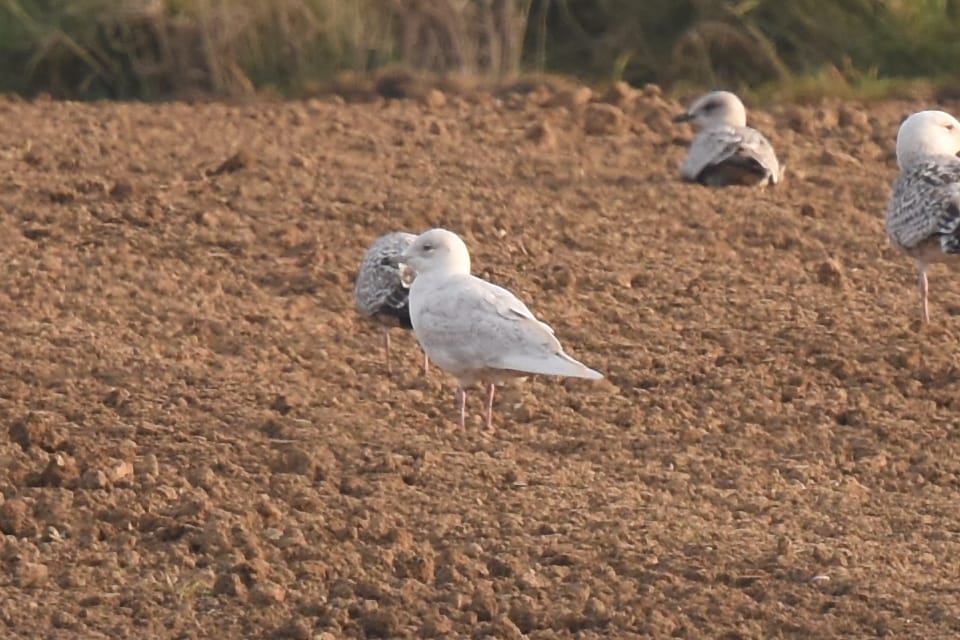
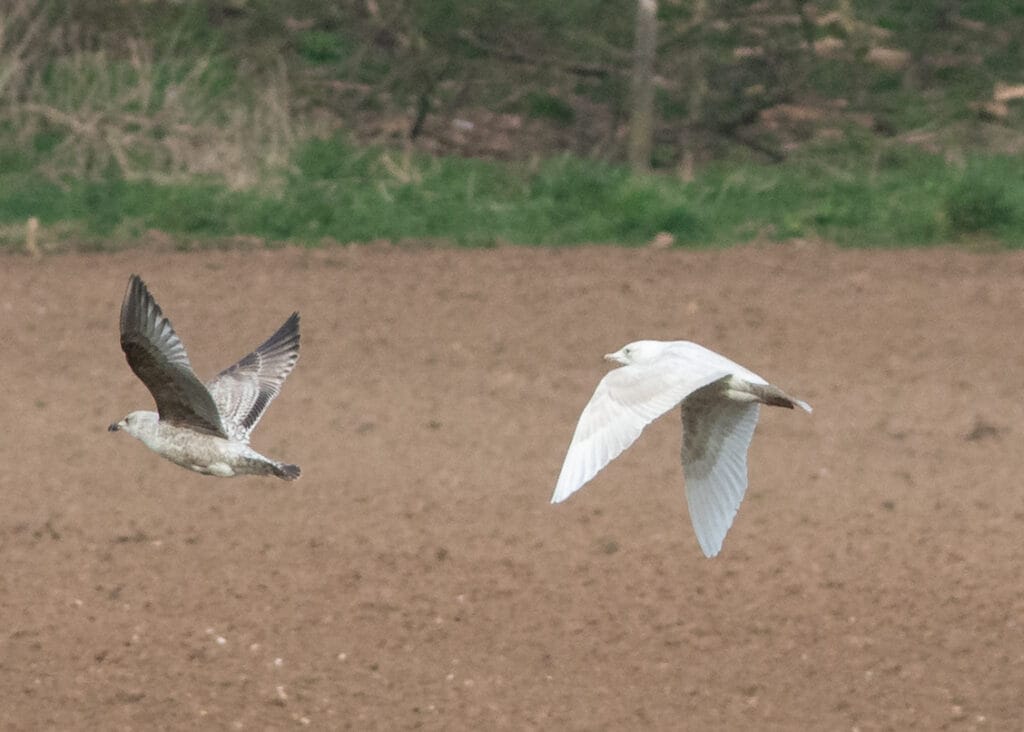
The weather always looked conducive for migration and so it proved, with an array of interesting sightings; a light south-west wind backed easterly in the afternoon, with sunshine throughout and temperatures peaking at 16 degrees C. A northerly movement of 655 Pink-footed Geese took place during the morning, with 265 moving over the sea and 390 over the headland itself. Thornwick’s New Workings attracted a pair of Little Ringed Plovers. A third calendar-year Iceland Gull flew south past RSPB Bempton Cliffs before settling on the outer head late afternoon. Already a good spring, with two different individuals to date, two White-tailed Eagles circled offshore at RSPB Bempton Cliffs. It appeared one bird gained height and probably headed south over the headland, whilst the other individual flew around the cliffs past the lighthouse before crossing Bridlington Bay. A Red Kite had earlier flown west over the Golf Course and latterly South Landing. Migrant passerines included 28 Sand Martins, three Swallows, 19 Chiffchaff, two Blackcaps, a Goldcrest, the year’s first Ring Ouzel, three Redwing, four Fieldfare, a Black Redstart, 17 Wheatears and a Redpoll.
Additional sightings from RSPB Bempton Cliffs included 24 Whooper Swans on the sea, three Short-eared Owls, 15 Sand Martins, two Swallows, five Chiffchaffs (with another duo at Buckton), 383 Meadow Pipits moving north-west and two Corn Buntings.
White-tailed Eagle, RSPB Bempton Cliffs, by Will ScottWhite-tailed Eagle, outer head, by Craig ThomasIceland Gull, Oceanview, by Andy Hood
Light south-westerly winds backed northerly later and gradually increased in strength; skies were sunny throughout and temperatures reached 16 degrees C. A skein of 60 Pink-footed Geese moved north in the morning, with wader interest including two Little Ringed Plovers at Thornwick and two Golden Plovers. The third calendar-year Iceland Gull overflew the village before settling in recently tilled fields at Hartendale. Notable migrant totals involved 29 Sand Martins, a Swallow, 14 Chiffchaffs, seven Blackcap, three Goldcrests, four Fieldfare, 17 Redwing, five Black Redstarts, five Wheatear, eight Siskin and six Corn Buntings.
Sightings from RSPB Bempton Cliffs included two Short-eared Owls, the headland’s first Willow Warbler of the year, five Chiffchaffs, a Blackcap, three Goldcrest, a Siskin and three Corn Buntings. A Blackcap, two Goldcrests and two Lapland Buntings were seen at Buckton.
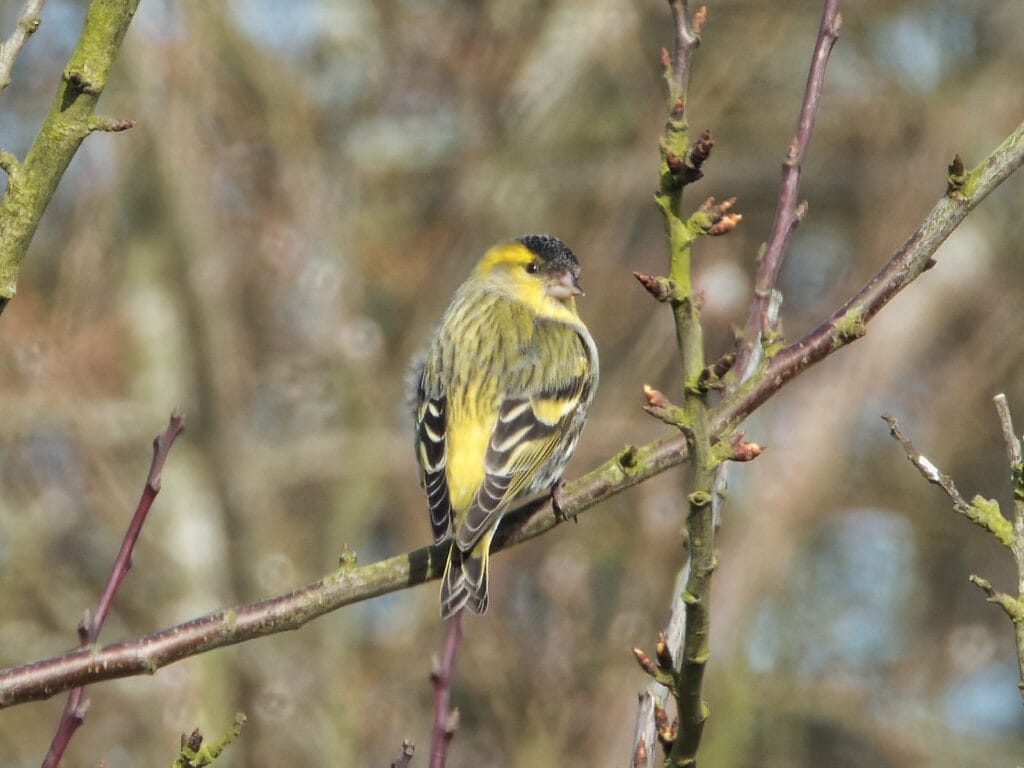
Iceland Gull, Hartendale, by Jo HoodBlack Redstart, outer head, by Chrys Mellor
The weather consisted of strong north-north-easterly winds that gradually eased during a day that started overcast, with temperatures reaching eight degrees C. During the seawatch, a Great Northern Diver flew south and three Manx Shearwaters moved north; two Long-tailed Ducks were still in residence on the sea off Hartendale. Unsurprisingly, there were fewer migrants in evidence given the cooler temperatures, with notable sightings: two Little Ringed Plovers, 12 Chiffchaff, a Blackcap, four Goldcrests, four Wheatears, two Black Redstarts and a Brambling.
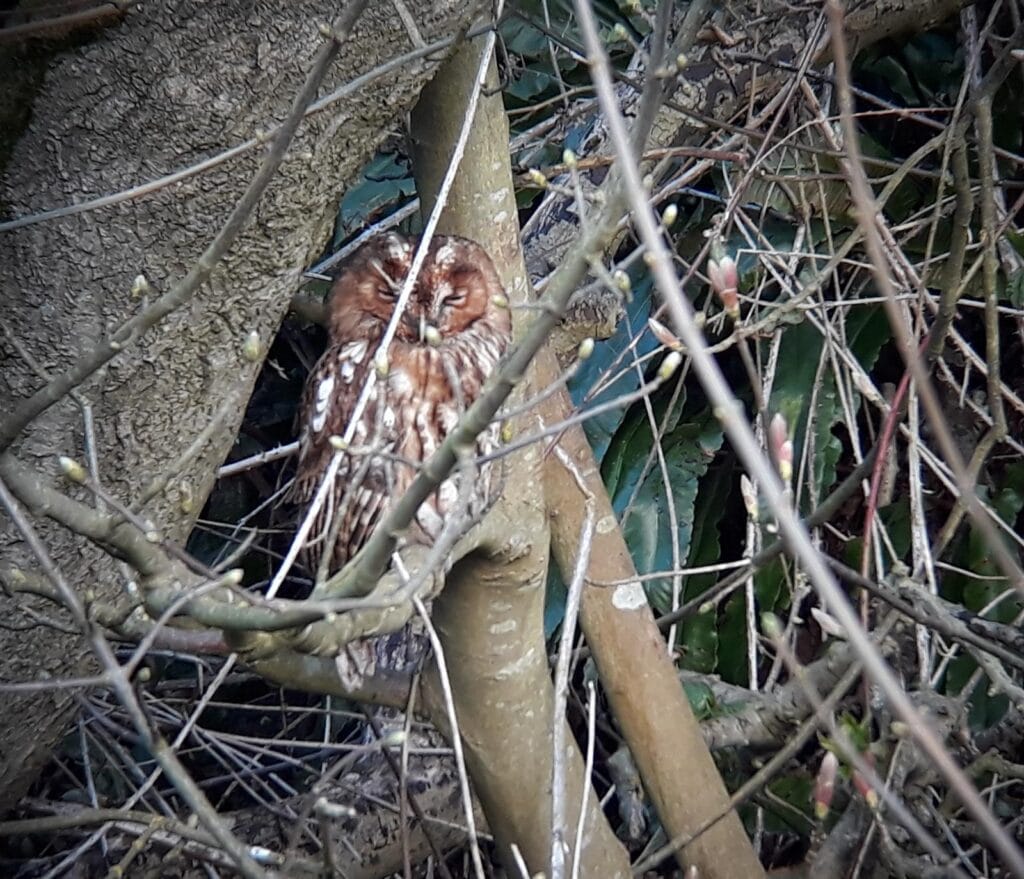
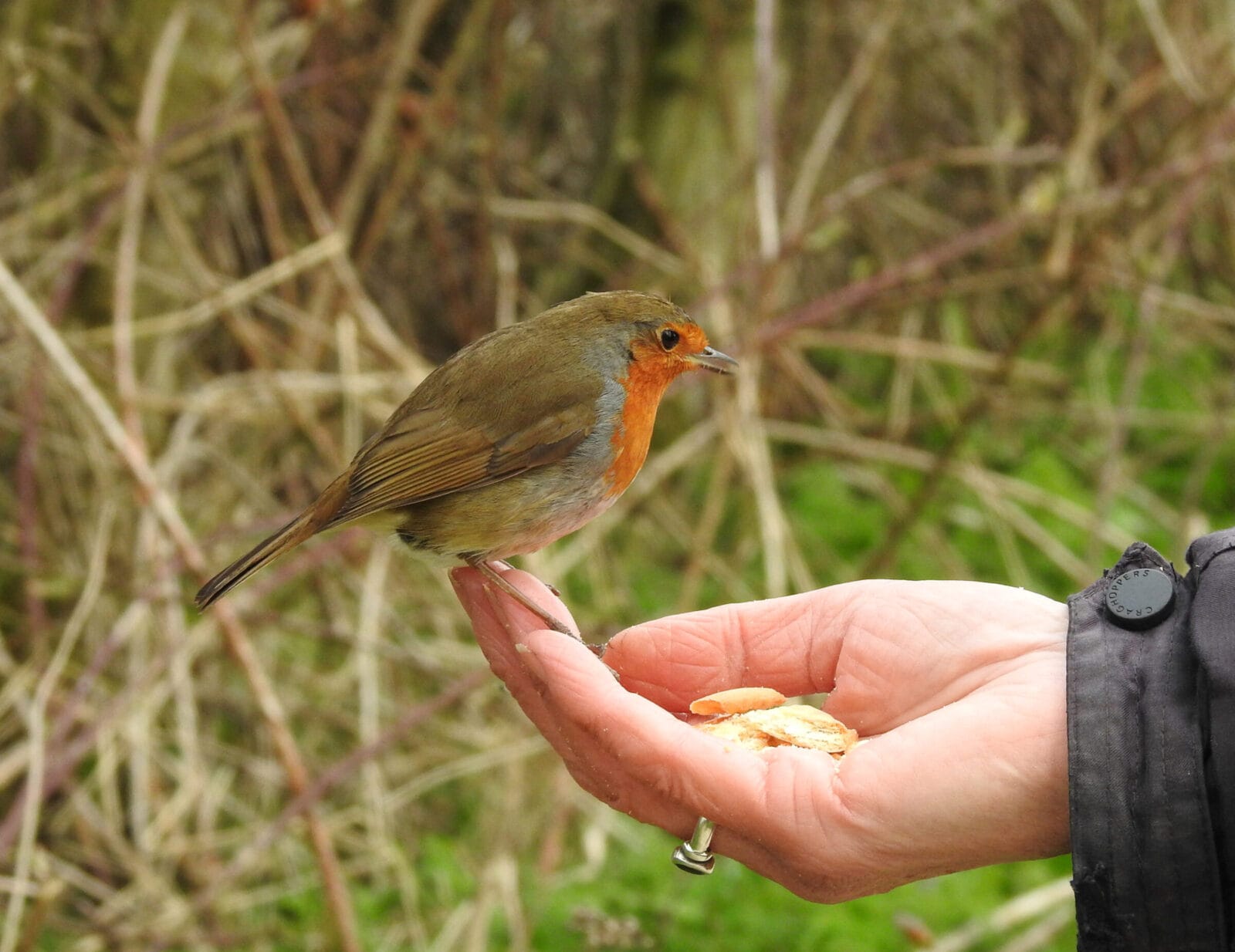
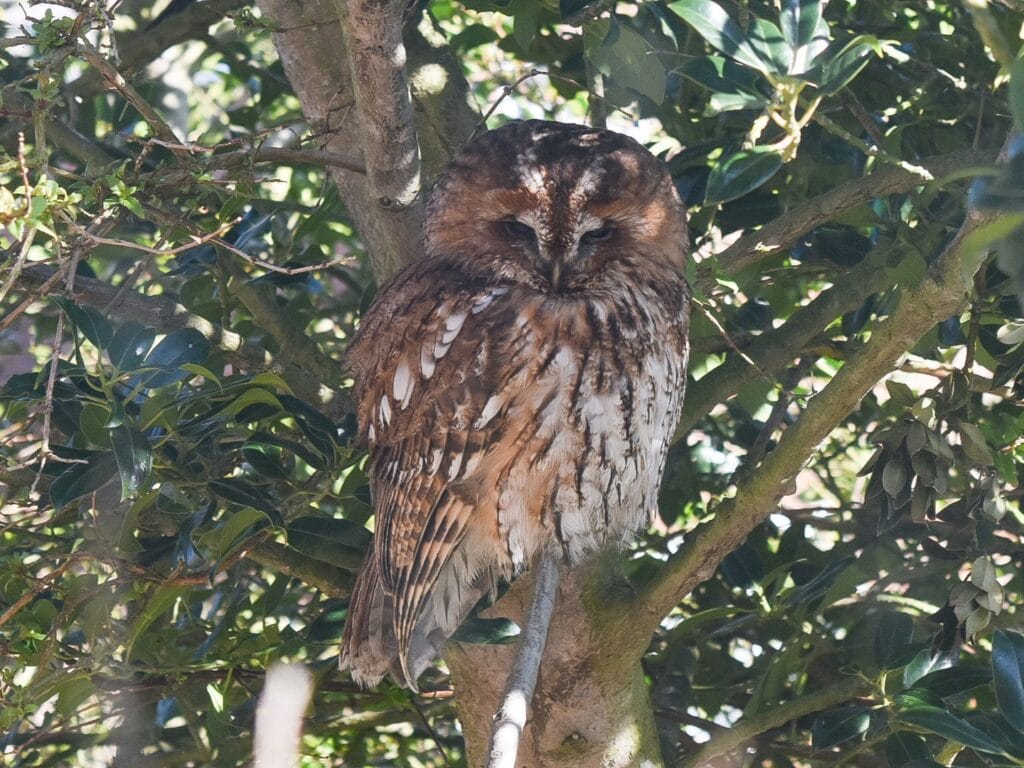
Tawny Owl, South Landing, by John McLoughlinRobin, South Landing, by Brett Richards
Strong north-north-east winds throughout, overcast skies with sunny intervals later and temperatures reaching seven degrees C. Seawatching proved productive, with 19 Eider, two Goosander, a Great Northern Diver, a Sandwich Tern and two Bonxies flying north. The Pink-footed Goose continued to linger, along with 73 Teal and two Little Ringed Plovers. Spring passerines were scarce, with a mere three Sand Martins remaining, along with a male Blackcap, two Black Redstarts, a Brambling and two Siskin.
Strong and cold north-north-westerly winds and overcast skies featured throughout the morning, with the wind gradually dropping in strength during an afternoon that contained occasional sunny intervals; temperatures reached six degrees C. Highlights of the morning seawatch included five Eider, a Great Northern Diver (north), five Manx Shearwaters (3 north, 2 south), an ‘intermedius’ Lesser Black-backed Gull and a Bonxie. Two Little Ringed Plovers remained at Thornwick, with notable passerines sightings: seven Chiffchaff, two Blackcaps and two Black Redstarts.
Sunny throughout after a frosty start, with an increasingly strong westerly wind and temperatures reaching 15 degrees C by mid-afternoon. Waterfowl interest included a Pink-footed and a pale-bellied Brent Goose on the outer along, along with two Little Grebes, 85 Teal and five Wigeon. Two Little Ringed Plovers, a Golden Plover, two Snipe and one Dunlin were also recorded. Migrant passerines were scarce, although 35 Sand Martins, a Redwing, 18 Chiffchaffs, a Blackcap, one Goldcrest, a Black Redstart and three Siskin were recorded.
The weather consisted of gale force 9 northerly winds, sunny intervals and occasional light snow flurries, with temperatures reaching a mere two degrees C by late morning. Such conditions produced spectacularly rough seas and the reward of Flamborough’s first ever spring Leach’s Petrel that lingered off the Fog Station for 15 minutes early afternoon. A total of 745 Fulmars, a Manx Shearwater and a Great Northern Diver flew north, with five Eiders and a Sandwich Tern moving south. The Black Redstart continued to frequent the shelter afforded by the Lighthouse Bushes, whilst a Golden Plover was an early morning visitor to the adjacent car park.
An adult Mediterranean Gull and two Sandwich Terns flew south at RSPB Bempton Cliffs.
Golden Plover, Lighthouse Car Park, by Brett Richards
Strong north-westerly winds continued to feature throughout another cold day, with sunny intervals, occasional light snow showers and temperatures that reached four degrees C. Two Great Northern Divers and a Manx Shearwater flew north during the morning’s seawatch. Later in the day, five Great Northern Divers frequented the sea off South Dykes. Two Little Ringed Plovers and a Golden Plover remained in residence, whilst a White Wagtail was a new arrival.
Another day of strong north-north-west winds although they gradually dropped in strength during a largely overcast day, with temperatures again reaching a paltry four degrees C. Seawatch highlights included a Manx Shearwater and two Sandwich Terns moving north. Five Great Northern Divers remained off the South Cliffs, along with two Long-tailed Ducks and five Eider. In the local context, a flock of 31 Sanderling on South Landing beach was exceptional. Three Chiffchaffs sheltered in the nearby ravine, with two Blackcaps also on the headland.
An overcast day, with a blustery south-west wind and temperatures reaching 11 degrees C. After two days of gale force northerlies, there was every chance of seabirds re-orientating back north and so it proved for one species at least – over 133,000 Razorbills flew north past the headland; unprecedented numbers that obliterated the previous highest daily count of 32,700. Other notable seawatch records included a Great Northern Diver flying south and a Blue Fulmar and two Sandwich Terns moving north. Four Great Northern Divers and two Long-tailed Ducks remained on the sea off South Dykes. A creamcrown Marsh Harrier flew east over the Dykes from Bempton village, while single Redwing and Brambling were the most notable passerines. A White Wagtail was located on plough at RSPB Bempton Cliffs.
Light winds veered westerly to north-easterly during a day of sunny intervals and temperatures that reached seven degrees C. Four Velvet Scoters, 30 Common Scoters and 11 Red-throated Divers flew south, with spring’s first two Whimbrel, two ‘intermedius’ Lesser Black-backed Gulls and 30 Sandwich Terns moving north.
The headland itself hosted a Pink-footed Goose, two Little Ringed Plovers, five Snipe and a Jack Snipe. Passerine migrants started to reappear after the week’s cold snap, including 29 Sand Martins, a Swallow, 16 Chiffchaff, five Blackcaps, a Fieldfare, one Redwing, two Wheatear, two White Wagtails and three Siskin. Sightings from RSPB Bempton Cliffs included two Short-eared Owls, a Swallow, one Wheatear and a White Wagtail.
Light winds varied direction between a north-westerly and north-easterly throughout yet another cold day; despite sunny intervals, temperatures only reached six degrees C. Three Great Northern Divers remained off South Dykes, along with a Great Crested Grebe and five Eider. A creamcrown Marsh Harrier flew east over South Landing. Migrant passerines included 34 Sand Martins, four Swallows, 11 Chiffchaffs, three Blackcaps, four Goldcrest, one Wheatear and two White Wagtails. Notable sightings from RSPB Bempton Cliffs: three Short-eared Owls, four Swallows, two Chiffchaffs, two Blackcaps, one Goldcrest and a White Wagtail.
A moderate/strong northerly wind pushed a series of heavy snow showers ashore during the morning, with sunny intervals later and morning temperatures no higher than three degrees C. A Blue Fulmar lingered offshore on an otherwise quiet seawatch. The sheltered bay between South Landing and South Dykes attracted two Great Northern Divers, four Great Crested Grebes, three Red-breasted Mergansers, seven Common Scoters and two Long-tailed Ducks. Thornwick Pools hosted a Ringed Plover and two Little Ringed Plovers.
A moderate north-westerly wind featured throughout another sunny, but cold day, with temperatures reaching six degrees C. Two Pink-footed Geese lingered near North Marsh, whilst two Pochard on the sea off South Dykes were particularly noteworthy; a species that is getting increasingly scarce. Wader interest included a Ringed Plover and three Little Ringed Plovers, with one of the latter on flooded flashes along Water Lane. Two Goldcrests, a Blackcap and three Siskin visited gardens on the southern edge of the village.
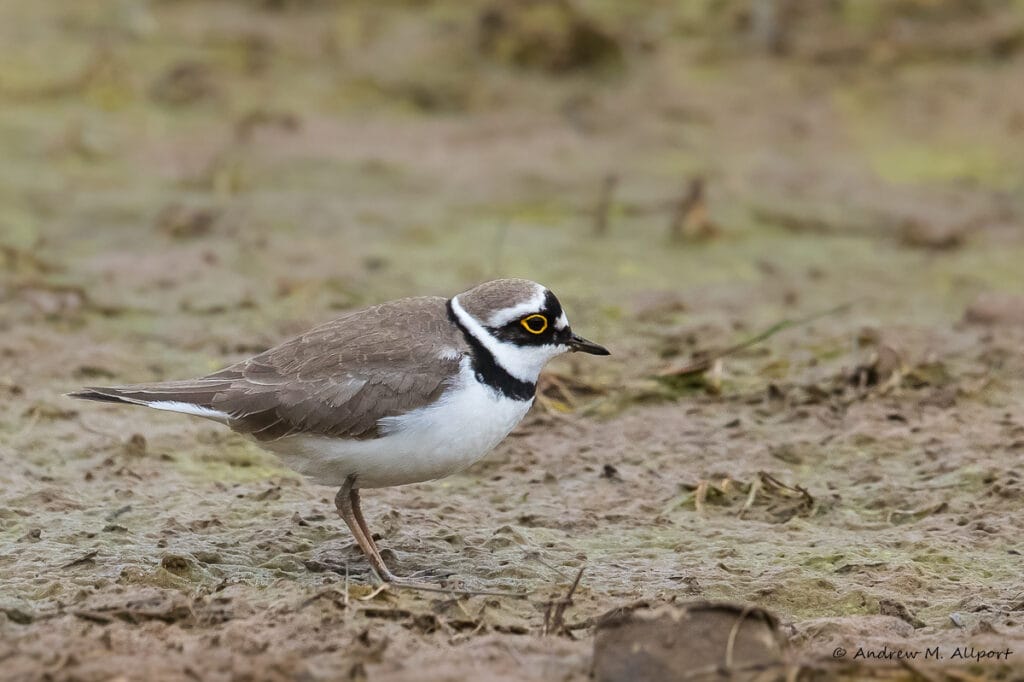
Little Ringed Plover, Thornwick Pools, by Andrew Allport
Sunny throughout, with a light wind backing from a north-westerly to an easterly direction, with temperatures reaching nine degrees C. An evening seawatch was rewarded with 30 Common Scoter flying south and a second calendar-year Little Gull and seven Sandwich Terns moving north. Three Great Northern Divers continued in residence on the sea off South Dykes, with nine Bottlenose Dolphins swimming north out of the Bay past the Fog Station. The improved weather conditions resulted in increased numbers of raptors drifting over the headland: 11 Sparrowhawks, two Marsh Harriers and 13 Common Buzzards were all recorded. Wader interest included two Little Ringed Plovers, a Ringed Plover and the year’s first Green Sandpiper. A Short-eared Owl on the outer head was a presumed migrant. Two Nuthatch were located, one typically in South Dykes, but the other at South Landing was more unusual. Notable migrant passerines included: 32 Sand Martins, nine Swallows, 13 Chiffchaff, five Blackcap, a Goldcrest, a Fieldfare, a Black Redstart, four Wheatears, three Siskin and a Brambling. Six White Wagtails accompanied 15 Pieds on a ploughed clifftop field at Buckon. Notable records from nearby RSPB Bempton Cliffs included two Short-eared Owls and a Wheatear.
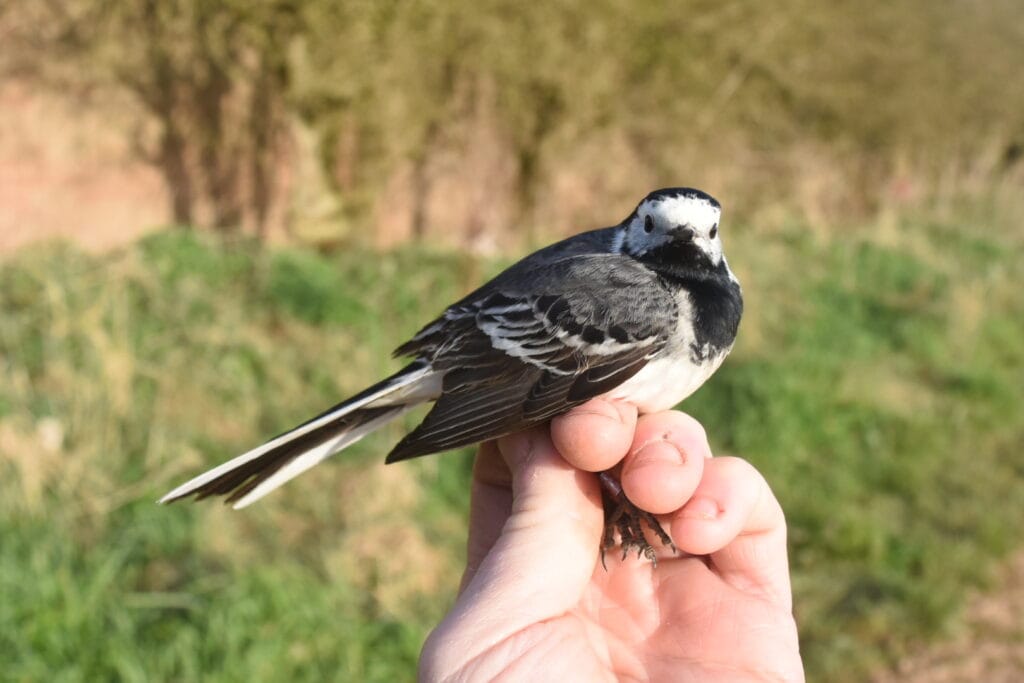
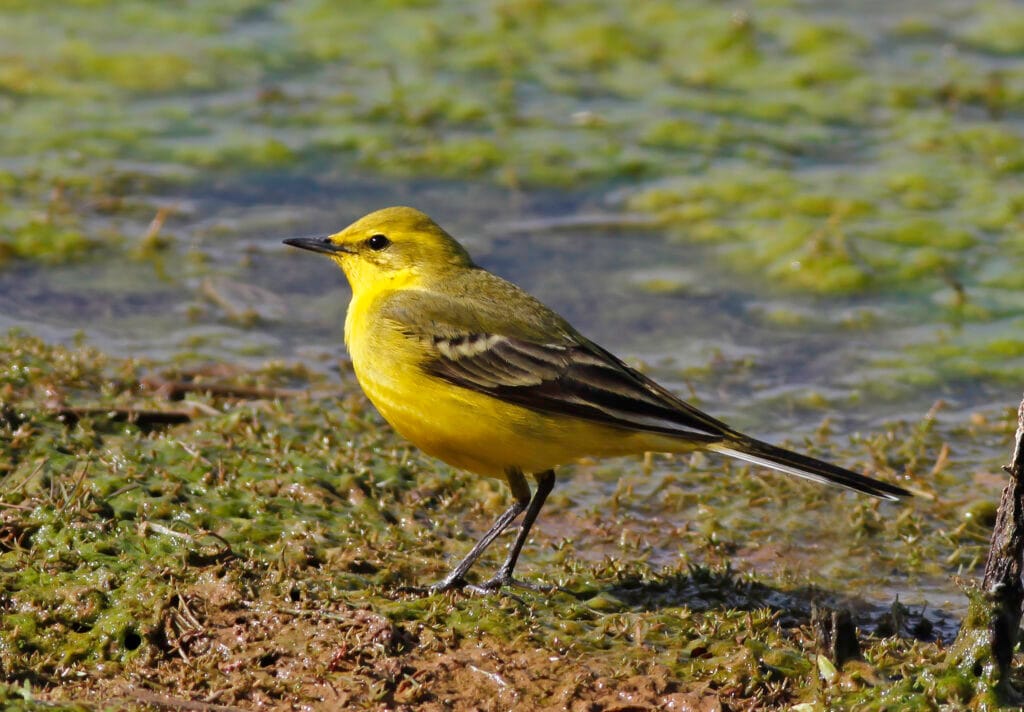
Light north-west/north-east winds continued throughout another sunny day, with temperatures reaching eight degrees C. During the seawatch, 52 Common Scoters and a Long-tailed Duck flew south, with a Manx Shearwater and 11 Sandwich Terns moving north. Thornwick Pools attracted two Ringed Plovers, two Little Ringed Plovers, the year’s first Yellow Wagtail and a White Wagtail. Sightings from RSPB Bempton Cliffs included three Short-eared Owls, two pairs of Grey Partridges, a Wheatear, two White Wagtails and a Blackcap, with a White Wagtail at Buckton.
Light northerly winds persisted during another sunny day, with temperatures reaching nine degrees C. A drake Goldeneye and 14 Sandwich Terns flew north during the morning seawatch. Two Pink-footed Geese remained on the outer head, while a pair of Tufted Ducks on Thornwick Lakes were newly arrived. Ringed Plover and Yellow Wagtail visited nearby Thornwick Pools and a Red Kite flew north-west over the village mid-afternoon. Passerine migrants included 23 Sand Martins, six Swallows, two Grey Wagtails and a Siskin. On the western fringe of the area, Sewerby Hall attracted a Ring Ouzel and Buckton Pond hosted four Snipe.
After light rain briefly first thing, sunny throughout with a light onshore wind developing. A total of 42 Common Scoters and 21 Sandwich Terns flew north on the seawatch. A lone Great Northern Diver was on the sea off South Landing, a Red Kite drifted over the village, while the outer head attracted a Golden Plover, eight Curlew and two Snipe. The first two Willow Warblers appeared on the outer head, with other notable migrant totals 35 Sand Martins, ten Swallows, a Redwing, one Fieldfare, four Wheatears, a Yellow Wagtail and a Siskin. Sightings from RSPB Bempton Cliffs included single Golden Plover and Yellow Wagtail overhead and three Short-eared Owls still in residence.
Sunny throughout, with very light variable winds and temperatures reaching nine degrees C. A Bar-tailed Godwit and 83 Sandwich Terns flew south during the morning seawatch. Thornwick Pools attracted two Little Ringed Plovers and a Dunlin, whilst a Golden Plover toured the outer head. A Short-eared Owl hunted the outer head during the morning. Passerine migrants included eight Willow Warblers, a Goldcrest, three Redwing, a Fieldfare, two Wheatears, two Yellow Wagtails, two Siskin and a Brambling. Sightings from RSPB Bempton Cliffs included two Pink-footed Geese, a Marsh Harrier flying south-east, two Short-eared Owls, two Willow Warblers and a Goldcrest. Nearby, Buckton hosted a Fieldfare and a Ring Ouzel.
A light easterly wind developed in the afternoon of another sunny day, with temperatures peaking at nine degrees C. The year’s first two Common Terns were recorded during a seawatch that also featured 84 Sandwich Terns and eight Eider. A Great Northern Diver was on the sea between South Dykes and Sewerby early morning. A male Redstart on the outer head and a Crossbill near South Landing were also new for the year. Additional records included a Fieldfare, five singing Willow Warblers at Thornwick, one Wheatear, a Yellow Wagtail and a Corn Bunting. RSPB Bempton Cliffs attracted two Short-eared Owls, a Willow Warbler, two Wheatears, another male Redstart, one White Wagtail, a Yellow Wagtail and a lone Redpoll.
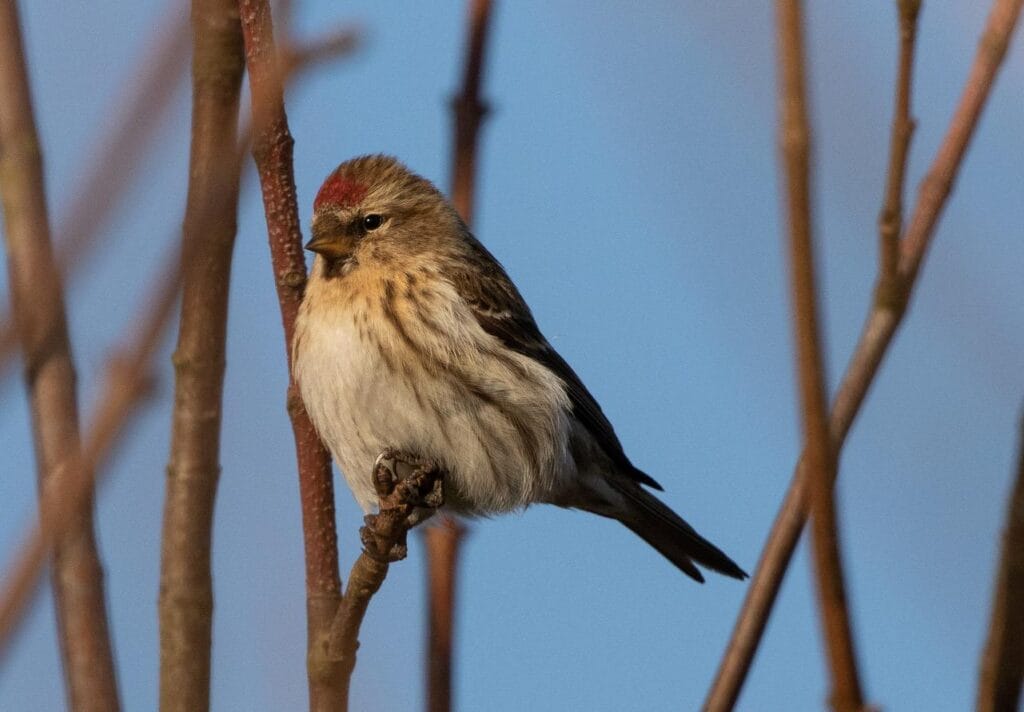
Sunny skies again featured during a day of light onshore winds and temperatures that reached nine degrees C. Two Tufted Ducks, a Bar-tailed Godwit and 43 Sandwich Terns flew south during the seawatch, with two Manx Shearwaters heading in the opposite direction. A small influx of 27 Fieldfare was notable, with other records including 43 Sand Martins, a Redwing, two Wheatears, two Yellow Wagtails, a Siskin and two Lesser Redpolls (including one rung). Single Ring Ouzel and Yellow Wagtail flew south-east over RSPB Bempton Cliffs, where a large pod of c.35 Bottlenose Dolphins lingered offshore. Thirteen birds were trapped during a ringing session on the outer head including four Blackcaps, two Chiffchaffs and a Lesser Redpoll.
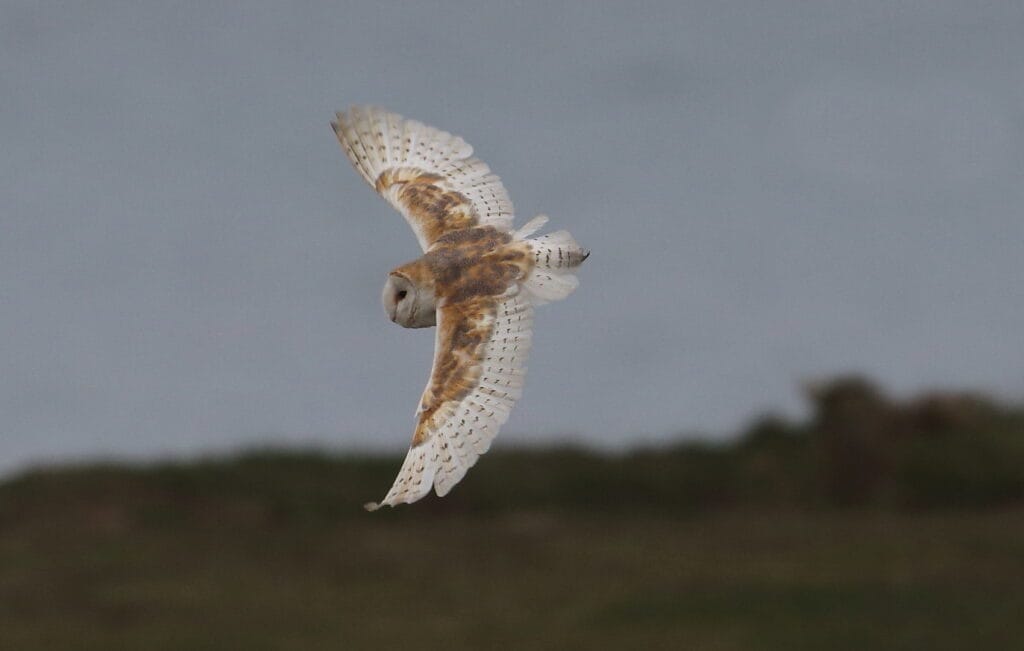
Lesser Redpoll, outer head, by Chrys MellorBarn Owl, North Cliffs, by John Beaumont