An overcast day, with persistent rain until late afternoon and light south-west winds. Due to the inclement weather, coverage was virtually limited to the seawatch: 16 Common Scoters and 15 Red-throated Divers flew south, with a Little Egret heading north.
A light north-westerly wind, sunny intervals during the morning, although with increased cloud in the afternoon and temperatures that reached seven degrees C. Seawatching highlights included a Velvet Scoter flying south, 60 Common Scoters, 41 Red-throated Divers, 308 Gannets and 84 Kittiwakes.
Firstly, and most importantly, all at Flamborough Bird Observatory wish all our supporters and followers a very Merry Xmas!
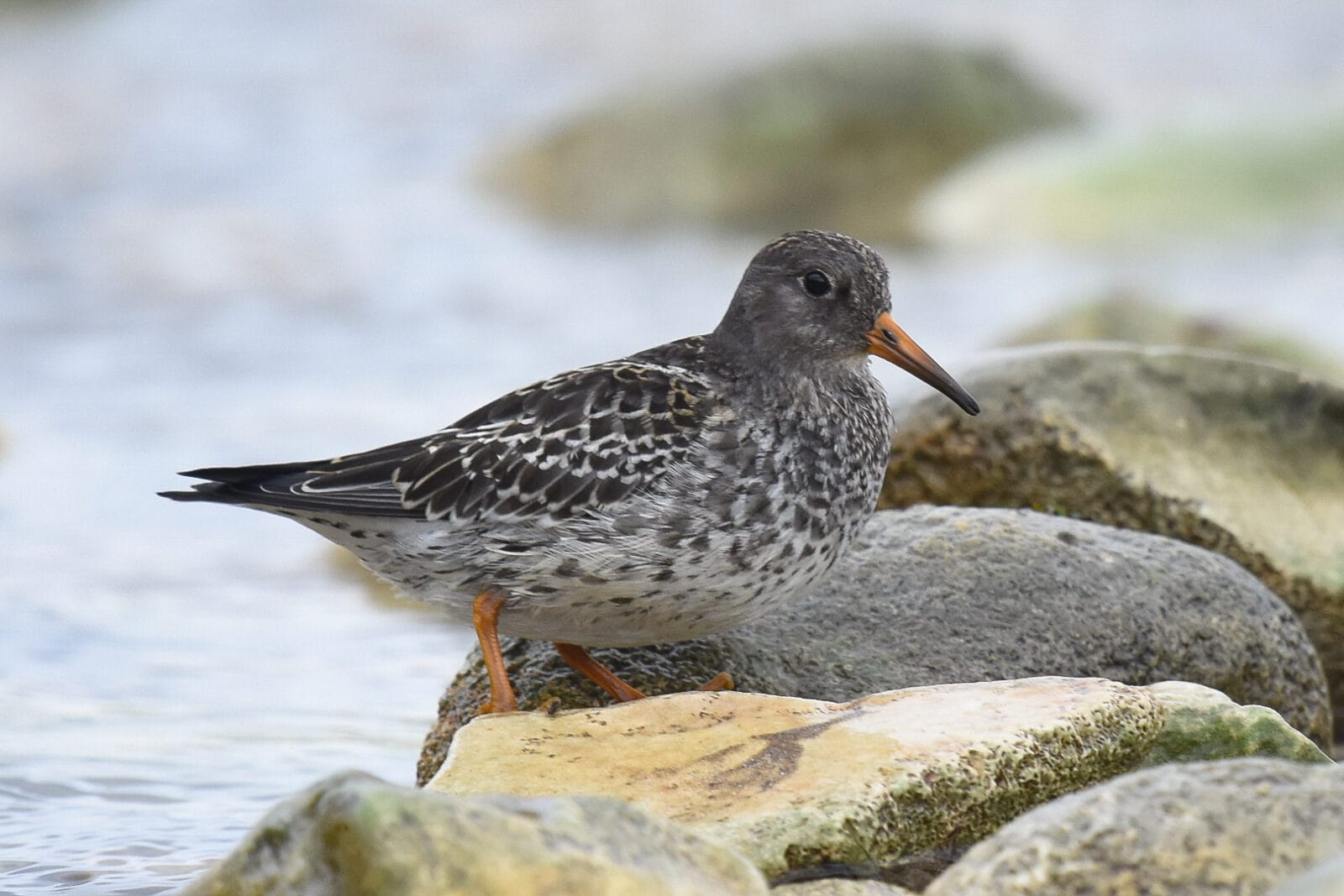
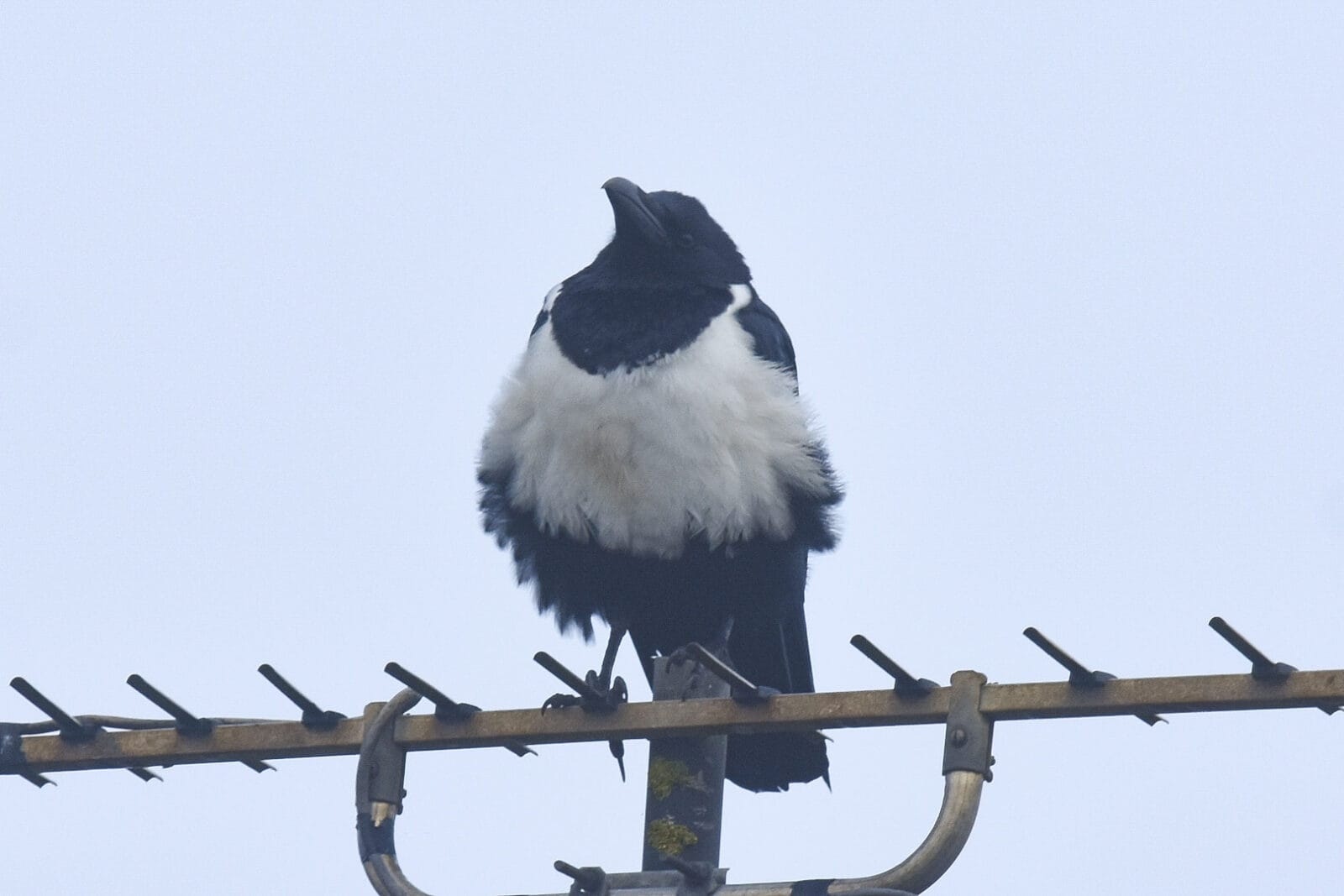
The weather was relatively benign; misty with overcast skies and light winds, whilst temperatures reached five degrees C by late morning. During the seawatch, four Goosanders flew north, but the highlight pertained to a count of 110 Purple Sandpipers on the rocks below the Fog Station; the latter representing an all time record tally. Meanwhile, the Pied Crow continued its stay on Beech Avenue.
The weather consisted of light south-westerly winds, misty and overcast skies during the morning, brighter later, and temperatures reaching eight degrees C. Thirty Wigeon and 35 Mallard flew south past the Fog Station, presumably disturbed from North Marsh, with 85 Purple Sandpipers on the nearby rocks. Two Barn Owls frequented Oceanview, while passerine interest included two Treecreepers at Whelkie Winds and the Pied Crow at Beech Avenue.
A relatively overcast start to a day that featured prolonged sunny spells in the afternoon, with light northerly winds winds and temperatures reaching six degrees C by late morning. The seawatch was quiet, with 199 Fulmars, ten Gannets and 85 Kittiwakes logged. Sightings on the headland included 36 Lapwing, a Woodcock, four Goldcrests, 107 Skylark, four Lapland Buntings, 22 Reed Buntings and 44 Yellowhammers.
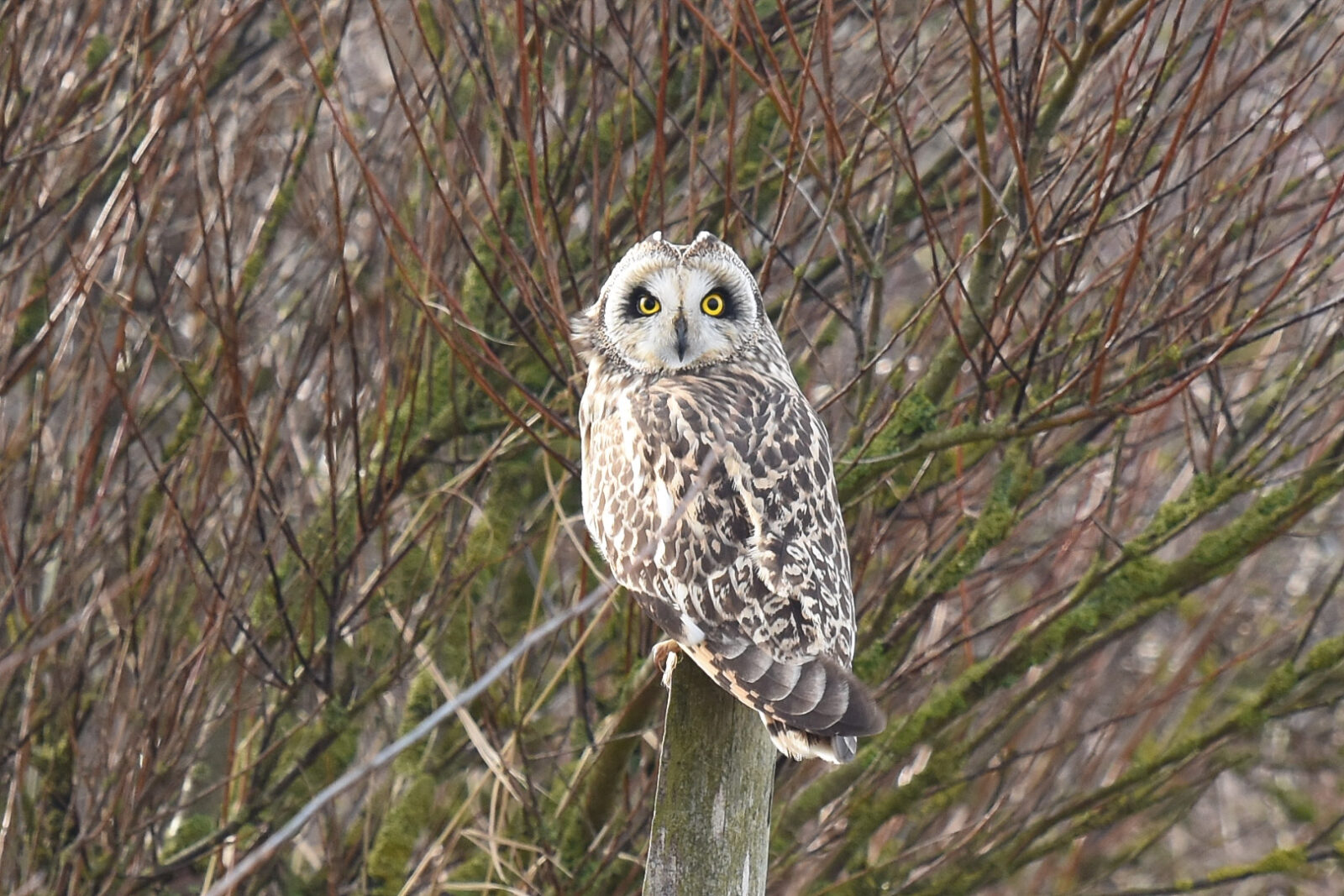
West of the Dykes, RSPB Bempton Cliffs hosted a Short-eared Owl.
The weather consisted of light westerly winds, bright skies and temperatures that reached eight degrees C. During the seawatch, nine Eiders flew north (also two south), with two Razorbills also heading north.
A total of 32 Wigeon frequented the North Marsh area, as did a minimum 63 Teal. Seven Great Crested Grebes loafed offshore between South Dykes and Sewerby; the same area attracted 82 Oystercatchers and 1400 Common Gulls that roosted in the bay. Twenty-seven Curlew fed in fields near South Dykes, where two Nuthatch, four Treecreepers and four Goldcrests were located, whilst a Stonechat fed on nearby South Landing beach.
After an overcast start, brighter spells established mid-afternoon; moderate/strong south-westerlies gradually dropped in strength, with temperatures peaking at 11 degrees C. An afternoon seawatch was rewarded with a Great Northern Diver and a juvenile Iceland Gull flying south.
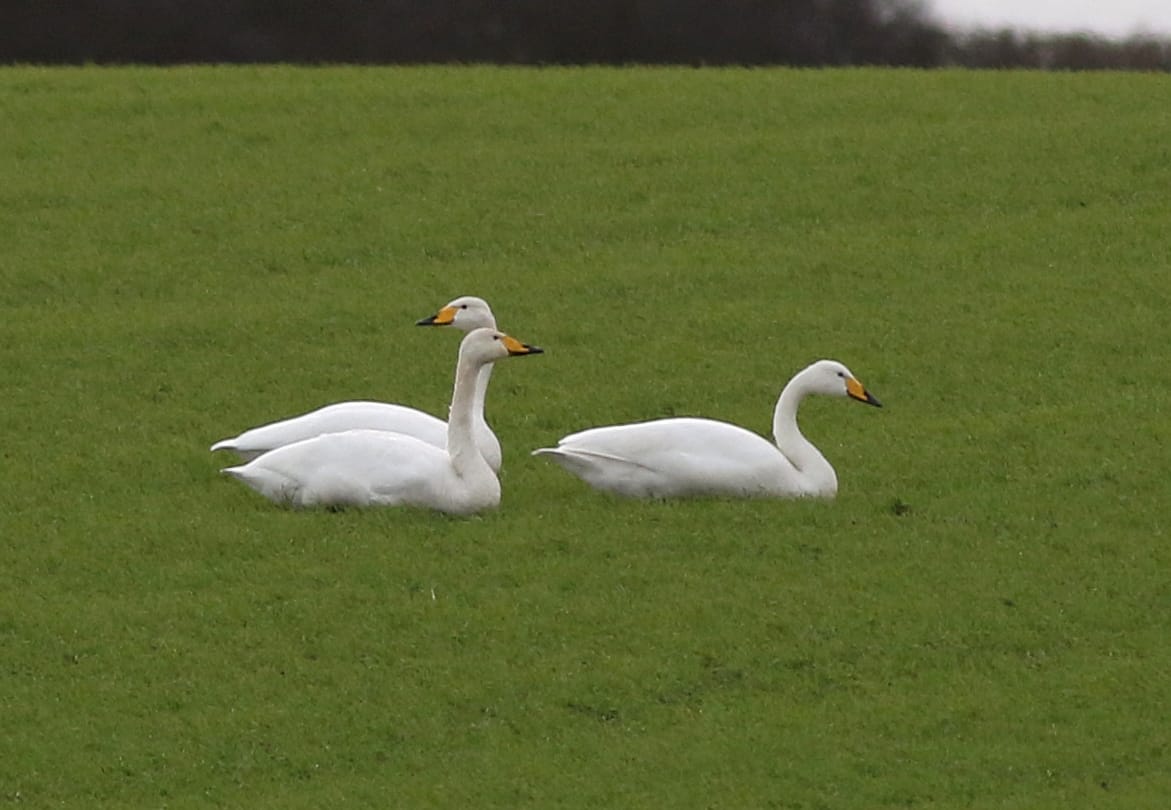
Three Whooper Swans rested on the outer head, with 120 Teal at North Marsh. Passerine interest in South Dykes included 17 Long-tailed Tits and the Pied Crow remained in Beech Avenue. A Chiffchaff was the most notable sighting from RSPB Bempton Cliffs.
A relatively bright day, with light westerly winds and temperatures attaining 11 degrees C. During the seawatch, a Blue Fulmar and 67 Shags flew south.
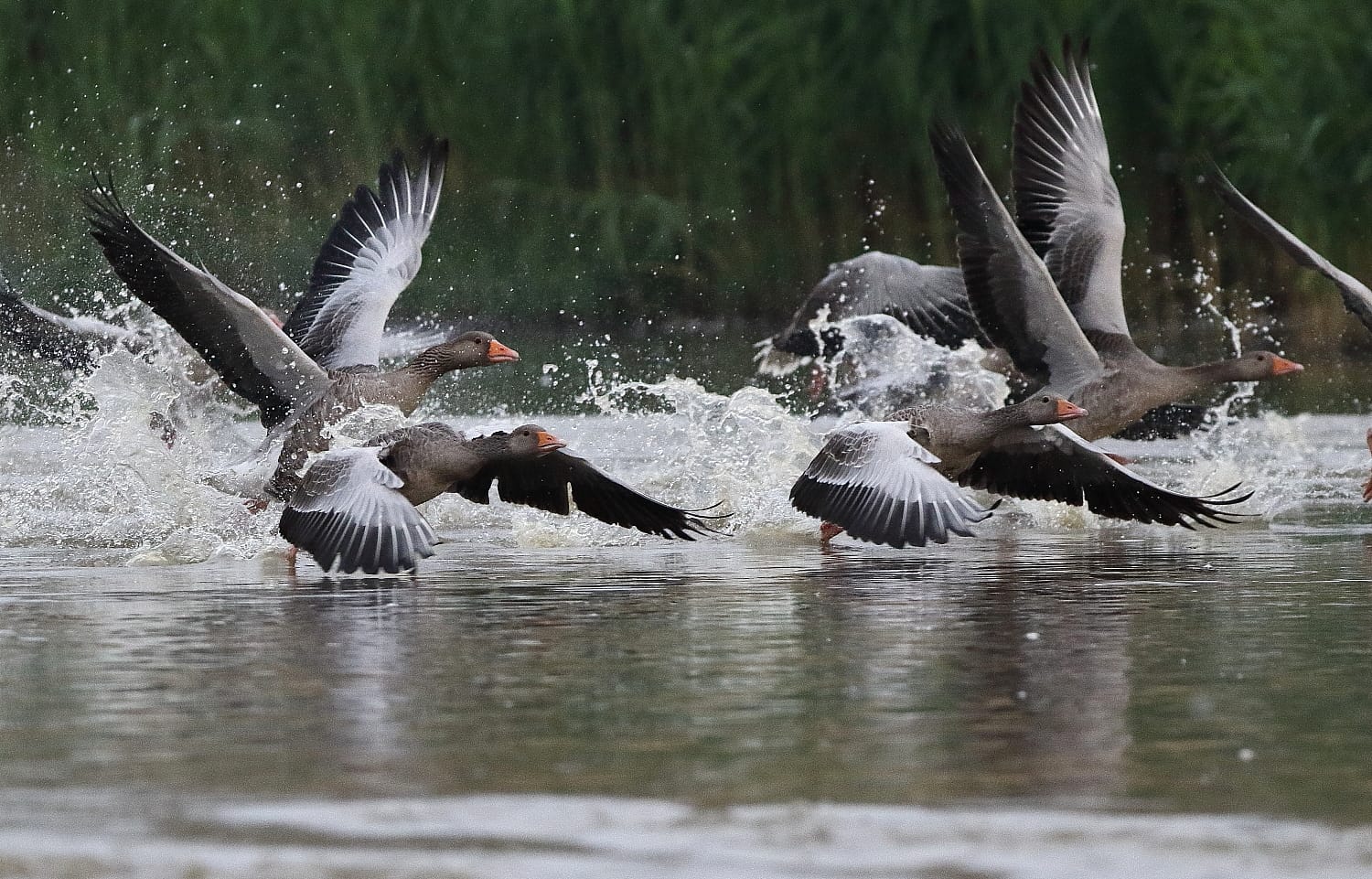
A skein of 38 Pink-footed Geese flew south over the headland mid-morning, whilst a minimum of 31 Teal and 65 Teal remained in residence. Better still, two Slavonian Grebes were located on the sea between South Landing and South Dykes. Thornwick Pools hosted both a Coot and Water Rail, whilst a Woodcock was present in South Landing.
West of the Dykes, a Lapland Bunting flew south-east over RSPB Bempton Cliffs; on the opposite side of the head, seven Great Crested Grebes and 13 Curlew were present at Sewerby.
An overcast day, with temperatures reaching 11 degrees C in light south-west winds. Seawatching highlights included a Blue Fulmar loafing offshore and a Bonxie flying south.
A total of 42 Red-throated Divers were offshore between Sewerby and Booted Gully, along with 16 Common Scoters, ten Great Crested Grebes, five Eiders and a Little Egret; four Goldeneye flew south, whilst 25 Curlew overflew Beacon Hill. Two Chiffchaffs were present, including an individual at Thornwick Pools, whilst four Lapland Buntings and 55 Yellowhammers were along the cliff top east of Booted Gully. The Pied Crow was again present in the north-west corner of the village.
West of the Dykes, Buckton attracted a very impressive bunting flock, with 200 Yellowhammers and 180 Corn Buntings present.
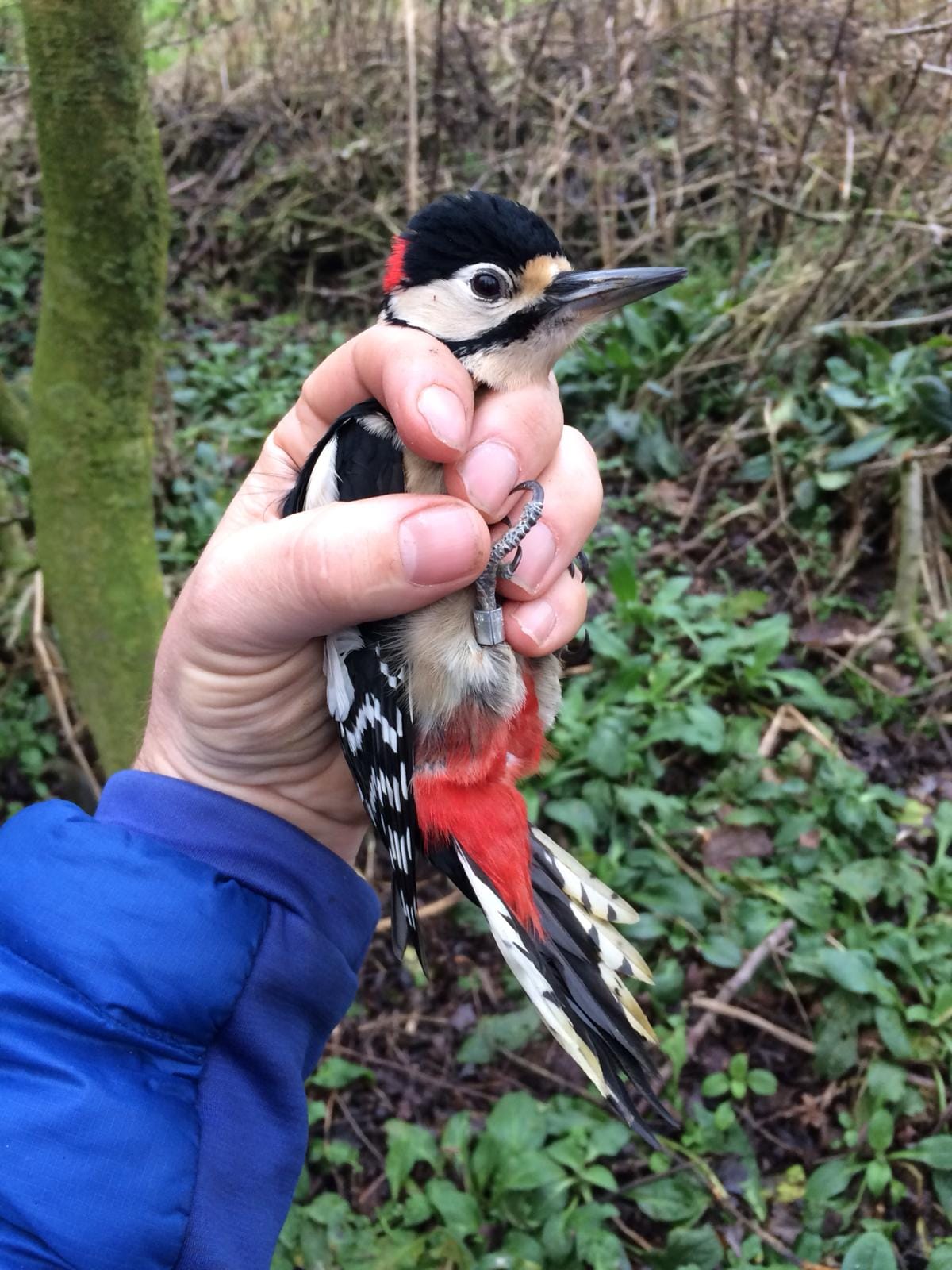
Great Spotted Woodpecker, Buckton, by Mark ThomasCorn Bunting, Buckton, by Mark Thomas
Happy New Year to one and all! 2019 began with increasingly strong north-north-westerly winds, sunny intervals and temperatures reaching a mere six degrees C. During the seawatch, two Gadwall flew north, with 29 Red-throated Divers, an adult Mediterranean Gull and four Bonxies moving south. However, the highlight related to three White-beaked Dolphins feeding off the Fog Station through to mid-morning.
A minimum of three Whooper Swans overflew Oceanview pre-dawn; additional wildfowl records included 170 Greylag Geese and 17 Wigeon. Three Sanderling fed on South Landing beach, where a Stonechat was also present. Additional passerine interest included a Redwing near Greenacres and a Chiffchaff in South Dykes.
White-beaked Dolphin (composite of one animal), Fog Station, by Andrew Allport
A day of moderate/strong northerly winds, overcast skies and temperatures reaching five degrees C. Seawatching highlights included a Black-throated Diver, a Blue Fulmar and 23 Razorbills flying north, with a Great Northern Diver moving south.
The weather consisted of overcast skies, virtually still and temperatures that struggled to a mere two degrees C. During the seawatch, two Bonxies and ten Razorbills flew north, with an Eider moving south. Away from the sea, four Whooper Swans toured the headland, a Stonechat frequented the North Cliffs and the Pied Crow remained in the village.
Heavily overcast skies lasted throughout a day of light westerly winds, with temperatures that reached five degrees C. During the seawatch, four Shelduck headed north, with a Great Northern Diver and 26 Red-throated Divers moving south. The freshwaters on the headland hosted 80 Teal, 21 Wigeon, one Grey Heron, 61 Moorhen and 19 Lapwing. Passerine interest included seven Goldcrest, a Chiffchaff, one Redwing, two Nuthatch, 22 Tree Sparrows and nine Bullfinch.
Another overcast day, with light north-westerly winds and temperatures reaching four degrees C. Seawatching highlights included a dark-bellied Brent Goose and 15 Red-throated Divers flying south, a Blue Fulmar moving north, whilst 43 Purple Sandpipers fed on the rocks below the Fog Station. In addition, a Short-eared Owl hunted clifftop fields in the same area.
Brighter, sunny skies appeared in the afternoon after another overcast start; winds remained very light from the west, with temperatures reaching eight degrees C. Seawatching highlights included a dark-bellied Brent Goose flying north, 180 Common Scoters moving south and 65 Shag in residence. In addition, a single Great Northern Diver was located off South Landing and 32 Great Crested Grebes off South Dykes.
Sightings from Sykes Planatation to South Landing included a Common Buzzard, two Song Thrush, 11 Long-tailed Tits, a Treecreeper, 30 Skylarks, 30 Yellowhammers, eight Reed Buntings and four Lapland Buntings. Nearby, South Dykes attracted nine Goldcrest, a Chiffchaff and one Nuthatch.
West of the Dykes, sightings from RSPB Bempton Cliffs included a Black Redstart, 200 Linnet, 150 Tree Sparrows, 150 Yellowhammers and 40 Corn Buntings.
Increasingly strong westerly winds developed during a day of overcast skies and temperatures reaching 8 degrees C. Highlights of the seawatch included a Blue Fulmar flying north and a Puffin heading south.
The weather consisted of strong northerly winds throughout, with sunny intervals and occasional showers; temperatures peaked at seven degrees C. During the seawatch, a Great Northern Diver, 21 Kittiwakes, 40 Great Black-backed Gulls and 150 Herring Gulls flew north. Five Eider were off South Landing, where a Woodcock was also located.
Another day that started with strong northerly winds, although they abated later, sunny spells and showers, with temperatures reaching six degrees C. Seawatching highlights included single Eider, Goldeneye and Red-breasted Merganser flying north, whilst two Great Northern Divers headed south. The long-staying Pied Crow remained in the village.
A generally overcast day, with bright spells later, a light westerly wind and temperatures reaching nine degrees C. During the seawatch, seven Shelduck, a Goldeneye and 33 Red-throated Divers flew north, with 65 Purple Sandpipers on rocks near the Fog Station. There were 25 Wigeon at North Marsh, 41 Great Crested Grebes off South Dykes and 29 Curlew near Beacon Hill.
The weather consisted light south-west winds, generally overcast skies and temperatures that reached seven degrees C. During the seawatch, a Blue Fulmar lingered offshore, along with 55 Shag, whilst six argentatus Herring Gulls headed north.
The day’s highlight related to the discovery of a Bittern that headed north-west on the outer head towards Thornwick, whilst 11 Grey Partridges were nearby along Lighthouse Road. Sightings from South Dykes included seven Goldcrests, four Treecreepers and six Bullfinch.
An overcast day, with an increasing west-north-westerly wind and temperatures peaking at eight degrees C. During the seawatch, 16 Red-throated Divers flew south, whilst 103 Fulmars, 12 Kittiwakes and 11 Razorbills flew north; a total of 75 Shags represented an increase on recent days. Thornwick Pools attracted a lone Coot, whilst the woodlands hosted 23 Long-tailed Tits.
West of the Dykes, sightings from RSPB Bempton Cliffs included 15 Greenfinch, 150 Linnets, 20 Yellowhammers, ten Reed Buntings and 27 Corn Buntings.
Strong westerly winds at first light relented, before a stronger north-westerly airflow established; temperatures reached ten degrees C during the morning before dropping, whilst sunny intervals featured throughout. During the seawatch, two Great Northern Divers, 29 Kittiwakes and 25 Razorbills flew north.
A day of light/moderate north-west winds, spells of drizzle during the morning and prolonged sunny intervals in the afternoon; temperatures reached five degrees C. Seawatching highlights included a Great Northern Diver flying south, whilst 100 Fulmars, 58 Gannets, 12 Kittiwakes, four ‘argentatus’ Herring Gulls and 51 Razorbills flew north. In addition, a Woodcock flew in off by the Seawatch Observatory and Thornwick Pools hosted a Water Rail.
The weather consisted light westerly winds, overcast skies initially with sunny intervals later and temperatures reaching ten degrees C. Seawatching highlights included a second calendar-year Glaucous Gull flying south and 126 Razorbills moving north. Passerine interest included the two Nuthatch in South Dykes, 81 Linnets and 53 Goldfinch.
West of the Dykes, sightings from RSPB Bempton Cliffs included a Little Egret flying north-west, 300 Linnets, 25 Yellowhammers and 58 Corn Buntings.
Herring Gull (partially leucistic), Fog Station, by Brett Richards
The weather consisted of moderate south-westerly winds, generally overcast skies with sunny intervals later and temperatures peaking at eight degrees C. The morning seawatch was quiet, with three Common Scoter, 19 Red-throated Divers and five Razorbill noted. Wildfowl interest included two Shelduck returning to Thornwick Pools, along with 26 Teal. West of the Dykes, continued passerine interest at Buckton included 60 Linnets, 250 Yellowhammers and 80 Corn Buntings.
Gusting to gale force north-north-westerly winds gradually abated, with occasional snow showers and temperatures peaking at three degrees C. Single Eider and Common Scoter flew south, whilst 326 Fulmars and 81 Kittiwakes flew north; 55 Shags fed off High Stacks. Away from the sea, the two Shelduck remained on Thornwick Pools.
A southerly airflow gradually increased during a relatively bright, but cold day, with temperatures only reaching three degrees C. During the seawatch, 43 Red-throated Divers, 458 Fulmars, 47 Kittiwakes and 41 Razorbills flew north.
Wildfowl interest included 145 Greylag Geese, four Canada Geese, two Shelduck, 25 Wigeon, 26 Mallard and 98 Teal (77 North Marsh, 21 Thornwick Pools). Eleven Grey Partridges frequented the North Marsh area, where a female Black Redstart was also present.
The weather consisted of moderate/strong southerly winds, sunny intervals and temperatures that reached a mere three degrees C. During the seawatch, a Blue Fulmar and 12 Razorbills flew north.
Wildfowl interest included two Shelduck and 125 Teal. Sightings from Thornwick Pools included two Water Rails and a Jack Snipe, whilst a Woodcock was present at South Landing. Passerine interest included up to 25 Tree Sparrows and nine Yellowhammers visiting a village garden.
The weather consisted of light south-west winds, increasing amounts of cloud and temperatures again peaking at just three degrees C. During the seawatch, a Great Northern Diver and 28 Red-throated Divers flew south, with seven Eiders heading north.
A Short-eared Owl hunted the Lighthouse Grassland late afternoon, with a Chiffchaff in nearby gardens. Fifteen Greenfinch visited a feeder in the village, where the Pied Crow made a reappearance.
Curlew & Oystercatcher, South Landing, by Kevin Groocock
After a bright and relatively calm start, increasing cloud appeared along with a strengthening westerly wind; temperatures again peaked at three degrees C. The seawatch was quiet, with seven Common Scoters heading north and 57 Red-throated Divers also logged. South Landing hosted a Woodcock, whilst passerine interest included 20 Meadow Pipits near Thornwick Bay and the Pied Crow in the village.
Pied Crow, Flamborough village, by Alan Walkington
A day of sunny intervals, light westerly winds and temperatures reaching four degrees C. Tens of thousands of Guillemots flew south during the morning, along with 72 Red-throated Divers and 214 Common Gulls. Away from the sea, a Short-eared Owl frequented the Gorse Field, with two Stonechats and 27 Meadow Pipits at Thornwick.
The weather headlines consisted of a covering of snow at dawn, with frequent snow showers until mid-morning; winds were light but temperatures reached a mere one degree C, despite sunny skies. Presumably the Bittern last seen almost two weeks ago was relocated on Thornwick Pools late afternoon. Increased totals of 22 Lapwing and five Song Thrush were indicative of local cold weather movements. Less so, the Short-eared Owl that remained in the Lighthouse Grasslands area. A confiding Lapland Bunting showed on the cliff top path alongside the Golf Course; another frequented Oceanview, whilst 19 Yellowhammers fed in a village garden.
Bittern, Thornwick Pools, by Andy HoodLapland Bunting, North Cliffs, by Phil BuxtonLapland Bunting, North Cliffs, by Phil Buxton
An overcast start to a day that featured brighter spells later, whilst temperatures reached four degrees C. Seawatch highlights included a Blue Fulmar and a second calendar-year Glaucous Gull offshore along with tens of thousands of Guillemots. A Jack Snipe and the Short-eared Owl were located in the Lighthouse Grasslands, whilst the Lapland Bunting remained on the cliff top near the Golf Course.
A Black Redstart lingered at RSPB Bempton Cliffs.
Short-eared Owl, Lighthouse Grassland, by Mike Smith
Moderate westerly winds featured during a bright sunny day and temperatures increased substantially until a peak of nine degrees C. The seawatch was quiet, although a juvenile Glaucous Gull again frequented the outer head and a Black Redstart lingered around the Fog Station. North Marsh hosted 97 Teal and 20 Wigeon.
A generally overcast day, with moderate south-west winds and temperatures attaining eight degrees C. Seawatching highlights included a Manx Shearwater heading south and a Red-necked Grebe moving north. More spectacularly still, a feeding frenzy offshore attracted 500 Gannets, 70 Shags, 150 Great Black-backed Gulls, 400 Common Gulls and several hundred Herring Gulls, together with a juvenile Iceland Gull.
Seven Eider were off the South Cliffs, whilst a Short-eared Owl continued to hunt the Lighthouse Grasslands. Passerine interest in South Dykes included six Goldcrests, four Treecreepers and two Nuthatch.
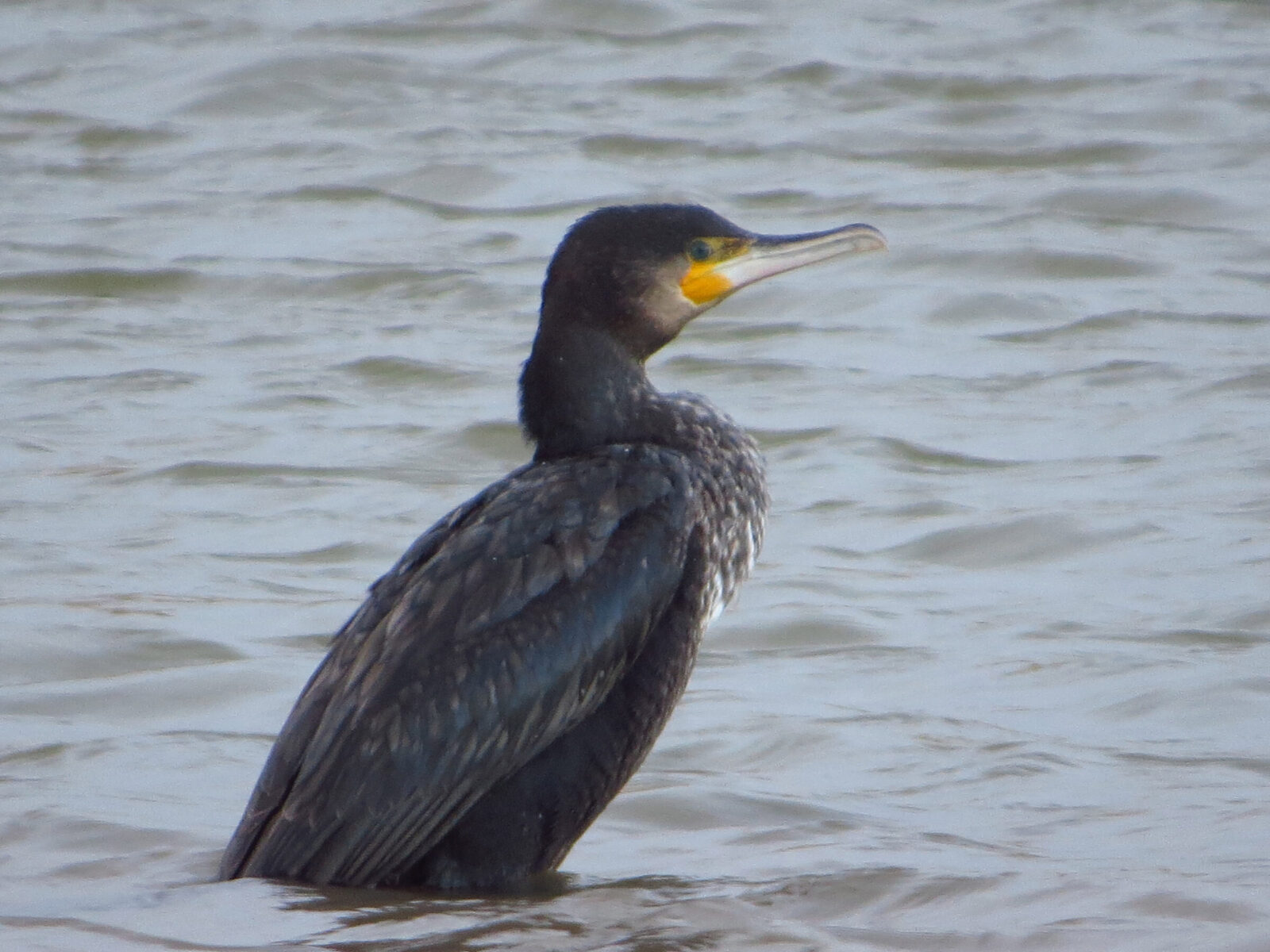
A day of gale force north-west winds, sunny intervals with rain arriving mid-afternoon and temperatures reaching five degrees C. During a quiet seawatch, 302 Gannets flew north and 177 moved south. A record count of 307 Cormorants smashed the previous January record (85) and represented Flamborough’s second highest ever tally. Passerine interest included the Black Redstart at the Fog Station and a Nuthatch in South Dykes.
Another day of strong north-north-west winds, sunny intervals and occasional snow showers, with temperatures reaching a mere two degrees C by late morning. During the seawatch, 77 Red-throated Divers flew north along with 11 Kittiwakes, but it was otherwise quiet. A total of 45 Great Crested Grebes sheltered in the bay off South Dykes, a Sanderling was on the beach at the same location, with 25 Curlew nearby. In addition, a Chiffchaff appeared in a village garden.
Roe Deer, Starling, South Landing, by June & Malcolm Fox
A relatively overcast day, with brighter spells during the morning and an increasingly strong westerly wind; temperatures reached a mere two degrees C by late morning. Forty Pink-footed Geese flew north over the village, three Goldeneye and a Great Northern Diver were on the sea off Hartendale. Six Purple Sandpipers fed in Thornwick Bay, where the cliff top fields attracted 48 Meadow Pipits; a record January count.
The weather consisted of light westerly winds and sunshine, although temperatures only just reached one degree C. During the seawatch, a Black-throated Diver and 34 Red-throated Divers flew north. A total of 47 Great Crested Grebes were in the bay near South Dykes, whilst the Short-eared Owl again hunted the Lighthouse Grasslands.
The Black Redstart re-appeared at RSPB Bempton Cliffs, with 194 Corn Buntings at nearby Buckton.
A sunny day until cloud arrived mid-afternoon, temperatures peaked at two degrees C and winds remained light. Seawatching highlights included 45 Wigeon flying south and a Red-breasted Merganser heading north. A Short-eared Owl hunted the Lighthouse Grassland once again, whilst passerine interest included a Chiffchaff and 12 Siskin.
Short-eared Owl, Lighthouse Grassland, by Andy Hood
The weather consisted of moderate north-easterly winds, snow showers and temperatures reaching three degrees C. Again the seawatch was quiet, with 52 Red-throated Divers, 11 Kittiwakes and two Razorbills of note.
The day’s highlight related to the reappearance of the Bittern at Thornwick Pools from late afternoon. Other sightings included eight Eider off South Landing, 32 Great Crested Grebes between South Dykes and Sewerby, three Ringed Plovers at South Landing, two Barn Owls and three Mistle Thrush at South Dykes.
A day of moderate north-north-west winds, sunny intervals and occasional wintry showers; temperatures peaked at three degrees C. During the seawatch, an Eider, 174 Fulmars, 79 Gannets, seven Kittiwakes and ten Razorbills flew north. The Bittern showed well at Thornwick Pools during the afternoon, whilst a Merlin hunted the cliff top near North Dykes.
A relatively bright day with prolonged sunny spells until mid-afternoon, but despite light winds, temperatures only reached a mere two degress C by mid-day. During the seawatch, 17 Red-throated Divers and a Great Northern Diver flew south, with 152 Fulmars and 93 Gannets heading in the opposite direction.
The Bittern was again seen at dusk at Thornwick Pools. A Woodcock frequented Greenacres, 14 Ringed Plovers and two Purple Sandpipers were located on South Landing beach, whilst the Short-eared Owl continued its stay near the Lighthouse. Passerine interest included two Nuthatch in South Dykes and four Song Thrush on the outer head.
The Black Redstart continued its stray at RSPB Bempton Cliffs and sightings from Buckton included a Water Rail and 200 Corn Buntings.
Moderate south-west winds, bright skies after an overcast start and significantly higher temperatures, with a peak of seven degrees C. During the seawatch, 40 Red-throated Divers flew south and nine Great Crested Grebes sheltered on the sea. Six Whooper Swans rested on the sea off Hartendale, with a Merlin in the vicinity.
Thick fog at daybreak was slow to clear, with brighter intervals giving way to overcast skies; moderate southerly winds and temperatures reaching five degrees C. Seawatch observations were negated by the visibility, although 25 Purple Sandpipers were on the rocks below the Fog Station. Thornwick Pools hosted two Shelduck and a Grey Heron.
During the seawatch, 30 Red-throated Divers and a Blue Fulmar flew south. On the headland, wildfowl interest included 30 Wigeon and 77 Mallard, whilst a Woodcock was located at South Landing. The Short-eared Owl continued to show well at the Lighthouse Grasslands.
Short-eared Owl, Lighthouse Grasslands, by Andy Hood
After a wet morning, brighter intervals were a feature of the afternoon; moderate west-north-winds developed during the day. During the seawatch, 118 Gannets and an estimated 10,000 Guillemots flew south; with only four birds heading north.
Strong southerly winds throughout, with sunny intervals developing in the afternoon after an overcast, wet morning; temperatures reached nine degrees C. The morning seawatch was again quiet: two Eider, 29 Red-throated Divers, a Great Crested Grebe and 177 Gannets were accompanied by moderate numbers of Guillemots either on the sea, or heading south.
An overcast morning, with brighter skies later, although near gale force westerly winds during the first half of the day were the main feature; temperature peaked at nine degrees C. During the seawatch, a Shelduck, 51 Red-throated Divers, 204 Gannets, nine Kittiwakes and 85 Great Black-backed Gulls moved south, whilst an adult Mediterranean Gull headed north. An Eider, 27 Red-throated Divers and nine Great Crested Grebes sheltered on the sea off the Fog Station. A Mistle Thrush near the Dykes represented the most notable passerine record.
A light north-westerly wind developed during a largely overcast day, with temperatures reaching five degrees C. The Bay attracted 11 Common Scoters, seven Eider, 75 Red-throated Divers, 180 Cormorants and 35 Great Crested Grebes. The Short-eared Owl continued to hunt the Lighthouse Grassland, whilst a Siskin was notable. Sightings from Buckton included a Short-eared Owl and 30 Corn Buntings.