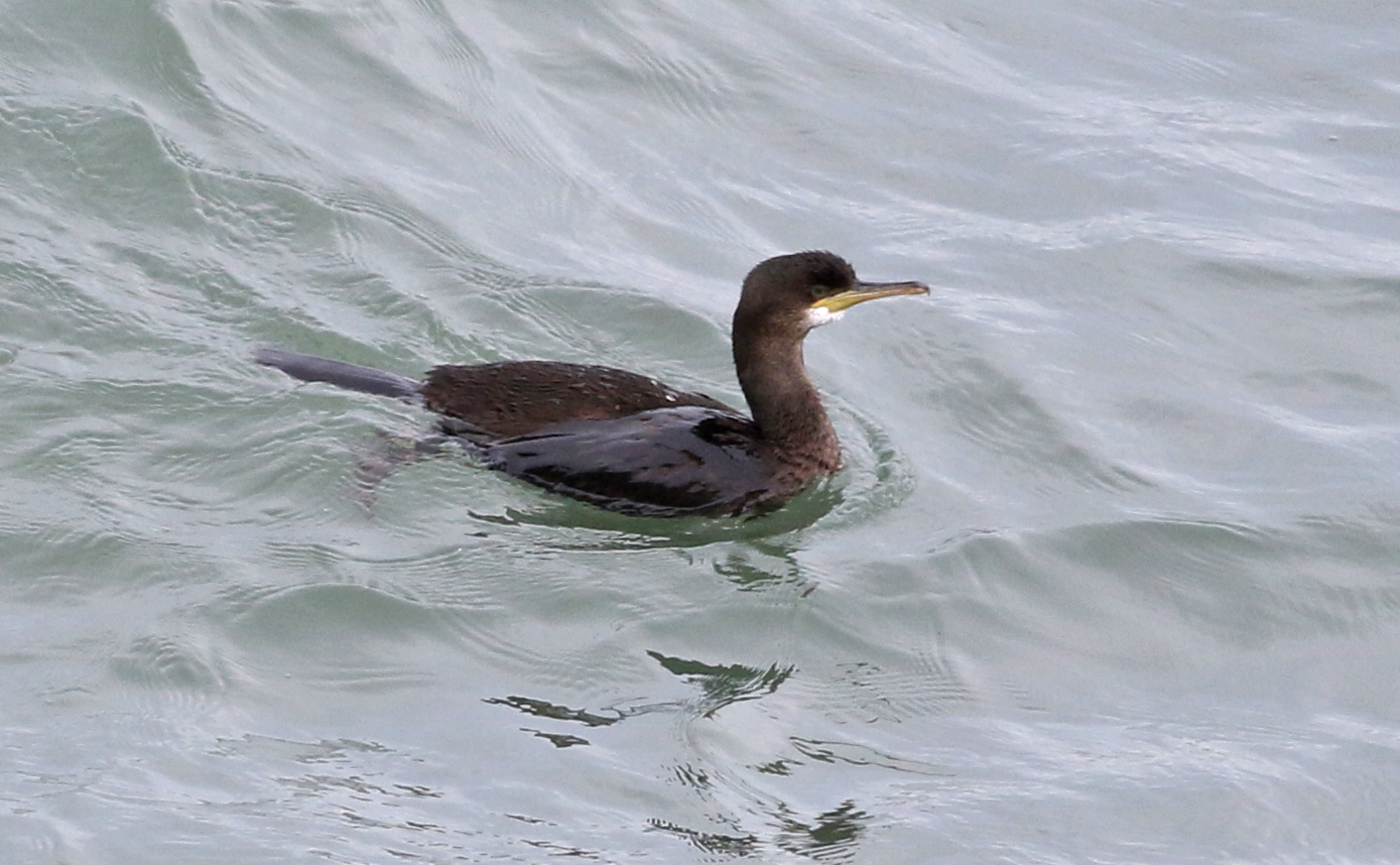
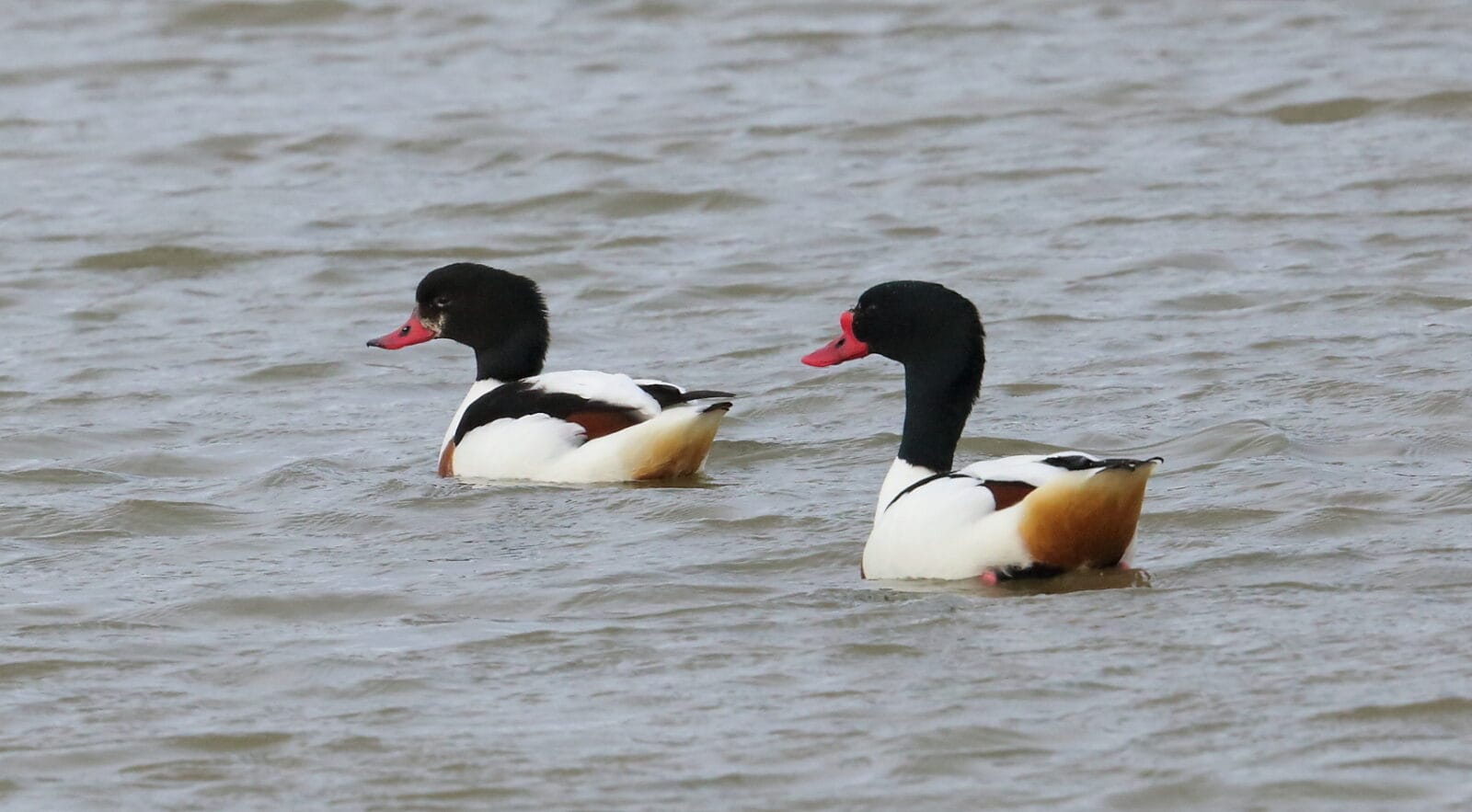
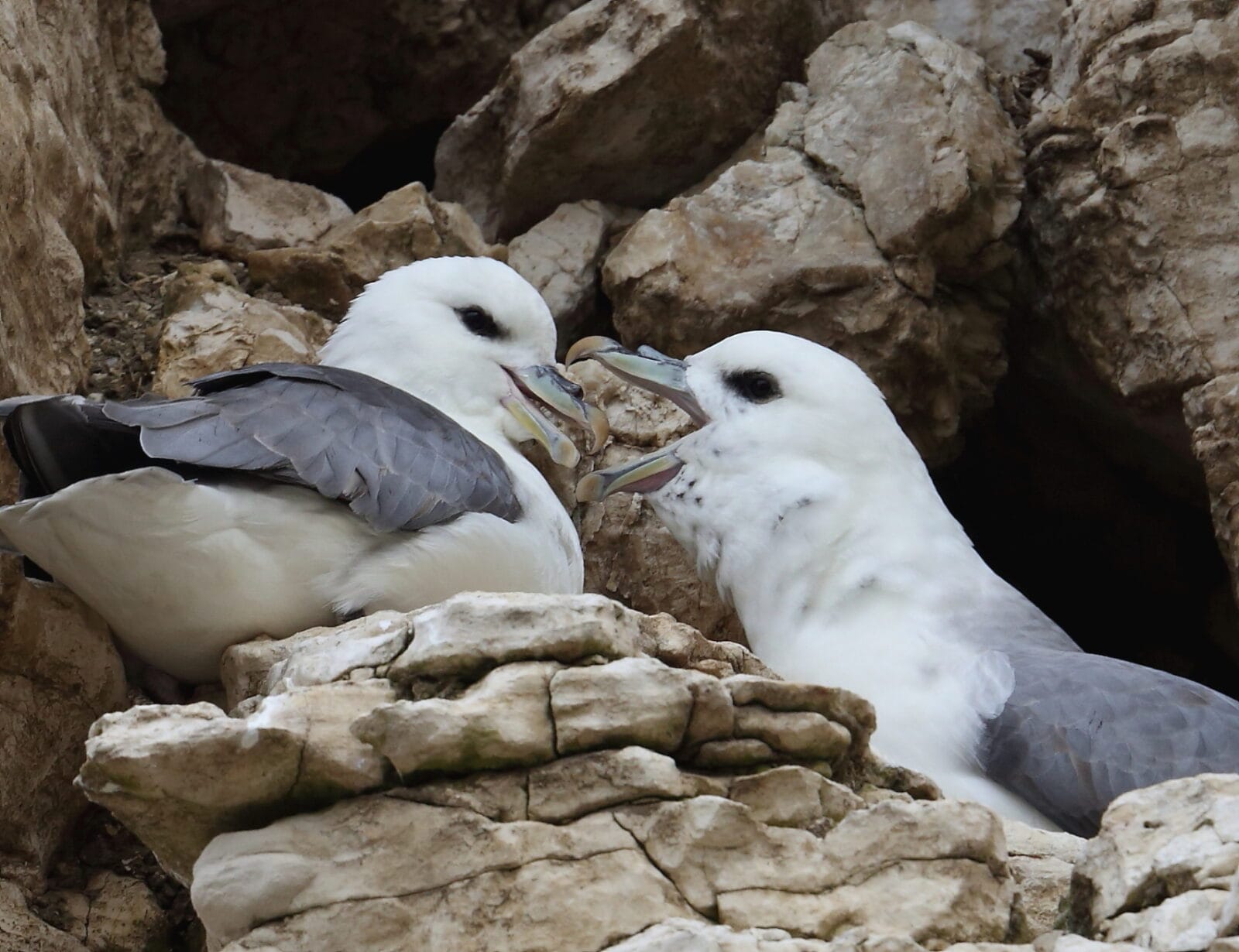
A light north-west wind, initially overcast skies before brighter spells and temperatures reaching seven degrees C. A seawatch from South Landing was rewarded with seven Eider, 17 Common Scoter, two Goldeneye, 96 Red-throated Divers and 90 Cormorants. Thornwick Pools attracted two Shelduck, 14 Teal and a Water Rail, whilst the Short-eared Owl continued its residence around the Lighthouse Grasslands.
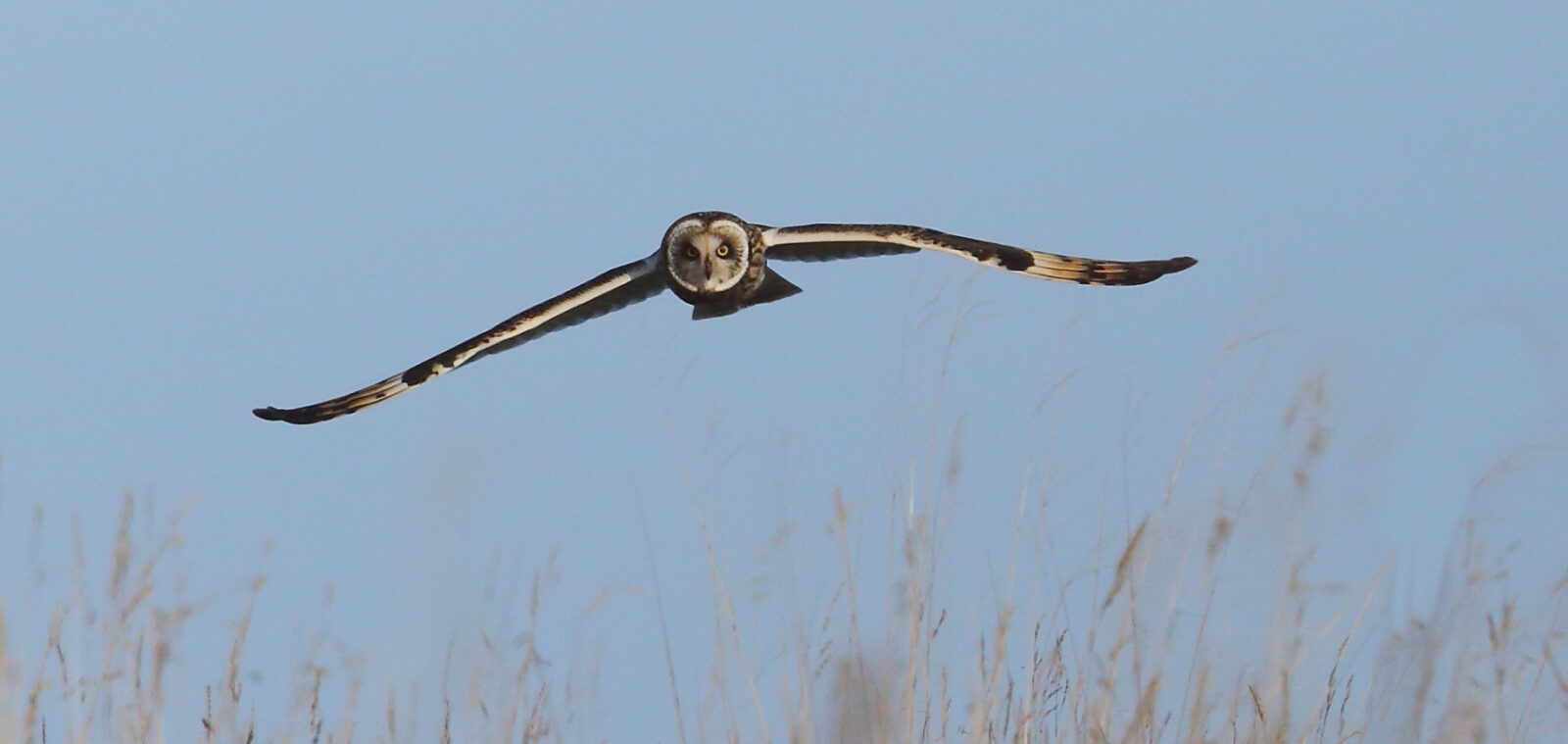
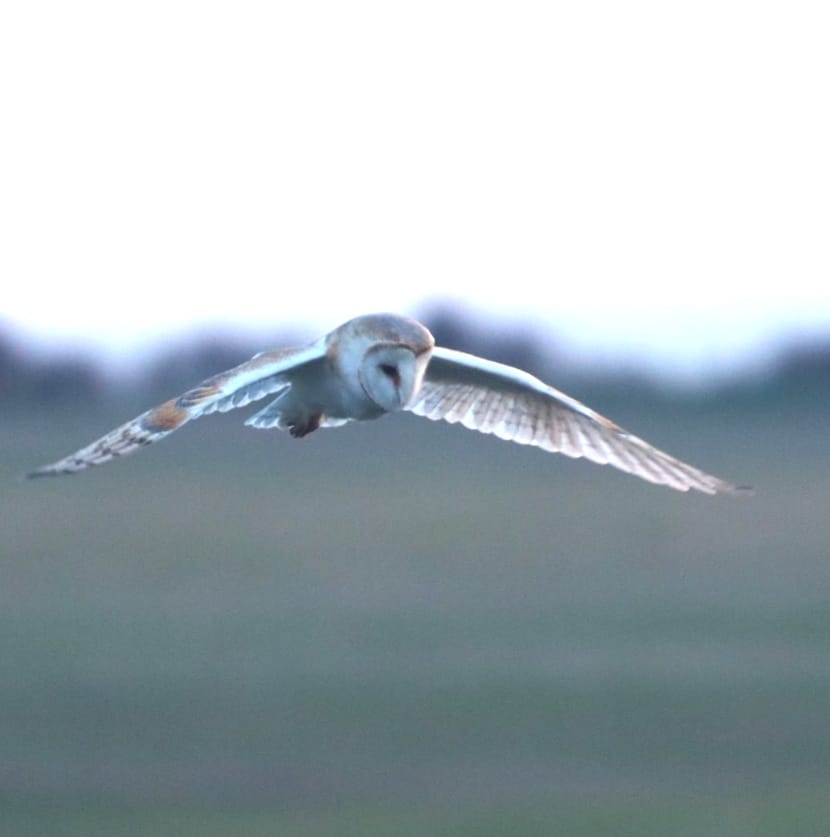
Short-eared Owl, Lighthouse Grassland, by Alan Walkington
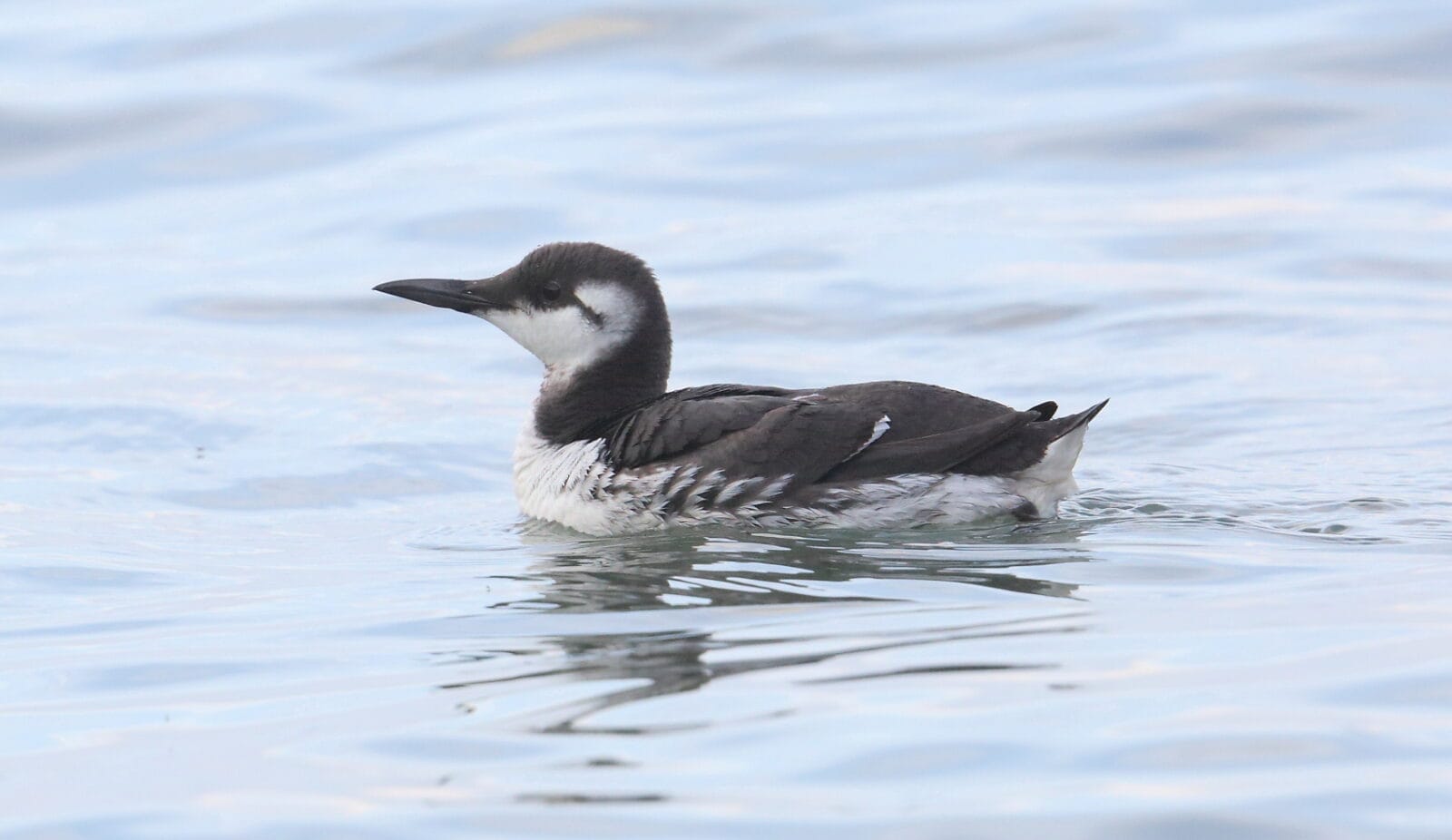
The weather consisted overcast skies, light south-westerly winds and temperatures rising throughout the day, peaking at nine degrees C. Seawatch highlights included the first appreciable arrival of Razorbills, with a minimum of 34 birds present amongst hundreds of Guillemots. On the headland, the goose flock consisted of 153 Greylag and 17 Canada geese.
A mild cloudy day with temperatures peaking at 9 degrees and light south westerly wind. 37 Red-throated Diver flew past on the morning sea watch, along with 11 Fulmar, 324 Gannet, 12 Kittiwake and 97 Razorbill.
On the land, the Short-eared Owl continued to entertain around the lighthouse grasslands and golf course area. 2 Whooper Swan and a Little Egret flew over the village and the Pied Crow remained in residence.
A day of light/moderate south-westerly winds, sunny intervals and temperatures reaching 11 degrees C. Seawatching produced 437 Gannets and 127 Razorbills, along with the first sign that a movement of Pink-footed Geese was underway; in total, 532 Pink-footed Geese flew north, including 112 that headed past the Fog Station.
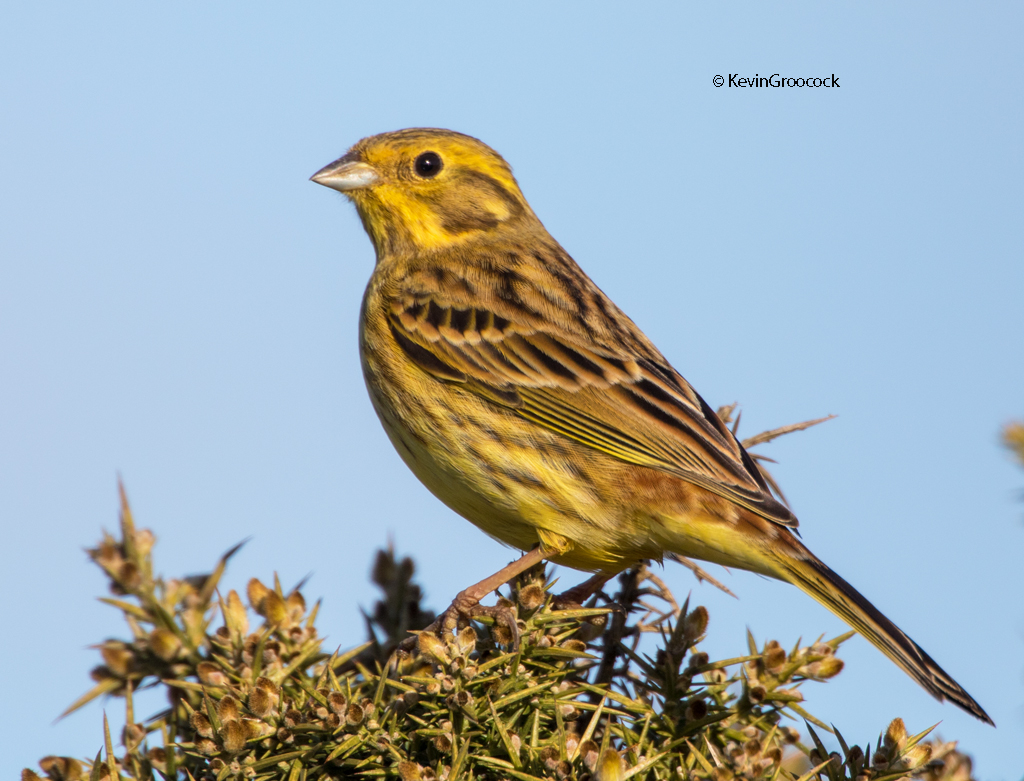
A sunny day, with light south-south-westerlies increasing in strength during the day. The Short-eared Owl again hunted the grasslands on the outer head, whilst sightings from the village included three Mistle Thrush over Hartendale and the Pied Crow once again on Beech Avenue. A Merlin frequented the cliff top at RSPB Bempton Cliffs, where 170 Pink-footed Geese flew north. Nearby, Buckton attracted 11 Meadow Pipits, 130 Yellowhammers and 90 Corn Buntings.
Light south-westerly winds, prolonged sunny intervals and temperatures reaching 12 degrees C. During the seawatch, a Shelduck flew south, along with 383 Gannet, only a single Kittiwake and 21 Razorbills. A female Stonechat frequented the cliff top just east of Grange Farm, whilst a lone Siskin flew south over the Fog Station.
The weather consisted of largely sunny skies, light/moderate south-south-westerly winds and temperatures reaching 12 degrees C. A count of 126 Razorbills was the main feature of an otherwise quiet seawatch, whilst a Puffin heading south past RSPB Bempton Cliffs further illustrated that some seabirds were returning to inshore waters.
Two Pink-footed Geese overflew the village, with Thornwick Pools attracting 21 Teal and a Coot. Passerine interest included four Mistle Thrushes at South Dykes, a male Stonechat at South Landing and 49 Linnets near Thornwick; two Chaffinch at the Fog Station perhaps indicated relatively early emigration.
Short-eared Owl, Lighthouse Grassland, by Alan Walkington (15/2)
The weather consisted of moderate south-west winds, sunny intervals and temperatures reaching ten degrees C. Seawatching was quiet, with seven Purple Sandpipers below the Fog Station the most notable sighting, along with four Rook heading south; a not unusual record during ‘early spring’.
A skein of 60 Pink-footed Geese flew north, eight Eider sheltered on the sea between the Fog Station and South Landing, whilst five Lapwing and a Woodcock frequented the Oceanview area, where a single Lapland Bunting was also located. Sightings from Buckton included 100 Yellowhammers and 30 Corn Buntings.
A day of light south-westerly winds, increasing cloud after a sunny start and temperatures reaching ten degrees C. During the seawatch, a Shelduck and 18 Red-throated Divers flew south, whilst 144 Cormorants congregated offshore. In addition, 15 Pink-footed Geese flew north and the change in status of Common Buzzard was further evidenced by a pair displaying over the Dykes.
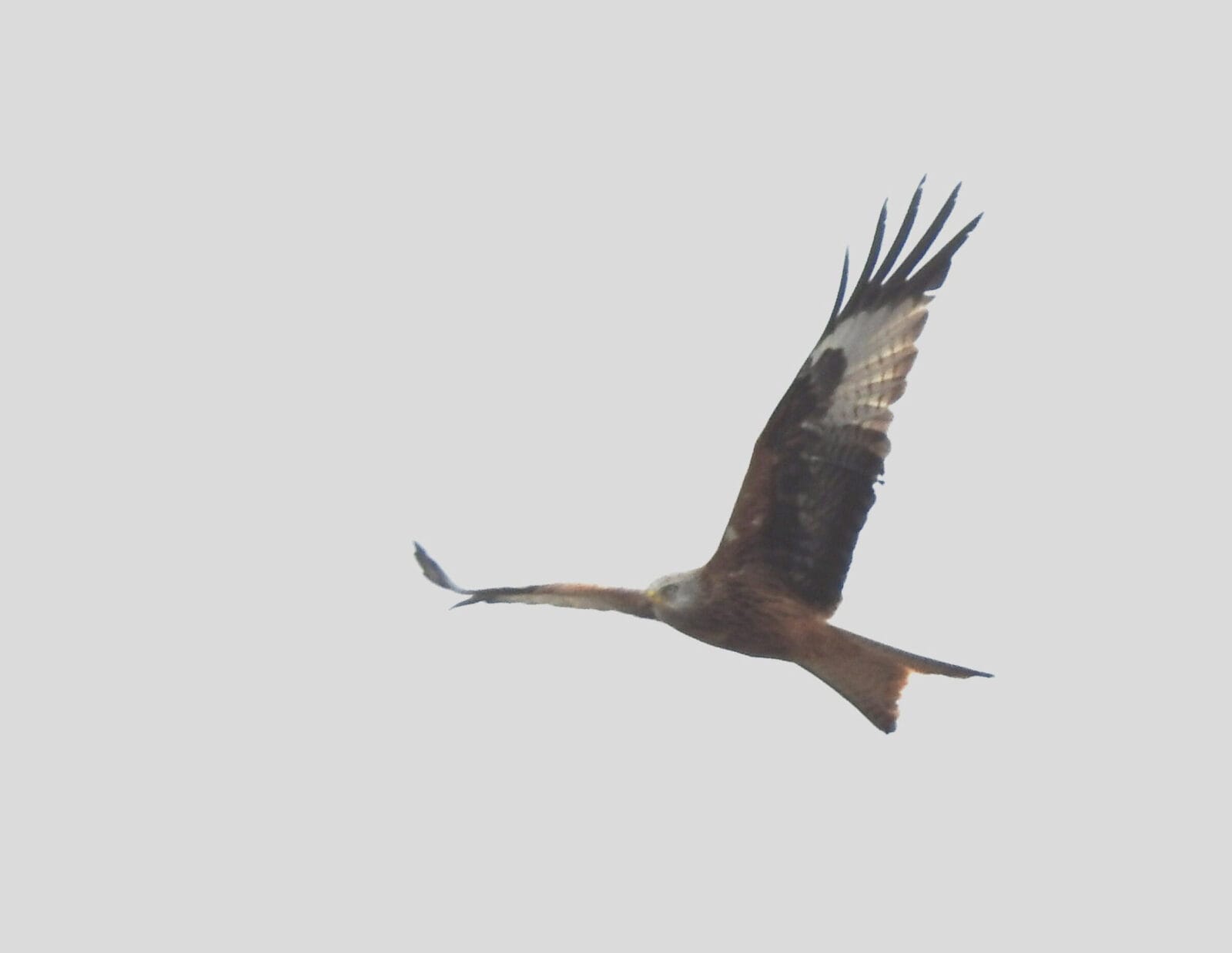
A mixed day with occasional light showers and sunny spells. Wind was a light to moderate south westerly. The days highlight pertained a Red Kite which flew south over North Marsh and later west over South Landing. Four Pink-footed Geese flew west over the village. 14 Red-throated Diver and nine Common Scoter were also noted.
Another spring-like day: sunny throughout, with light winds and temperatures peaking at 14 degrees C. Six Common Buzzards toured the area, whilst the Short-eared Owl showed well hunting the Lighthouse Grasslands.
Short-eared Owl, Lighthouse Grasslands, by Alan Walkington
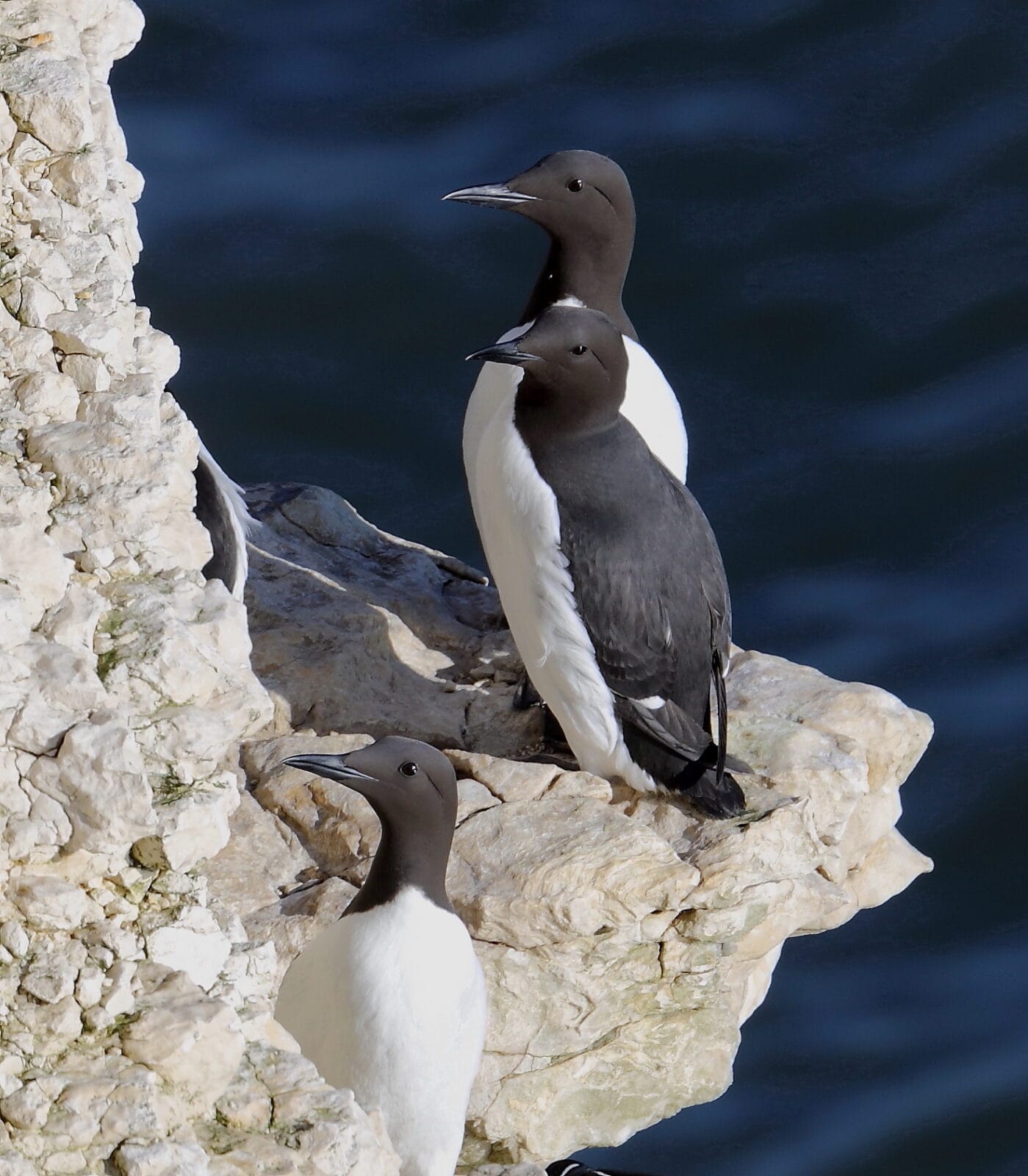
The weather consisted of very light southerly winds, sunny skies with increasing cloud and temperatures reaching ten degrees C. A skein of 40 Pink-footed Geese flew north over the Fog Station during the morning, whilst the headland’s freshwater sites hosted three Shelduck, 33 Wigeon, 83 Teal, two Grey Herons and a Snipe; a Woodcock was flushed for the cliff top near the Fog Station during the afternoon. Thousands of Guillemots were on the cliffs, along with several hundred Razorbills rafting close inshore and four Puffins at RSPB Bempton Cliffs. Visible migration accounted for three Lapwing, 23 Jackdaw, 39 Skylarks, eight Chaffinch, five Linnets and a Greenfinch flying south over the outer head. Two male Stonechat at North Marsh were presumably spring migrants.
A foggy/misty day, with a light south-easterly wind. Visibility was significantly impaired, resulting in a quiet day. The day’s highlight related to the morning discovery of two Swallows at RSPB Bempton Cliffs. This represented the county’s earliest ever record (previously, two at Bolton-on-Swale on 3rd March 1995) and was followed by southbound single(s) during the afternoon at Holmpton and Spurn.
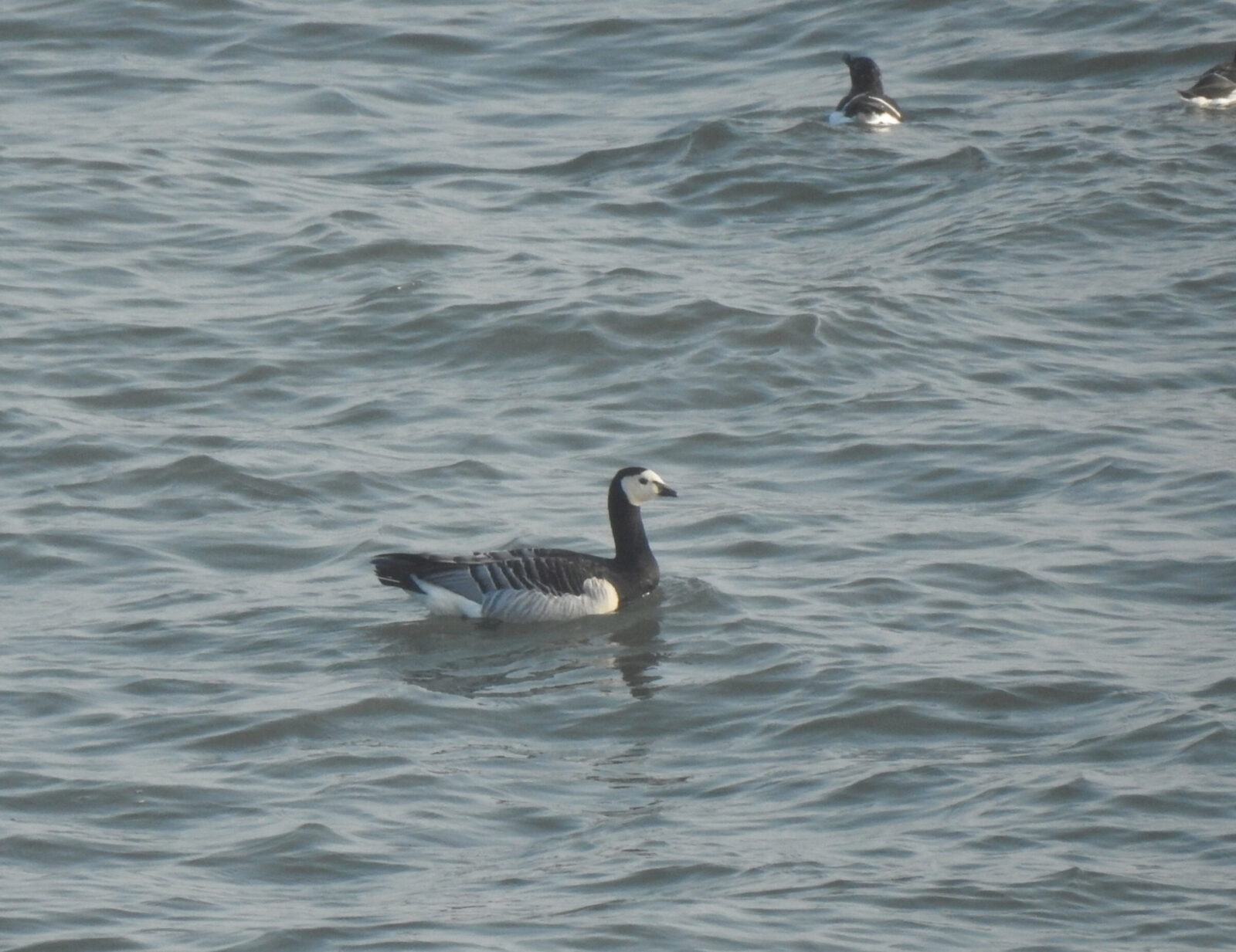
The weather consisted of light, variable winds, hazy sunshine and temperatures that reached ten degrees C. During the seawatch, 43 Wigeon flew south and the year’s first Lesser Black-backed Gull headed in the opposite direction. A Whooper Swan rested on Buckton Pond before flying south, whilst a single Barnacle Goose, initially on the sea off the Fog Station, was refound on fields near North Marsh. Both single Little Egret and Hooded Crow were located on the beach between Beacon Hill and South Landing, whilst a Short-eared Owl was seen at RSPB Bempton Cliffs. Nearby, 75 Yellowhammers and 50 Corn Buntings remained at Buckton. The Pied Crow continued its sojourn in the village, again spending considerable time on Beech Avenue.
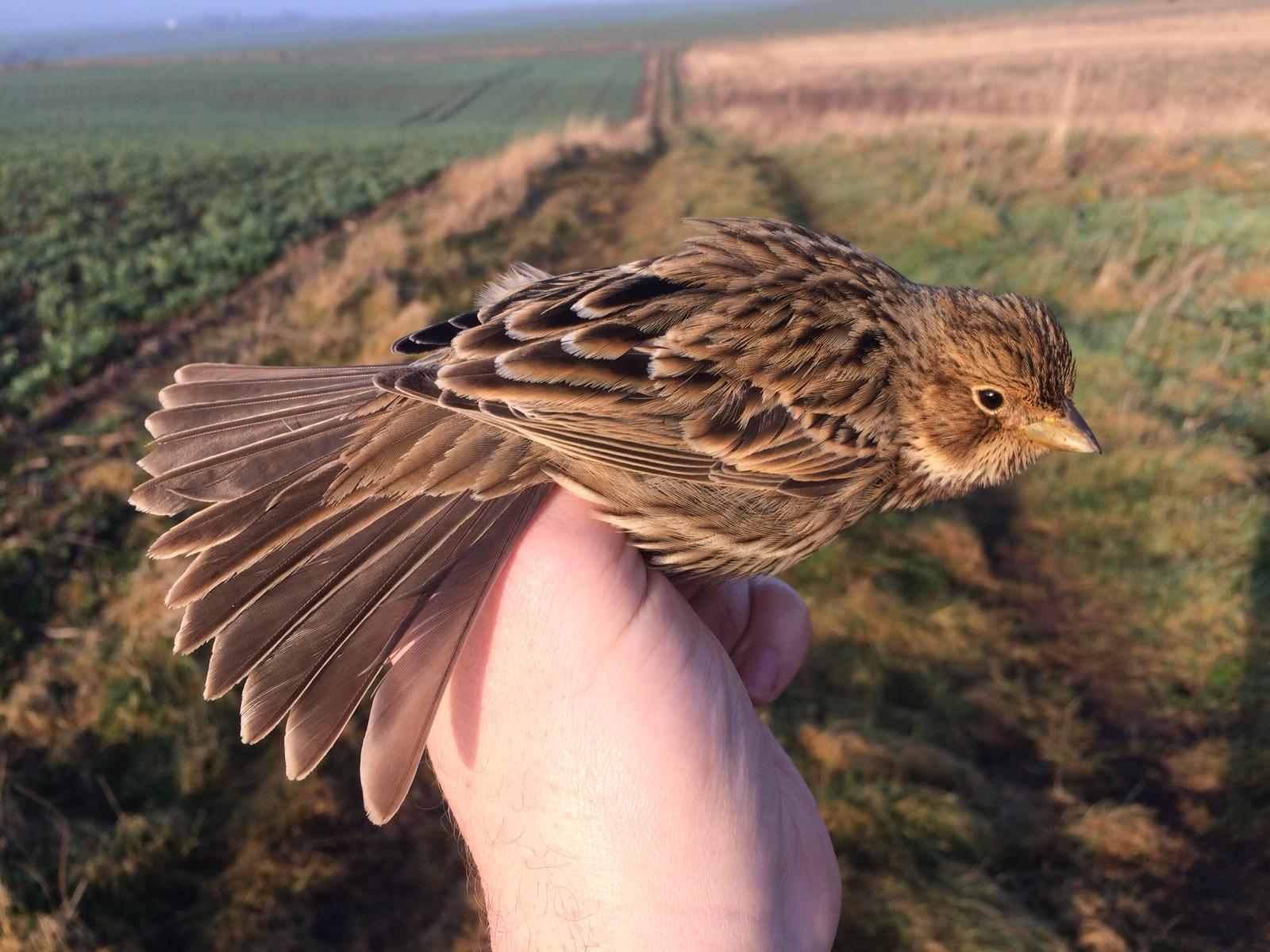
Corn Bunting, Buckton, by Mark ThomasBarnacle Goose, Fog Station, by Brett Richards
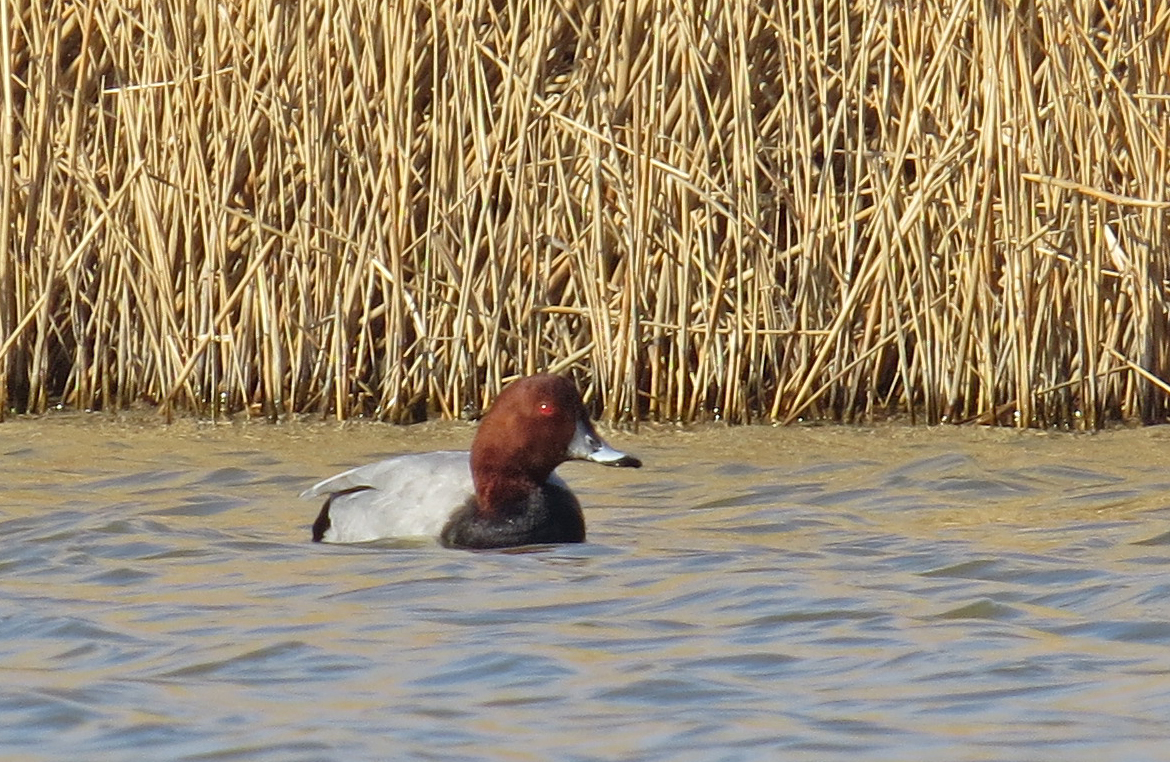
Another sunny day, with light south-wet winds and temperatures reaching ten degrees C. Two Puffins were recorded during a relatively quiet seawatch. In addition, the Barnacle Goose lingered near North Marsh, but a drake Pochard at Thornwick Pools and eight Lapwing were new arrivals. Passerine interest included two Lapland Buntings, one of which overflew Thornwick Pools.
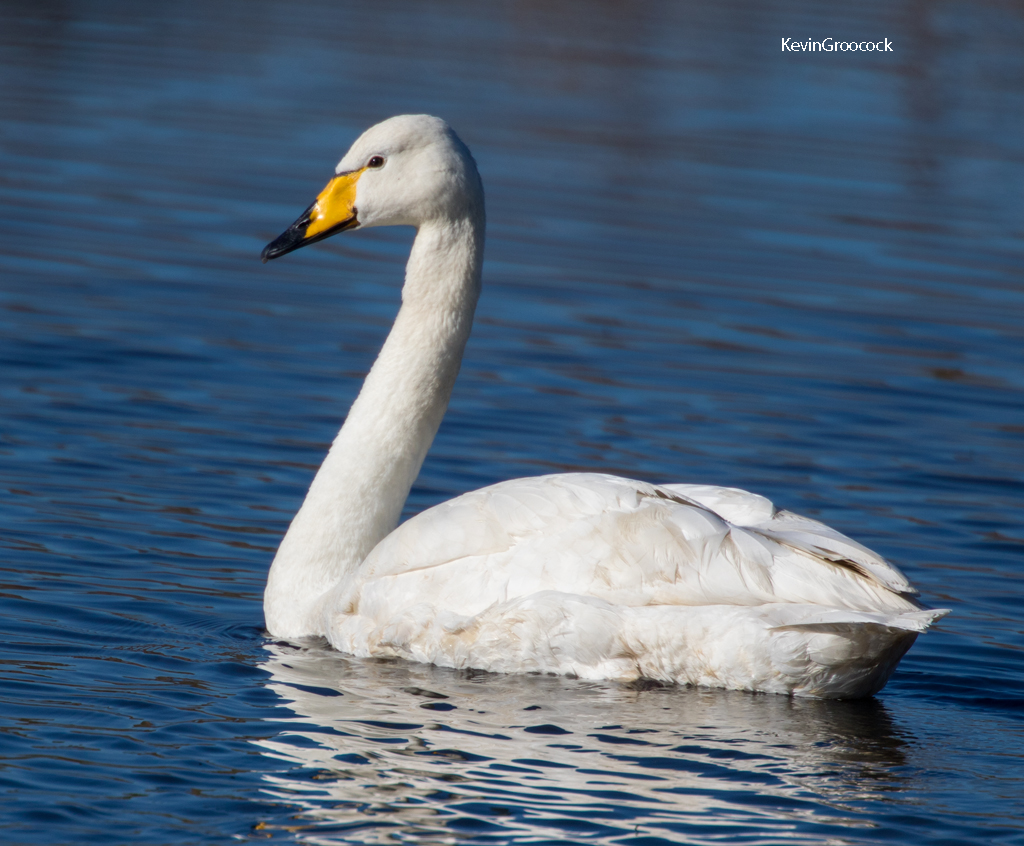
Sunny throughout, with calm conditions and temperatures reaching 11 degrees C. The most unusual record from a relatively quiet seawatch was a single Long-tailed Tit that flew past the Fog Station. The Whooper Swan re-appeared on Buckton Pond, with the lone Barnacle Goose accompanied by two Pink-footed Geese near North Marsh and the drake Pochard still in residence at Thornwick Pools.
Whooper Swan, Buckton Pond, by Kevin GroocockPochard, Thornwick Pools, by Karen Thomas
Another sunny day, with light winds and temperatures reaching 14 degrees C. Reflective of the settled conditions, the seawatch was quiet, with a Ringed Plover heading south and 316 Kittiwakes off the Fog Station notable. Buckton Pond again played host to the Whooper Swan, single Pink-footed Goose and Barnacle Goose remained near North Marsh and the drake Pochard lingered on Thornwick Pools. Passerine interest included sightings of two Nuthatch and one Siskin.
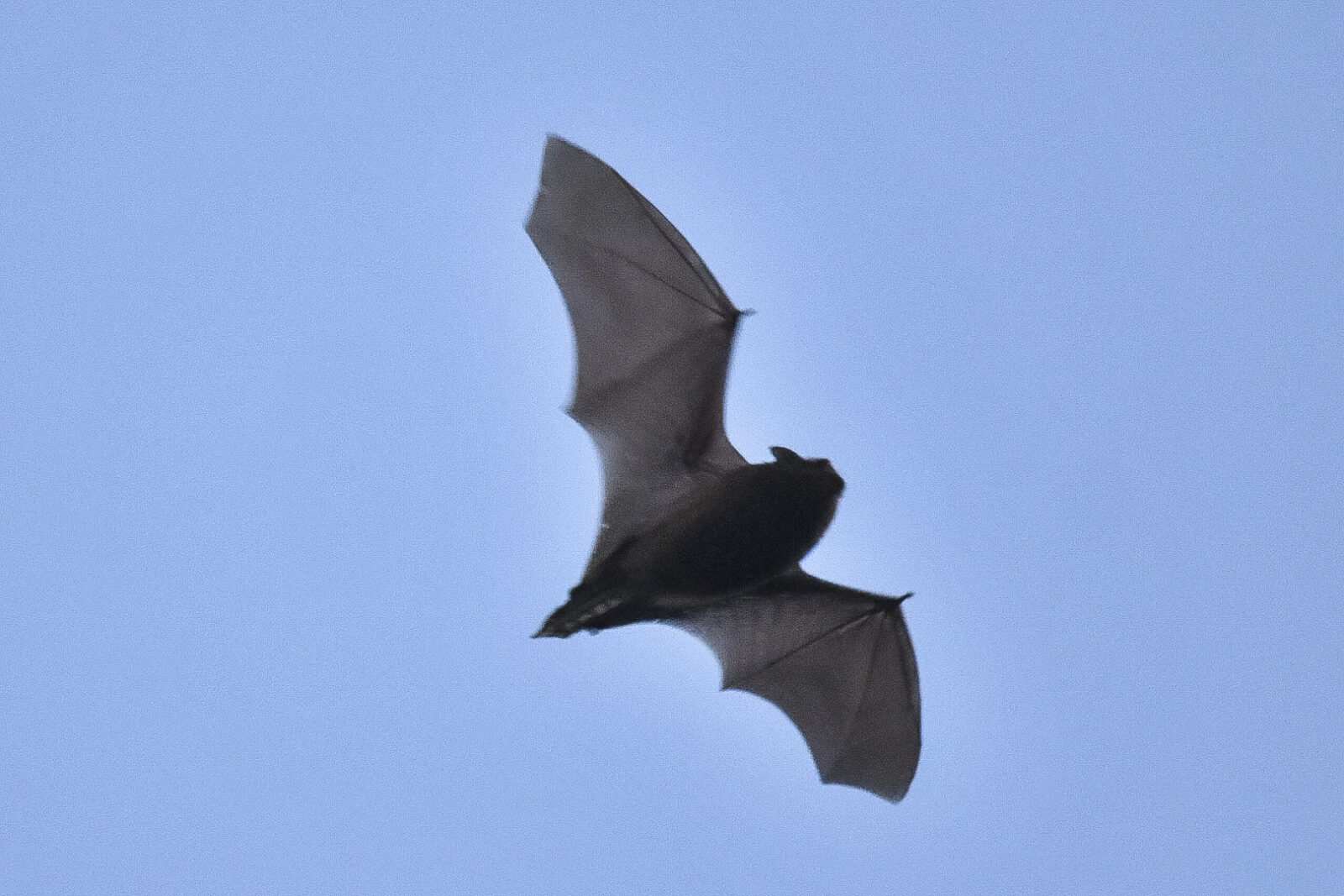
Whooper Swans Buckton Pond, by Alan WalkingtonCommon Pipistrelle, Oceanview, by Andy Hood
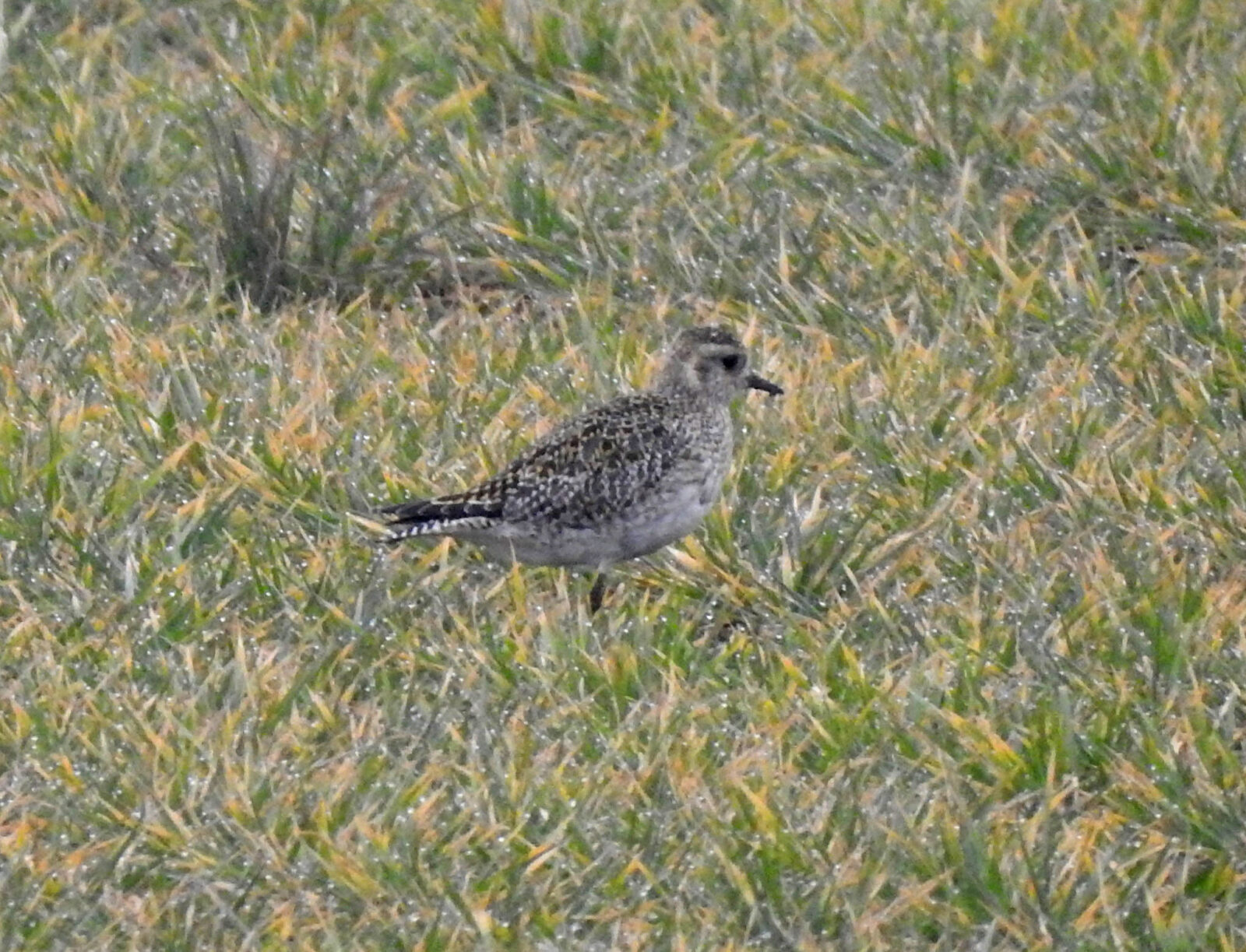
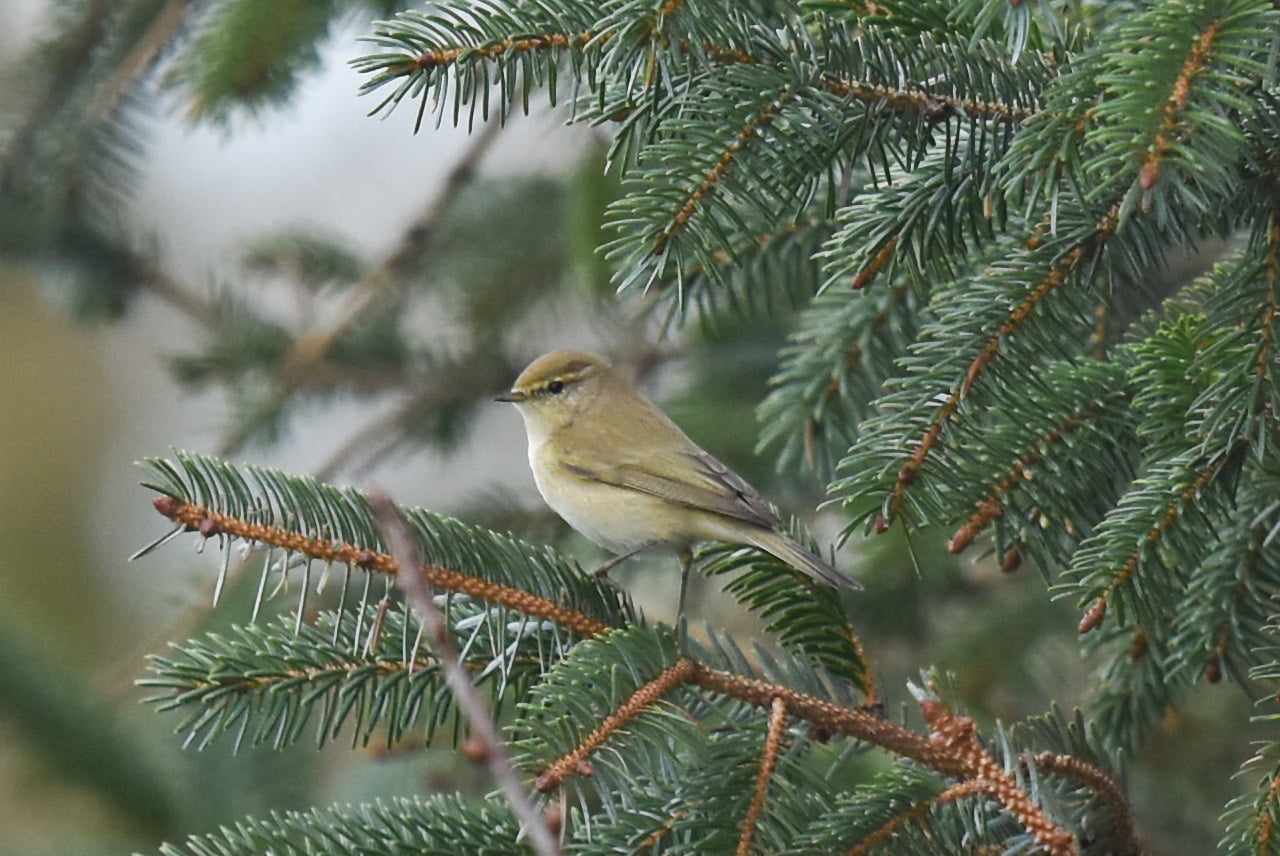
A foggy day that precluded any chance of a seawatch, with temperatures reaching a mere seven degrees C. Notable sightings included the Pochard remaining on Thornwick Pools, a Ringed Plover near South Landing and three Golden Plovers at Hartendale. A Chiffchaff also at Hartendale was almost certainly a fresh-in migrant, as were two Goldcrests on Old Fall Hedge.
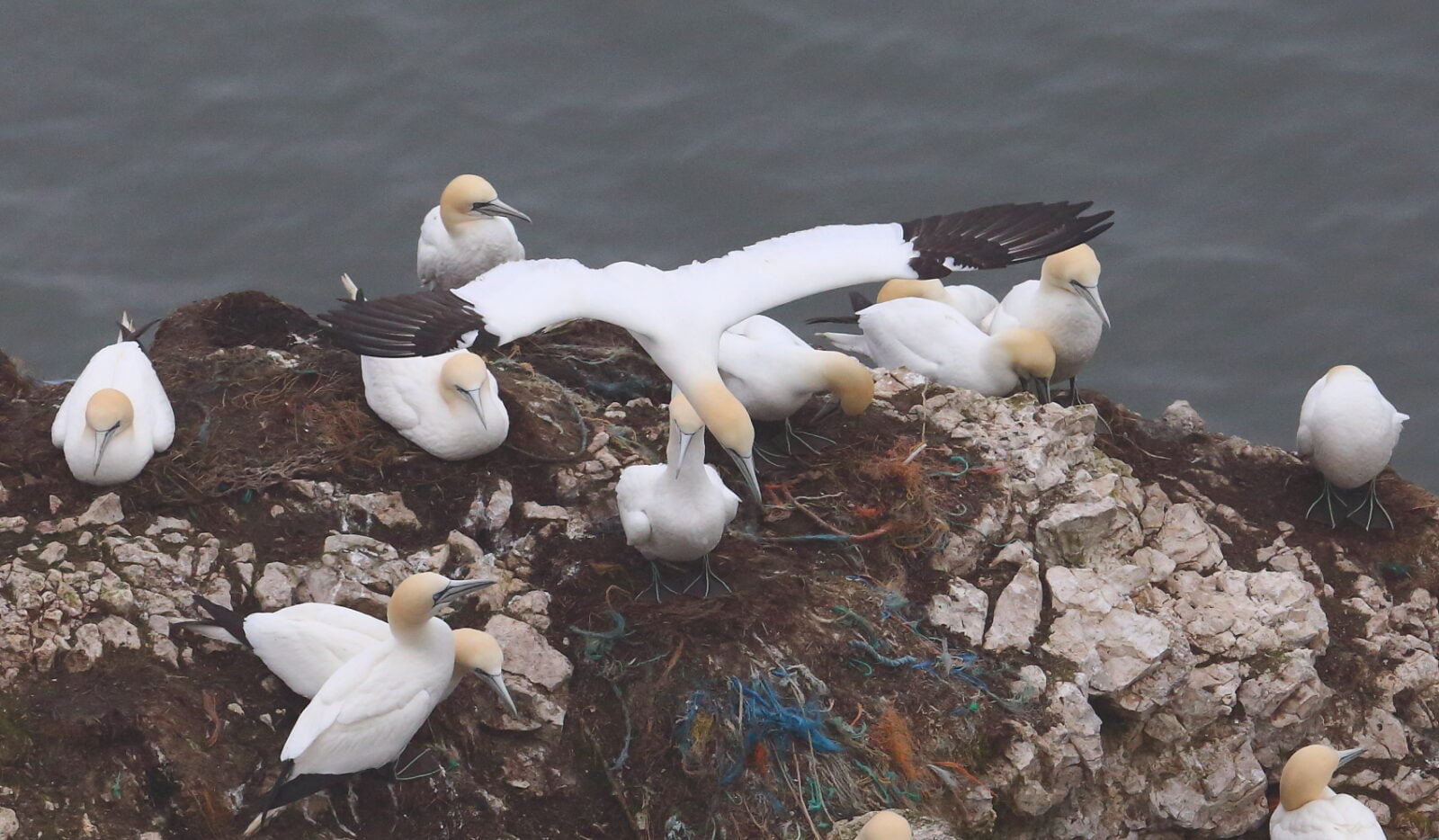
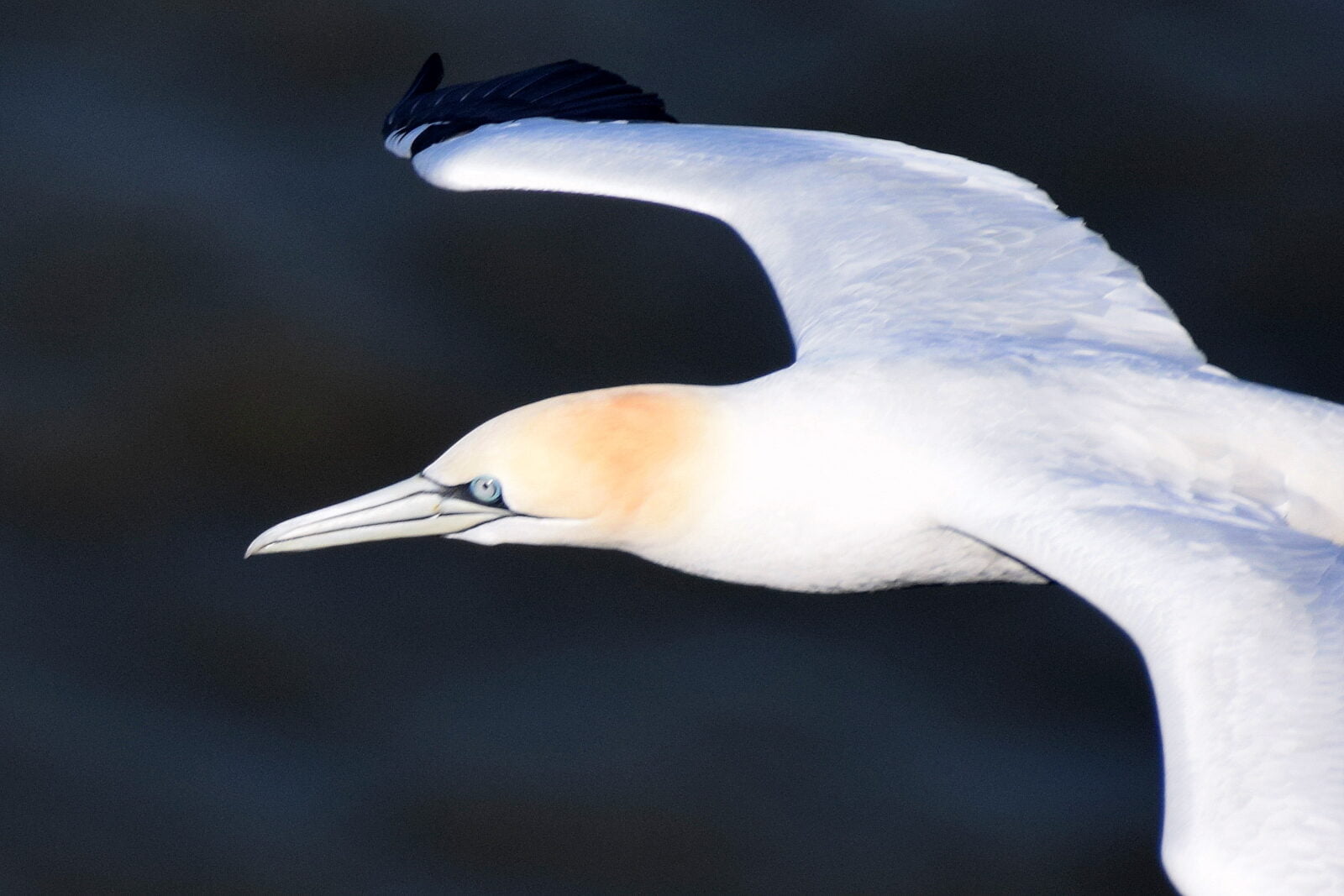
Gannet, RSPB Bempton Cliffs, by Alan WalkingtonGolden Plover, Hartendale, by Brett Richards
A largely overcast day after a brighter start, with a light south-west wind and temperatures reaching seven degrees C. Sightings included the long-staying Barnacle Goose and Pochard along Lighthouse Road and Thornwick Pools respectively, 40 Teal, two Coot and 29 Curlew. Passerine interest involved 38 Magpies, one Goldcrest, five Scandinavian Rock Pipits, seven Bullfinch and a Siskin.
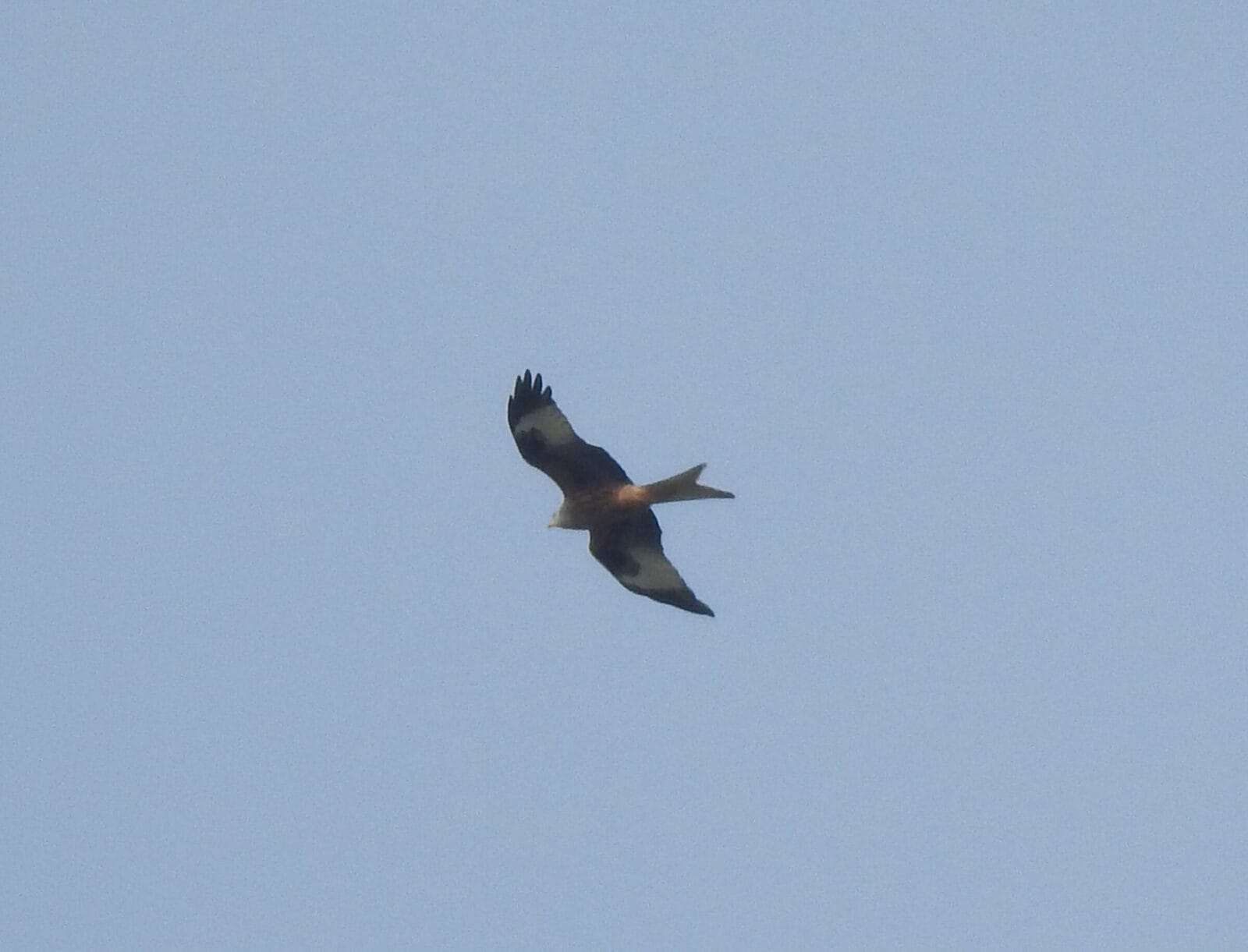
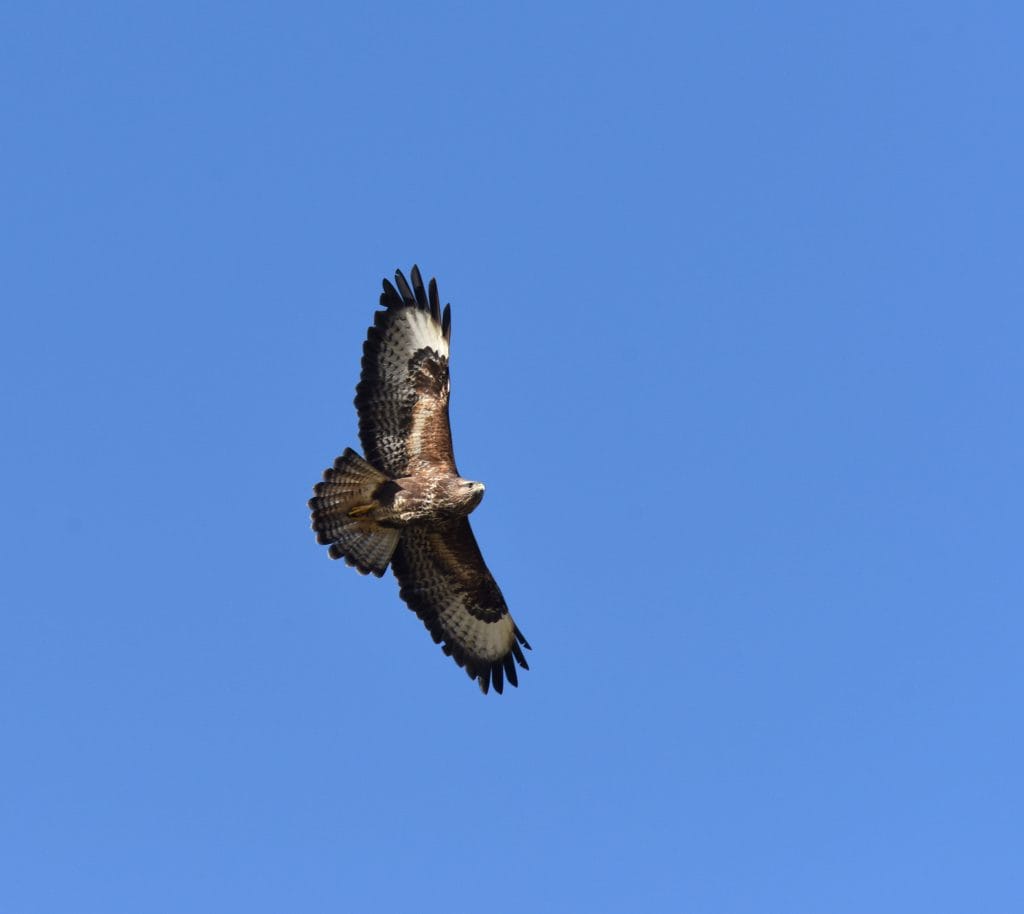
South-westerly winds strengthened throughout a day that started overcast with brighter spells later; temperatures reached 11 degrees C. Wildfowl interest on the headland included the Barnacle Goose, four Shelduck, 74 Teal, 25 Wigeon and the Pochard, whilst two Grey Herons also toured the freshwaters. Three Red Kites spent the best part of an hour over the village/Dykes late morning, before they headed strongly west; at times, they shared the same airspace as four Common Buzzards and a pair of Peregrine. The Chiffchaff remained at Hartendale, whilst three Goldcrests were also present.
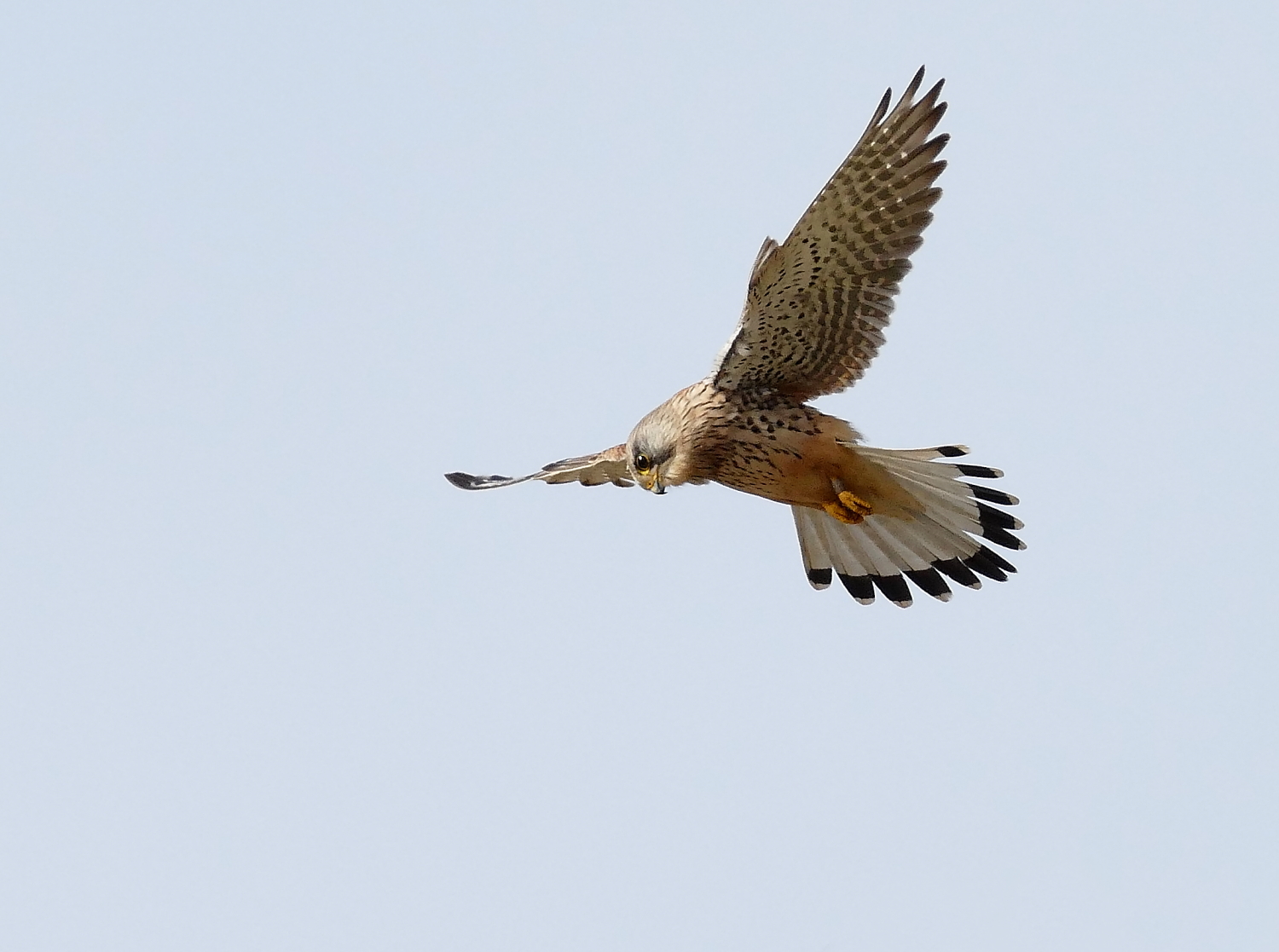
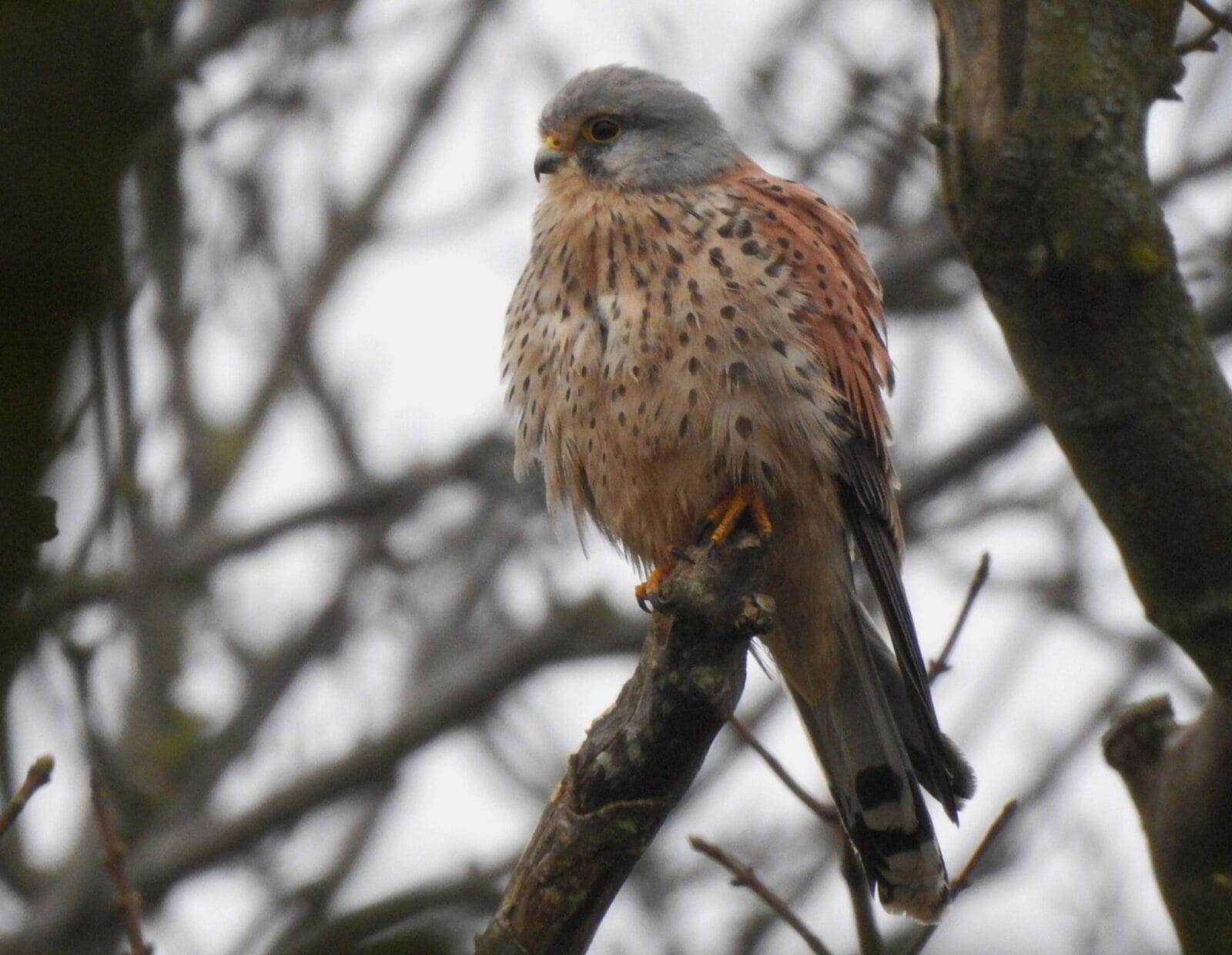
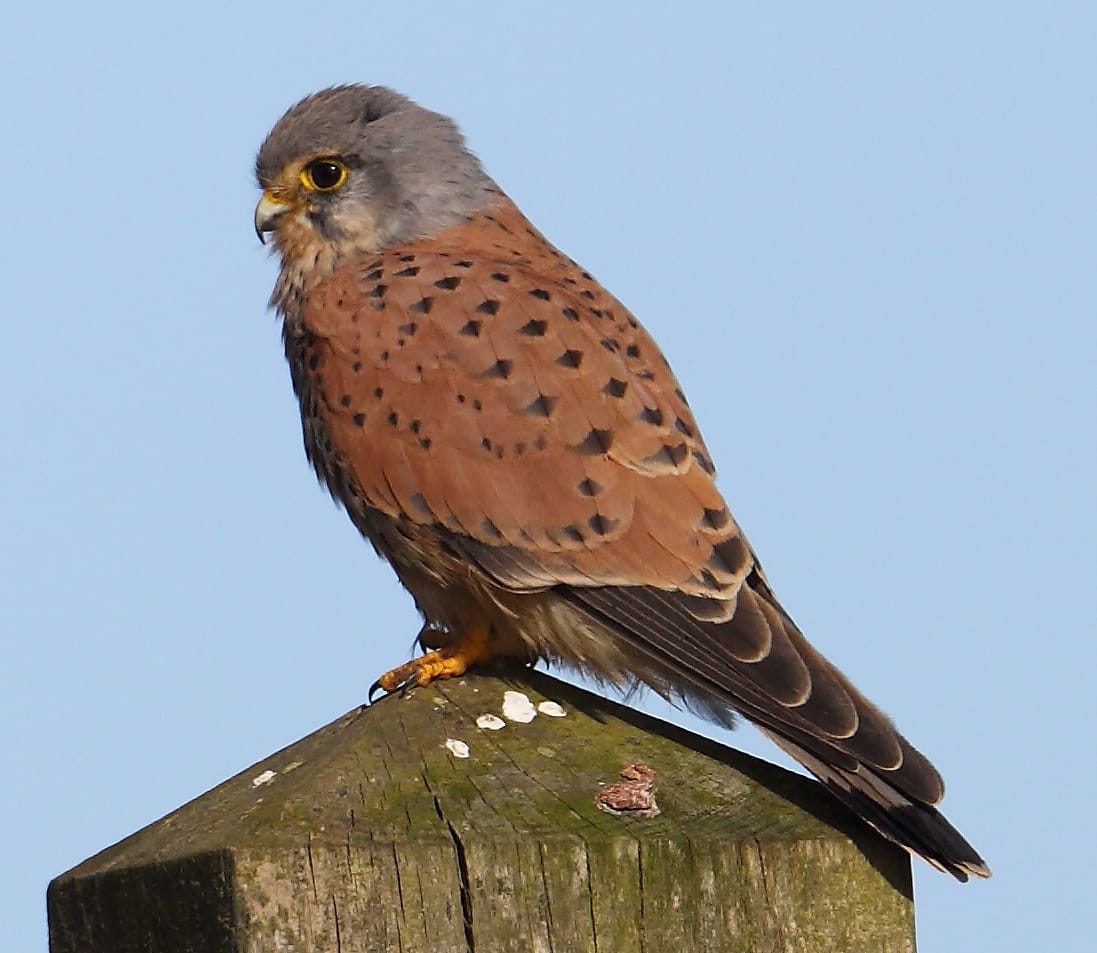
Kestrel, Old Fall, by Brett RichardsRed Kite, Flamborough village, by Brett Richards
An overcast day that featured increasingly strong south-west winds, light rain from early afternoon and temperatures that reached nine degrees C. During the seawatch, a second calendar-year Yellow-legged Gull flew south, whilst a significant feeding frenzy formed off the headland that included 550 Herring Gulls.
The Barnacle Goose visited Stainforth’s Flash early morning, whilst a Water Rail was heard ‘singing’ at Thornwick Pools. Passerines included a Chiffchaff at Oceanview, two Siskins in the village and a Lapland Bunting near North Landing.
The morning sea-watch recorded two Common Scoter south, Black-throated Diver north, 22 Fulmar north, 12 Great Black-backed Gull and present off the headland were 350 Gannet, 15 Shag, 29 Cormorant, a large flock of 330 feeding Herring Gull and 1000s of Guillemot.
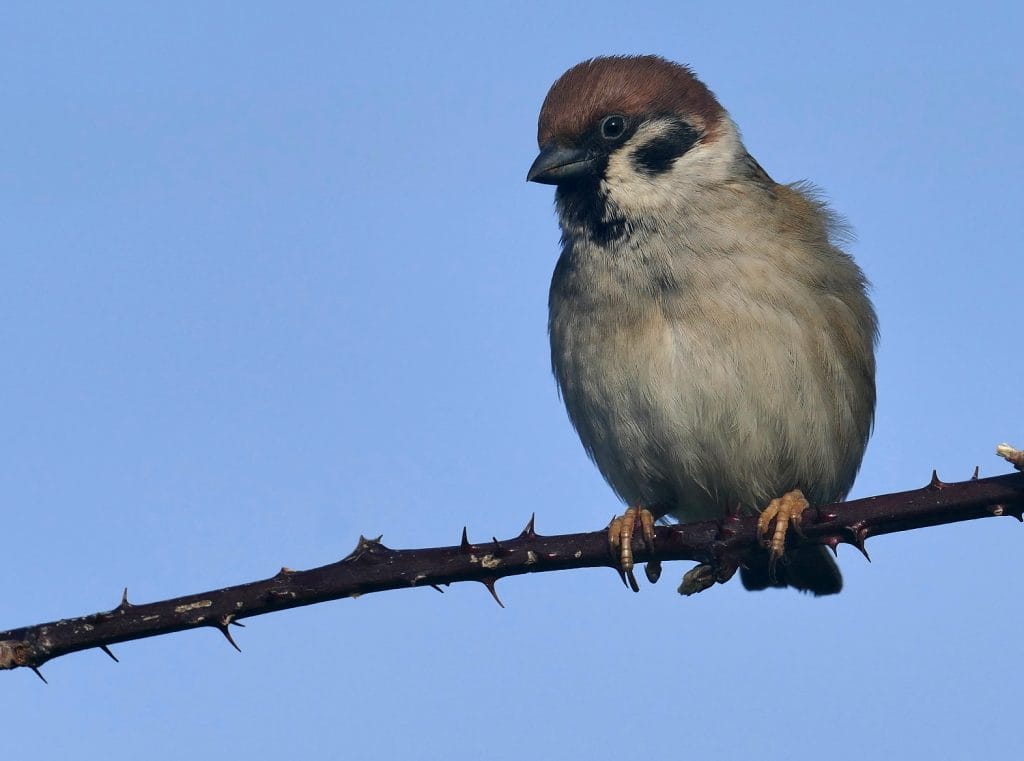
East of the Dykes was the usual Barnacle Goose, 150 Grey-lag Goose, two Shelduck, 28 Wigeon, eight Teal, Grey Heron, Peregrine, Buzzard, 44 Black-headed Gull, 45 Great Black-backed Gull, 12 Curlew at Hartendale, the resident Pied Crow on Beech Avenue, two Treecreeper and two Tree Sparrow.
An overcast day, with a moderate south-westerly wind and temperatures reaching six degrees C by late morning. Sightings during the seawatch included aggregations of 55 Turnstone and 30 Purple Sandpipers. Elsewhere, the Barnacle Goose and 21 Wigeon remained in residence. Passerine interest included a minimum of two Scandinavian Rock Pipits on South Landing beach.
An overcast day, with a moderate southerly wind and rain around dawn and showers later. Highlights of the seawatch included a Great Northern Diver, 422 Kittiwakes, a Mediterranean Gull and one Puffin flying north. Meanwhile, a Chiffchaff continued to frequent the hedgerow adjacent to Hartendale WTW, the Pied Crow overflew South Dykes and a Siskin visited a village garden.
The weather consisted of moderate to strong south-westerly winds, generally overcast skies with occasional rain; temperatures peaked at six degrees C. A juvenile Glaucous Gull flying north represented the highlight of the morning’s seawatch, with a lone Puffin heading in the opposite direction.
After a sunny start, increasing cloud brought light rain during the afternoon; chilly despite relatively light south-west winds, with temperatures peaking at six degrees C. Seawatch highlights included 38 Red-throated Divers, 898 Fulmars, two Manx Shearwaters and 2588 Kittiwakes flying north. The Barnacle Goose, 27 Wigeon, 60 Teal and a Coot frequented North Marsh. Passerine interest included two Redwing and a Chiffchaff, but pride of place went to a House Martin that flew east at RSPB Bempton Cliffs; the latter potentially Yorkshire’s earliest ever.
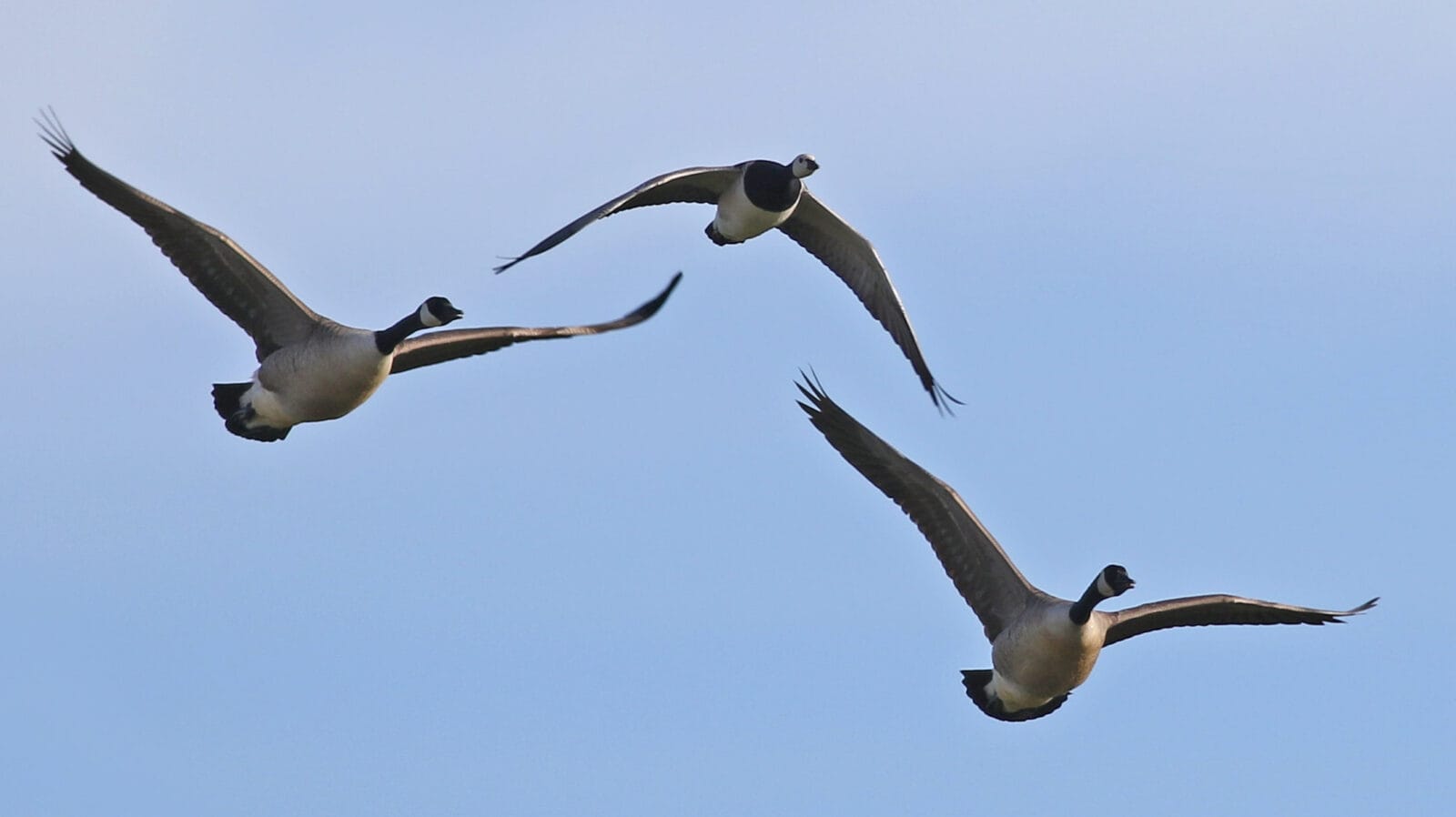
Barnacle Goose (with Canadas), North Marsh, by Craig Thomas
A day of moderate/strong west-north-west winds, sunny intervals and showers, with temperatures reaching eight degrees C. During the morning’s seawatch, a single dark-bellied Brent Goose flew north, whilst four Eiders sheltered off the Fog Station. Away from the sea, the Barnacle Goose and 22 Wigeon lingered near North Marsh, with 27 Curlews located on the south side. Passerine interest included three Redwings and a Scandinavian Rock Pipit.
The weather consisted of increasingly strong westerly winds, overcast skies, with a belt of rain crossing the area during the middle of the day before brighter spells later; temperatures reached four degrees C by late morning. During the seawatch, three Eiders flew north, whilst Puffins returned to the cliffs near the Fog Station and also at RSPB Bempton Cliffs, where a minimum of 22 birds appeared. The Barnacle Goose lingered and 30 Curlews frequented the headland. The Hooded Crow was relocated on the beach below Beacon Hill, having been last seen on 24th February, whilst a Scandinavian Rock Pipit was at nearby South Landing.
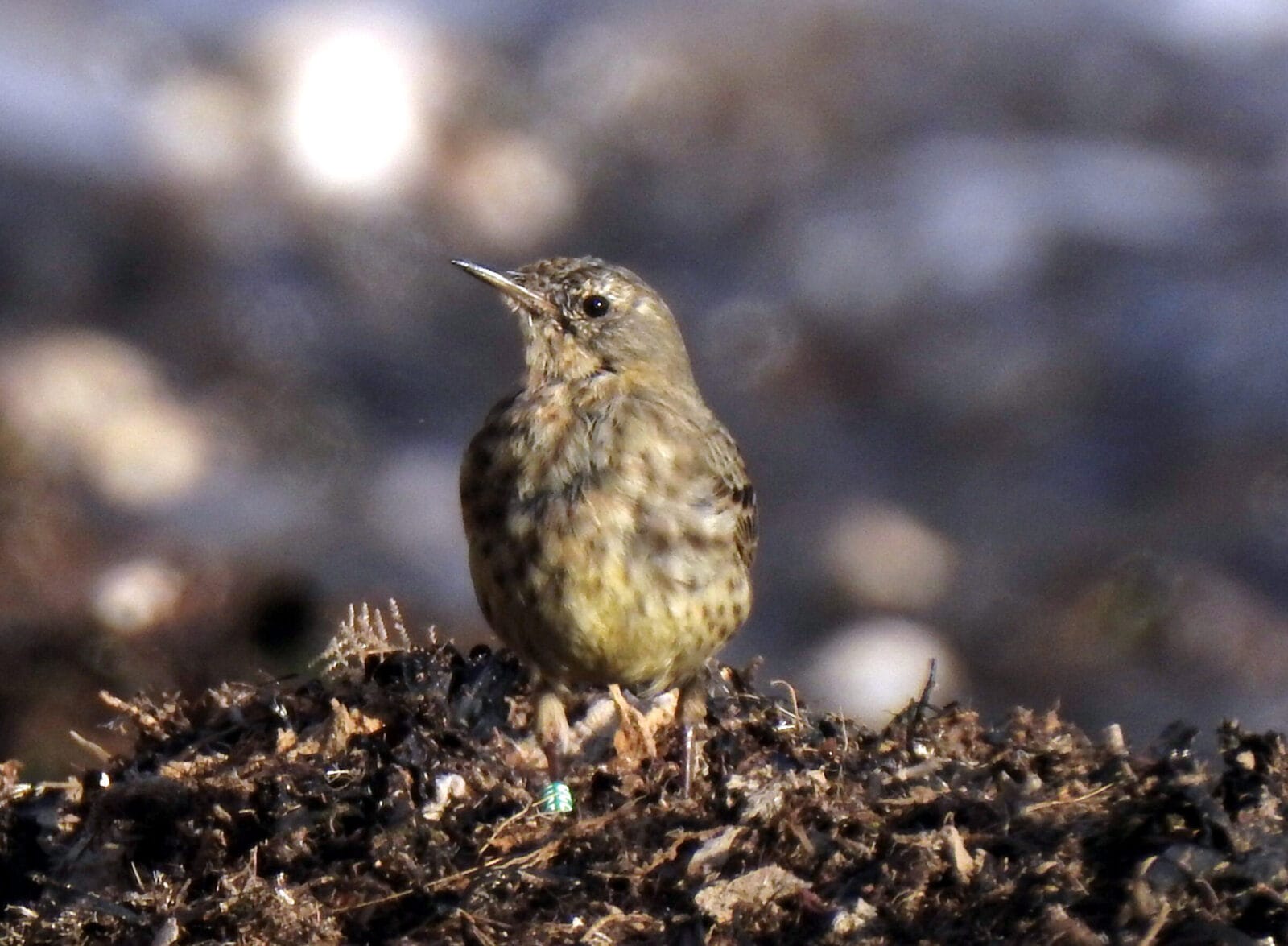
Scandinavian Rock Pipit, South Landing, by Brett Richards
A moderate/strong westerly wind, sunny intervals and temperatures reaching seven degrees C. During the seawatch, 21 Red-throated Divers flew past the Fog Station, whilst 349 Fulmars moved north. The Barnacle Goose remained in residence and two Common Buzzards again displayed over Mid Dykes. The Pied Crow reappeared on Beech Avenue, but two Chiffchaffs and a Goldcrest at South Landing were new arrivals.
A mixed day with strong south westerly winds and rain during the morning, becoming sunny with lighter winds by mid-afternoon. 23 Red-throated Diver represented the highlight of the morning sea watch. On the land the single Barnacle Goose remained around the outer headland and 2 Chiffchaff were at Bempton.
A day of strong westerly winds, sunny intervals and temperatures reaching 11 degrees C. During the seawatch, 220 Fulmars flew north, with eight Red-throated Divers and a Great Crested Grebe heading south. Sightings from South Landing included four Eider offshore and a Chiffchaff in the ravine. However, the day’s highlight was the re-appearance of the Bittern at Thornwick Pools which was seen flying across the pool between the two areas of phragmites.
Very strong west-north-west winds gradually abated during a day that started wet, with sunny intervals then dominating, whilst temperatures reached 12 degrees C. During the morning seawatch, a Red-throated Diver, 117 Fulmars, 34 Kittiwakes and six Razorbills flew north, with a Peregrine also touring the outer head. Passerine interest was limited due to the wind strength, although 13 Yellowhammers attended feeders in the South Landing/Church Lane area.
The day featured gale force westerly winds, sunny intervals and temperatures that reached 12 degrees C. During the morning’s seawatch, single Eider and Red-throated Diver, 210 Fulmars, 81 Kittiwakes and a Lesser Black-backed Gull flew north; signs of visible migration over the Fog Station included seven Rook.
Single Chiffchaff were located at both Oceanview and South Dykes, with a Nuthatch also at the latter location. Two Redwing were undoubtedly migrants, as almost certainly were the bulk of 40 Chaffinch.
A wet morning was followed by brighter spells and showers during the afternoon, a strengthening westerly wind and temperatures that reached ten degrees C. During the seawatch, 11 Golden Plover flew south and two Fieldfare came in off, whilst an additional Golden Plover moved south over the headland.
A minimum 55 Teal frequented North Marsh, with two Snipe and a Jack Snipe at Thornwick Pools. Two Chiffchaff included a fresh arrival in the Golf Course Willows, as was a Scandinavian Rock Pipit on Stainforth’s Flash.
Another windy day, with strong west-north-west winds, sunny intervals and occasional showers. Highlights of the seawatch included 289 Fulmars flying north, along with a Ringed Plover, one Lesser Black-backed Gull and two Puffins; another Puffin headed south. Three Red Kites over South Landing eventually headed off west over South Dykes, whilst 20 Curlews and 25 Turnstone frequented the shore between these locations. Migrant passerines included two Chiffchaff at Oceanview, a White Wagtail at Cattlemere and a Fieldfare at Thornwick.
The weather consisted of prolonged sunny intervals, light winds, generally with a northerly component and temperatures that reached eight degrees C. During the seawatch, two Eider, 231 Fulmars, a Manx Shearwater, 2650 Kittiwakes and 22 Puffins flew north. Three Lapwing visited Oceanview, whilst migrant passerines included single Chiffchaff, White Wagtail and Siskin.
A day of sunny intervals, but also overcast at times, with light south-west winds and temperatures attaining 11 degrees C. Sightings during the seawatch included seven Eider, a Bonxie flying north and 78 Puffin; the latter part of a significant increase along the cliffs.
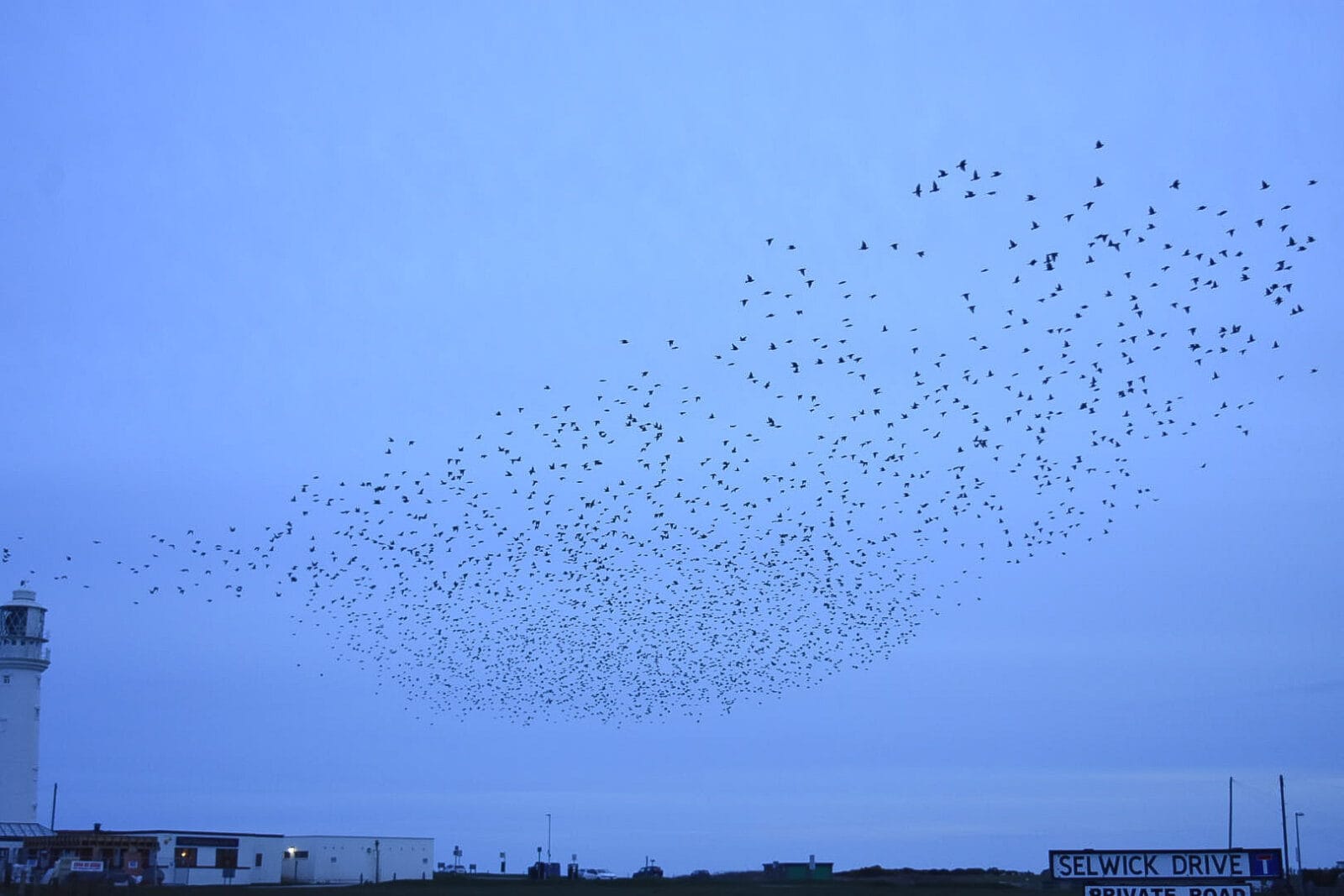
Two Whooper Swans flew north over the village, whilst a Red Kite initially over the outer head was presumably joined by another mid-morning, when two Red Kites circled over Hartendale. Passerine interest included increased numbers of Meadow Pipits, Pied Wagtails and Starling, with a minimum of 1200 of the latter gathering on the headland. In addition, there were 13 Bullfinch, 32 Yellowhammers and 13 Reed Buntings, the latter including a flock of 12 males near Hartendale.
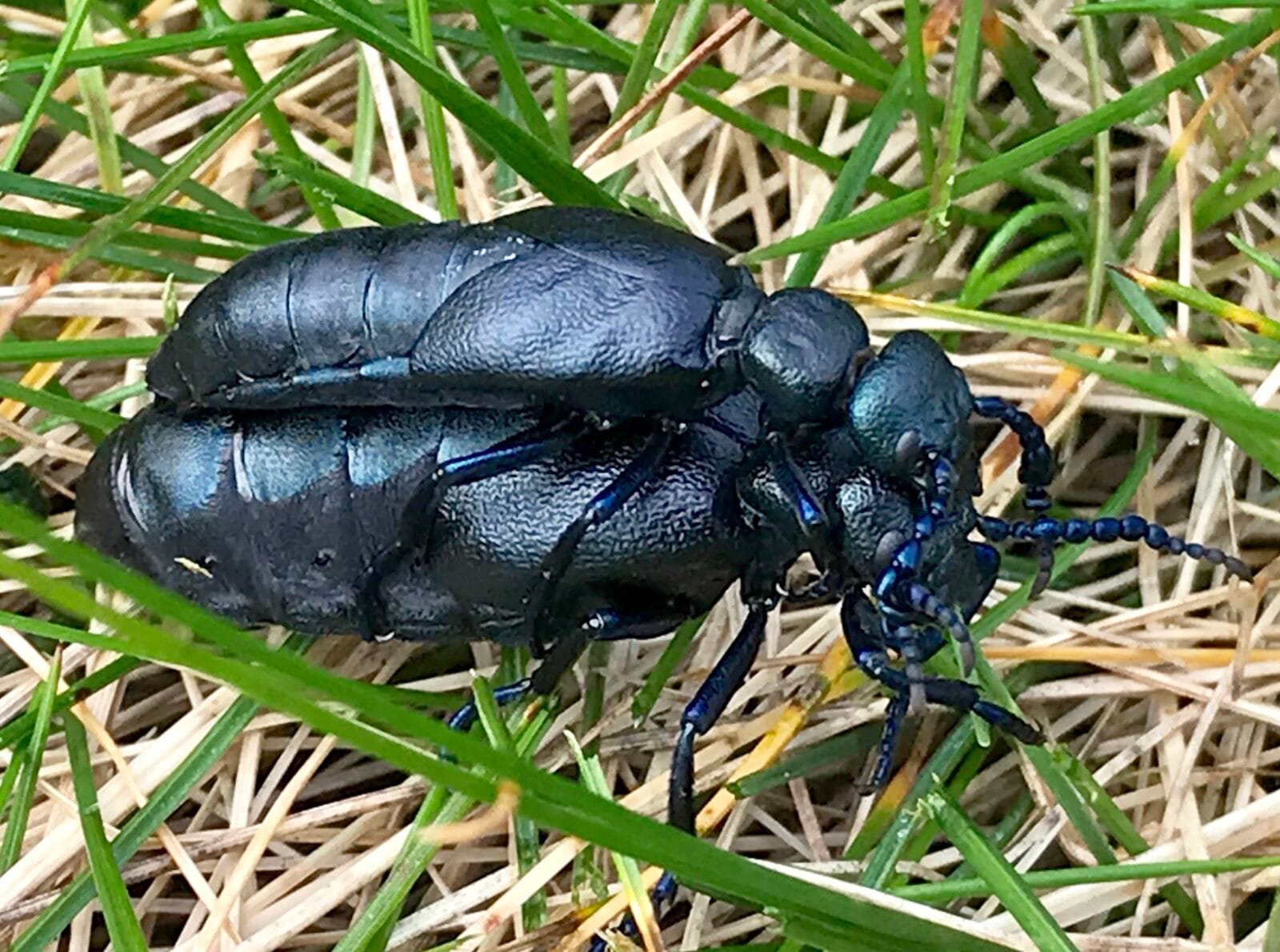
Kestrel, Gorse Field, by Alan WalkingtonBlack Oil Beetles, outer head, by Jo Hood
More spring-like conditions resulted from light south-west winds, sunny intervals and temperatures peaking at 16 degrees C. During the seawatch, two Eiders flew south and 62 Puffins were also recorded.
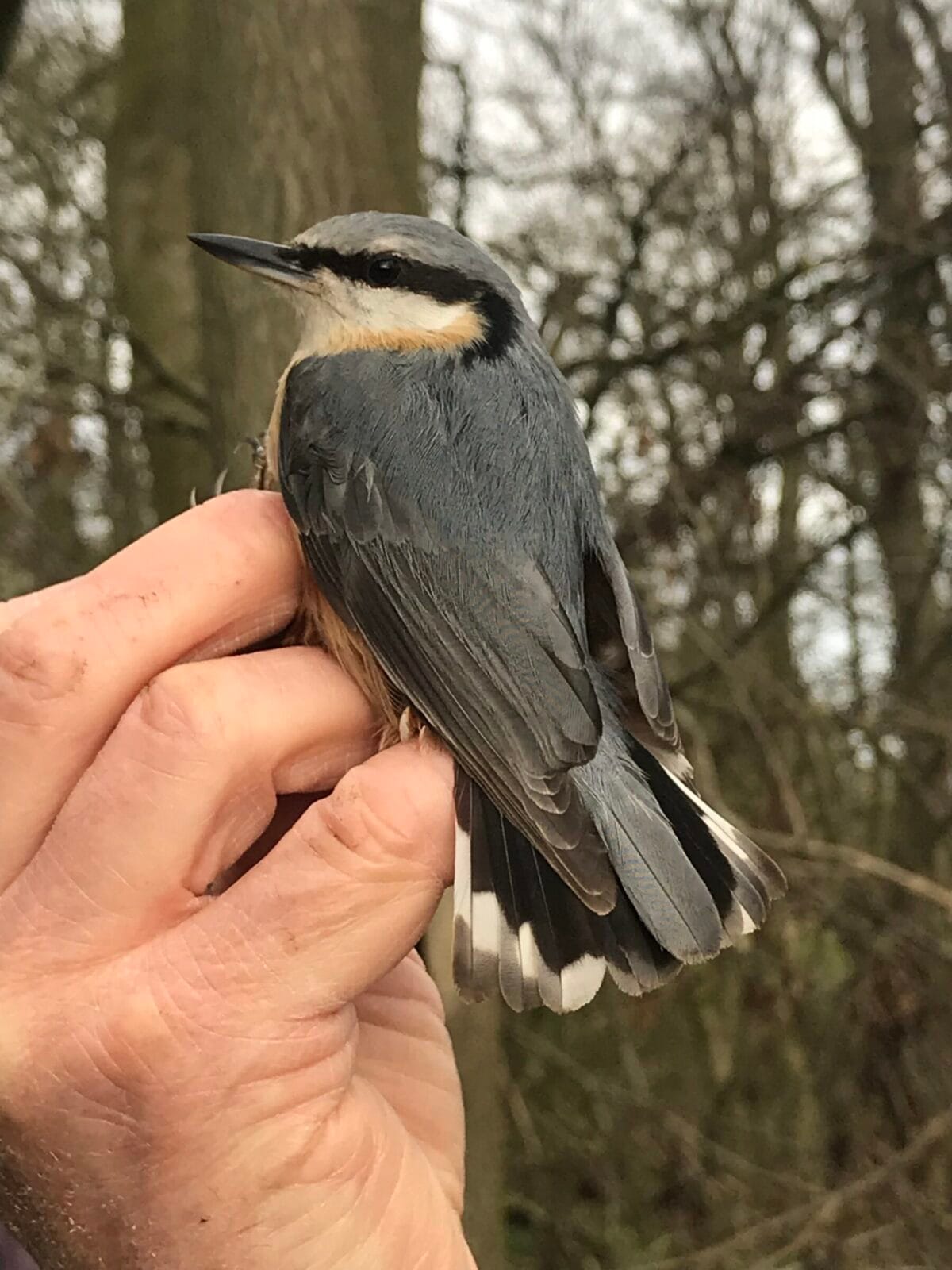
Another Red Kite over the outer head eventually flew west and was later relocated over Buckton village; Common Buzzards were displaying over Mid Dykes and, more unusually, east of the village. Migrants included seven Chiffchaffs, 1400 Starlings, seven Redwing, one Fieldfare, a male Stonechat near Old Fall, two Wheatear, 14 Pied Wagtails, a White Wagtail and a Snow Bunting; the latter flying south-west over Old Fall. A ringing session in South Dykes caught the two Nuthatch; the first ever to be rung at Flamborough.
Sightings from RSPB Bempton Cliffs included five Whooper Swans flying north, a pair of Gadwall on the sea, a Chiffchaff, two Wheatear and a White Wagtail.
A cloudy start to the day, but becoming brighter and the temperature rising to 15c. Seawatch observations included 16 Whooper Swan on the sea at 1025hrs which left north five minutes later, two female-type Goosander, 21 Red-throated Diver, 74 Puffin and two Chaffinch in-off; also present were nine Oystercatcher and 80 Common Gull.
Other parts of the headland had a reasonable mix of species with three Whooper Swan north over the village, 31 Teal, five Woodcock, an Avocet at Thornwick Pools, five Buzzard, five Great Spotted Woodpecker, seven Wheatear, two White Wagtail, a Nuthatch, Hooded Crow at Beacon Hill, nine Redwing, 11 Chiffchaff, 15 Bullfinch and a Brambling.
Further north at Bempton there were Short-eared Owl, nine Wheatear, three White Wagtail, two Chiffchaff, 120 Linnet, 85 Corn Bunting, whilst nearby, there were 19 Whooper Swan in a field north of Buckton Manor.
A mild, but cloudy day, with light south-westerly winds. On the seawatch, a single Dark-bellied Brent Goose flew south along with three Eider; seven Common Scoter and 11 Red-throated Diver were also logged. Nine Pink-footed Geese flew north over South Landing, with four over Bempton. Further spring passage was evidenced by 12 Chiffchaff on the outer headland, with an additional three at both Bempton and Buckton. Four Wheatear were at Bempton and four White Wagtail were across the wider headland.
A generally sunny day, with light to moderate north-westerly winds. There was a significant arrival of early spring migrants with 31 Chiffchaff, 16 Wheatear, three White Wagtails and five Siskin. Continuing the good run of Red Kite records; one was over Head Farm during mid-morning. In addition, 3500 Starling continued to build around the outer headland.
For the second day running, a single Dark-bellied Brent flew past on the seawatch, along with five Eider, a Common Scoter and 23 Red-throated Diver.
An increasingly strong westerly wind established during a largely sunny day, with temperatures reaching nine degrees C. During the seawatch, an Eider, nine Puffin and a Grey Wagtail flew north.
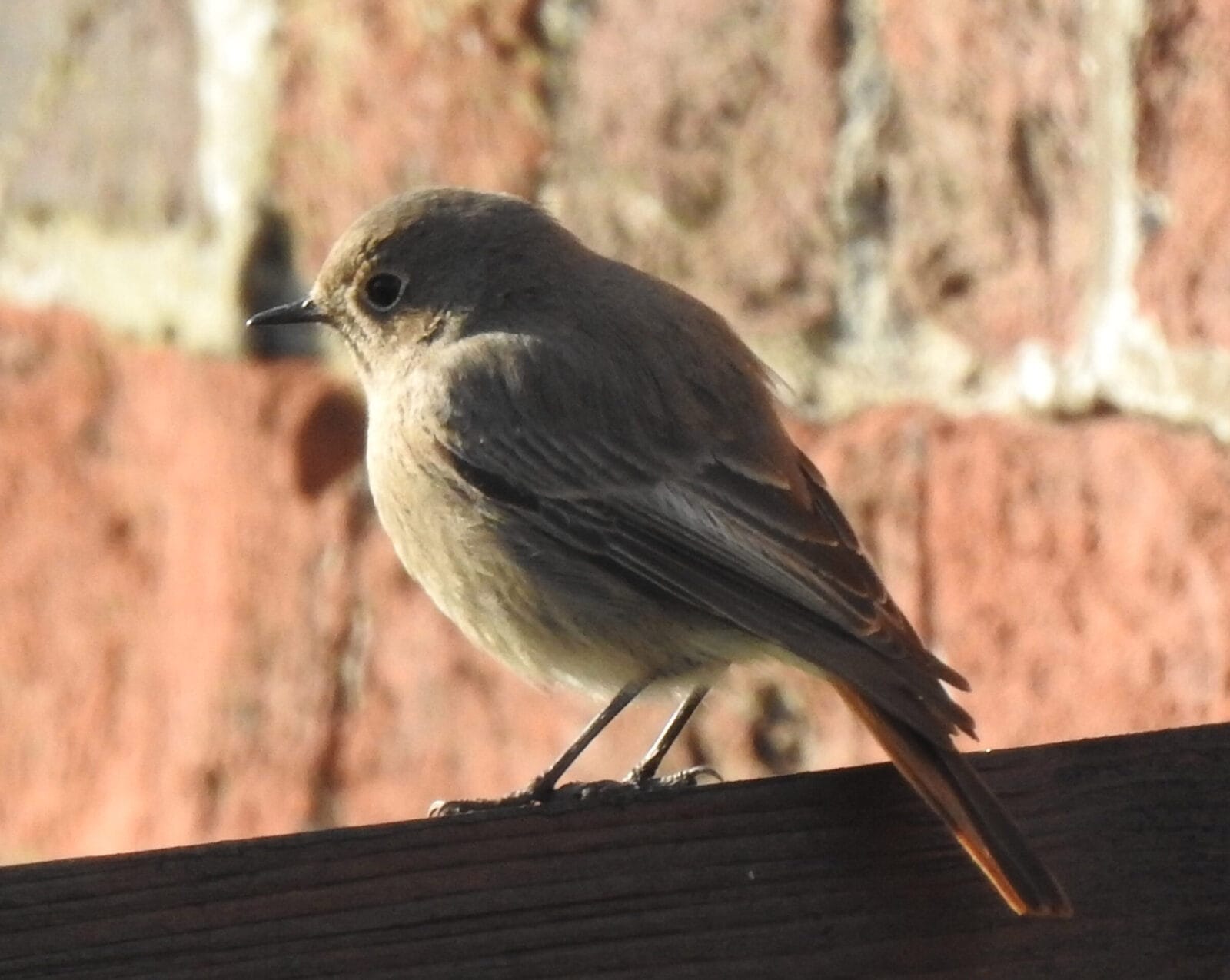
A total of 177 Pink-footed Geese flew north in two skeins, the Hooded Crow re-appeared on the rocks below Beacon Hill, and additional sightings included 12 Chiffchaff and a Black Redstart at the Lighthouse.
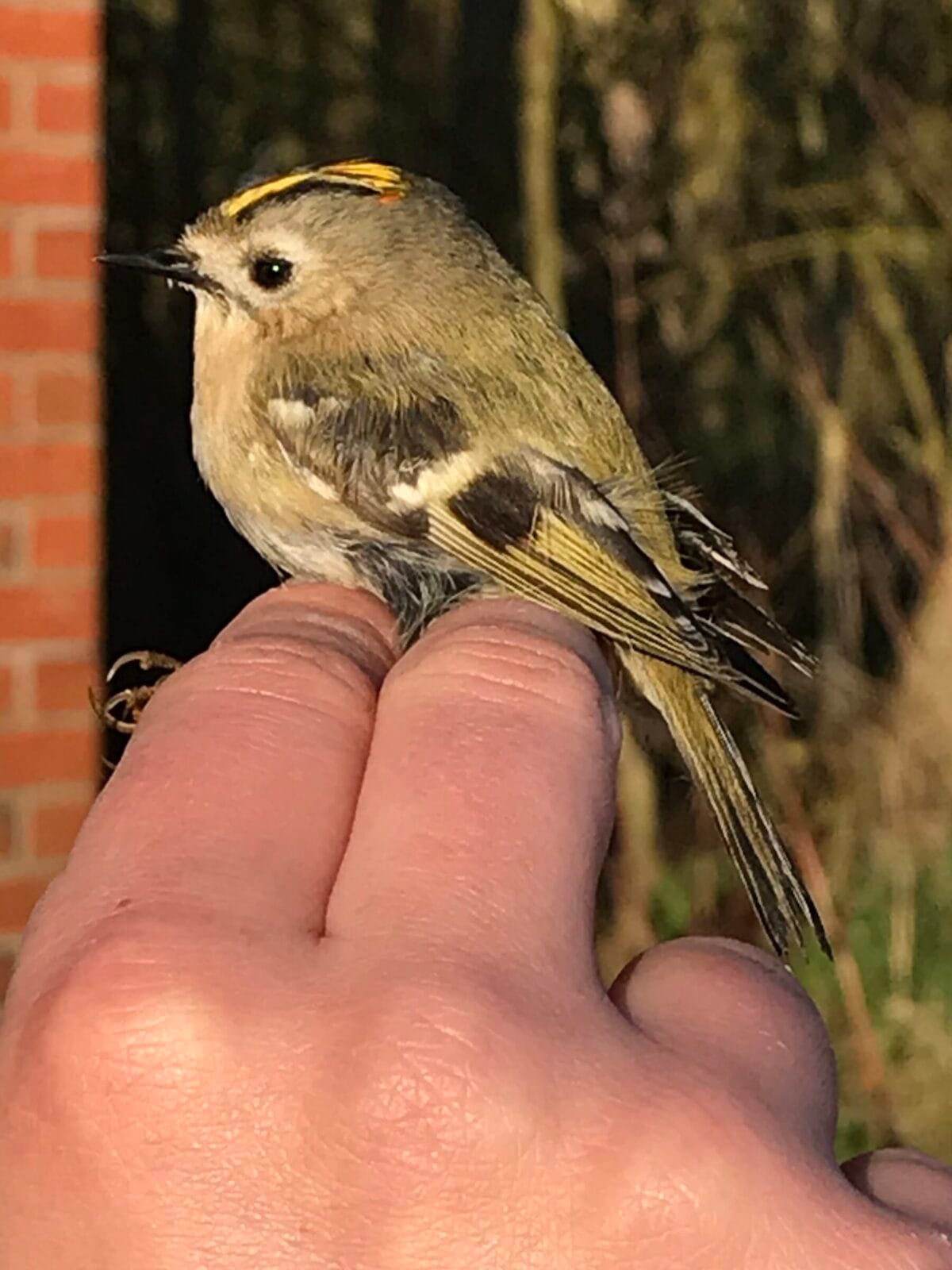
Black Redstart, Lighthouse, by Brett RichardsGoldcrest, South Landing, by Jo Hood
The weather consisted of moderate/strong north-west winds and sunny skies, with temperatures reaching eight degrees C. During the seawatch 14 Whooper Swans flew north, with five Red-throated Divers heading in the opposite direction. A Red Kite overflew South Landing, whilst passerine interest included ten Chiffchaffs and a Siskin.
A relatively bright, but overcast day, with light north-westerly winds and temperatures reaching nine degrees C. Seawatching highlights included a Blue Fulmar and 13 Puffins flying north, whilst a Red Kite that had toured the outer head for a couple of hours eventually flew east out to sea; an Osprey was also reported flying north over the village early morning. The Hooded Crow lingering in the environs of Beacon Hill, 13 Chiffchaffs, ten Goldcrests, two Nuthatch, five Treecreepers and a Siskin provided additional interest.
Sightings from RSPB Bempton Cliffs included one Wheatear and a Black Redstart. Nearby, 50 Pink-footed Geese flew north over Buckton, where three Teal, two Coot, two Mistle Thrush and a Chiffchaff were seen at the Pond.
The weather consisted of bright, but generally overcast, skies, with light/moderate westerly winds and temperatures reaching ten degrees C. The year’s first Sandwich Tern flew north during the morning’s seawatch, along with 86 Puffins. Thornwick Pools attracted three Shelduck, six Teal, three Snipe and two Chiffchaffs, whilst a male Black Redstart was located at Oceanview.
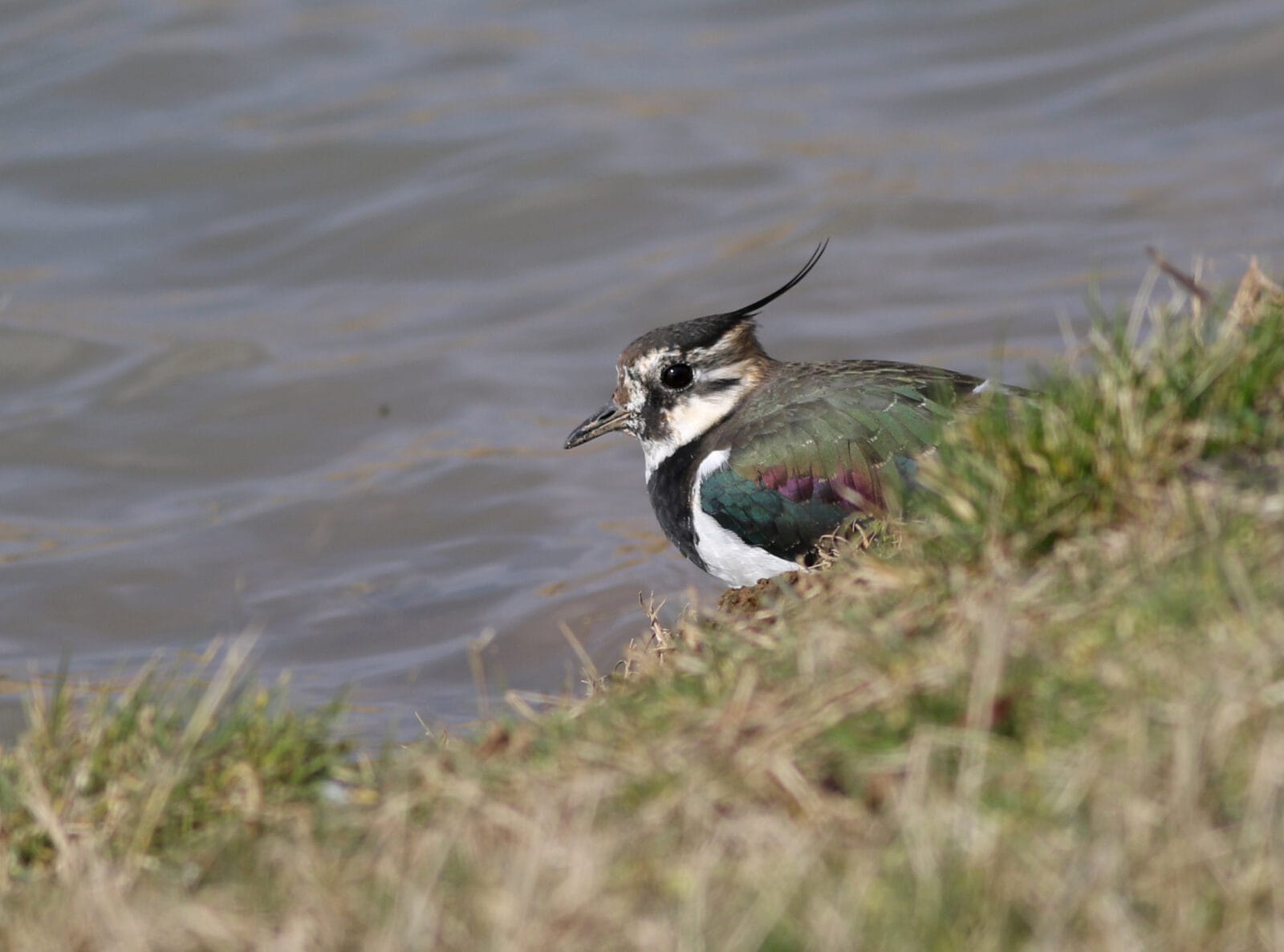
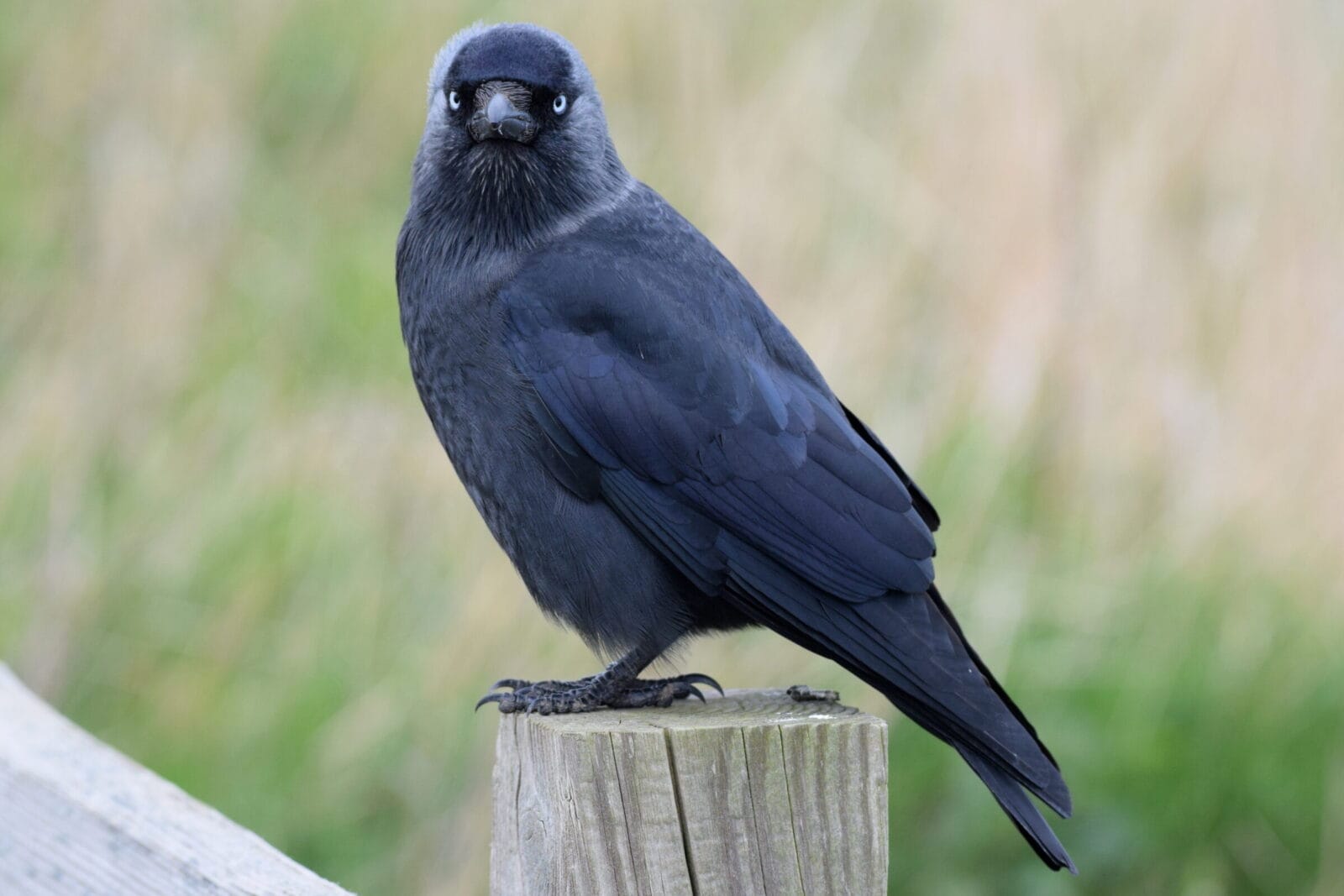
Lapwing, Thornwick Pools, by Craig ThomasJackdaw, RSPB Bempton Cliffs, by Don Hustings
The day consisted of relatively light south-westerly winds, prolonged sunny spells and temperatures reaching 13 degrees C. During the morning’s seawatch, a Teal and 16 Red-throated Divers flew south, with 63 Puffins also recorded off the Fog Station. Two Hooded Crows were recorded: one lingered in the vicinity of North Marsh during the morning, with another flying north past RSPB Bempton Cliffs at the same time; a Black Redstart and 90 Corn Buntings were also present at the latter location.
Small Tortoiseshell, South Landing, by June & Malcolm Fox
A glorious early spring morning, with sunny skies throughout, light south-west winds and temperatures that reached 15 degrees C.
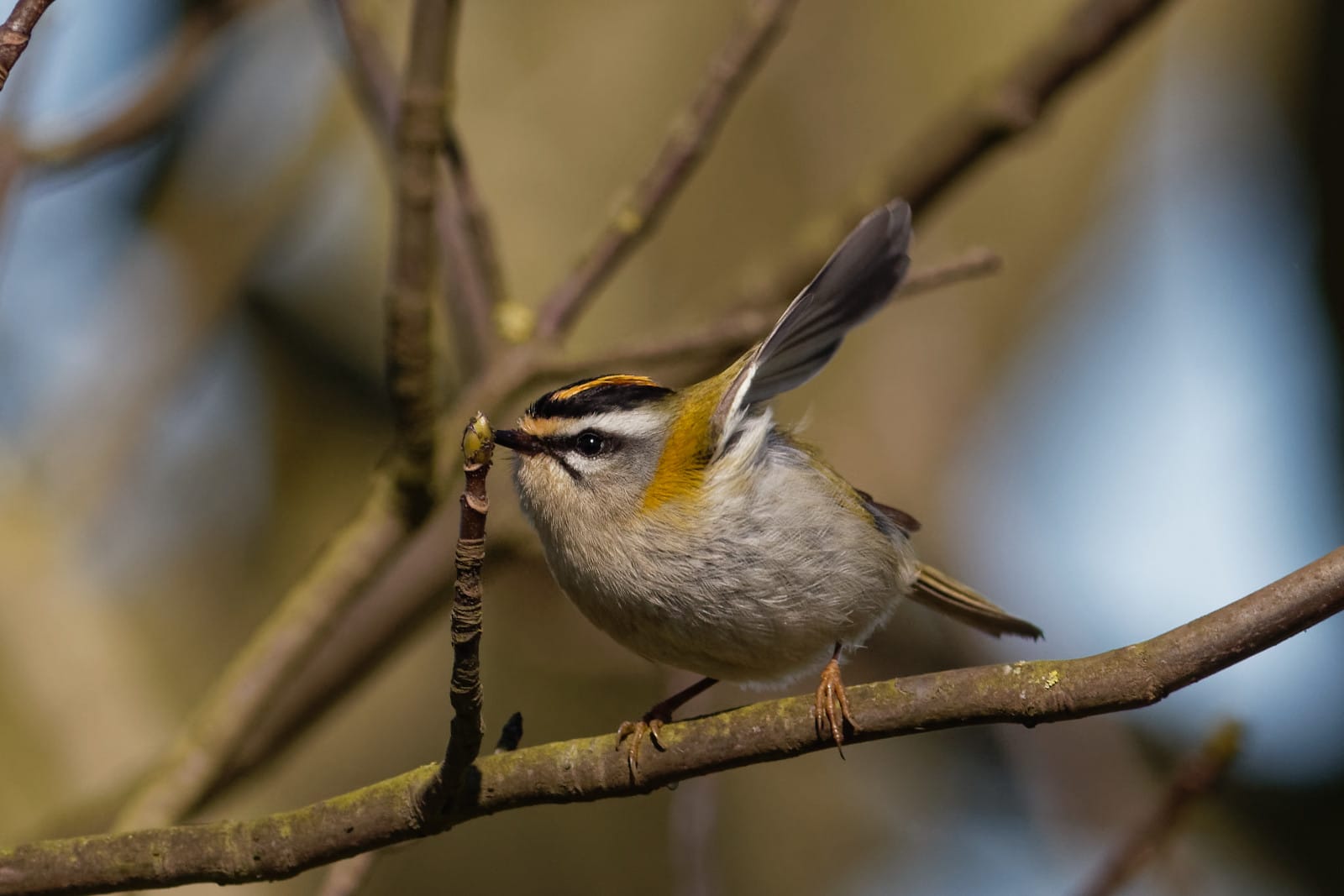
A total of 36 Teal frequented North Marsh and Thornwick Pools, a Ringed Plover flew south over the former site and a single Woodcock was located on the outer head. In addition, a 2nd/3rd-calendar Iceland Gull flew north over the headland mid-afternoon. Passerine interest centred on the discovery of the year’s first Firecrest at Old Fall. Other highlights included two Hooded Crows at North Marsh, 20 Chiffchaffs, seven Goldcrests, eight Redwing, a female Stonechat, three Wheatear and a Brambling.
A Hooded Crow that flew north past RSPB Bempton Cliffs was presumably one of the two aforementioned individuals that had earlier been flushed from North Marsh and headed north.
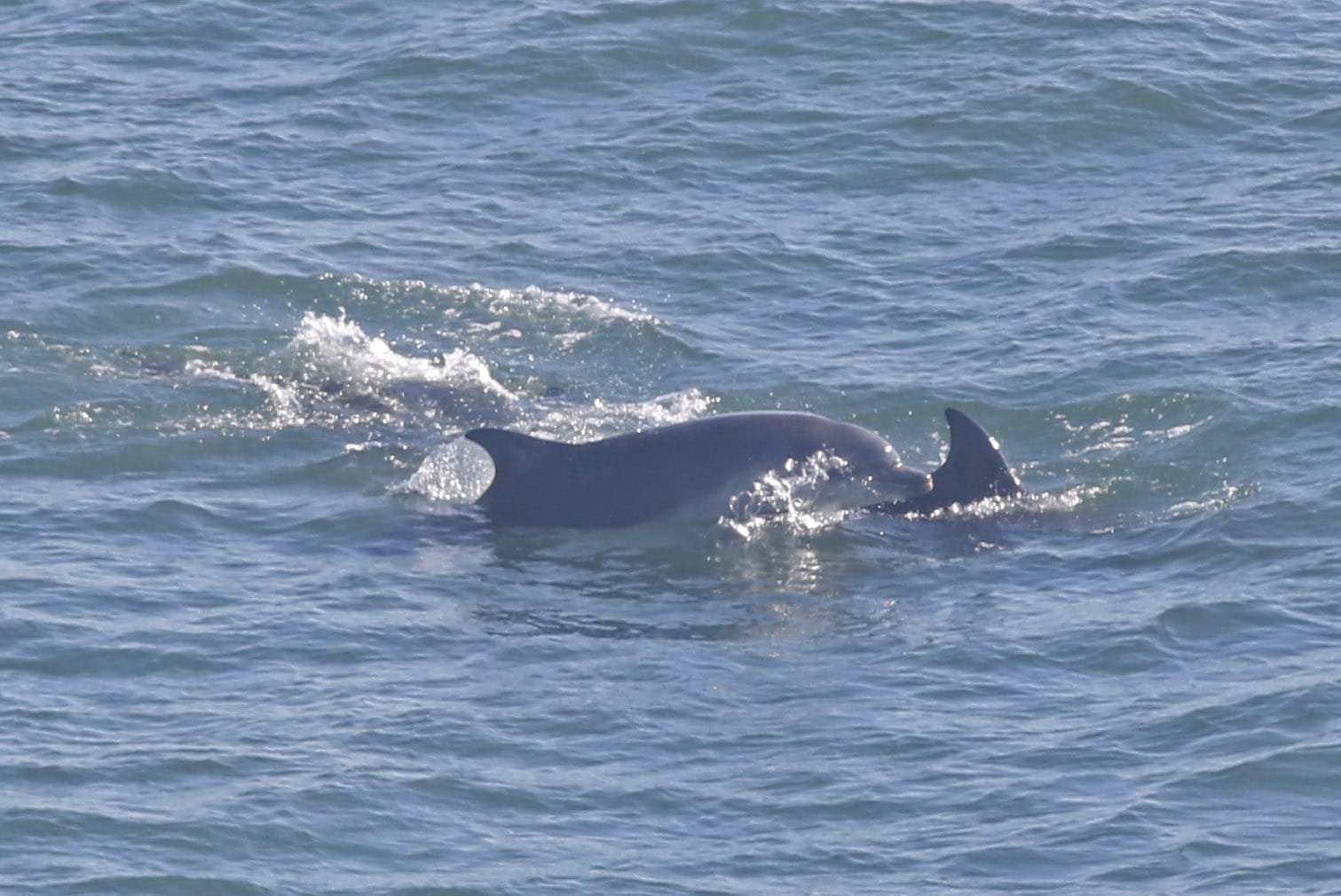
The day’s best spectacle, however, related to a pod of c.20 Bottlenose Dolphins than swam south close inshore past the Golf Course/Fog Station early morning.
Firecrest, Old Fall, by Rob LittleBottlenose Dolphins, outer head, by Craig Thomas
Sunny skies dominated the morning, with increasing cloud later; light westerly winds switched to the north later, with temperatures reaching 11 degrees C. Two pairs of Shelduck were in residence, with five Curlew, a pair of displaying Lapwing, two Snipe and a Golden Plover also present. TwoFirecrests made landfall: a female in gardens on the outer head and a maleon the north side of the headland. Additional sightings included two Sand Martins, 33 Magpies, a Hooded Crow still at North Marsh, 13 Goldcrests, 23 Chiffchaffs, 16 Redwing, one Fieldfare, two Wheatear, a Stonechat, four Siskin and a Brambling.
A Bonxie lingered at RSPB Bempton Cliffs, where eight Common Buzzards drifted south-east.
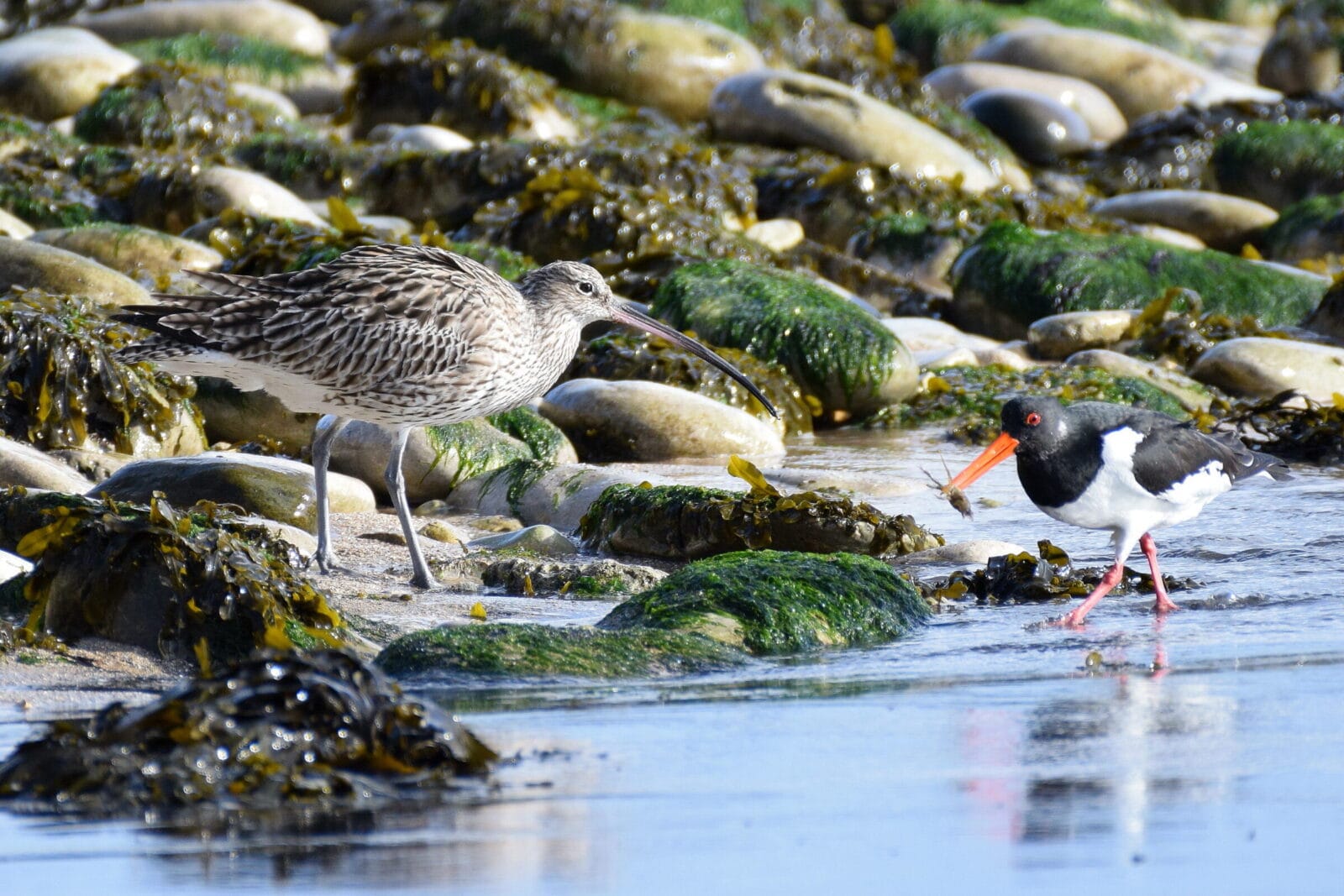
Curlew & Oystercatcher, South Landing, by Don Hustings
The weather consisted of light/moderate north-easterly winds, sunny intervals and temperatures that reached nine degrees C. Seawatching highlights included 157 Fulmars, three Manx Shearwaters, a Great Crested Grebe, one Bonxie and a Sandwich Tern flying north, whilst two Eider, a Bonxie and an Arctic Skua flew south.
The day’s unquestioned highlight related to a male Bluethroat (presumed White-Spot) at South Landing early morning seen by two birders; unfortunately, there was no further sign after the initial views. In addition, the Hooded Crow remained at North Marsh and the female Firecrest was still present on the outer head.
The highlight from RSPB Bempton Cliffs was a male Ring Ouzel, two Redwing and a Wheatear. Sightings from nearby Buckton included three Eider flying east, two Teal, two Coot, two Grey Partridges, three Chiffchaff and two Wheatear.
Brighter spells established after a cloudy start, with a moderate south-easterly wind and temperatures reaching nine degrees C. Seawatching highlights included 152 Fulmars and a Manx Shearwater flying north, with a Bonxie lingering offshore. A Swallow overflew Thornwick Pools, whilst three Wheatears were located on the outer head, with an additional individual at Speeton. North Marine Road attracted a Black Redstart, whilst Old Fall hosted a Firecrest; presuming different to the bird last seen there on Friday, the fourth individual of the last week.
Greenfinch, Flamborough village, by Andy HoodBlack Oil Beetle, outer head, by Robert McLaughlin