3rd November 2018

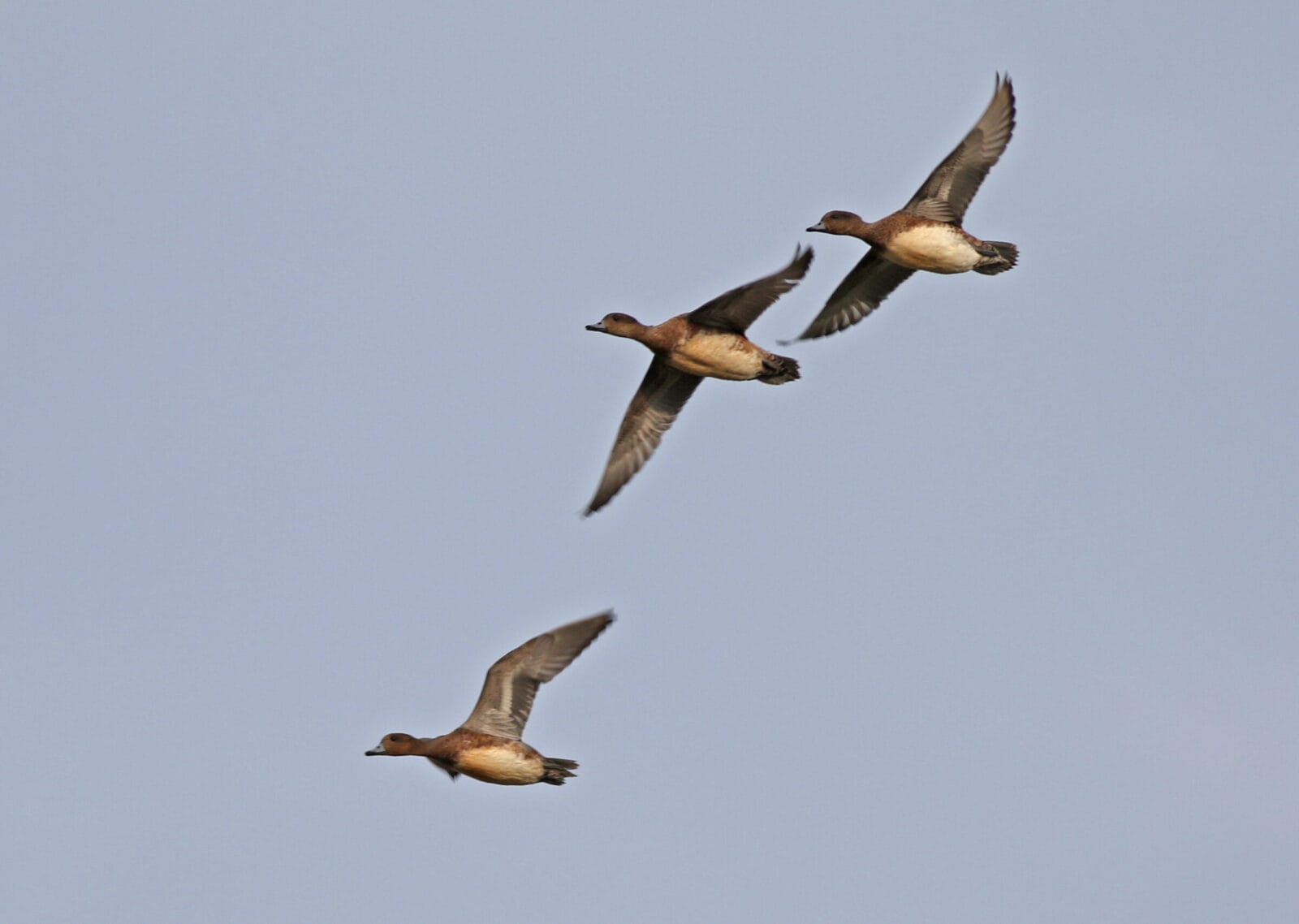
After sunny intervals during the morning, increasingly overcast with a blustery south-westerly wind. During the seawatch, six Wigeon, five Common Scoter and an Arctic Skua flew north, with a Great Northern Diver heading south.

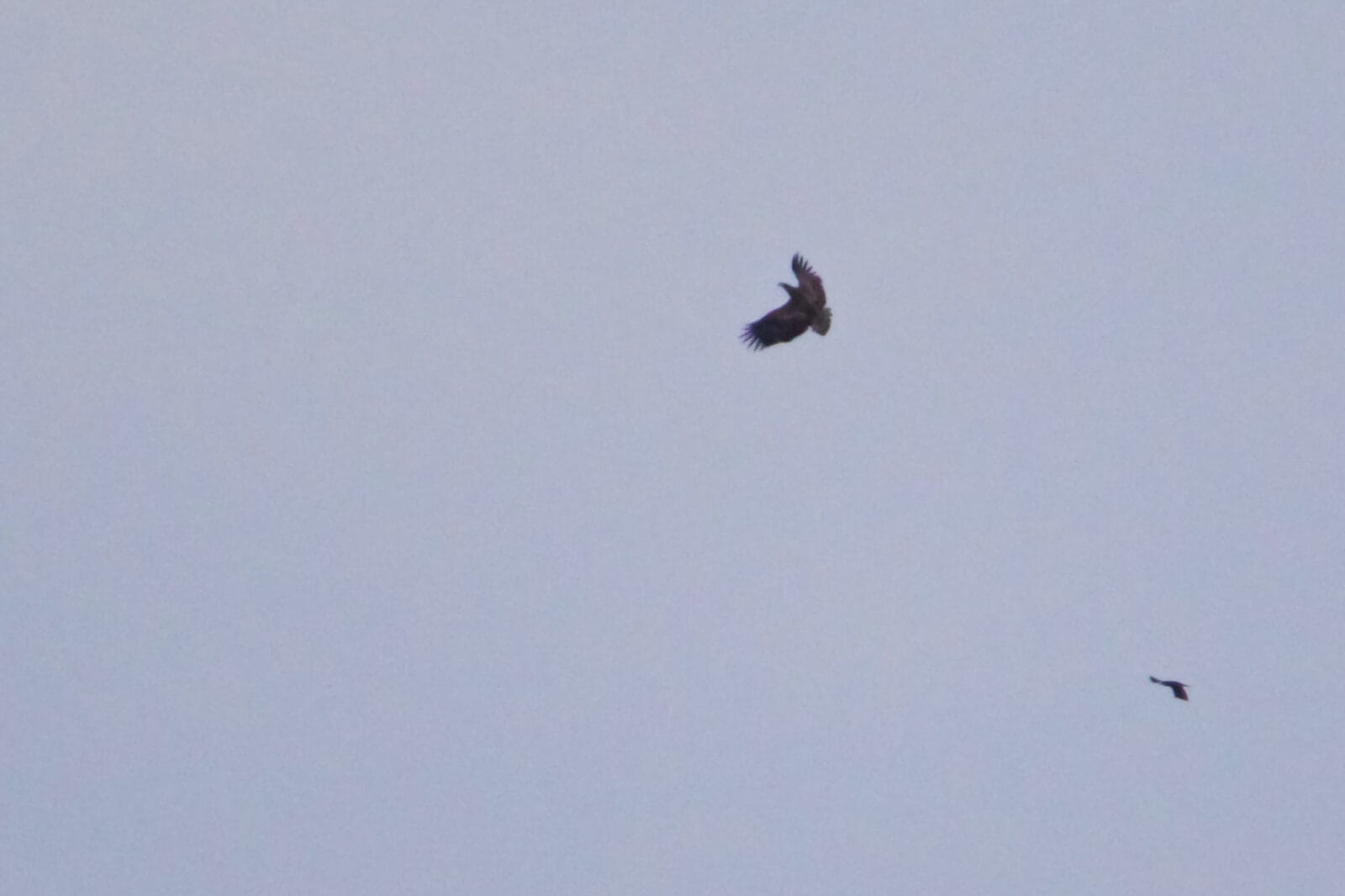
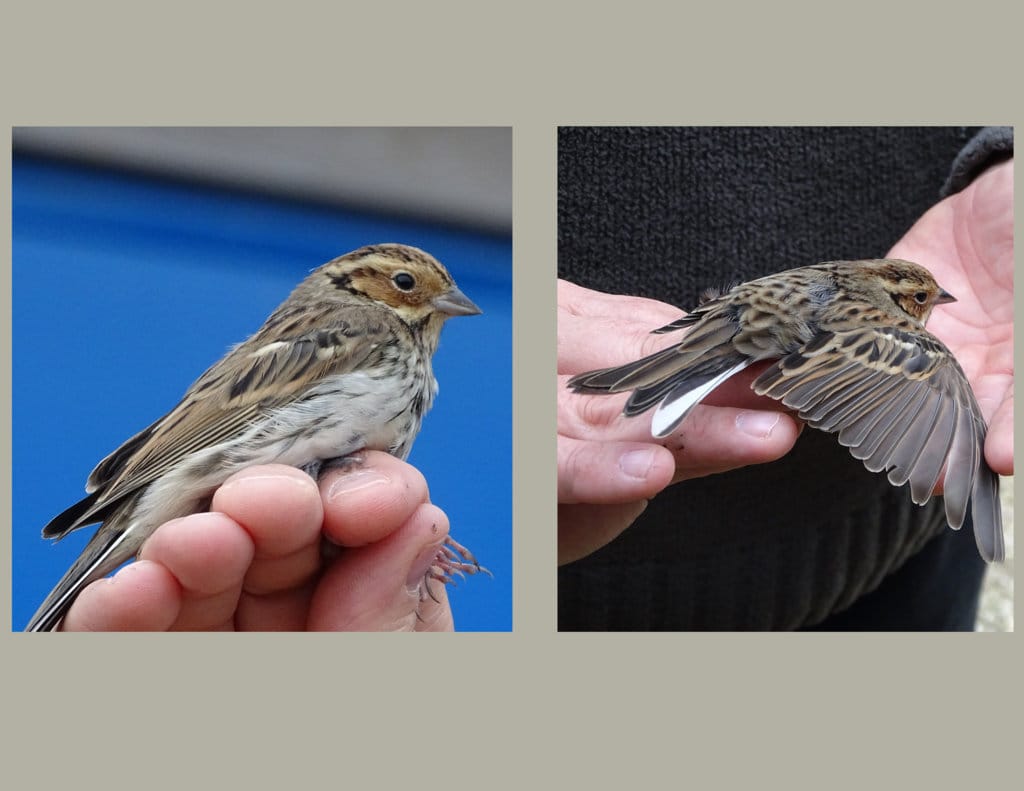
The White-tailed Eagle left its roost in North Dykes at 0645hrs, but almost immediately dipped below the treeline and promptly disappeared. However, the Little Bunting in South Landing proved to be more co-operative and showed well late morning feeding in the canopy of sycamores immediately south of the car-park. Other sightings from the South Landing area included a Short-eared Owl, one Yellow-browed Warbler and two Siberian Chiffchaffs. A Snow Bunting was located near Thornwick and 11 Corn Buntings frequented North Dykes.
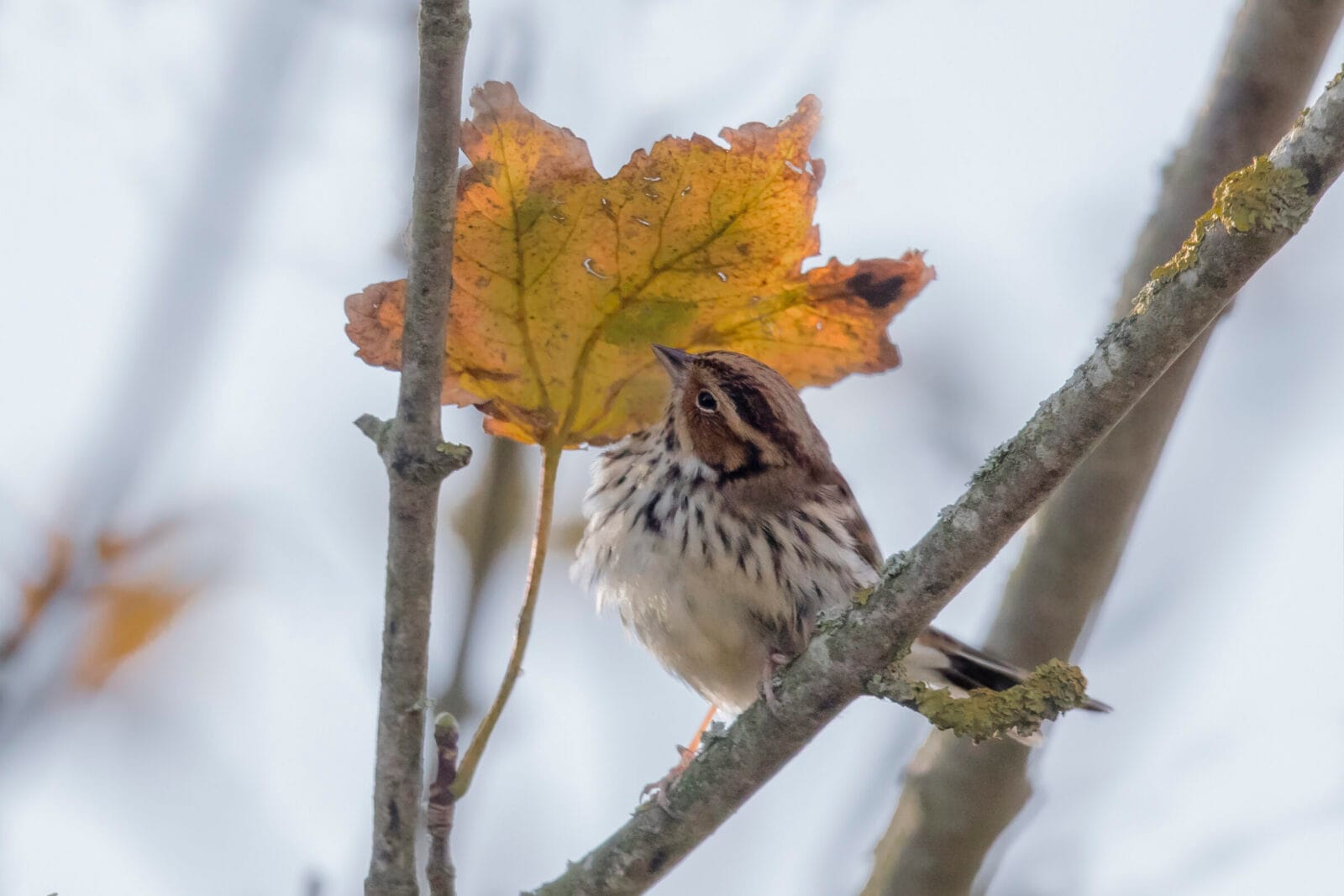
Little Bunting, South Landing, by Andrew Allport
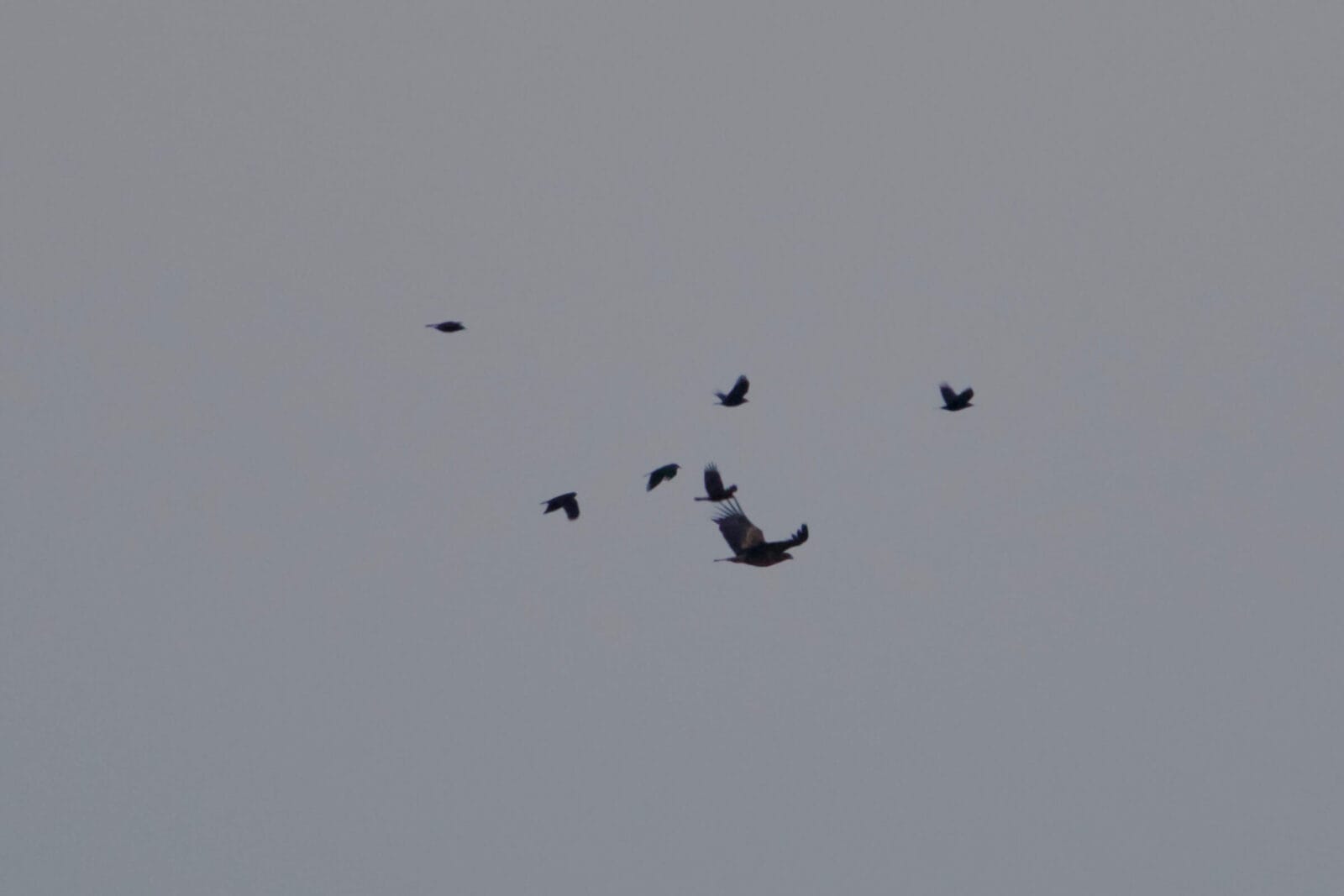
White-tailed Eagle, (2/11), Flamborough, by Heidi Saunders
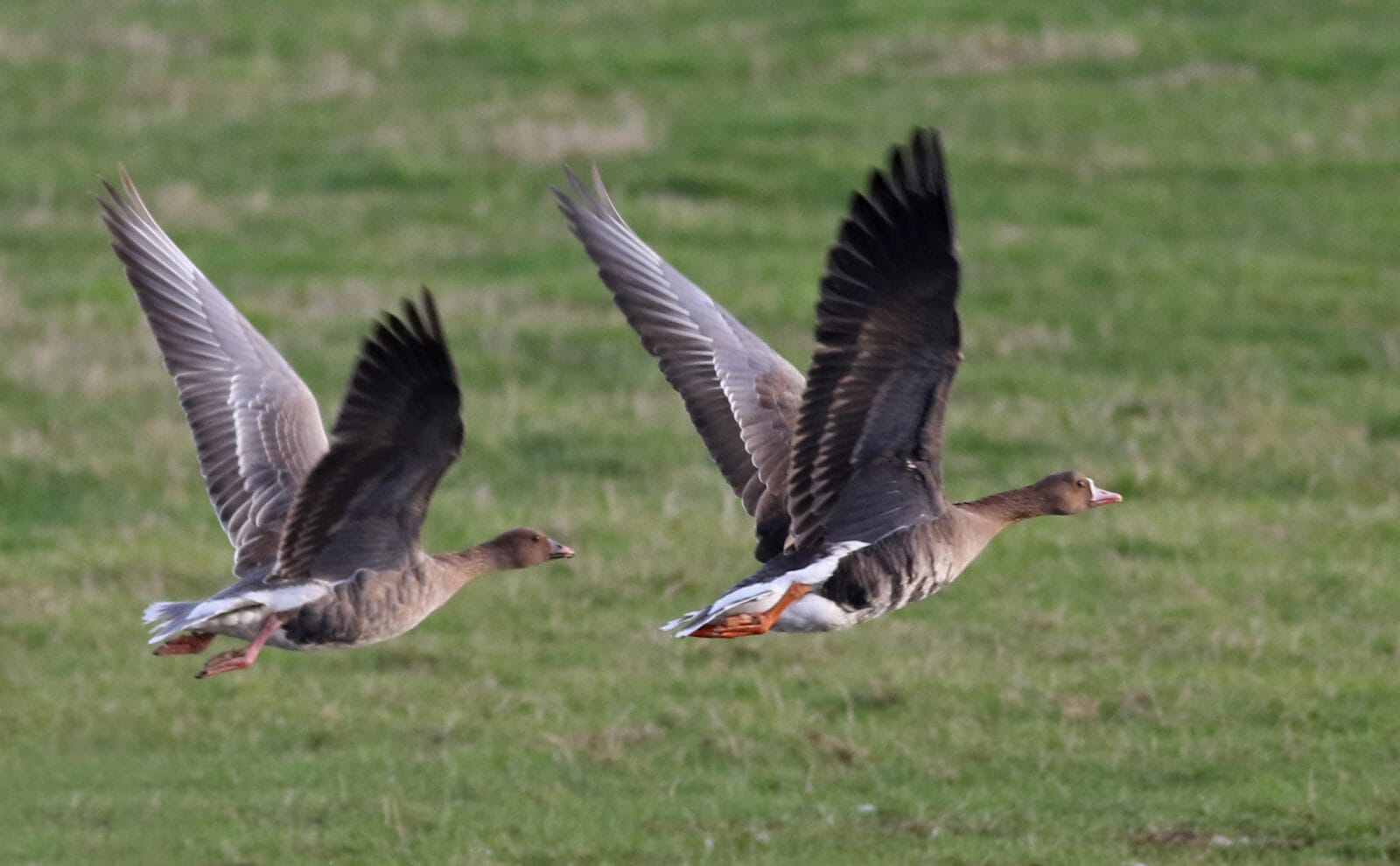
White-tailed Eagle (2/11), Flamborough, by Heidi Saunders

4th November 2018

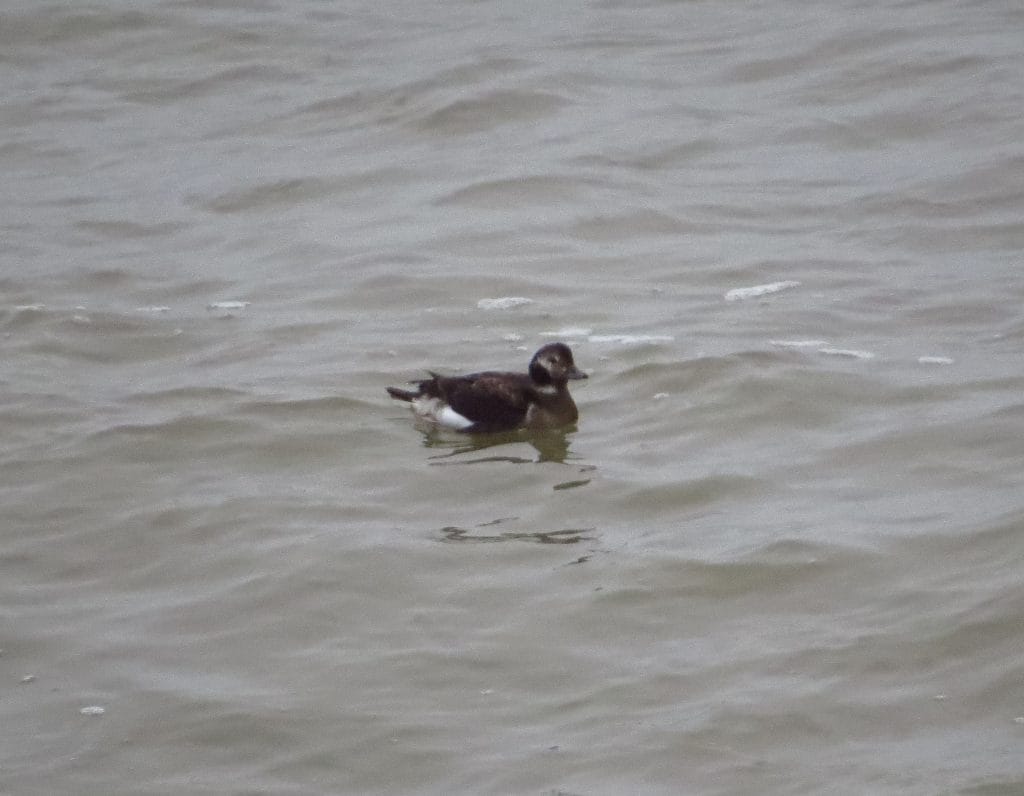
An overcast day, with occasional light drizzle and a moderate south-south-westerly wind. During the seawatch, a Great Northern Diver flew north, with 11 Wigeon and 14 Red-throated Divers moving south. During the afternoon, a Long-tailed Duck rested on the sea off Hartendale and, nearby, a Little Auk flew ‘north’ past South Landing.

The Little Bunting was caught and ringed at South Landing in the morning. Other sightings included two Water Rails at Thornwick Pools, nine Curlew, six Stonechat and a Snow Bunting on the Golf Course.

Little Bunting, South Landing, by June & Malcolm Fox

5th November 2018

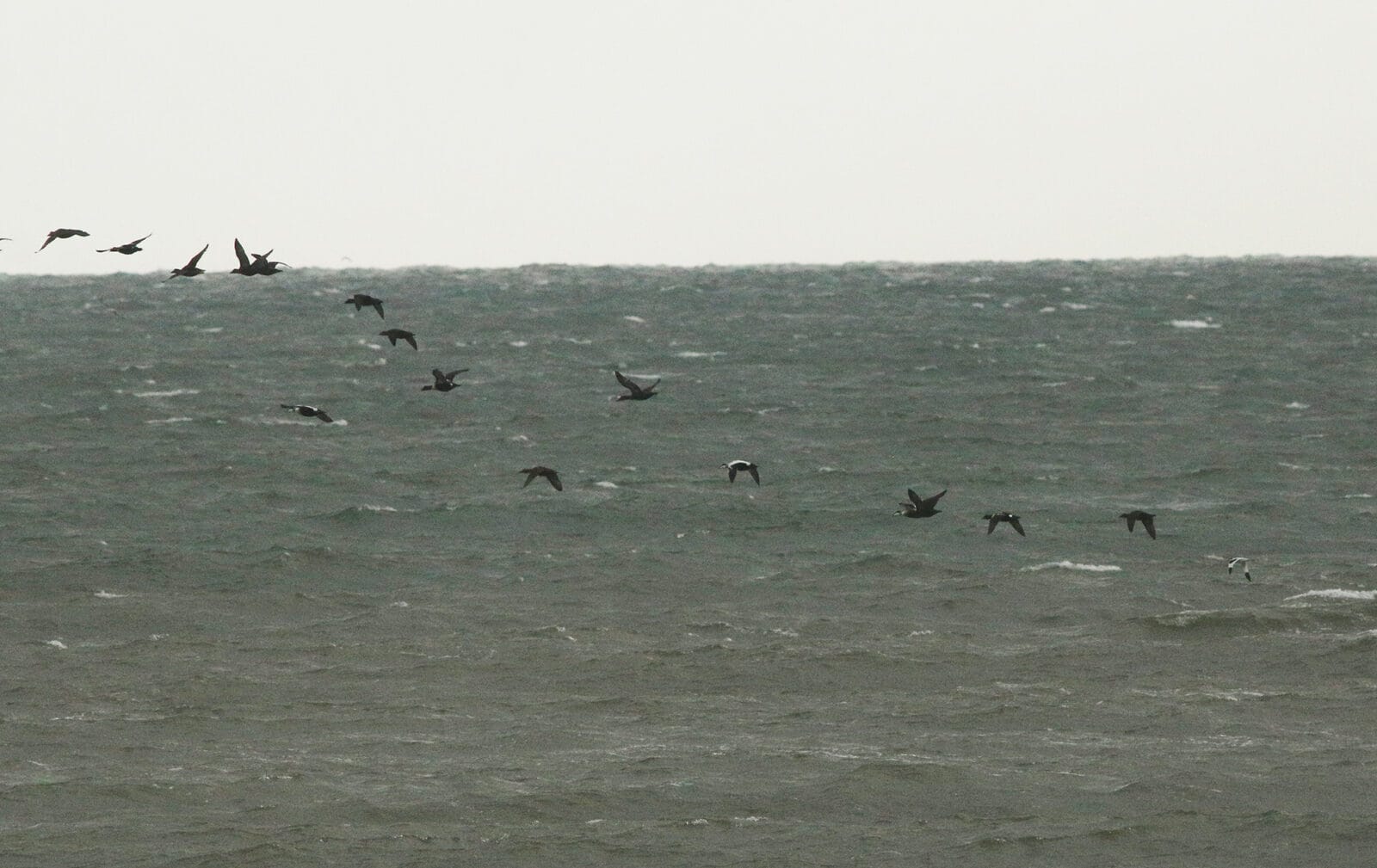
The weather consisted of moderate south-easterly winds, occasional sunny intervals and temperatures reaching 13 degrees C. During the seawatch, an Eider, 22 Common Scoter, nine Red-throated Divers and a Knot flew south, meanwhile two Bonxies headed north.

Three Pink-footed Geese joined the resident Greylag flock, whilst sightings from Thornwick Pools included single Grey Heron, Little Grebe, Cormorant and a Water Rail. Lingering passerine migrants included three Siberian Chiffchaffs (two at South Landing and a lone bird at Old Fall), a Willow Warbler at Old Fall and the Little Bunting at South Landing.

West of the Dykes, RSPB Bempton Cliffs hosted a Short-eared Owl.

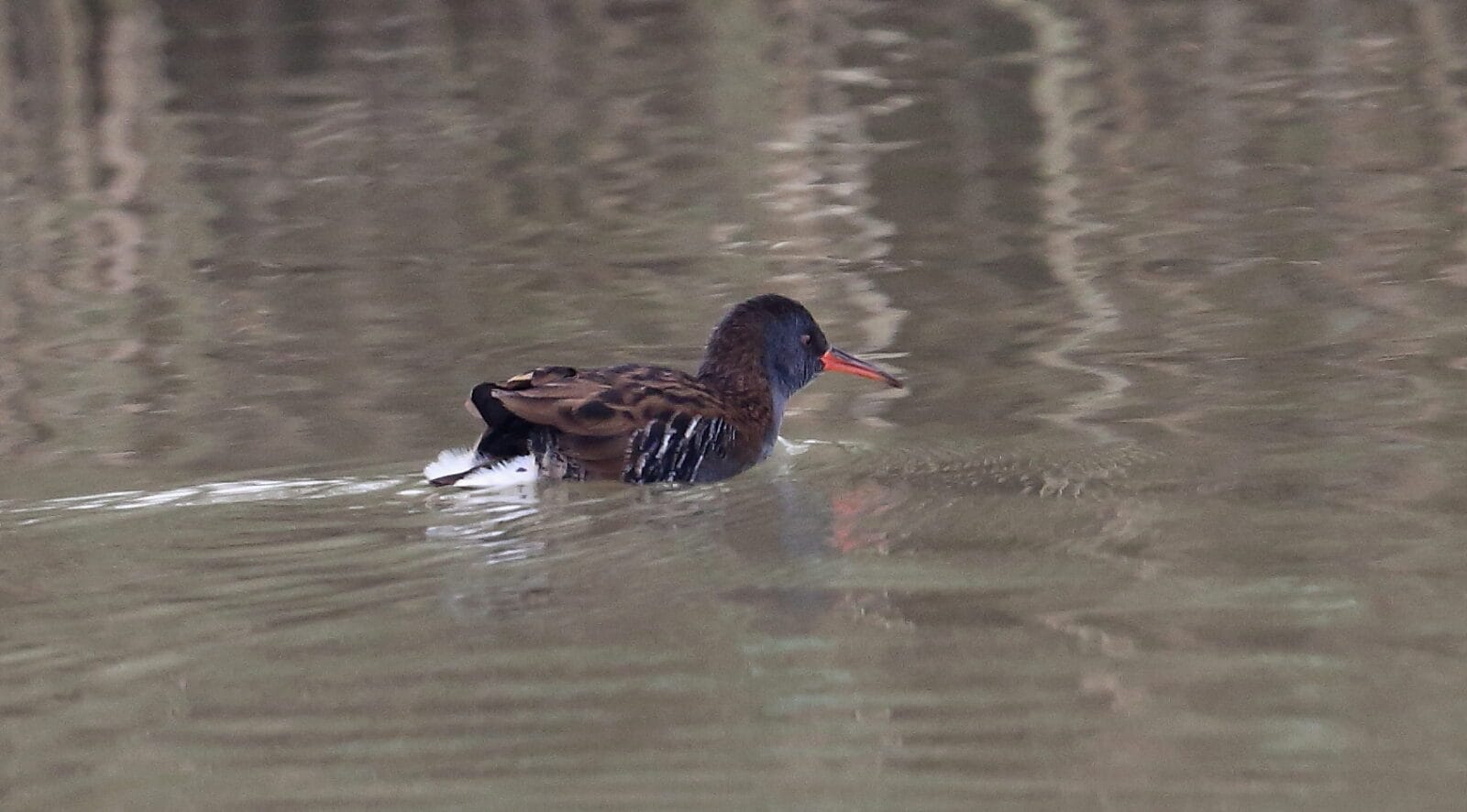
Water Rail, Thornwick Pools, by Alan Walkington

6th November 2018

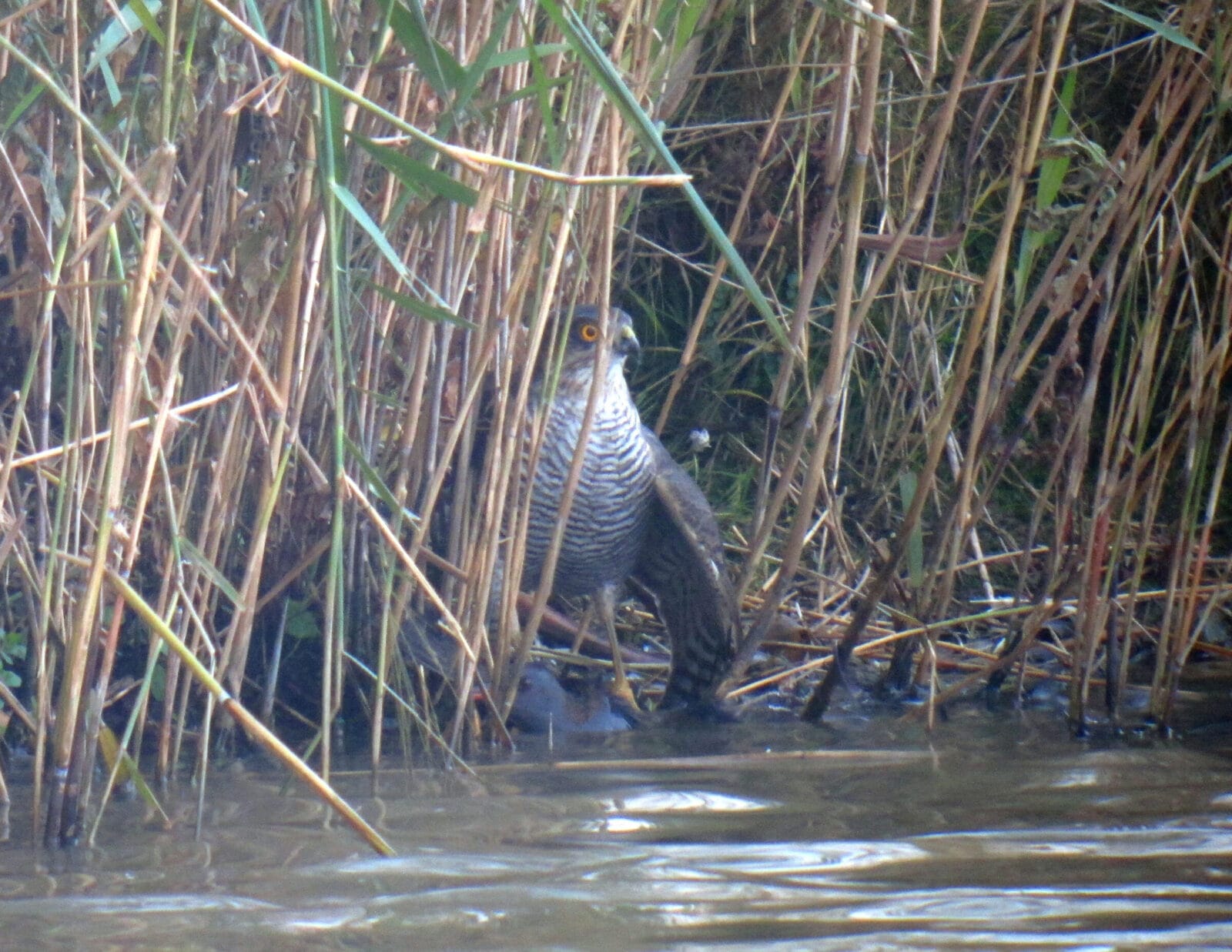
An overcast day, with a moderate south-south-west wind and temperatures that reached 12 degrees C. Eighty Pink-footed Geese flew south over the village and an additional 55 rested on fields near Stainforth’s Flash. The Little Grebe remained on Thornwick Pools, where a Sparrowhawk caught a Water Rail. Lone Little Gull and Siberian Chiffchaff were seen at South Landing, with the latter singing early morning, whilst a Swallow flew south over the Fog Station. West of the Dykes, two Short-eared Owls hinted the cliff top fields at RSPB Bempton Cliffs.

Sparrowhawk with Water Rail, Thornwick Pools, by Brett Richards

7th November 2018

Moderate/strong south-south-easterly winds featured throughout an overcast day, with spells of rain. During the morning’s seawatch, a dark-bellied Brent Goose and ten Eider flew north, with a Shoveler, 45 Wigeon, 31 Teal and nine Knot heading south. Thornwick Pools attracted 17 Teal and the Little Grebe, whilst a Black Redstart was located in the Lighthouse garden mid-afternoon.

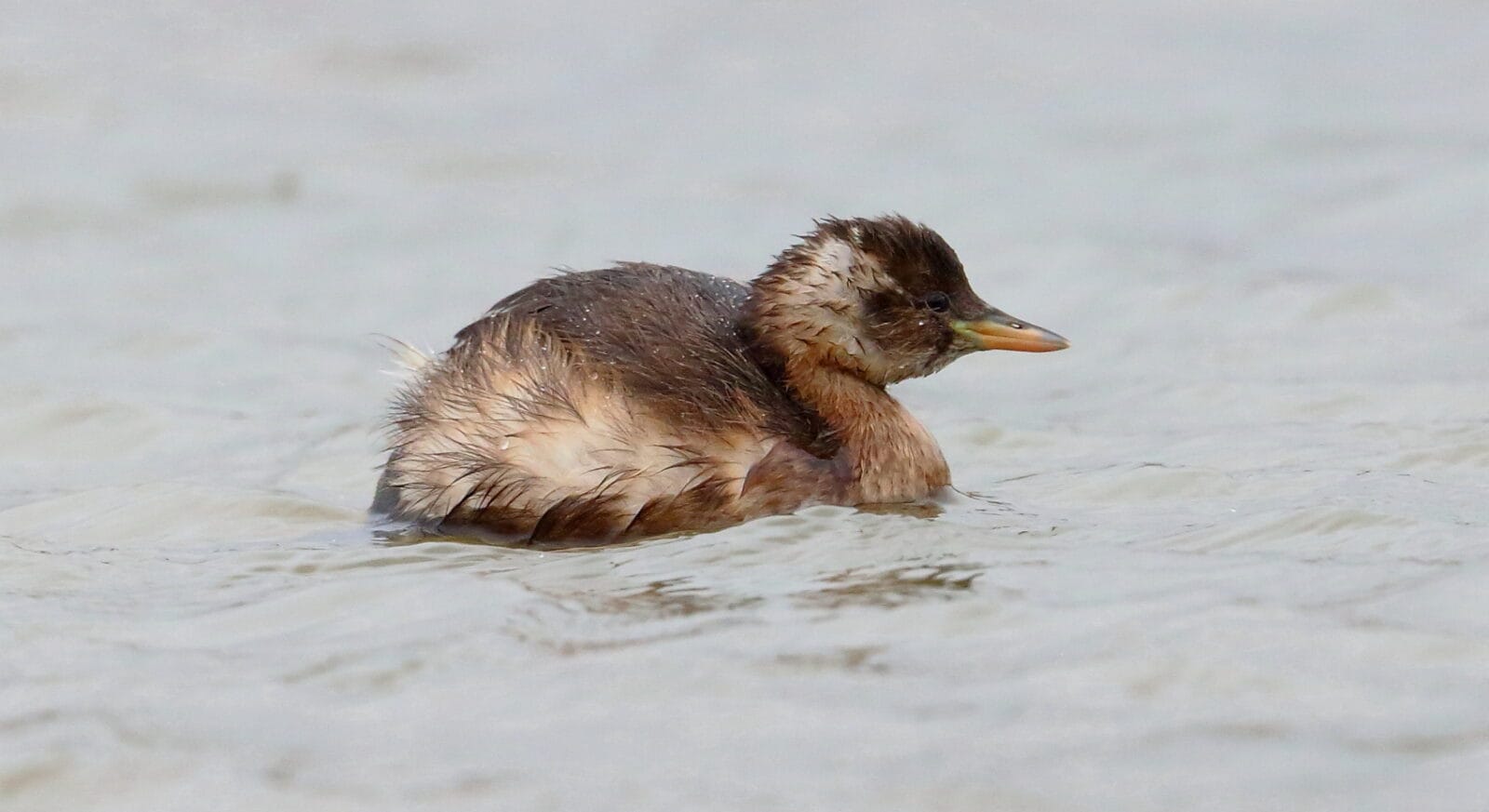
Little Grebe, Thornwick Pools, by Alan Walkington

8th November 2018

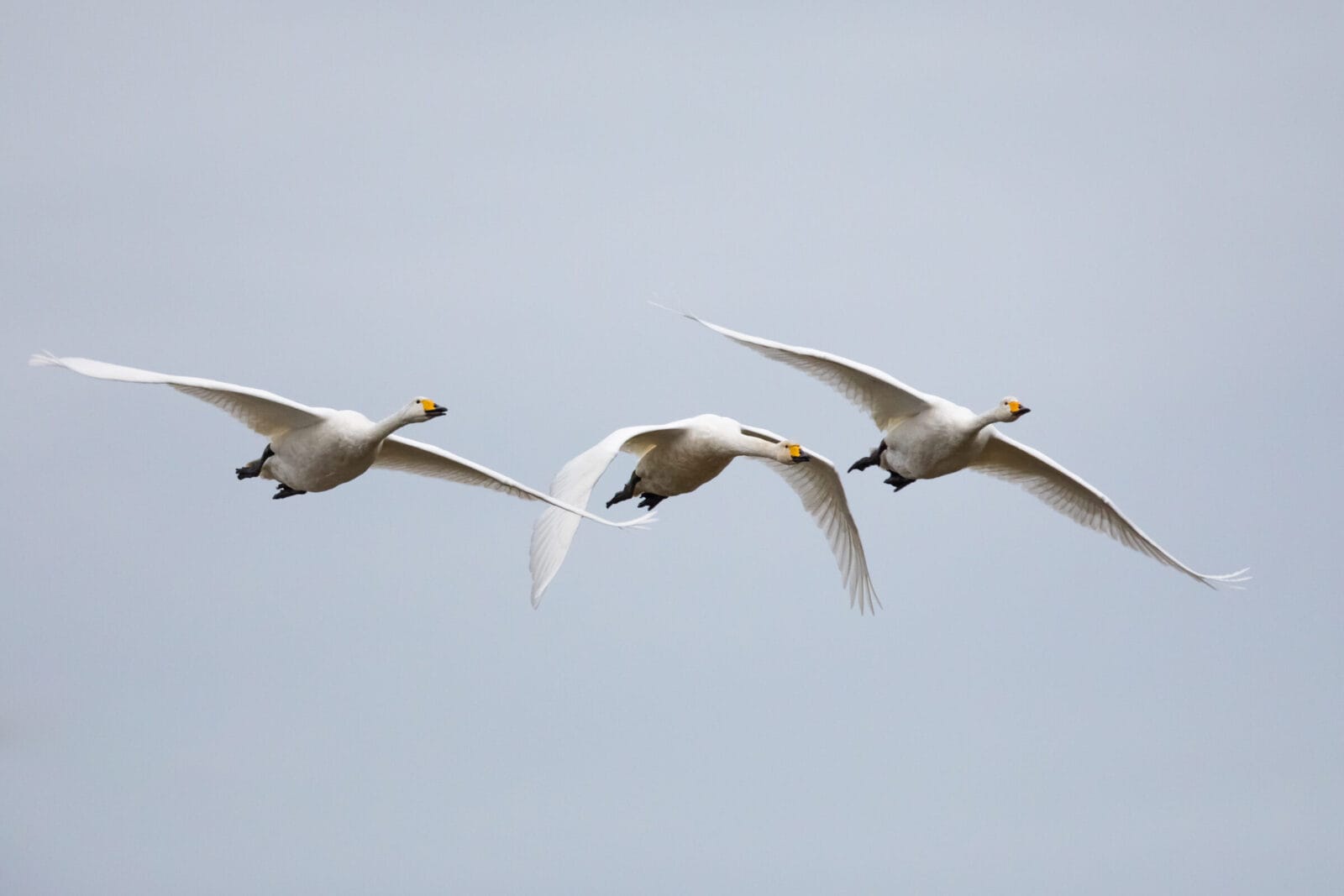
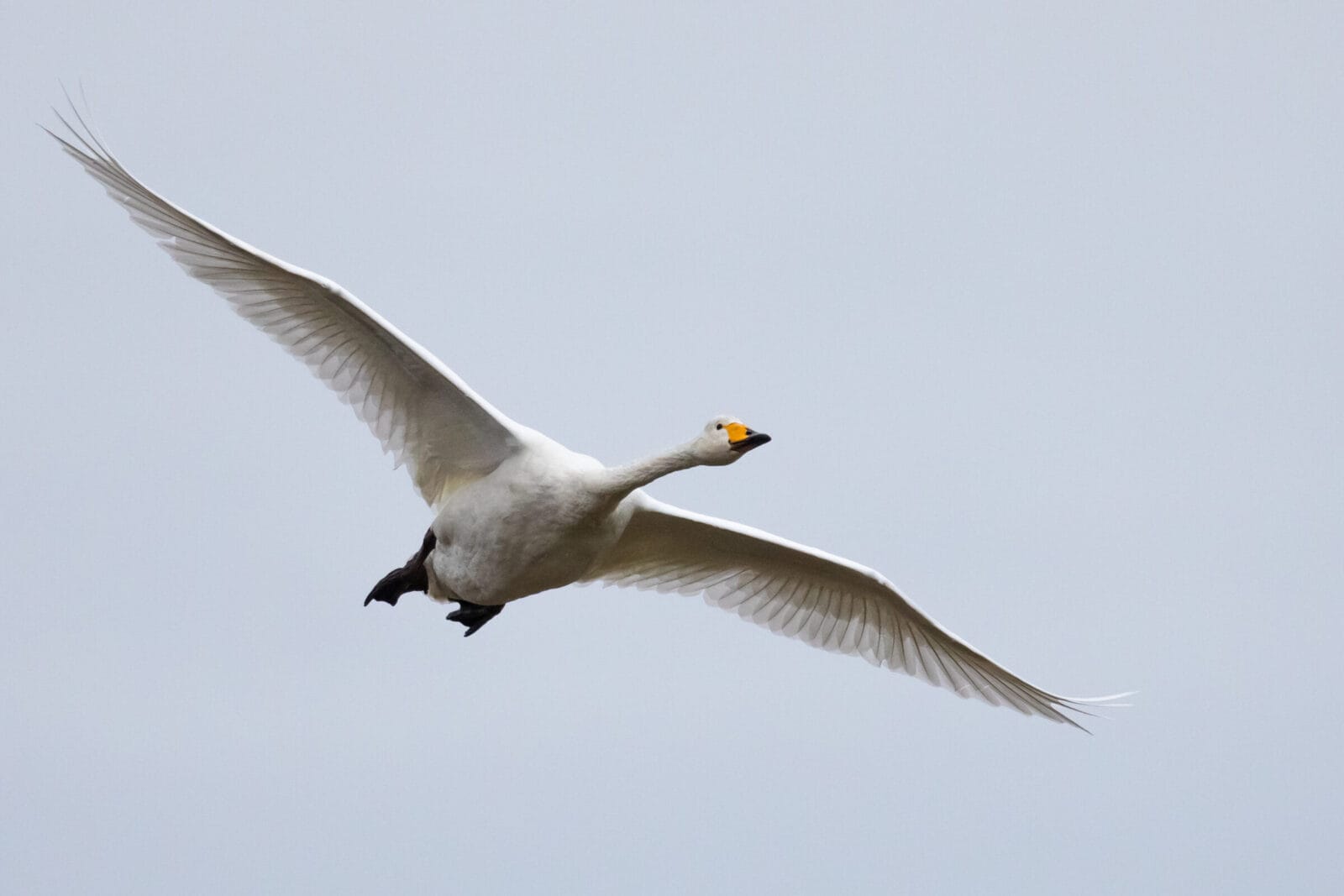
A day of moderate south-south-west winds and sunny intervals. Seawatching highlights included four Whooper Swans, 54 Red-throated Divers, two Great Crested Grebes, 15 Lapwing, ten Dunlin and a Little Gull flying south.

The day’s highlight related to a Rough-legged Buzzard that flew north-east over RSPB Bempton Cliffs at 1300hrs. Additional migrants east of the Dykes included three Woodcock, small parties of thrushes, including 90 Redwing, Starling and Skylarks arriving in off the sea, a Brambling and two Northern Bullfinch.

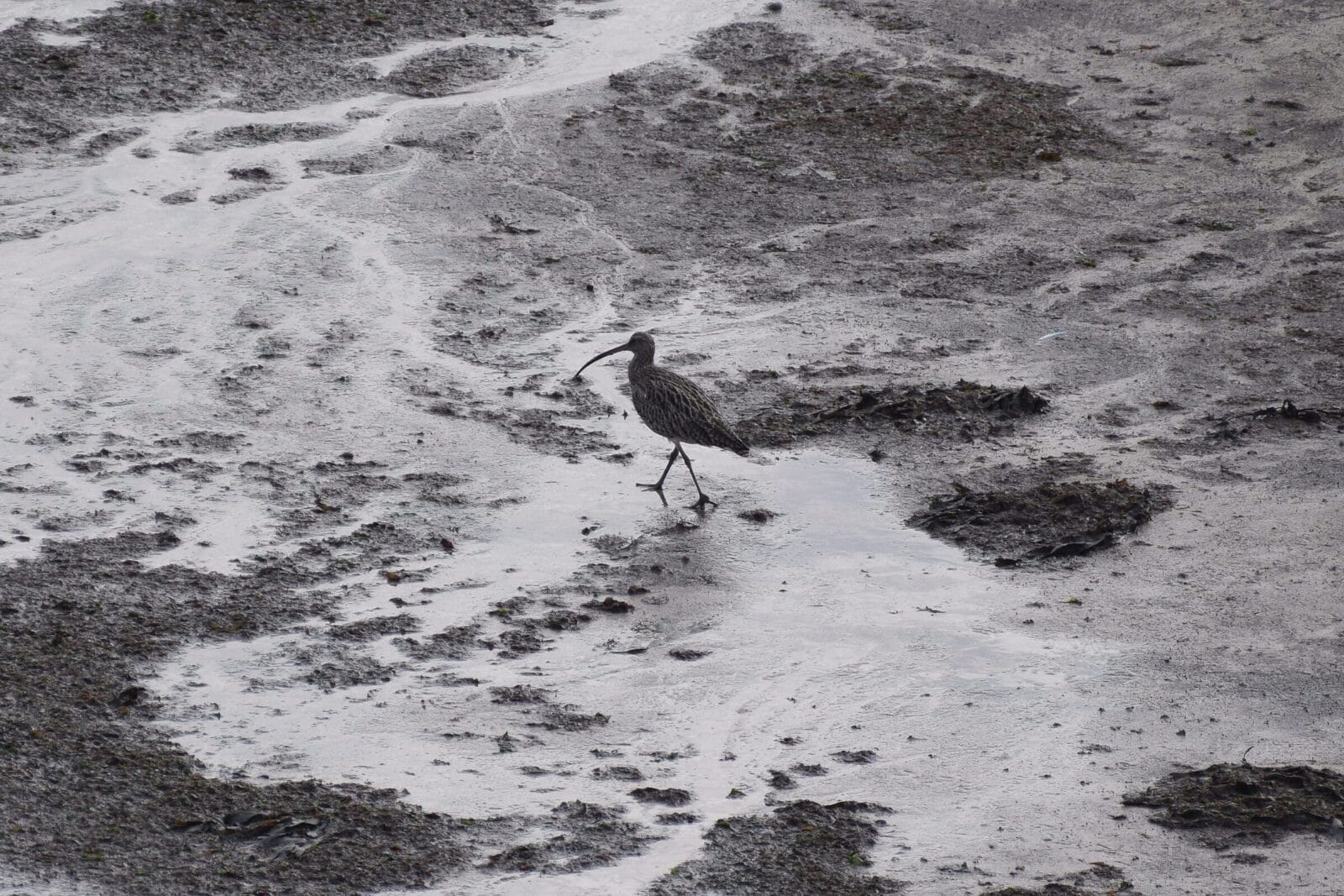
Curlew, South Landing, by Don Hustings

9th November 2018

Strong south-south-easterly winds were a feature of a day with sunny intervals and temperatures reaching 12 degrees C. During the seawatch, eight Little Gulls and an Arctic Tern flew south, with a further four Little Gulls lingering offshore.

The day’s highlight was a Hume’s Warbler located in private gardens on the outer head; unfortunately it proved elusive and failed to show after the initial find. Other sightings included three Pink-footed Geese with the Greylag flock, 12 Wigeon, 31 Teal, two Water Rails, two Woodcock, 14 Snipe and a Short-eared Owl (North Landing). Passerine interest involved 35 Goldcrest, three Chiffchaff, one Siberian Chiffchaff (Old Fall) and three Snow Buntings (Golf Course).

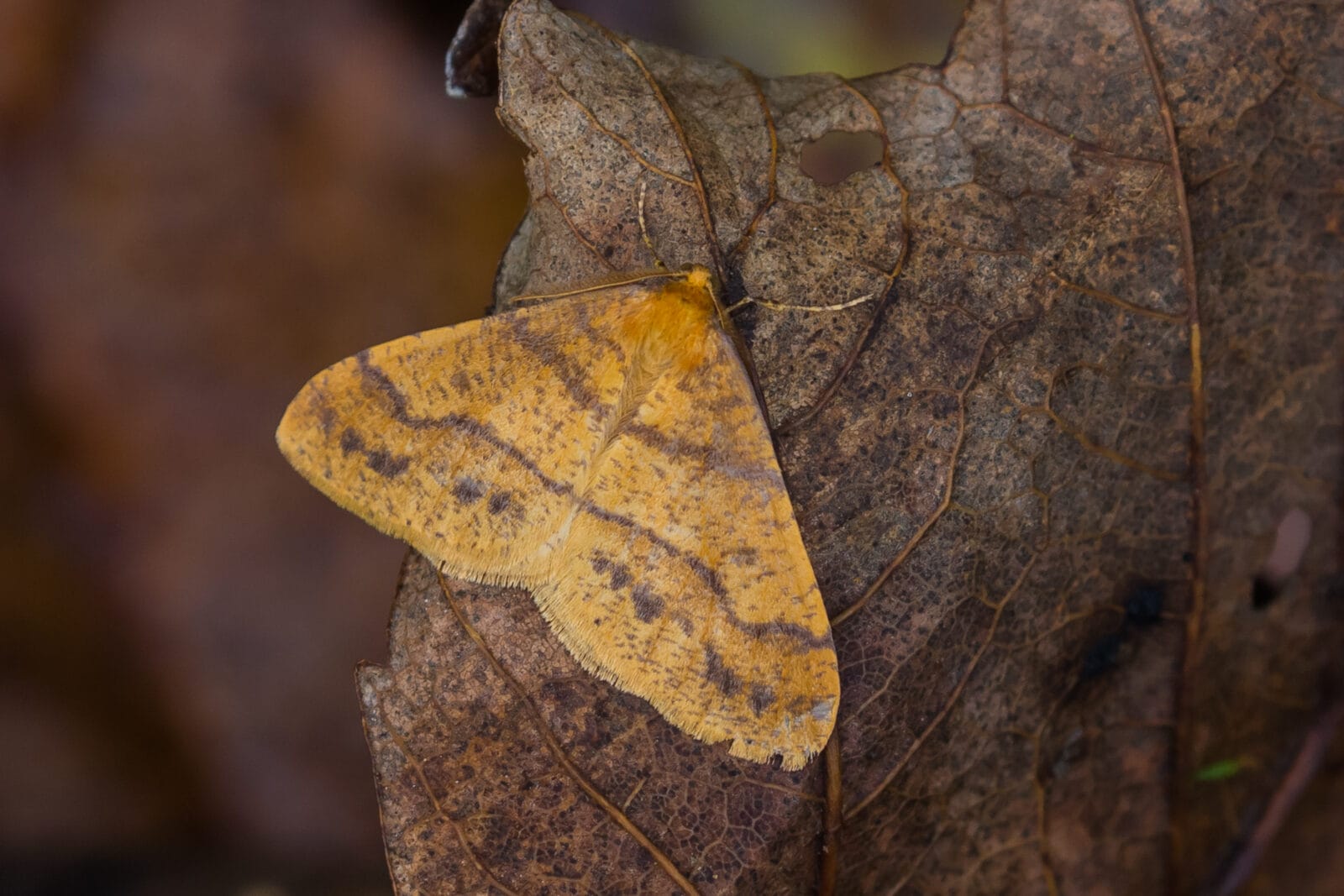
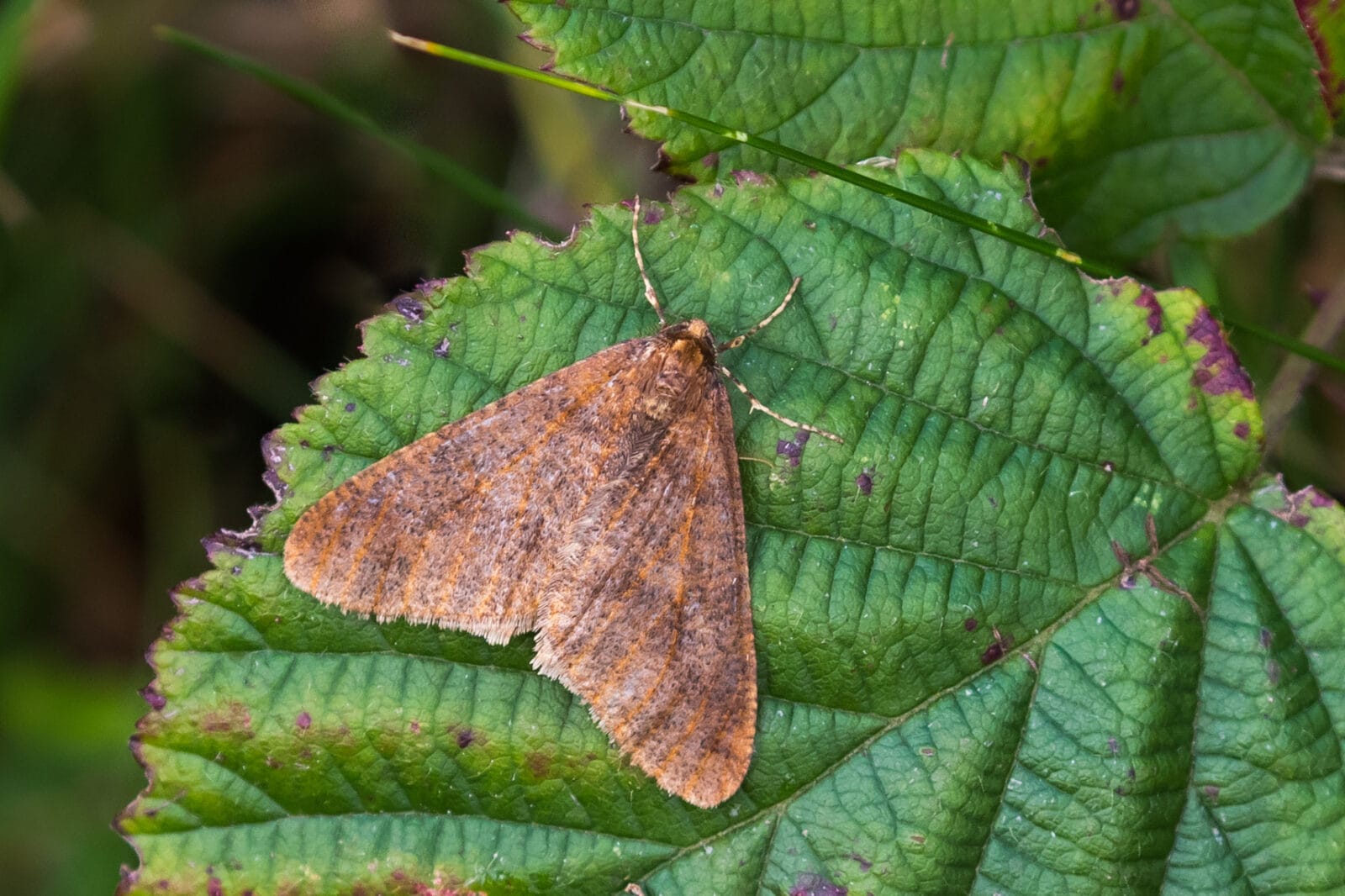
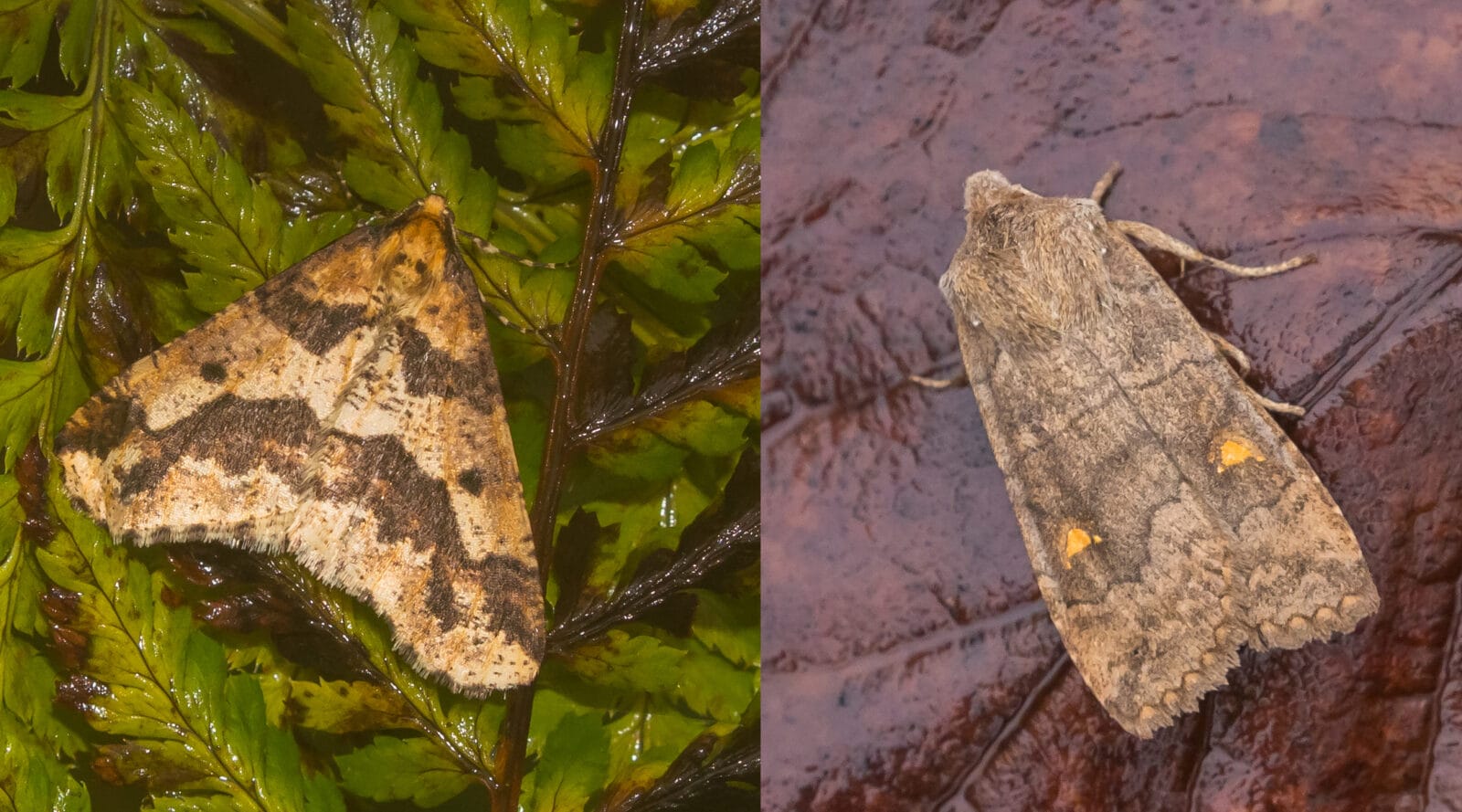
Scarce Umber, South Landing, by Andrew Allport

10th November 2018

The weather consisted of sunny skies during the morning and increasing amounts of cloud post-lunch, with a moderate south-westerly wind increasing in strength towards dusk. During the seawatch, seven Eider and two Little Gulls flew north, with 40 Red-throated Divers and a juvenile Arctic Tern moving south. A total of 107 Red-throated Divers was on the sea, with an additional 40 birds flying south.

Seventy Pink-footed Geese rested on fields adjacent to Stainforth’s Flash, with a further 105 birds flying south during the day. A ringtail Hen Harrier that overflew Sixpenny Plantation was relocated hunting the cliff top at Buckton. Other migrants included 27 Lapwing, a Short-eared Owl at Thornwick, 58 Goldcrests, six Chiffchaffs, a Grey Wagtail and a Snow Bunting. A total of 53 birds were rung at South Landing, including 38 Goldcrests and four Chiffchaffs.

West of the Dykes, RSPB Bempton Cliffs hosted a further 20 Goldcrests.

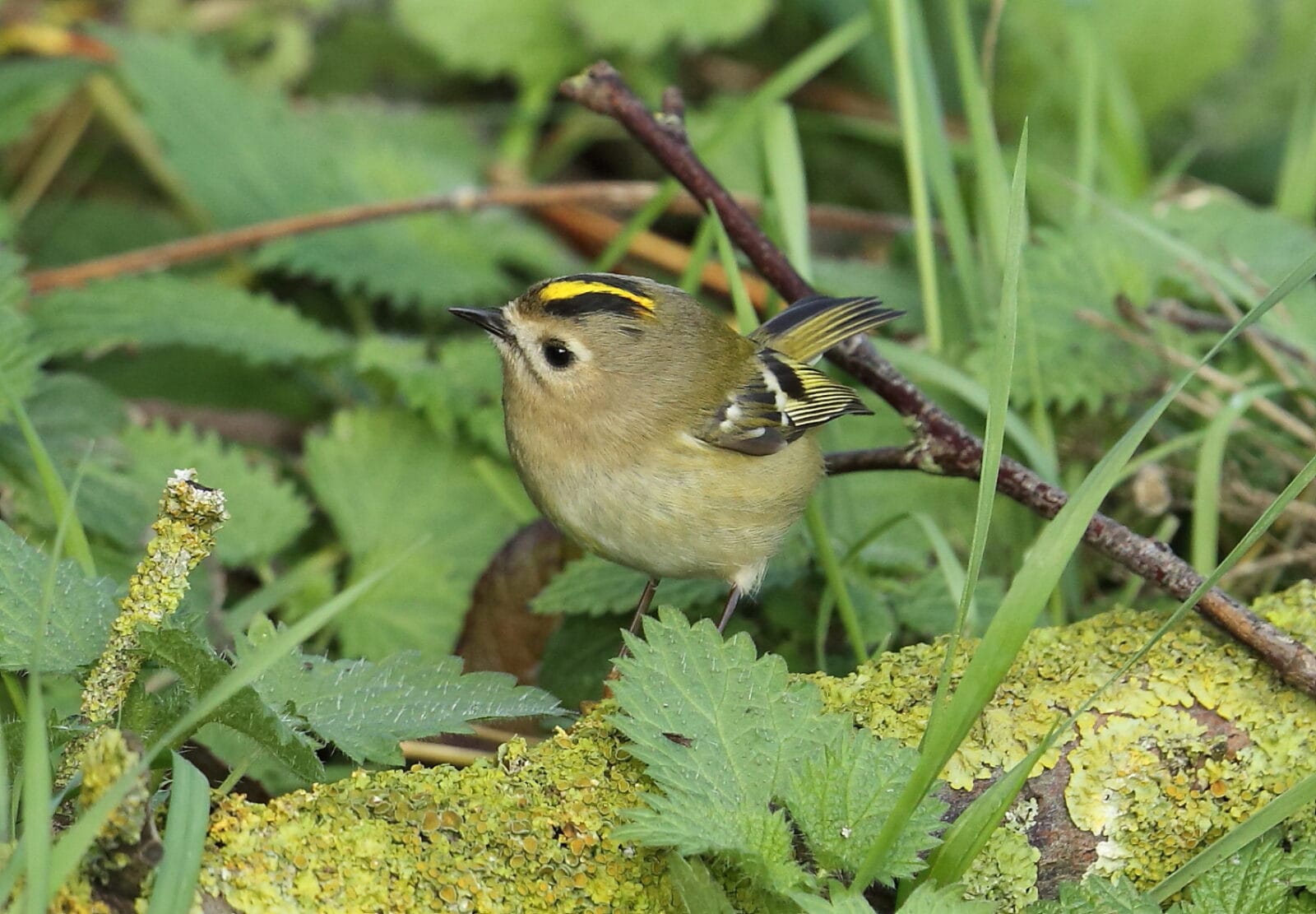
Goldcrest, RSPB Bempton Cliffs, by Alan Walkington

11th November 2018

The weather consisted overcast skies and showers during the morning, brighter in the afternoon, with a lighter south-westerly wind. Seawatching highlights included two Shelduck, a Pintail, one Velvet Scoter, a Long-tailed Duck, 169 Red-throated Divers, 37 Little Gulls, one Bonxie and a Little Auk flying south, with a Manx Shearwater moving north.

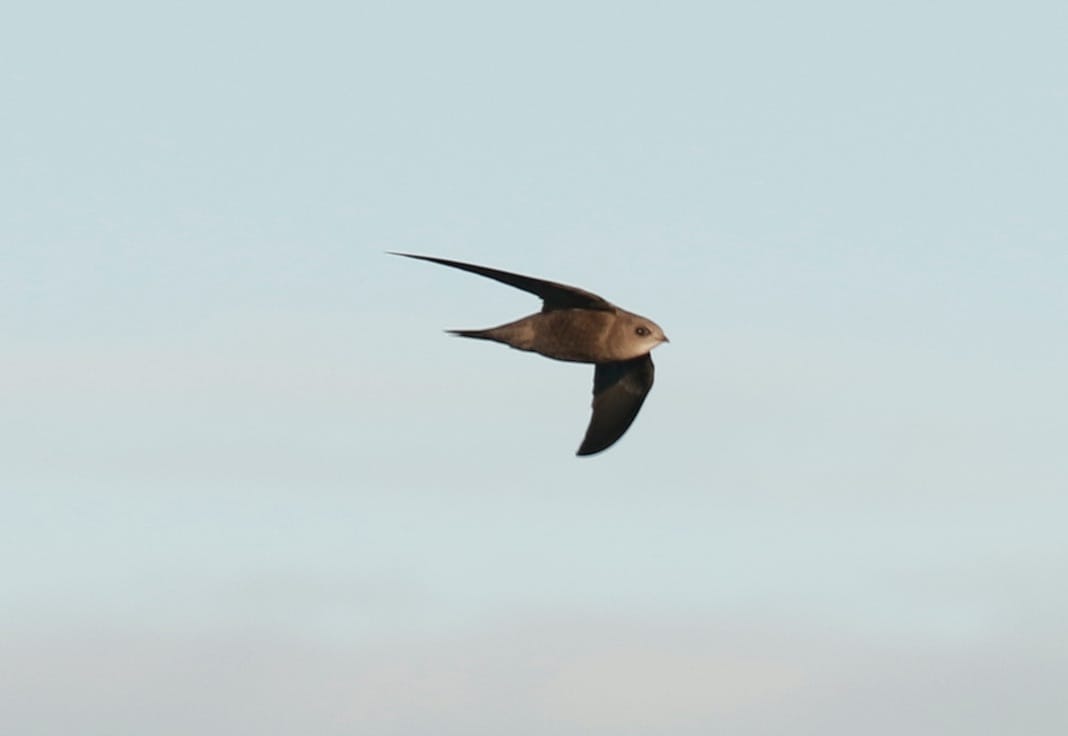
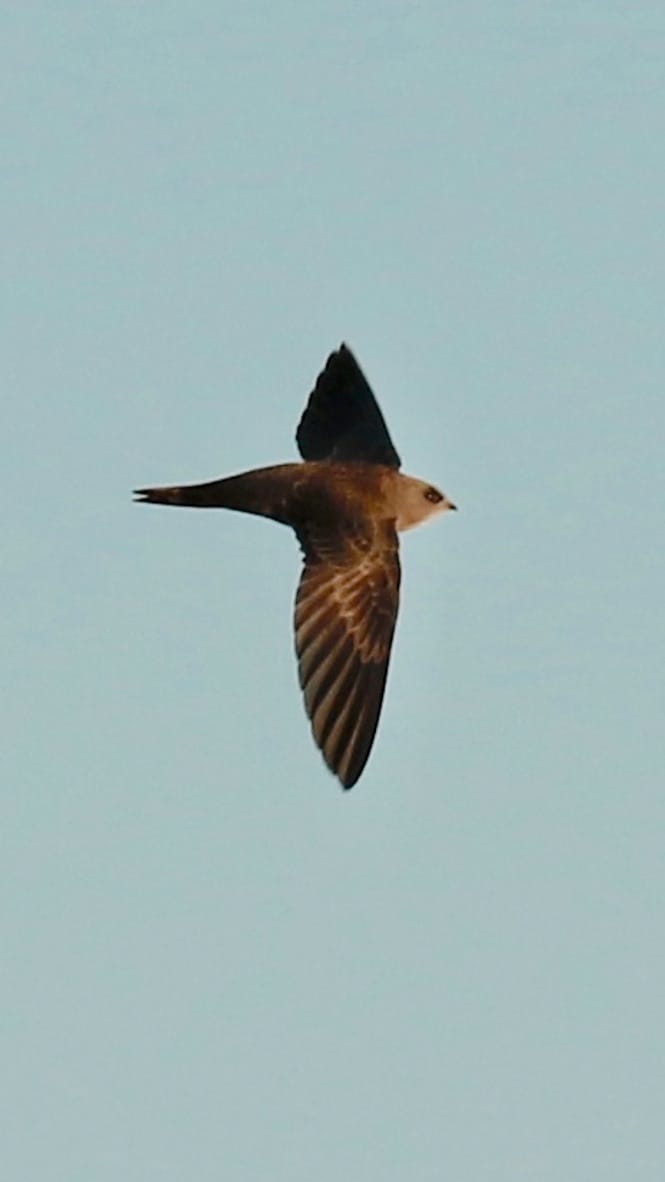
The day’s highlight was the mid-afternoon discovery of a Pallid Swift from the almost completed Seawatch Observatory building. It showed very well hawking over the cliff top until dusk and represented the first rarity seen from the excellent, new facility. Other sightings included the Water Rail in South Landing, whilst passerine migrants included 26 Goldcrests, six Brambling and a Snow Bunting.

Pallid Swift, Fog Station, by Trevor Charlton

12th November 2018

A sunny day, with a moderate south-south-westerly wind increasing in strength and temperatures peaking at 12 degrees C. During the seawatch, a dark-bellied Brent Goose, 40 Common Scoter and 65 Red-throated Divers headed south, with a Bonxie moving north. Thousands of Guillemots were again on the cliffs, a feature of recent days after an absence since breeding.

Six Mute Swans that flew south over the outer head were unusual, less so the 40 Pink-footed Geese logged during the day. Additional sightings included the Pied Crow still in the village, a Twite that flew south over the Fog Station/Cattlemere and two Snow Buntings on the outer head.

West of the Dykes, RSPB Bempton Cliffs hosted a Short-eared Owl and a Snow Bunting, whilst three Shore Larks were north-west there.

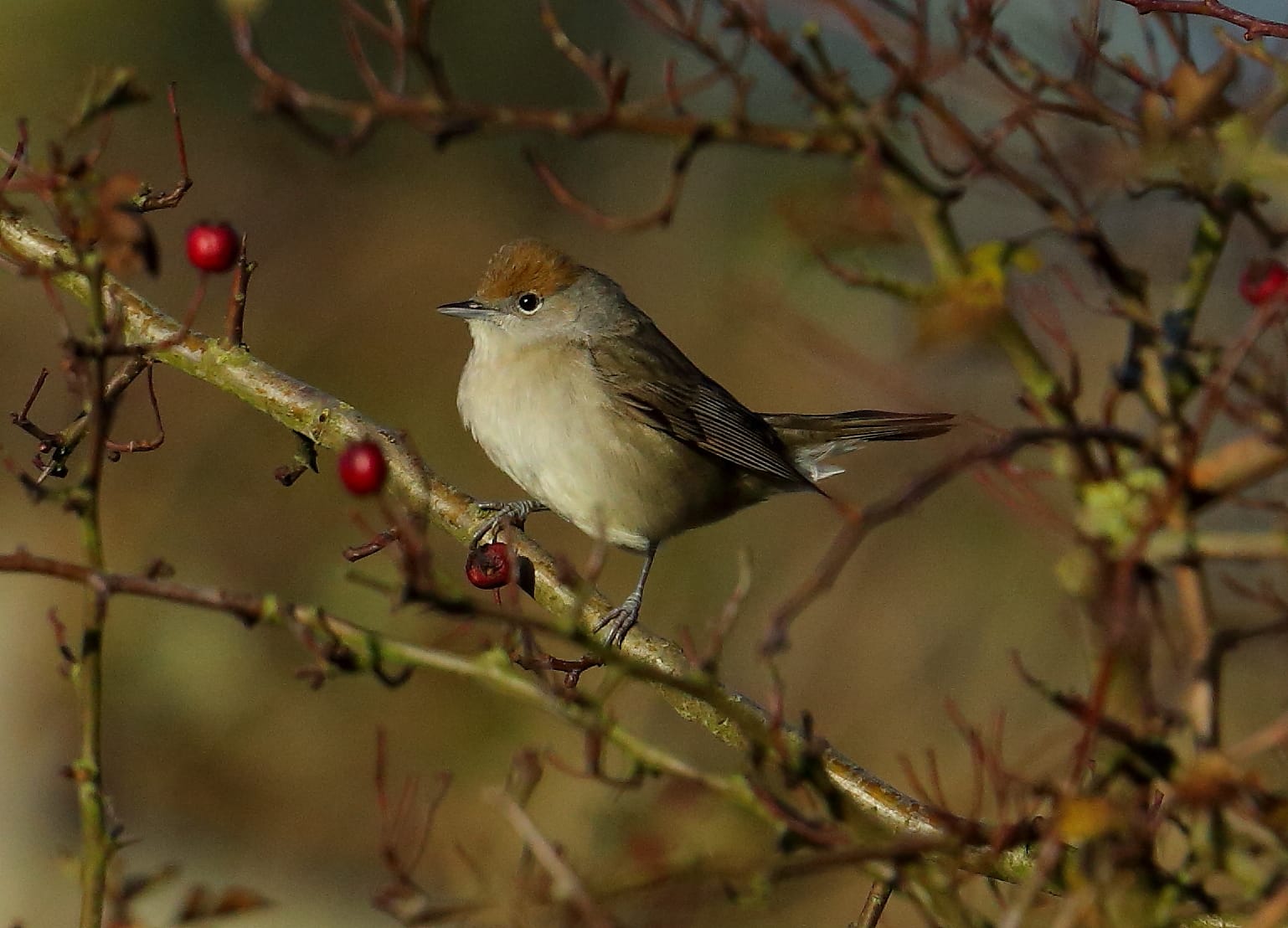
Blackcap, RSPB Bempton Cliffs, by Alan Walkington

13th November 2018

The weather consisted of bright, sunny skies and a moderate south-westerly wind. A total of  1199 Pink-footed Geese (inc. 324 on seawatch) and 42 Whooper Swans (inc. 32 on seawatch) flew south during the day. Additional seawatch sightings included single Little Gull, Bonxie and Pomarine Skua flying north. 

Additional sightings included five Golden Plover over South Dykes, one Short-eared Owl, a late Swallow, 17 Goldcrests, one Blackcap, two Brambling, a Corn Bunting and one Lapland Bunting; the latter flying over the Fog Station.

Pink-footed Geese, RSPB Bempton Cliffs, by Alan Walkington

14th November 2018

A cloudy start to the day, with early morning drizzle followed by sunny intervals later; temperatures reached 13 degrees C. Seawatching highlights included a Pink-footed Goose, two Eider, a Velvet Scoter, two Great Crested Grebes, a juvenile Pomarine Skua and an Arctic Skua all flying south. Later in the day, a Brent Goose flew south and 100 Little Gulls fed offshore of Selwick’s Bay. A high tide roost of waders near the Fog Station contained 60 Turnstone and 47 Purple Sandpipers.

Passerine interest included ten Yellowhammers and eight Corn Buntings near North Dykes. A total of 30 birds were also rung at South Landing, including six Goldcrests, two Chiffchaff and a Lesser Redpoll.
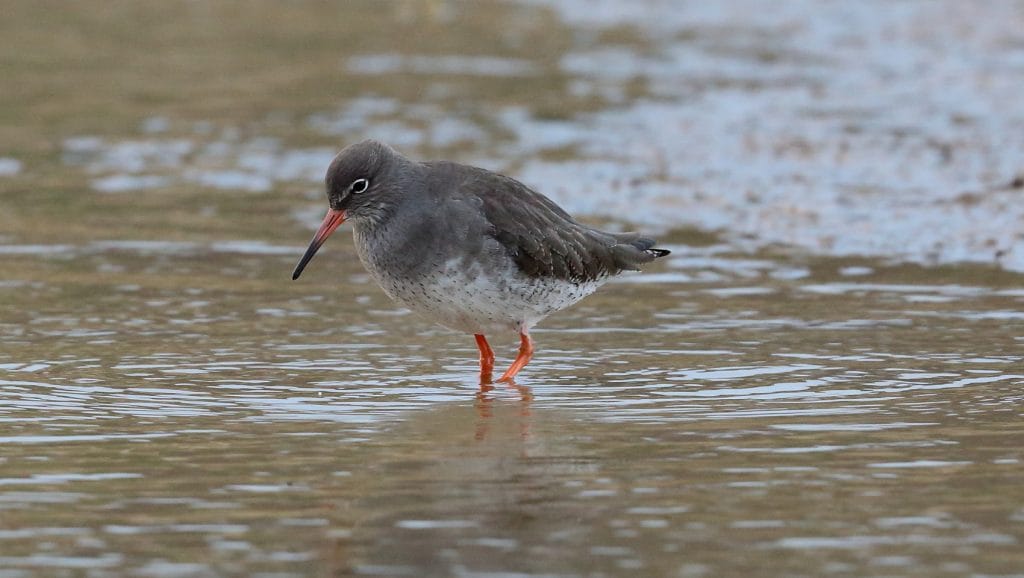
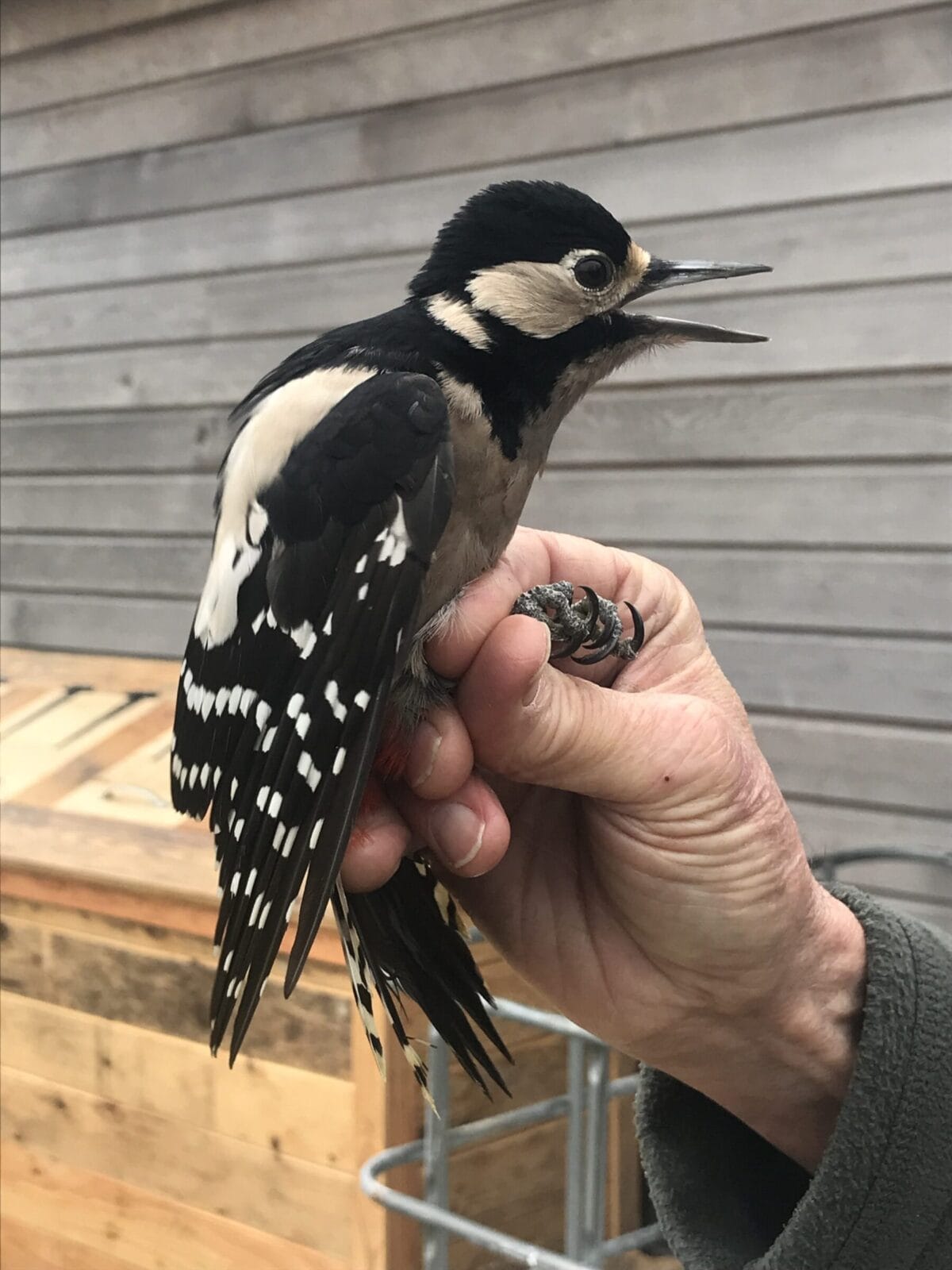
Great Spotted Woodpecker, South Landing, by Jo Hood

15th November 2018

An overcast morning, with a light south-west wind; sunny intervals developed during the afternoon. During the seawatch, two Gadwall, 34 Common Scoter, 58 Red-throated Divers, 87 Golden Plover and a Mediterranean Gull flew south. Little Gulls lingered offshore throughout, with 150 off the Fog Station mid-afternoon. South Landing attracted a finch flock that contained three Brambling.

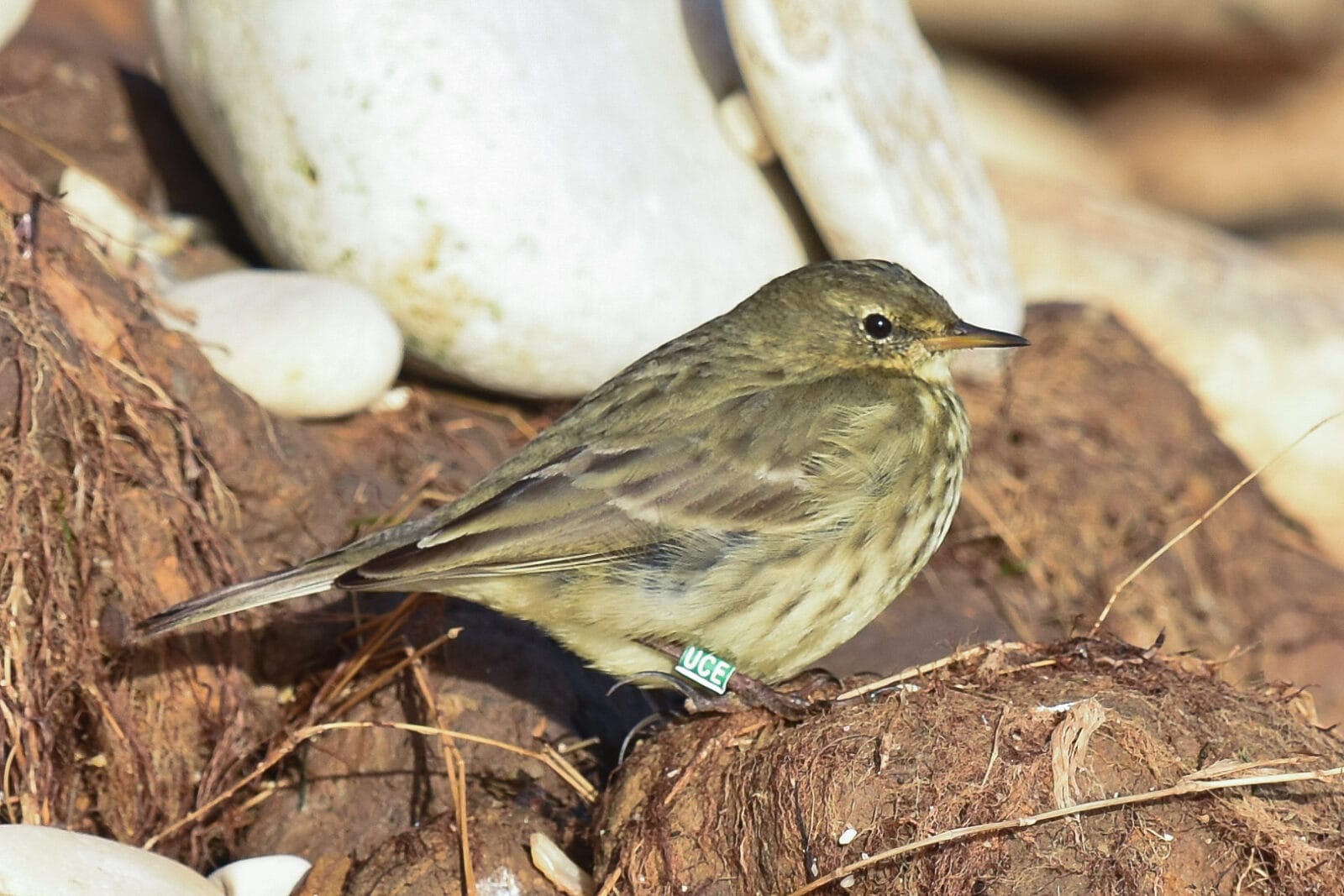
Rock Pipit (Norweigan ringed), South Landing, by Andy Hood

16th November 2018

An overcast day, with thick mist/fog developing during the morning and a relatively light southerly wind. Seawatching highlights included a Mute Swan off the Fog Station that later flew south, a Shoveler, six Gadwall, 72 Wigeon, 145 Teal, two Tufted Duck, three Eider, a Long-tailed Duck, one Goosander, 48 Red-throated Divers, a Manx Shearwater, one Little Egret, 39 Knot, 18 Dunlin, 133 Little Gulls, a Mediterranean Gull and one Bonxie all flying south; an additional 36 Little Gulls moved north.

Three Pink-footed Geese, 17 dark-bellied Brent Geese and 90 Teal were also present, including 89 of the latter on Thornwick Pools, where there was also a Water Rail. An arrival of late autumn migrants occurred during the morning, with eight Woodcock, nine Chiffchaffs, 52 Blackbirds, 280 Fieldfare, 495 Redwing, three Brambling and a Lapland Bunting all located.

West of the Dykes, Buckton attracted eight Golden Plover, a Chiffchaff and 300 Fieldfare/Redwing.

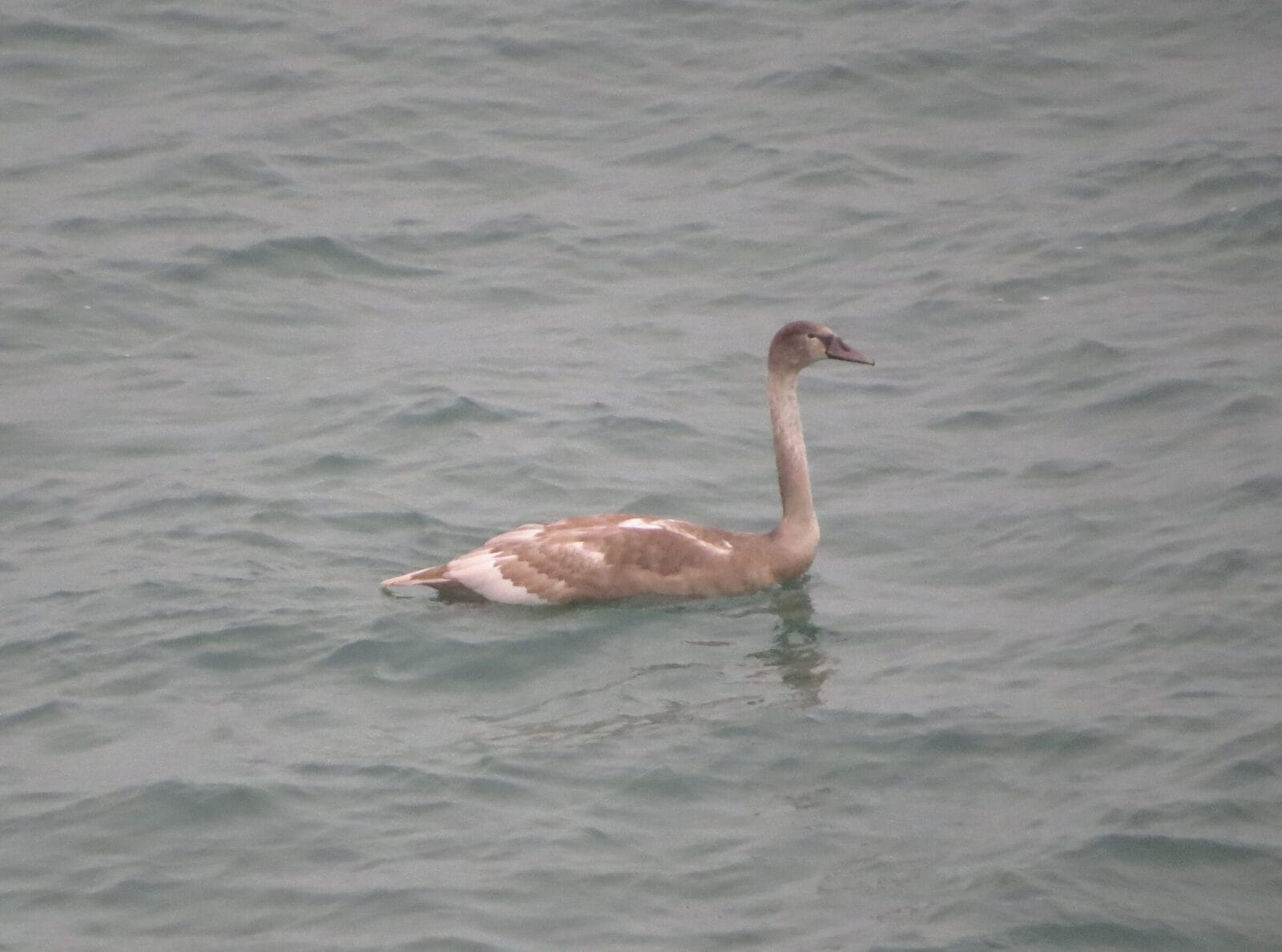
Mute Swan, Fog Station, by Brett Richards
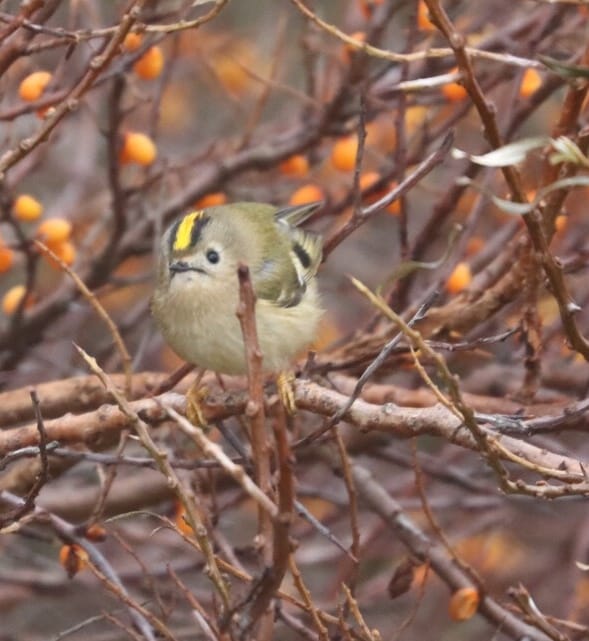
Goldcrest, Lighthouse, by Steve Meredith

17th November 2018

Light/moderate south-easterly winds, with sunny intervals developing after an overcast start and temperatures peaking at 11 degrees C. Seawatching was rewarded with: 29 dark-bellied Brent Geese (21 north, eight south); two Shoveler, 31 Wigeon, 71 Teal and eight Goldeneye all south; 180 Eider (170 north, ten south); 52 Red-throated Divers and four Great Northern Divers south; a Black-throated Diver north; single Sooty Shearwater and Manx Shearwater south; a Mediterranean Gull north; five Bonxies, a Pomarine Skua and one Arctic Skua south and a Lapland Bunting in off the sea. In addition, 150 Little Gulls were seen off the Fog Station, but most of these moved into Bridlington Bay, where 747 Little Gulls fed offshore between New Fall and South Landing.

Further wildfowl interest was provided by a Whooper Swan on North Marsh, six Shelduck that flew north at South Landing, 79 Teal on Thornwick Pools and four Pochard off the North Cliffs. Migrants included four Woodcock and a Short-eared Owl that hunted the Gorse Feld. Passerine interest included 12 Goldcrests, eight Chiffchaff, 670 Blackbirds, 135 Fieldfare, 600 Redwing, two Siskin, four Mealy Redpolls at Old Fall, a Hawfinch at North Landing and a Snow Bunting along the North Cliffs.

West of the Dykes, a Richard’s Pipit overflew the trap at Buckton, where there were also Short-eared Owl, 75 Blackbirds, 45 Redwing, 25 Fieldfare and five Song Thrush; two Mealy Redpolls were present at nearby RSPB Bempton Cliffs.

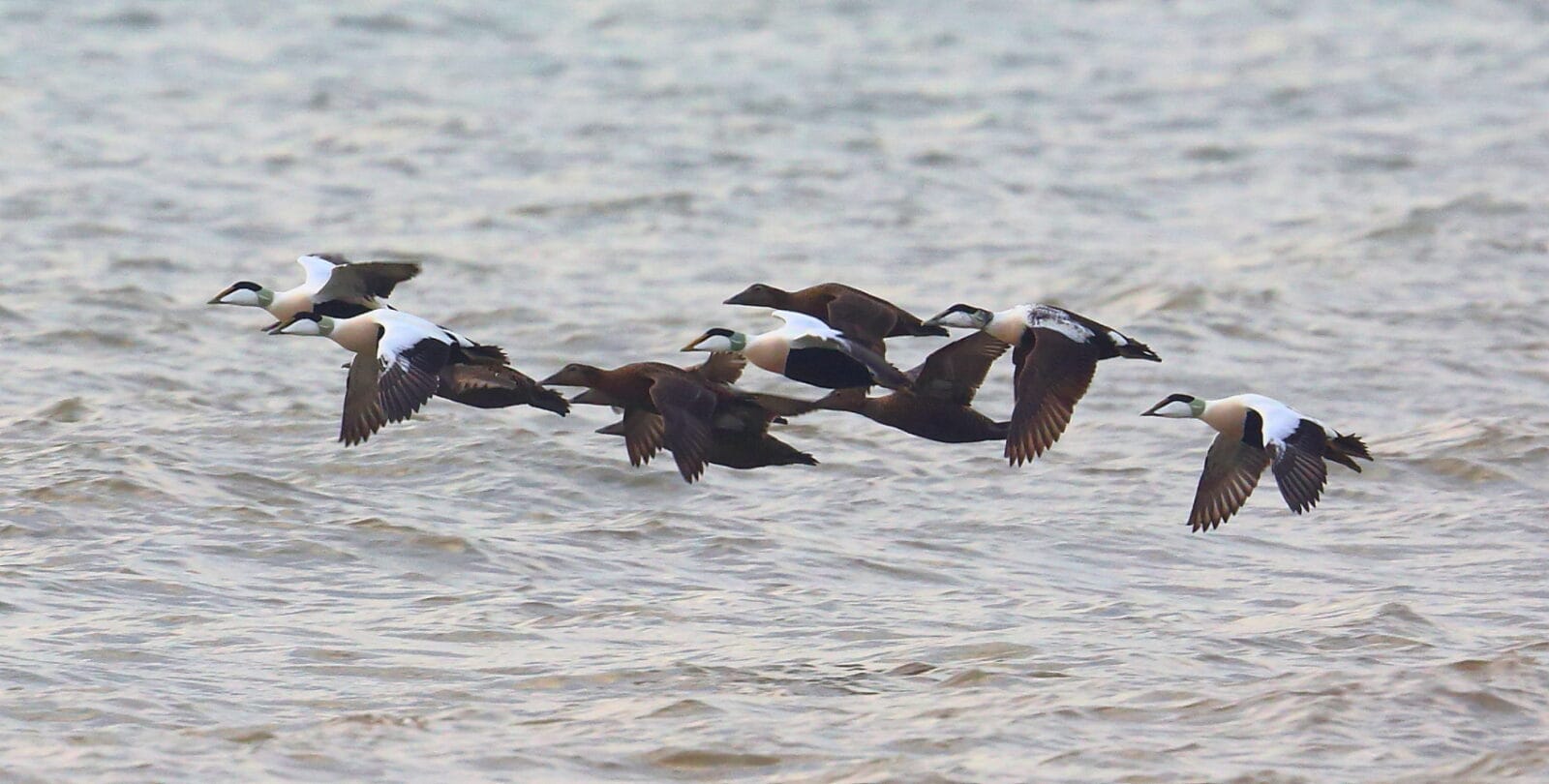
Eider, South Landing, by Alan Walkington
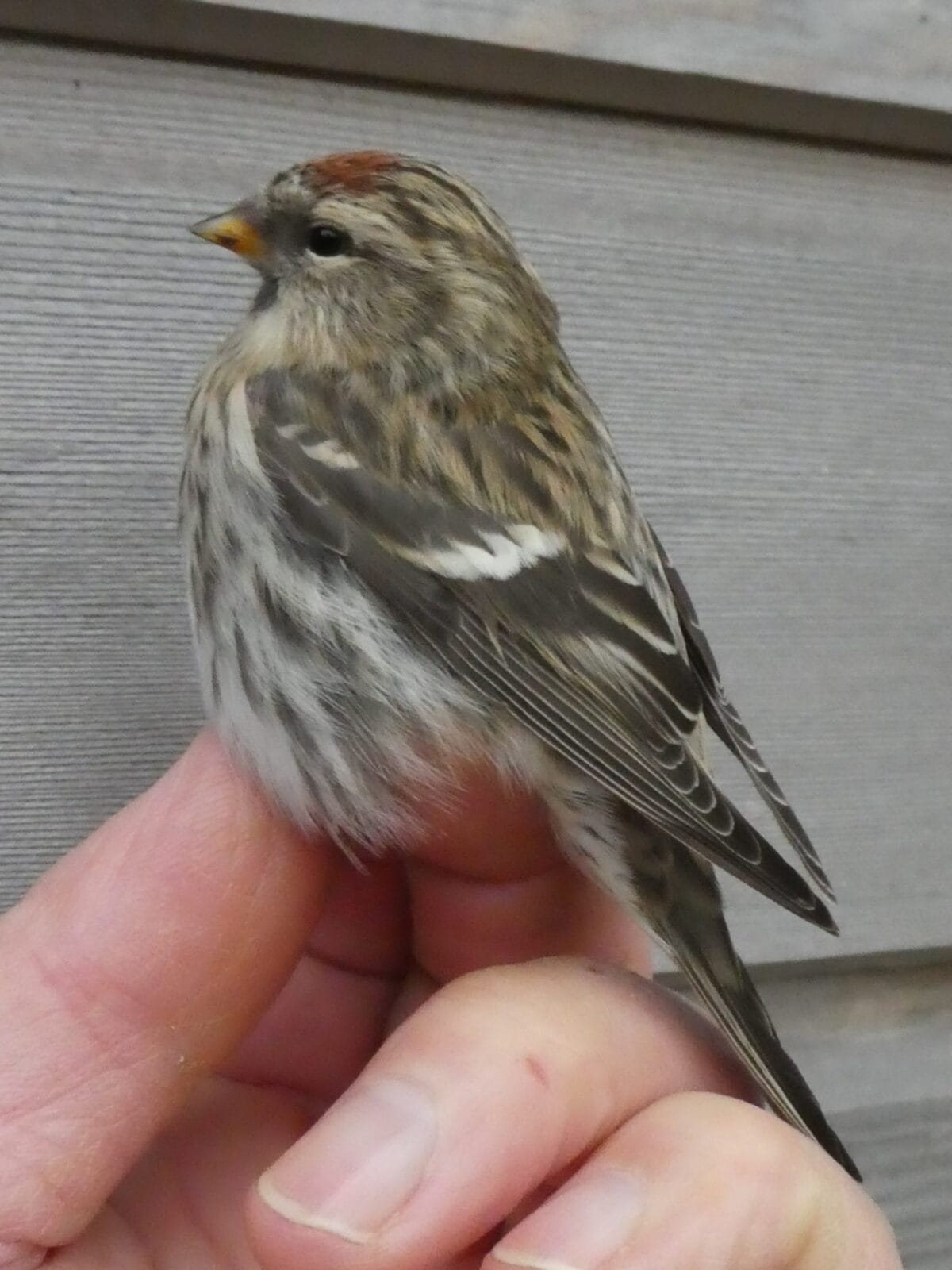
Mealy Redpoll, RSPB Bempton Cliffs, by Trevor Charlton
Mottled Umber, South Landing, by Andrew Allport

18th November 2018

A sunny day, with a light/moderate easterly wind and temperatures reaching 11 degrees C. During the seawatch, two Pink-footed Geese, six Shelduck, a Tufted Duck, 112 Common Scoters, four Goldeneye, a Great Northern Diver, one Red-necked Grebe, 83 Little Gulls and five Bonxies flew south; 68 Eiders moved north. 

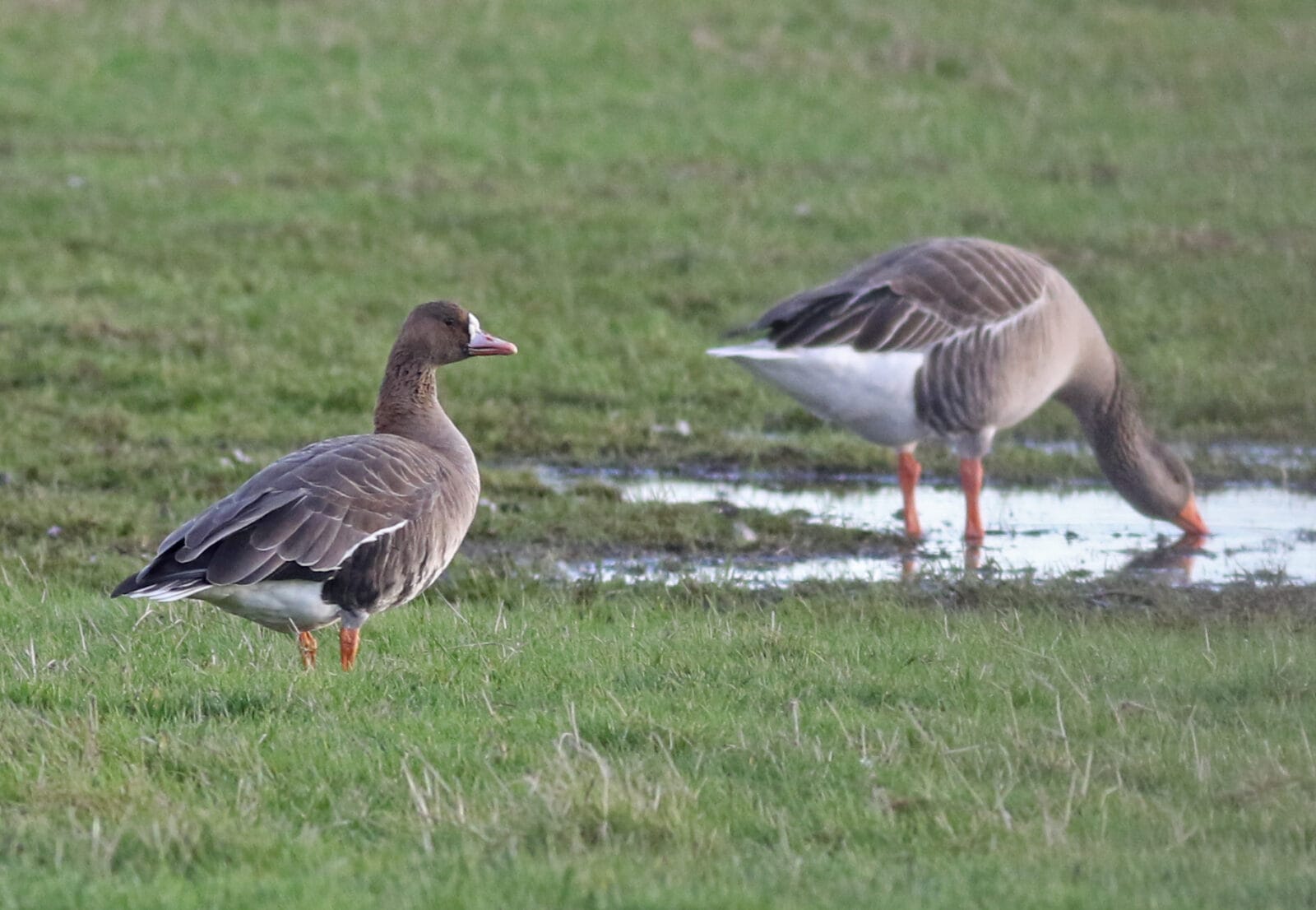
A White-fronted Goose was located at Oceanview, but the day’s highlight related to a Bittern that was flushed from Greenacres and flew north towards Thornwick. Nearby, North Marsh attracted 11 Grey Partridge and a Short-eared Owl. A late Northern Wheatear at North Dykes was notable.

West of the Dykes, sightings from RSPB Bempton Cliffs included single Water Rail, Woodcock and Ruff, 35 Redwing, ten Fieldfare, 90 Skylark, a Redpoll sp. and 40 Yellowhammers.

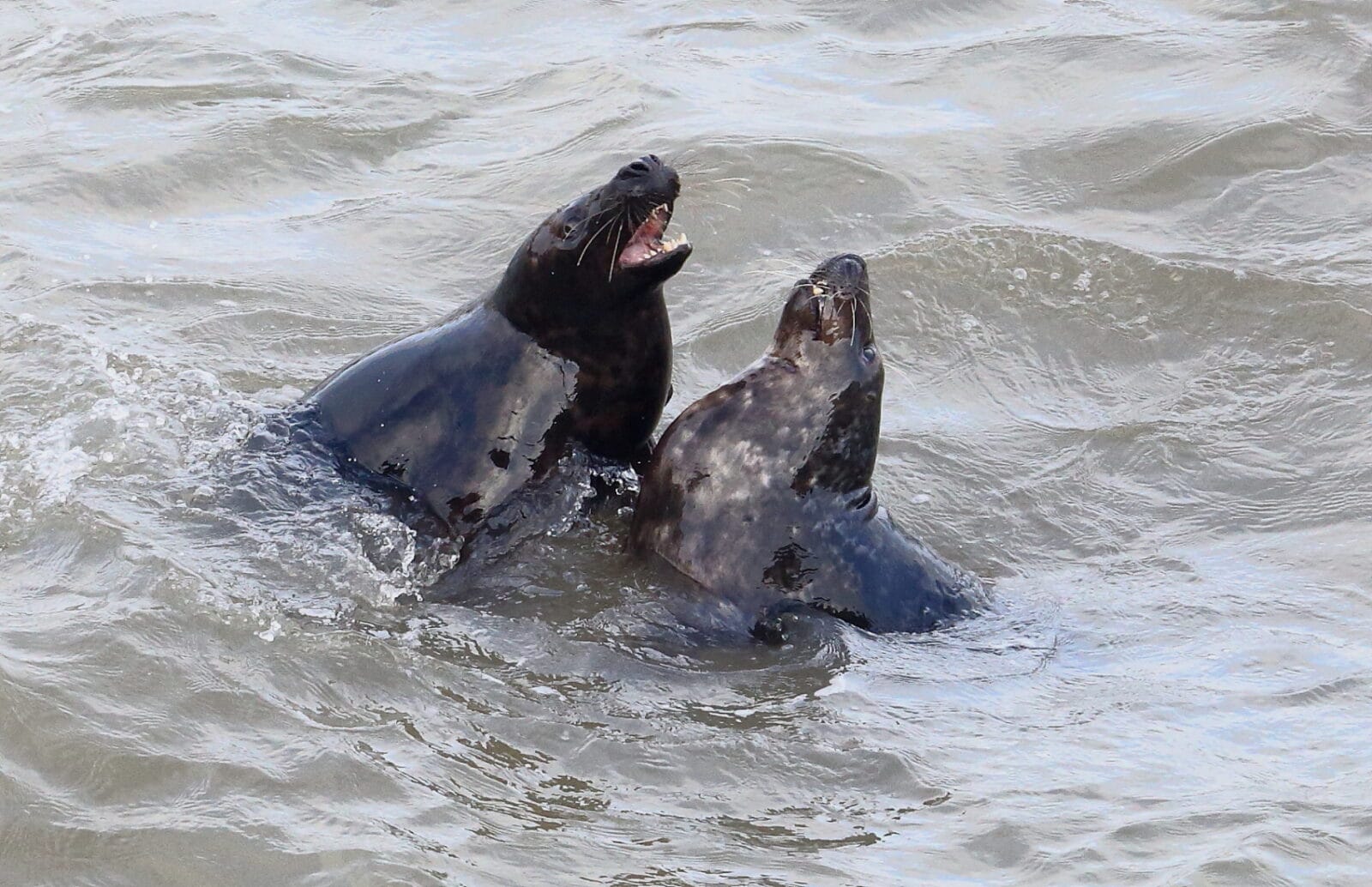
Grey Seals, Fog Station, by Alan Walkington

19th November 2018

The weather consisted of largely overcast skies, although with brighter spells in the afternoon and an increasingly strong east-north-easterly wind. Seawatching highlights included 117 dark-bellied Brent Geese (107 south, ten north), 47 Wigeon, four Pintail, 81 Teal, 129 Eider, three Velvet Scoter and three Red-breasted Mergansers all north, 358 Common Scoter (165 north, 193 south) and two Goldeneye south. A Manx Shearwater headed north, as did an Avocet; the latter accompanied a flock of Eider heading north, having been at South Landing earlier. Sixty-six Little Gulls were also recorded (62 north, four south), as were seven Bonxies south.

Away from the sea, a Whooper Swan remained in residence on North Marsh, but three Woodcock were presumably fresh in.  

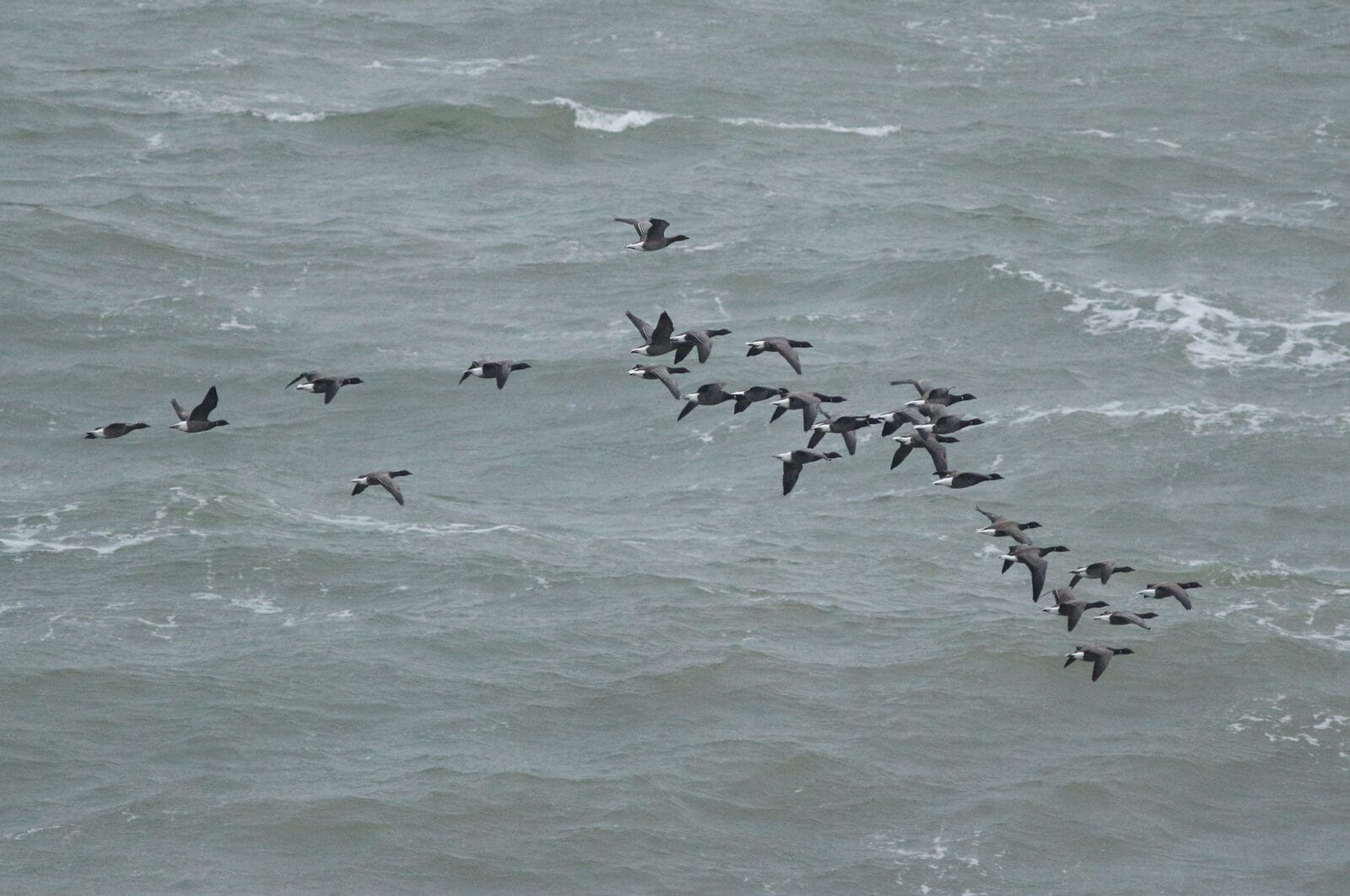
dark-bellied Brent Geese, Fog Station, by Mark Pearson
Eider with Avocet, South Landing, by Mark Pearson
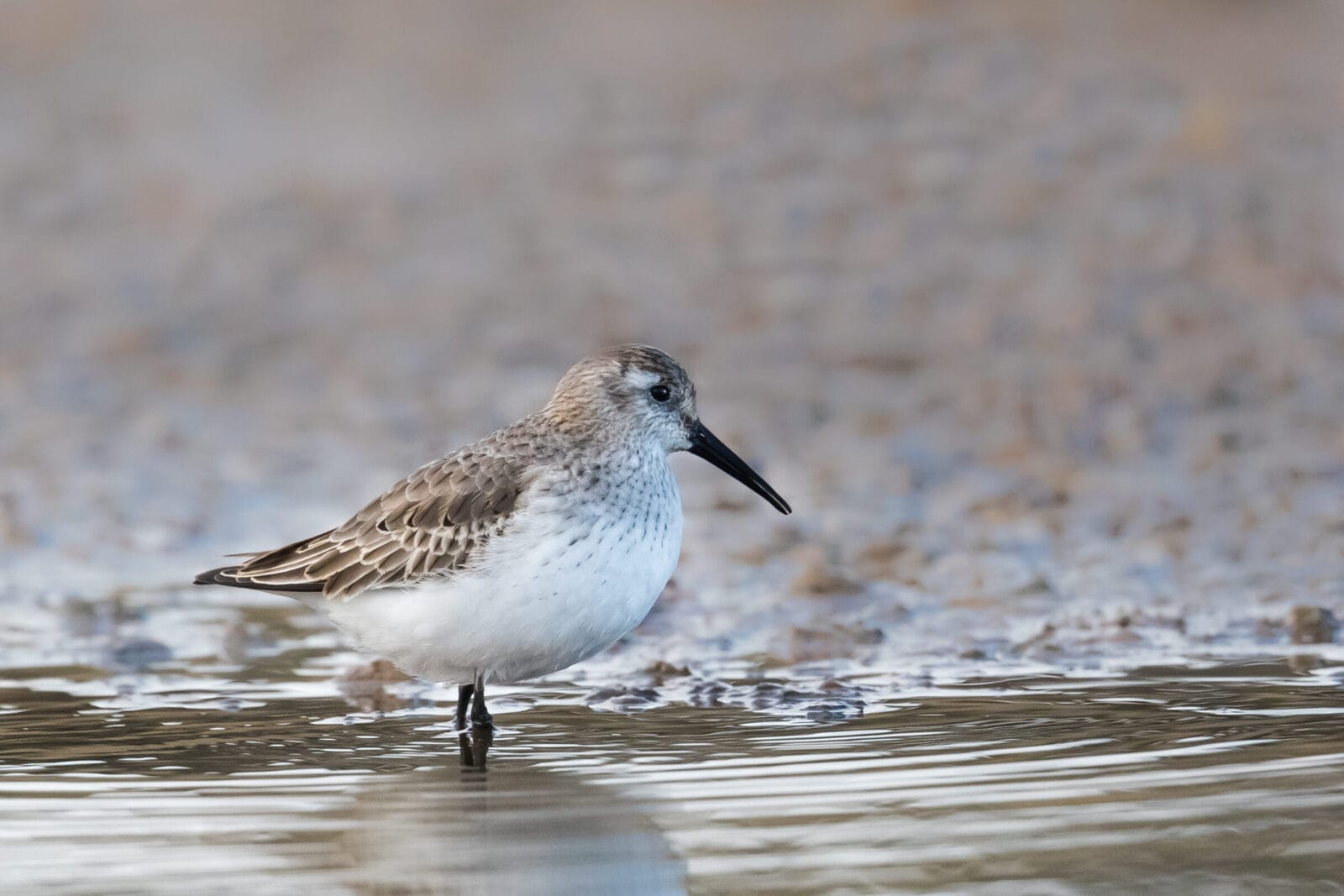
Dunlin, Thornwick Pools, by Andrew Allport

20th November 2018

Very strong north-easterly winds and squally showers featured throughout. Seawatching highlights included a Brent Goose and three Bonxies moving south, with 44 Eider, a Velvet Scoter, one Black-throated Diver, three Great Northern Divers, 918 Kittiwakes, 49 Little Gulls, an Arctic Skua and 13 Little Auks heading north.

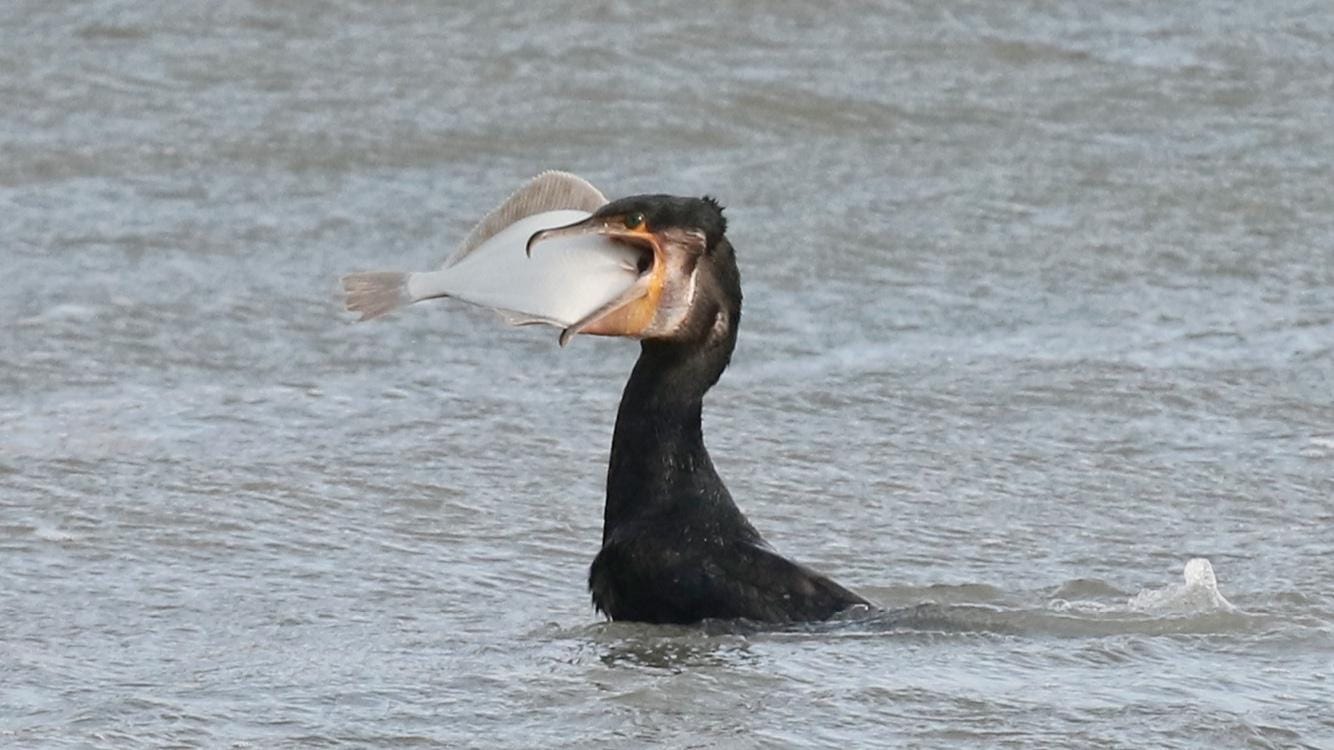
Cormorant, South Landing, by Trevor Charlton

Wednesday 21st November, 2018

A rather poor day, overcast with some showers, a force 6 southerly wind and only 6c.

The sea-watch highlights were ten Teal south, ten Red-throated Diver south and two north, Great Northern Diver north, 335 Fulmar south and 25 north, 52 Kittiwake south and a Little Gull south.

Around the area were 30 Teal, 57 Mallard, Velvet Scoter South Landing, Water Rail and two Redshank Thornwick Pools, five Curlew, Woodcock at South Landing, Peregrine, two Chiffchaff, 30 Blackbird, seven Redwing, Treecreeper and 21 Greenfinch.

Redshank by Alan Walkington

Thursday 22nd November, 2018

Another overcast day with some drizzle and 7c.

The headland sea-watch highlights were Dark-bellied Brent Goose, 15 Teal, 22 Eider, two Velvet Scoter, 17 Common Scoter, Long-tailed Duck, 61 Red-throated Diver and two Great Northern Diver. Present there were 30 Shag, 20 Turnstone, 34 Purple Sandpiper and two Peregrine.

Other parts of the headland had a Whooper Swan at North Marsh, 74 Mallard, 56 Moorhen, 15 Oystercatcher, four Curlew, five Redshank, Woodcock, two Great Spotted Woodpecker, Chiffchaff, two Treecreeper, 42 Blackbird and seven Redwing.

Highlights from ringing today were five Goldcrest, a surprise Willow Warbler and Common Redpoll.

Goldcrest by Geoff Carr

Friday 23rd November

A cloudy day, with light rain during the afternoon and a light south easterly breeze. Highlights from the sea watch consisted of four Velvet Scoter, along with 11 Common Scoter, 2 Goosander, 3 Dark-bellied Brent Geese, 9 Wigeon, 8 Teal, 187 Red-throated Diver, 3 Little Gull and a Bonxie. A Long-tailed Duck loitered off South Landing with a Great Crested Grebe. A further Goosander passed Bempton.

Highlights on the land consisted of a Lapland Bunting and 2 Snow Bunting in fields near North Dykes, 2 Chiffchaff, 12 Mealy Redpoll (ringed), 7 Lesser Redpoll, 27 Redwing and 2 Water Rail. The Short-eared Owl remained at Bempton.

Mealy Redpoll, South Landing by Jim Morgan

Saturday 24th November

A cloudy day with light north easterly winds. A single Black-throated Diver flew north on the sea watch, with other notable counts including 41 Red-throated Diver and six Common Scoter.

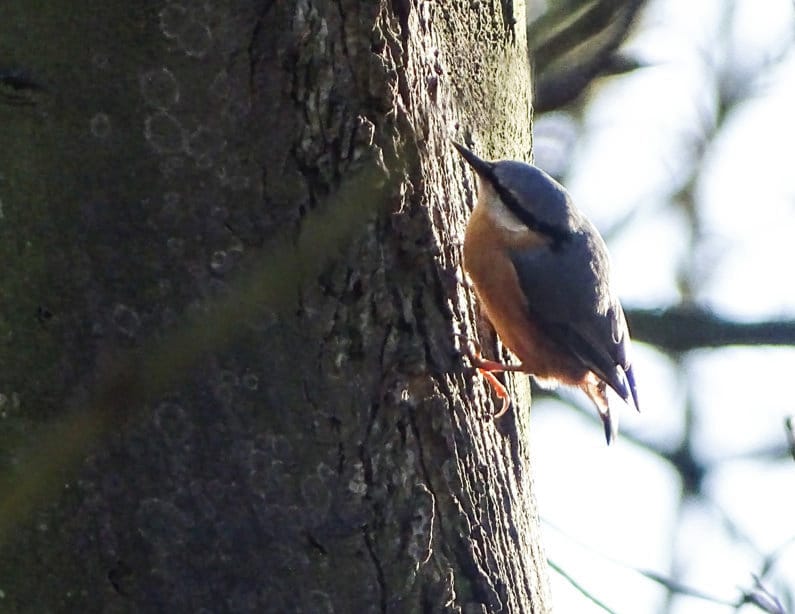
Land birds were headlined by a Waxwing briefly in a village garden. A single Nuthatch was present at South Dykes; likely representing one of the lingering individuals from earlier in the year. The Pied Crow also remained in the village.

A Snow Bunting flew in off the sea at Bempton along with 60 Golden Plover, whilst a Woodcock was present in the Dell.

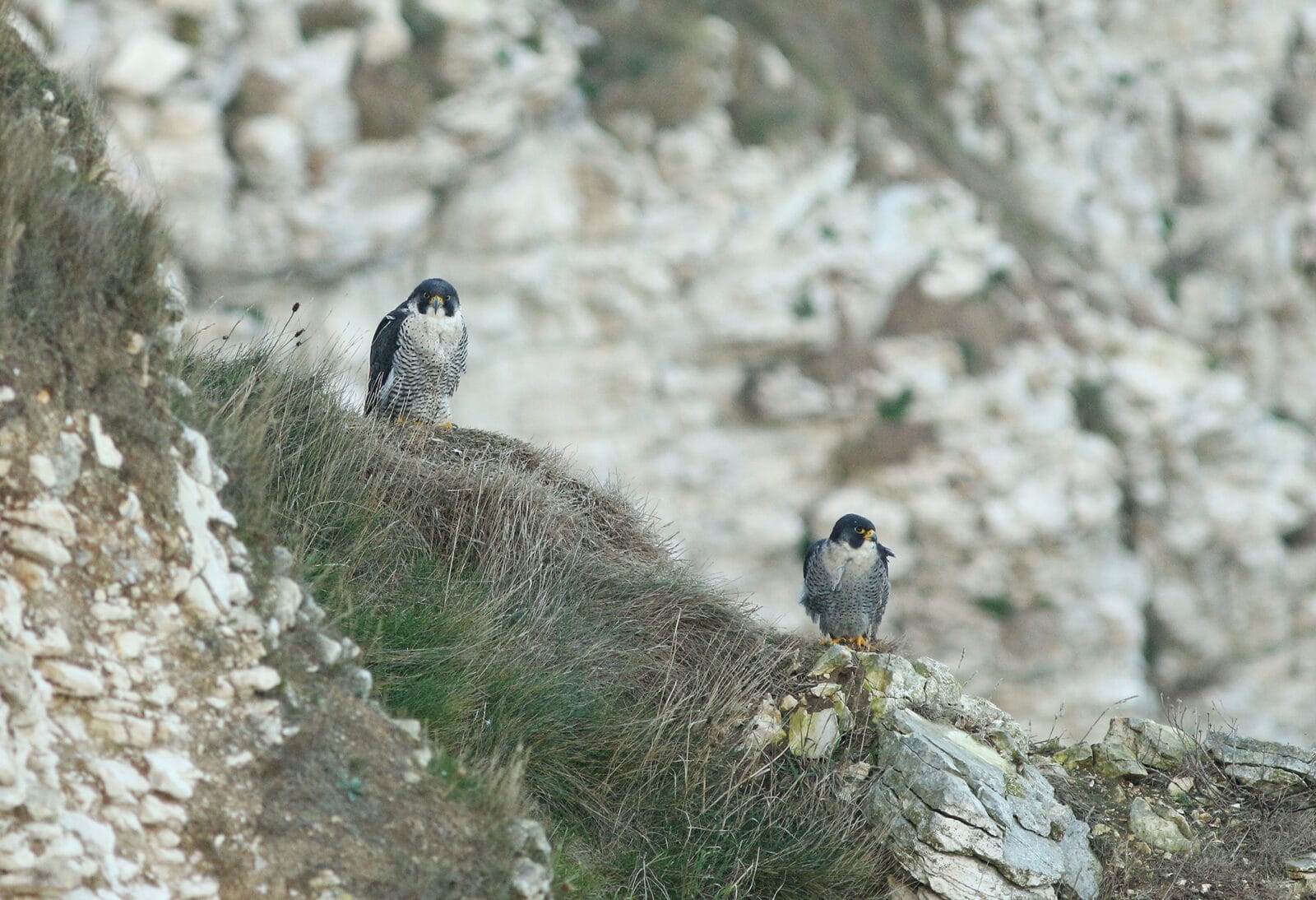
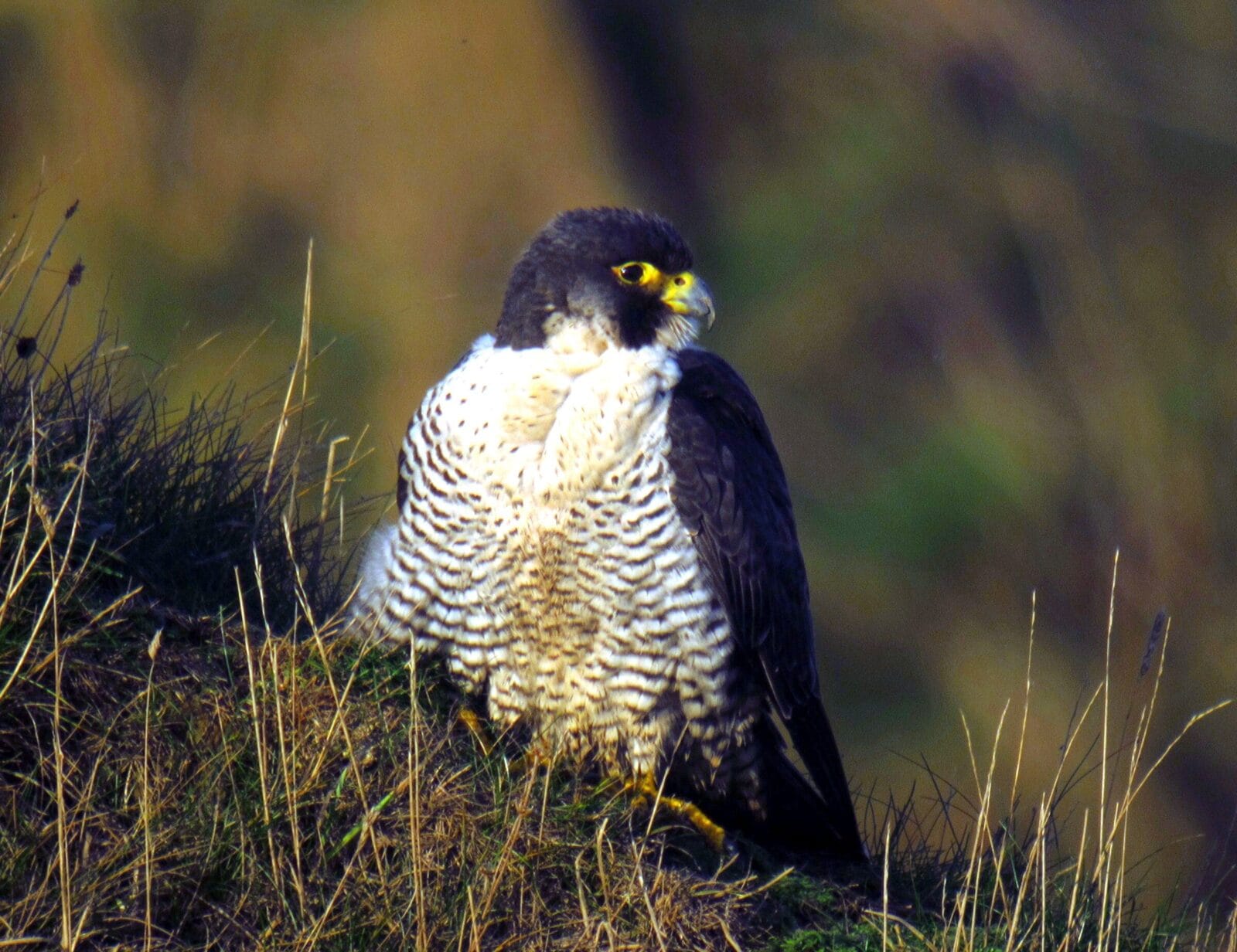
Peregrine, North Cliffs, by Mark Pearson

Sunday 25th November

A moderate easterly wind with heavy showers throughout the day. The morning sea watch proved productive with 1 Little Auk, 1 Bonxie, 1 Manx Shearwater, 19 Red-throated Diver, 24 Common Scoter, 2 Velvet Scoter, 15 Eider, 2 Wigeon and a single Dark-bellied Brent Goose.

The Nuthatch remained at South Dykes. A Black Redstart in paddocks off Water Lane was new. 3 Chiffchaff and 2 Woodcock were on the outer headland, with a third Woodcock logged at Bempton and 3 Corn Bunting at nearby Buckton.

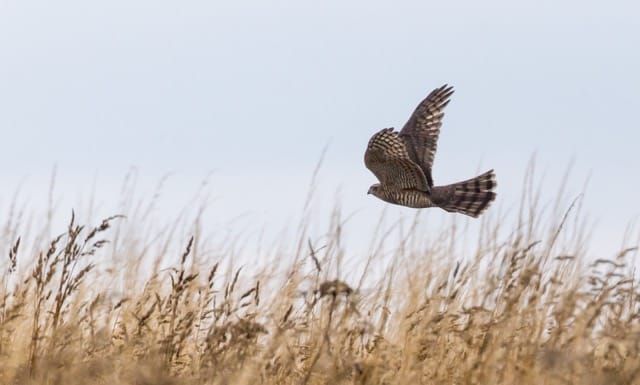
Sparrowhawk, Buckton, by Paul Reed

Monday 26th November, 2018

An overcast day with light north-easterly winds and a cold 6c

Highlights of the sea-watch were five Teal, 14 Common Scoter, 24 Red-throated Diver, Bar-tailed Godwit and 207 Kittiwake.

The remaining headland had a female Sparrowhawk caught and ringed, 28 Oystercatcher, Barn Owl, Great spotted Woodpecker, two Chiffchaff, two Blackcap, two Treecreeper, 33 Blackbird, seven Redwing, 16 Greenfinch and two Snow Bunting.

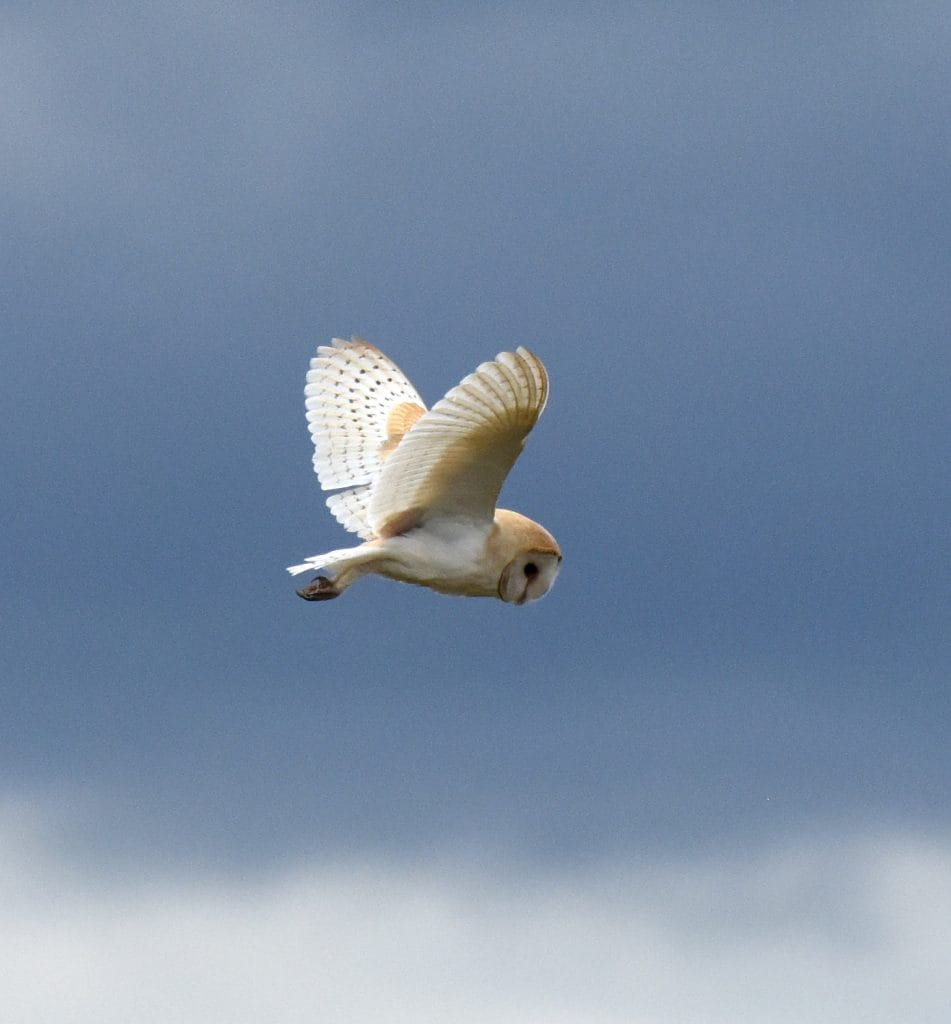
Barn Owl by Geoff Carr

Tuesday 27th November, 2018

A fairly clear day to start but cloud soon developing with a southerly force 5 wind and 7c.

The morning and mid-day sea-watch found three Shelduck, 36 Wigeon, 49 Teal, four Common Scoter, Velvet Scoter, eight Eider, a female/immature Goldeneye, 80 Red-throated Diver, 21 Gannet still around, seven Redshank, 84 Kittiwake, 71 Common Gull and a first cy Little Gull. Present off the headland were two Eider, 18 Red-throated Diver and 15 Shag.

The remaining headland had 145 Teal, 22 Wigeon, 16 Common Scoter, Scaup, Great Crested Grebe, three Peregrine, eight Oystercatcher, two Turnstone, four Woodcock, Jack Snipe, 22 Snipe, 23 Black-headed Gull, 52 Common Gull, 36 Skylark, two Coal Tit, Chiffchaff, 33 Blackbird, Grey Wagtail, four Bullfinch and a Lapland Bunting over North Landing.

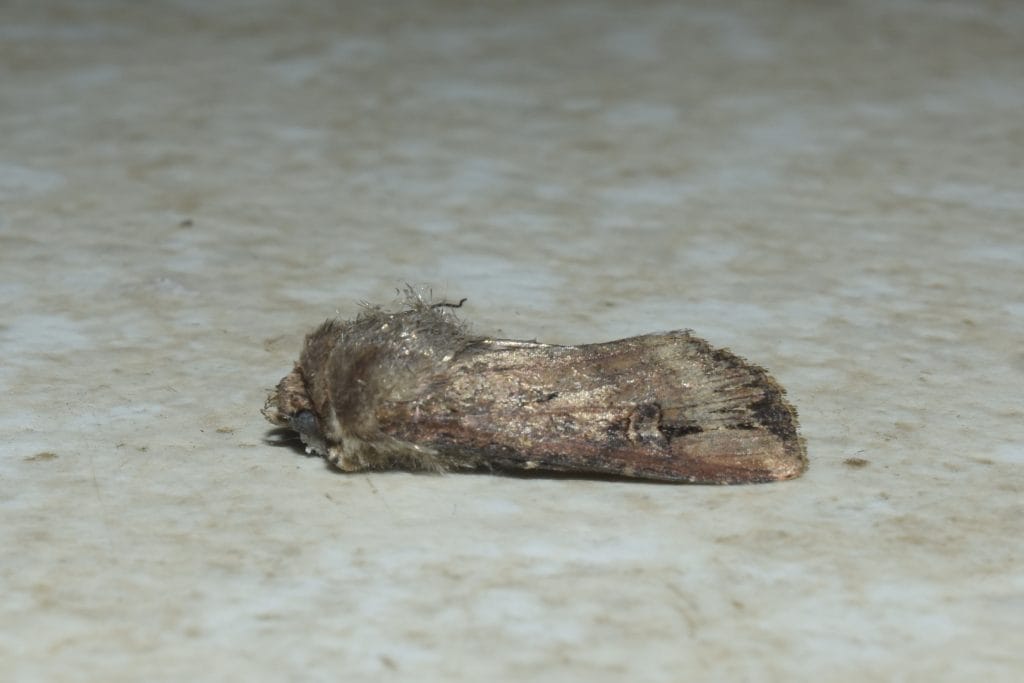
A Dark Sword Grass moth was recorded at Oceanview, a continental migrant and a first for the site.

Dark Sword Grass by Andy Hood
Eider by Andrew Alport

Wednesday 28th November, 2018

A poor weather day with mist and rain, winds south to east and force 6.

Headland sea-watching produced two Shelduck, three Wigeon, 14 Teal, ten Red-throated Diver, 40 Fulmar including a dark morph, 38 Gannet and 45 Purple Sandpiper.

Elsewhere in the recording area was a Long-tailed Duck at North Landing, seven Teal, Sparrowhawk, three Woodcock, Chiffchaff and 35 Goldfinch.

Long-tailed Duck by Brett Richards

Thursday 29th November, 2018

A cloudy day with showers and strong winds but 10c

The headland sea-watch was steady with Teal, Eider, two Common Scoter, 23 Red-throated Diver, 86 Fulmar, 81 Gannet, Knot, Dunlin, 31 Kittiwake, 33 Great Black-backed Gull and a single Puffin. Present below the headland were 20 Turnstone.

The highlight of the day was a Bittern which flew south-east over the fishing pond at Thornwick Pools at 1408. Additionally, a mixed flock of 750 Fieldfare and Redwing at North Dykes.
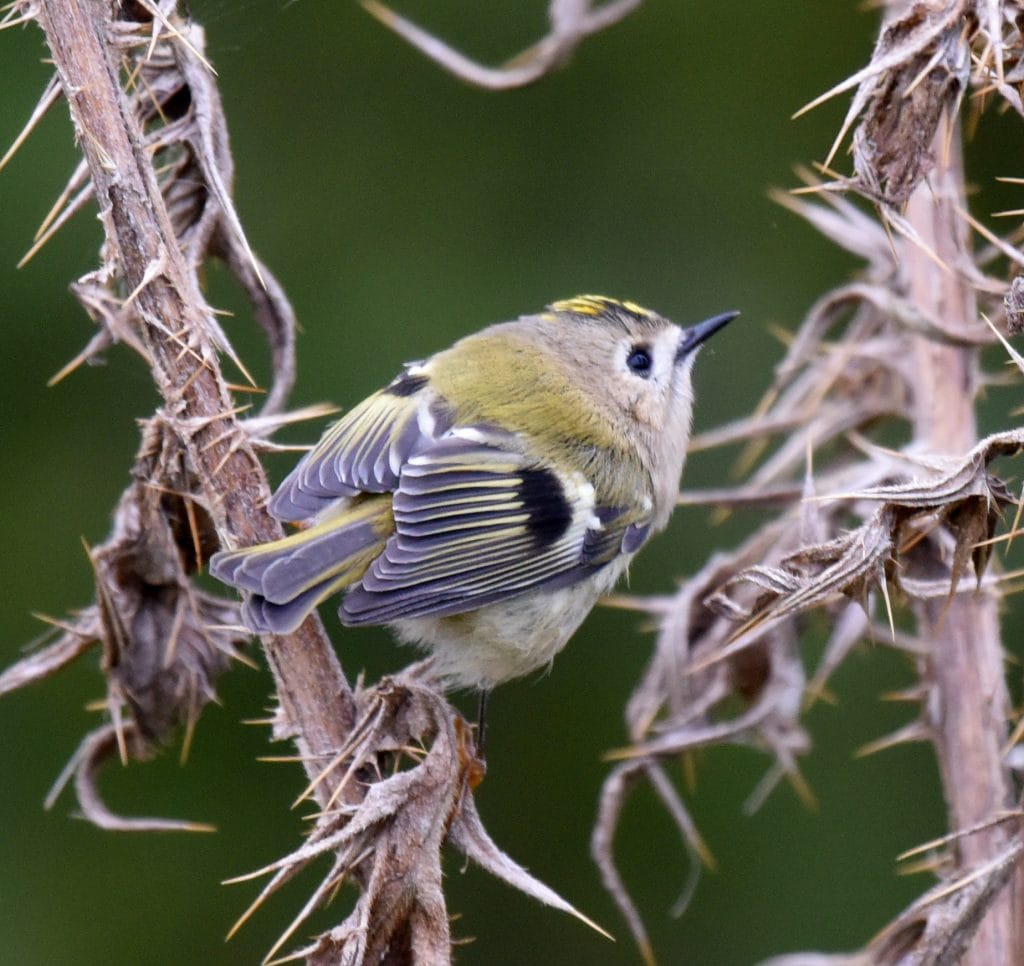
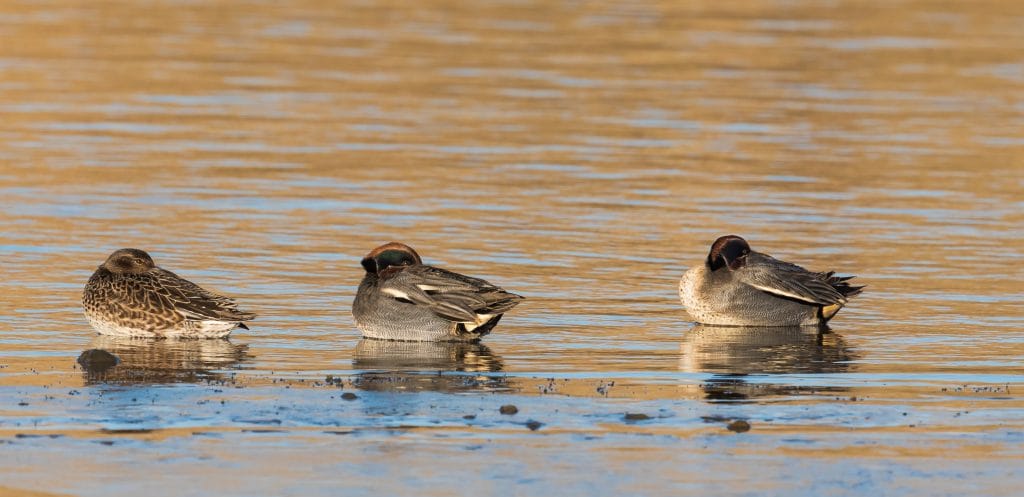
Teal by Andrew Alport

Friday 30th November

A sunny day with moderate south westerly wind. The morning sea watch was productive with the stand out highlights being four Bewick’s Swan (including two juveniles) flying south, closely followed by a flock of 13 Eurasian White-fronted Geese and a single Tundra Bean Goose. A decent supporting cast included 2 Dark-bellied Brent Geese, 15 Pink-footed Geese, 1 Shelduck, 1 Gadwall, 28 Wigeon, 10 Teal, 2 Velvet Scoter, 31 Common Scoter, 155 Red-throated Diver, 2 Great Northern Diver, 25 Golden Plover, 1 Bonxie and 1 Arctic Skua. 65 Purple Sandpiper was a notable count in the area around the fog station.

Two additional Eurasian White-fronts overflew the outer headland, with another in fields on the north side. Three Whooper swan similarly alighted in fields before flying off south.  Thornwick pool hosted a Jack Snipe along with 17 Snipe, whilst fresh water bodies across the headland held a total of 168 Teal and 2 Water Rail.  3 Grey Partridge  and a Short-eared Owl were also logged. Passerines on the outer head were represented by 3 Chiffchaff, 2 Mealy Redpolls and 8 Snow Bunting. A single Snow Bunting also flew south east at Bempton. 

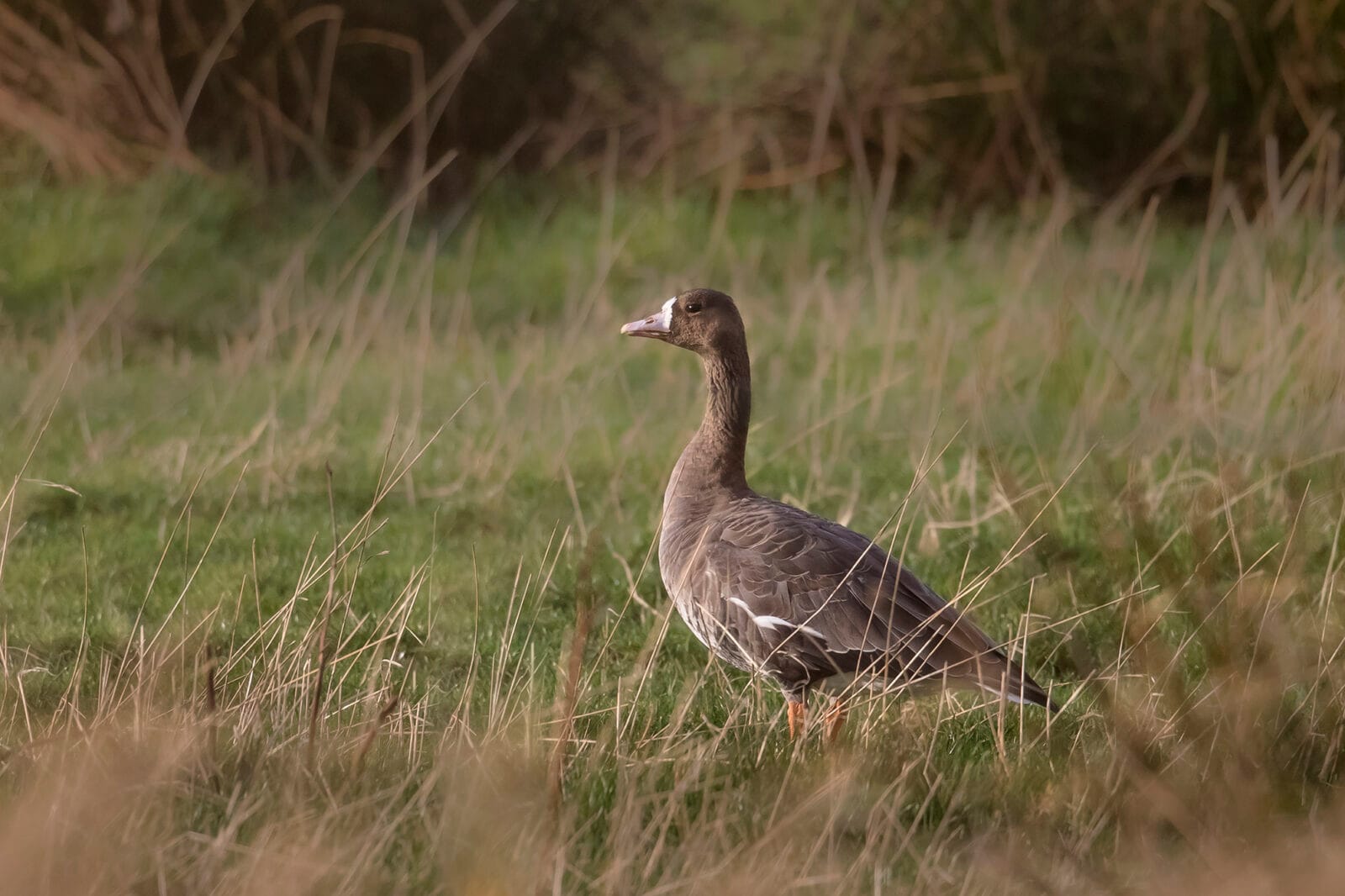
Eurasian White-fronted Goose by Andrew Allport

Whooper Swan by Andrew Allport

Saturday 1st December

A cool and wet day, with light southerly winds. Due to weather conditions, the morning seawatch was conducted from North Landing, where highlights included a Long-tailed Duck, one Black-throated Diver, 165 Red-throated Divers, 11 Common Scoter, one Great Crested Grebe, a Dark-bellied Brent Goose and a flock of 29 ‘grey’ geese including at least one Tundra Bean Goose.

Scandinavian Rock Pipit (ringed in Norway), South Dykes, by Andrew Allport

Sunday 2nd December

A mild and generally sunny day, with occasional light showers. The good run of Long-tailed Duck sightings continued, with a single bird getting up off the sea near the fog station and continuing north mid-morning. The sea watch was otherwise relatively quiet with 2 Common Scoter and 15 Red-throated Diver the only other notable species.

The main focus of the day was a significant passage of Pink-footed Geese, with a minimum of 800 birds heading south in 7 flocks. A single group of 25 Whooper Swan also headed south over the outer headland. 13 Grey Partridge at Oceanview was a particularly high count for the outer headland,  given the species decline on the headland in recent years. 6 Snow bunting flew north at Cattlemere during the morning and a Corn Bunting was near Thornwick.

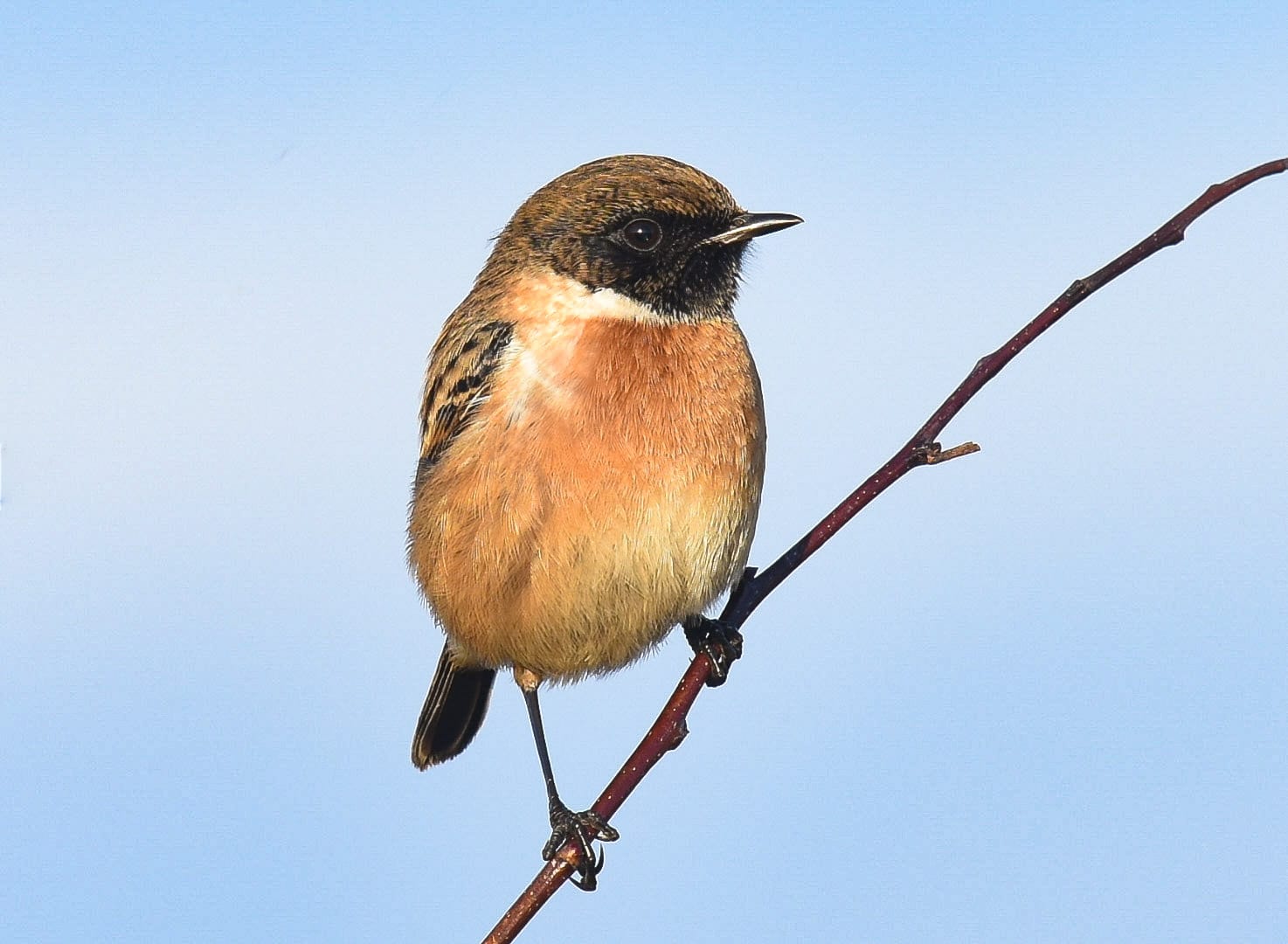
Stonechat, Thornwick bay by Andy Hood.

Monday 3rd December

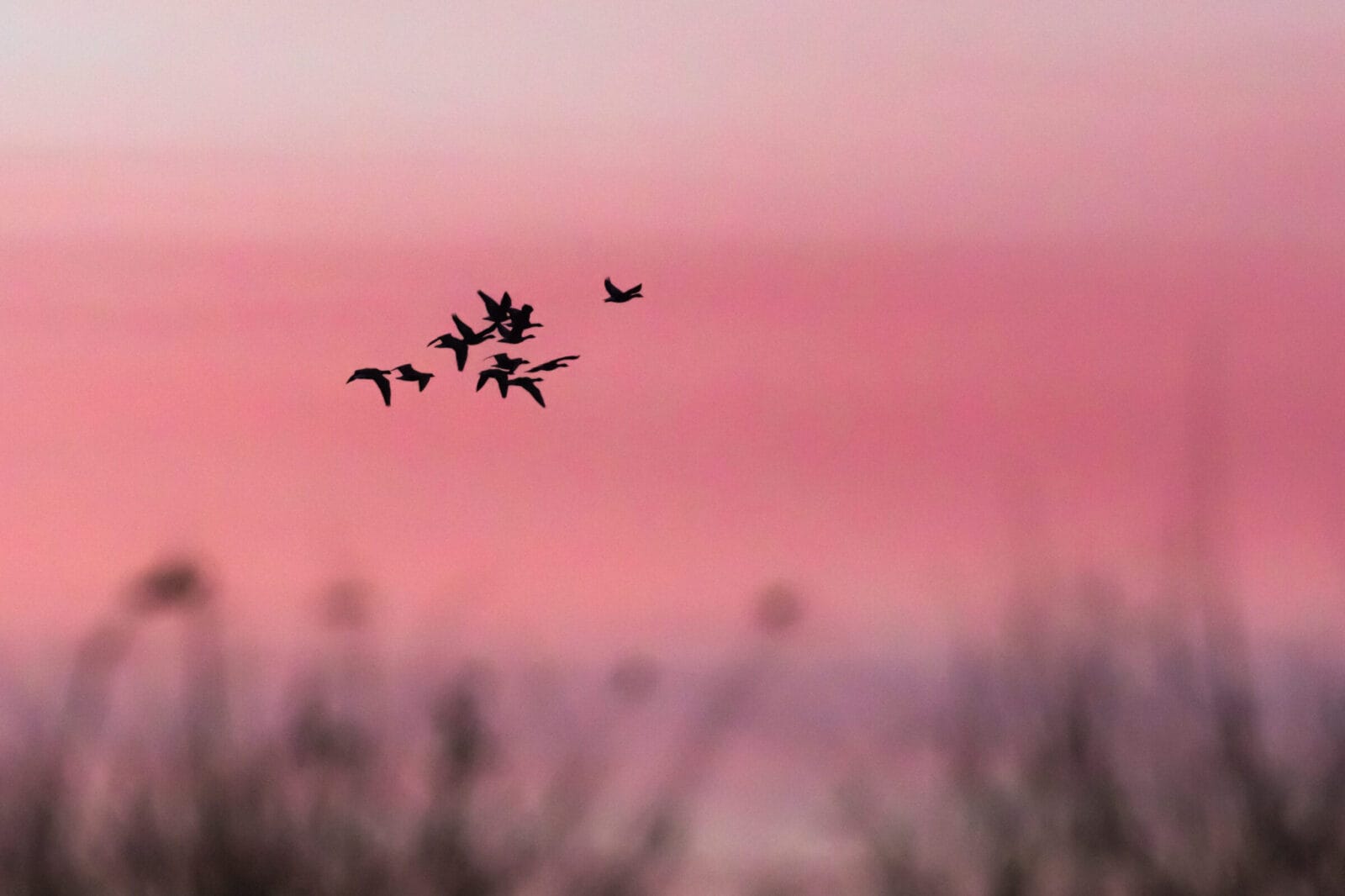
A mixed day with sunny spells, some light rain showers and a moderate north-westerly wind. It was another day dominated by large movements of Pink-footed Geese, with a minimum of 2005 birds recorded heading south; the movement took place from dawn until 1030hrs in the main, with smaller flocks until 1140hrs and none subsequently. A single Whooper Swan also over flew the outer headland. Seawatch counts included 30 Wigeon, 4 Teal, 3 Eider, 102 Red-throated Diver, a Great Northern Diver, 1 Little Gull and a Bonxie. 

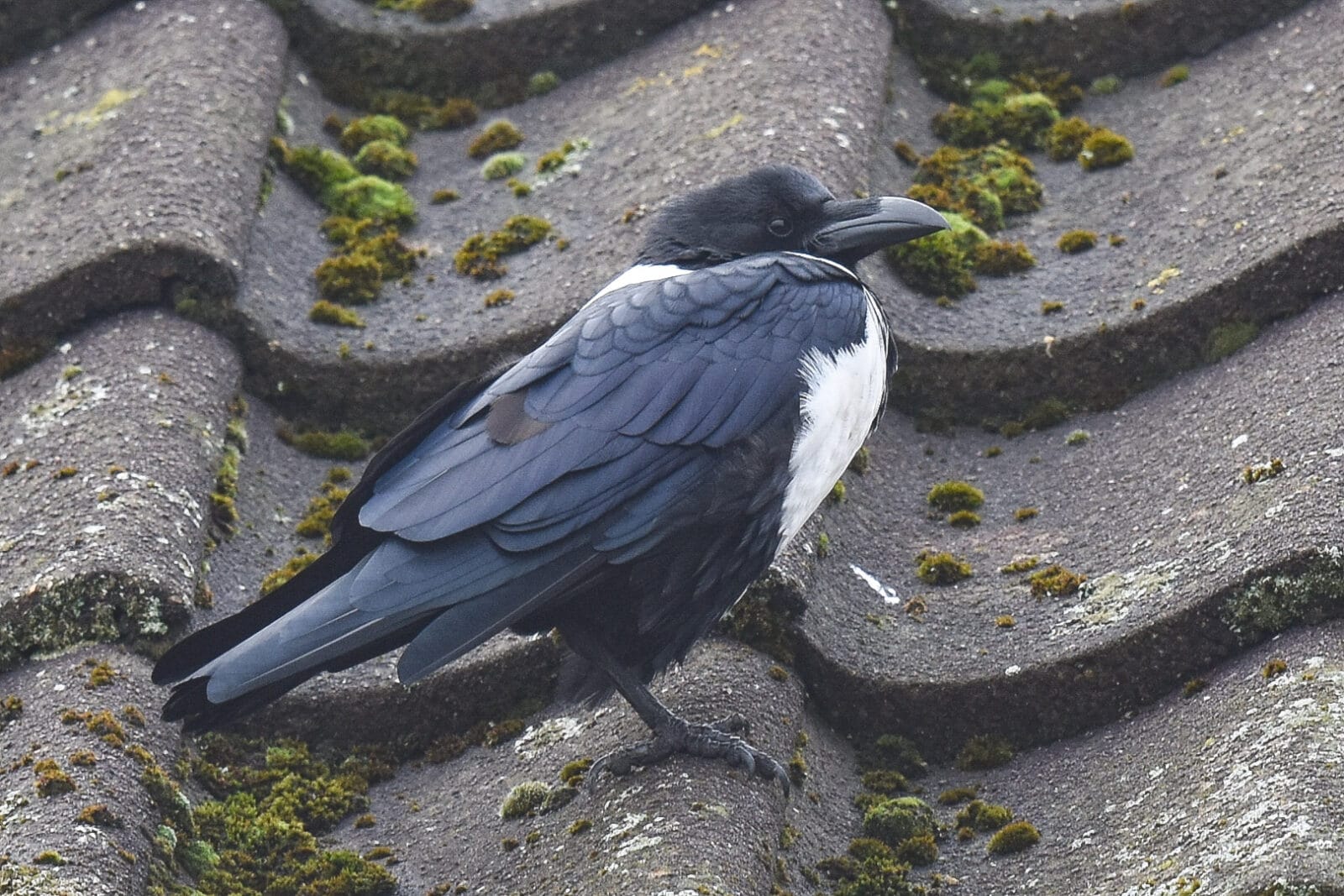
Two Lapland Bunting and a Corn Bunting were in the lighthouse grassland. Whilst other highlights from the land included a single Eurasian White-fronted Goose, 2 Chiffchaff, 1 Mealy Redpoll and a Water Rail. The Pied Crow remained in the village.

Pied Crow, Village by Andy Hood.

Pink-footed Geese by Andrew Allport

Tuesday 4th December

A cold day with an overnight frost and sunny skies throughout. Wind was a light westerly. Highlights from the morning sea watch included 3 Great Northern Diver and 9 Little Gull. Supporting cast was provided by 19 goose sp, 2 Eider, 14 Common Scoter, 46 Red-throated Diver, 280 Fulmar and 6 Bonxie.

6 Whooper Swan flew south over Booted Gully and a Snow Bunting headed north over South Landing. A single Chiffchaff clung on in the less than favorable temperatures  at Whelkie Wynds. A Norwegian ringed Rock Pipit was re-trapped at South Landing, whilst a Stonechat was also ringed. The Pied Crow was still in the Village. 

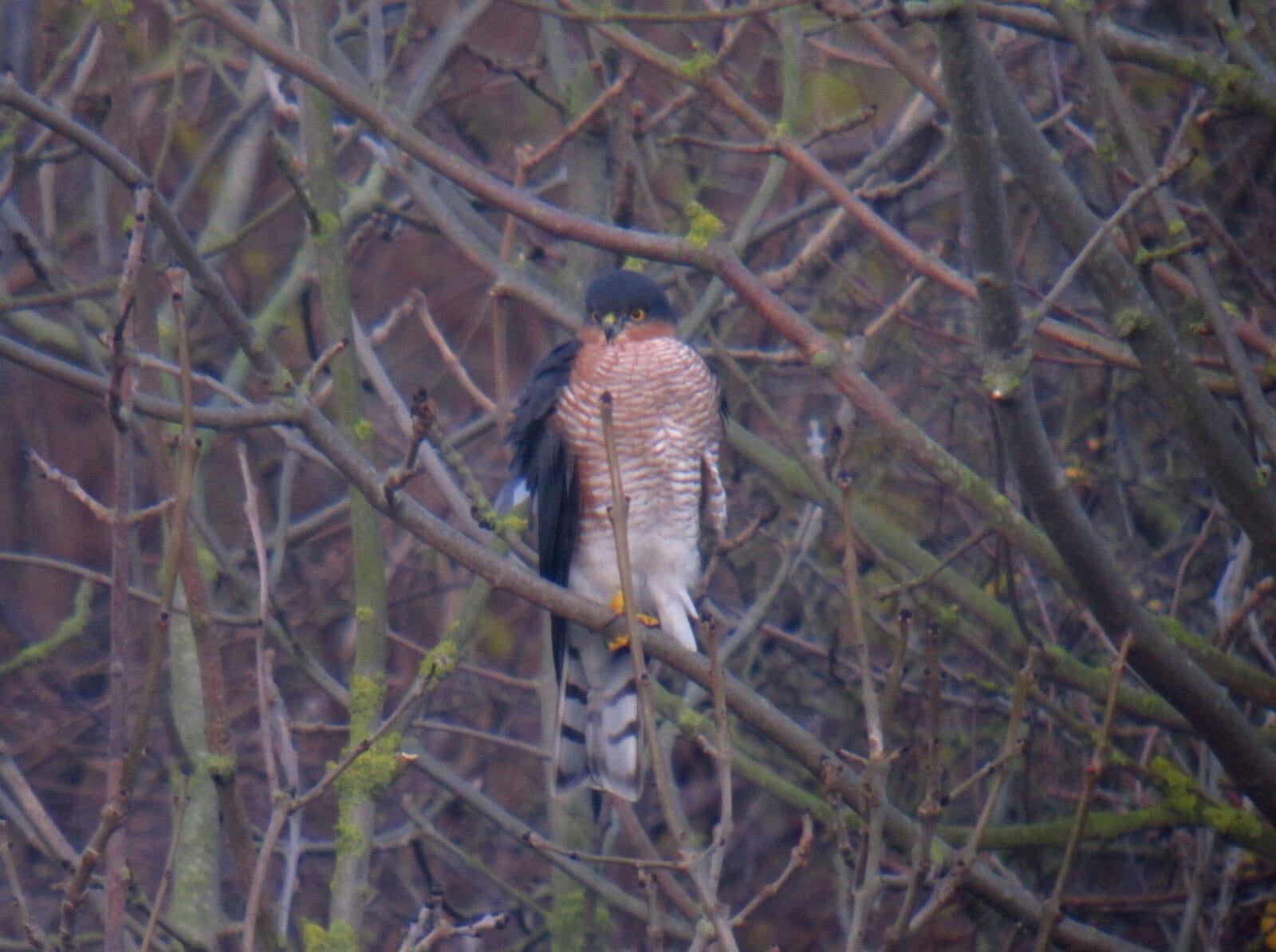
Sparrowhawk, Whelkie Wynds by Brett Richards.

Wednesday 5th December, 2018

After yesterday’s sun back to poor weather again today with cloud and rain, a moderate southerly wind and a raw 6c.

The usual morning sea-watch had no great numbers but some quality with two Velvet Scoter, 24 Common Scoter, 27 Red-throated Diver, two Great Northern Diver and 52 Fulmar.

At Thornwick Pools, five Teal, 19 Mallard, Sparrowhawk, Barn Owl, seven Linnet, six Yellowhammer and a Reed Bunting.

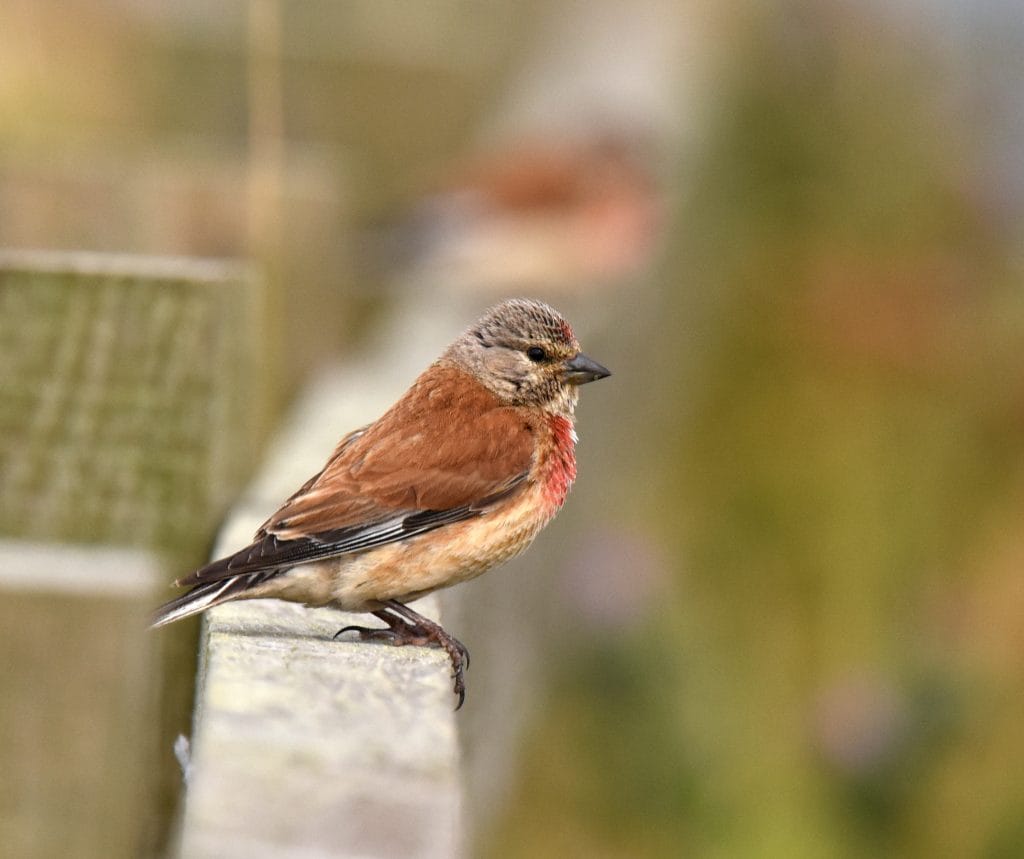
Linnet by Geoff Carr

6th December 2018

A relatively overcast day, with light south-west winds and spells of light rain. Seawatching highlights included two dark-bellied Brent Geese, a Goosander and one Black-throated Diver flying north, with 30 Turnstone and 20 Purple Sandpipers below the Fog Station.

Fifteen Whooper Swans (12 adults, three juveniles) toured the headland, whilst 18 Wigeon and 55 Teal visited Stainforth’s Flash, where 13 Grey Partridges were also present. Unusually, a Shag visited Thornwick Fishing Pool early morning. A first-winter Mediterranean Gull frequented South Landing beach, where a Snow Bunting flew over. Elsewhere, a Chiffchaff remained in South Dykes, whilst a count of 28 Corn Buntings near mid-Dykes represented a noteworthy record.

Whooper Swans, Flamborough, by Andrew Allport
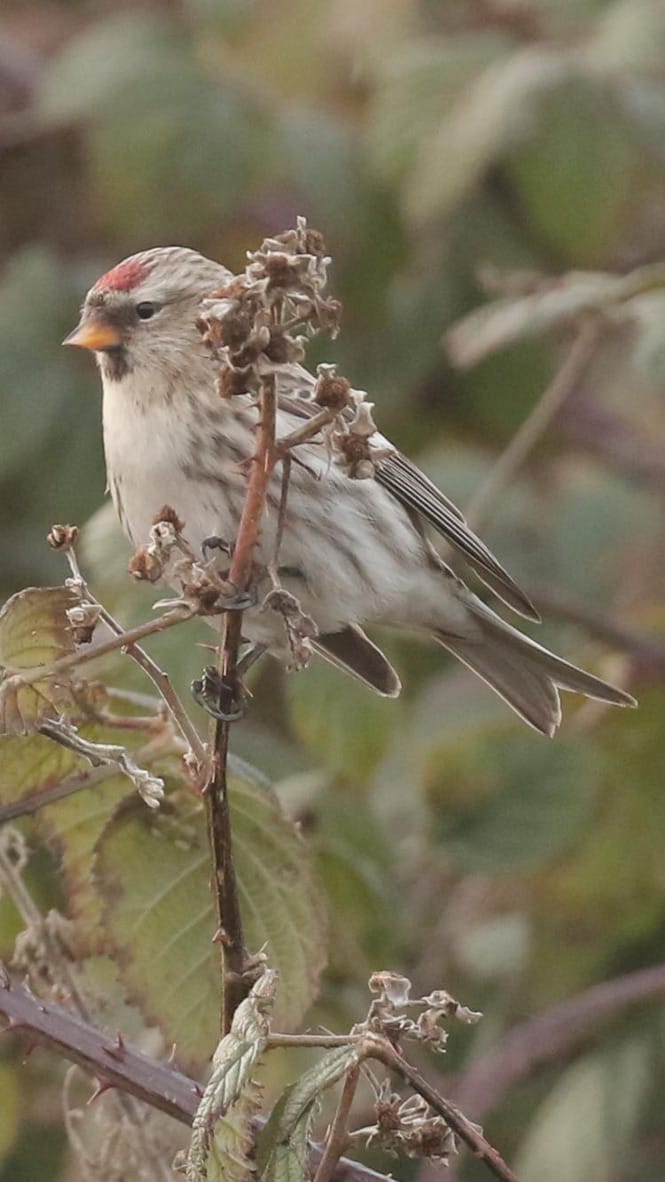
Mottled Umber & Satellite moths, South Landing, by Andrew Allport

7th December 2018

A relatively overcast start with occasional rain, although brighter spells by the afternoon; moderate south-westerly winds strengthened during the day. The morning’s seawatch was quiet, with 36 Common Scoter, three Great Crested Grebes and 17 Kittiwakes noted. 

On the headland, five Whooper Swans flew south over Thornwick Pools, a White-fronted Goose accompanied four Pink-footed Geese near North Marsh. Passerine interest was restricted to two Chiffchaffs near Greenacres.

Whooper Swan, Flamborough, by Andrew Allport

8th December 2018

A day of strong westerly winds, sunny intervals in the morning, with overcast skies and rain later. Seawatching highlights included five Whooper Swans, three Velvet Scoters flying south and 450 Fulmars moving in the opposite direction. Wildfowl interest on the headland included four Pink-footed Geese, a White-fronted Goose and 39 Teal in the North Marsh area.

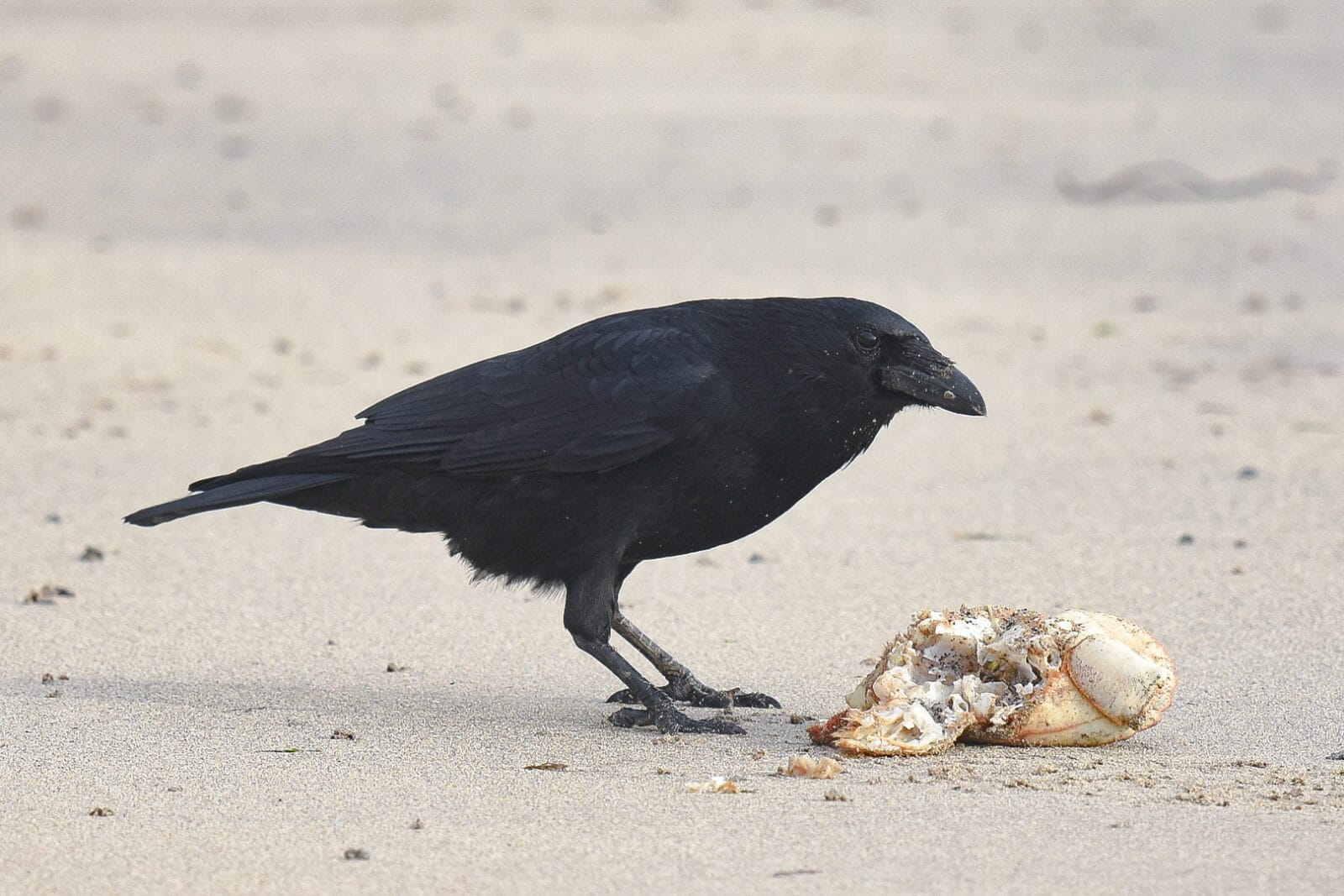
Carrion Crow, South Landing, by Andy Hood

9th December 2018

Moderate/strong north-westerly winds featured throughout a largely sunny day, with increasing amounts of cloud later. Seawatching highlights included ten Whooper Swans, three Bean Geese (probable Tundras), 48 Common Scoter, 33 Red-throated Divers and four Bonxies flying south, with 620 Fulmars and a Little Auk heading in the opposite direction. 

A Water Rail frequented Thornwick Pools, one Woodcock was flushed from South Landing, a Short-eared Owl hunted the Lighthouse Grassland, whilst single Blackcap and Brambling visited a village garden.

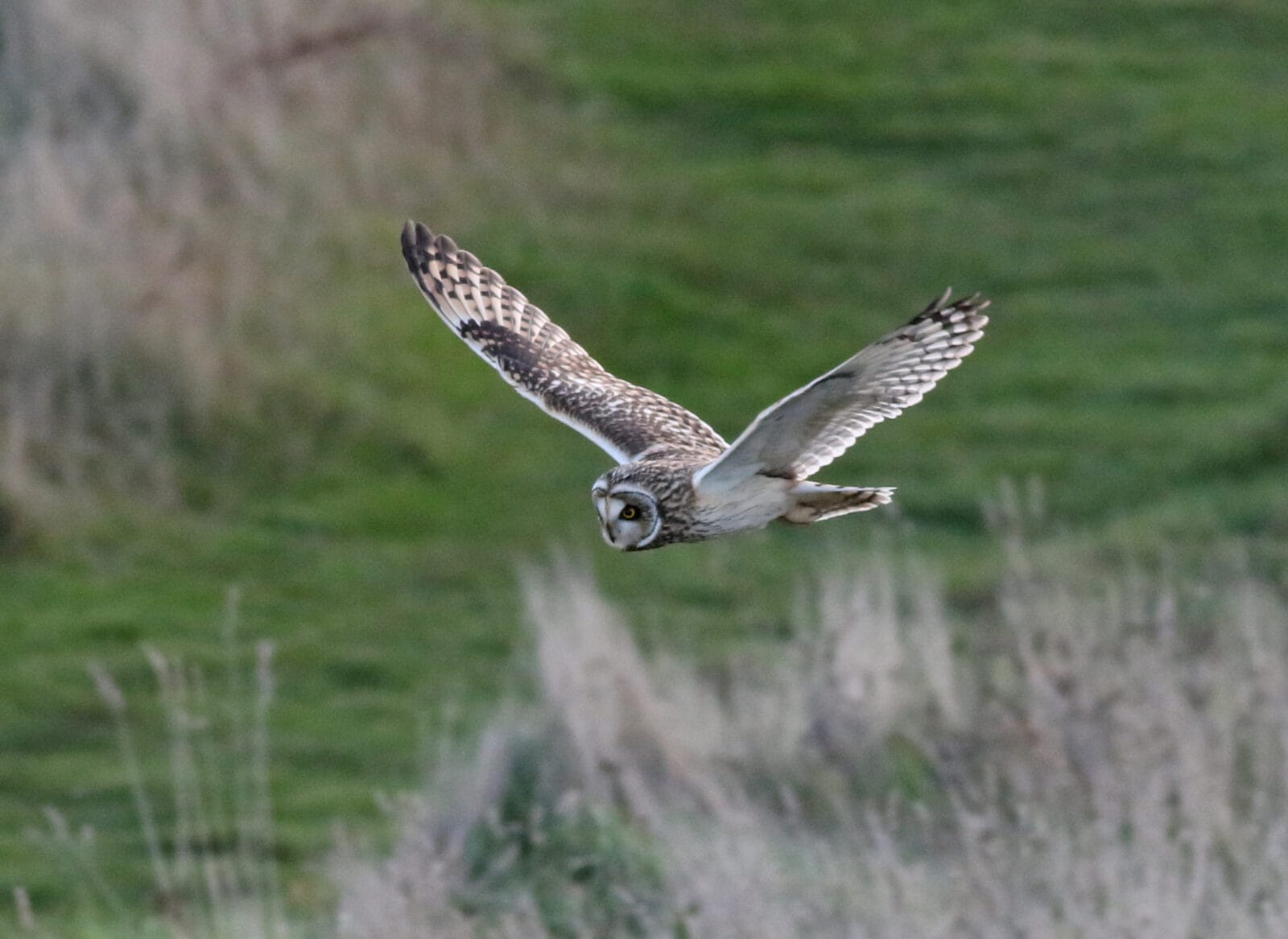
Short-eared Owl, Lighthouse Grassland, by Craig Thomas

10th December 2018

A sunny day, with moderate north-north-west winds and temperatures reaching six degrees C. Seawatching highlights included three pale-bellied Brent Geese, three Velvet Scoters, a Goldeneye, one Blue Fulmar, 621 Fulmars, 198 Kittiwakes and three Little Gulls flying north. Three Great Northern Divers were recorded (two north, one south), and other birds moving south included two Mediterranean Gulls, a juvenile Iceland Gull (first of the year) and 17 Bonxies. Elsewhere, seventeen Corn Buntings frequented fields near Mid-Dykes.
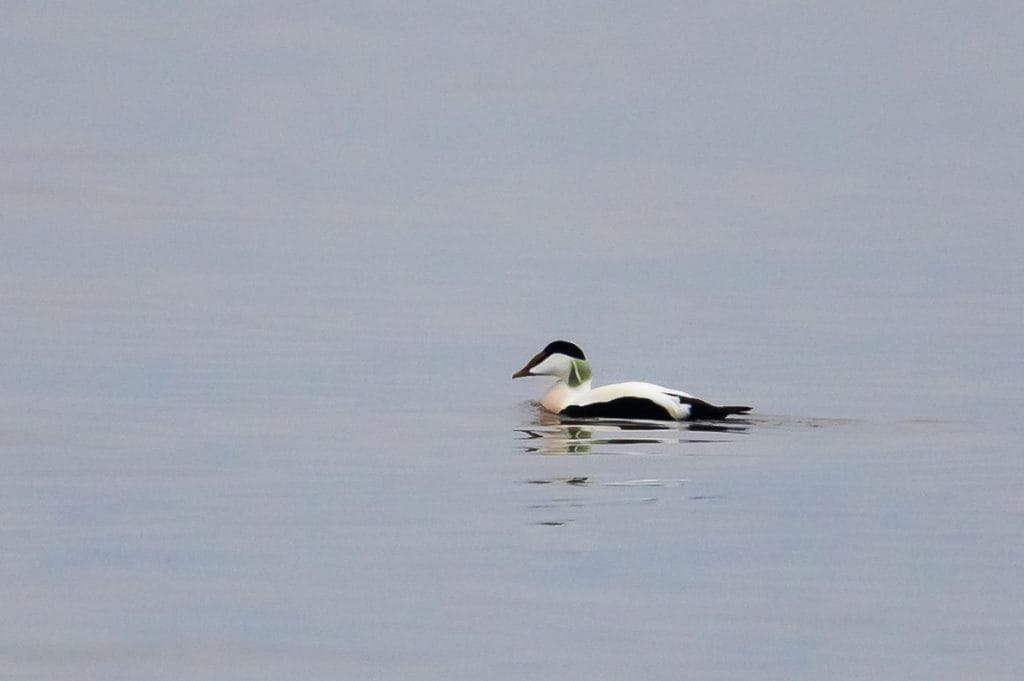
West of the Dykes, RSPB Bempton Cliffs attracted a Black Redstart.

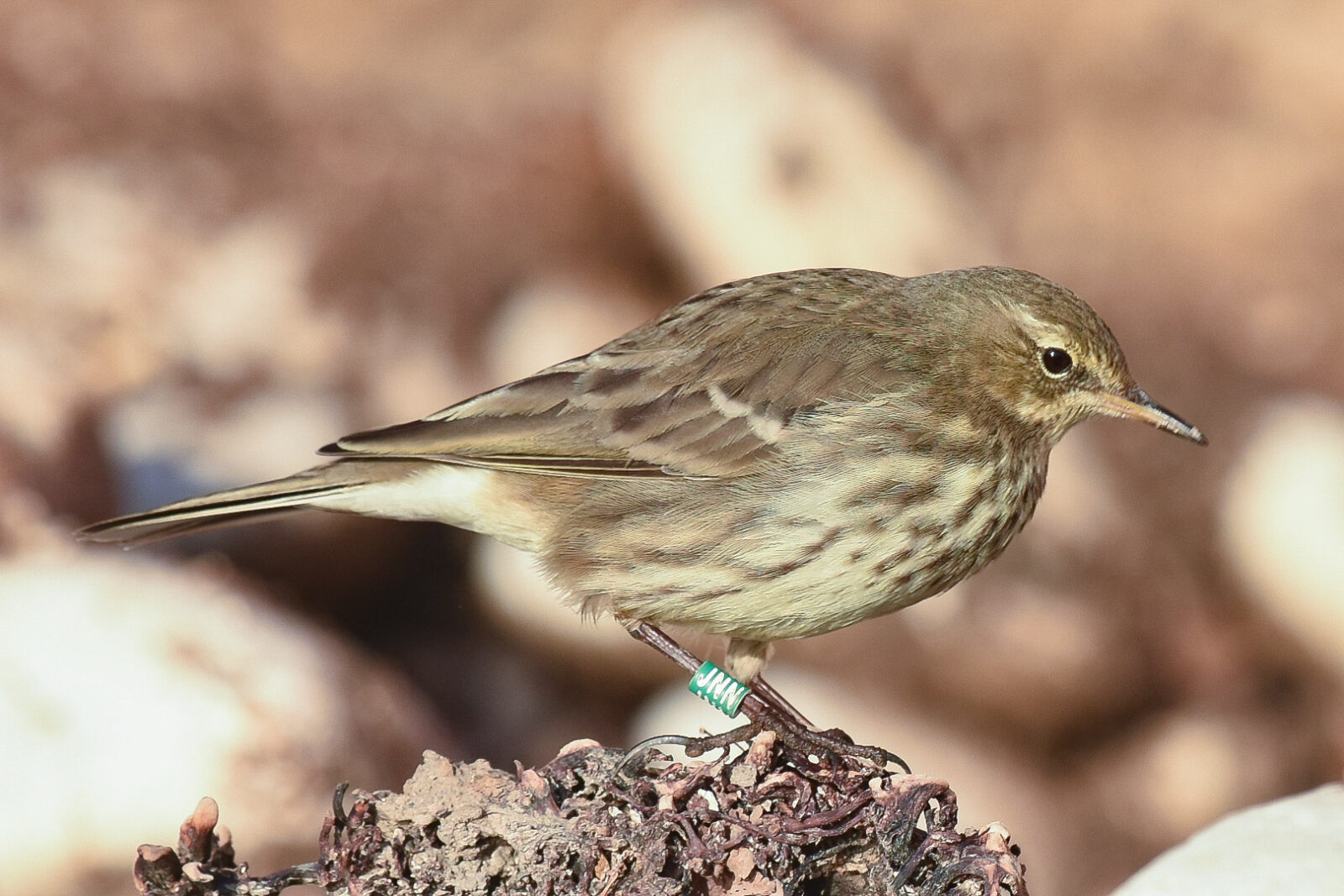
Scandinavian Rock Pipit, South Dykes, by Andy Hood

11th December 2018

A sunny day, with light winds and temperatures reaching 5 degrees C after an overnight frost. Thornwick Pools hosted 17 Teal and, more unseasonably, a flock of 27 Meadow Pipits. Sightings from Oceanview included a Grey Heron, 18 Curlew, two Golden Plover, 13 Grey Partridges, 65 Skylarks, 26 Yellowhammers and a Lapland Bunting.
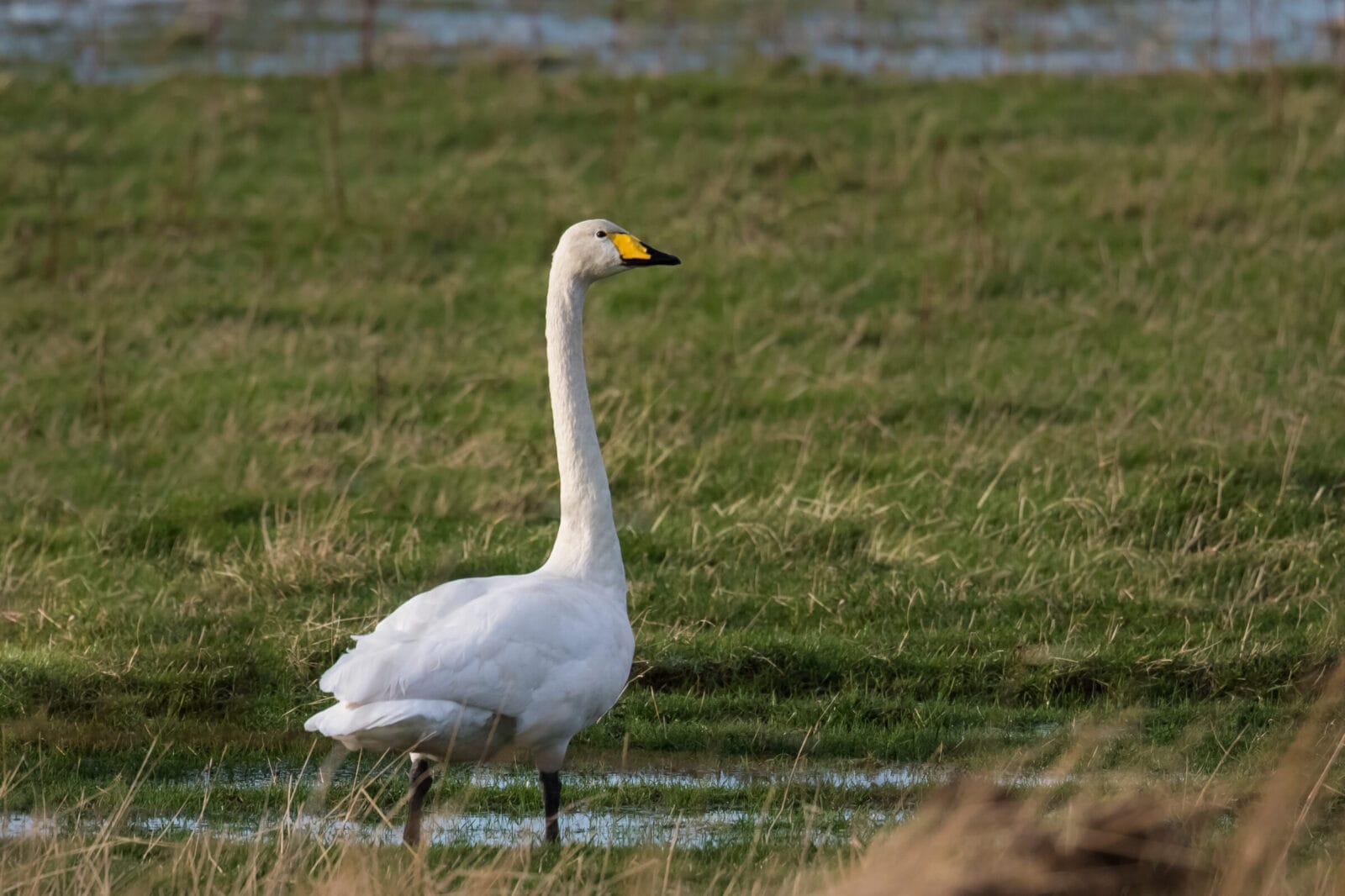
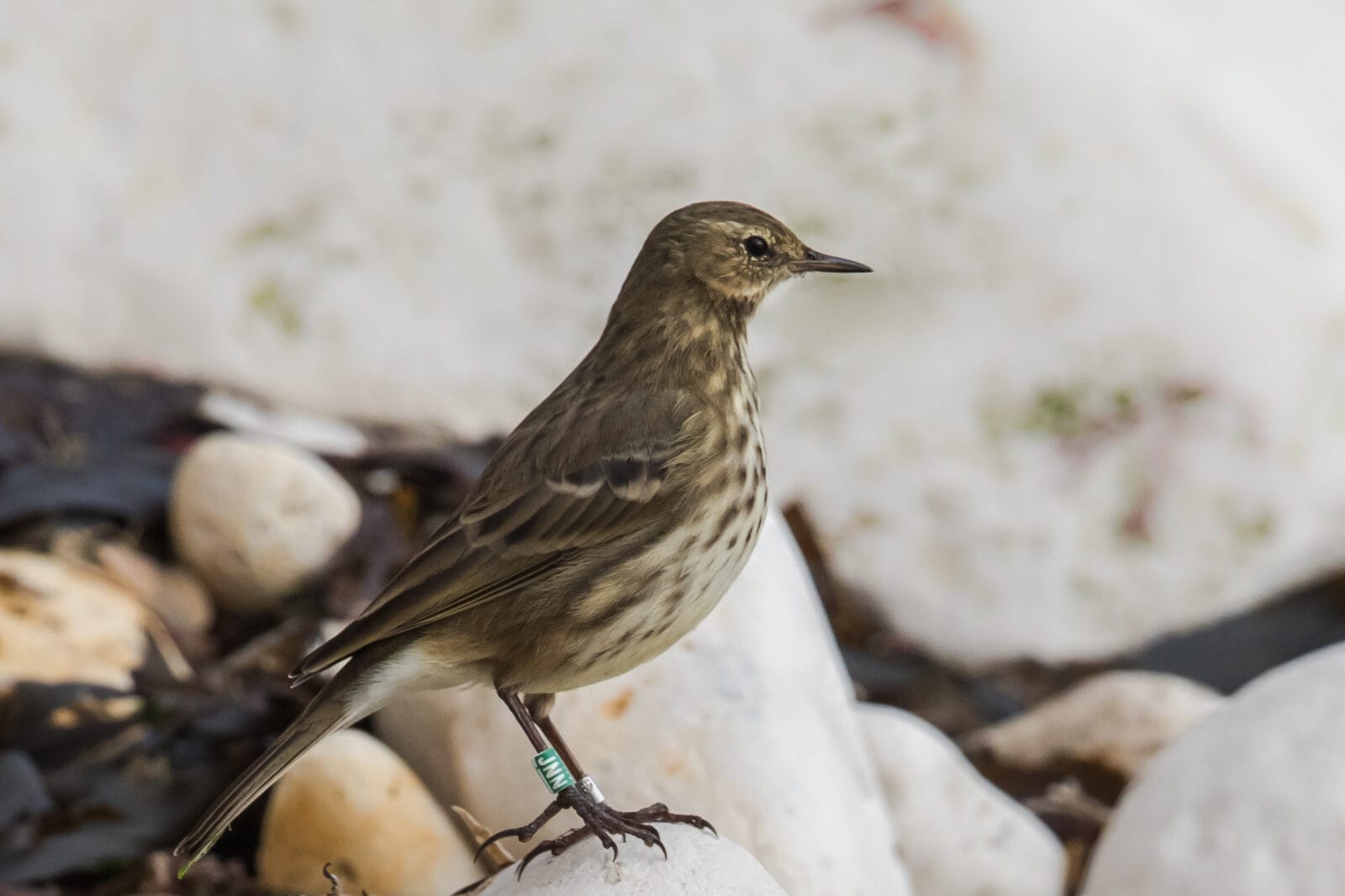
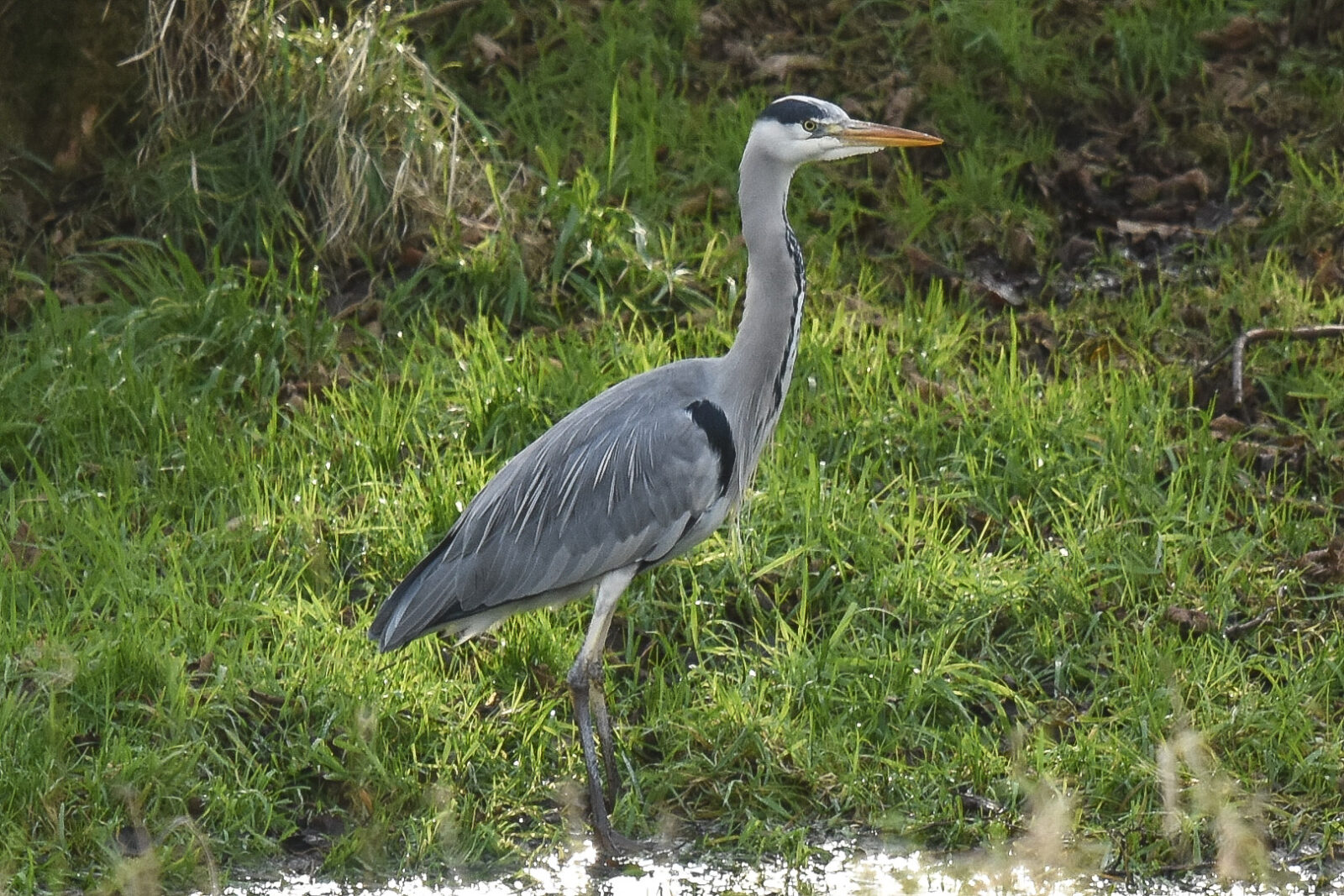
Grey Heron, Oceanview, by Andy Hood

12th December 2018

An increasingly strong south-easterly wind picked up during a day of overcast skies, with occasional sunny intervals. Single Pink-footed Goose and White-fronted Goose lingered in the North Marsh area, along with 86 Greylag Geese, 22 Wigeon and 86 Teal. A single Woodcock was present, along with eight Goldcrest, a Chiffchaff, 109 Skylark, 22 Yellowhammers and three Lapland Buntings. In addition, the Pied Crow continued in residence along Beech Avenue.

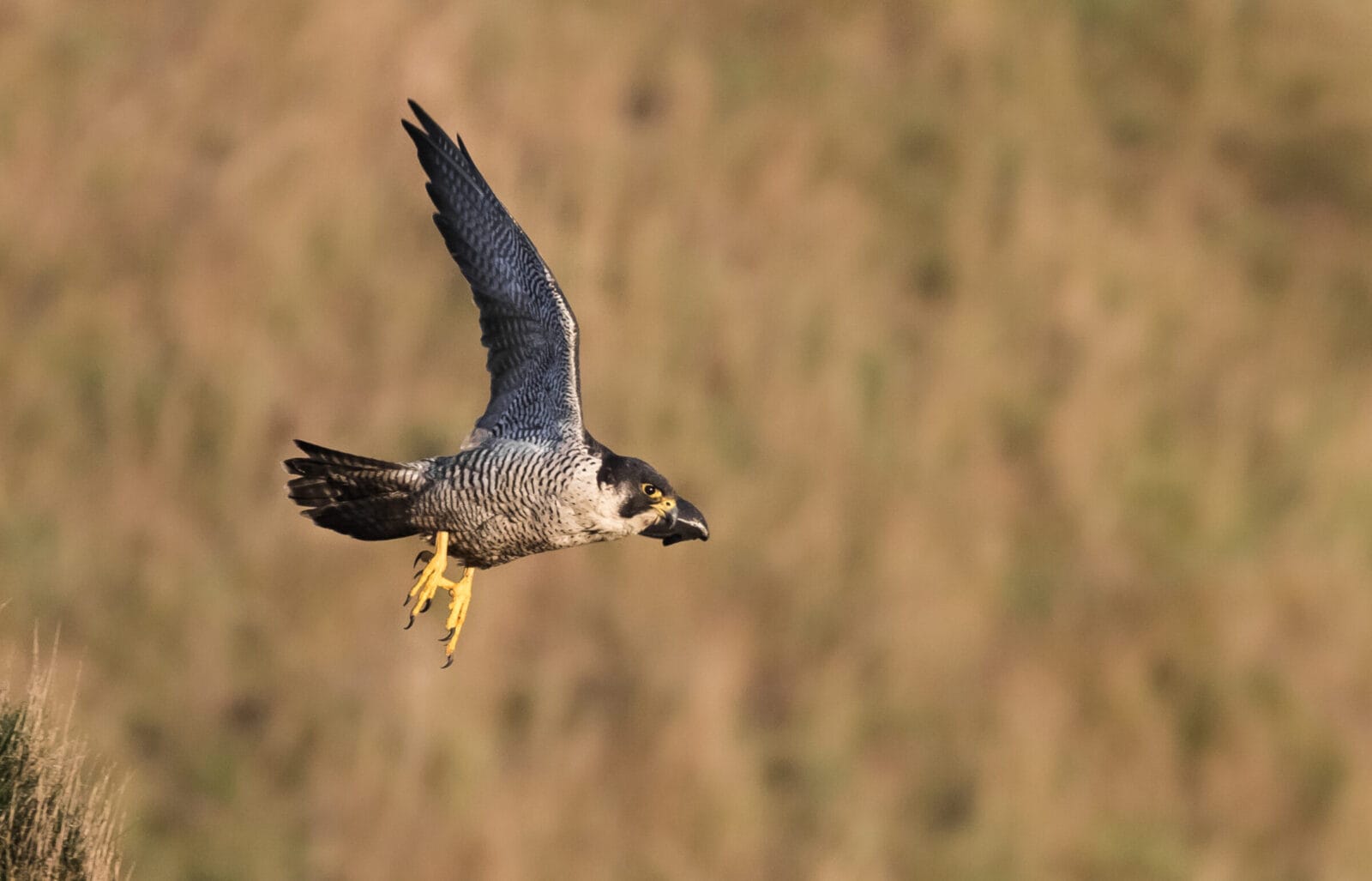
Peregrine, North Cliffs, by Andrew Allport

13th December 2018

A day of moderate/strong south-south-east winds, overcast skies and temperatures reaching six degrees C. During a seawatch from North Landing, two dark-bellied Brent Geese, three Shelduck, 15 Wigeon, two Eider and a Blue Fulmar flew south, with a Great Crested Grebe moving north. The lone Pink-footed Goose and White-fronted Goose continued to tour the outer head, with 18 Wigeon and 77 Teal also present. Passerine interest was limited to single Chiffchaff and Stonechat.

Wigeon, North Marsh, by Craig Thomas

14th December 2018

The weather consisted of light/moderate south-easterly winds, sunny intervals followed by light drizzle and temperatures that struggled to five degrees C. During the seawatch, two Shelduck and two Eider flew south, whilst 132 Kittiwakes were also logged. The lone White-fronted Goose and Pink-footed Goose again frequented the North Marsh area, where there were also 26 Wigeon and 60 Teal. Passerine interest included two Goldcrest, a Grey Wagtail and three Corn Buntings.

White-fronted Goose, North Marsh, by Craig Thomas

15th December 2018

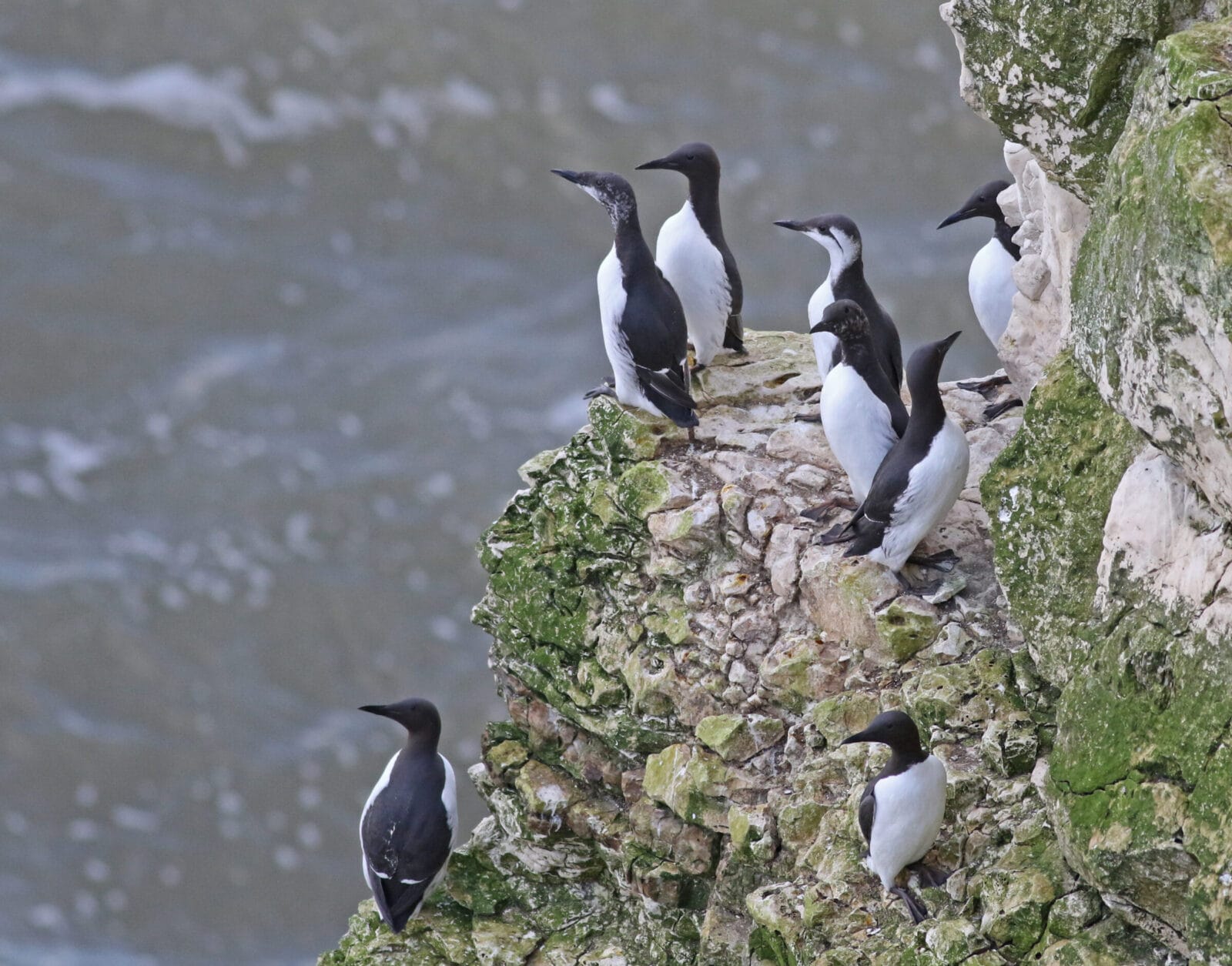
A generally overcast day, with eventually gale force south-easterly winds and temperatures that reached a meagre three degrees C. During the morning’s seawatch, seven Wigeon flew south, whilst 228 Fulmars and 68 Kittiwakes were also recorded; good numbers of Guillemots were also present on the cliffs. A Water Rail frequented the path leading to the hide at Thornwick Pools.

Guillemot, North Cliffs, by Craig Thomas

16th December 2018

The weather consisted of a light south-westerly wind, sunny intervals and temperatures that reached six degrees C. During the seawatch, single dark-bellied Brent Goose, Shoveler, Pintail and Gadwall flew south, along with seven Wigeon, 30 Teal and 15 Eider, while 70 Red-throated Divers and 11 Great Crested Grebes were offshore.

The Short-eared Owl again hunted the Gorse Field/Lighthouse Grassland, the two Nuthatch made a welcome re-appearance in South Dykes, along with eight Goldcrests and four Treecreepers. West of the Dykes, sightings from Buckton included a Water Rail, 21 Snipe, 70 Linnets, 30 Reed. Buntings, 80 Yellowhammers and 60 Corn Buntings.

Nuthatch, South Dykes, by June & Malcolm Fox

Monday 17th December

A sunny day with light south westerly wind. Highlights on the morning sea watch included single Black-throated Diver and Velvet Scoter heading north, with a supporting cast of 33 Wigeon, 2 Common Scoter, 195 Fulmar, 50 Red-throated Diver and 32 Shag.

2 Great Northern Diver were on the sea off Bempton. A Little Egret flew south over the outer headland golf course during the afternoon, whilst a Water Rail and Stonechat were at South Landing. The Pied Crow remained in residence in the village.

Peregrine, Breil Nook by Brett Richards

18th December 2018

An overcast day, with heavy rain during the afternoon and strong south-south-easterly winds; temperatures reached eight degrees C. During the seawatch, a Blue Fulmar flew south, along with 384 Fulmars and 51 Red-throated Divers; a single Razorbill was also recorded amongst much larger numbers of Guillemots.

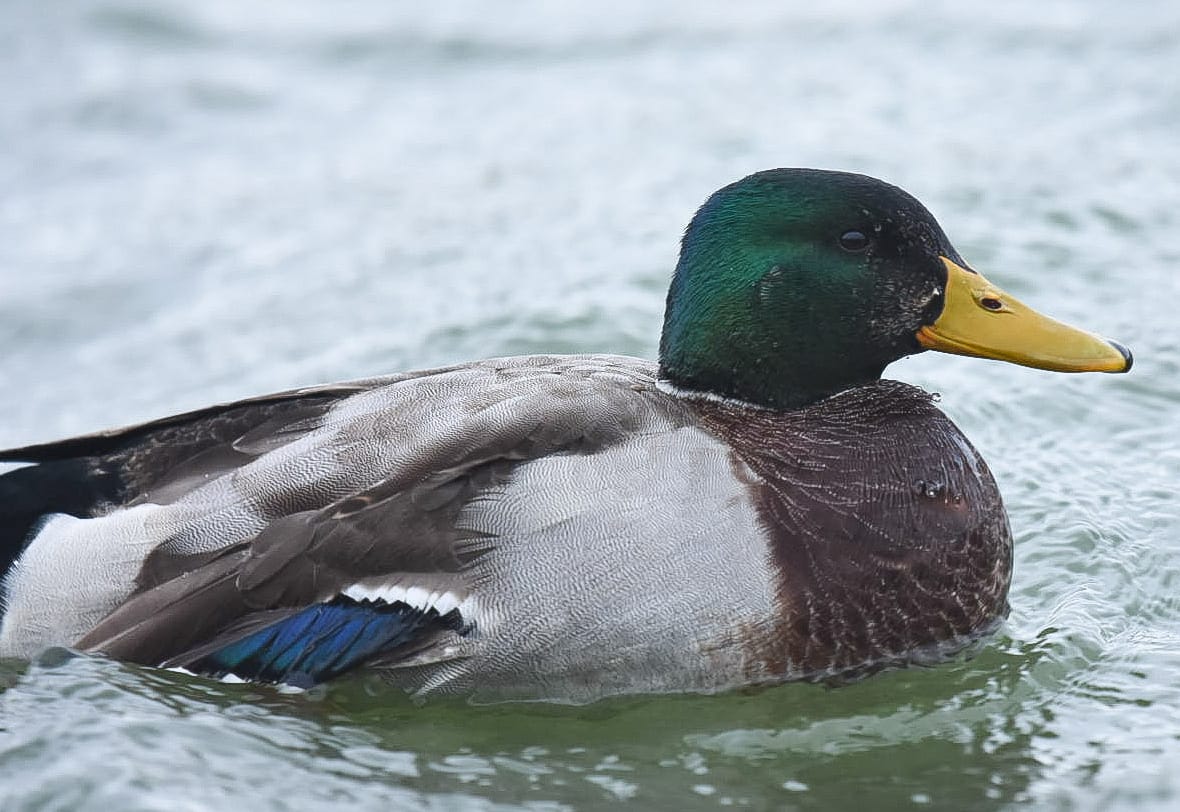
Mallard, Thornwick Fishing Lake, by Andy Hood

19th December 2018

An overcast morning, with sunny intervals from mid-afternoon; south-westerly winds featured throughout and temperatures reached six degrees C. The seawatch was quiet, with 24 Red-throated Divers, seven Kittiwakes and a Razorbill the most notable sightings. A Grey Heron toured the headland,  nine Waxwings that flew north-east over Oceanview represented the day’s highlight; the same site also hosted 92 Skylarks and two Lapland Buntings. South Dykes sheltered four Goldcrests and two Chiffchaffs, whilst the Pied Crow remained in the village.

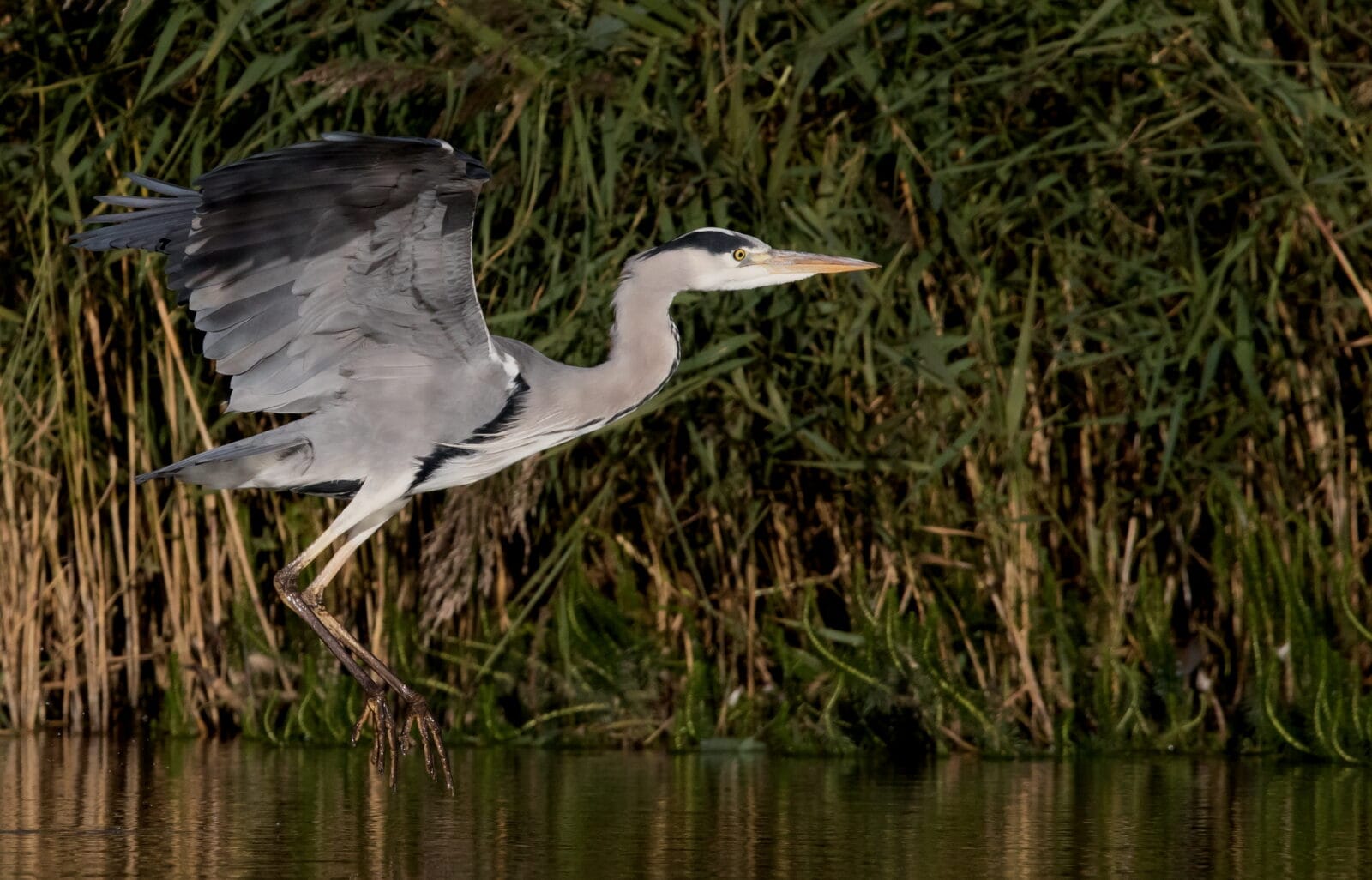
Grey Heron, Thornwick Pools, by Mike Smith

20th December 2018

A day of light south-west winds, with a belt of heavy rain arriving early afternoon after a bright start; temperatures reached six degrees C. During the seawatch, 28 Wigeon and 27 Red-throated Divers flew south, whilst 27 Purple Sandpipers were on the rocks below the Fog Station. A Little Egret that overflew Mid-Dykes was later seen at Bempton, with passerine interest restricted to a Waxwing near the Lighthouse and a Chiffchaff at South Landing.

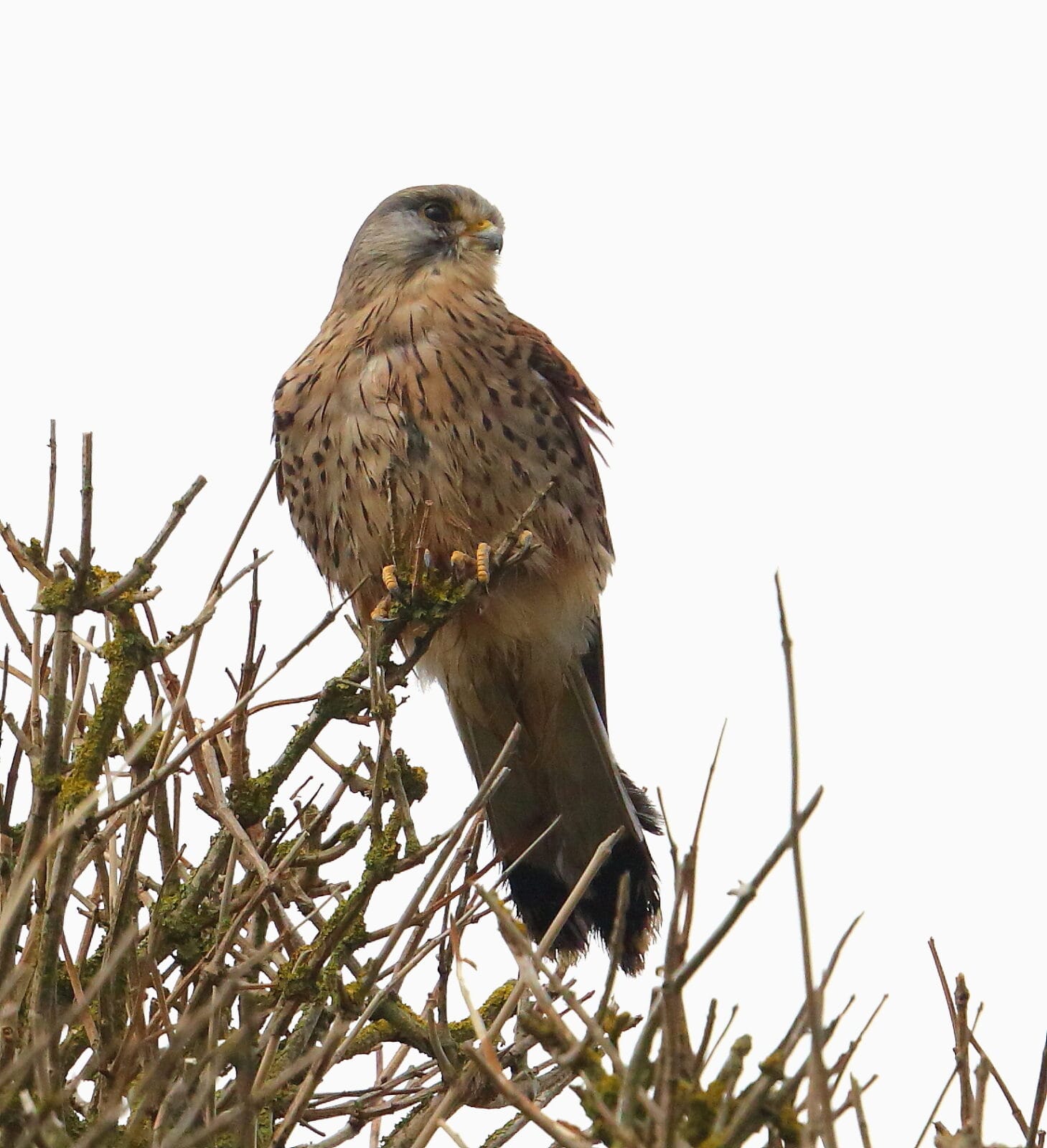
Kestrel, Flamborough, by Alan Walkington

21st December 2018

A relatively overcast day, with periodic rain during the morning and early afternoon; winds remained light and temperatures reached six degrees C. Seawatching highlights included 23 Wigeon, two Eider, two Velvet Scoters, 20 Common Scoters and 60 Red-throated Divers flying south, with a Great Northern Diver moving in the opposite direction.

The White-fronted Goose and 137 Teal frequented North Marsh and its immediate environs, whilst a 24-strong flock of Curlews fed on fields adjacent to Hartendale. Three Stonechats were located, with a pair at Thornwick Pools and a lone bird on Beacon Hill.

White-fronted Goose, North Marsh, by Craig Thomas

22nd December 2018

A bright day, with sunny intervals, light south-west winds and temperatures reaching nine degrees C. Highlights of the seawatch included 344 Pink-footed Geese, four Eider, three Velvet Scoters, 48 Common Scoters, 96 Red-throated Divers and an adult Little Gull flying south, with a lone Puffin heading in the opposite direction. Better still, 30 White-beaked Dolphins fed offshore from first light until mid-morning. 

The White-fronted Goose and Pink-footed Goose continued their stay in the North Marsh area, as did 20 Wigeon and 83 Teal. Three Velvet Scoters (potentially those seen earlier on the seawatch) appeared off South Landing, with 34 Curlew notable. Passerine interest included two Goldcrest, a Chiffchaff, two Waxwing (near Lighthouse), two Fieldfare, two Redwing, eight Stonechats, 53 Meadow Pipits, 19 Reed Buntings and two Lapland Buntings (Golf Course).

West of the Dykes, sightings from RSPB Bempton Cliffs included 163 Pink-footed Geese and four Whooper Swans flying south, a Short-eared Owl, a Snow Bunting and 16 Corn Buntings.

Yellowhammer, Oceanview, by Andy Hood