27th January 2020

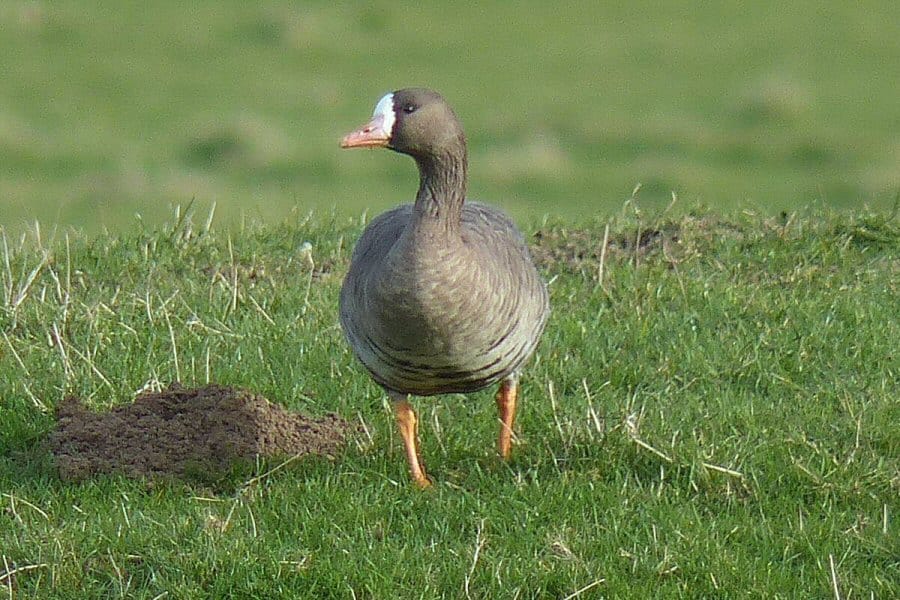
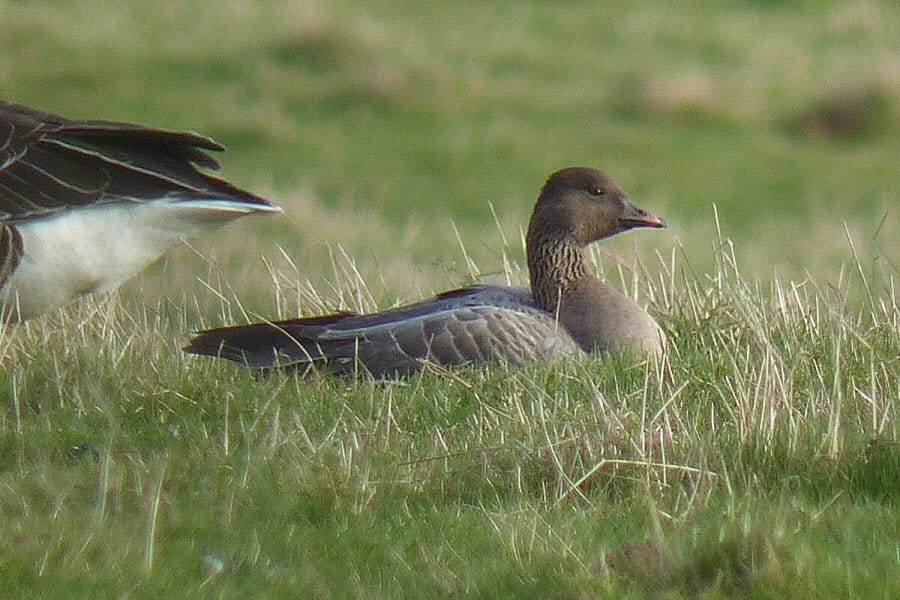
A bright day, with a moderate/strong south-south-west wind and temperatures reaching seven degrees C. During the seawatch, 160 Gannets flying past represented an increase; the Black Redstart also re-appeared at the Fog Station. Wildfowl interest on the headland included two Mute Swans, the Russian White-fronted Goose, three Pink-footed Geese, 35 Wigeon and a drake Pintail. 
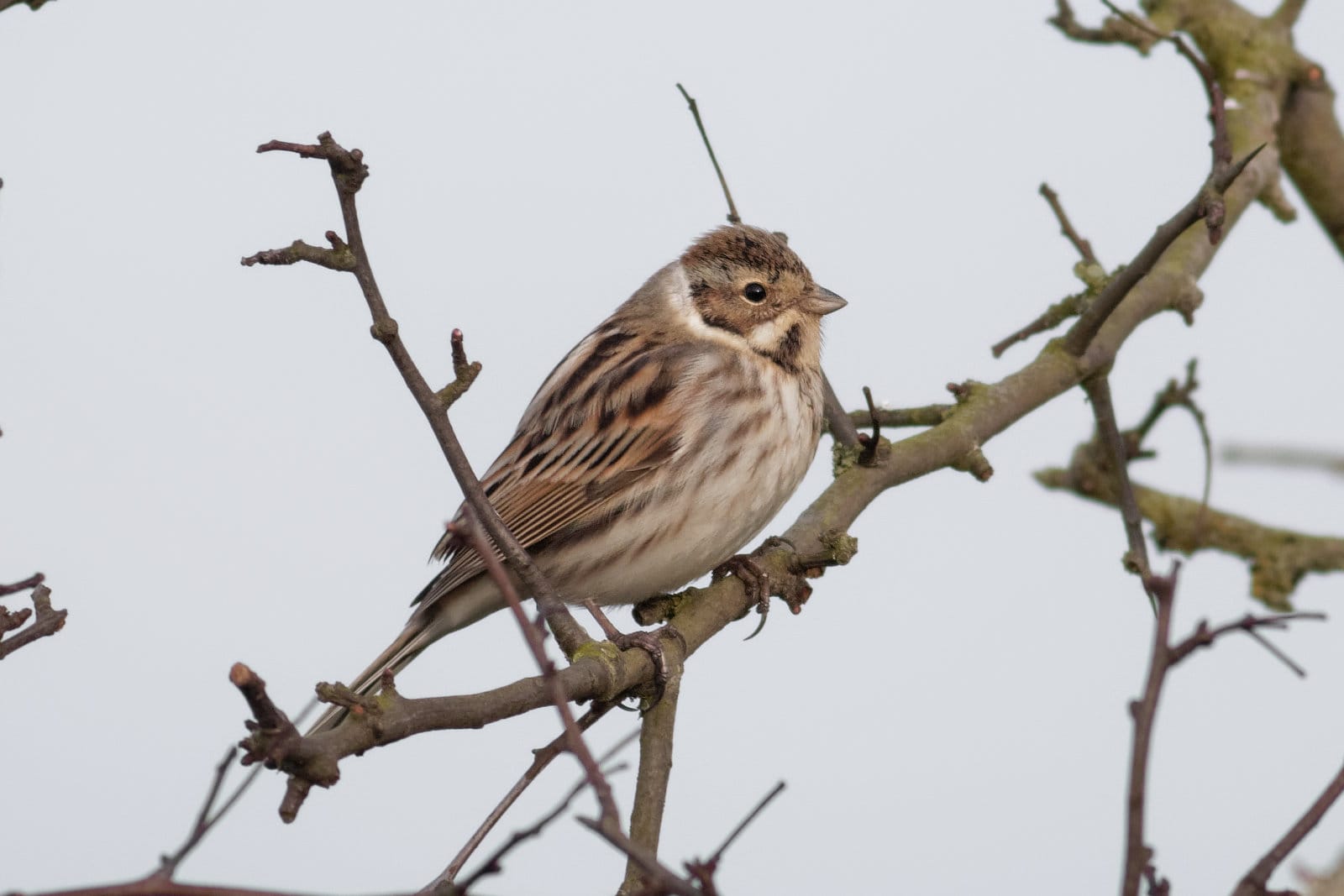
Reed Bunting, North Marsh, by Rob Little

28th January 2020

A relatively bright day, with a moderate south-westerly and temperatures that peaked at five degrees C. Sightings during a quiet seawatch included five Common Scoters, 28 Red-throated Divers, 191 Gannets, three Kittiwakes and two Razorbills. Three Pink-footed Geese, the White-fronted Goose and two Mute Swans frequented the headland. Single Jay and Nuthatch were located in South Dykes. 

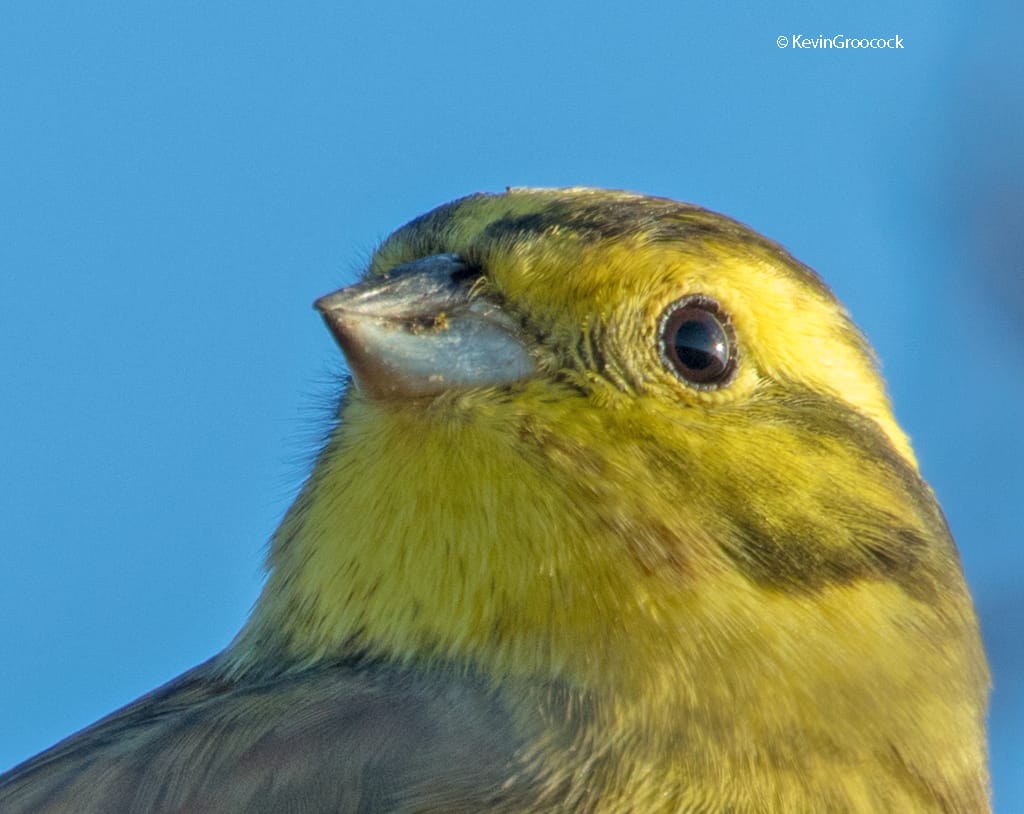
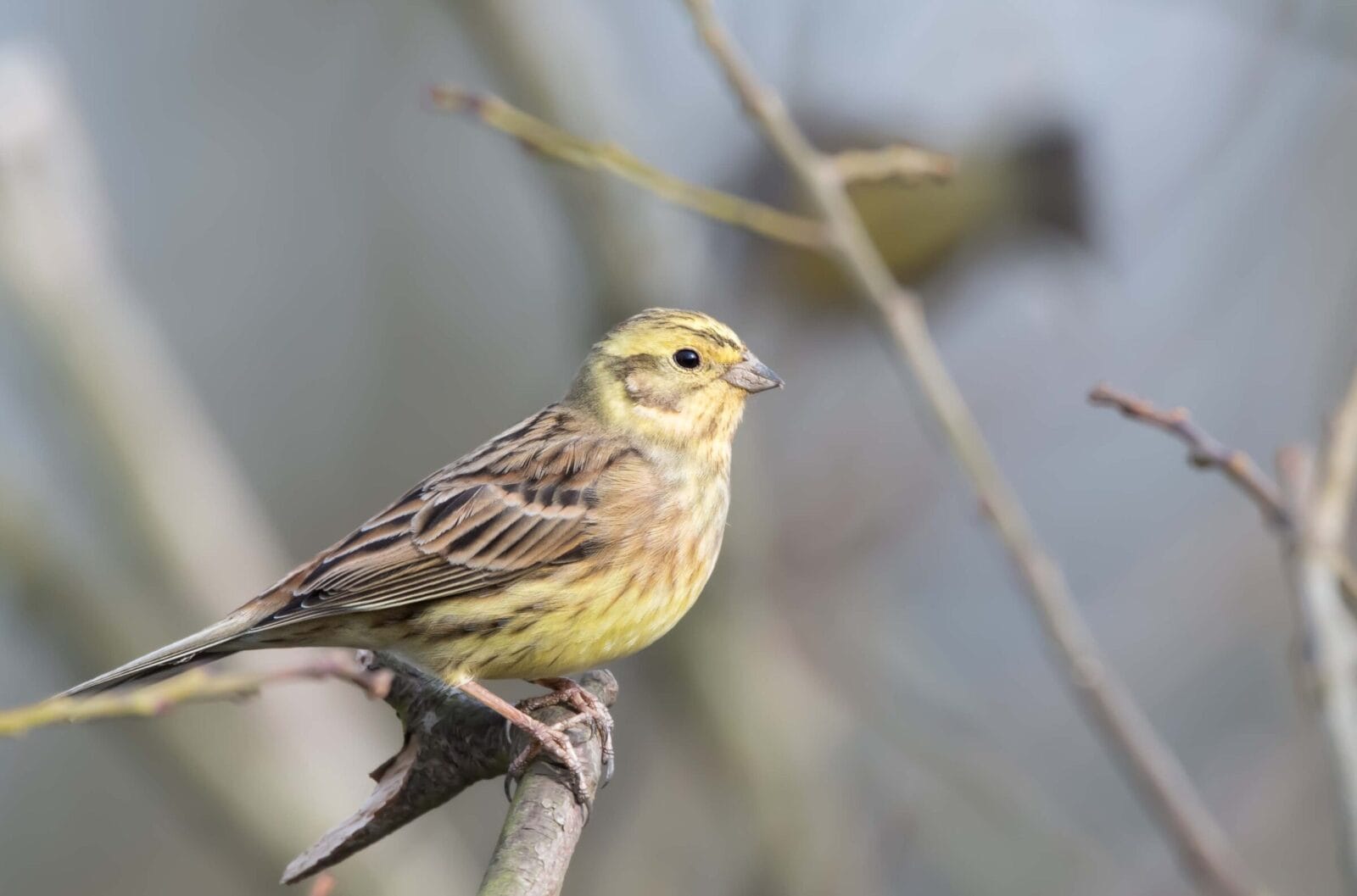
Yellowhammer, by Kevin Groocock

29th January 2020

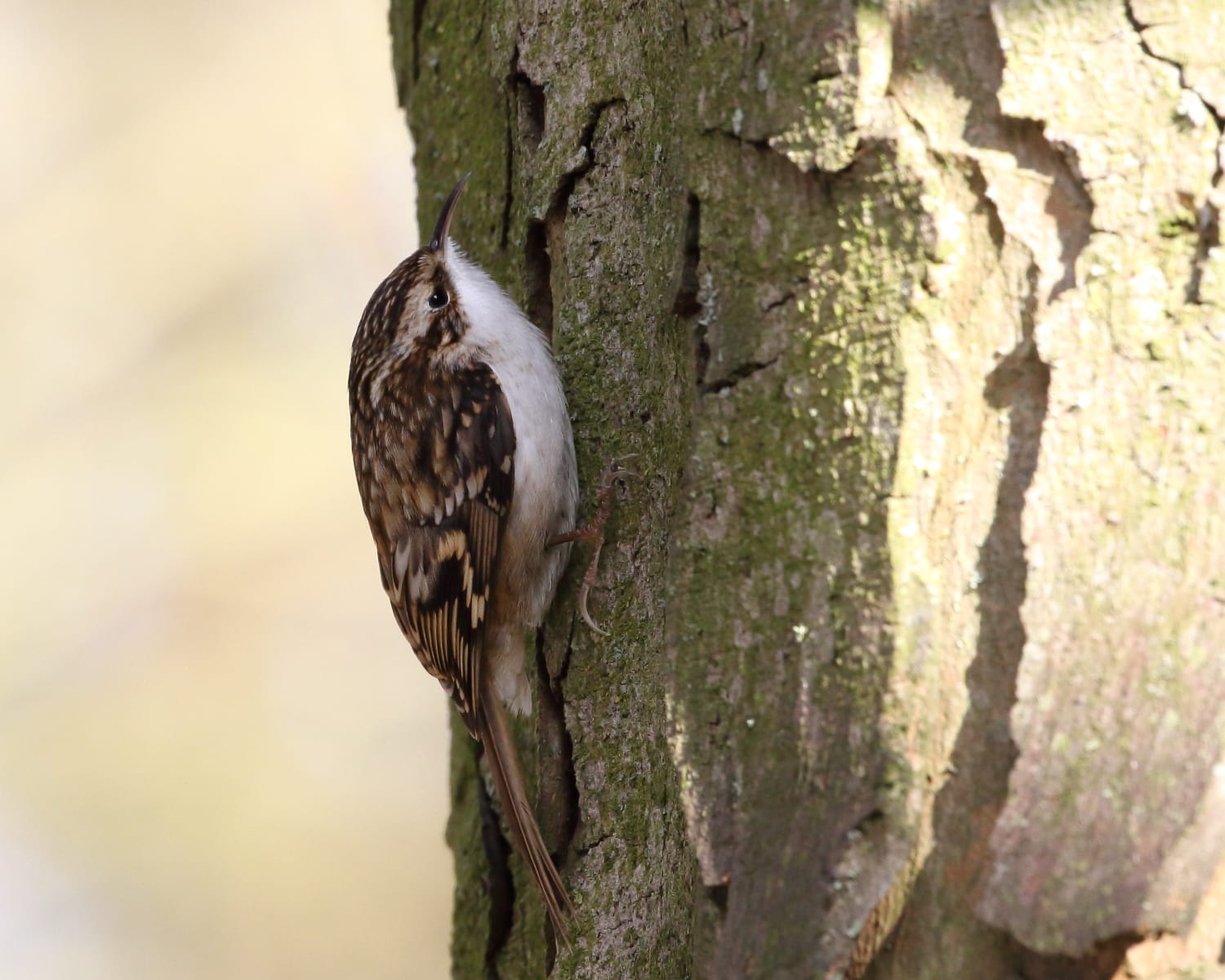
Relatively bright at first, increasing cloud arrived during the morning and a westerly wind built in strength throughout the day. Significant numbers of birds fed off the Seawatch Observatory during the morning, including 100 Gannets and 150 Cormorants; four Eiders flew south, with six Razorbills moving in the opposite direction. Hartendale/South Dykes attracted a Mistle Thrush, two Goldcrests, five Treecreepers, a Nuthatch, a Jay and 35 Yellowhammers. Three Short-eared Owls were present at RSPB Bempton Cliffs during the afternoon.

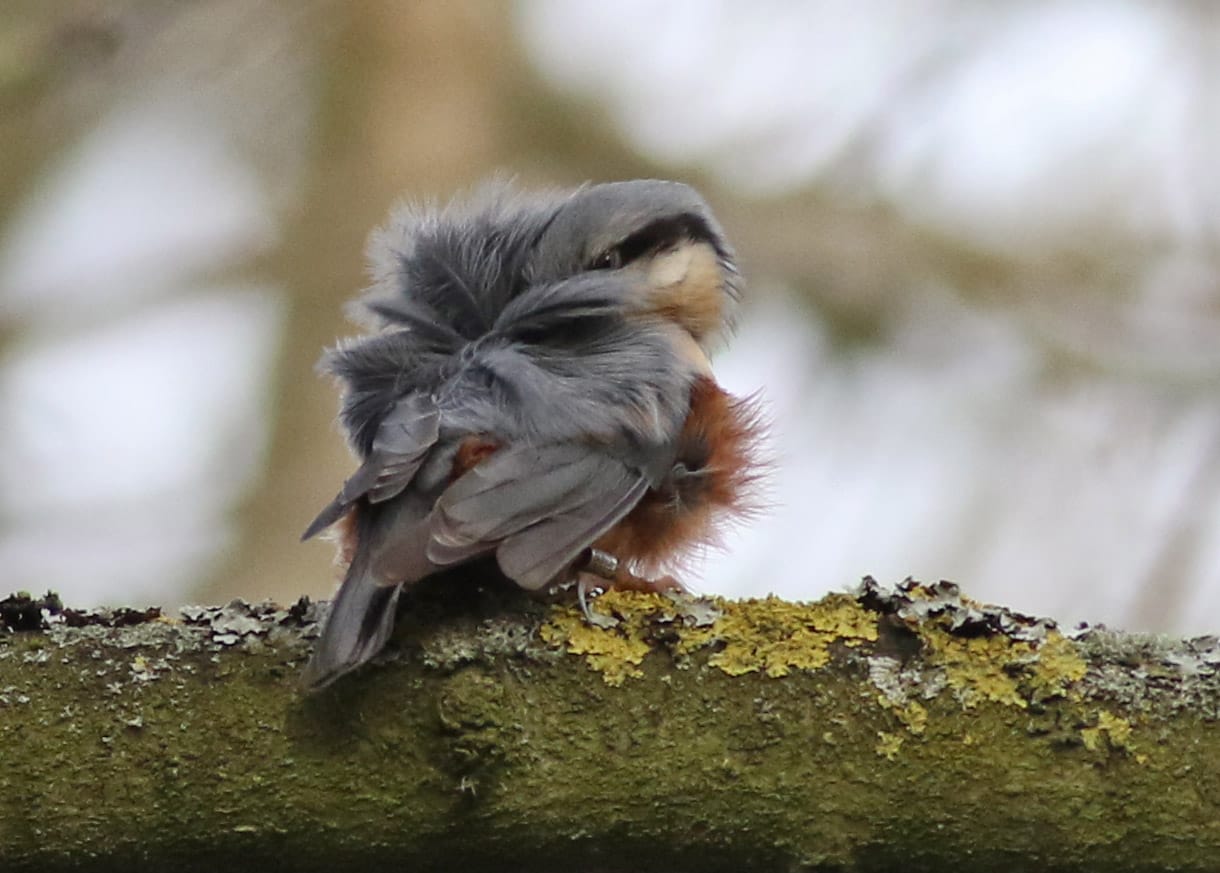
Nuthatch, South Dykes, by Craig Thomas

30th January 2020

The weather consisted of largely overcast skies, south-west winds and temperatures that reached eight degrees C. Wildfowl interest included two Mute Swans, three Pink-footed Geese and the Russian White-fronted Goose. Thornwick Pools attracted two Shelduck and 11 Teal.

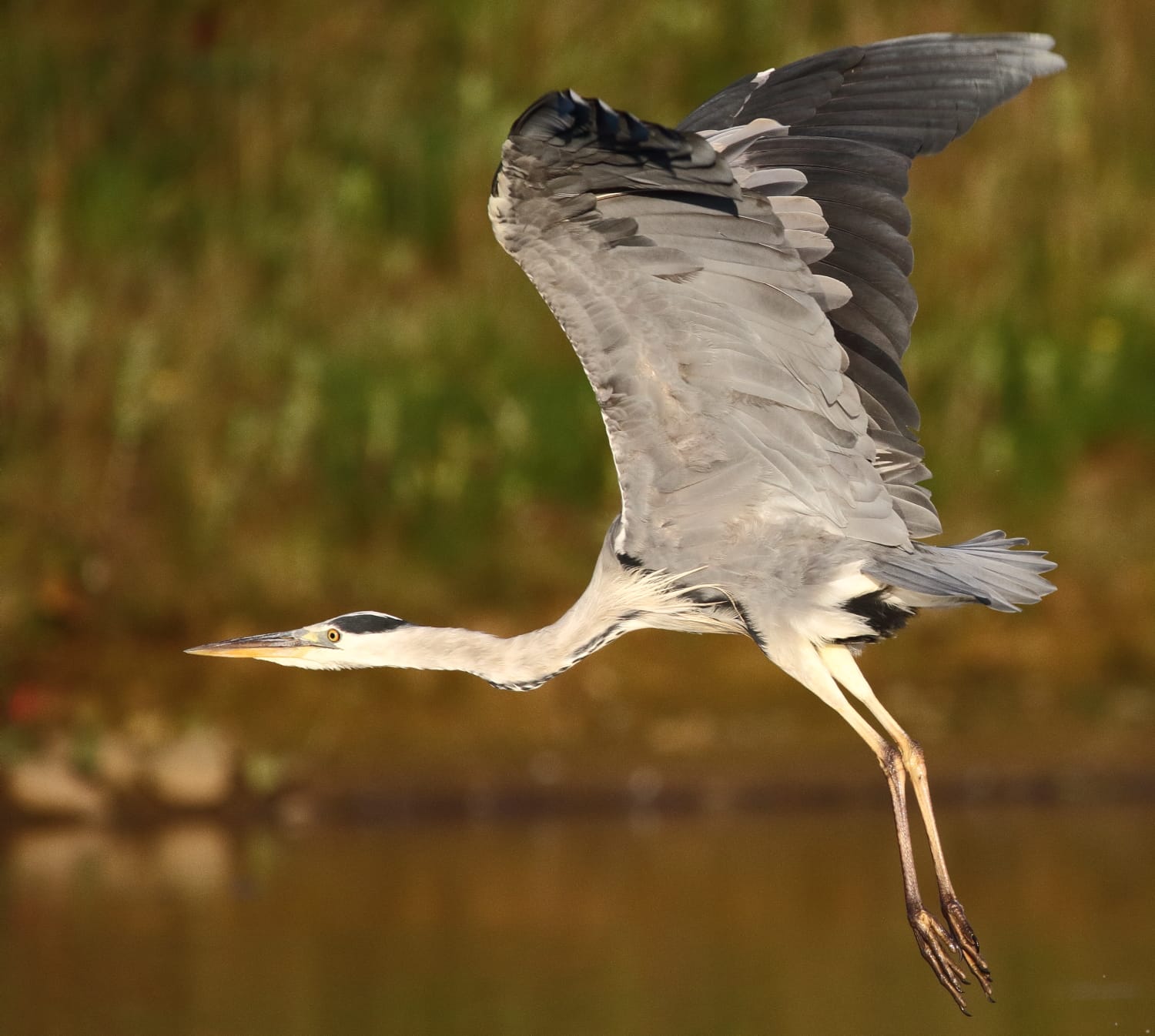
Grey Heron, Thornwick Pools, by Mike Smith

31st January 2020

An overcast day, with a moderate west-south-westerly wind and temperatures that peaked at ten degrees C. Large numbers of birds fed off the Seawatch Observatory during the morning, including 650 Gannets, 155 Cormorants and tens of thousands of Guillemots; 168 Razorbills were also recorded. 

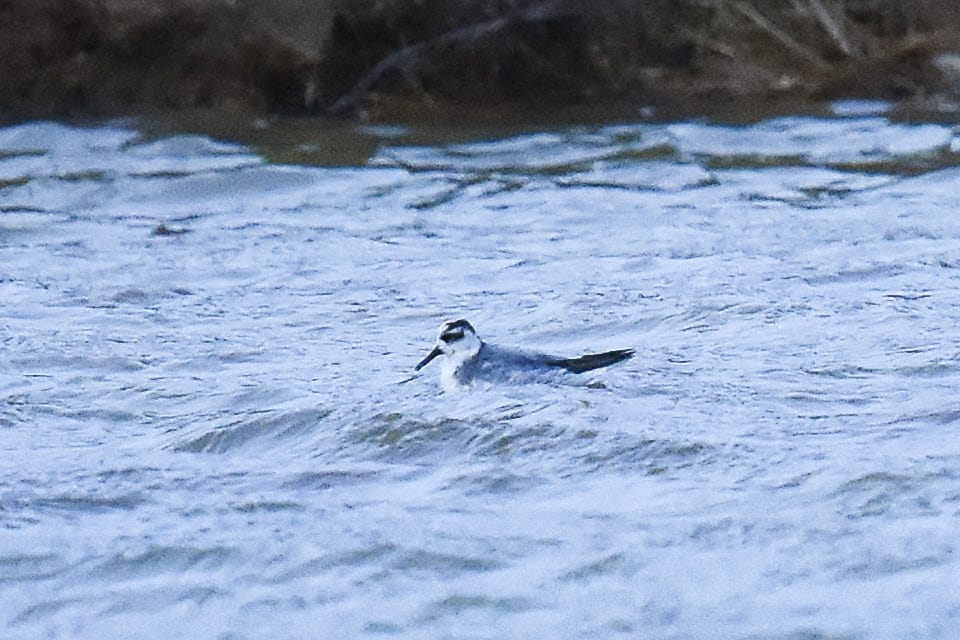
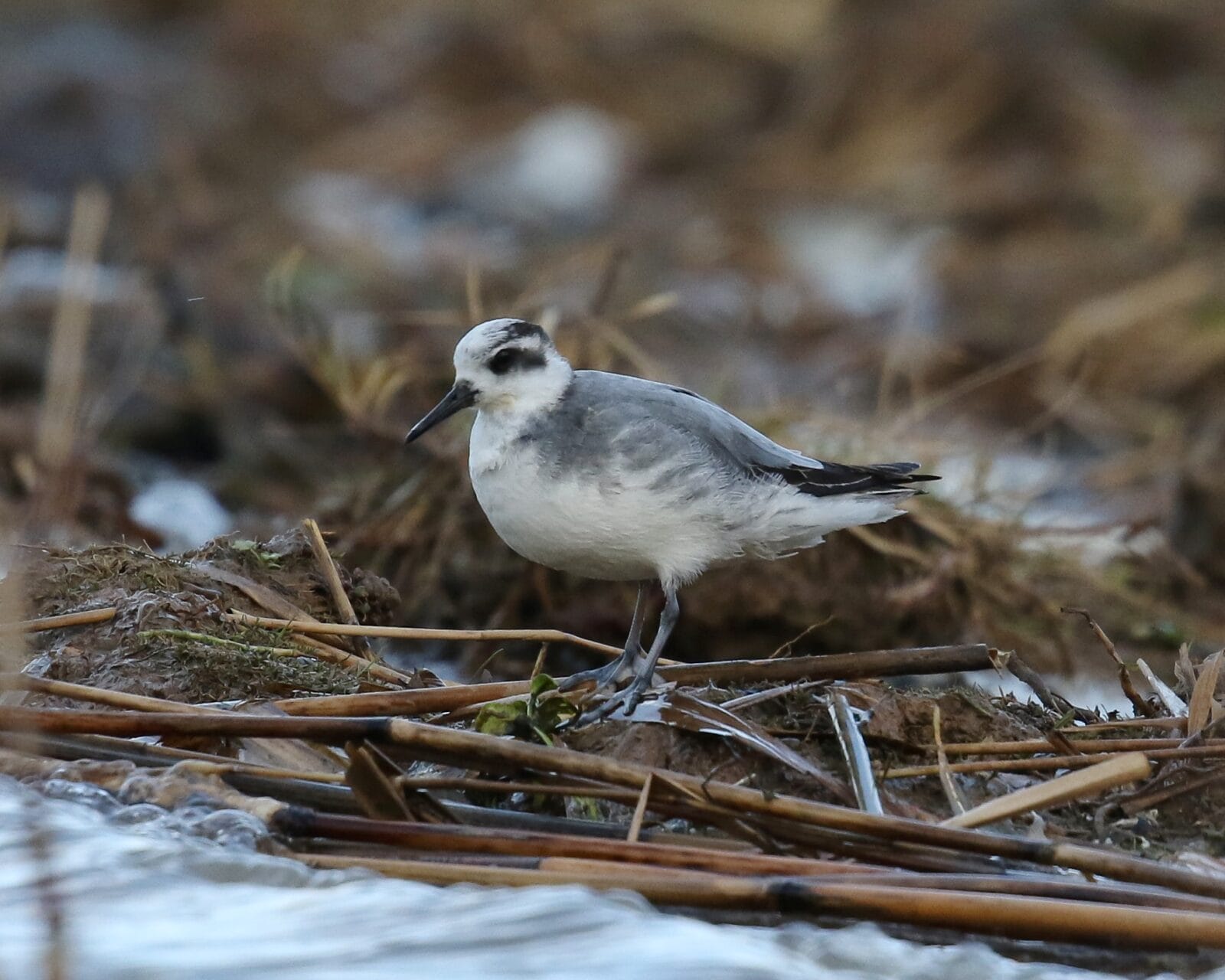
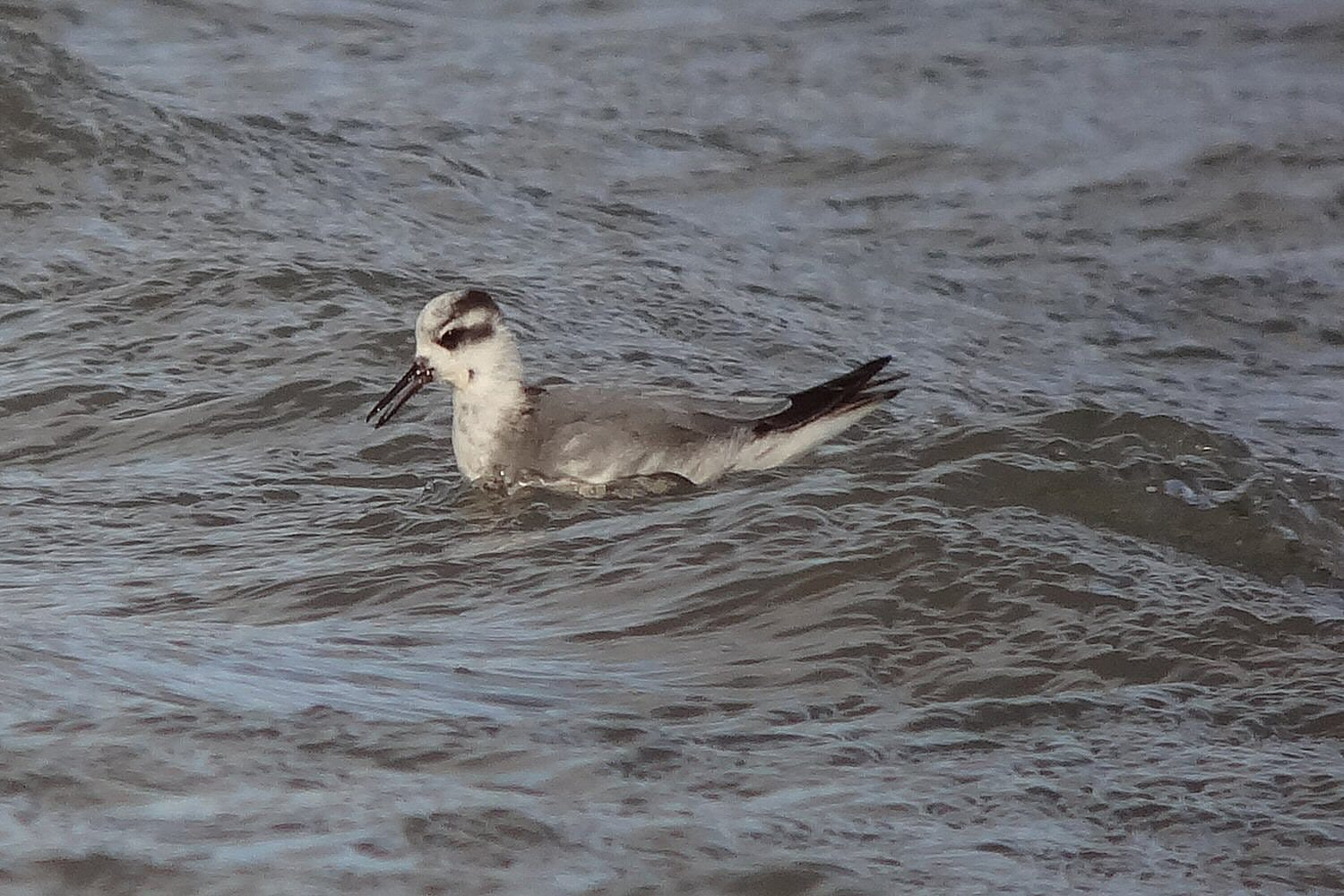
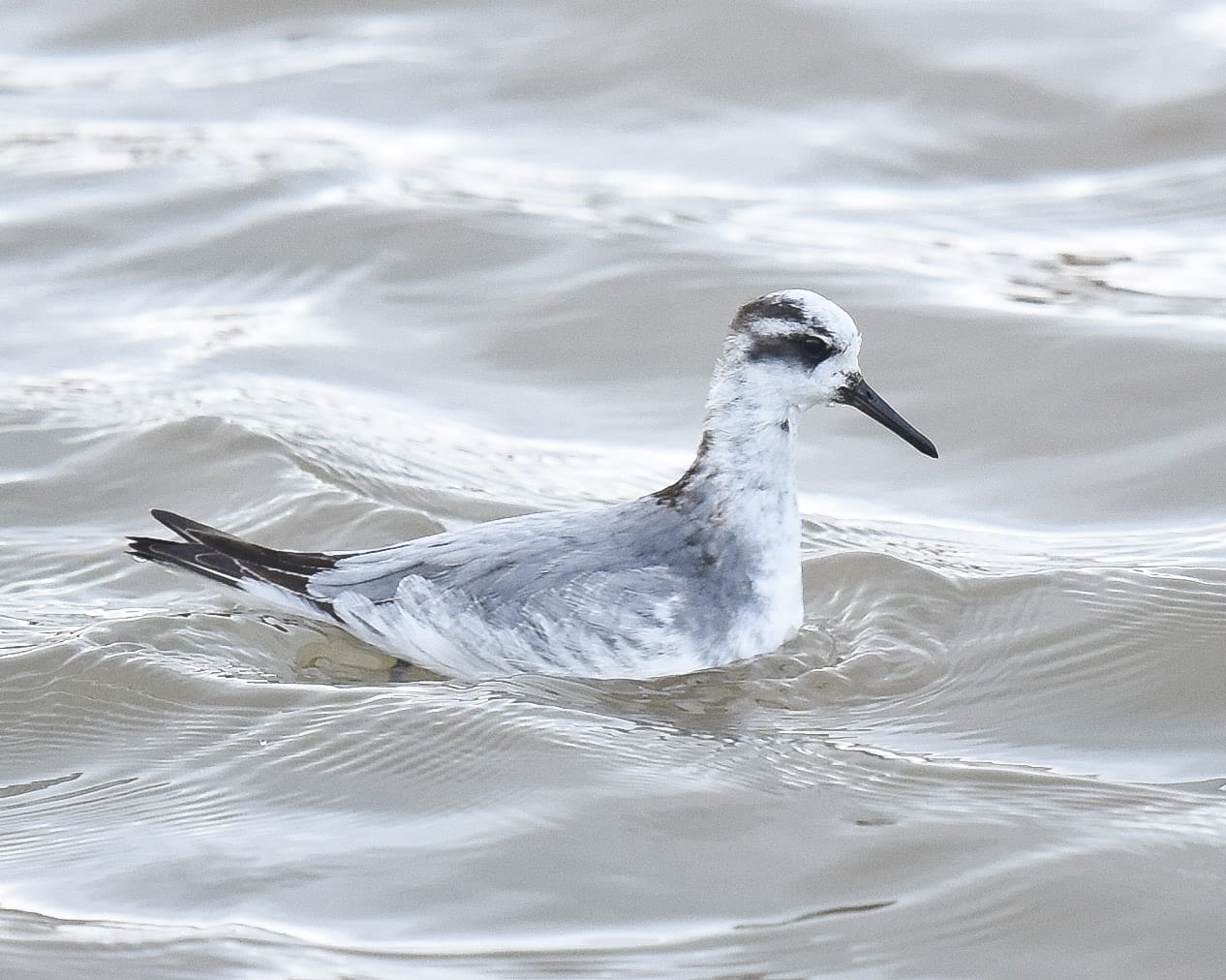
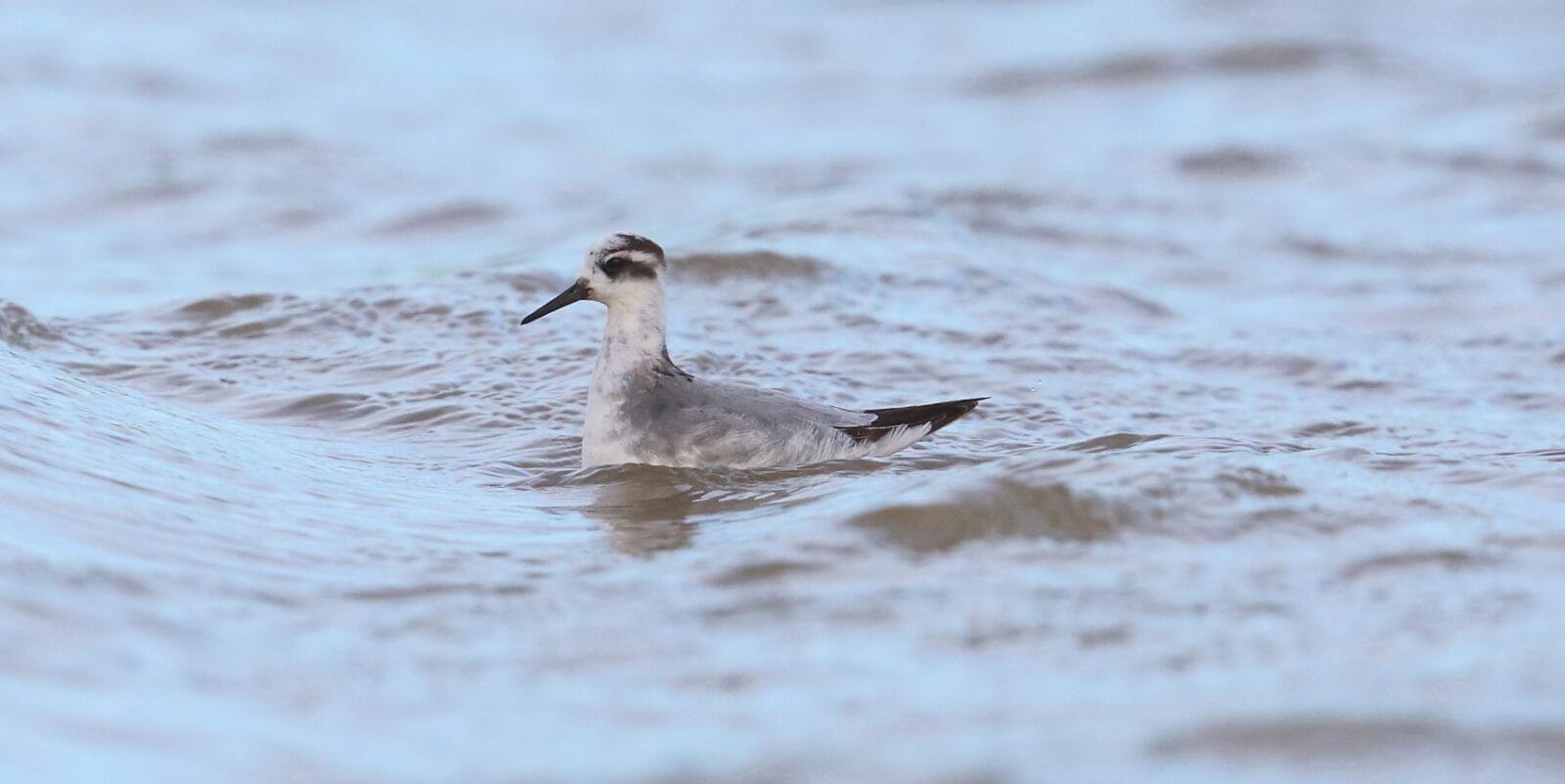
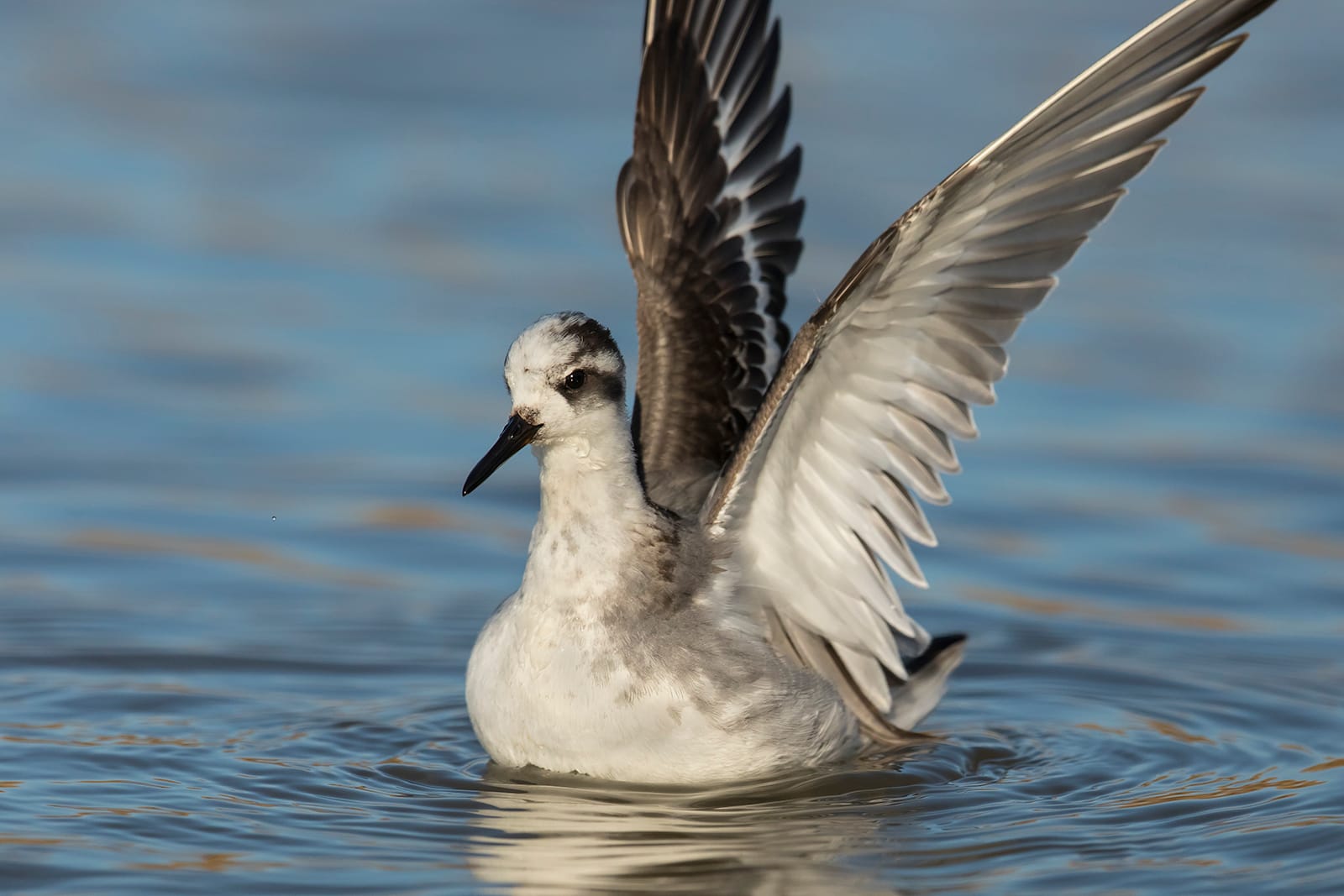
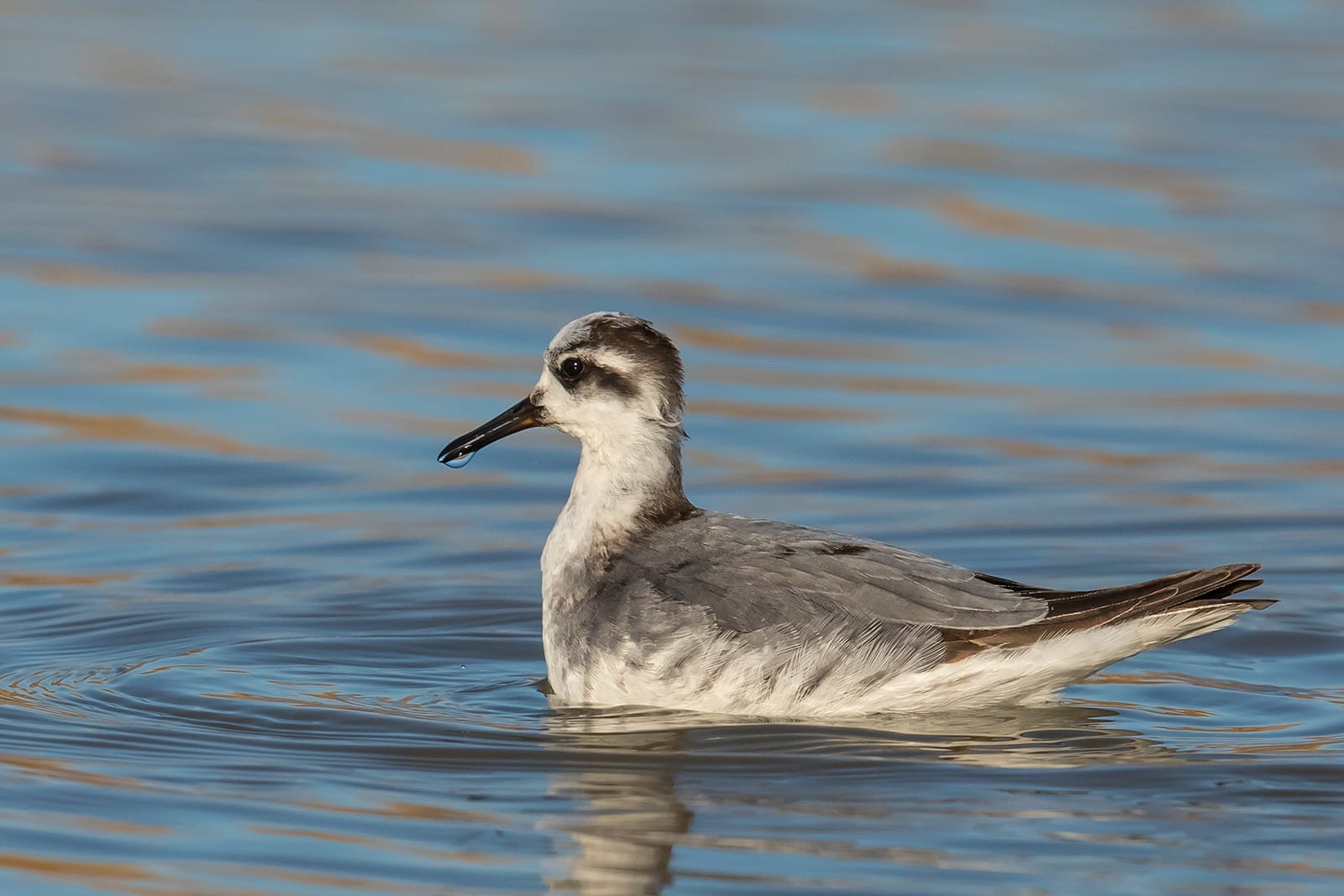
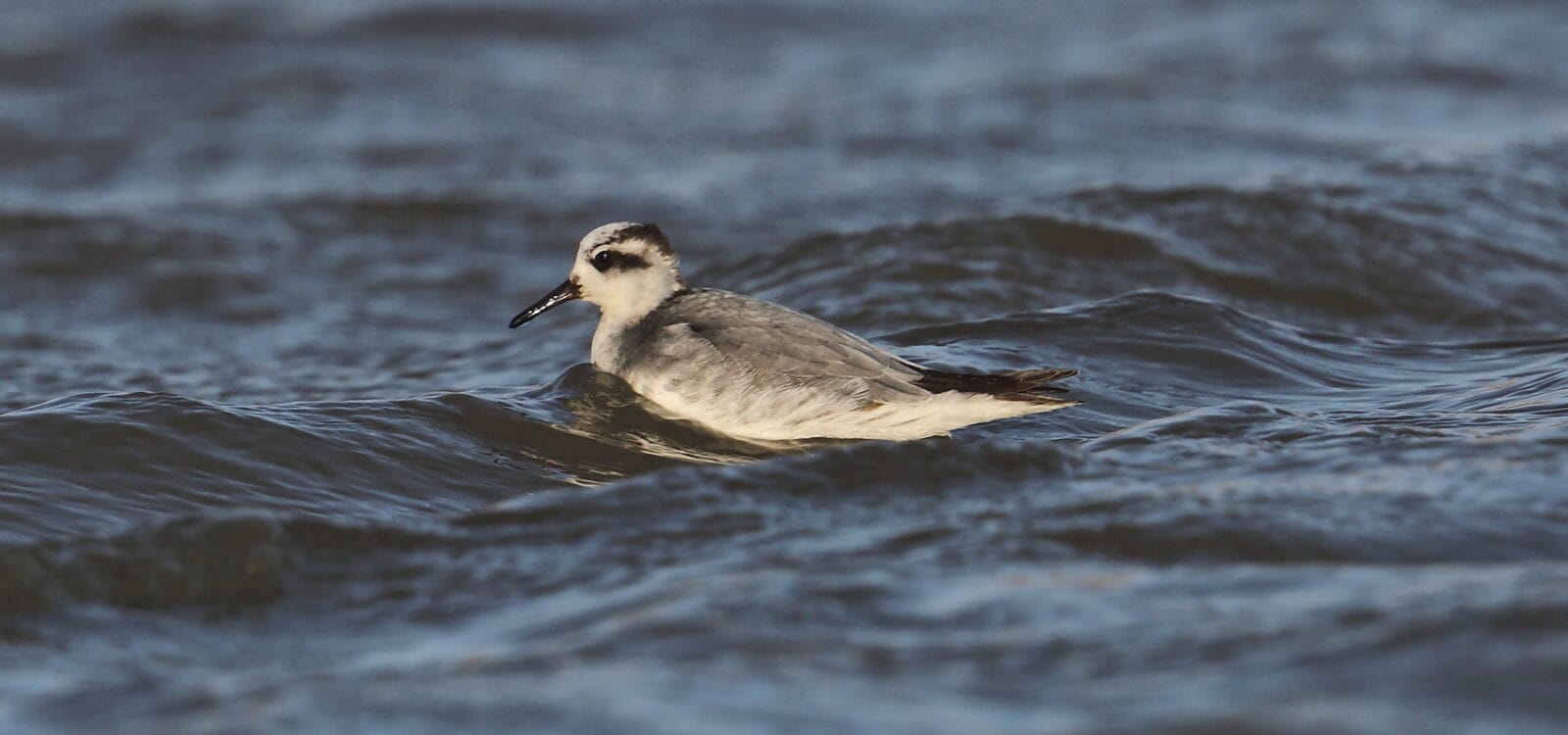
The day’s highlight was a Grey Phalarope that was located on Thornwick Pools mid-afternoon; a first for the site and certainly a major surprise, it was still present at dusk. Other notable sightings included two Mute Swans (North Marsh), the Russian White-fronted Goose, three Pink-footed Geese, three Shelduck, a Water Rail (Thornwick Pools), one Chiffchaff (Thornwick Pools) and a Grey Wagtail at South Dykes. Sightings from RSPB Bempton Cliffs included a Short-eared Owl

Grey Phalarope, Thornwick Pools, by Andy Hood

1st February 2020

Strong westerly winds were a feature of a bright day with temperatures reaching nine degrees C. A Goosander flew south during the morning seawatch, with 380 Gannets and 121 Razorbills moving in the same direction.

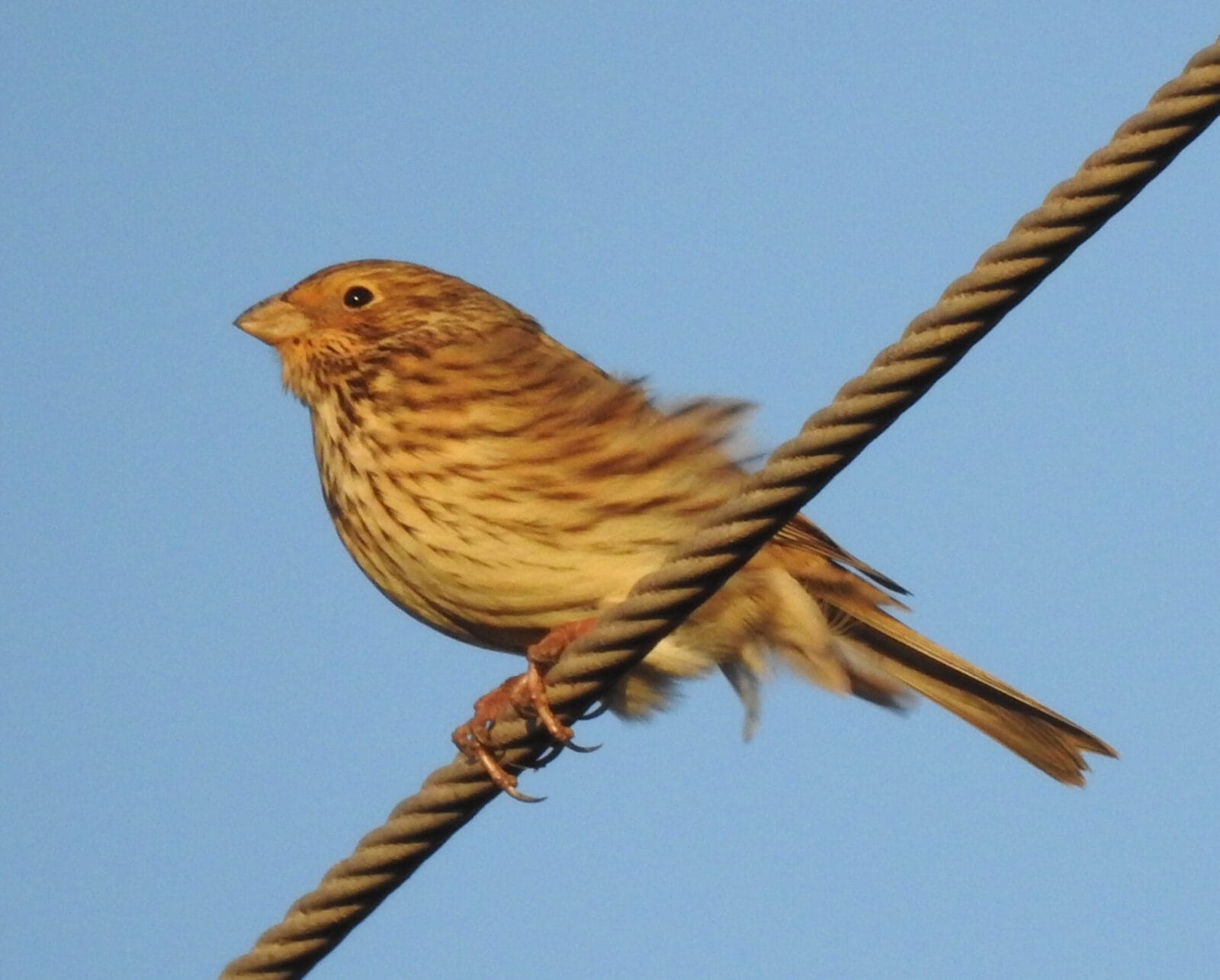
The Grey Phalarope lingered on Thornwick Pools and showed well to a steady stream of admirers throughout; other sightings there included 13 Teal, a Chiffchaff and three Corn Buntings. Wildfowl interest also included two Mute Swans and the Russian White-fronted Goose.

Grey Phalarope, Thornwick Pools, by David Hutchinson

Grey Phalarope, Thornwick Pools, by John Harwood
Grey Phalarope, Thornwick Pools, by Tony Dixon

2nd February 2020

The morning was overcast, with persistent light drizzle and occasional mist, with brighter spells developing during the afternoon; there were light southerly winds and temperatures reached six degrees C. The highlight of the morning’s seawatch consisted 20 White-beaked Dolphins that headed north-east from Bridlington Bay past the Seawatch Observatory: nine Common Scoters flew south and 160 Cormorants lingered off the outer head. 

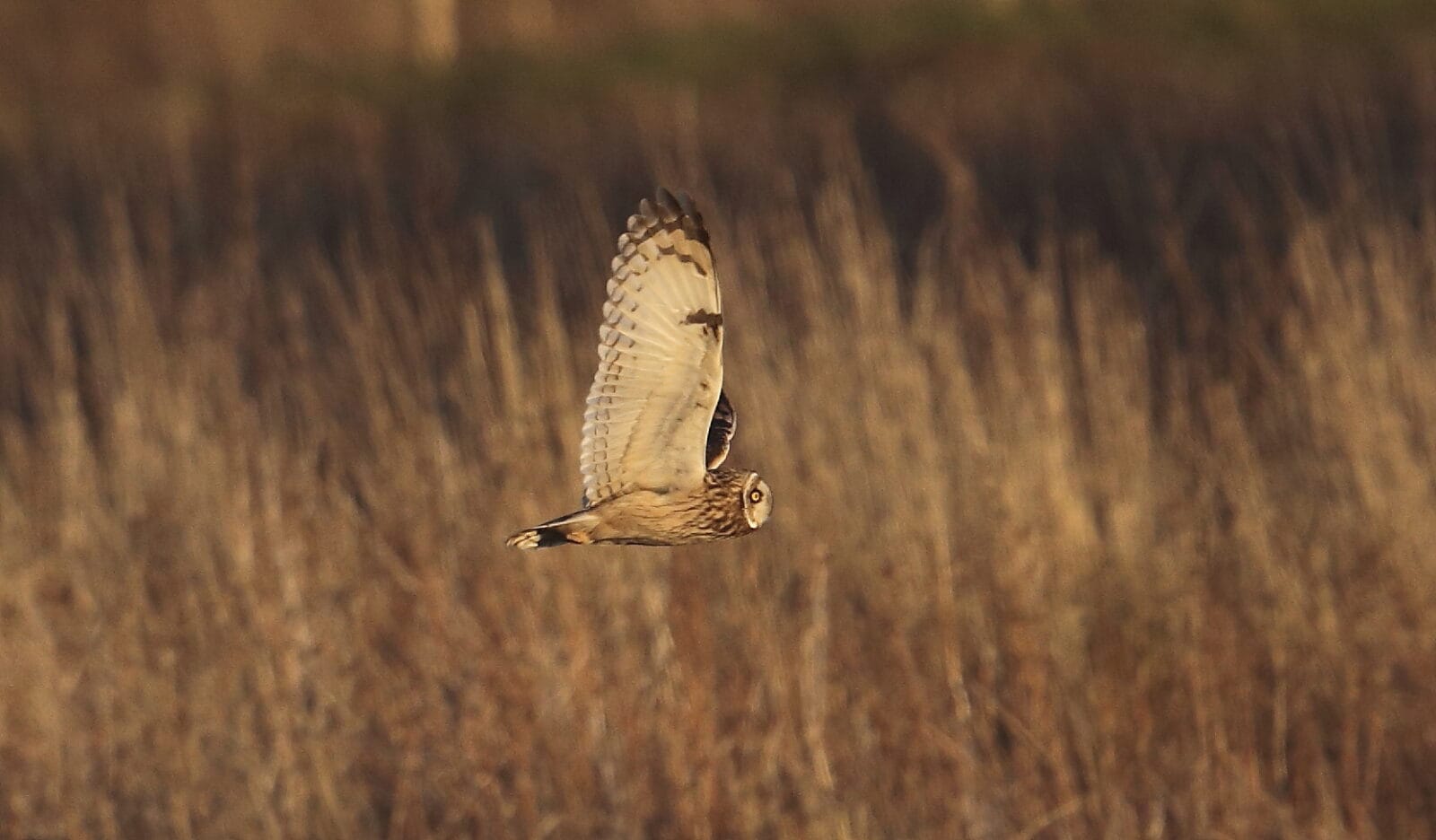
Three Pink-footed Geese, the Russian White-fronted Goose, 24 Wigeon and 18 Teal were in residence, along with 32 Curlew. A Short-eared Owl frequented the cliff top near Thornwick, with a Chiffchaff nearby; additional passerine records included a Grey Wagtail, 118 Yellowhammers and seven Corn Buntings. RSPB Bempton Cliffs also hosted a Short-eared Owl

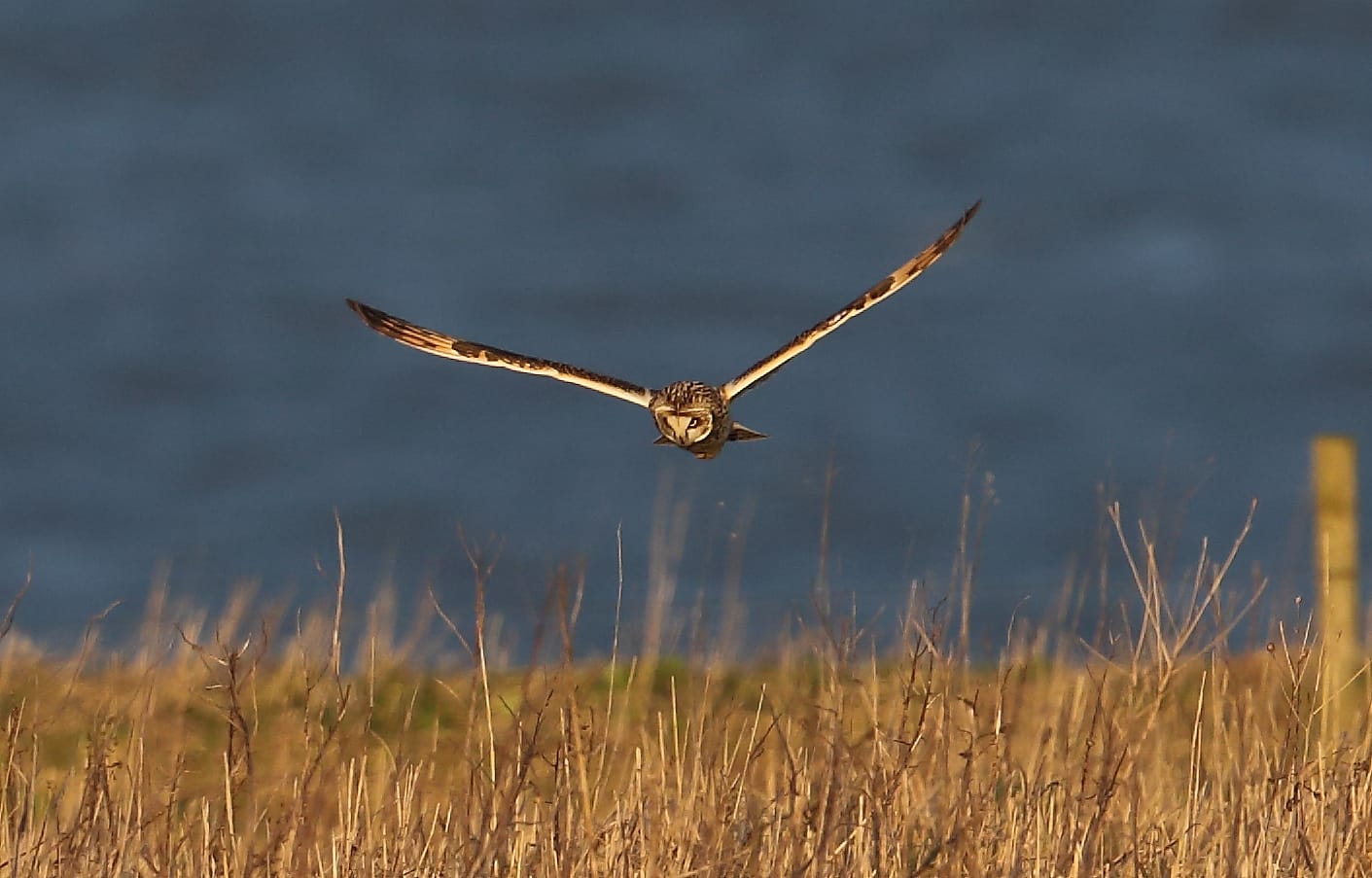
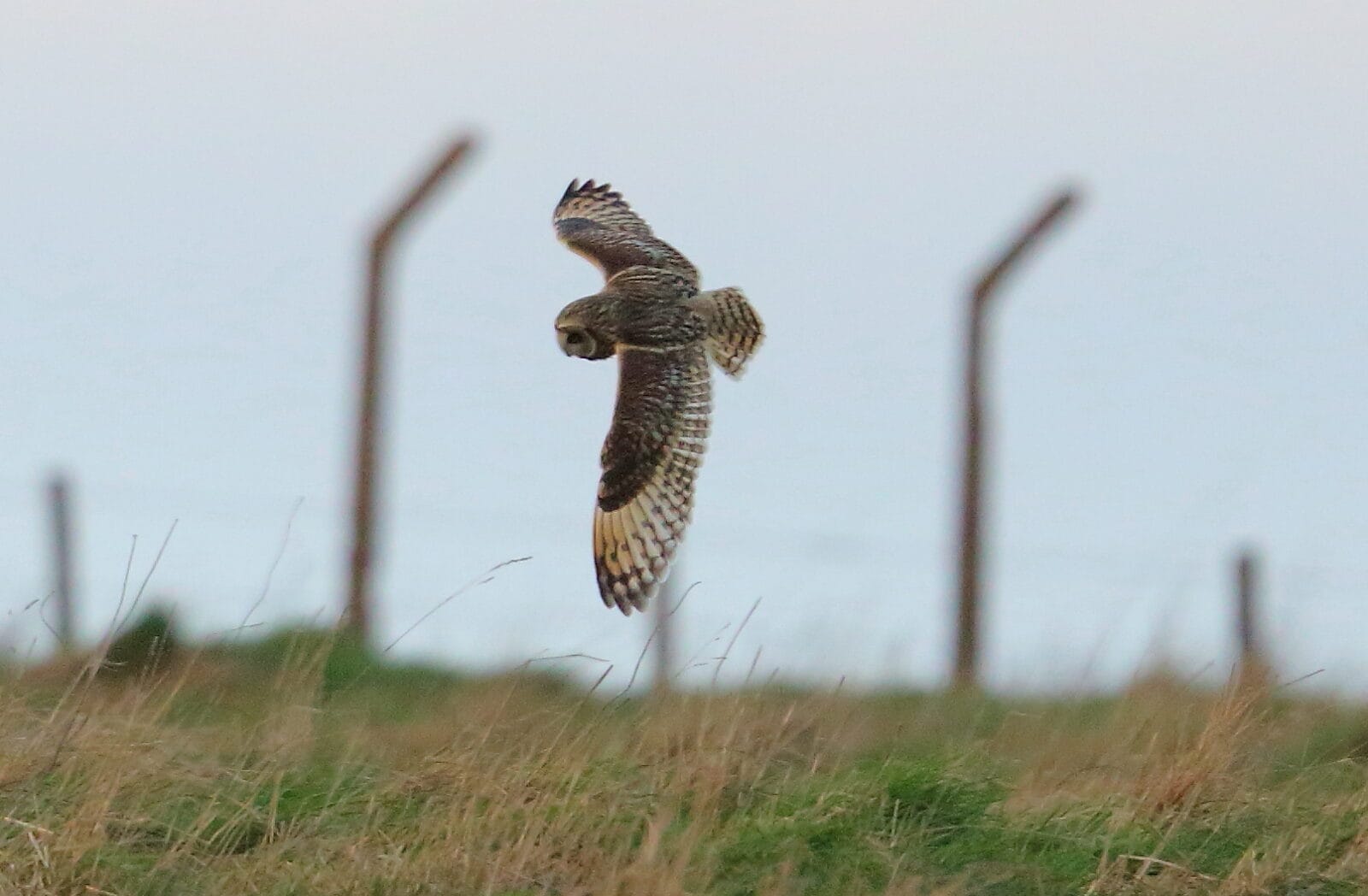
Short-eared Owl, RSPB Bempton Cliffs, by Alan Walkington

3rd February 2020

The weather comprised moderate westerly winds that gradually dropped in strength, sunny intervals and temperatures that reached seven degrees C. A Velvet Scoter flying north was the most notable sighting of the morning’s seawatch, which also featured thousands of Guillemots and increasing numbers of Razorbills. 

The two Mute Swans remained, as did the Russian White-fronted Goose and two Pink-footed Geese. Surprisingly the Grey Phalarope re-appeared on Thornwick Pools, although late reports revealed it was present at the same location yesterday afternoon. 

Grey Phalarope, Thornwick Pools, by Andy Hood
Grey Phalarope, Thornwick Pools, by Alan Walkington

4th February 2019

Gusting to gale force, north-westerly winds gradually dropped in strength during the afternoon, with sunny intervals after an overcast start and temperatures eventually reached eight degrees C. A quiet seawatch, with 175 Cormorants offshore and the Black Redstart making one of its sporadic visits to the Fog Station. Tens of thousands of Guillemots were again present, including good numbers on the cliffs.

Both the Russian White-fronted Goose  and the Grey Phalarope remained, with the latter continuing to show well at Thornwick Pools. Apart from the aforementioned Black Redstart, the only notable passerine record related to a flock of 50 Fieldfare that flew north at Speeton. 

Corn Bunting, Thornwick, by Brett Richards

5th February 2019

A relatively bright day, with light westerly winds and temperatures that reached eight degrees C. Two Brent Geese flew south during the morning’s seawatch, with an impressive 244 Cormorants feeding offshore.

A Whooper Swan circled North Marsh, whilst the two Pink-footed Geese and the Russian White-front frequented the outer head. The Grey Phalarope graced Thornwick Pools all day, where there were also 20 Teal and a Water Rail; another Water Rail frequented a pond on the eastern edge of the village. Passerine interest included two Chiffchaffs, the Black Redstart at the Fog Station and a Grey Wagtail. 
RSPB Bempton Cliffs attracted four Short-eared Owls during the afternoon.

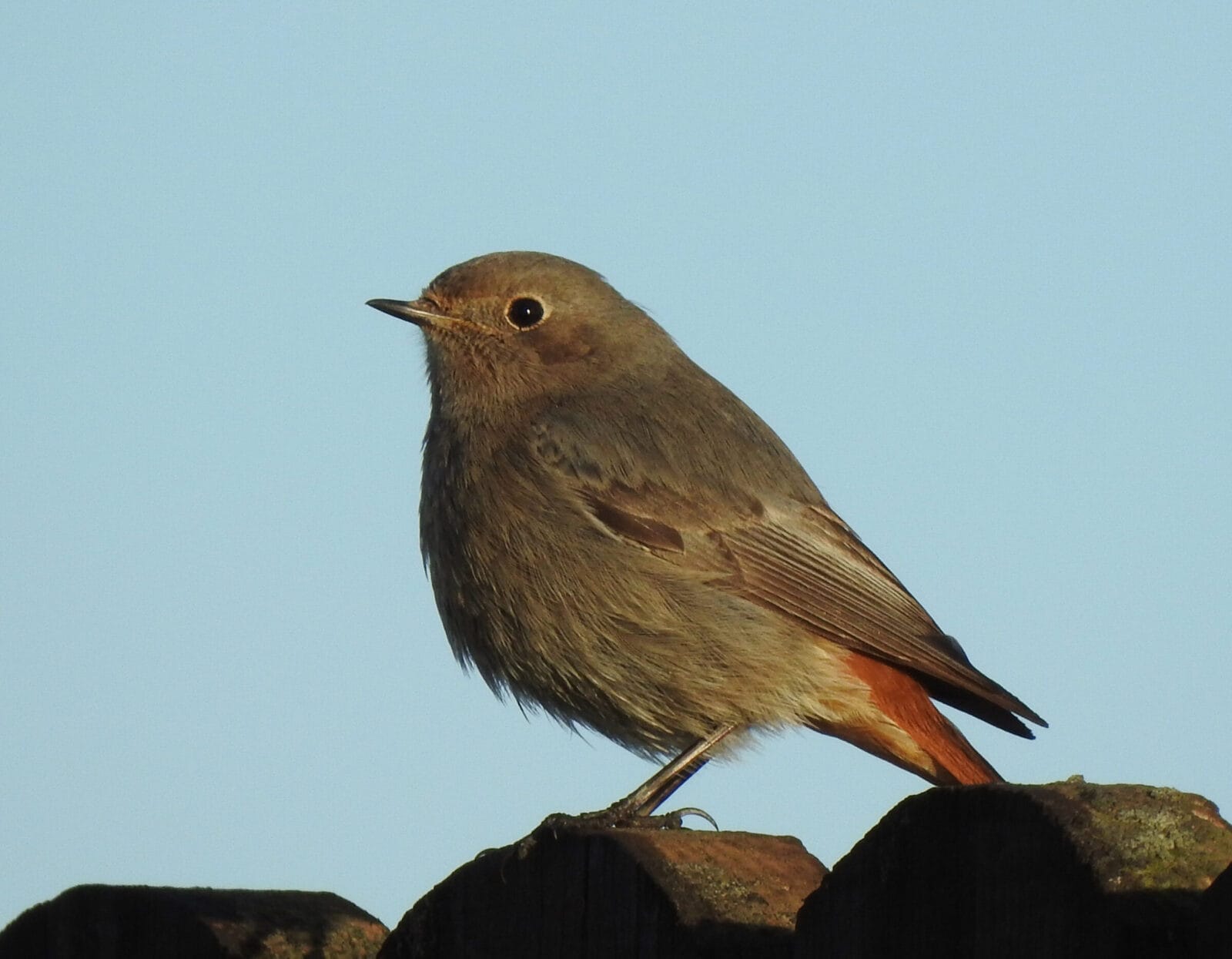
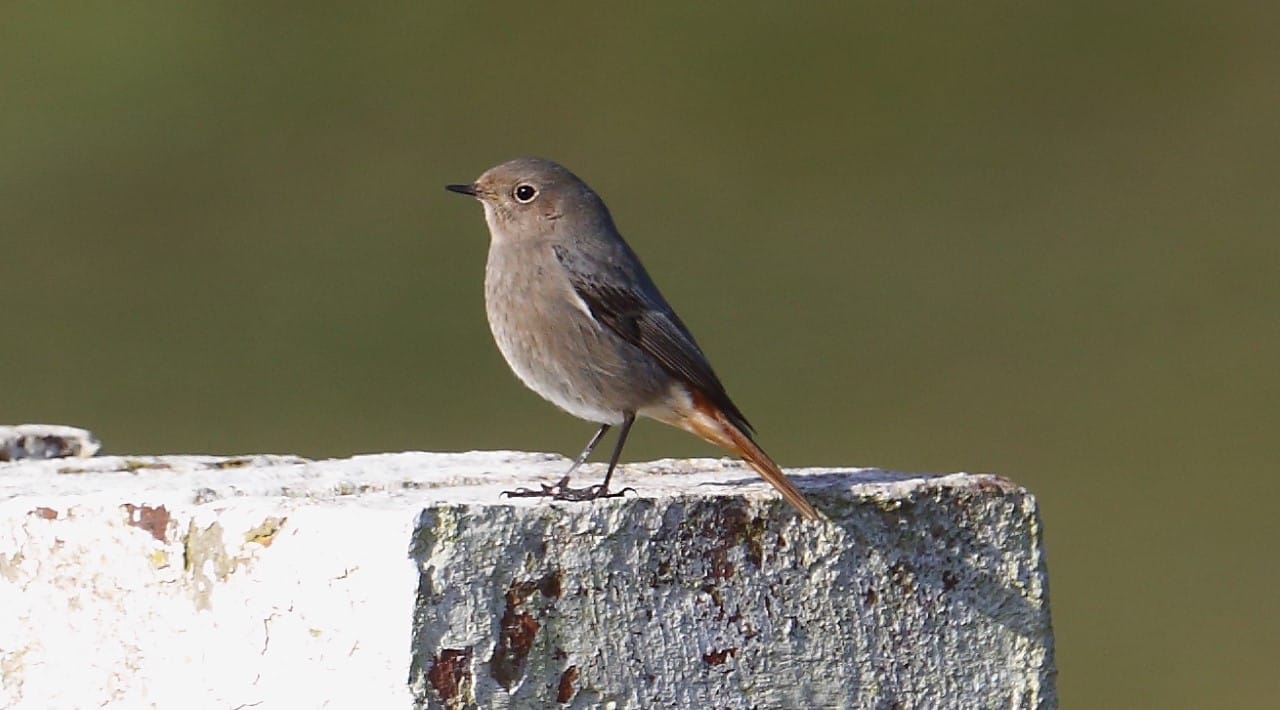
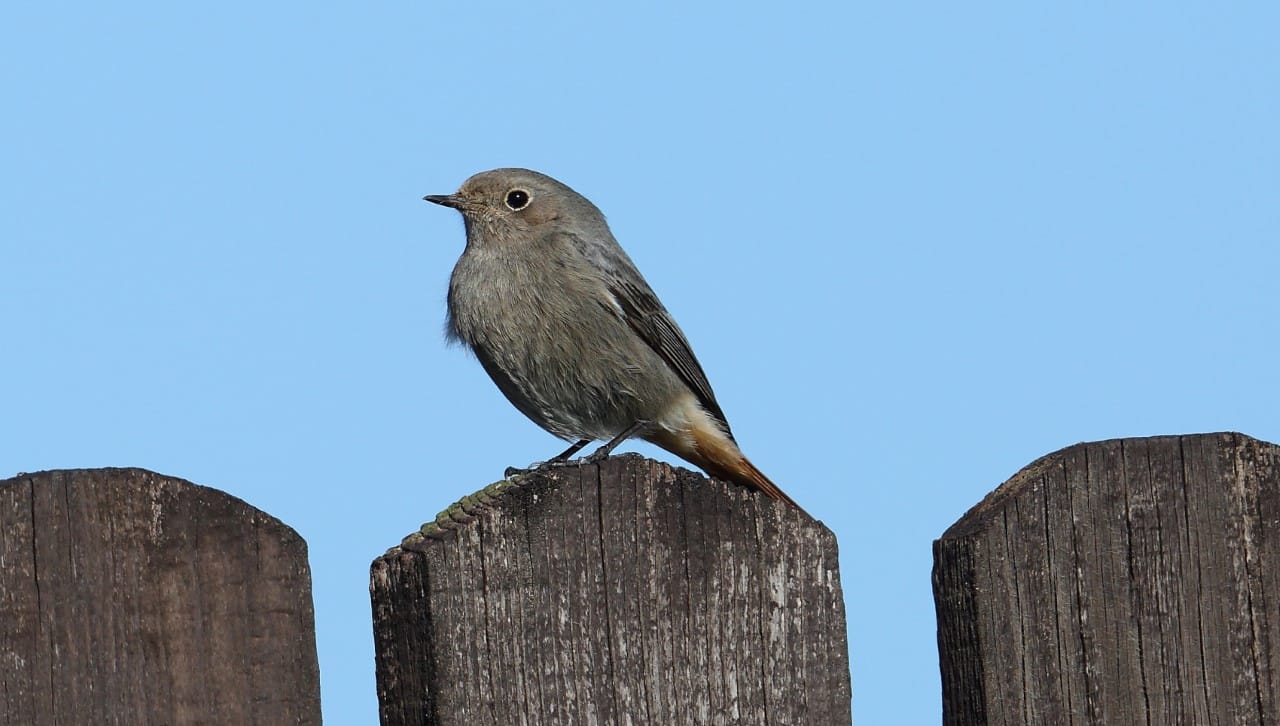
Black Redstart, Fog Station, by Brett Richards

6th February 2020

A sunny and calm day, with temperatures reaching seven degrees C after a frosty start. The highlight of the morning seawatch was a Black-throated Diver that flew north out of Bridlington Bay; tens of thousands of birds were feeding on the sea, with the vast majority Guillemots.

Wildfowl interest included two Pink-footed Geese, the Russian White-fronted Goose and 23 Teal. The Grey Phalarope showed well throughout on Thornwick Pools, where there were also two Snipe. Passerine interest included the Black Redstart at the Fog Station, two Chiffchaffs and two Corn Buntings. Two Short-eared Owls were seen at RSPB Bempton Cliffs.

Grey Phalarope, Thornwick Pools, by Andrew Allport

7th February 2020

An overcast and misty start to a day that featured increasingly strong southerly winds, sunny intervals by the afternoon and temperatures reaching six degrees C. Highlights of the morning’s seawatch consisted five Wigeon heading south, eight Eiders moving north (with another on the sea) and 21 Red-throated Divers flying south; once again thousands of seabirds fed close inshore, including 750 Gannets and 175 Cormorants. The Grey Phalarope remained in residence at Thornwick Pools, with passerine interest including a Chiffchaff at the Golf Course Willows, four Goldcrests, two Mistle Thrushes and a Grey Wagtail. 
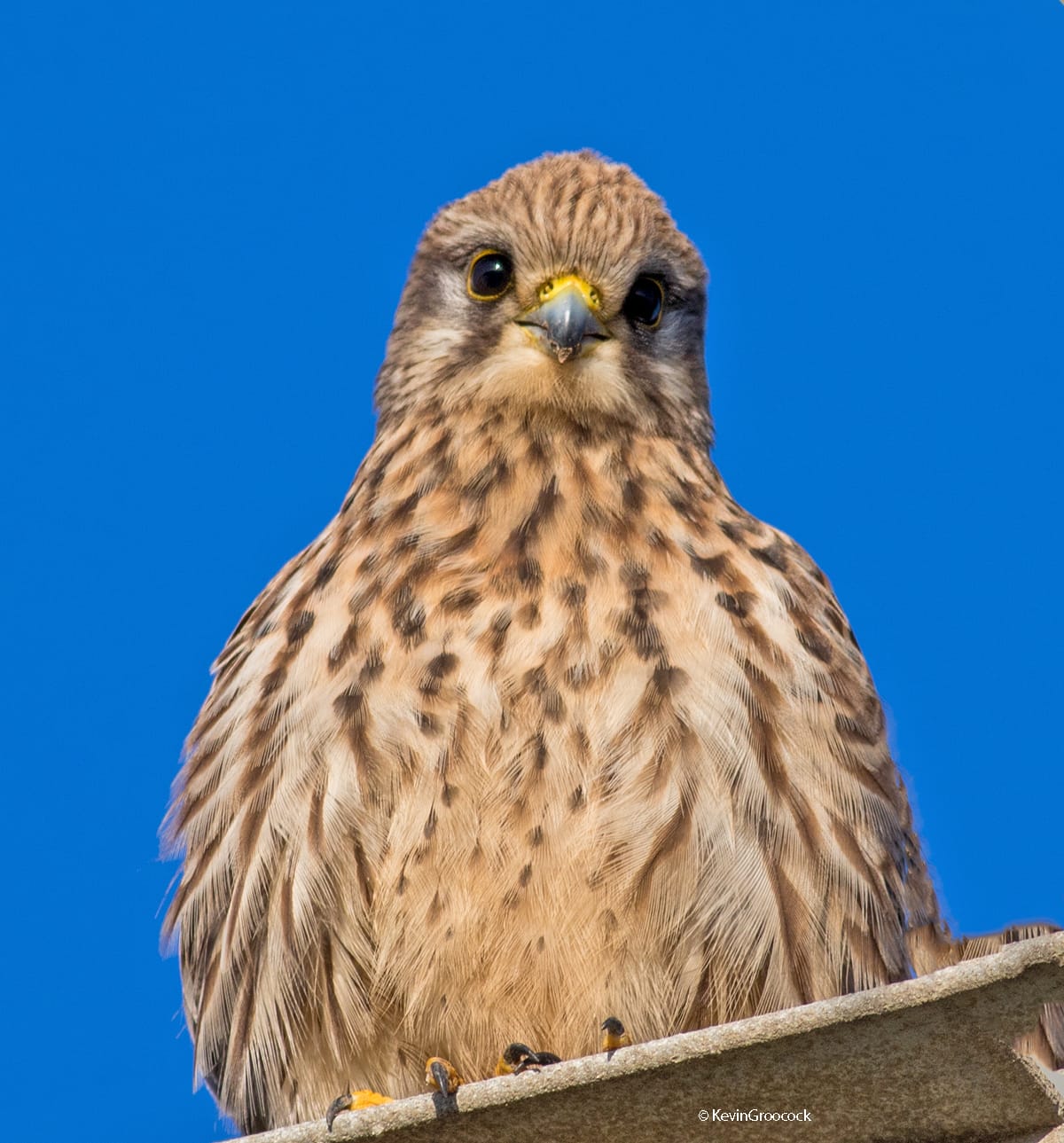
Kestrel, Flamborough, by Kevin Groocock
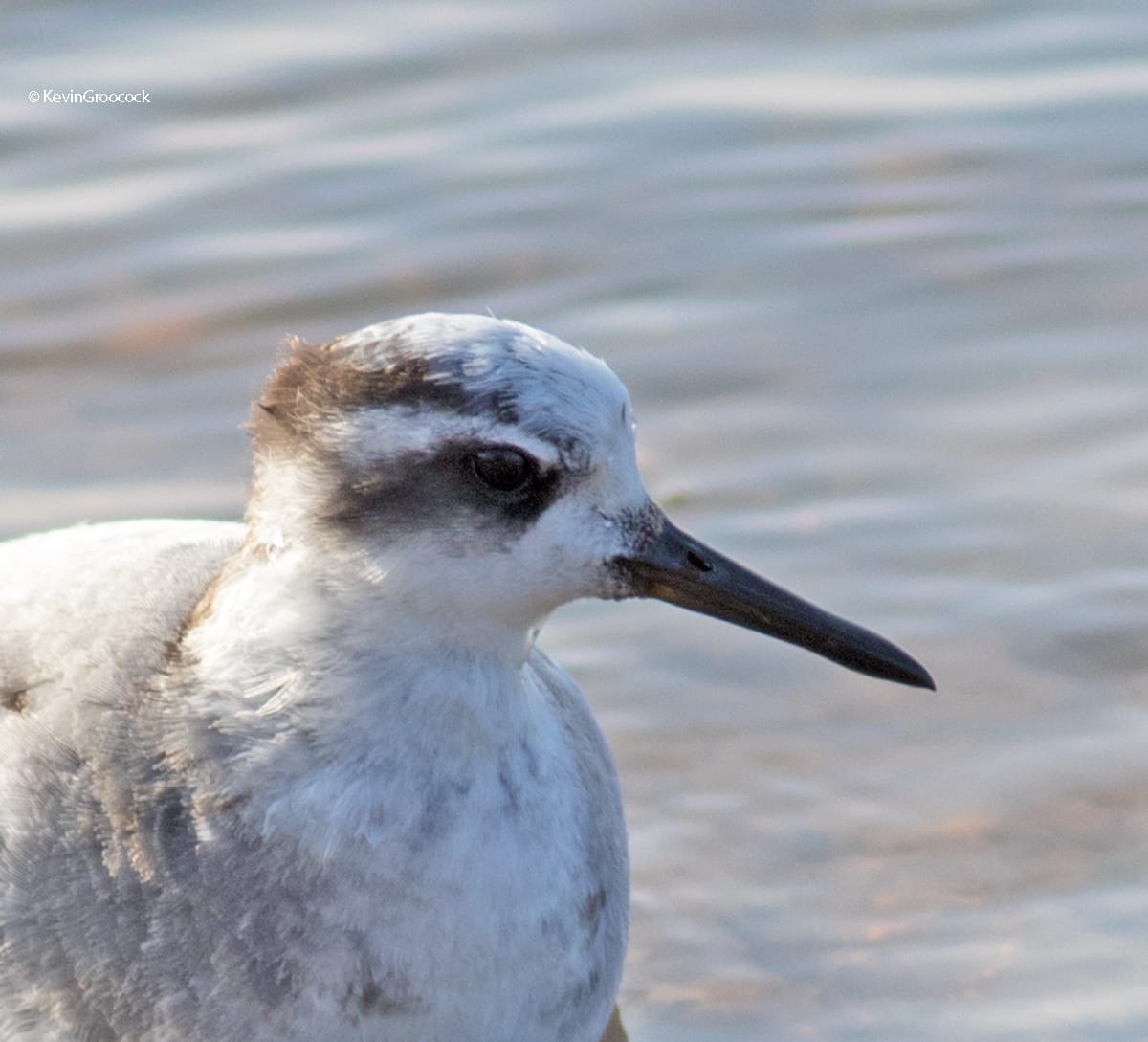
Grey Phalarope, Thornwick Pools, by Kevin Groocock

8th February 2020

Moderate south-westerly winds throughout daylight hours strengthened towards dusk; sunny intervals predominated after an overcast start and temperatures reached seven degrees C. The morning seawatch was quiet, although tens of thousands of Guillemots were present once more, with the majority flying south.

The Grey Phalarope lingered on Thornwick Pools, where two Mute Swans also dropped in. Three Mistle Thrushes and two Redwing were notable, but the day’s highlight related to a Raven initially seen over the Lighthouse and then flying south past the Seawatch Observatory. 

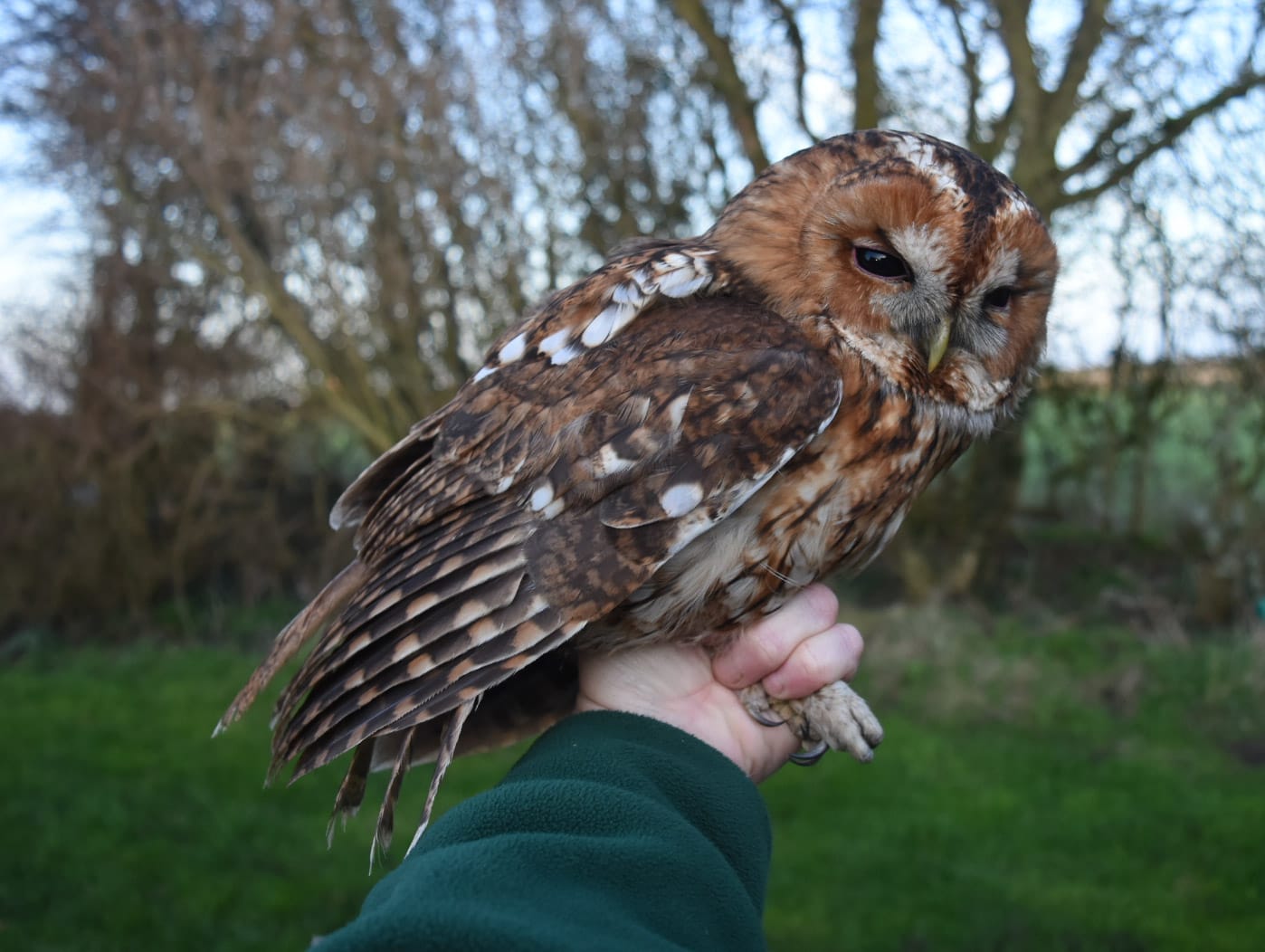
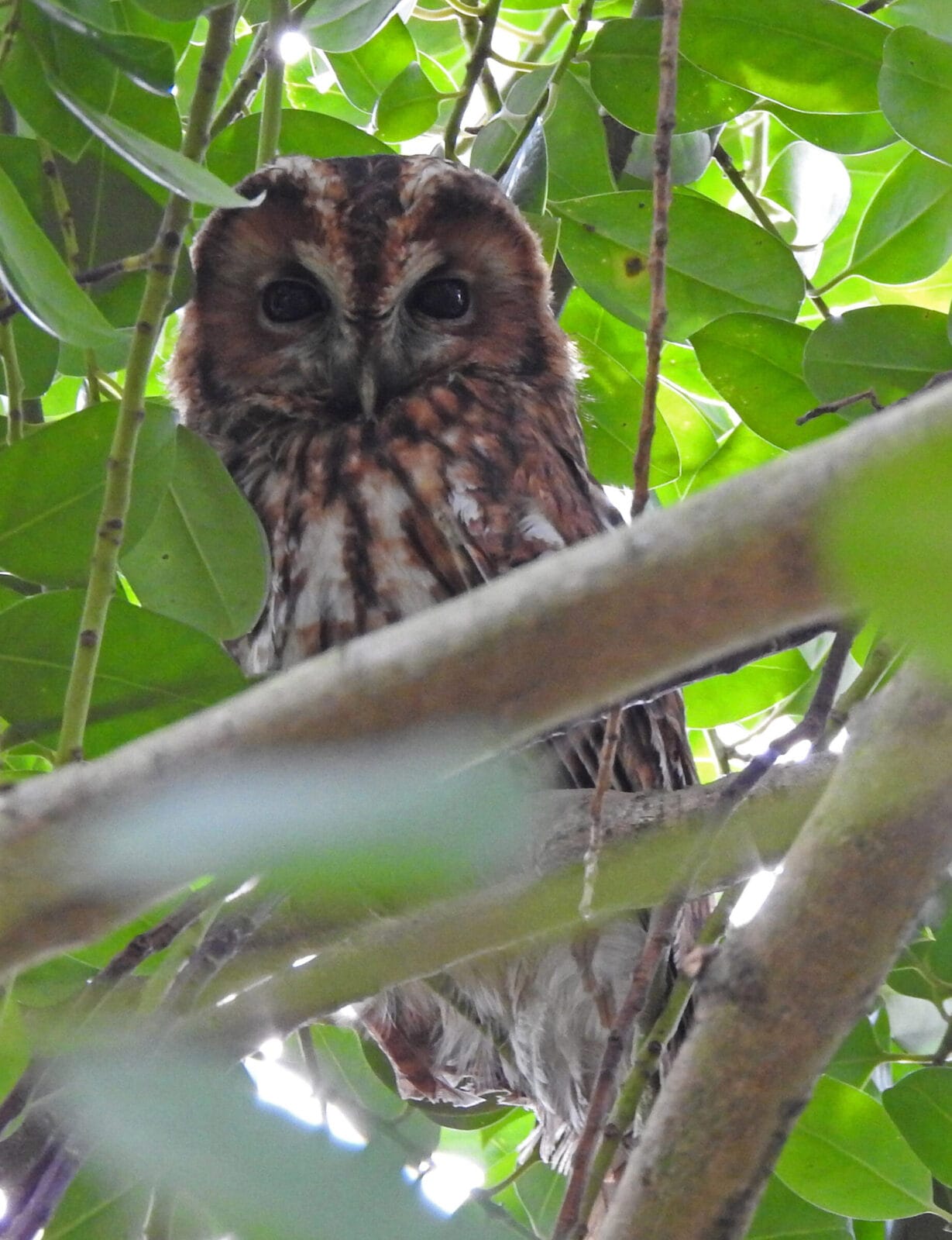
Tawny Owl, Oceanview, by Andy Hood

9th February 2020

The main feature of the day was undoubtedly the weather: storm force south-westerly winds peaked in strength during the middle part of the day, also accompanied by a thunderstorm and heavy rain; conditions gradually ameliorated to leave moderate/strong winds by the end of the day. The seawatch was relatively quiet, with two Shoveler flying south the best.

Thornwick Pools continued to host two Mute Swans, the Grey Phalarope and a Grey Wagtail. Nearby, the Russian White-fronted Goose and two Pink-footed Geese accompanied the Greylag flock, whilst a Coot on Buckton Pond was unusual. 
White-fronted Goose, outer head, by Tony Dixon

10th February 2020

The weather consisted moderate/strong westerly winds, sunny intervals and heavy showers arriving prior to dusk; temperatures peaked at six degrees C. Thornwick Pools continued to host the long-staying Grey Phalarope; two Mute Swans and two Shelduck were also present. Nearby sightings included the Russian White-fronted Goose, two Pink-footed Geese, 85 Linnets, three Corn Buntings, 45 Yellowhammers and 30 Reed Buntings. 
Grey Phalarope, Thornwick Pools, by Alan Walkington

11th February 2020

Strong westerly winds were the main feature of a day that featured sunny intervals and a few showers, with temperatures reaching six degrees C. The highlight of the morning seawatch was the year’s first Manx Shearwater that flew south past the headland. Two Pink-footed Geese, the Russian White-fronted Goose and 28 Wigeon remained in residence, as did the Grey Phalarope on Thornwick Pools.

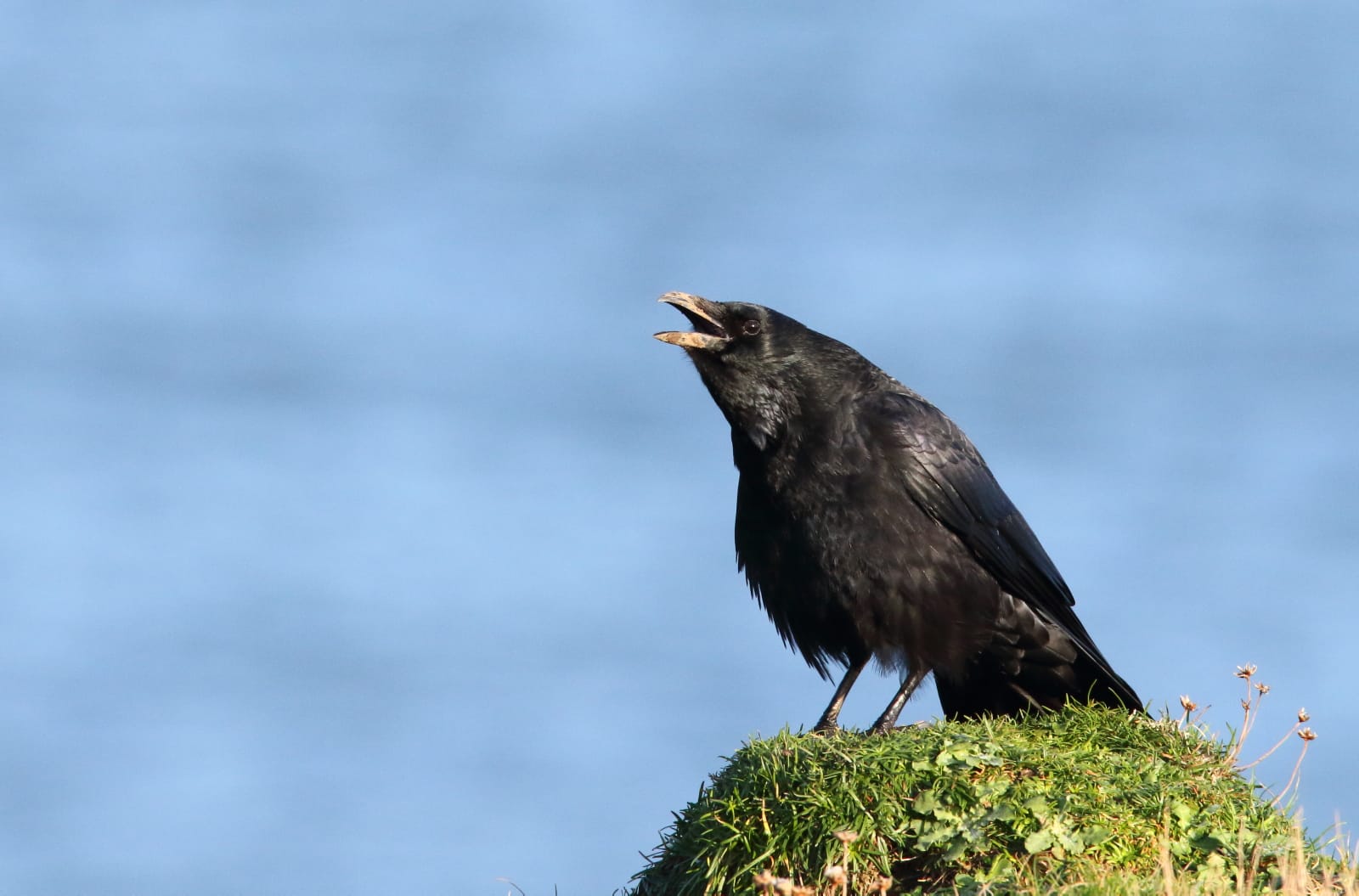
Carrion Crow, Thornwick, by Mike Smith

12th February 2020

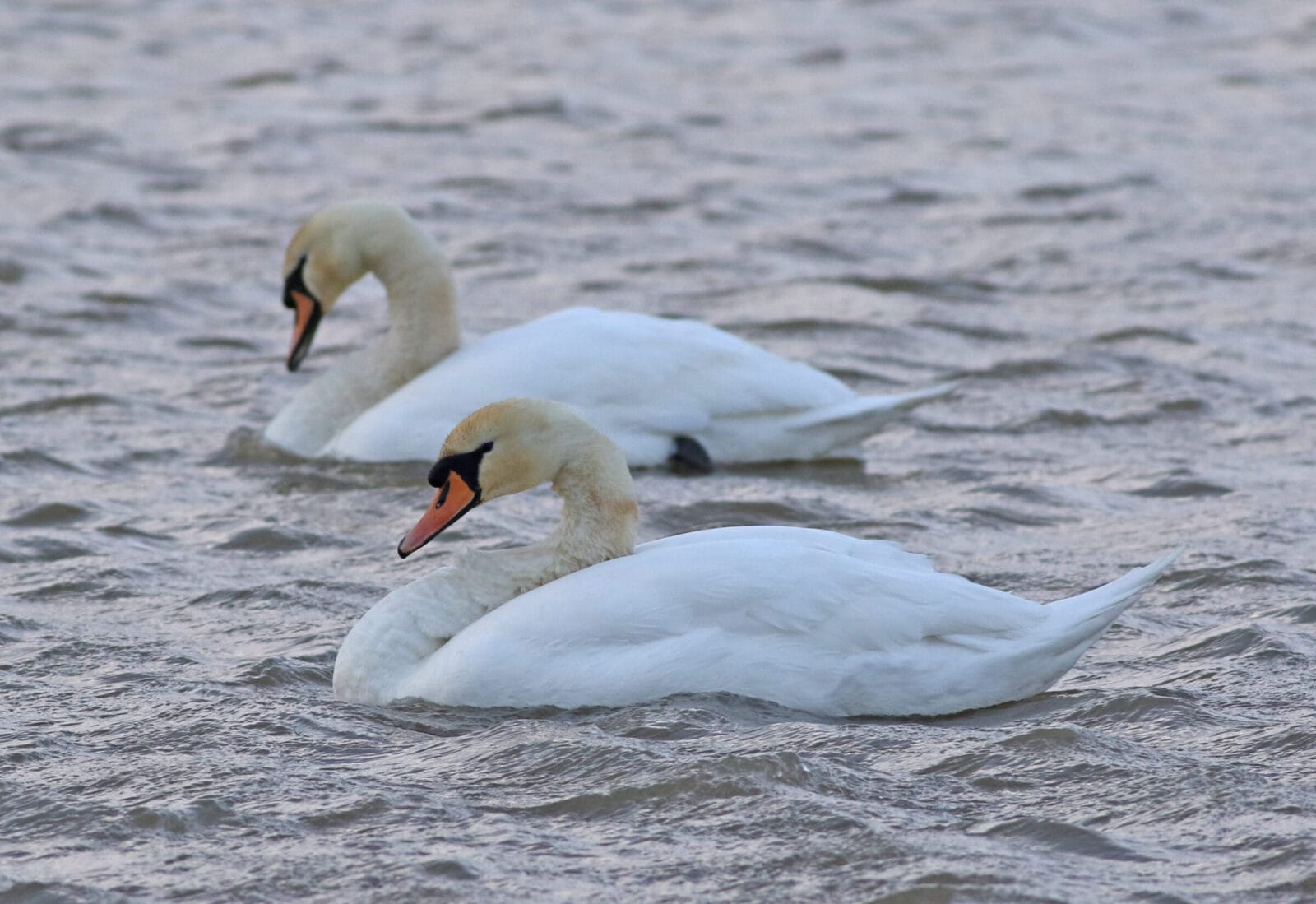
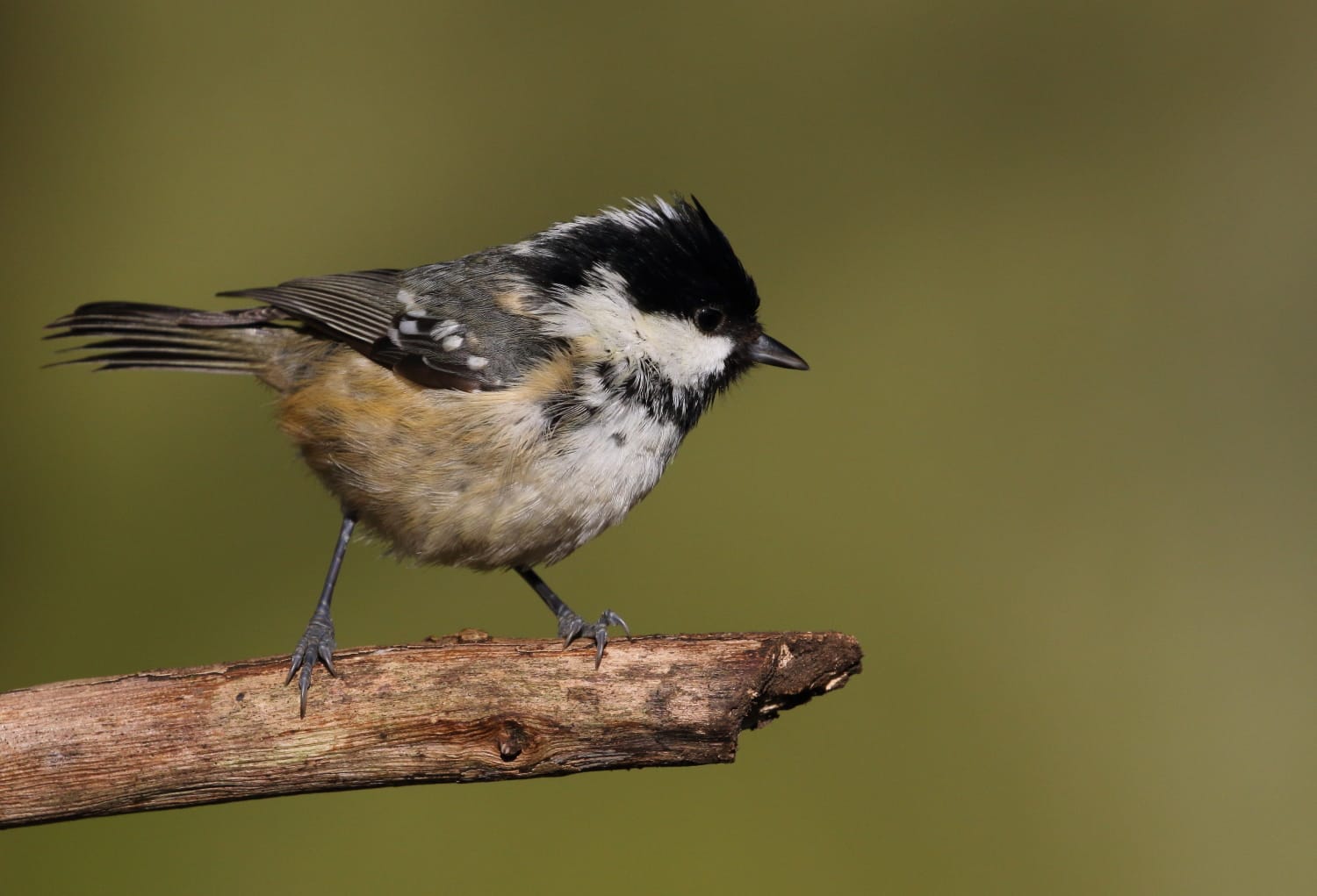
A sunny day, with strong westerly winds and temperatures peaking at seven degrees C. The seawatch was relatively quiet, although five Eiders flew north and 155 Cormorants were offshore. On the headland wildfowl interest included two Mute Swans at Thornwick Pools, two Pink-footed Geese and the Russian White-fronted Goose. A Short-eared Owl was seen at Thornwick Pools, where the long-staying Grey Phalarope also remained. RSPB Bempton Cliffs hosted another three Short-eared Owls during the afternoon. Sewerby Hall Gardens attracted three Treecreepers, four Coal Tits and 12 Long-tailed Tits.

Mute Swans, Thornwick Pools, by Craig Thomas

13th February 2020

Conditions improved after heavy rain and strong south-easterly winds first thing, with sunny conditions eventually prevailing; temperatures reached six degrees C in a moderate westerly wind during the afternoon. The highlight of the morning seawatch was the year’s first Blue Fulmar which lingered offshore together with 265 Cormorants. 

A skein of 26 Pink-footed Geese flew north, whilst two Pink-footed Geese, the Russian White-fronted Goose, 28 Wigeon and 27 Teal frequented the headland. A small pond east of the village hosted a Water Rail and Thornwick Pools the long-staying Grey Phalarope. The first Kittiwakes returned to RSPB Bempton Cliffs, with a minimum of 23 noted, and two Short-eared Owls were also present.

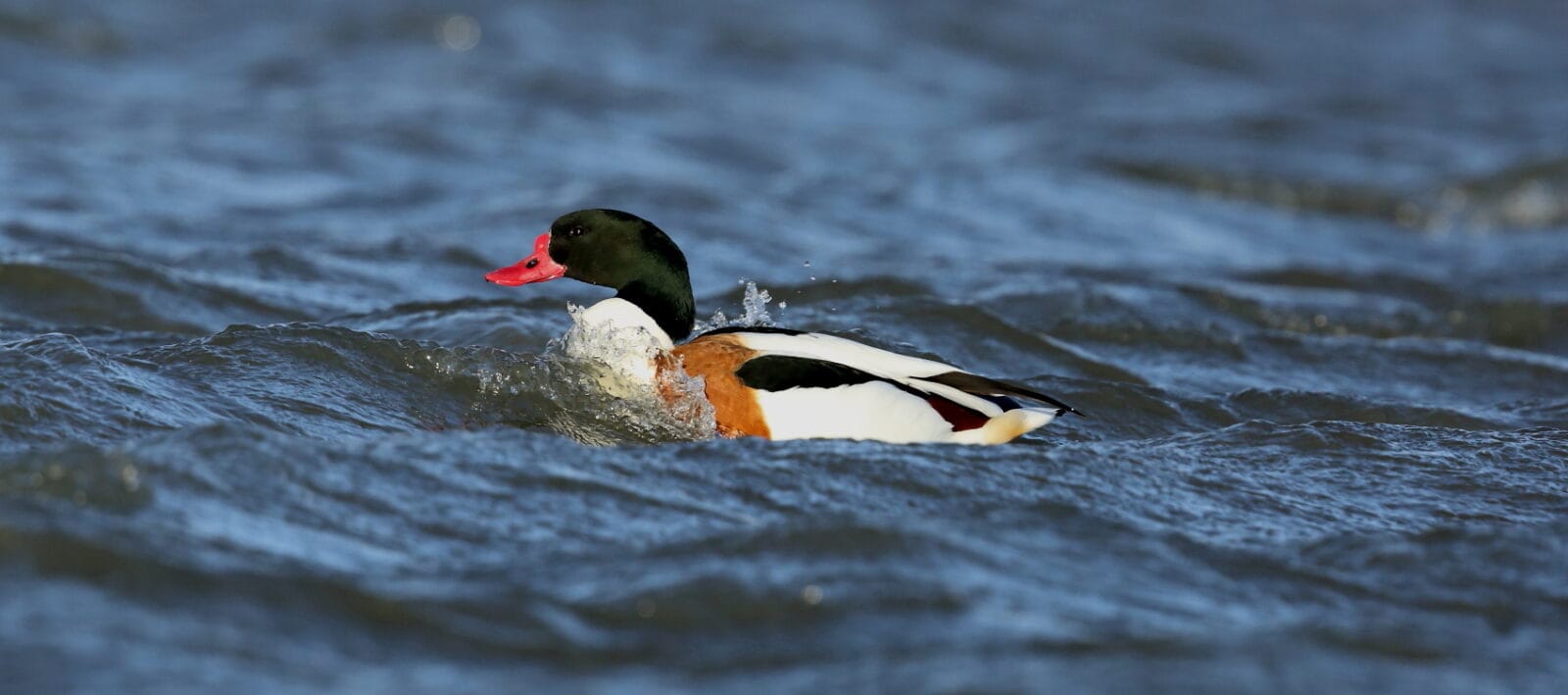
Shelduck, Thornwick Pools, by Alan Walkington

14th February 2020

A relatively bright day, with light south-west winds gradually increasing in strength and temperatures reaching nine degrees C at dusk. Wildfowl interest included the Russian White-fronted Goose, 76 Pink-footed Geese (74 north, two on outer head), two Mute Swans, nine Shelduck, 36 Wigeon and 23 Teal. A total of 207 Cormorants were off South Landing at first light, two Grey Partridge were the year’s first and the Grey Phalarope remained at Thornwick Pools. The most notable passerine record related to 67 Meadow Pipits on the outer head, with six Corn Buntings near Thornwick.

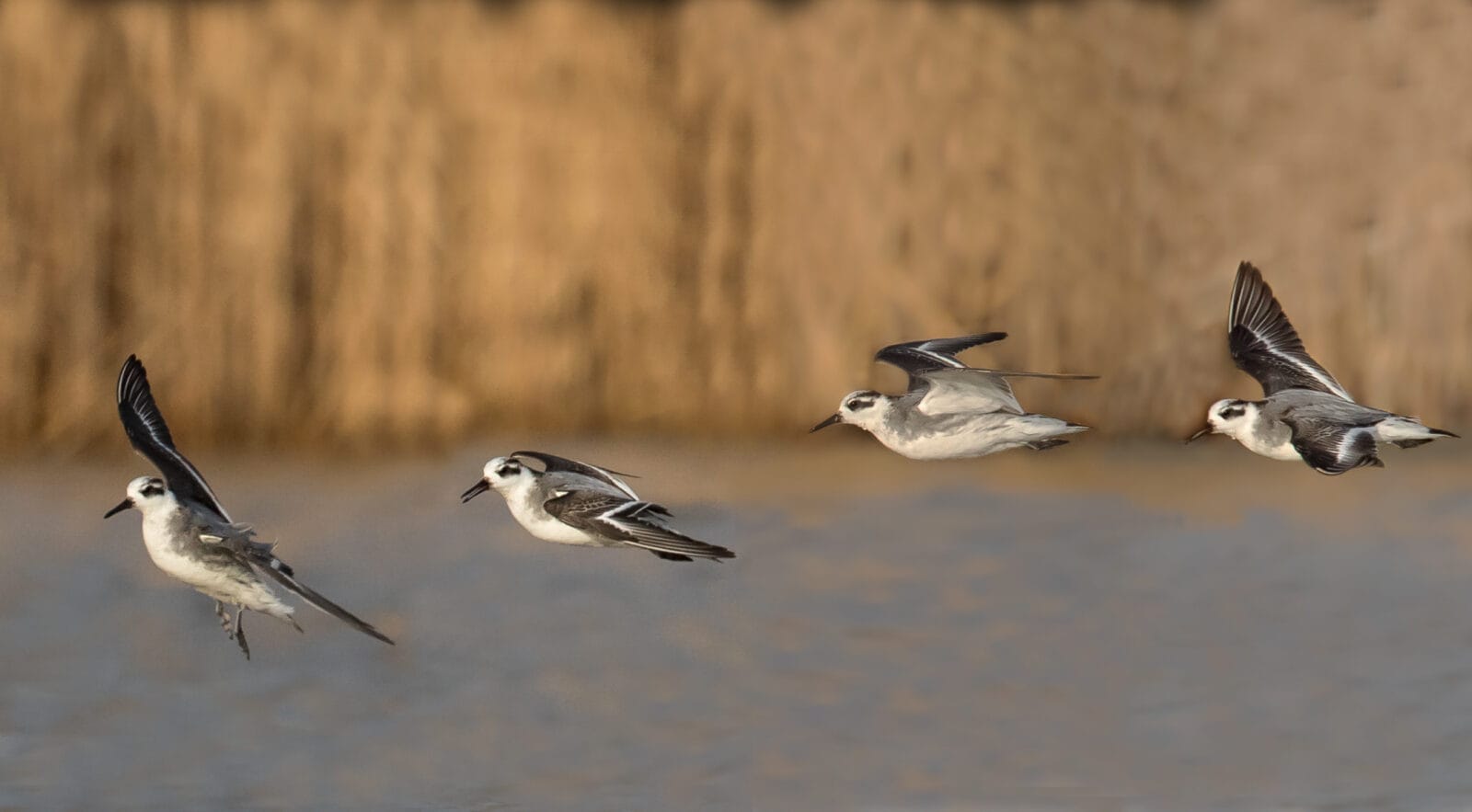
Grey Phalarope (composite), Thornwick Pools, by Andrew Allport

15th February 2020

An overcast day, with strong winds strengthening throughout; after a foggy start, it was overcast with spells of rain, whilst temperatures reached 11 degrees C. A Blue Fulmar was the undoubted highlight of an otherwise quiet morning seawatch. Two Pink-footed Geese and the Russian White-fronted Goose remained, but there was no sign of the Grey Phalarope at Thornwick Pools. A total of 73 Magpies was noteworthy, as were 30 Redwings and a Chiffchaff.

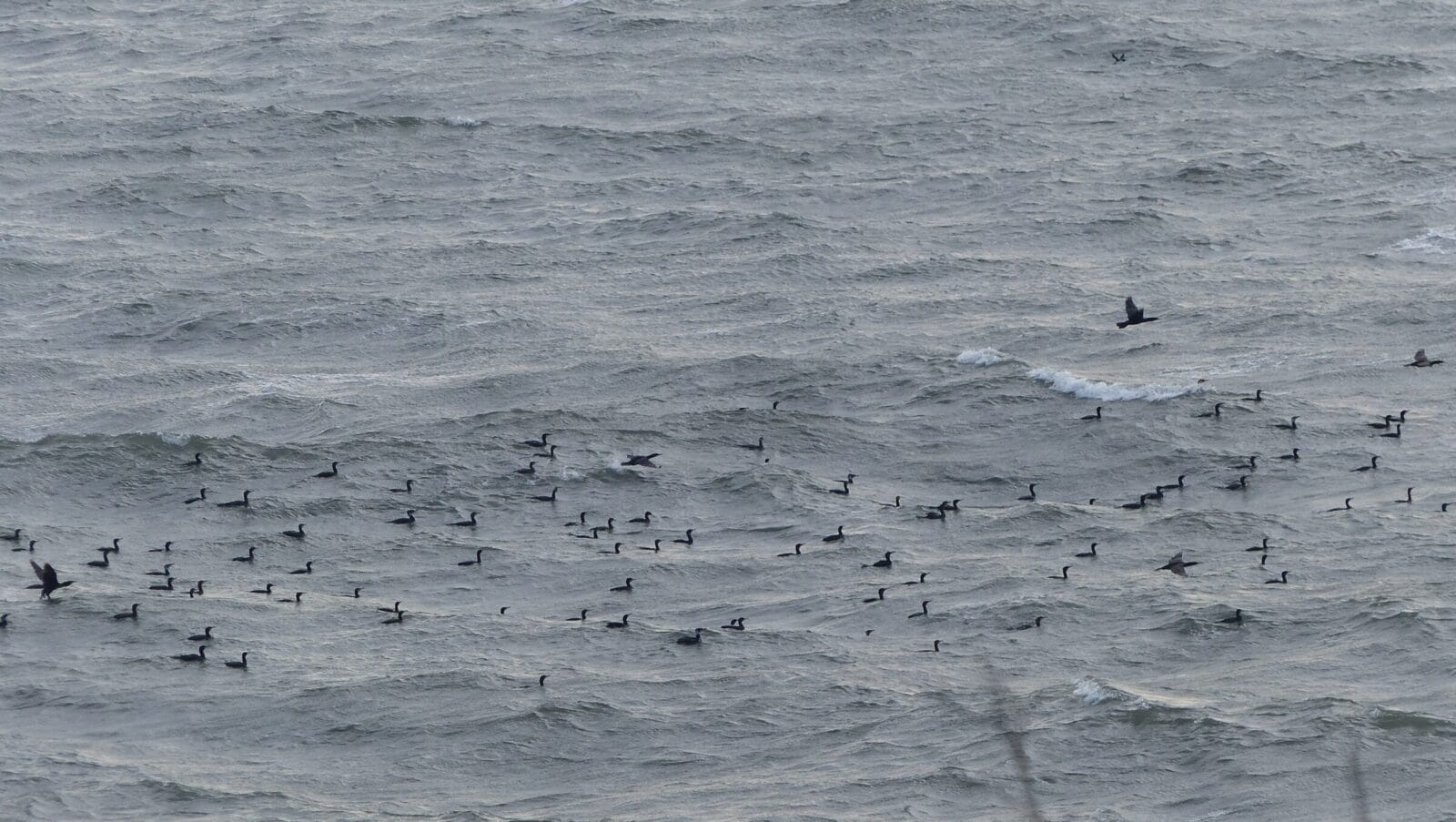
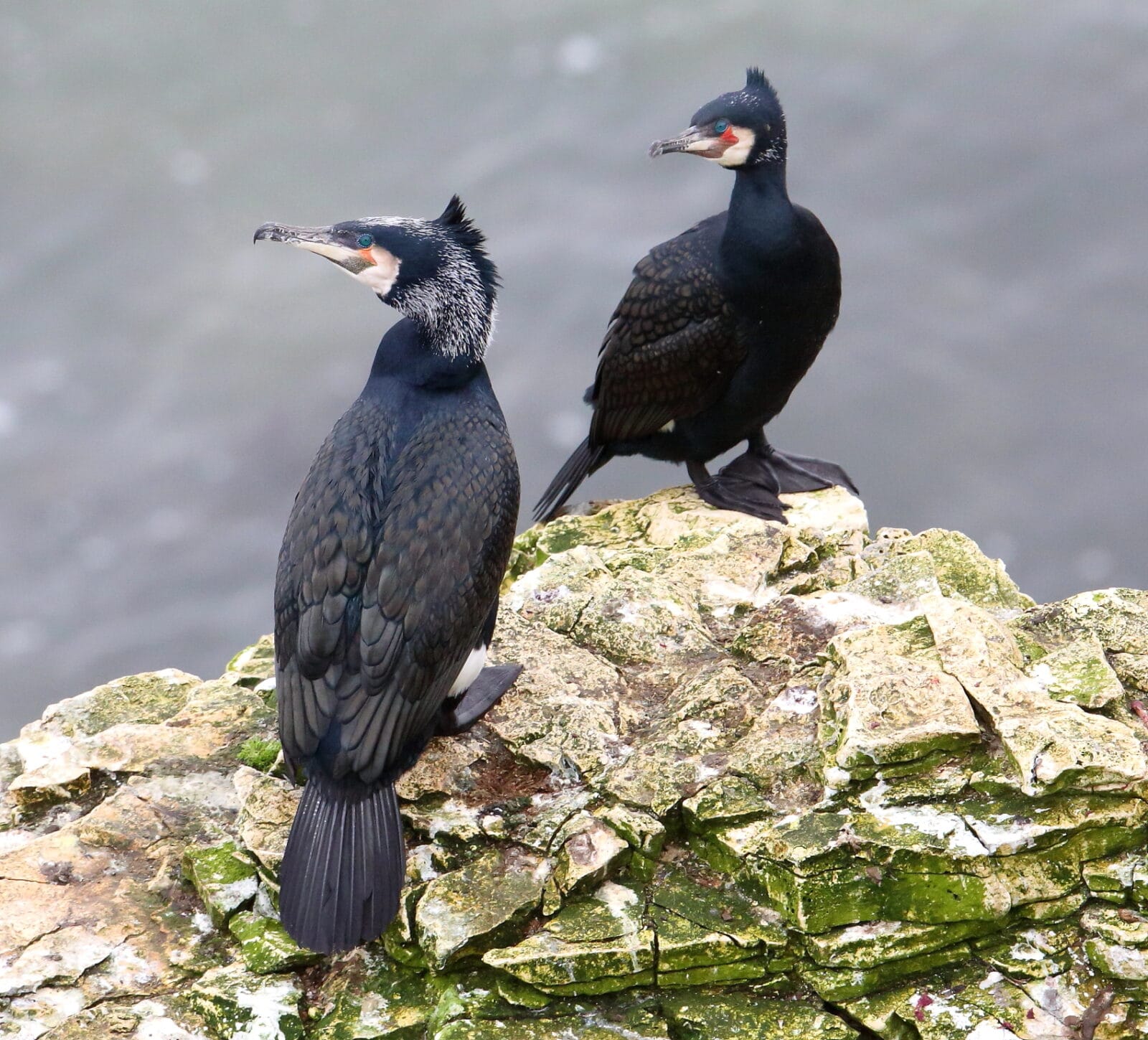
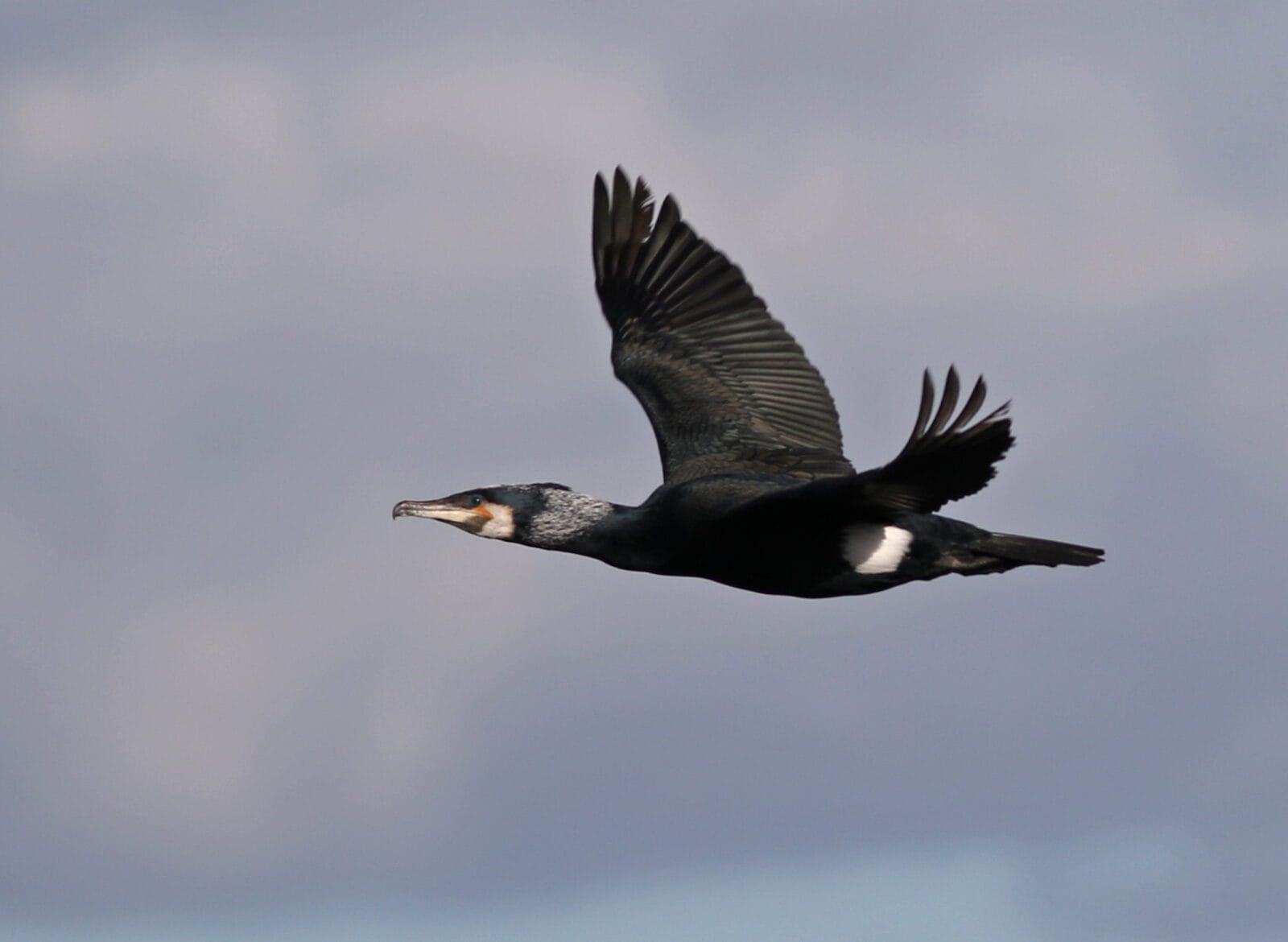
Cormorants, Seawatch Observatory, by Phil Buxton

16th February 2020

Strong south-westerly winds were once more dominant during a day of heavy showers after very significant amounts of overnight rain. During the morning seawatch, 18,000 Guillemots flew south along with two Wigeon and a drake Eider. Two Pink-footed Geese and the Russian White-fronted Goose lingered, along with two Mute Swans. Twenty Snow Buntings re-appeared at Cattlemere, while a Short-eared Owl showed well at RSPB Bempton Cliffs.

Short-eared Owl, by Alan Walkington

17th February 2020

A relatively bright day, with occasional showers, a moderate/strong south-westerly wind and temperatures reaching eight degrees C. The two Pink-footed Geese, a Russian White-fronted Goose and two Mute Swans were still present. Passerine interest included the year’s first Fieldfare, 27 Redwing and a Grey Wagtail.

Pink-footed Goose, Flamborough, by Tony Dixon

18th February 2020

A relatively overcast day, with a moderate south-westerly wind and temperatures reaching nine degrees C. Thornwick Pools attracted a Shelduck and five Teal, whilst the local pair of Barn Owls showed well there late afternoon. 

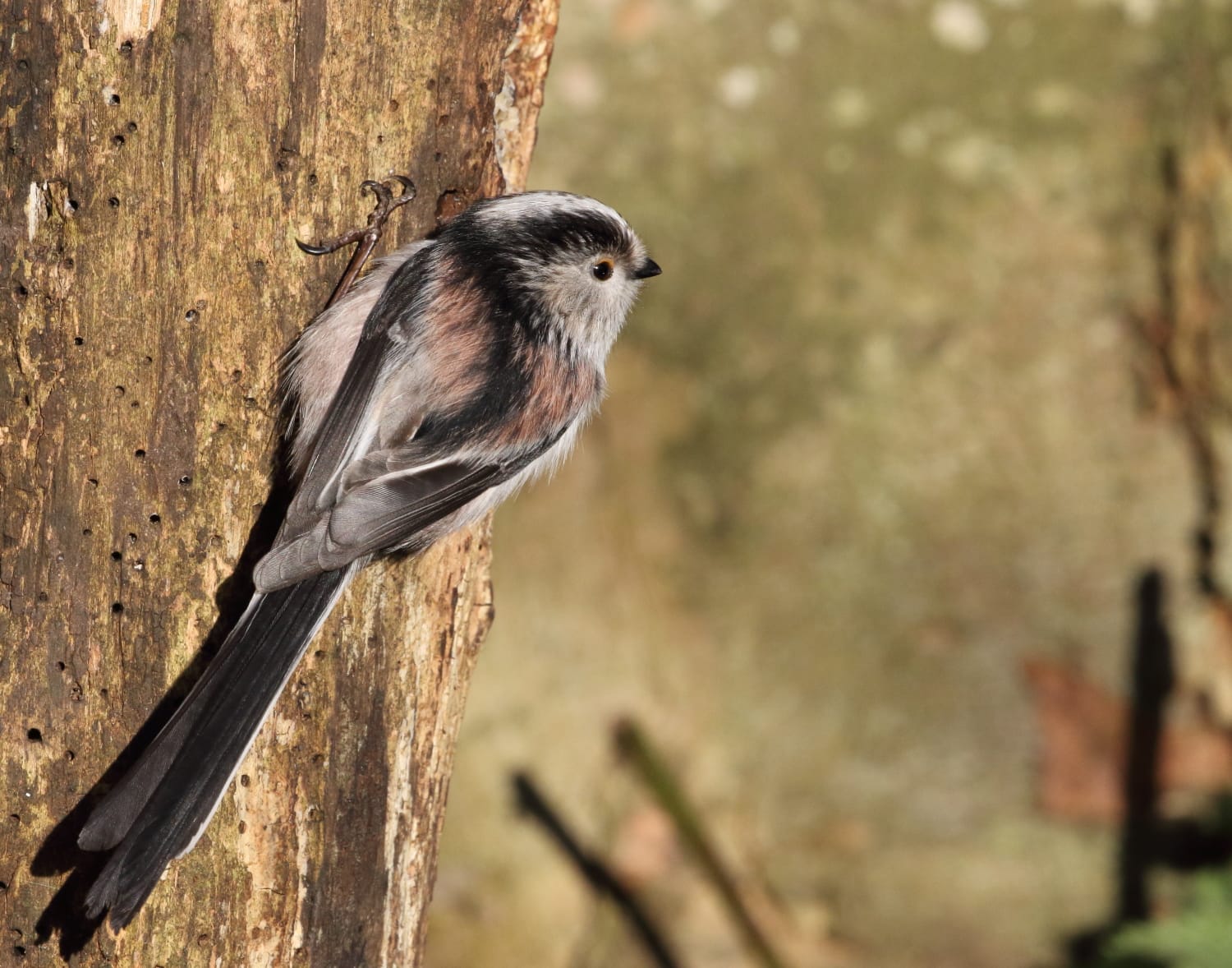
Long-tailed Tit, Sewerby Hall Gardens, by Mike Smith

19th February 2020

Sunny intervals first thing, with increasing amounts of cloud and light rain from mid-afternoon; moderate/strong westerlies and temperatures reached six degrees C. Wildfowl interest included the Russian White-fronted Goose, five Pink-footed Geese, two Shelduck, 28 Wigeon and 86 Teal. A flock of 255 Cormorants flew south over North Marsh soon after first light, whilst raft of 1020 Common Gulls on the sea around High Stacks represented an appreciable influx. Additional sightings included a Tawny Owl at Greenacres and a Lapland Bunting flying south-east over Thornwick.

A Blackcap singing at Marton Hall was the first of the year. 

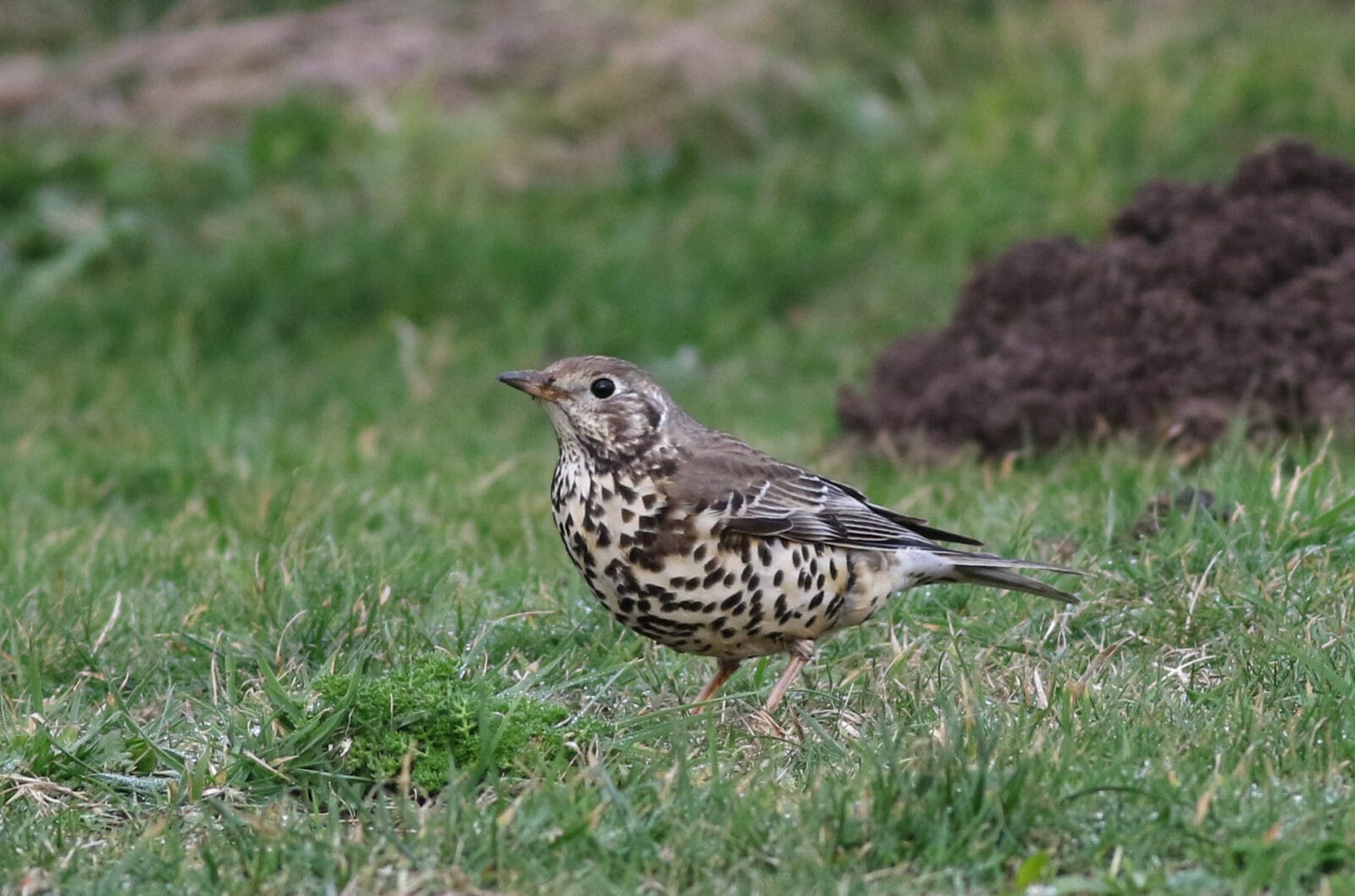
Mistle Thrush, Fog Station, by Craig Thomas

20th February 2020

The weather consisted of strong south-westerly winds, overcast skies with a belt of relatively light rain passing through and temperatures that reached nine degrees C late morning, before dropping away. Five Pink-footed Geese and the Russian White-fronted Goose again frequented fields near Micklemires, whilst 34 Wigeon were near North Marsh. A total of 62 Purple Sandpipers around the Fog Station represented the winter’s highest count.

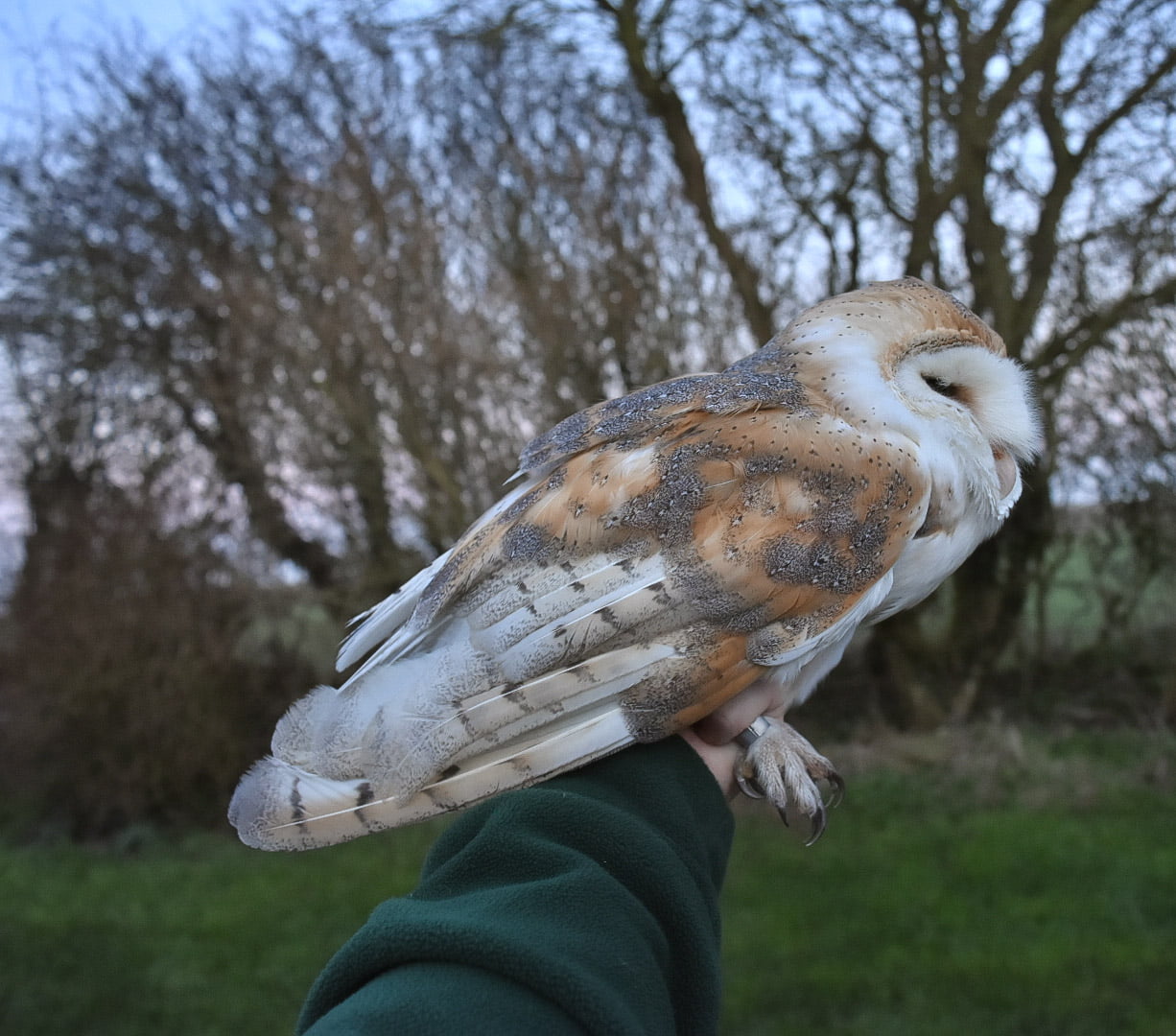
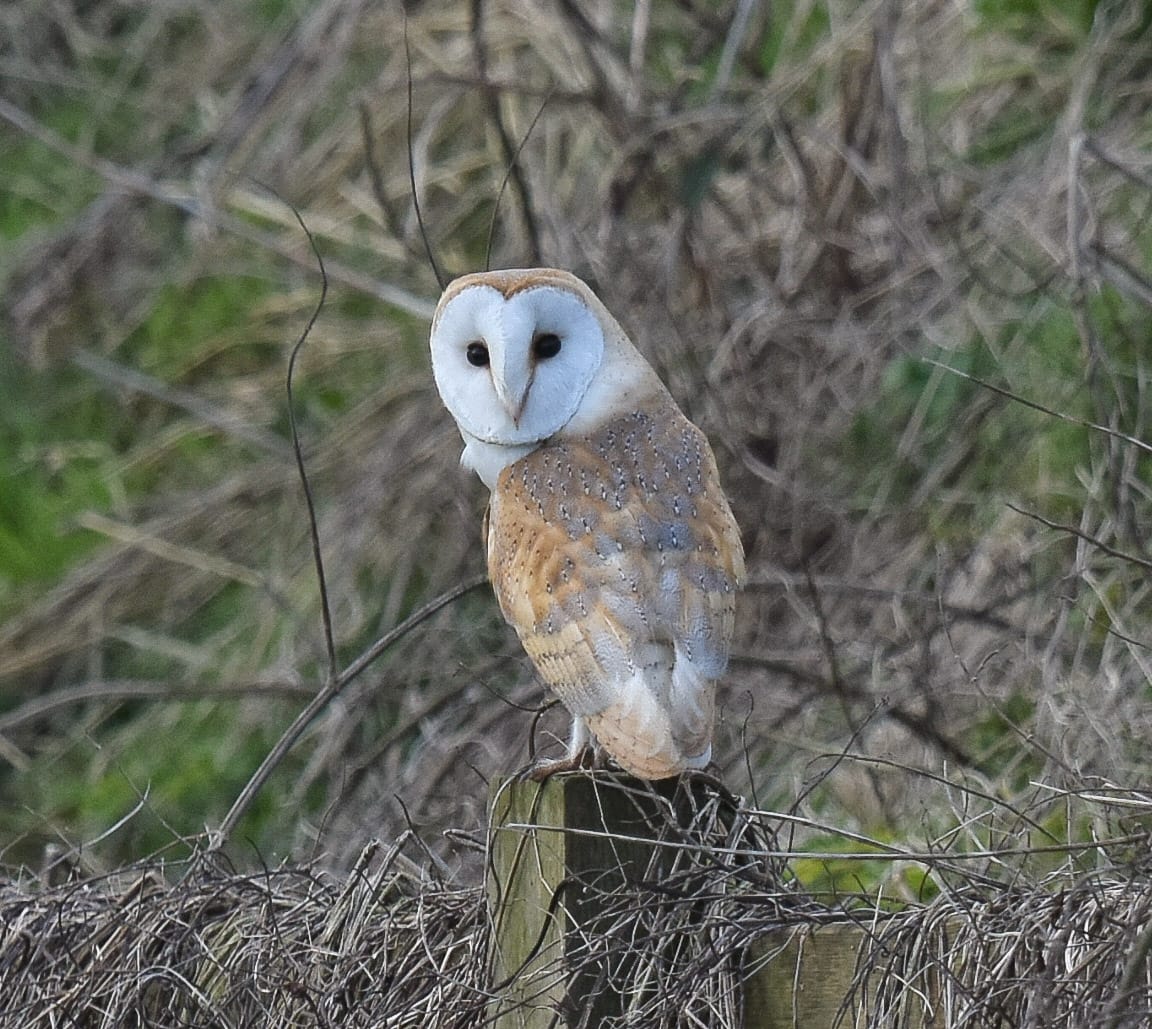
Barn Owl, Oceanview, by Andy Hood

Friday, 20th February 2020

Another day of strong south-westerlies and overcast skies.  Temperatures slowly rose throughout the day reaching 11C by late afternoon.

There was scant reward for seawatching with 12 Red-throated Divers being the highlight while 74 Purple Sandpipers were present on the rocks at Stacks.  

Common Gulls put in an impressive count with 2742 seen from the southern cliffs between South Landing and Cattlemere with a Mediterranean Gull, 3 Common Scoter, an Eider and 37 Red-throated Divers also present.  The cliff top at Cattlemere also held 4 Snow Buntings and 2 Lapland Buntings.  A single Stonechat was near North Landing.

Two Short-eared Owls continued to hunt across the fields on the reserve at Bempton Cliffs.

Coal Tit, Sewerby Hall Gardens (Mike Smith)

Saturday, 22nd February, 2020

Another day of south-westerly gales which seem interminable.  Cloud cover was variable and temperatures reached 10C.

Birding conditions were rather testing again with only the hardiest of souls venturing out and little reward for their effort.  The pick of the day was a Water Rail at Stylefield Pond and a flock of 60 Yellowhammers at Hartendale.

Treecreeper, Sewerby Hall Gardens (Mike Smith)

23rd February 2020

Westerly winds increased in strength throughout the day, with sunny intervals from early afternoon, after an overcast start; temperatures reached seven degrees C. Little moved past the headland during the morning seawatch, although large feeding flocks were present and included 400 Gannets, 200 Cormorants and several thousand Guillemots. The Russian White-fronted Goose remained, as did the far more elusive Jay which showed again at South Dykes; only the fourth sighting since the start of the year. A Short-eared Owl and two Snow Buntings were seen at RSPB Bempton Cliffs. 

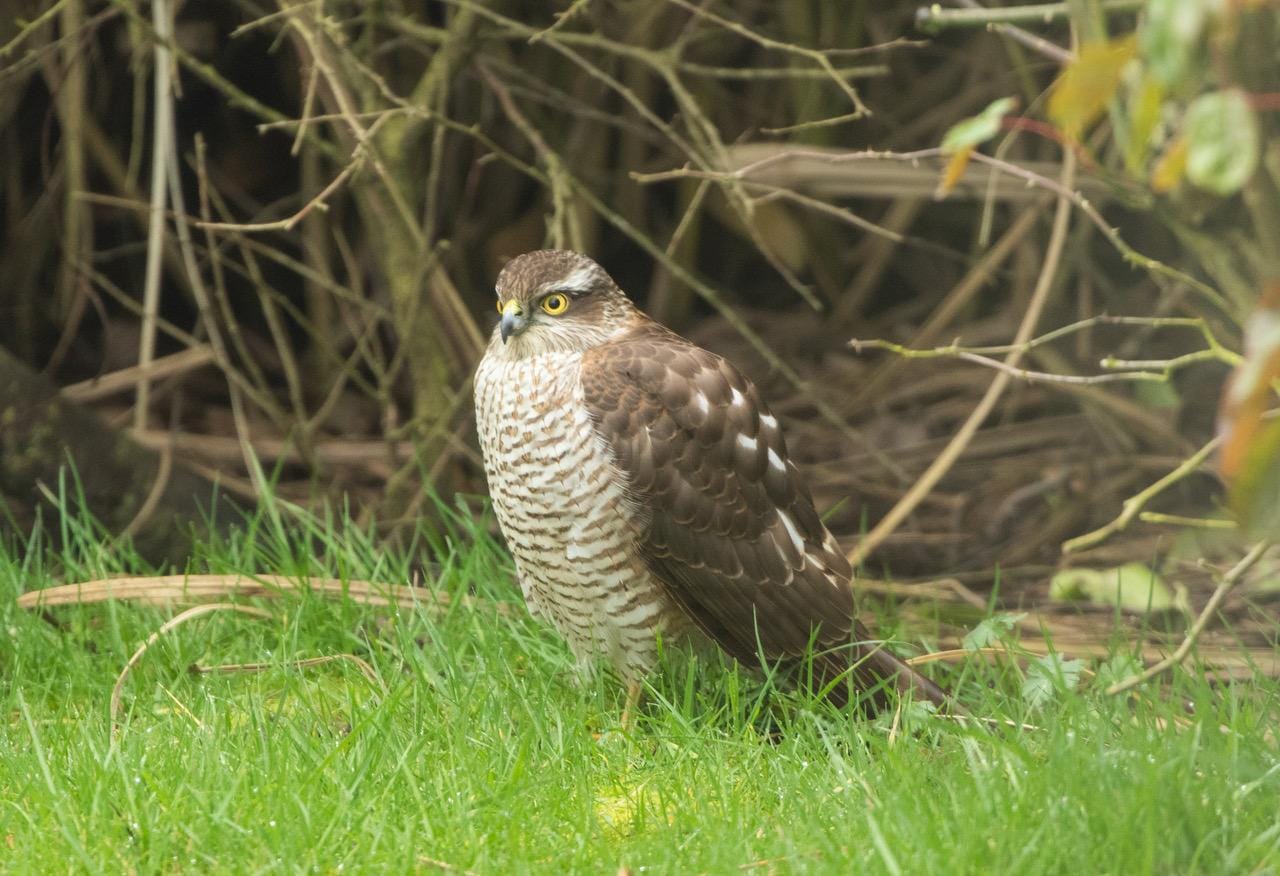
Sparrowhawk, outer head, by Chrys Mellor

24th February 2020

Conditions improved from late morning following heavy rain and strong southerly winds, with brighter intervals and strong westerly winds late afternoon. The Russian White-fronted Goose and three Pink-footed Geese again accompanied the Greylag flock. Two Little Auks flew north out of Bridlington Bay past South Landing mid-afternoon. A Grey Wagtail visited Thornwick Pools late on, with 66 Yellowhammers and four Corn Buntings nearby. RSPB Bempton Cliffs again attracted two Short-eared Owls

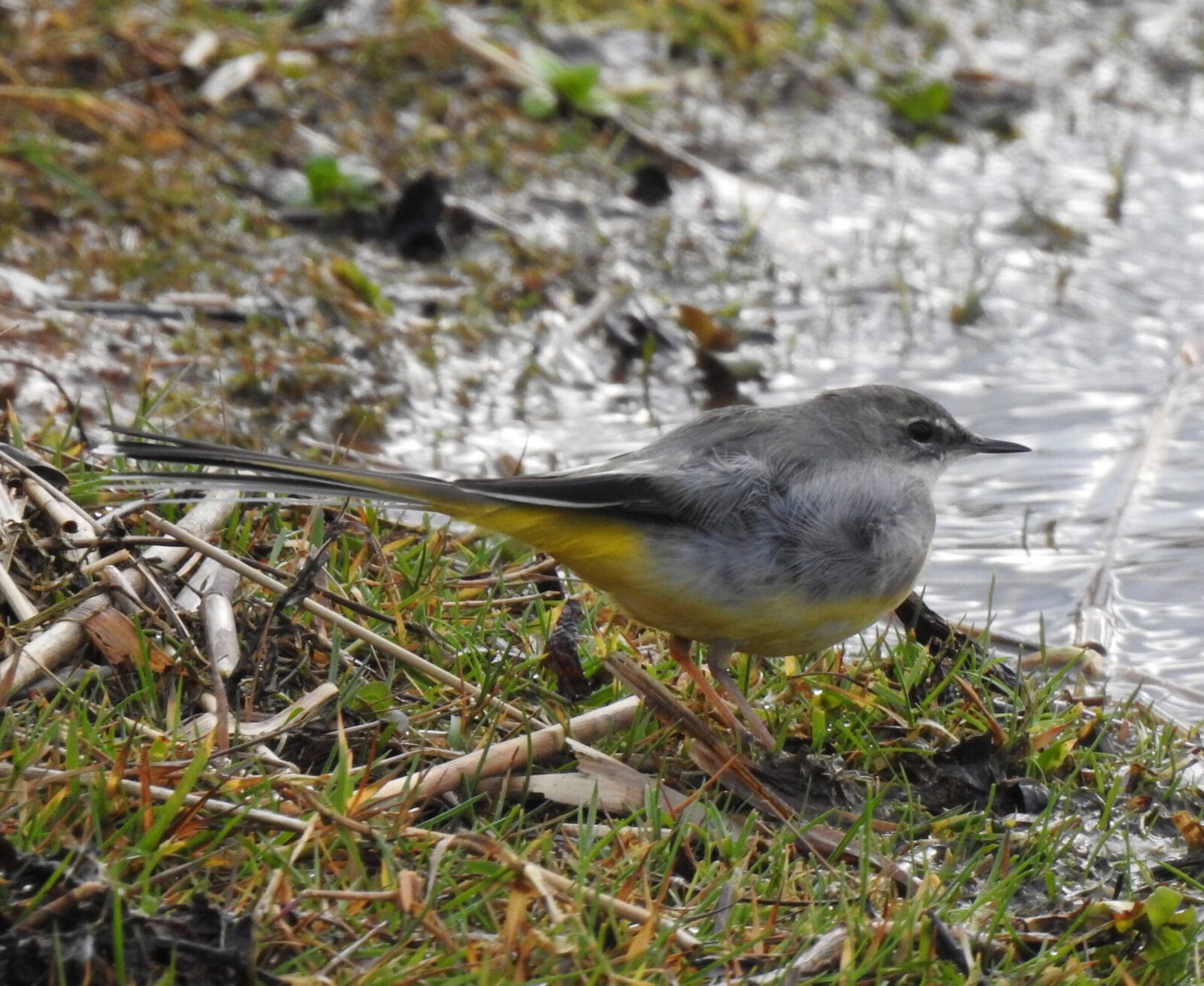
Grey Wagtail, Thornwick Pools, by Brett Richards

25th February 2020

The first day in an age without strong winds – that said, moderate westerly winds developed during the afternoon that also featured sunny intervals and temperatures that peaked at six degrees C. Two Blue Fulmars flew south during the morning’s seawatch. 

Five Pink-footed Geese and the Russian White-fronted Goose remained, as did 250 Cormorants off the outer head; the bulk of which later relocated to South Landing. A Water Rail and two Snipe frequented pools immediately east of the village. RSPB Bempton Cliffs again hosted two Short-eared Owls

Barn Owl, Lighthouse Road, by Andy Hood

26th February 2020

The weather consisted of sunny intervals, light/moderate north-westerly winds and temperatures that peaked at six degrees C. Seawatching highlights included the year’s first Long-tailed Duck flying north and 540 Cormorants; the latter smashing Flamborough’s previous record count. 

Wildfowl interest on the headland included the Russian White-fronted Goose, four Pink-footed Geese, 27 Wigeon and 83 Teal. Passerine sightings included 55 Skylarks, four Stonechats, a Grey Wagtail, 43 Meadow Pipits, 36 Rock Pipits, at least four of which were Scandinavian, 71 Linnets, a Corn Bunting and 48 Yellowhammers. RSPB Bempton Cliffs hosted two Short-eared Owls.

Cormorant, outer head, by Craig Thomas

27th February 2020

Winds initially from the south-west veered north-west and strengthened during the afternoon; sunny intervals throughout, with temperatures reaching seven degrees C. The most notable seawatch sighting referred to eight Gadwall flying south. Five Pink-footed Geese and the Russian White-fronted Goose frequented the outer head, whilst RSPB Bempton Cliffs again hosted a Short-eared Owl.

Short-eared Owl, RSPB Bempton Cliffs, by Alan Walkington

28th February 2020

Moderate southerly winds throughout, with rain arriving late morning and temperatures only reaching four degrees C. During a relatively quiet morning seawatch, 33 Common Scoters flew south. The White-fronted Goose and five Pink-footed Geese lingered on the headland, with an an additional 12 Pink-feet flying north; two Shelduck, 28 Wigeon and 70 Teal were also present. Passerine interest included three Scandinavian Rock Pipits and two Stonechats near North Marsh, whilst five Pied Wagtails represented an increase. 

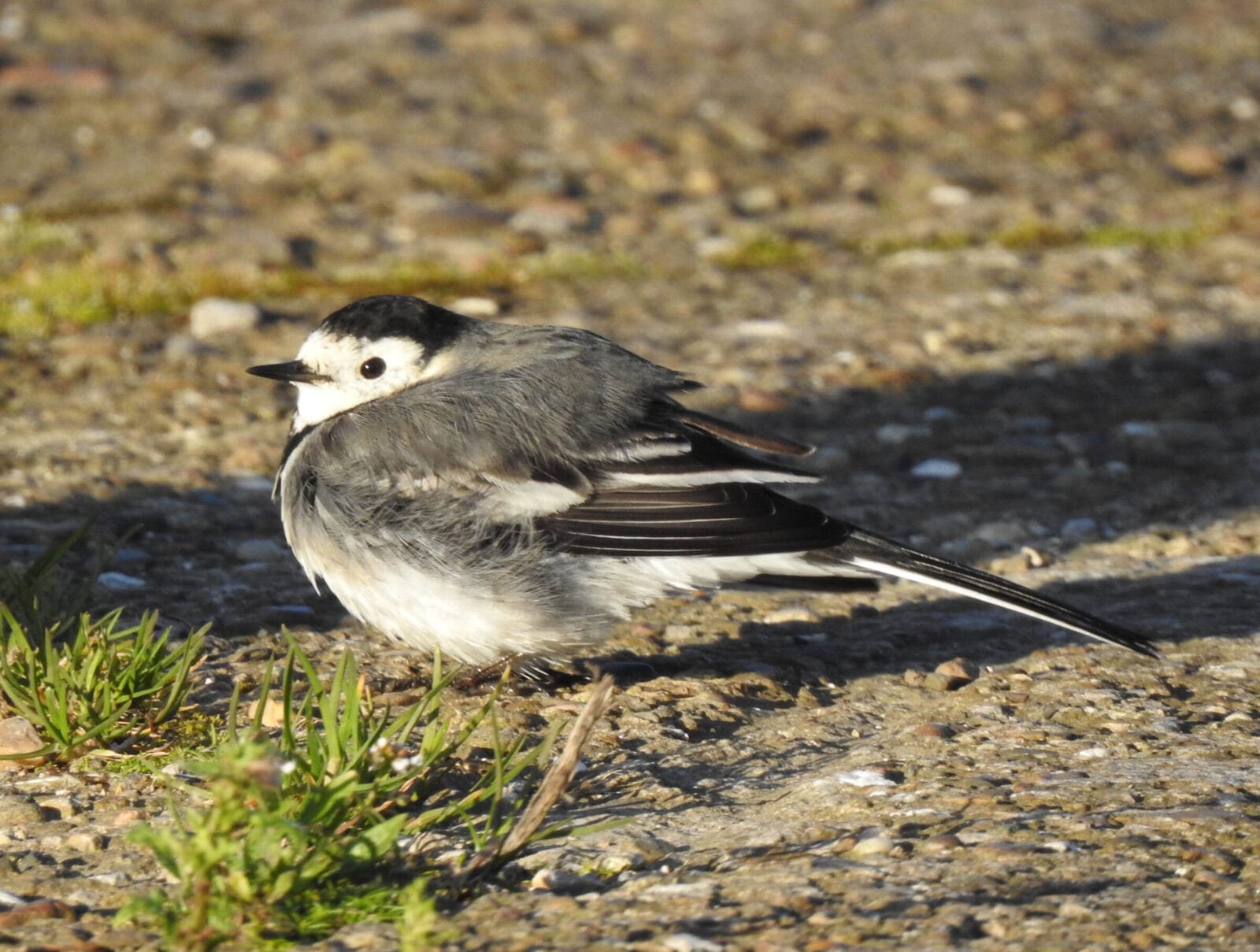
Pied Wagtail, Flamborough, by Brett Richards

29th February 2020

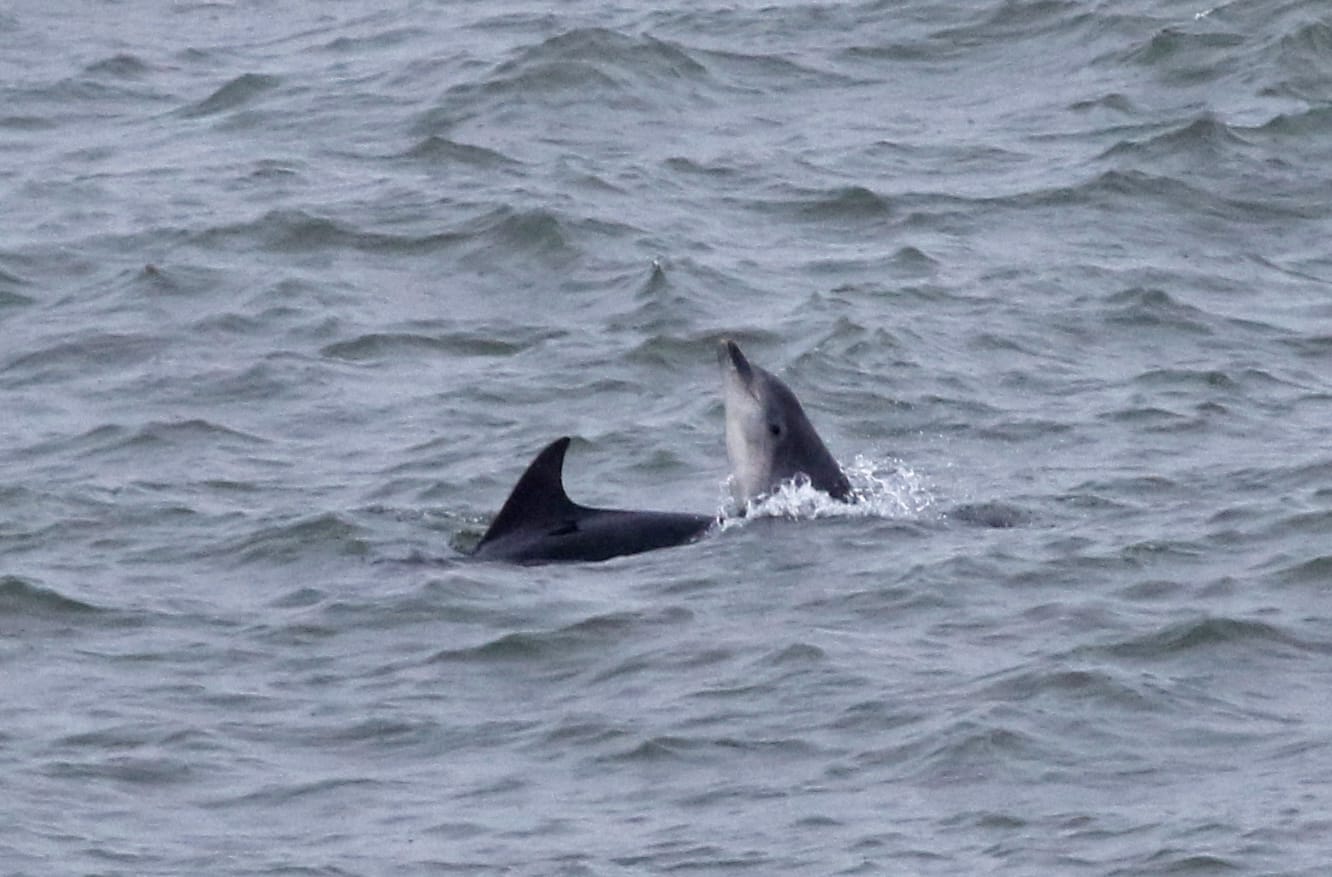
An overcast start including spells of light rain, with sunny intervals developing later; south-westerly winds increased in strength when temperatures dropped to four degrees C. The highlight of the morning’s seawatch involved a Black-throated Diver on the sea off the Seawatch Observatory before it drifted into Bridlington Bay. A pod of 15 Bottlenose Dolphins also provided entertainment as they swam north close inshore, with additional sightings including two Eider and 77 Kittiwakes flying south. A single Short-eared Owl showed well at RSPB Bempton Cliffs.

Bottlenose Dolphins, Seawatch Observatory, by Craig Thomas

1st March 2020

An overcast morning, with sunny intervals becoming more prevalent during the day; strong south-westerly once more and temperatures reached six degrees C. Thirty-five Red-throated Divers and ten Great Crested Grebes frequented inshore waters, whilst the headland itself attracted five Pink-footed Geese and the Russian White-fronted Goose. Two Short-eared Owls again hunted the grasslands near the visitor centre at RSPB Bempton Cliffs. 

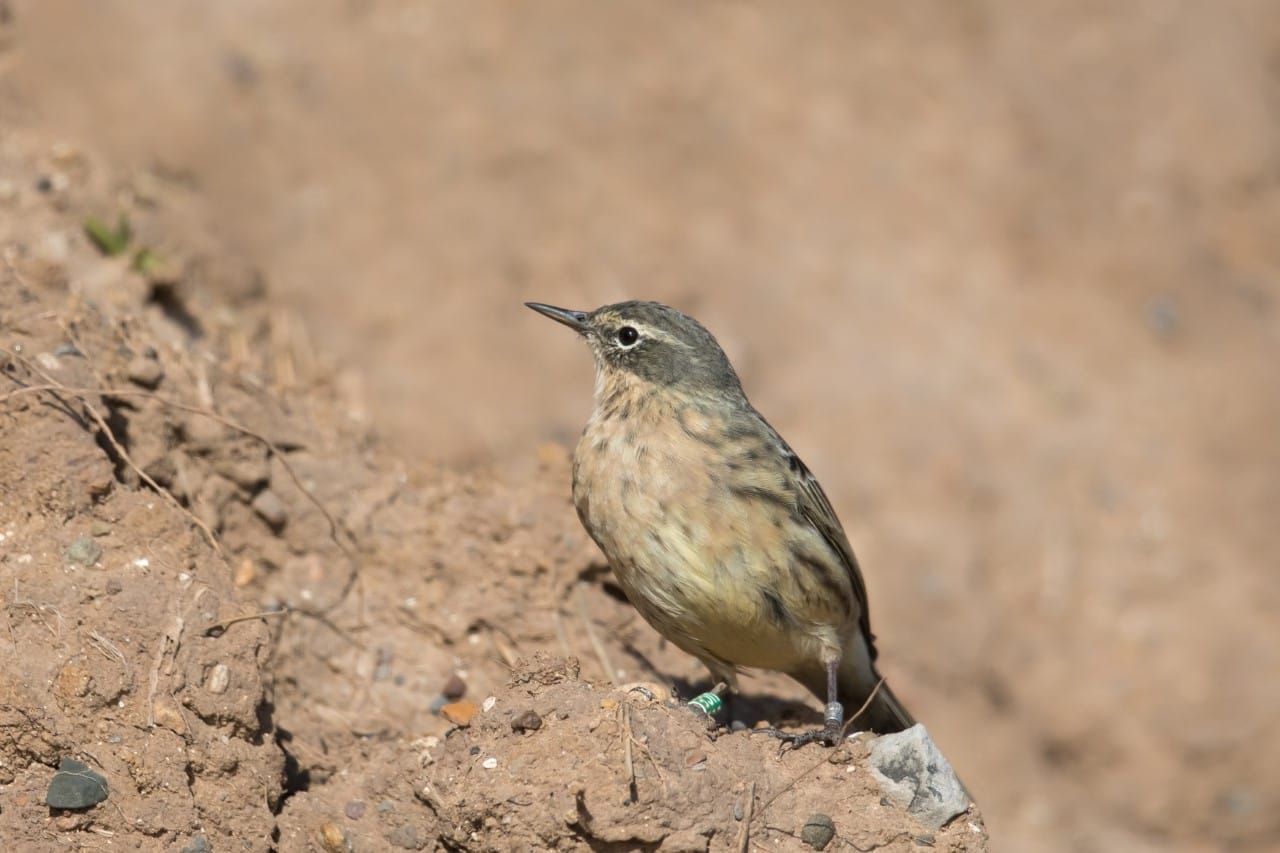
Scandinavian Rock Pipit, South Landing, by Andrew Allport

2nd March 2020

The winds relented at last, with light south-westerlies and prolonged sunny intervals; temperatures reached eight degrees C. Seawatch highlights included 95 Pink-footed Geese flying north; 540 Kittiwakes also represented a significant increase on recent days. Elsewhere, five Stonechats in the Lighthouse Grasslands early morning were probably migrants, whilst 20 Snow Buntings frequented cliff top fields between Cattlemere and South Landing. RSPB Bempton Cliffs hosted a Short-eared Owl

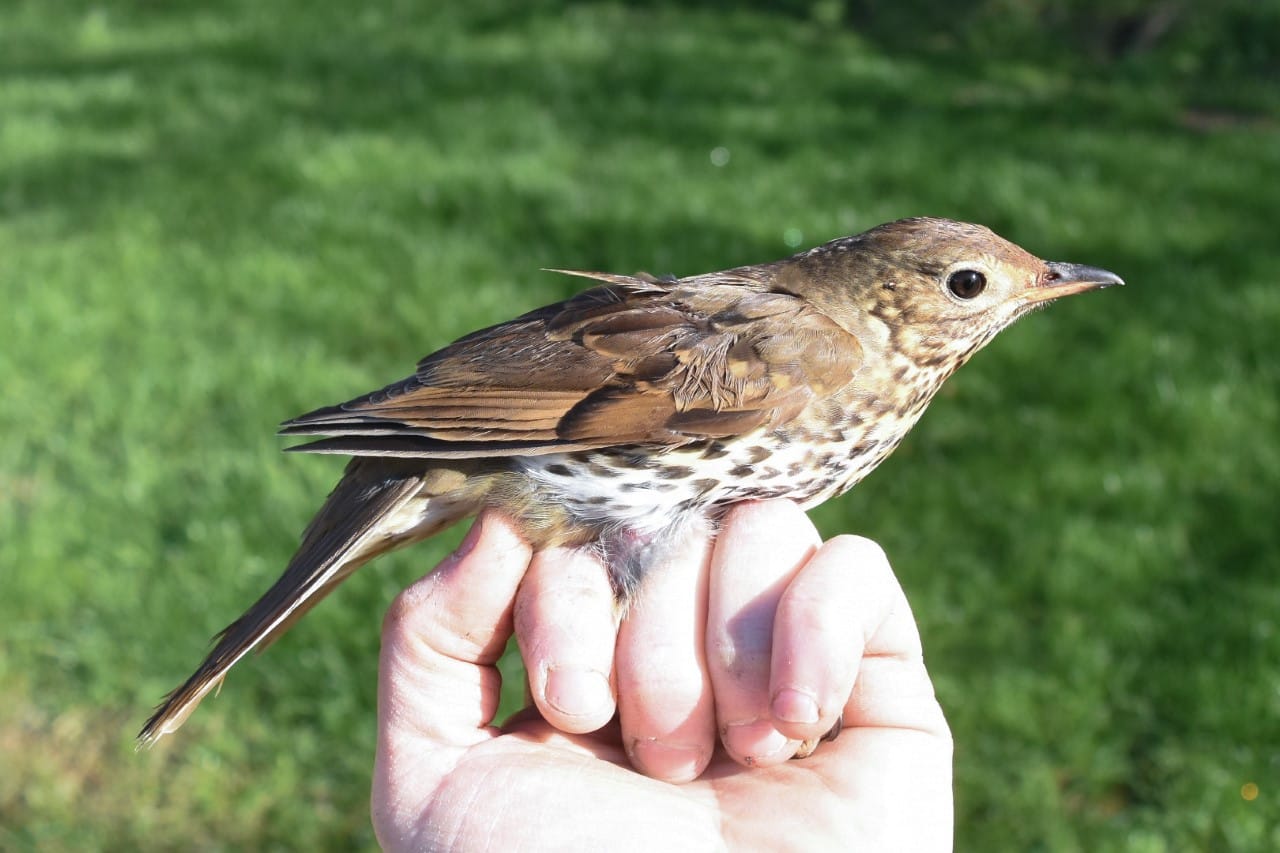
Song Thrush, Oceanview, by Andy Hood

3rd March 2020

The weather consisted of light westerly winds, sunny intervals, especially during the morning and temperatures reached eight degrees C. A northerly movement of Pink-footed Geese was a notable feature: a total of 890 birds flew over the headland. Seawatching was also rewarded by a Goldeneye flying south and 148 Kittiwakes moving north. The year’s first two Puffins returned to RSPB Bempton Cliffs.

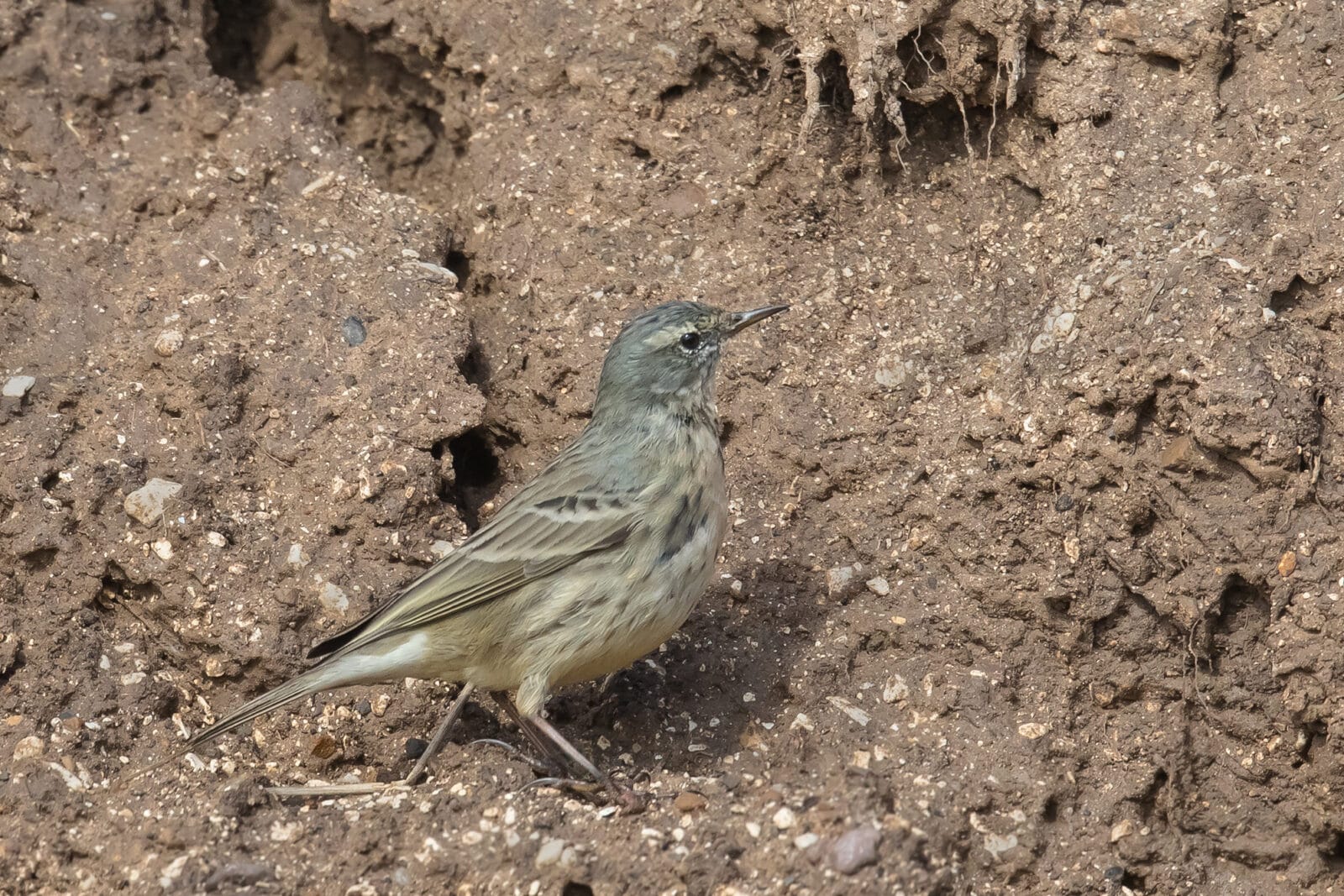
The discovery of an unseasonal Richard’s Pipit in the cliff top field immediately east of North Landing provided the day’s highlight. Other notable sightings included the Russian White-fronted Goose, 87 Teal, a Chiffchaff, a Grey Wagtail, 53 Rock Pipits, four Scandinavian Rock Pipits, the re-appearance of the Black Redstart at the Fog Station and 17 Snow Buntings

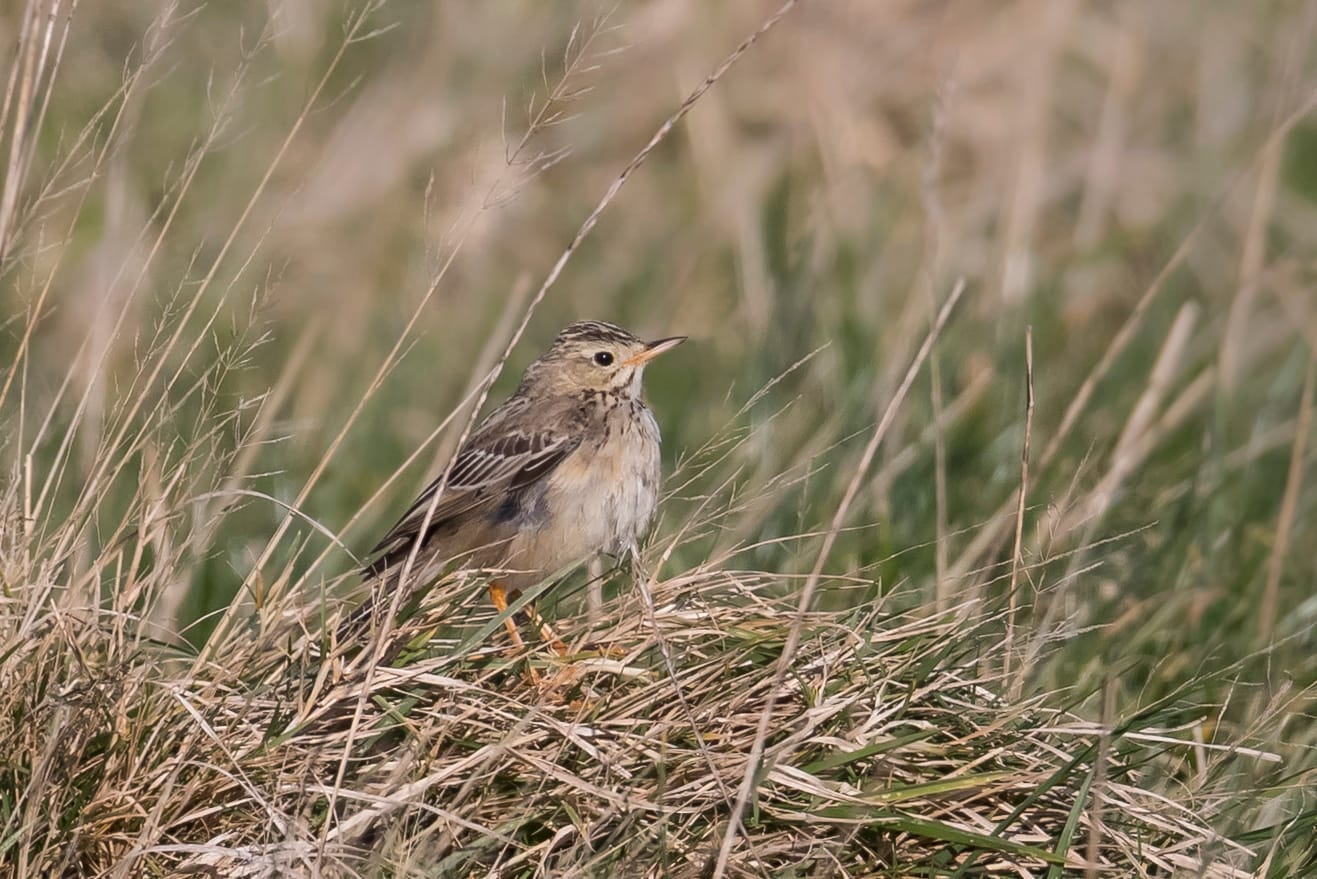
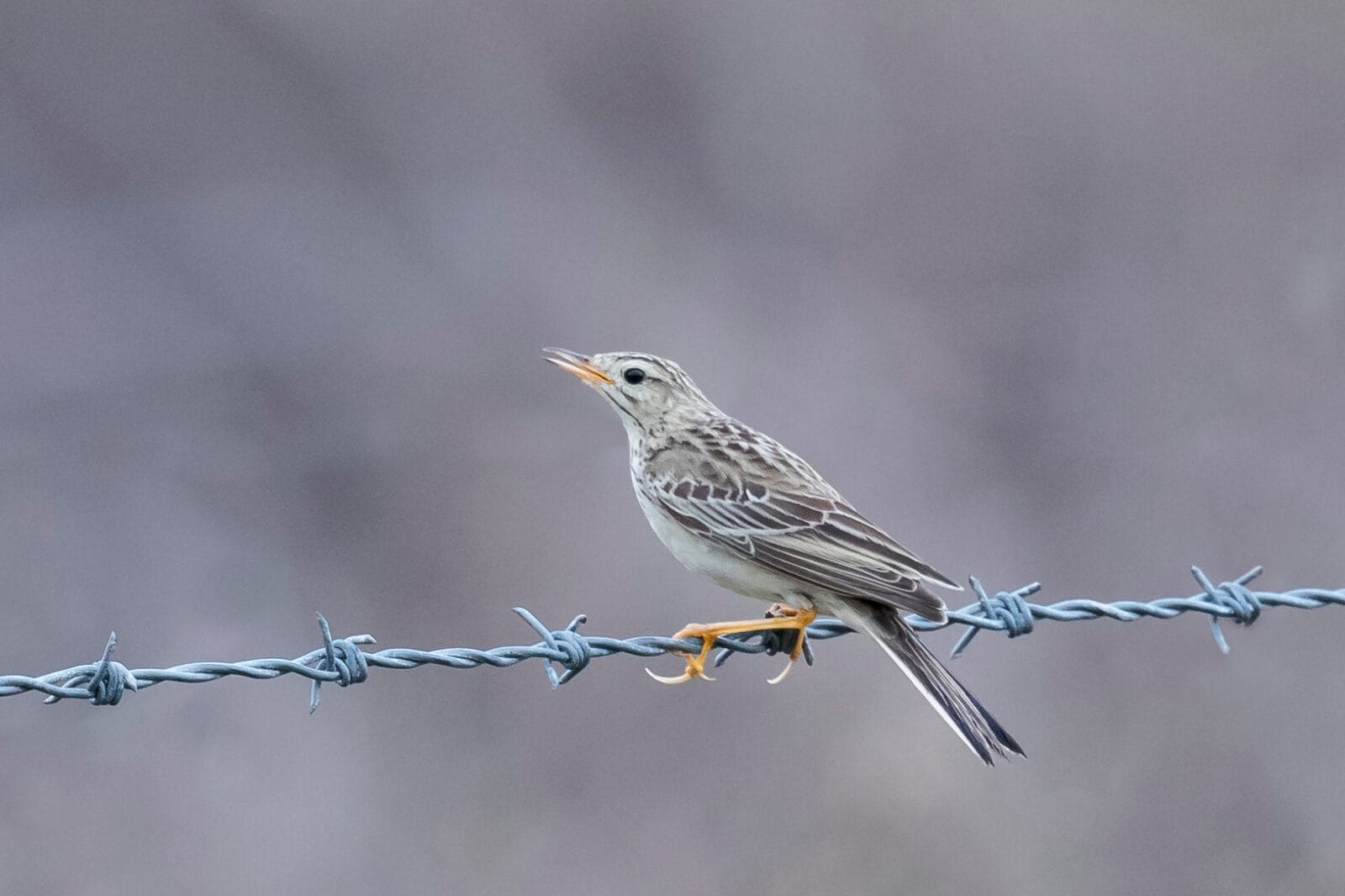
Richard’s Pipit, North Landing, by Andrew Allport

4th March 2020

A relatively sunny day, with light westerly winds and temperatures peaking at seven degrees C. The morning’s seawatch was quiet, although a lone Puffin flew north. 

The Richard’s Pipit remained in the cliff top field immediately east of North Landing, the Black Redstart showed well at the Fog Station and 18 Snow Buntings frequented stubbles/plough along the South Cliffs east of South Landing. Additional sightings included a Chiffchaff on the cliff top near Old Fall which then flew north and a Stonechat at Hartendale.

Black Redstart, Fog Station, by Alan Walkington

5th March 2020

Prolonged sunny intervals featured throughout a day of light north-easterly winds and temperatures that reached six degrees C on the outer head. The morning seawatch was quiet, although three Wigeon and a Puffin flew south; the latter was one of several seen, with additional records from North Landing and RSPB Bempton Cliffs. A Woodcock flushed near South Landing was presumably a migrant.

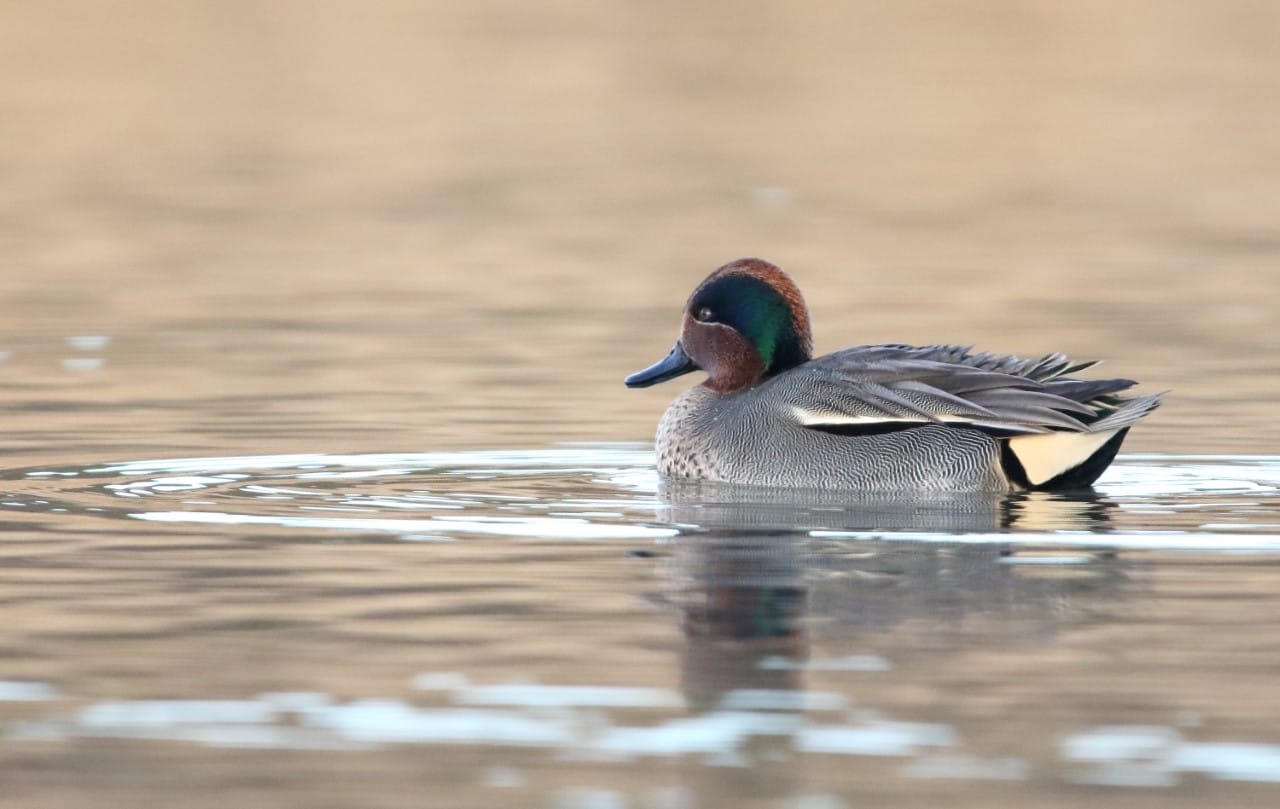
Teal, Thornwick Pools, by Mike Smith

6th March 2020

The weather consisted of light northerly winds, sunny intervals and temperatures that reached seven degrees C. During the morning seawatch, three Eiders, 368 Kittiwakes and a Puffin flew north. 

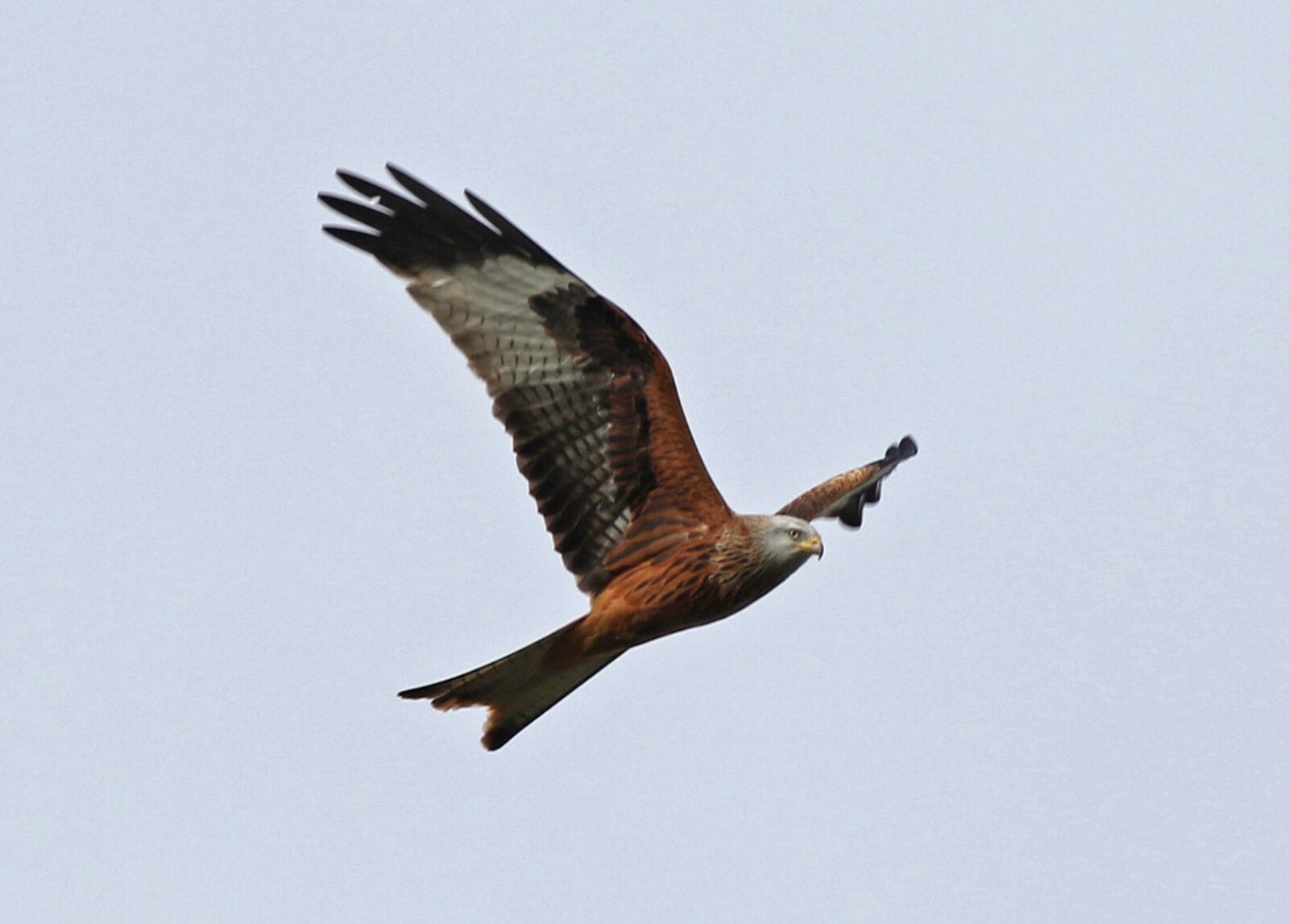
Wildfowl interest on the headland included the Russian White-fronted Goose, five Pink-footed Geese, 27 Wigeon and 60 Teal. Two Grey Partridges were located near North Landing, whilst two Red Kites initially seen over there eventually flew south past the Fog Station. The Richard’s Pipit remained at North Landing, with four Chiffchaffs, four Stonechats, five Scandinavian Rock Pipits, 18 Corn Buntings and six Snow Buntings in residence. Two Short-eared Owls frequented RSPB Bempton Cliffs once again.

Red Kite, North Landing, by Craig Thomas
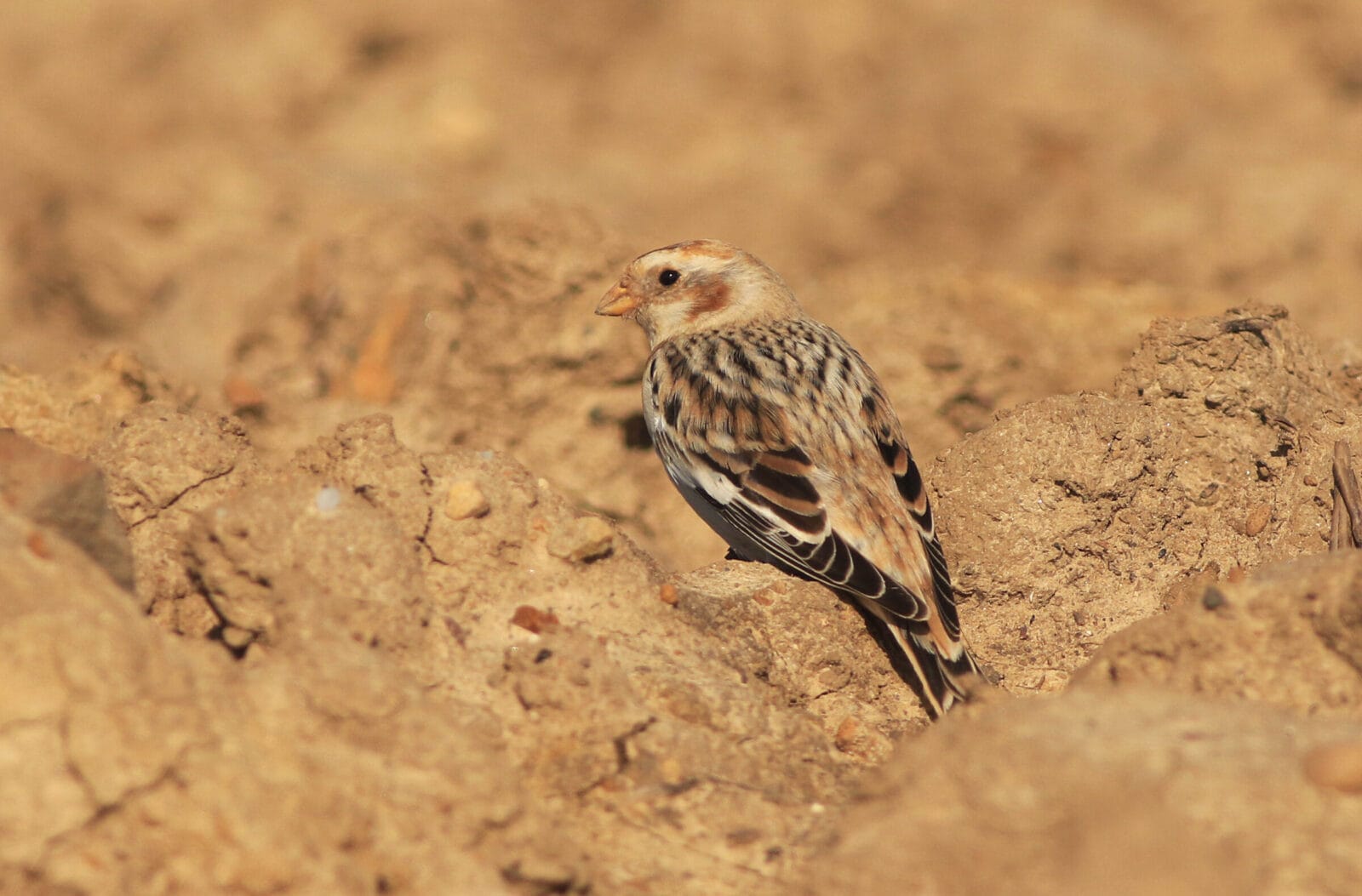
Snow Bunting, South Cliffs, by Mark Pearson

7th March 2020

An overcast day, with light rain early morning and brighter intervals later; a south-south-west gradually increased in strength and temperatures rose to peak at 11 degrees C in the afternoon. Although there was little bird movement over the sea, cetaceans showed well morning and afternoon; up to 50 dolphins were present, with a pod of at least 12 Bottlenose Dolphins and separate pods of at least 25 White-beaked Dolphins feeding offshore. Elsewhere, the Russian White-fronted Goose continued its long residence, whilst Richard’s Pipit at North Landing was as elusive as ever.

Scandinavian Rock Pipit, South Landing, by Andrew Allport

8th March 2020

The weather consisted of sunny intervals and occasional showers, with moderate west-south-westerly winds and temperatures that reached 11 degrees C. Five Pink-footed Geese and a Russian White-fronted Goose lingered with the Greylag flock. A total of 22 Great Crested Grebes on the sea represented an increase, whilst a male Merlin overflew Hartendale.

Cormorants, North Cliffs, by Alan Walkington

9th March 2020

A sunny start to the day, although overcast skies established during an afternoon that featured increasingly strong westerly winds; temperatures reached 11 degrees C. The only notable records received related to four Stonechats in residence within the Lighthouse Grassland and the long-staying, but often very elusive, Black Redstart at the Fog Station.

Black Redstart, Fog Station, by Alan Walkington

10th March 2020

A relatively overcast day, with increasingly strong south-westerly winds and temperatures that peaked at 14 degrees C. During the seawatch, four Eiders, a Lesser Black-backed Gull and a Puffin flew north, whilst a Bonxie headed in the opposite direction. In addition, 25 Bottlenose Dolphins fed offshore before they headed off north. Land-based sightings included the long-staying Russian White-fronted Goose, 22 Wigeon, the year’s first Hooded Crow near South Dykes, a Grey Wagtail and the Richard’s Pipit; the latter at North Landing.

Richard’s Pipit, North Landing, by Andrew Allport

11th March 2020

The weather consisted of prolonged sunny intervals, increasingly strong south-west winds and temperatures reaching 11 degrees C. During the morning’s seawatch, three Sanderling flew south, whilst four Bottlenose Dolphins swam north. 

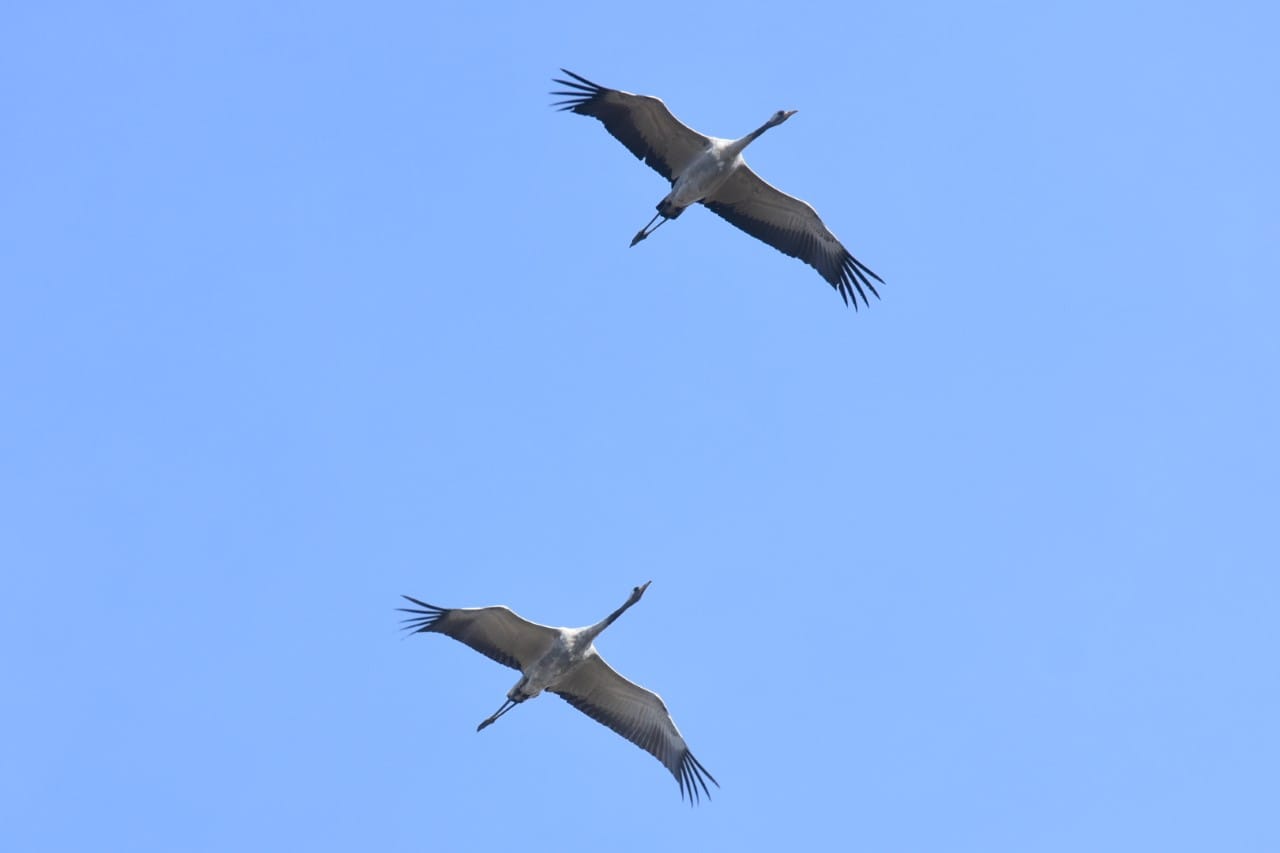
The day’s highlight related to two Cranes that flew in off the sea near Thornwick early afternoon before they headed south-west over the village. Additional sightings included three Barnacle Geese that associated with five Pink-footed Geese near Micklemires. Meanwhile, the Richard’s Pipit remained in situ at North Landing.  

Cranes, Flamborough village, by Andy Hood

12th March 2020

Sunny intervals, with occasional light showers in the afternoon, increasingly strong south-west winds and temperatures that reached eight degrees C by late morning. Three Barnacle Geese accompanied three Pink-footed Geese and the larger Greylag flock. Thornwick Pools attracted a female Tufted Duck and a Grey Wagtail. However, the most notable passerine sighting related to the Richard’s Pipit still in residence at North Landing.

Tawny Owl, South Dykes, by Brett Richards

13th March 2020

Relatively light winds veered from westerlies to north-easterlies during a sunny, but cool day, with temperatures reaching seven degrees C. Seawatching records included two Teal, 433 Fulmars, 4990 Gannets, 1621 Kittiwakes and a Lesser Black-backed Gull flying north. Sightings on the headland itself included six Stonechats, the long-staying Richard’s Pipit, a Grey Wagtail, seven Scandinavian Rock Pipits and a Snow Bunting. A single Short-eared Owl remained at RSPB Bempton Cliffs. 

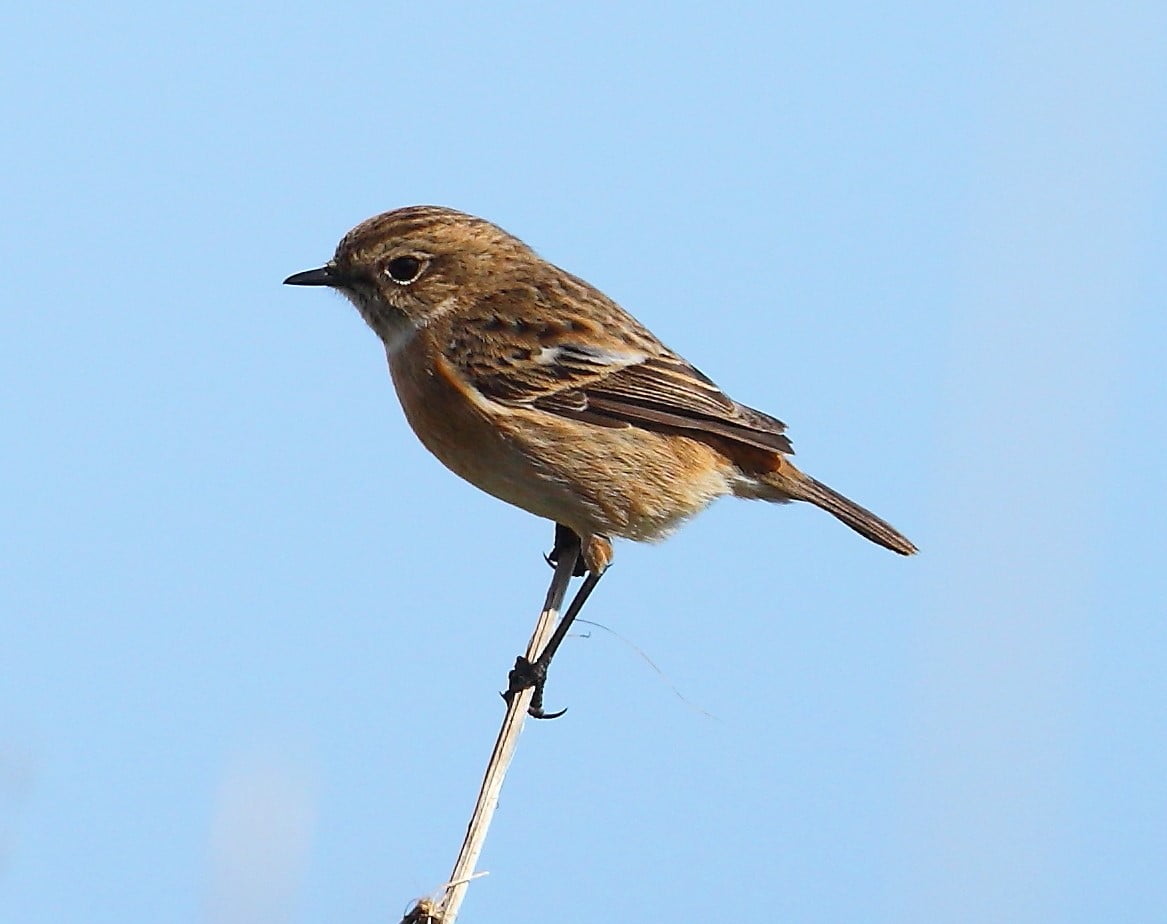
Stonechat, outer head, by Alan Walkington

14th March 2020

Moderate south-south-west winds were a feature of a largely overcast day, with light rain until mid-morning and temperatures reaching nine degrees C. During the morning’s seawatch, 18 Eider flew south, whilst a pair of Goosanders and three Velvet Scoters flew north. Large numbers of auks returned to the cliffs, with several Puffins in attendance. 

Wildfowl interest included five Pink-footed Geese, two Shelduck, 16 Wigeon and 54 Teal. Five Grey Herons toured the headland, whilst 17 Curlews and a Knot frequented a small flash. Passerine interest included a Chiffchaff, four Stonechats, a Scandinavian Rock Pipit, the long-staying Richard’s Pipit, 35 Yellowhammers and 40 Reed Buntings.

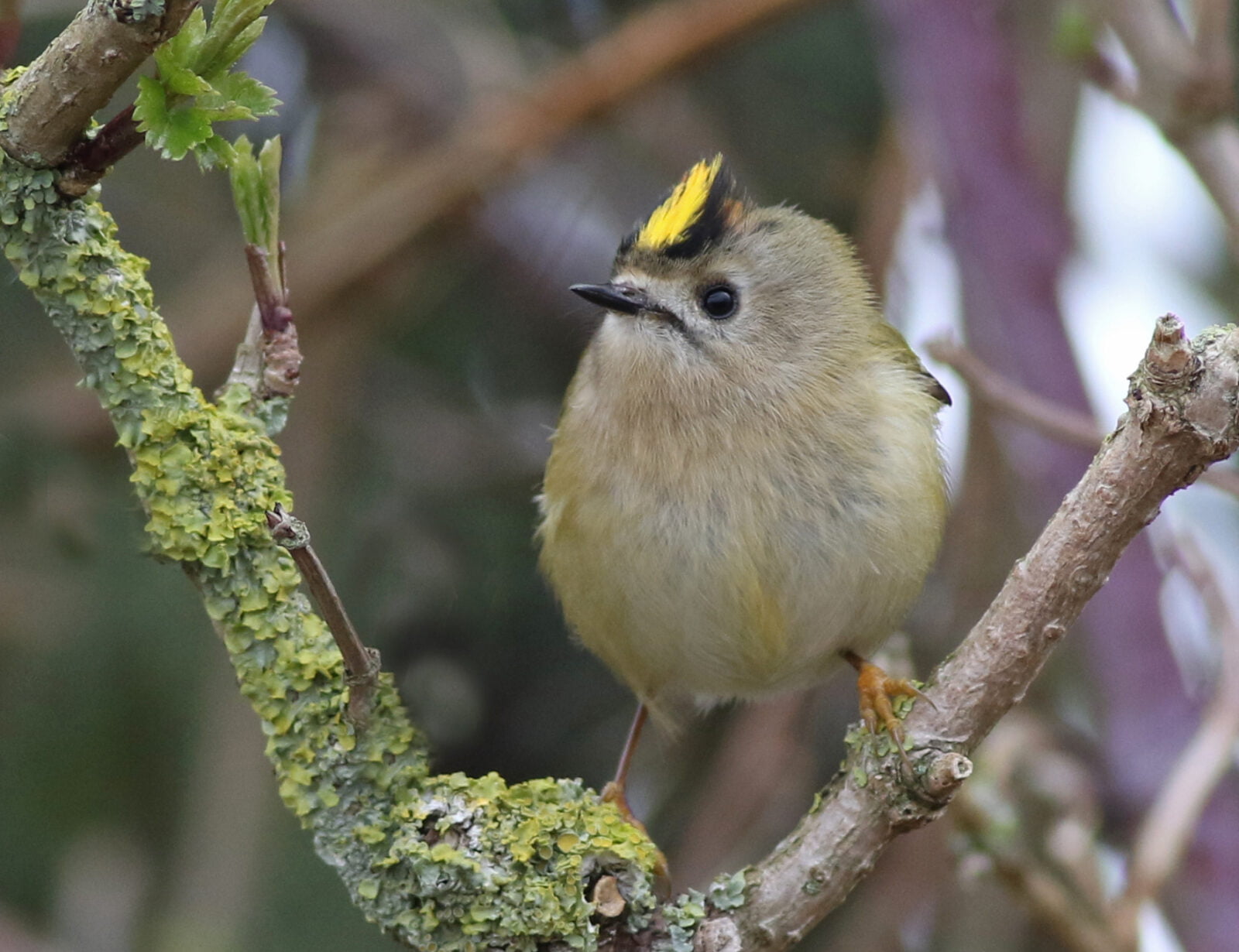
Goldcrest, Thornwick Pools, by Craig Thomas

15th March 2020

An overcast day, with moderate south-westerly winds and temperatures reaching 11 degrees C. During the seawatch, five Teal, an Eider, a Lesser Black-backed Gull and 13 Puffins flew south. Five Pink-footed Geese lingered along with 57 Teal, while a female Shoveler at Thornwick Pools was a new arrival. A Red Kite toured the Dykes during the morning, the second sighting of the year to date, whilst the Knot lingered on flooded fields near North Marsh. Migrant passerine sightings included two Chiffchaffs, two Stonechats and five Redwing. In addition, RSPB Bempton Cliffs attracted two Short-eared Owls

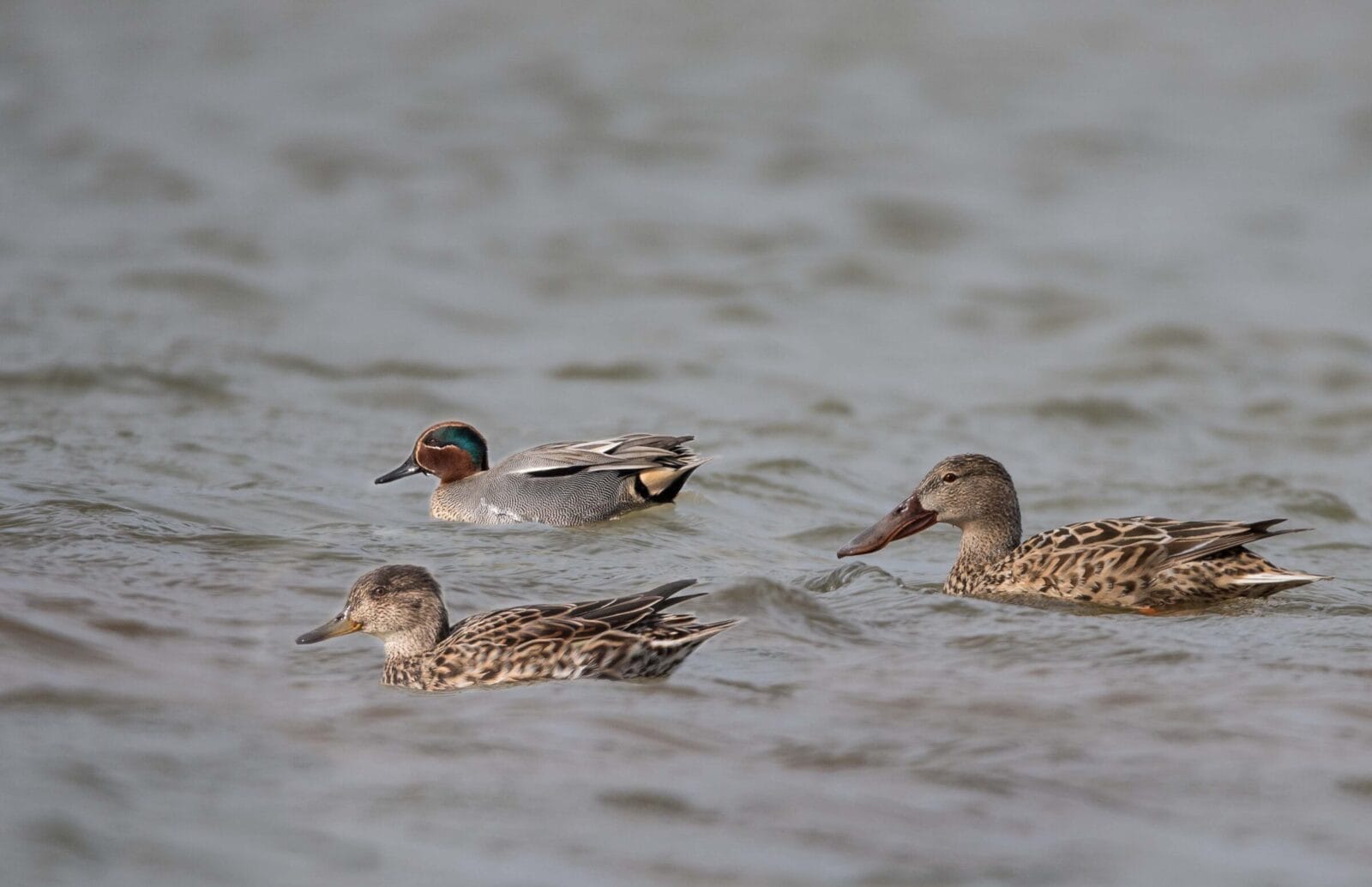
Shoveler with Teal, Thornwick Pools, by John Beaumont
Yellowhammer, outer head, by John Beaumont

16th March 2020

Light winds from the north-west at first light backed south-west later, sunny intervals and temperatures reached 11 degrees C. A Bonxie flew south during the morning’s seawatch, but the main feature was the large arrival of Puffins, with in excess of 500 birds present.

Migrant interest included a Water Rail at North Landing, Woodcock at South Landing, a Hooded Crow south of the Lighthouse, six Chiffchaff, four Goldcrests, an impressive 5890 Starlings, eight Redwing, a Black Redstart in the Gorse Field, two Grey Wagtails and a Siskin. Three Short-eared Owls were recorded at RSPB Bempton Cliffs.

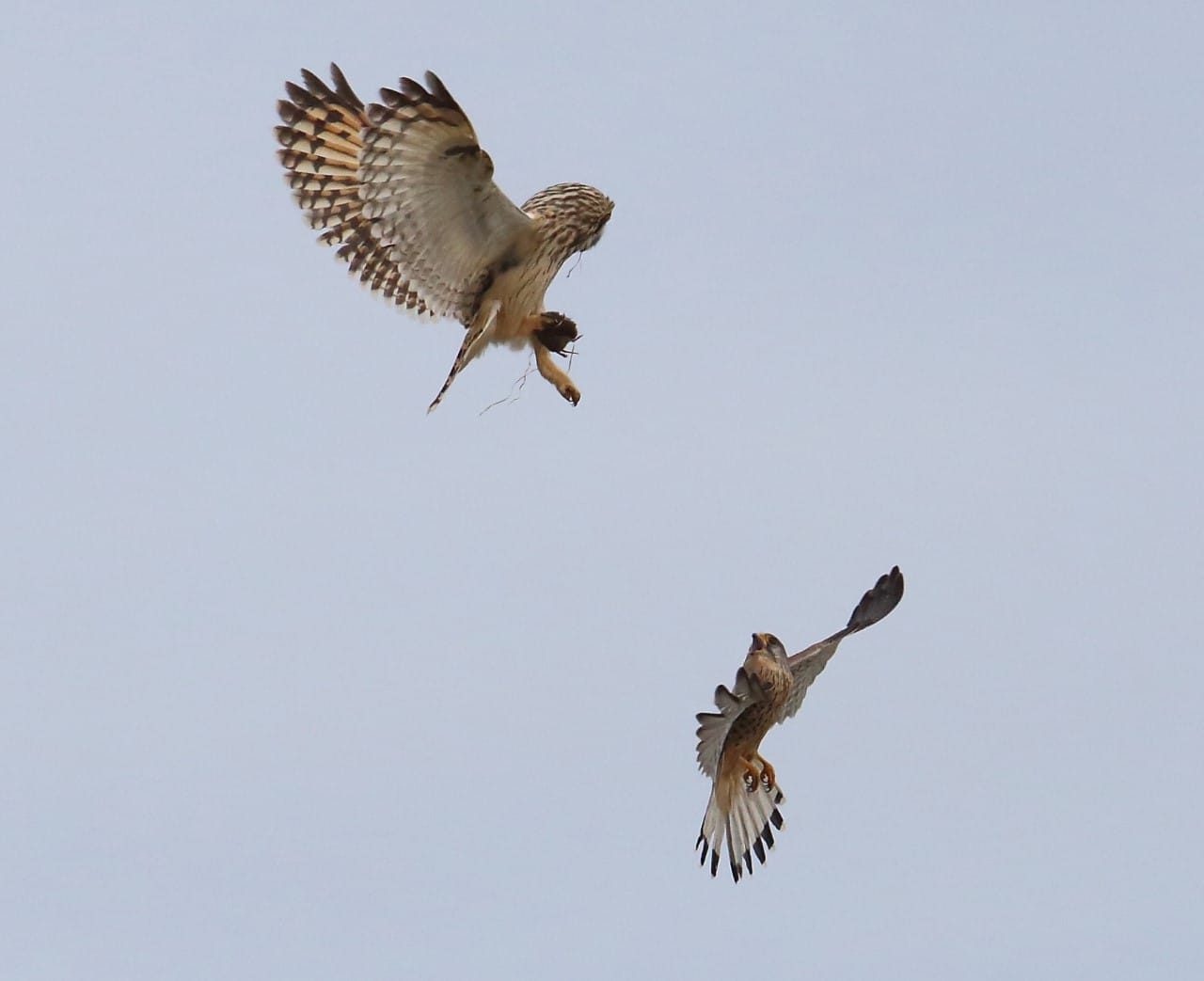
Short-eared Owl & Kestrel, RSPB Bempton Cliffs, by Alan Walkington
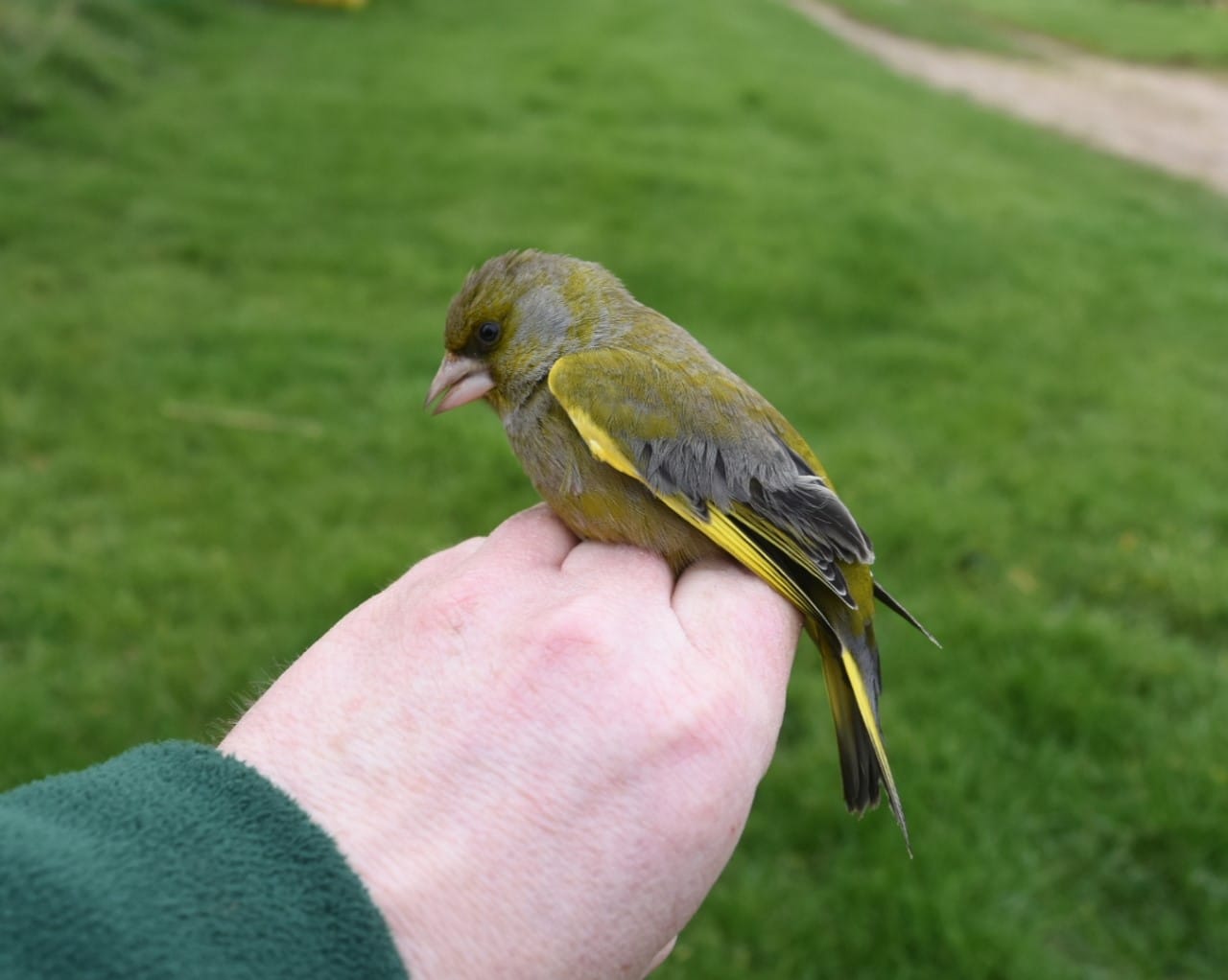
Greenfinch, Oceanview, by Andy Hood