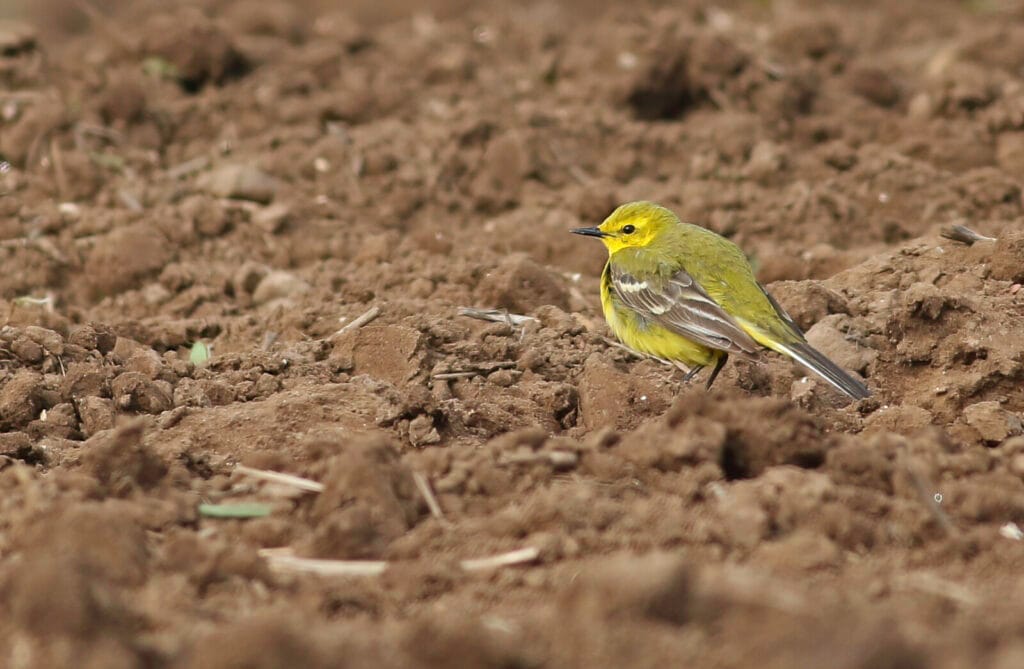
Another day of northerlies and another day of lower than average temperatures for late April, reaching a paltry 8°C.
A Bonxie and five Sandwich Terns were the best of a slow seawatch.
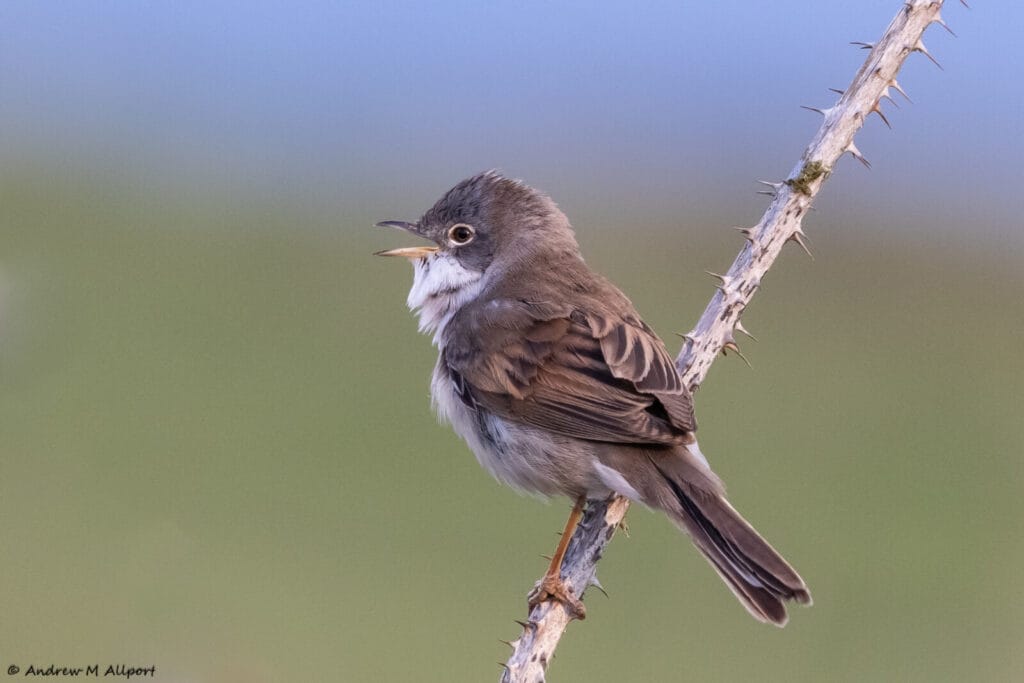
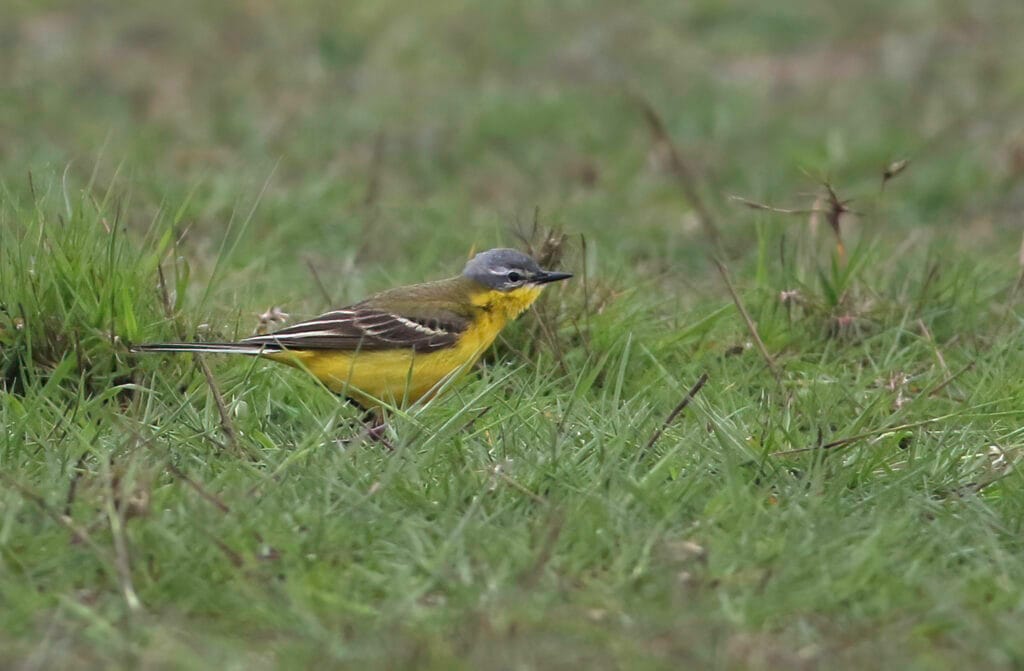
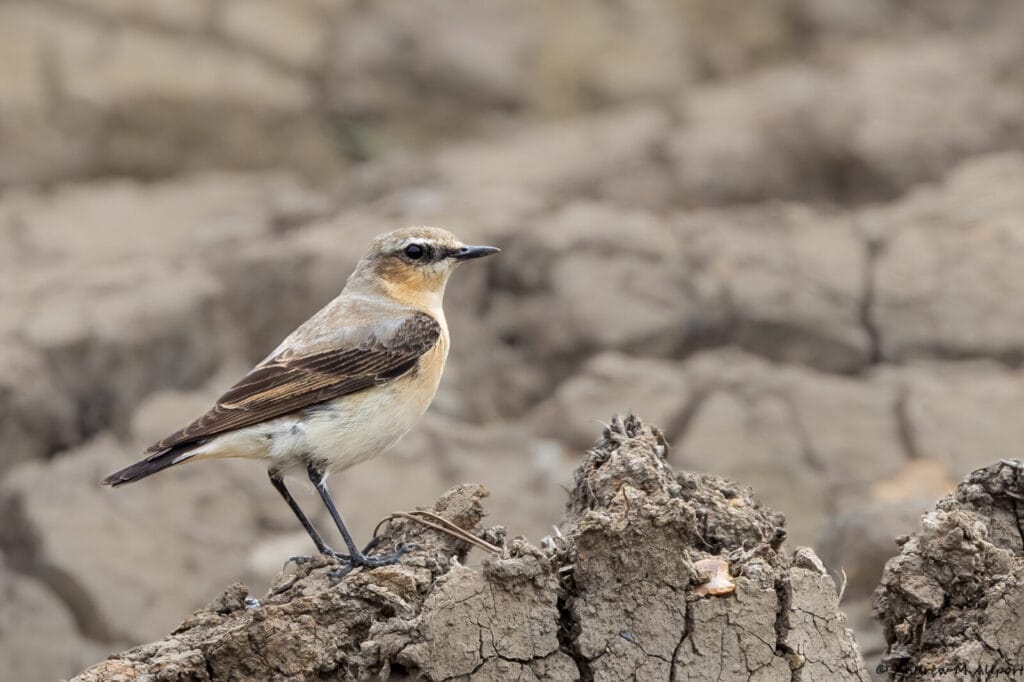
A single Great Northern Diver remained off South Landing. Two Siskin and two Brambling were also in the South Landing area. Summer migrants included single Whitethroat, Lesser Whitethroat and Yellow Wagtail along with three Wheatears.
Another cool day, with a top temperature of eight degrees C in moderate north-north-west winds, sunny intervals and showers.
Seawatch highlights included a Manx Shearwater and six Sandwich Terns. Elsewhere, a Great Northern Diver flew ‘north’ out of the bay past South Landing. The headland’s freshwaters hosted two Little Grebes, two Shoveler, two drake Wigeon, 19 Teal, 16 Tufted Duks, a Snipe, one Green Sandpiper and a Common Sandpiper. Passerine interest included four Wheatear, a Yellow Wagtail, five Brambling, a Siskin and one Lesser Redpoll. A Waxwing flew east over Bempton village, while a lone Brambling frequented the nearby reserve.
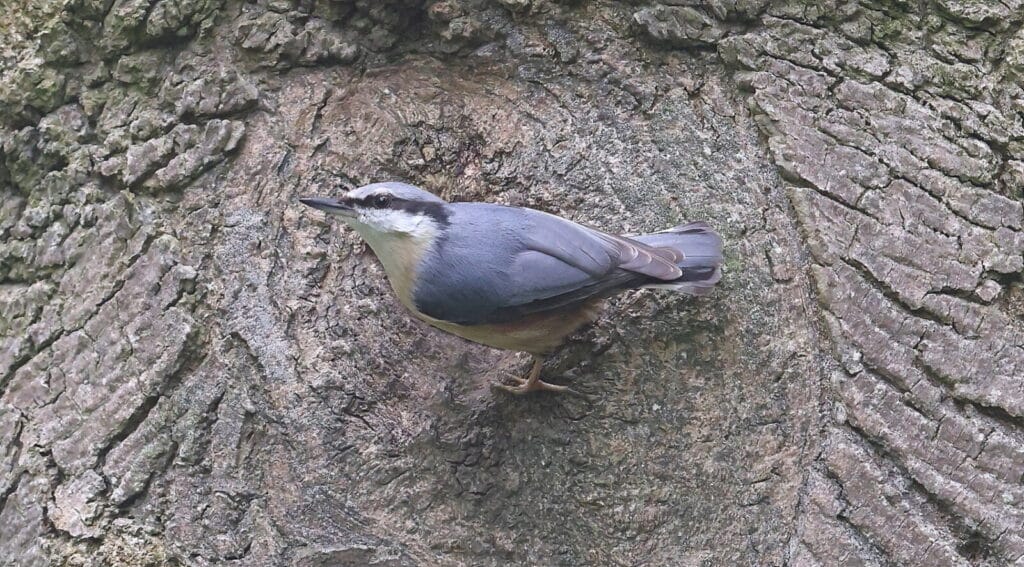
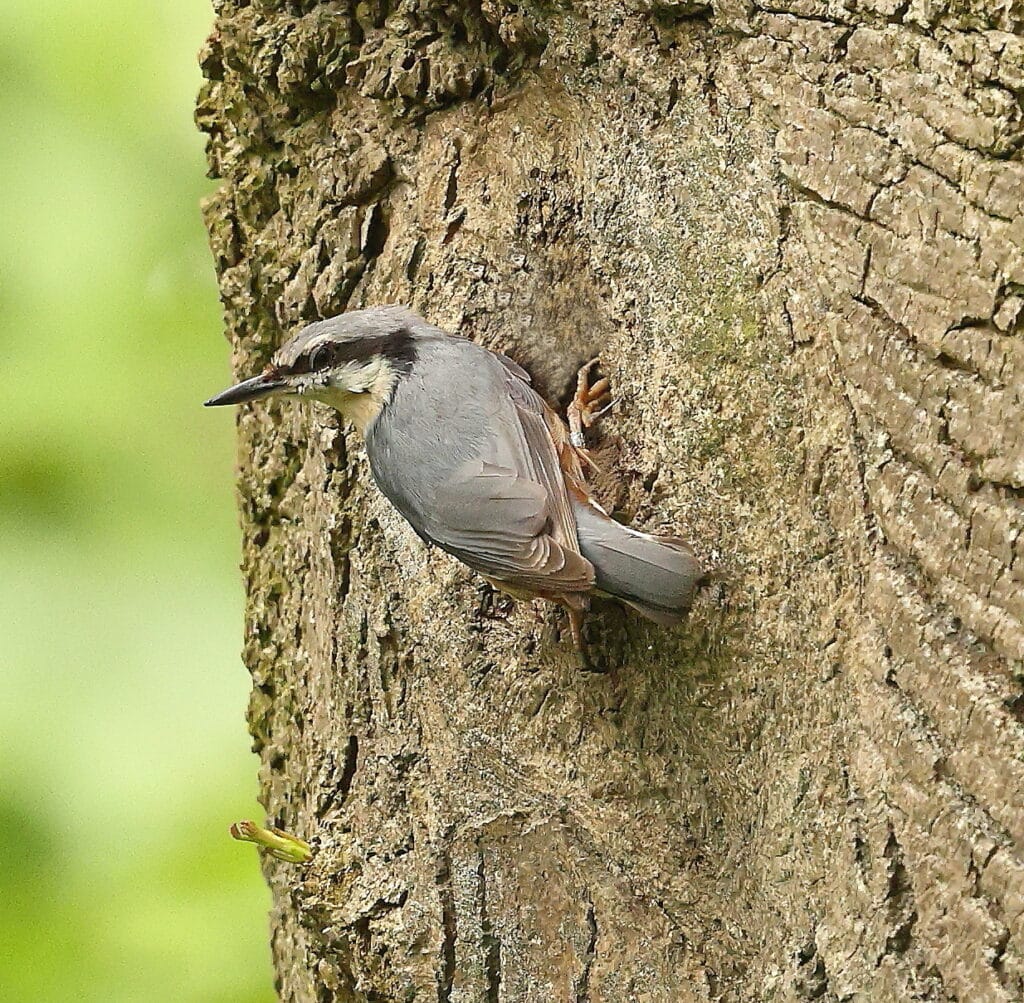
The day consisted of sunny intervals, showers in the morning, a relatively light northerly wind and a top temperature of nine degrees C. Two Shoveler and two Wigeon lingered on the outer head, together with five Curlew and a Snipe. A Great Northern Diver was again on the sea off Old Fall. Two Hooded Crows frequented fields around North Marsh all day, while a Nuthatch at South Landing was unusual. Additional sightings including 23 Swallows, six Lesser Whitethroats, two Common Whitethroats, one Wheatear, a Yellow Wagtail and two Brambling.
Following what seemed like a lifetime of freezing northerly winds, a switch to light easterlies, prolonged sunny intervals and temperatures reaching nine degrees C elicited an influx of migrants. The year’s first Reed Warblers arrived, with five singing males including three at Thornwick Pools; four singing Grasshopper Warblers were also fresh in, including a single at North Landing. Significant arrivals also included 48 Sand Martins, 34 Swallows, 19 Lesser Whitethroats and 16 Common Whitethroats.
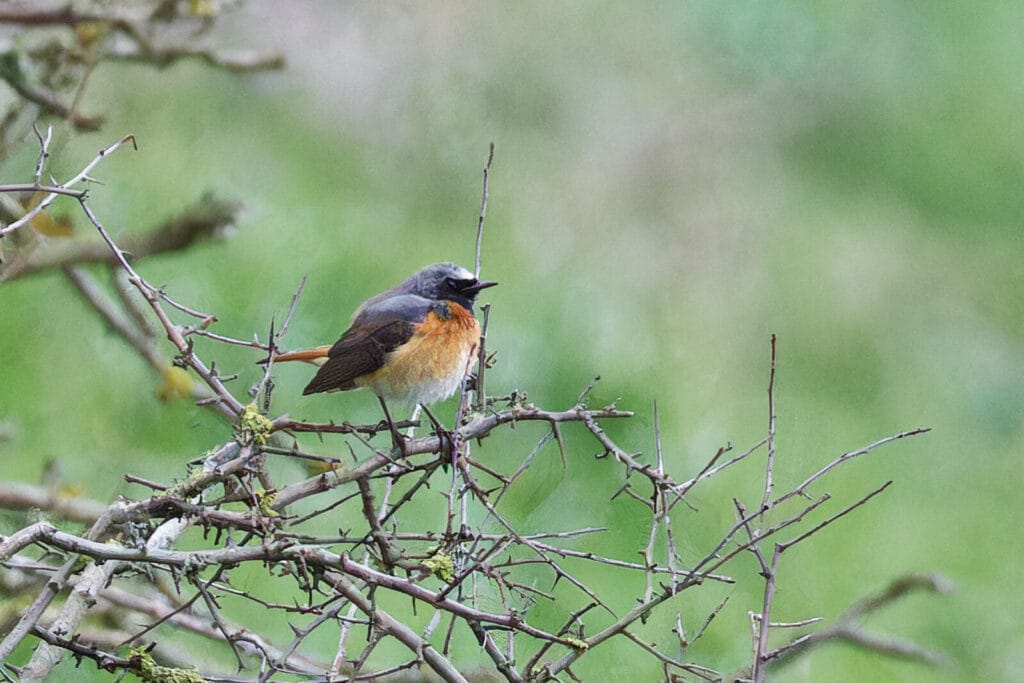
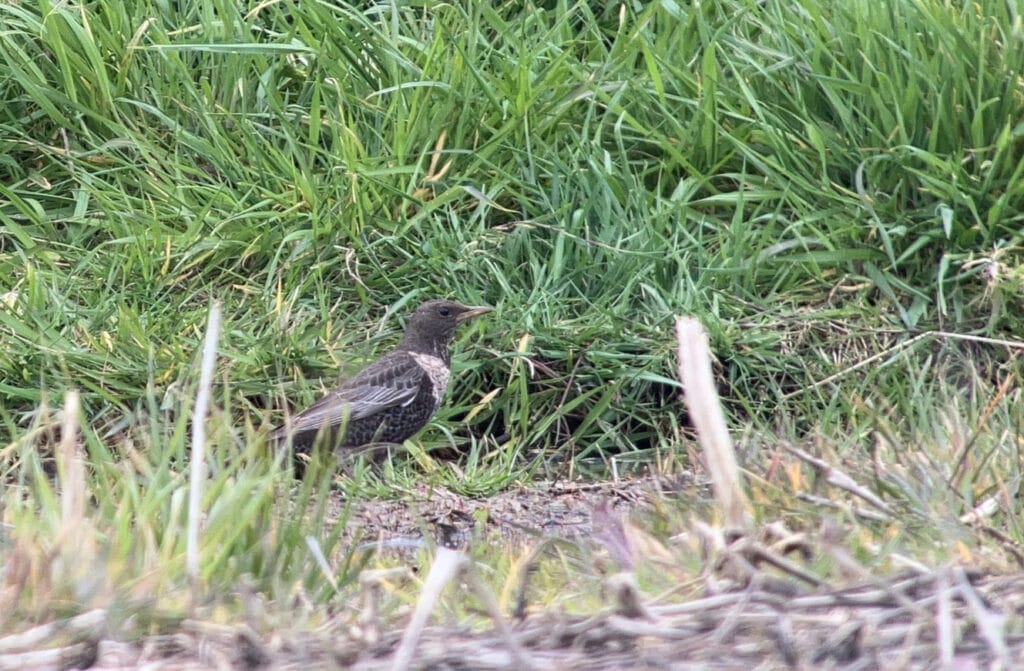
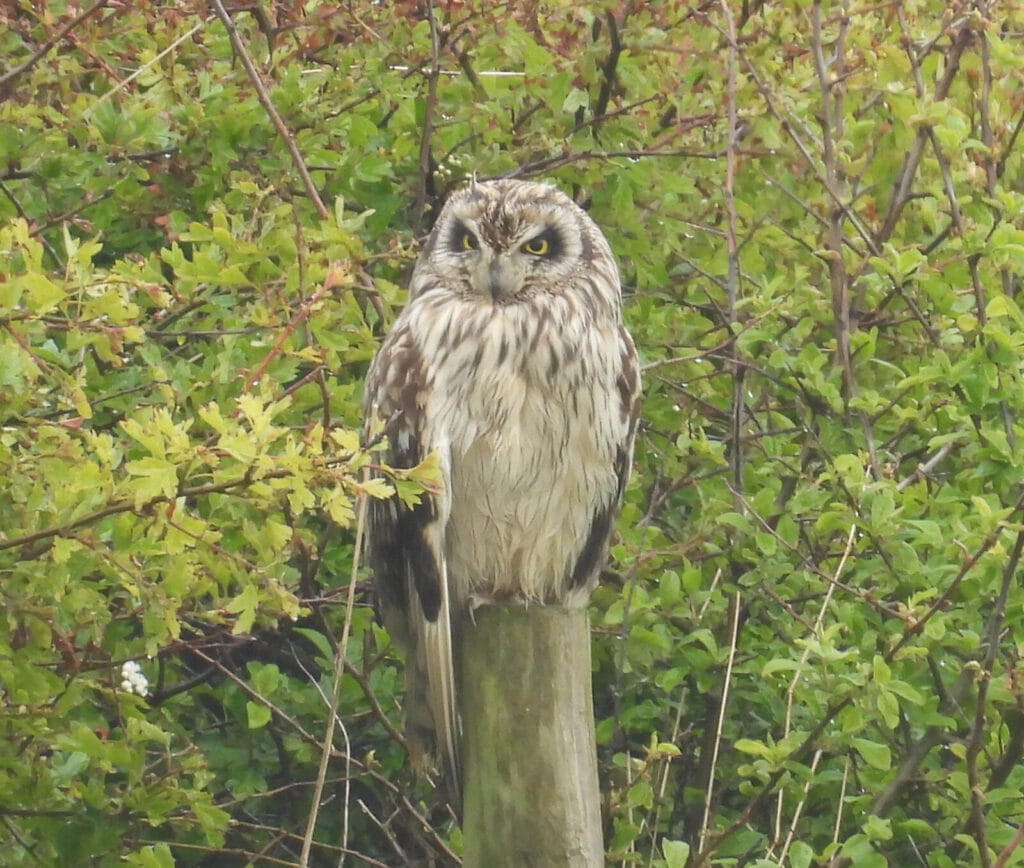
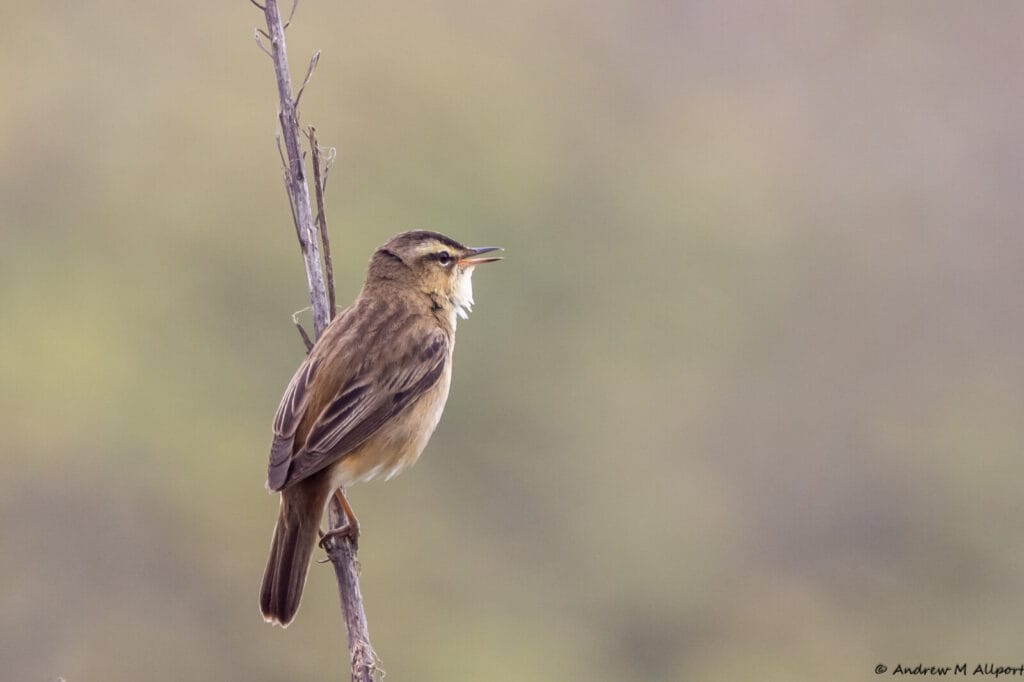
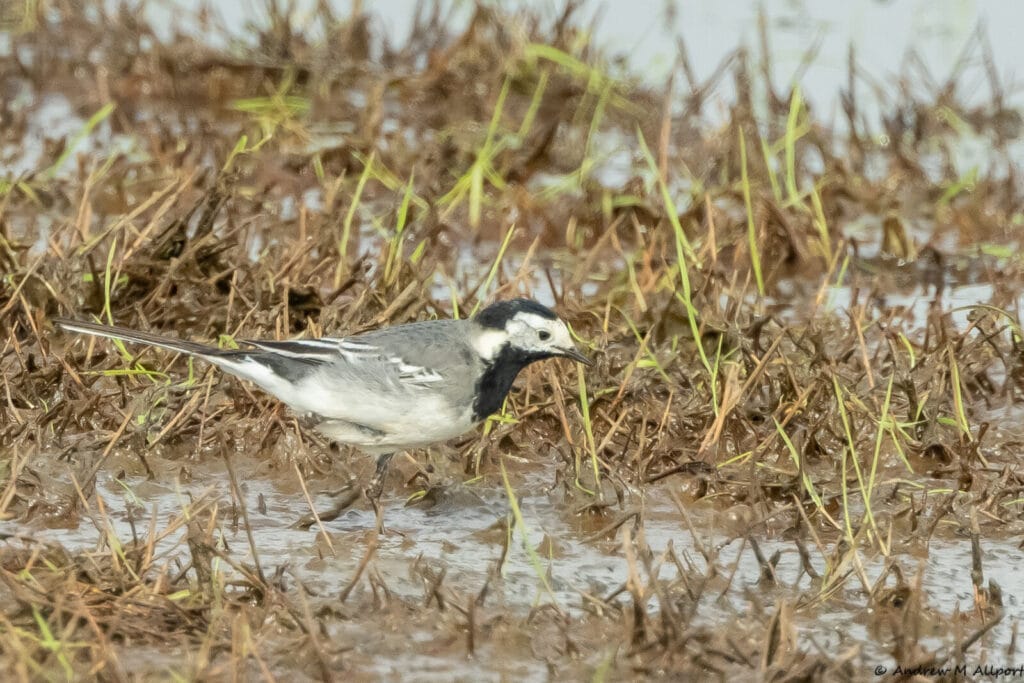
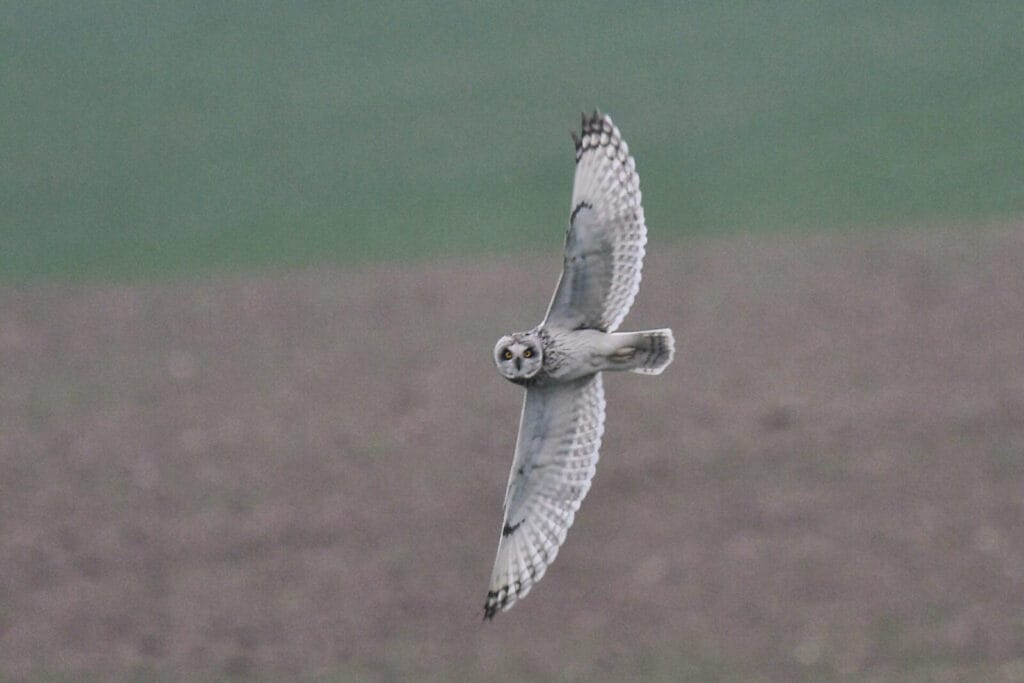
Other notable migrants included a Bonxie, two Whimbrel, a Short-eared Owl, two Hooded Crows, a Ring Ouzel, eight Sedge Warblers, a Goldcrest, a White Wagtail, a female Common Redstart, five Wheatears and a Brambling.
A Short-eared Owl lingered at RSPB Bempton Cliffs, while two Lesser Whitethroats, two Sedge Warblers and two Yellow Wagtails were along Hoddy Cows Lane, Buckton.
Common Whitethroat, Lighthouse Road, by Rob Little
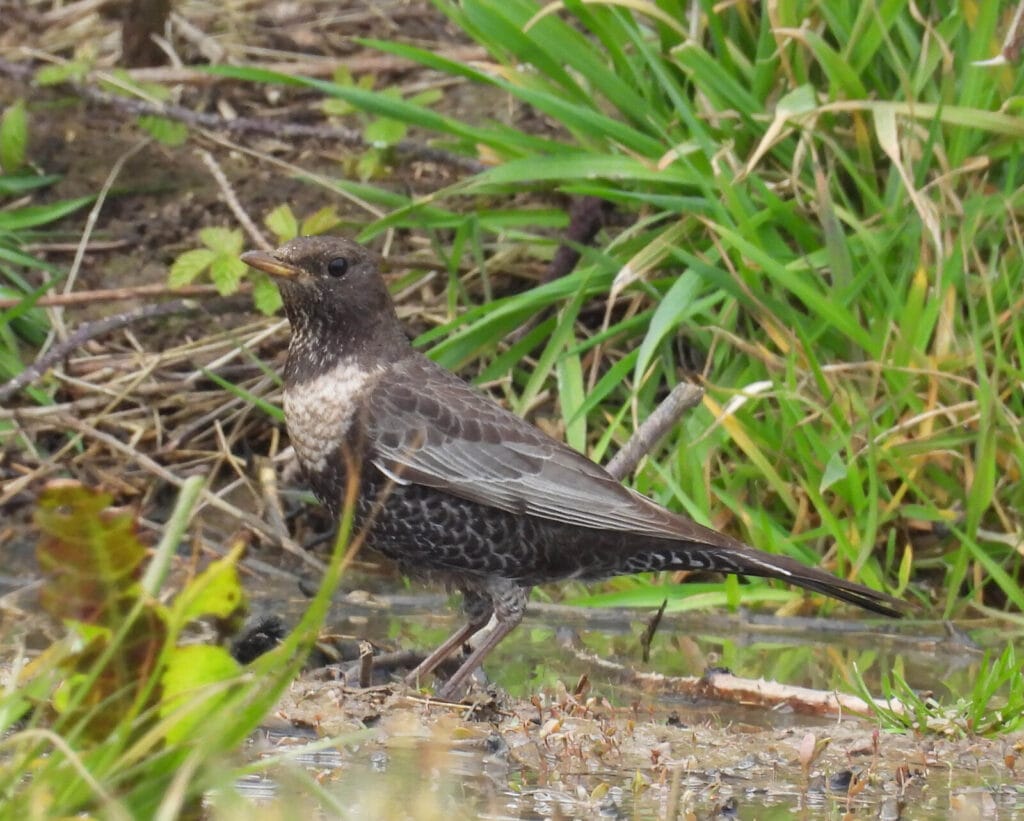
Strong northerlies and heavy rain stopped late afternoon to leave a brief window of optimal birding before dusk; it was immediately evident an arrival of migrants had taken place. Eight Ring Ouzels, 54 Wheatears, six Yellow Wagtails, two White Wagtails, two Common Redstarts and ten Willow Warblers made landfall. Additional sightings included single pairs of Pintail and Shoveler, a Goosander and a Grey Plover.
Late news from Saturday 27th April: a Little Bunting was photographed by a visitor as it fed alongside the cliff top path at Cattlemere.
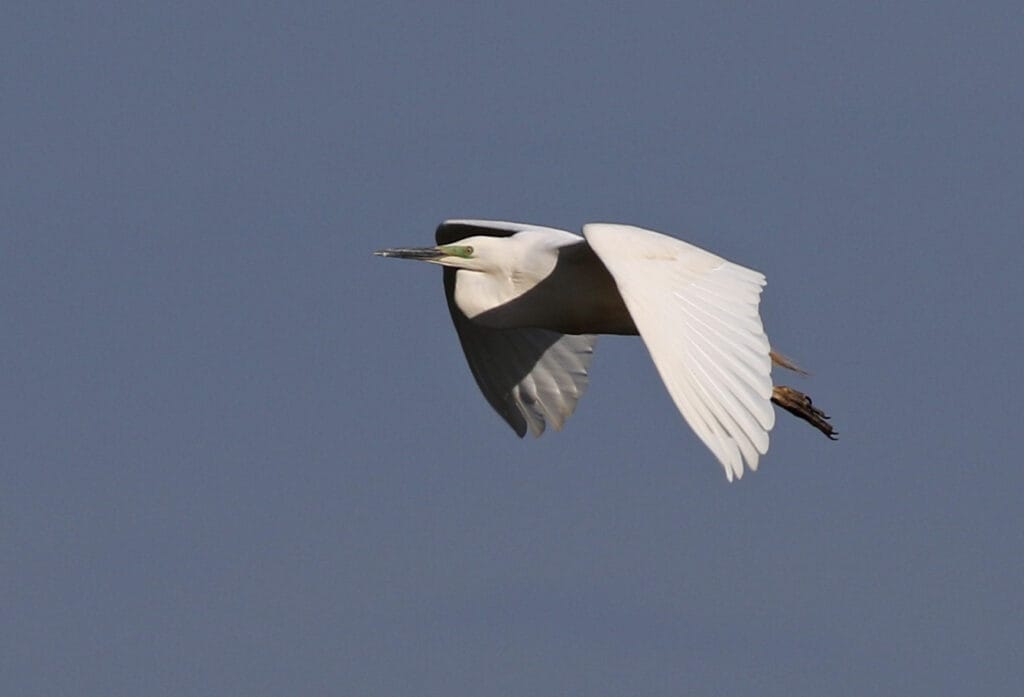
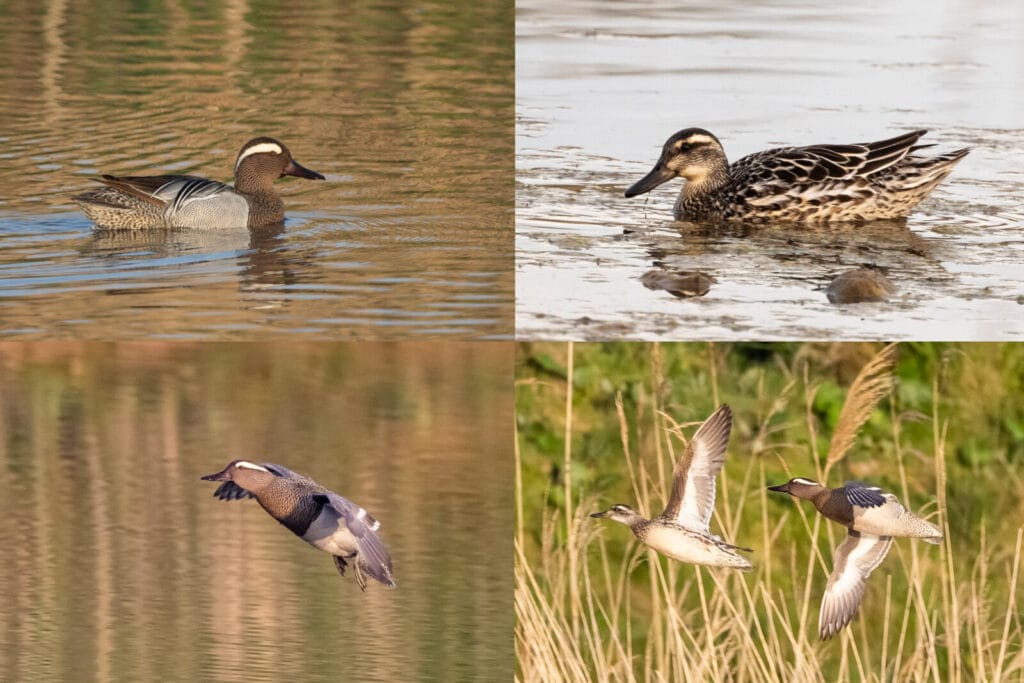
Meanwhile today’s weather consisted of bright skies, a blustery south/south-south-westerly wind and a top temperature of 14 degrees C. Conditions ensured it was inevitably a good day: some birds that made landfall the previous day were discovered alongside new arrivals pushed onto the headland by the south-westerly airflow. A Great White Egret flew south over the outer head in the morning, as did a lone Little Egret, while a Spoonbill that flew east over Old Fall was presumably the same individual on a flash early evening. A pair of Garganey and a Wood Sandpiper on the outer head were also new, while a Hobby over Old Fall and, latterly, RSPB Bempton Cliffs was an early record. Late afternoon, a single Common Swift arrived over the village.
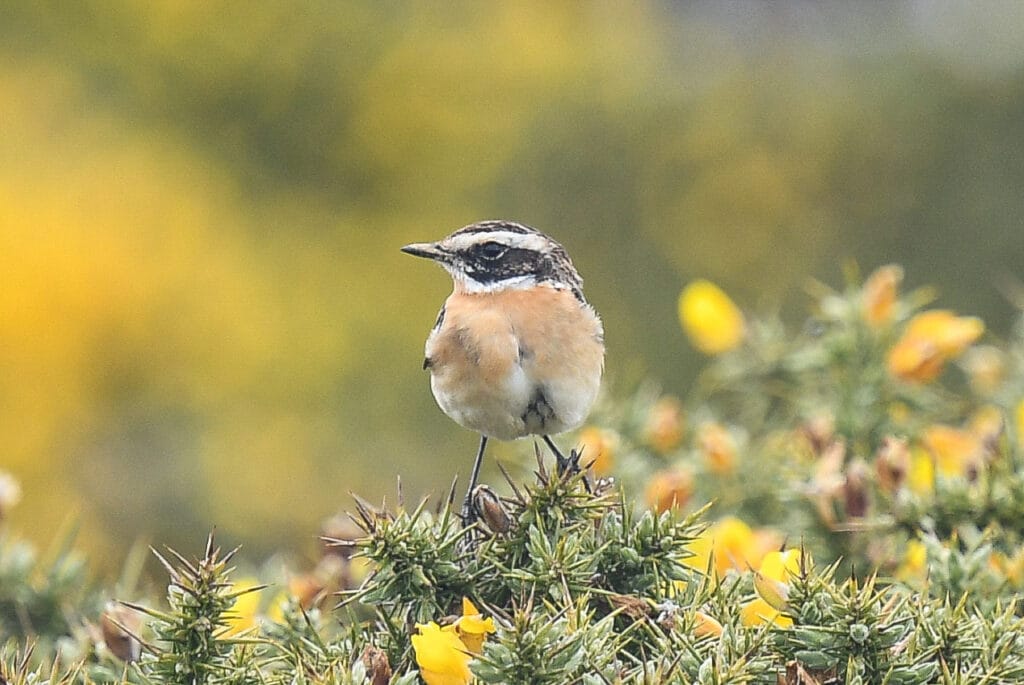
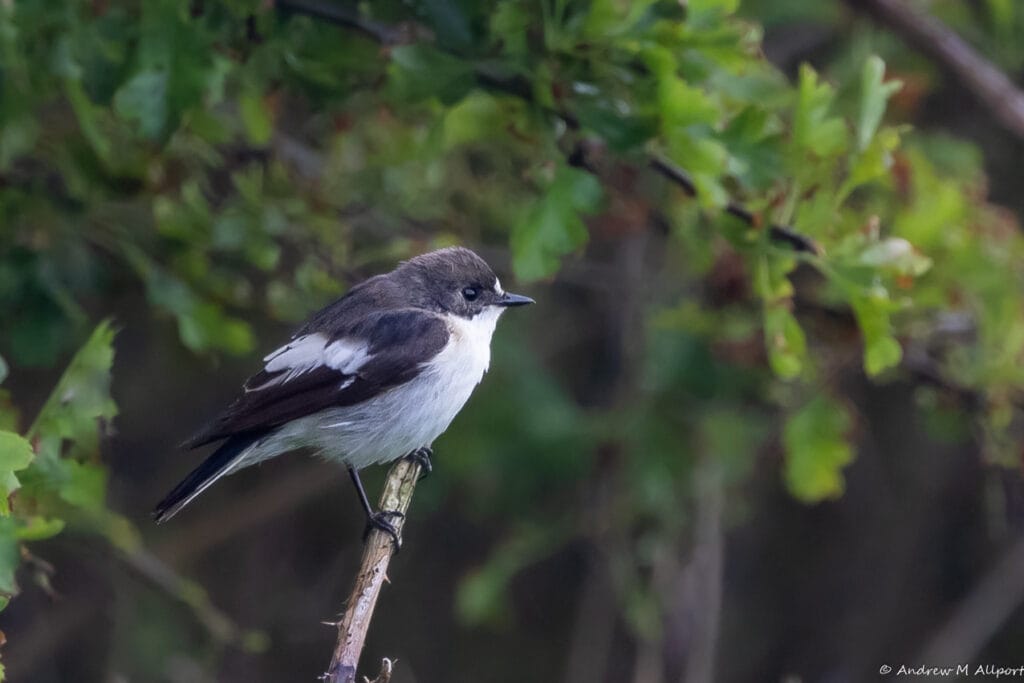
A male Pied Flycatcher and a male Whinchat were also additions to the burgeoning year list. Other migrant passerines included four Ring Ouzels, 67 Wheatear, 35 Willow Warblers, two Redstarts, 14 Yellow Wagtails, two White Wagtails, four Brambling and seven Siskin.
Great White Egret, Lighthouse Road, by Craig ThomasWhinchat, Golf Course, by Andy HoodRing Ouzel, Lighthouse Grassland, by Brett RichardsRing Ouzel, Lighthouse Grassland, by Phil Cunningham
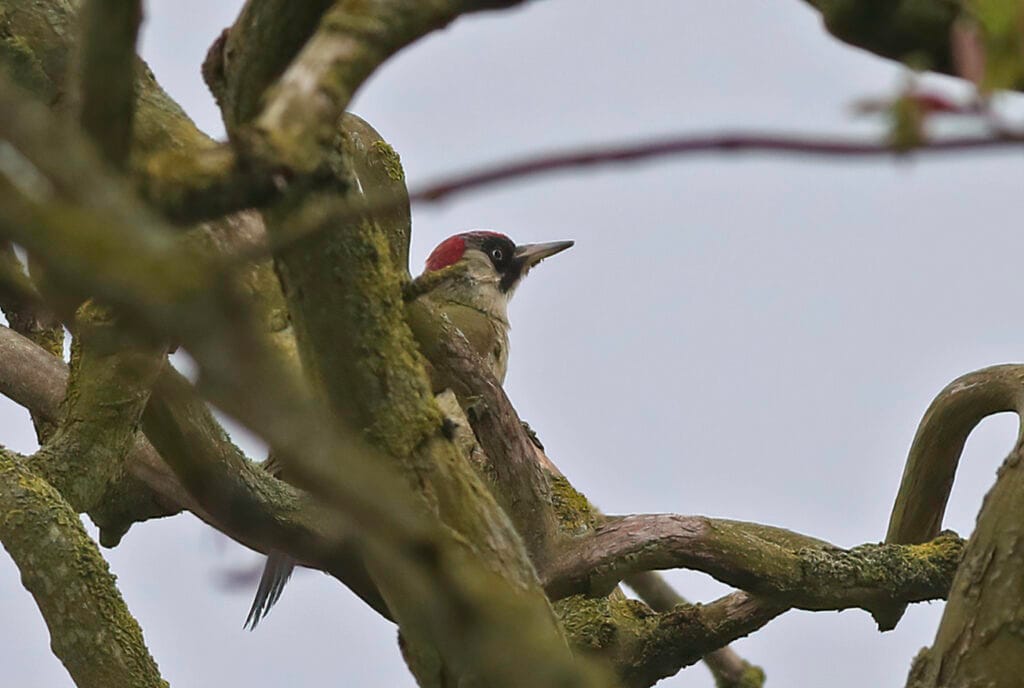
A sunny day, with a moderate south-easterly wind and top temperature of 15 degrees C. In a local context, the bird of the day was a Green Woodpecker that visited Oceanview before it flew off east. Continuing the theme, a Jay at Hartendale was also unusual. Various flashes/wetlands continued to attract, with a pair of Garganey, four Shoveler and a pair of Pochard. A Goosander also flew east past South Landing. Wader interest included a Wood Sandpiper that flew north in the evening, one Common Sandpiper and nine Whimbrel.
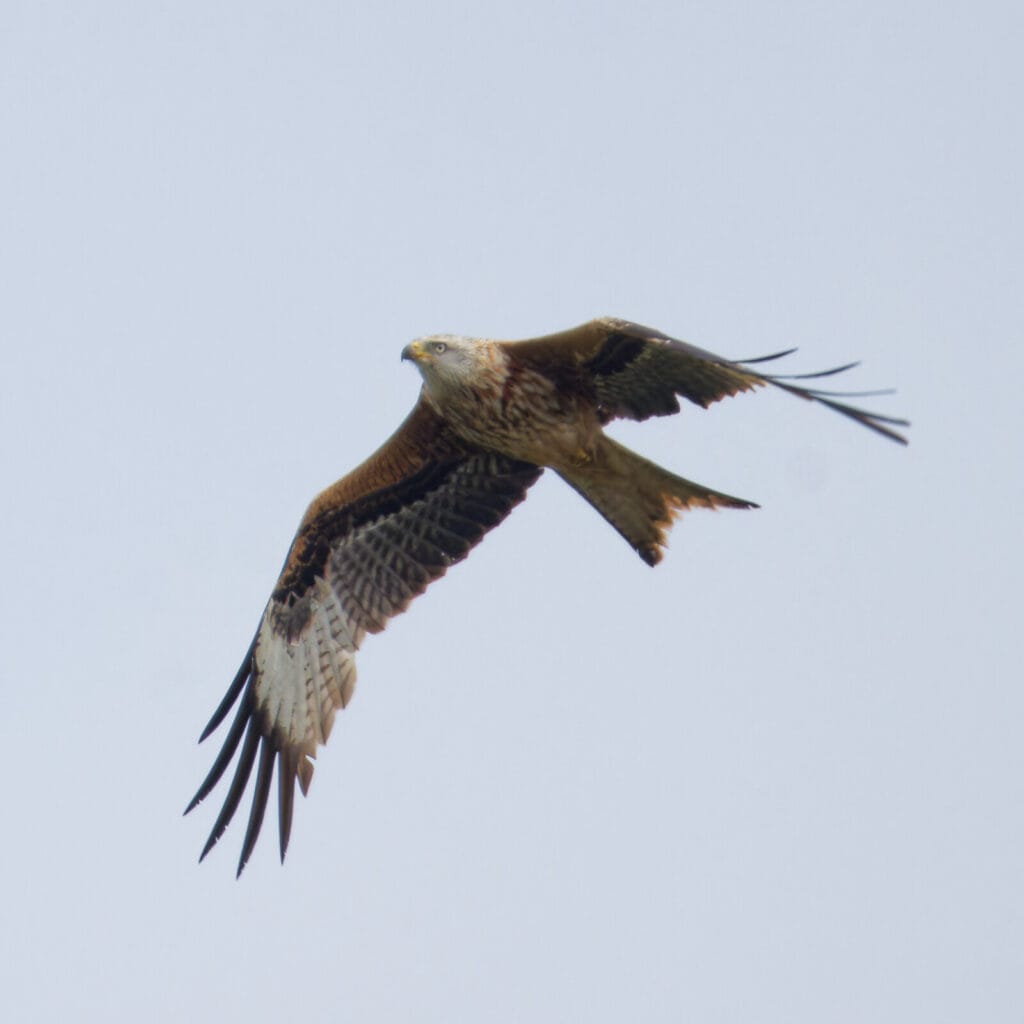
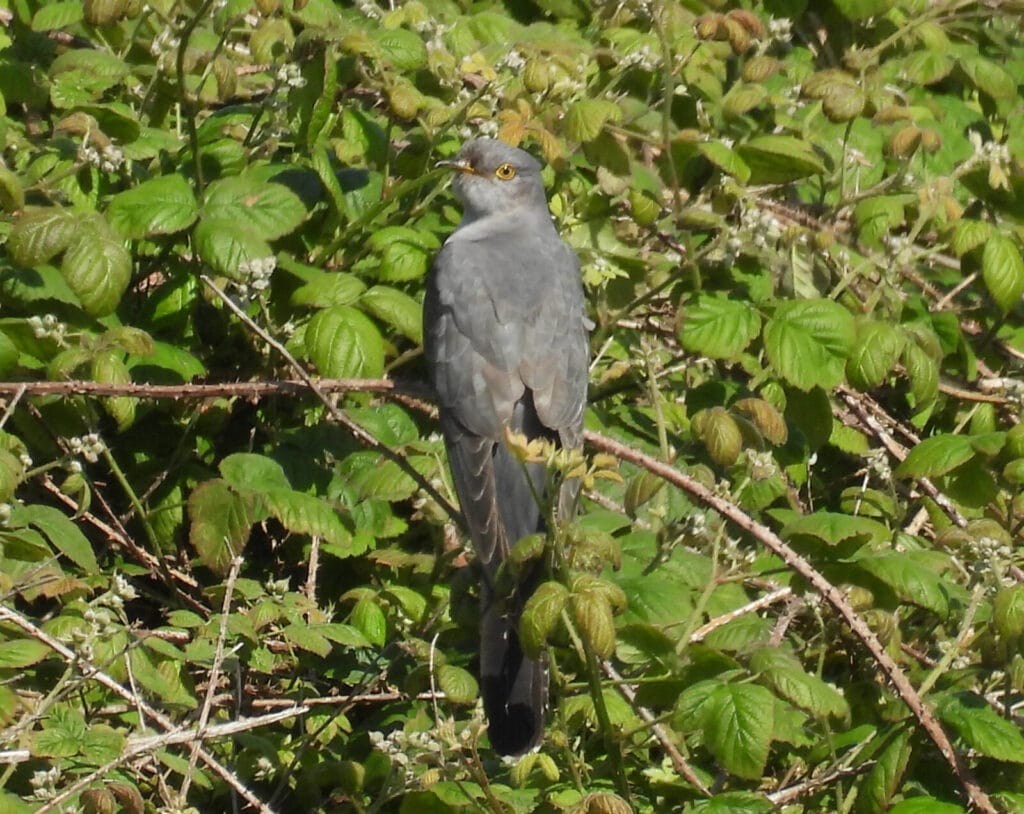
For the second day running, a Hobby graced the headland – initially over the Golf Course and then Cliff Lane, Bempton. Three Red Kites over North Dykes were also noteworthy and a Marsh Harrier flew east near Bempton village, where a Swift was also present. A Short-eared Owl hunted the North Cliffs, while the year’s first Common Tern flew south past the Fog Station. A Cuckoo near North Landing was another first. Additional migrant totals included 79 Sand Martins, three Whinchat, a Redstart, 15 Wheatear and a Brambling.
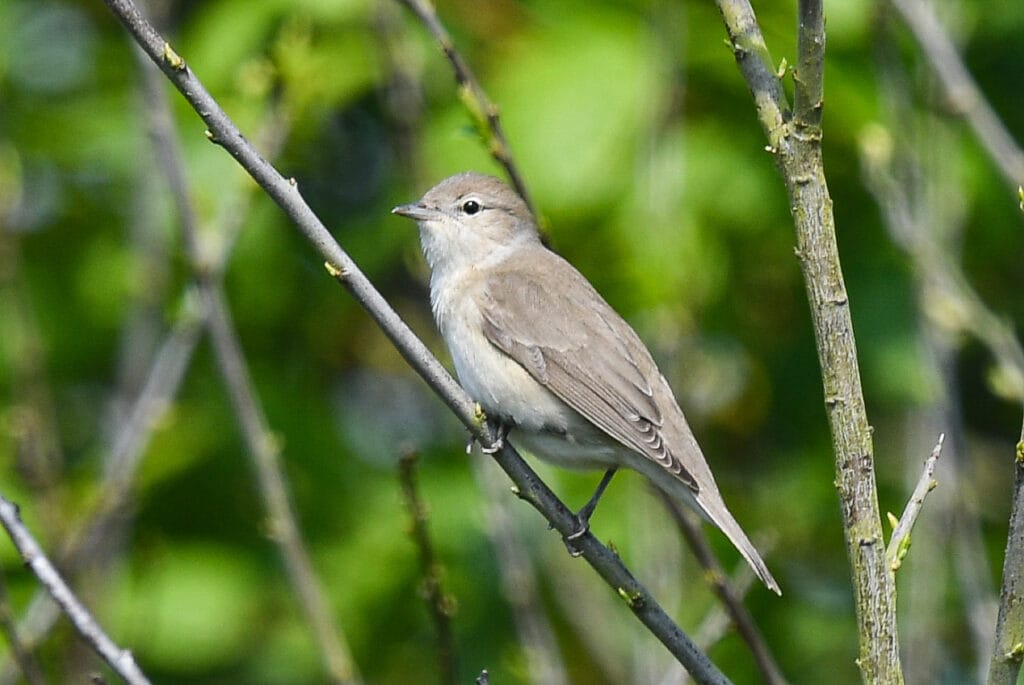
A male Common Redstart and a Garden Warbler visited RSPB Bempton Cliffs, with six Wheatear and a Ring Ouzel at Buckton.
An overcast morning with brighter skies later, an easterly wind backing northerly later and strengthening; temperatures reached 15 degrees C. Seawatch highlights included the first Little Gull for the year, two Red-breasted Mergansers and 47 Sandwich Terns. A Great Northern Diver flew east along the South Cliffs, while a Marsh Harrier went east over the Golf Course. Wader interest included four Bar-tailed Godwits, with 24 Lesser Black-backed Gulls representing a sizeable influx after numbers began to build over the previous 24 hours.
Yesterday’s Green Woodpecker was relocated on the outer head, but wasn’t seen after visiting the Gorse Field mid-morning. A lone Hooded Crow frequented the Golf Course, a Black Redstart the lighthouse, and single Redstart and Whinchat were also present. Other notable passerine records included a Garden Warbler, five Siskin and three Corn Buntings.
Elsewhere, two Bar-tailed Godwits were recorded from RSPB Bempton Cliffs, where a Mistle Thrush and 35 Corn Buntings were present.
Blustery northerly winds featured throughout a relatively bright day, with a top temperature of 13 degrees C. A Great Northern Diver flew north during a morning seawatch that also recorded two Tufted Ducks, 27 Sandwich Terns and a Manx Shearwater.
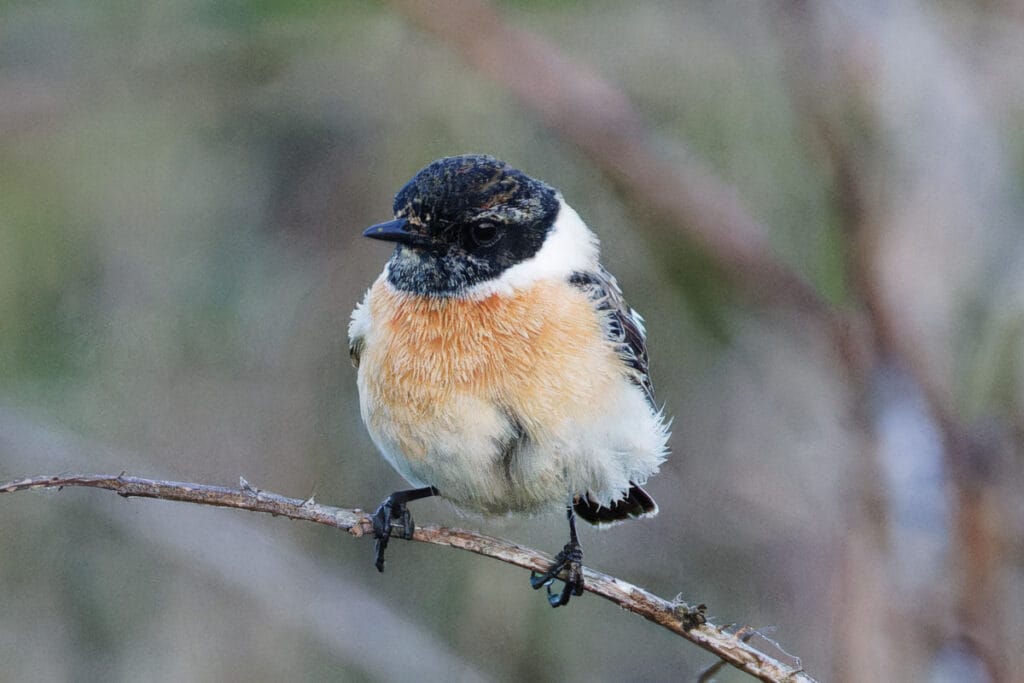
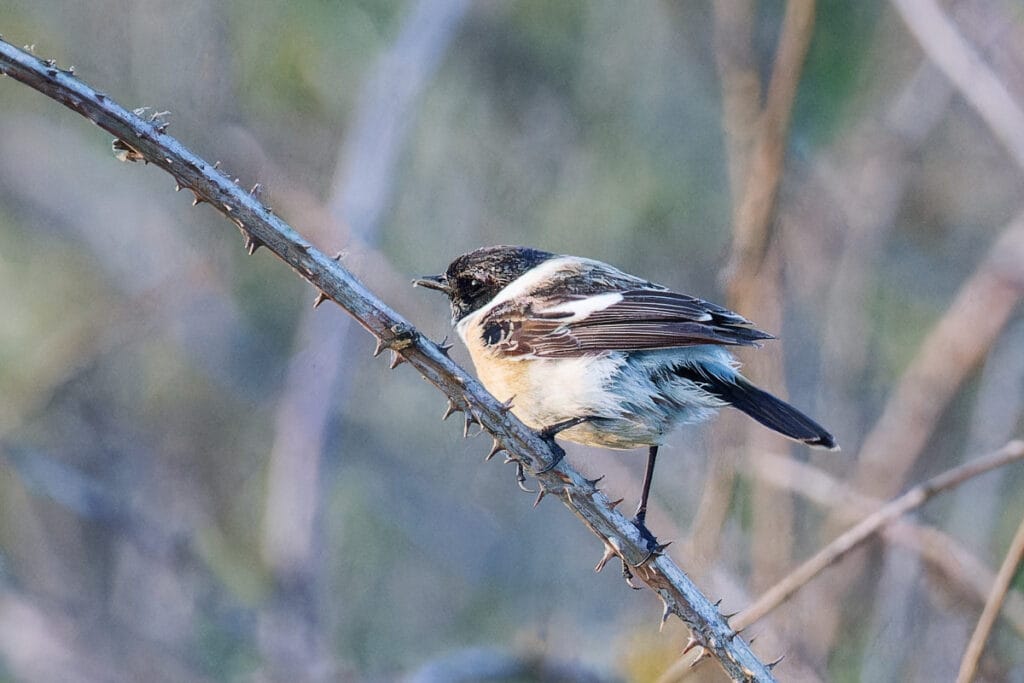
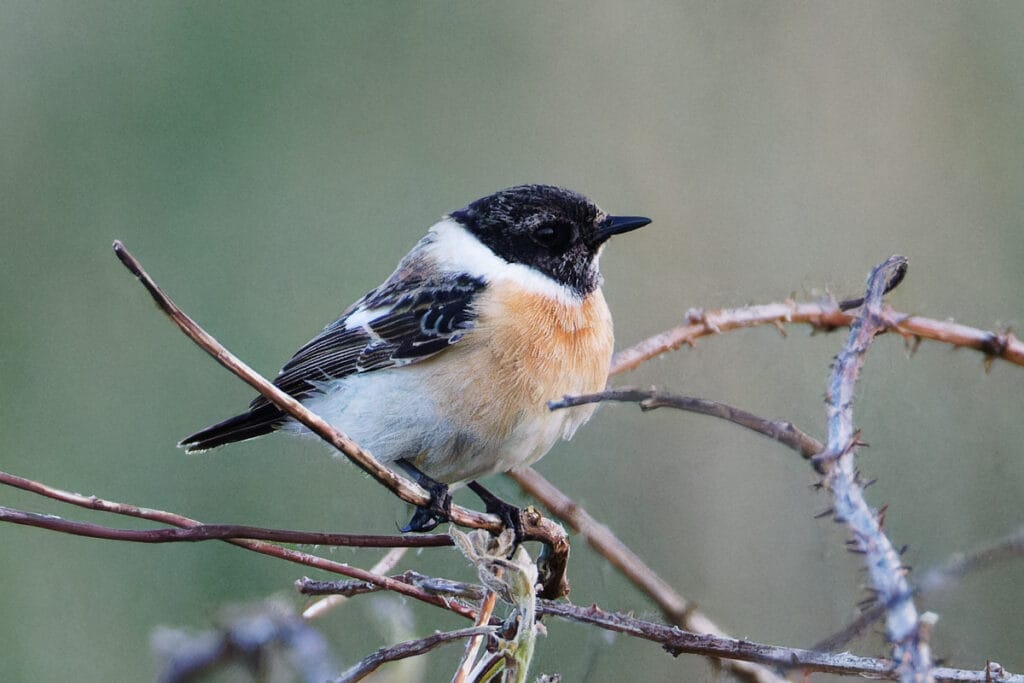
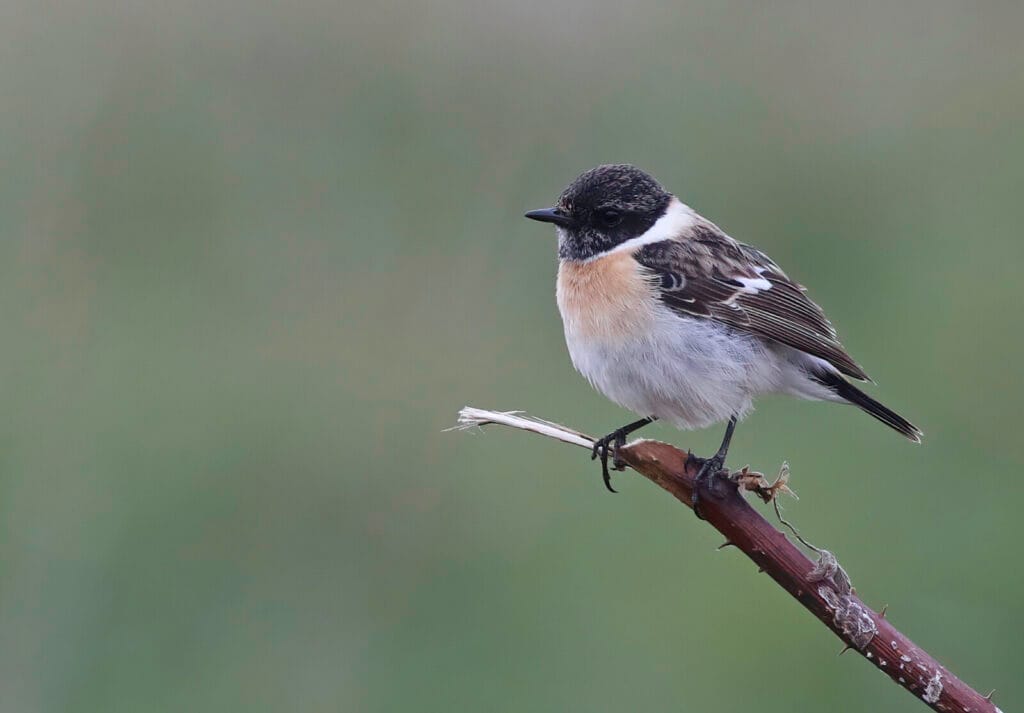
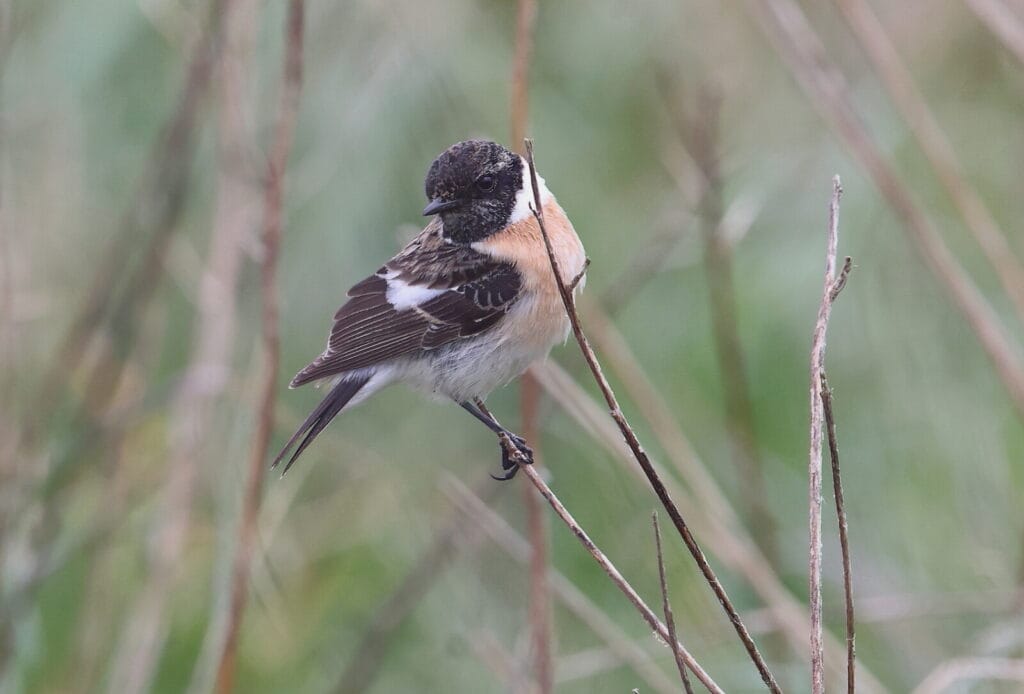
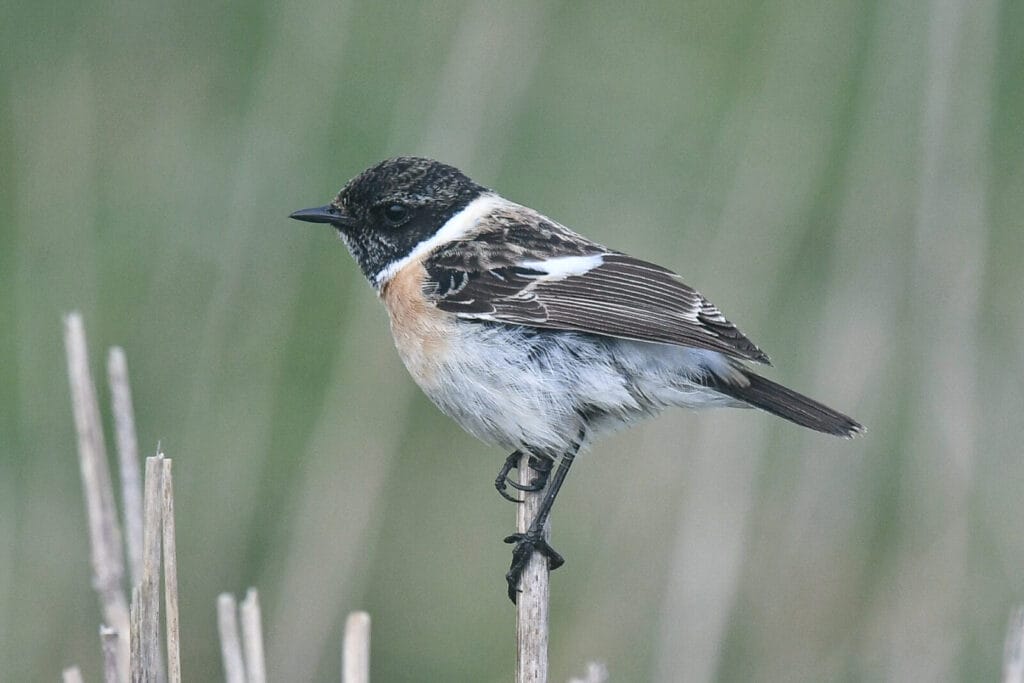
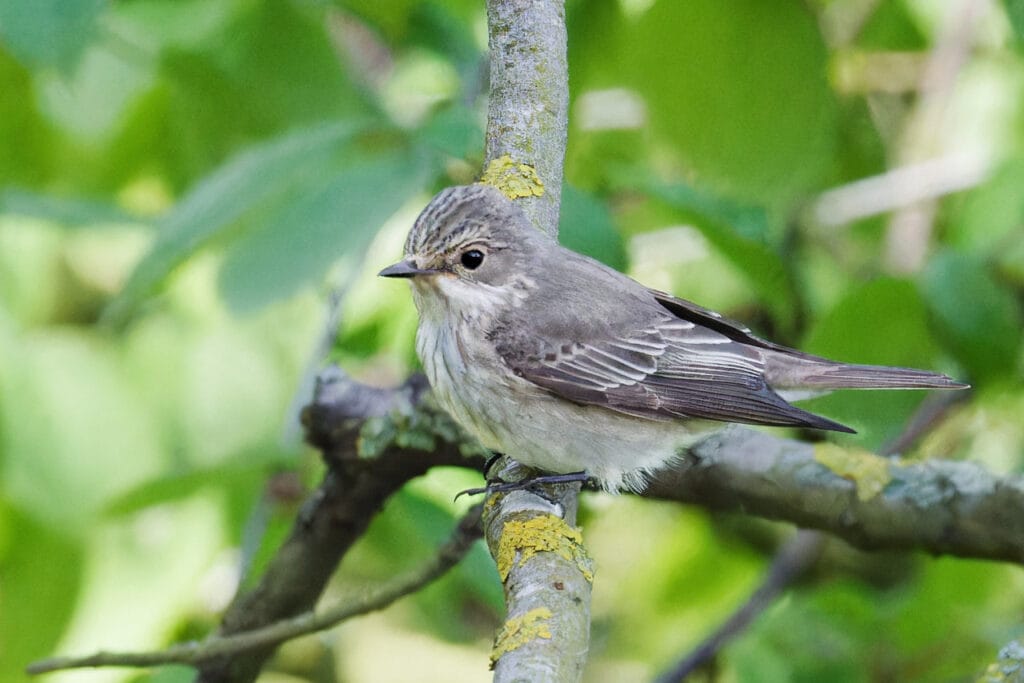
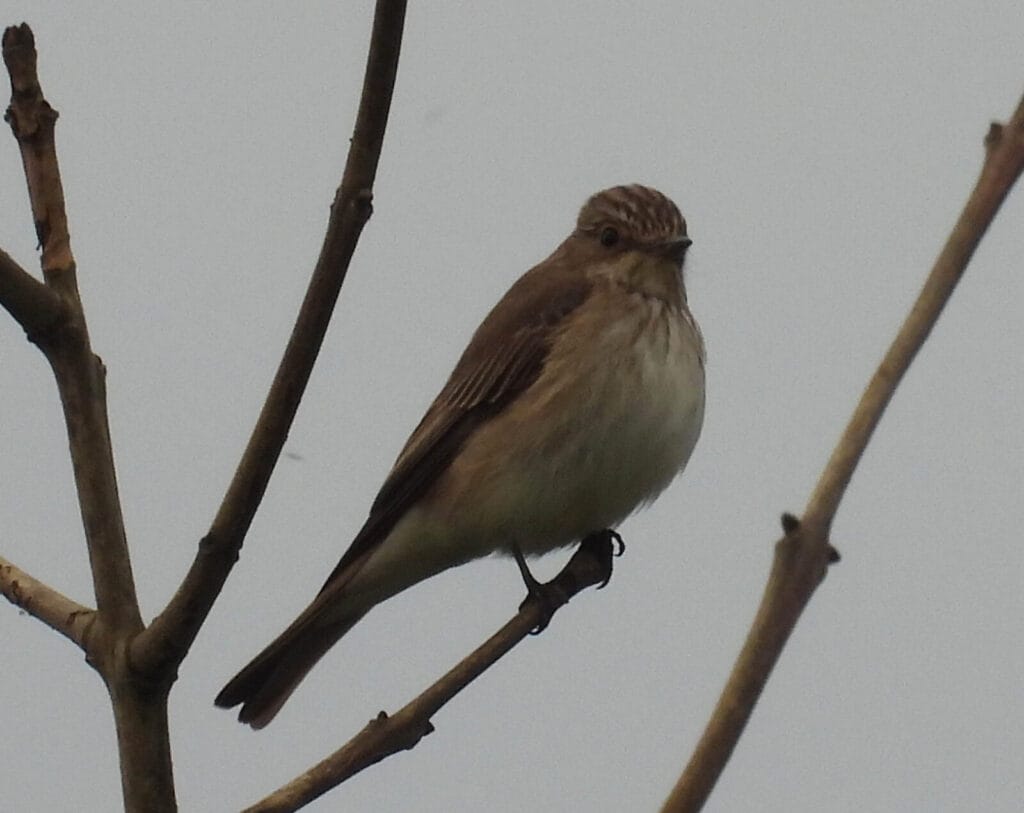
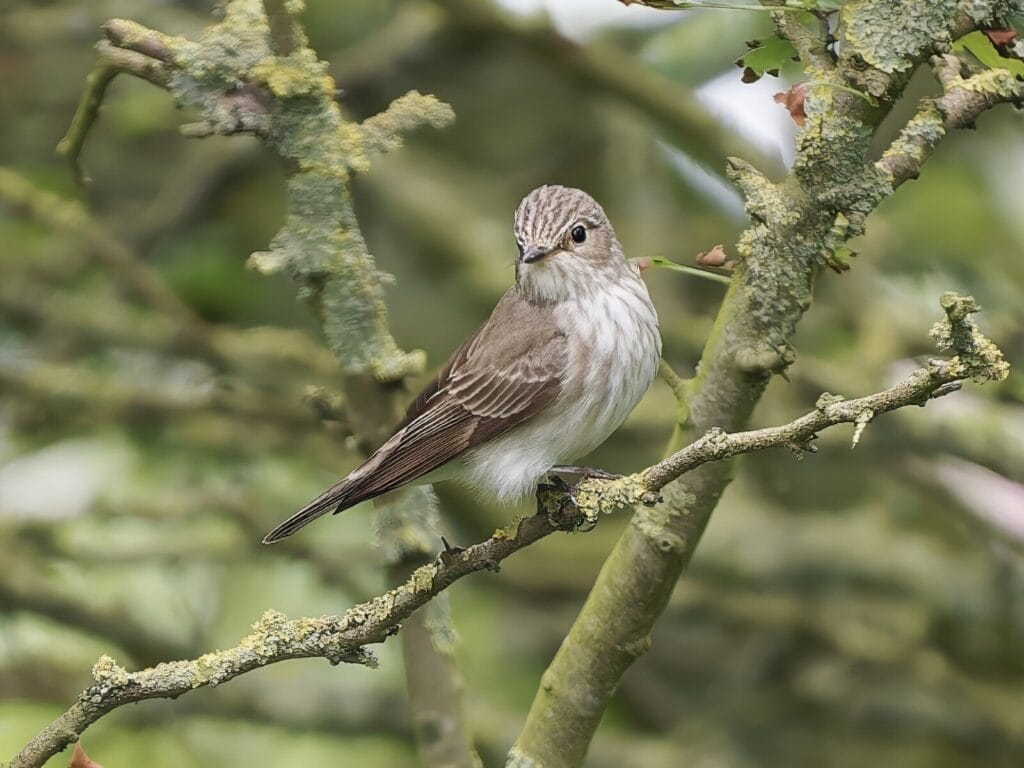
The day’s highlight was the discovery of a (presumed) first-summer male Siberian Stonechat in the Lighthouse Grassland mid-afternoon that was still present in the evening. A Hobby flew from South Dykes towards the village early morning, with a lone Ring Ouzel also in the Dykes. Elsewhere, a Hooded Crow was on cliff top fields on the south side of the head. The year’s first Spotted Flycatcher graced South Landing, where three Bar-tailed Godwits were on the beach. Other notable records included single pairs of Garganey and Pochard on the outer head, a southbound Little Egret, two Whimbrel at Hartendale and a Swift.
Siberian Stonechat, Lighthouse Grassland, by Rob LittleSiberian Stonechat, Lighthouse Grassland, by Rob LittleSiberian Stonechat, Lighthouse Grassland, by Rob Little
A relatively overcast day, with brighter intervals and some heavy showers; light northerlies increased in strength from mid-afternoon, with temperatures reaching 12 degrees C.
The first-summer male Siberian Stonechat showed well in the Lighthouse Grassland throughout. A male Grey-headed Wagtail graced Thornwick Pools early afternoon, with its appearance coinciding with the heaviest rain. However, perhaps as notable was the arrival of nine Pied Flycatchers of which eight were males. A Great White Egret flew south over the outer head early afternoon and two Whimbrel fed on the Golf Course. A Marsh Harrier flew north over Cattlemere in the morning and a Short-eared Owl hunted the cliff top near North Landing. Other notable totals were a Hooded Crow, one male Common Redstart, a male Black Redstart, a Tree Pipit, 14 Wheatear, one Whinchat and three Siskin. Seawatch highlights included 57,000 Razorbills moving north past the headland.
RSPB Bempton Cliffs also attracted a male Pied Flycatcher and two Willow Warblers.
Grey-headed Wagtail, Thornwick Pools, by Craig ThomasSiberian Stonechat, Lighthouse Grassland, by Craig ThomasShort-eared Owl, North Landing, by Brett Richards
It was a relatively overcast day, with brighter skies establishing by the afternoon, a light/moderate south-westerly wind and temperatures that reached 15 degrees C.
The Siberian Stonechat was still present on the outer head for its third day. The highlight was a singing Common Nightingale that was typically elusive near the Golf Course Willows. An evening visit to see if the latter would start singing proved fruitless, but was rewarded by two Spoonbills U-turning over the Golf Course and eventually heading north-west. Two Short-eared Owls were present along the North Cliffs, while a Hobby toured the headland.
Wildfowl/wader interest included two Garganey, a Gadwall, four Shoveler, nine Whimbrel, a Bar-tailed Godwit and a Common Sandpiper. Additional migrants included one Swift, a Hooded Crow, two Ring Ouzel, a Fieldfare, one Redwing, six Pied Flycatchers, a Goldcrest, a male Common Redstart, a male Black Redstart, three Whinchat, three Tree Pipits, eight Yellow Wagtails, three Brambling, a Lesser Redpoll, six Siskin and two Corn Buntings.
A pair of Garganey rested on the sea off RSPB Bempton Cliffs. Other notable sightings from the reserve included a Short-eared Owl, a Garden Warbler, one Pied Flycatcher, four Tree Pipits flying south-east, a Brambling and 38 Corn Buntings. Nearby, two Pied Flycatchers were present in Bempton village.
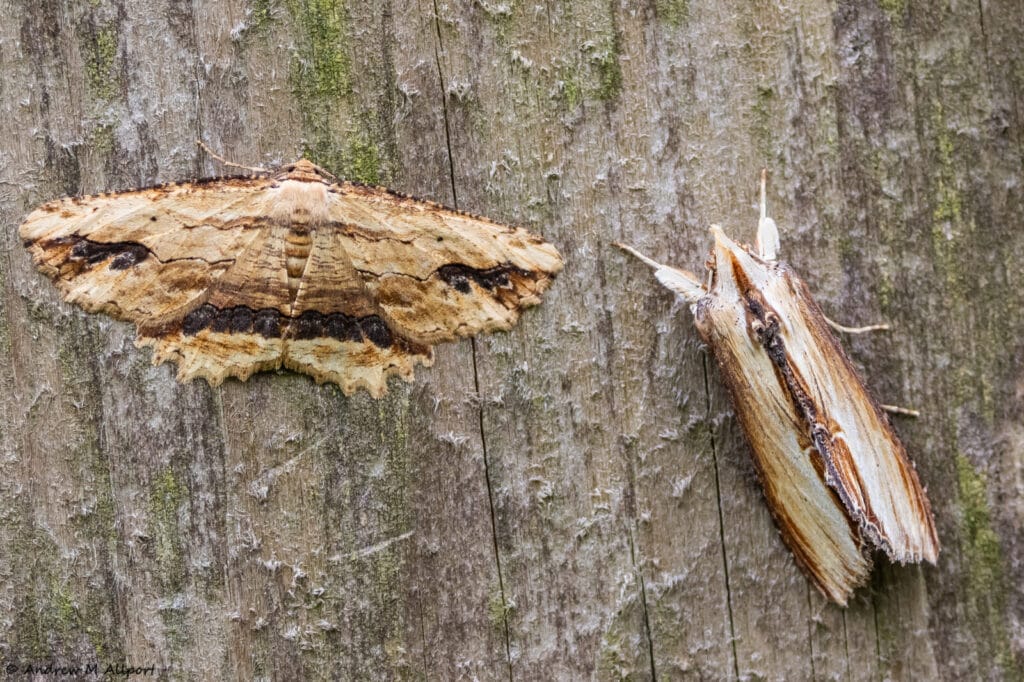
Red Kite, outer head, by Rob LittleSpoonbills, outer head, by Andy HoodSiberian Stonechat, Lighthouse Grassland, by Alan WalkingtonSiberian Stonechat, Lighthouse Grassland, by Andy HoodWaved Umber and Mullein moths, South Landing, by Andrew Allport
A day of prolonged sunshine, light winds of variable direction and a top temperature of 15 degrees C. Already a good spring for the species, another Spoonbill flew north over the outer head at 0758hrs. Additional fly-overs included a flock of four Little Egrets moving south, six northbound Whimbrel and a creamcrown Marsh Harrier. Grounded migrants included a Goldcrest, two Common Redstarts, seven Wheatear, three Whinchat, two Pied Flycatchers, a Spotted Flycatcher, a White Wagtail, five Tree Pipits and four Corn Buntings.
Another bright day, with very light onshore winds and a top temperature of 14 degrees C. Swifts arrived during the day, with three feeding over Flamborough village and four over Bempton village by late afternoon. A Short-eared Owl hunted the outer head in the morning, with another at RSPB Bempton Cliffs. Migrants on the outer head included a Hooded Crow, three Garden Warblers, one Pied Flycatcher, a Grey Wagtail, eight Yellow Wagtails and two Tree Pipits. RSPB Bempton Cliffs also hosted a Garden Warbler.
An overcast, misty day with a coastal fret and moderate onshore winds resulting in a top temperature of 12 degrees C. Passerine migrants included a Hooded Crow at South Dykes, a late Fieldfare, one Whinchat and six Siskin. A Firecrest seen yesterday at RSPB Bempton Cliffs was relocated in the Dell; a Short-eared Owl and 55 Corn Buntings were also on the reserve.
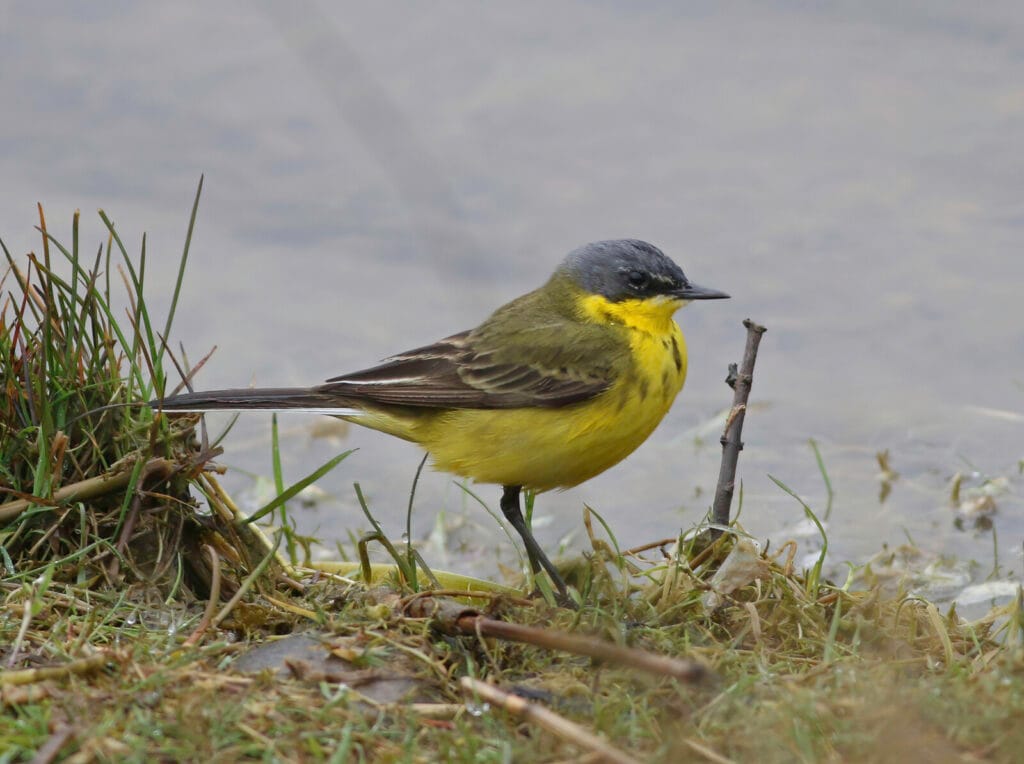
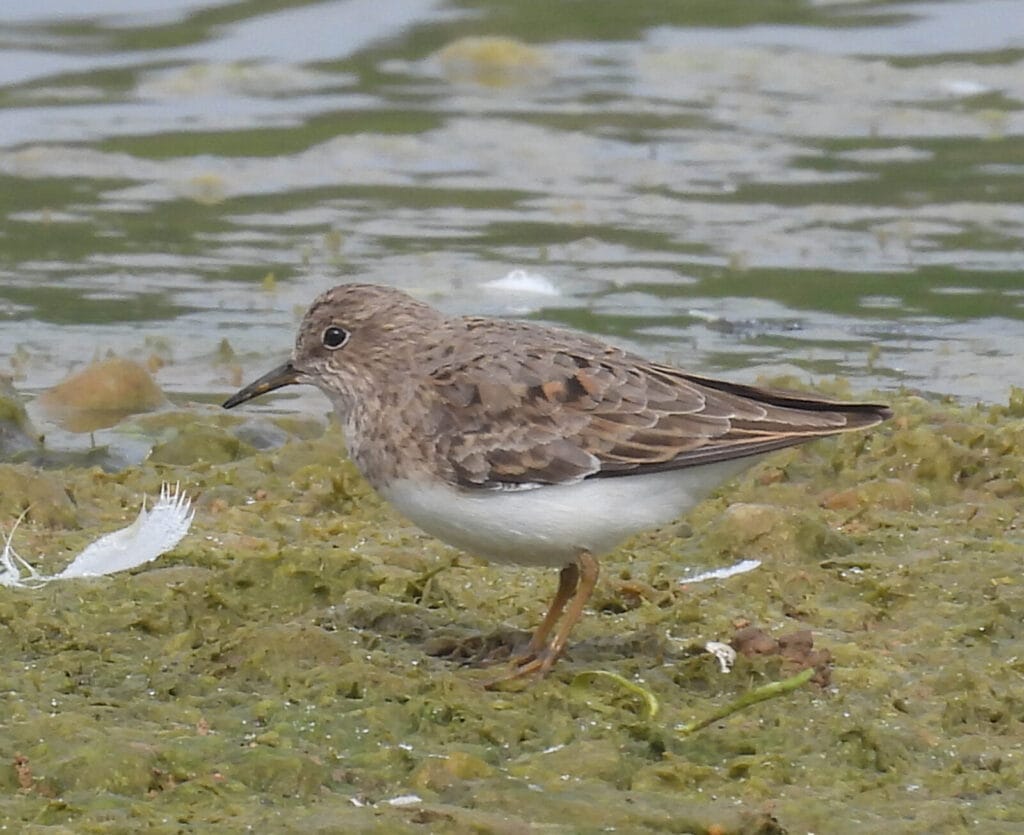
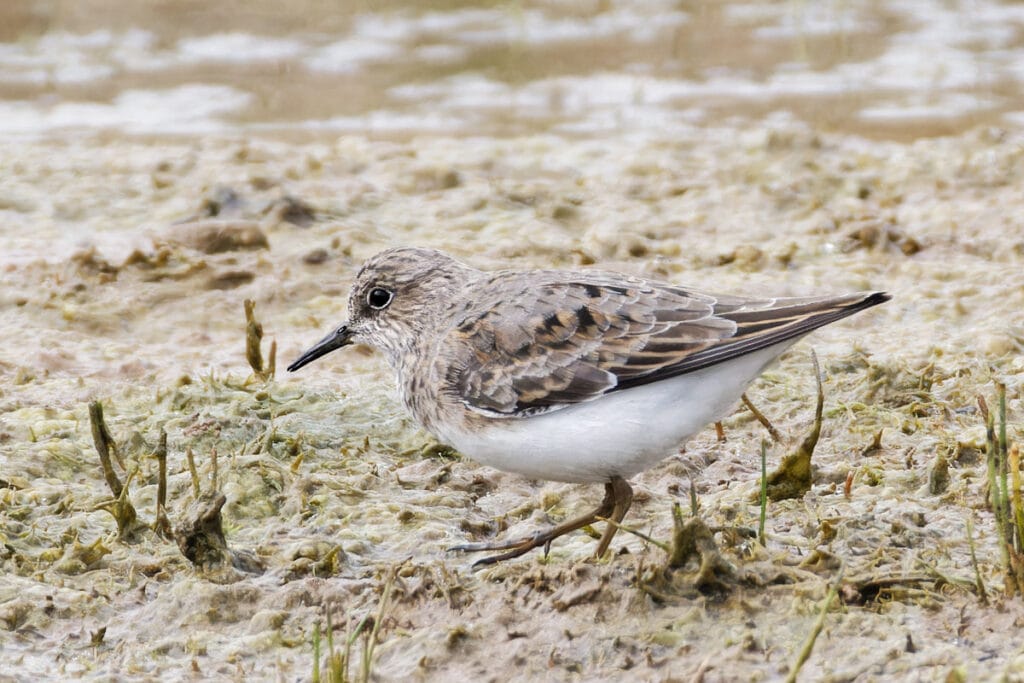
The day started with fog that gradually lifted to leave sunny spells, a light/moderate south-easterly wind and a high of 14 degrees C. Over recent years, Thornwick Pools has established an excellent reputation for attracting Temminck’s Stints; a single from 0905-0930hrs, when it flew off south, further enhanced that status. A Blue-headed Wagtail was on a flash near Breil Nook mid-afternoon, sharing the water’s edge with a White Wagtail. The Hooded Crow also re-appeared on a field next to South Dykes. Other notable records included one Whimbrel, a Short-eared Owl and four Wheatear. Elsewhere, the Firecrest lingered at RSPB Bempton Cliffs, while three Common Sandpiper were on rocks below Speeton Cliffs.
Temminck’s Stint, Thornwick Pools, by Brett RichardsTemminck’s Stint, Thornwick Pools, by Rob Little
Light westerly winds and sunny intervals resulted in a top temperature of 20 degrees C. A Rough-legged Buzzard was the first record over the outer head since a similar-dated record on 1st May 2016. Initially seen circling over the village at 1002hrs, it gradually gained height, heading out east; it was eventually lost from sight at significant altitude at 1030hrs.
A skein of 22 Barnacle Geese that flew north past the Fog Station early morning was unusual. Two Red Kites circled both RSPB Bempton Cliffs and North Dykes, while a Little Egret frequented the outer head and a Common Sandpiper dropped onto Thornwick Pools. A single White Wagtail was present and three Tree Pipits continued their good run.
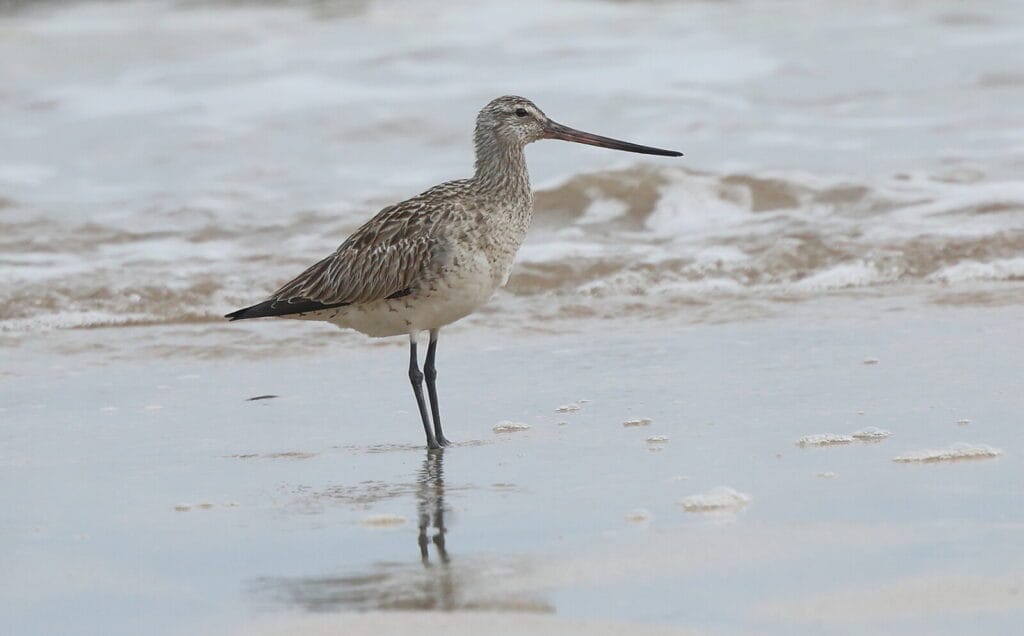
Bar-tailed Godwit, South Landing, by Alan Walkington
A relatively bright day, with a light east-south-easterly wind establishing and a top temperature of 15 degrees C. Four (two pairs) of Garganey on Thornwick Pools in the morning were particularly noteworthy, with one pair relocating to the outer head later in the day. The re-appearance of the Rough-legged Buzzard was another surprise when it again drifted east at height late morning. A Hobby flew west over the outer head.
A Great Northern Diver flew north out of the bay, while Short-eared Owls hunted both the Thornwick and North Marsh areas. Waders were clearly on the move, with an appreciable count of 28 Ringed Plovers, a Little Ringed Plover, one Wood Sandpiper, a Greenshank and three Whimbrel. Passerine migrants were scarce, but included two Wheatear, two White Wagtails, three Yellow Wagtails and a Siskin. In addition, an Alexandrine Parakeet commuted around the headland.
Although the day began with bright skies, a sea fret drifted ashore within a couple of hours after dawn and remained for the rest of the day. There were south-east winds throughout and temperatures often a mere nine degrees C.
The discovery of a Turtle Dove on Beacon Hill was the highlight, with a Grey Plover and a White Wagtail also there. Additional wader interest included yesterday’s Greenshank, four Ringed Plovers and a Whimbrel. A Hobby re-appeared on the outer head.
RSPB Bempton Cliffs attracted a Spotted Flycatcher and 30 Corn Buntings.
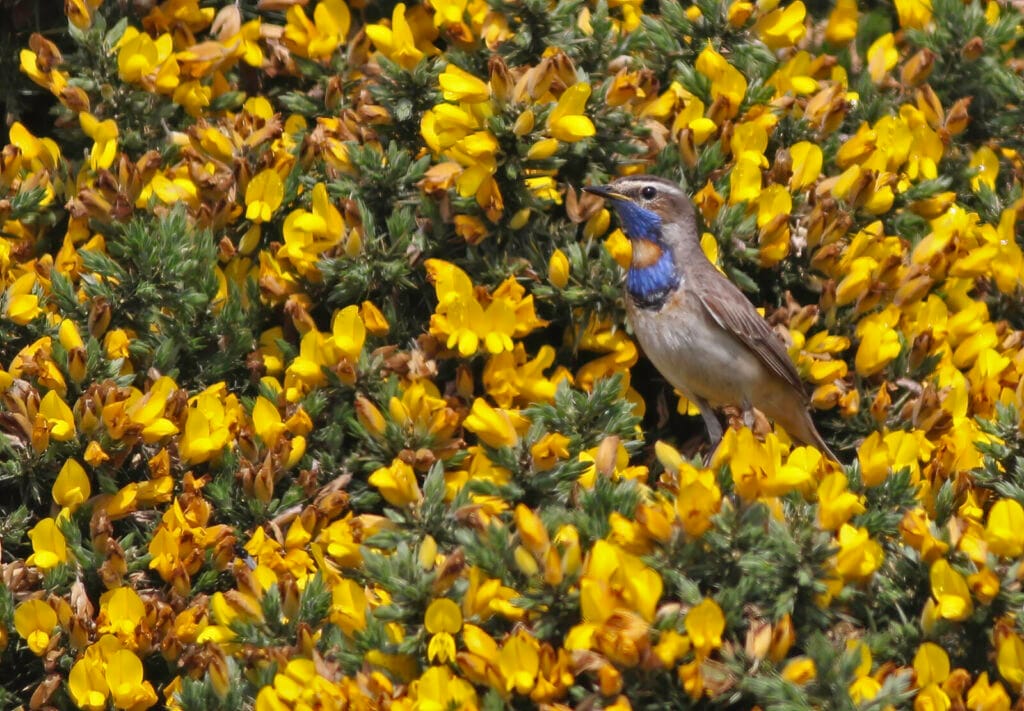
The weather consisted relatively light easterly winds that strengthened in the afternoon, sunny skies and a top temperature of 14 degrees C – essentially ideal drift conditions. These resulted in the discovery of a singing male Red-spotted Bluethroat on the edge of the Gorse Field late morning; the first record for five years! Two Whinchats, one Wheatear, a Spotted Flycatcher and a White Wagtail also made landfall, as did another Spotted Flycatcher at RSPB Bempton Cliffs.
Wildfowl/wader interest included three Pochard, four Shoveler, a Goosander, eight Ringed Plovers, a Little Ringed Plover, three Bar-tailed Godwits, a Whimbrel, two Greenshank and a Common Sandpiper. A Hobby hunted the outer head, as did a lone Short-eared Owl.
Red-spotted Bluethroat, outer head, by Craig Thomas
It was a relatively bright day, with a moderate south-easterly wind and peak temperature of 16 degrees C. Seawatch highlights included a Whimbrel, 42 Sandwich Terns , two Red-throated Divers and two Manx Shearwaters. Single Red Kite and Marsh Harrier overflew the outer head, while wader interest included five Ringed Plovers, a Knot, two Common Sandpipers and a Greenshank. A (the) Turtle Dove re-appeared at Needles Plantation, while a lone White Wagtail was at the Fog Station.
After a bright start the day featured showers and overcast skies, with light easterly winds and a top temperature of 13 degrees C. Seven Shoveler, a Gadwall and two Teal were in residence alongside three Common Sandpipers, 13 Ringed Plovers, a Little Ringed Plover and three Dunlin. A second calendar-year Hen Harrier flew west along the southern side of the outer head; presumably the same individual flew through RSPB Bempton Cliffs later. Two Short-eared Owls were on the outer head, while the Turtle Dove re-appeared near South Landing. Passerine migrants included five Wheatear, a Whinchat and a White Wagtail.
Chiffchaff, Thornwick Pools, by Alan WalkingtonMother Shipton moth, Thornwick, by Andy Hood
An overcast day, with spells of light rain, gentle winds and a top temperature of 13 degrees C. Seawatching was rewarded with two Tufted Ducks, 24 Sandwich Terns, a Red-throated Diver and three Manx Shearwaters.
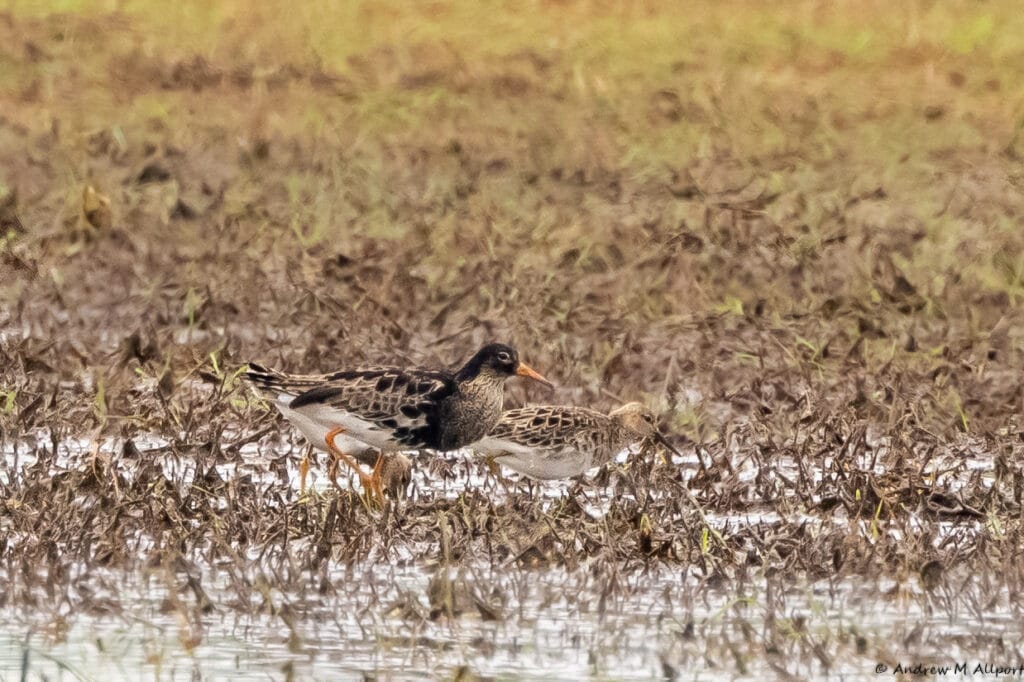
The headland’s wetlands attracted eight Shoveler, four Ringed Plovers, a Little Ringed Plover, eight Ruff and a Greenshank. Raptor interest included two Marsh Harriers at North Marsh (another at Buckton), a Red Kite and a Merlin. Passerine migrants included a Hooded Crow, one Spotted Flycatcher and a White Wagtail.
Sightings from RSPB Bempton Cliffs included two Red Kites, a Short-eared Owl and a Tree Pipit.
Ruff by Andrew AllportSpotted Flycatcher, by Brett Richards
Generally overcast with spells of rain and a sea fret during the middle of the day, the latter driven ashore by a blustery northerly wind; temperatures reached 13 degrees C. Over recent days there has been a lot of publicity regarding significant declines of Guillemots in UK colonies. So it was interesting that a two-hour seawatch produced 54,000 Guillemots and 36,000 Razorbills moving north; a Great Northern Diver and a Manx Shearwater also headed in the same direction. Five Shoveler and a Wood Sandpiper were on the outer head, along with a lone White Wagtail.
Light onshore winds pushed a sea fret ashore again; it lingered over the outer head, making birding very difficult. Seabirds were moving ‘north’ out of the bay close inshore, with brief spells of better visibility rewarded with two Manx Shearwaters, a Red-throated Diver and 50 Sandwich Terns alongside many thousands of auks. A Wood Sandpiper was on a flash near Breil Nook, while seven Ringed Plovers were also present. Raptor interest included single Marsh Harrier and Hobby. Migrants included a Turtle Dove at Crofts Hill, two Tree Pipits and a male Pied Flycatcher.
A Short-eared Owl again hunted cliff top fields at Buckton.
Pied Flycatcher, Old Fall Hedge, by Andrew Allport
A sea fret continued to dominate, albeit at its worst on the very outer head and along the northern cliffs. Elsewhere, sunny intervals established in the afternoon, while there was a brisk northerly wind and a top temperature of 15 degrees C.
A Little Egret flew south and a Greenshank north over the Lighthouse Grassland in the morning. Later, a creamcrown Marsh Harrier flew east over South Landing. The Turtle Dove re-visited Croft’s Hill, a White Wagtail was on the outer head and two Lesser Redpolls were unusual. Pairs of Stonechats were feeding newly fledged young at South Landing and Hartendale respectively.
A female Pied Flycatcher in the Dell was the most notable sighting from RSPB Bempton Cliffs.
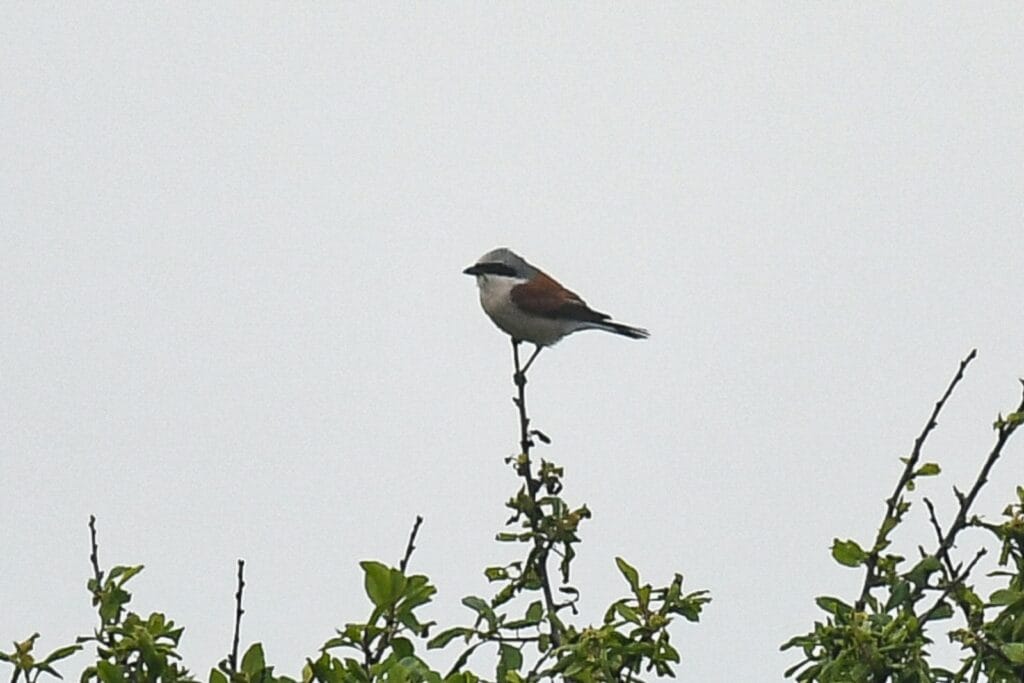
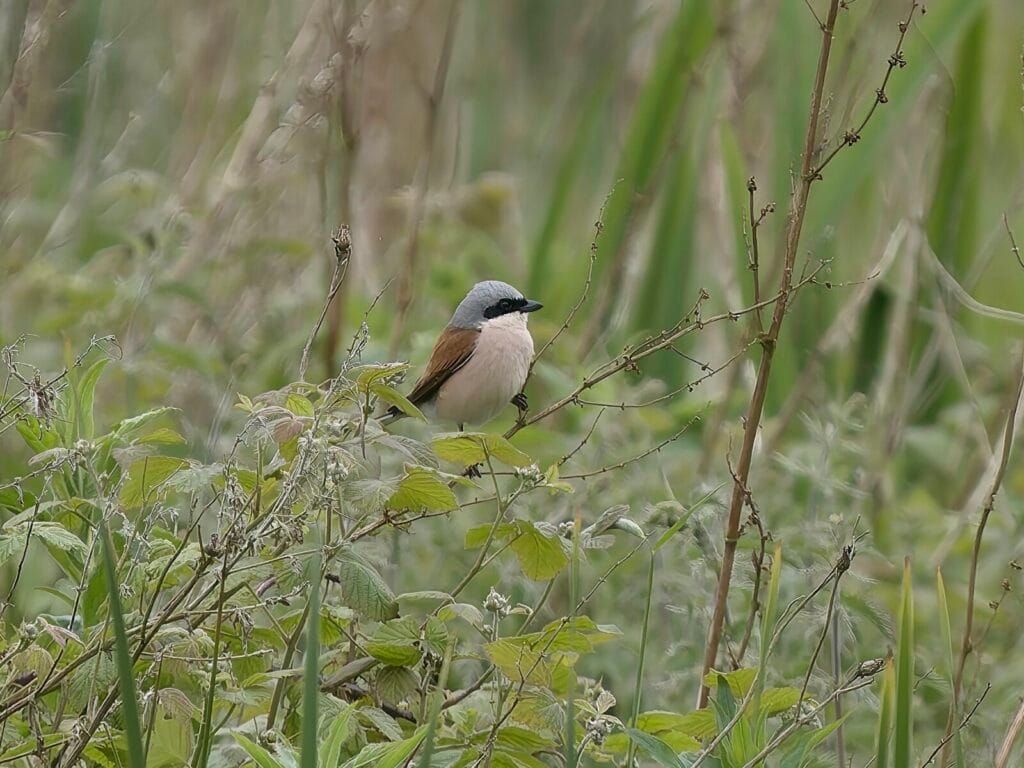
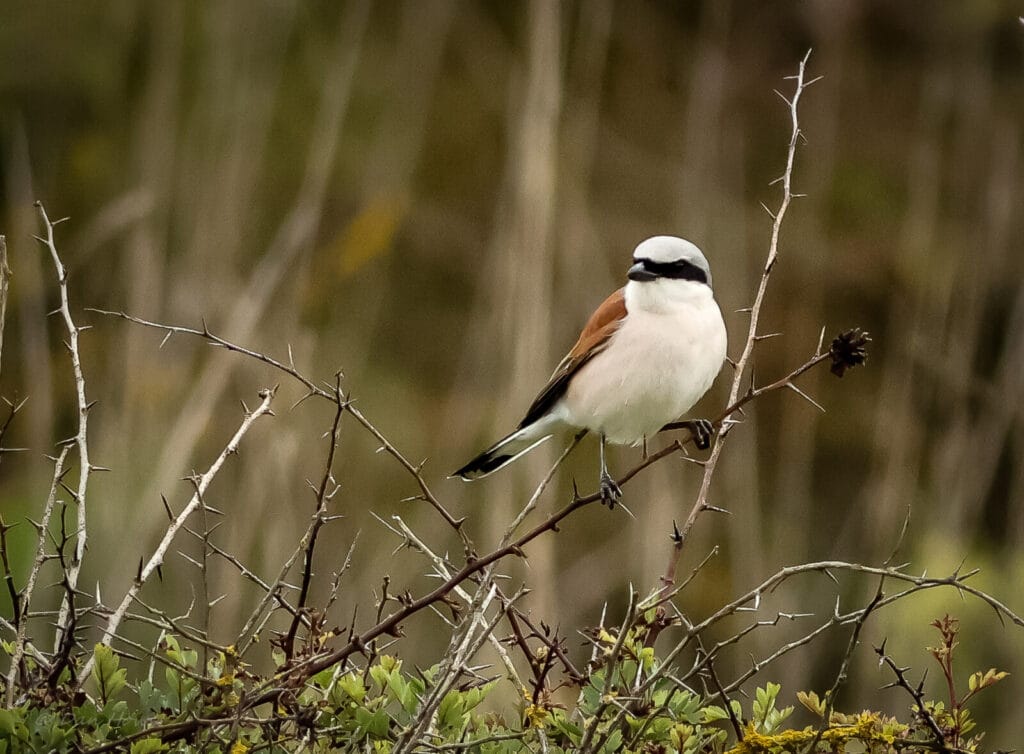
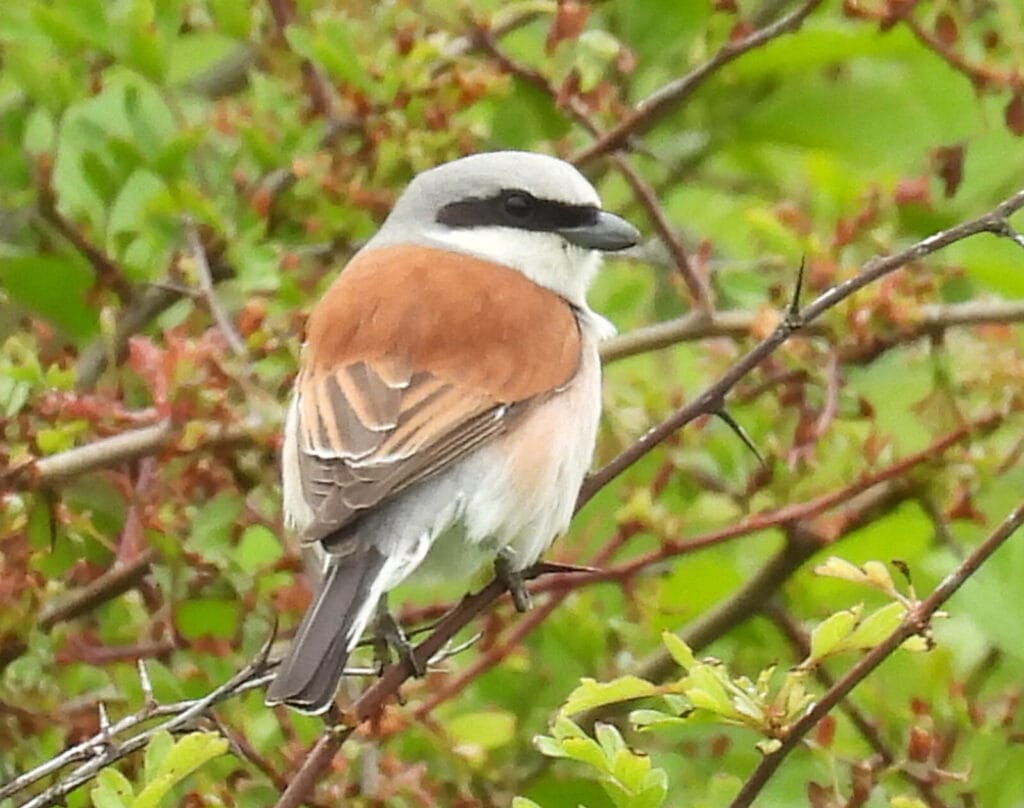
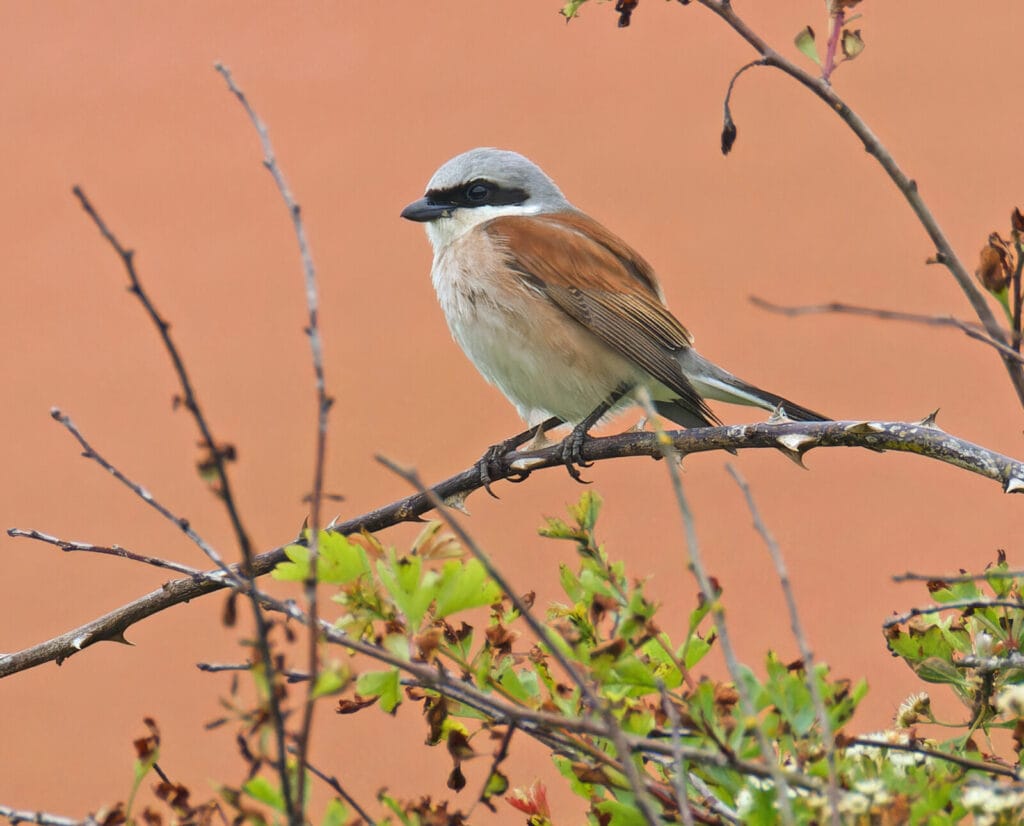
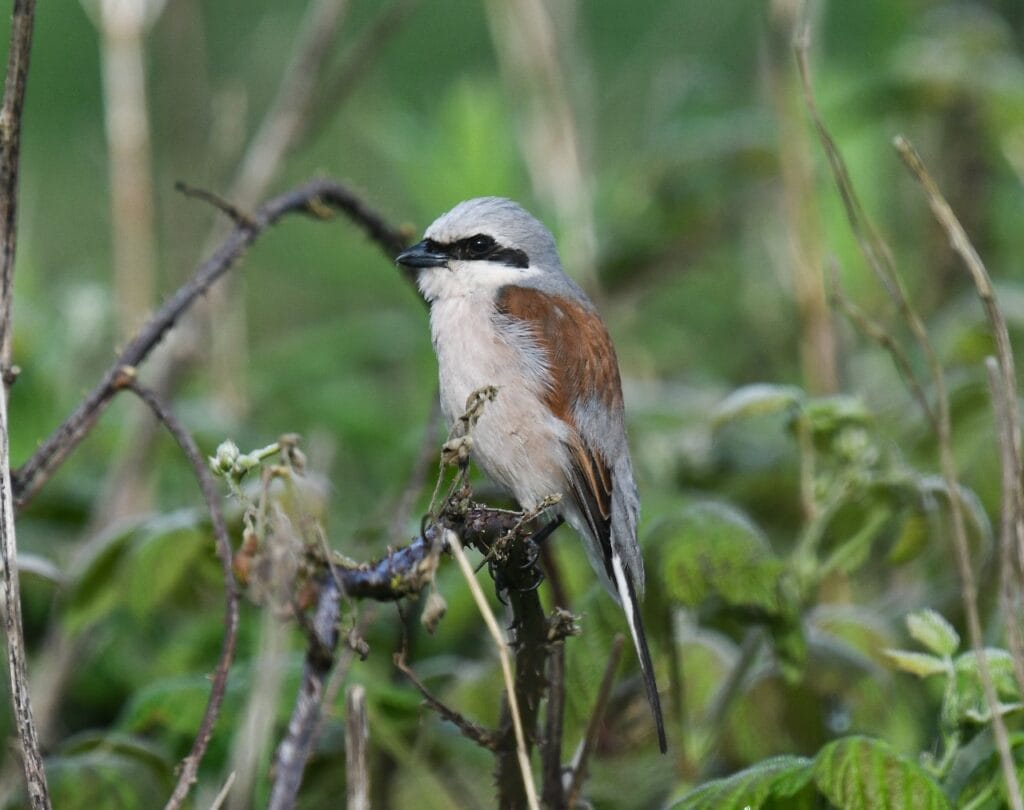
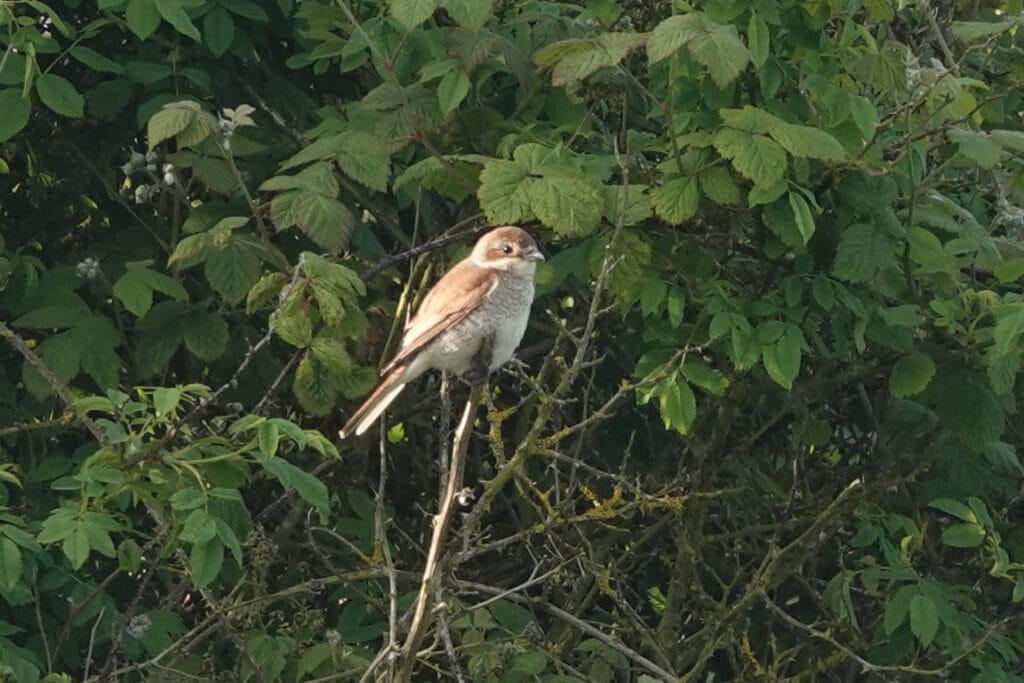
The sea fret finally relented resulting in prolonged sunny intervals, a blustery northerly wind and temperatures peaking at 14 degrees C. A male Red-backed Shrike made landfall, initially at RSPB Bempton Cliffs before relocating to the cliff top at Buckton. Single Firecrest and Spotted Flycatcher were also at Bempton, with two Wheatears at Wandale Farm.
Three summer-plumaged Great Northern Divers flew north past the outer head, together with four Manx Shearwaters. A Short-eared Owl again hunted cliff top fields near Thornwick, while a Cuckoo at Old Fall was new. Single Tree Pipit and Spotted Flycatcher were at South Landing, with a White Wagtail at nearby Oceanview.
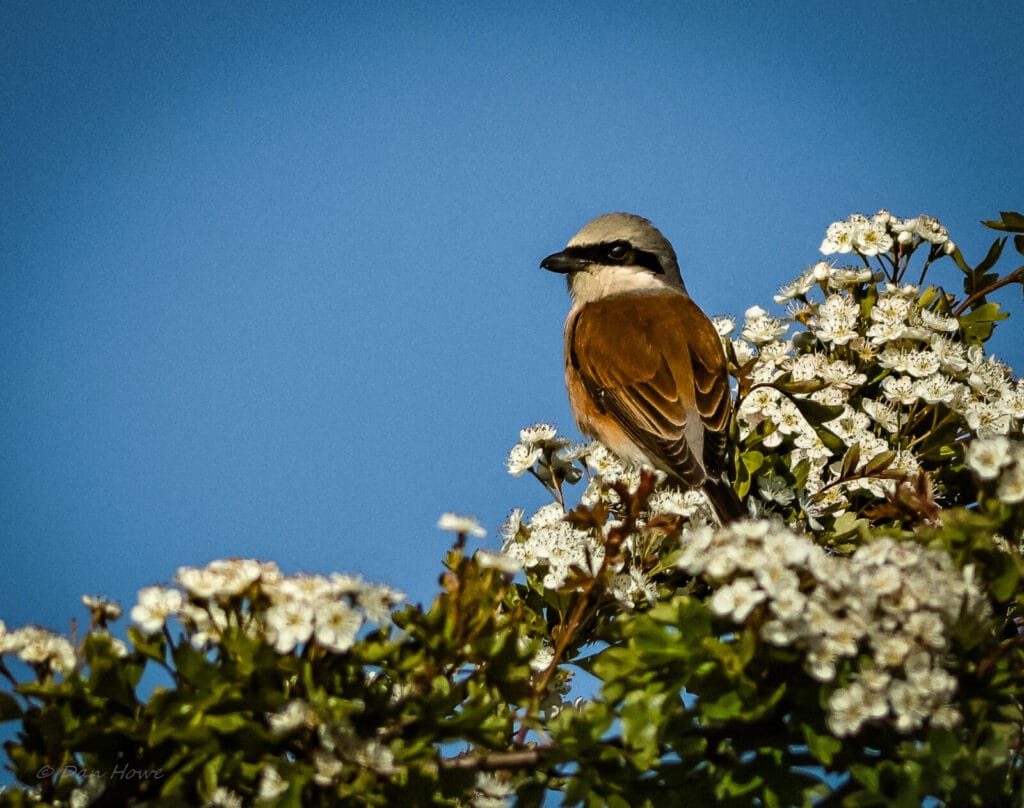
The day began with heavy, overcast skies before sunny intervals dominated; there were relatively light northerly winds throughout and a high of 14 degrees C. Highlights were the discovery of a singing Marsh Warbler at South Landing and a male Red-backed Shrike along Stonepit Lane, between Bempton village and North Dykes. A Hobby also flew south-west over Bempton village. The male Red-backed Shrike also remained on the cliff top at Buckton.
Elsewhere, two summer-plumaged Great Northern Divers flew north past the Fog Station early morning and two Short-eared Owls hunted cliff top fields between North Dykes and North Landing. Passerine interest included a Pied Flycatcher at South Landing, two Wheatears and a Hooded Crow on nearby Beacon Hill.
Red-backed Shrike, Stonepit Lane, Bempton, by Dan Howe
The day started with heavy showers, before dryer but overcast conditions prevailed, although fog arrived late afternoon; there were light/moderate northerly winds and a top temperature of 12 degrees C.
A female Bluethroat photographed along the track to the Thornwick Pools hide mid-morning didn’t linger, unlike the male Red-backed Shrike that was still in residence along Stonepit Lane, Bempton.
Two Great Northern Divers flew north during a seawatch that also featured a drake Goosander, one Red-throated Diver and three Manx Shearwaters heading in the same direction. Raptor interest included a Red Kite and the year’s first Osprey; a lone bird flying west over Hartendale early afternoon. A Little Owl on the outer head was unusual, as was a late Water Rail on the edge of the Golf Course. A male Blue-headed Wagtail was a new arrival on the outer head, where migrants included single Whimbrel, Wheatear and White Wagtail. A single Spotted Flycatcher was at RSPB Bempton Cliffs.
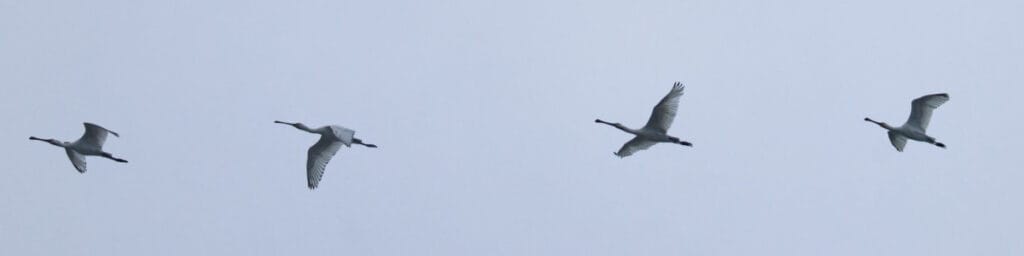
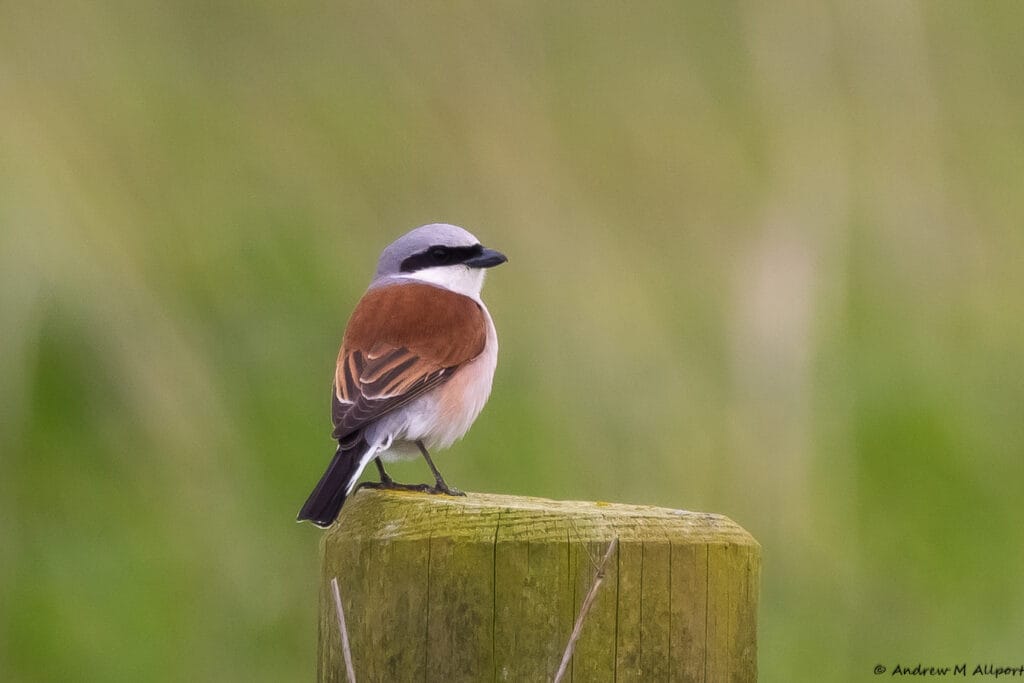
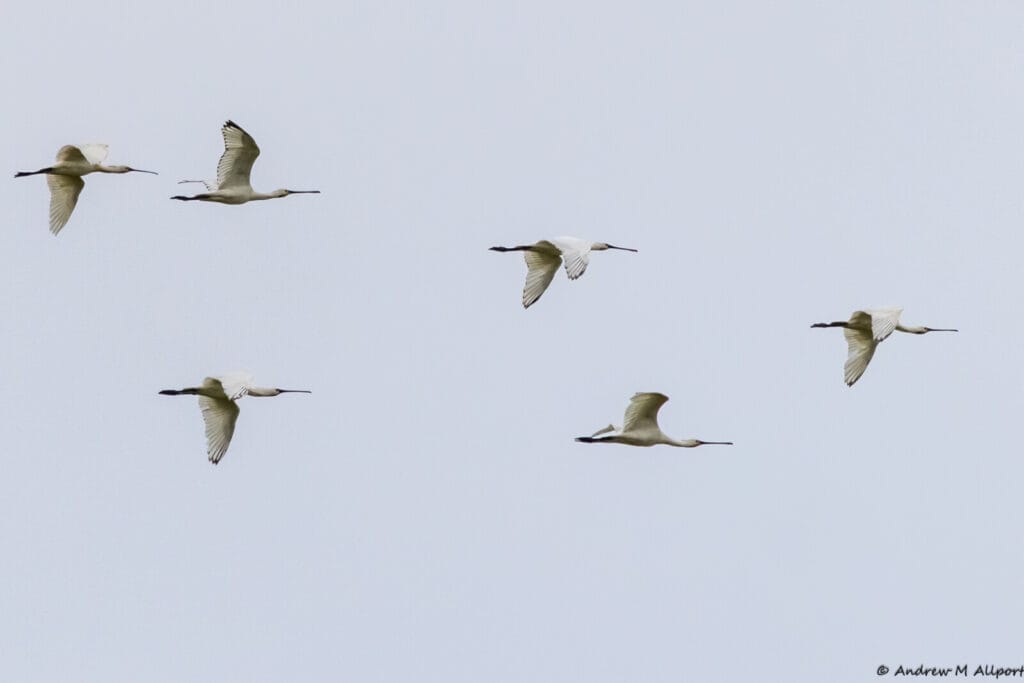
A spectacular day as a result of heavy rain from dawn driven ashore by northerly winds that cleared mid-afternoon. It was soon evident a fall had taken place, headlined by ten Red-backed Shrikes (including a female at RSPB Bempton Cliffs); of the remaining nine birds, seven were adult males. These were accompanied by two female Bluethroats (along the edge of the golf course & at Bempton) and a Serin; the latter associating with Goldfinches near the Old Lighthouse. Four Spoonbills also flew in off the sea before moving south-west over the headland at 1855hrs. Additional migrants included a Short-eared Owl, a Hobby, two Garden Warblers, three Wheatears, two Pied Flycatchers and nine Spotted Flycatchers.
Sightings from Bempton included an Arctic Tern flying north over the headland and a Spotted Flycatcher.
Red-backed Shrike, Oceanview, by Andy HoodSpoonbills, by Rob Little
Overcast throughout, with a moderate south-westerly wind and high of 15 degrees C. However, it was yesterday’s weather system that defined the quality of the day’s birding and what quality it was. Scarce migrants included:
– eight Red-backed Shrikes, including four individuals in the Thornwick area & a male at RSPB Bempton Cliffs;
– three Icterine Warblers, with one on the edge of the Lighthouse Crop Field that showed well into the evening, one at RSPB Bempton Cliffs and another at Buckton for its second day;
–two Marsh Warblers with a bird caught & ringed at Buckton and another singing at RSPB Bempton Cliffs;
-a female Bluethroat at RSPB Bempton Cliffs.
A flock of six Spoonbills flew west from the lighthouse and eventually headed over South Dykes from 0746-0758hrs. An Osprey flew south over the outer head at 1340hrs and a Red Kite also moved west in the morning. The Water Rail remained at the Golf Course Willows. Passerine migrants included a Garden Warbler, 2 Wheatear, 1 Whinchat, 1 Pied Flycatcher, six Spotted Flycatcher and a White Wagtail.
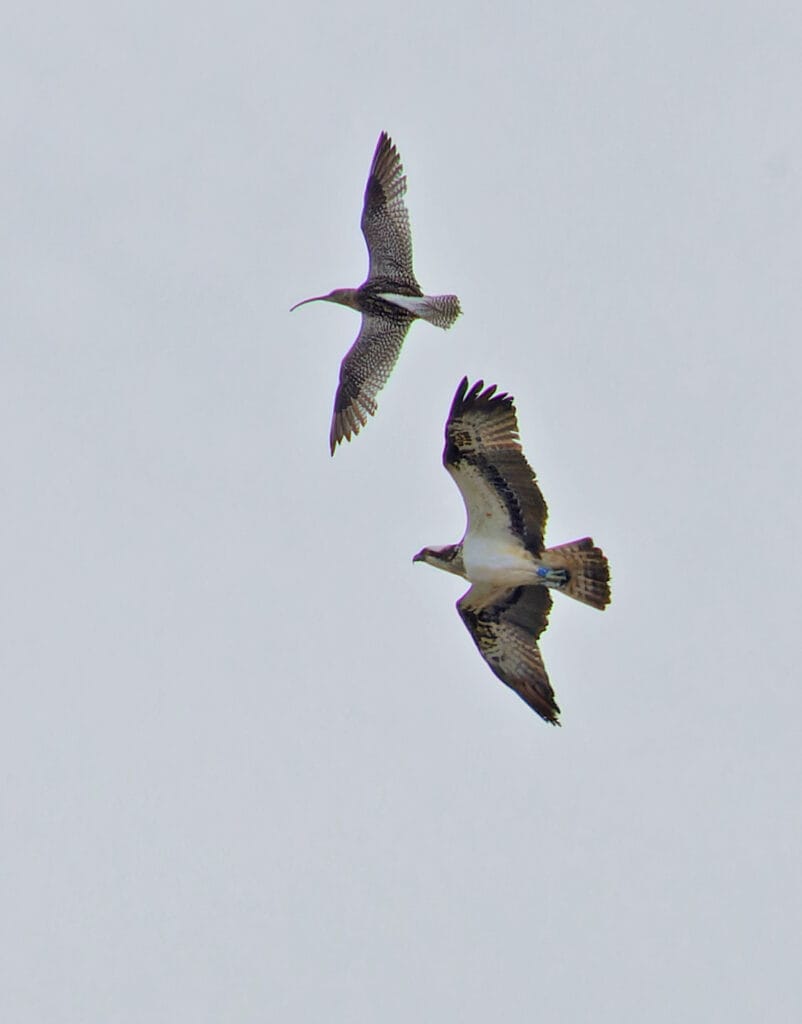
Osprey with Curlew, outer head, by Lee JohnsonRed-backed Shrike, Thornwick, by Andrew AllportRed-backed Shrike, Highcliffe, by Ian HowardRed-backed Shrike, Thornwick, by Dan HoweRed-backed Shrike, Thornwick, by Brett RichardsSpoonbills, outer head, by Andrew AllportIcterine Warbler, Lighthouse Crop Field, by Rob LittleIcterine Warbler, Lighthouse Crop Field, by Tony Dixon
Generally overcast with light/moderate winds backing from the south-west to the south-east and temperatures reaching 13 degrees C. A Serin dropped into the Lighthouse crop field briefly early morning before flying off south, with two Icterine Warblers in the same hedgerow. Five Red-backed Shrikes (two males, three females) were in residence, including a male near North Marsh and another in the Gorse Field. Single Short-eared Owl and Water Rail lingered, while waders included single Little Ringed Plover, Ringed Plover, Common Sandpiper and Dunlin together with three Whimbrel. Two Little Egrets also toured the outer head. Passerine migrants included 12 Spotted Flycatchers, a Black Redstart (Lighthouse) and six Wheatears.
RSPB Bempton Cliffs hosted an additional four Spotted Flycatchers.
Red-backed Shrike by Lee JohnsonIcterine Warbler, Lighthouse Crop Field, by Lee Johnson
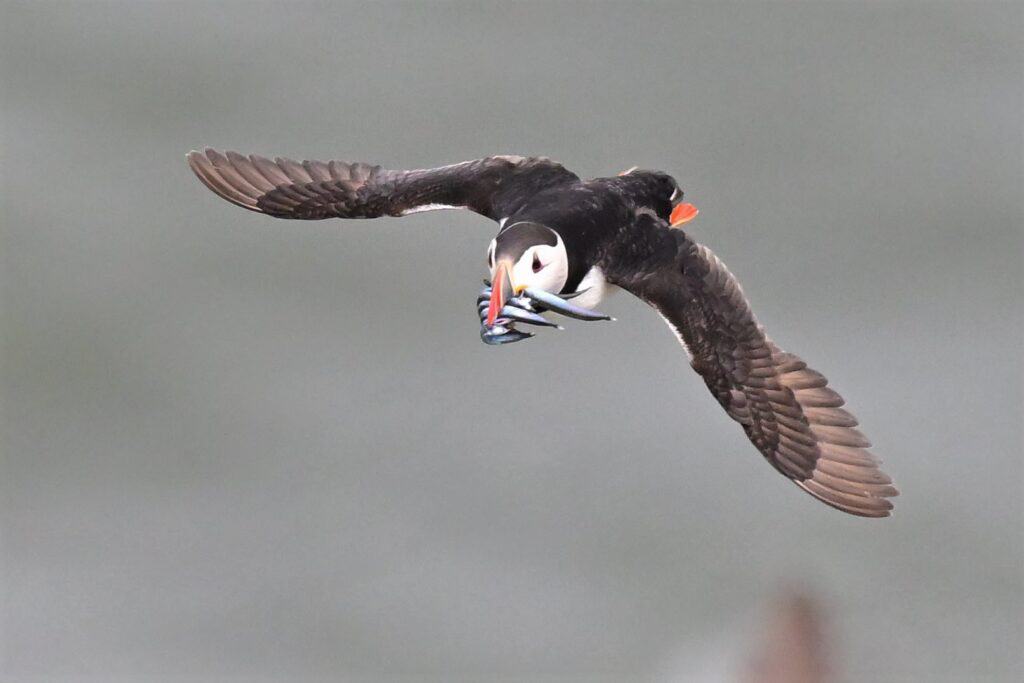
The weather consisted overcast skies, very light onshore winds and a high of 13 degrees C. Two Great Northern Divers flew north during the seawatch, as did two Arctic Terns, 38 Sandwich Terns, 431 Puffins and seven Manx Shearwaters. Single Gadwall, Common Sandpiper and five Corn Buntings frequented the outer head. A male Red-backed Shrike remained around Thornwick Pools, while Hobby and Spotted Flycatcher were at South Dykes.
Sightings from RSPB Bempton Cliffs included a Little Egret flying north-west and a Marsh Harrier moving south-east.
Red-backed Shrike, Thornwick, by Andy HoodSpotted Flycatcher, RSPB Bempton Cliffs, by Ian Howard (24/05)
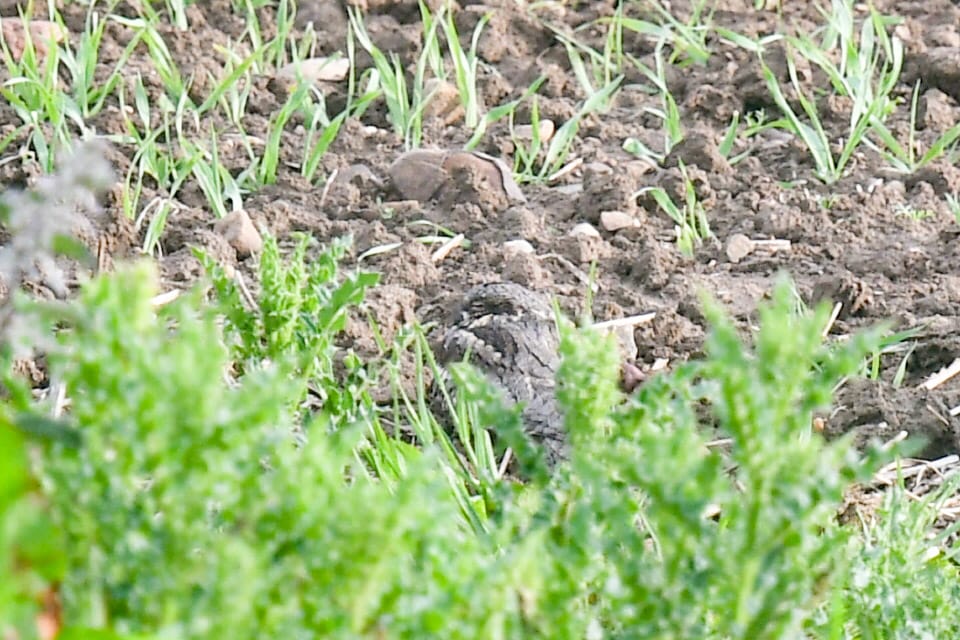
A relatively overcast day, with a band of rain moving through during the morning; there were light winds, generally from a south-easterly direction, and a top temperature of 15 degrees C. An Ortolan Bunting flew south-east over RSPB Bempton Cliffs at 1210hrs, but wasn’t relocated. Other sightings there included a Nightjar discovered early evening at the Dell, one Garden Warbler and four Spotted Flycatchers.
The outer head also hosted four Spotted Flycatchers, together with four Ringed Plovers, a Little Ringed Plover, one Dunlin, a Common Sandpiper, a Cuckoo and two Siskin.
A switch to a south-westerly airflow, warmer temperatures with a high of 18 degrees C, sunny intervals and occasional showers resulted in a shift to ‘eyes on the sky’. Two Red Kites and an Osprey were seen over both the outer head and latterly RSPB Bempton Cliffs in the morning. Seventeen Buzzards were also logged at the latter location, together with an Short-eared Owl, 249 Swifts and a Pied Flycatcher.
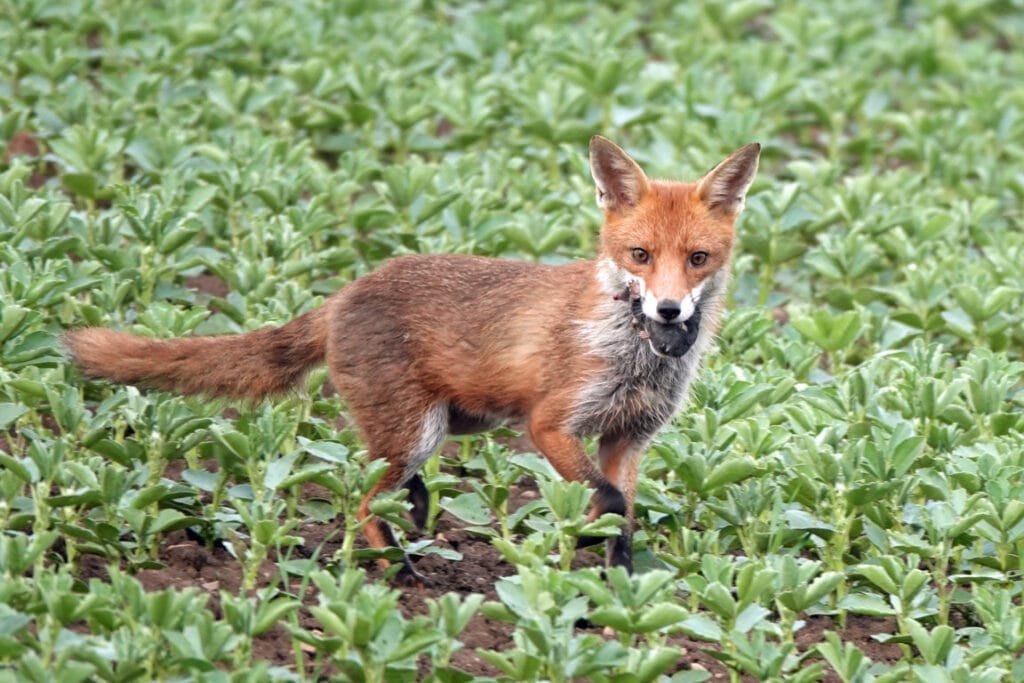
Fox with mole, South Landing, by June & Malcolm Fox
The day featured light/moderate south-easterly winds, generally overcast skies with heavy showers towards dusk and a top temperature of 13 degrees C. Two Red-throated Divers and an Arctic Tern flew north during the morning seawatch. Waterfowl interest included five Shoveler, a Gadwall and three Wigeon. The only transient passerine migrant was a Wheatear. Inland showers were presumably responsible for a south-easterly movement of 62 Swifts and 23 House Martins late afternoon over RSPB Bempton Cliffs.
Another day of sunny intervals and showers, with variable winds and a peak temperature of 18 degrees C. A Blue Fulmar that flew north during the morning seawatch comprised the year’s second record and was accompanied by 15 Sandwich Terns and six Manx Shearwaters. The outer head hosted four Shoveler, a Gadwall, four Tufted Ducks and a Dunlin. Showers again pushed Swifts onto the headland, including 70 over North Marsh early afternoon; clearly even larger numbers were involved, as 298 tracked north-west over RSPB Bempton Cliffs. A Short-eared Owl also headed east over RSPB Bempton Cliffs and latterly the outer head, while a Marsh Harrier headed west over South Landing.
Strong north-north-westerly winds developed during an overcast and wet day, albeit the rain remained relatively light; temperatures reached 12 degrees C. The year’s second Nightjar was discovered on the eastern side of South Landing at 0815hrs, but flew into the ravine and wasn’t relocated. A Wood Sandpiper was a new arrival on the outer head, where single Shoveler and Gadwall remained.
There were blustery northerly winds throughout, albeit they were at their strongest early on when accompanied by driving rain; temperatures reached 13 degrees C. Seawatching was rewarded with the year’s first Arctic Skua and a Blue Fulmar flying north, along with single Teal and Knot, 35 Common Scoters, 46 Manx Shearwaters and 334 Puffins heading in the same direction. On the passerine front, a female Red-backed Shrike at South Landing had presumably arrived on the same airstream as yesterday’s Nightjar.
Red-backed Shrike, South Landing, by June & Malcolm Fox
Although arguably the first day of summer, it still felt cool across the headland. There were blustery northerly winds throughout, overcast skies preceded sunny intervals that dominated the afternoon and a high of 14 degrees C. A male Red-backed Shrike showed well throughout the day along a hedge immediately east of South Landing ravine. Rarer still, especially given the influx of the aforementioned species over the last two weeks, a Quail was flushed from the cliff top near Sykes Plantation. In addition, a Fieldfare was a late migrant, while four Siskin visted gardens.
Sunny throughout, with light winds, variable in direction and temperatures that reached 16 degrees C. A singing Marsh Warbler was vocal at South Landing, but remained hidden for long periods only showing briefly. The male Red-backed Shrike also lingered there, while another male Red-backed Shrike graced South Dykes. A Spotted Flycatcher and two Siskins represented the only other passerine migrants. Seawatch highlights included 27 Manx Shearwaters, 21 Sandwich Terns and a Common Tern flying north.
Elsewhere, two Shelduck flew south-east over RSPB Bempton Cliffs, where a Marsh Harrier moved north-west.
A day of sunny intervals, light winds that started as westerlies but ended onshore and a top temperature of 17 degrees C. No fewer than three singing Marsh Warblers were located on the northern side of the headland between Thornwick and North Landing. Other migrants included two Short-eared Owls together, a Hobby and one Spotted Flycatcher.
One of the highlight’s was the sight of a Nightjar flying in off the sea at RSPB Bempton Cliffs; the reserve also hosted a Redwing.
It was a relatively dull day, with spells of rain in a south-westerly and a high of 17 degrees C. As often in June, Canada Geese were on the move with a total of 63 recorded over the sea. Thornwick Pools attracted a Shoveler and three Ringed Plovers. Yet another Marsh Warbler was discovered, with a singing male in bushes near the lighthouse.
A Hobby flew north-west through RSPB Bempton Cliffs, while a Marsh Harrier moved south-east.
The weather consisted of blustery westerly winds, sunny intervals and occasional showers with a high of 15 degrees C. Seawatch highlights included a Little Gull, 13 Sandwich Terns, five Common Terns and 13 Manx Shearwaters. Freshwaters on the outer head hosted a drake Teal and four Dunlin. Better still, never a common bird on the headland, a Cuckoo spent the day in the shelter of the Bay Brambles adjacent to the Golf Course.
Sunny intervals throughout, with a blustery westerly airstream and peak temperature of 18 degrees C. The winds pushed insects and associated aerial feeders onto the headland, including 65 Swallows, 590 House Martins and 460 Swifts.
The Thornwick/North Landing area attracted a Short-eared Owl, single Hobby and a pair of Garganey. Five Teal, a Ringed Plover and six Dunlin were also recorded, while a pair of Little Grebe were accompanied by three chicks.
Single Marsh Harrier and Hobby overflew RSPB Bempton Cliffs.
A warmer day, with sunny intervals, blustery south-west winds and a high of 18 degrees C. Nine Manx Shearwaters, a Red-throated Diver and nine Sandwich Terns flew north during a morning seawatch. Two Teal, a Shoveler and two Dunlin were on the outer head, with four Grey Herons also touring the freshwater sites. Another Marsh Warbler was located early morning, with a singing male in the Bay Brambles. Other migrants were two Short-eared Owls, 132 Swifts moving south ahead of a cloud bank, a Spotted Flycatcher at South Landing and one Siskin. Elsewhere, a lone Hobby flew west over Sewerby Hall.
Sunny intervals eventually dominated after an overcast start; there were moderate westerly winds and temperatures reached 17 degrees C. Seawatch highlights included two Arctic Skuas, a Red-throated Diver and five Manx Shearwaters moving north. Two Short-eared Owls continued to hunt cliff top fields between North Dykes and Thornwick. Passerine interest was confined to an ‘acredula-type’ Willow Warbler fresh in and a male Grey Wagtail over the lighthouse.
Blustery westerlies at the start of the day switched to lighter onshore winds later; it was generally overcast, with a top temperature of 13 degrees C. The morning seawatch was rewarded with 15 Manx Shearwaters, an Arctic Tern and three Sandwich Terns flying north. The wetlands on the outer head attracted two Shelduck, four Shoveler and a Teal. A singing Reed Warbler at RSPB Bempton Cliffs was relatively unusual.
A cool day once more, with temperatures no higher than 13 degrees C, although significantly less in a blustery northerly wind; there were frequent showers in the morning, with sunny intervals later. Seawatching clearly had promise, with a Bonxie flying past in the morning and a 90-minute evening session rewarded with 32 Manx Shearwaters moving north.
Overcast with a light north-westerly and still cool with a maximum temperature of 13°C.
The sea showed most promise and at the Fog Station 21 Common Scoter, an Arctic Tern, single Great and Arctic Skuas and 78 Manx Shearwaters were logged.
An Osprey passed over the sea at Bempton Cliffs where a Great Skua and a Manx Shearwater were also seen. A Marsh Harrier was also present.