Thursday 1st January, 2015

Weather similar to yesterday, with cloud cover, winds SSW force 5 and temperature 7c.

A good mix today on the seawatch with 23 Red-throated Diver south and 16 north, 85 Fulmar south and 25 north plus one Blue Fulmar, 25 Mallard south, four Pintail south, three Common Scoter south, one Pomarine Skua north, a Great Skua south and one Little Auk south.

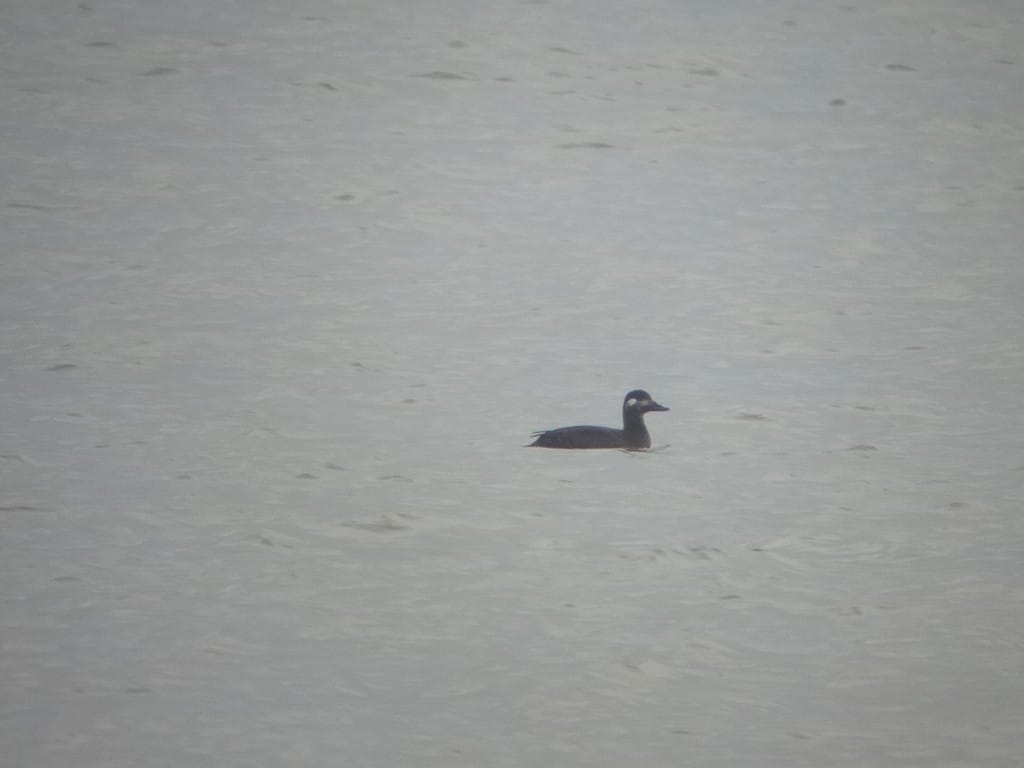
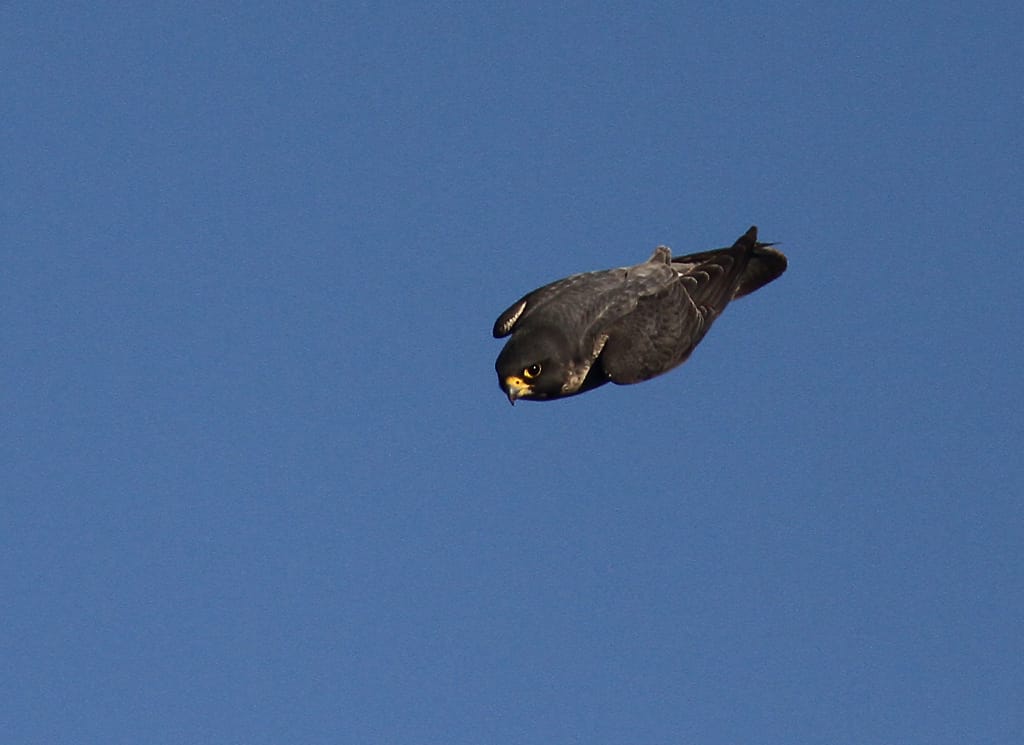
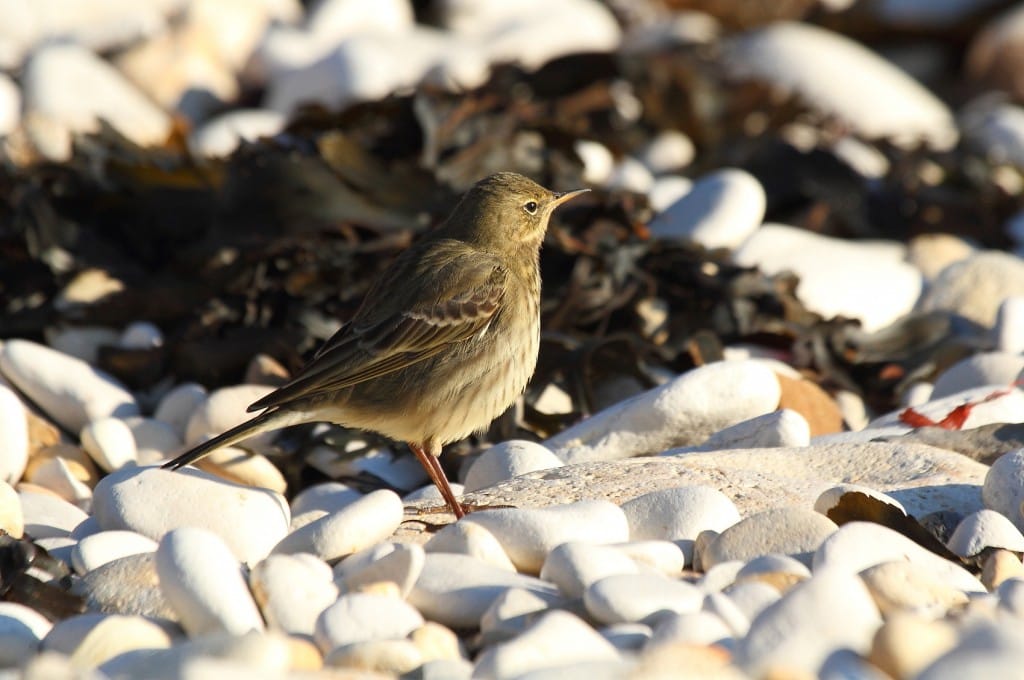
On the cliffs on the Outer Head, there were 173 Shag leaving the roost and a couple of Rock Pipits. South Landing attracted a Velvet Scoter and seven Common Scoter offshore, with 15 Golden Plover west along Lighthouse Road, 11 Curlew at Head Farm and an adult Peregrine in the area.

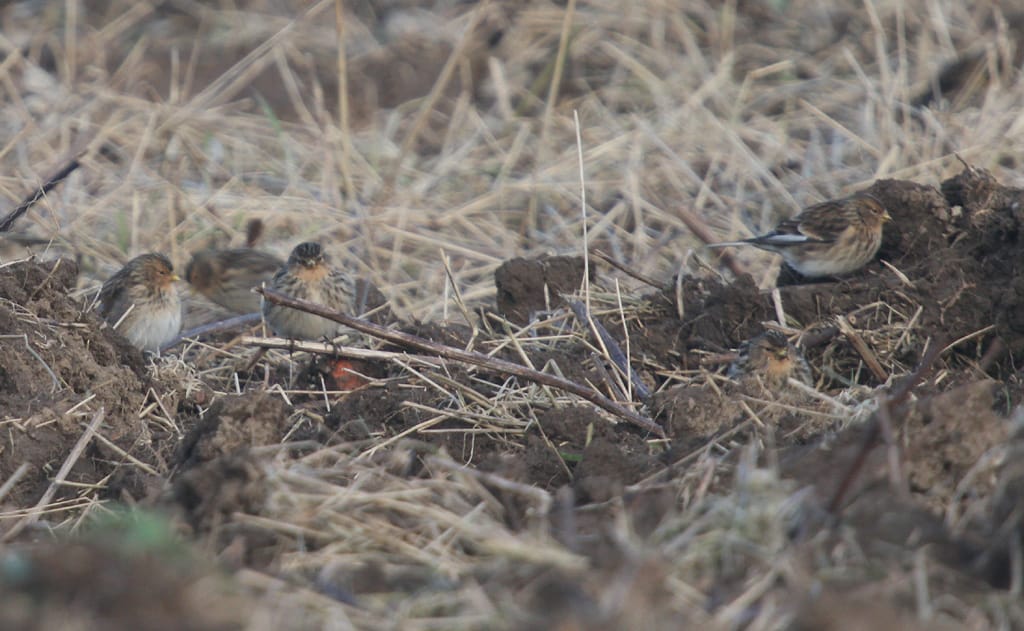
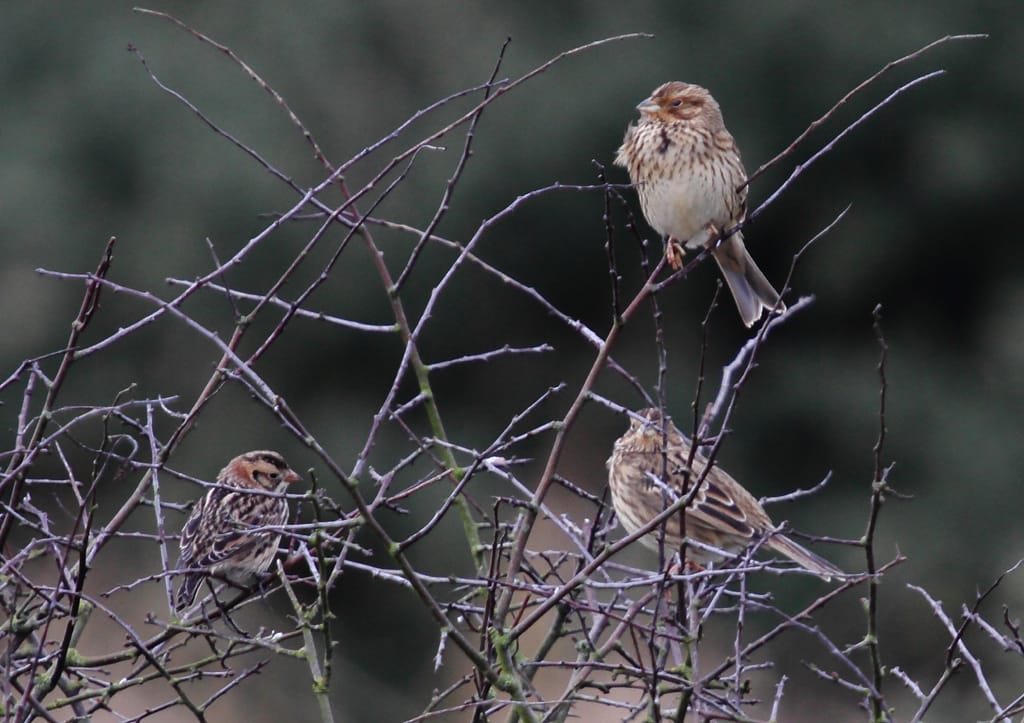
The Buckton area produced two Water Rail and 70 Yellowhammer in the Main Dell, 25 Corn Buntings, two Lapland Bunting and 20 Twite in the stubble field to the north-west of Buckton Hall,  one Snipe and a Goldcrest.

Overall an interesting and rewarding start to the New Year.

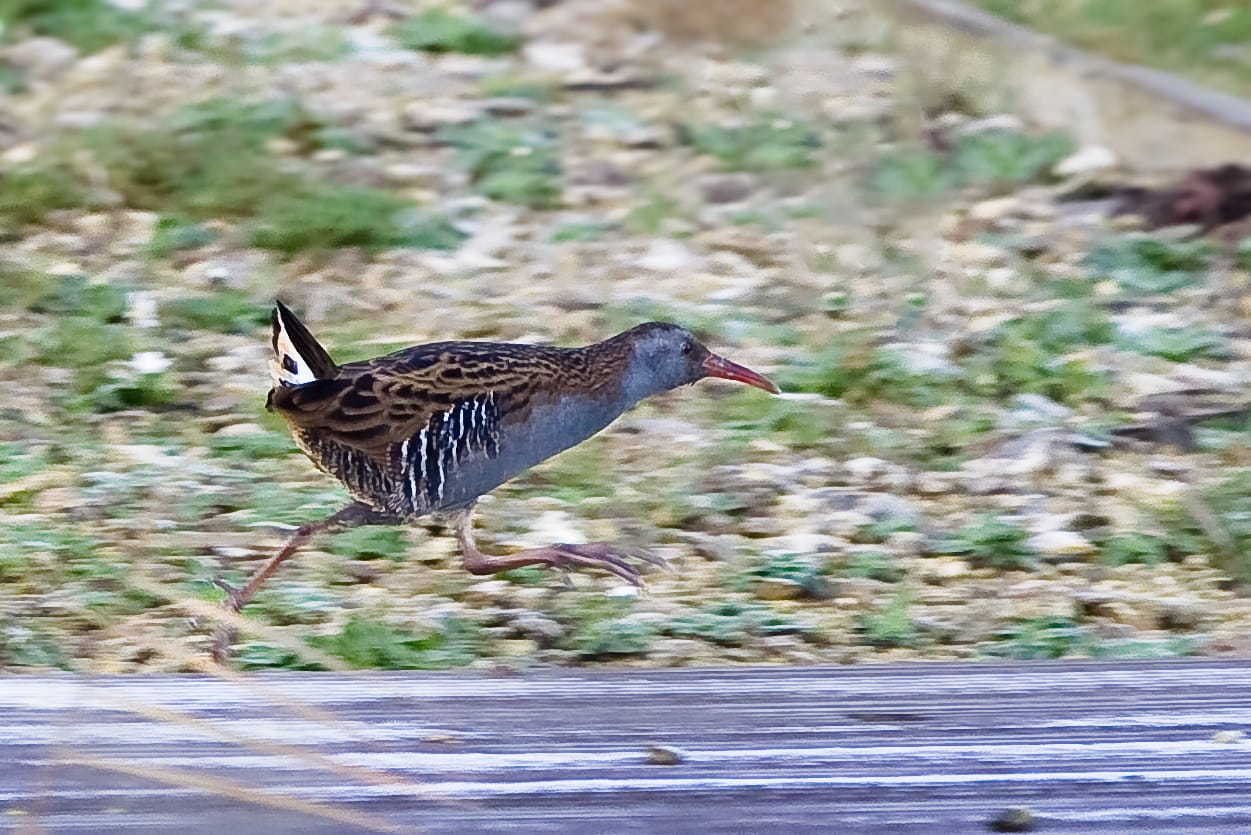
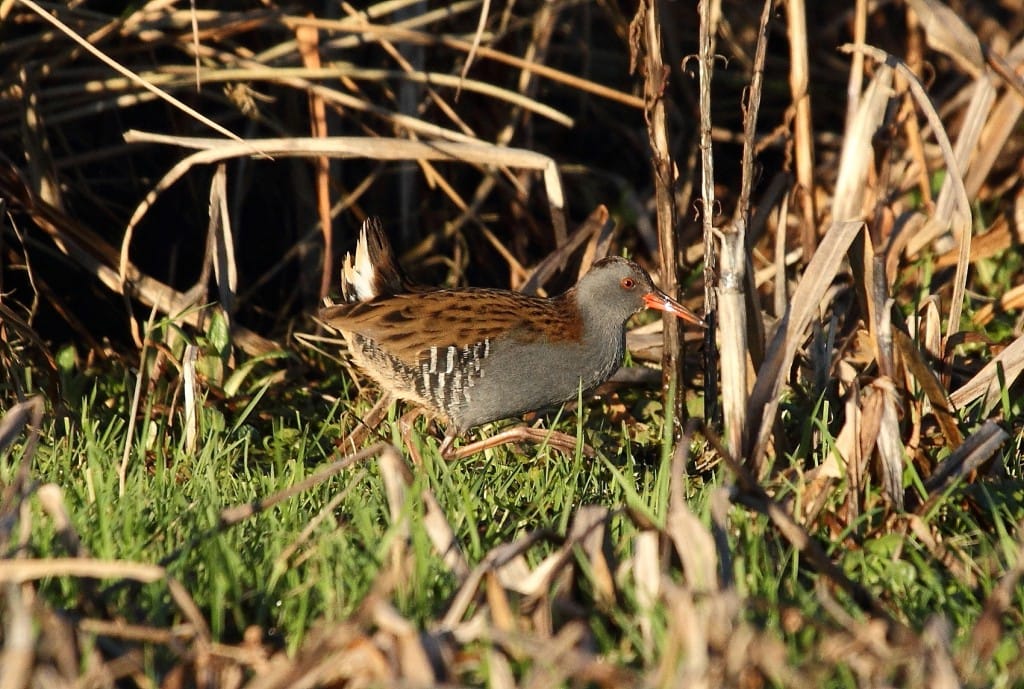
Water Rail at Buckton by Mark Thomas

Friday 2nd January, 2015

A somewhat windy day with a westerly force 6, some cloud cover and the temperature 7 c.

The usual morning seawatch recorded a big movement of Fulmars with 45 south and 1075 north, along with a Blue Fulmar, 16 Red-throated Diver south and eight north, 52 Gannet south and 309 north, two Wigeon north, 30 Mallard south, a single Common Scoter north and three Great Skua south. Around 100 Shag were around the headland, as were 50 Fulmar.

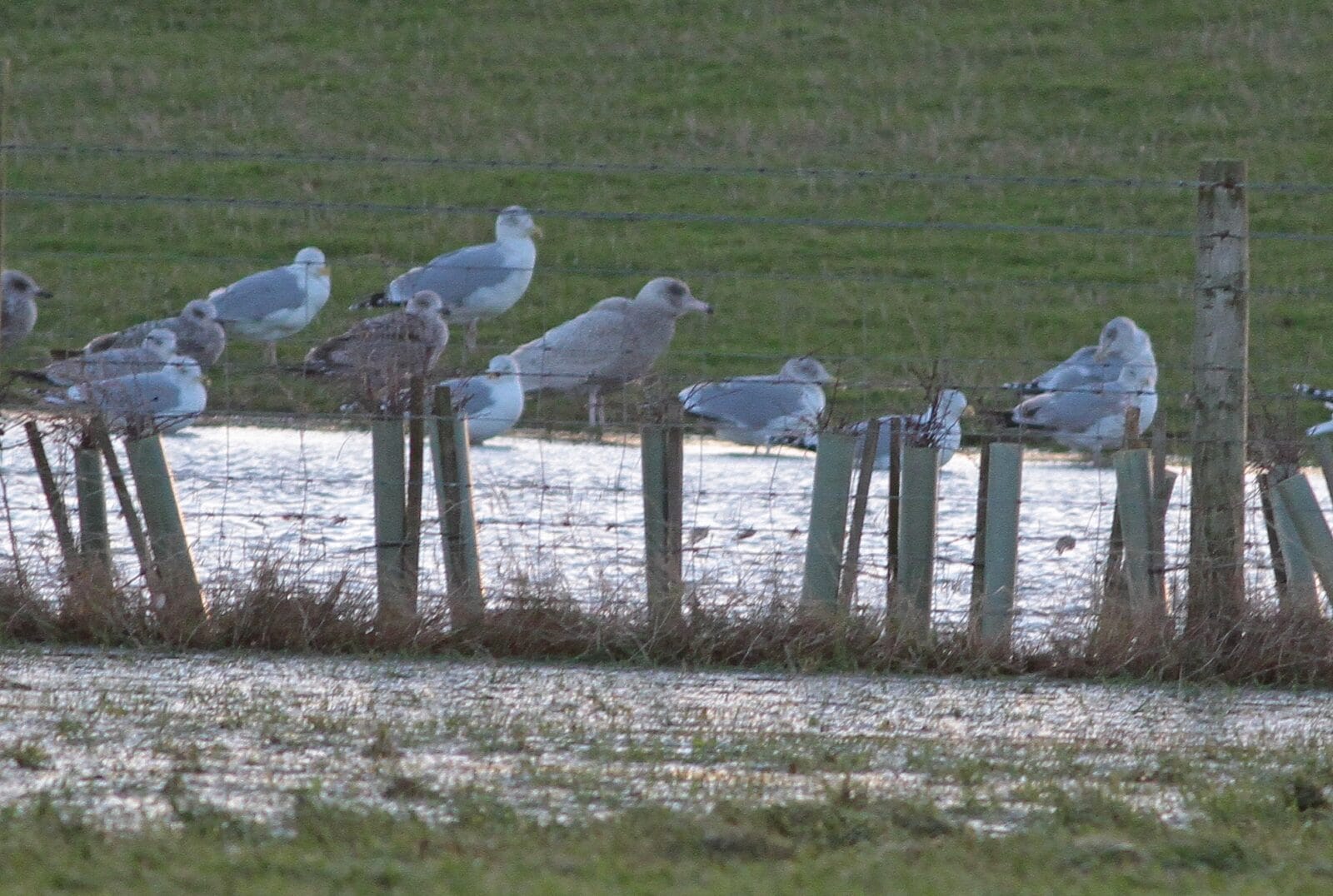
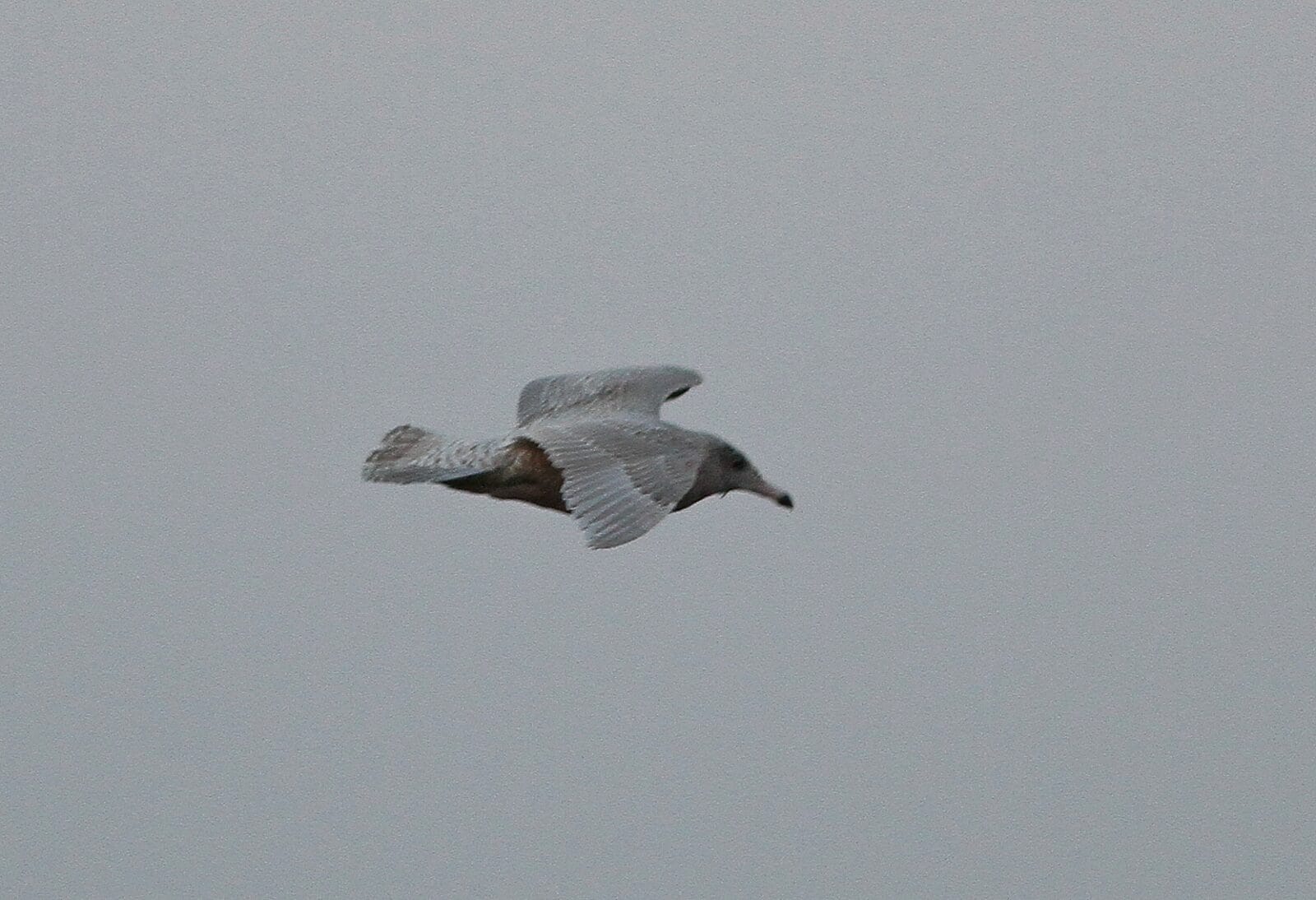
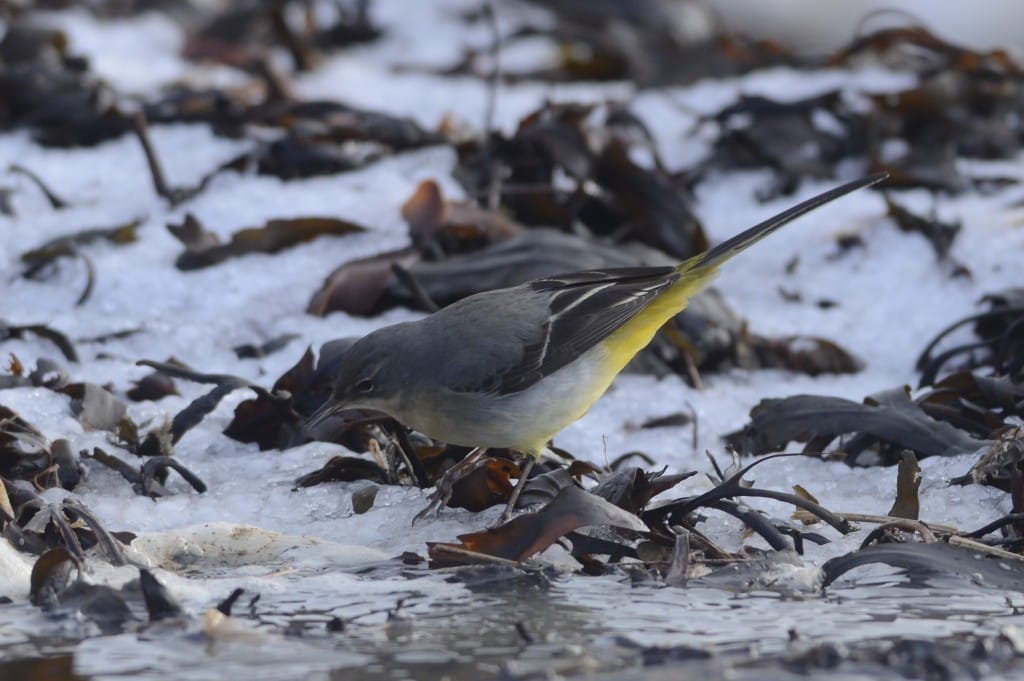
A juvenile Glaucous Gull was found in fields at Thornwick in the afternoon and may have roosted on the sea off North Landing. A Great Skua flew north past South Landing in the afternoon and on the beach at South Dykes there were four Rock Pipit and a Grey Wagtail.

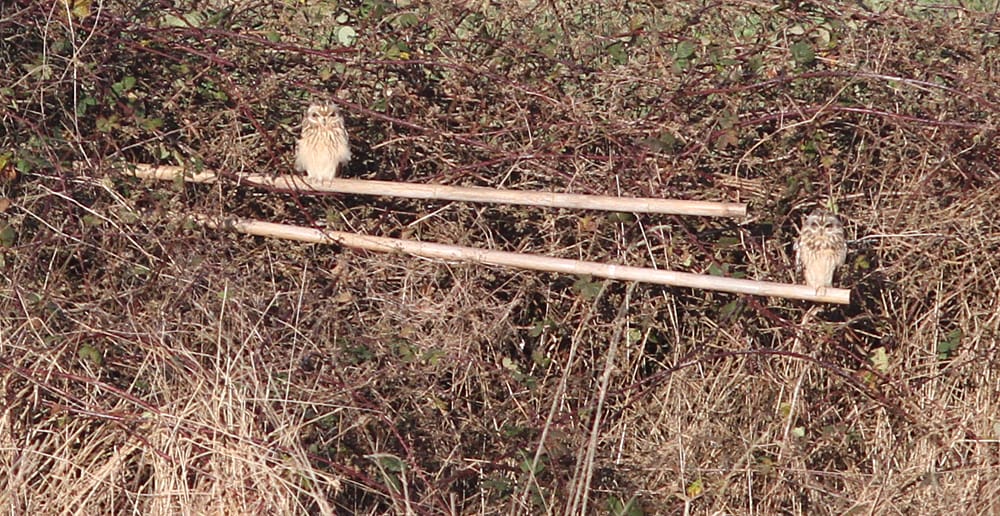
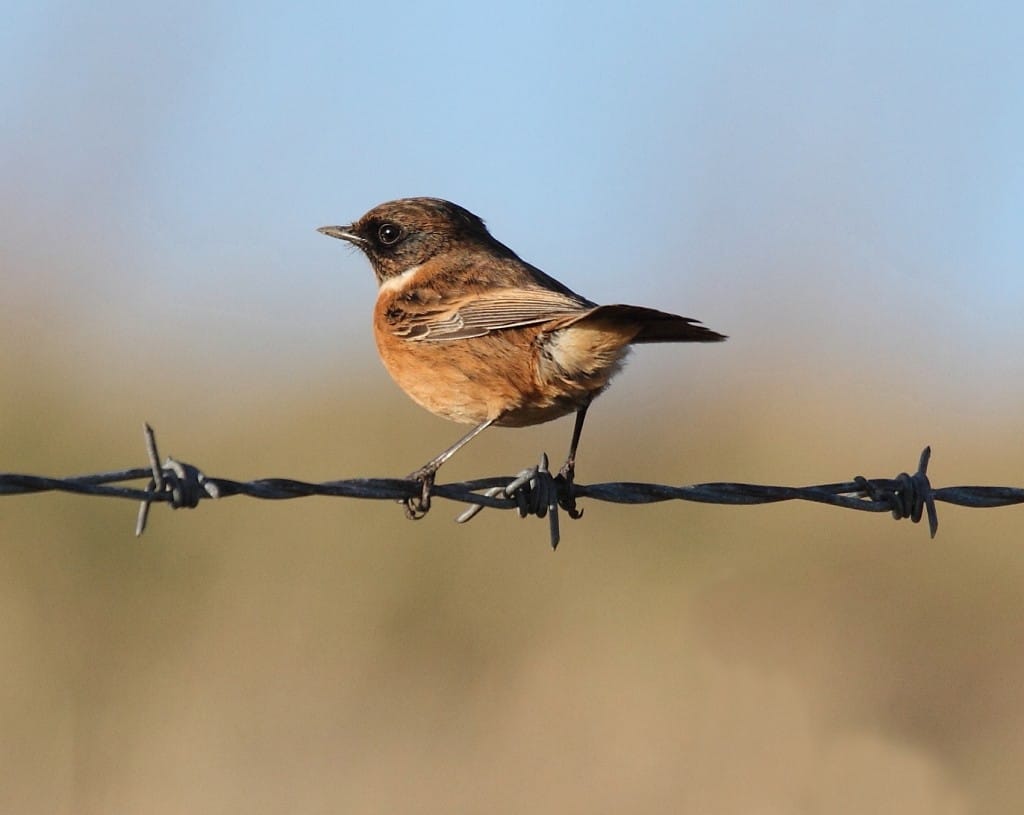
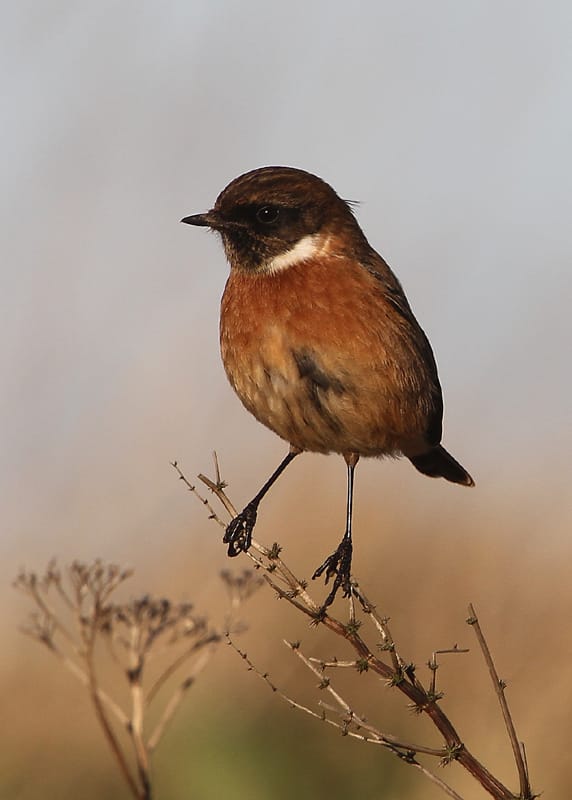
At Buckton there were two Short-eared Owls,  70 Yellowhammer, a 1st-year male Stonechat, Water Rail, 8 Snipe, 14 Grey Partridge, Peregrine, 2 Redwing, 5 Fieldfare and a Razorbill north on the sea.

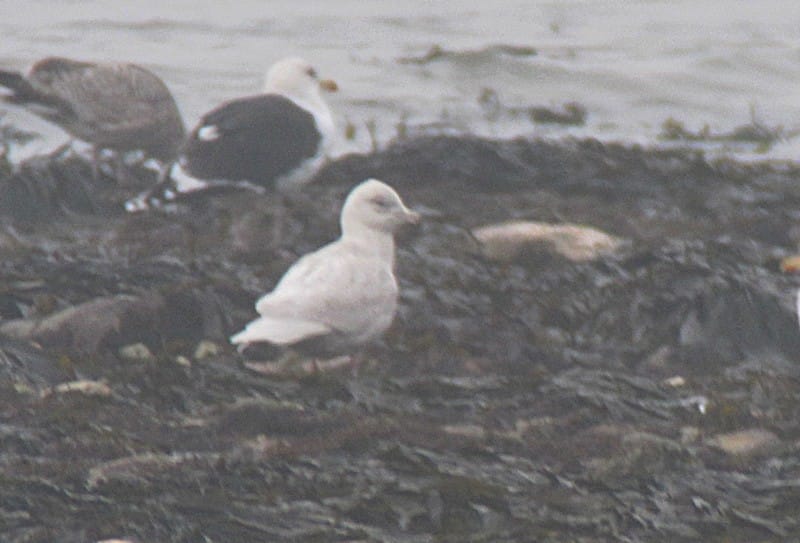
Juvenile Glaucous Gull, Martin Garner
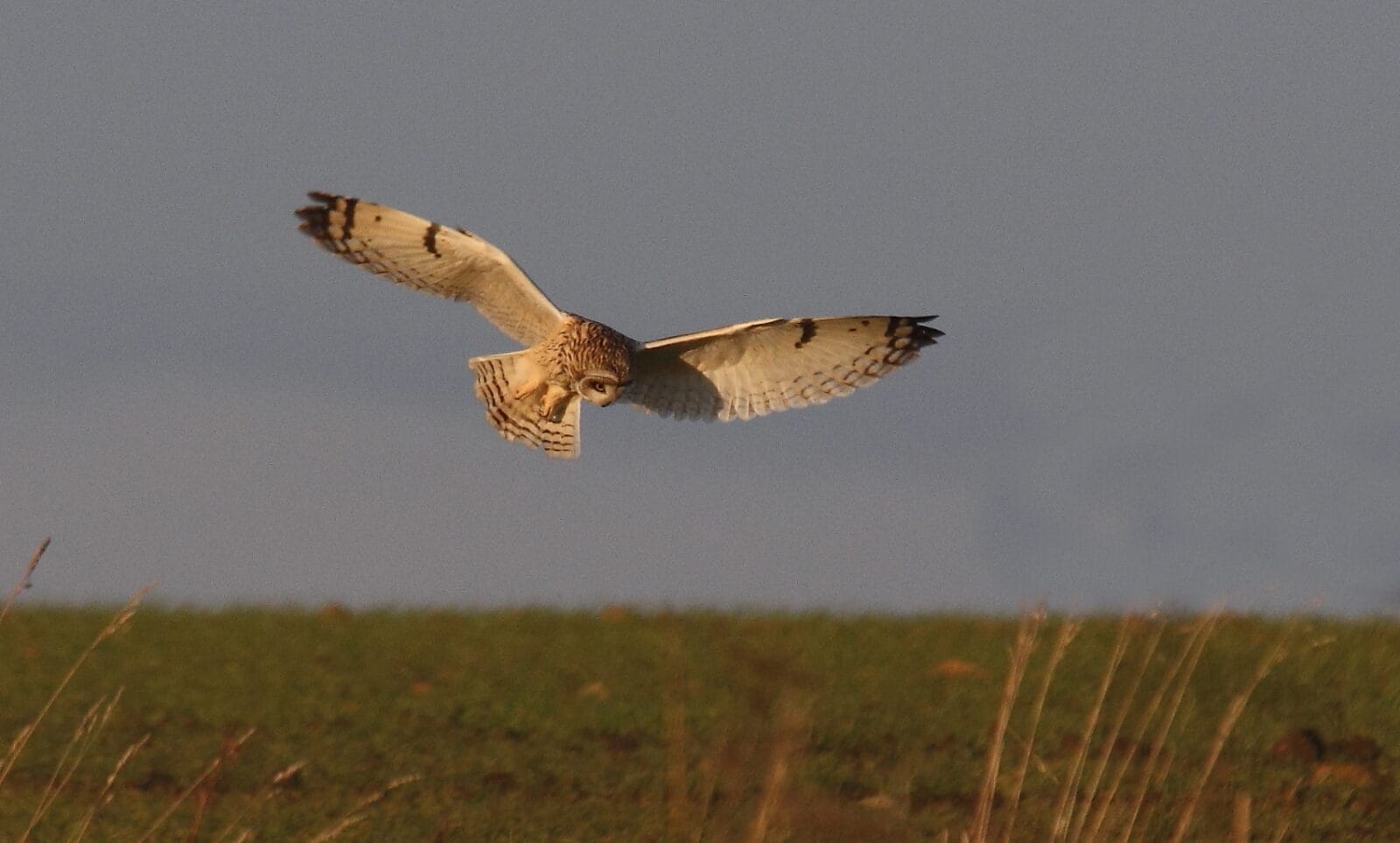
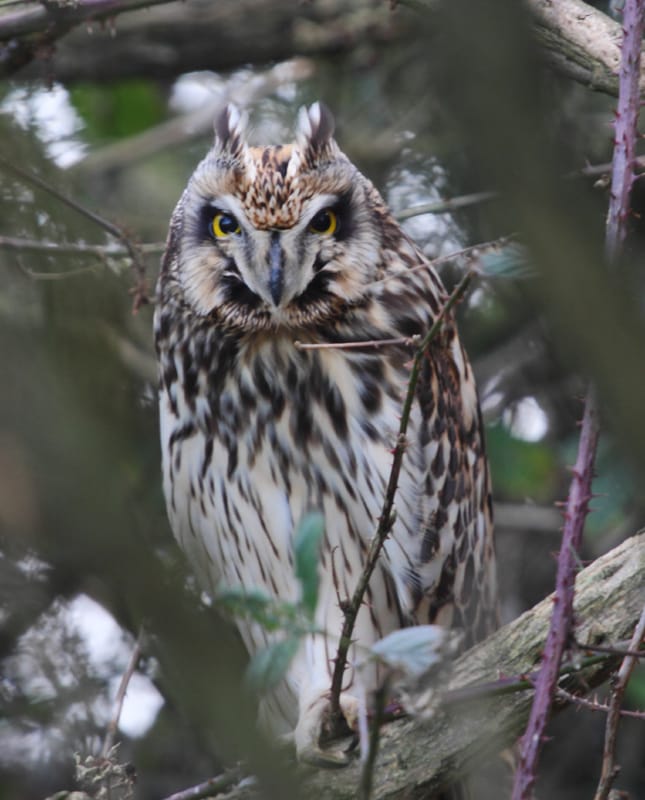
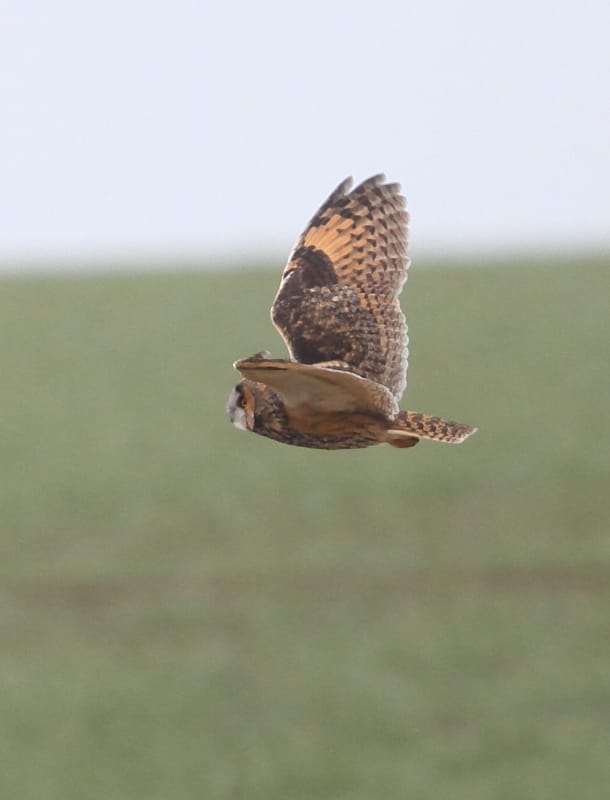
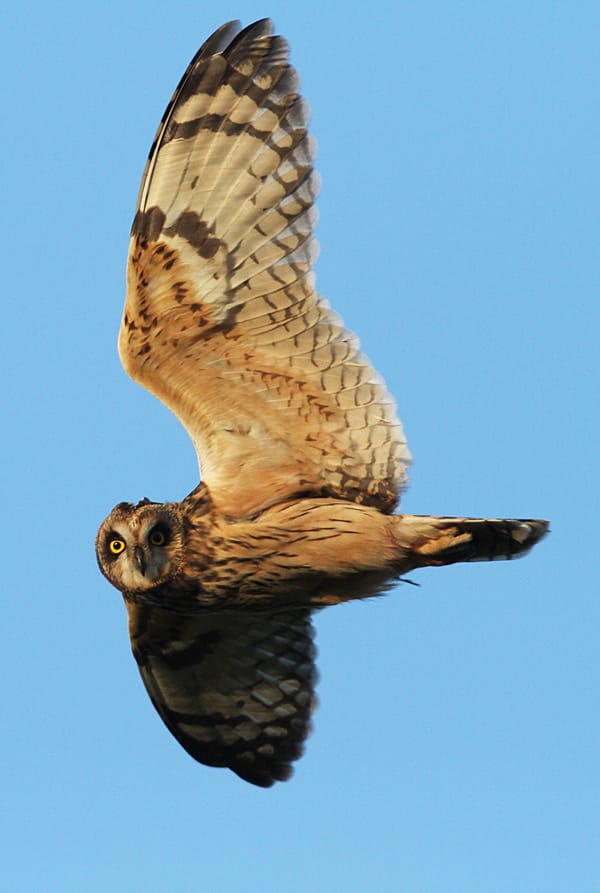
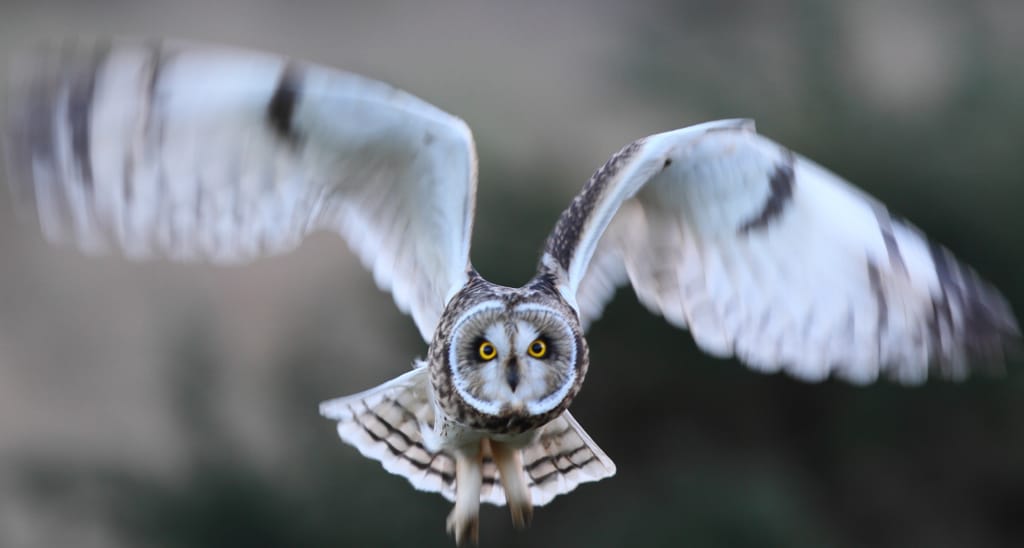
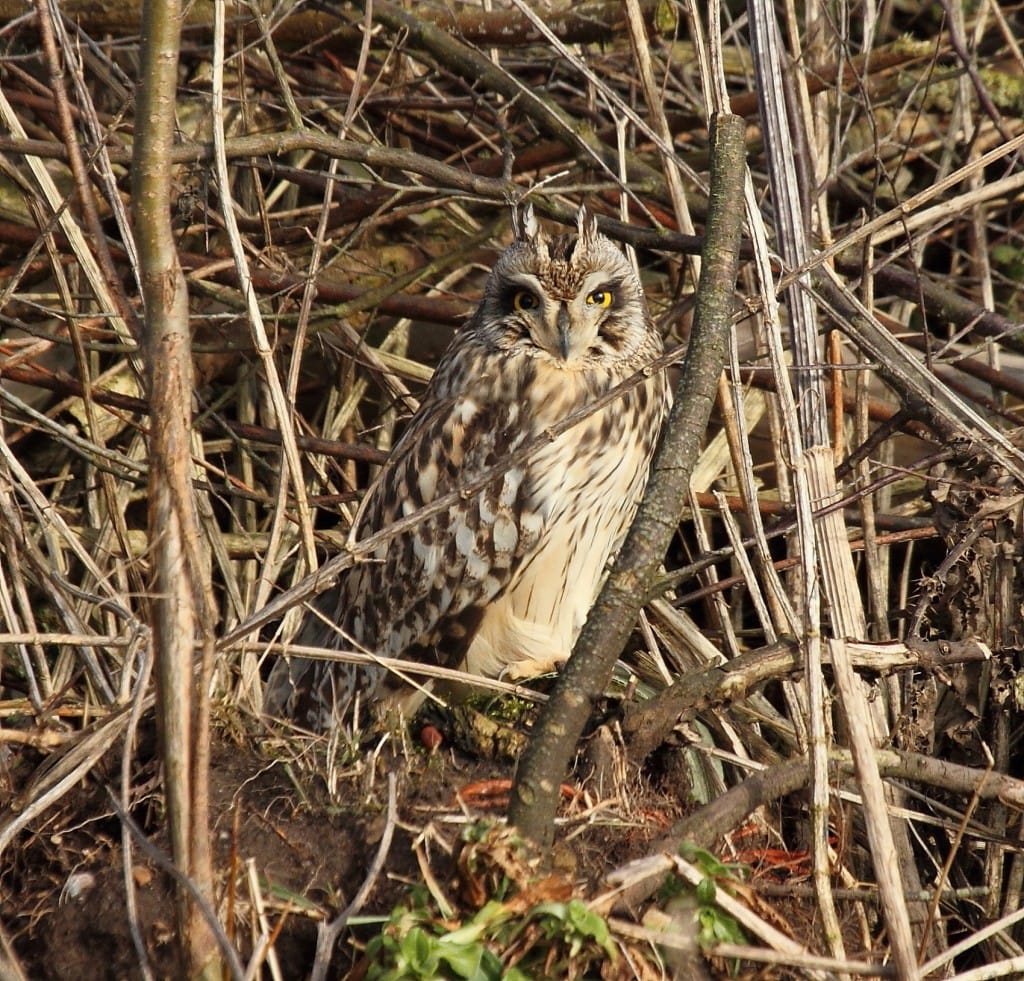
Short-eared Owls roosting on ringing poles at Buckton by Mark Thomas
Short-eared Owls roosting on ringing poles at Buckton, by Mark Thomas

Saturday 3rd January, 2015

A rather cold day, only 4 c and full cloud cover. with the wind direction SSW force 4.

Early to mid-morning sea-watching recorded 58 Red-throated Diver south, 91 Fulmar south and 26 north, three Wigeon south, 28 Mallard south, one Common Scoter south, and a single Puffin south. Off the headland were 213 Shag.

South Landing had a reasonable record of species with a female-type Velvet Scoter, 25 Common Scoter, seven dark-bellied Brent Geese west, one Bar-tailed Godwit, two Black-throated Diver, five Red-throated Diver, 20 Redshank, 11 Curlew, 25 Turnstone, seven Rock Pipit, 11 Meadow Pipit, 34 Greenfinch and a feeding flock of 10 Long-tailed Tit. Additional sightings off nearby Sewerby included 20 Red-throated Divers and eight Great Crested Grebes.

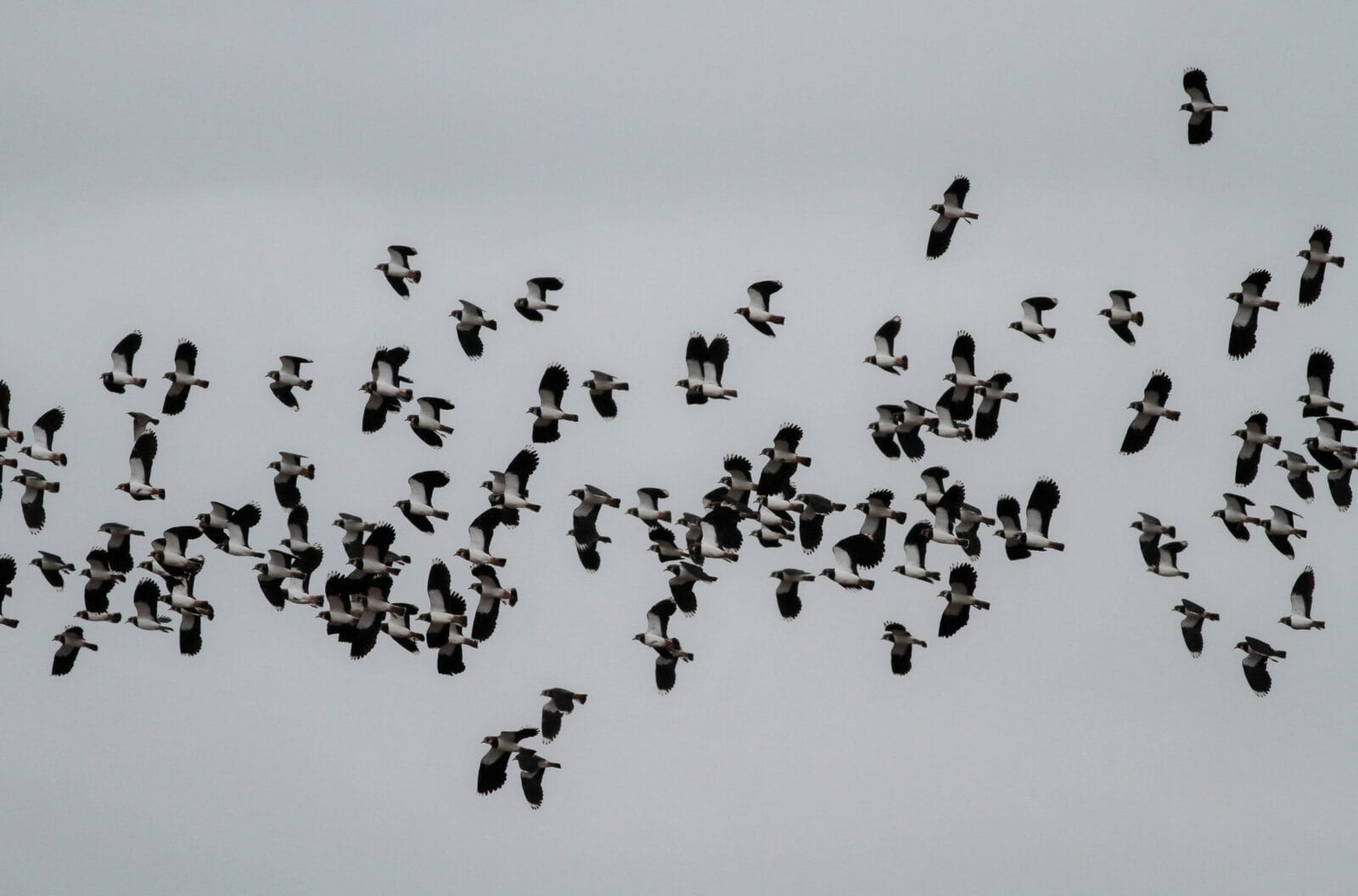
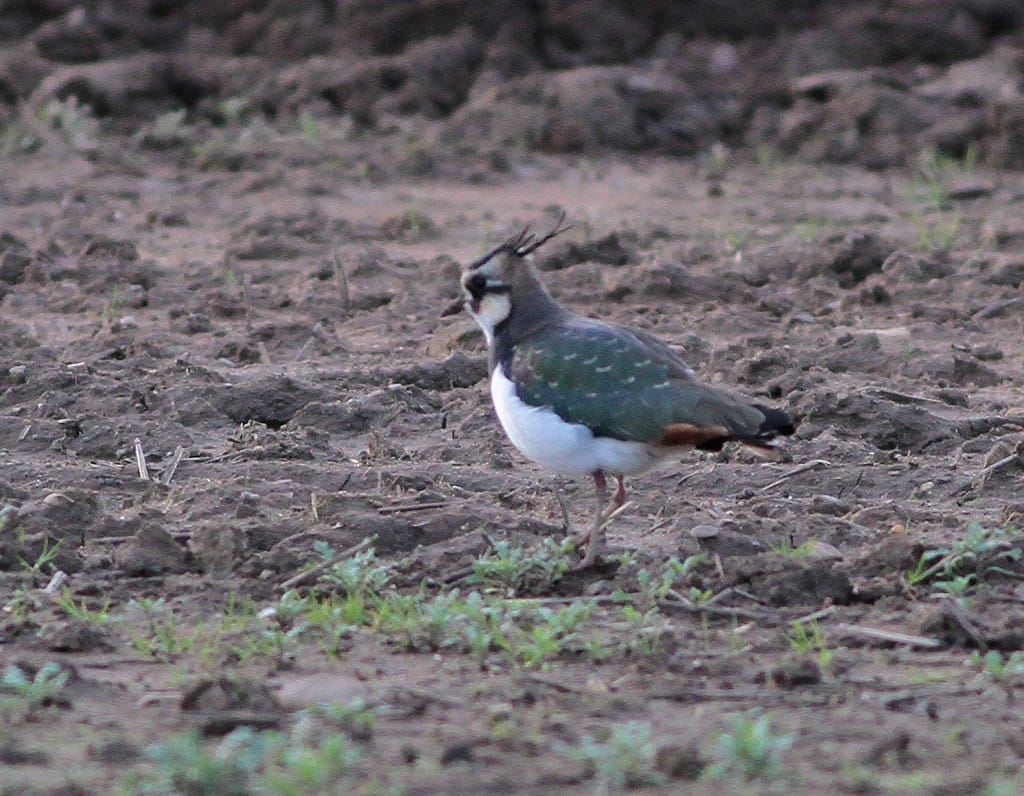
North Marsh had 20 Teal and one Wigeon, North Landing a male Stonechat on the cliff-top fence, North Dykes two Peregrine, 250 Lapwing and 30 Fieldfare, whilst another nine Long-tailed Tits frequented Whelkie Winds. A Water Rail was still in residence at Thornwick Pool and a Short-eared Owl at Buckton.

Lapwings at North Dykes, by Martin Garner


Velvet Scoter off South Landing, by Andy Hood

4th January 2015

A light west-north-westerly wind, sunny conditions and cold temperatures (4 degrees C) after an overnight frost. Seawatching was relatively quiet, with 25 Red-throated Divers heading south, 263 Fulmars north, eight Common Scoter south and three Kittiwakes north. There were also 148 Shag noted leaving the roost, 16 Purple Sandpipers and a Grey Plover in residence.

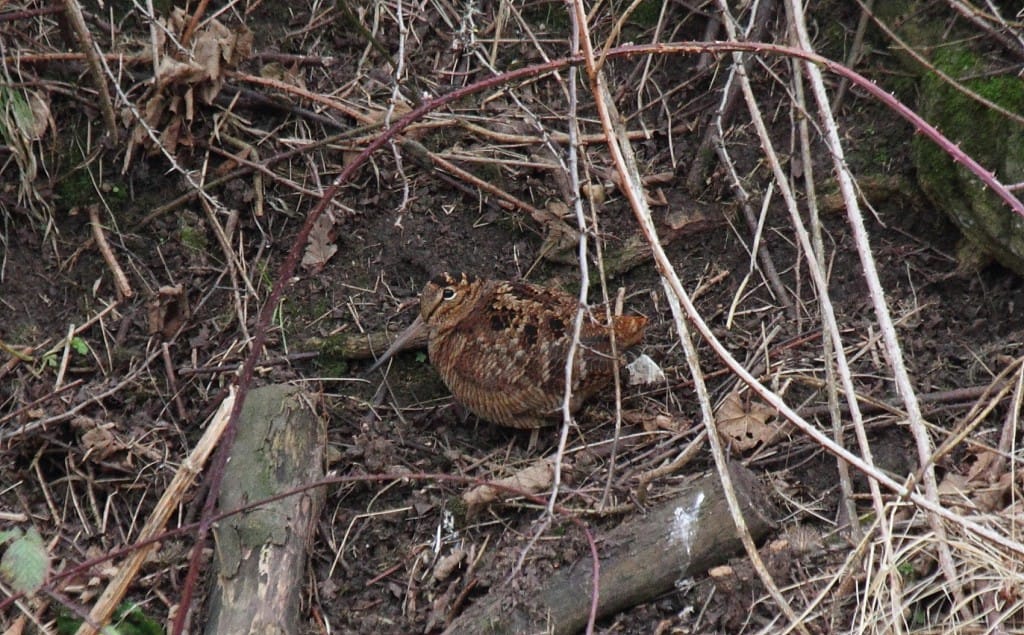
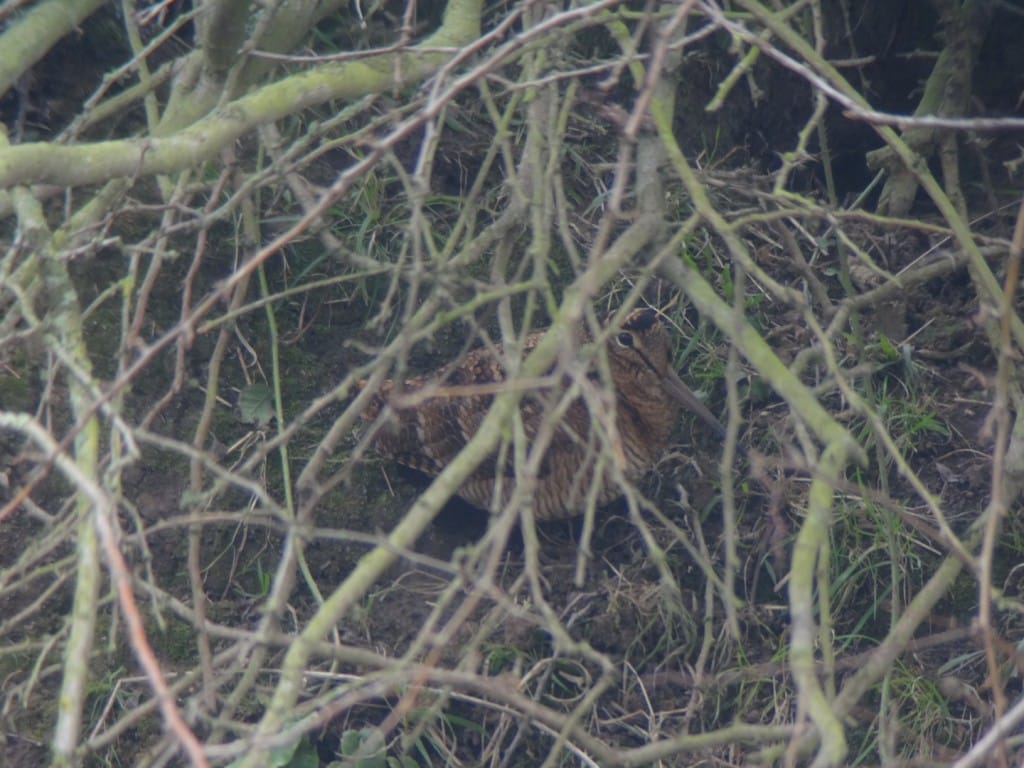
Thornwick Pool hosted five Teal, a Jack Snipe, seven Snipe and a Water Rail, whilst there were eight Great Crested Grebes off Sewerby and four Sanderling on the beach there. Sightings from the South Landing/Oceanview area included a Woodcock, single Goldcrest, Treecreeper and Fieldfare, 14 Long-tailed Tits and two Coal Tits. A farmland bird survey across the Headland located 154 Skylarks, 20 Meadow Pipits, 40 Tree Sparrows, 28 Reed Buntings and 20 Yellowhammers.

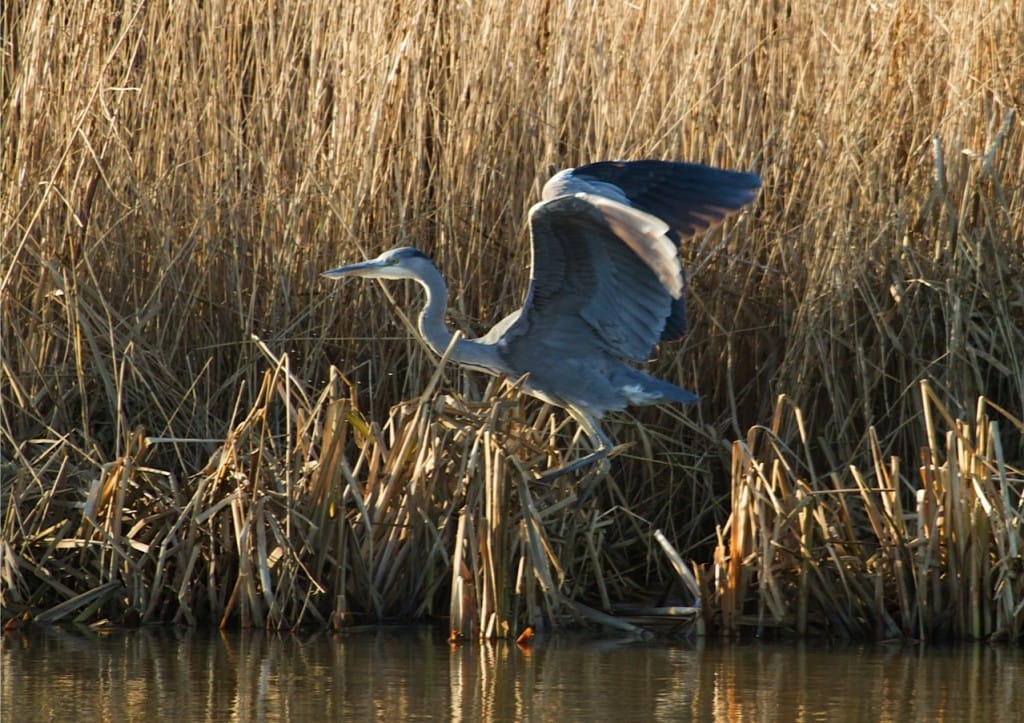
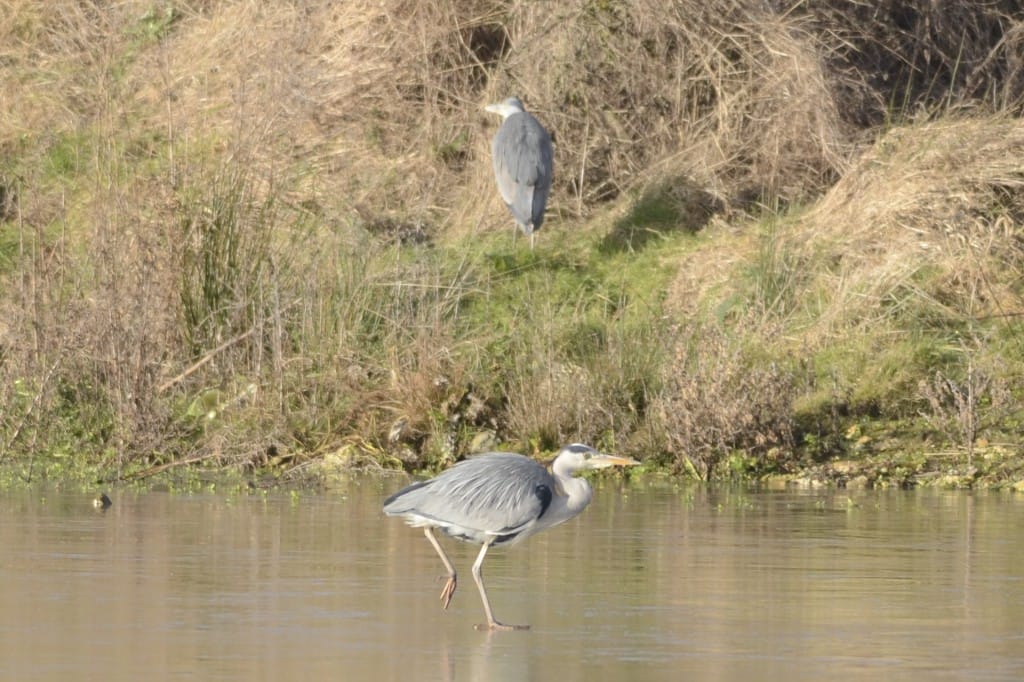
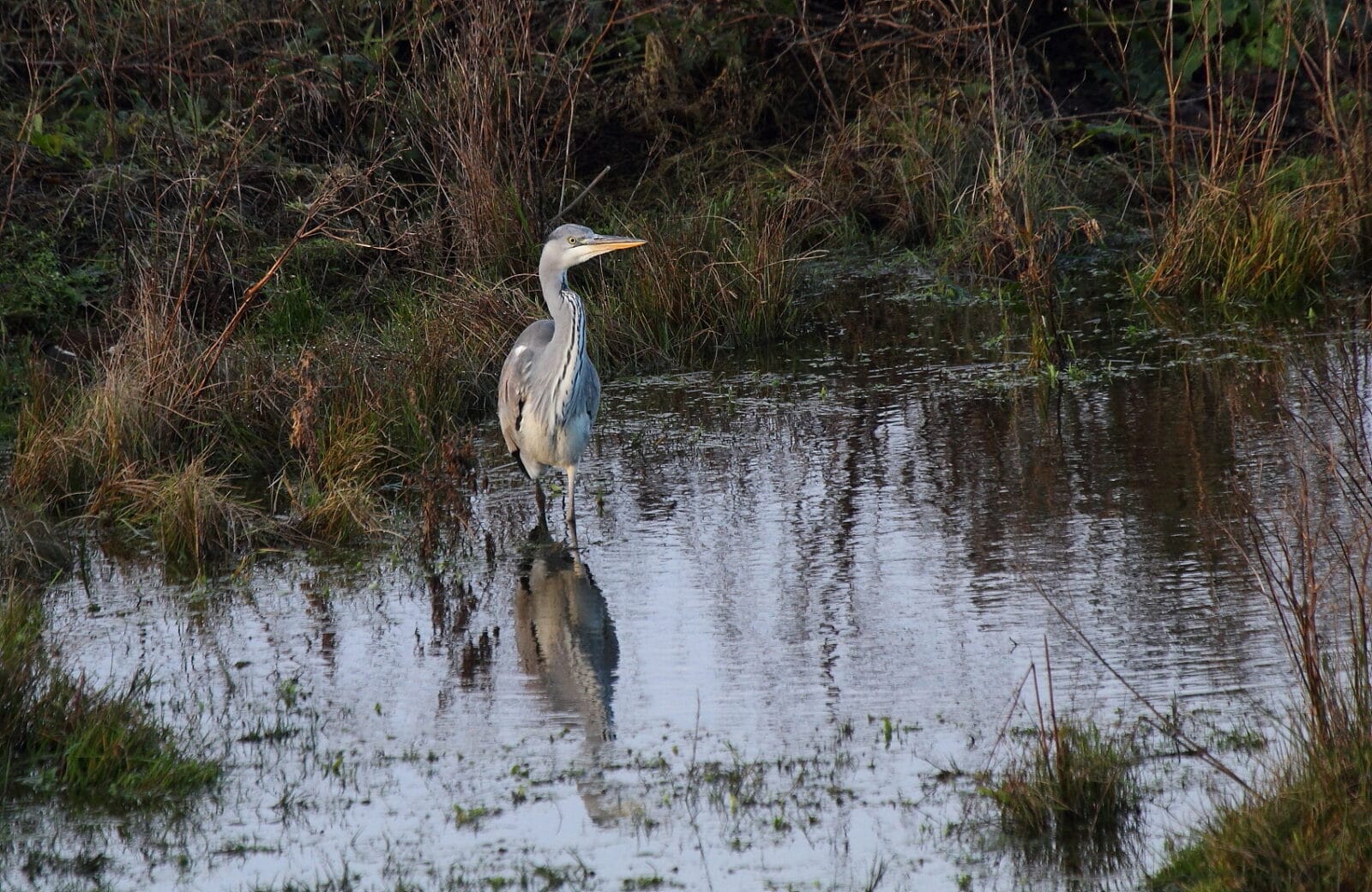
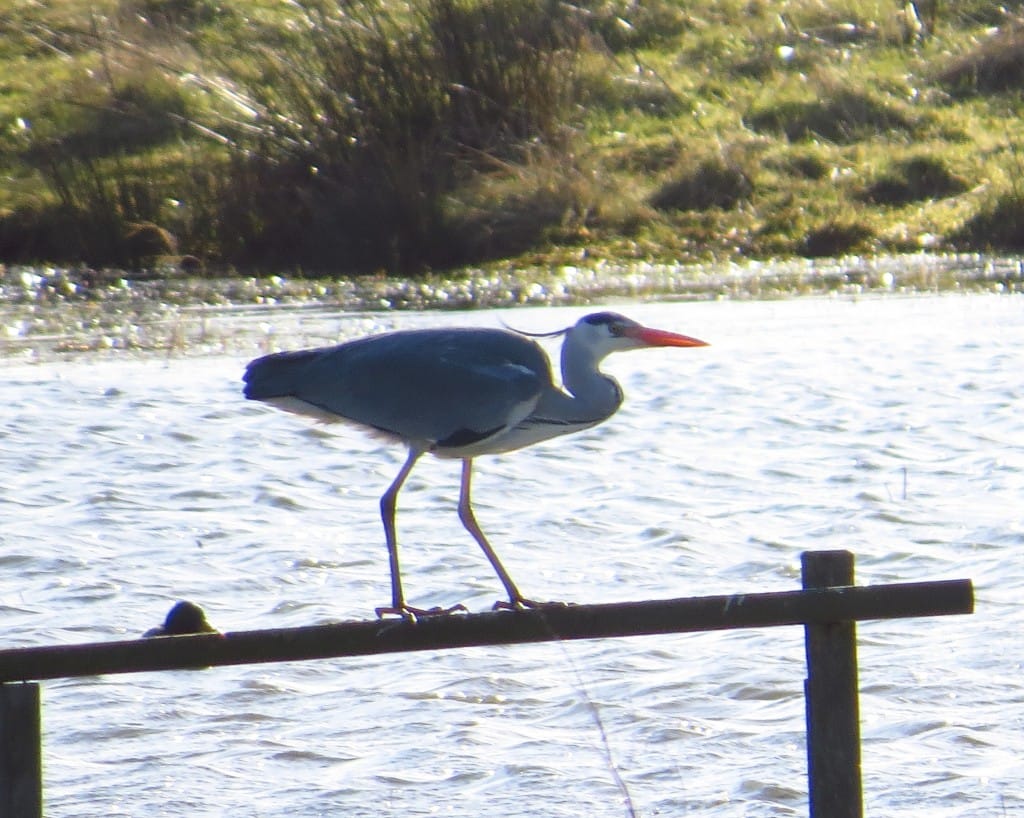
Grey Heron, Thornwick Pool, by Jo Collins

5th January 2015

An overcast day with a light south-west wind and temperatures barely exceeding 5 degrees C. Seawatching produced tens of thousands of Guillemots mainly heading north, one Blue Fulmar, five Common Scoter heading south, six Razorbills and three Kittiwakes. The Velvet Scoter, a Grey Plover and a second-winter Iceland Gull were in the South Landing area, with the latter later heading off west towards Sewerby. Two Woodcock were in South Landing ravine, three Sanderling on the beach at South Dykes and one Water Rail at Thornwick Pool. Two Short-eared Owls remain in residence at Buckton.

Passerine interest included a Mistle Thrush, Chiffchaff at Oceanview, eight Goldcrests (seven of which were in South Dykes), two Grey Wagtails and five Bullfinch, unusually including a pair overflying Thornwick Pool.

Short-eared Owl at Buckton, by Alan Walkington
2nd-winter Iceland Gull at South Landing by Martin Garner
2nd-winter Iceland Gull at South Landing, by Martin Garner


6th January 2015

A moderate south-westerly wind featured throughout, with overcast conditions and temperatures rising to 8 degrees C. A Black-throated Diver flew south, 50 Pink-footed Geese headed north, two Velvet Scoter moved in the same direction, seven Common Scoter flew south, whilst three Kittiwakes and two Razorbills were also present. There were 43 Red-throated Divers off the Headland, 198 Shag leaving the roost, 15 Purple Sandpipers on the Outer Head and, unseasonally, an adult Lesser Black-backed Gull at Sewerby.

A Grey Wagtail overflew Hartendale, with two Chiffchaffs present (Oceanview and South Dykes) and one Goldcrest also remaining at the former location.

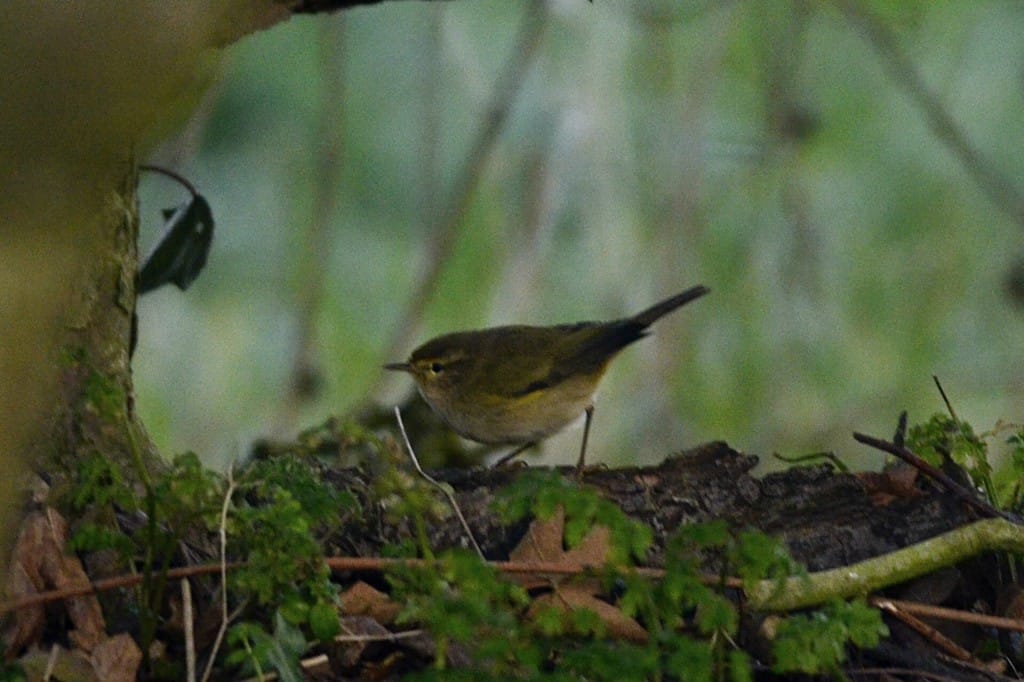
Chiffchaff at Oceanview, by Andy Hood

7th January 2015

A strong south-west wind, with overcast conditions dominating after a bright start. Seawatch highlights included a Great Northern Diver flying south, three Blue Fulmars following a fishing boat, 136 Shag, six Kittiwakes and tens of thousands of Guillemots leaving the cliffs and flying south.

Six Jack Snipe were present at Thornwick, with one Water Rail in the same area. A Woodcock was located in South Dykes and a Bar-tailed Godwit remained on South Landing beach; nine Long-tailed Tits and a Treecreeper were present in the nearby ravine.

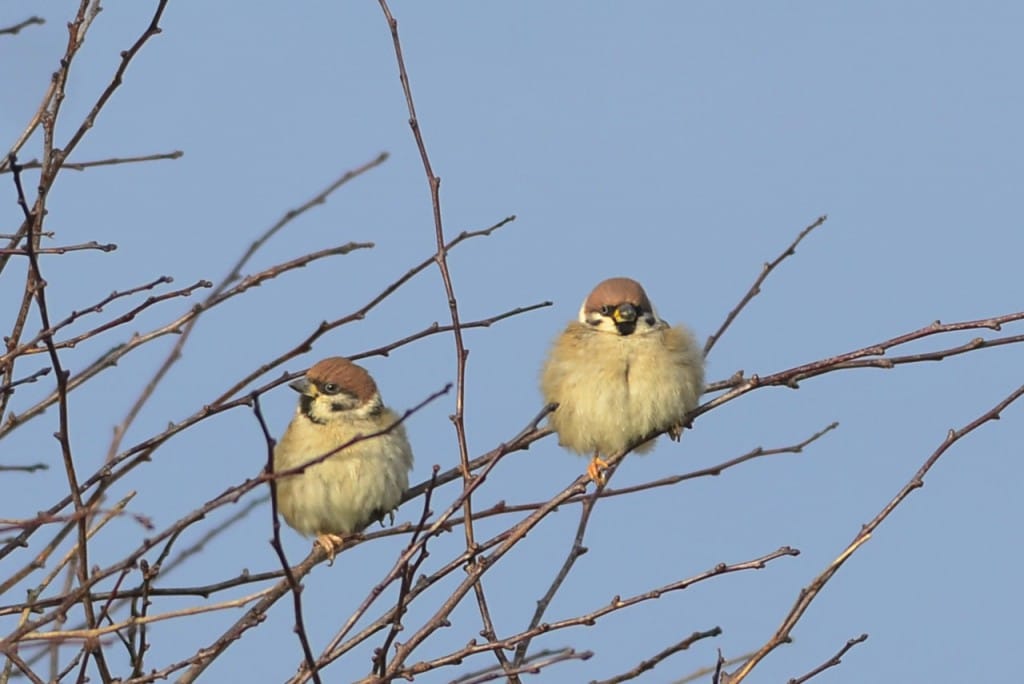
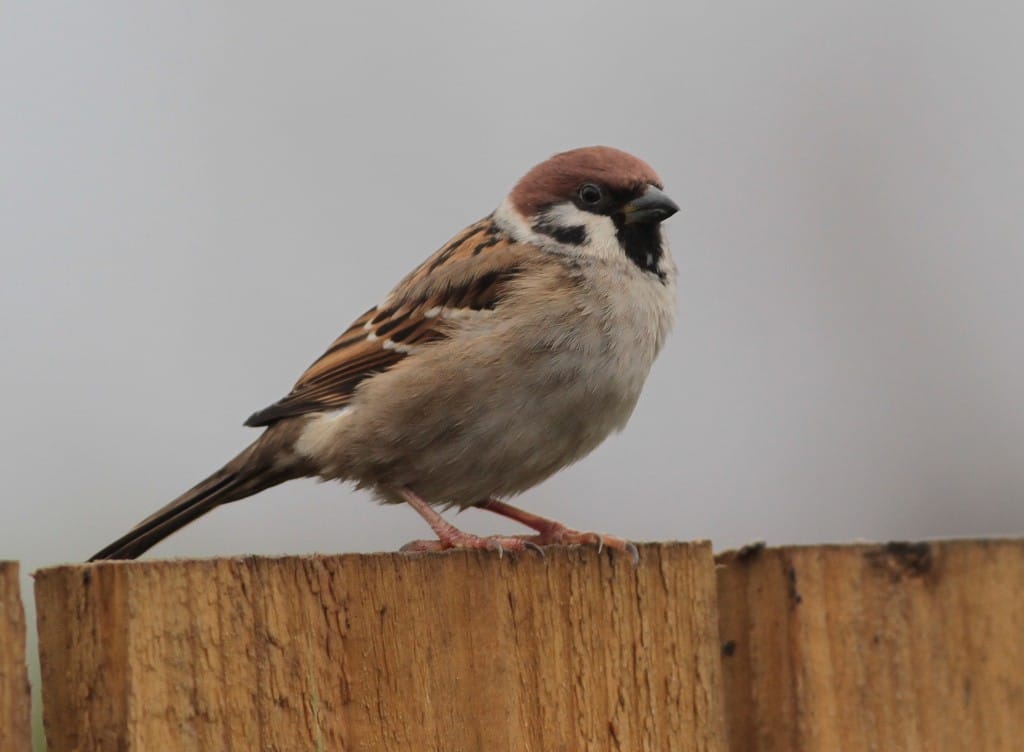
Tree Sparrows by Andy Hood

8th January 2015

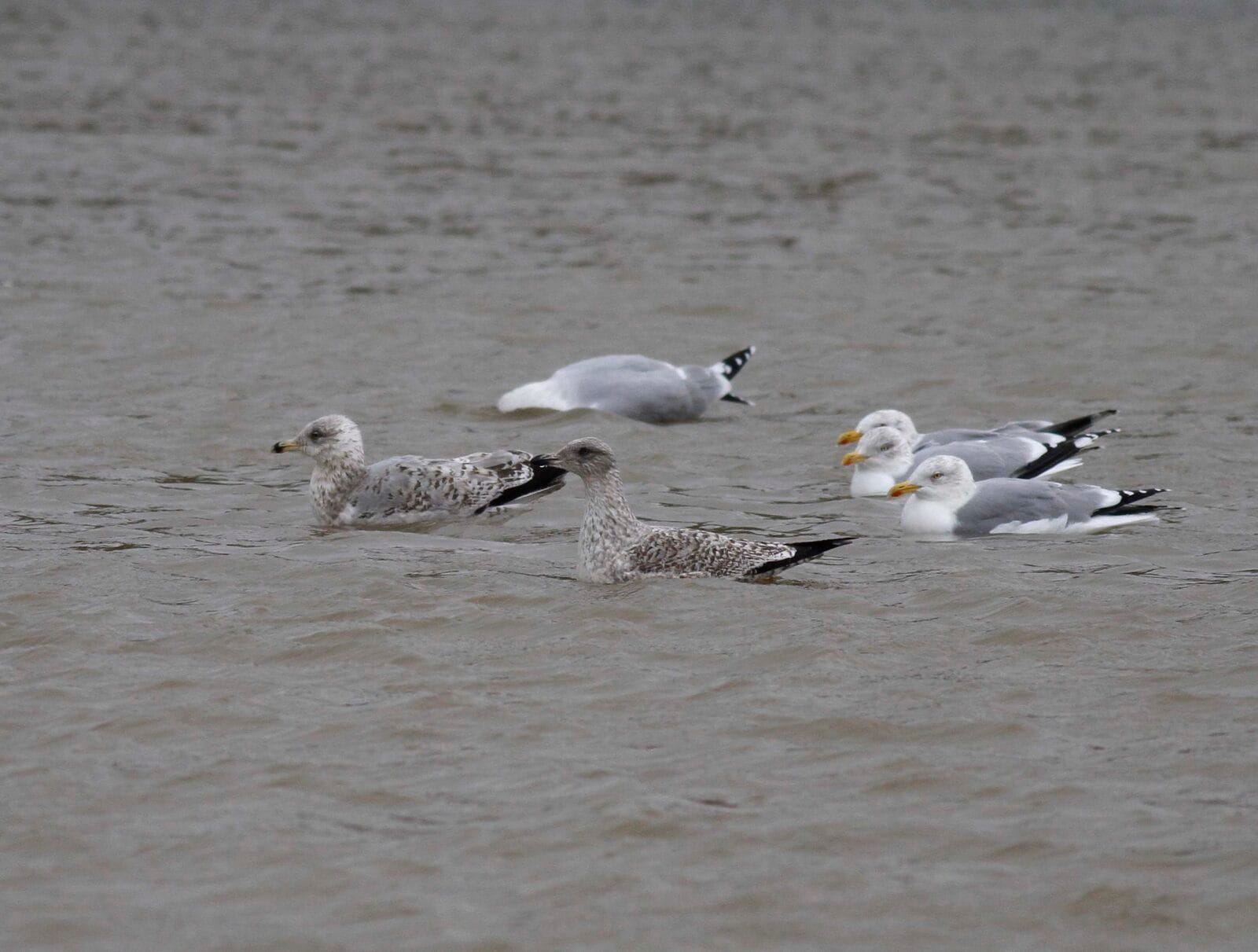
Another day of moderate south-south-westerly winds and overcast conditions, with temperatures of 7 degrees C. Three Great Northern Divers flying south during the morning’s seawatch were noteworthy, as were five Blue Fulmars also flying south, whilst three Kittiwakes and a similar number of Razorbills were recorded. However, after recent days where many tens of thousands of Guillemots were present, there were relatively few. Thirty-two Turnstones were also noted below the Fog Station. Meanwhile, work continues to expand the size of Thornwick Pool, with the increased area of water proving attractive to large gulls for the first time.

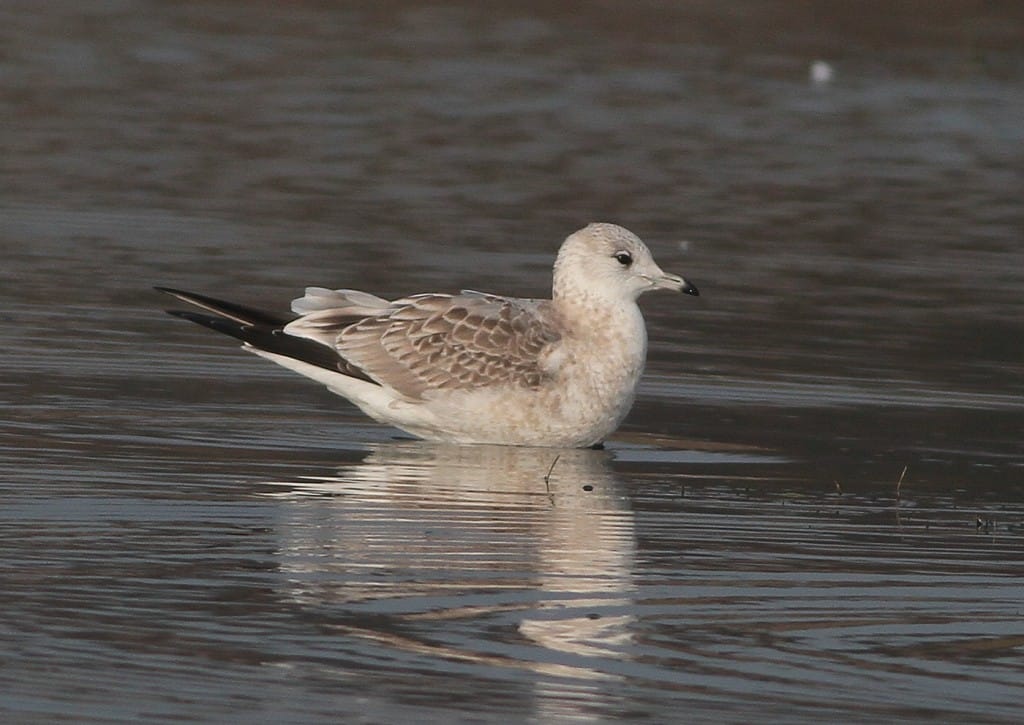
Herring Gulls, Thornwick Pool, by John Beaumont

9th January 2015

A day of strong south-westerlies, generally overcast conditions but mild, with temperatures of 9 degrees C. Highlights from the seawatch included five Blue Fulmars flying north, four Pink-footed Geese south, ten dark-bellied Brent Geese heading south, a Peregrine, three Razorbills and a Little Auk flying south. In addition, 25 Red-throated Divers were off the Headland.

Water Rails were seen at Greenacres and Thornwick Pool, with a Jack Snipe also at the latter location and 13 Purple Sandpipers were in Selwick’s Bay. A Barn Owl hunted the Thornwick area, Greenacres hosted a Chiffchaff, with another of the latter species and a Coal Tit present in the village.

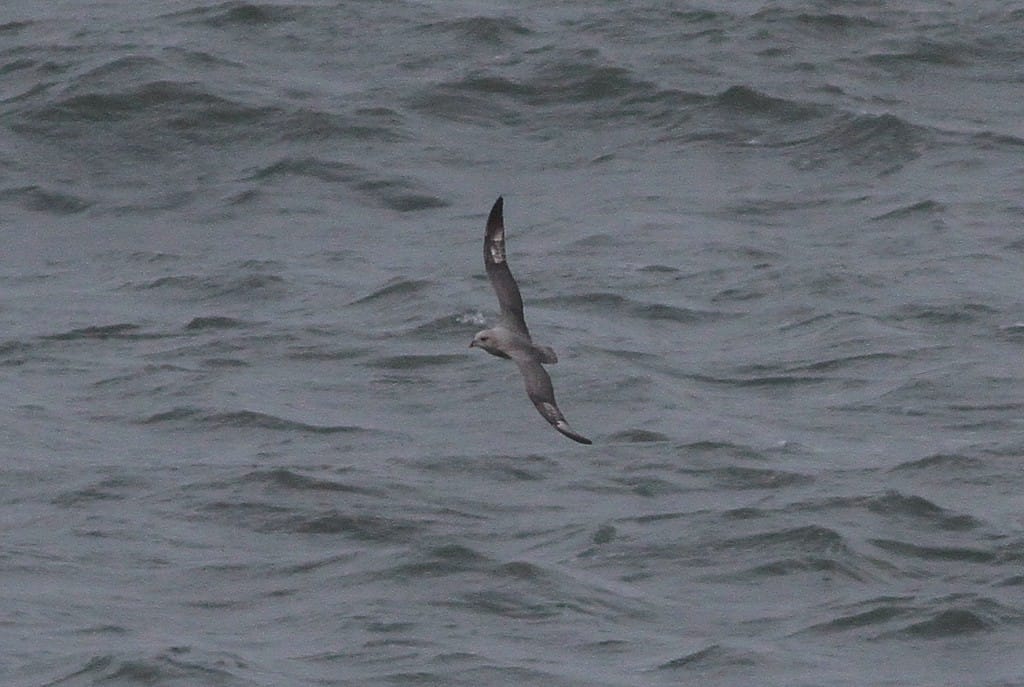
Blue Fulmar by Martin Garner

10th January 2015

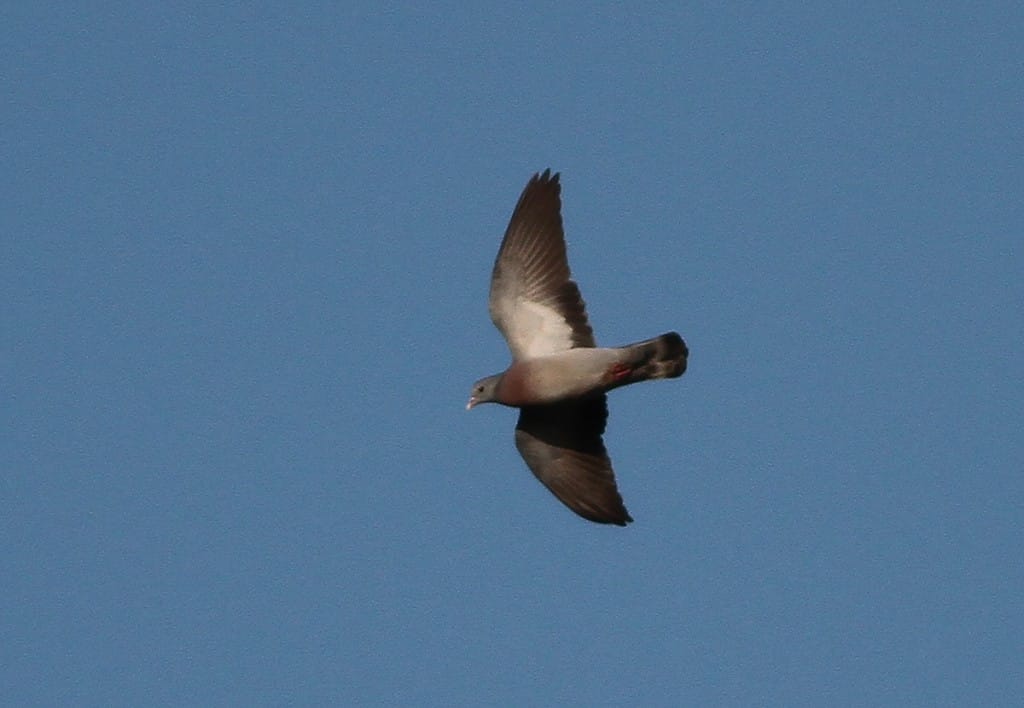
A strong westerly wind and after a cloudy start, sunny spells prevailed although temperatures then dropped from 11 degrees C to 7 degrees. A Great Northern Diver flew south on the seawatch, whilst 1190 Fulmars headed north including six Blue Fulmars. Two Woodpigeons coming in off from a long way offshore were unexpected.

A Woodcock roosted in South Landing, with single Jack Snipe and Snipe at Thornwick.

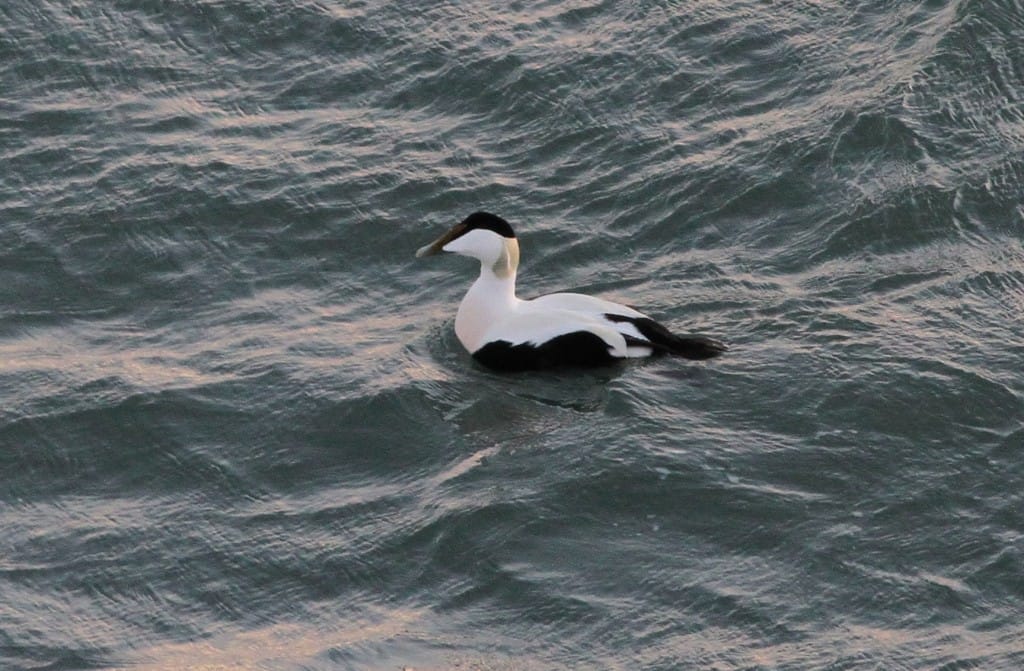
Eider, off Fog Station, by Martin Garner

11th January 2015

Another day featuring a strong westerly wind, with sunny intervals and then overcast conditions and temperatures ranging from 3 to 5 degrees C. A Great Northern Diver flew north on the seawatch, as did a Blue Fulmar, whilst eight Common Scoters flew south, together with 160 Shag leaving the roost and four Peregrines together over the Fog Station.

A female Velvet Scoter was off South Dykes, with a Bar-tailed Godwit and two Sanderling on the nearby beaches. A Woodcock roosted in South Landing again, with a Goldcrest, ten Long-tailed Tits and two Treecreepers also located.

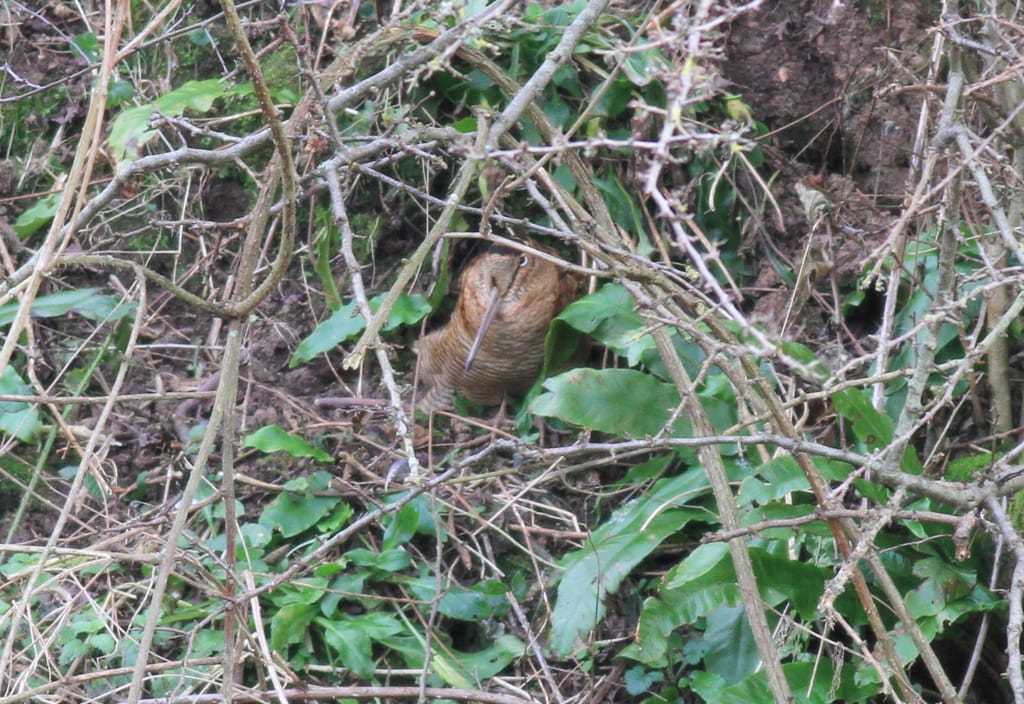
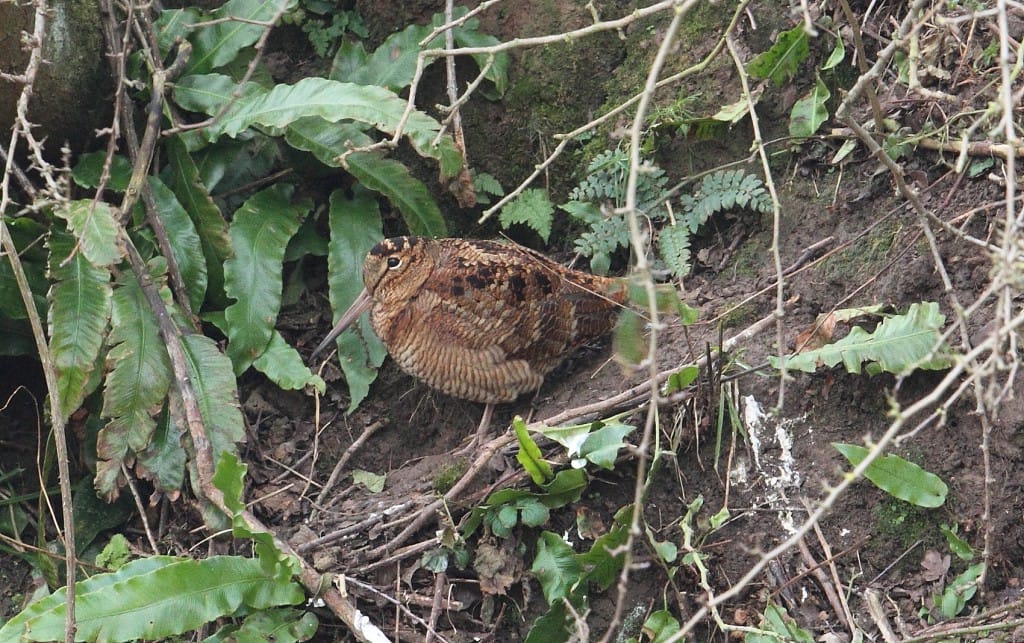
Woodcock, South Landing, by Chrys Mellor


12th January 2015

Strong south-south-westerlies persisted with variable cloud and milder temperatures at 10 degrees C. Seawatching produced a Great Northern Diver flying south, two Blue Fulmars doing the same, two Peregrines went north, as did a single Knot and one Kittiwake.

Elsewhere, North Marsh attracted 31 Teal, a Grey Heron frequented Oceanview, two Woodcocks were present (Oceanview & South Landing), two Sanderling were on South Landing beach, a Stonechat was at North Marsh and 78 House Sparrows represented an above average total. A north-eastern Jackdaw showing a large white ‘collar’ accompanied 80 Jackdaws at North Dykes.

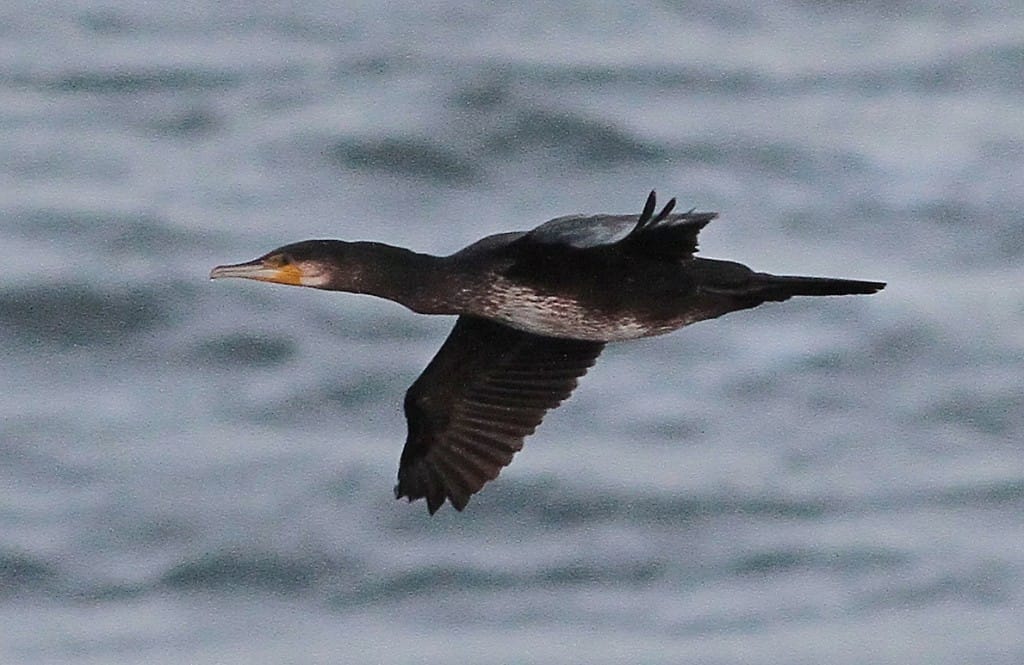
Cormorant, by Martin Garner

13th January 2015

A moderate/strong west-south-westerly, sunny conditions after a cloudier start, with temperatures of 5 degrees C. Four Blue Fulmars flew north, five Wigeon went south, with three Kittiwakes, 1000s of Guillemots and 18 Razorbills. However, the highlight was a juvenile Glaucous Gull that followed fishing boats off the headland from mid-morning.

Two Common Buzzards were present at North Dykes, along with 950 Woodpigeons, a Chiffchaff at Oceanview, single Goldcrest and Treecreeper at South Dykes and a Snow Bunting south of the Lighthouse.

Sightings at Buckton included single Grey Heron and Water Rail, a Common Buzzard, four Sparrowhawks, four Short-eared Owls, a Stonechat, 60 Yellowhammers and 20 Reed Buntings.

Short-eared Owl, Buckton, by Paul Reed


14th January 2015

A light south-west wind, with overcast skies clearing to leave bright skies; temperatures were initially zero degrees but rose to 2 degrees C by late morning. The seawatch was relatively quiet, with a Great Northern Diver flying south, thousands of Guillemots again on the cliffs, whilst 28 Razorbills represented an increase.

North Marsh attracted a Grey Heron and 23 Teal, Oceanview hosted a Grey Heron and a Barn Owl, with additional sightings including two Peregrines, a Goldcrest at South landing and a Coal tit again in the village.

Peregrine at Buckton, by Paul Reed

15th January 2015

A day featuring a very strong south-south-west wind, sunny conditions and temperatures of 5 degrees C. Seawatching produced a Great Northern Diver heading south and a second-winter Mediterranean Gull flying north.  The North Marsh area attracted a Pink-footed Goose along with 100 Greylags, 66 Teal, five Wigeon and a Peregrine. Two Mistle Thrushes were located immediately west of South Dykes.

Highlights from Buckton included a Grey Heron, two Peregrines, a Water Rail and two Short-eared Owls.

Stock Dove, by Martin Garner

16th January 2015

A day of light south-west winds, sunny conditions and temperatures of 3 degrees C. Seawatching produced 28 Red-throated Divers flying south, a Blue Fulmar south and 224 Shags leaving the roost.

Elsewhere, the Pink-footed Goose still accompanied the Greylags near North Marsh, where there were four Wigeon and 17 Teal, a Water Rail remained at Thornwick Pool, 100 Lapwing frequented the North Dykes area and a Bar-tailed Godwit was again on South Landing beach. A gull roost off Beacon Hill contained 1100 Common and 350 Black-headed Gulls. Eight Pied Wagtails were located in the North Dykes area, along with 140 Linnets, three Stonechats were along the cliffs west of Thornwick, whilst a Chiffchaff and 18 Reed Buntings were at Oceanview.

Water Rail, Thornwick Pool, Andrew Allport

17th January 2015

A moderate south-westerly wind, sunny intervals and temperatures creeping up to 2 degrees C by late morning. During the seawatch, three Great Northern Divers flew south, as did 25 Red-throated Divers, 225 Shags and a Little Gull. Waders feeding below the South Cliffs included eight Purple Sandpipers, a Bar-tailed Godwit, 31 Turnstone at South Landing and nine Sanderling at South Dykes, where there was also a Grey Wagtail.

Thornwick hosted seven Teal, five Snipe and a Jack Snipe, whilst a Short-eared Owl was over the sea off North Landing. Barn Owls were noted at both Oceanview and Thornwick, the Chiffchaff remained at Oceanview, with 30 Tree Sparrows on Church Lane representing a higher than usual count for the location.

Records from Buckton included a Short-eared Owl, one Stonechat, 18 Twite and 175 Yellowhammers.

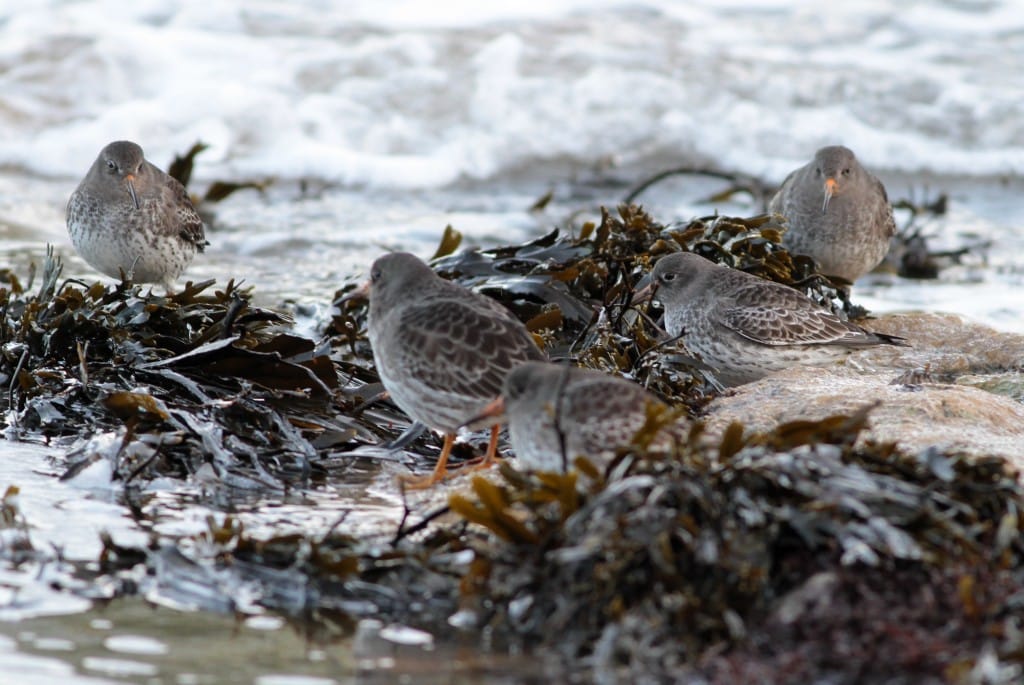
Purple Sandpipers, off South Cliffs, by Martin Garner

18th January 2015

A light west-south-west wind and sunny conditions prevailed, although temperatures were lower; seawatching in minus 2 degrees at the start of the day, with a maximum of two degrees later. A Great Northern Diver flew south, as did 51 Red-throated Divers, a Velvet Scoter and 280 Shags, with a single Shelduck moving north. Ten of thousands of Guillemots were again present, with most heading north back to the cliffs.

Thornwick attracted three Grey Herons, two Water Rails, 12 Teal, 14 Snipe and two Redshank. Elsewhere, the Pink-footed Goose remains with the Greylags, a Woodcock was at Oceanview and there were 11 Sanderlings on South Dykes Beach, where the Velvet Scoter remains offshore. Passerine interest included two Mistle Thrushes, two Fieldfare, a Goldcrest and 68 Linnets.

Grey Herons at Thornwick Pool, by Andy Hood

19th January 2015

A light west-north-westerly wind, sunny conditions and temperatures rising from 0 to 2 degrees C. A total of 765 Fulmars moved north, including three Blue Fulmars, a Shelduck also flew north, as did a Peregrine and three Puffins, with 29 Razorbill noted amongst tens of thousands of Guillemots.

Thornwick Pool hosted 13 Teal and four Snipe, with a Barn Owl hunting the same area; other records included two Grey Herons, 79 Lapwings and three Redwing.

The cliff top farmland at Buckton proved productive once again, with four Short-eared Owls and a Peregrine, 20 Fieldfare, two Goldcrest, 40 Linnets, 80 Twites, 90 Yellowhammers, 40 Reed Buntings and 20 Corn Buntings.

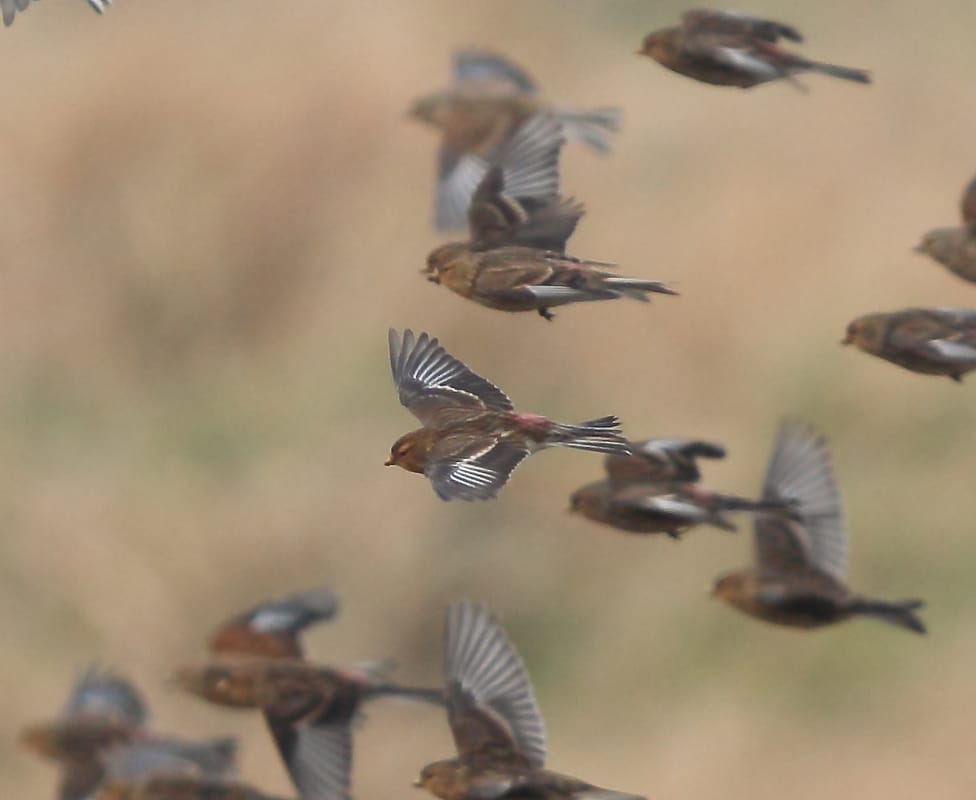
Twite, Buckton, Paul Reed
Twite, Buckton, by Paul Reed

20th January 2015

Another cold day, temperatures only rising from freezing point to 1 degree C by late morning, with sunny intervals and occasional fog featuring. Seawatching produced 176 Shags leaving the roost, an Eider moving south (with another four in residence), two Kittiwakes, ten Razorbills and a Little Auk that also flew south. Single Goldeneye, Red-breasted Merganser and Velvet Scoter were on the sea between South Landing and South Dykes, whilst 24 Ringed Plover and a Bar-tailed Godwit were on the beach at the former site. Thornwick Pool held 11 Teal, a Water Rail, two Snipe and a Grey Wagtail, with two Goldcrests at North Landing.

Buckton featured some of the better records, including between four and six Short-eared Owls, a Long-eared Owl, 80 Twite, Water Rail, 200 Yellowhammers and 20 Corn Buntings.

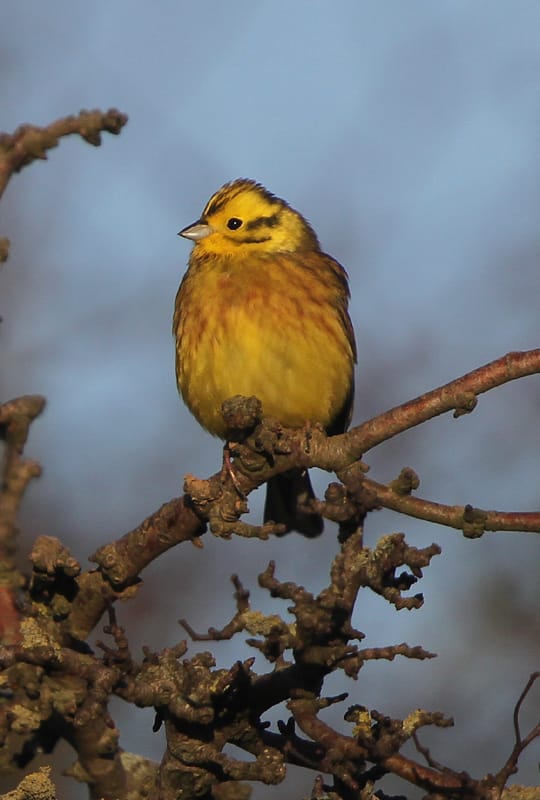
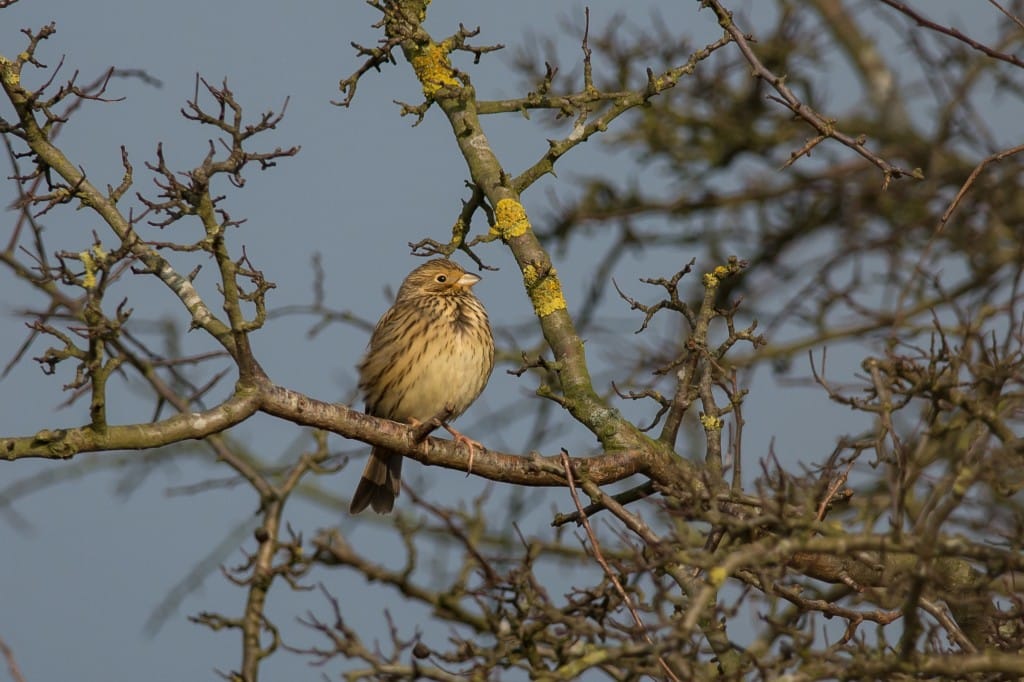
Yellowhammer, Buckton, by Paul Reed

21st January 2015

A moderate south-east wind and an overcast day, with temperatures a little higher at 4 degrees C. Whilst there were few notable birds on the seawatch with the exception of single Blue Fulmar and Goldeneye flying south, tens of thousands of Guillemots provided a spectacle; mainly flying south, although numbers were also scattered on the sea.

Buckton provided the land-based highlights, with five Short-eared and two Long-eared Owls present, a Water Rail, one Peregrine, 80 Twite, 150 Yellowhammers and 30 Corn Buntings.

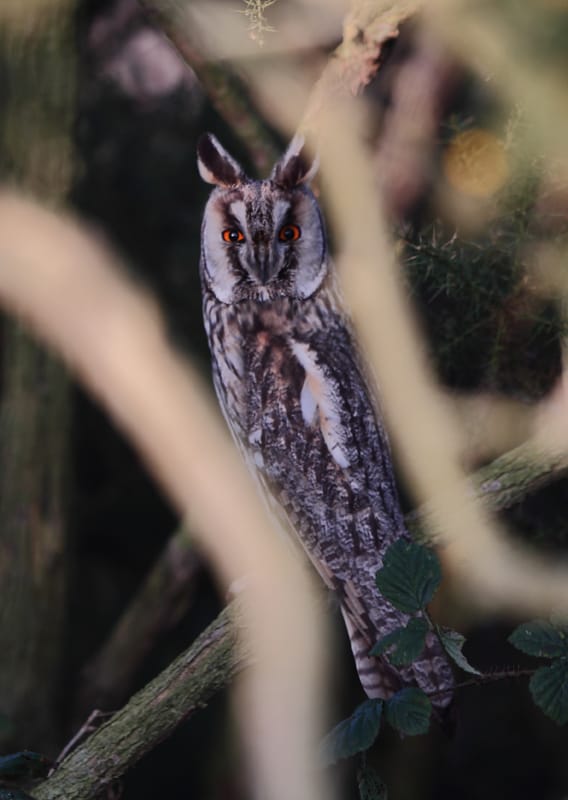
Long-eared Owl, Buckton, by Paul Reed

22nd January 2015

A light south-west wind, sunny intervals and temperatures of 5 degrees C resulted in more benign conditions compared to recent days. A dark-bellied Brent Goose flew north, with 15 Wigeon heading south, together with three Shelduck, five Common Scoter and four Kittiwakes. Once again, large numbers of birds were feeding off the Headland, including 246 Gannets, 100s of large gulls and multitudes of Guillemots, with tens of thousands on the sea or heading past.

A Barn Owl was present at Oceanview, Bar-tailed Godwit and Woodcock at South Landing, Water Rail at Thornwick Pool and a Grey Wagtail in the village.

Buckton hosted a Water Rail, Merlin, three Short-eared and two Long-eared Owls, 80 Twite and up to 30 Corn Buntings.

Corn Bunting at Buckton, by Les Day

23rd January 2015

A day of moderate south-south-westerly winds, sunny intervals and morning temperatures no higher than 1 degree C. Seawatching produced 27 Red-throated Divers flying south, 13 Common Scoters and one Knot heading south. Large numbers of seabirds also fed offshore, including 368 Gannets.

A Pink-footed Goose accompanied 105 Greylags, along with 12 Teal. An adult Mediterranean Gull roosted on the sea off North Landing, while five Goldcrests were present in South Dykes and three Fieldfare overflew the Fog Station.

Sightings from Buckton included a Water Rail, a Merlin, three Short-eared and a Long-eared Owl, one Lapland Bunting and 30 Corn Buntings.

Long-eared Owl, Buckton, by Paul Reed

24th January 2015

A sunny day, but still relatively cold, with temperatures of 4 degrees C and a moderate west-north-westerly wind. Thirty-two Red-throated Divers flew north off the Headland, with 12 south and an additional 20 on the sea, a Great Northern Diver was on the sea off South Landing, but better still, a Red-necked Grebe was in the same area; four Great Crested Grebes were present off Sewerby. A total of 548 Fulmars moved north during the seawatch, with 804 Gannets feeding offshore and a Puffin also present. Grey Herons were more prevalent than usual for mid-winter, with a single north on the seawatch, one at Thornwick Pool and two at Oceanview.

Waders between Sewerby and South Landing included 73 Oystercatchers, 35 Ringed Plovers, 21 Turnstone, 10 Sanderling and five Purple Sandpipers; a Woodcock was again in South Landing, where there was also a Goldcrest.

Highlights from Buckton included a Water Rail, five Short-eared Owls, a Little Owl, one Snow Bunting and 150 Yellowhammers.

Water Rail, Buckton, by Alan Walkington


Short-eared Owl, Buckton, Mark Thomas
Short-eared Owl, Buckton, by Mark Thomas

25th January 2015

A light/moderate south-westerly wind, overcast throughout and temperatures of 5 degrees C. Seawatching produced 30 Red-throated Divers flying south, single Great Northern Diver, Grey Heron and Velvet Scoter heading north, with single Razorbill and Little Auk moving south. However, the most noteworthy record related to the count of 1820 Gannets feeding offshore which represented a January record. Additional sightings included two Pink-footed Geese and six Wigeon at North Marsh, a Red-breasted Merganser off South Landing, where there were also two Woodcock, three Goldcrests and two Treecreepers. Better still, two Waxwings visited an Outer Head garden before flying off north. Tree Sparrow flocks scattered across the area included 35 at Oceanview, 30 on Church Lane and 28 on David Lane. Highlights from Buckton included Water Rail, Peregrine, Merlin, Short-eared Owl, two Long-eared Owls and a single Lapland Bunting.

Lapland Buntings with Reed Buntings, Buckton, by Paul Reed
Lapland Bunting with Corn Buntings, Buckton, by Paul Reed


26th January 2015

A day of west-north-westerlies, sunny intervals and temperatures of 7 degrees C. During the seawatch a Great Northern Diver flew north, 470 Fulmars headed in the same direction, as did one Blue Fulmar. A total of 1200 Gannets moved north, with a further 600 birds feeding offshore, whilst a Lesser Black-backed Gull headed south and 35 Razorbills were noted amongst several thousand Guillemots.

Elsewhere, 43 Teal and two female Stonechats frequented North Marsh, with a Red-breasted Merganser, two Woodcock and a Bar-tailed Godwit at South Landing.

Two Short-eared Owls, two Peregrines and eight Corn Buntings remained at Buckton.

Woodcock, South Landing, by Alan Walkington

27th January 2015

A day of moderate westerlies, sunny intervals and temperatures reaching 7 degrees C. During the seawatch, 307 Fulmars flew north, as did 472 Gannets and a Pomarine Skua, whilst one Bonxie flew south. Fourteen Kittiwakes were recorded, with a substantial increase in Razorbills (177 north) and three Puffins; the latter equalling Flamborough’s highest ever daily record for January.

Peregrine and Goldcrest were recorded at South Landing, but following local declines, Little Owls calling at Hartendale during the evening were more noteworthy.

A Black Redstart was located on the cliff top at Bempton RSPB and three Short-eared Owls remained at Buckton; a note of caution, could all visiting birders please remain on the paths and not enter the Main Dell.

Grey Heron, Buckton, Alan Walkington

28th January 2015

A strong west-north-westerly wind brought intermittent heavy rain and hail showers, with temperatures of 5 degrees C. Little moved on the sea and Guillemots were reduced to their hundreds, with other sightings included 90 Shags, six Razorbills and four Kittiwakes. A total of 335 Common Gulls roosted on the sea and 20 Purple Sandpipers were near the Fog Station. Coots continued to return and three were present on Thornwick Pools, whilst the Bar-tailed Godwit remained at South Landing.

Highlights from Buckton included three Short-eared Owls and a Merlin.

Short-eared Owl, Buckton, by Paul Reed

29th January 2015

A strong west-south-west wind, sunny intervals and snow showers, with temperatures of 1 degree C. Guillemots increased in number again, with an estimated 10,000 present, along with five Razorbills; two Bonxies also flew south along with two Kittiwakes.

Rock Pipit, South Landing, Alan Walkington

30th January 2015

A day of light/moderate west-south-westerly winds and sunny conditions, although temperatures struggled to only one degree C by late morning. A total of 160 Fulmars flew north together with one Blue Fulmar, with other sightings including 120 Shags, a lone Kittiwake, several thousand Guillemots, 13 Razorbills and one Puffin. Amazingly, no Red-throated Divers were seen in over two hours.

Two Goldcrests and two Treecreepers were present in South Dykes, where 18 Turnstones were on the beach.

Stonechat, Buckton, by Alan Walkington

31st January 2015

A very strong northerly wind picked up during the day that also featured heavy rain and temperatures of 2 degrees C. During the seawatch, 433 Fulmars flew north, together with two Blue Fulmars and 101 Shags. Wildfowl included two dark-bellied Brent Geese heading north, two Shelduck, 75 Teal moving north – the latter a January record count – and a Velvet Scoter. Two Bonxies flew south, whilst there were also four Kittiwakes and three Razorbills.

Three Short-eared Owls remained at Buckton, as did one Stonechat and the 80 Twite.

Twite, Buckton, by Paul Reed

1st February 2015

A day of force 8 north-north-westerlies, frequent showers, which were occasionally wintry, and temperatures not exceeding 3 degrees C. In total 1004 Fulmars moved north during the morning, with an additional Blue Fulmar doing the same. Four Pale-bellied Brent Geese headed north, as did two Goldeneye. Nine Kitttiwakes flew past the Headland, whilst two Little Auks flew north, with another individual sat on the sea off the Fog Station.

Elsewhere, a drake Goldeneye visited Thornwick Pool and 24 Ringed Plover, a Bar-tailed Godwit and a Woodcock were present at South Landing.

Woodcock, South Landing, by Andy Hood


2nd February 2015

A light/moderate north-westerly wind, temperatures rising from zero to 3 degrees C, before snow showers arrived late afternoon. Seawatching produced three Great Northern Divers (two south together and one north), 606 Fulmars flying north, together with one Blue Fulmar, an immature Iceland Gull heading south (probable 3rd-winter), 32 Razorbills north and three Little Auks also north.

Elsewhere, five Teal were on Thornwick Pool, a female Red-breasted Merganser off South Landing, a Great Northern Diver there along with a Red-necked Grebe which ranged as far as Sewerby. South Landing beach hosted 34 Ringed Plovers, a Bar-tailed Godwit and two Sanderling, whilst a Woodcock overflew Lighthouse Road.

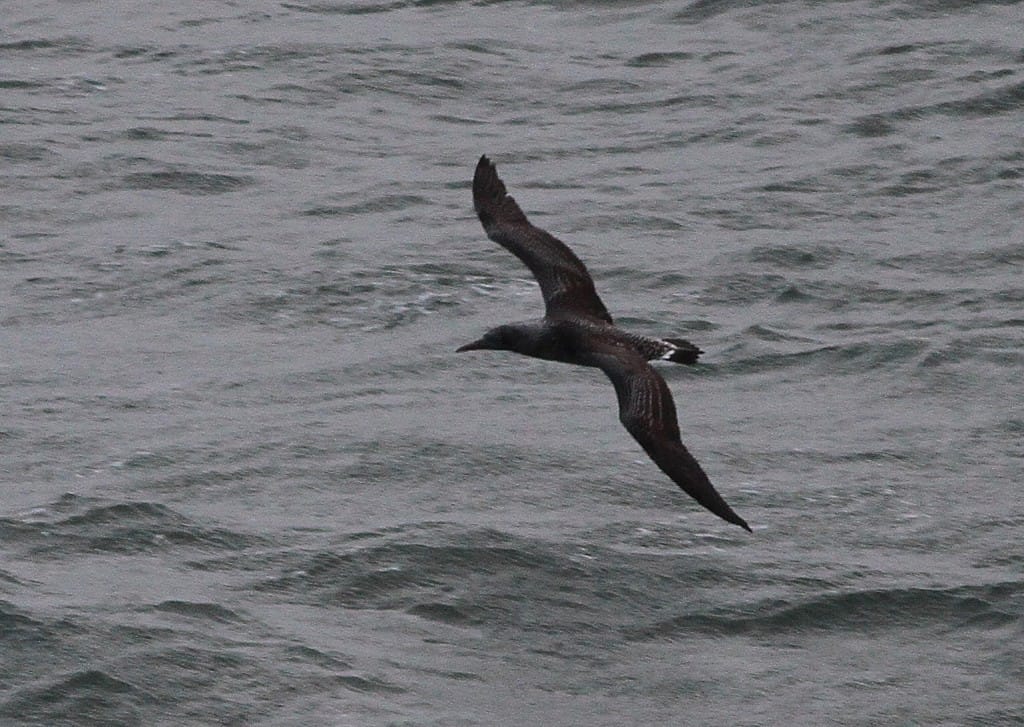
juvenile Gannet, by Martin Garner

3rd February 2015

Overnight snow and a moderate northerly wind, followed by sunny intervals and temperatures of 3 degrees C. Seawatching produced 19 Red-throated Divers heading north, a Black-throated Diver moving north, as well as a solitary Great Northern Diver and 441 Fulmars heading in the same direction, along with two Blue Fulmars. Two Bonxies flew north, together with 44 Kittiwakes and three Puffins, whilst one Little Auk also headed north. Two oiled Guillemots were unfortunately present on South Landing/South Dykes beach.

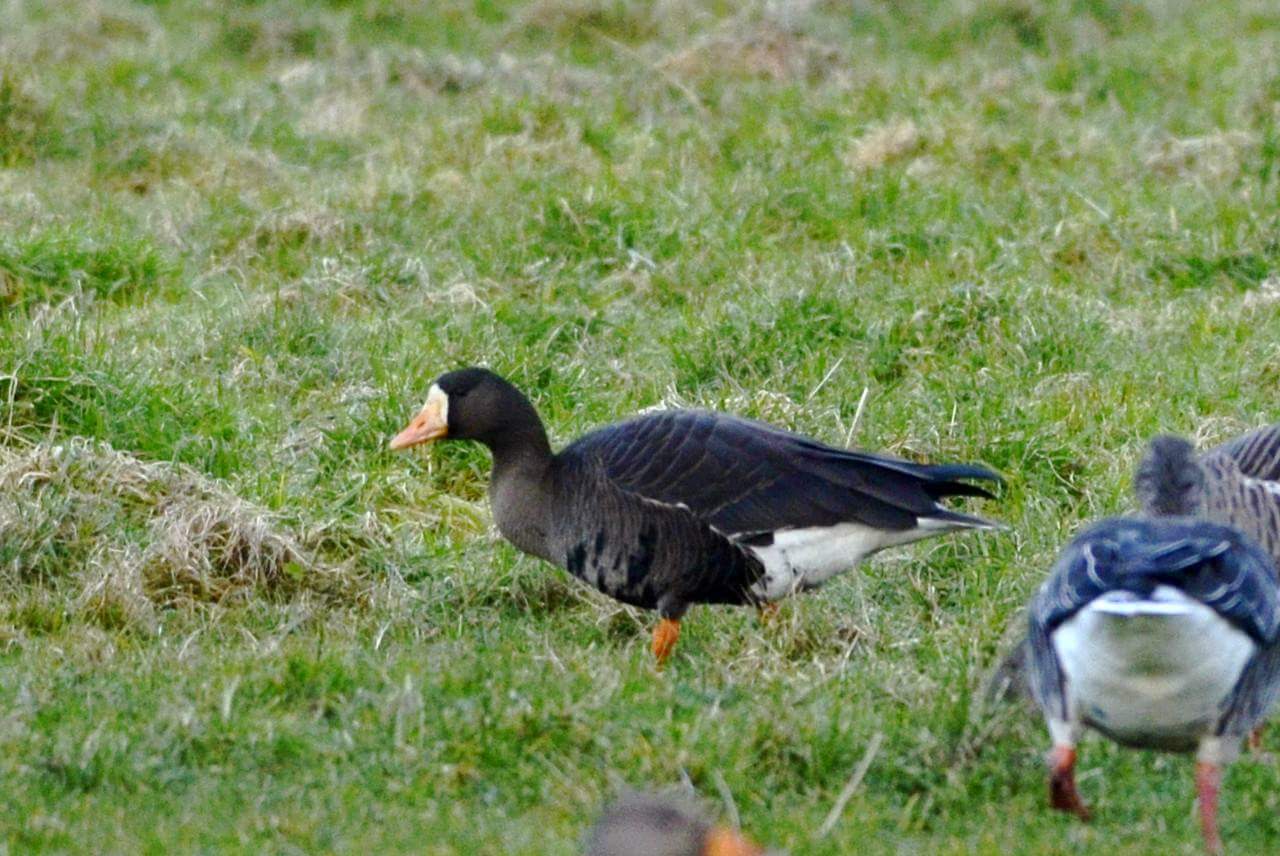
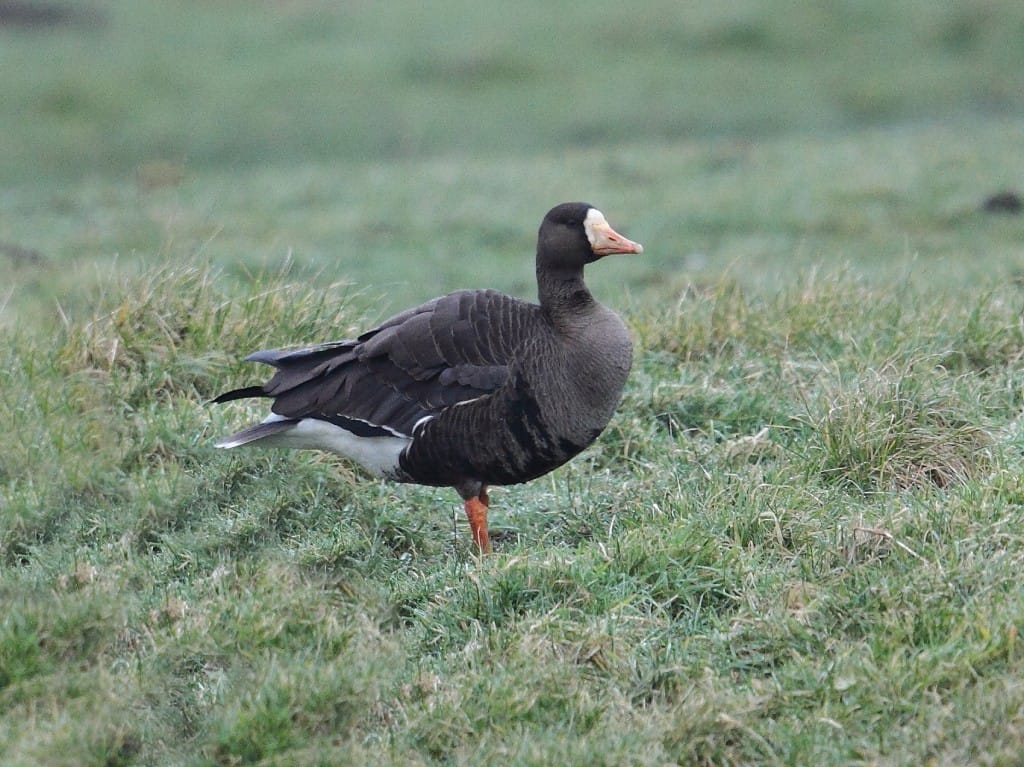
Highlight from the land was a Greenland White-fronted Goose that accompanied the flock of 102 Greylags near North Marsh; a Wigeon, 25 Teal and a Short-eared Owl were also there. Both Red-necked Grebe and Great Northern Diver were off the South Landing/South Dykes area, whilst the beach attracted a Bar-tailed Godwit, 38 Ringed Plovers and a Grey Wagtail. A Water Rail showed at Thornwick, 59 Lapwings overflew North Dykes and a Treecreeper appeared at Hartendale.

Grey Wagtail, South Landing, by Andy Hood


4th February 2015

Another day of moderate north-north-westerly winds, low temperatures (3 degrees C) and a mixture of rain, sleet and hail showers. A watch from South Landing produced 90 Shag, 18 Ringed Plovers, five Sanderling and a Bar-tailed Godwit, together with three Razorbills and one Little Auk heading north. A juvenile Pomarine Skua also flew north past the Fog Station.

The Greenland White-fronted Goose remained with 93 Greylags in the vicinity of North Marsh, with 28 Teal also present. The Red-necked Grebe was again off South Dykes, whilst 885 Common Gulls roosted.

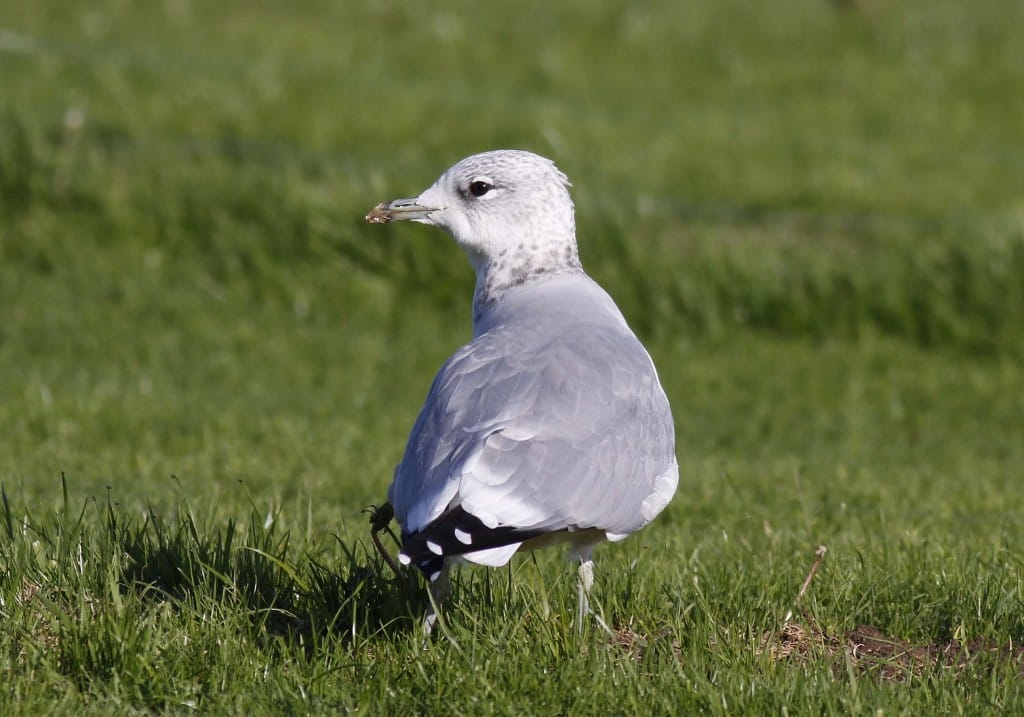
Common Gull, by John Beaumont

5th February 2015

A day featuring a light north-north-east wind, light rain and temperatures of 4 degrees C. Seawatching from South Landing was rewarded with three Shelduck flying north, four Teal moving south, eight Eider north and four Common Scoters heading in the same direction. A Great Northern Diver, Velvet Scoter and a Puffin were on the sea there, with six Sanderling and a Bar-tailed Godwit on the beach and two Woodcock roosting in the nearby ravine.

The Greenland White-fronted Goose remained in residence, with other sightings including a Grey Heron, two Barn Owls, a Short-eared Owl near North Landing, three Mistle Thrushes and four Fieldfare.

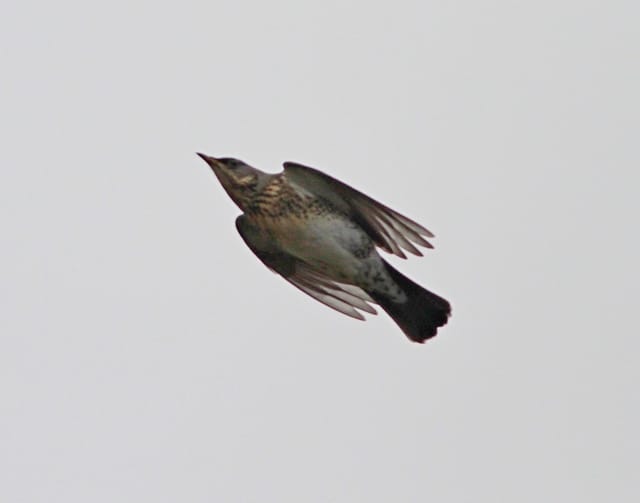
Fieldfare, by Martin Garner

6th February 2015

A day of light north-north-easterlies, sunshine and temperatures of 6 degrees C. Seawatching highlights included 46 Red-throated Divers flying north, a Black-throated Diver moving south, one Shelduck north, seven Wigeon south, an Eider north, two Velvet Scoter north and one south and a Red-breasted Merganser that flew north. Four Purple Sandpipers and 1200 Gannets were also in residence, whilst a Great Northern Diver was off South Dykes.

North Marsh hosted 47 Teal, four Wigeon and a Grey Heron. Additional records included  a Woodcock, two Barn Owls, two Peregrines, 44 Skylark, a Stonechat and 26 Rock Pipits together near North Marsh.

Sightings from Buckton included two Short-eared Owls and ten Twite.

Short-eared Owl, Buckton, byAlan Walkington
Short-eared Owl, Buckton, by Alan Walkington

7th February 2015

An overcast morning, with light north-north-westerlies and temperatures of 6 degrees C. The seawatch was relatively quiet, although a large feeding flock of 1000 Gannets close inshore provided distraction, whilst 15 Shelduck headed north and 11 Common Scoters flew south. A Lesser Black-backed Gull moved north and the first Razorbills back on the ledges were signs that spring gets ever closer. The Great Northern Diver was again off South Landing.

The Greenland White-fronted Goose was relocated with Greylags off Water Lane, with 111 of the latter scattered across the Headland. Additional wildfowl sightings included 43 Teal, seven Wigeon and 27 Mallard. Thornwick hosted two Coot, five Jack Snipe and two Snipe. Two Barn Owls and a pair of Peregrine were observed, whilst a pair of Mistle Thrush (the male singing) near Church Lane was a welcome record of an ever scarcer species; one Redwing was in the same area and a Stonechat remained near North Marsh.

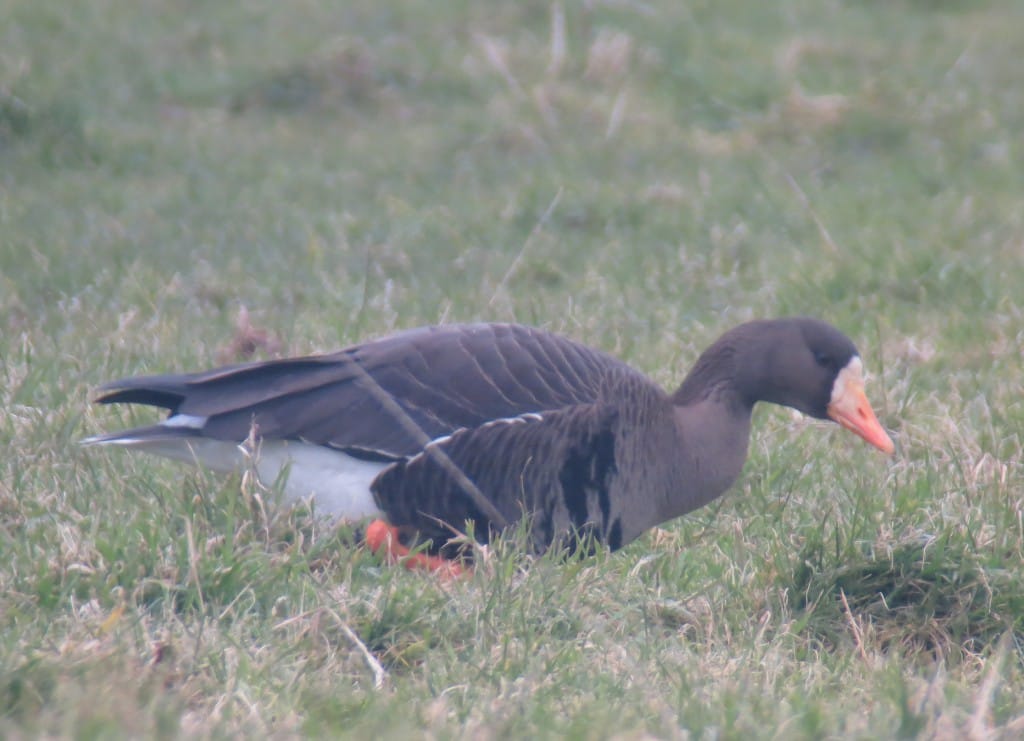
Greenland White-fronted Goose, Water Lane, by Brett Richards

8th February 2015

A day of moderate north-north-westerly winds, temperatures of 7 degrees C and sunny intervals. During the seawatch, 17 Red-throated Divers flew north, 353 Fulmars did the same, together with one Blue Fulmar. An adult Yellow-legged Gull also moved north, along with a Lesser Black-backed Gull and 56 Kittiwakes. In addition, several thousand auks were feeding offshore, together with 2000 Gannets. Both Great Northern Diver and Velvet Scoter were still in residence between South Landing and South Dykes, with four Sanderling on the beach at the latter location.

Elsewhere, the Greenland White-fronted Goose again showed well from Water Lane, one Woodcock roosted in South Landing and a Snow Bunting flew over the Fog Station.

Buckton sightings included three Short-eared Owls, two Barn Owls, a Merlin, 80 Yellowhammers, 15 Corn Buntings and 20 Reed Buntings.

Greenland White-fronted Goose, Water Lane, by Andy Hood


9th February 2015

A day of light west-north-west winds, sunshine and temperatures reached 7 degrees after an overnight frost. The seawatch produced a Great Northern Diver flying north, 397 Fulmars moving in the same direction, together with a Blue Fulmar. There was a significant increase of Kittiwakes, with 157 north and 800 Gannets fed offshore.

The Greenland White-fronted Goose remained in the Water Lane area, a Shelduck on Stainforth’s Flash was new, with 15 Teal and three Grey Herons also present. A single Barn Owl featured at Thornwick, where a second pair of Coot arrived overnight and a Grey Wagtail was also present. A Short-eared Owl appeared near North Landing, along with two Stonechats, 10 Rock Pipits and an increase to 15 Meadow Pipits. Two Waxwings appeared in the village before they flew off north.

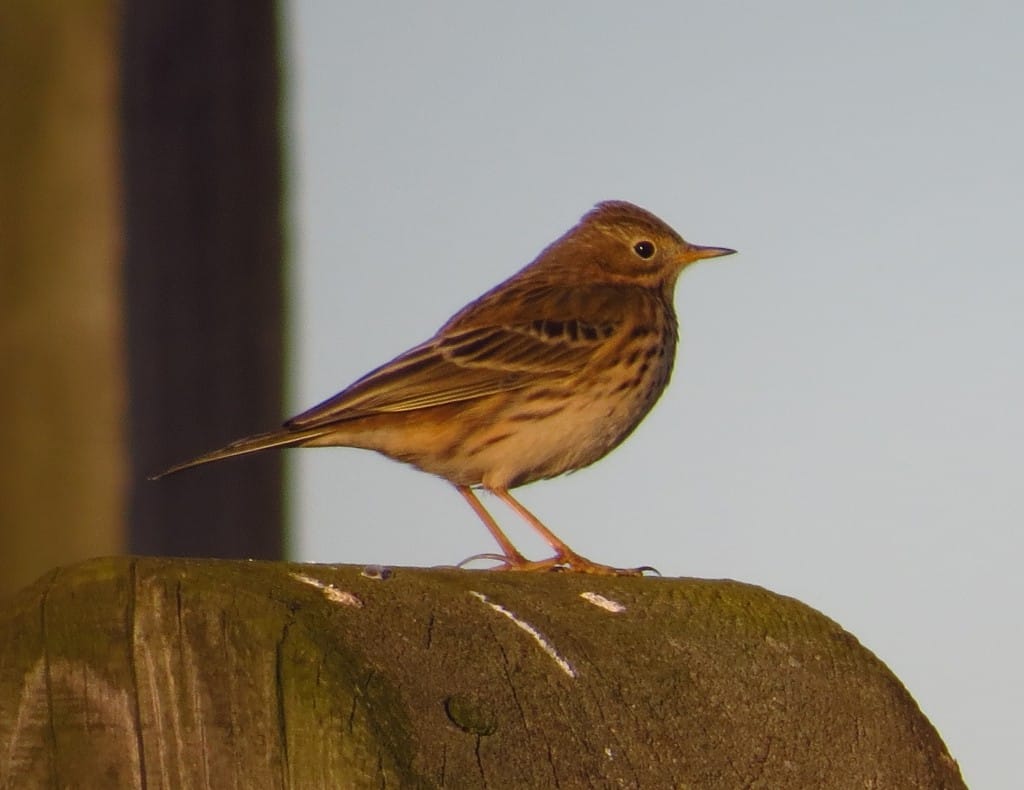
Meadow Pipit, Breil Nook, by Brett Richards

10th February 2015

A foggy day with visibility improving to 300m by late morning and temperatures of 2 degrees C. Single Velvet Scoter and Red-breasted Merganser were off South Landing, with a Bar-tailed Godwit on the beach and a Woodcock in the nearby ravine. Where visibility allowed, other sightings included a Barn Owl, two Tawny Owls and single Redwing, Grey Wagtail and Snow Bunting.

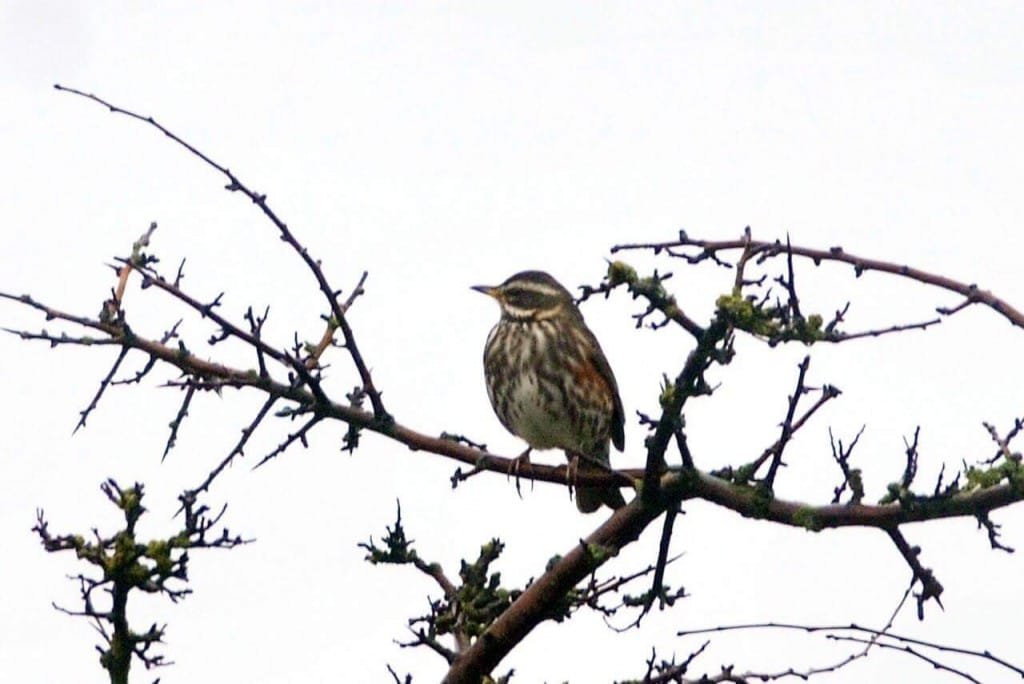
Redwing, by Andy Hood


11th February 2015

An overcast day, with temperatures of 3 degrees C and a light/moderate south-south-west wind. The seawatch was quiet, with three Wigeon and three Common Scoters flying south, 85 Shag and 18 Kittiwakes observed. Both Great Northern Diver and Velvet Scoter were off South Landing.

The Greenland White-fronted Goose remained with the Greylag flock, 86 Mallard, 19 Teal and seven Wigeon were recorded, with single Woodcock and Bar-tailed Godwit at South Landing. Passerine interest at the latter site included a single Mistle Thrush and 17 Yellowhammers.

Three Short-eared Owls were still present at Buckton.

Woodcock, South Landing, by Alan Walkington

12th February 2015

Another overcast, cold day (3 degrees C), with a light west-south-west wind. Seawatching produced 14 Red-throated Divers flying south, two Blue Fulmars (different individuals flying north and south), a Grey Heron south and 106 Kittiwakes moving north. Large numbers of auks and Gannets were again present, with 1000 of the latter feeding offshore.

The Greenland White-fronted Goose was again off Water Lane, the Velvet Scoter remained off South Landing, where there were also single Bar-tailed Godwit and Woodcock.

Stonechat, Buckton, by Paul Reed

13th February 2015

A moderate south-easterly wind, overcast with showery rain and later sunny intervals and temperatures of 4 degrees C. Little moved on the sea, although large feeding flocks of Gannets and auks were again feeding close inshore off the Headland, with 1000+ of both present. The Greenland White-fronted Goose was still present with the Greylag Flock. Additional sightings included a Grey Heron, 120 Lapwing over South Dykes, one Golden Plover and single Bar-tailed Godwit and Woodcock.

Lapwing, by Martin Garner

14th February 2014

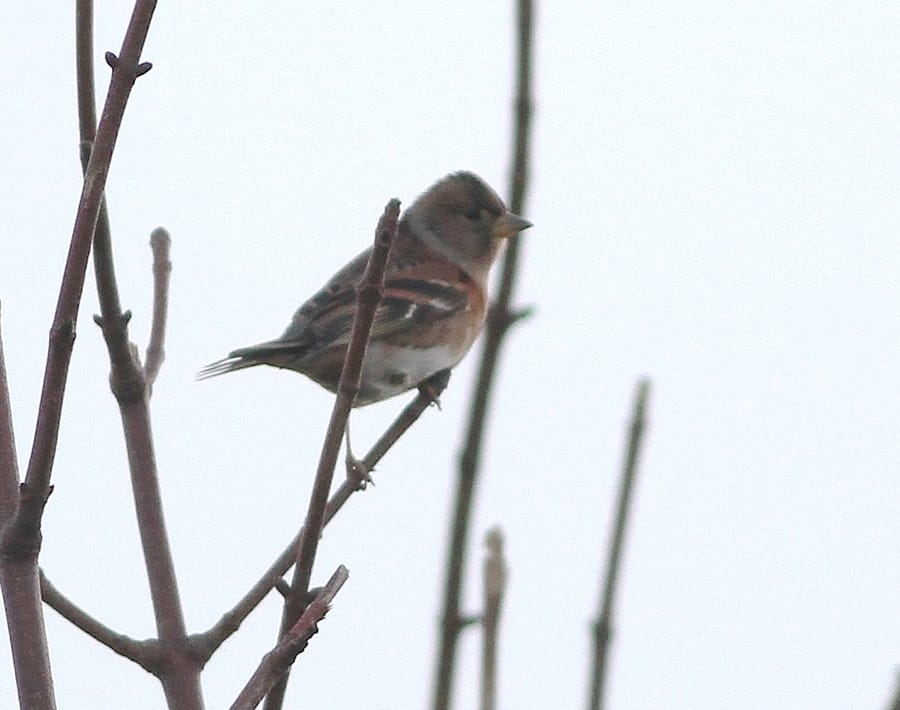
A day of light easterly winds, overcast during the morning and then sunny intervals and occasional showers; temperatures of 7 degrees C. The seawatch was quiet, although it included a Blue Fulmar close inshore that eventually flew south. Large numbers of auks and Gannets were again present and Kittiwake numbers rose dramatically, with 313 north, 69 south and 170 on the sea. The Greenland White-fronted Goose commuted between Water Lane and North Marsh, two Grey Herons flew over Church Lane, single Woodcock and Bar-tailed Godwit remained at South Landing, whilst 30 Rock Pipits represented a good count and a Brambling was new.

West of the Dykes, a Common Buzzard was near Marton Hall and a Mistle Thrush at Speeton. Records from the Buckton/Bempton area included single Golden Plover and Water Rail, two Grey Partridges, a Stonechat, 200 Linnets, 50 Yellowhammers and 80 Corn Buntings.

Brambling, by Martin Garner
Brambling, Outer Head, by Martin Garner
Greenland White-fronted Goose, Water Lane, by Alan Walkington

15th February 2015

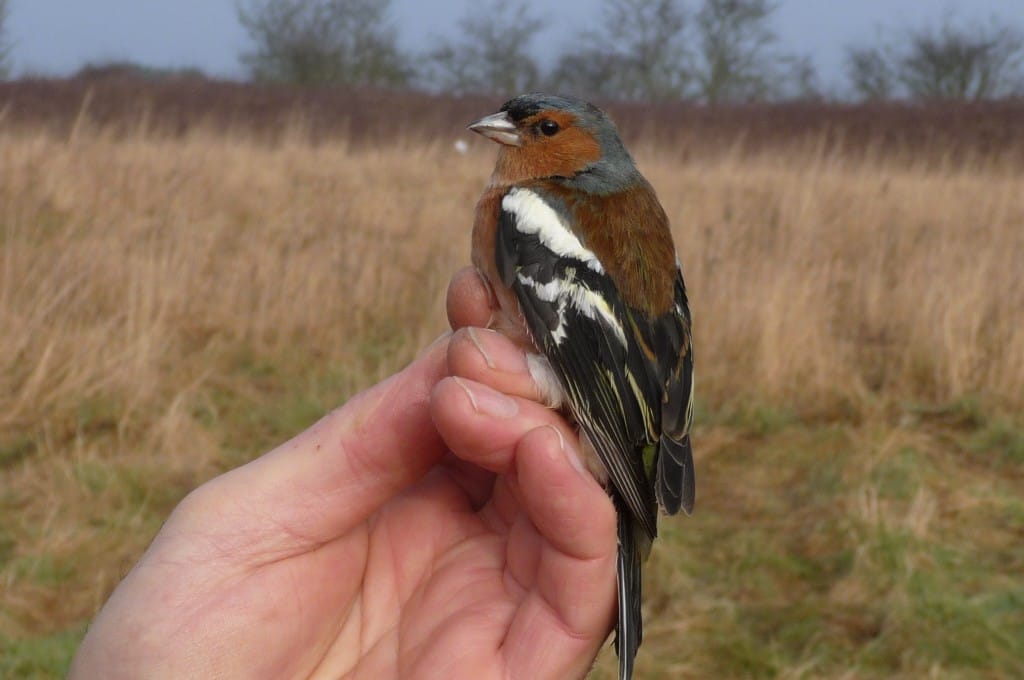
A light easterly wind, hazy sunshine with mist and temperatures of 7 degrees C resulted in a spring-like feeling to proceedings. Seawatching produced a Bonxie flying north, 11 Wigeon moving south and 463 Kittiwakes north; along with 50 south and 100 on the sea below the Fog Station. The Greenland White-fronted Goose remained in residence, along with six Wigeon, 29 Teal, a Woodcock and Bar-tailed Godwit and two Peregrines. Common Gull numbers are ever increasing and included 240 on Thornwick Pool. Potential migrants were five Song Thrush near North Landing, a Fieldfare on Church Lane and Pied Wagtails at North Marsh and Thornwick. A total of 41 Rock Pipits was well above average and included 35 at Breil Nook, including one Scandinavian Rock Pipit. A ringing session at South Landing resulted in 19 birds trapped, including three Chaffinch and one Tree Sparrow; in addition, a continental Chaffinch was observed in a garden on the Outer Head.

Birds at Buckton included 3 Short-eared Owls, Peregrine, Water Rail, 200 Yellowhammer, 70 Corn Bunting, 2 Mistle Thrush, Grey Heron, 5 Rock Pipit, Goldcrest, 80 Linnet, Stonechat and thousands of auks and Gannets back on the cliffs/sea.

Common Gull, Water Lane, by Martin Garner
Chaffinch, South Landing, by Jim Morgan

16th February 2015

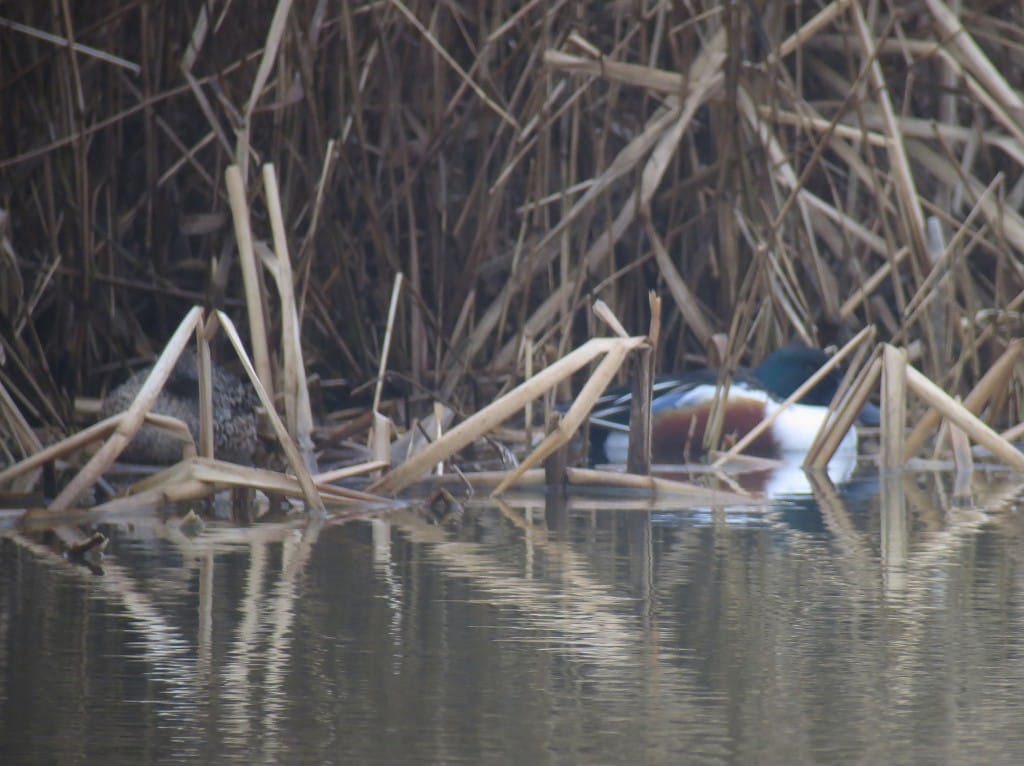
A moderate southerly wind, overcast and temperatures of 4 degrees C. The seawatch was very quiet, whilst the freshwater pools attracted 11 Wigeon, 14 Teal and a pair of Shoveler; the latter at Thornwick. A Barn Owl hunted in the same area, whilst three Mistle Thrushes were at Hartendale.

Shoveler, Thornwick Pool, by Brett Richards

17th February 2015

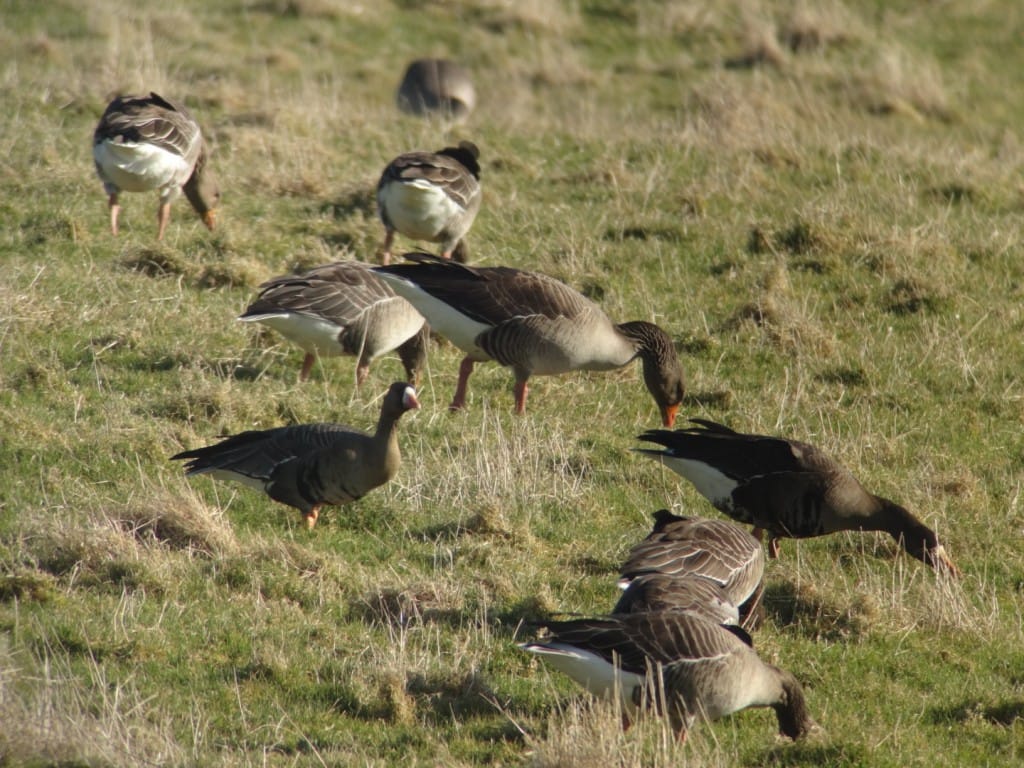
A light to moderate westerly wind, sunshine and temperatures rising to 9 degrees C after a frosty start. The seawatch was again quiet, with 1000 Gannets offshore. The Greenland White-fronted Goose was joined by a Russian White-fronted Goose, with both with the Greylag flock near North Marsh. There were also two Grey Herons, 19 Teal, four Snipe at Thornwick Pool, two Peregrines, a Barn Owl and a Stonechat near North Marsh. The warmer sunshine also encouraged a Small Tortoiseshell to awake from slumber.

Buckton sightings included four Short-eared Owls and 20 Twite.

Russian & Greenland White-fronted Geese with Greylags, North Marsh, by Andy Hood
Grey Heron, North Marsh, by Brett Richards


18th February 2015

A day of light/moderate south-westerly winds, sunny intervals and temperatures reaching 11 degrees C after a chilly start. Four Whooper Swans flew north and the single Russian & Greenland White-fronted Geese remained. The sea was busy off South Landing, with 450 Gannets feeding offshore with large numbers of gulls. In addition, 130 Cormorants assembled on the shoreline, of which 110 were ‘sinensis’; an unsually high total for the time of year. A Woodcock was still roosting in South Landing ravine. Passerine interest was provided by two Mistle Thrushes, a Redwing, two Treecreepers and two Coal Tits.
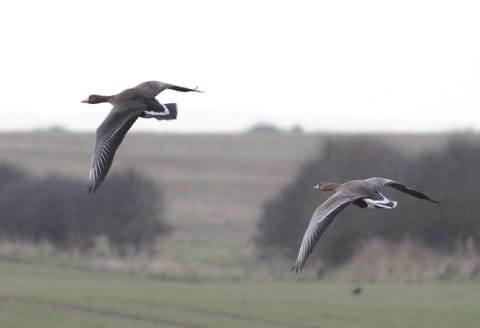
Greenland & Russian White-fronted Geese, by Martin Garner

20th February 2015

A moderate south-westerly wind, overcast with persistent rain until early afternoon and temperatures of 6 degrees C. The morning seawatch from North Landing was quiet, with 11 Red-throated Divers flying south and 11 Kittiwakes north. The Greenland & Russian White-fronted Geese were both still present. A pair of Shelduck returned, whilst other wildfowl included seven Wigeon and 14 Teal. Two Mistle Thrushes were the only passerines of note.

Tree Sparrow, by Martin Garner