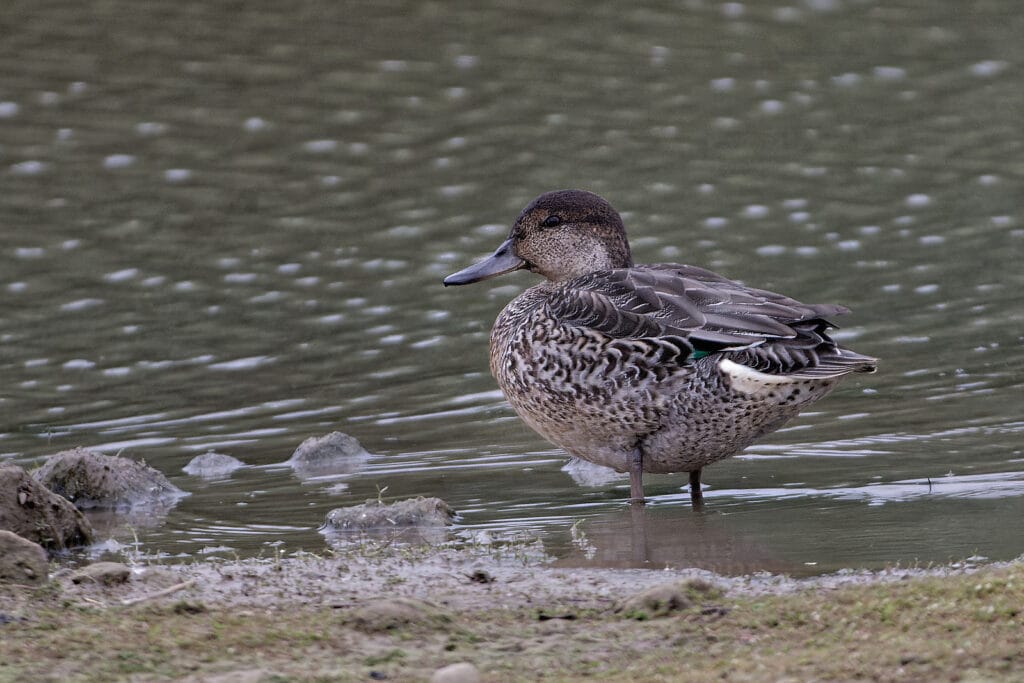
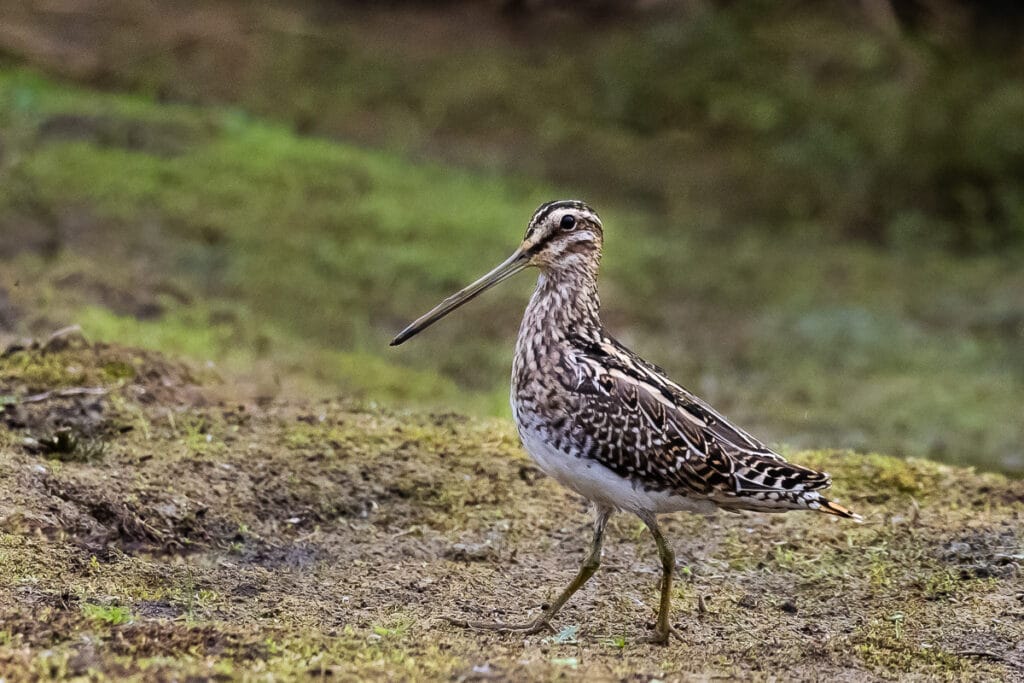
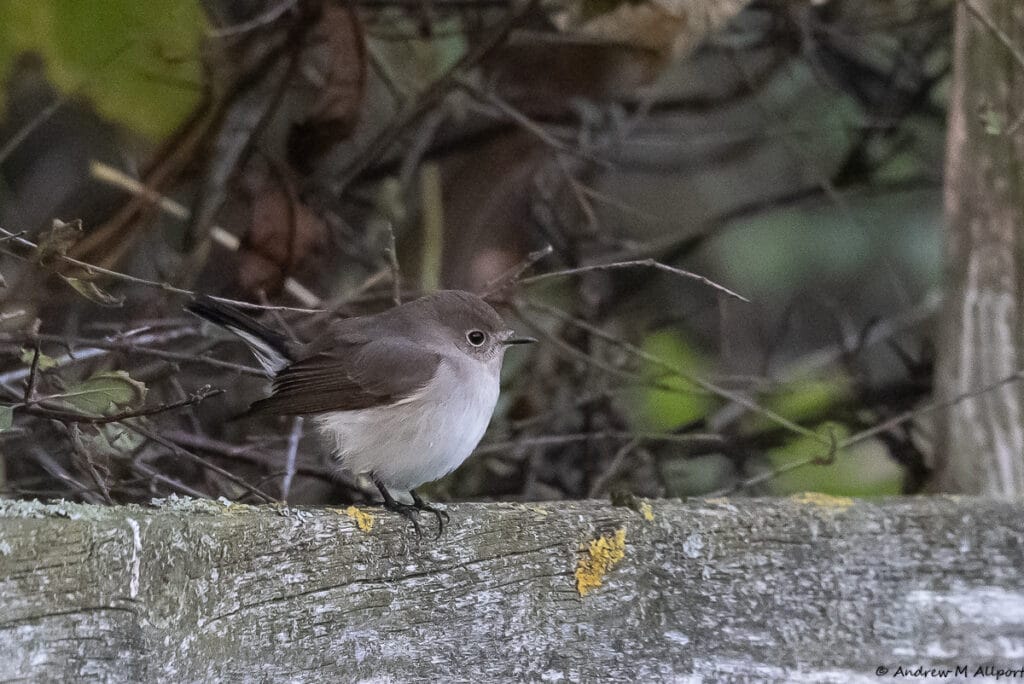
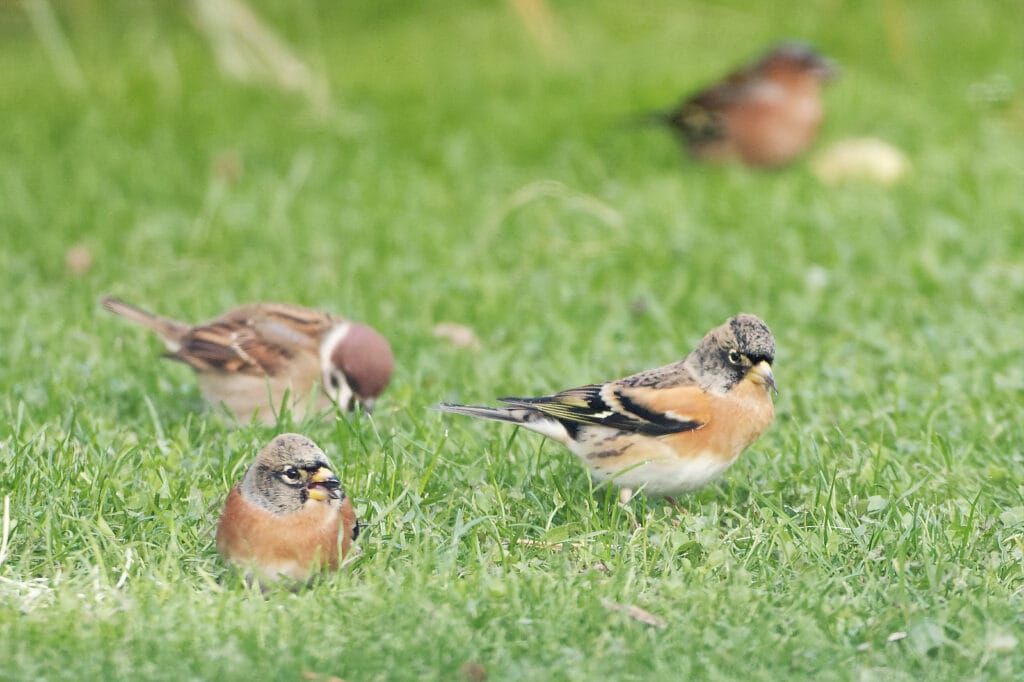
The weather consisted of extensive sunny intervals, light south-west winds and temperatures reaching 19 degrees C. Two Sooty Shearwaters flew north during the morning’s seawatch along with a Mediterranean Gull, whilst a juvenile Pomarine Skua headed south. North Marsh attracted a Wigeon and 12 Teal. Thornwick Pools hosted 11 of the latter species, where a juvenile Spotted Redshank represented the day’s highlight. The same location also attracted a Green Sandpiper, eight Snipe and a Dunlin. Passerine migrants were particularly scarce, with the outer head hosting single Common Redstart and Whinchat, together with ten Chiffchaffs, five Yellow Wagtails and three Grey Wagtails; a lone Swift was recorded over the same area. Small Tortoiseshell butterflies have featured in numbers of late, but 150 on a single buddleia hinted at the scale of numbers present.
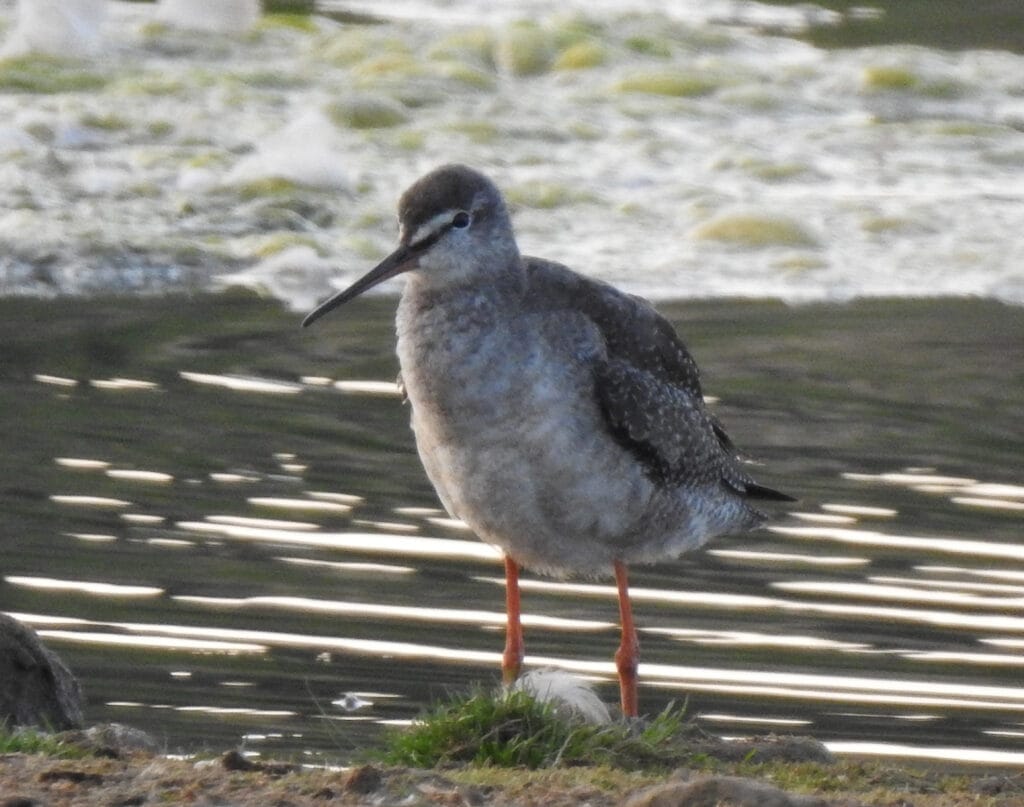
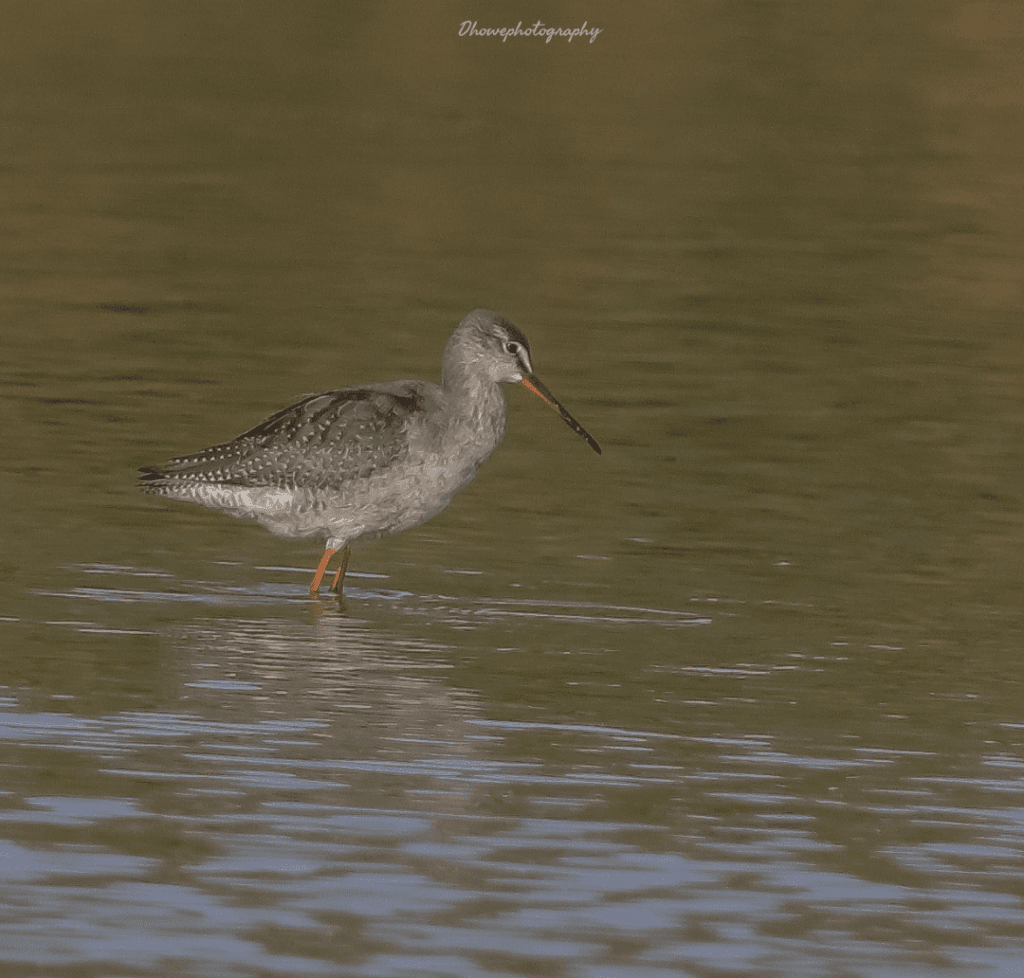
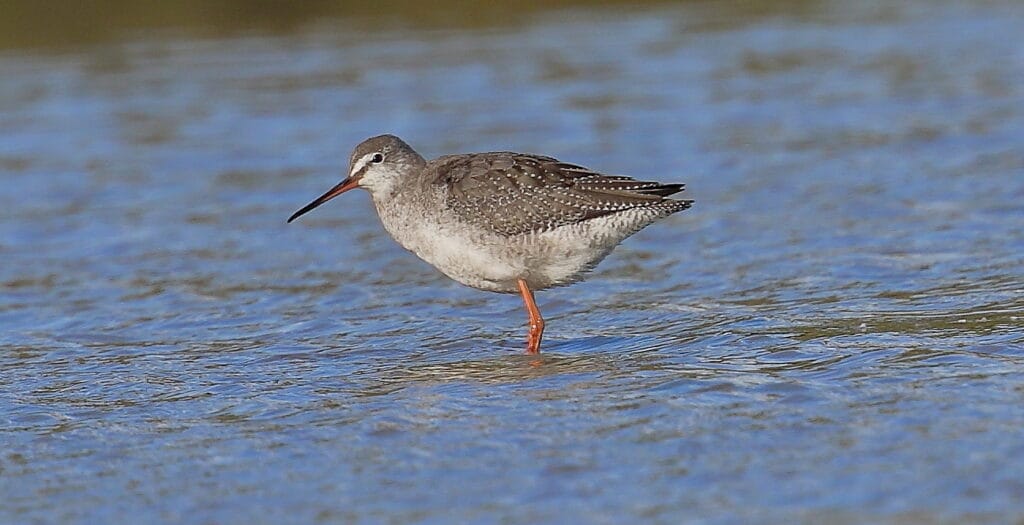
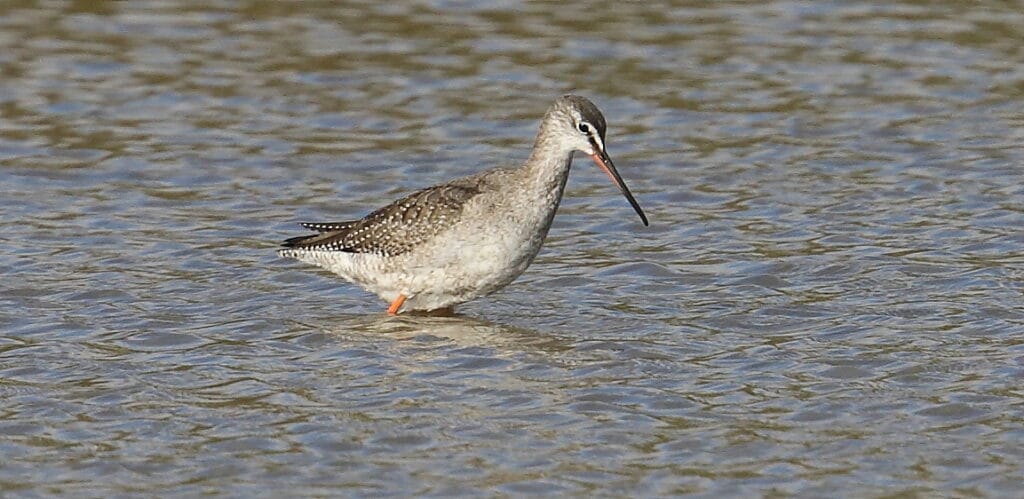
Spotted Redshank, Thornwick Pools, by Brett Richards
Sunny intervals throughout, with a light easterly wind developing and temperatures reached 18 degrees C. A total of 152 Teal, five Bar-tailed Godwits, 14 Little Gulls and two Pomarine Skuas flew south past the Fog Station in the morning. Thornwick Pools attracted 24 Teal, ten Snipe, two Dunlin, a Green Sandpiper and yesterday’s juvenile Spotted Redshank. Single Green Sandpiper and Grey Wagtails overflew the village, whilst a Hobby headed east over Whelkie Wynds.
The Black-browed Albatross re-appeared at RSPB Bempton Cliffs, where a Greenshank flew south-east; a Marsh Harrier and 200 Linnets were at nearby Buckton.
Light/moderate south-easterly winds, overcast skies with rain from mid-afternoon and temperatures peaking 16 degrees C. Such conditions predictably proved ideal for wildfowl passage, although were no signs that the easterly airflow elicited an arrival of passerines.
A Honey Buzzard that flew in off the sea over Selwick’s Bay at 0850hrs and then headed south-west provided a welcome distraction during the seawatch. September had provided the previous day record tally for Teal (790), but that was beaten when 900 flew south past the Seawatch Observatory; a further 83 dropped onto Thornwick Pools. Additional seawatch records were 26 Dark-bellied Brent Geese, seven Shoveler, a Gadwall, 199 Wigeon, 12 Pintail, four Tufted Ducks and 156 Common Scoter all flying south. A total of 103 Red-throated Divers also moved south, two Sooty Shearwaters headed north, whilst two Mediterranean Gulls, two Roseate Terns (adult & juvenile) and an adult Pomarine Skua went south; 27 Arctic Skuas and two juvenile Long-tailed Skuas headed north. Wader interest included single Black-tailed Godwit, Greenshank, Green Sandpiper and Spotted Redshank in residence at freshwater pools, along with five Dunlin.
The Black-browed Albatross entertained at RSPB Bempton Cliffs, with two Marsh Harriers and a Whinchat at nearby Buckton.
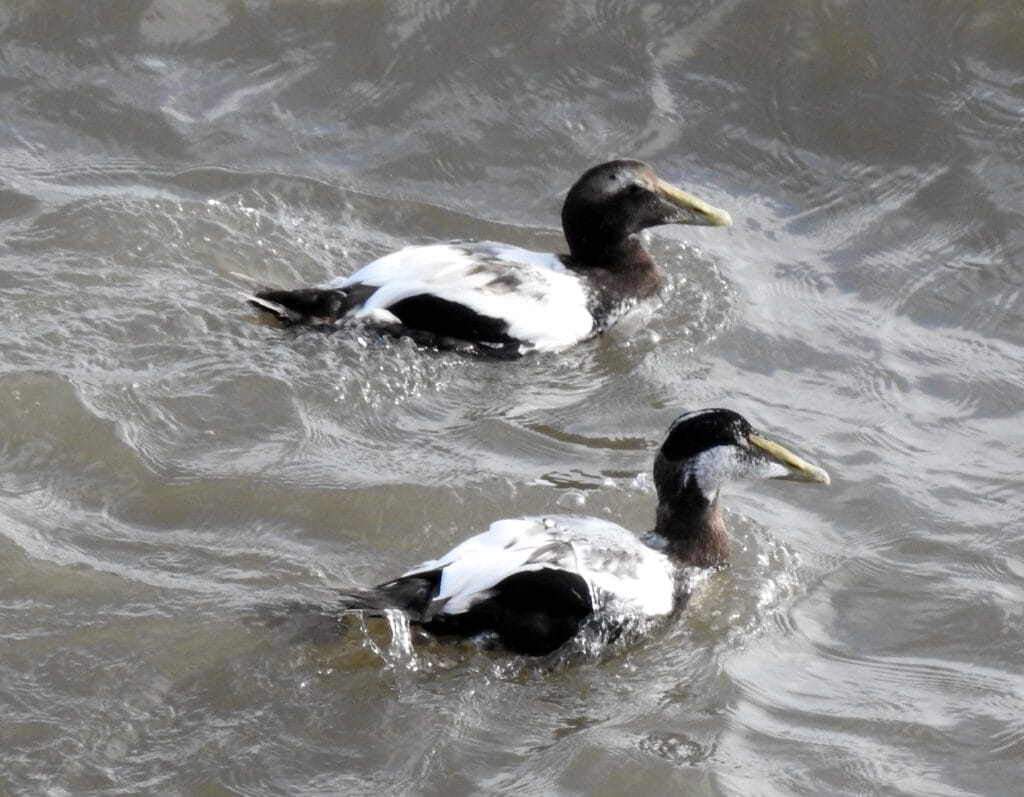
A northerly wind dropped in strength during a day that started with overcast skies and ended with prolonged sunny intervals; temperatures peaked at 15 degrees C. Seawatch highlights included two Dark-bellied Brent Geese and two Pale-bellied Brent Geese flying north, a Gadwall south, one Pintail north and 11 Eiders heading south. Also northbound were four Sooty Shearwaters, six Bonxies, five Arctic Skuas and a Mediterranean Gull. The Spotted Redshank lingered on Thornwick Pools along with 37 Teal, three Wigeon, six Snipe and a Green Sandpiper. Passerine migrants on the outer head included a Common Redstart and a lone Black Redstart.
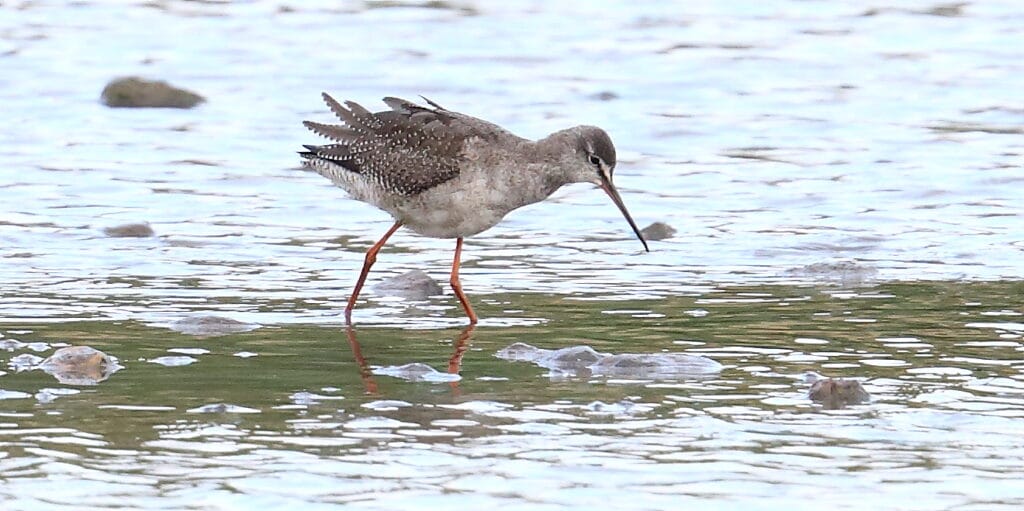
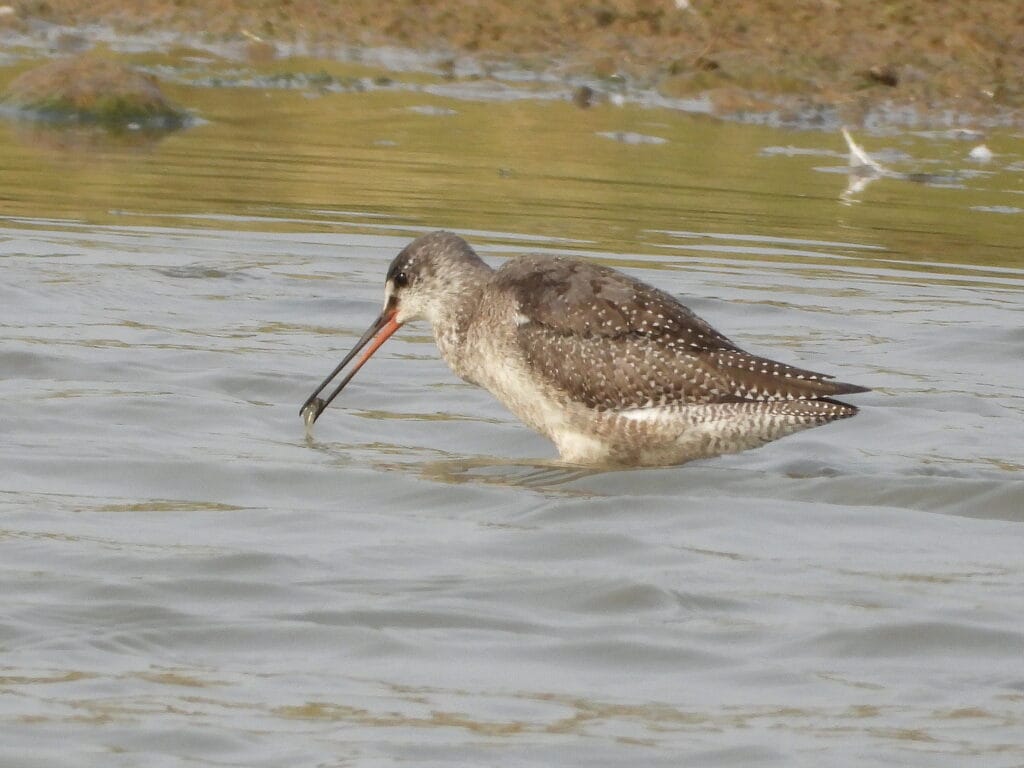
Spotted Redshank, Thornwick Pools, by Alan Walkington
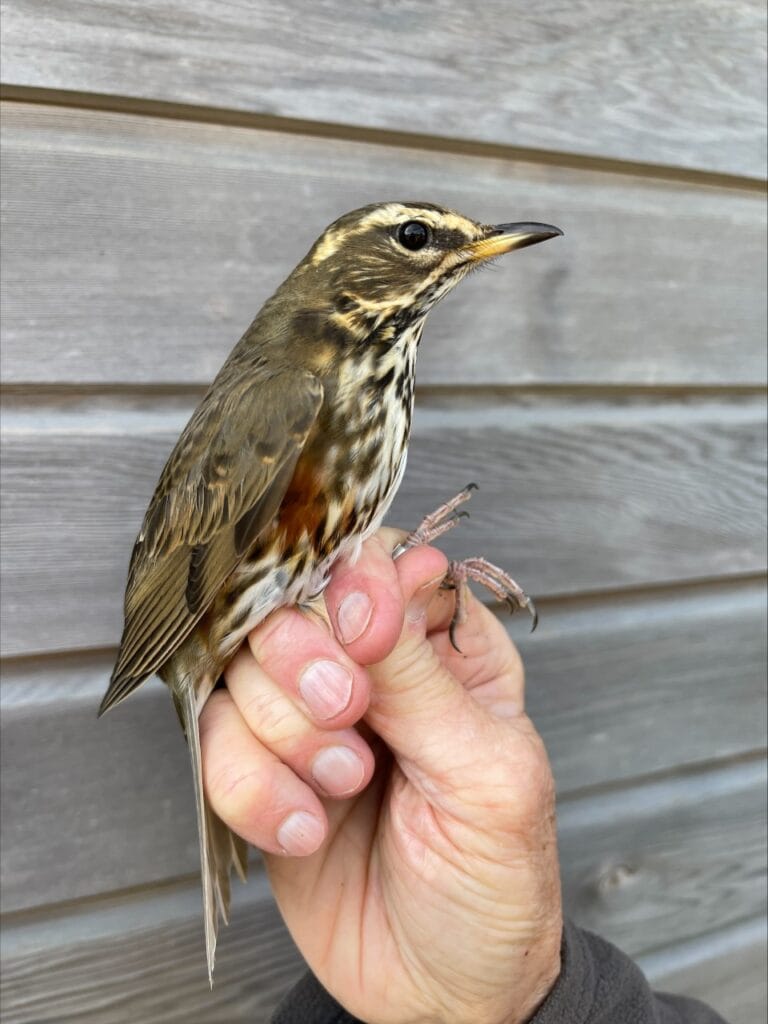
A sunny day, with temperatures reaching 16 degrees C in a light/moderate north-westerly wind, veering south-easterly in the afternoon. Wildfowl again featured during the morning’s seawatch including 12 Pintail flying south. Thornwick Pools hosted three Wigeon, 26 Teal, the juvenile Spotted Redshank, one Green Sandpiper, a Dunlin and 11 Snipe. Such weather conditions often encourage kettles of Common Buzzards to drift onto the headland; a minimum of 13 birds ventured onto the outer head early afternoon. Passerine interest was headlined by a Barred Warbler in the Bay Brambles; a Redwing and two Spotted Flycatchers were also notable.
A juvenile Long-tailed Skua flew south-east at RSPB Bempton Cliffs, where a Whinchat was in residence.
A bright, sunny day with a moderate south-south-westerly wind and temperatures that peaked at 17 degrees C. A lone Sooty Shearwater flying north was the standout of a disappointing morning’s seawatch. Thornwick Pools attracted 33 Teal, four Wigeon, the long-staying juvenile Spotted Redshank, single Green Sandpiper, six Snipe and two Dunlin. However, the day’s highlight related to the Barred Warbler that showed well in the Bay Brambles.
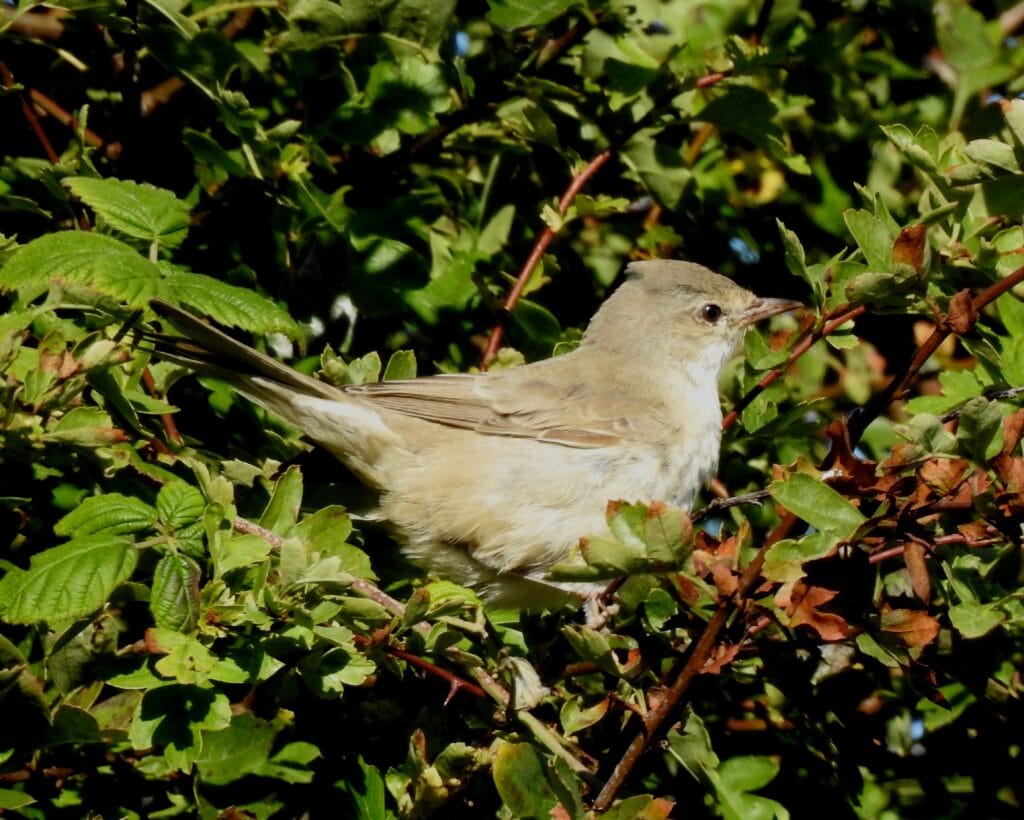
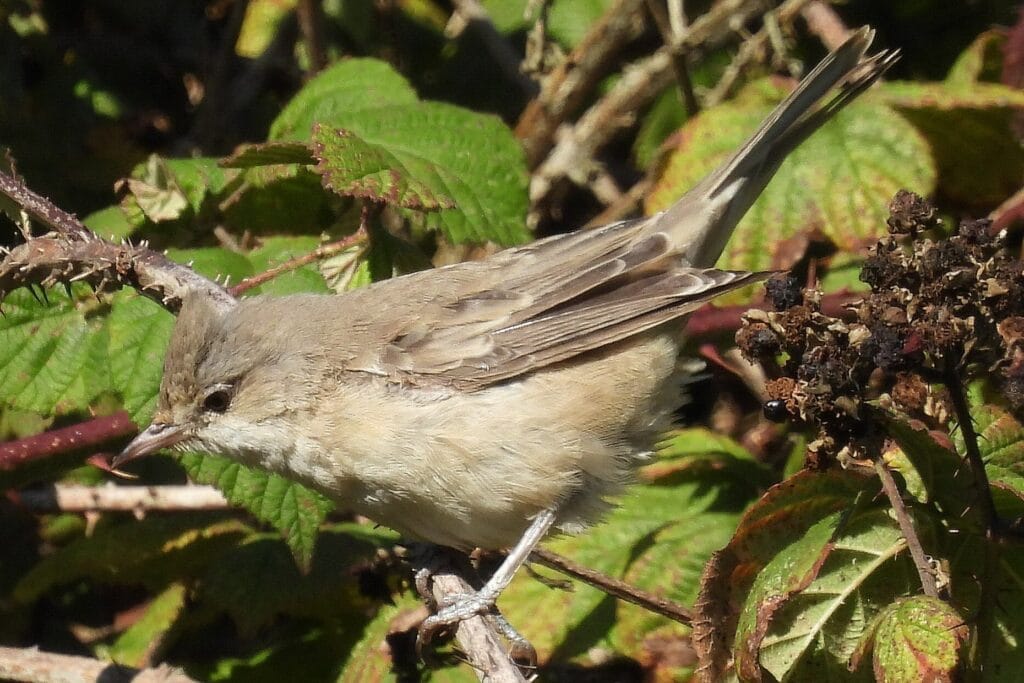
Barred Warbler, Bay Brambles, by Brett RichardsBarred Warbler, Bay Brambles, by Tony Dixon
The weather consisted of sunny intervals with increasing cloud later, a blustery westerly wind and temperatures that reached 20 degrees C. Seawatching was quiet once again, with a single Sooty Shearwater and two Bonxies flying north. The day’s main feature was the autumn’s first movement of Pink-footed Geese, with 2830 ‘Pinkies’ heading south between 1515hrs and dusk. Elsewhere, Thornwick Pools attracted 40 Teal, four Wigeon, nine Snipe, four Dunlin, a Green Sandpiper and the juvenile Spotted Redshank. A Great White Egret flew south over the outer head mid-morning, a juvenile male Marsh Harrier flew south along the Dykes, whilst the Barred Warbler lingered in the Bay Brambles. In addition, the Black-browed Albatross returned to RSPB Bempton Cliffs.
Spotted Redshank, Thornwick Pools, by Don Hustings
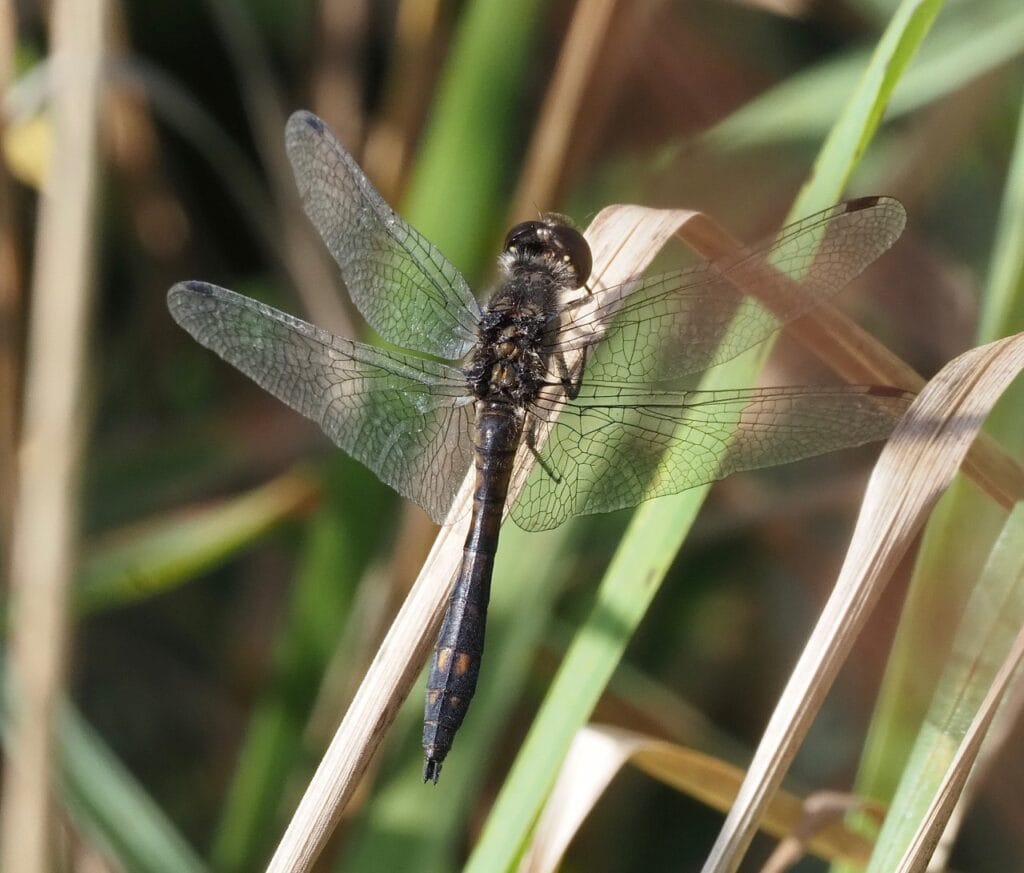
Moderate/strong westerly winds were a feature throughout a sunny day with temperatures reaching 21 degrees C. It proved to be a record-breaking day for Pink-footed Geese, with 6885 moving south; the majority flying past the outer head well out at sea, with smaller numbers passing over the headland itself. Four Sooty Shearwaters and five Arctic Skuas were the other notable seawatch records. Thornwick Pools attracted a Whooper Swan, four Wigeon, 43 Teal, the long-staying Spotted Redshank and Green Sandpiper, four Dunlin and nine Snipe. The Black-browed Albatross again frequented RSPB Bempton Cliffs during the morning; a Black-tailed Godwit also flew south-east over the reserve, whilst three Black Darter dragonflies there were unusual.
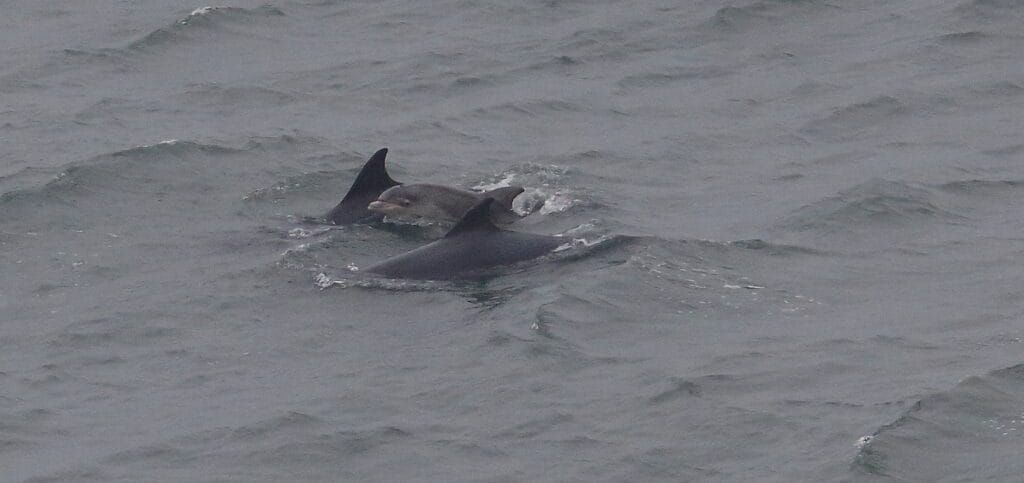
It was a relatively calm day, with a light south-westerly wind developing in the afternoon; occasional sunny intervals and warm, with temperatures reaching 20 degrees C. Seawatching proved productive with a dark-bellied Brent, three Pintail, a Goosander, 11 Eider and 57 Red-throated Divers all flying south. Northbound were two dark-bellied Brent Geese, 33 Sooty Shearwaters, 18 Manx Shearwaters, 43 Little Gulls, three Pomarine Skuas, 29 Arctic Skuas and three juvenile Long-tailed Skuas. A first-winter Caspian Gull flew in off the sea at the Fog Station, with a Mediterranean Gull of similar age offshore. A pod of c.25 Bottlenose Dolphins also moved north past the outer head at 1440hrs.
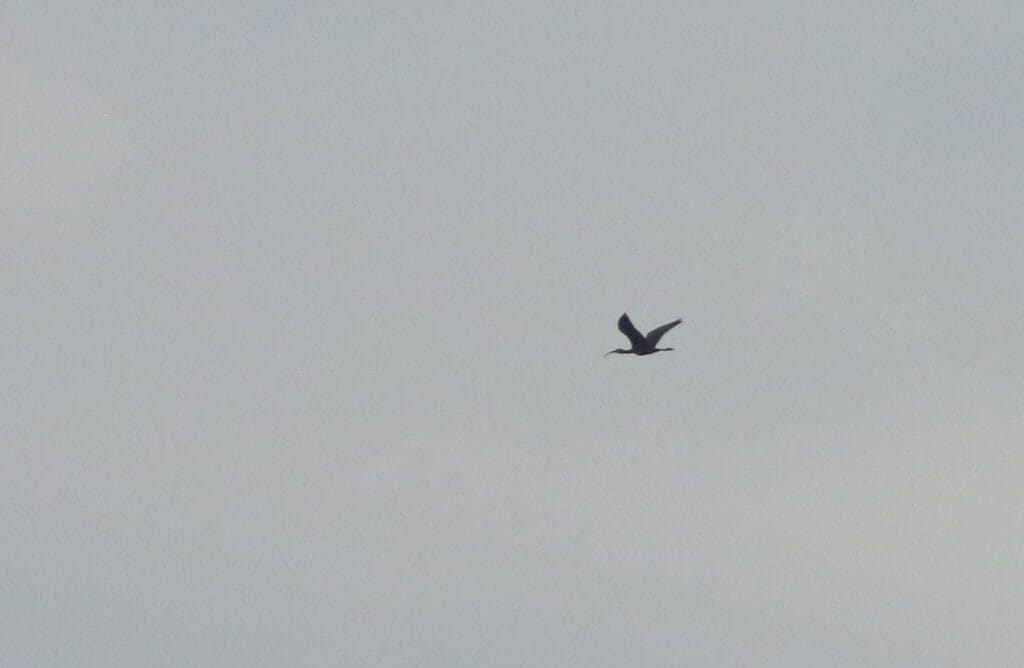
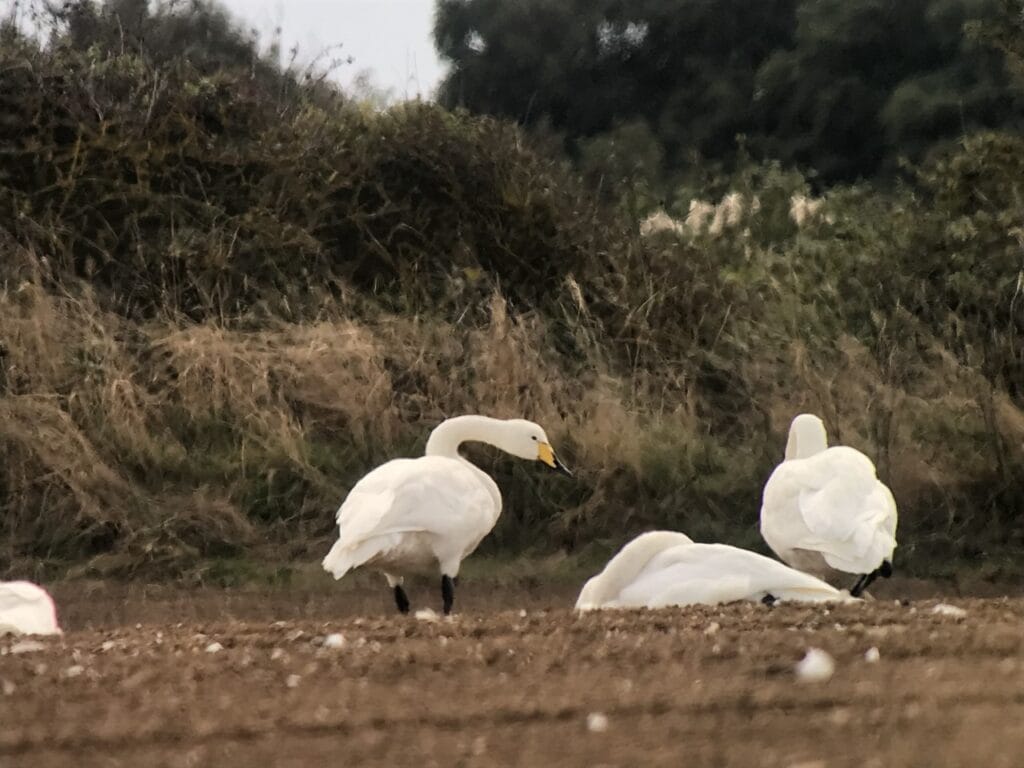
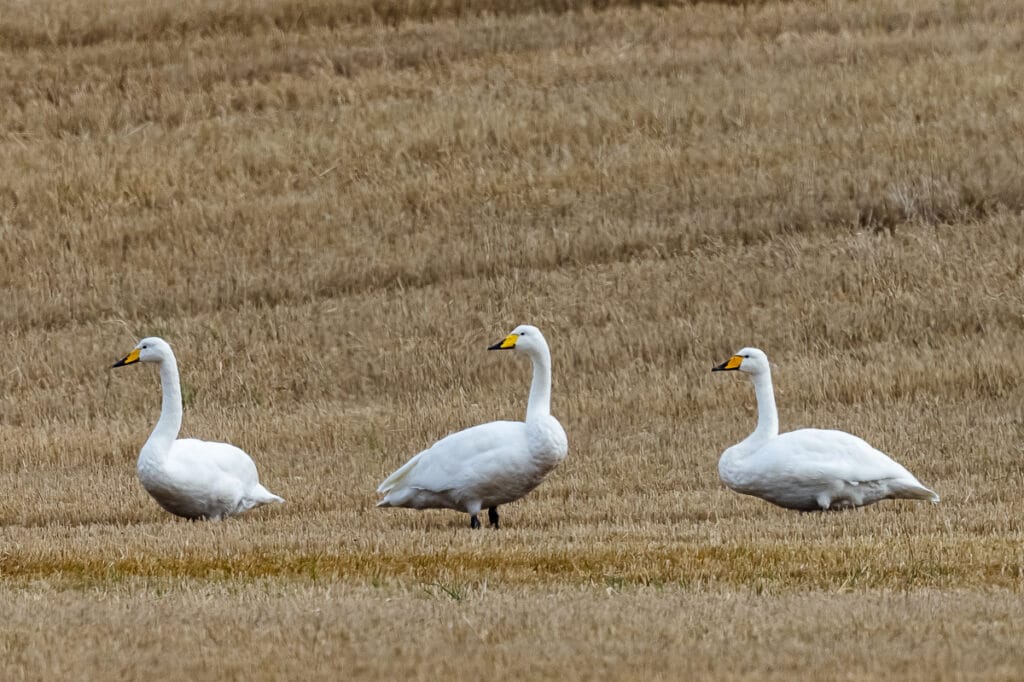
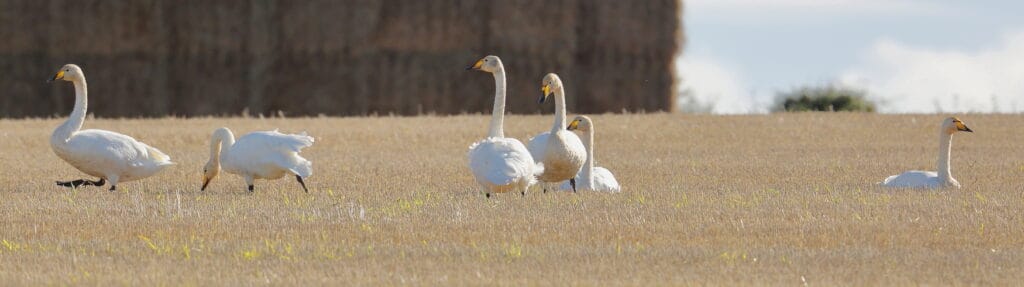
Six Whooper Swans dropped onto fields on the outer head, whilst 425 Pink-footed Geese flew south . However, the day’s most notable record related to Flamborough’s third ever Glossy Ibis that flew north along the cliffs from Selwick’s Bay towards North Landing at 1205hrs; it then dropped onto Thornwick Pools very briefly but did not linger. The long-staying juvenile Spotted Redshank and lone Green Sandpiper also remained at Thornwick Pools. On the outer head, a calling Little Owl early evening was a noteworthy record of a species barely annual east of the Dykes. Passerine migrants included a Garden Warbler, 12 Stonechats, 14 Wheatears, a Redstart, seven Grey Wagtails (south) and a Yellow Wagtail.
A total of 114 Pink-footed Geese flew south-east at RSPB Bempton Cliffs, where the pod of Bottlenose Dolphins moved north; one Black Darter also remained on the reserve.
Glossy Ibis, outer head, by Mark PearsonWhooper Swans, outer head, by Phil Cunningham
An overcast, foggy start soon gave way to brighter skies, temperatures reaching 20 degrees C in a southerly wind. Seawatching was rewarded with a Balearic Shearwater, two Sooty Shearwaters and a first-winter Caspian Gull flying north; a total of 130 Teal and 16 Wigeon moved south.
Six Whooper Swans continued to frequent fields on the outer head, with a skein of 100 Pink-footed Geese flying south. Thornwick Pools hosted 46 Teal, four Wigeon, single Spotted Redshank and Green Sandpiper, together with two Dunlin and nine Snipe; 11 Lapwing and a Snipe overflew South Dykes.
Strong south-easterly winds strengthened further during heavy rain mid-morning; conditions soon relented though, with a light/moderate south-westerly wind and sunny skies then featuring until dusk. Wildfowl were on the move in the morning, with two Shoveler, 58 Wigeon, 180 Teal and 47 Common Scoters flying south, whilst a Red-breasted Merganser headed north past the Seawatch Observatory. Eight Snipe and a juvenile Yellow-legged Gull also flew south. The Black-browed Albatross was also reported along the cliffs between the Lighthouse and North Landing mid-evening.
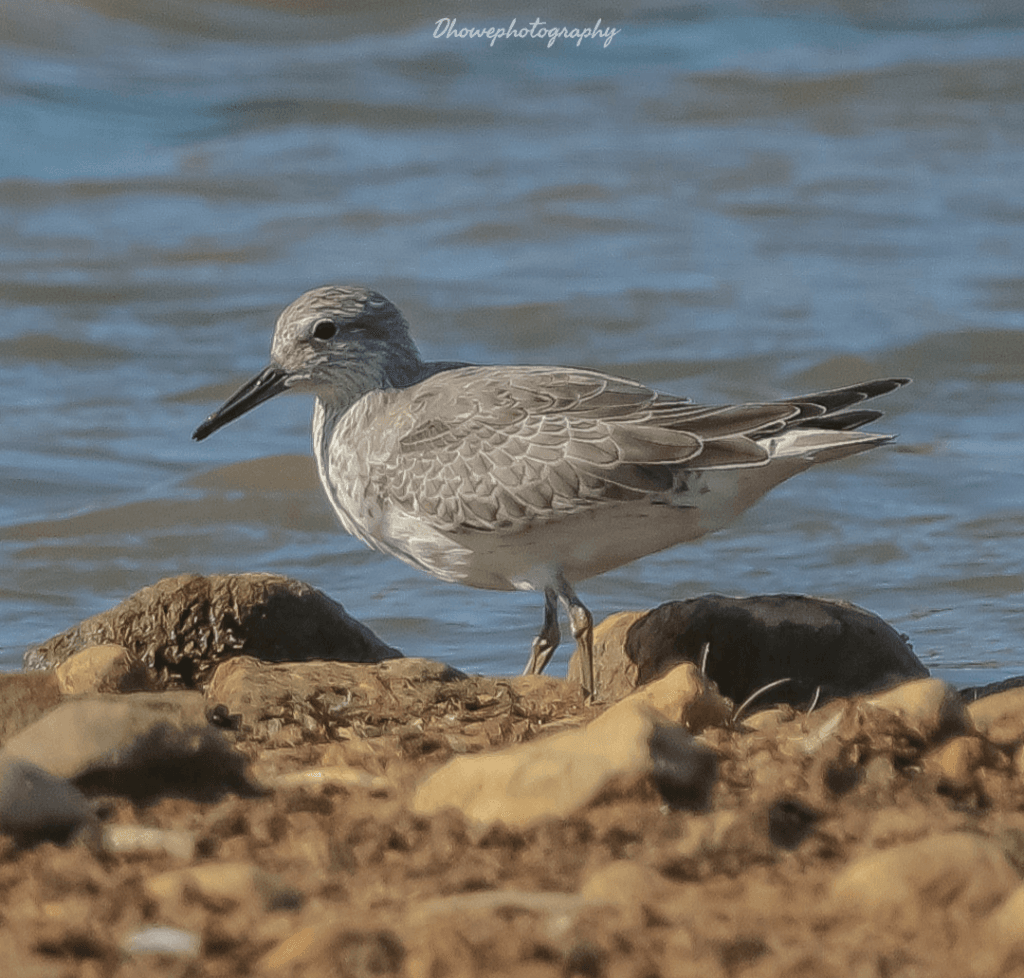
The six Whooper Swans were still in residence on the outer head, whilst Thornwick Pools hosted four Wigeon, 61 Teal, a Knot the long-staying Spotted Redshank and Green Sandpiper, four Dunlin and five Snipe. A Common Swift flew west over the Gorse Field, whilst there was evidence of an increase in Song Thrush numbers with five around the Gorse Field and four at RSPB Bempton Cliffs. The autumn’s first Snow Bunting frequented the cliff top at Cattlemere. A Pied Flycatcher was located at RSPB Bempton Cliffs late afternoon.
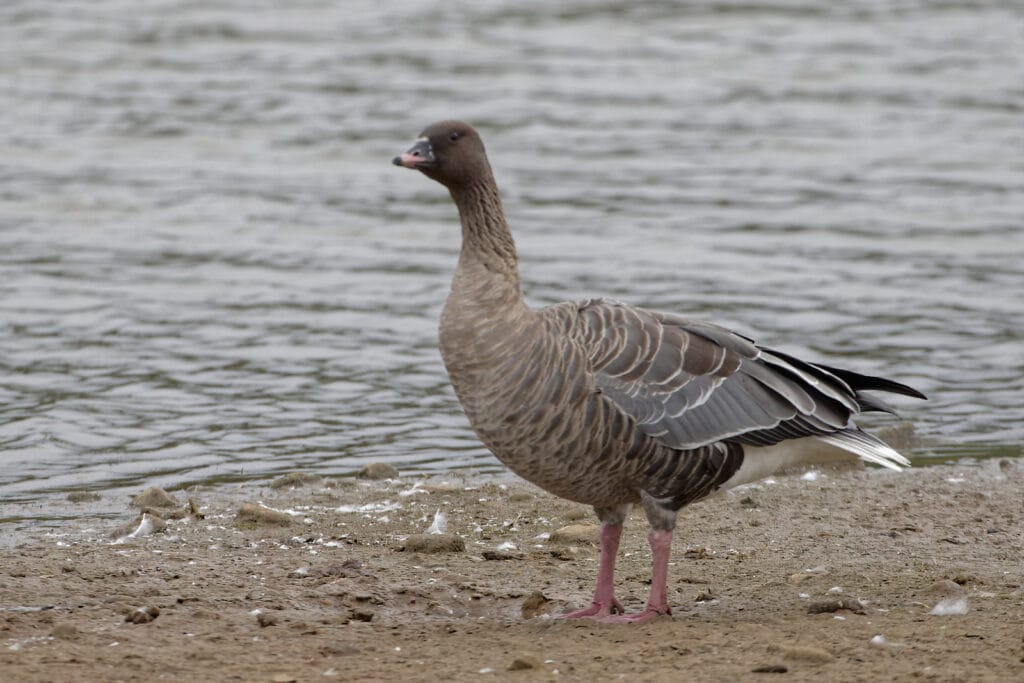
Strong southerly winds developed during the day, with a belt of heavy rain arriving in the evening after a day that featured prolonged sunny spells; temperatures peaked at 16 degrees C. Seawatch highlights included single Great Northern Diver, Pomarine Skua and seven Little Gulls flying north; three Arctic Terns fed offshore. The flock of six Whooper Swans remained on the outer head, whilst Thornwick Pools hosted a Pink-footed Goose, 43 Teal, four Wigeon, three Dunlin, five Snipe and the Spotted Redshank.
After a dull start, sunny intervals prevailed although temperatures remained pegged back at 14 degrees C in a moderate west-north-westerly wind. Seawatch highlights included 12 dark-bellied Brent Geese, a Goosander, 215 Teal, 123 Red-throated Divers, a Sooty Shearwater, 11 Bonxies and seven Arctic Skuas flying south; 42 Little Gulls and 14 Bottlenose Dolphins headed north.
The six Whooper Swans remained on the outer head. Thornwick Pools attracted a Pink-footed Goose, 48 Teal, four Wigeon, the juvenile Spotted Redshank, two Dunlin and two Snipe. Passerine migrant interest included single Spotted Flycatcher and Whinchat.
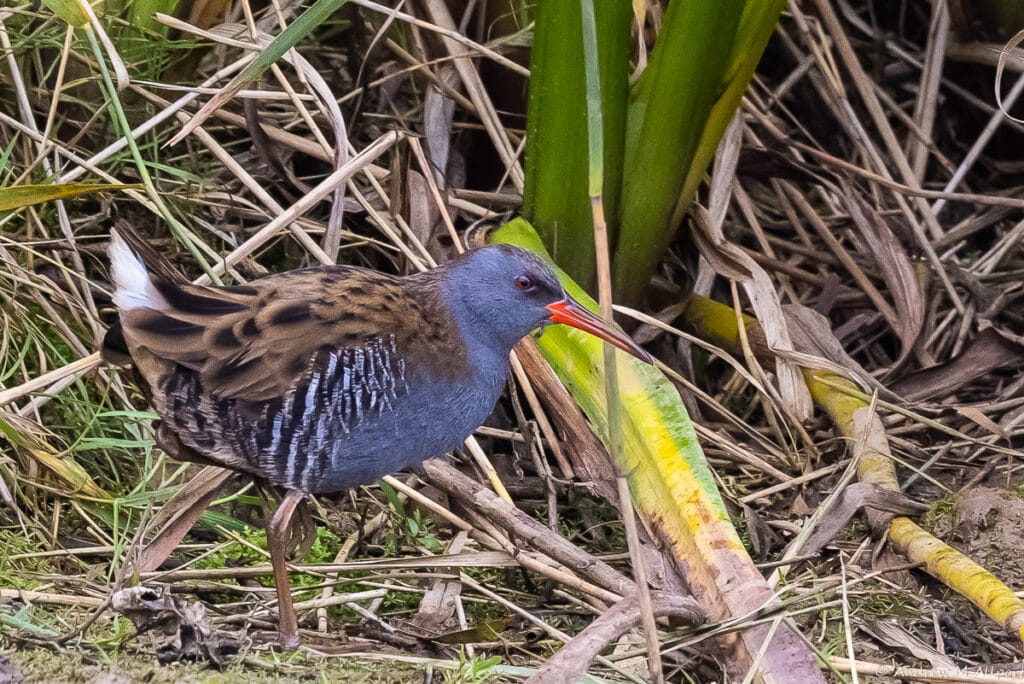
The weather consisted of strong south-westerly winds, heavy rain morning and late afternoon, overcast skies and temperatures peaking at 13 degrees C. A Great Shearwater that lingered off the Seawatch Observatory for an hour represented the day’s highlight. Additional seawatch records included 16 Whooper Swans, four Pintail, a Great Northern Diver, two Bonxies and eight Arctic Skuas moving south, with four Sooty Shearwater heading in the opposite direction. Three Shoveler overflew Thornwick Pools, where 46 Teal, three Wigeon, a Water Rail and the juvenile Spotted Redshank remained in residence.
Traditionally THE birding month of the year opened in the same vein as almost the entirety of September with a continuation of blustery south-westerly winds; rain early on soon relented, with sunny intervals dominating a day when temperatures reached 14 degrees C. Surprisingly, the Great Shearwater re-appeared off the Seawatch Observatory in the morning attending one of several large feeding flocks of seabirds. Unfortunately, it chose not to linger, but a juvenile Long-tailed Skua and the year’s first Grey Phalarope provided compensation. Other notable seawatch records included a Sooty Shearwater flying north and three Pintail and 81 Little Gulls moving south.
A skein of 100 Pink-footed Geese flew south over the headland. Thornwick Pools attracted two Wigeon, 43 Teal, two Dunlin, the juvenile Spotted Redshank and a Grey Wagtail. A Sand Martin over the outer head was notable given the date. Sightings from RSPB Bempton Cliffs included a Minke Whale feeding offshore.
Spotted Redshank, Thornwick Pools, by Alan Walkington
Strong southerly winds backed south-easterly and strengthened further during the afternoon when heavy, driving rain arrived; temperatures reached 12 degrees C. Thousands of seabirds fed off the Seawatch Observatory in the morning and included the Great Shearwater close inshore with Gannets and a Slavonian Grebe feeding amongst the auks. Other notable records included seven Sooty Shearwaters north, two Velvet Scoters south, a first-winter Mediterranean Gull, four Little Gulls and a Minke Whale. The Spotted Redshank remained at Thornwick Pools.
A sunny day with strong south-south-west winds, occasional heavy showers late on and temperatures peaking at 13 degrees C. The seawatch was a much quieter affair with three Pintail and four Little Gulls flying south, six Arctic Skuas north and two Mediterranean Gulls loafing offshore. Thornwick Pools attracted 50 Teal, two Wigeon, the Spotted Redshank and two Dunlin. With Jays on the move at many places in the UK of late, it wasn’t that surprising with one visiting RSPB Bempton Cliffs today.
The weather consisted of moderate south-south-west winds, sunny skies for the majority of the day, although a thunderstorm late afternoon brought heavy rain/hail. A first calendar-year Yellow-legged Gull flew north during the morning’s seawatch, 71 Pink-footed Geese and three Arctic Skuas moved south and three Bonxies went north. A Merlin that flew south over the sea was noteworthy, a species that seems to be getting ever scarcer locally. Thornwick Pools attracted three Wigeon, 47 Teal, a Dunlin, one Snipe and the juvenile Spotted Redshank for its 18th day. Passerine interest included a Whinchat, two Brambling and a Snow Bunting. Sightings from Bempton village included a White Wagtail, whilst three Golden Plover and 350 Linnets were recorded at nearby Buckton.
Strong south-easterly winds at first light preceded south-south-westerlies with sunny intervals and occasional heavy showers and temperatures reaching 13 degrees C. A dark-bellied Brent Goose flew south along with two Gadwall, three Pintail, two Arctic Tern, a Black Tern, four Bonxies and six Arctic Skuas; in addition 762 Little Gulls fed offshore. Nine Whooper Swans flew south over the Dykes and the Spotted Redshank remained at Thornwick Pools. There was evidence of a small arrival of passerines, with notable records involving three Jays, two Pied Flycatchers, one Whinchat, a Brambling and a Snow Bunting. Sightings from RSPB Bempton Cliffs included the aforementioned Whooper Swans, another Jay and two Minke Whales.
Spotted Redshank, Thornwick Pools, by Alan Walkington
The day started with very strong north-westerly winds and rain; wind speeds dropped as the low pressure moved away across the North Sea and sunny intervals eventually prevailed. Such conditions were promising for both seawatching and an arrival of passerines around the top of the low pressure and so it proved, with the first appreciable arrival of passerines of the autumn. Two Great Shearwaters flew south during the seawatch which also featured an significant northerly passage of wildfowl including four Brent Geese, 11 Whooper Swans, four Shoveler, 1162 Wigeon, a Pintail, 179 Common Scoters and a Red-breasted Merganser. A total of 133 Red-throated Divers also moved south together with two Great Northern Divers, 17 Little Gulls, two Mediterranean Gulls, 76 Bonxies and six Arctic Skuas; 16 Sooty Shearwaters headed north.
A Little Bunting at the southern end of the Lighthouse Grassland headlined along with four Yellow-browed Warblers (including birds at RSPB Bempton Cliffs & Buckton), two Red-breasted Flycatchers (RSPB Bempton & Thornwick), a Siberian Chiffchaff (Bay Brambles) and a Barred Warbler (RSPB Bempton). Other notable records included a Merlin at North Marsh, a Short-eared Owl in off the sea and then in the Gorse Field and two Jack Snipe (outer head & Bridlington Links GC). Passerine totals included 505 Redwing, 20 Song Thrush, two Fieldfare, four Ring Ouzels, seven Goldcrests, three Blackcap, 14 Chiffchaff, two Willow Warblers, a Garden Warbler, one Lesser Whitethroat, two Pied Flycatchers, a Spotted Flycatcher, a Redstart, two Wheatear, six Grey Wagtails, 75 Meadow Pipits, 165 Brambling, 65 Chaffinch, 23 Siskin and a Lesser Redpoll. Additional sightings from RSPB Bempton Cliffs included a Merlin, 74 Redwing, a Fieldfare, four Goldcrests, one Willow Warbler, 15 Chiffchaff, ten Blackcap, a Lesser Whitethroat (prob. eastern), single Spotted Flycatcher and Pied Flycatchers and ten Brambling.
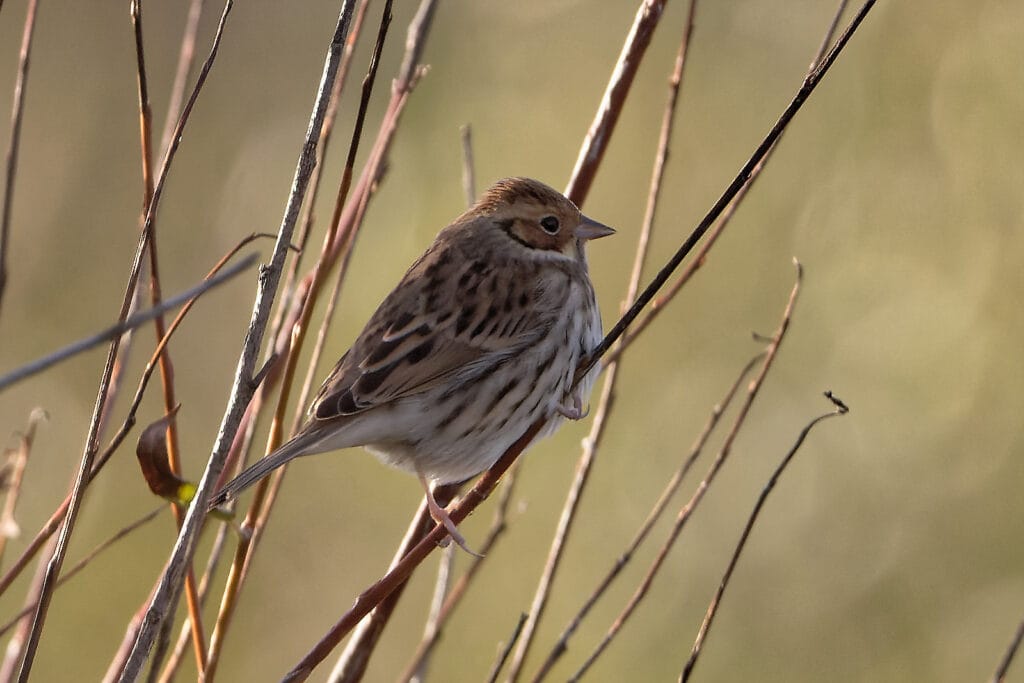
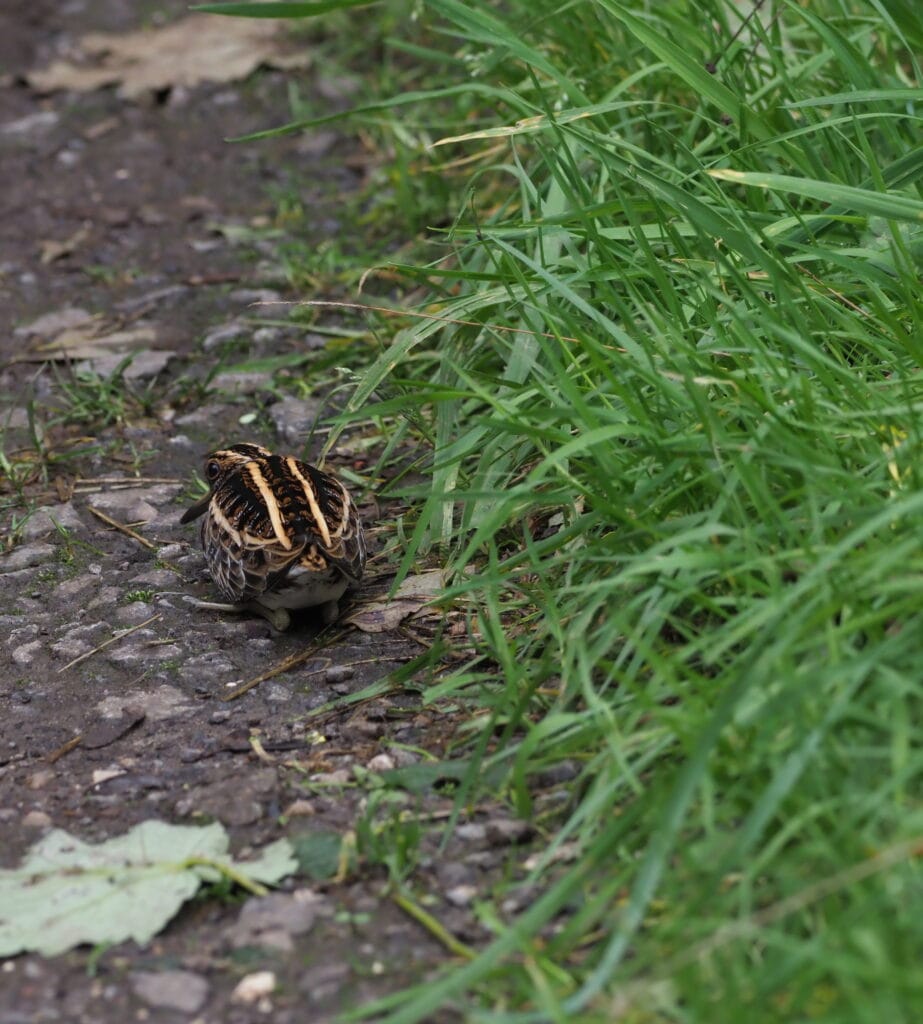
Little Bunting, Lighthouse Grassland, by Rob LittleJack Snipe, Bridlington Links GC, by Phil Buxton
Sunny intervals throughout, with fairly light south-west winds and sunny intervals. Seawatching was a much quieter affair, with 238 Common Scoters, three Sooty Shearwaters, five Bonxies and an Arctic Skua flying north, with 18 Little Gulls moving in the opposite direction. Wildfowl moving across the headland included 835 Pink-footed Geese and 17 Whooper Swans, while a Water Rail frequented Thornwick Pools. The Jay influx continued with two birds at Old Fall, whilst additional interest was provided by four Goldcrests, 37 Chiffchaff, two Willow Warblers, one Lesser Whitethroat, a Garden Warbler, seven Blackcap, three Yellow-browed Warblers, a Spotted Flycatcher, eight Siskin, four Brambling, a Lesser Redpoll, two Lapland Buntings and a Snow Bunting.
Four Jays flew south-east at Buckton, whilst sightings from RSPB Bempton Cliffs included 11 Whooper Swans (seen earlier on outer head), one Yellow-browed Warbler and the Barred Warbler.
Sunny throughout, with light south-westerly winds and temperatures peaking at 20 degrees C. The day’s highlight was the late-morning discovery of a Red-flanked Bluetail in the Golf Course Willows that remained until dark, albeit it was elusive at times. Four Yellow-browed Warblers also frequented the outer head including one in the same area as the Bluetail.
A pod of Bottlenose Dolphins were off the Fog Station in the morning, with a Red-breasted Merganser, two Mediterranean Gulls and six Little Gulls also recorded during the seawatch. A total of 85 Pink-footed Geese flew south, a Ruff overflew the outer head, whilst a Little Owl at Oceanview was noteworthy. Passerine migrants remained scarce, although included two Jays, one Willow Warbler, a Fieldfare, two Spotted Flycatchers and five Brambling. Sightings from RSPB Bempton Cliffs also included an additional two Jays, a Yellow-browed Warbler, a Lesser Whitethroat, the Barred Warbler and two Willow Emerald Damselflies, whilst a Jay flew over Sewerby.
Red-flanked Bluetail, Bay Brambles, by Tony DixonWillow Emerald, RSPB Bempton Cliffs, by Trevor CharltonMigrant Hawker, RSPB Bempton Cliffs, by Ian Howard
The weather consisted of prolonged sunny intervals, light southerly winds and temperatures reaching 16 degrees C. Migweek started with a bang, with a Red-throated Pipit located in the Lighthouse Grassland mid-morning. Unfortunately its appearance was brief, as was another sighting in the same area late afternoon. Three Yellow-browed Warblers were present on the outer head, including a single in the Bay Brambles, but there was no sign of yesterday’s Red-flanked Bluetail at the same location.
A couple of small skeins of Pink-footed Geese contained a total of 38 birds, whilst 11 Whooper Swans flew west over the outer head. A Red-breasted Merganser was on the sea off the South Cliffs, with yesterday’s Little Owl on nearby farmland. Passerine migrants were scarce, but included a Jay, two Reed Warblers, four Lesser Redpolls and three Brambling. A pod of at least 12 Bottlenose Dolphins moved south past the headland mid-morning. Notable records from RSPB Bempton Cliffs included 100 Pink-footed Geese, the aforementioned Whooper Swans, 86 Skylarks, twoYellow-browed Warblers (inc. one caught & ringed), single Brambling and Siskin and a Snow Bunting that flew north-west.
A day of sunny intervals, a moderate north-westerly and temperatures that reached 15 degrees C. A Balearic Shearwater that flew north during the seawatch was a highlight, with other sightings including a dark-bellied Brent Goose, 159 Wigeon, five Pintail, 37 Teal, 14 Eider, a Great Northern Diver and two Arctic Skuas all flying north; 49 Red-throated Divers, a Little Gull and two Mediterranean Gulls moved south. A first-winter Caspian Gull and a rather late Whimbrel frequented rocks below the South Cliffs.
Two skeins containing a total of 172 Pink-footed Geese were recorded, as was a lone Black-tailed Godwit at Thornwick Pools and a Woodcock at Old Fall. Passerine interest included six Yellow-browed Warblers: three on the outer head, two at RSPB Bempton Cliffs and another at Buckton. Other records on the outer head included six Jays, ten Goldcrests, one Willow Warbler, a Common Whitethroat, a Pied Flycatcher, seven Brambling, 70 Chaffinch, a Lesser Redpoll, a Hawfinch (South Landing) and a Snow Bunting.
Yellow-browed Warbler, RSPB Bempton Cliffs, by Dan HoweYellow-browed Warbler, South Landing, by Jo Hood
Light north-westerly winds, sunny intervals and temperatures peaking at 13 degrees C. Seawatch highlights included a dark-bellied Brent Goose, a Manx Shearwater and a first-winter Caspian Gull all flying north, with three Pintail and two Velvet Scoters heading in the opposite direction. A skein of 11 Barnacle Geese flew south over Thornwick Camp, two Red-breasted Mergansers and nine Eiders sheltered on the sea off South Landing, whilst Thornwick Pools hosted four Wigeon, 55 Teal and a Black-tailed Godwit. Three Jays were the pick of the passerine migrants on the outer head. Two Yellow-browed Warblers continued in residence at RSPB Bempton Cliffs, with ten Whooper Swans and 14 Pink-footed Geese nearby.
Moderate northerly winds gradually dropped in strength during the afternoon, whilst there were overcast skies throughout and temperatures reaching 12 degrees C. Seawatch highlights included a dark-bellied Brent Goose, five Pale-bellied Brent Geese, 43 Red-throated Divers, a Black-throated Diver, one Great Northern Diver and 13 Arctic Skuas flying south; six Barnacle Geese, 97 Teal, a Scaup, one Goldeneye, a Great Northern Diver and eight Sooty Shearwaters moved north. A pod of seven Bottlenose Dolphins swam south close inshore of the Fog Station. A lone Whooper Swan flew south over the outer head.
An appreciable arrival of ‘UK winter passerines’ took place with 3115 Redwings making landfall along with 35 Song Thrush, three Fieldfares, 42 Brambling and a Snow Bunting; other records included three House Martins, eight Stonechats, a Wheatear, a Pied Flycatcher, four Siskin and a Lesser Redpoll.
Sightings from RSPB Bempton Cliffs included 11 Whooper Swans flying south-east, with 201 Redwings, seven Song Thrush and 20 Brambling moving north-west. A single Yellow-browed Warbler remained in residence.
The weather consisted of largely overcast skies, with some sunny intervals, light south-west winds and temperatures that peaked at 15 degrees C. The most notable feature of the day was an appreciable arrival of Redwings, with over 13,750 making landfall and heading west; birds arrived throughout, with passage concentrated in the morning before picking up again mid-afternoon. Also arriving in off the sea were three Woodcock, seven Snipe, 45 Blackbirds and 50 Brambling. A party of 11 Whooper Swans toured the outer head, with two Red-breasted Mergansers and 170 Common Scoters off the South Cliffs. Grounded migrants included four Yellow-browed Warblers, with three at South Landing and the other at South Dykes, five Jays and a Snow Bunting.
Seawatching highlights included the following birds moving north: 17 Pale-bellied Brent Geese, 117 Wigeon, a Velvet Scoter, a Goldeneye, one Red-breasted Merganser, a Great Northern Diver, four Sooty Shearwaters, seven Manx Shearwaters, an Arctic Tern, two Bonxies, five Arctic Skuas and nine Puffins. In addition, a Mute Swan and two Red-breasted Mergansers headed south. A total of 73 birds were newly ringed including 44 Redwings; this followed a daily total of 91 birds ringed yesterday which included a Belgium-controlled Redwing; the first ever foreign ringed Redwing for the observatory.
Visible migration at RSPB Bempton Cliffs included 195 Pink-footed Geese south-east, a Little Egret, a Woodcock, two Snipe, four Jays, 102 Starlings, 1046 Redwing and six Brambling flying north-west. Ten Whooper Swans, two Yellow-browed Warblers, six Chiffchaffs and three Goldcrests were also on the reserve.
A blustery south-west wind established by the afternoon of a largely overcast day, with temperatures reaching a maximum of 14 degrees C. Seven Whooper Swans flew south past the Fog Station mid-morning, with three skeins containing a total of 400 Pink-footed Geese flying south over the Dykes. Three House Martins and two Swallows spent the morning hawking insects in the lea of the cliffs on the outer head. Passerine interest included a Yellow-browed Warbler and two Jays at South Landing, with other notable sightings involving 110 Redwing, three Grey Wagtails and six Siskin flying west.
Light/moderate northerly winds, sunny intervals with occasional light showers and temperatures reaching a maximum of 12 degrees C. Whilst attention initially focused on the sea, surprisingly it was South Landing that provided the highlights: a Western Bonelli’s Warbler spent the day in trees adjacent to Highcliffe Manor. It transpired the bird had been glimpsed on 13th October and represents the fourth headland record over the last decade. A Yellow-browed Warbler shared the same trees, whilst a Red-breasted Flycatcher rewarded the ringing team when it pitched up in a net near the car park. In addition, 37 Little Gulls flew east past South Landing late afternoon. A Red Kite overflew the headland, whilst other notable passerine records included 13 Jays and a Snow Bunting.
Unsurprisingly, seawatching proved rewarding: 12 Barnacle Geese, five Velvet Scoters, a Red-breasted Merganser, 21 Sooty Shearwaters, eight Manx Shearwaters, 1064 Black-headed Gulls, 153 Little Gulls, two Mediterranean Gulls, 681 Common Gulls and a relatively late juvenile Long-tailed Skua all flew north; two Pomarine Skuas headed south. Another Jay graced a garden at Buckton.
Western Bonelli’s Warbler, South Landing, by Tony DixonWestern Bonelli’s Warbler, South Landing, by Andrew Mason
Birding never ceases to surprise, so it was today with the discovery of the UK’s fifth (but Flamborough’s second after a male in April 2003) Taiga Flycatcher late morning at the Fog Station. It subsequently showed well to a gathered crowd and was still flycatching from cliff ledges as dusk approached.
Slightly more mundane, four Whooper Swans flew south during the morning’s seawatch, along with a Great Northern Diver and 83 Little Gulls. Moving north were three Red-breasted Mergansers, two Black-throated Divers together, another Great Northern Diver, ten Sooty Shearwaters, 495 Little Gulls, two Bonxies,a ‘spooned’ Pomarine Skua and two Arctic Skuas. Away from the sea, notable sightings included 470 Pink-footed Geese, eight Whooper Swans south, a Merlin, one Jack Snipe at South Landing, a Little Owl, six Jays, a Yellow-browed Warbler at South Landing, 40 Siskin, five Lesser Redpoll and two Brambling.
Sightings from RSPB Bempton Cliffs included three Barnacle Geese and 280 Pink-footed Geese flying south-east and four Jays moving in the same direction. A 1500-strong flock of Pink-footed Geese fed in fields east of the visitor centre, 11 Whooper Swans overflew the reserve, four Goldcrests were in residence and a Snow Bunting entertained on the cliff top. Nearby, a Jay also flew south-west over Buckton village.
An overcast start to the day with sporadic light rain throughout the morning followed by sunny intervals later; blustery south-west winds and temperatures peaked at 12 degrees C. Unsurprisingly quieter than of late, seawatching still produced a Black-throated Diver, 63 Little Gulls and a Pomarine Skua flying north, with a Grey Phalarope flying south close inshore at 1435hrs and a second-winter Mediterranean Gull also heading in the same direction.
Unfortunately there was no sign of yesterday’s Taiga Flycatcher. A Woodcock overflew the outer head, four Purple Sandpipers and 63 Turnstone roosted on the cliffs near the Fog Station and a House Martin lingered over the same area. The day’s most notable passerine was a Hawfinch at South Dykes, with a Lapland Bunting at nearby Beacon Hill; 14 Goldcrests, 48 Skylarks, 102 Redwing, eight Fieldfare, a Wheatear, two Brambling and 16 Siskin were also recorded. A Snow Bunting remained on the cliff top at RSPB Bempton Cliffs, whilst three Jays flew west at Buckton.
An overcast day, with rain arriving late morning; moderate southerly winds and temperatures reaching 11 degrees C. Two dark-bellied Brent Geese, a Little Gull and two Bonxies flew north during the morning’s seawatch. A juvenile Marsh Harrier flew south over the sea and a minimum of 25 Bottlenose Dolphins moved south. An appreciable movement of Golden Plovers took place, with 126 in off and west at the Fog Station and an additional 89 also flew west over South Dykes.
Southbound wildfowl included 16 Whooper Swans and 1090 Pink-footed Geese. A Merlin frequented South Dykes, whilst four Jays flew west at Old Fall. There was evidence of an arrival of passerine migrants, with notable sightings including 300 Redwing, a Fieldfare, 14 Goldcrests, three Blackcap, two Chiffchaffs, four Siskin, four Lesser Redpolls, eight Brambling, 44 Yellowhammers and two Lapland Buntings.
Overcast throughout with heavy rain before 12 noon and a moderate south-westerly wind; temperatures rose dramatically from 14 degrees late morning to 19 degrees by mid-afternoon. Sightings from South Dykes to South Landing included two Mute Swans, three Blackcap, a Chiffchaff, six Goldcrests, 88 Redwing, four Grey Wagtails, four Redpoll sp., four Brambling and three Siskin. A Marsh Tit accompanied a Long-tailed Tit flock at Old Fall, with a Willow Warbler and a Ring Ouzel also there, while a Merlin overflew nearby Lighthouse Road. The Snow Bunting remained at RSPB Bempton Cliffs.
Bottlenose Dolphins, RSPB Bempton Cliffs, by Alan Walkington
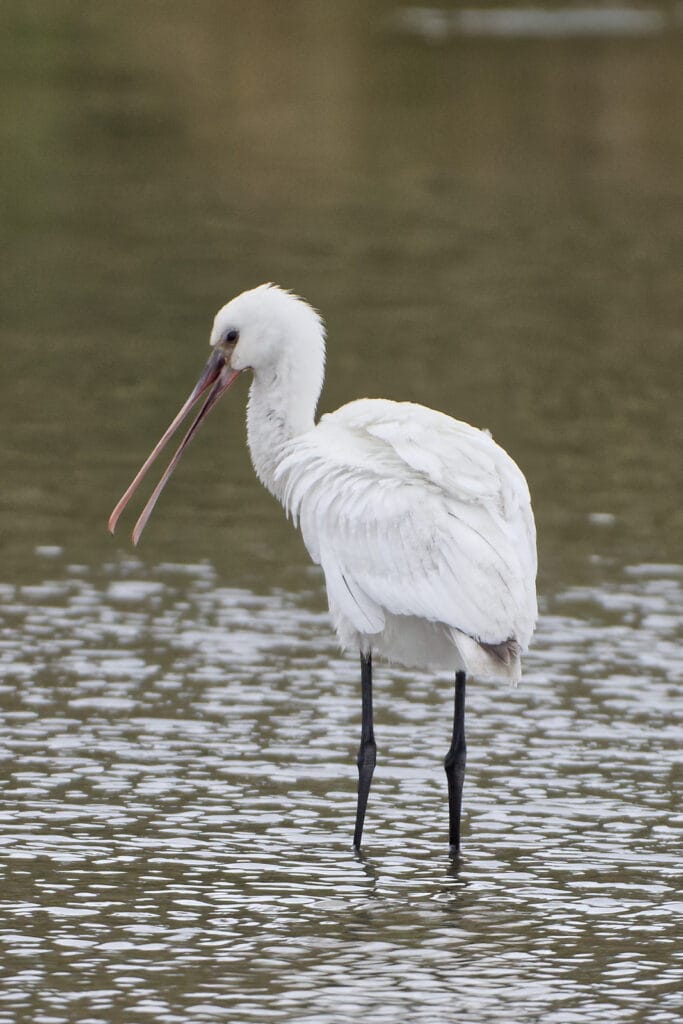
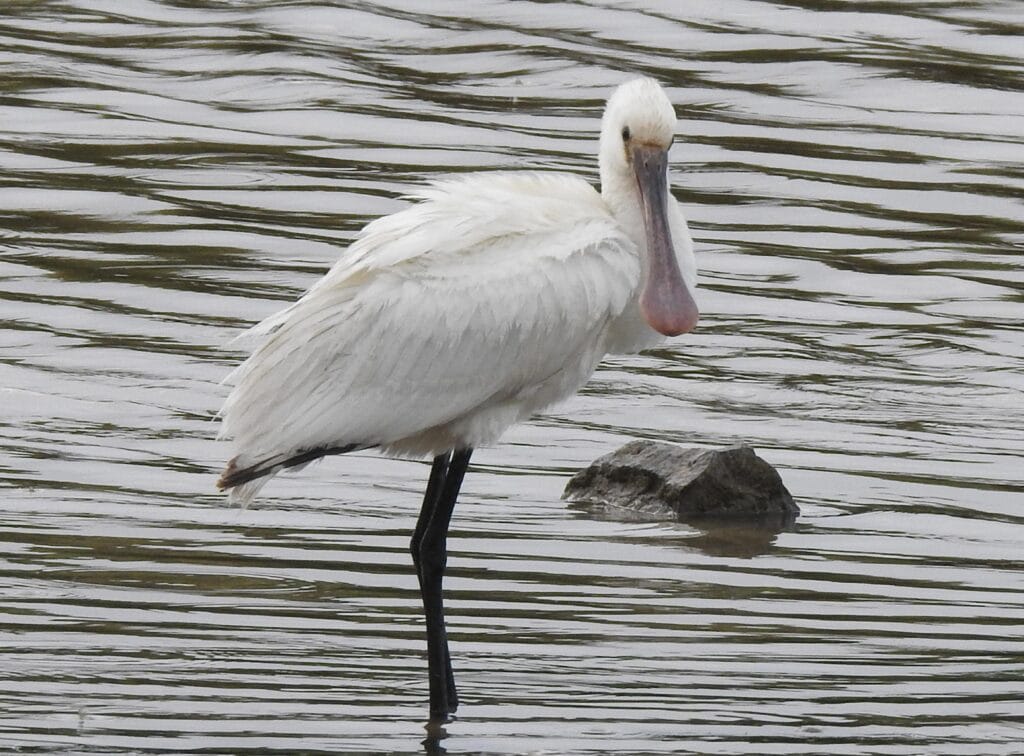
A largely overcast day, with periods of heavy rain and light/moderate south-west winds. Skeins containing a total of 340 Pink-footed Geese flew north over South Dykes in the morning, whilst 29 (8, 6, 15) Whooper Swans moved south. The highlight related to the appearance of a juvenile Spoonbill on Thornwick Pools that lingered all morning before it eventually flew off south-east at 1500hrs; this represented only the third site record. Passerine interest included five Jays, three Blackcap, two Chiffchaffs, six Goldcrests, 88 Redwing, a Wheatear, 15 Redpoll sp., three Brambling, 88 Siskin and a Crossbill.
The Pink-footed Geese movement was more apparent at RSPB Bempton Cliffs where 785 were recorded, with the majority heading south-east; the Snow Bunting also remained in residence on the reserve.
Spoonbill, Thornwick Pools, by Rob LittleSpoonbill, Thornwick Pools, by Brett Richards
Strong north-westerly winds gradually dropped in strength and sunny intervals eventually prevailed after heavy showers early on; temperatures were appreciably lower than of late and peaked at eight degrees C. A Grey Phalarope off the Observatory was the highlight of the seawatch, with other notable sightings including a Pale-bellied Brent Goose north, seven Whooper Swans and two Pintail south, two Sooty Shearwaters north, 40 Little Gulls, a Mediterranean Gull, one Bonxie and four Arctic Skuas south.
Yesterday’s juvenile Spoonbill remained in residence and returned to Thornwick Pools in the afternoon. Ten Whooper Swans flew south over the village along with skeins of 238 Pink-footed Geese; considerably larger skeins of Pink-feet headed south over the headland after dusk. Other notable records included a Short-eared Owl that overflew the Bay Brambles, a Hooded Crow south over South Dykes, three Blackcap, two Chiffchaffs, 14 Goldcrests, 36 Redwing, 28 Rock Pipits, two Brambling, two Redpoll sp., 29 Siskin and six Snow Buntings. An additional Snow Bunting continued to linger at RSPB Bempton Cliffs.
Spoonbill, Thornwick Pools, by Andrew AllportSpoonbill, Thornwick Pools, by Andrew Allport
The weather consisted of sunny intervals and light showers in the afternoon; north-westerly winds ensured temperatures remained low, reaching eight degrees C by late morning. Whilst not a total surprise given the prevailing weather conditions, a White-billed Diver that flew north past the outer head at 0846hrs delighted the seawatch team; presumably the same individual flew past Whitburn, Durham three hours later. The seawatch also produced nine Pink-footed Geese, two Velvet Scoters (north), a Red-breasted Merganser, one Great Northern Diver, two Manx Shearwaters, ten Little Gulls, a Mediterranean Gull, four Bonxies, two Arctic Skuas and six Little Auks.
A total of 300 Pink-footed Geese flew north over the village early morning, while the Spoonbill remained at Thornwick Pools along with a Water Rail. A Little Stint flew west along the cliffs near South Dykes, with three Grey Plover and ten Sanderling in the same area; a Woodcock also landed briefly on the road to North Landing. Passerine interest included three Jays, 18 Fieldfare, 112 Redwing, eight Blackcap, four Chiffchaffs, two Yellow-browed Warblers (including one South Landing), 18 Goldcrest and five Brambling. The recent Siskin influx continued with 238 scattered across the outer head and included a flock of 20 birds flying in off the sea, whilst a Snow Bunting overflew Beacon Hill.
Sightings at RSPB Bempton Cliffs included 570 Pink-footed Geese, 13 Siskin, two Brambling and two Snow Buntings.
A largely overcast day, with a moderate south-westerly wind developing and temperatures reaching a maximum of 13 degrees C. The most notable feature of the day was a northerly movement of 175 Little Auks, the first appreciable tally for two years. Also on the move past the outer head were four Sooty Shearwaters north, two Manx Shearwaters north, a Great Northern Diver south, a Black-throated Diver north, a pale-bellied Brent Goose south, two Red-breasted Mergansers, 20 Puffins, 48 Little Gulls north, a juvenile Glaucous Gull that eventually flew north, two Bonxies, two Arctic Skuas and two Pomarine Skuas (spooned adult & juvenile) north. Small numbers of birds continued to fly in off the sea throughout the day, including two Woodcock and a Lapland Bunting.
Thirteen Whooper Swans eventually settled on fields along Lighthouse Road. Passerine migrants included a Ring Ouzel, 420 Redwing, a Yellow-browed Warbler, 150 Siskin, six Brambling, 16 Redpoll sp., a Hawfinch west past the Old Lighthouse and two Lapland Buntings.
A large 1300-strong flock of Pink-footed Geese gathered in fields near RSPB Bempton Cliffs during the day; other sightings from the reserve included five Woodcock, 580 Redwings flying west, 31 Siskin, nine Brambling and a Snow Bunting.
Strong southerly winds throughout, mainly overcast skies with some sunny intervals and temperatures that peaked at 12 degrees C. Wildfowl on the move during the morning’s seawatch included 213 Wigeon, 61 Teal, 18 Tufted Ducks, two Scaup, 92 Common Scoters and two Goldeneye flying south. Six Great Northern Divers included two birds flying north and two summer-plumaged adults on the sea. A Glaucous Gull lingered off the Seawatch Observatory in the afternoon, whilst a first-winter Caspian Gull flew south and single Arctic and Pomarine Skua, three Little Gulls, a Mediterranean Gull and one Little Auk headed north.
Thornwick Pools hosted 37 Teal, a Shoveler and two Water Rails. Six Whooper Swans flew south over the outer head, as did two Bean Geese sp. and 79 Pink-footed Geese. Passerine migrants making landfall included 1740 Starlings, the majority of which arrived in the afternoon. The autumn’s first Twite graced the cliffs between North Landing and Thornwick.
An unseasonably mild day with sunny intervals and the early afternoon temperature reaching 16C. Winds were light from the south-west.
Seawatching was dominated by wildfowl mainly moving south. Duck species included 45 Pintail, 280 Wigeon, 140 Teal, 137 Common Scoter as well as 10 Goosander and a single Red-breasted Merganser. Single Dark-bellied Brents flew each way and 15 Pink-footed Geese flew south. Divers were represented by a White-billed Diver flying high south past the Fog Station at 1405hrs (the second record of the last few days), two Great Northerns flying both north and south while 45 Red-throats were on the sea. Birds seen to come in off the sea included 2 Whooper Swans, a Ruff, a Woodcock, 14 Lapwing, 11 Skylarks, 675 Starlings, 2 Crossbill and 27 Siskin.
Away from the Fog Station, 14 Whooper Swans passed over the Outer Head, 2 Water Rail lurked at Thornwick Pools. There was a distinctly wintery flavour to the migrant passerines which included two Blackcaps, a Jay, 34 Fieldfare, 22 Redwing, a Twite, six Snow Buntings and a Lapland Bunting.
The Snow Bunting remained in residence at Bempton Cliffs RSPB.
South-westerly winds strengthened during an overcast day, with occasional light rain and temperatures that peaked at 11 degrees C. A Red-neckedGrebe that flew north during the morning’s seawatch represented the first of the year. Additional seawatch records included 11 Goosanders and 41 Golden Plovers flying south; 22 Purple Sandpipers were also in residence below the Fog Station.
A notable feature of recent days has been a northerly movement of Pink-footed Geese from their Humber roost to feed on fields on the northern side of the headland, especially west of the Dykes; a total of 2025 ‘Pinkies’ were recorded arriving early morning, with a return soon after dusk. A Little Egret flew south past the outer head, where a Jay, seven Twite, six Snow Buntings, a Lapland Bunting and one Corn Bunting were present.
Strong south-west winds throughout, overcast skies and temperatures peaking at 17 degrees C. It was a relatively quiet seawatch with four Goosanders, two Little Gulls and a Puffin flying south. Two Whooper Swans and a vocal Bean Goose sp. flew south over the outer head late morning, whilst the cliff top fields near North Marsh again proved attractive, with 12 Twite, a Lapland Bunting and four Snow Buntings present; two Jays were also present on the outer head.
An estimated 6000 Pink-footed Geese again flew north over the Dykes early morning to gather in large flocks on fields in and around Bempton; single Swallow and House Martin were also recorded on the reserve.
Another relatively overcast day, with some sunny intervals, strong south-westerly winds once again and temperatures that peaked at 15 degrees C. Lone Pale-bellied and Dark-bellied Brent Geese flew south during the morning seawatch, with 14 Little Gulls flying north. On the north side of the head, 11 Pintail flew in off the sea along with 71 Skylarks and 135 Starlings; two Jays, two Twite and four Snow Buntings remained on the outer head. A minimum of 3000 Pink-footed Geese fed in fields around Bempton, with a Swallow flying north-west over the reserve.
Southerly winds veered south-westerly later but remained strong throughout a day that was largely overcast; there were occasional light showers and temperatures reached 15 degrees C. It was a relatively busy morning’s seawatch, with wildfowl and waders on the move and some immigration from the continent evident. Three Velvet Scoters flew south together with a Gadwall, 208 Wigeon, 145 Teal, 79 Common Scoters and two Goldeneye, whilst three Goosander headed in the opposite direction. A total of 25 Lapwing made landfall at the Fog Station; three Bar-tailed Godwits, 32 Dunlin and 11 Little Gulls also moved south. A juvenile Pomarine Skua flew north, whilst 260 Starlings and three Snow Buntings flew in off the sea.
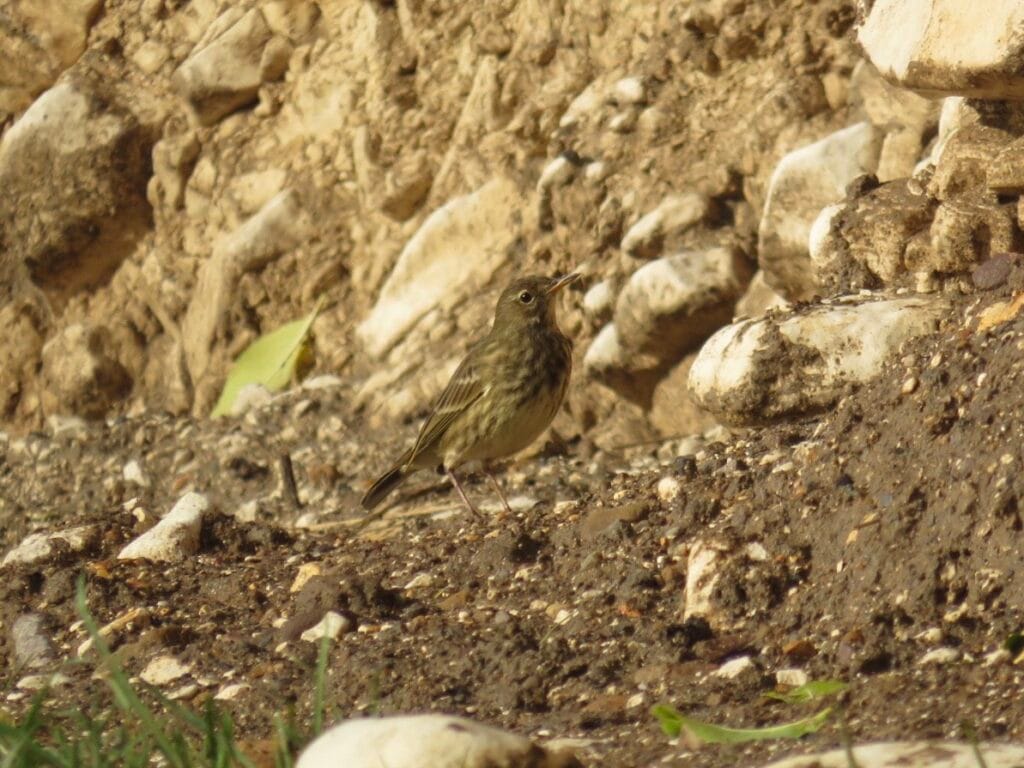
Elsewhere, a Jack Snipe flew in off the sea at Thornwick, along with an additional seven Lapwings and 353 Starlings. A Water Pipit was seen twice in flight in the same area, where 86 Blackbirds provided evidence of an overnight arrival. Sightings from RSPB Bempton Cliffs included 1000 Pink-footed Geese and single Short-eared Owl and 120 Starlings in off.
Velvet Scoters with Wigeon, Fog station, by Andrew Allport
A day of two halves: overcast with a spell of heavy rain and strong south-south-east winds until early afternoon, followed by a blustery westerly wind and sunshine. Seawatching again proved productive with highlights including a dark-bellied Brent Goose, five Whooper Swans, 287 Wigeon, 253 Teal, four Goldeneye, six Goosanders, a summer-plumaged Great Northern Diver and one Sooty Shearwater flying south. Waders were moving in a similar direction and included six Bar-tailed Godwits, 18 Knot and 216 Dunlin. A total of 183 Little Gulls also moved south, with most flying past the outer head in the afternoon, whilst a juvenile Pomarine Skua did the same. In addition, birds were arriving in off the sea, most notably 1198 Starlings and a Woodcock; two Twite flew along the edge of the cliffs below the Fog Station.
A Siberian Chiffchaff at Old Fall was only the second record of the autumn, with further evidence of passerine migrants: two Jays, 1000 Starlings (including 450 flying west over the Dykes), 350 Redwing similarly west, a Lesser Redpoll and 65 Siskin.
Strong south-easterly winds gusted gale force nine late morning and were accompanied by heavy rain; sunny intervals appeared in the afternoon when the wind veered south-west. Little moved over the sea during the worst weather, although the strength of the wind forced some birds to head north out of Bridlington Bay past the Seawatch Observatory: 70 Kittiwakes, 166 Little Gulls, a Mediterranean Gull and three Bonxies all moved late morning. Some birds started to reorientate back south in the afternoon as the weather improved, including a summer-plumaged Great Northern Diver and 42 Little Gulls. Thornwick Pools hosted a Little Egret and a Dunlin.
A strong south-west wind gradually dropped in strength during a day that featured prolonged sunny intervals after an overcast start, whilst temperatures peaked at 10 degrees C. A first-winter Caspian Gull flew south during the morning’s seawatch together with a Shoveler, one Grey Plover and 21 Little Gulls. As dusk approached 1500 Pink-footed Geese moved south over the Dykes, while a dark-bellied Brent Goose lingered on fields near the Lighthouse. A total of 13 Whooper Swans were recorded on the outer head, with three birds flying south and a party of ten resting on fields at Oceanview. There appeared to be a small arrival of passerine migrants including a Woodcock, a lone Blackcap, a Goldcrest, 24 Redwing, a Fieldfare, three Brambling and two Lapland Buntings.
There was also evidence of newly arrived migrants at RSPB Bempton Cliffs, where a Ring Ouzel showed well in the Dell.
Ring Ouzel, RSPB Bempton Cliffs, by Trevor Charlton
That winds could be other than gale force seemed a shock on a day of a light south-westerly breeze, sunny intervals and temperatures reaching 11 degrees C. A total of 1760 Pink-footed Geese flew north along the Dykes early morning to feed in cliff top fields near Bempton; an additional 430 Pink-feet flew in off the sea and south over the headland and joined 35 Whooper Swans that did the same. A Mute Swan on Thornwick Pools was noteworthy given the species scarce local status. Two Water Rails were located (including a cliff top migrant), a Merlin frequented North Marsh and nine Woodcock represented the largest count of the autumn. Four Mediterranean Gulls and a late Sandwich Tern were recorded on the seawatch. Passerine migrants included 27 Redwing, a Fieldfare, five Chiffchaffs, a Goldcrest, 11 Stonechat, the year’s first Richard’s Pipit on the cliff top north-west of Thornwick Camp, three Grey Wagtails, 128 Siskin (south), 25 Lesser Redpoll, nine Brambling, two Twite and two Snow Buntings.
A moderate to strong north north westerly drove occasional showers and infrequent sunny intervals. The temperature struggled to reach 10C.
As expected, seawatching was the main attraction for the day. A Sooty Shearwater flew north and skuas were represented by 6 Great, 6 Arctic and a Pomarine, all south. Single Great Northern Divers flew on each direction while 63 Red-throats passed south. Limited numbers of wildfowl passed, highlights being a Dark-bellied Brent Goose, 2 Pink-footed Geese and 2 Goldeneye. Eight Mediterranean Gulls and eight Little Gulls were also seen. Passerine migration was also evident with 193 Starlings, a Brambling, 28 Siskin and 3 Snow Buntings all witnessed making landfall.
Away from the Fog Station, highlights included three Woodcock, a Shoveler and 29 Common Scoter at South Landing, 2 Brambling, 14 Siskin, 54 Redwing and over 60 Blackbirds.
A strong northerly blew all day driving in squally showers. Feeling cool with a maximum temperature of 10C.
Seawatching was the main focus of the morning again. The main highlights were a Leach’s Petrel, four Sooty Shearwaters, four Great Northern Divers, 12 Little Auks, Pomarine Skua and four Mediterranean Gulls. Birds seen coming in off included a Short-eared Owl and 10 Snow Buntings. Passing ducks included 2 Red-breasted Mergansers, a Tufted Duck, 31 Wigeon and 17 Teal.
News away from the seawatch point was very sparse until the discovery of a flycatcher at South Landing which was eventually identified as a Taiga Flycatcher and showed to those assembled till dusk. It is 19 days since the individual on the cliffs at the Fog Station, 3km away. Analysis of photographs is currently underway to determine the question of whether this is the same individual or a new bird. Also in the same are was a Goldcrest and a Chiffchaff .
Buckton attracted a Siberian Chiffchaff late afternoon.
The weather consisted of light south-westerly winds, sunny intervals and temperatures peaking at 12 degrees C. The Taiga Flycatcher remained in South Landing all day and visiting birders located a Red-flanked Bluetail only 50m away late morning; the latter also remained in residence until late afternoon.
Northbound highlights of the morning seawatch included two Pale-bellied Brent Geese, 62 Eider, three Red-breasted Mergansers, a Great Northern Diver, two Manx Shearwaters, a Grey Phalarope, two Little Gulls and three Little Auks. A Great Northern Diver also flew south.
It proved to be another day that featured a significant arrival of thrushes amongst others: ‘vis mig’ counts of birds heading west off the headland included 6200 Redwing, 4315 Blackbirds, 2470 Fieldfares, 275 Siskin, two Woodcock and, amazingly, a Little Auk flying west over South Dykes in a flock of Redwing!
Three Short-eared Owls flew in off the sea, whilst six Woodcock and a Merlin also frequented the outer head. In addition grounded migrant totals included 955 Blackbirds, 220 Redwing, 105 Fieldfare, an Eastern Lesser Whitethroat, a Siberian Chiffchaff, two Chiffchaffs, three Blackcap, eight Goldcrests, 13 Lesser Redpolls, 180 Siskin, 18 Brambling, four Twite and eight Snow Buntings.