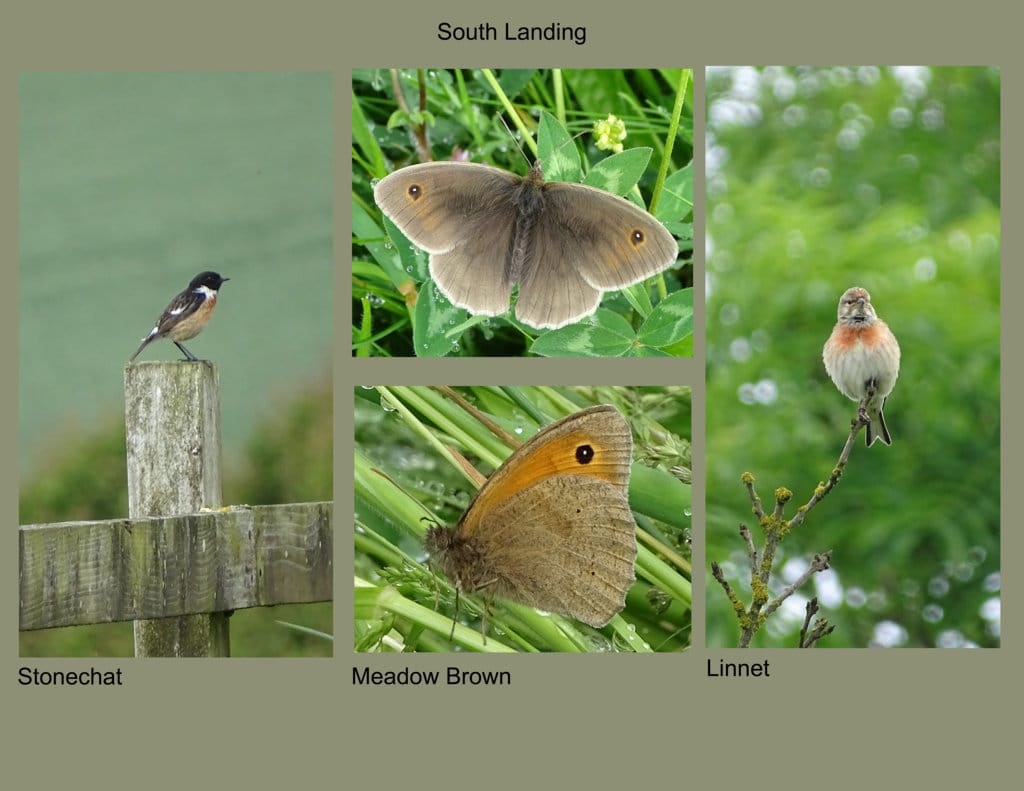
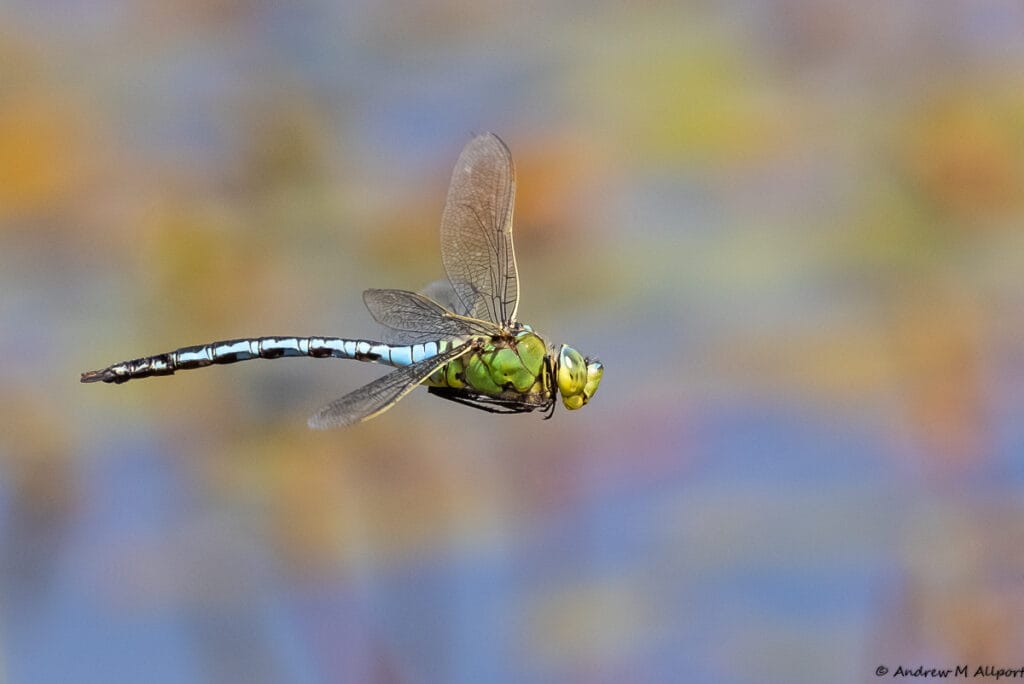
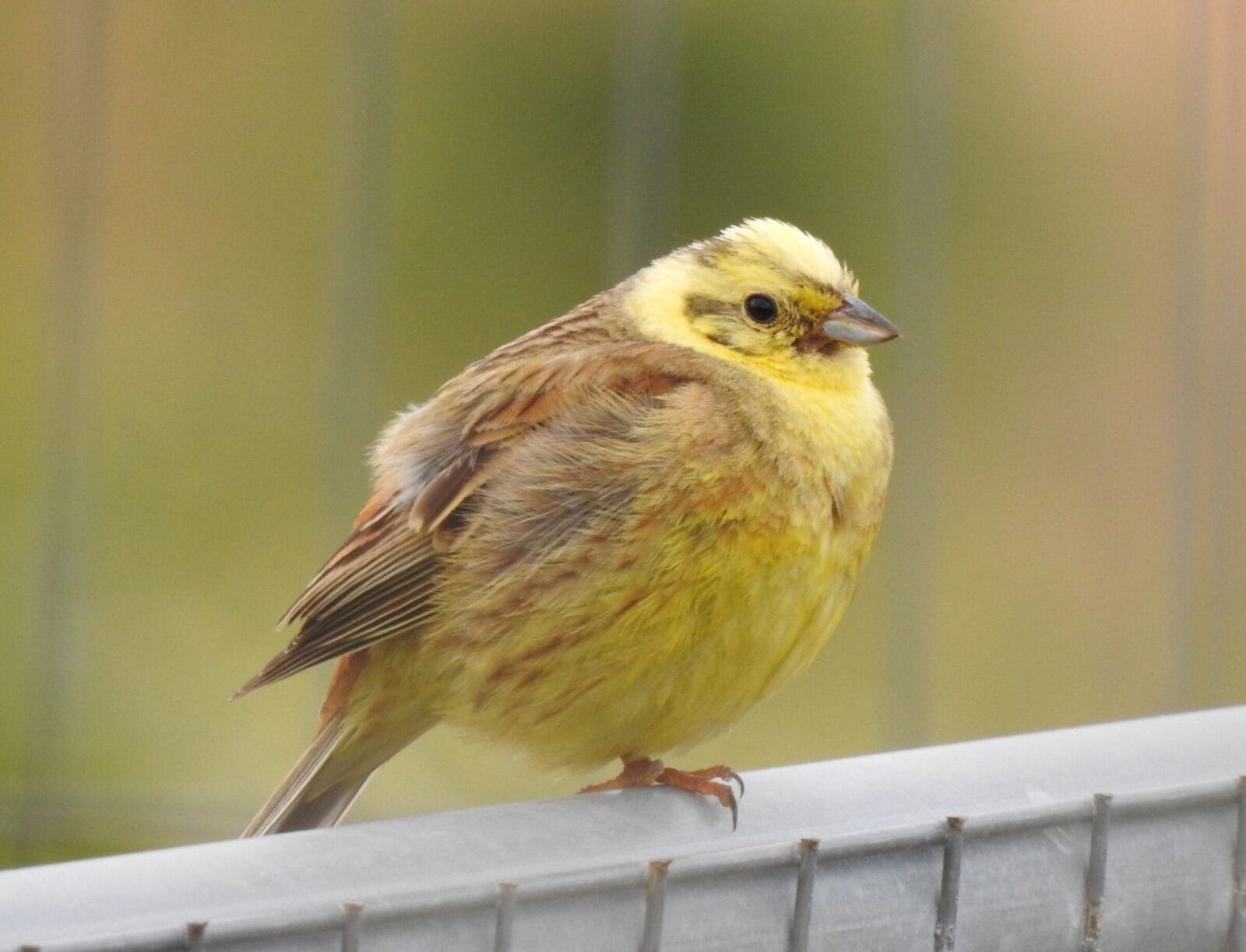
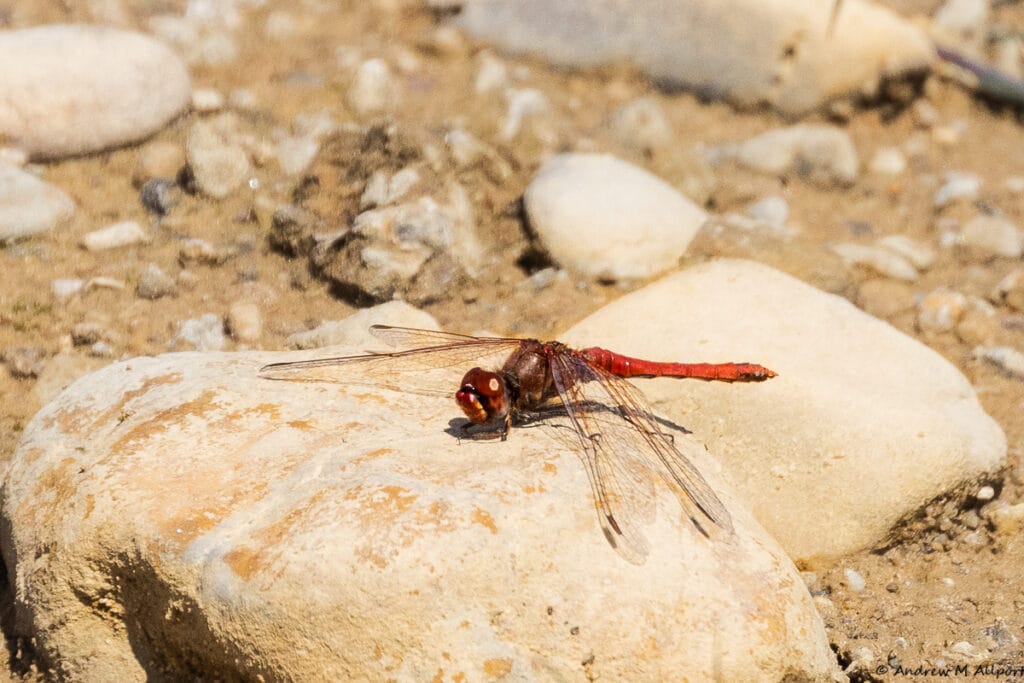
It was a warm, sunny day, with temperatures reaching 19 degrees C and a light south-easterly developing in the afternoon. Three Mute Swans were on the sea off South Dykes mid-morning, with three Garden Warblers and two Spotted Flycatchers nearby. On the opposite side of the headland, a Short-eared Owl hunted North Marsh. The warmer temperatures prompted the appearance of several dragonflies at Thornwick Pools including a Red-veined Darter.
Golden Plover, Oceanview, by Andy Hood (8/6)Pale Tussock Moth, Oceanview, by Andy Hood
The weather consisted of sunny intervals, light/moderate south-west winds and temperatures that reached 21 degrees C. A Rosy Starling dropped in to bushes near to the car park at RSPB Bempton Cliffs early morning before heading off high north-west; indicative of a bird that had recently made landfall and the third individual on the headland within the last couple of weeks. Other sightings from RSPB Bempton Cliffs included 89 Swifts flying south-east and four Corn Buntings. East of the Dykes, a Turtle Dove visited a garden on the edge of Flamborough village for a second day.
Meadow Pipit, North Cliffs, by John BeaumontRosy Starling, RSPB Bempton Cliffs, by Will ScottRosy Starling, RSPB Bempton Cliffs by Will Scott
A relatively cloudy day, with increasing sunny intervals and temperatures peaking at 22 degrees C. The headland’s fourth Rose-coloured Starling of spring was initially located near Breil Nook before it flew towards the lighthouse; it eventually settled down and joined the Starling flock around the Old Coastguard tower. The only other noteworthy record related to three Corn Buntings on the outer head.
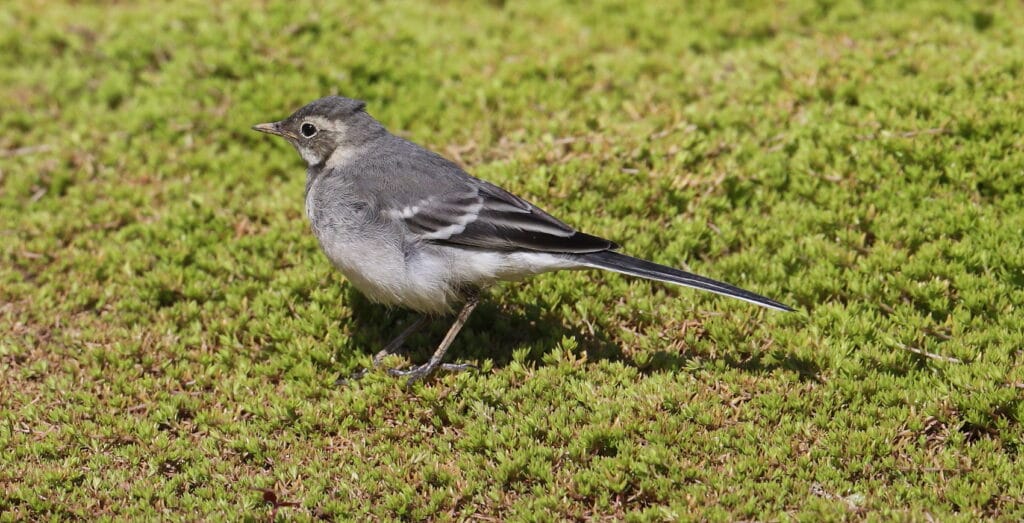
The weather consisted of sunny intervals, a light/moderate wind that veered from the north-west to the east and temperatures that reached 18 degrees C. A total of 19 Manx Shearwaters, four Sandwich Terns and an Arctic Tern flew south during the morning’s seawatch. South Dykes continued to host two Garden Warblers and two Spotted Flycatchers, whilst three Corn Buntings included a singing male near Old Fall. A White Wagtail was feeding on Sewerby cricket pitch in the morning.
After an overcast start, sunny intervals prevailed during a day that produced temperatures reaching 20 degrees C in light, variable winds. A total of 112 Manx Shearwaters flew north during a seawatch that also included 88 Common Scoters heading in the same direction. Thornwick Pools attracted a Ringed Plover, with four singing Corn Buntings located between the camp and North Dykes. Sightings from RSPB Bempton Cliffs included 99 Common Scoters and 233 Starlings heading north-west, with 285 Swifts and two Bullfinch flying south-east.
Painted Lady, North Landing, by June & Malcolm FoxFour-spotted Chaser, Buckton Pond, by Phil Buxton
A relatively overcast day, with a moderate westerly wind and temperatures lower than of late reaching 17 degrees C. A Blue Fulmar that flew north represented the highlight of the morning’s seawatch that also featured 67 Common Scoters and two Arctic Terns flying north; 20 Manx Shearwaters and two Sandwich Terns lingered offshore.
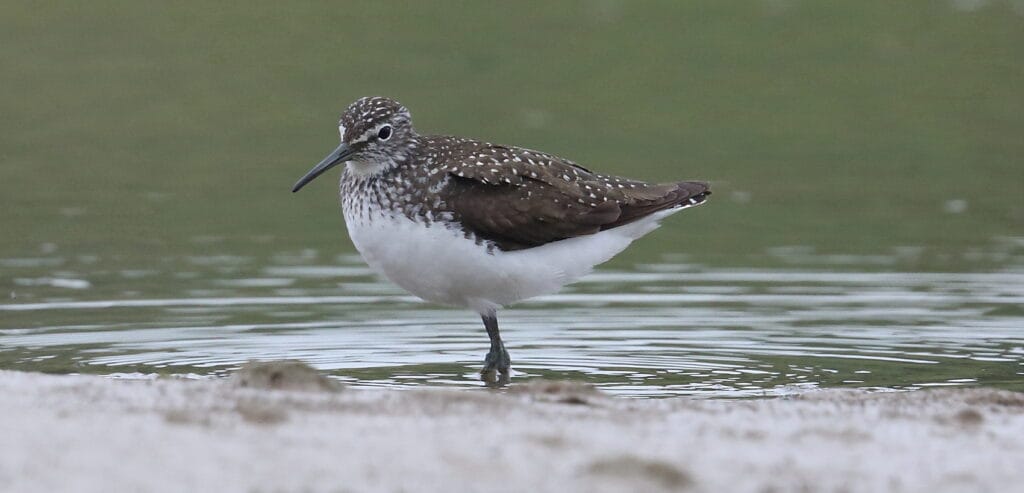
Light east-south-easterly winds established during a day that featured prolonged sunny intervals and temperatures peaking at 17 degrees C. Three drake Eiders flying east past Hartendale were unseasonal, whilst a Green Sandpiper that flew over Oceanview was probably a late spring migrant. The latter site also attracted a calling Cuckoo; a Hobby overflew Bempton village.
Sunny intervals throughout, with temperatures reaching 18 degrees C as a south-easterly breeze ensured a fresher feel than areas inland. A relatively quiet day, with Thornwick Pools attracting single Avocet, Lapwing, Little Ringed Plover and Redshank.
Moderate northerly winds gradually decreased in strength during a day that started wet, with sunny intervals developing during the afternoon and temperatures that peaked at 16 degrees C. A morning seawatch was rewarded with 273 Common Scoters, 15 Manx Shearwaters, two Red-throated Divers, an Arctic Tern and a Bonxie flying south. Oceanview attracted a Green Sandpiper.
An overcast day, with persistent rain from mid-morning in relatively light north-east winds. Seawatch highlights included five Eiders south, 12 Manx Shearwaters and a first-summer Mediterranean Gull north, 18 Sandwich Terns south and two Arctic Terns north. The Old Fall circuit interest included a calling Cuckoo, a juvenile Mistle Thrush and two juvenile Stonechats; two Siskin visited gardens near South Landing.
Light onshore winds throughout, with sunny intervals and temperatures peaking at 15 degrees C. A total of 25 Manx Shearwaters and six Sandwich Terns were recorded on the seawatch. Sightings from RSPB Bempton Cliffs included 20 Manx Shearwaters, a Mediterranean Gull and a Bonxie.
Light north-easterly winds throughout a day that started overcast and ended with sunny intervals; temperatures reached 14 degrees C. Seawatch highlights included 206 Common Scoters, 13 Manx Shearwaters, three Sandwich Terns and a Bonxie. Four Green Sandpipers hinted at return passage, as were a couple of Curlew heading south-west. A lone Wheatear was also a migrant, although more likely to be still heading north.
Green Sandpiper, Thornwick Pools, by Alan Walkington
The weather consisted of light/moderate northerly winds, overcast skies and temperatures only reaching 13 degrees C. Highlights of the seawatch included 21 Common Scoters, a Red-throated Diver, 14 Manx Shearwaters, 23 Sandwich Terns and five Common Terns.
Moderate north-north-west winds gradually dropped in strength late afternoon, with sunny intervals throughout and temperatures peaking at 16 degrees C. Seawatch highlights included 92 Common Scoters, 51 Manx Shearwaters, three Sandwich Terns, three Arctic Terns and a Bonxie. A Cuckoo re-appeared at Oceanview, whilst a family party of Stonechats and a singing Corn Bunting were on the cliff top near Thornwick.
A relatively calm day, with sunny intervals and temperatures reaching 17 degrees C. Highlights of the morning’s seawatch included 75 Common Scoters, 15 Manx Shearwaters, 20 Sandwich Terns, seven Common Terns and five Arctic Terns. A lone Grey Wagtail was the most notable passerine record.
Late news for 2nd June: a male Subalpine Warbler sp. (probably Western) was photographed at the seaward end of Hartendale.
Light variable winds throughout, with occasional sunny intervals and temperatures that reached 18 degrees C. A total of 139 Common Scoters flew past the headland during the seawatch, together with two Manx Shearwaters and 26 Sandwich Terns. A drake Tufted Duck dropped onto Thornwick Lakes, with three adult Little Ringed Plovers at nearby Thornwick Pools. Two singing Corn Buntings were located on the northern side of the headland.
A day of moderate/strong north-north-westerly winds, overcast skies and light rain for the majority of the daylight hours, with only brief sunny spells and temperatures reaching 13 degrees C. Highlights of the morning seawatch included 72 Common Scoters, a Red-throated Diver north, 72 Manx Shearwaters, 13 Curlews and a first-summer Mediterranean Gull south, with eight Sandwich Terns also flying past the headland.
Sunny intervals prevailed after an overcast start to a day that featured light northerly winds and temperatures reaching 16 degrees C. Seawatch highlights included 64 Common Scoters, 109 Manx Shearwaters, 28 Sandwich Terns, an Arctic Tern and a Bonxie all flying north. Thornwick Pools attracted two Wigeon and a Green Sandpiper, whilst a Hobby hunted over Cattlemere.
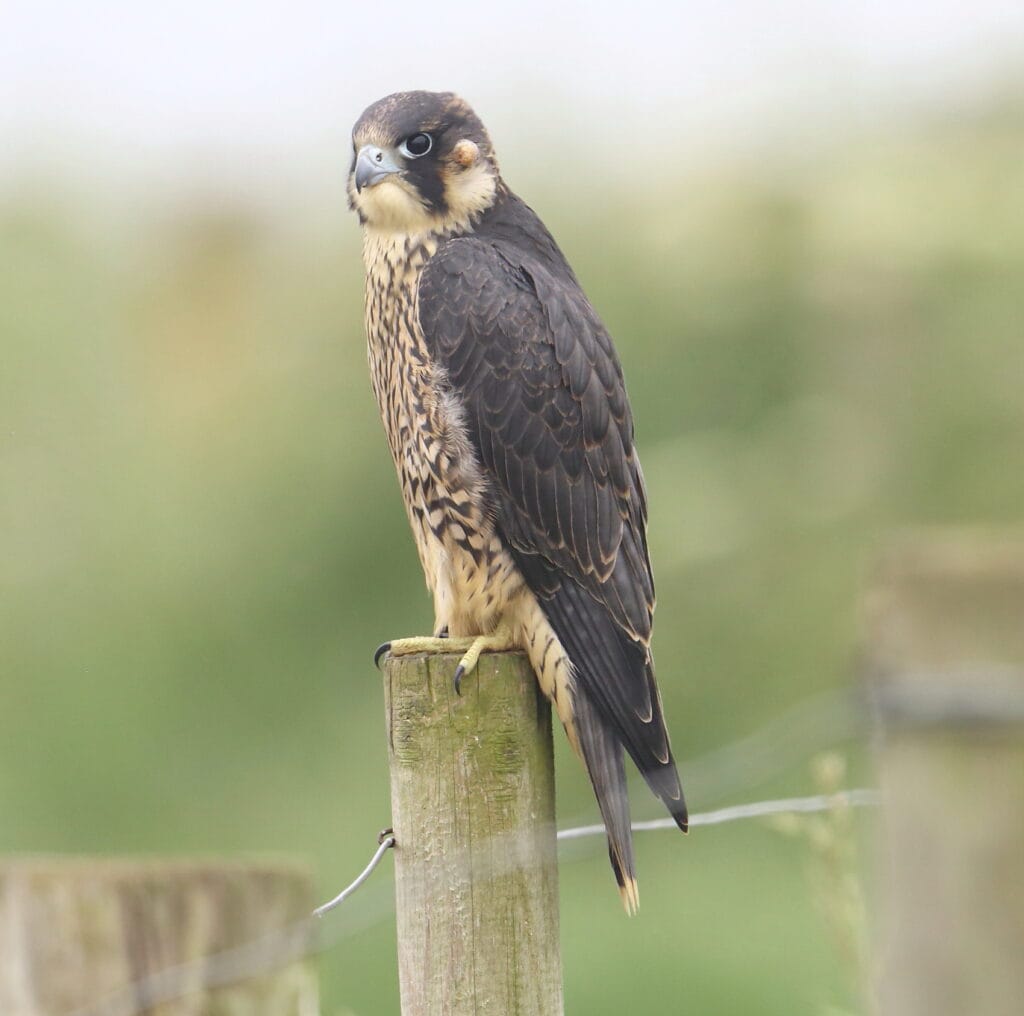
Peregrine, RSPB Bempton Cliffs, by Alan Walkington
An overcast morning was followed by sunny intervals, a light north-easterly wind and temperatures reaching 17 degrees C. Three Eiders, 11 Manx Shearwaters and 14 Sandwich Terns flew north on the seawatch, although a Nuthatch briefly at the Fog Station was the biggest surprise. Elsewhere, 13 Black-tailed Godwits flew south-east over the village, while a Reed Warbler on the cliff top at Hartendale was presumably a migrant.
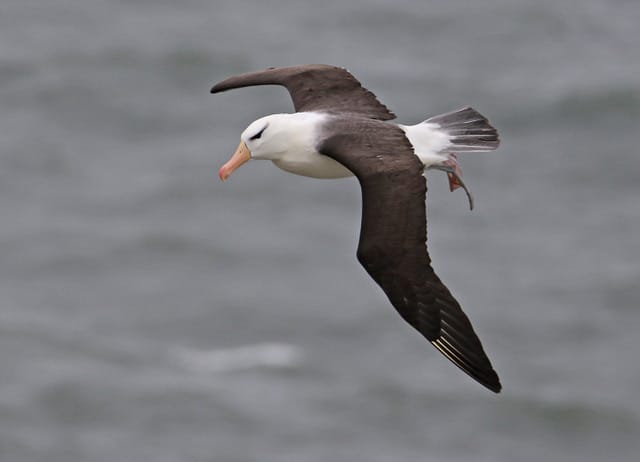
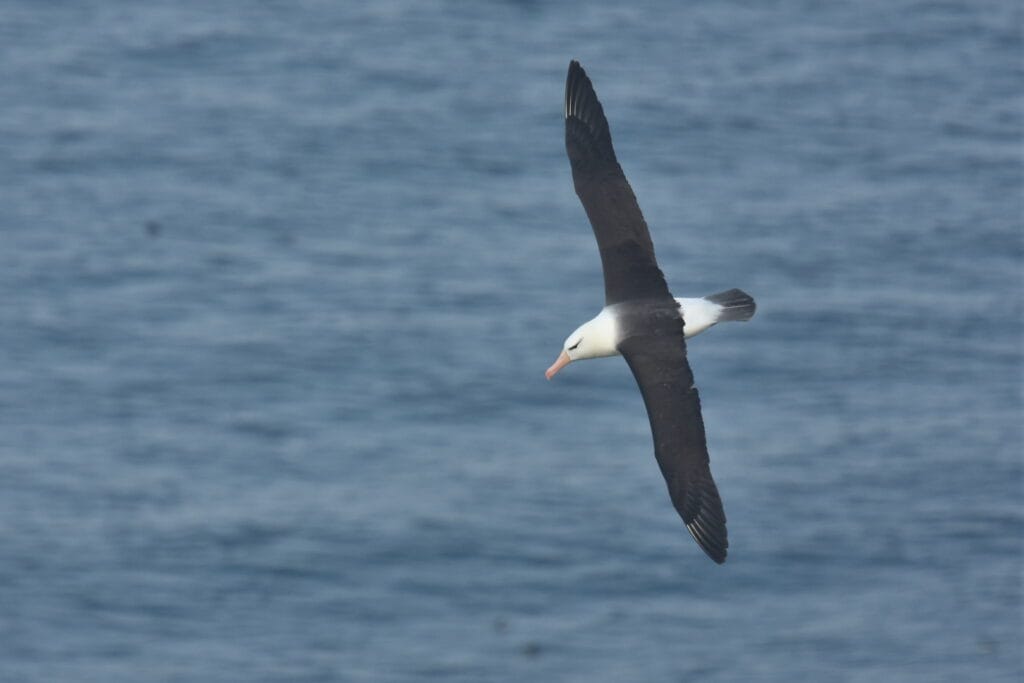
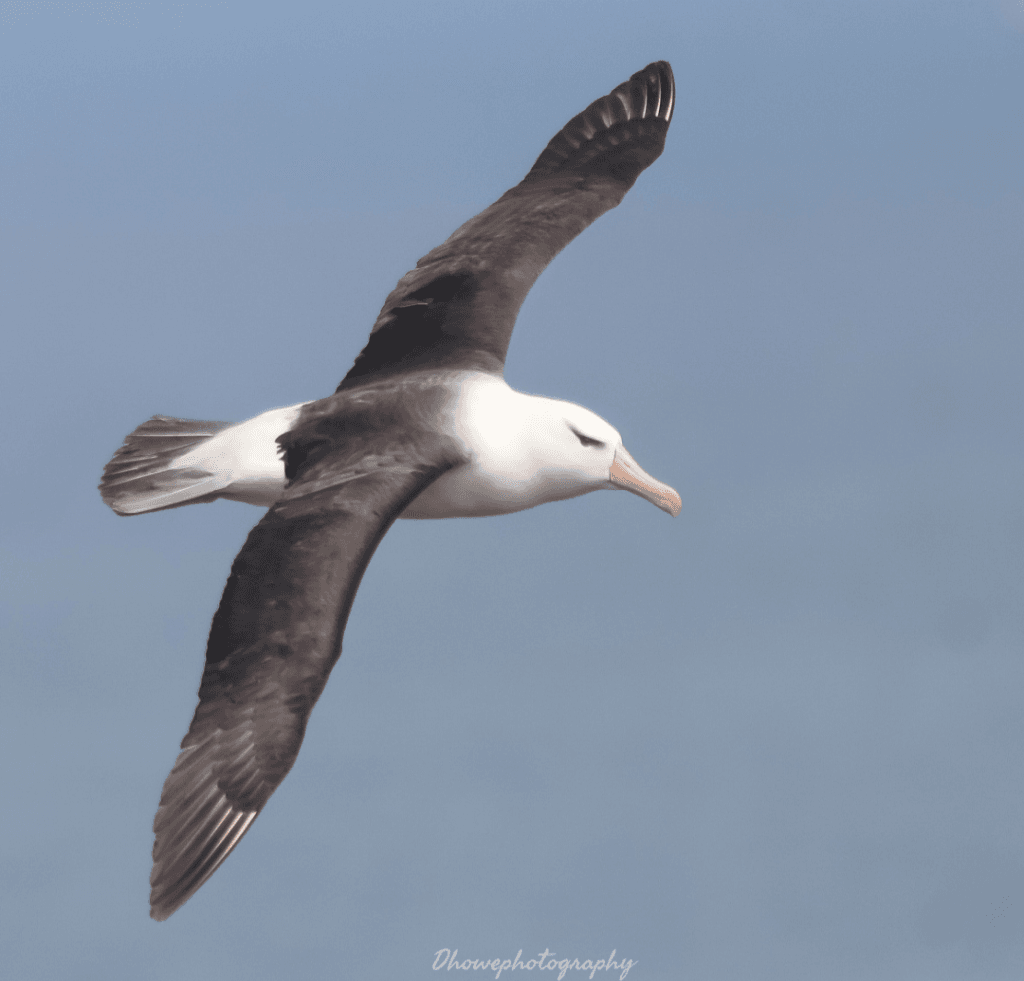
An overcast day, with a light north-easterly breeze and temperatures reaching 16 degrees C. Late evening news broke of the Black-browed Albatross having been photographedflying along the cliff edge at Thornwick Bay towards RSPB Bempton Cliffs at 1850hrs. Otherwise, eight Eiders flew north during the morning’s seawatch, along with a Red-throated Diver, two Manx Shearwaters and a Whimbrel. Thornwick Pools hosted two Wigeon, three Little Ringed Plovers and a Green Sandpiper. Elsewhere, a Mute Swan rested on the sea off South Landing and a Red Kite overflew Mid Dykes.
After a relatively bright start, the weather consisted of overcast skies, a light/moderate northerly wind and temperatures that peaked at 16 degrees C. All attention was focussed on the headland’s northern cliffs, with the adult Black-browed Albatross commuting between Buckton and Thornwick Bay throughout, especially showing well at RSPB Bempton Cliffs. Single Bonxie, Arctic Skua and a pod of Bottlenose Dolphins were also seen at the latter location, whilst a Red Kite re-appeared at Mid Dykes.
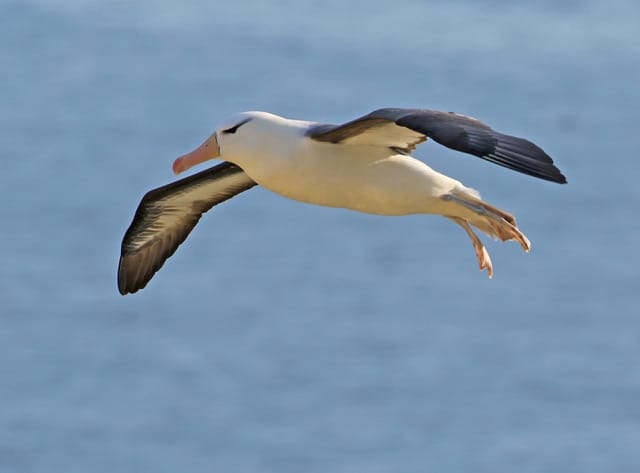
Black-browed Albatross, RSPB Bempton Cliffs, by Lee JohnsonBlack-browed Albatross, RSPB Bempton Cliffs, by Andy Hood
Overcast throughout, with spells of light drizzle during the morning and a moderate north-north-westerly wind. The Black-browed Albatross continued to entertain legion of visitors to RSPB Bempton Cliffs; it showed well for most of the day, although flew east towards Thornwick Bay mid-evening ;two Bottlenose Dolphins lingered offshore. Nine Teal flew south past the Fog Station, together with two Manx Shearwaters and a Bonxie.
Black-browed Albatross, RSPB Bempton Cliffs, by Lee Johnson
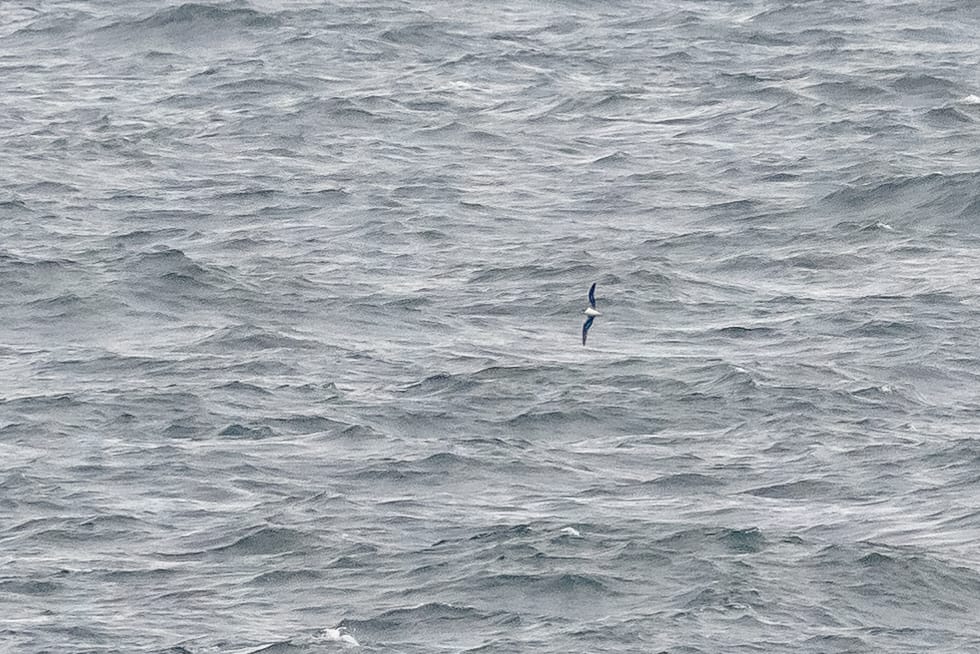
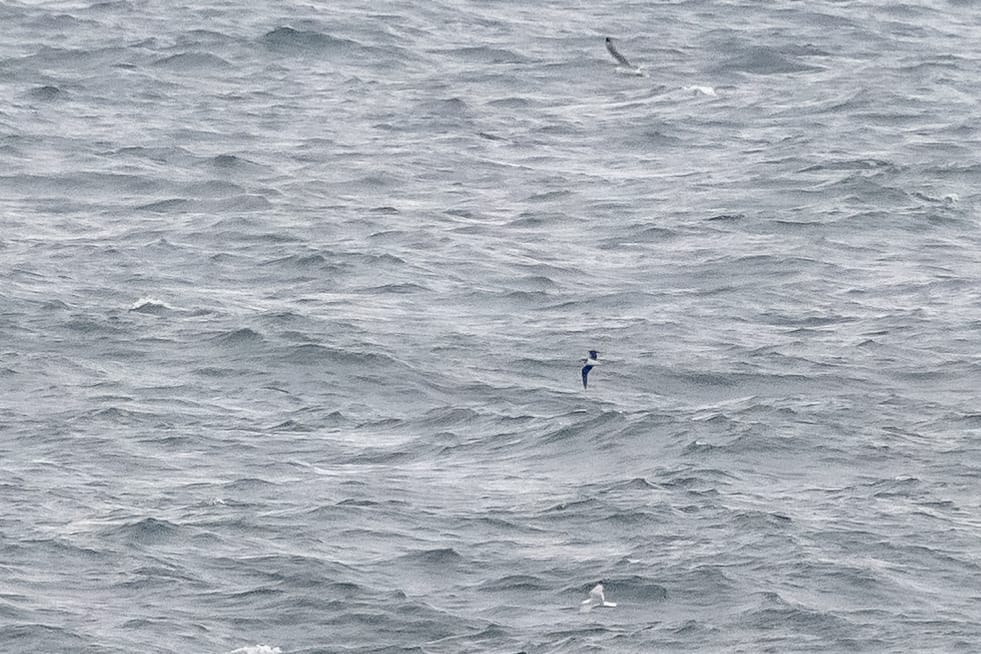
High pressure to the west of Ireland resulted in promising seawatch conditions that included a northerly airflow down the North Sea. Rewards were instant and a ‘pterodroma petrel’ flew slowly north past the Fog Station from 0935-0940hrs; photographs show a solid breastband associated with Soft-plumaged Petrel. The same individual was then tracked heading north along the English North-east coast including Long Nab at 1157hrs, Whitburn at 1618hrs and Bamburgh at 1905hrs. Unfortunately the headland couldn’t claim two mega seabirds on the same day and there was no sign of the Black-browed Albatross. Additional seawatch highlights included a Red-throated Diver, a Blue Fulmar, 30 Manx Shearwaters, a leucistic Gannet, a Bar-tailed Godwit, seven Sandwich Terns, three Bonxies and three Pomarine Skuas all flying north.
Soft-plumaged Petrel, Fog Station, by Andrew AllportSoft-plumaged Petrel, Fog Station, by Andrew Allport
Light easterly winds developed during a warm and sunny day, with temperatures reaching 20.5 degrees C. Seawatch highlights included 161 Common Scoters, two Red-throated Divers, 25 Manx Shearwaters, 37 Sandwich Terns, six Common Terns and three Arctic Terns flying north; three Oystercatchers, a Whimbrel and a Dunlin south heralded the start of the forthcoming wader passage. Thornwick Pools hosted two Wigeon, a Lapwing, one Dunlin and three Little Ringed Plovers. Elsewhere, a Cuckoo frequented South Dykes, where a flock of 66 Swifts were feeding overhead mid-afternoon, whilst a Grey Wagtail flew south over the outer head.
An overcast day, with a light/moderate south-easterly wind developing, occasional light rain and temperatures that peaked at 17 degrees C. A Storm Petrel was seen from the Bridlington Belle whilst cruising off the Southern Cliffs. However, the morning’s seawatch was relatively quiet, with 85 Common Scoters flying north the most notable sighting. Thornwick Pools attracted two Wigeon, a Lapwing, one Little Ringed Plover and three Dunlin.
Light south-westerly winds backed south-east later and strengthened during a largely sunny day, with temperatures reaching 18 degrees C. The headline act was the reappearance of the adult Black-browed Albatross. It was initially seen at the Staple News viewing platform at RSPB Bempton Cliffs. It then flew east before landing on the sea between North Dykes and Thornwick where it spent several hours before flying back to the reserve.
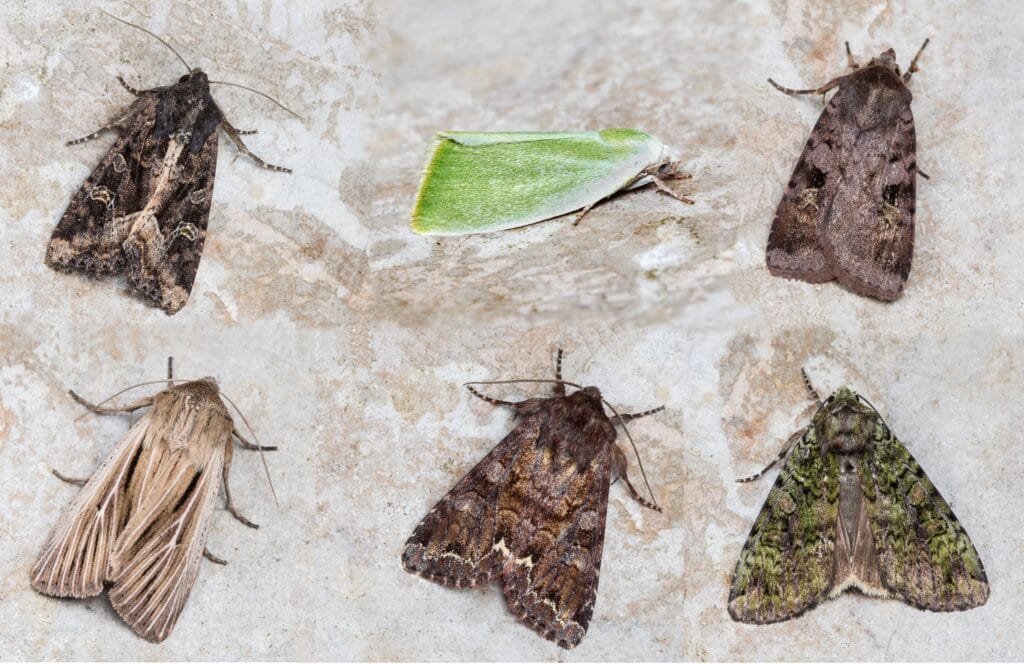
Top row: Crescent, Cream bordered Green Pea, Purple Clay. Lower row: Shoulder striped Wainscot, Broom moth, Green Arches. South Landing, by Andrew Allport
A relatively overcast day, with occasional thundery showers and temperatures peaking at 16 degrees C. Once again the Black-browed Albatross stole the headlines; initially at RSPB Bempton Cliffs, it was later seen close inshore between North Landing and the Fog Station before returning back to the reserve. It then continued to make sporadic appearances there throughout the day, although it went missing for most of the afternoon when it was presumably sat on the sea. Additional sightings from RSPB Bempton Cliffs included 84 Swifts flying south-east at 1430hrs and a Little Egret and three Yellow Wagtails heading in the same direction.
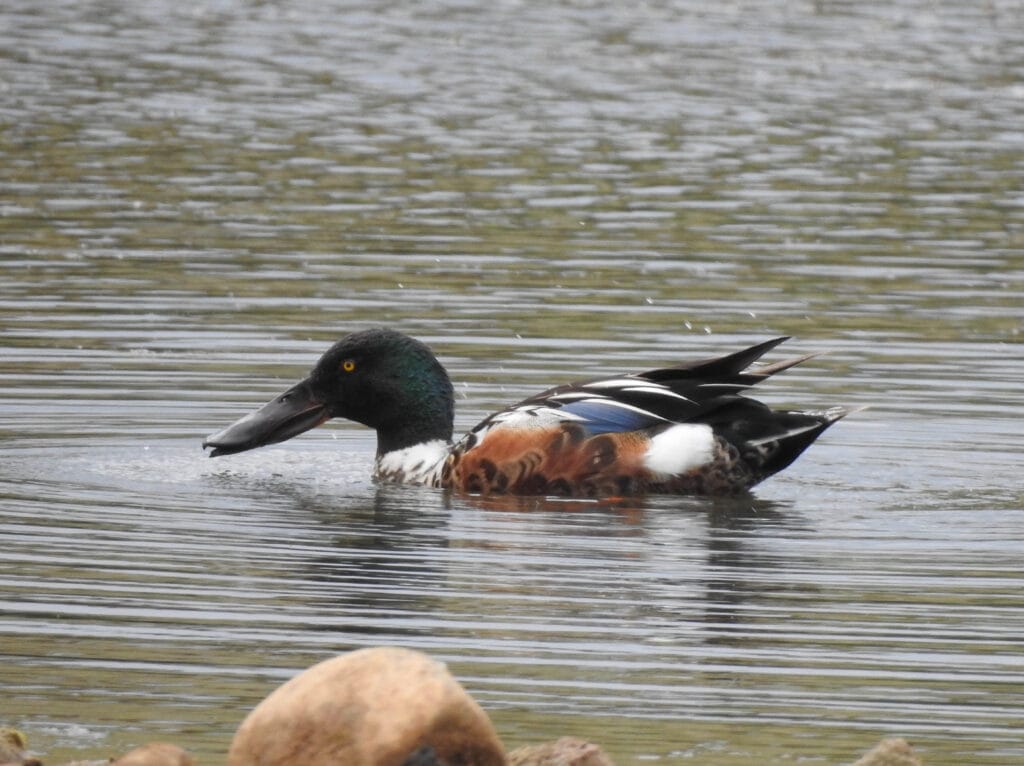
On the outer head, nine Shelduck, 35 Common Scoters and 27 Swifts flew south during the morning seawatch, with six Sandwich Terns flying north. Thornwick Pools attracted two Wigeon, a Shoveler and three Little Ringed Plovers.
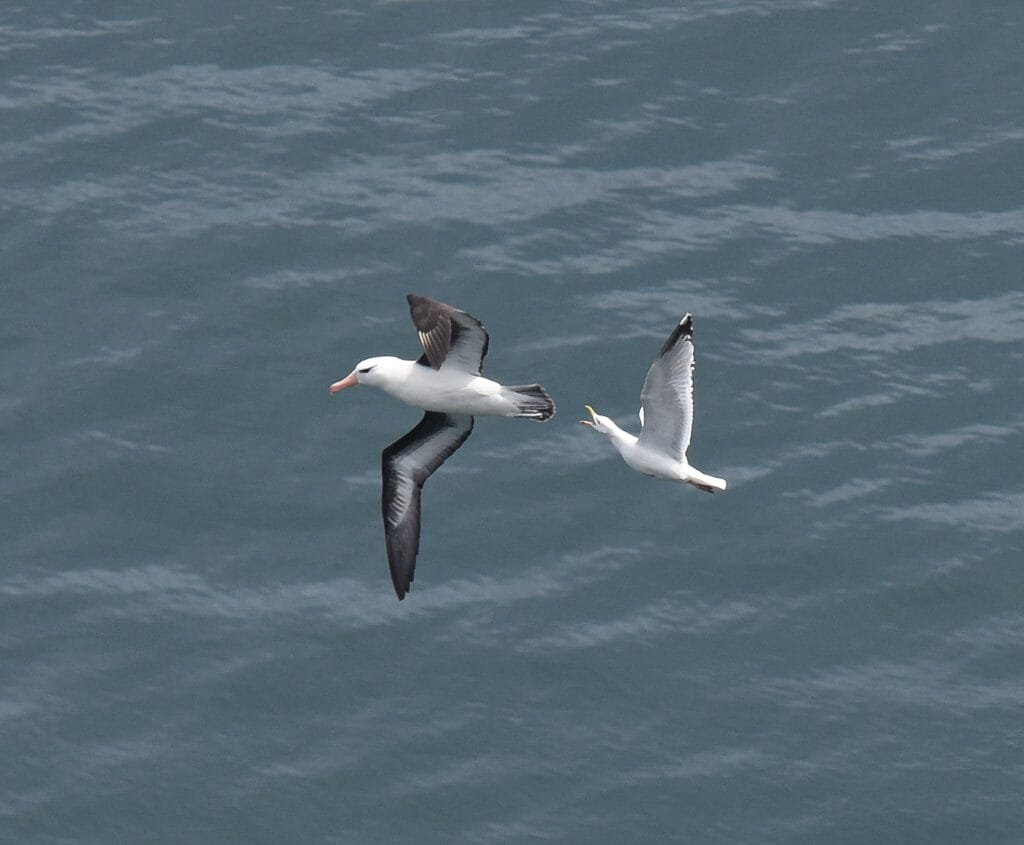
Black-browed Albatross (with Herring Gull), RSPB Bempton Cliffs, by Andy Hood
The weather consisted of moderate south/south-west winds, sunny intervals and heavy thundery showers, whilst temperatures reached 18 degrees C. The Black-browed Albatross was still in residence at RSPB Bempton Cliffs until 0945hrs when it left the cliff, and after resting on the sea, it flew north and minutes later headed past Filey Brigg. Seawatching on the outer head was rewarded with 36 Shelducks, a Shoveler, 53 Common Scoters and a Whimbrel flying south, with single Red-throated Diver and Arctic Tern moving north. Thornwick Pools attracted a Tufted Duck, one Shoveler and four Little Ringed Plovers. The heavy showers prompted a movement of Swifts, with 245 pushed onto the outer head before they headed back south-west; a lone Hobby was also associated with the same movement. A tally of 156 Swifts and a Hobby also moved south-east through RSPB Bempton Cliffs.
The weather consisted of relatively overcast skies, with some sunny intervals and showers; temperatures reached 18 degrees C. Seawatch highlights included 12 Common Scoters, a Red-throated Diver, eight Manx Shearwaters, five Sandwich Terns and an Arctic Tern. A Bonxie flew past Thornwick, while four singing Corn Buntings were in residence.
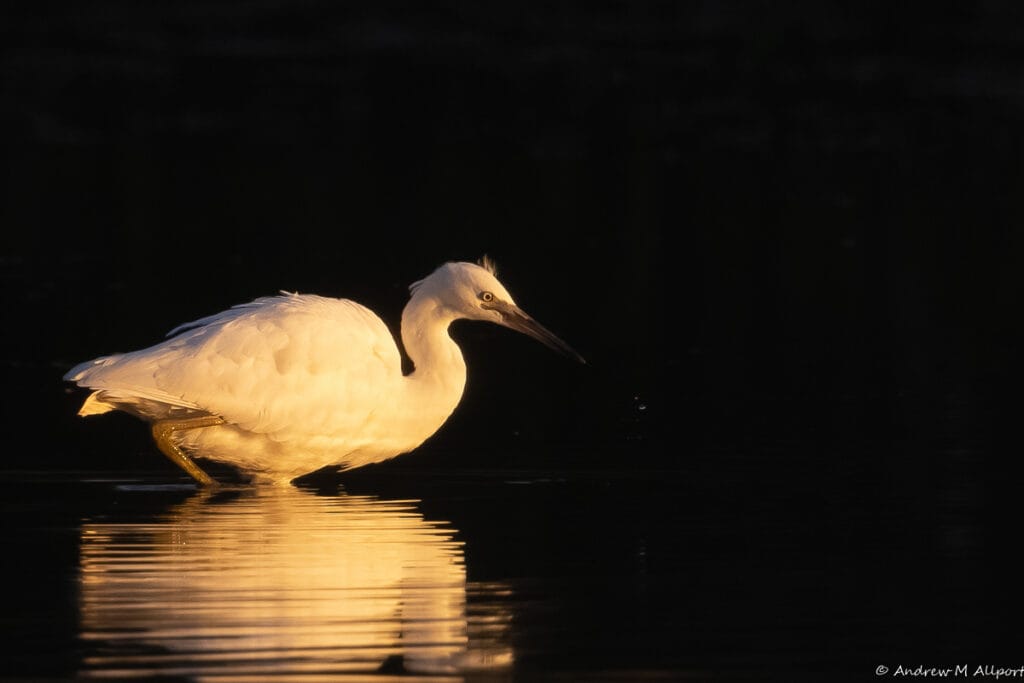
Light onshore winds developed during an increasingly sunny day, with temperatures peaking at 20 degrees C. During the seawatch, 24 Shelduck, three Teal, 63 Common Scoters and a Whimbrel flew south, with seven Manx Shearwaters and a Bonxie flying north. However, the main highlight comprised 100,000+ seabirds feeding off the headland indicating a bounty of food inshore. Thornwick Pools hosted two Little Egrets and three Little Ringed Plovers, along with six Red-veined Darters. A juvenile Cuckoo overflew the Golf Course, but better still, a Turtle Dove was singing on wires south of Church Lane in the evening.
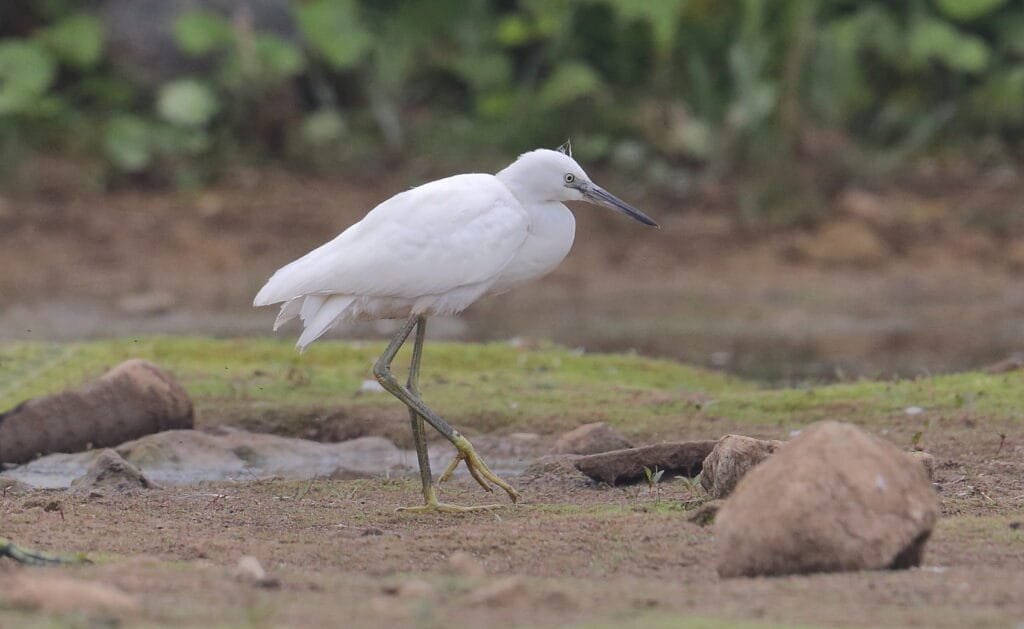
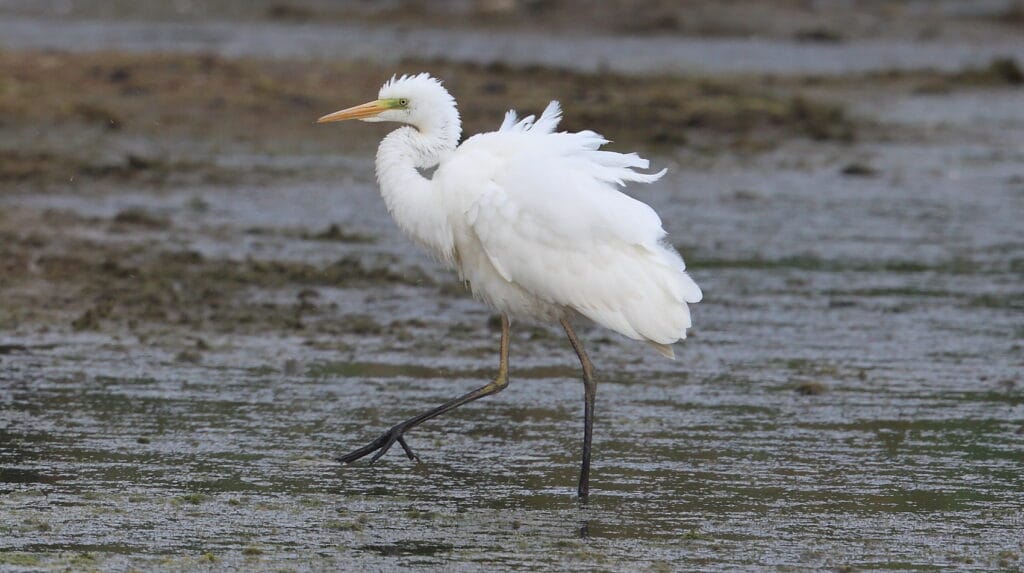
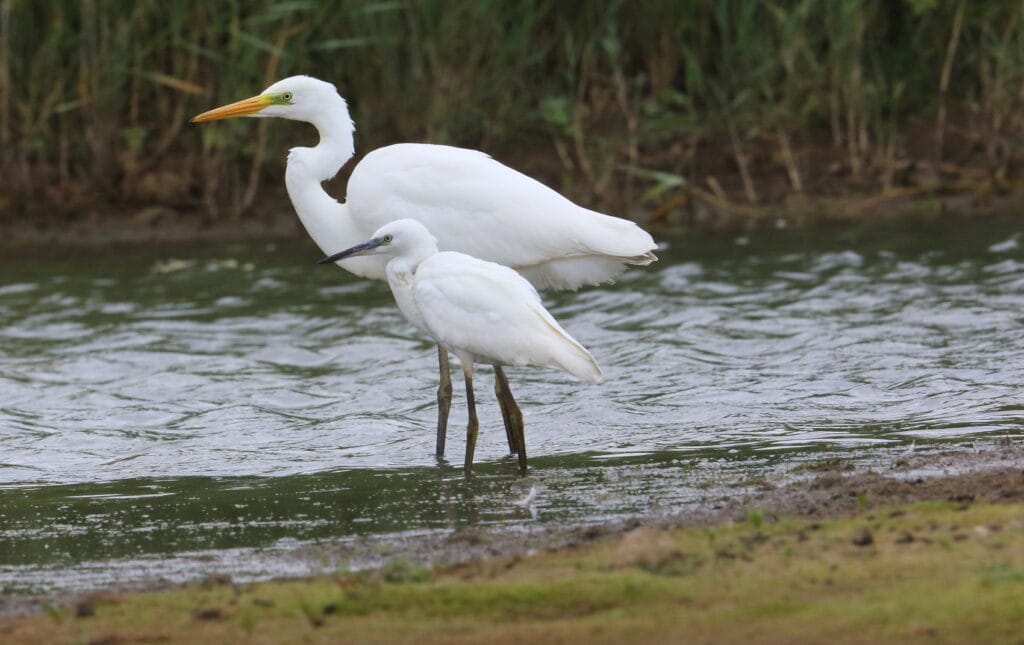
Little Egret, Thornwick Pools, by Andrew AllportRed-veined Darter, Thornwick Pools, by Andrew Allport
The weather continued in a warm and settled phase. Mainly sunny, temperatures reaching 19C and with a light easterly wind.
The Black-browed Albatross re-appeared at Bempton Cliffs RSPB after being missing for the previous two days, presumably on a fishing sortie. It repeated its routine of either sitting on the sea, spending time on its favoured place on the cliff face above Staple Newk or flying along the cliff at close range. The morning’s seawatch produced 86 Common Scoters, a Red-throated Diver, 3 Manx Shearwaters and 3 Little Gulls all moving north while there was also an Arctic Skua and were huge numbers of the Head’s breeding seabirds feeding offshore.
At Bempton Cliffs RSPB, other than the albatross, a Marbled White butterfly was on the nature trail – a rare visitor here
The day started overcast with a light easterly and became foggy by early afternoon, the temperature reaching a maximum of 17C.
The Black-browed Albatross roosted overnight at Staple Newk and had departed to the north by 7am not to be seen again for the remainder of the day.
The morning’s seawatch was relatively quiet, the highlights being 7 Common Scoter and a Great Skua. On land, the better sightings included a single Hobby on the Outer Head, a Ring-necked Parakeet over a village garden and a Whimbrel.
At Bempton, 3 Whimbrel flew SE and a Great Skua and 19 Common Scoter passed over the sea.
Fog was the order of the day, sometimes visibility being down to less than 100m and finally starting to disperse late afternoon. The temperature reached15C in a light to moderate south-easterly wind.
An evening seawatch saw 16 Eiders and an Arctic Skua flying north and 2 Manx Shearwaters south. The only passage waders were 3 Dunlin.
The Black-browed Albatross returned to Bempton Cliffs RSPB mid-afternoon after being missing since early yesterday morning. Passage waders were also in evidence at Bempton with single Greenshank, Dunlin, Whimbrel and Curlew.
The temperature reached 18C during the afternoon on an overcast day with a light easterly wind.
The Black-browed Albatross was at Bempton Cliffs RSPB again early morning before a short trip out to Selwick’s Bay at 8am before quickly returning. There were no further reports until early evening when It was back at its favoured spot on the cliff.
Morning and evening seawatching from the Fog Station produced 335 Common Scoter flying south with 30 north. Other birds included 4 Manx Shearwaters, 4 Whimbrel and 7 Dunlin. Passage over the sea was also noted from the cliffs on the northern side of the Head during the middle of the day with an Arctic tern, 14 Redshank, 2 Red-throated Divers, 18 Knot and 2 Dunlin all passed SE while 40 Common scoter went SE and 36 NW.
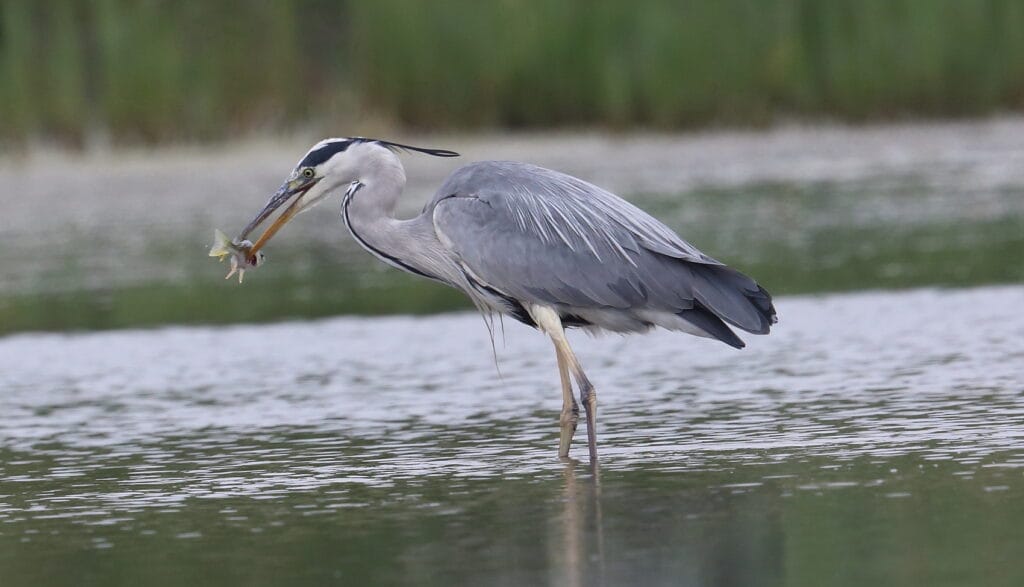
Thornick Pools held a Grey Heron, a Little Egret and a Dunlin.
Mostly cloudy but clearing during the evening. The temperature reached 18C in a moderate north-westerly wind.
The Black-browed Albatross was present again at Bempton Cliffs RSPB early morning before leaving and reappeared mid-afternoon and was sat on its normal spot on the cliff during the evening.
The morning seawatch was relatively quiet other than a Bonxie and the year’s first juvenile Yellow-legged Gull. A Tufted Duck, 2 Sanderling and 6 Manx Shearwaters were the best of an evening stint.
An eclipse male Pintail on The Lakes and single Little Egret, Common Sandpiper and Dunlin provided most interest on land.
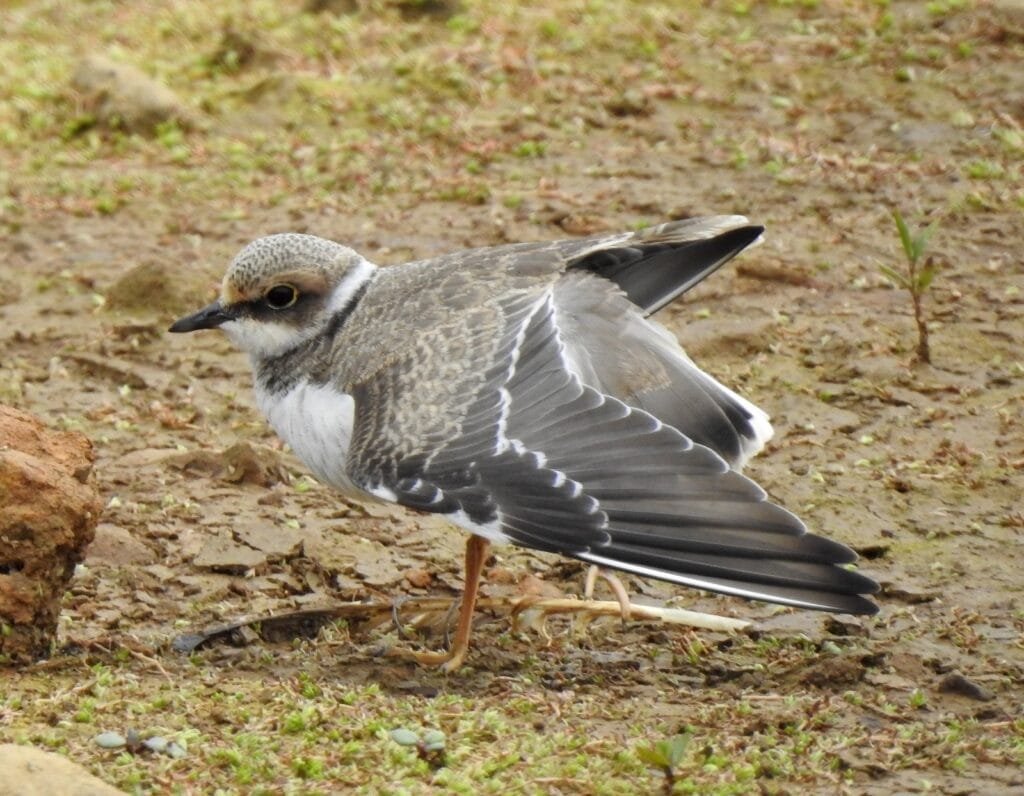
Juvenile Little Ringed Plover, Thornwick Pools, Brett Richards
A cloudy morning gave way to a sunny afternoon. The temperature reached 19C in a fresh north-west to northerly wind.
The Black-browed Albatross was again present at Bempton Cliffs RSPB, being seen on and along the cliff throughout the day.
The morning seawatch was similar to recent days, the main highlights being 2 Teal, 56 Common Scoter, 15 Manx Shearwaters all passing north. Elsewhere 2 Sanderling were at South Landing and a Corn Bunting sang on the Outer Head.
Lesser Whitethroat, Allotment Field by Brett Richards
A day of sunny intervals with a fresh northerly, feeling warm out of the wind, temperatures reached 19C.
Seawatching highlights were 61 Common Scoter north (4S) accompanied by 6 Manx Shearwaters, a Bonxie, an Arctic Skua all also moving north. In addition 5 Black-tailed Godwits moved south and 6 Yellow Wagtails north. Away from the Fog Station, a Hobby was at Crofts Hill and a juvenile Stonechat at North Landing. A count of 50 Redshank flying west over the sea at Hartendale was notable.
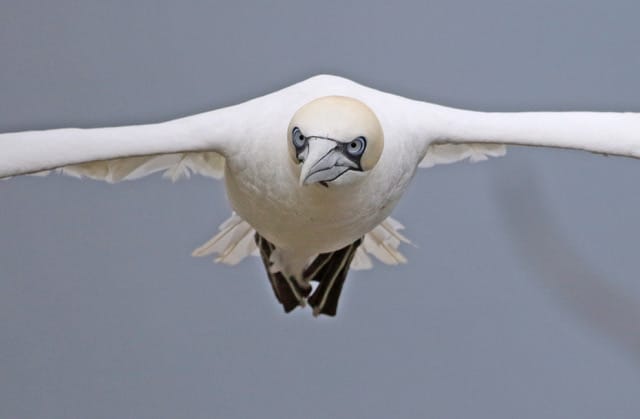
The Black-browed Albatross was on view for most of the day again at Bempton Cliffs RSPB. Another unusual bird here was what appears to be an normal adult Gannet with the exception that it has entirely white and very worn primaries and primary coverts.
Sunny throughout, with temperatures reaching 21 degrees C in light northerly winds. The Black-browed Albatross remained at RSPB Bempton Cliffs until last seen distantly on the sea mid-afternoon and not since. Seawatch highlights on the outer head included 55 Common Scoters, six Manx Shearwaters, a Ringed Plover, 58 Sandwich Terns, six Common Terns, six Arctic Terns and an Arctic Skua all flying north; a Great Crested Grebe and a Whimbrel flew south, as did two Grey Wagtails. Thornwick Pools attracted a Little Egret.
Hot and sunny throughout, with a light onshore breeze and temperatures reaching 23 degrees C. A Pomarine Skua that flew north during the morning seawatch was the highlight, alongside two Teal, a Red-throated Diver, nine Manx Shearwaters, 90 Sandwich Terns and nine Arctic Terns also flying north, with a Bonxie moving south. A count of 123 Grey Seals represented a very impressive local count. Two Marbled White butterflies and two White-letter Hairstreaks were also notable.
Another hot sunny day, with temperatures peaking at 23 degrees C in very light onshore winds. Seawatching was rewarded with 78 Common Scoters, 28 Manx Shearwaters, 195 Sandwich Terns, seven Common Terns, 11 Arctic Terns, a Bonxie and an Arctic Skua flying north; a Red-throated Diver and another Arctic Skua moved south, whilst a record-breaking 183 Grey Seals rested on rocks near the Fog Station. A Banded Demoiselle was an unusual visitor to a village garden.
The Black-browed Albatross re-appeared at RSPB Bempton Cliffs, although there were no further signs until late evening, when it re-appeared at Thornwick Bay before flying east; added excitement was provided by a Minke Whale that fed offshore. A total of 110 Swallows fed on the reserve, where 12 Yellow Wagtails were also recorded.
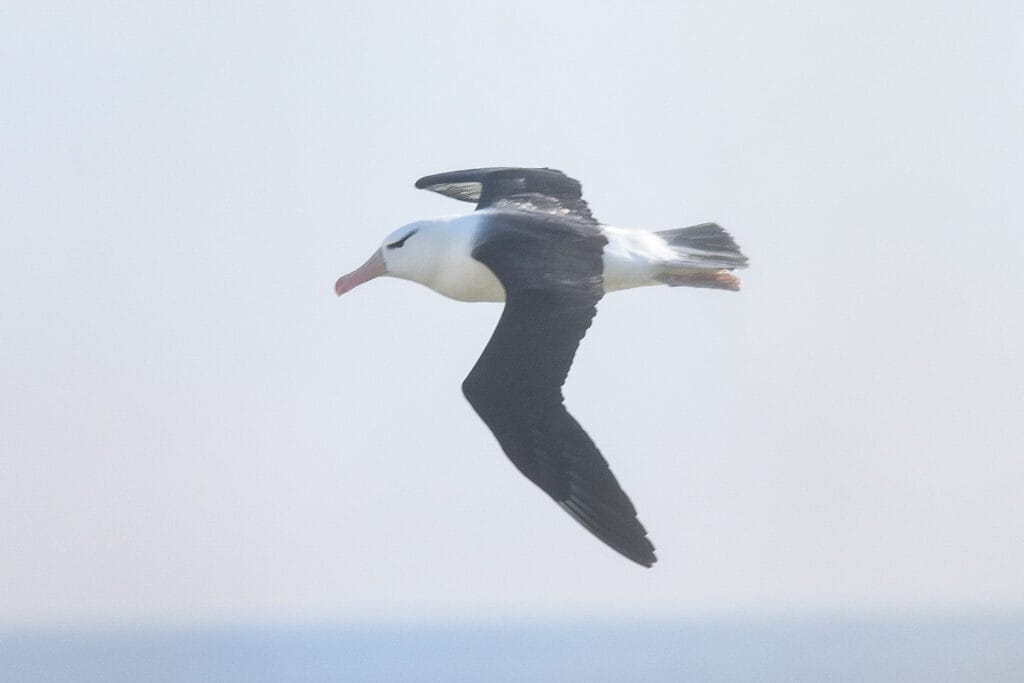
Black-browed Albatross, RSPB Bempton Cliffs, by Will Scott
The weather consisted of prolonged sunny intervals, a light/moderate south-easterly developing by late afternoon and temperatures reaching 20 degrees C. During the morning seawatch, 110 Common Scoters, two Mediterranean Gulls, 329 Sandwich Terns, two Common Terns, six Arctic Terns, two Bonxies and two Arctic Skuas flew north; 33 Oystercatchers, a Whimbrel, nine Redshank and two Bonxies headed south. Thirteen Yellow Wagtails and four Corn Buntings were located on the outer head.
Meanwhile, the Black-browed Albatross continued in residence at RSPB Bempton Cliffs and mid-evening was sat on the cliff above Staple Newk.
Light onshore winds developed during another sunny day when temperatures peaked at 22 degrees C. Seawatch highlights included 11 Eider, 83 Common Scoter, a juvenile Mediterranean Gull, 401 Sandwich Terns, nine Common Terns, 21 Arctic Terns and a Bonxie all flying north. Thornwick Pools hosted an obliging Great White Egret, two Green Sandpipers and a Dunlin. Elsewhere, a Hobby hunted over fields near Mid Dykes.
Bempton RSPB continued to host the Black-browed Albatross, although it flew north late afternoon with no further sign by dusk. Seven Ruddy Shelduck that accompanied three Shelduck flying south-east along the cliffs were intriguing, whilst a Marsh Tit in the Dell represented an excellent reserve record.
Insect sightings included a Dark Green Fritillary near the Seawatch Observatory and White-letter Hairstreak again in South Dykes.
Great White Egret, Thornwick Pools, by Andy HoodBlack-browed Albatross with Gannet, RSPB Bempton Cliffs, by Dan Howe
Sunny skies eventually prevailed after a cloudy start, with light onshore winds during the afternoon and temperatures peaking at 19 degrees C. Seawatch highlights included 15 Manx Shearwaters north, 45 Oystercatchers, 12 Whimbrel and two Sanderlings all south, a juvenile Mediterranean Gull, 91 Sandwich Terns, 126 Arctic Terns, an Arctic Skua and a Bonxie all north.
The Black-browed Albatross lingered at RSPB Bempton Cliffs, whilst a Hobby overflew the nearby village. Further east, the Great White Egret and two Green Sandpipers remained in residence at Thornwick Pools; a Black-tailed Godwit visited South Landing.
Black-browed Albatross, off Bempton, by Dan HoweBlack-browed Albatross, off Bempton, by Dan HoweDark Green Fritillary, Lighthouse Grassland, by Andrew Allport (20/7)
A sea fret early on gave way to sunny skies before cloud increased by the evening; light/moderate south-easterly winds developed by mid-afternoon and temperatures reached 18 degrees C. It was a relatively quiet seawatch, with 43 Common Scoters and 95 Sandwich Terns moving north. The Great White Egret remained at Thornwick Pools early morning and a Red Kite initially seen over Bempton later flew south over the Dykes. A Green Sandpiper overflew the North Cliffs and 17 Arctic Terns moved north past Thornwick Nab late afternoon.
The Black-browed Albatross remained at RSPB Bempton Cliffs until early afternoon but wasn’t seen since; a Short-eared Owl also hunted the grasslands on the reserve.
Overcast throughout, with a very light variable breeze. However, seawatching looked promising with a stronger northerly airflow down the majority of the North Sea and so it proved. Two Long-tailed Skuas flew north during the morning, including an immaculate adult that went past at 1010hrs; three Sooty Shearwaters heading in the same direction were also new for the year. An adult Pomarine Skua flew south close inshore mid-afternoon, but arguably the highlight was a northerly movement of 827 Arctic Terns. Other notable records included 418 Common Scoters, a day record ten Mediterranean Gulls and 332 Sandwich Terns all north; a juvenile Yellow-legged Gull flew south. There was no sign of the Black-browed Albatross at RSPB Bempton Cliffs.
Sandwich Terns, off Beacon Hill, by June & Malcolm Fox
The weather consisted of light/moderate east-north-easterly winds, relatively overcast skies with brighter spells later and temperatures reaching 17 degrees C. During the seawatch, 23 Teal, a Tufted Duck, 1215 Common Scoters, 27 Manx Shearwaters, a Bar-tailed Godwit, two Mediterranean Gulls, 105 Sandwich Terns, 25 Arctic Terns and six Bonxies flew north; the highlight were four Pomarine Skuas: a dark adult adult and a pale morph south during the morning, followed by two birds flying north in the evening. Thornwick Pools attracted a Little Egret and two Green Sandpipers, whilst another Green Sandpiper flew south over the lighthouse. However, the day’s most unexpected record was a Hawfinch attending a bird feeder in the village for its second day.
Sightings from RSPB Bempton Cliffs included 709 Common Scoters, 67 Teal, four Whimbrel, a Bar-tailed Godwit, 87 Black-headed Gulls moving north-west and single Arctic Skua and Bonxie.
Light/moderate winds backed from the north-east winds to the north during a day of sunny intervals and temperatures reaching 20 degrees C. Seawatch highlights included a Gadwall, 118 Common Scoters, a Red-throated Diver, 16 Manx Shearwaters, three Mediterranean Gulls, 14 Common Terns, 16 Arctic Terns, three Bonxies and two Arctic Skuas flying north, with an unseasonal six Goldeneye, a Great Crested Grebe, 52 Oystercatchers and a Little Gull moving in the opposite direction. In addition, three Whimbrel frequented the shore below Beacon Hill, a Green Sandpiper at Thornwick Pools and lone Grey Wagtails at the Fog Station and in a village garden.
Almost predictably, the Black-browed Albatross re-appeared at RSPB Bempton Cliffs where it remained for much of the day.
Black-browed Albatross, RSPB Bempton Cliffs, by Dan Howe
Sunny intervals developed during a day that featured an increasing onshore wind and temperatures that reached 21 degrees C. The morning’s seawatch was rewarded with 116 Common Scoters, 13 Manx Shearwaters, a Great White Egret, two Avocet, three Mediterranean Gulls, 134 Sandwich Terns, 14 Common Terns, 121 Arctic Terns and a Bonxie flying north, with an Arctic Skua heading south.
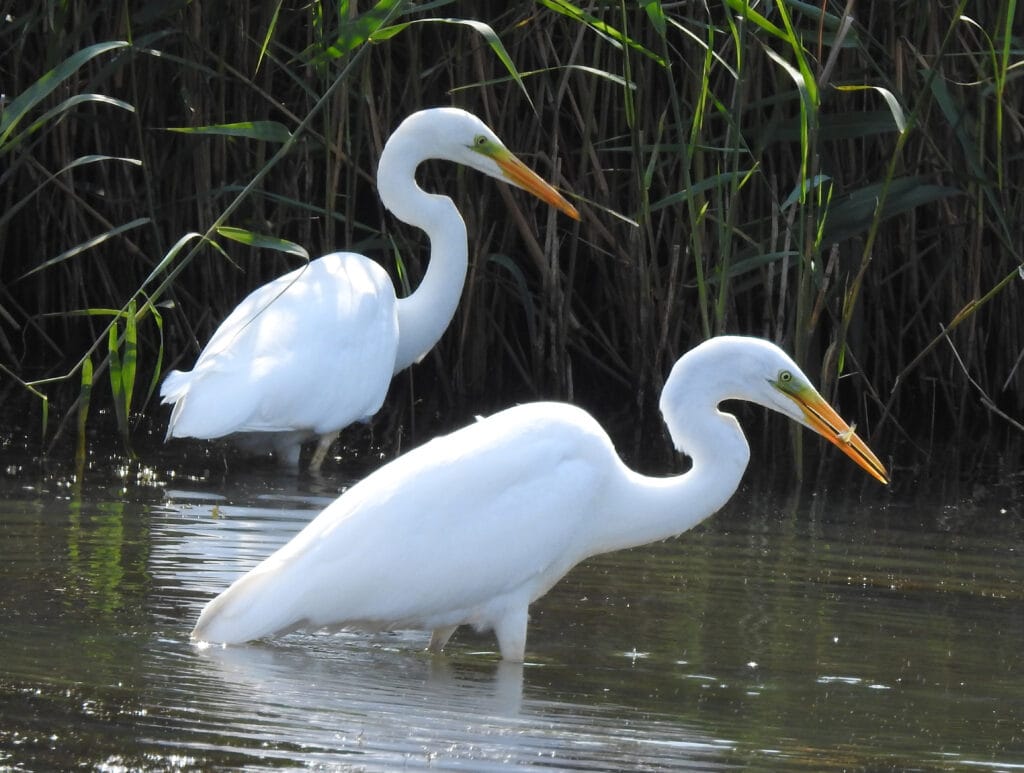
Thornwick Pools attracted two Great White Egrets, a Greenshank and one Green Sandpiper. Presumably one of the Great White Egrets earlier overflew RSPB Bempton Cliffs, where the Black-browed Albatross continued in residence.
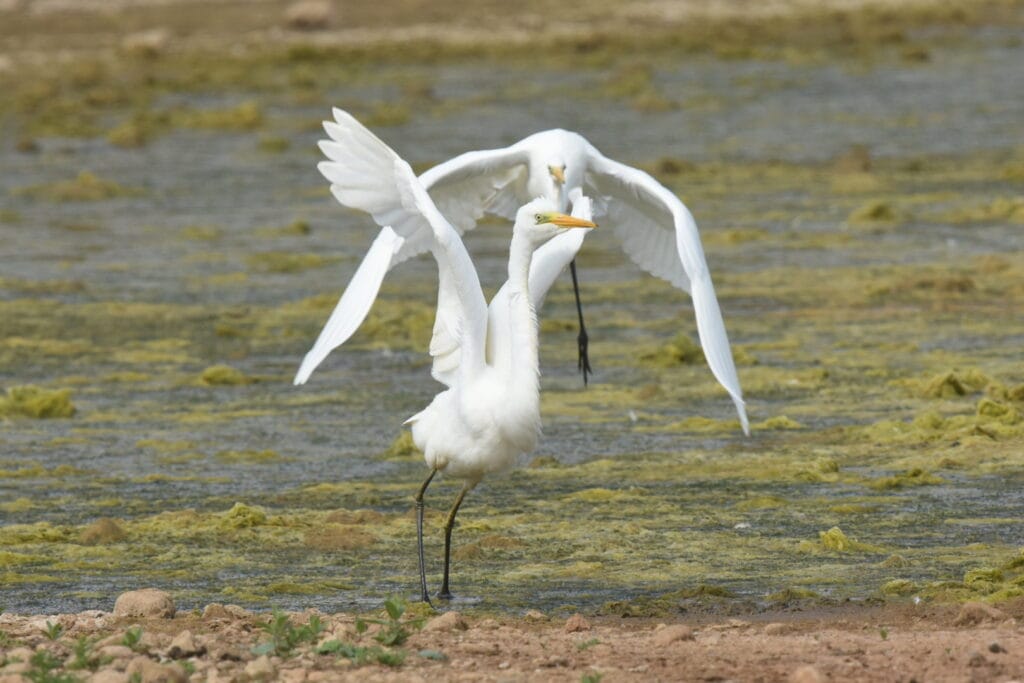
Great White Egrets, Thornwick Pools, by Brett RichardsGreat White Egrets, Thornwick Pools, by Andy Hood
Light winds veered from the west to the east during a day of sunny intervals followed by rain late evening; temperatures peaked at 21 degrees C. An unseasonal dark-bellied Brent Goose flew north during a seawatch that also featured a Greenshank flying south, a juvenile Mediterranean Gull, 312 Sandwich Terns and 29 Arctic Terns all north and an adult Pomarine Skua that moved south. The two Great White Egrets remained on Thornwick Pools early morning before flying south and single Common and Green Sandpipers and a Greenshank were also present. A Hobby overflew Thornwick Lakes, whilst a Short-eared Owl hunted the outer head. The Black-browed Albatross flew east from RSPB Bwmpton Cliffs at 0800hrs and there were no additional sightings by dark.
Great White Egret, Thornwick Pools, by Alan Walkington
A day of light/moderate south-westerly winds, sunny intervals and occasional heavy, thundery showers with temperatures reaching 20 degrees C. Notable seawatch sightings included 74 Sandwich Terns, seven Arctic Terns and an Arctic Skua flying north. Thornwick Pools hosted two Great White Egrets, a Little Egret, one Green Sandpiper and a Little Ringed Plover. In addition, single Greenshank and Green Sandpiper flew south over the headland. There was no sign of the Black-browed Albatross at RSPB Bempton Cliffs; 120 Swifts moved over the reserve ahead of storm cloud, whilst a Willow Warbler heralded the start of the ‘autumn’ passerine migration.
Great White Egret & Little Egret, Thornwick Pools, by Alan Walkington