Saturday 26th March, 2016

A rather cloudy day, with rain moving in later, winds south force 6 and a temperature of 7c.

Seawatching was fairly steady, with the highlights being 25 Fulmar south and 14 north including a Blue Fulmar, 25 Common Scoter south, Red-breasted Merganser south, 36 Great Black-backed Gulls south; a Fieldfare came in off the sea, as did four Meadow Pipit. Present around the Fog Station were 40 Shag, four Eider, five Oystercatcher, 10 Purple Sandpiper and 10 Turnstone.

Migration stepped up a little with a Woodcock, a Wheatear on the Golf Course, several Chiffchaff, a Swallow, two Firecrest (Jubilee Viewpoint Bempton and near the Lighthouse), one Brambling and 65 Pied Wagtail. Additional sightings included eight Curlew, seven Goldcrest, 45 Linnet, a Redwing and one Tawny Owl.

Firecrest by Alan Walkington
Firecrest, near Lighthouse, by Alan Walkington

Sunday 27th March, 2016

A rather windy day, with early sun becoming more cloudy throughout the day and temperatures of 9c.

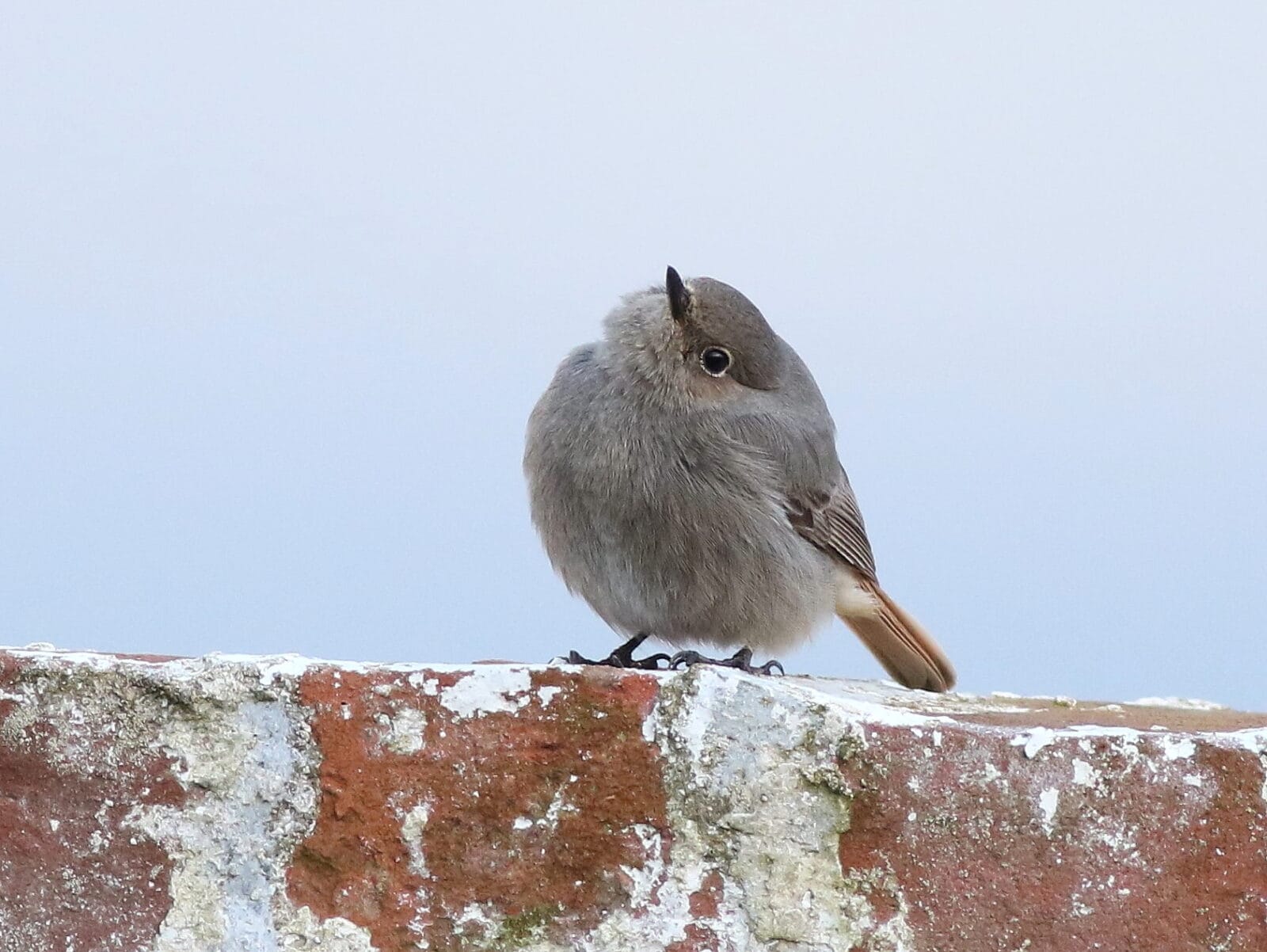
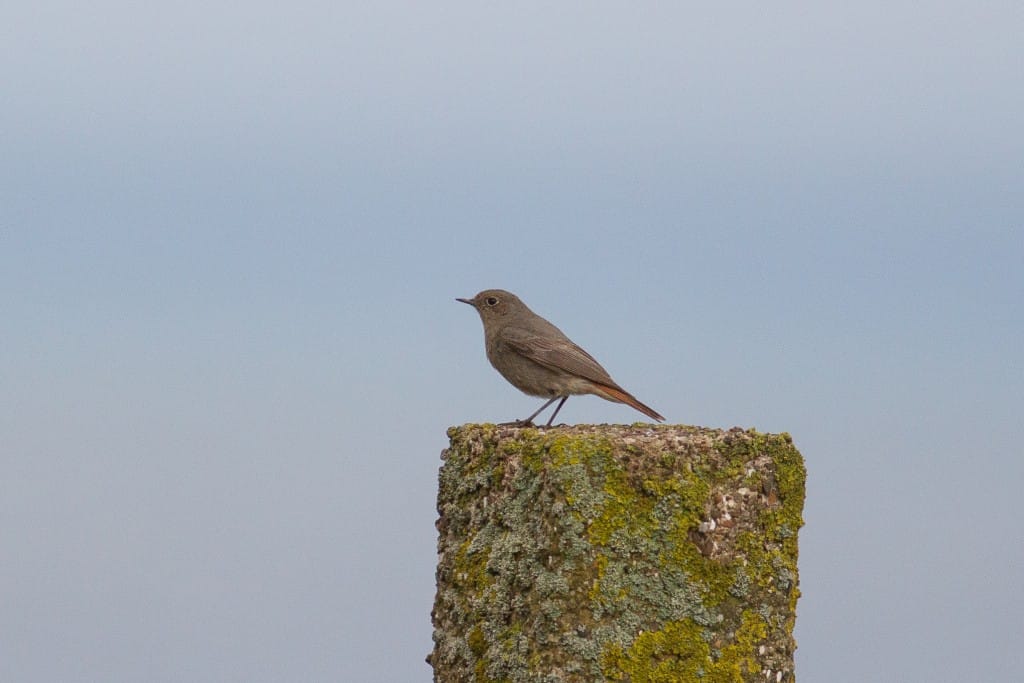
Highlights on the morning seawatch were 25 Fulmar south and 15 north, 10 Common Scoter south, three Sandwich Tern north, three Meadow Pipit, four Jackdaw and four Rook all in off the sea. Near the Fog Station there were 10 Purple Sandpiper, four Curlew, two Turnstone and a second-year male ‘paradoxus type’ Black Redstart. 

Elsewhere was 26 Greylag Goose, two Grey Heron, two Barn Owl, 10 Stock Dove, several Chiffchaff, four Goldcrest and 66 Pied Wagtail.

West of the Dykes, sightings included a House Martin at Bempton Cliffs, a Swallow north over Bempton Village and a Common Buzzard.

"paradoxus type" Black Redstart male by Brett Richards
“paradoxus type” Black Redstart, Fog Station, by Brett Richards

28th March 2016

Rain persisted throughout the morning with force 7 north-westerlies, switching west-south-west force 4-5 during the afternoon with some sunshine. Heading south on the morning seawatch were four Red-throated Diver, a single dark morph Fulmar, nine Wigeon, one Gadwall, 52 Teal, 68 Common Scoter and two Lesser Black-backed Gull.

Land-based migrants consisted of five Chiffchaff and a single Fieldfare in the Thornwick area.

Fieldfare, Thornwick, Flamborough, 28 Mar 16
Fieldfare, Thornwick Pools, by Brett Richards

29th March 2016

A day of Force 4-5 south-westerlies, occasional morning rain showers, clearing to leave a mixture of cloud and sunshine. Seawatching produced ten Red-throated Diver south, 115 Fulmar north, two Shelduck and three Eider south, 17 Common Scoter south (eight north), single Sandwich Tern north, a female type Kestrel which appeared to fly in-off then north and a Sparrowhawk and Grey Wagtail south.

A dark-bellied Brent Goose and Sand Martin visited Thornwick Pool; male and female Black Redstart were together at the Fog Station; a single Chiffchaff and Great Crested Grebe were located at South Dyke and four Curlew and a Redwing were at South Landing.

West of the dyke; a possible Alpine Swift was reported over Bempton RSPB’s Staple Newk viewpoint briefly this afternoon before heading south-east.

2Q8A4942 - Copy
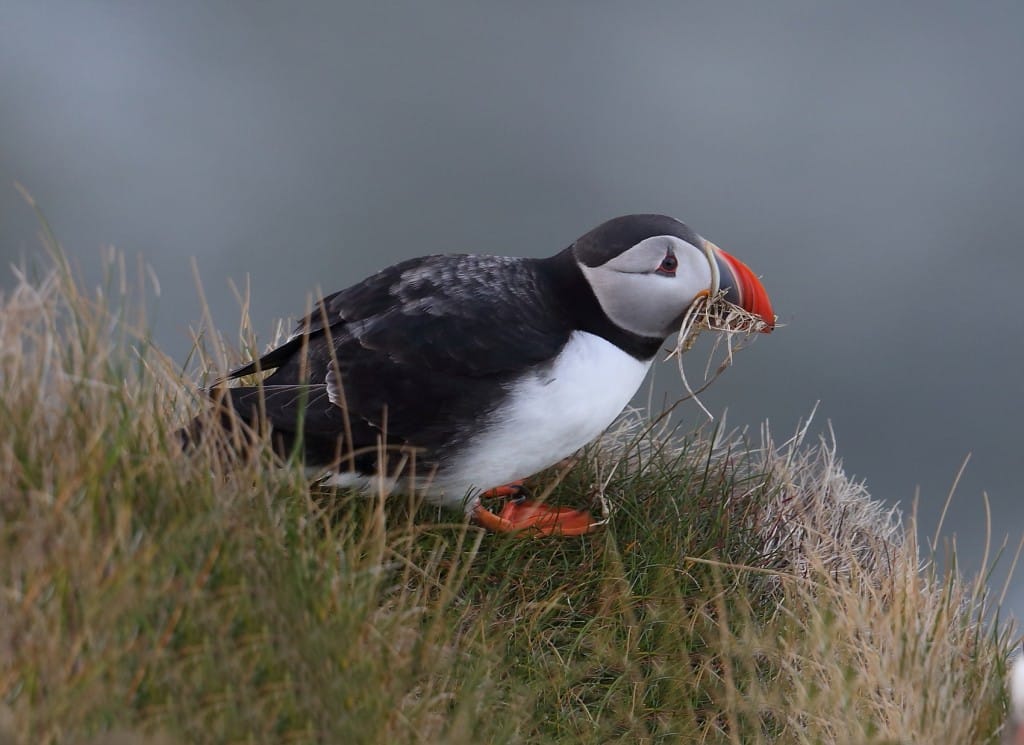
Puffin, Outer Head, by Alan Walkington

30th March 2016

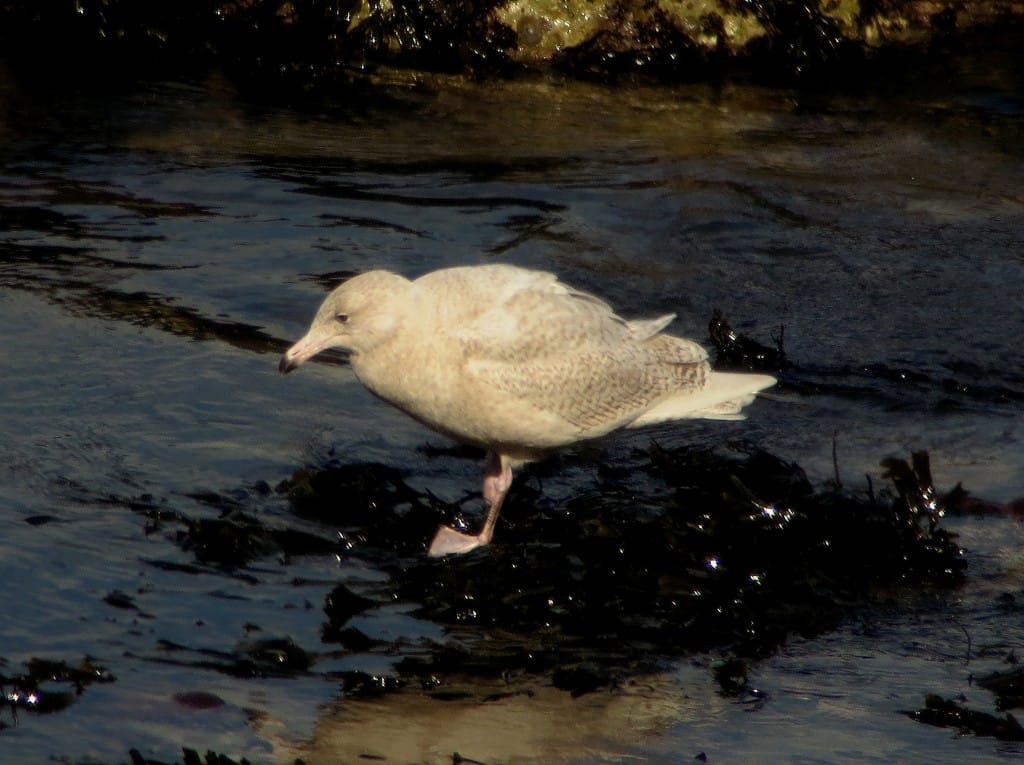
The weather consisted light/moderate west-south-westerly winds, sunshine during the morning, with showers later. During the seawatch, two Eiders headed south, ten Common Scoter flew past, whilst 723 Puffins moved north. A first-summer Glaucous Gull was located during the afternoon on rocks north of Selwick’s Bay.

Two Firecrests were present on the Outer Head (Golf Course Willows/south of Lighthouse), male and female Black Redstarts frequented the cliffs near the Fog Station, a Blackcap was a new arrival, whilst ten Chiffchaffs and three Redwing were also recorded.

1st-summer Glaucous Gull, Outer Head, by Brett Richards


31st March 2016

Light north-westerly winds featured throughout a largely sunny day. Seawatching was quiet, with four Shelduck, a Lesser Black-backed Gull and 268 Puffins flying north. On the Headland, a Brent Goose frequented Micklemires and two Common Buzzards were recorded.

The most notable passerine record related to a Woodlark; with a single overflying the Gorse Field on two occasions; the year’s third record (involving four birds) of a less than annual visitor. Additional migrants included a Sand Martin, two Swallows, a Wheatear, two Black Redstarts, two Firecrests, 15 Goldcrest, six Chiffchaff and one Siskin.

Black Redstart, Fog Station, by Alan Walkington

1st April 2016

It was an overcast day, which felt cool in moderate southerly winds and temperatures of 9 degrees C. During the seawatch, a Blue Fulmar, 12 Common Scoter and a Lesser Black-backed Gull flew south and five Eiders moved north. Away from the sea, a dark-bellied Brent Goose frequented North Marsh.

Migrants included a Hooded Crow near North Marsh, 11 Goldcrests, a Firecrest south of the Lighthouse, five Sand Martin, a Swallow, two Black Redstarts, two Wheatear and one Brambling.

Bempton Cliffs RSPB hosted a Long-eared Owl, along with 20 Yellowhammer and ten Reed Buntings.

Hooded Crow, North Marsh, by Andrew Allport
Goldcrest, North Landing, by Andy Hood

2nd April 2016

Light/moderate southerly winds featured throughout a day that started with light rain, before sunshine prevailed during the afternoon. During the seawatch, a drake Goosander flew north and 25 Purple Sandpipers frequented the Outer Head.

Migrants included ten Goldcrests, seven Sand Martin, two Swallows, 13 Chiffchaff, one Blackcap, three Redwing, five Wheatear, a Black Redstart and one White Wagtail.

West of the Dykes, Bempton Cliffs RSPB hosted two Chiffchaff, a Blackcap and 50 Meadow Pipits.

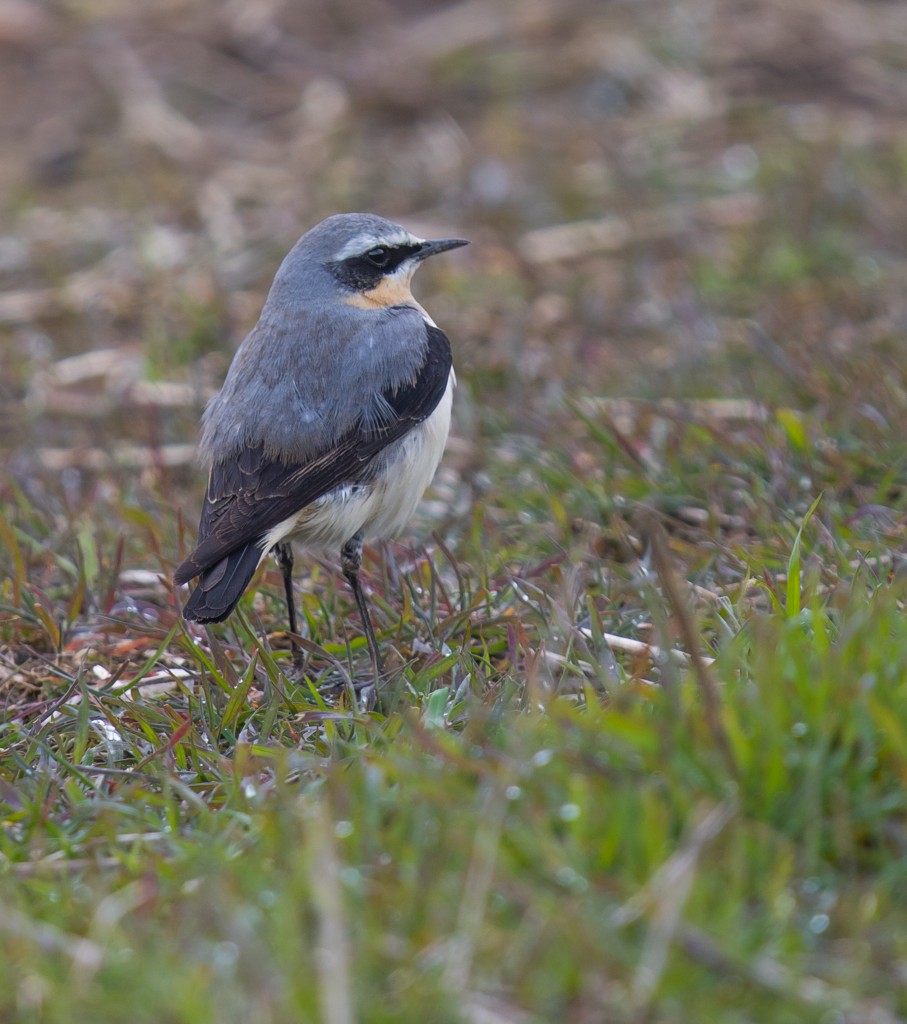
Wheatear, Fog Station, by Alan Walkington


3rd April 2016

It was a day of light southerly winds and generally sunny conditions, with temperatures peaking at 11 degrees C. During the seawatch, northbound birds included a Red-throated Diver, single Blue Fulmar and Manx Shearwater, one Eider and a Sandwich Tern.

Two Great Crested Grebes were between South Dykes and Sewerby, whilst an Avocet visited North Marsh before heading south. Additional migrants included a Golden Plover, two Swallows, one House Martin, and a singing Firecrest. A Yellow Wagtail was relatively early, the two Richard’s Pipits remain in residence at North Landing and other records included four Black Redstarts, four Wheatears, seven Redwing, three Fieldfare and a Hooded Crow, the latter near Old Fall.

West of the Dykes, a Long-eared Owl was located in the Dell at Bempton Cliffs RSPB.

Firecrest, Outer Head, by Craig Thomas

4th April 2016

Thick mist and rain lasted throughout the morning, with dryer and brighter conditions prevailing from early afternoon; winds remained light and variable in direction. A pair of Tufted Duck visited Thornwick, whilst two pairs of Shelduck were in residence.

There was an increase in grounded migrants after the morning’s rain.  Eighteen Chiffchaffs were located on the ‘Old Fall Circuit’ during the late afternoon, with a duo also at Thornwick Pools. Yesterday’s Firecrest remained and three Black Redstarts were on the Outer Head, together with two White Wagtails. The two Richard’s Pipits were still present at North Landing, with seven Fieldfare, three Redwing and six Wheatear also recorded; a Robin at the Fog Station late evening was an undoubted migrant.

Black Redstart, Fog Station, by Craig Thomas
Firecrest, Outer Head, by John Beaumont
Firecrest, Outer Head, by Andy Hood


5th April 2016

It was an overcast day, with a light/moderate south-westerly wind and rain during the afternoon. During the seawatch, five Common Scoters and a Sandwich Tern headed north. Two adult Mediterranean Gulls rested on the sea off South Landing.

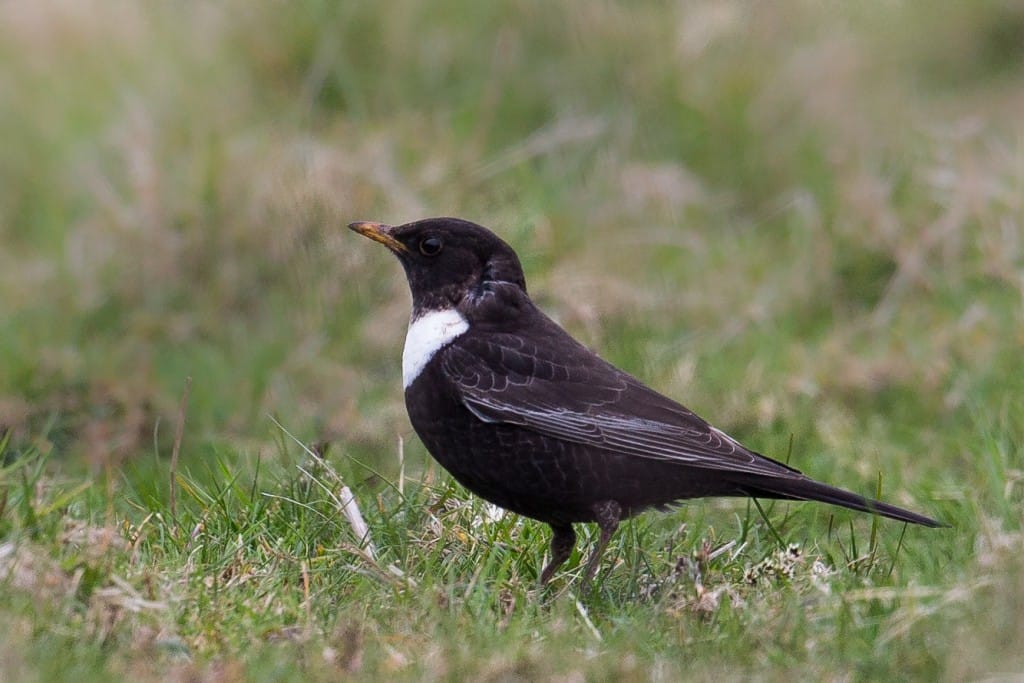
The day’s highlight was a Raven over South Landing at 0900hrs before being relocated near the Fog Station a short while later; one of only a handful of authenticated local records. New arrivals included one Little Ringed Plover and a Willow Warbler at Thornwick Pools, a male Ring Ouzel near the Fog Station and a Tree Pipit on the Outer Head. Four Black Redstarts were located, together with four Fieldfare, one White Wagtail, a Blackcap and single Siskin, Lesser Redpoll and Brambling.

Ring Ouzel, Lighthouse Grassland, by Craig Thomas
Raven with Carrion Crow, South Landing, by Craig Thomas
Raven, South Landing, by Craig Thomas
Brambling, Outer Head, by Andy Hood


Wednesday 6th April, 2016

A day of breezy westerlies with morning cloud improving to allow some sunshine and a temperature of 9c.

A morning sea-watch highlights were two Wigeon south, 36 Common Scoter south and two north, a Goosander south, six Red-throated Diver south, three Sandwich Tern north, 250 Puffin south and 22 north, eight Carrion Crow south with a Hooded Crow in attendance. Some 60 Shag were off the headland and a Wheatear present.

In other areas on the headland the days highlights were three Common Buzzard, Peregrine, two Kestrel, six Oystercatcher, three Curlew, Tawny Owl, three Goldcrest, Common Swift, 10 Sand Martin, four White Wagtail, Black Redstart, Blackcap, Willow Warbler and two Chiffchaff.

Black Redstart, Fog Station, by Tony Dixon
Chiffchaff by Alan Walkington

Thursday 7th April, 2016

An overcast day with winds from the north-west force 4 and a temperature of 9c

A short morning sea-watch had two Eider south, eleven Common Scoter south, two Red-throated Diver south and one north, 82 Fulmar north, 174 Common Gull south, three Sandwich Tern north and both a male Ring Ousel and a female Wheatear on the headland.

A Black-necked Grebe was on the sea at Sewerby, an Egyptian Goose at Micklemires, the two Richards Pipits remained in the first field at North Landing, other sites had 51 Grey-lag Goose, Lesser Black-backed Gull, Stonechat, 10 Pied Wagtail, White Wagtail, two Swallow, three Redwing, 10 Sand Martin, five Chiffchaff, two Willow Warbler and 47 Linnet.

Egyptian Goose, Micklemires, by Tony Dixon
Egyptian Goose by Brett Richards
Egyptian Goose, Micklemires, by Brett Richards

Friday 8th April, 2016

A sunny start to the day but clouding later with winds north altering to south-west 3 and 11c.

Sea-watch from the headland in the morning produced a Red-breasted Merganser north, 95 Fulmar north, 15 Common Gull south and 26 north, four Sandwich Tern north and 40 Puffin north. Present on the headland was a male Ring Ousel, a female-type Black Redstart and three Wheatear.

Highlights between the headland and the Dykes was Black-necked Grebe, Great-crested Grebe, male Marsh Harrier north, six Buzzard, Little Ringed Plover, Mediterranean Gull, a Short-eared Owl from the headland out to sea, Swift, two Richards Pipits, White Wagtail, five Swallow, 23 plus Sand Martin, House Martin, nine Chiffchaff, Willow Warbler and Brambling.

West of the Dykes: A Merlin being mobbed at Staple Newk eventually killed the bird that was mobbing!

Black-necked Grebe by Alan Walkington
Richards Pipit by Andrew Alport

9th April 2016

The day started with moderate south-easterly winds and light rain, with the rain only easing during the afternoon. During the seawatch, two Tufted Ducks flew south and a Blue Fulmar headed north.

Migrants were evidence once the rain relented, including 20 Sand Martins, two Swallows, nine Wheatear, a male Common Redstart, one Ring Ouzel, three White Wagtails, 60 Pied Wagtails (roosting at Thornwick), 14 Chiffchaffs and a Lesser Redpoll. In addition, the two Richard’s Pipits remained in their favoured field at North Landing.

West of the Dykes, there were four Common Buzzard, 25 Yellowhammers and 55 Corn Buntings between Bempton and North Dykes. Sightings from Buckton included ten Wheatear, a Yellow Wagtail and two White Wagtail.

Wheatear, Fog Station, by Tony Dixon
Stonechat, Lighthouse, by Craig Thomas


10th April 2016

It was a sunny day, with light variable winds. Seawatching was rewarded with single Mediterranean Gull, Yellow-legged Gull and Common Tern heading north, together with four Sandwich Terns and a Bonxie.

Two Tufted Ducks toured the Headland, four Teal and a pair of Wigeon frequented North Marsh, a pair of Goosander headed north at South Landing, where six Eider were offshore.

Passerine migrants included 30 Sand Martins, four Swallows, 26 Chiffchaff, two Willow Warblers, seven Goldcrests, three Wheatear, two male Common Redstarts, three Black Redstarts, a Yellow Wagtail, three White Wagtails, four Siskin and a Brambling. The two Richard’s Pipits continued to show well at North Landing.

West of the Dykes, a Whimbrel was located at Sewerby and two Long-eared Owls roosted on the north side of the Headland. Sightings in the Bempton area included five Common Buzzards, four Chiffchaff, two Willow Warblers, a Firecrest, two Black Redstarts, 100 Linnets, one Brambling, 85 Yellowhammer, 65 Corn Buntings and ten Reed Bunting. Buckton attracted one Willow Warbler, a White Wagtail, two Yellow Wagtails and a Coal Tit.

Firecrest, Bempton Cliffs RSPB, by Dave Aitken
Common Redstart, Old Fall, by Andy Hood

Monday 11th April, 2016

A mostly cloudy day, with a brisk easterly wind and temperatures of 9 degrees C.

Perhaps surprisingly with the wind direction, the seawatch was steady; the main highlights being six Common Scoter south and 14 north, 33 Fulmar north, 35 Common Gull south, 27 Great Black-backed Gull south, a single Sandwich Tern north and 19 Puffin south (68 north).

A Pink-footed Goose, nine Teal and two Tufted Duck frequented North Marsh, with a Whimbrel nearby. Migrants included a Long-eared Owl near the Lighthouse, 14 Goldcrest, a Firecrest at South Landing car-park, 14 Chiffchaff, an acredula-type Willow Warbler, two Blackcap, a Lesser Whitethroat (North Landing) and a White Wagtail. The two Richard’s Pipits remained at North Landing.

Richard's Pipit, North Landing, by Tony Dixon
Richard’s Pipit, North Landing, by Tony Dixon
Long-tailed Tit, Flamborough, by Andrew Allport


12th April 2016

A heavily overcast day, with persistent light rain in the morning, but dryer, foggy conditions during the afternoon. During the seawatch, a Pochard and three Blue Fulmars flew south and 20 Purple Sandpipers were around the Outer Head.

Thick fog hampered viewing once the rain had relented, although four Wheatear and single Willow Warbler, Yellow Wagtail, White Wagtail and Fieldfare were located.

Wheatear, Oceanview, by Andy Hood
Wheatear, Fog Station, by Tony Dixon

13th April 2016

Light westerly and overcast conditions prevailed, with showers later. Seawatching produced one Eider, ten Common Scoter and three Red-throated Divers flying north, with a Blue Fulmar and seven Sandwich Terns heading in a similar direction.

A Little Egret visited Thornwick Pools, whilst increases in migrants included four Wheatear, 11 Chiffchaff and a Blackcap all at Thornwick.

Bempton Cliffs RSPB hosted three Wheatear, two Chiffchaff and two Goldcrests.

Skylark, Thornwick Pools, by Alan Walkington

14th April 2016

A largely overcast day with a light north-westerly wind that strengthened during the day. Tens of thousands of auks moved north during the seawatch, including 1851 Puffins; additionally, a Tufted Duck, two Manx Shearwaters, five Lesser Black-backed Gulls and 30 Sandwich Terns flew north.

Passerine migrants included nine Chiffchaffs, five Willow Warblers, two White Wagtails, three Wheatear, seven Brambling and a Siskin.

West of the Dykes, Bempton Cliffs RSPB attracted a Black Redstart, Yellow Wagtail, White Wagtail, four Wheatear and two Chiffchaff. A creamcrown Marsh Harrier flew east at Speeton.

Black Redstart, Bempton Cliffs RSPB, by Dave Aitken
Blackcap, South Dykes, by Tony Simpson
Brambling, Flamborough village, by Craig Thomas

15th April 2015

The day consisted largely overcast skies and light easterly winds, with temperatures again in single figures; rain arrived late afternoon.

An Egyptian Goose flew south over Thornwick Pools, where there were also single Snipe and Little Ringed Plover. Three Whimbrel were noted, a Merlin overflew Thornwick, and additional records included 11 Common Buzzards and single Short-eared and Long-eared Owls on the Outer Head.

Migrants included 29 Chiffchaffs, six Willow Warblers, four Blackcap, two Lesser Whitethroats, two Sedge Warblers (Thornwick Pools), six Goldcrests, a Firecrest (North Landing), one Tree Pipit, a White Wagtail, seven Wheatear, five Fieldfare, one Redwing and two Ring Ouzels.

West of the Dykes, a Marsh Harrier was located near Buckton Hall and single Whimbrel and Brambling were recorded at Bempton Cliffs RSPB; as was a leucistic Guillemot in the colony.

Long-eared Owl, Old Fall Steps, by Brett Richards
leucistic Guillemot, Bempton Cliffs RSPB, by Les Day
Ring Ouzel, Outer Head, by Andrew Allport
Brambling, Flamborough, by Tony Simpson

16th April 2016

A strong north-westerly wind dominated throughout, with sunny intervals and showers and temperatures reaching a mere 6 degrees C. The seawatch was relatively quiet, with two Eiders heading south and a Manx Shearwater and 319 Fulmars flying north.

Highlights included a Hooded Crow at North Landing, two Ring Ouzels on the Outer Head, a Tree Pipit in the village, a Sedge Warbler and seven Brambling.

West of the Dykes, Bempton Cliffs RSPB hosted a Firecrest and Buckton attracted five Wheatear.

Hooded Crow, North Landing, by Max & Paula Webber
Brambling, Thornwick, by Craig Thomas

17th April 2016

It was a day of light/moderate north-westerly winds and largely sunny skies, with temperatures eventually attaining 11 degrees C. Seawatch highlights included two Eider and five Red-throated Divers flying south, 361 Fulmars, three Manx Shearwaters, one Whimbrel and a Bonxie flying north, and a total of six Sandwich Terns.

Within a local context, the most significant sighting related to two drake Mandarin Ducks; initially located on a flash near South Dykes, both were relocated on a pool on Beacon Hill. Three Common Buzzards were recorded and a Golden Plover overflew the Outer Head.

Migrants included three House Martin, eight Goldcrest, 30 Chiffchaff, four Blackcap, 20 Wheatear, three Ring Ouzels, a Redstart, one Black Redstart, single Sedge Warbler and Lesser Whitethroat, one Siskin and five Brambling.

Mandarin Duck, Beacon Hill, by Tony Dixon
Mandarin Ducks, Beacon Hill, by Andy Hood
Ring Ouzel, Outer Head, by Craig Thomas

18th April 2016

A dry and predominantly overcast day with moderate south-westerlies and temperatures reaching 9°C. A quiet seawatch produced two Mallard, one Eider, 27 Common Scoter and a Red-throated Diver south; 25 Sandwich Tern north.

Migrants noted across the Headland today include a Black Redstart below the fog station, 2 Ring Ouzel, single Yellow Wagtail, a Firecrest near the gorse field, 15 chiffchaff, single Willow Warbler, two Lesser Whitethroat, three Sedge Warbler, two Wheatear, two White Wagtail on the golf course, 31 Sand Martin, 10 Swallows and both Richard’s Pipit remain in their favoured field at North Landing.

RPipit-6699
Richard’s Pipit, North Landing, by Andrew Allport
20160418-119A2413
Ring Ouzel, Headland, by Paul Reed

19th April 2016

The weather consisted light/moderate north-westerly winds and sunshine. During the seawatch, a Shelduck, one Red-throated Diver, 158 Fulmars, two Manx Shearwaters, six Sandwich and one Common Tern flew north.

Two pairs of Shelduck, two Tufted Duck and a Little Grebe were present on the Headland. Single Merlin and Long-eared Owl frequented the Outer Head. A Firecrest remained on the hedgerows south of the Lighthouse; additional passerine migrants included two Lesser Whitethroats, a Common Whitethroat, four Sedge Warblers, two Grasshopper Warblers, two Ring Ouzels, four Fieldfare and two Yellow Wagtails. The two Richard’s Pipits continued their long stay at North Landing, whilst a Corn Bunting on the Outer Head was notable.

Long-eared Owl, Outer Head, by Alan Walkington
Long-eared Owl, Outer Head, by Andy Hood
Firecrest, Gorse Field, by Tony Dixon

20th April 2016

Winds were light and from a southerly direction. It remained sunny throughout, although temperatures only reached 12 degrees C. During the seawatch, four Red-throated Divers, 211 Fulmars, a Manx Shearwater and 113 Sandwich Terns flew north. Elsewhere, two Tufted Duck frequented North Marsh.

A Grasshopper Warbler sang at South Dykes and other migrants included seven Lesser Whitethroats, two Common Whitethroats, five Wheatear, a Ring Ouzel and one Fieldfare. The two Richard’s Pipits showed well at North Landing.

West of the Dykes, a Bonxie was offshore at Bempton Cliffs RSPB. Sightings at Buckton included a Firecrest and a Grasshopper Warbler; both along Hoddy Cows Lane.

Grasshopper Warbler, South Dykes, by Tony Dixon
Richard's Pipit, North Landing, by Andy Hood
Richard’s Pipit, North Landing, by Andy Hood

21st April 2016

The seawatch was quiet in very light southerly winds and sunshine, with a Red-throated Diver and 21 Sandwich Terns the highlight.

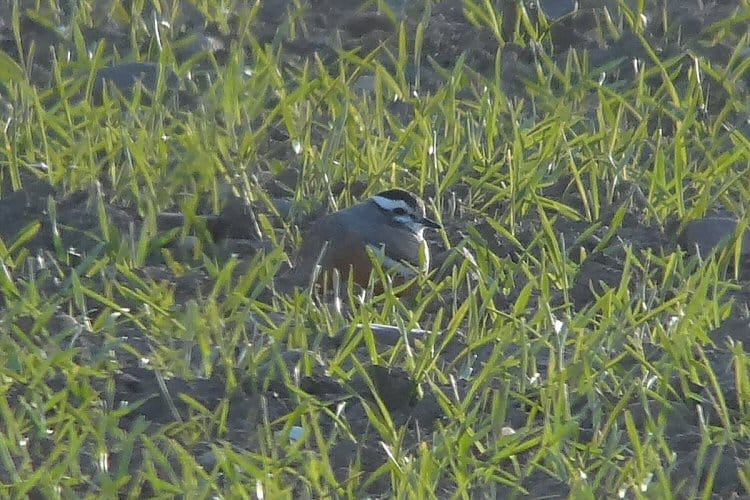
Two Common Buzzards were present, but better still, a Red Kite drifted over South Landing during the afternoon. The day’s best sighting related to two Dotterel that spent most of the day on the field immediately west of Old Fall. Unfortunately they were flushed by the farmer mid-evening, but still represented the first to linger on the Headland since 2009. Other migrants included seven Willow Warblers, two Reed Warblers, two Goldcrest, seven Yellow Wagtails, five Wheatear, one Black Redstart, a Ring Ouzel, one Redwing and two Fieldfare. The two Richard’s Pipits remained in situ at North Landing.

West of the Dykes, the singing Grasshopper Warbler lingered at Buckton.

Red Kite, South Landing, by Les Day
female Dotterel, Old Fall, by Tony Dixon
male Dotterel, Old Fall, by Tony Dixon

22nd April 2016

Although sunny, a light/moderate north-easterly wind subdued temperatures. Seawatching was quiet, with a Red-throated Diver and a Whimbrel flying north and four Sandwich Terns moving south.

Passerine migrants included one Goldcrest, four Common Whitethroats, two Lesser Whitethroats, a male Whinchat, one Common Redstart, two Wheatear, a Ring Ouzel in the Gorse Field, one Fieldfare, a Yellow Wagtail and a single Channel Wagtail (Yellow x Blue-headed hybrid).

West of the Dykes, Buckton attracted a Short-eared Owl and two Grasshopper Warblers.

'Channel' Wagtail, Oceanview, by Andy Hood
‘Channel’ Wagtail, Oceanview, by Andy Hood
Common Whitethroat, South Landing, by Tony Simpson

23rd April 2016

The day featured moderate/strong north-westerly winds, but it remained sunny for the most part. Seawatching was quiet, with two Shelduck, two Red-throated Divers and 272 Fulmars flying north and four Whimbel heading south.

Two Red-throated Divers, a Great Crested Grebe and a drake Red-breasted Merganser sheltered on the sea between South Landing and South Dykes, with the pair of Tufted Duck still on North Marsh. Migrants included one Redstart, a Ring Ouzel and two Siskin. At least one Richard’s Pipit remained at North Landing.

A Fieldfare was present at Bempton Cliffs RSPB.

Red-breasted Merganser, South Dykes, by Craig Thomas


24th April 2016

The day began with strong northerly winds and overcast skies with occasional hail showers, although the afternoon was largely sunny. Seawatching interest was limited to four Common Scoter, 411 Fulmars and a Whimbrel flying north.

Two Great Crested Grebes and a Red-breasted Merganser were off Sewerby, whilst the beach from South Landing to the Outer Head sheltered two Teal, 21 Purple Sandpipers, two Curlew and a Whimbrel.

West of the Dykes, a Grasshopper Warbler remains in residence at Buckton.

Great Spotted Woodpecker, South Dykes, by Tony Simpson


25th April 2016

Strong northerly winds increased in strength later, whilst temperatures ‘peaked’ at 6 degrees C by the early afternoon. During the seawatch, a Red-throated Diver, 208 Fulmars, one Manx Shearwater and a Sandwich Tern went north.

Migrants included a Jack Snipe at North Marsh, a Long-eared Owl and two White Wagtails.

West of the Dykes, a Great Grey Shrike was located late morning along the road from Bempton village and the RSPB reserve.

Long-eared Owl, Outer Head, by Tony Dixon

26th April 2016

Very strong north-north-west winds continued, bringing occasional snow/hail showers and temperatures reached 6 degrees C. Single Red-throated Diver and Manx Shearwater flew north, together with 296 Fulmars, two Common Scoters and 315 Puffins.

A Brambling in South Dykes felt in keeping with the weather, whilst summer migrants were in short supply.

West of the Dykes, the Great Grey Shrike was seen again at Bempton.

Brambling, South Dykes, by Tony Simpson

27th April 2016

The strong north-north-westerly airflow continued along with sunny intervals, showers and low single-figure temperatures. Unsurprisingly, seabird movement was once again almost entirely northbound, including two Red-throated Divers, a Blue Fulmar, 331 Fulmars, a Manx Shearwater and 291 Puffins.

Wildfowl records included two Tufted Duck at North Marsh, with the drake Red-breasted Merganser again off South Dykes and two Eider. Passerine migrants included three Goldcrest, a Redwing, nine Wheatear, a female Redstart, one White Wagtail and a Siskin.

Wheatear, Beacon Hill, by Paul Reed


28th April 2016

Whilst temperatures remained subdued, the seemingly relentless northerlies finally abated; winds were initially light and from the west during a sunny morning, although rain arrived mid-afternoon. Seawatching produced three Common Scoters, five Red-throated Divers, 258 Fulmars, 17 Sandwich Terns, two Common Terns and 217 Puffins.

Two Tufted Duck and a Teal remained on the freshwaters, two Common Buzzards overflew the Outer Head, whilst single Snipe and Golden Plover were also present. A Short-eared Owl frequented North Marsh. Passerine migrants were more visible and included ten Whitethroats, three Lesser Whitethroats, a Goldcrest, three Redwing, a Ring Ouzel, five Wheatear and six Yellow Wagtails. A Jay along Old Hedge was notable, with a single Richard’s Pipit remaining between North Landing and North Marsh.

Sedge Warbler, Thornwick, by Andrew Allport
Willow Warbler, South Landing, by Paul Reed

29th April 2016

It was a day of moderate westerly winds, generally overcast conditions and heavy showers. Seawatching was typically quiet, although the year’s first Arctic Tern flew north, whilst 28 Sandwich Terns were also recorded.

However, the highlight was two Cranes that flew north over Hartendale early afternoon; although relatively low and looking like they might land in heavy rain, they weren’t located.

A Short-eared Owl flew out to sea at Bempton Cliffs RSPB, but turned back in the squally showers. Other sightings around the reserve included one Goldcrest, a Blackcap, three Wheatear, 100 Linnets and four Corn Buntings.

Yellow Wagtail, Outer Head, by Andrew Allport
Wheatear, Fog Station, by Tony Dixon

30th April 2016

Winds were light and variable, although generally from a north-westerly direction; it remained sunny for most of the day, with light showers during the afternoon. Seawatching improved, as birds re-orientated back north after the strong winds earlier in the week: nine Shelduck, a summer-plumaged Great Northern Diver, 460 Fulmar, 12 Manx Shearwater, 15 Sandwich Tern, five Common Terns, 29 Arctic Terns and 288 Puffins all flew north, whilst a Bonxie headed south.

An Egyptian Goose associated with the Greylags near North Marsh and six Shelduck toured the Headland. Three Whimbrel flew north, while a lone Snipe remained in residence. Passerines included a Hooded Crow, eight Willow Warblers, 13 Chiffchaffs, a singing Grasshopper Warbler, a male Whinchat, seven Wheatear, seven Yellow Wagtails, one White Wagtail and a Brambling.

The day’s highlight related to a Common Crane that flew south-east over Buckton Hall at 1317hrs and was then spotted circling over North Dykes ten minutes later. It eventually flew east and was lost to view over the Outer Head c. 1340hrs.

West of the Dykes, three Common Buzzards, a Short-eared Owl, 21 Swallows flying west, four Wheatear and 29 Corn Buntings were recorded from Bempton, with probably the same Short-eared Owl and two singing Grasshopper Warblers at nearby Buckton.

Tawny Owl, South Landing, by Alan Walkington
Grasshopper Warbler, Flamborough, by Andy Hood

1st May 2016

It was an overcast day, with moderate south-westerly winds and temperatures reaching 12 degrees C. Seawatching was quieter, with single Red-breasted Merganser, Red-throated Diver and Dunlin flying south and 12 Sandwich Terns moving north.

The day’s highlight was a strikingly pale Rough-legged Buzzard that initially flew south-east over the village at 0952hrs and eventually went out to sea off Head Farm at 0959hrs. However, the same individual clearly headed back inland and appeared over Sewerby at 1027hrs, before once again flying south. It later arrived at Spurn at 1530hrs! A Marsh Harrier also flew north from North Dykes and headed over the sea.

Two Whimbrel flew north, whilst two lone Dunlin visited wetlands on the Head. Passerine interest was provided by seven Willow Warblers, a Hooded Crow, eight Wheatear, six Yellow Wagtails, a continental Song Thrush, one Redwing, a male Ring Ouzel and two Siskins.

Kittiwake, Flamborough, by Les Day


2nd May 2016

Light/moderate south-westerlies persisted throughout the day. An overcast morning was followed a band of early afternoon rain, before sunshine later; it was significantly warmer of late, with temperatures peaking at 14 degrees C.

Seawatching highlights included two Scaup and 109 Sandwich Terns flying south, with a Black-throated Diver and one Manx Shearwater moving north.

Fourteen Whimbrel headed north, whilst nine Purple Sandpiper were below the Fog Station. A creamcrown Marsh Harrier flew west from the Outer Head.

The combination of higher temperatures and the band of rain induced an arrival of migrants, with the standout a Hoopoe that made a brief appearance in gardens along Lighthouse Road early evening. Five Swifts and a Cuckoo were new, with other migrants including 21 Willow Warblers, 38 Wheatear, three Whinchat, one male Redstart, a male Ring Ouzel, a ‘continental’ Song Thrush, nine Yellow Wagtails and a Siskin.

West of the Dykes, a Fieldfare and Grasshopper Warbler were at Buckton. A 3rd calendar-year Iceland Gull flew north past Bempton Cliffs RSPB, with four Yellow Wagtails, 20 Yellowhammer and 55 Corn Buntings also near Bempton.

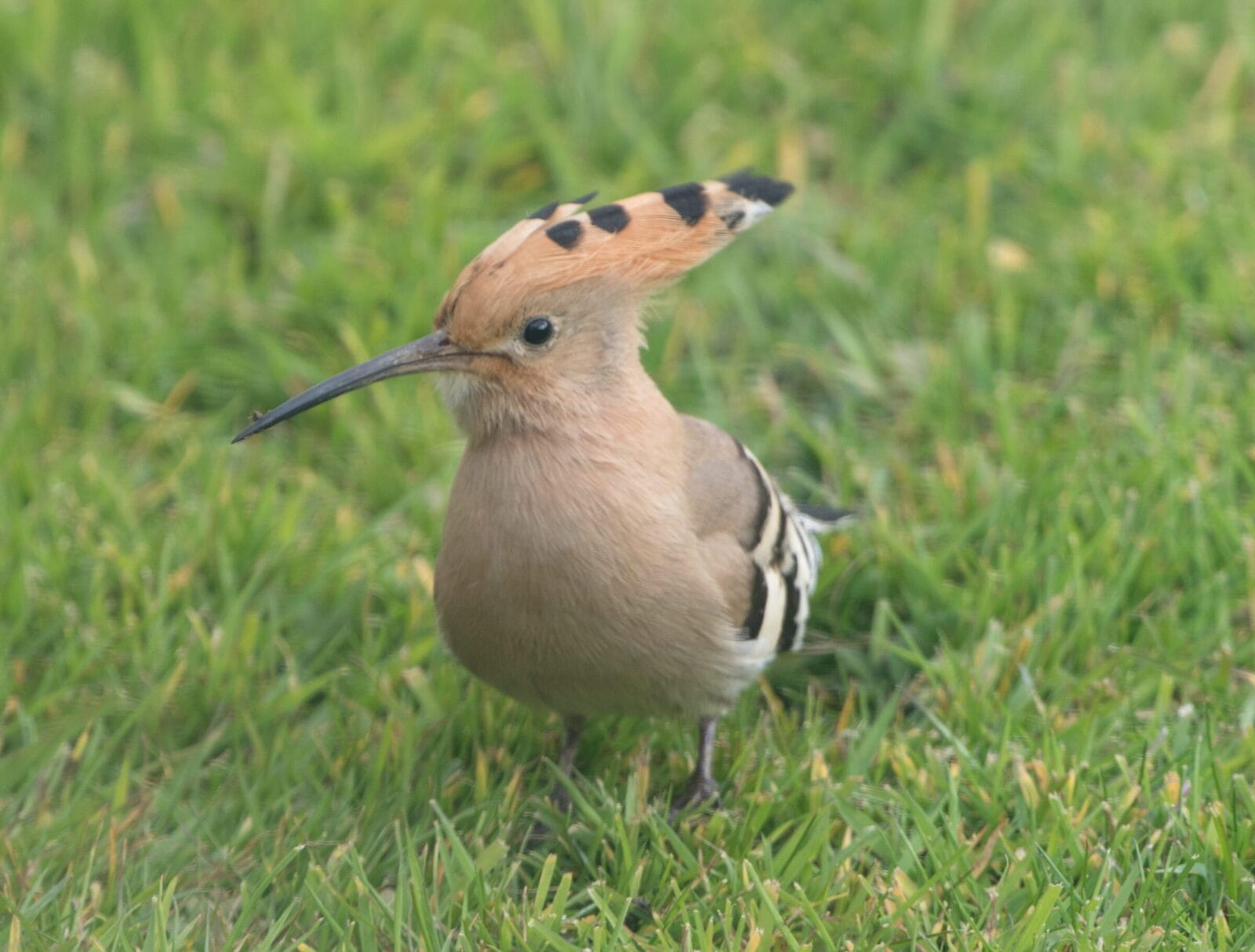
Hoopoe, Lighthouse Road, by Chrys Mellor
Wheatear, Flamborough, by Andy Malley


3rd May 2016

A largely sunny day, with moderate westerly winds and temperatures reaching 12 degrees C. During the seawatch, a Blue Fulmar flew north, together with four Whimbrel, whilst 25 Sandwich Terns moved south.

Thornwick Pools attracted both Common Sandpiper and Dunlin. The Hoopoe was relocated in the Outer Head gardens early morning, where it showed sporadically until mid-afternoon. In addition, there were 19 Wheatears, a Whinchat, a Black Redstart, two Ring Ouzel, one Fieldfare, one Grasshopper Warbler, a White Wagtail, seven Yellow Wagtails and a Lesser Redpoll.

West of the Dykes, Buckton hosted a Short-eared Owl.

Hoopoe, Lighthouse Road, by Andy Hood
Tawny Owl, Whelkie Wynds, by Brett Richards

4th May 2016

A spring-like day, with sunshine throughout, light/moderate south-westerly winds and temperatures reaching 16 degrees C. During the seawatch, three Shelduck flew south, two Manx Shearwaters moved north (and one south), a Little Ringed Plover went north and two Whimbrel flew south. Two Little Gulls, 64 Sandwich Terns and two Arctic Terns also flew north. However, the best bird off the Fog Station was a 1st-summer drake Surf Scoter; located early afternoon and presumably the same individual that has wintered at Filey. It showed well on the sea and gradually drifted north on the tide and re-appeared at North Landing in the evening. A Ringed Plover visited Thornwick Pools.

Whilst the Surf Scoter represented northern climes, the still resident Hoopoe flew the flag for the south; it gave good views on its favoured lawn near the Old Lighthouse for most of the day. Amongst a scattering of passerine migrants, a Garden Warbler in the village was new, with four Fieldfare and a Goldcrest notable.

West of the Dykes, Buckton attracted a Grasshopper Warbler and 11 Corn Buntings, whilst a Cuckoo overflew the road near Sewerby Hall.

Surf Scoter with auks, off Fog Station, by Jo Collins
Hoopoe, Lighthouse Road, by Craig Thomas
Hoopoe, Lighthouse Road, by Tony Dixon
Wheatear, Fog Station, by Les Day

5th May 2016

Sunshine prevailed once again, while a moderate south-easterly breeze established during the day and temperatures attained 16 degrees C. Seawatch highlights included two Shelduck, eight Common Scoter, five Red-throated Divers, single Manx Shearwater, Whimbrel and Knot, four Dunlin and 130 Sandwich Terns all moving south.

The 1st-summer drake Surf Scoter was seen again off the Fog Station, with a lone Pink-footed Goose near Thornwick new. A 1st-summer Spoonbill (early evening) and two Little Egrets (mid-morning) dropped onto North Marsh, but eventually flew south. A creamcrown Marsh Harrier initially over Thornwick later hunted North Marsh. Thornwick Pools attracted 11 Dunlin, a Ringed Plover and a Common Sandpiper and a singing Reed Warbler was new.

Swifts arrived in numbers with birds screaming over the village roof tops for the first time. On the Outer Head, the Hoopoe continued to show well in its favoured garden near the Old Lighthouse. Migrants included a Cuckoo at North Dykes, 19 Wheatear, three Whinchat, a Redwing, two Grasshopper Warblers, three Garden Warblers, 15 Blackcap, nine Willow Warblers (including an ‘acredula-type’), a Goldcrest and two White Wagtails.

West of the Dykes, a Red Kite flew south at Buckton, with a Whinchat nearby.

Ringed Plover, Thornwick Pools, by Andy Hood
Puffin, Fog Station, by Alan Walkington
Hoopoe, Lighthouse Road, by Tony Dixon
Garden Warbler, Old Fall, by Craig Thomas
Whinchat, Buckton, by Paul Reed

6th May 2016

A light northerly breeze lowered temperatures despite prolonged periods of hazy sunshine. Seawatching was rewarded with 18 Common Scoter, three Red-throated Divers, three Manx Shearwaters, five Dunlin, a Little Gull, 284 Sandwich Terns, two Common Terns and an Arctic Tern – all heading south.

Thornwick Pools attracted one Little Ringed Plover, a Ringed Plover and one Common Sandpiper, with three Dunlin also present. A Little Ringed Plover also flew south over the Outer Head. Two Tufted Duck were also on North Marsh, with three Whimbrel present on the Headland.

The Hoopoe stayed in the vicinity of the Old Lighthouse, but it roamed more widely and was elusive for most of the day. There were far fewer migrants in general, with a scattering of Willow Warblers and a Goldcrest.

West of the Dykes, nine Yellow Wagtails frequented fields at Buckton.

Dunlin, Thornwick Pools, by Alan Walkington
Grasshopper Warbler, by Paul Reed

7th May 2016

Strong northerly winds, but more especially fog/thick mist for most of the day, ensured birding was very difficult. Thornwick Pools attracted Common Sandpiper, Ringed Plover and two White Wagtails.

With such poor visibility, it was surprising that four Spotted Flycatchers were located, along with a Black Redstart near the Lighthouse, two Goldcrests and a Siskin.

West of the Dykes, Bempton Cliffs RSPB attracted a male Black Redstart and another Spotted Flycatcher and Buckton hosted a Short-eared Owl.

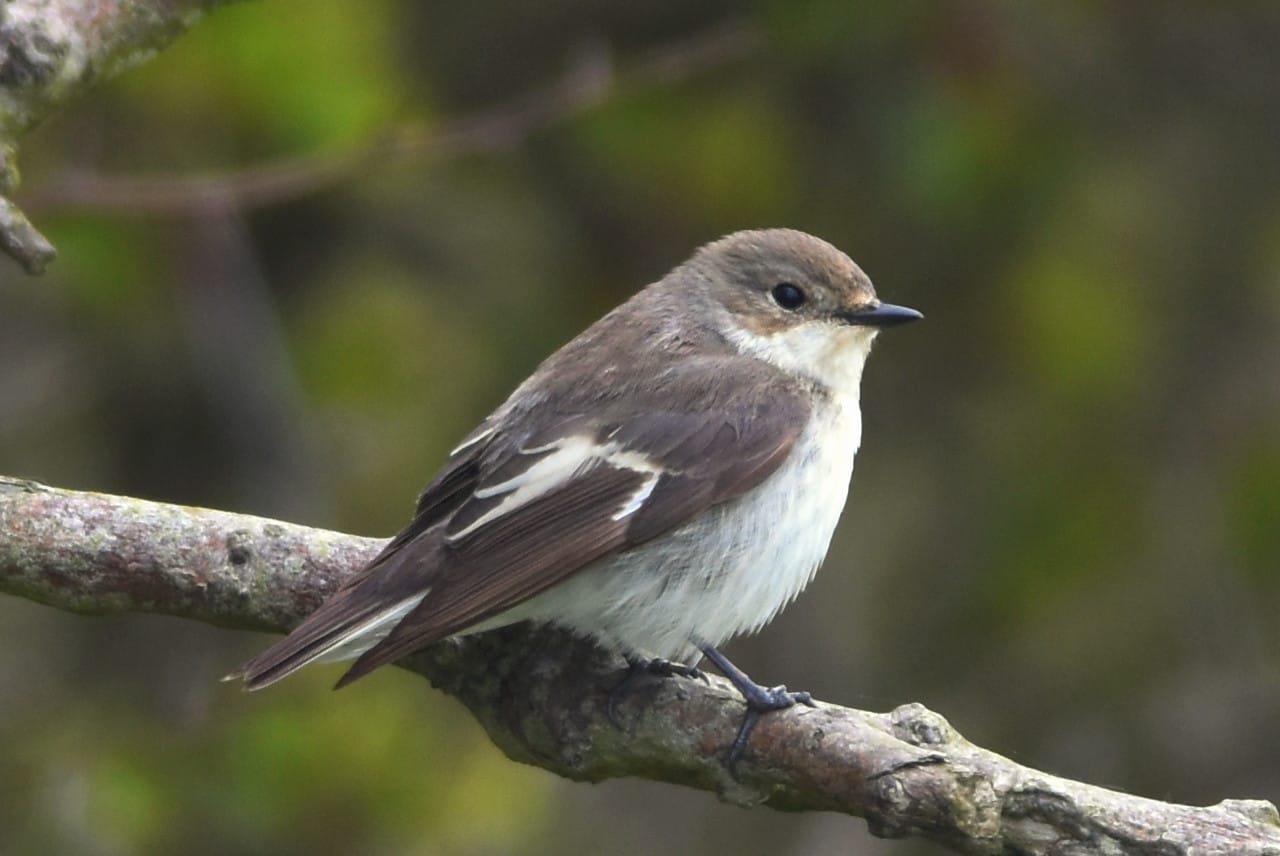
Spotted Flycatcher, Outer Head, by Brett Richards
Stonechat, Fog Station, by Brett Richards

8th May 2016

The day again started with fog which gradually cleared during the morning to leave a sunny day, with light north-east winds. Although seawatching was hampered, 25 Common Scoter, a Red-throated Diver, eight Manx Shearwaters, a Whimbrel, 42 Sandwich Terns and 608 Puffins flew north.

A Pink-footed Goose visited North Marsh, whilst Thornwick Pools attracted three Ringed Plovers, three Dunlin and a Common Sandpiper; three Little Egrets flew over there early morning. In addition, another five Ringed Plover visited other wetlands and/or flew north. A creamcrown Marsh Harrier, initially on the Outer Head, later flew west through Buckton.

The day’s best passerine was a relatively late Firecrest at South Landing. There were also five ‘migrant’ Willow Warblers, two Spotted Flycatchers, a Redstart, five Whinchat and five Yellow Wagtails.

West of the Dykes, a Hobby was seen near Speeton and a Hooded Crow flew over Bempton village.

Firecrest, South Landing, by Craig Thomas


9th May 2016

Another sunny day, with a light northerly breeze strengthening during the afternoon.

A lone Pink-footed Goose and eight Shelduck flew over Thornwick Pools, with other sightings there including three Tufted Duck, a Little Egret, one Little Ringed Plover, six Redshank, two Greenshank and three Dunlin.

Migrant passerines included two Reed Warbler, Spotted Flycatcher and Whinchat on the Outer Head.

Little Egret, Thornwick Pools, by Michael Smith
Greenshank, Redshank and Dunlin, Thornwick Pools, by Andrew Allport

10th May 2016

A mostly cloudy day with periods of sun and light rain later on; gentle to moderate east-north-easterlies.

Migrants noted on the headland today include three Spotted and a single Pied Flycatcher, Tree Pipit, Redstart, Reed Warbler and two Goldcrest. In addition, five Bar-tailed Godwit were logged moving north, a single Whimbrel over and two Shelduck overflew Old Fall.
Thornwick Pool attacked 18 Redshank, three Dunlin, two Ringed and a single Little Ringed Plover and a Grasshopper Warbler.

Pied Fly
Pied Flycatcher, Outer Head, by Andy Hood

11th May 2016

More cloud, patchy sunshine and a moderate north-easterly for much of the day. Seawatching highlights include six Common Scoter north, single Red-throated Diver north, three Manx Shearwater south and 33 Sandwich Tern south (seven north).

Migrants logged today consisted of 30 Arctic Tern, three Pied Flycatcher, three Redstart, two Whinchat, nine Wheatear, a blue-headed Yellow Wagtail on the golf course and a ringtail Hen Harrier cruised through in the afternoon. At Thornwick the Little Ringed Plover remained; also there were 11 Redshank and a Cuckoo.

West of the dyke; Buckton produced a single Black and 11 Arctic Tern, Arctic Skua, Whinchat and two Fieldfare.

HenHarrier-7238
Hen Harrier, Outer Head, by Andrew Allport

12th May 2016

A predominantly bright and breezy day dominated by north-north-easterlies. During the morning seawatch a Great Northern Diver, seven Manx Shearwater and singles of Ruff and Common Tern where logged heading north, with three Sandwich Tern noted south.

There was good value on land today with the discovery of a singing male red-spotted Bluethroat near the gorse field; a Hawfinch visited an Outer Head garden and two Dotterel where located near Old Fall in the same field as two were present exactly three weeks ago to the day. In addition, three Bar-tailed Godwit and singles of Dunlin, Common Sandpiper, Little Ringed Plover, Pied and Spotted Flycatcher were also logged on the headland.

Bluethroat
Bluethroat, Outer Head, by Tony Dixon
Hawfinch, outer head, Flamborough, 12 May 16(1)-2
Hawfinch, Outer Head, by Brett Richards

13th May 2016

A strong north-north-easterly produced a bitter cold day more akin to winter than late spring! Northbound on this morning’s seawatch were three Common Scoter, four Red-throated Diver, 14 Manx Shearwater (one south), 11 Sandwich Tern (five south), four Common and a single Arctic Tern. In addition, a dark adult Pomarine Skua flew north late afternoon.

A total of six Common Sandpiper and eight Wheatear were logged across the headland, as well as singles of Whimbrel, Bar-tailed Godwit, Tree Pipit, Short-eared Owl, Fieldfare, Spotted Flycatcher and a Jay which flew from the gorse field toward Old Fall; a summer plumage Great Northern Diver was seen near the latter site. Two Little Ringed Plover resided at Thornwick Pool.

2Q8A6887 - Copy
Swallow, Thornwick Pool, by Alan Walkington

Saturday 14th May

A strong north-north-westerly wind persisted throughout the day, with occasional showers in the morning and sunny spells becoming more frequent in the afternoon. The day’s outstanding highlight pertained to a Fea’s-type Petrel flying north at 07:00hrs off the Fog Station. Other seawatch highlights included four Great Northern Divers flying north, along with 16 Manx Shearwaters, 11 Sandwich Tern and 383 Puffin.

On the land single Spotted Flycatcher and Brambling were the only notable species. A Reed Warbler was in Booted Gully, whilst a Siskin, two Little Ringed Plover, Bar-tailed Godwit and two Common Sandpiper were also recorded across the headland.

20160514_215026

Bar-tailed Godwit by Alan Walkington