14th May 2026

A cool, showery day with a moderate northerly wind and maximum of 12 degrees C. The day’s highlight was the discovery of a Stone Curlew in a field near Highcliffe Manor, South Landing. Present from mid-morning, it unfortunately flew west mid-afternoon and wasn’t relocated.

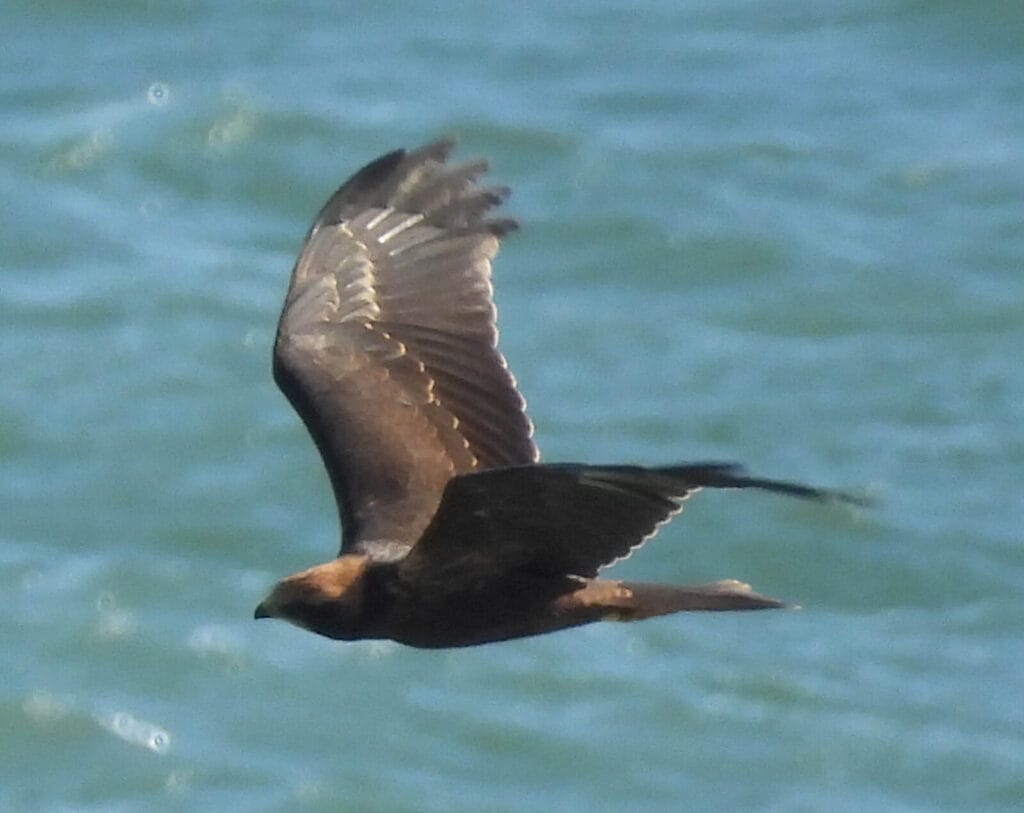
Other sightings included an Arctic Skua, four Manx Shearwaters and two Red-throated Divers on the morning seawatch. Thornwick Pools attracted a Gadwall, the male Pintail and a Common Sandpiper. Elsewhere, the male Black Redstart remained in residence near the Lighthouse and a Hooded Crow flew south over the Lighthouse Grassland. A creamcrown Marsh Harrier that flew north-west represented the most noteworthy record from RSPB Bempton Cliffs.
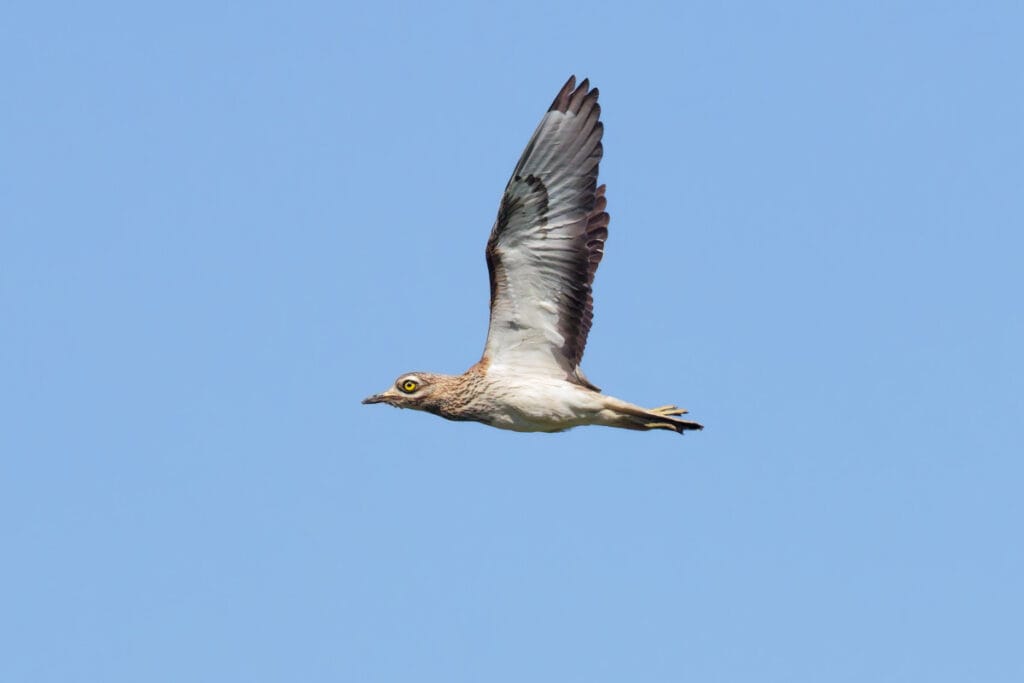
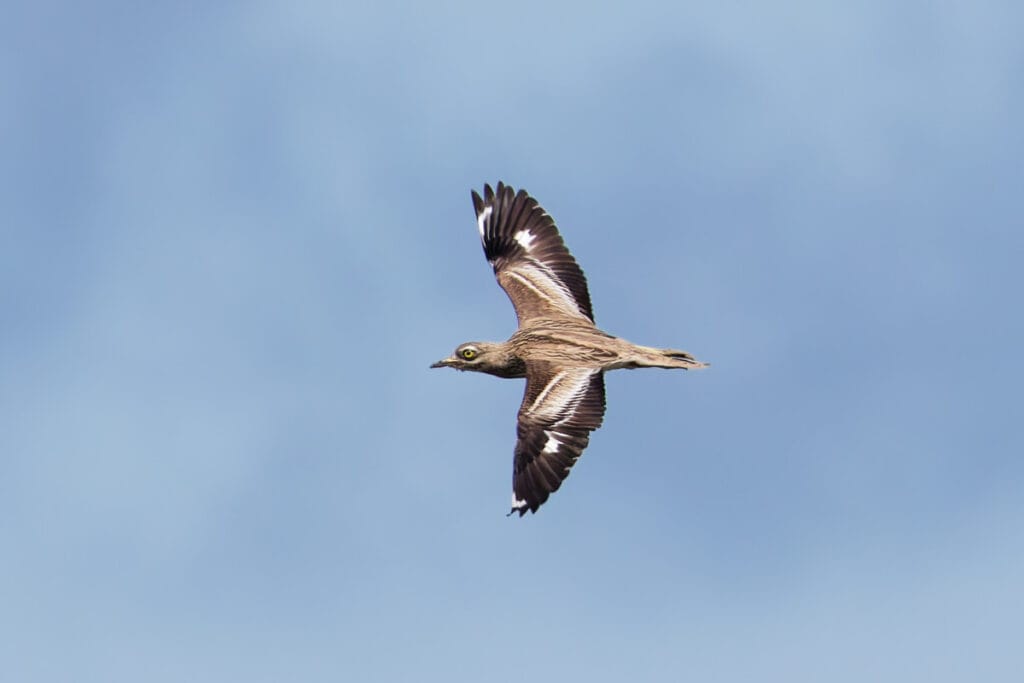
Stone Curlew, South Landing, by Rob Little

15th May 2026

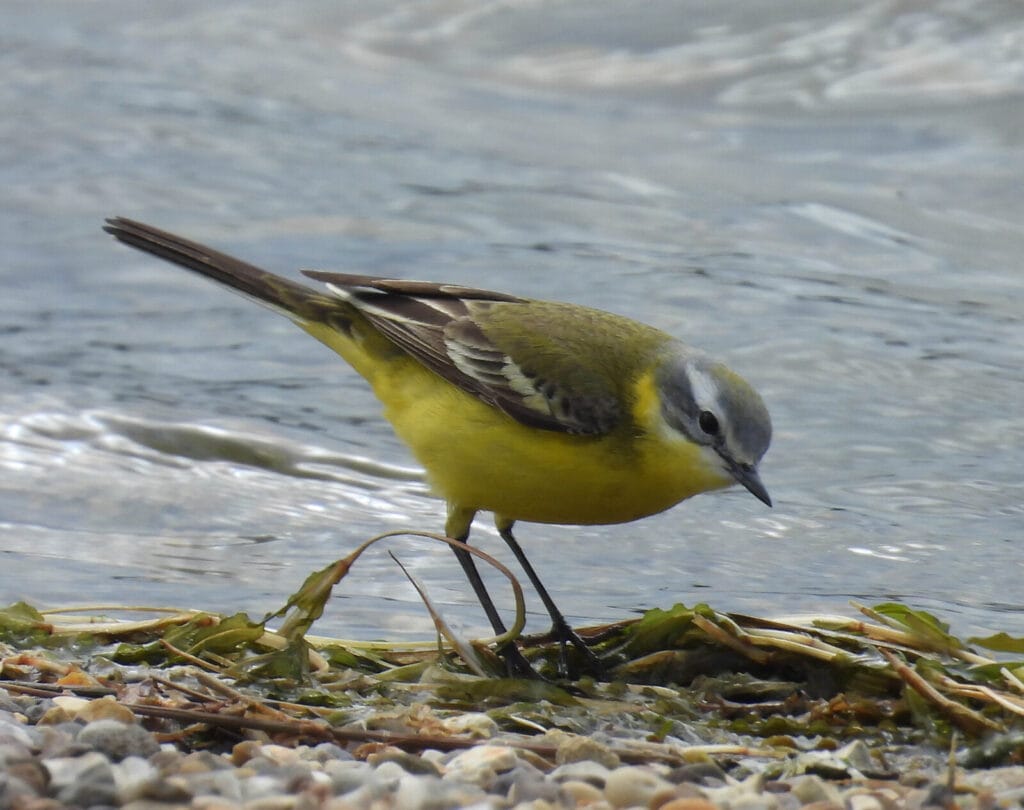
Another cool day, with moderate north-westerly winds, largely overcast skies and a best of ten degrees C. Seawatch highlights included a Goosander, four Arctic Terns, a Common Tern, nine Sandwich Terns, five Arctic Skuas (north), three Red-throated Divers and 23 Manx Shearwaters. Elsewhere, the male Black Redstart lingered around the Fog Station, a ‘Channel’ (Blue-headed x Yellow) or first-summer male Blue-headed Wagtail graced Thornwick Lakes, while an Osprey flew north over RSPB Bempton Cliffs.
‘Channel’ Wagtail (or first-summer male Blue-headed Wagtail), Thornwick Lakes, by Brett Richards

16th May 2026

A bright day, with sunny intervals, light winds that were variable in direction and a high of 14 degrees C. RSPB Bempton Cliffs headlined with a Crane that flew north-west, a Hooded Crow that moved south-east, three Marsh Harriers and 23 Lesser Black-backed Gulls.

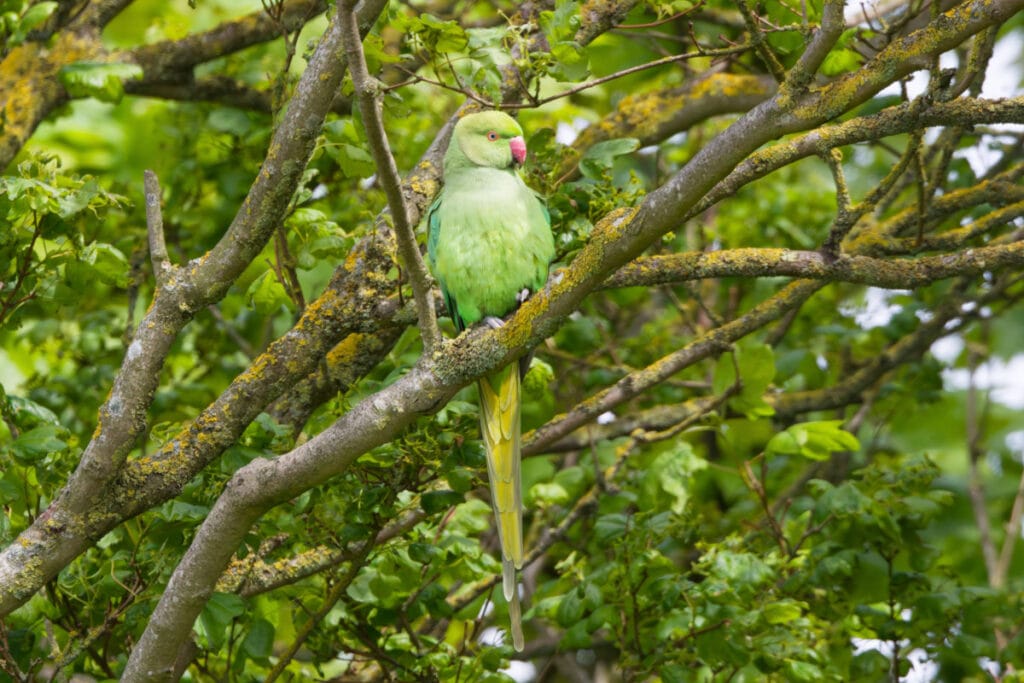
A morning seawatch at the Fog Station was rewarded with three Arctic Terns, three northbound Great Northern Divers and eight Manx Shearwaters; an Arctic Skua flew south during the evening, when an additional seven Manx Shearwaters headed north. Away from the sea, a Ring-necked Parakeet visited gardens near the Bowling Green and the male Black Redstart frequented the immediate vicinity of the Seawatch Observatory. Other outer head records included three Marsh Harriers, a White Wagtail, one Wheatear and two Yellow Wagtails.

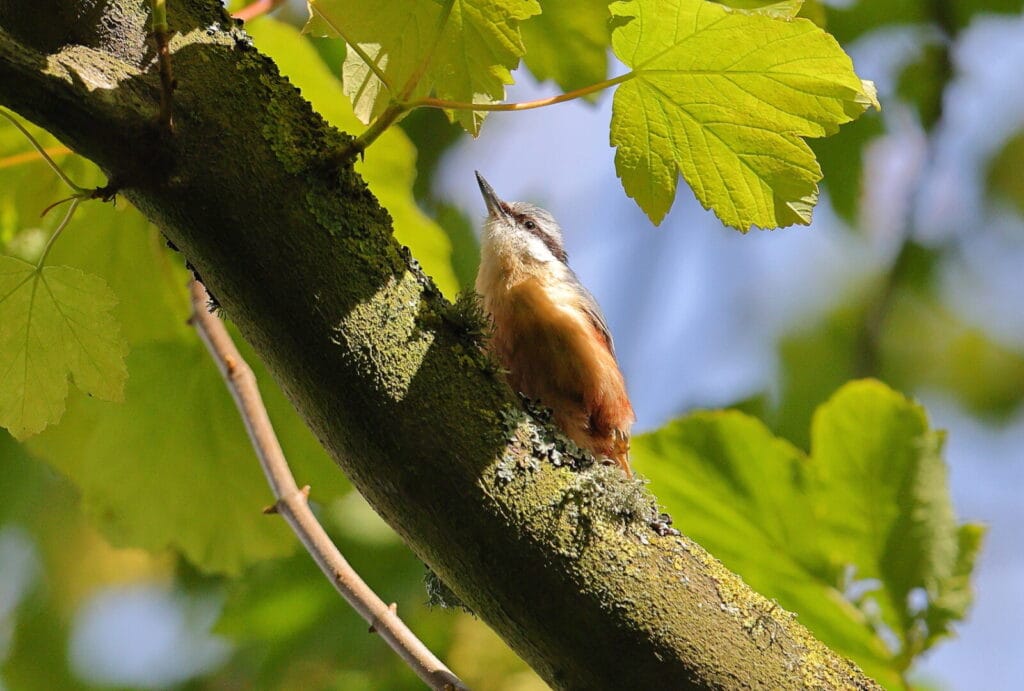
Nuthatch, South Dykes, by Alan Walkington

17th May 2026

Sunny intervals, a moderate south-westerly wind and high of 15 degrees C. Seawatching was rewarded with a Great Northern Diver (north), one Whimbrel, 32 Sanderling (north) and one Arctic Tern. Migrants on the land included two Marsh Harriers, three Whimbrel, 22 Swifts (a notable increase), a Wheatear and three Yellow Wagtails.

Ring-necked Parakeet, Bowling Green, by Rob Little (16/05)

18th May 2026

A light to moderate southerly brought occasional showers and sunny spells with am= maximum temperature of 16°C.

Unusually, a singing male Crossbill at Old Fall during the morning, other than a Whimbrel and a Yellow Wagtail, new migrants were thin on the ground. The drake Pintail at Thornwick Pools continued its stay. Corn Buntings were still in good numbers at Bempton Cliffs RSPB with 21 present.

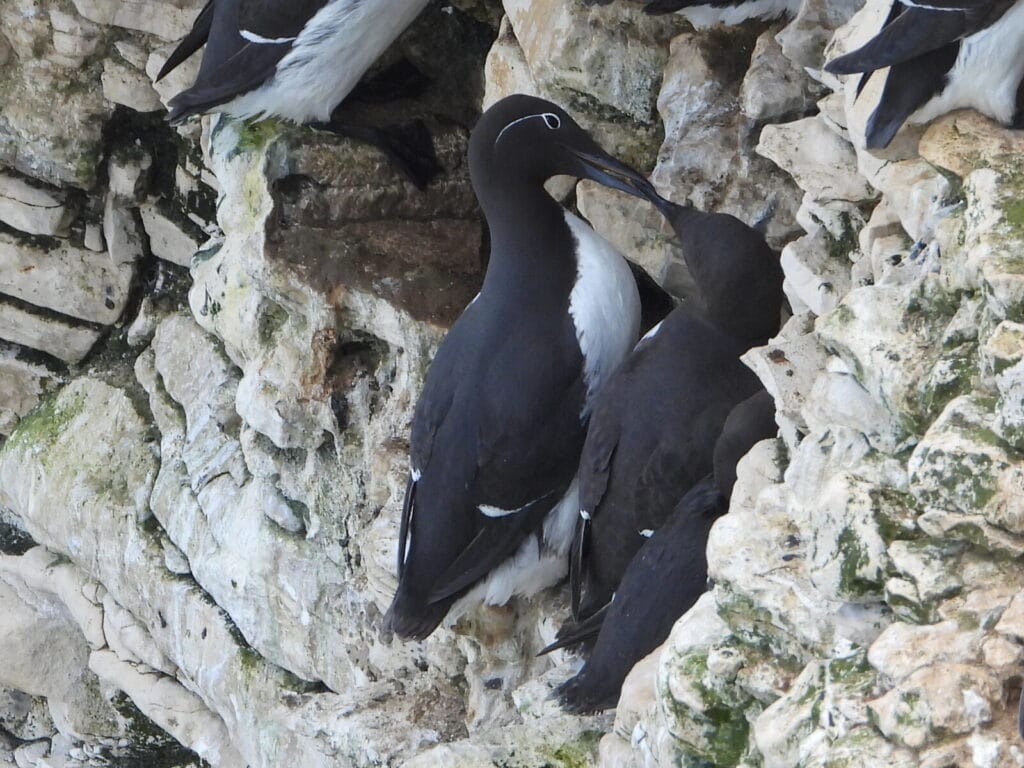
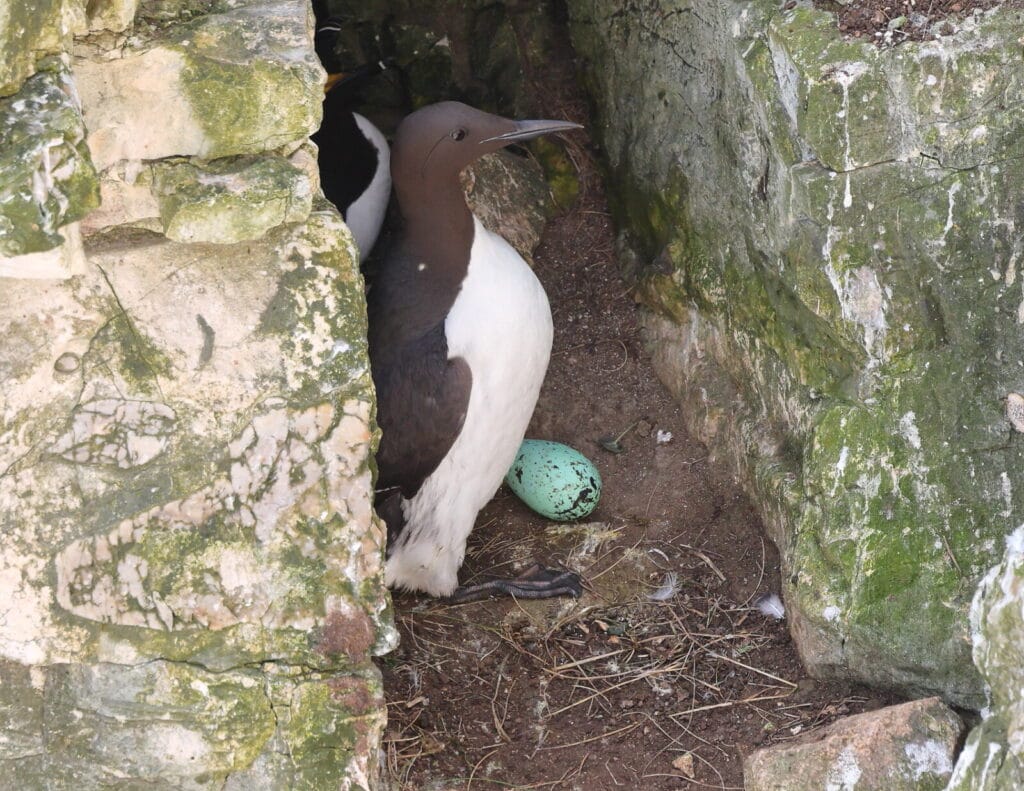
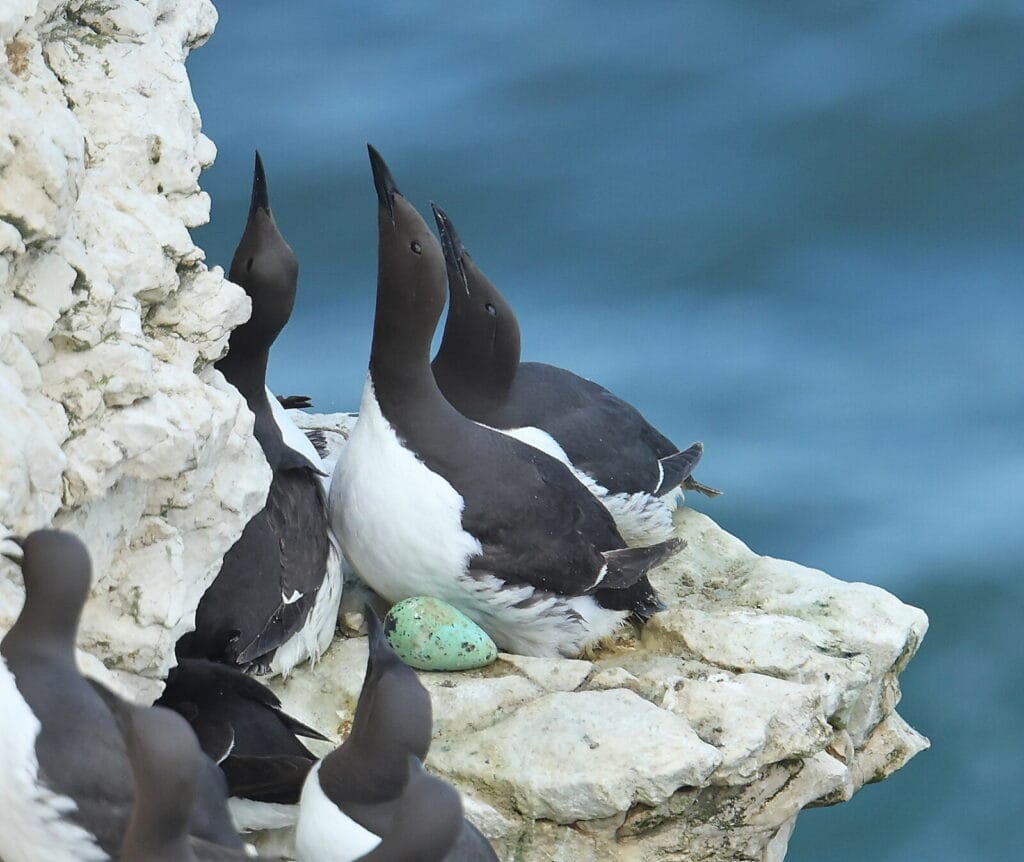
Guillemots, Bempton Cliffs RSPB (Don Hustings)

19th May 2026

Overnight rain persisted through the morning giving way to frequent showers, sometimes heavy, for the remainder of the day. The wind was a moderate southerly, the temperature reached 19°C.

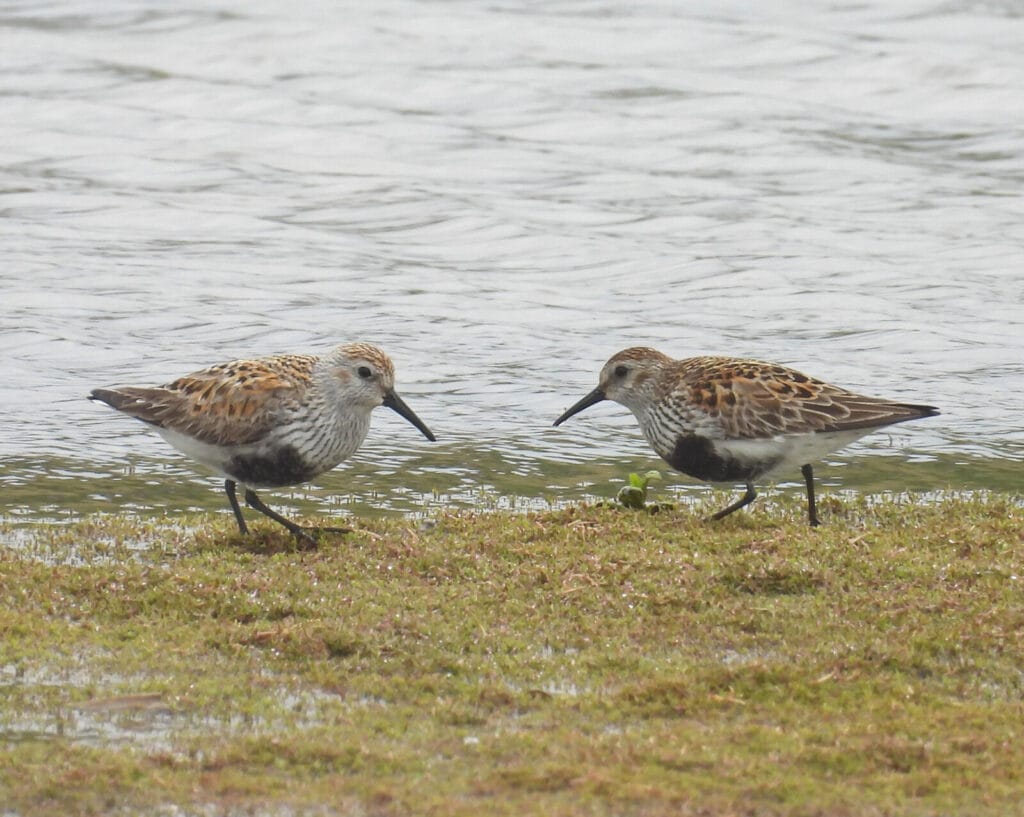
A Red Kite passed over the village and two Dunlin were at Thornwick Pools.

Dunlin, Thornwick Pools (Brett Richards)

20th May 2026

Although largely overcast with occasional sunny intervals, a high of 17 degrees in a moderate south-westerly wind. The day’s highlights involved an Osprey flying south-east over Bempton village and a Blue-headed Wagtail at Hartendale. Additional sightings included a pair of Shelduck, a Pintail and one Dunlin at Thornwick Pools. A Pied Flycatcher was in outer head gardens and a Redpoll at RSPB Bempton Cliffs.
Guillemot, RSPB Bempton Cliffs by Alan Walkington

21st May 2026

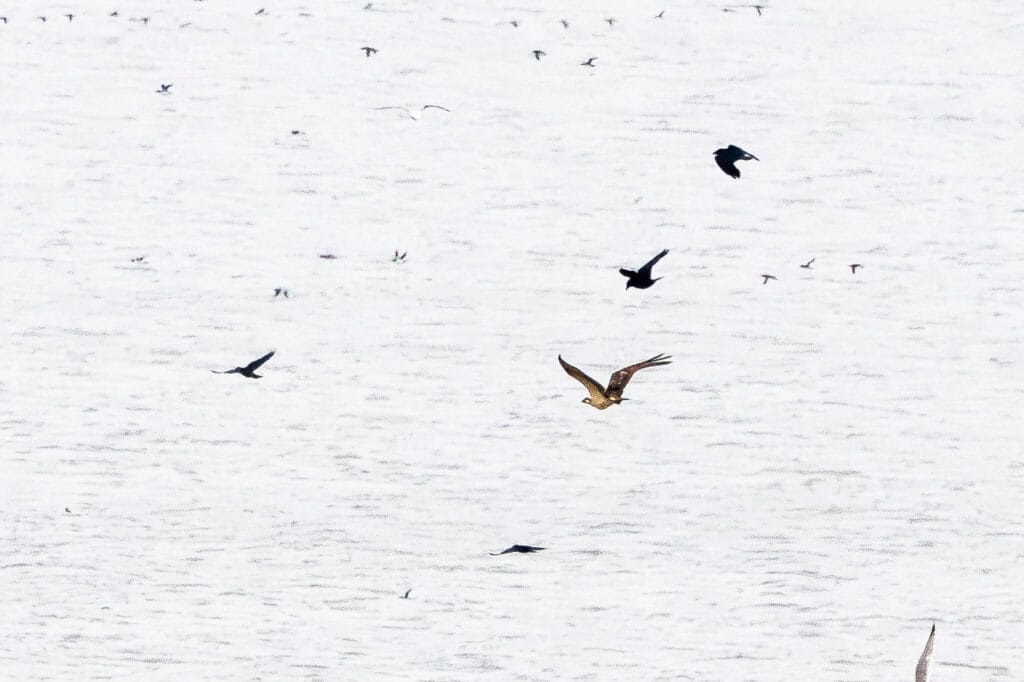
Overcast, with occasional bright intervals and light rain, gentle south-west winds and a high of 20 degrees C. An Osprey flew north over Selwick’s Bay/North Landing early morning. On the opposite side of the headland, interest in the South Dykes/Hartendale area included a flyover Goosander and three Shelduck, a calling Cuckoo and the male Blue-headed Wagtail. Additional records on the outer head involved 36 Swifts, six Whimbrel, 110 Sand Martins, a Spotted Flycatcher, three Yellow Wagtails and two Redpoll. Two Whimbrel also flew north-east over RSPB Bempton Cliffs.
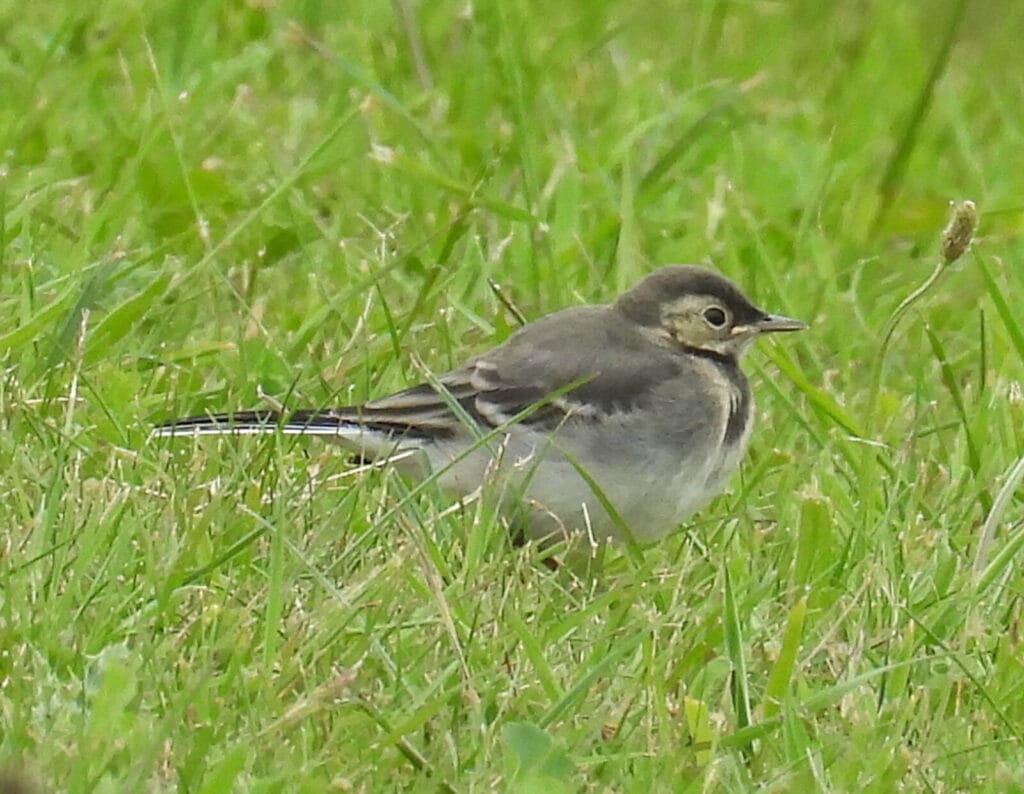
Osprey, Selwick’s Bay, by Andrew Allport

22nd May 2026

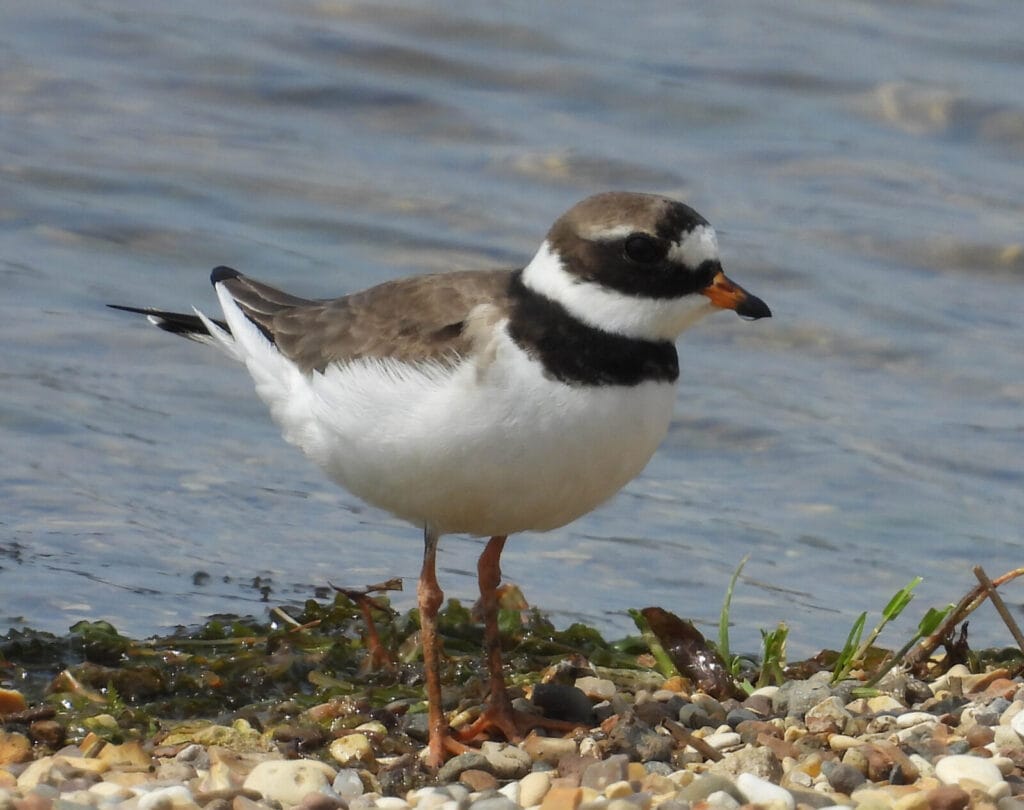
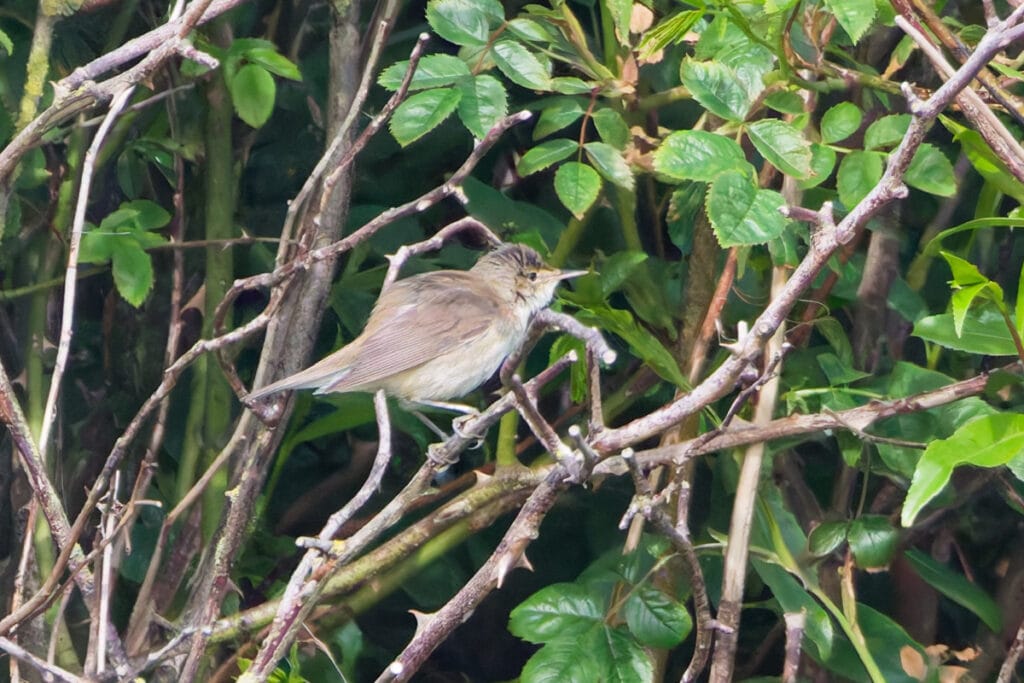
Sunny, light/moderate south-east winds and a maximum of 17 degrees C. Seawatch highlights included a Whimbrel, three Common Terns, 15 Lesser Black-backed Gulls, a Red-throated Diver and one Manx Shearwater. Thornwick Pools hosted two Shelduck, two Gadwall, a Pintail and a pair of Little Grebe, while a Ringed Plover visited the nearby Lakes. Migrant passerines were scarce, although Reed Warblers at the Lighthouse and South Dykes were ‘fresh in’, as was a Spotted Flycatcher at South Landing. Elsewhere, a Wheatear was at RSPB Bempton Cliffs and a Little Owl at Buckton.

Ringed Plover, Thornwick Lakes, by Brett Richards
Reed Warbler, Lighthouse Field, by Rob Little

23rd May 2026

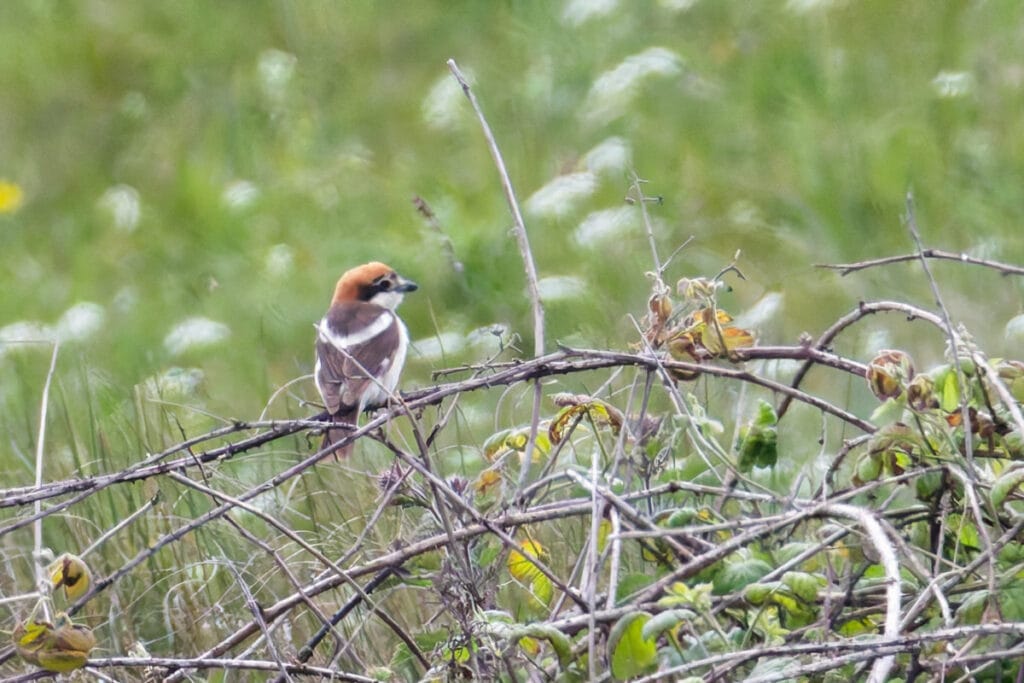
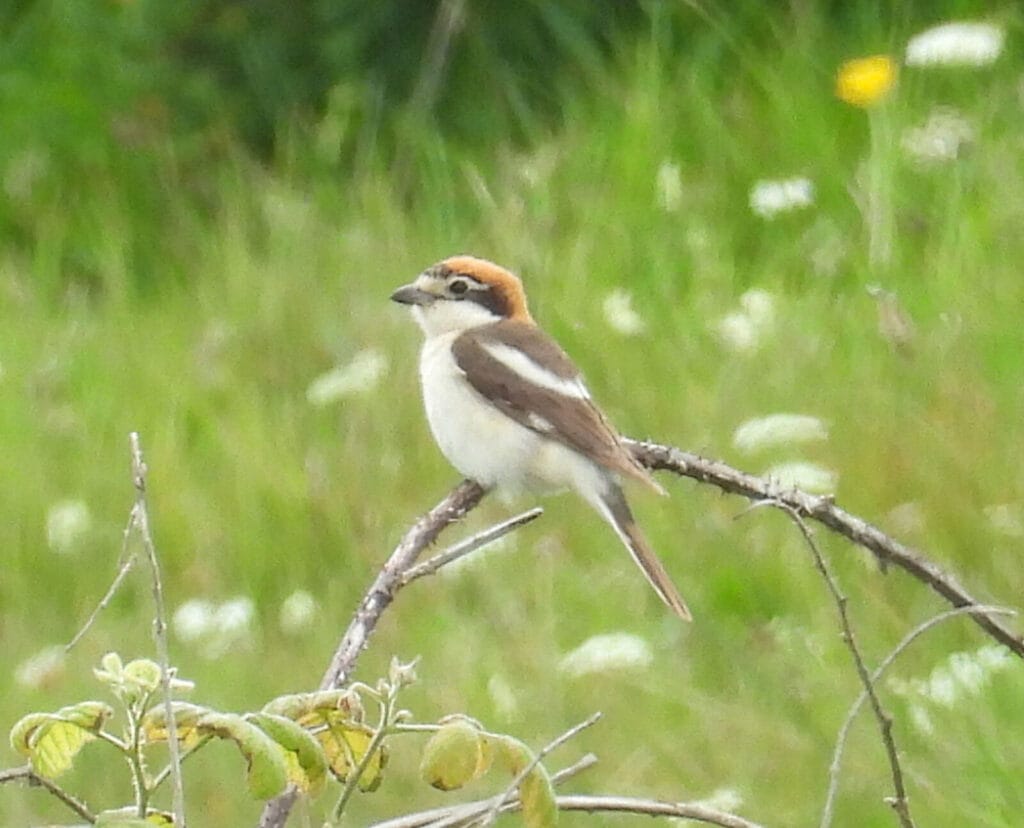
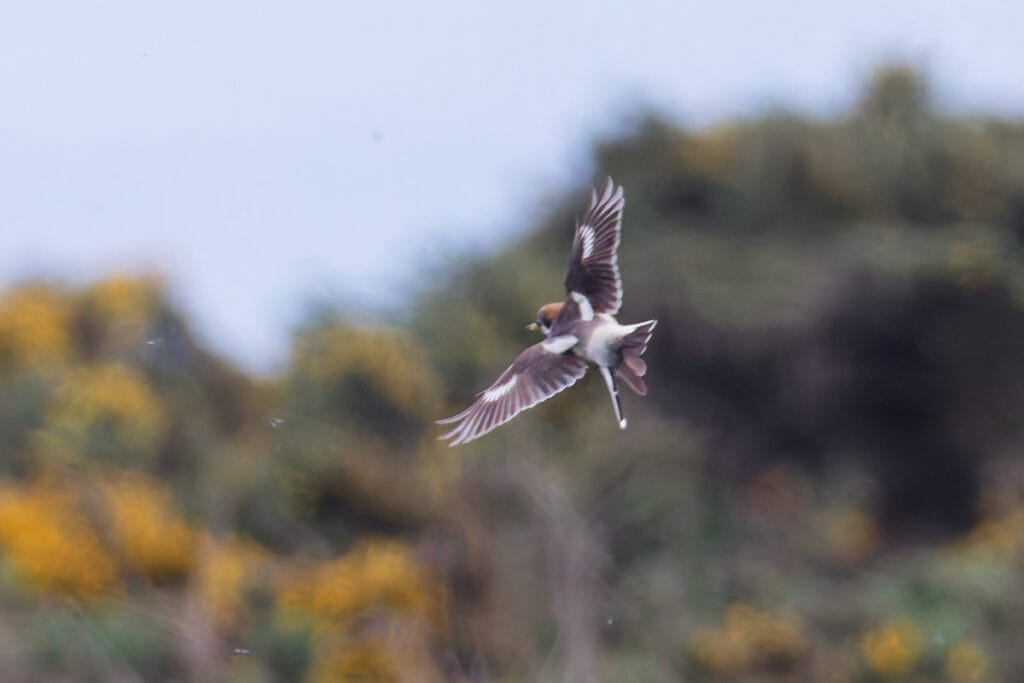
Sunny throughout, with gentle winds and a high of 22 degrees C. The birding also warmed up, with a Woodchat Shrike located in the Gorse Field late morning; although rather distant, it continued to show well for the rest of the day. Continuing the Mediterranean theme, a female/1st summer male Golden Oriole gave good, but brief, views on the outer head. The other feature of the day was the arrival of 24 Spotted Flycatchers (19 on the outer head, five at RSPB Bempton Cliffs), with single Wheatear, Whinchat and Reed Warbler other passerine migrants. Other notable sightings from the outer head were the long-staying Pintail, three Red Kites, a Hobby, one Little Egret and an Arctic Skua.

Additional sightings from RSPB Bempton Cliffs included a Red Kite, one Grasshopper Warbler and 33 Corn Buntings.

Woodchat Shrike, Gorse Field, by Rob Little
Woodchat Shrike, Gorse Field, by Brett Richards
Woodchat Shrike, Gorse Field, by Rob Little
Whinchat, High Holme, by James Kenny

24th May 2026

Another warm, sunny day, with a high of 18 degrees C and light winds. Five drake Eider were off the South Cliffs, while a Hobby flew west there and then overflew Mid Dykes. There were fewer passerine migrants in evidence, with three Spotted Flycatchers remaining, although four ‘migrant’ Reed Warblers on the outer head represented an increase.

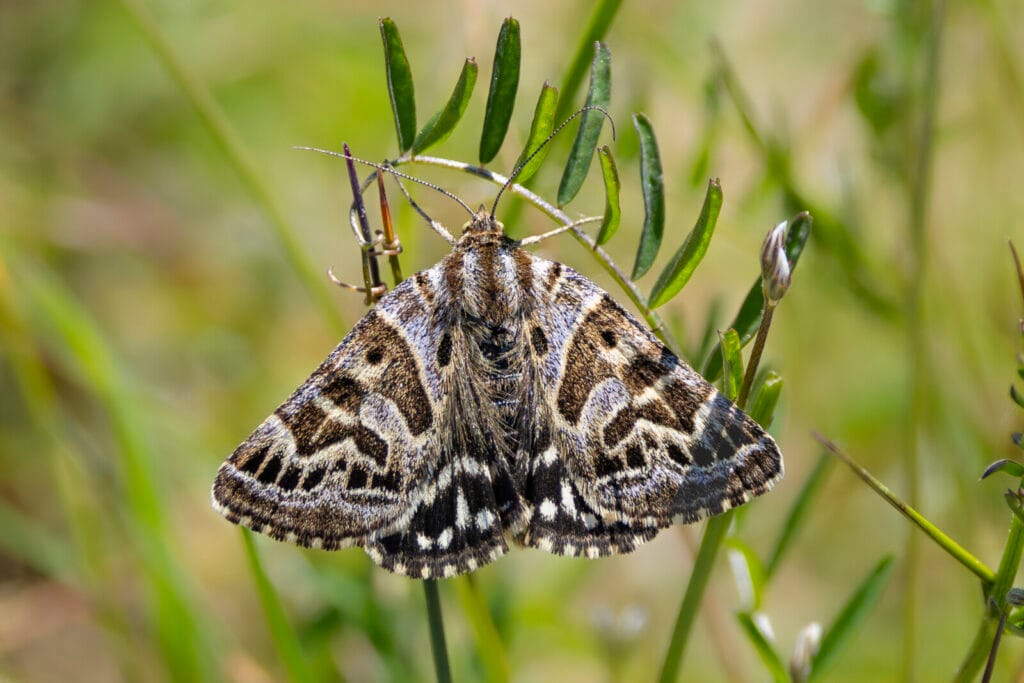
Morther Shipton moth, Thornwick, by Andrew Allport

25th May 2026

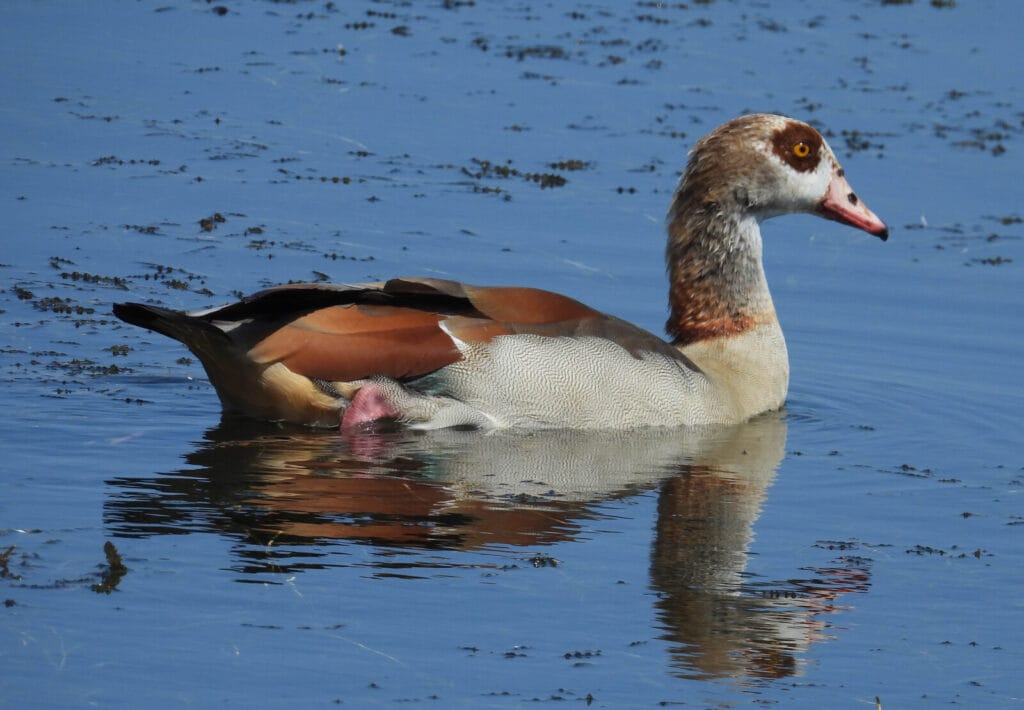
Sunny throughout, with a high of 22 degrees C in very light winds. An Egyptian Goose flew south past RSPB Bempton Cliffs before taking up residence at Thornwick Lakes, while three drake Eider were off South Landing. Passerine migrants were represented by a sole Spotted Flycatcher at Old Fall. Just west of South Dykes, a Cetti’s Warbler sang from cover at Bridlington Links, with the year’s first Minke Whale off RSPB Bempton Cliffs.
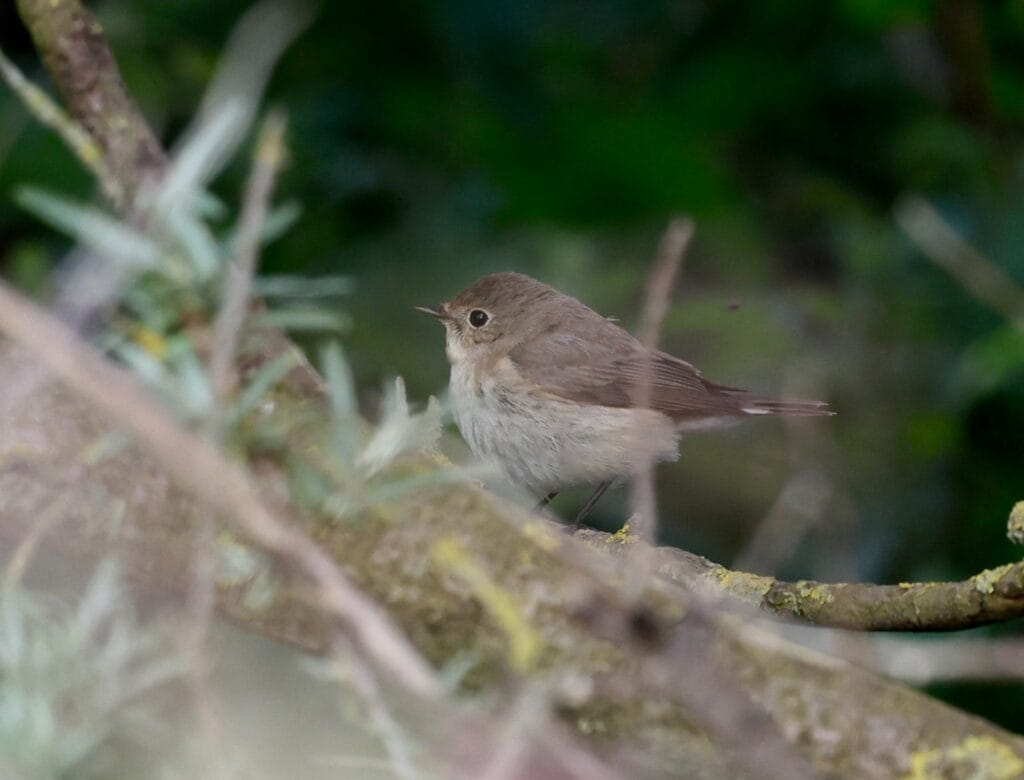
Egyptian Goose, Thornwick Lakes, by Brett Richards

26th May 2026

Sunny, with a light northerly wind developing which pegged back temperatures to a high of 22 degrees C. Seawatch highlights included two Gadwall, two Eider, two Arctic Terns, a Common Tern, five Sandwich Terns and 11 Manx Shearwaters. Thornwick Lakes/Pools hosted the Egyptian Goose, two Gadwall, 14 Tufted Ducks and four Little Grebes, while four Mute Swans overflew the village. A hybrid Hooded x Carrion Crow flew north past the lighthouse early morning; single Reed Warbler and Willow Warbler were the only other migrant passerines. Elsewhere, a Hobby dashed through RSPB Bempton Cliffs and a Spoonbill was reported from Buckton.

The day’s best sighting related to a Humpback Whale watched (& photographed) feeding off RSPB Bempton Cliffs.
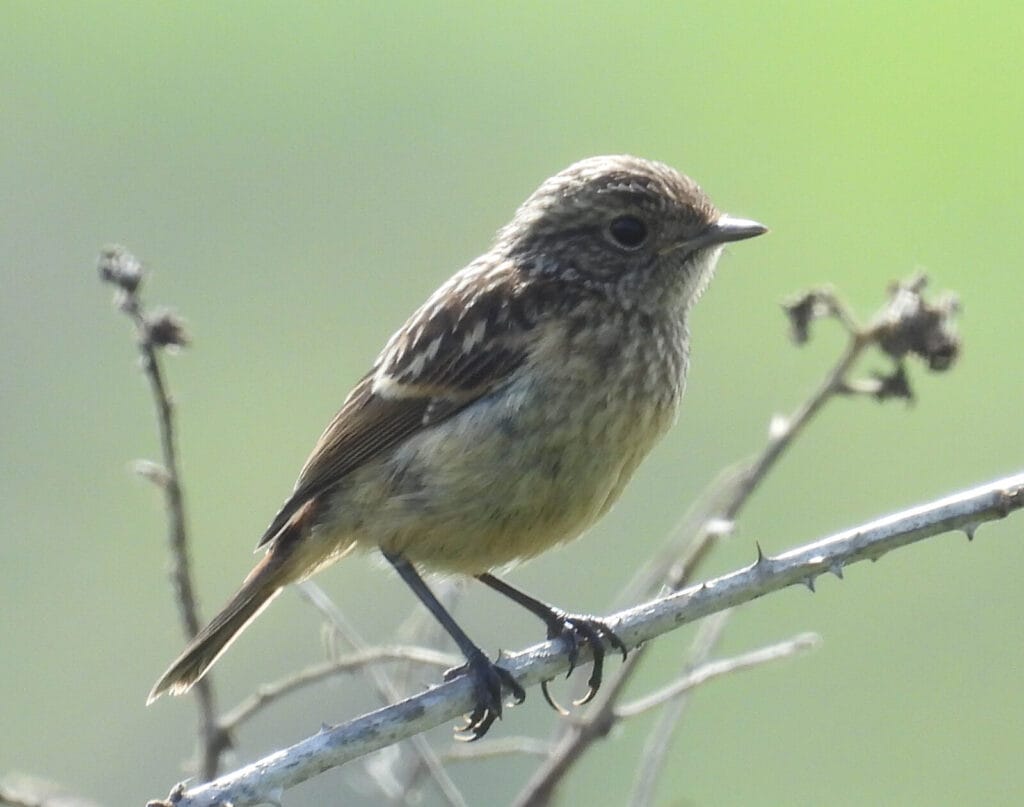
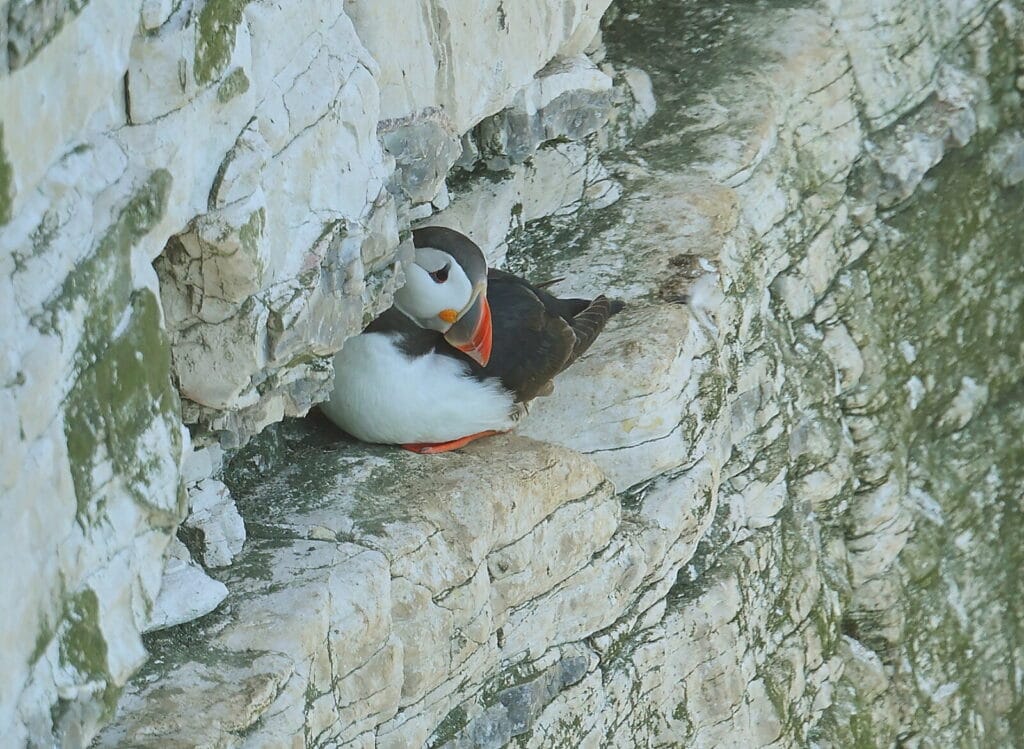
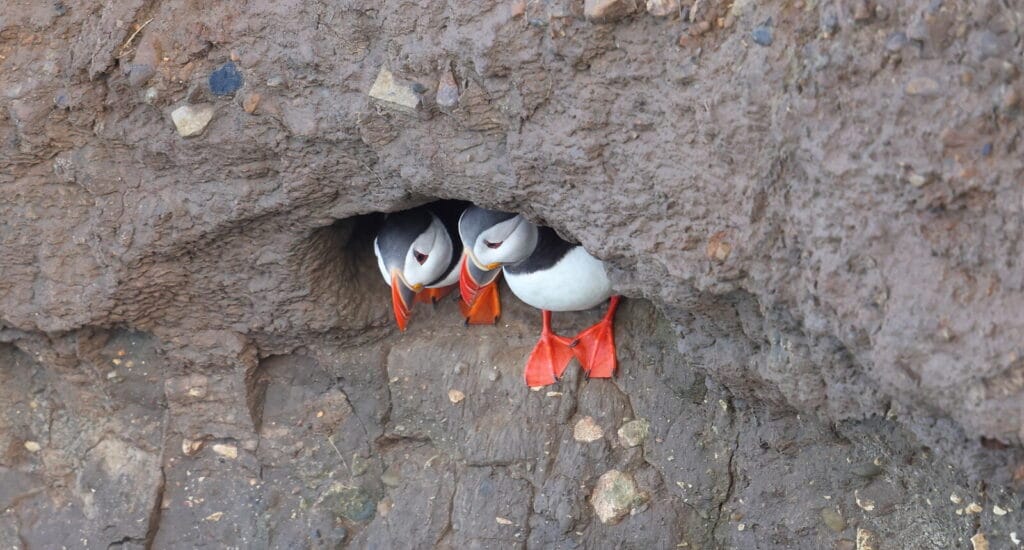
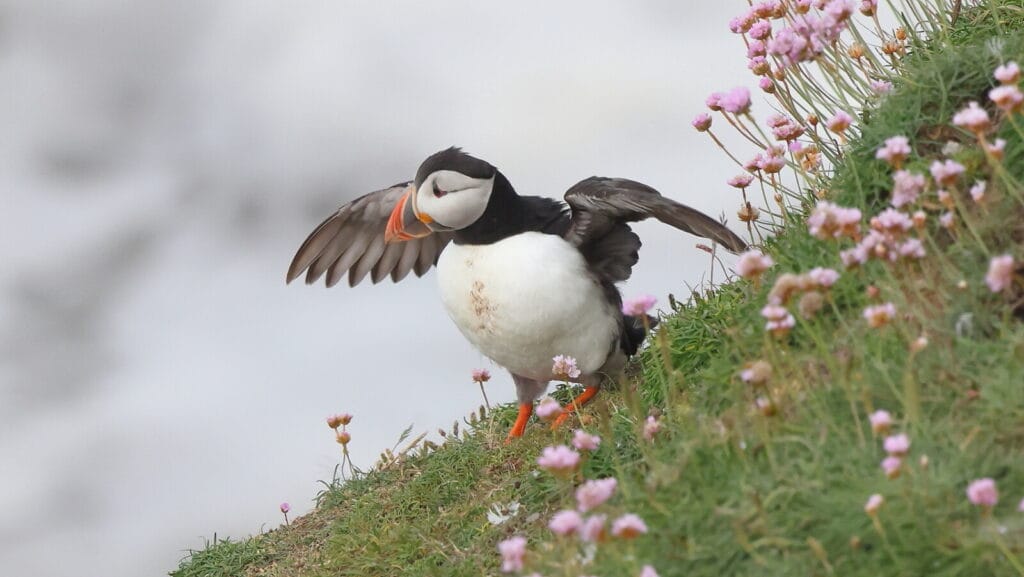
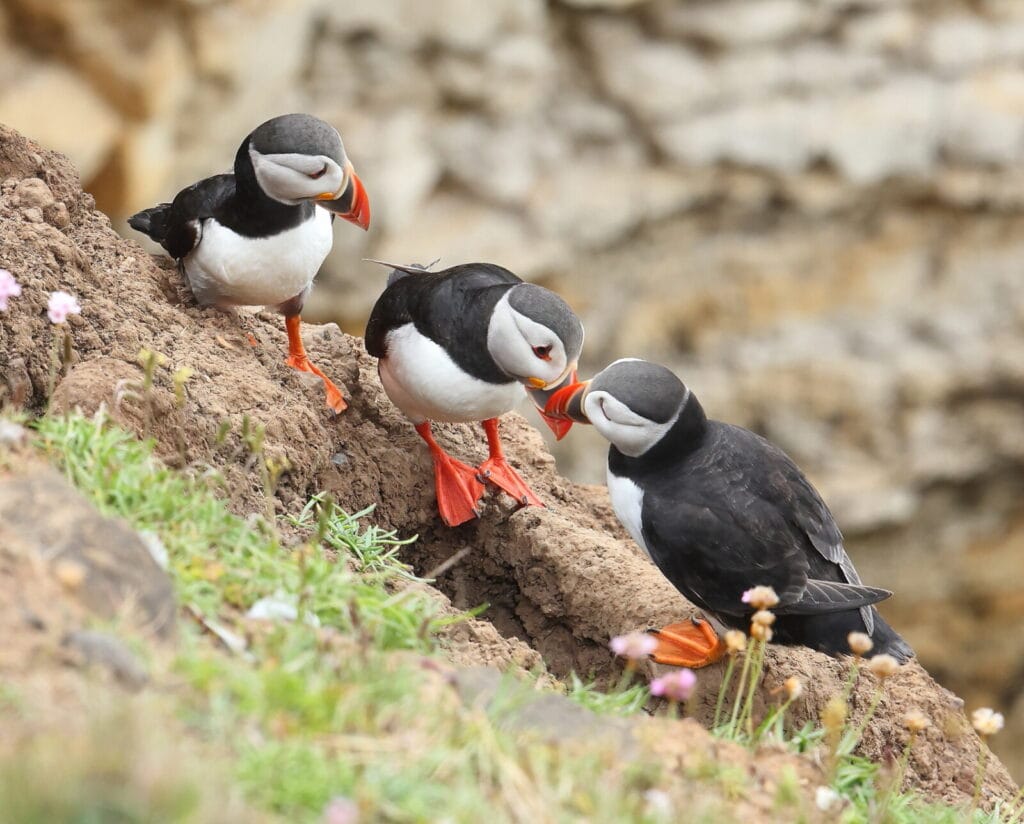
Puffin, RSPB Bempton Cliffs, by Alan Walkington

27th May 2026

Cooler with light/moderate easterly winds and a best of 15 degrees C. Seawatch highlights included five Sandwich Terns, an Arctic Skua, two Great Northern Divers, three Red-throated Divers and 24 Manx Shearwaters. The day’s most notable sighting related to a Quail flushed from the cliff top near High Holme.

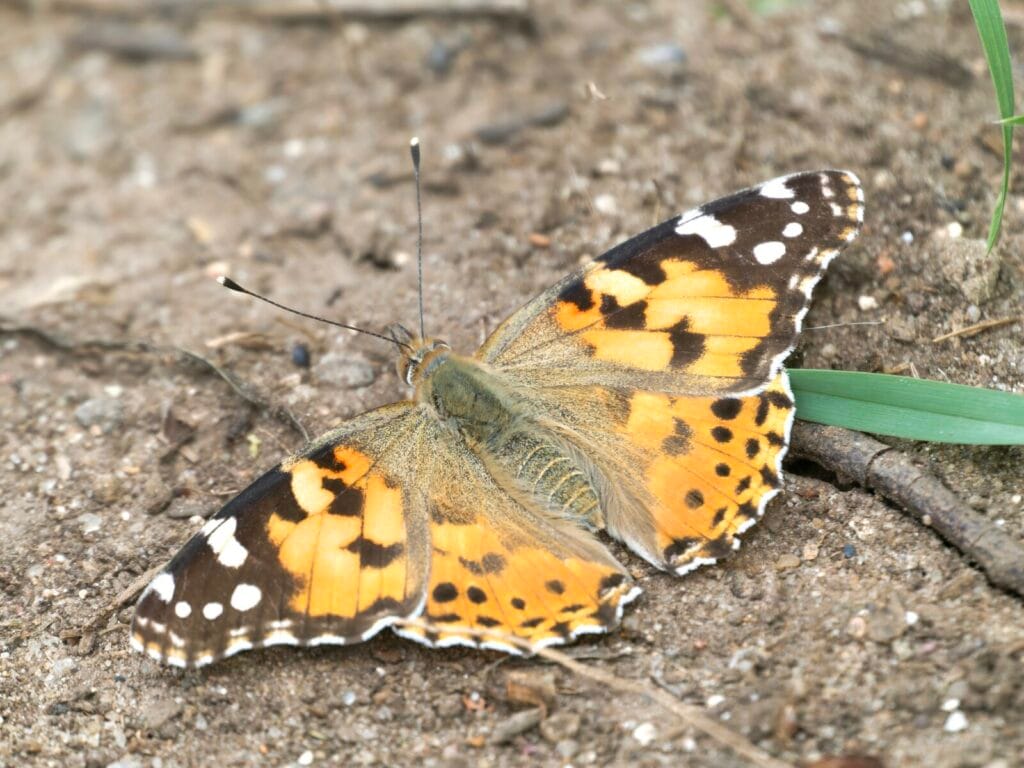
Painted Lady, RSPB Bempton Cliffs by Ian Howard

28th May 2026

Generally cloudy, with some occasional brighter intervals, a moderate easterly and high of 15 degrees C. Two Gadwall, 13 Tufted Ducks, three Little Grebes and a Hobby were recorded from the Thornwick area, while a Goosander rested on rocks at Cattlemere. Passerine migrants were limited to a Reed Warbler, two Whinchats and a Spotted Flycatcher.

Five Crossbills at RSPB Bempton Cliffs were notable.

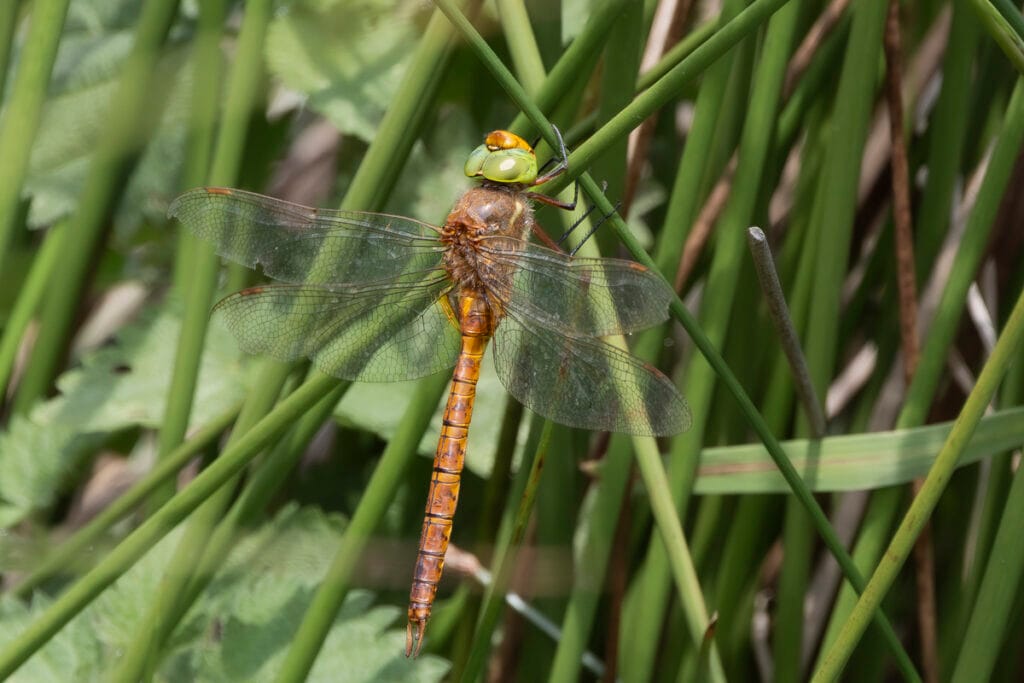
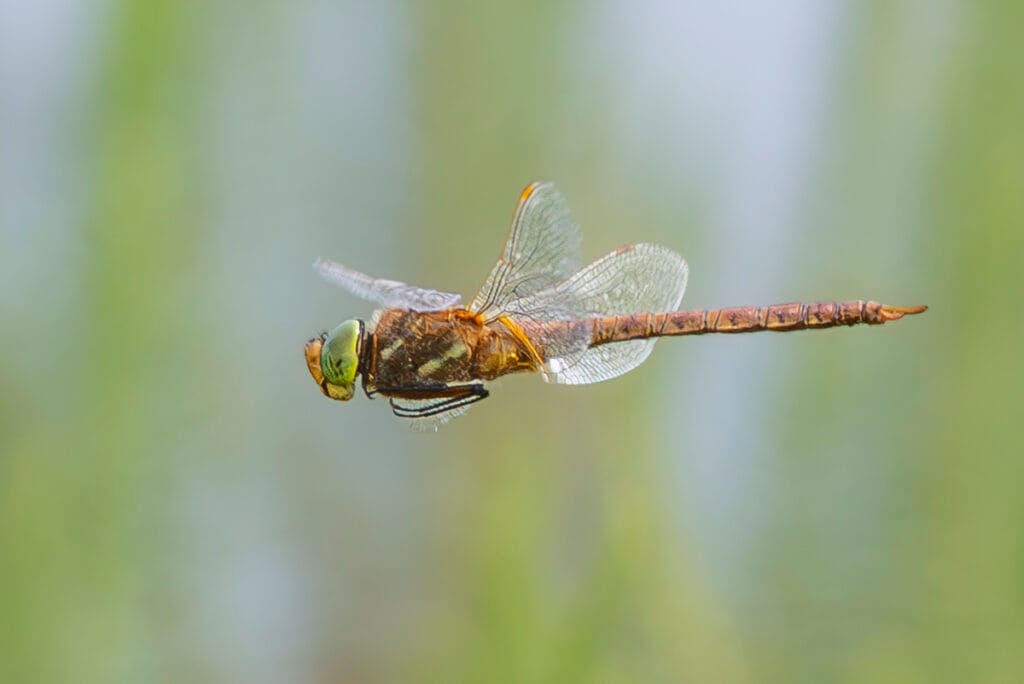
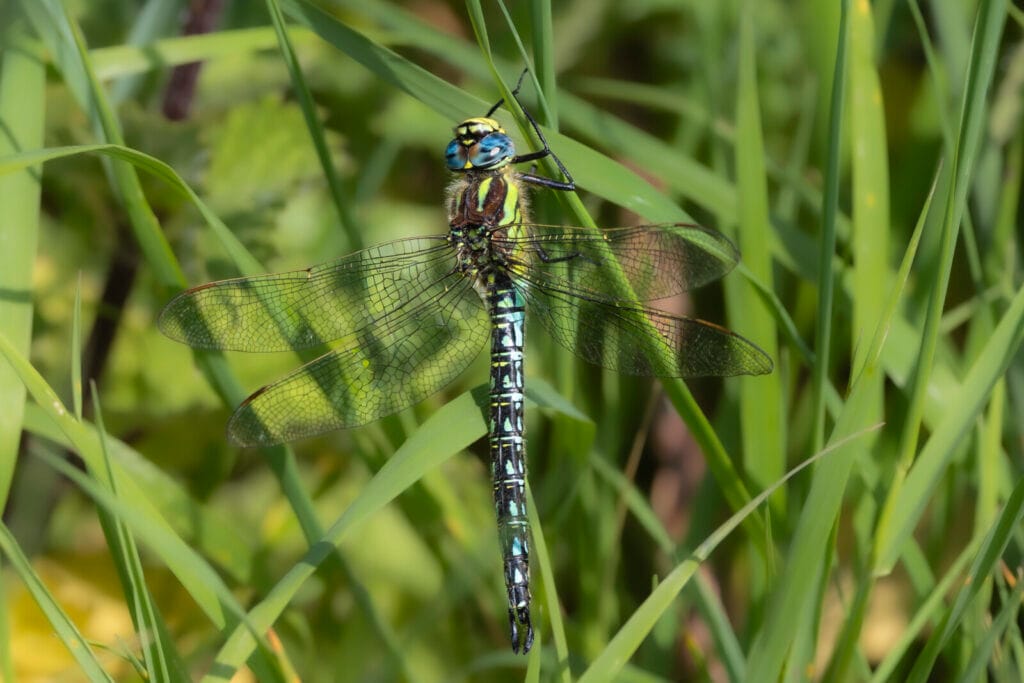
Hairy Dragonfly by Andrew Allport

29th May 2026

Although the day started with fairly overcast skies, moderate south-westerly winds and sunny intervals later resulted in a high of 22 degrees C. Birding was relatively quiet, although a Greenshank dropped onto North Marsh in the afternoon, a Hobby flew through Thornwick Pools and a Cuckoo was at South Dykes.

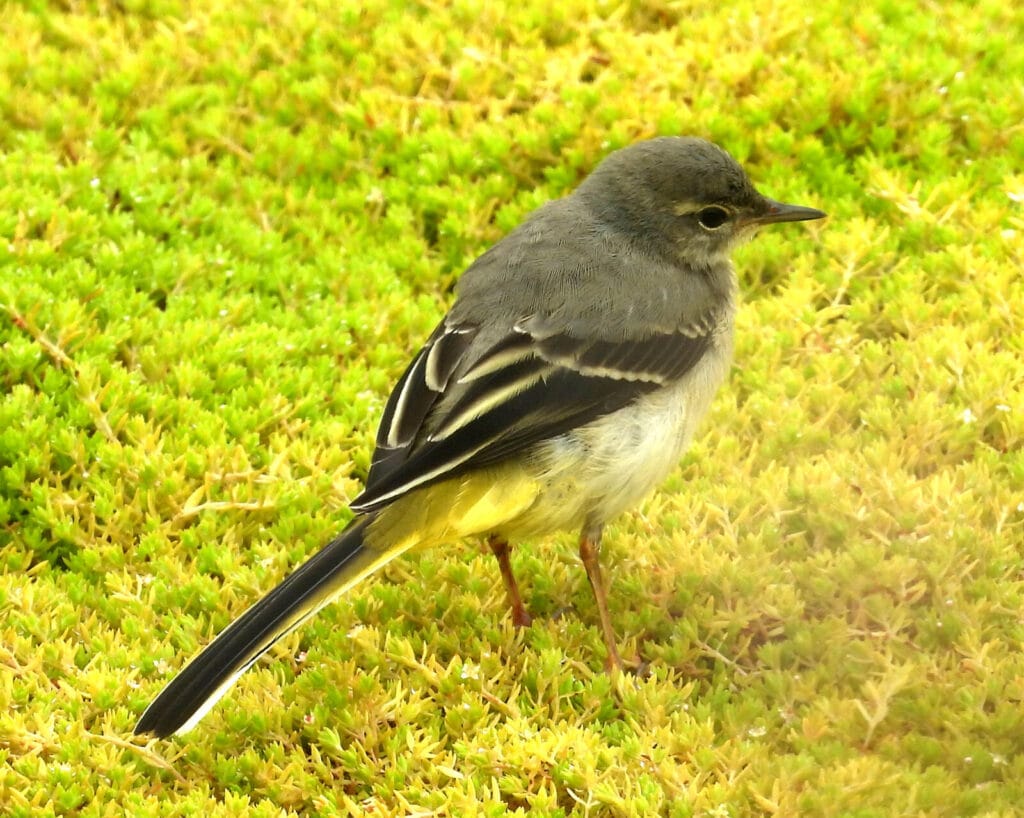
Pied Wagtail, Thornwick Lakes, by Brett Richards

30th May 2026

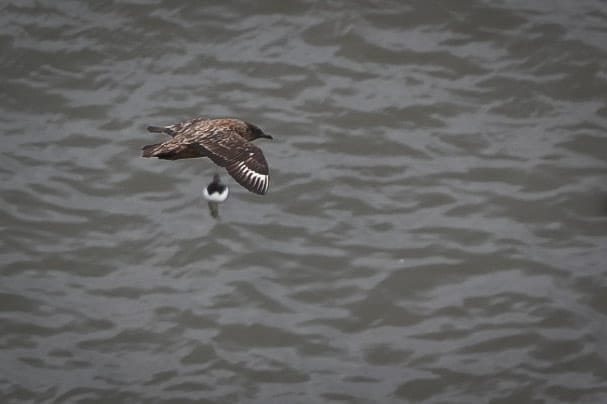
Light winds turned onshore during the afternoon, prolonged sunshine and a high of 21 degrees C. The early morning discovery of a female/1st-summer male Red-breasted Flycatcher in the Lighthouse Bushes provided the highlight; although elusive, it remained all day. Nearby, a Hobby rested on posts in the Gorse Field. Three Common Terns flew north during a seawatch which also featured 17 Sandwich Terns, a Red-throated Diver and seven Manx Shearwaters. Additionally, a lone Bonxie flew south-east past North Dykes.

A further influx of insects was evident led by an impressive 965 Painted Lady butteflies on the outer head, the majority of which fed of insect friendly cover crops; they were joined by 40-50 Red Admirals. In addition, 11 Red-veined Darters were in the same area including a male on the cliff top suggesting a fresh arrival.

Red-breasted Flycatcher, Lighthouse Bushes, by Will Scott
Stonechat, South Landing, by Brett Richards

31st May 2026

The weather consisted of sunny intervals, an increasing westerly wind and a high of 22 degrees C. Spring’s second Hoopoe surprised when a single flew west over the village at 0815hrs heading towards Croft’s Hill. Elsewhere, a Red Kite toured the outer head and a Hobby dashed through North Landing. Additional migrants included a singing Reed Warbler in the Bay Brambles and a Crossbill at South Dykes.

Sightings from Bempton (RSPB reserve and Cliff Lane/Metlands) included two Grey Partridges, four Yellow Wagtails, 700 Painted Lady butterflies and 190 Red Admirals.

Fox, Oceanview, by Andy Hood

1st June 2026

Overcast, with very occasional brighter spells, a moderate south-westerly and high of 20 degrees C. The Hoopoe re-appeared briefly along Lighthouse Road on the edge of the village early morning, but there were no subsequent sightings. Five Common Terns and a Red-throated Diver represented the best of a morning seawatch. Nearby, three Whimbrel were on Cattlemere, while a Bonxie lingered off RSPB Bempton Cliffs.
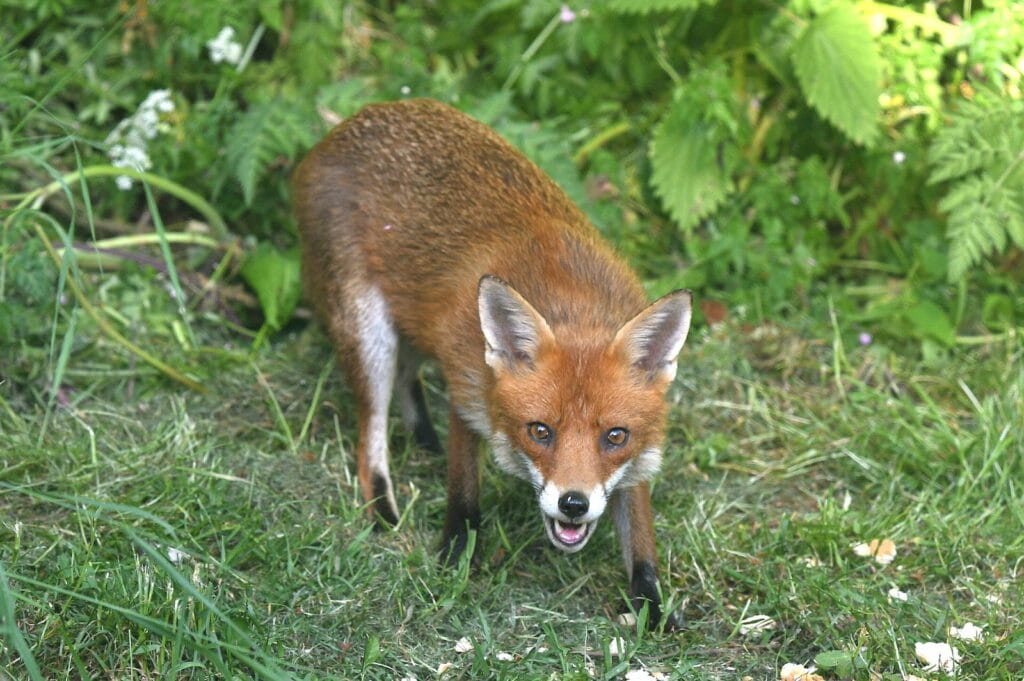
Better still, a Night Heron was recorded flying over Flamborough village at 0012hrs during a ‘noc mig’ session.

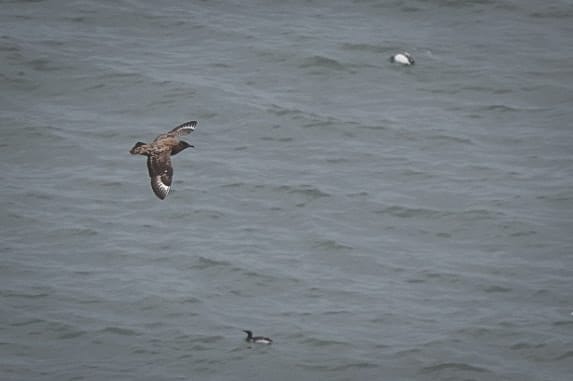
Bonxie, RSPB Bempton Cliffs by Dan Howe

2nd June 2026

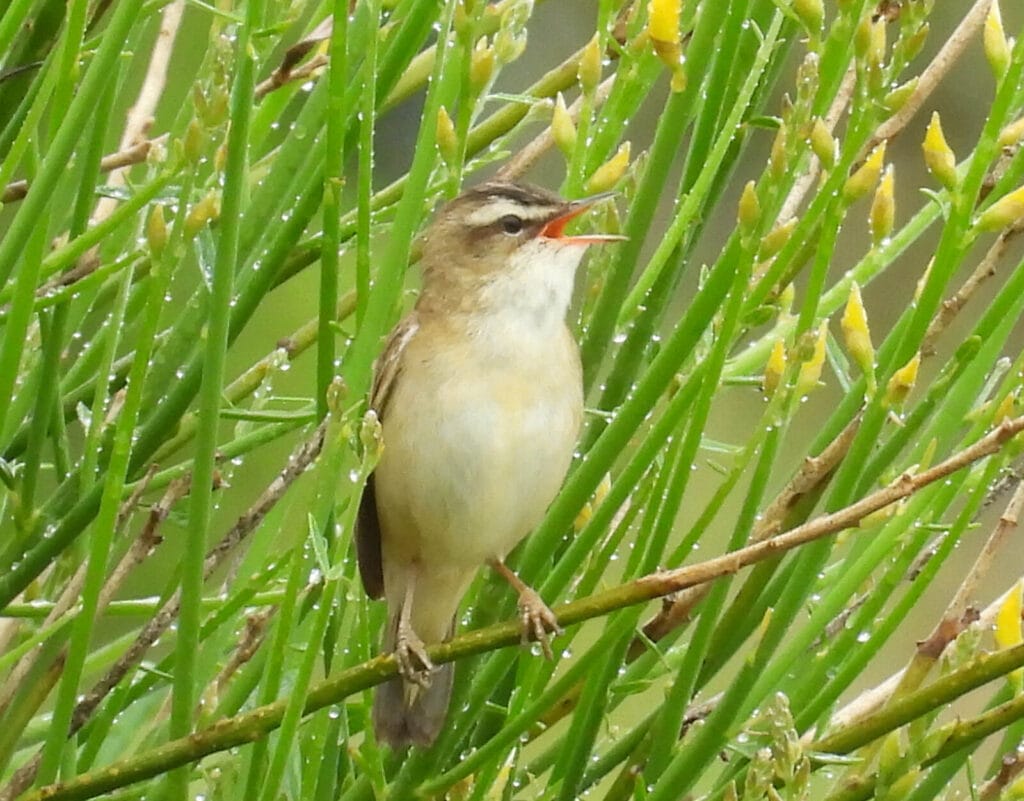
Showers throughout, with some brighter spells, light winds and a high of 20 degrees C. Five Sandwich Terns, 88 Puffins and four Manx Shearwaters were recorded during the morning seawatch. The Thornwick area attracted two Gadwall, 15 Tufted Ducks and two Little Grebes. In addition, the singing Cetti’s Warbler remained on territory immediately west of South Dykes entrance road.

Sedge Warbler, Thornwick Lakes, by Brett Richards

3rd June 2026

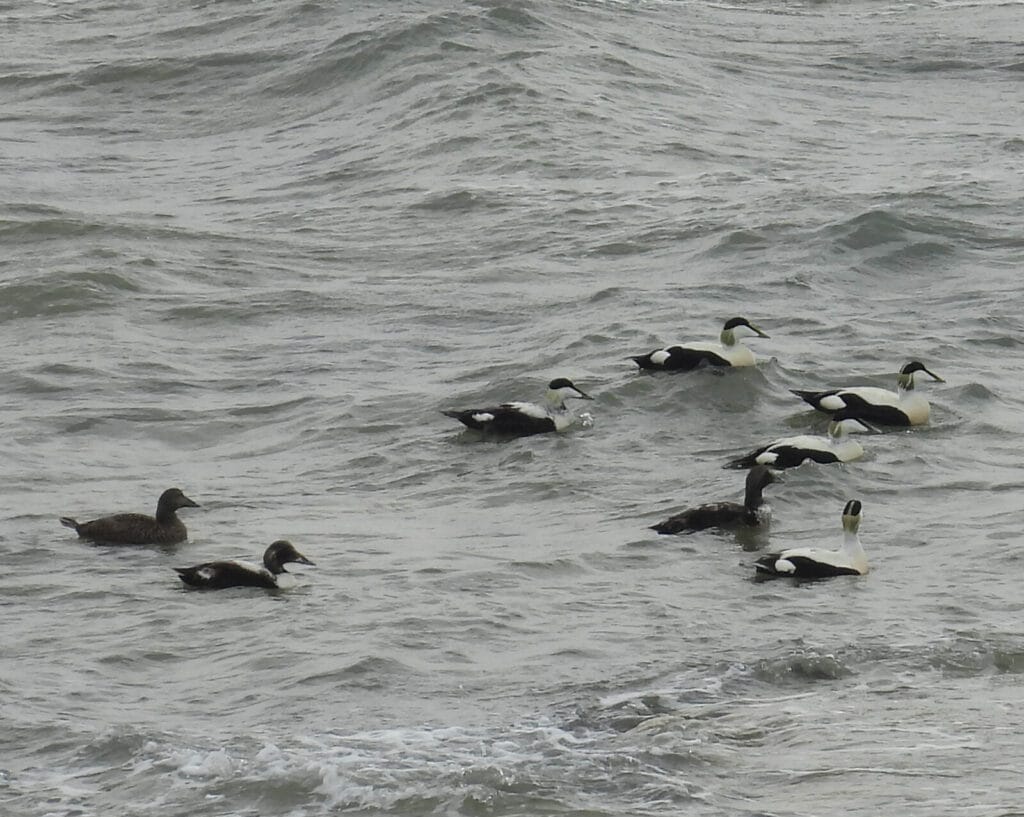
Sunny intervals preceded showers, with a very heavy thunderstorm early evening; blustery southerly winds developed and temperatures reached 17 degrees C. An evening seawatch was rewarded with a single Bonxie and 14 Manx Shearwaters flying north. Eight Barnacle Geese flew east past South Dykes and eight Eider were off the South Cliffs. Nearby, a Quail sang from fields south of Head Farm early morning.

A Night Heron recorded over Bempton village during an overnight ‘noc mig’ session was an excellent record. Another Quail was also recorded from the same location.

Eider, South Cliffs, by Brett Richards

4th June 2026

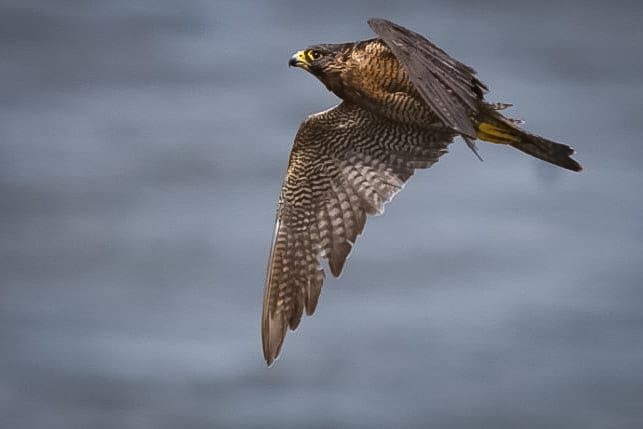
Relatively overcast, with some brighter spells, a blustery westerly wind and high of 17 degrees C. Eight Manx Shearwaters, an Eider and two Sandwich Terns were recorded during a morning seawatch. In addition, a Bonxie patroled the cliffs alongside the Golf Course, where a Marsh Harrier flew south. Two Quail were recorded: one sang from crop near Old Fall and the other was flushed from Bridlington Links GC.

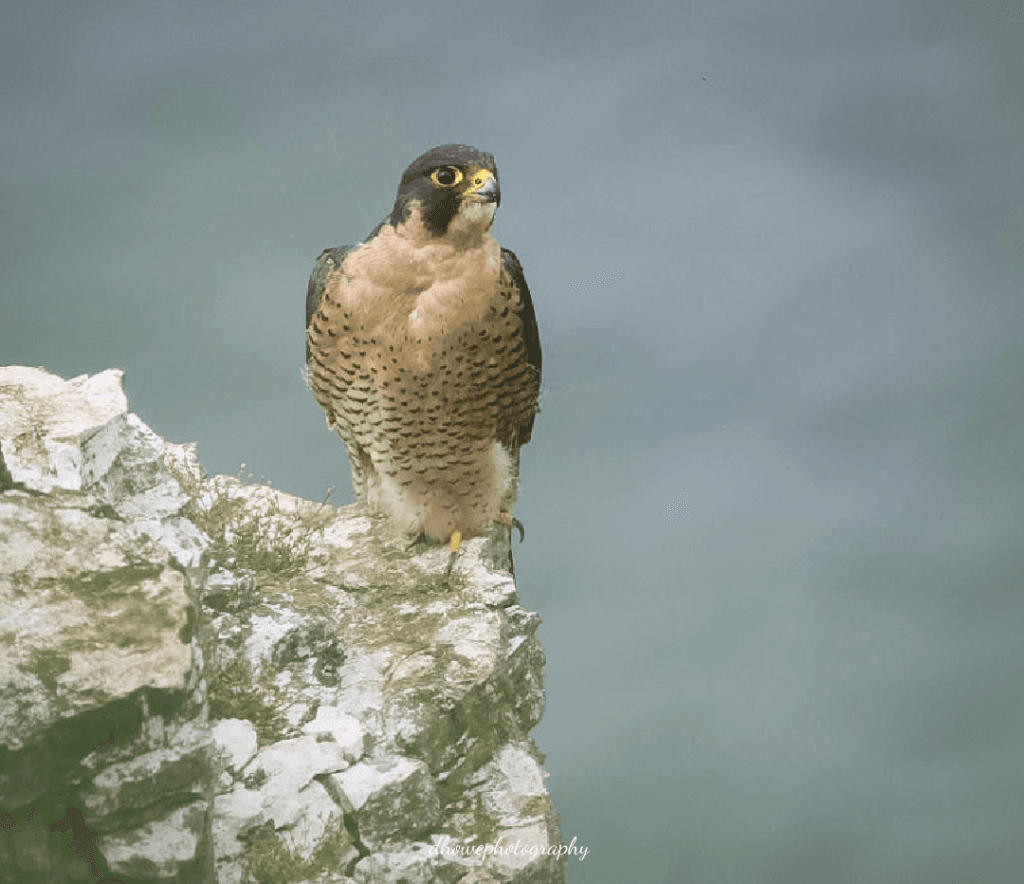
Peregrine by Dan Howe

5th June 2026

Occasional sunny intervals, light south-west winds and a maximum of 18 degrees C. Sixteen Manx Shearwaters, a Red-throated Diver and a Bonxie flew past the outer head. A count of 123 Puffins was an uplift following a spring of worryingly low numbers, while five drake Eider were off Beacon Hill. No fewer than four Quail were present: a single again at Bridlington Links and others singing at Oceanview, Buckton cliff top and the eastern edge of RSPB Bempton Cliffs. A calling Green Woodpecker near the Bowling Green was equally unusual. Elsewhere, a Hobby flew north-west along Buckton cliff top.
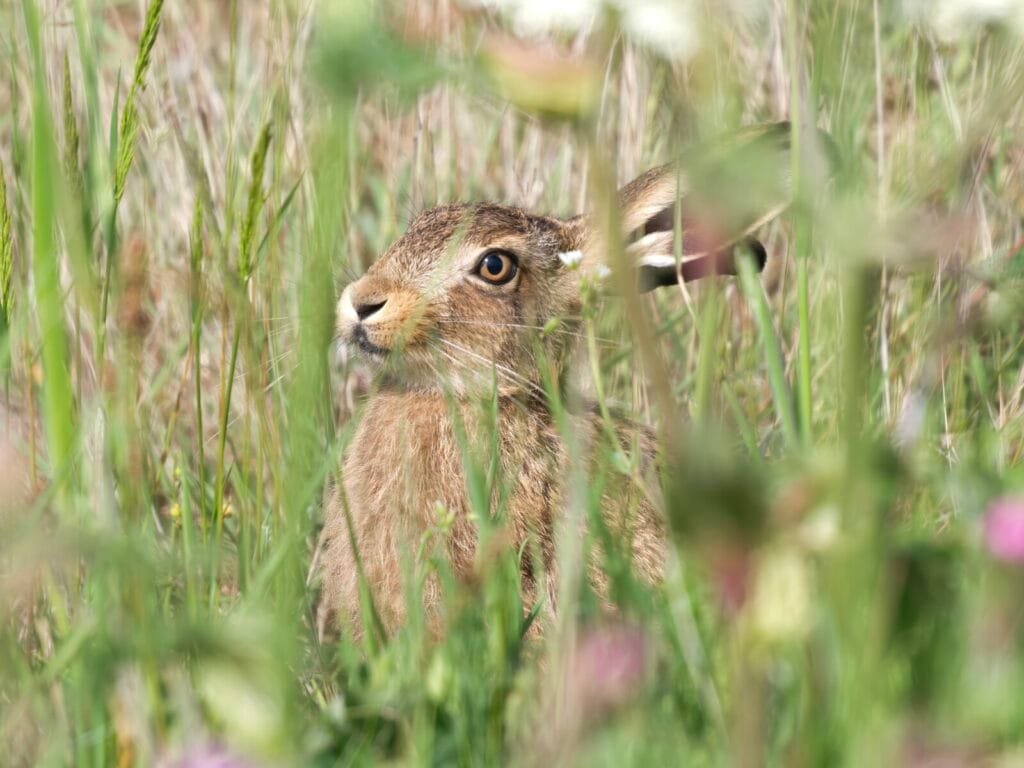
Brown Hare, RSPB Bempton Cliffs, Ian Howard

6th June 2026

Overcast with occasional brighter spells, a light/moderate south-east wind and high of 16 degrees C. Two Quail included one at Oceanview for the second successive day, while yesterday’s Green Woodpecker was again recorded from the Bowling Green early morning. In addition, a migrant Reed Warbler sang at Old Fall and 24 Manx Shearwaters flew past the headland in the evening.

Puffin, RSPB Bempton Cliffs (Alan Walkington)

7th June 2026

Sunny intervals, a moderate south-westerly and peak of 21 degrees C. The influx of Quail continued, with one singing near Old Fall steps this evening. Unusually, the majority to date have been on the southern side of the headland (six of an estimated ten individuals); presumably these relate to migrants making landfall that soon move on. It will be interesting to see if most mid-summer records are concentrated on the larger crop fields on the north side of the head as is traditional.

Other records included 38 Common Scoter, a Whimbrel, two Sandwich Terns, two Red-throated Divers and 88 Manx Shearwaters during a morning seawatch. A Red Kite overflew the Bowling Green and a second calendar-year Mediterranean Gull flew south-east past RSPB Bempton Cliffs.
Late news concerned a Night Heron recorded during a ‘noc mig’ session in Flamborough village at 0012hrs on 1st June.

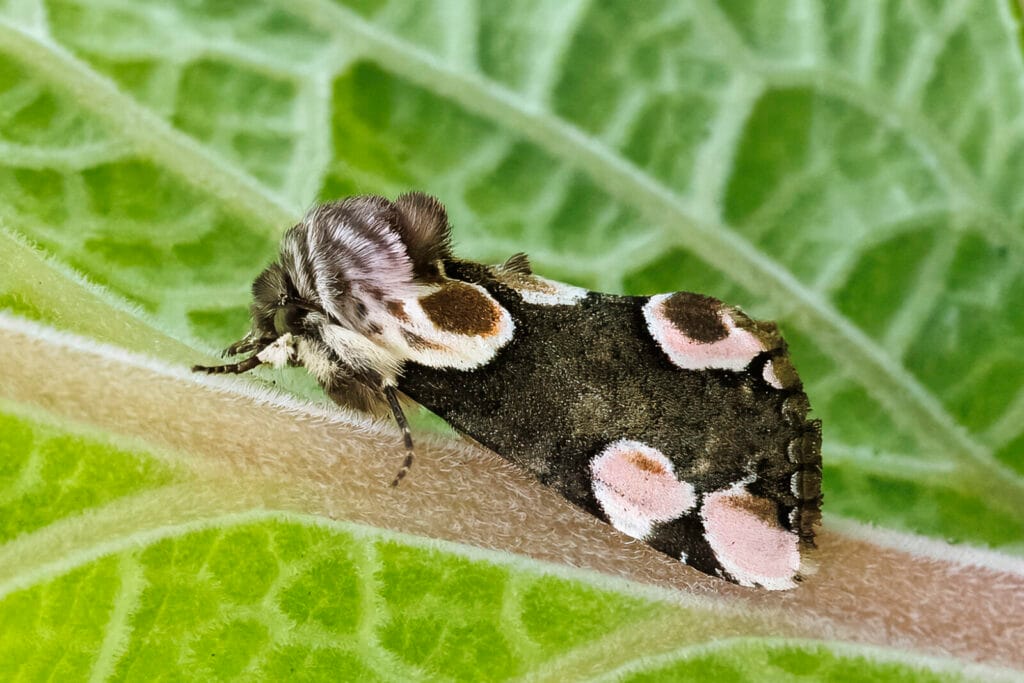
Peach Blossom, South Landing (Andrew Allport)

8th June 2026

Overcast for the majority of daylight hours with spells of mainly light rain in the morning; temperatures reached 17 degrees C in light, variable winds. Two Quail included a calling bird still on the outer head and a single flushed from the cliff top path at North Landing. Thornwick Pools hosted two Gadwall and two Teal, while 12 Tufted Ducks were on the nearby Lakes. Elsewhere, the territorial Cetti’s Warbler remained in residence at the northern end of Bridlington Links GC.

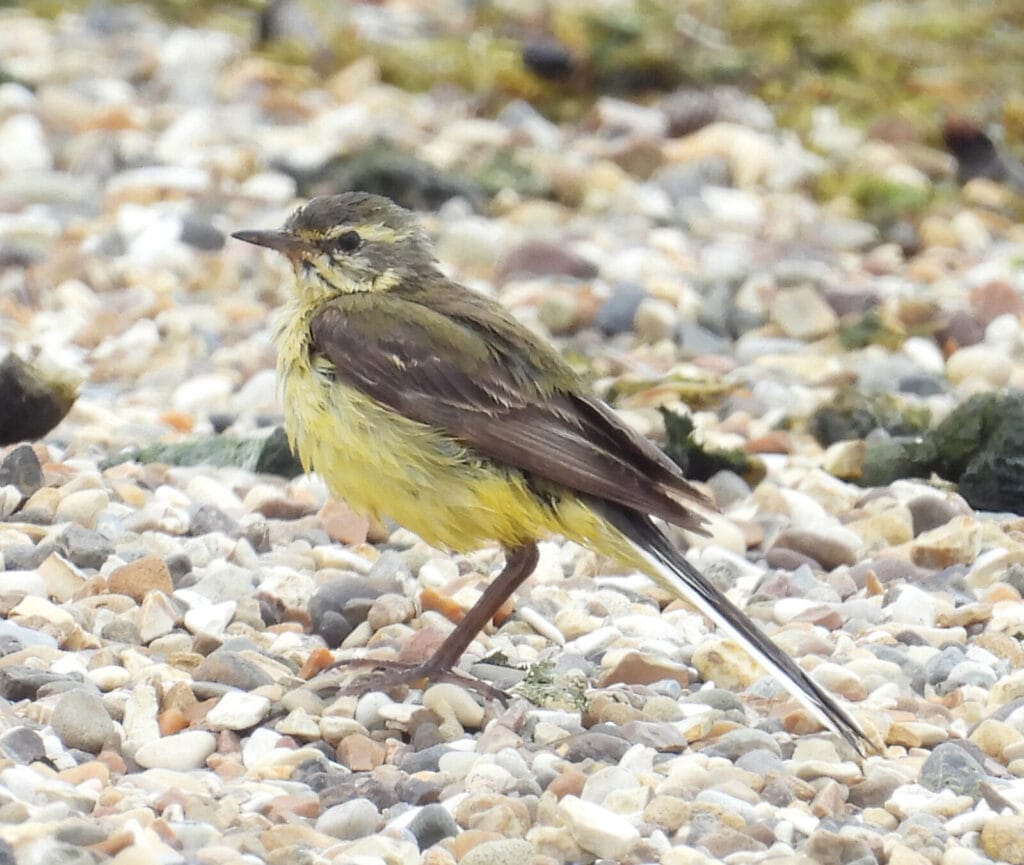
Yellow Wagtail, Thornwick Lakes (Brett Richards)

9th June 2026

Scattered thunderstorms came in on a moderate westerly and a maximum temperature of 17°C.

A Quail continued to sing along Old Fall Hedge. A Hobby flew by at Bempton Cliffs RSPB where a Bonxie was seen again offshore, a Little Egret passed over and a flock of 13 Barnacle Geese flew south-east along the cliff, reaching North Landing before turning back.

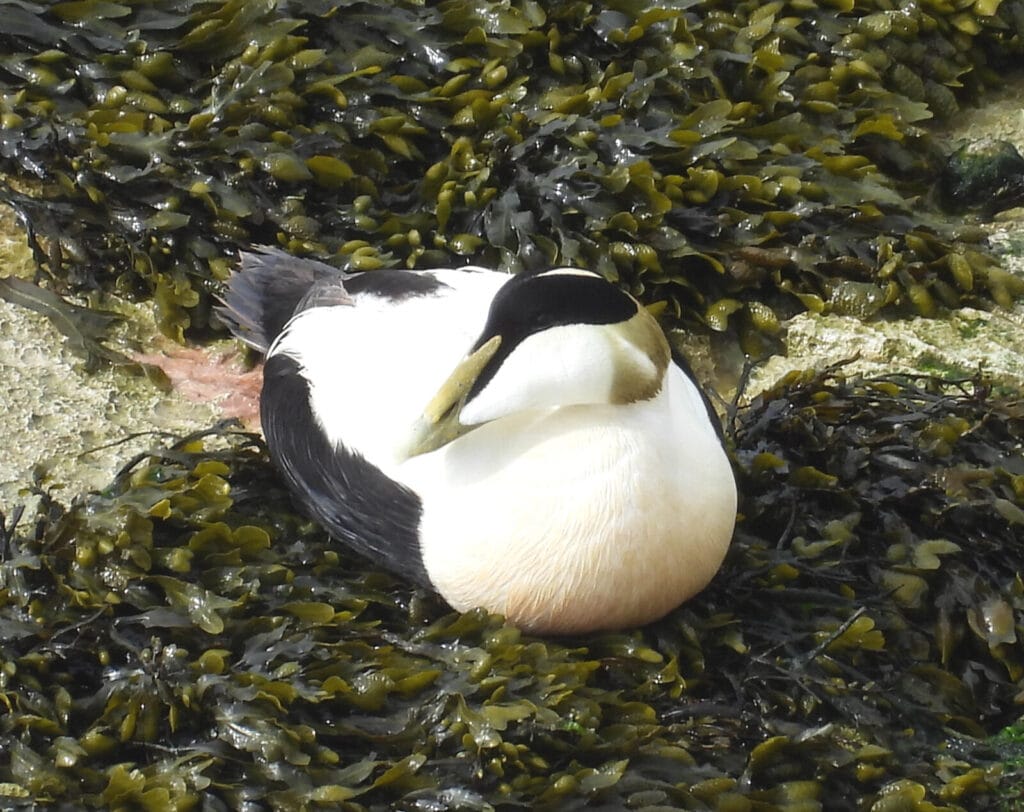
Eider, South Cliffs (Brett Richards)

10th June 2026

The weather featured occasional sunshine, frequent showers, some heavy and thundery, with a light westerly and a temperature high of 17°C.

Eighteen Manx Shearwaters and 20 common Scoters passed the Fog Station before mid-morning. Bempton Cliffs RSPB continued to host two singing Corn Buntings.

Bonxie, Bempton Cliffs RSPB (Dan Howe)

11th June 2026

Light rain dominated a grey cool day, with temperatures only reaching 13 degrees C in light winds. Seawatch highlights included an Arctic Skua, 19 Manx Shearwaters and five Sandwich Terns. A Whimbrel flew over the Bowling Green and the Quail continued to call from arable fields at Oceanview.

Puffin, Fog Station, by Alan Walkington

12th June 2026

Strong westerly winds, increasingly sunny skies and a high of 21 degrees C. The Thornwick area attracted a Teal, 12 Tufted Ducks, two Little Grebes and two Oystercatchers. Elsewhere, a Quail called from crop adjacent to Old Fall. Seawatch highlights included 13 Common Scoters, ten Sandwich Terns and a Blue Fulmar.

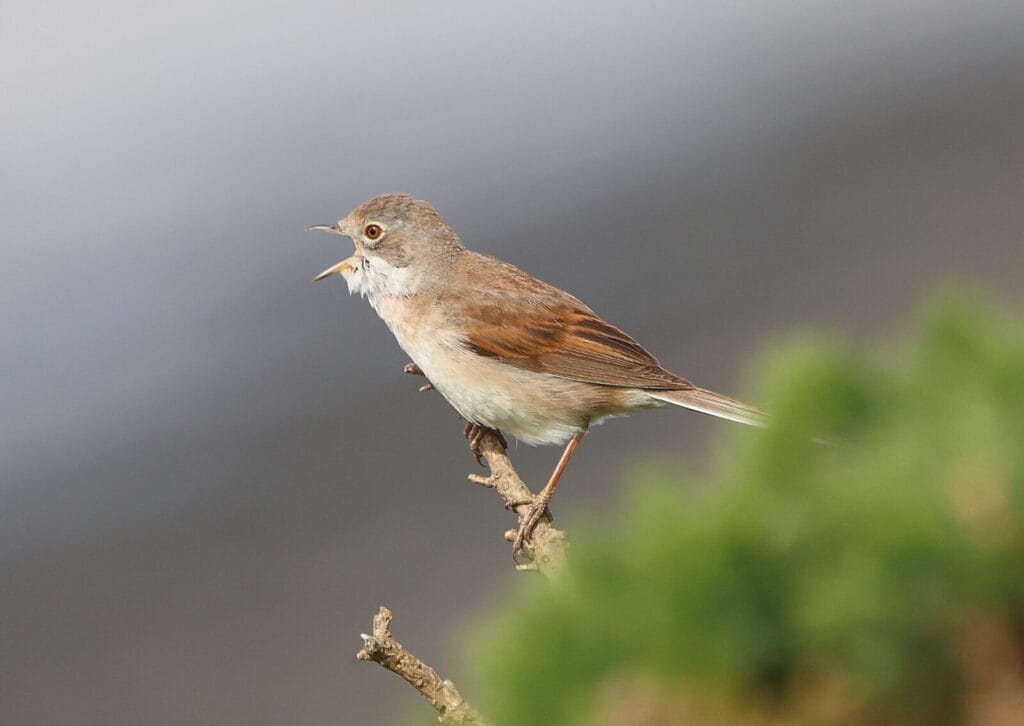
Common Whitethroat, South Landing, by Alan Walkington

13th June 2026

The weather consisted largely overcast skies, blustery westerly winds and a high of 17 degrees C. Seawatch highlights included a Teal, 53 Common Scoters, 14 Sandwich Terns, an Arctic Skua, 350 Puffins (333 north) and 11 Manx Shearwaters. The Quail continued to call from crop adjacent to Old Fall, while a Grasshopper Warbler was singing at Beacon Hill.

The long-staying Bonxie was again off RSPB Bempton Cliffs, while a Hobby hunted over the nearby village.

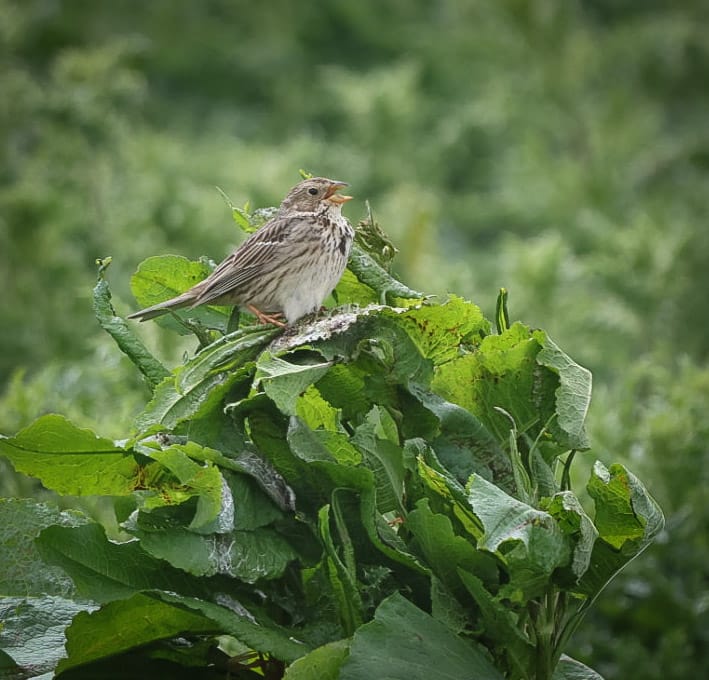
Corn Bunting by Dan Howe

14th June 2026

A day of sunny intervals, a moderate northerly wind and maximum of 17 degrees C. Unsurprisingly, conditions proved conducive to seawatching with an adult Long-tailed Skua flying north mid-morning the undoubted highlight; this represented the first ‘spring’ record for 13 years. Easily the highest count of the year, a movement of 558 Manx Shearwaters was impressive. Other sightings included two Common Terns, two Arctic Terns, 21 Sandwich Terns, one Arctic Skua, two Red-throated Divers and 426 Puffins; the latter total over just two hours mid-afternoon.

Away from the sea, a Hobby flew over the Bowling Green and the Quail continued to call from crop near Old Fall.

Guillemot, Fog Station, by Alan Walkington

15th June 2026

Some sunny intervals developed after an overcast start, light onshore winds established with temperatures peaking at 16 degrees C. Seawatching again proved rewarding with 724 Manx Shearwaters moving north alongside five Bonxies, two Red-throated Divers, 1164 Puffins, 27 Sandwich Terns and 29 Common Scoters. The Quail remained near Old Fall, where a Cuckoo was also in residence.

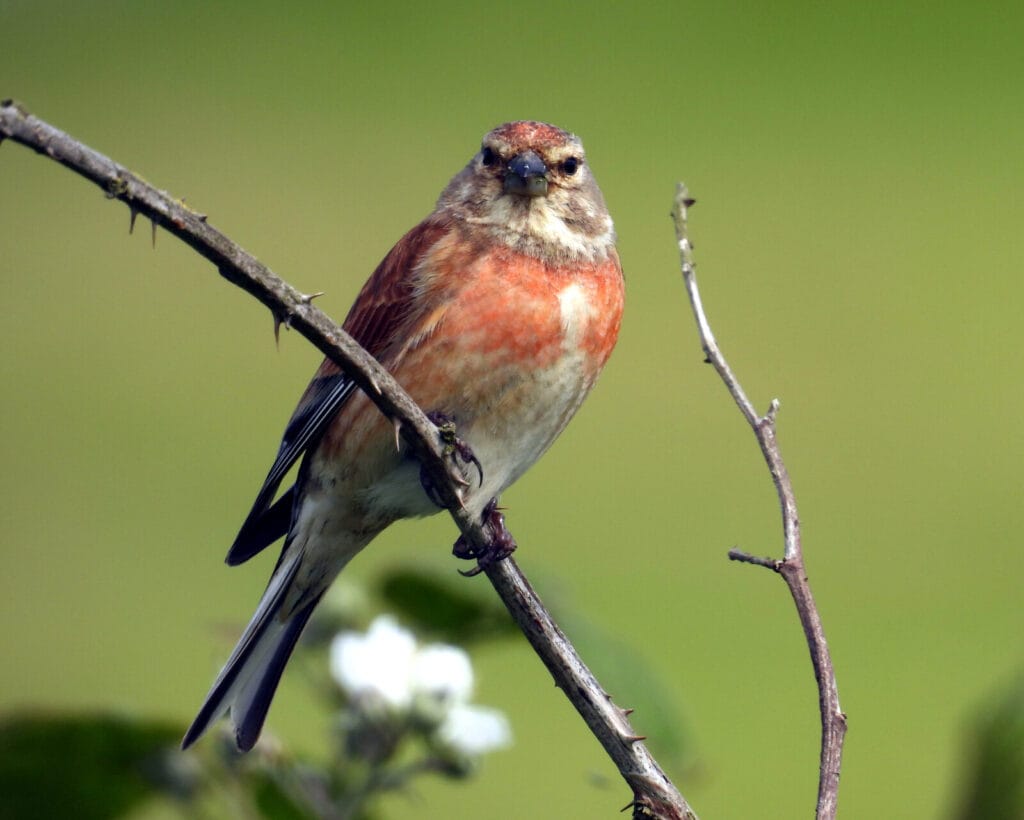
Linnet, Hartendale (Brett Richards)

16th June 2026

Overcast with light south-east winds and a high of sixteen degrees C. Seawatch records included 73 Common Scoters, three Common Terns, 14 Sandwich Terns and 24 Manx Shearwaters. Elsewhere, 130 Common Scoters were in the bay off South Dykes and 12 Eider flew east past Hartendale. A Little Egret headed south over the Lighthouse Grassland, while a first-summer Caspian Gull rested on the nearby Golf Course. Additional records included a single Whimbrel, a Hobby and a Grasshopper Warbler singing at South Dykes.

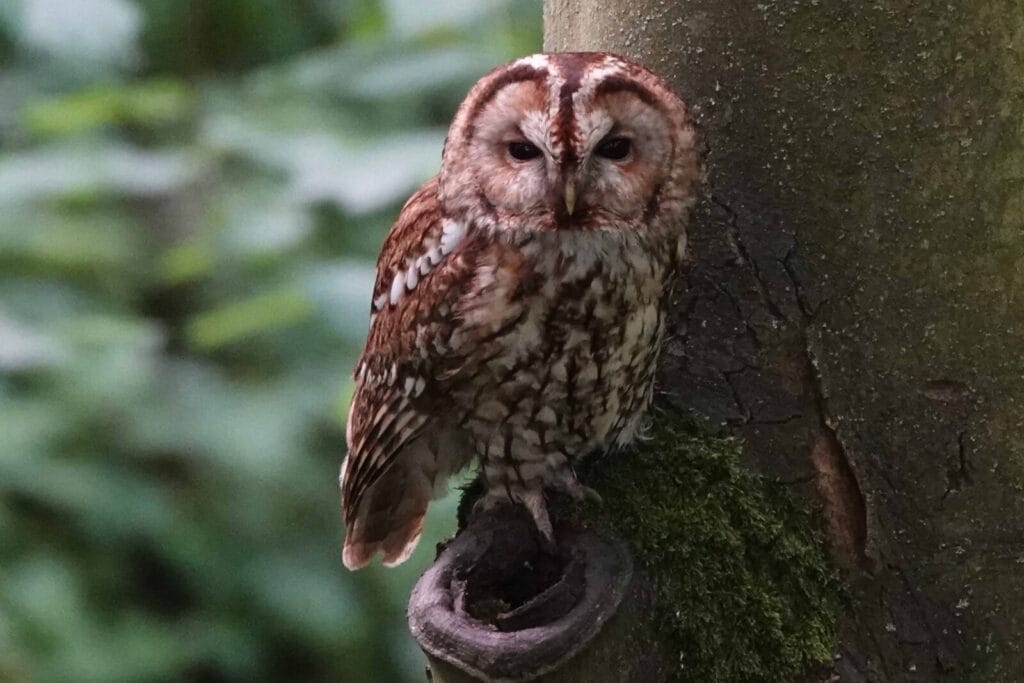
Tawny Owl, South Dykes, by June Fox

17th June 2026

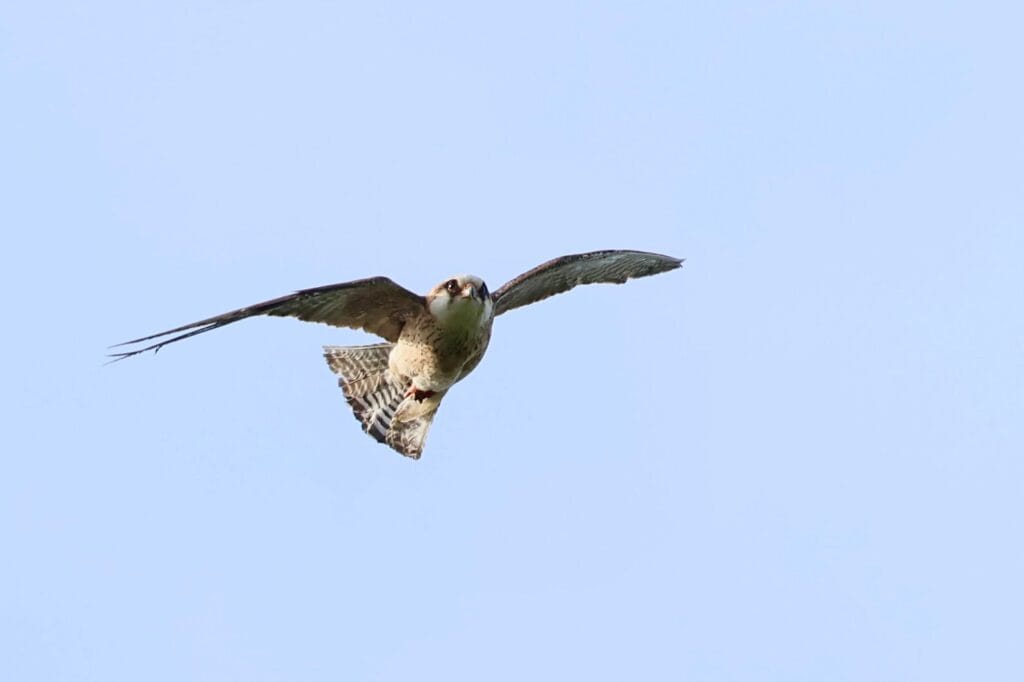
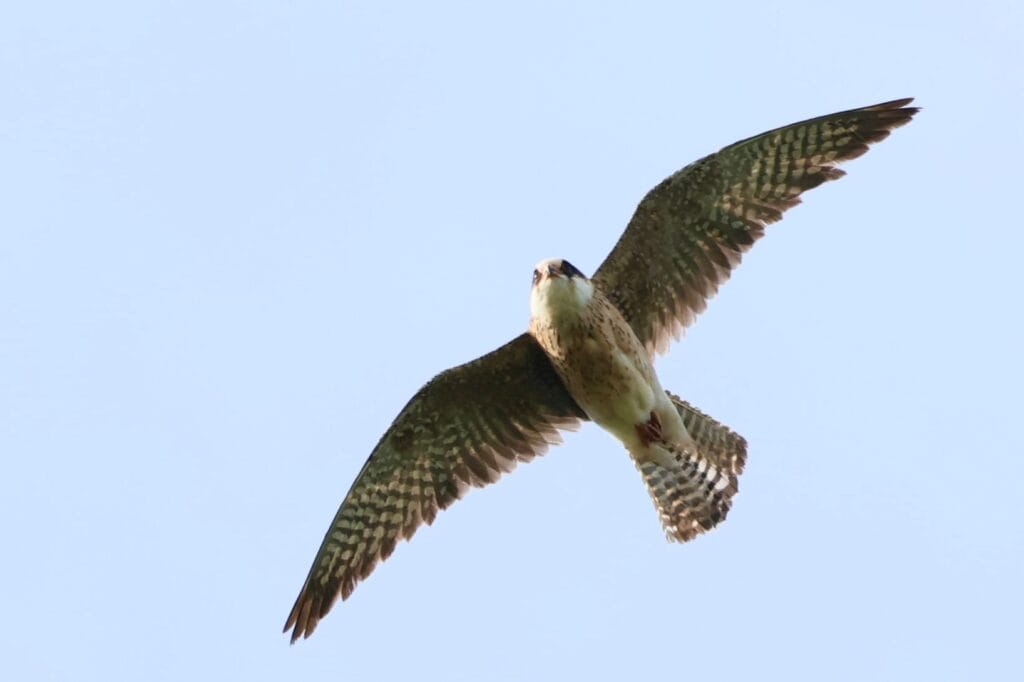
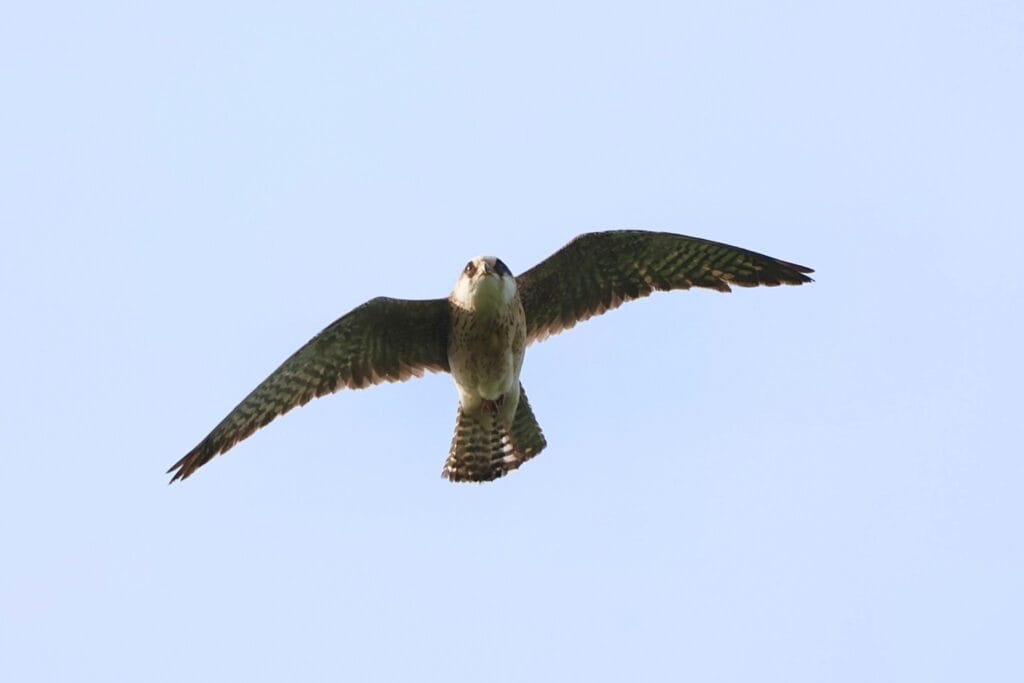
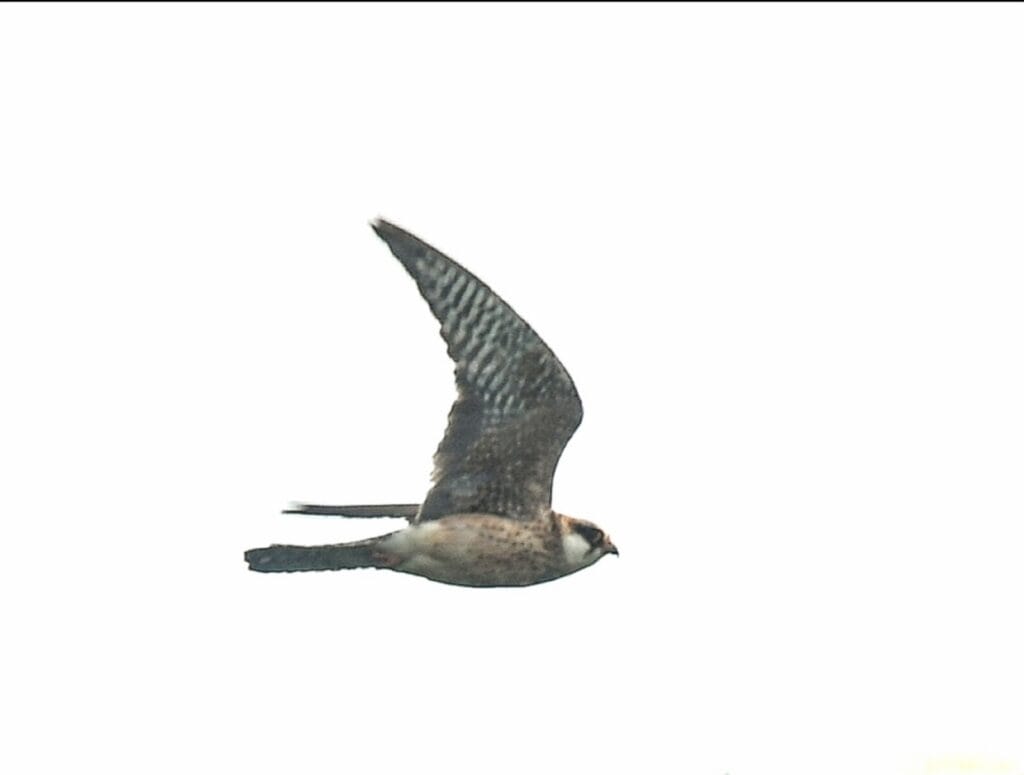
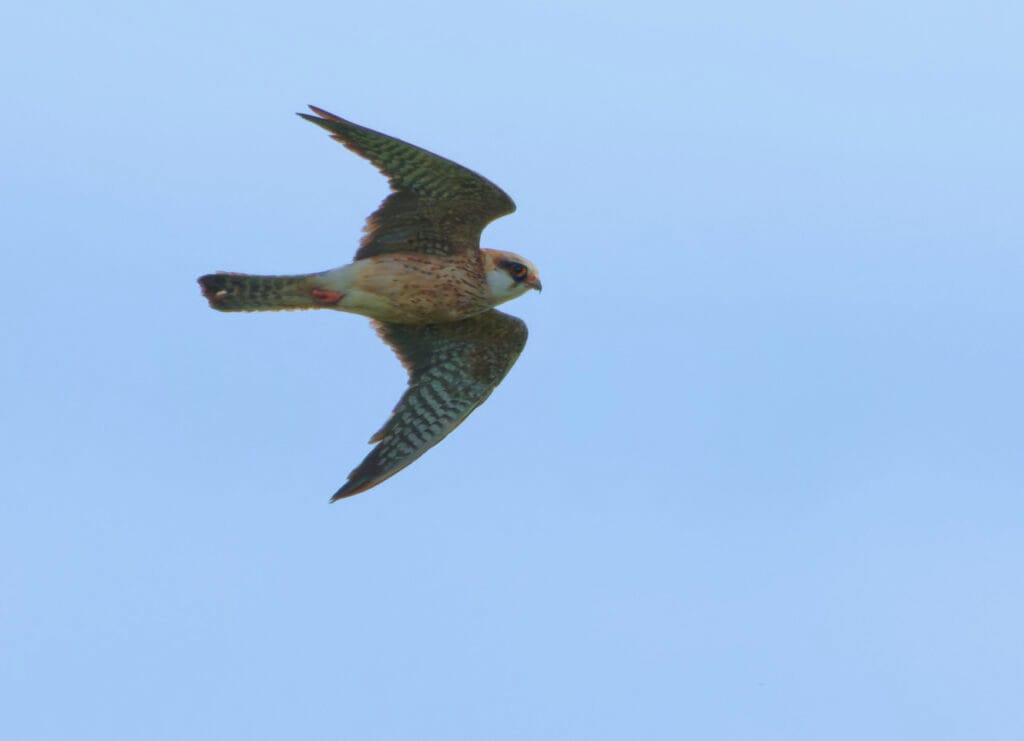
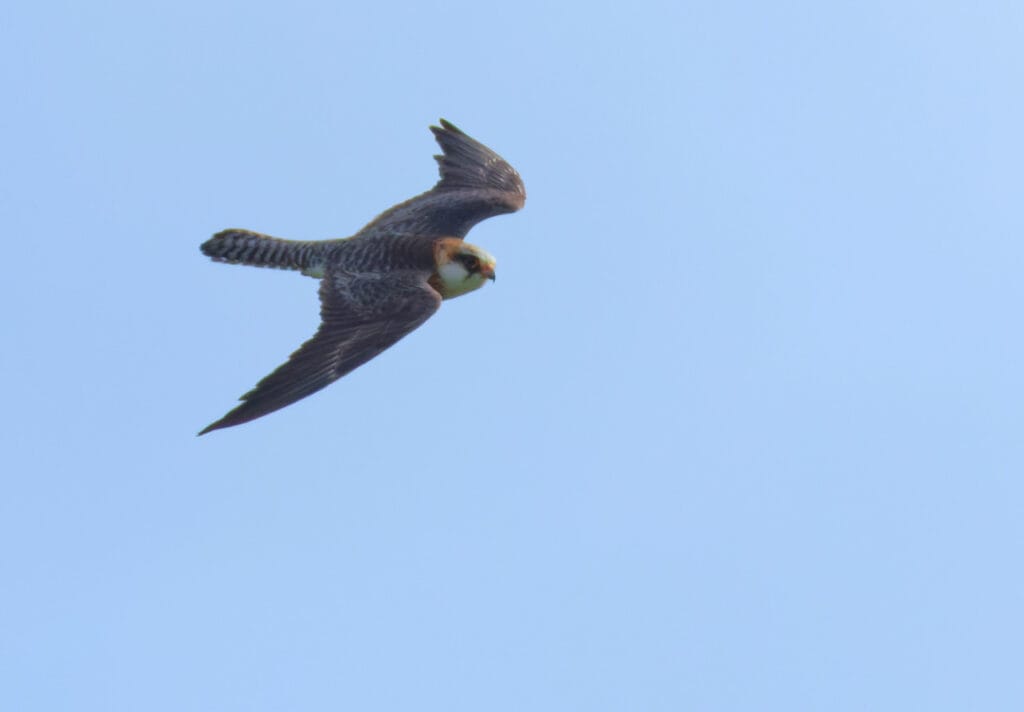
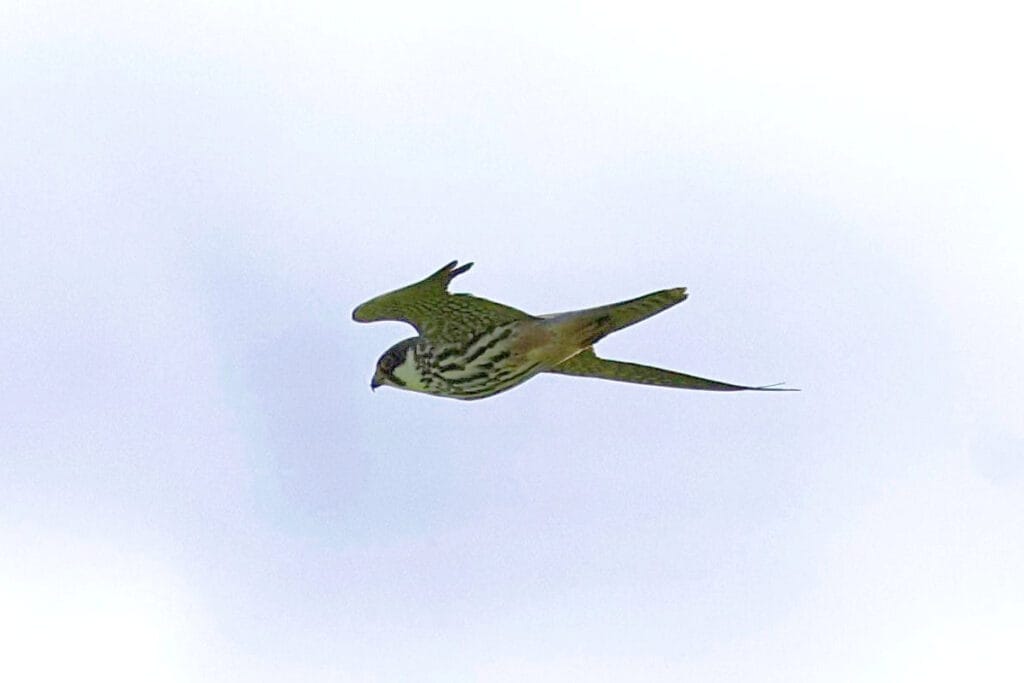
A day of two halves, with an overcast and wet start preceding sunny skies and a marked increase in temperatures that reached 22 degrees C; blustery south-westerly winds also developed. Not for the first time, a rise in temperature brought instant reward when a first-summer female Red-footed Falcon was discovered mid-afternoon. Initially seen over the Living Seas Centre at South Landing, it relocated to South Dykes where it showed sporadically into the evening. Surprisingly, this represents the first record on the headland since a first-summer male on 29th May 2012.

The Quail remained near Old Fall, with another Quail calling at RSPB Bempton Cliffs. Other notable sightings included a Green Sandpiper at Thornwick Pools (the return passage starts here!), a Hobby over South Dykes, 112 Swifts over the outer head and a Cetti’s Warbler still singing near the South Dykes entrance road.
The surge in temperatures was also responsible for an influx of butterflies, with significant numbers of Red Admirals and Painted Lady butterflies arriving alongside the year’s first Clouded Yellow.

Red-footed Falcon, South Dykes, by Will Scott
Red-footed Falcon, South Dykes, by Andy Hood

18th June 2026

Sunny intervals, light southerly winds and a high of 24 degrees C. The female Red-footed Falcon graced the headland for the second day running – initially at South Dykes, it then moved to RSPB Bempton Cliffs where it soon drifted off north-west mid-morning. Elsewhere, the Quail continued to call near Old Fall; an additional Quail called from fields adjacent to North Dykes. A ‘migrant’ Reed Warbler sang along the ‘Motorway hedge’ and a Grasshopper Warbler did similarly near Beacon Farm. Seawatch records included 38 Sandwich Terns and nine Manx Shearwaters.

Red-footed Falcon, South Dykes, by Lee Johnson

19th June 2026

The warmest day of the year, with sunny intervals, a moderate south-westerly wind and high of 28 degrees C. Present on the headland for its third day, the female Red-footed Falcon was seen twice at RSPB Bempton Cliffs; last observed heading south from the reserve at 1510hrs. Seawatch highlights from the Fog Station included 195 Common Scoters flying south, two Whimbrel and eight Sandwich Terns.

Puffin, Fog Station, by Alan Walkington

20th June 2026

Winds initially from the west switched to onshore later; sunny intervals established in the afternoon, when temperatures reached 25 degrees C. The morning seawatch was rewarded with seven Common Terns, 42 Sandwich Terns and three Manx Shearwaters. Two Quail were recorded on the headland: singles calling at Oceanview and at RSPB Bempton Cliffs. Further evidence that ‘autumn passage’ has started for some waders came in the form of single Lapwing and Ringed Plover.
Peregrine, RSPB Bempton Cliffs, by Dan Howe

21st June 2026

Some low cloud and fog during the morning clearing to become mainly sunny with a light easterly and the afternoon temperature rose to 22°C.

A Shoveler, a Grey Wagtail and a Whimbrel were at Thornwick Pools. Nearby at The Lakes, 29 Tufted Duck were counted. The male Cetti’s Warbler to the west of Danes Dyke continued to sing.

Grey Wagtail, Thornwick Pools (Brett Richards)

22nd June 2026

Mainly fine morning with cloud clearing by midday. Winds generally light from the south-east. Warm throughout with a maximum temperature of 23°C.

The influx of Quails continues with an unprecedented eight heard singing – seven at various locations around the Outer Head and another at Bempton Cliffs RSPB.

Seawatchers logged 46 Common Scoters, a Red-throated Diver, five Manx Shearwaters and a ‘Blue’ Fulmar. Common Scoters were also sound recorded passing over Bempton overnight.

A Greenshank and a Little Ringed Plover were noted at Thornwick Pools signalled that the autumn passage of waders is already underway. Raptor interest included a Hobby at Bempton and a Marsh Harrier at Buckton.

Hobby, Bempton (Will Scott)

23rd June 2026

The warm weather continues. Sunny throughout the day, light south-easterly winds and the temperature rose to 19°C by late afternoon.

A hundred Common Scoters and seven Manx Shearwaters were the pick of the seawatch. Passage waders at Thornwick Pools included a Green Sandpiper and a Dunlin while a Teal was also new. A Cuckoo was at South Landing beach before moving up the ravine. At least one Quail continued singing on the Outer Head.

Yellow Wagtail, Outer Head ( Andy Hood)

24th June 2026

Sunny with light/moderate onshore winds capping temperatures to a pleasant maximum of 23 degrees C. Three calling Quail were in residence on the outer head, where a juvenile Little Egret flew west. A redhead Goosander flew east past South Dykes, while a Cuckoo was nearby at Beacon Hill. Late evening, a further three Quail were singing from fields near Speeton.

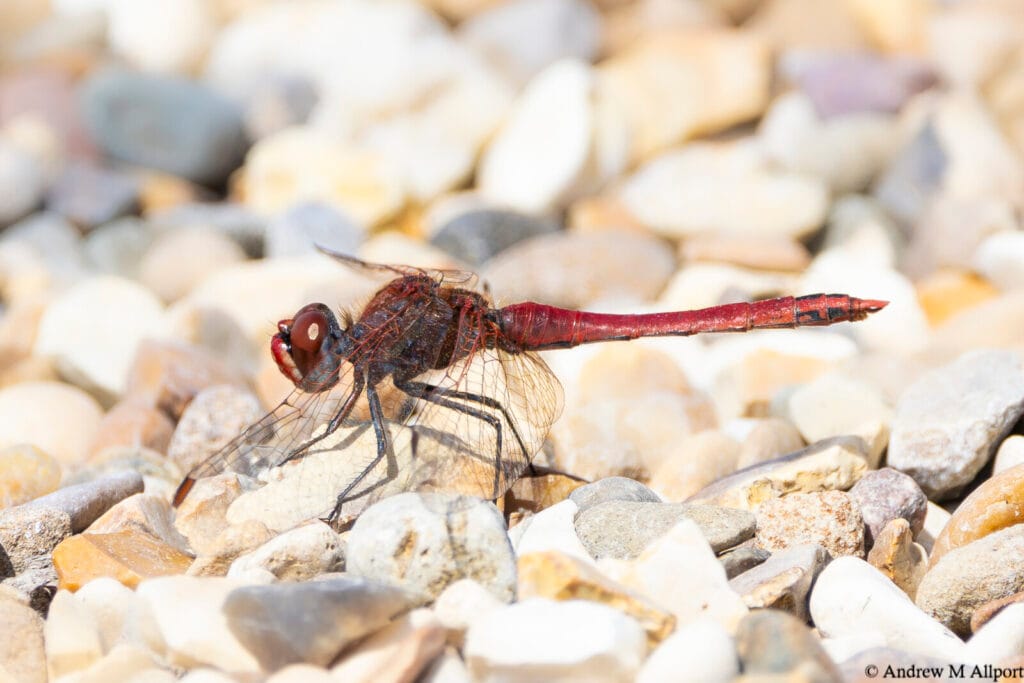
Red-veined Darter, Thornwick Lakes, by Andrew Allport

25th June 2026

A sea fret dominated the day, reducing the maximum temperature to 17 degrees, while a light/moderate south-easterly wind added to the fresh feel. Already well-established as a record-breaking spring, an amazing 12 singing Quail were located on the outer head. In addition, an additional two Quail were singing in fields at Speeton. Other notable sightings included two Eider, two Little Ringed Plovers and a Cuckoo.

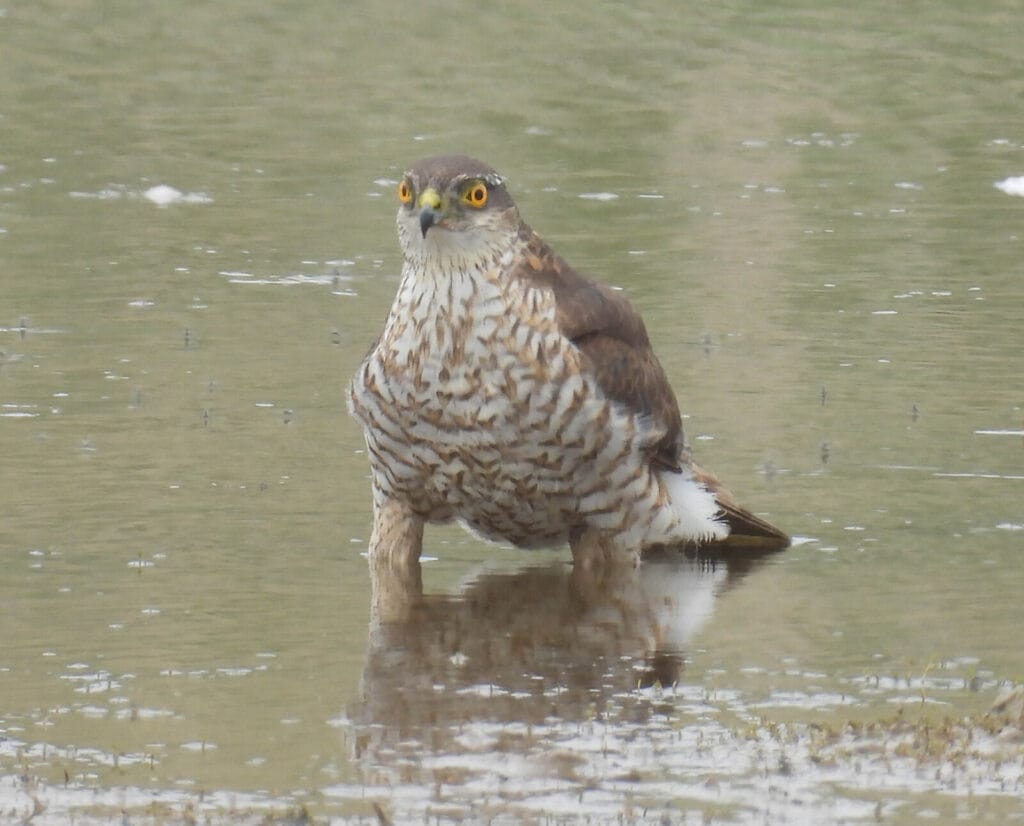
Sparrowhawk, Thornwick Pools, by Brett Richards

26th June 2026

A few thundery showers skirted the headland in the morning before sunny skies prevailed; winds remained light and temperatures reached 22 degrees C. An adult Roseate Tern that eventually flew north close inshore was the highlight of a seawatch that also featured an adult Mediterranean Gull, 18 Sandwich Terns and two Arctic Skuas. A total of 174 Swifts flew south past the lighthouse in under an hour ahead of the morning showers. Later in the day, a further 268 Swifts moved south-east past North Landing, while a second calendar-year Little Gull was offshore.

Three singing Quail included two near North Landing, where a Great White Egret flew south and a Hobby made a typically brief appearance. Elsewhere, the Cuckoo remained in residence around Beacon Hill and two Bonxies were off RSPB Bempton Cliffs.
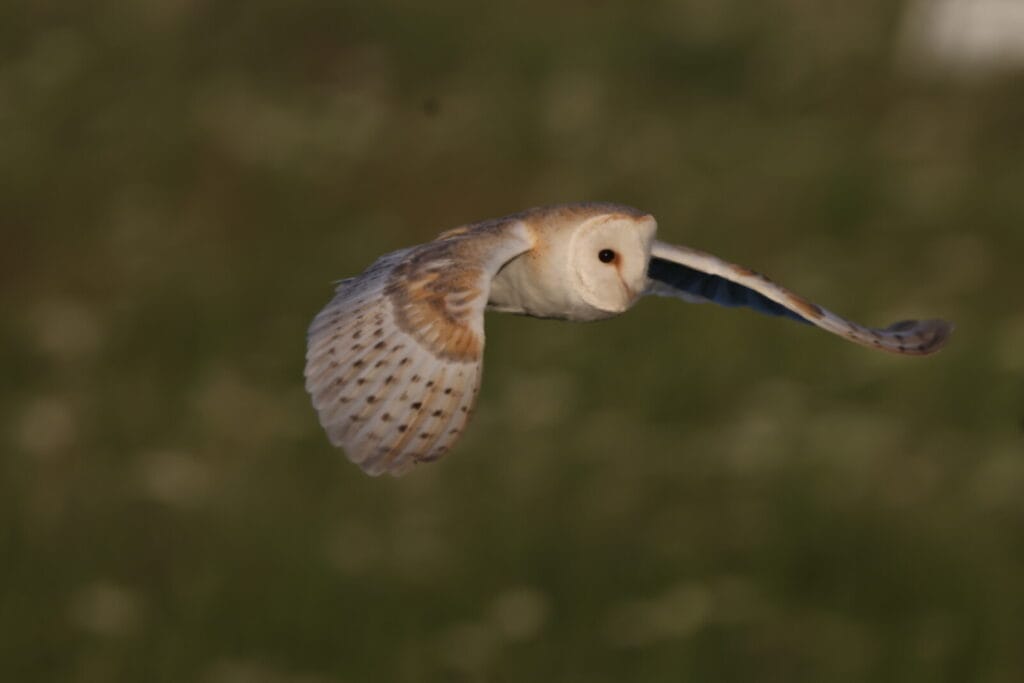
Barn Owl, RSPB Bempton Cliffs, by Dan Howe

27th June 2026

Sunny intervals throughout; initially the headland benefitted from an onshore southerly breeze that ensured temperatures remained no higher than 22 degrees C. A shift to a south-westerly airflow early afternoon brought a dramatic rise to a record-breaking 30 degrees C.

Befitting of the first day of the Seabird Festival, most attention was focussed on the sea: a Minke Whale moved north past the Seawatch Observatory, whilst a pod of Bottlenose Dolphins entertained for the majority of the day. Larid interest included two Mediterranean Gulls flying north and an adult Yellow-legged Gull that ‘U-turned’ and eventually flew south. Five calling Quail were in residence on the outer head, including two near North Landing and one near South Landing. Additional Quail were also calling from Buckton and Speeton, while the Bonxie remained off RSPB Bempton Cliffs.
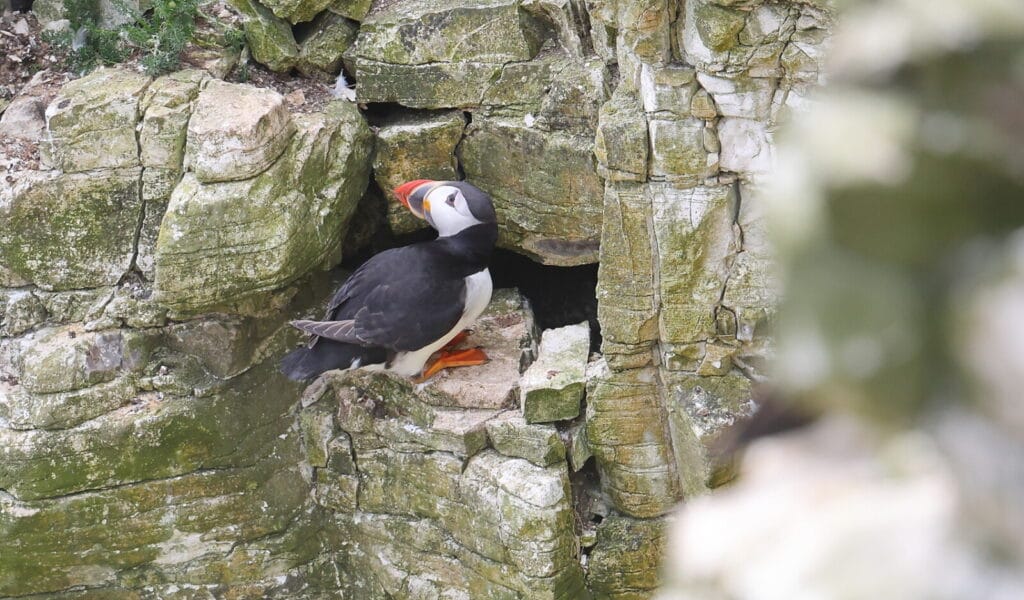
Puffin, Fog Station, by Alan Walkington

28th June 2026

Prolonged sunny intervals, a moderate west-south-westerly wind and temperatures that peaked at 25 degrees C. The second day of the inaugural Seabird Festival provided a significant highlight to a lucky few. A Common Scoter flock unusually landed close inshore off the Seawatch Observatory and careful scrutiny revealed the presence of Flamborough’s first Surf Scoter (a drake) for ten years. Unfortunately, the flock was soon flushed by the approach of the ‘Yorkshire Belle’; although a birder onboard managed to capture images of the scoter. An adult Mediterranean Gull, 12 Manx Shearwaters and 330 Puffins flew north during an evening seawatch. Away from the sea, two Quails continued to call from the outer head, with another Quail remaining at Speeton.
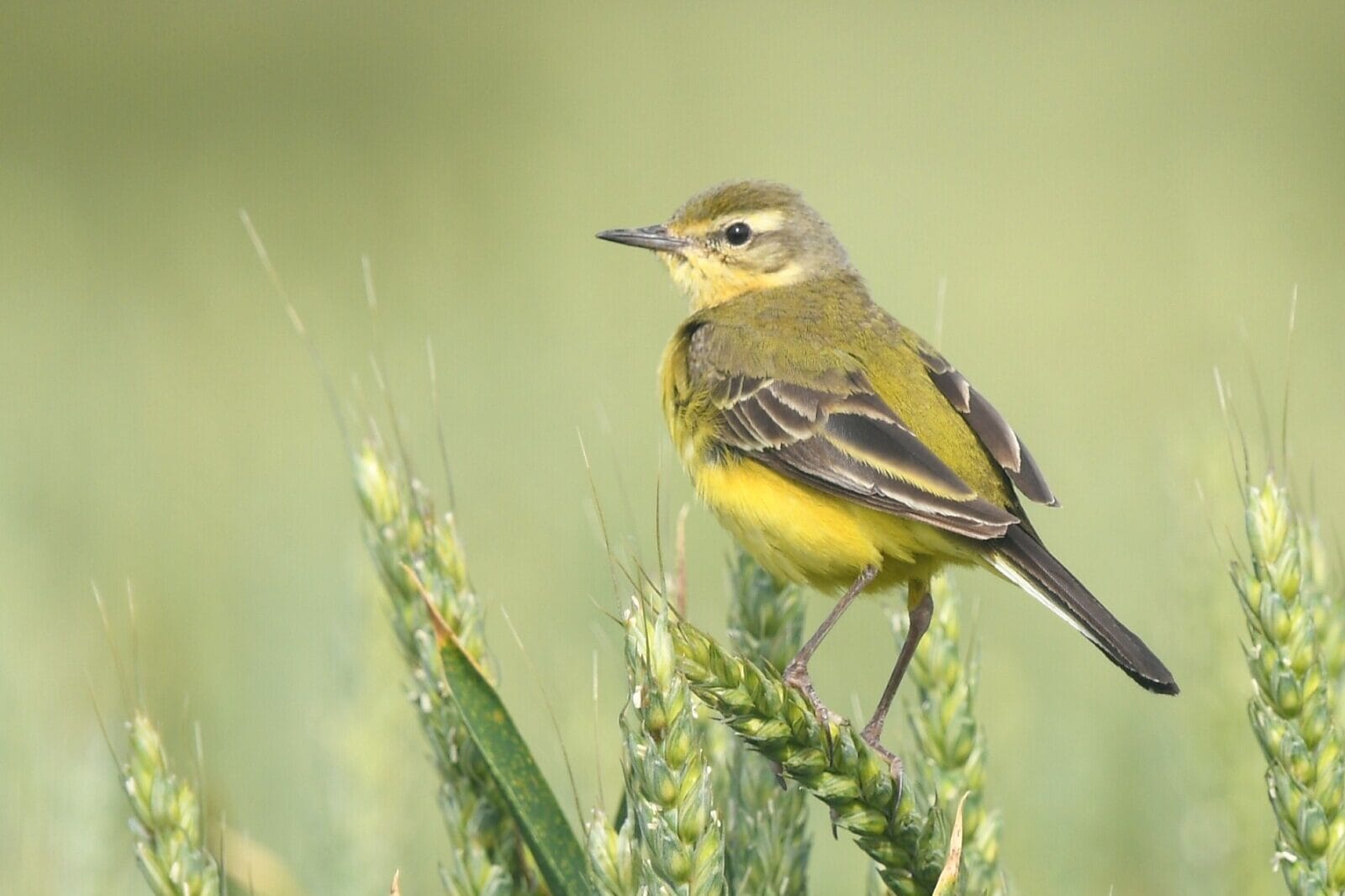
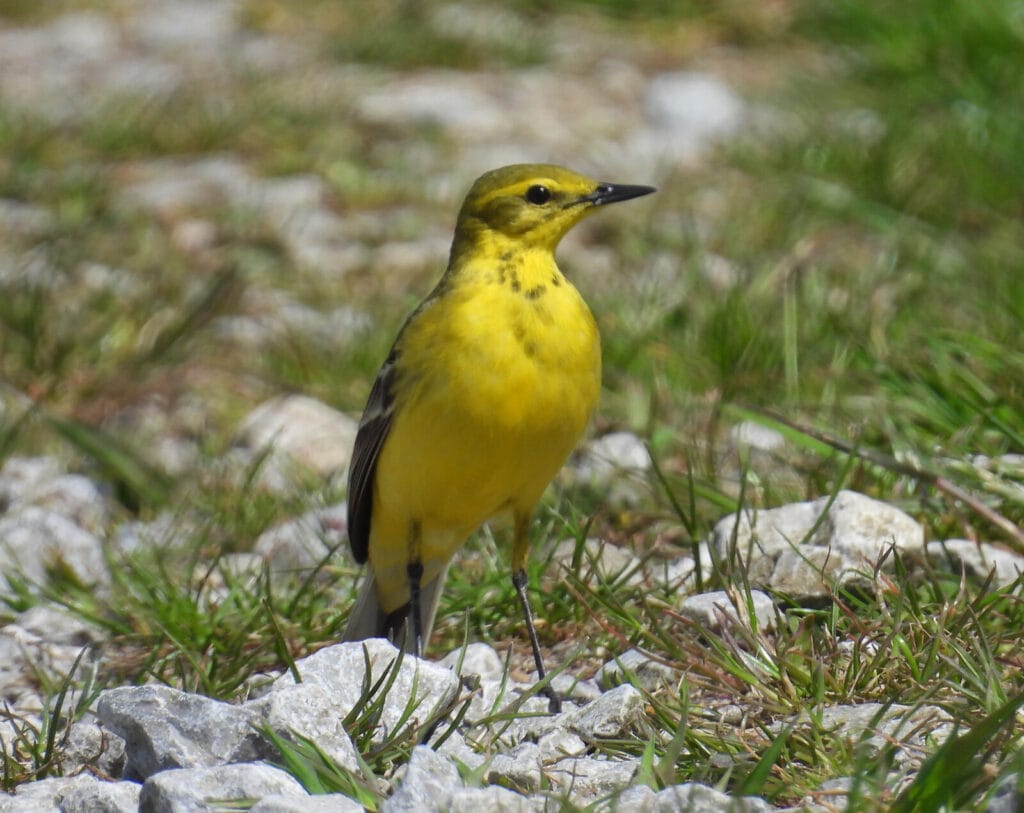
Yellow Wagtail, Thornwick Lakes, by Brett Richards