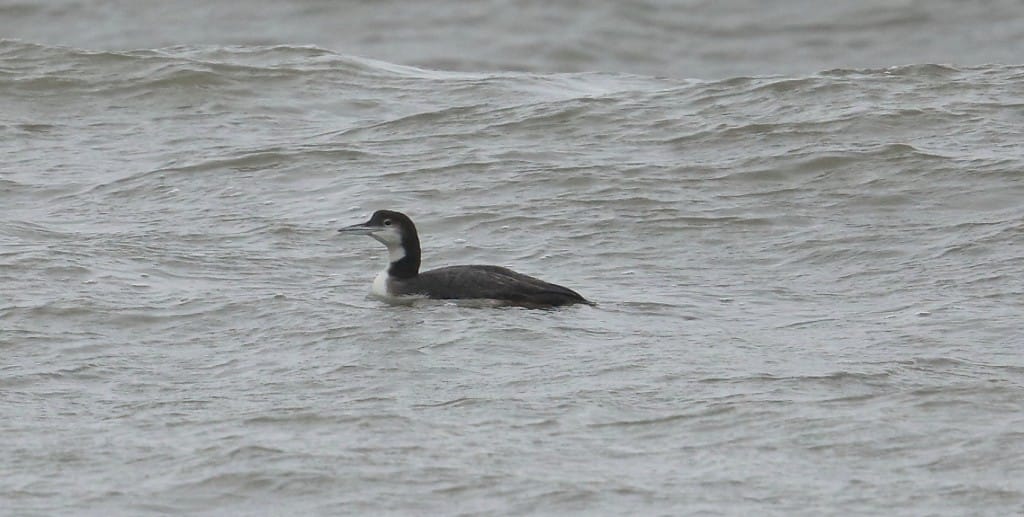
The day again featured light/moderate south-westerly winds, overcast skies and well above average temperatures. During the seawatch a Blue Fulmar lingered offshore, a Great Northern Diver, two Shelduck and a Shoveler flew south, one Bonxie moved north and a Little Auk headed south.
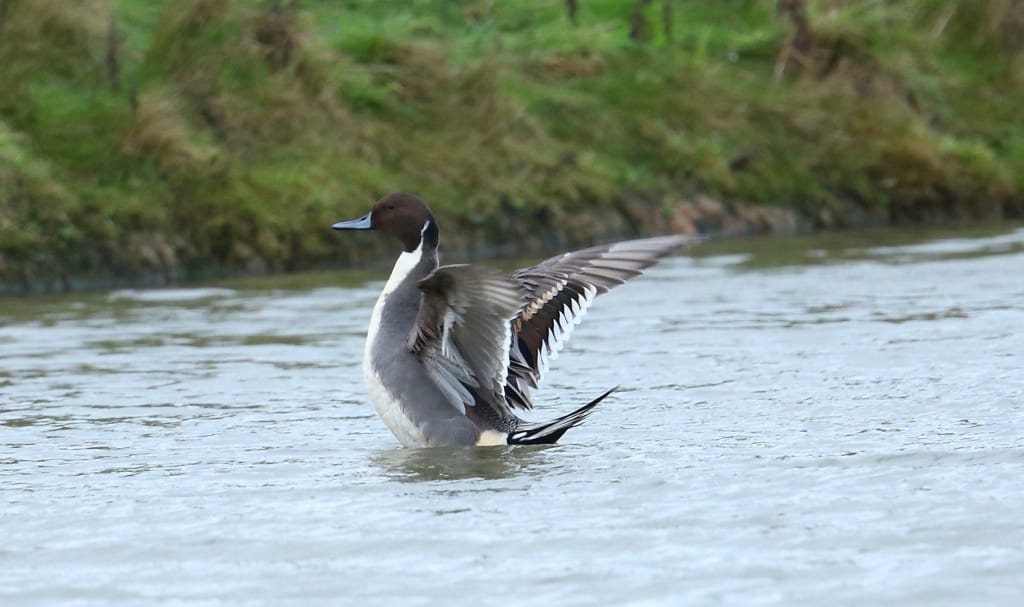
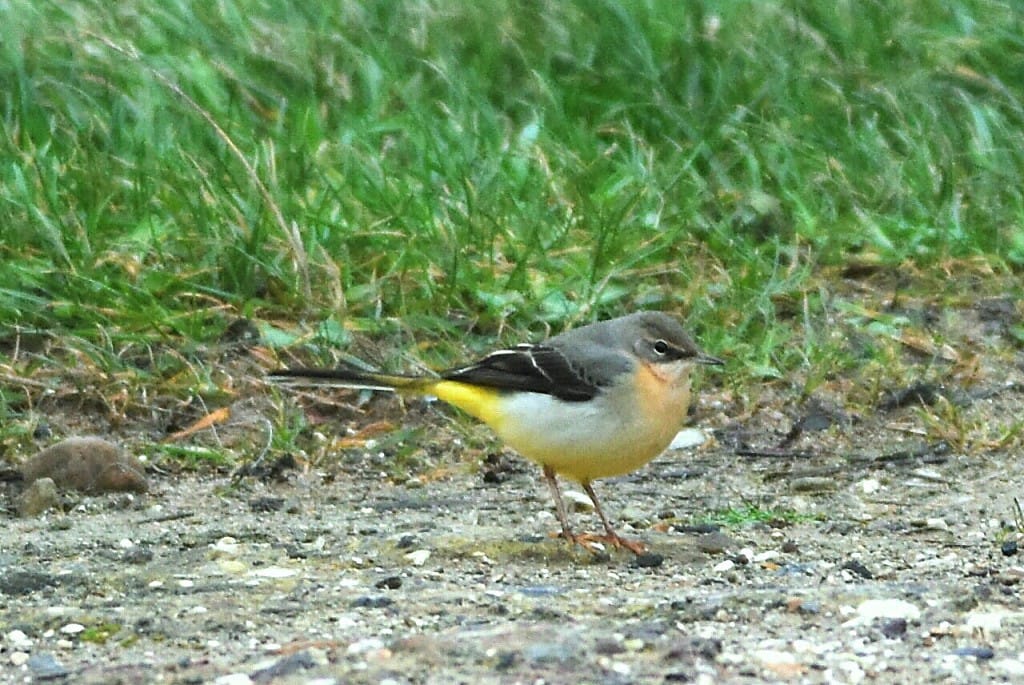
Light/moderate south-westerly winds again predominated, with overcast skies and relatively mild conditions. During the seawatch, a Bonxie headed north and five Little Gulls flew south. The drake Pintail remained in residence, whilst 88 Turnstone were recorded; 55 near the Fog Station and 33 at South Landing. A Knot and a Grey Wagtail were recorded at the latter site, together with four Siskin. Oceanview hosted 54 Tree Sparrows and 31 Yellowhammers.
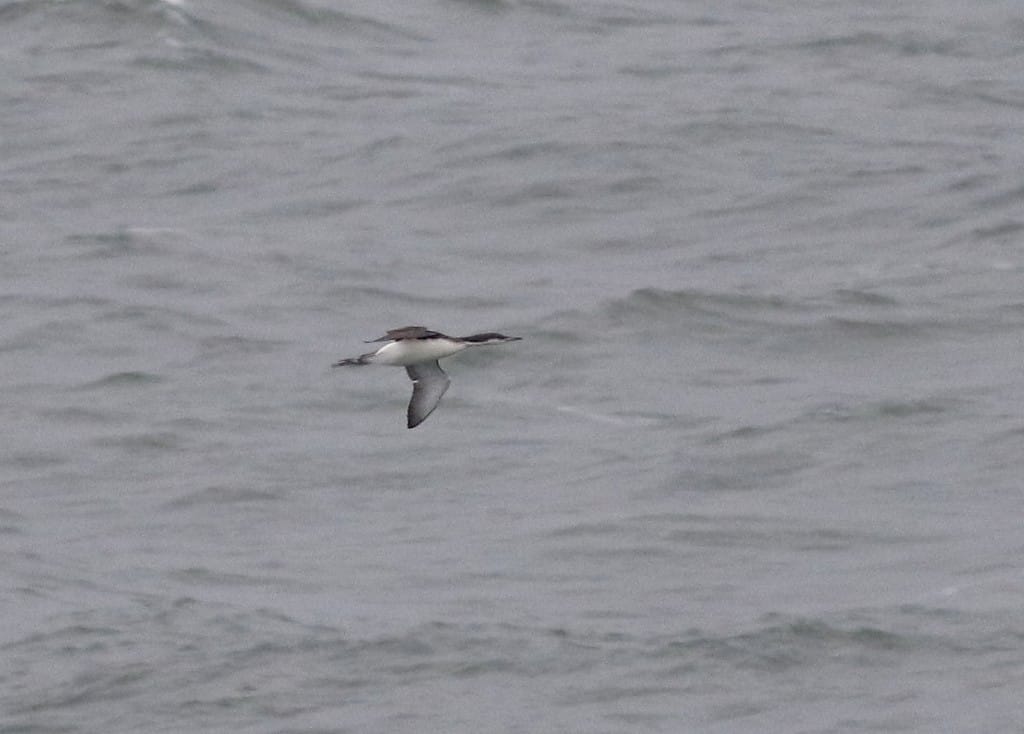
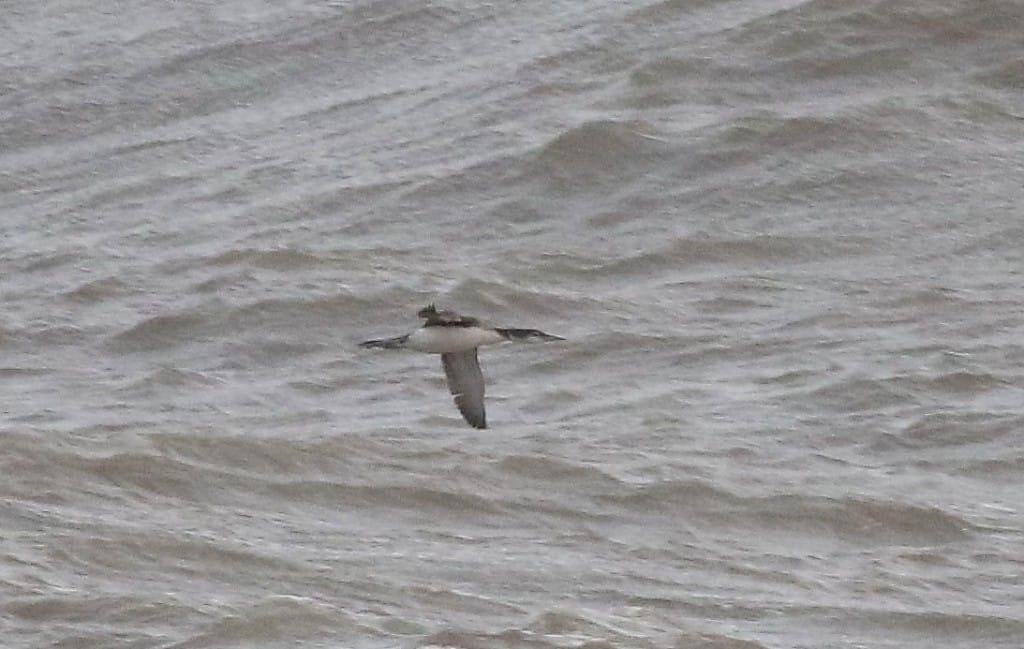
It was another mild day, with moderate/strong southerly winds and overcast skies. Seawatching highlights included 42 Red-throated Divers, a Black-throated Diver flying south, five Eider, single Lapwing and Knot moving south, along with two Bonxies, a Little Gull and two Little Auks. A Mistle Thrush frequented the Lighthouse Grasslands, whilst a Peacock butterfly flying around the seawatchers was indicative of the mild temperatures.
Black-throated Diver, Fog Station, by Craig Thomas
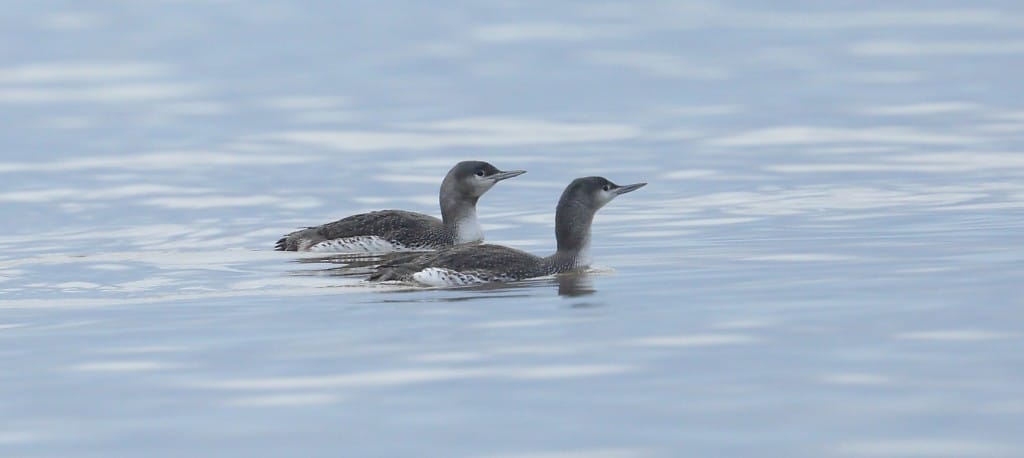
It was a day of moderate/strong south-westerly winds and overcast conditions. During the seawatch, two Wigeon and a Knot flew south, whilst two Bonxies headed north; in addition, 266 Shags and 70 Red-throated Divers were offshore.
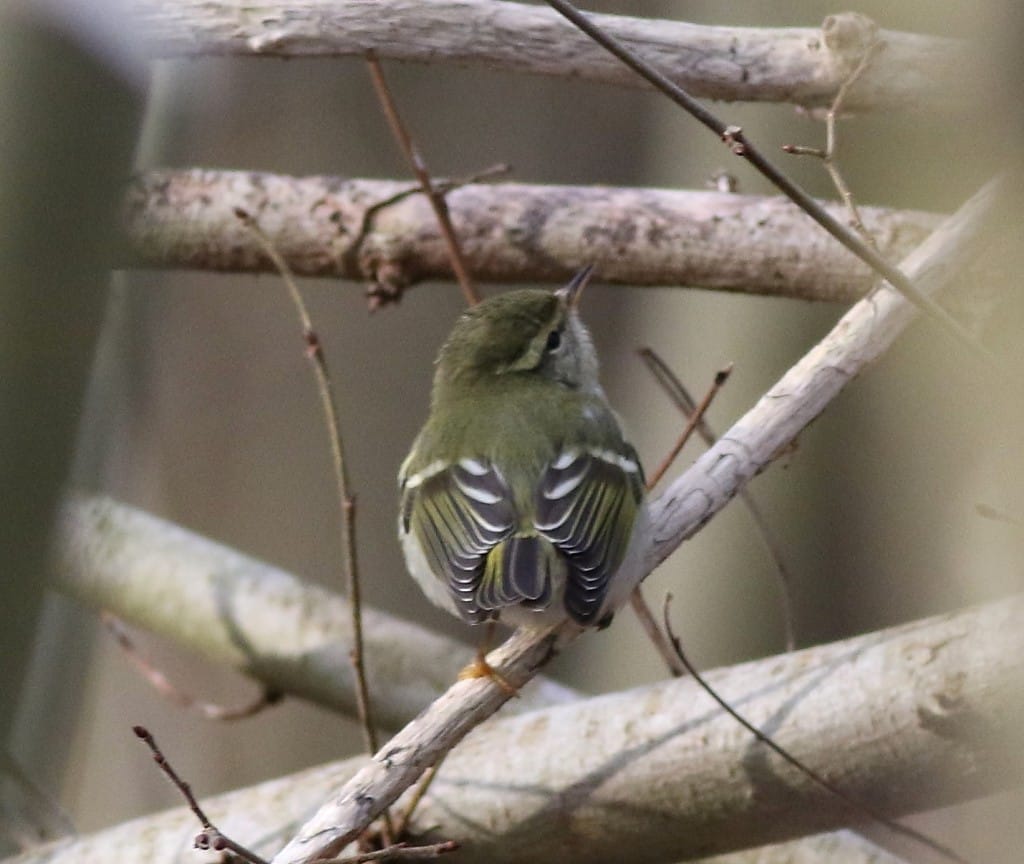
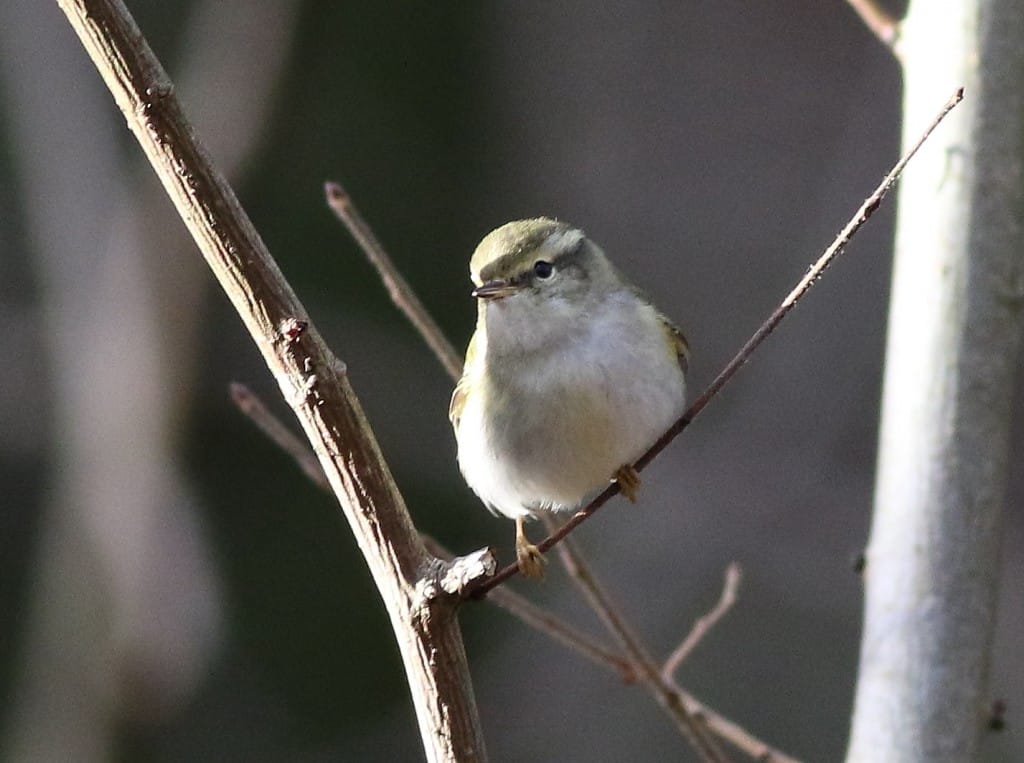
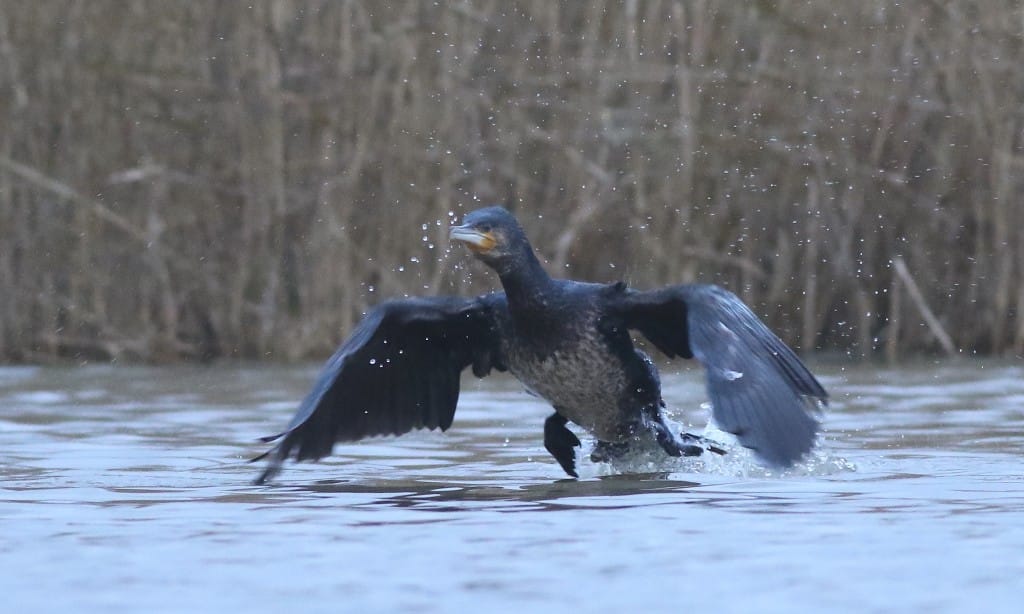
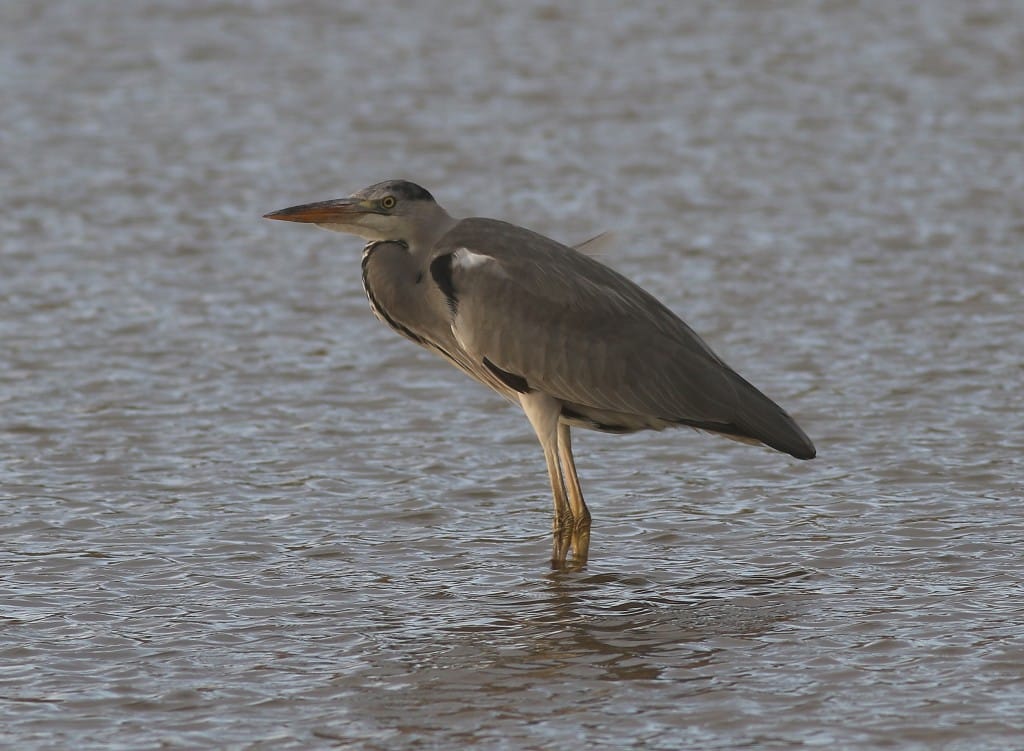
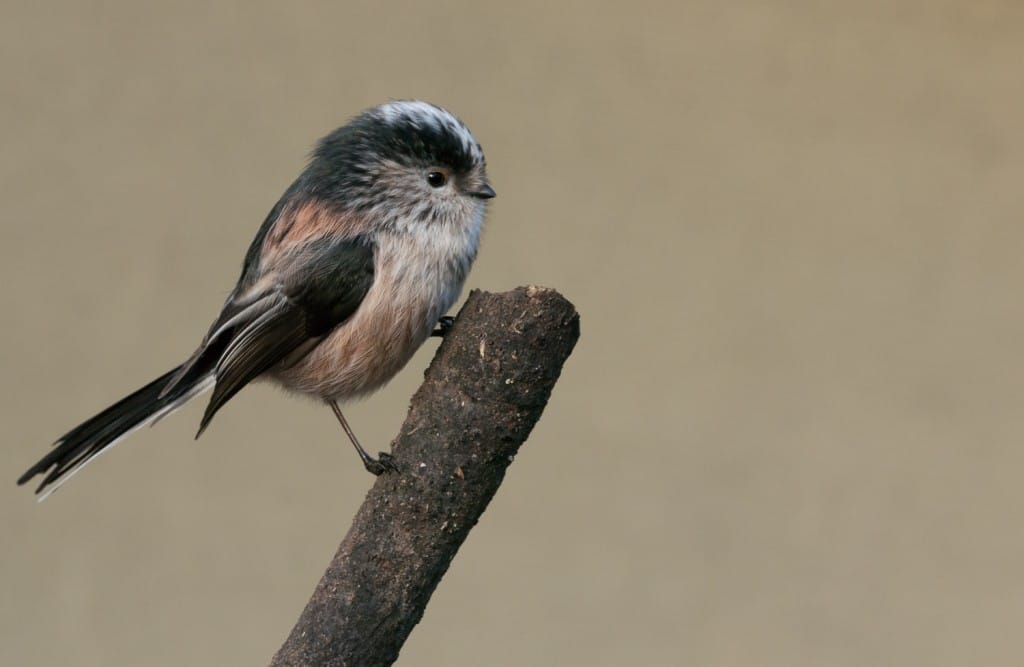
Thornwick Pools attracted a Grey Heron, one Cormorant, a Coot and 15 Teal. The day’s highlight was the discovery of an unprecedented December Yellow-browed Warbler in South Dykes. A tit flock in South Dykes contained ten Long-tailed Tits, five Coal Tits, two Treecreepers, two Goldcrests and a Chiffchaff. Two more Coal Tits, two Treecreepers and ten Siskin frequented South Landing.
Yellow-browed Warbler, South Dykes, by Craig Thomas
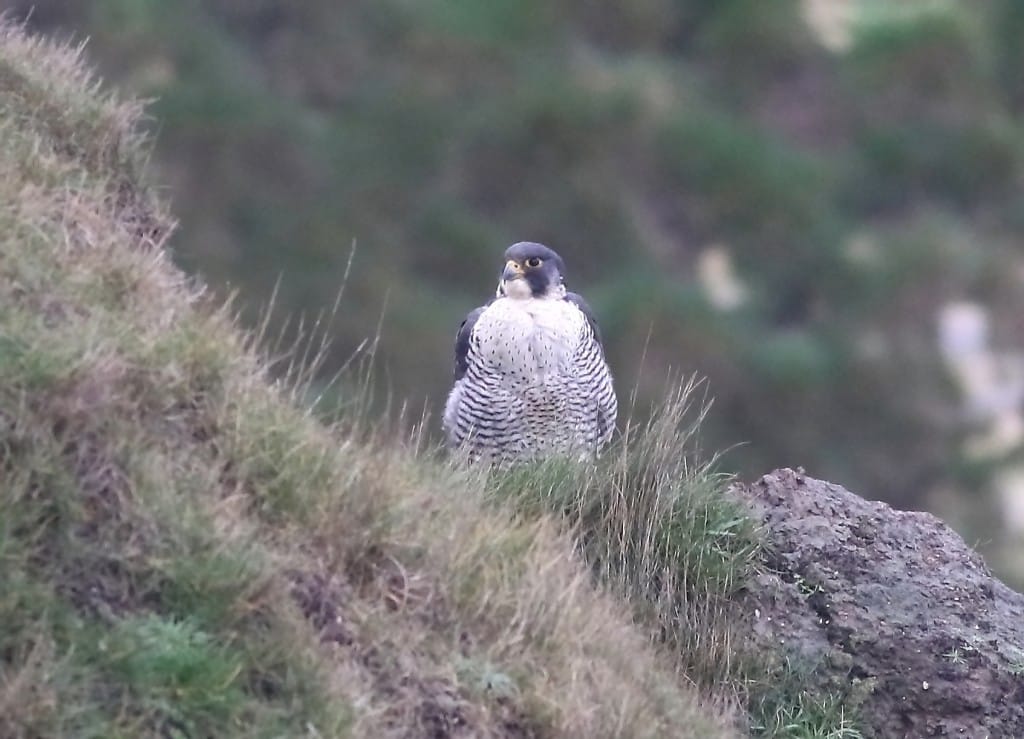
The day started with strong south-westerly winds and overcast skies, with rain later. The seawatch was relatively quiet, with single Wigeon and Bonxie flying south and a Peregrine present. Thornwick Pools attracted eight Teal, a Grey Heron and one Coot, whilst 610 Black-headed Gulls represented a relatively good winter tally.
The morning featured strong south-westerly winds and overcast skies, with rain and a decreasing wind in the afternoon. Seawatching highlights included 34 Red-throated Diver, a Great Northern Diver, 400 Fulmars, a Little Gull and one Little Auk all flying south. A total of 252 Shags also left their roost to feed in Bridlington Bay.
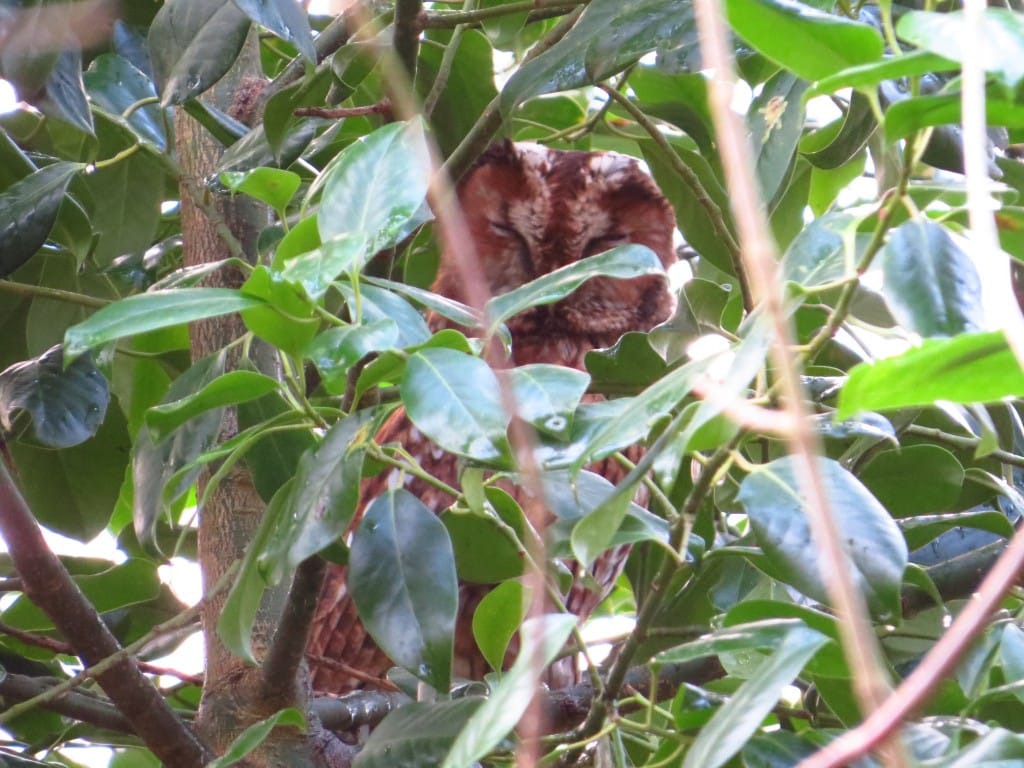
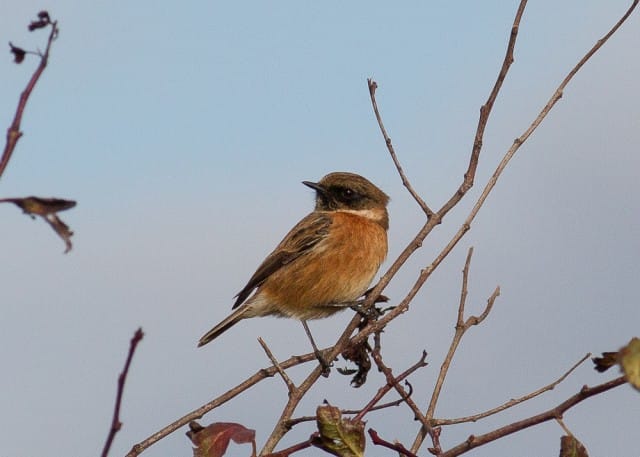
Thornwick Pools attracted seven Teal, the Pintail, a Cormorant, two Grey Herons, one Coot and four Snipe, with a Stonechat nearby. South Dykes hosted two Tawny Owls, two Goldcrests and a Chiffchaff, with another Goldcrest at Oceanview.
A sunny day represented a significant change, although the winds remained stubbornly in the south-west. A Shelduck flew south on the seawatch, while a Little Gull headed in the opposite direction. Thornwick Pools attracted a Grey Heron, one Cormorant, a Coot and five Teal. A tally of 1220 Black-headed Gulls was above average. The Yellow-browed Warbler was still present in South Dykes, spending most of its time along the stream.
Yellow-browed Warbler, South Dykes, by Craig Thomas
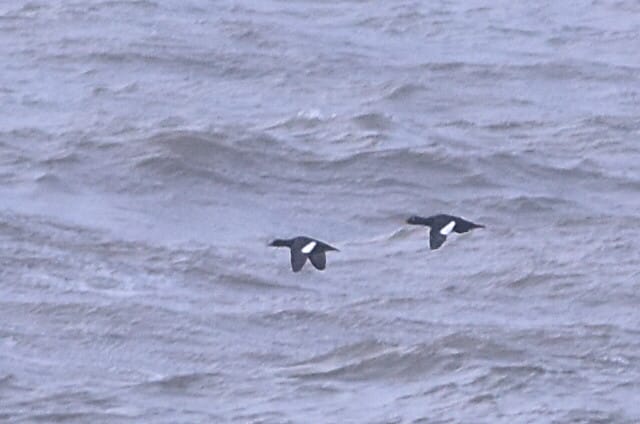
Strong southerly winds dominated, with overcast conditions and a belt of rain from late morning. Seawatching highlights included 217 Fulmars, 11 Pintail, seven Pochard, two Velvet Scoter and a Little Auk all flew south.
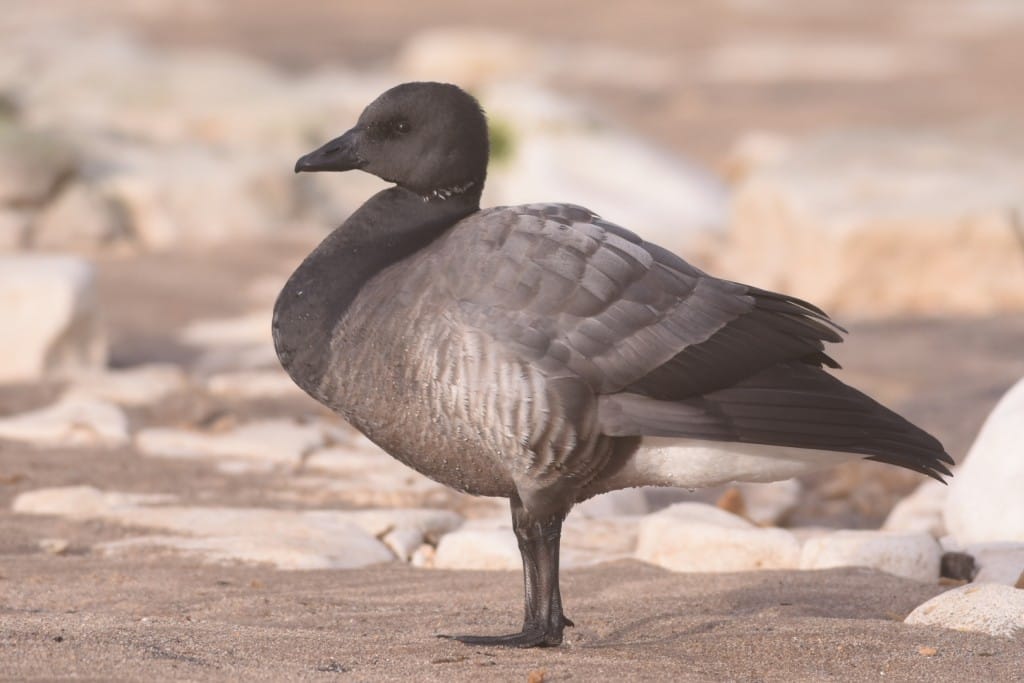
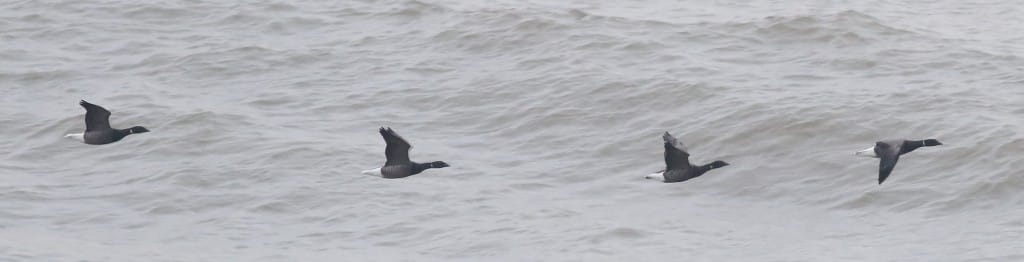
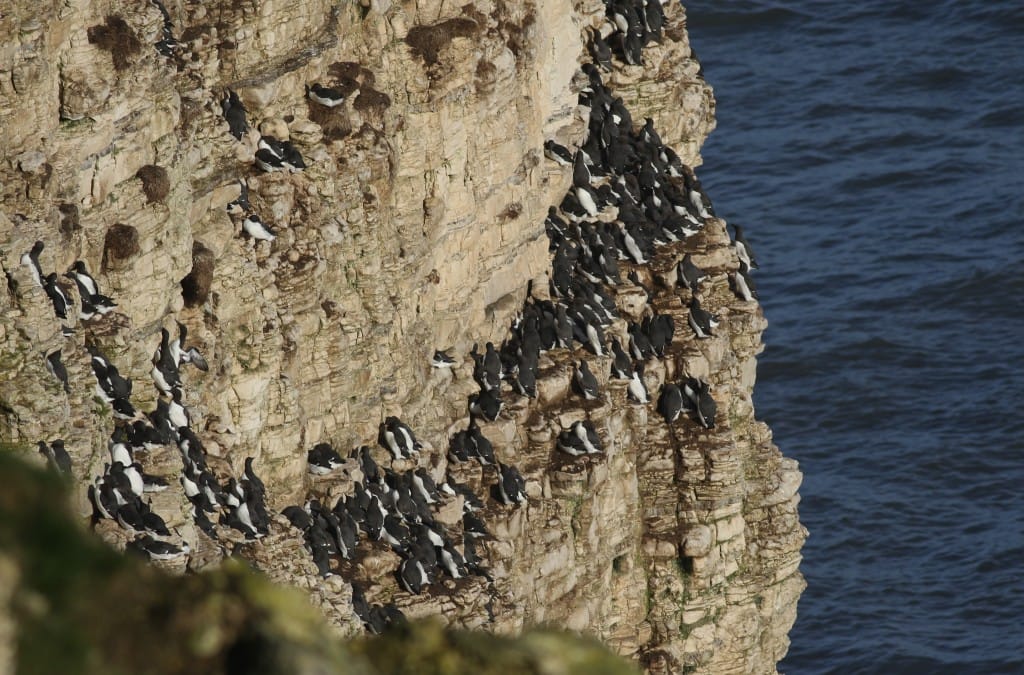
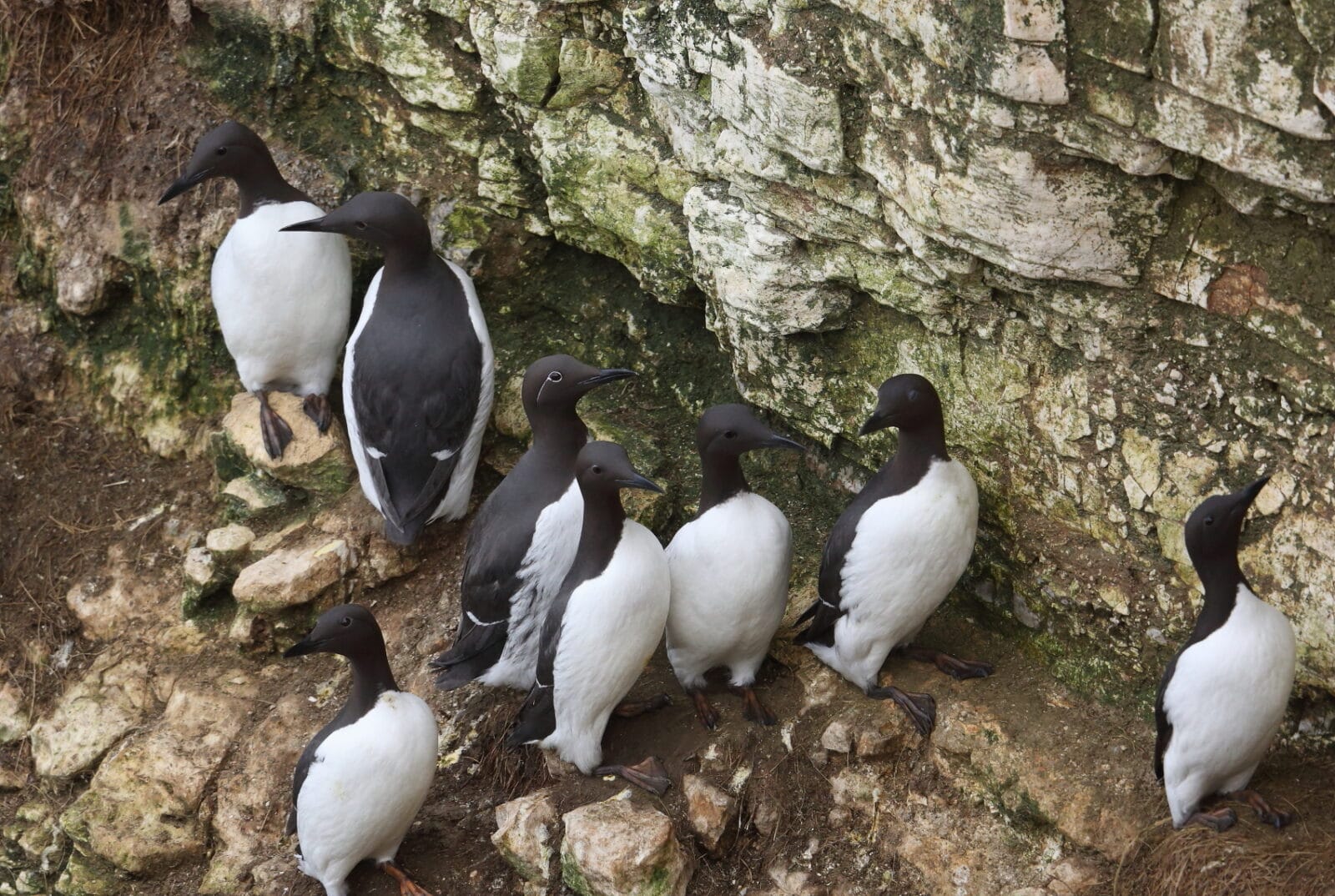
A day of moderate south-westerly winds, overcast skies with rain from late morning. Seawatching highlights included 75 Red-throated Divers, four Great Northern Divers, one dark-bellied Brent Goose and six Wigeon flying south, whilst 1000 Guillemots also moved past the Headland.
A Grey Wagtail frequented South Landing, whilst there were 19 Siskin and a Goldcrest at Oceanview.
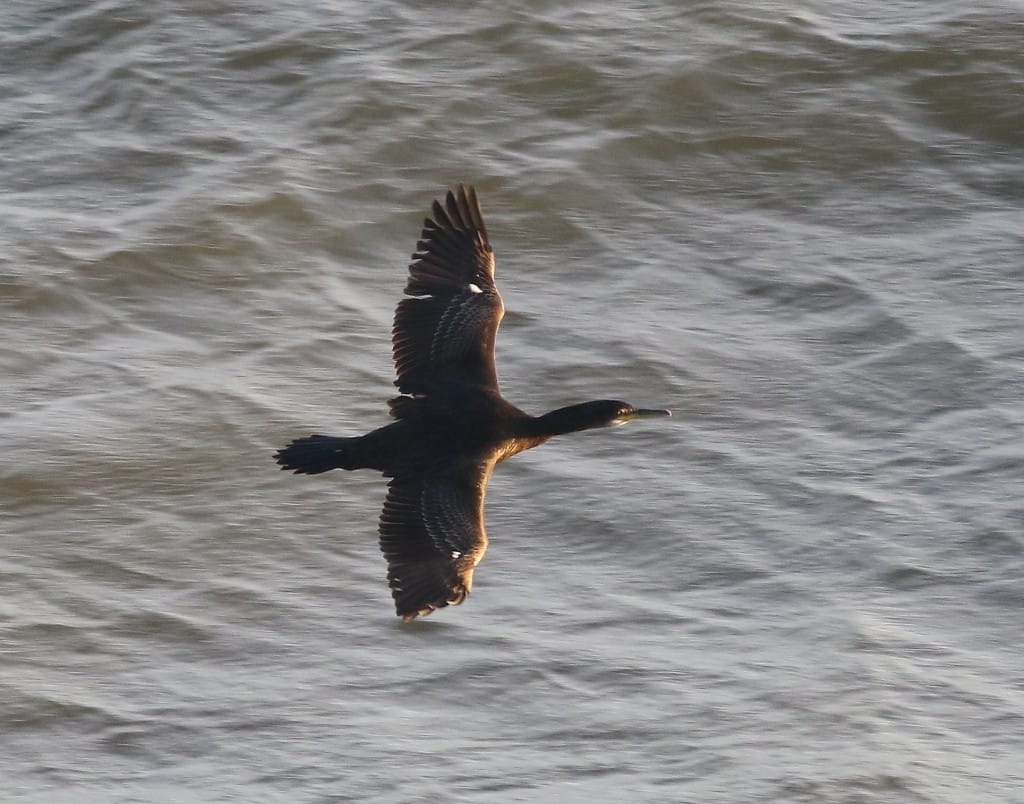
The weather consisted of moderate/strong south-westerly winds, overcast conditions and rain. Seawatching was rewarded with 277 Shag leaving the roost, 33 Cormorants and a Bonxie flying south. The gull roost contained 230 Black-headed and 1005 Common Gulls.
The weather relented at last and there were lighter south-west winds and sunshine. Seawatching produced 95 Red-throated Divers, a Great Northern Diver flying south, two Brent Geese heading north, and one Pintail, two Eider, 11 Common Scoter and two Velvet Scoters all flying south. In addition, five Bonxies flew south and a Little Gull moved north.
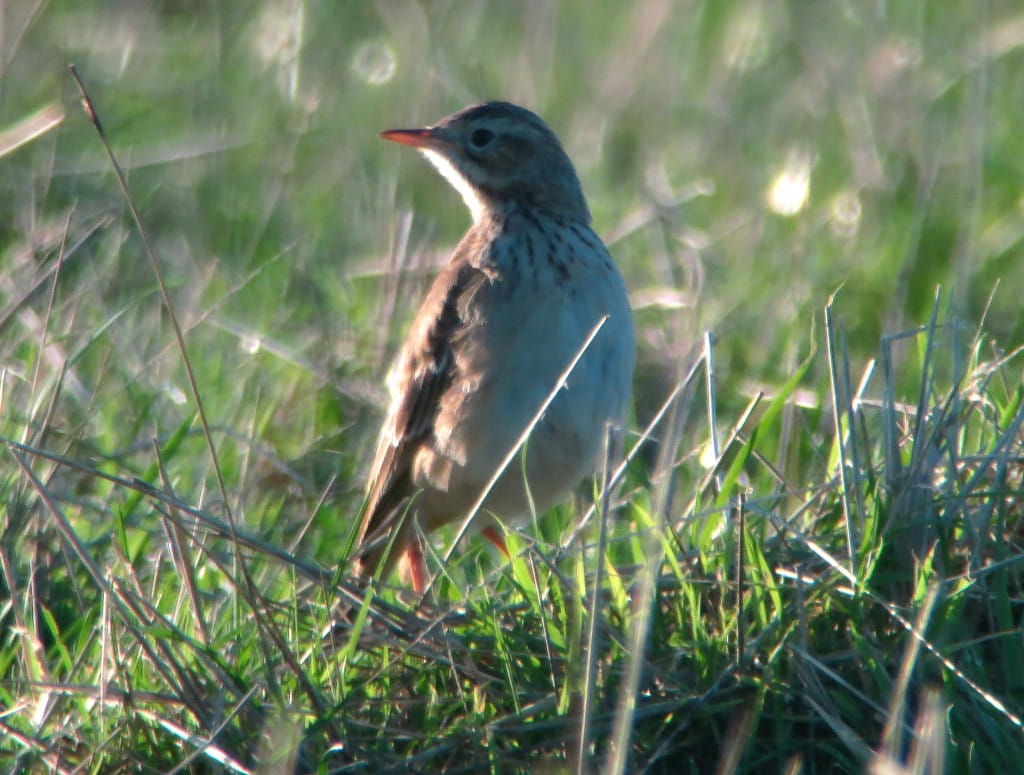
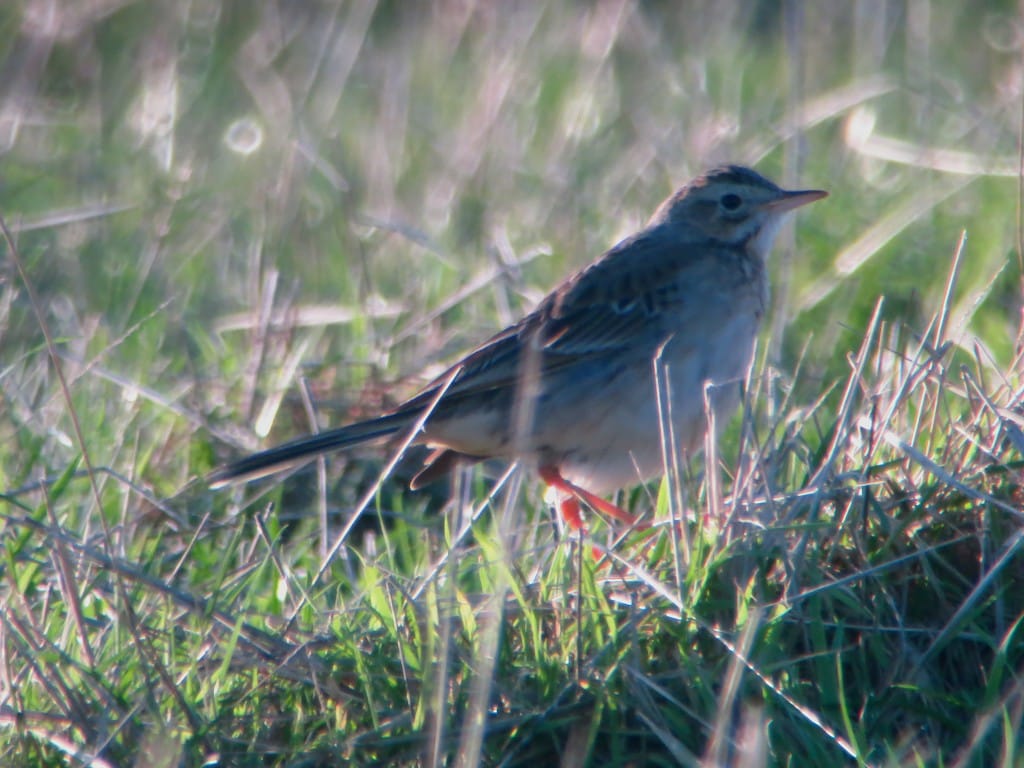
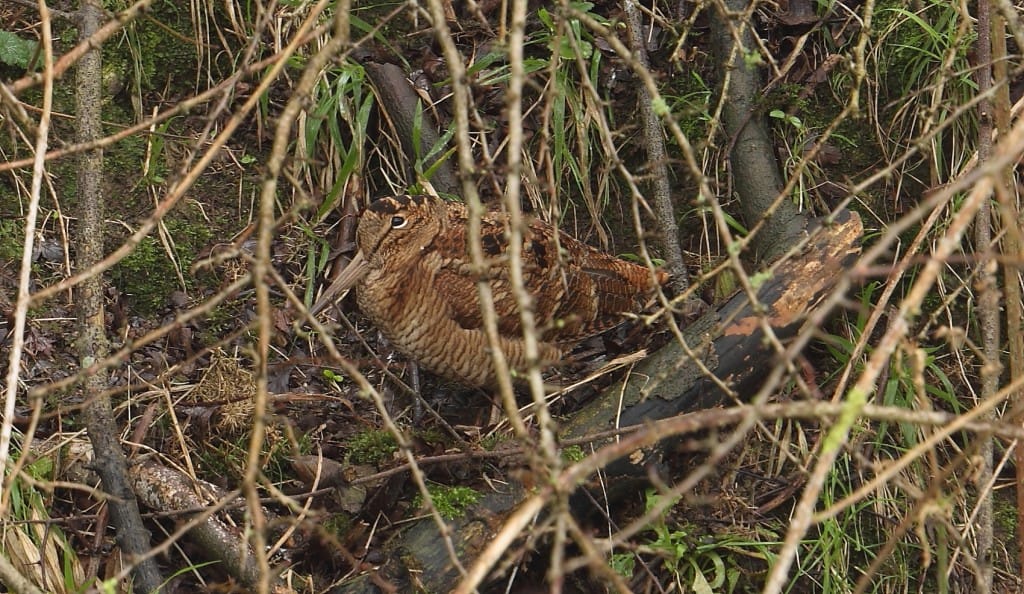
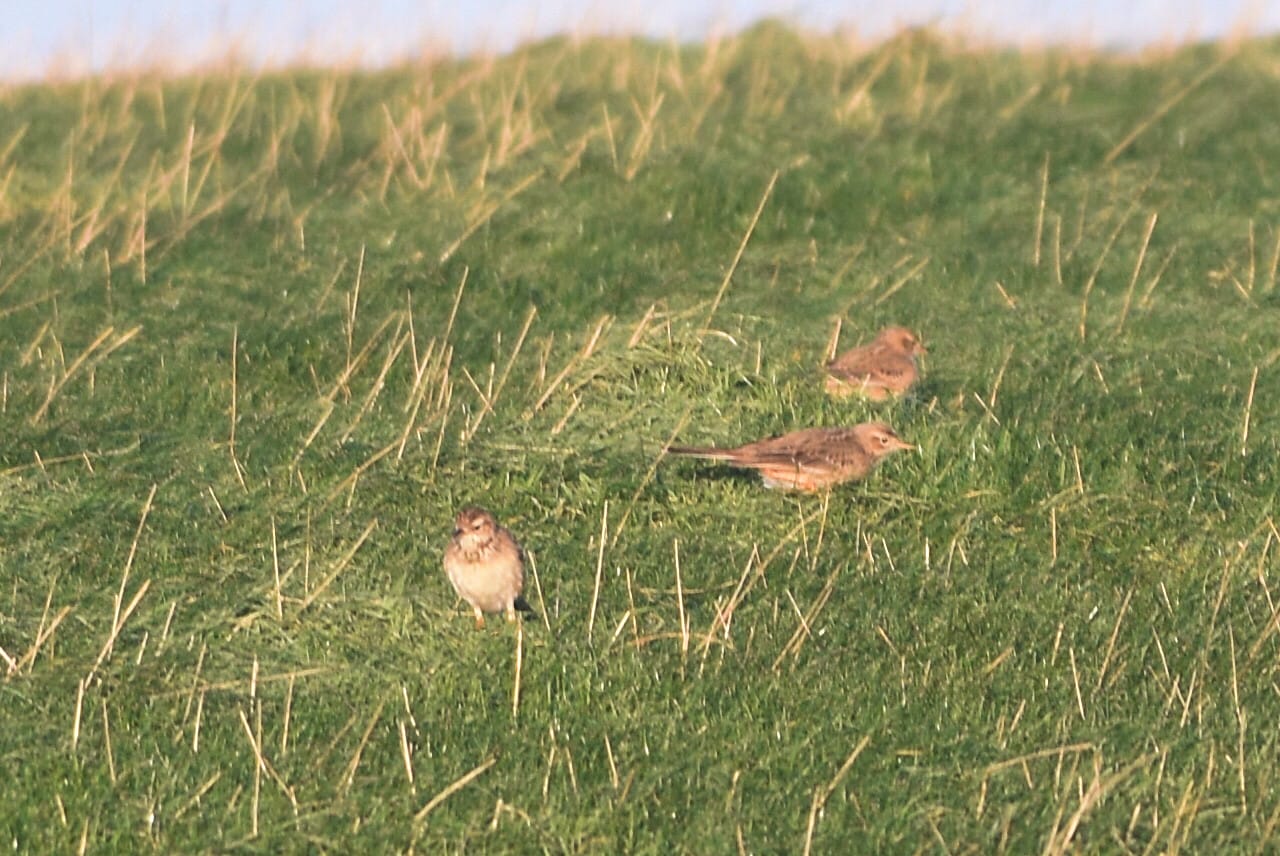
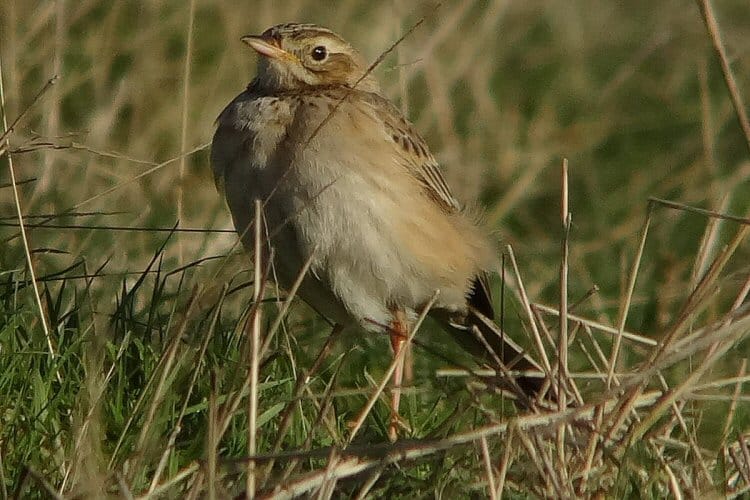
Away from the sea, two Whooper Swans flew south over the Headland, a Pink-footed Goose accompanied the Greylag flock and North Marsh attracted a pair of Gadwall. South Landing sheltered a Woodcock. The day’s highlight was the discovery of two Richard’s Pipits in fields east of North Landing; viewed from the cliff top path. Two Stonechats were also nearby.
West of the Dykes, a Gadwall frequented Buckton Pond.
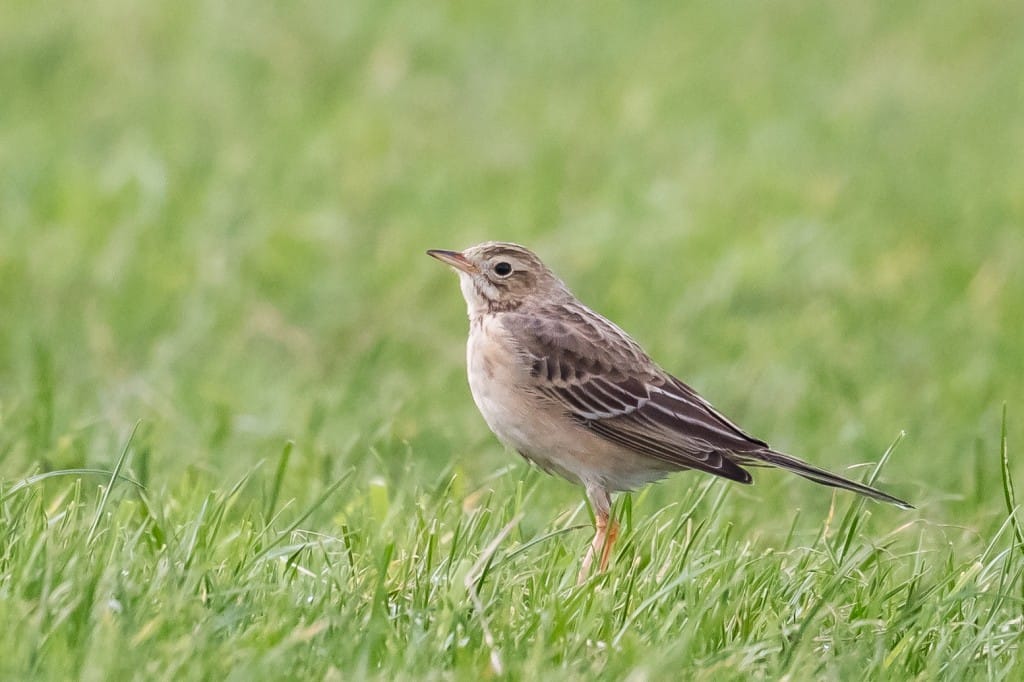
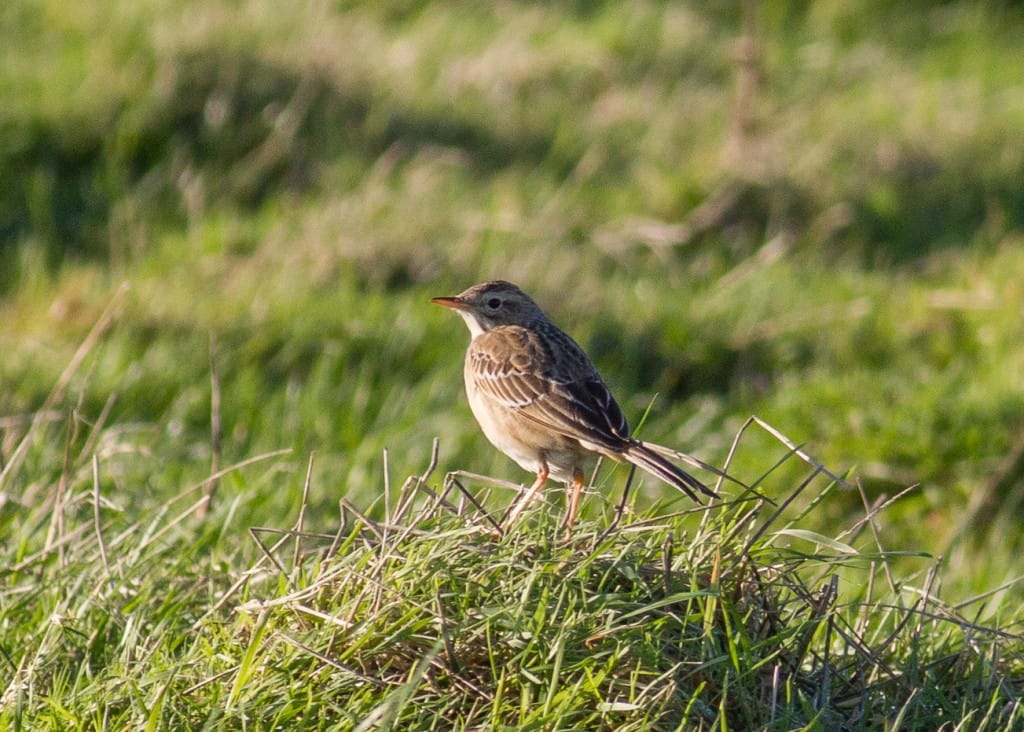
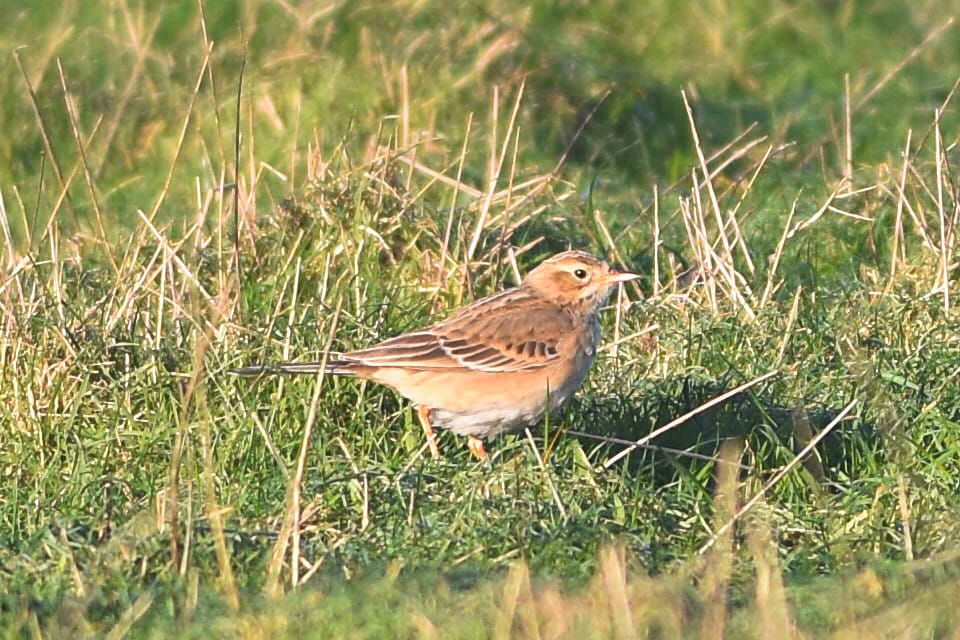
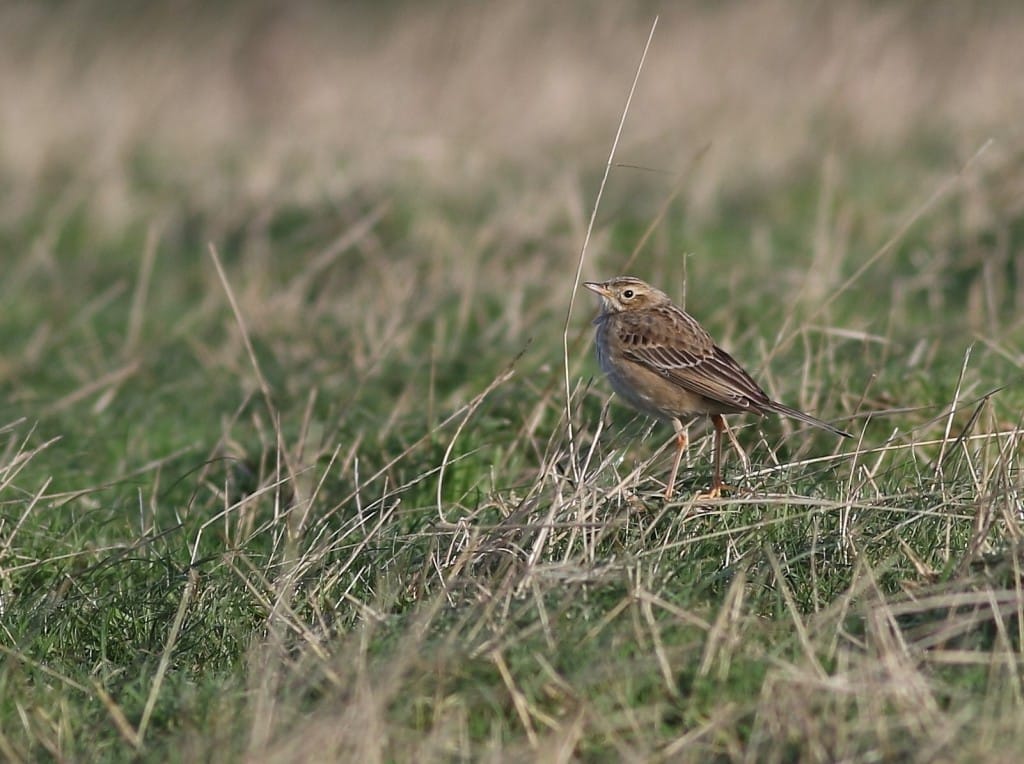
Richard’s Pipit, North Landing, by Brett RichardsRichard’s Pipit, North Landing, by Brett Richards
It was an overcast day with strong south-south-easterly winds. Seawatching highlights included 20 Red-throated Divers heading north, three Great Northern Divers flying south, one Manx Shearwater north, 18 Teal and two Pintail moving south and eight Bonxies; the latter a December record.
The Pink-footed Goose lingered with the Greylag flock, North Marsh attracted eight Wigeon and 57 Teal, whilst the drake Pintail remained at Thornwick. The two Richard’s Pipits showed well between North Marsh and North Landing, with other passerine interest provided by a Chiffchaff in South Dykes and four Stonechats.
Richard’s Pipit, twixt North Landing and North Marsh, by Andrew Allport
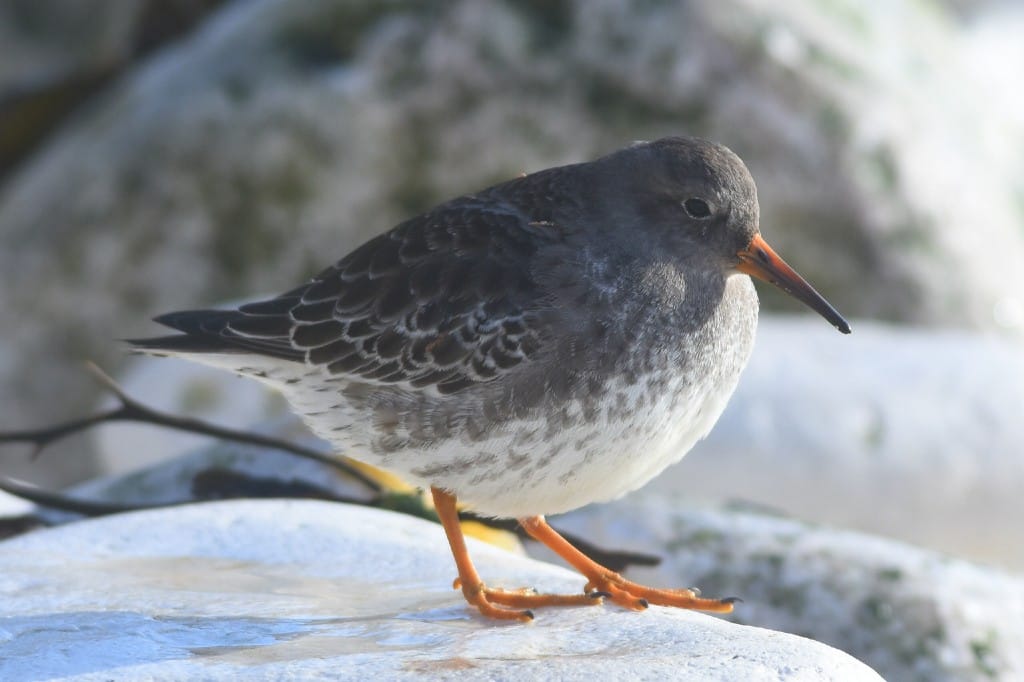
After an overcast start, unbroken sunshine prevailed along with moderate south-westerly winds. During the seawatch, 28 Red-throated Divers headed south, two Great Northern Divers flew north and a Blue Fulmar, three dark-bellied Brent Geese, 12 Shelduck, 14 Wigeon, 23 Teal and a Goldeneye flew south all flew south. In addition, 11 Eider and two Bonxies headed north, whilst 381 Shag left the roost and 23 Purple Sandpipers were in residence.
The Pink-footed Goose again associated with the Greylags, five Wigeon and 41 Teal frequented North Marsh, along with a Grey Heron and two Stonechats. Nearby, the two Richard’s Pipits continued to show well around the flash in the cliff top field between the Marsh and North Landing. Two Woodcocks were present in South Dykes.
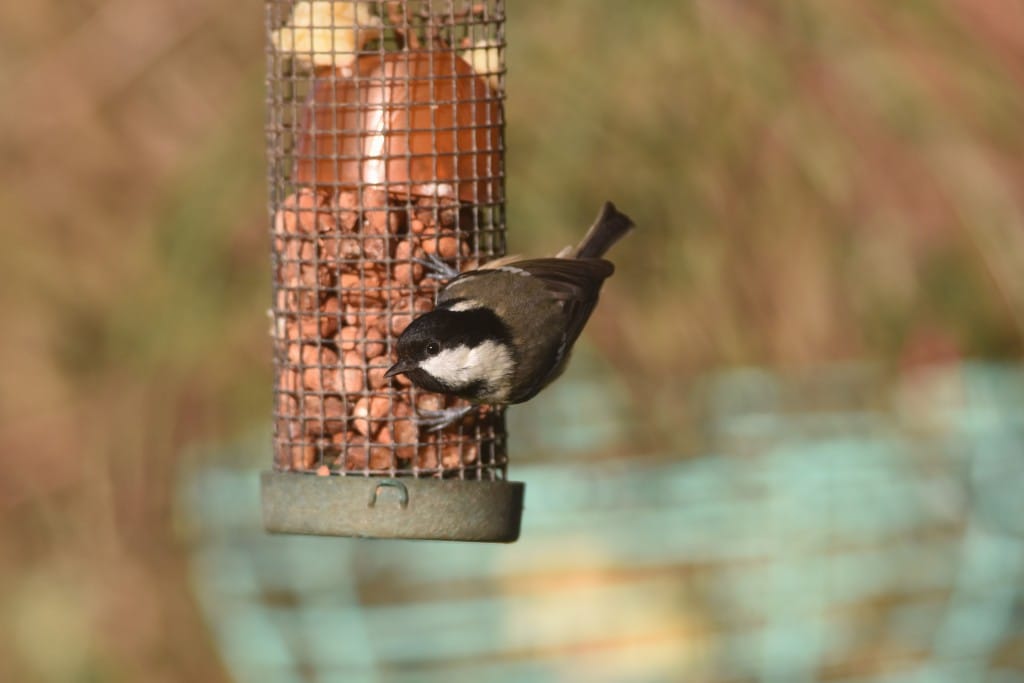
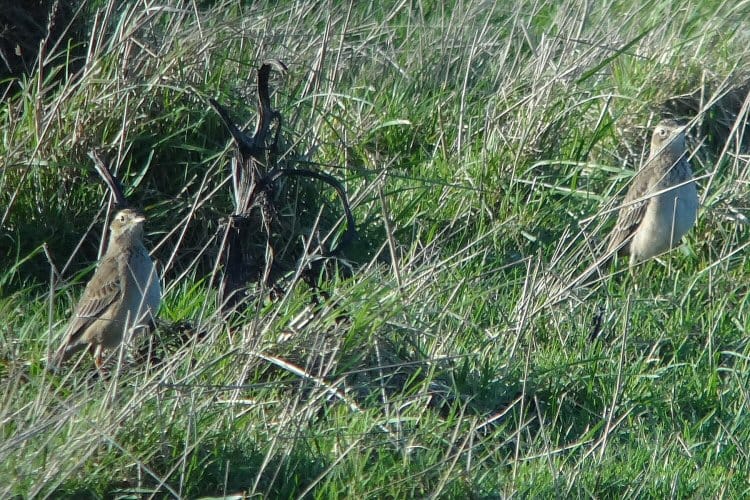
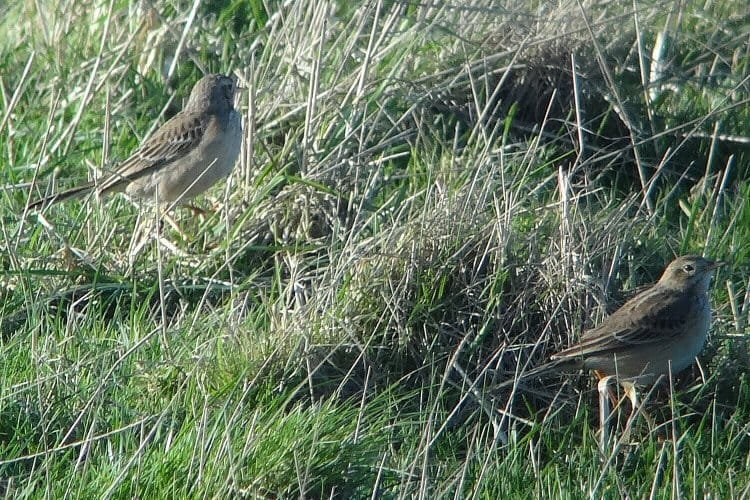
Coal Tit, Oceanview, by Andy HoodRichard’s Pipits, between North Marsh and North Landing, by Tony DixonRichard’s Pipits, between North Marsh and North Landing, by Tony Dixon
The weather consisted very strong southerly winds, overcast skies and rain from mid-afternoon. During the seawatch, 40 Red-throated Divers flew south, single Great Northern Divers went north and south, one Shelduck, seven Wigeon, one Knot and 25 Golden Plovers flew south, whilst five Eider and four Little Gulls headed north.
South Dykes hosted a Chiffchaff and three Goldcrests.
Great Northern Diver, Fog Station, by Craig Thomas
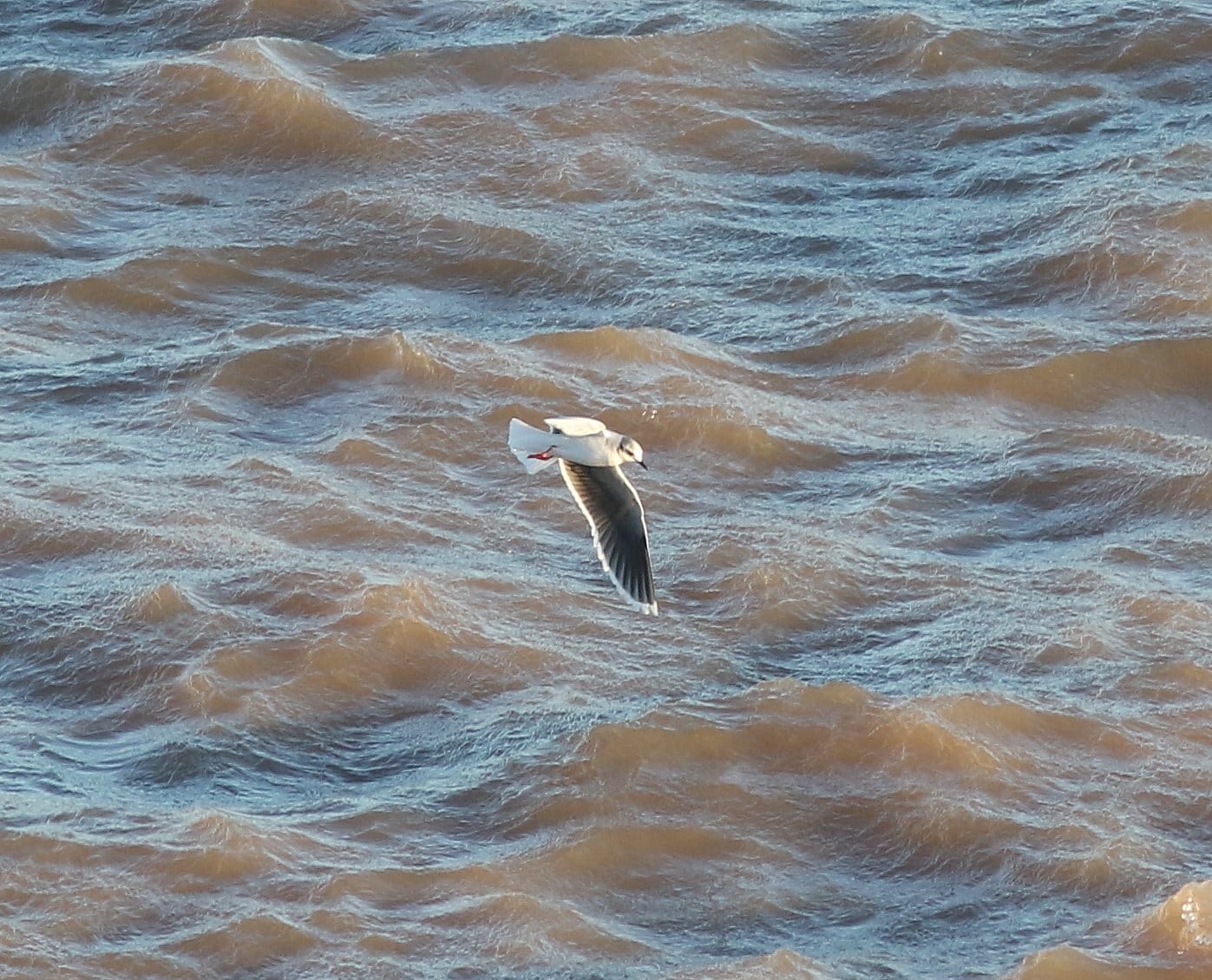
Strong south-westerly winds featured once again during a largely sunny day. Seawatching highlights included three Great Northern Divers, one Blue Fulmar, a Shelduck, 24 Wigeon, 39 Teal, five Eider and a Bonxie flying south. A total of 15 Little Gulls also moved south, with three flying north, whilst a lone Little Auk also headed south.
Thornwick Pool hosted the drake Pintail and a pair of Gadwall and a Common Buzzard frequented South Dykes.
The two Richard’s Pipits remained between North Marsh and North Landing; viewable from the cliff top path and spending time around the flash in the sheep field. A total of 24 Rock Pipits were located, split between Breil Nook and South Landing. South Dykes held five Treecreepers together and two Goldcrests, with South Landing attracting single Goldcrest, Treecreeper, Mistle Thrush, 15 Siskins and seven Bullfinch.
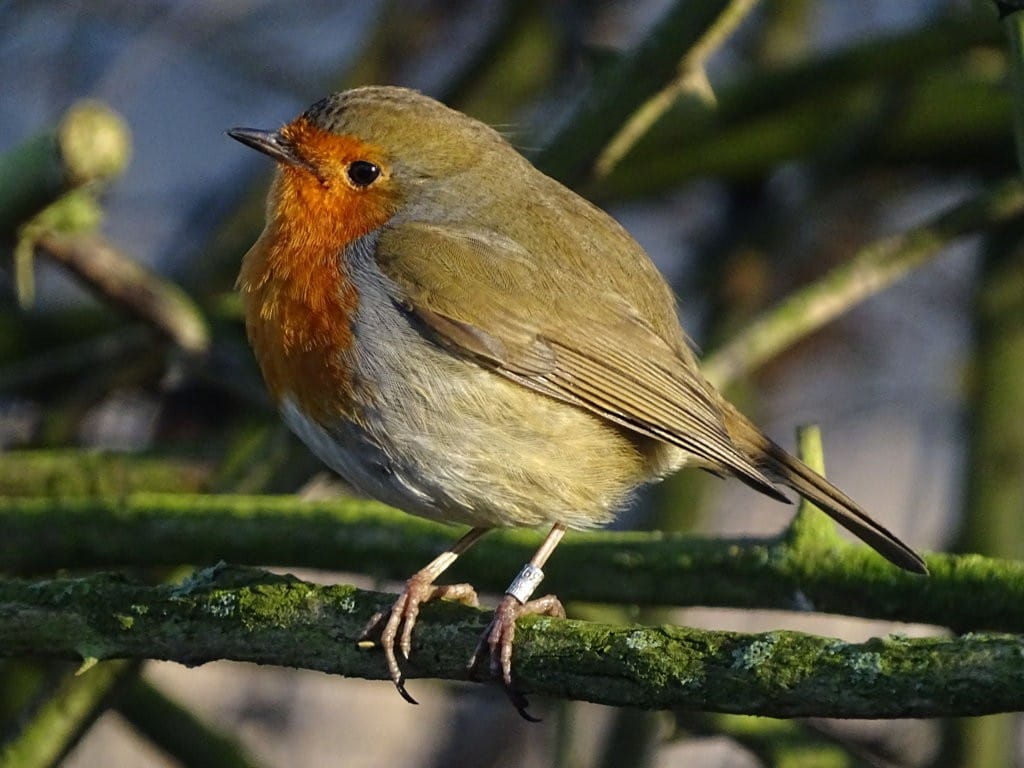
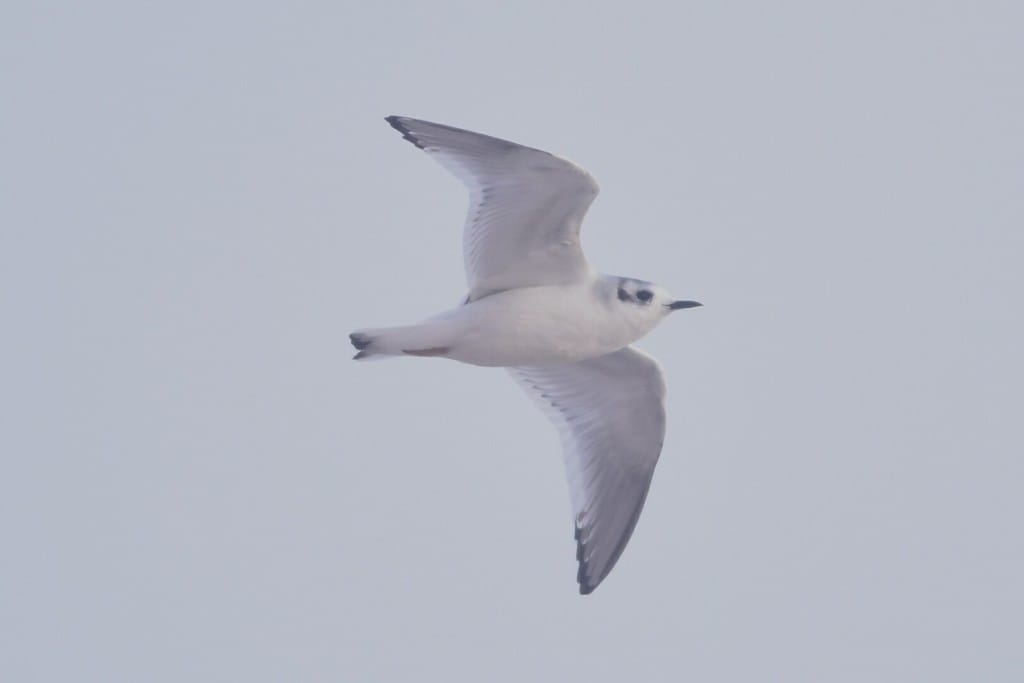
Little Gull, Fog Station, by Craig ThomasRobin, South Landing, by Malcolm & June Fox
After one of the winter’s first frosts, temperatures remained low in strengthening south-westerly winds and increasingly overcast skies. Seawatching highlights included 130 Red-throated Divers, single Great Northern Divers flying north and south, a Manx Shearwater, one Shelduck, 15 Common Scoter, a Goosander, two Little Gulls and seven Little Auks all flying south. The Outer Head also hosted 38 Purple Sandpipers.
Two Whooper Swans near North Marsh later flew south, five Pink-footed Geese did the same, with the lone bird still with the Greylags at North Marsh and the drake Pintail also remained. A Woodcock, 19 Snipe and one Jack Snipe were located, whilst a Little Owl calling east of the village represented a good record of an increasingly scarce former breeding species.
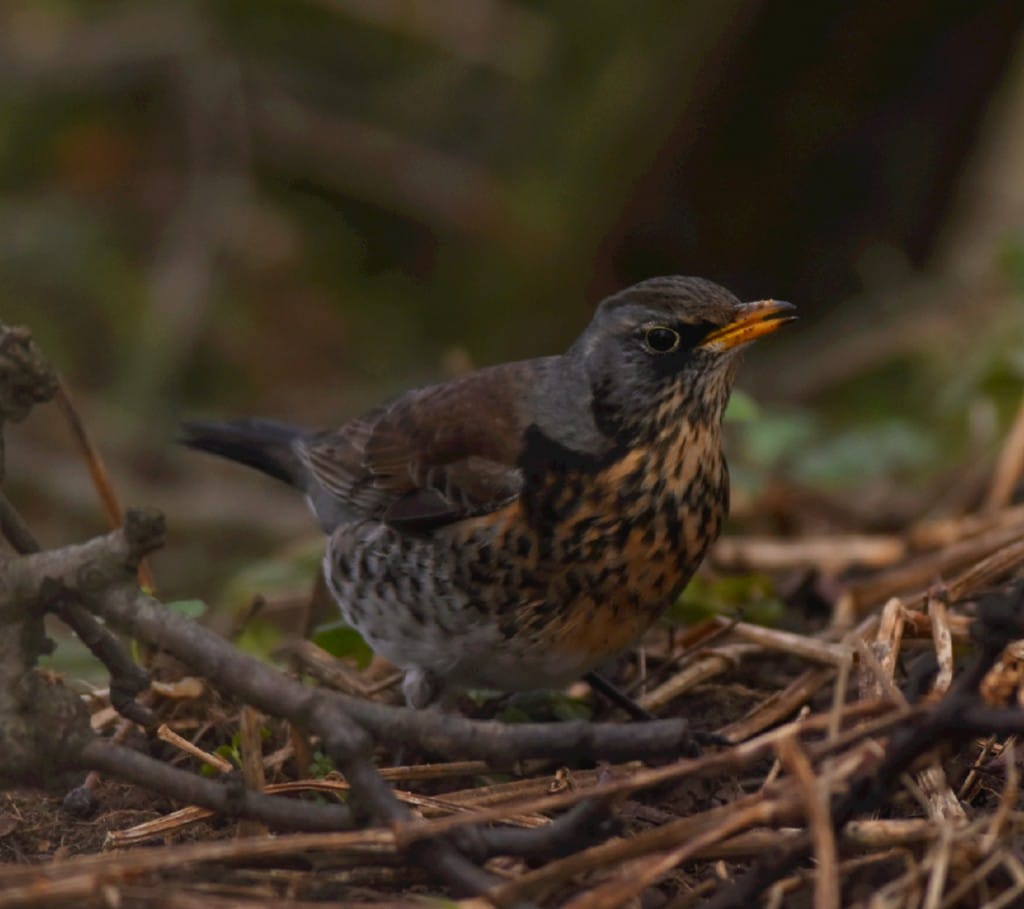
The two Richard’s Pipits continued to show well between North Landing and North Marsh; a Stonechat was in the same area with a pair also near the Lighthouse. Additional passerine records included two Mistle Thrushes, one Fieldfare, 21 Siskins (six Oceanview, 15 South Landing), a Lesser Redpoll, 60 Tree Sparrows and 30 Yellowhammers.
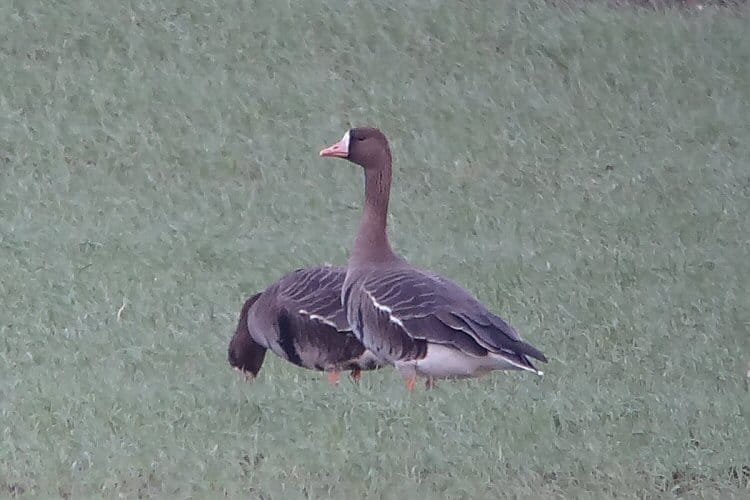
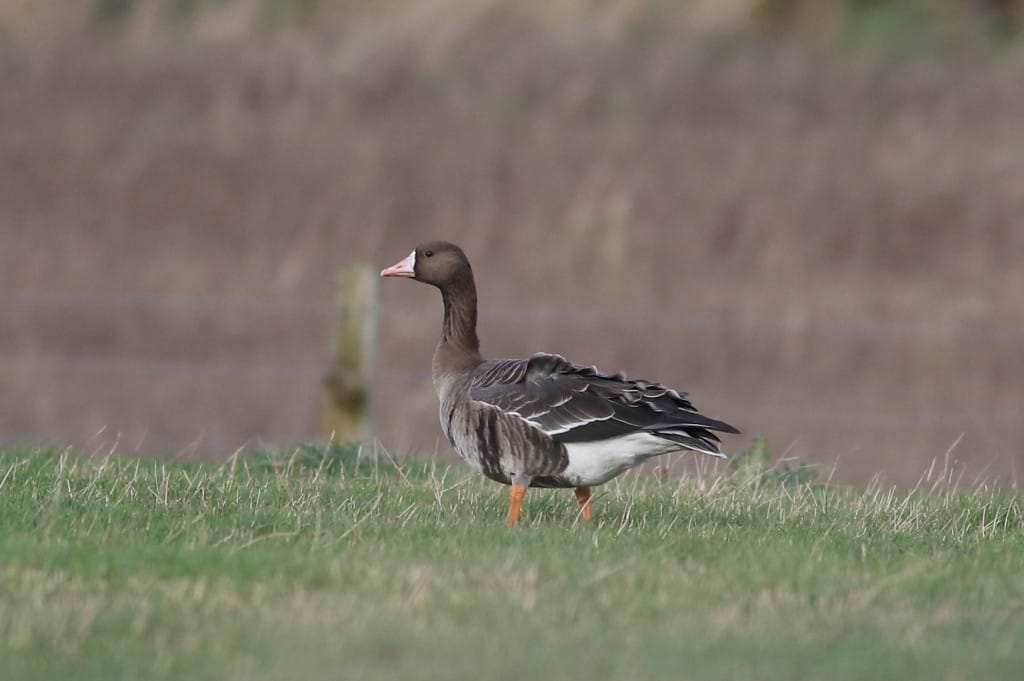
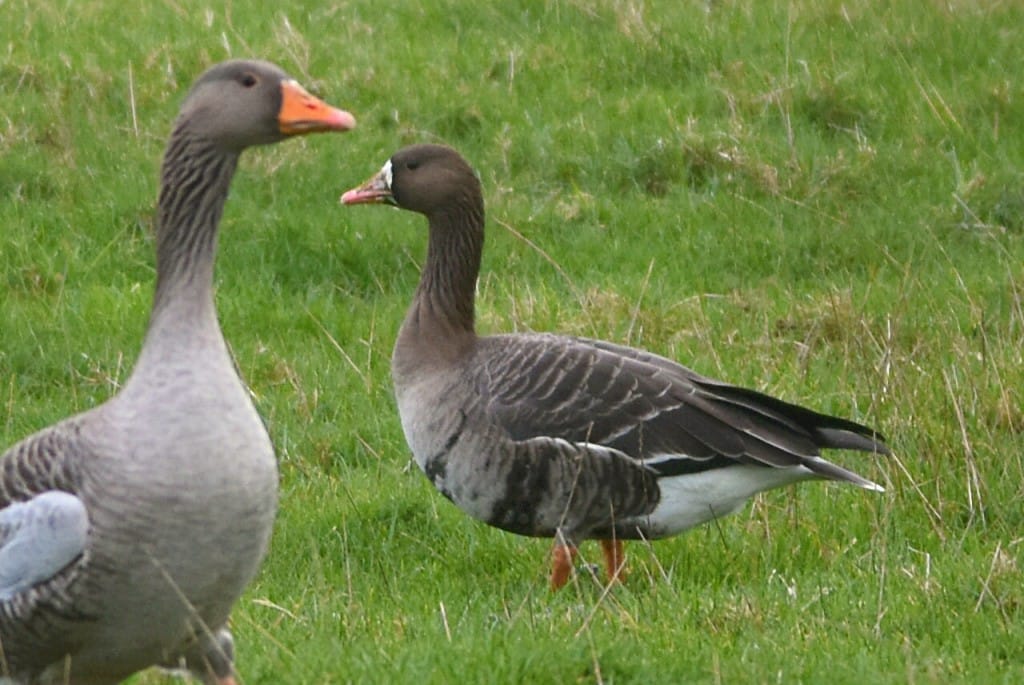
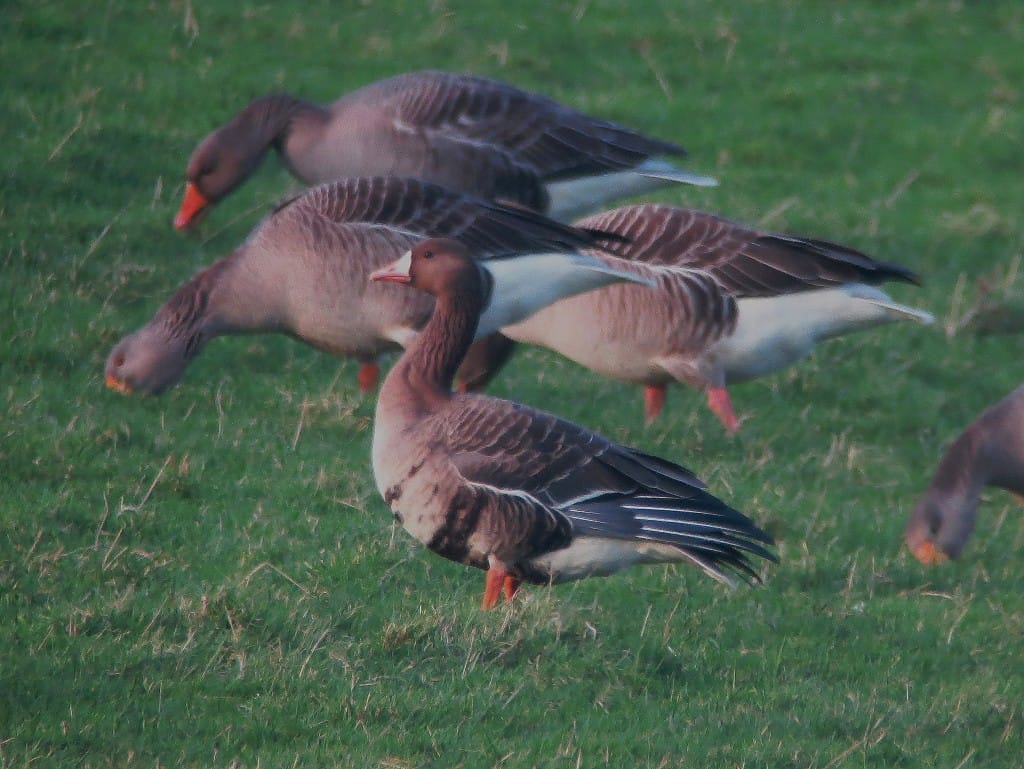
West of the Dykes, two Eurasian White-fronted Geese immediately west of Buckton Hall were a welcome surprise, with 120 Lapwing and a Common Buzzard also there.
White-fronted Geese, Buckton, by Tony DixonRichard’s Pipit, twixt North Landing and North Marsh, by Dave Aitken
The day featured strong south-easterly winds, overcast skies and rain early on. Seawatching produced single Great Northern Divers flying north and south, five Blue Fulmars heading south and one Little Auk and eight Little Gulls heading north.
A Grey Heron and three Coot were on Thornwick Pools, where two Barn Owls were feeding over the adjacent grasslands, and a Woodcock roosted in South Landing. At least one Richard’s Pipit remained between North Landing and North Marsh, whilst a Grey Wagtail visited South Landing.
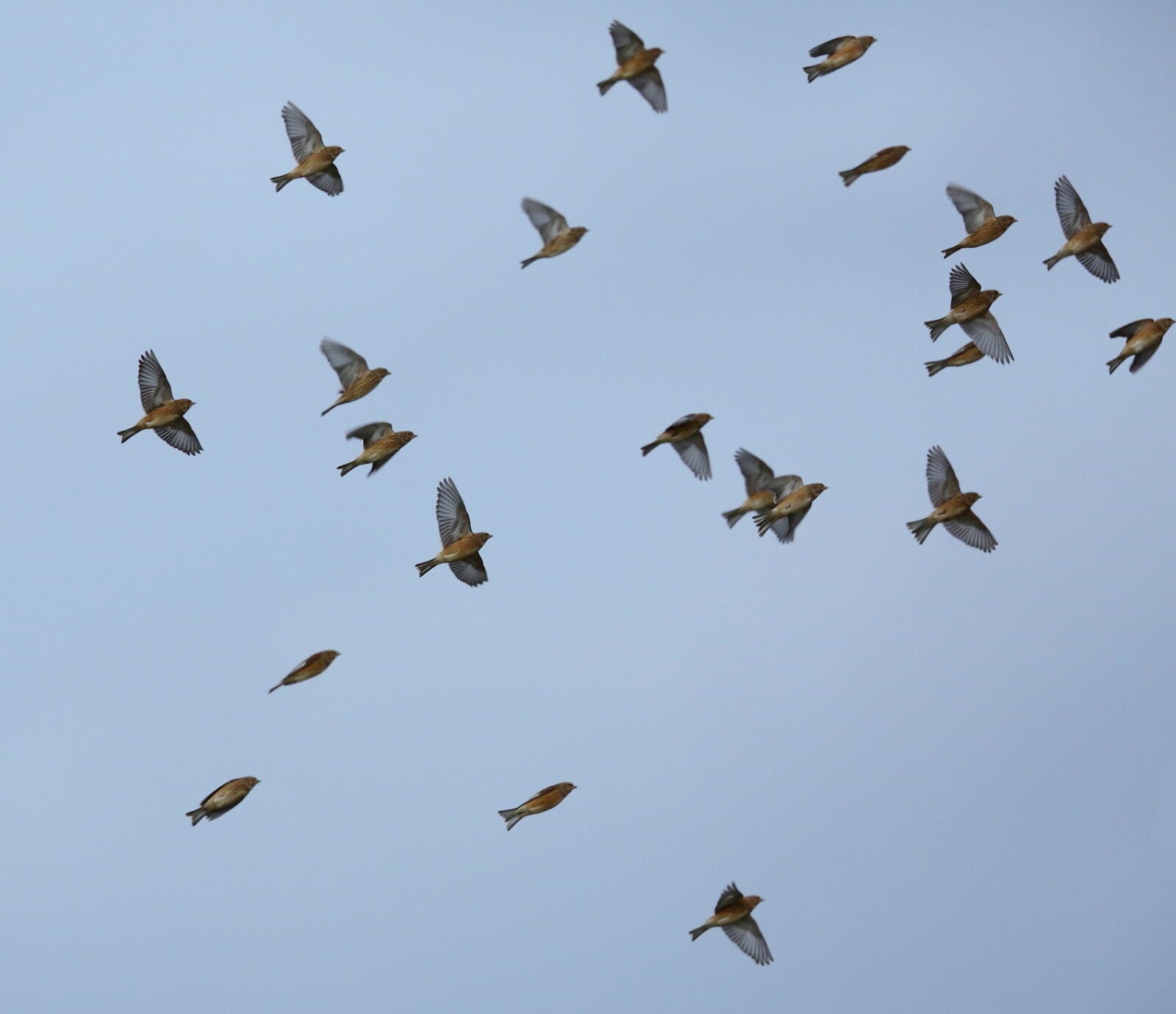
West of the Dykes, the two White-fronted Geese were still present at Buckton, together with five Grey Partridge, 185 Lapwing, 70 Linnet and 25 Reed Buntings.
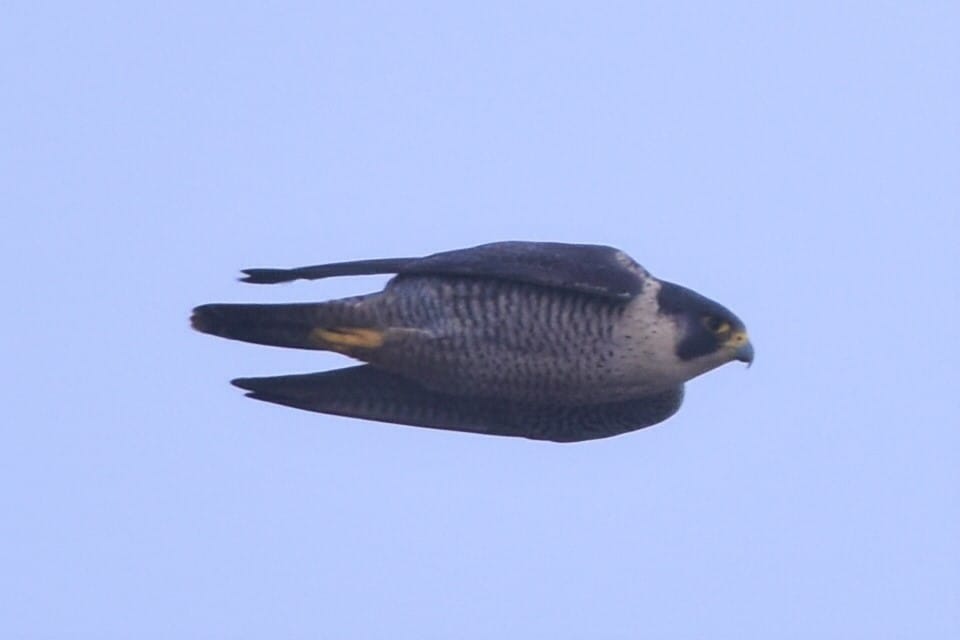
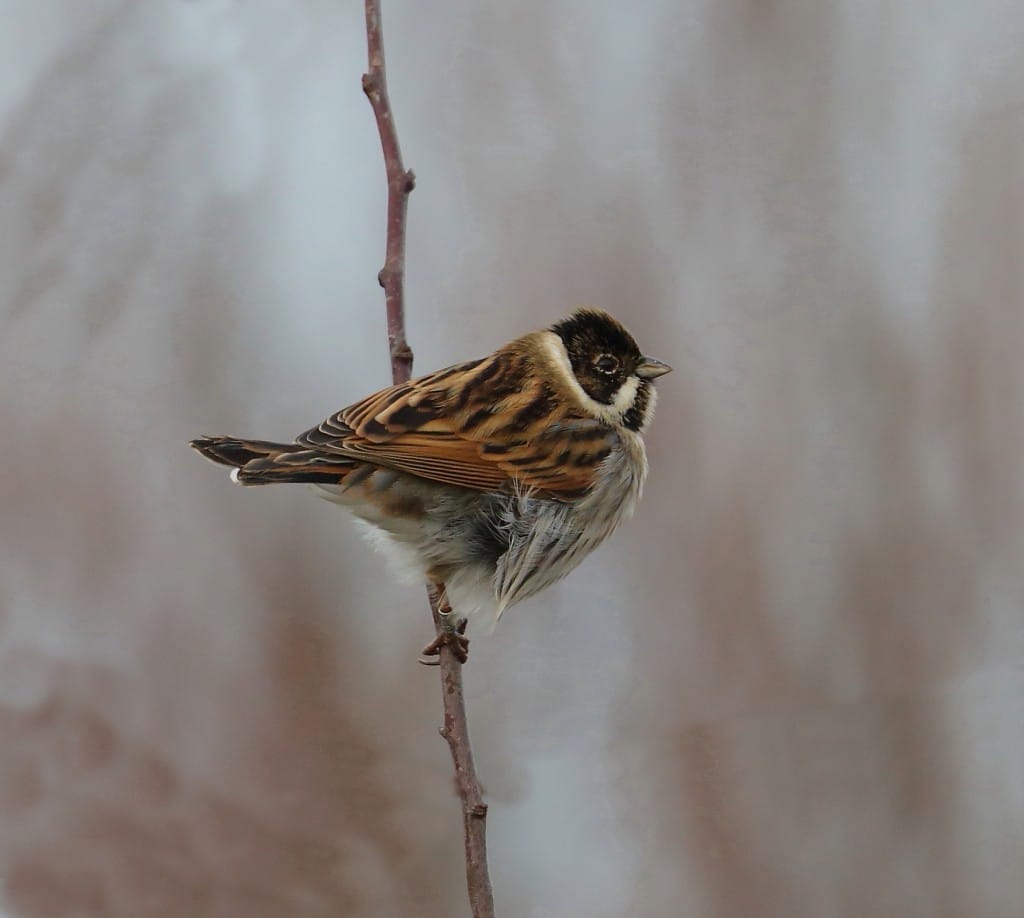
Peregrine, Flamborough, by Andy HoodReed Bunting, Buckton, by Alan Walkington
Initial light south-westerly winds morphed into stronger south-easterlies later and rain arrived from early afternoon. Seawatching highlights included 107 Red-throated Divers and five Great Northern Divers flying north, with two White-fronted Geese, 32 Wigeon, a Gadwall, 136 Teal, 22 Mallard, one Pintail, two Shoveler and 11 Common Scoter moving south. Single Goldeneye and Little Auk headed north, whilst 13 Lapwing, two Bar-tailed Godwits, two Bonxie, five Little Gulls and one Puffin also flew south.
Away from the sea, sightings included 70 Pink-footed Geese over, the drake Pintail, 43 Teal, a Common Buzzard in the Dykes, a Golden Plover, one Woodcock, a Short-eared Owl near the Lighthouse, the two Richard’s Pipits still, one Redwing, 15 Fieldfare, a Stonechat and three Siskins.
West of the Dykes, the two White-fronted Geese near Buckton Hall were joined by a third bird.
It was another overcast day with rain from mid-afternoon and moderate south-easterly winds. Seawatching was rewarded with three Great Northern Divers (two flying south and one north), 16 Wigeon, 17 Teal, nine Mallard, one Velvet Scoter, two Goldeneye, a Bonxie and 18 Little Gulls heading south.
The Pink-footed Goose again associated with the Greylags, 75 Teal and eight Wigeon were on North Marsh and a female Tufted Duck visited Thornwick Pools. A total of 420 Lapwing represented an appreciable influx, whilst single Woodcock and Jack Snipe were recorded. At least one Richard’s Pipit lingered between North Marsh and North Landing, whilst a flock of 71 House Sparrows were at the latter location.
West of the Dykes, a Short-eared Owl frequented Bempton Cliffs RSPB.
Another overcast day, with prolonged spells of rain and a moderate south-easterly wind. Seawatching highlights included a Sooty Shearwater and one Shelduck flying south, six Velvet Scoters (four north, two south), 20 Little Gulls (two north, 18 south) and one Little Auk flying south.
An afternoon watch from South Landing was rewarded with a Great Northern Diver on the sea, an additional two Velvet Scoters flying north and one Little Auk. Thornwick Pools attracted a Tufted Duck, two Coot, one Jack Snipe and eight Snipe.
Elsewhere, records included six dark-bellied Brent Geese on the Golf Course, two Shelduck, 17 Wigeon, single Gadwall and Pintail and a Woodcock. At least one Richard’s Pipit remained, whilst there were also two Stonechat and six Fieldfare.
Great Northern Diver, South Landing, by Alan WalkingtonVelvet Scoters, South Landing, by Andy Hood
Overcast skies and mist prevailed once again, with occasional rain and a moderate easterly wind. Seawatching was rewarded with 251 Fulmars and five Blue Fulmars flying south, a Great Northern Diver heading north, three dark-bellied Brent Geese (two south, one north), three Velvet Scoters (two north, one south), one Goldeneye flying north, nine Little Auks (eight north, one south) and ten Little Gulls (nine south, one north).
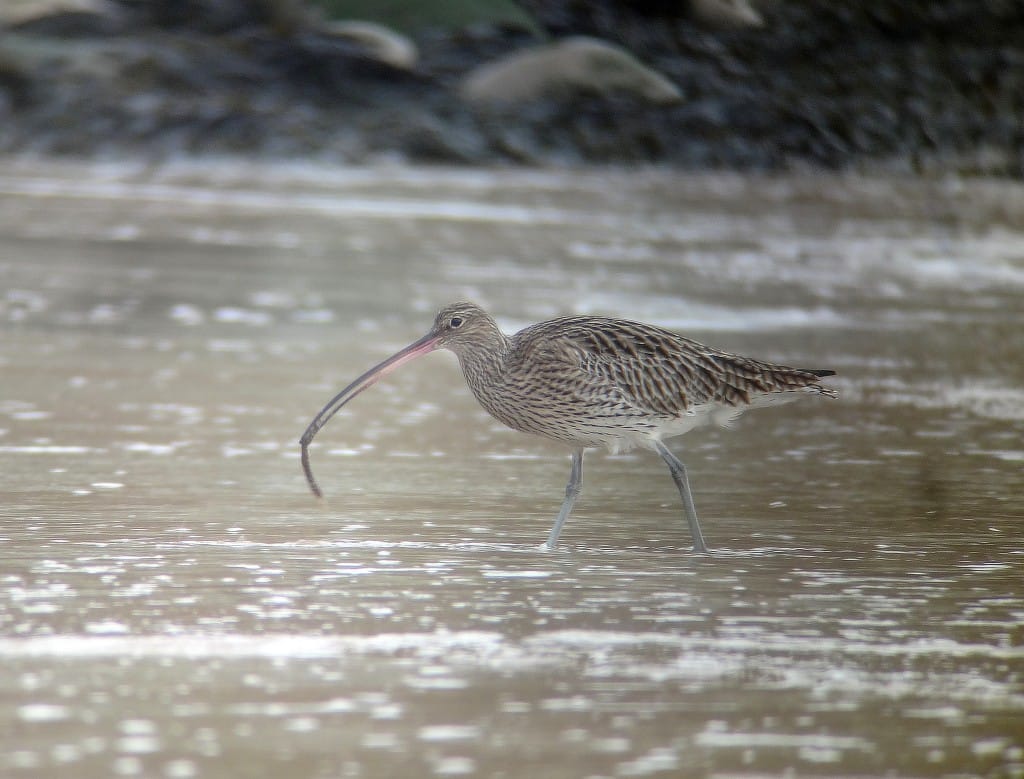
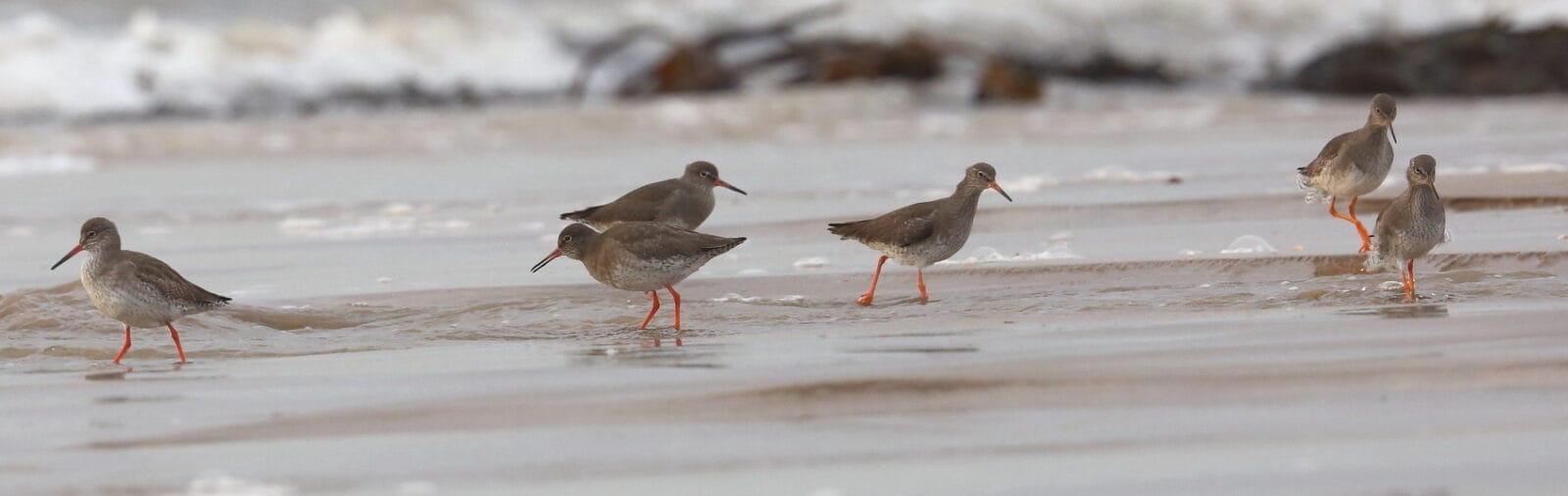
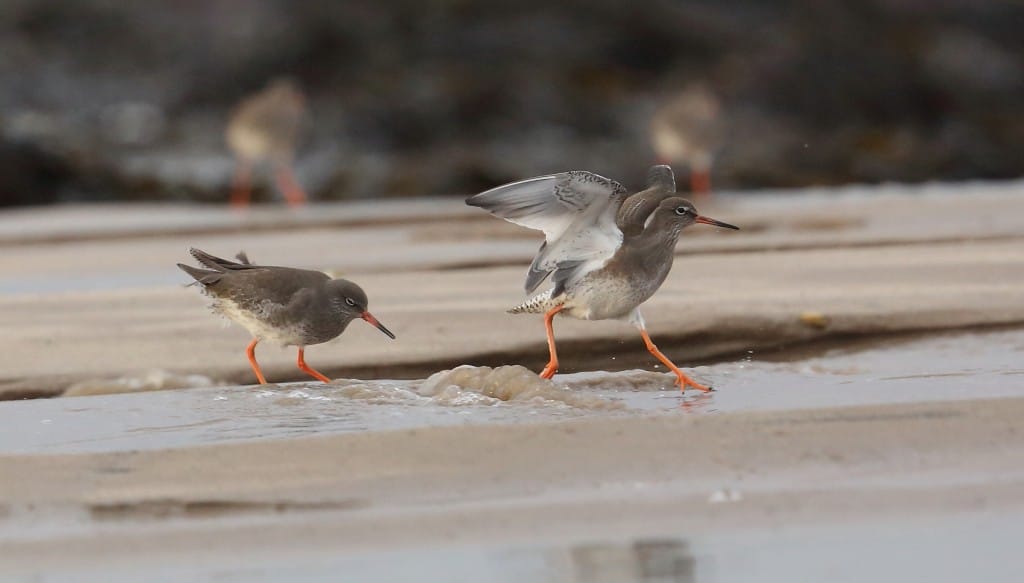
Wildfowl included 45 Teal, ten Wigeon and a Pintail, whilst South Landing attracted 56 Turnstones, 13 Curlew, three Sanderling and 14 Redshank.
West of the Dykes, the three White-fronted Geese remained near Buckton Hall.
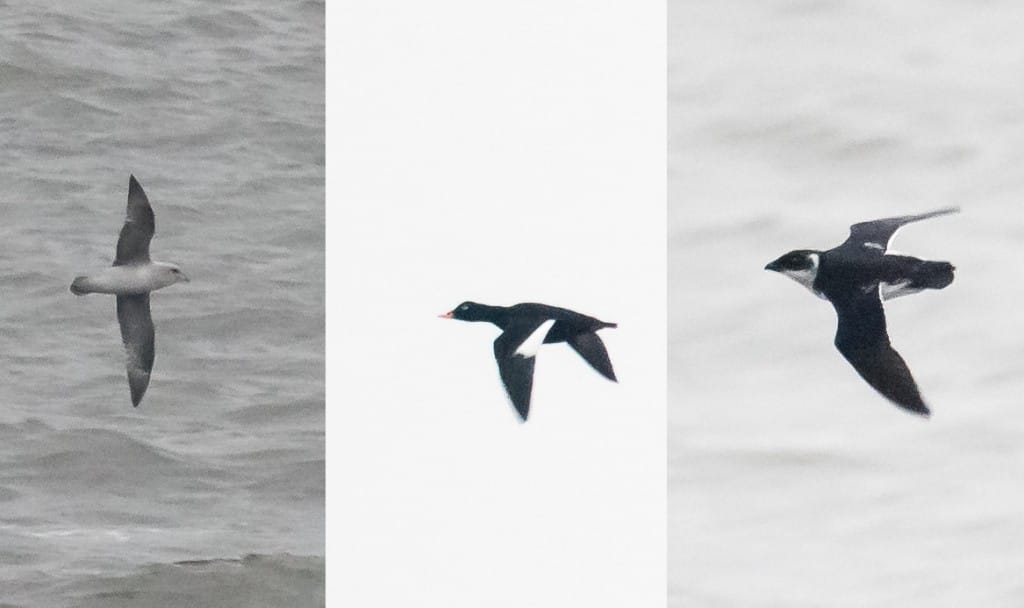
Blue Fulmar, Velvet Scoter, Little Auk, South Landing, by Andrew Allport
It was a day of moderate south-south-easterly winds, overcast skies and rain until late afternoon. During the seawatch, ten Wigeon and five Teal headed south, whilst a Woodcock flew north. A roosting movement involved 222 Black-headed Gulls and 2233 Common Gulls.
The day featured light southerly winds and largely overcast skies with rain until mid-morning. Seawatching produced a Great Northern Diver flying north, a pale-bellied Brent Goose and a Goosander moving south and four Little Gulls heading north.
Single Brent Goose and Bar-tailed Godwit frequented South Dykes beach, with a Great Northern Diver and one Little Gull at South Landing. Three Woodcock were recorded, two at Old Fall Steps and another at South Landing and there were 45 Lapwing at North Marsh; at least one Richard’s Pipit lingered between North Marsh and North Landing.
West of the Dykes, the three White-fronted Geese remained in fields near Buckton Hall. Further sightings from Buckton included 300 Linnets and 30 Reed Buntings.
Brent Goose, South Dykes, by Andy HoodLittle Gull, South Dykes, by Andy Hood
An overcast day, with a moderate south-westerly wind and occasional light rain. Seawatching highlights included 93 Red-throated Divers, 12 dark-bellied Brent Geese, one Goldeneye, nine Little Gulls and a Bonxie flying south and two Shelduck and a Little Auk heading north.
Seventeen Wigeon and the drake Pintail frequented North Marsh, with the Gadwall on Thornwick Pools. Twelve Woodcock were recorded, along with a Jack Snipe and 120 Lapwing. At least one Richard’s Pipit remained between North Landing and North Marsh, with two Stonechats and 13 Redwing also located.
Another day of strong south-south-westerly winds and generally overcast conditions, with rain first thing. Seawatching highlights included 46 Red-throated Divers, one Great Northern Diver and two Blue Fulmars flying south; better still, a Grey Phalarope flew north mid-morning.
At least one White-fronted Goose and a Pink-footed Goose accompanied the Greylags at North Marsh, where a female Stonechat lingered. Four Little Gulls and two Woodcock were at South Dykes.
West of the Dykes, the three White-fronted Geese remained on fields immediately west of Buckton Hall.
After a wet start and light winds, a west-north-westerly wind set in during the afternoon. Seawatching produced 56 Red-throated Divers, a Great Crested Grebe and a Blue Fulmar flying south, whilst 11 Little Gulls head past the Fog Station.
At least one White-fronted Goose remained at North Marsh and a Woodcock showed well at South Landing.
A cold start with some ground frost and periods of rare winter sunshine throughout the morning, deteriorating in the afternoon with drizzle and light rain.
Small numbers of winter thrushes are still moving, with a Fieldfare new in at Old Fall. The Woodcock remained at South Landing showing well in the ravine, 25 Tree Sparrow were at Oceanview and a Barn Owl continued to show on and off at Bempton Cliffs RSPB.
A day of light north-westerly winds, sunny intervals and relatively cold temperatures; reaching 2 degrees C by mid-morning. Seawatching highlights included a Great Northern Diver flying south, 254 Fulmars moving north and one Velvet Scoter heading in the same direction.
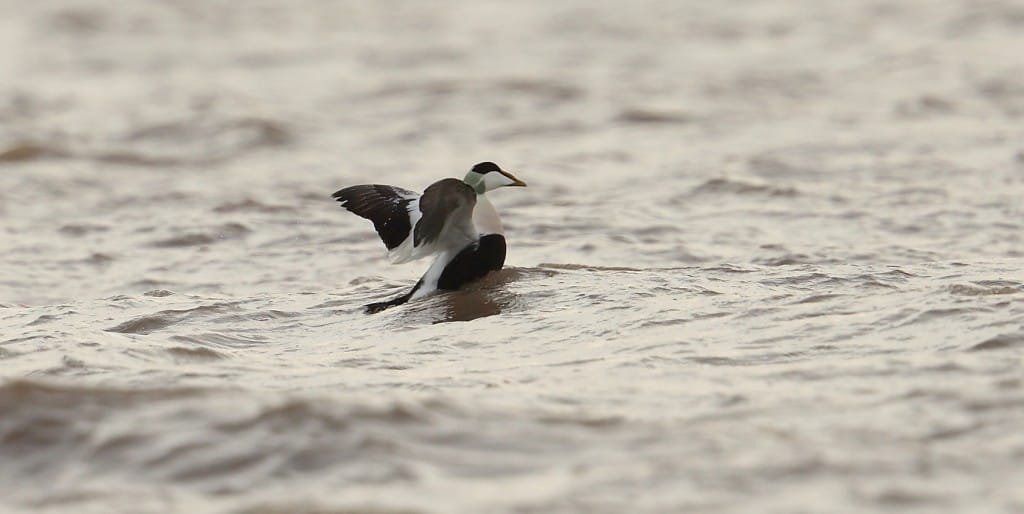
A lone Barnacle Goose rested on fields near Old Fall. Sightings from South Landing included a drake Eider, 18 Curlew, three Mistle Thrush and four Bullfinch.
The weather represented the main feature of the day. After an overcast, but relatively calm start, the wind picked up to gale force northerlies by the afternoon, also bringing heavy rain and sleet until dusk. Consequently, any birding was limited: two Ringed Plovers were on South Landing beach, having been much scarcer than usual this winter, whilst the Woodcock gave good views in the nearby ravine.
A cold, but bright day, with a light/moderate west-north-westerly airflow. Two Great Northern Divers, 99 Oystercatchers and a Little Auk were recorded at South Landing, with single Woodcock at Old Fall and South Landing. A Common Buzzard frequented Micklemires, with two Redwing and a Lesser Redpoll at North Landing.
However, the day’s highlight was the discovery that three Richard’s Pipits were now in residence in cliff top fields east of North Landing; viewed from the cliff top path.
Three Richard’s Pipits, near North Landing, by Andy HoodRichard’s Pipit, near North Landing, by Andy Hood
It was another cold day with moderate north-westerly winds, sunshine with occasional light showers and temperatures that peaked at 5 degrees C. Seawatching highlights included one Great Northern Diver, 18 Red-throated Divers, 788 Fulmars, a Common Scoter, two Wigeon, seven Little Auks, six Puffins, 18 ‘argentatus’ Herring Gulls and five Kittiwakes all flying north.
The White-fronted Goose was still present at North Marsh, along with the Pink-footed Goose, and the Woodcock remained at South Landing. On the opposite side of the Headland, the three Richard’s Pipits showed well in the first field east of North Landing.
Despite only a light/moderate south-south-westerly wind and sunshine, temperatures only reached 4 degrees C. Seawatching highlights included 344 Fulmars, two Wigeon and 11 Puffins flying north; yesterday’s day count of six Puffins and the 11 today both broke the previous January day record that had stood at a mere three birds.
Thornwick Pools attracted nine Teal, a Gadwall and five Snipe. Nearby the three Richard’s Pipits again frequented the field immediately east of North Landing, whilst a first-winter male Black Redstart at North Landing was a new arrival.
Redshank, South Landing, by Alan WalkingtonRichard’s Pipit, North Landing, by Tony Dixon
An overcast day with a moderate south-westerly wind and temperatures that attained 4 degrees C. Seawatching produced a Black-throated Diver flying north, seven Wigeon, a Pintail, one Tufted Duck, eight Eider and 20,000 Guillemots flying north. A Blue Fulmar was offshore of the Fog Station, as was a Bonxie and three Puffins.
The lone White-fronted Goose and Pink-foot again associated with the Greylag flock; 11 Teal and the drake Pintail visited Thornwick Pools. The Woodcock again roosted in South Landing, where a Little Auk was offshore, and 21 Rock Pipits were on stubbles near Highcliffe Manor. The three Richard’s Pipits were still present at North Landing.
A day of light north-westerly winds, overcast skies with occasional drizzle and temperatures of 4 degrees C. The seawatch was quiet although 90 Red-throated Divers were in residence and three Little Auks were seen from a boat off the Headland.
The White-fronted Goose and Pink-foot remained with the Greylags, with 25 Wigeon, two Tufted Ducks and 170 Common Scoter were also recorded. A Great Crested Grebe appeared off South Landing, where the Woodcock was still present. The three Richard’s Pipits again frequented fields immediately east of North Landing and a Lesser Redpoll was new.
Red-throated Divers, South Landing, by Alan Walkington
The weather consisted overcast skies, light north-westerly winds and temperatures that eventually reached 4 degrees C. During the seawatch, a Blue Fulmar and a Goosander flew north. The single Pink-footed and White-fronted Geese were still in residence, along with 21 Teal, two Grey Herons, one Golden Plover and a Fieldfare. The three Richard’s Pipits continued to show well immediately east of North Landing.
It was a day of sunny intervals and moderate southerly winds although temperatures still remained low, peaking at 4 degrees C. During the seawatch, a Blue Fulmar was present offshore, whilst southbound wildfowl included two Shelduck, seven Wigeon, seven Teal and three Tufted Duck, with two Eider heading north. A Puffin also flew south and 195 Gannets fed offshore.
The Pink-footed Goose still associated with the Greylags, three Gadwall visited Thornwick Pools, 34 Teal were present and two Woodcock frequented South Landing.
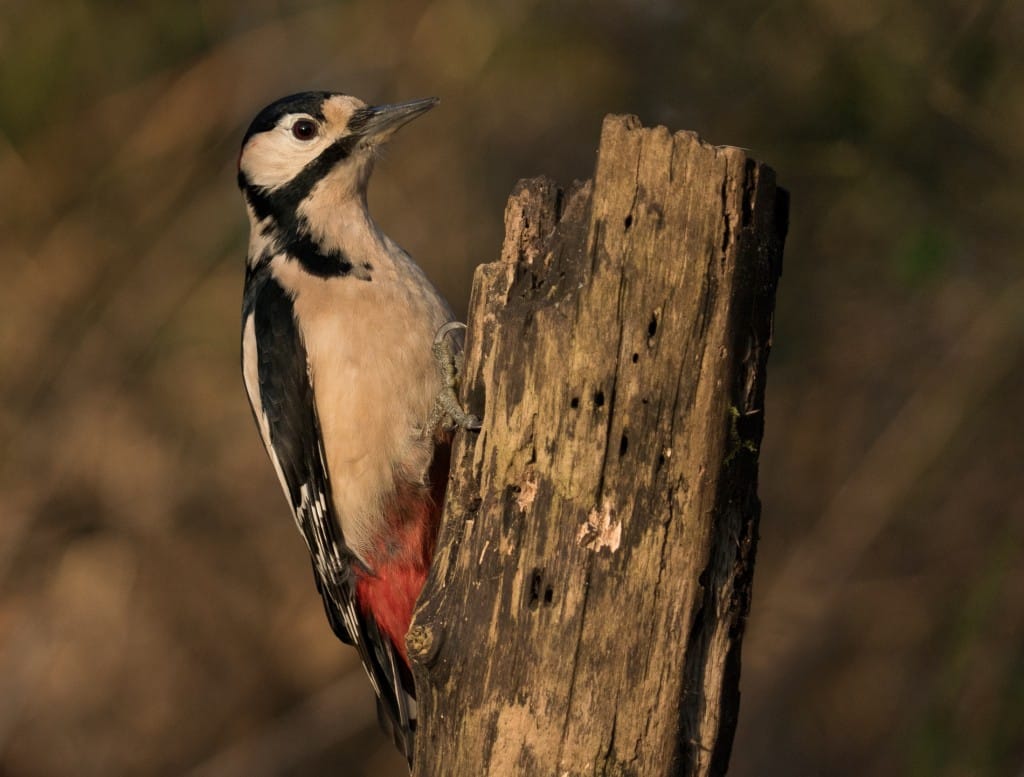
West of the Dykes, sightings from Sewerby Hall included three Great Spotted Woodpeckers drumming, six Redwing and 12 Long-tailed Tits.
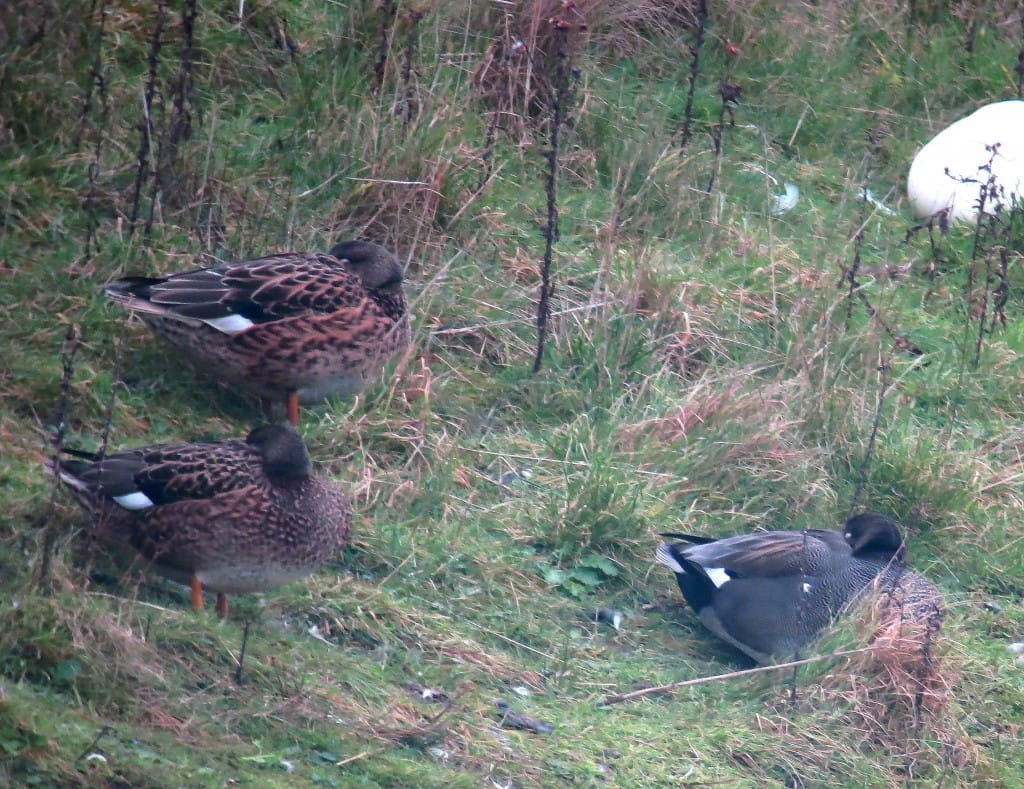
Gadwall, Thornwick Pools, by Brett RichardsGreat Spotted Woodpecker, Sewerby Hall, by Michael Smith
It was a largely overcast day, with a belt of rain from mid-morning and a south-westerly wind. Seawatching produced a Blue Fulmar lingering offshore and a Bonxie that flew north. Wildfowl on the headland included 35 Teal, five Wigeon and the Pintail, a Common Buzzard frequented Micklemires and a Water Rail was at North Landing. A total of 22 Curlew represented a good tally for this winter, whilst 900 Woodpigeons were also recorded. The three Richard’s Pipits remained at North Landing.
A bright, but largely overcast day with a light/moderate south-westerly wind. The seawatch was very quiet, with 68 Red-throated Divers flying south and two Eiders the only noteworthy sightings.
The lone Pink-foot and White-fronted Goose accompanied the Greylags near Micklemires, whilst a Common Buzzard overflew nearby Thornwick Pools. Passerine interest included four Stonechats (two Thornwick Roost, one Thornwick Reedbed & one North Marsh) and the three Richard’s Pipits at North Landing.
West of the Dykes, sightings at Buckton included a Common Buzzard, 25 Yellowhammer, 20 Reed Buntings and three Corn Buntings.
The weather consisted moderate south-south-westerly winds and overcast skies, with milder temperatures. Seawatching was quiet, with 60 Red-throated Divers offshore, five Purple Sandpipers below the Fog Station and a single Puffin flying south.
The Pink-foot and White-fronted Goose remained in residence, as were three Gadwall. The gull roost contained 1040 Common Gulls and 210 Black-headed Gulls, whilst the three Richard’s Pipits were still present.
A moderate southerly wind and generally bright, but overcast conditions. The main feature of the seawatch was a record January count of Guillemots: 34,000 flew south, 2000 moved north and an additional 500 were offshore, whilst only two Razorbills were noted.
A northerly movement of Pink-footed Geese occurred, with a total of 360 crossing the Headland in three skeins. The only other noteworthy sighting consisted a Stonechat at North Landing.
A day of strong south-westerly winds and overcast skies, with a belt of rain from late morning. The headland’s freshwaters attracted three Gadwall and 14 Teal, whilst the Common Buzzard lingered in the Micklemires area. Two Sanderling were notable, as were 28 Stock Doves.
Blustery south-westerlies continued throughout the day gusting up to force 8 with periods of rain, overall moderate temperatures averaging 11°C. A quiet seawatch saw southerly movements restricted to 63 Common Gull, five Red-throated Diver (two north), 131 Fulmar (five north), 354 Gannet (154 north), five Mallard and a single Wigeon. The Stonechat pair remain at Bempton RSPB.
The day featured more south-westerlies ranging between force 5 and 7, broken cloud and small periods of sunshine. South Landing hosted a Great Northern and Red-throated Diver and the three Richard’s Pipits were still favouring the first rough grass field east of North Landing. 27 Tree Sparrow were at Oceanview.
Storm Gertrude delivered south-westerly gales at times reaching force 9 throughout the morning and early afternoon, dying off late afternoon, a mostly bright day with the odd rain shower. A quiet seawatch with 50 Fulmar (300 north), 466 Gannet (228 north), 130 Common Gull and two Wigeon. Two Richards Pipits commuted between the the first and second fields east of North Landing.
Moderate to strong south-westerly winds continued throughout the day, with sunny spells and the occasional shower during the afternoon. The seawatch logged 51 Fulmar, 34 Red-throated Divers, 537 Gannet, five Kittiwake, eight Razorbill and a Puffin.
The three Richard’s Pipits continued to show in the first field east of North Landing. Nearby, a Short-eared Owl, three Gadwall and four Stonechat were noted around Thornwick and an adult Little Gull appeared over fields south of North Landing. The Eurasian White-fronted Goose remained at Micklemires field with the Pink-foot.
Counts from Buckton included three Mistle Thrush, two Grey Partridge, 400 Linnet and eight Yellowhammers.
Winds eased to a light to moderate south-westerly. Skies were overcast, with light rain for most of the afternoon. The seawatch remained quiet, highlights being 30 Red-throated Divers, 16 Fulmar, 206 Gannet, two Kittiwakes, 14 Razorbill and 74 Shag.
On the land the White-fronted Goose and Pink-foot remained with the Greylag flock, whilst the Short-eared Owl was again around the Thornwick area.
White-fronted Goose, Flamborough, by Brett Richards
Weather was mostly sunny with a moderate WSW wind building to strong gales in the evening. It was generally a very quiet day, with the seawatch producing 80 Fulmars, three Red-throated Divers, 271 Gannet, two Teal, nine Kittiwake, 22 Razorbill and 25 Shag. Two Grey Herons and a Common Buzzard frequented the Headland.
A sunny day with a strong westerly wind throughout. Seawatching continued to be quiet, with a Blue Fulmar flying north the highlight. Seven White-fronted Geese (six adults, one first-winter) were new, with additional wildfowl records including the Pink-footed Goose, three Gadwall and 20 Teal. South Landing attracted a Great Northern Diver, 30 Turnstones and a Purple Sandpiper. Other sightings included a Grey Heron, 46 Lapwing and one Redwing.
A shift to a light/moderate north-westerly wind and sunny conditions immediately brought rewards. One Blue Fulmar flew north, together with 274 Fulmars, but better still, a Leach’s Petrel tracked north from 0907-0910hrs; this represents Flamborough’s first ever winter record, with no previous local records between December-May inclusive.
The seven White-fronted Geese remained in residence, whilst 100 Black-headed Gulls and 3000 Common Gulls roosted. A Long-eared Owl was located on the Outer Head, with the ever elusive Black Redstart relocated at North Landing; at least two Richard’s Pipits were also still present.
A moderate north-westerly wind established during a largely sunny morning, before increasing cloud arrived. A Blue Fulmar flew north, together with 280 Fulmars and a Shelduck, whilst seven Common Scoters headed south.
Elsewhere, sightings included a Great Crested Grebe, one Grey Heron and 13 Purple Sandpipers.
West of the Dykes, 150 Tree Sparrows are currently roosting at Bempton Cliffs RSPB.