11th October 2026

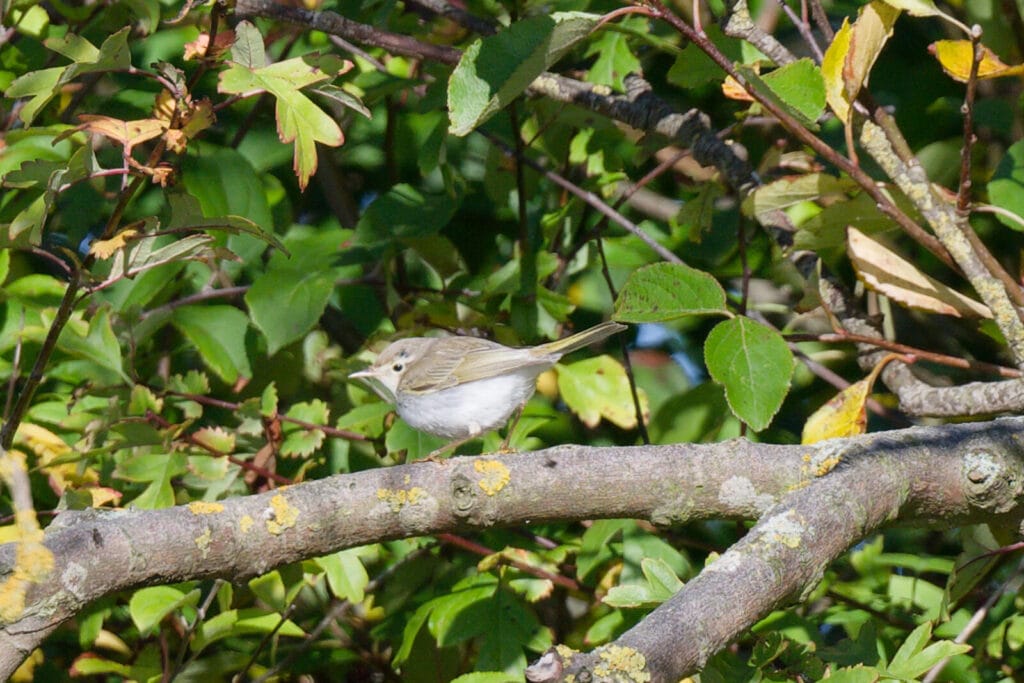
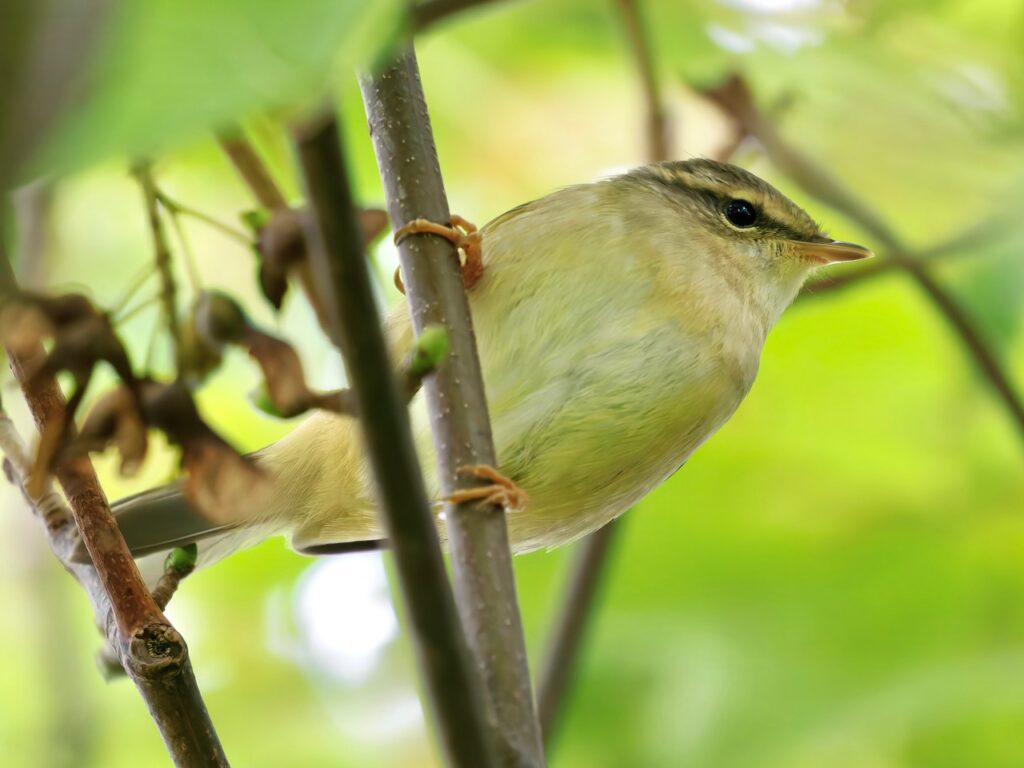
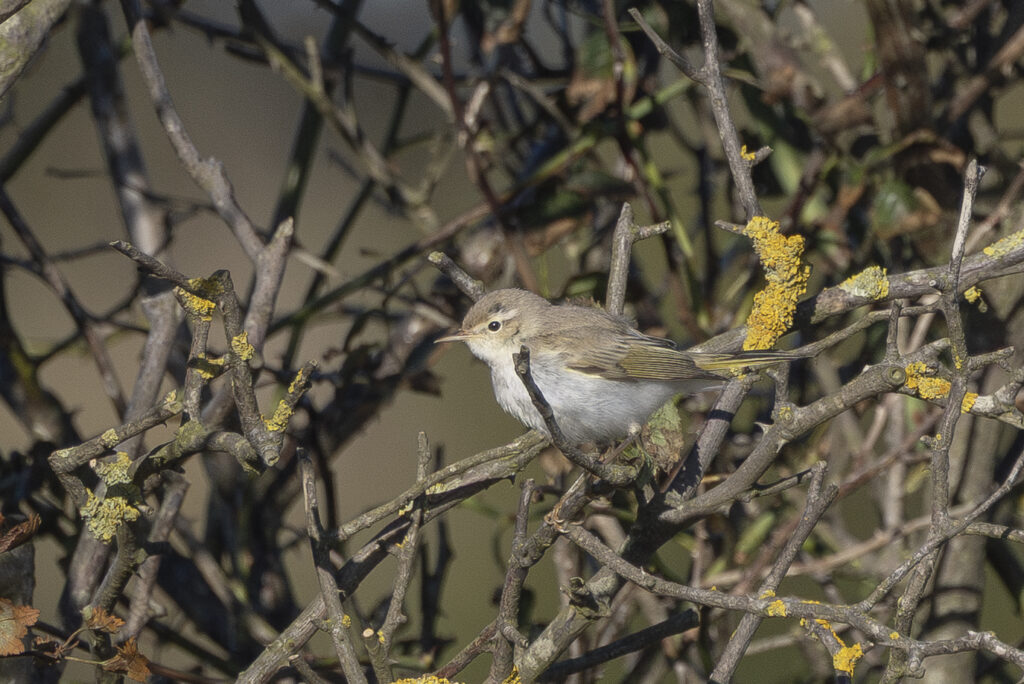
Light winds were variable in direction during a day that began with extensive sunny intervals but ended with relatively overcast skies; temperatures reached 16 degrees C. The day’s undoubted highlight was the discovery of the year’s second Bonelli’s Warbler mid-morning; initially in the hedge east of Old Fall, it then flew into the Plantation, where it remained until the evening. Unfortunately, it stubbornly refused to call to aid specific identification.

Over 2000 Redwing flew west over the head in the morning, with 17 Barnacle Geese (north), eight Snipe, a Merlin, two Jays and a Fieldfare recorded during the same ‘vis mig’ session. Barnacle Geese were also recorded over Thornwick Pools (14), at South Landing (one) and Thornwick Lakes (two). A Little Owl along Lighthouse Road was an unsual record for the outer head, while two Short-eared Owls were recorded there; sadly one of these appeared to ditch into the sea. Passerine migrants included eight Jays, a Lesser Whitethroat, eight Yellow-browed Warblers, four Goldcrests, three Ring Ouzels, a Tree Pipit, 14 Brambling and a Lapland Bunting.

The most notable seawatch record referred to a juvenile Sabine’s Gull that flew north mid-afternoon. Other records included a Sooty Shearwater, 121 Little Gulls and a first-winter Yellow-legged Gull.

A Short-eared Owl flew in off the sea at RSPB Bempton Cliffs, where a Firecrest was trapped and ringed. Nearby, a Yellow-browed Warbler was in Bempton village, while a Black Redstart was on the cliffs at Speeton.
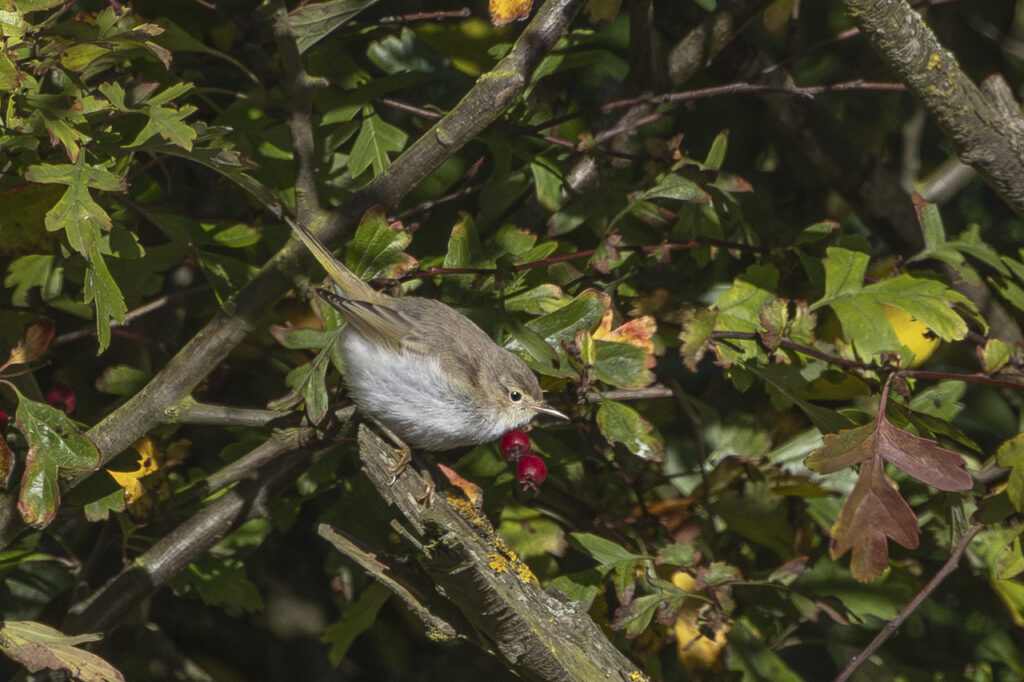
Bonelli’s Warbler, Old Fall (Andrew Allport)
Bonelli’s Warbler, Old Fall (Ken Prouse)

12th October 2026

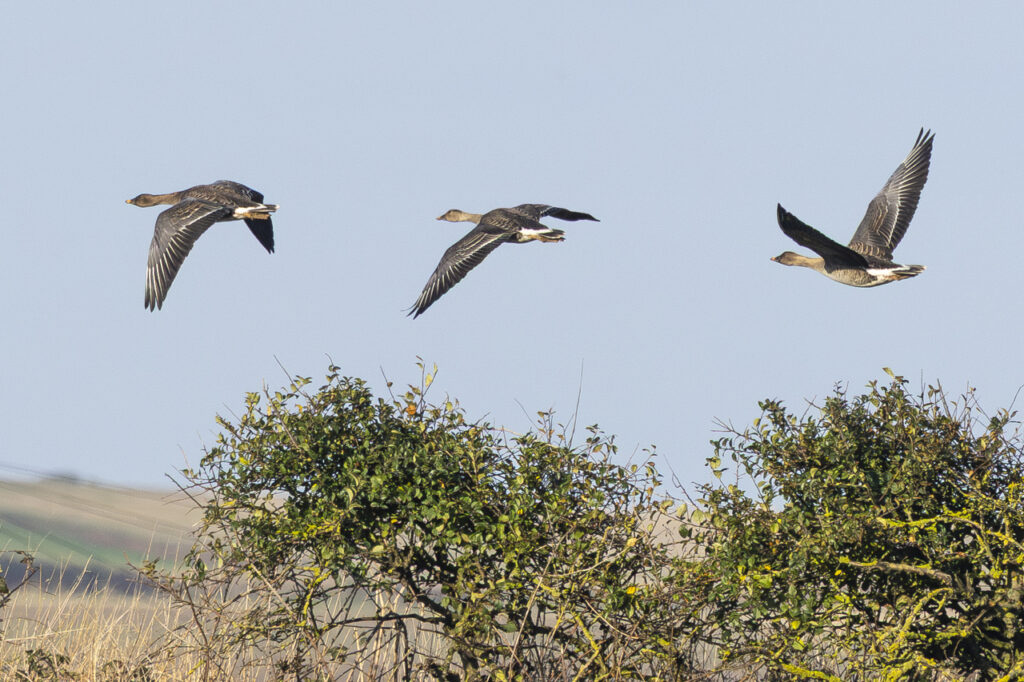
Overcast with strong south-south-easterly winds and a high of 16 degrees C. A vocal Red-throated Pipit over RSPB Bempton Cliffs at 1415hrs was the highlight. Other records from Bempton included 247 Pink-footed Geese, a Woodcock, a Marsh Harrier, two Ravens, 315 Redwing, 34 Blackbirds, 26 Song Thrush, a Ring Ouzel and 16 Brambling.

Seawatching on the outer head was rewarded with two pale-bellied Brent Geese, three Whooper Swans, seven southbound Egyptian Geese, three Goosanders, 59 Little Gulls, a Mediterranean Gull, three Sooty Shearwaters and two Long-tailed Skuas. On the land, two Caspian Gulls (first-winter, second-winter) and two first-winter Yellow-legged Gulls followed a plough.

Migrants making landfall and heading west from the outer head included two Jack Snipe, two Ring Ouzel, 475 Redwing, two Fieldfares, 30 Blackbirds, 354 Starling and 14 Brambling. A Marsh Harrier and two Mediterranean Gulls were recorded at South Dykes, while a lone Yellow-browed Warbler was at North Landing.

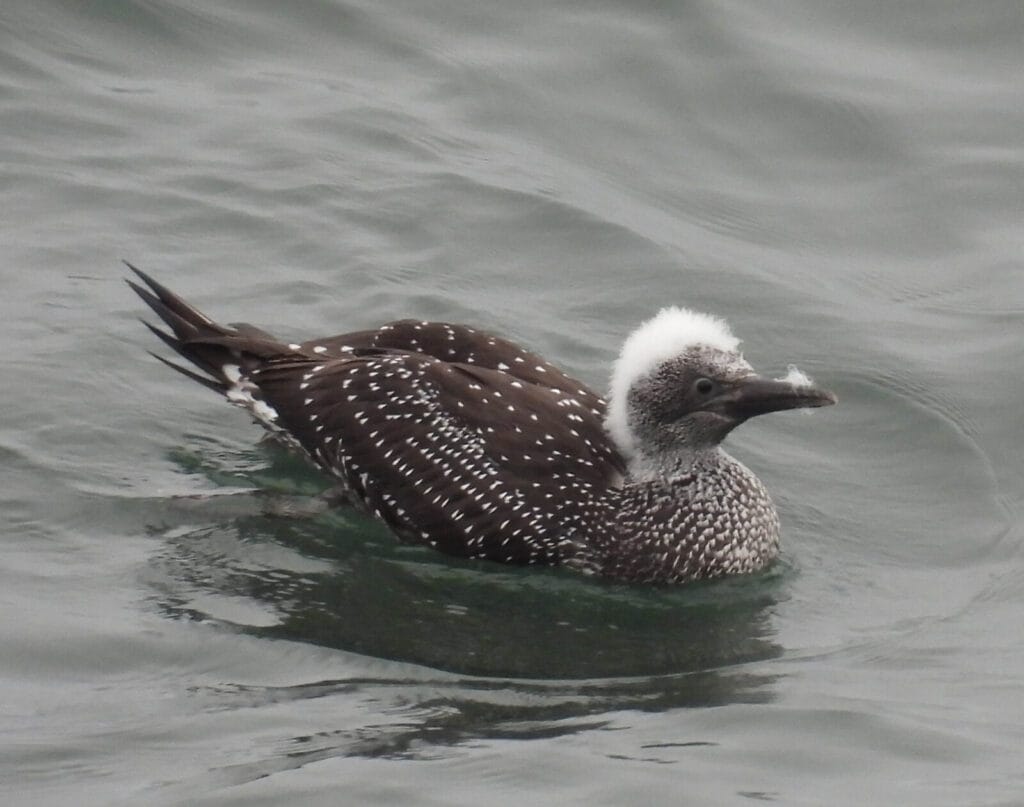
Gannet, Fog Station (Brett Richards)

13th October 2026

Sunny intervals dominated after an overcast start which included a band of light rain crossing the headland; there were strong south-west/west winds and temperatures reached a warm 20 degrees C. Seawatch highlights included a Long-tailed Skua, 77 Little Gulls and a Mediterranean Gull off the Fog Station. Better still, a Grey Phalarope rested on the sea off Cattlemere early afternoon, where nine Grey Plovers, another Mediterranean Gull and two Caspian Gulls were in residence. Wildfowl on the move included 59 Whooper Swans heading south, three Pintail and 52 Teal. Small numbers of Redwing, Song Thrush, Blackbird and Starling made landfall throughout the day, along with eight Lapwing and 45 Skylarks. Further passerine interest included a Yellow-browed Warbler at South Landing, where a Jay and ten Siskins were present. The Thresher Shark breached off the Fog Station once again, where a late Clouded Yellow butterfly was also present.

Sightings from RSPB Bempton Cliffs included 18 Whooper Swans, 71 Pink-footed Geese, 79 Blackbirds, 28 Song Thrush, 170 Redwing, a Fieldfare, 22 Skylarks, a Grey Wagtail and nine Bramblings.

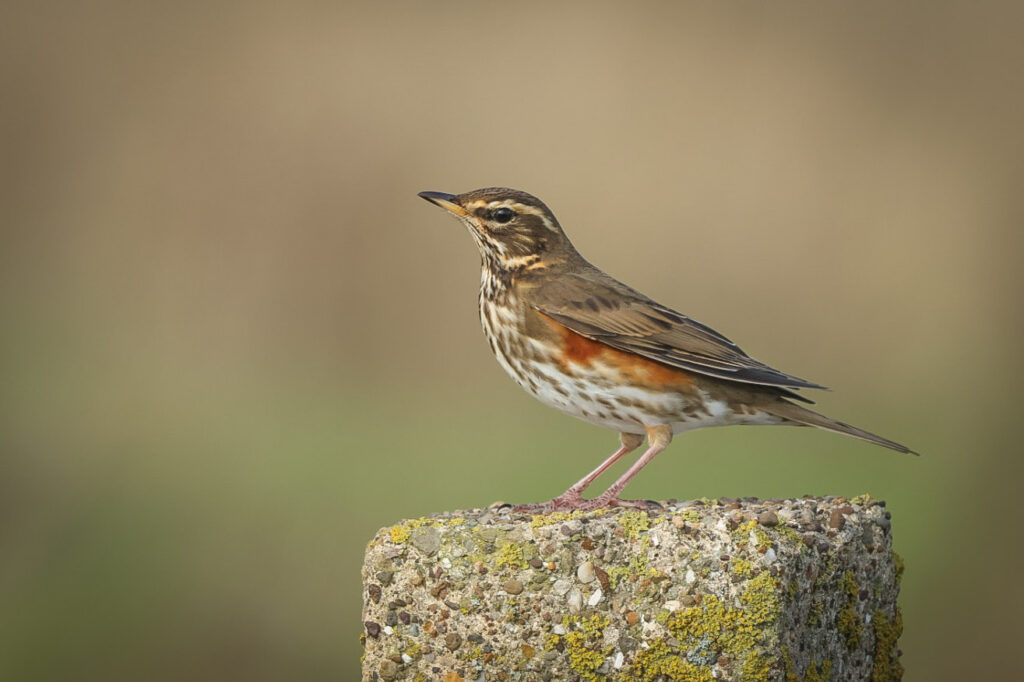
Redwing, RSPB Bempton Cliffs (Dan Howe)

14th October 2026

Sunny intervals preceded cloudier skies; a blustery south-west wind established once again and temperatures reached 17 degrees C. A Sabine’s Gull that flew north at 1018hrs was the undoubted highlight of a seawatch that also featured 11 Little Gulls and an Arctic Tern.

Five Yellow-browed Warblers remained in residence on the outer head, where additional sightings included two Barnacle Geese, eight Lapwing, four Grey Plovers, one Marsh Harrier, four Jays, a Cetti’s Warbler and 37 Siskin.

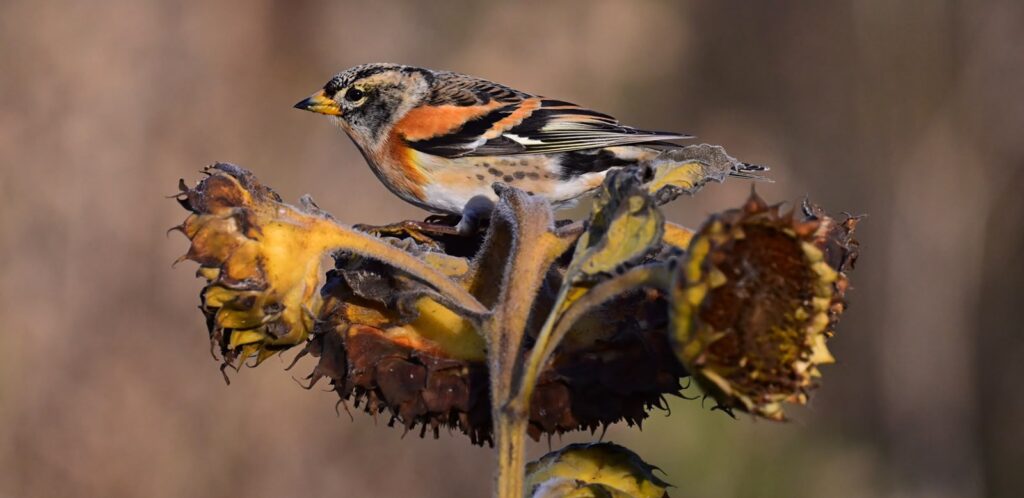
Three Brambling fed in the sunflower crop at RSPB Bempton Cliffs.

Brambling, RSPB Bempton Cliffs (Dean Evans)

15th October 2026

Overcast after a bright start, with moderate south-west winds and a high of 20 degrees C. A juvenile Spoonbill flew south during a morning seawatch that also produced a Pintail, 41 Little Gulls, two Mediterranean Gulls, three Yellow-legged Gulls, a juvenile Long-tailed Skua and three Manx Shearwaters. Additional sightings on the outer head included a Jay, one Ring Ouzel and three Yellow-browed Warblers.

Eight Whooper Swans flew west from the Dykes towards Bempton village. Records from the reserve included a Jack Snipe in off, two Jays, 28 Song Thrush, 78 Redwing and three Brambling.

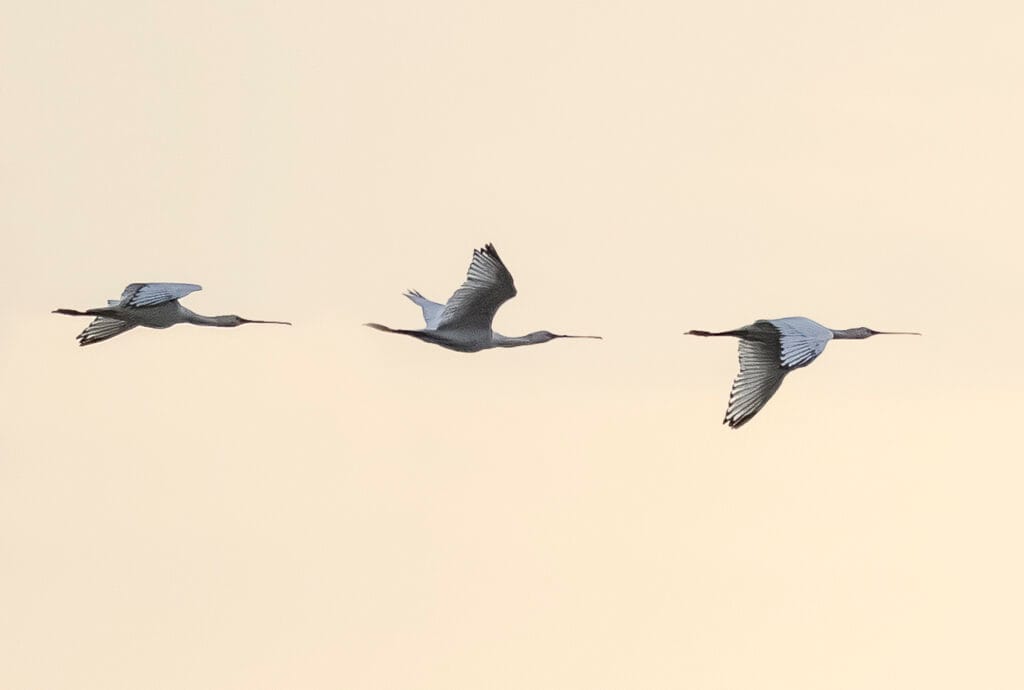
Spoonbill (composite), Fog Station (Andrew Allport)
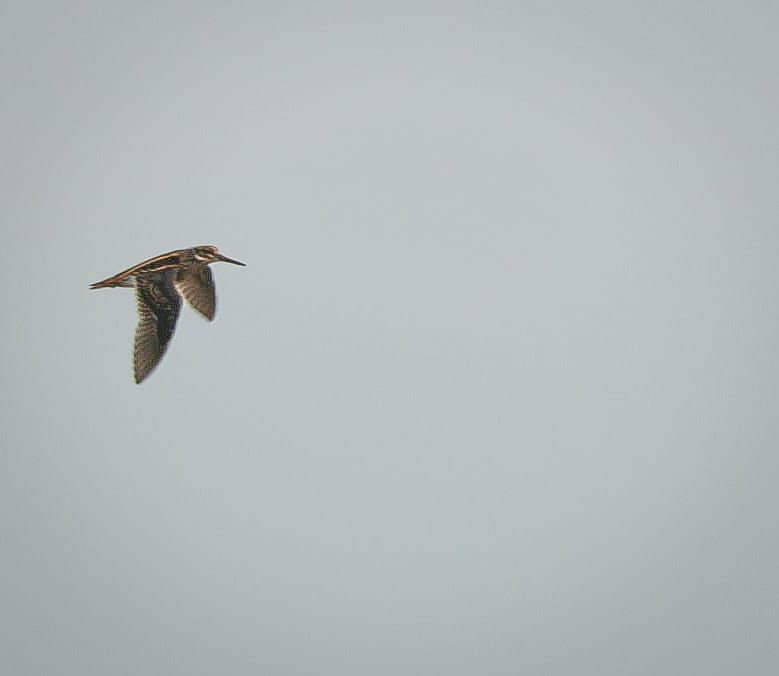
Jack Snipe, RSPB Bempton Cliffs (Dan Howe)

16th October 2026

Sunny intervals, winds remained light but switched to north-westerlies mid-morning, and a high of 15 degrees C. Five Mediterranean Gulls flew south during a morning seawatch, as did seven Eider and two Little Gulls, while a Red-breasted Merganser moved north. The Thresher Shark also breached three times off the Fog Station.

Six Barnacle Geese flew south over the Lighthouse, with a duo on fields near Thornwick. The waters off South Landing attracted 72 Common Scoters and three Eider, while four Little Egrets and seven Grey Plovers fed on the rocks at Cattlemere. A Woodcock was at Booted Gully, while three Bar-tailed Godwits, 12 Ringed Plovers, a Golden Plover and two Dunlin were nearby at South Landing.

Passerine interest included: a Cetti’s Warbler in the Thornwick Roost, two Jays, a Yellow-browed at South Landing, a Grey Wagtail, a lone Twite south over Cattlemere, 25 Siskins and a lone Snow Bunting that overflew Old Fall/Golf Course. The two long-staying Ravens commuted between the high cliffs between Thornwick and RSPB Bempton Cliffs.

Other sightings from the reserve included 16 Whooper Swans flying south-east, a Lapwing, seven Chiffchaff, a Ring Ouzel, 46 Redwing, a Grey Wagtail, three Brambling, two Siskin and a Lapland Bunting.

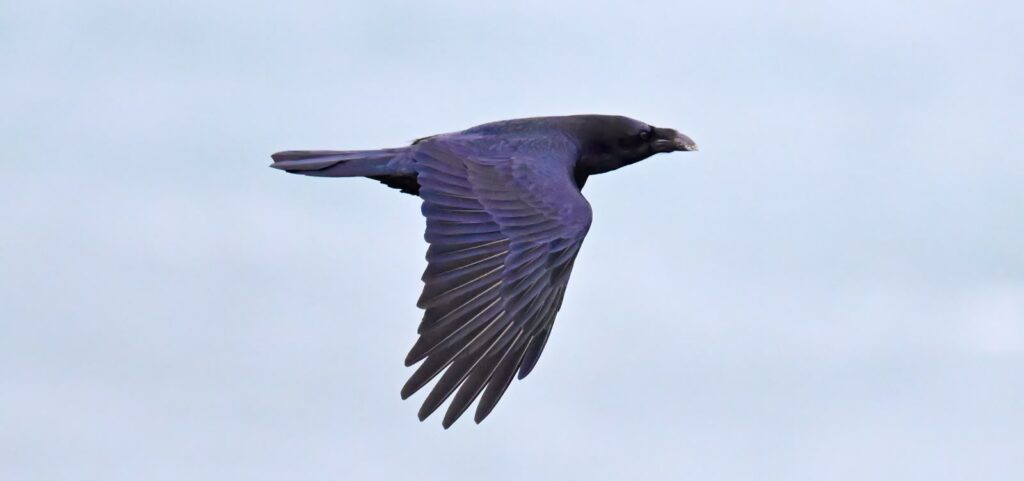
Raven, RSPB Bempton Cliffs (Dean Evans)
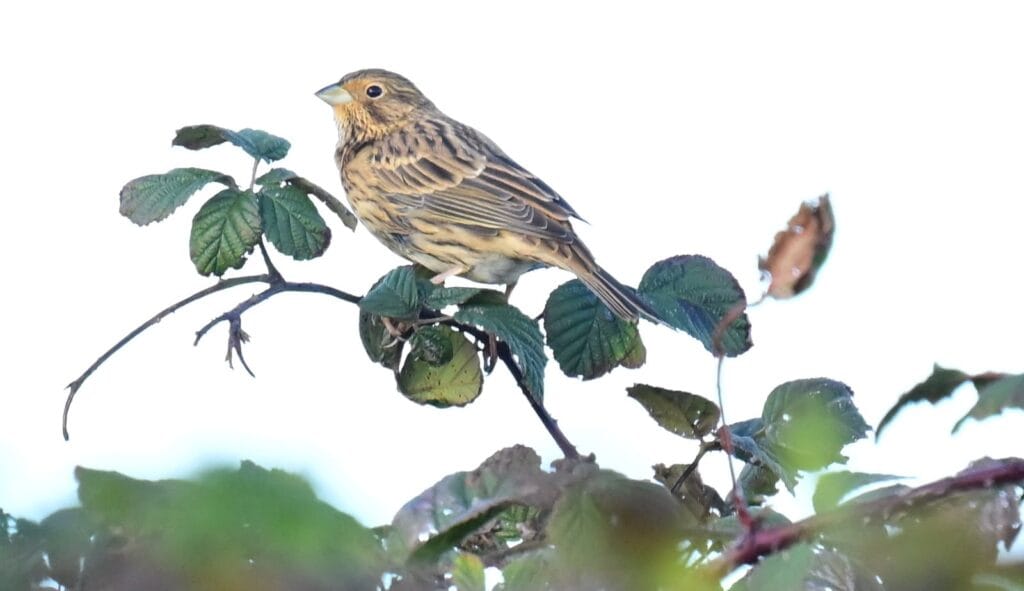
Corn Bunting, RSPB Bempton Cliffs (Dean Evans)

17th October 2026

Overcast with some brighter intervals, a strong northerly wind and maximum of 12 degrees C. An all day seawatch was rewarded with a juvenile Sabine’s Gull that lingered offshore mid-afternoon, a juvenile Long-tailed Skua that flew south and two Pomarine Skuas heading north. Other notable records included four Barnacle Geese, 131 Little Gulls, 1253 Kittiwakes, five Mediterranean Gulls, 68 Sooty Shearwaters and 48 Manx Shearwaters.

‘Strong flying’ passerines took advantage of the northerlies to cross the North Sea including 3780 Redwing, 15 Mealy Redpolls, two Lesser Redpolls and 44 Brambling. Also of note were two Woodcock, a Jack Snipe, one Water Rail, a Short-eared Owl, both Cetti’s Warbler and Yellow-browed Warbler at South Landing, and six Grey Wagtails.

Four Barnacle Geese flew south-east at RSPB Bempton Cliffs, where additional records included a Short-eared Owl, ten Little Gulls and three Brambling.

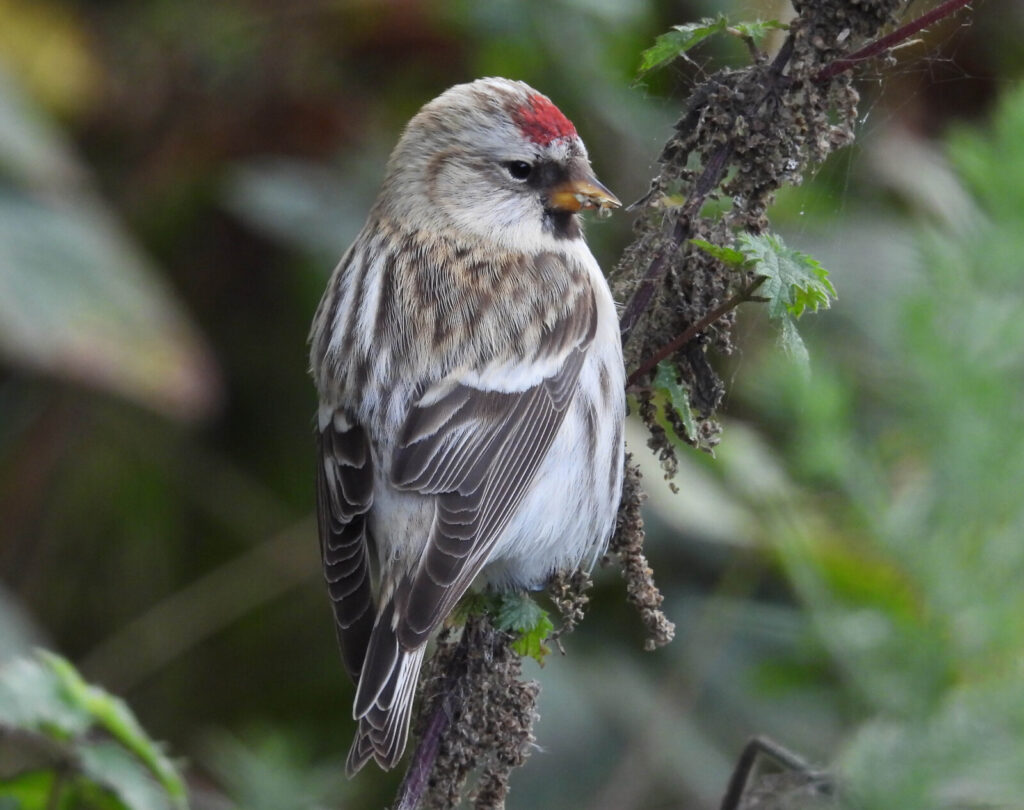
Mealy Redpoll, Thornwick (Brett Richards)

18th October 2026

Sunny intervals and occasional showers, a moderate north-easterly wind and high of 13 degrees C. Seawatch highlights included a juvenile Sabine’s Gull flying north along with a Slavonian Grebe, two Long-tailed Skuas and four Pomarine Skuas. Also recorded were: 11 dark-bellied Brent Geese, 16 Eiders, 451 Common Scoters, three Goosanders, four Red-breasted Mergansers, 29 Little Gulls, 18 Arctic Skuas, 12 Bonxies, 2321 Kittiwakes and 23 Sooty Shearwaters.

The most notable migrants on the outer head were a Richard’s Pipit at South Landing and a juvenile Red-backed Shrike at Oceanview. Additional records included: four pale-bellied Brent Geese, four Woodcock, a Water Rail, a Long-eared Owl, four Short-eared Owls, three Swallows, five Jays, a Cetti’s Warbler, one Reed Warbler, two Lesser Whitethroats, three Yellow-browed Warblers, 13 Goldcrests, 6490 Redwing west, 470 Blackbirds, 21 Fieldfare, a Grey Wagtail, 42 Brambling, 24 Redpoll (inc. 14 Mealy), 35 Siskin, a Snow Bunting and four Lapland Buntings.

Single Firecrest and Siberian Chiffchaff were trapped and ringed at RSPB Bempton Cliffs. Other reserve sightings included: ten Golden Plovers, a Woodcock, two Short-eared Owls, four Jays, 25 Blackbirds, 35 Redwing, six Goldcrests, four Lesser Whitethroats, a Pied Flycatcher, 15 Brambling and ten Redpolls.

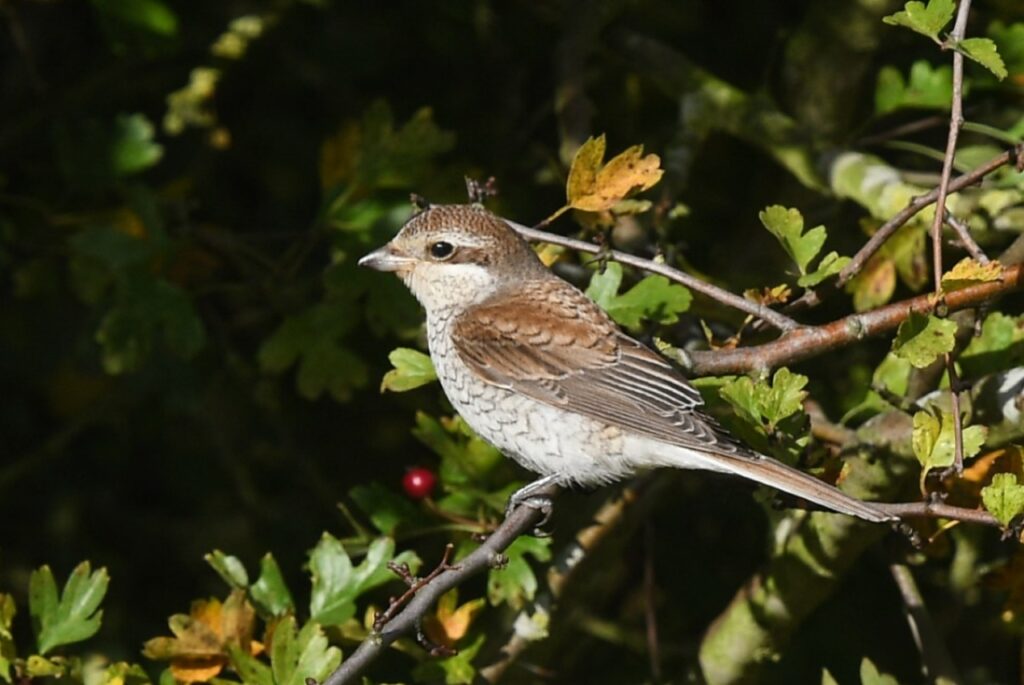
Red-backed Shrike, Oceanview (Andy Hood)
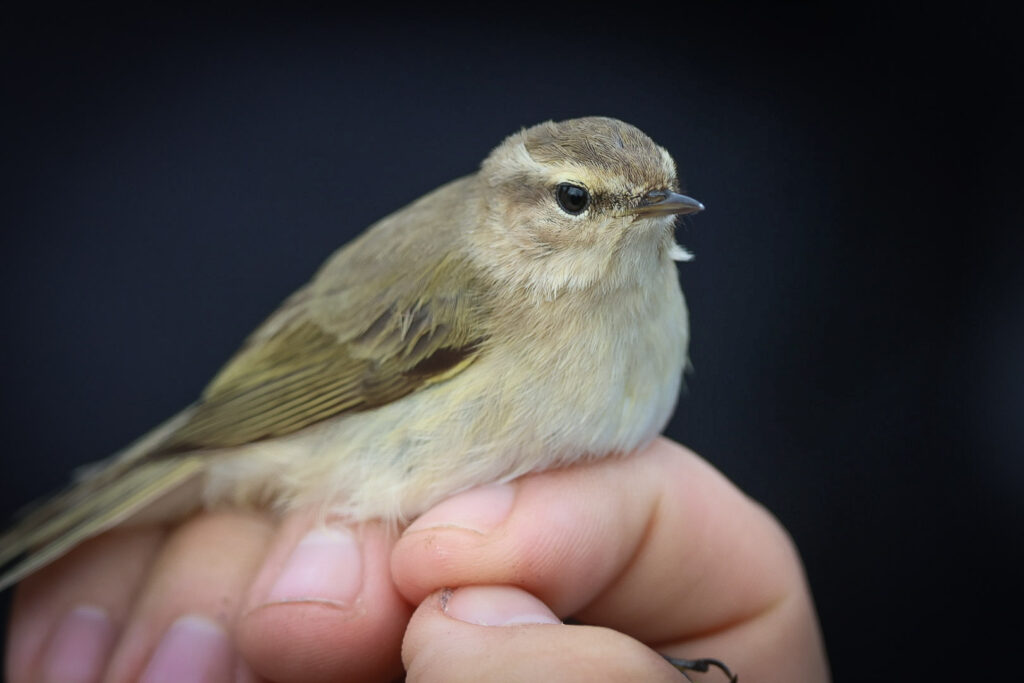
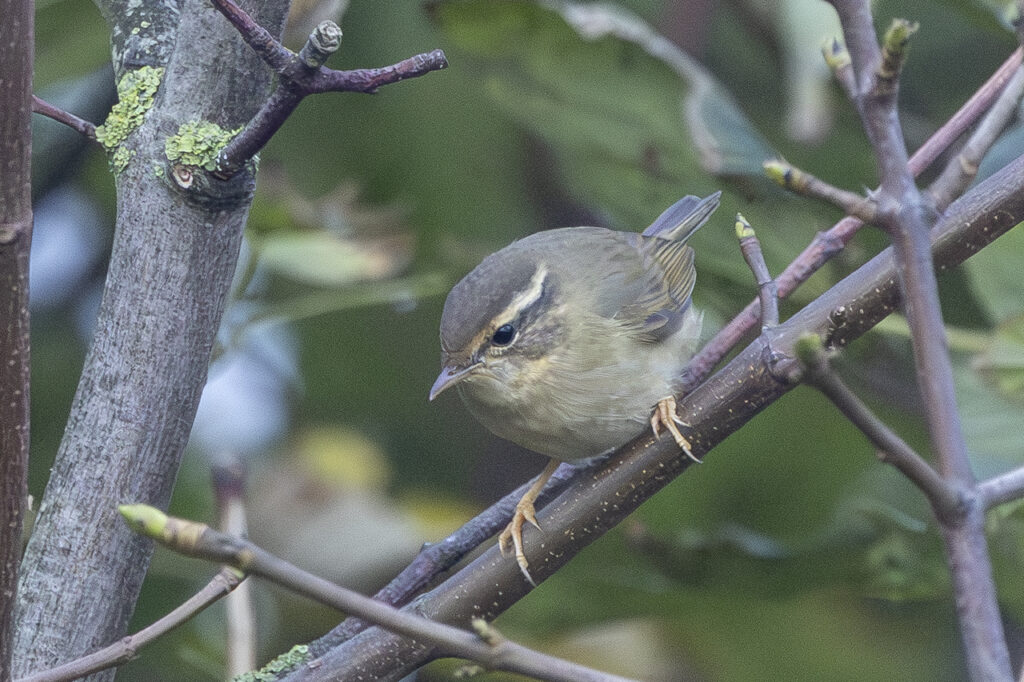
Siberian Chiffchaff, RSPB Bempton Cliffs (Dan Howe)

19th October 2026

Long-anticipated, moderate winds that swung round to the east under overcast skies produced a great day’s birding. Seawatching proved spectacular, with four White-billed Divers flying north, along with seven Leach’s Petrels, three Storm Petrels, three Grey Phalaropes, a juvenile Sabine’s Gull, four juvenile Long-tailed Skuas, a Black-throated Diver, one Little Auk and a Velvet Scoter.

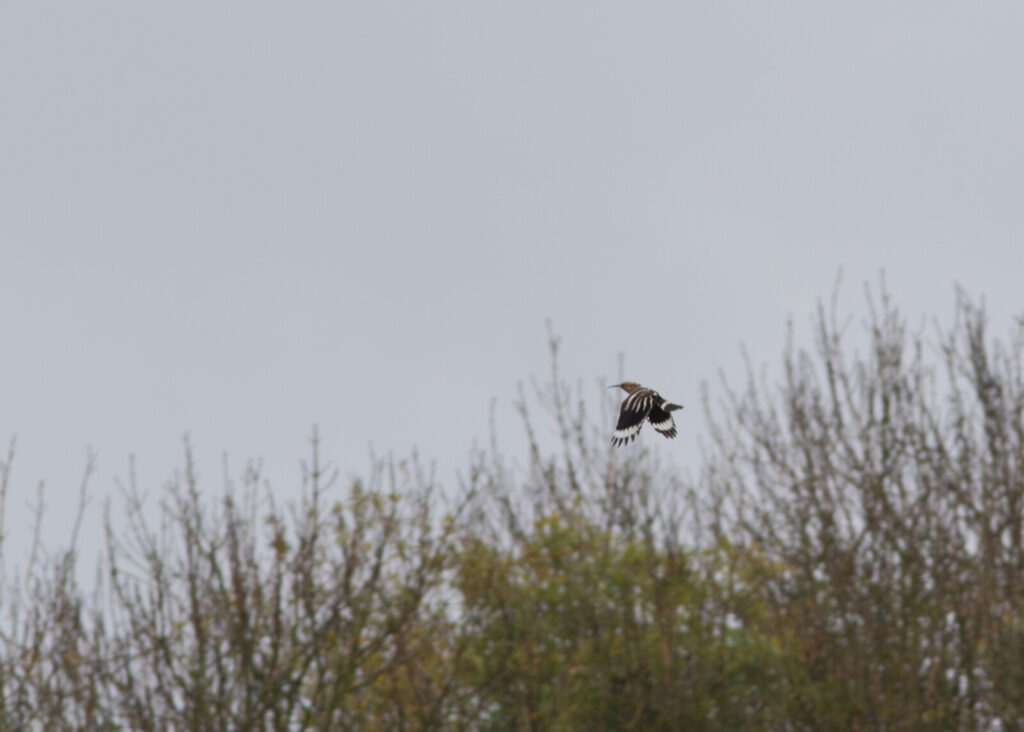
The land also proved rewarding: three Radde’s Warblers included two birds together at Thornwick. The year’s third Hoopoe was discovered in South Landing car park early morning; it later flew through Butler’s Lane in the village. Additional interest was provided by two White-fronted Geese, a Long-eared Owl, a late juvenile European Nightjar, two Great Grey Shrikes (including a bird near North Dykes), a Red-backed Shrike, two Firecrests, a Yellow-browed Warbler, a Red-breasted Flycatcher (Thornwick) and a Hawfinch. The outer head also attracted ten Woodcock, two Jack Snipe, three Short-eared Owls, four Jays, two Ring Ouzels, seven Black Redstarts, four Mealy Redpolls and three Snow Buntings.

A Pallas’s Warbler headlined at RSPB Bempton Cliffs, where sightings included a Great White Egret flying north-west, a Greenshank, one Woodcock, a Black Redstart, one Lesser Whitethroat, a Pied Flycatcher and four Mealy Redpolls.

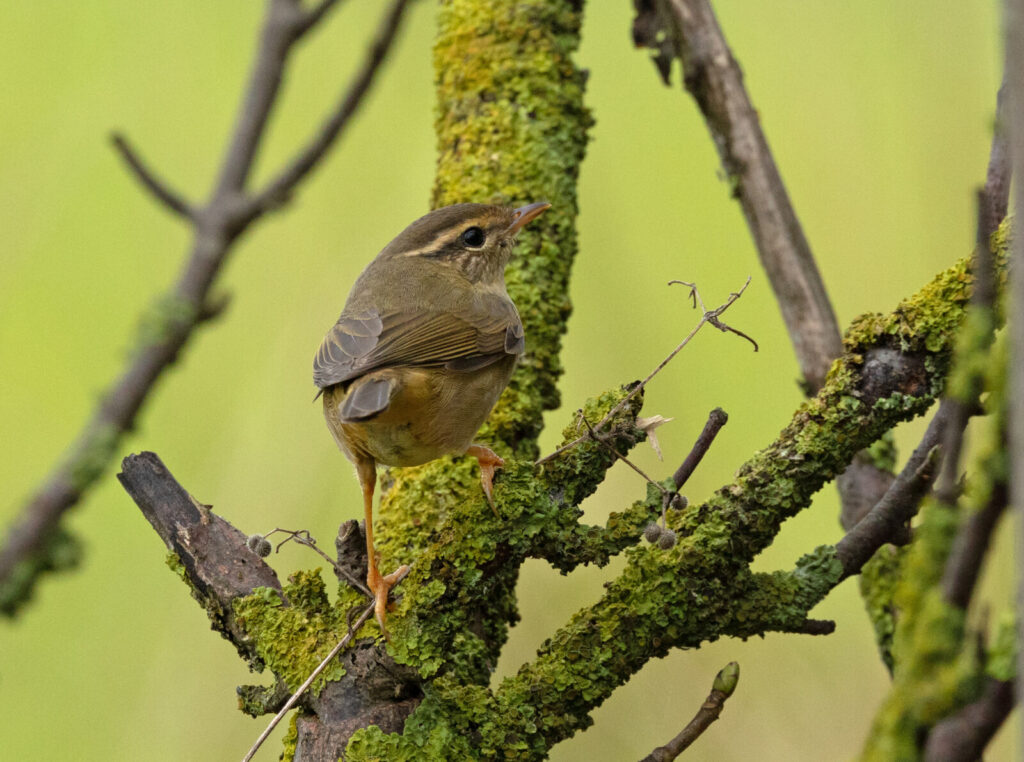
Radde’s Warbler, Thornwick (Craig Thomas)
Radde’s Warbler, Thornwick (Andrew Allport)
Hoopoe, South Landing (Jo Hood)

20th October 2026

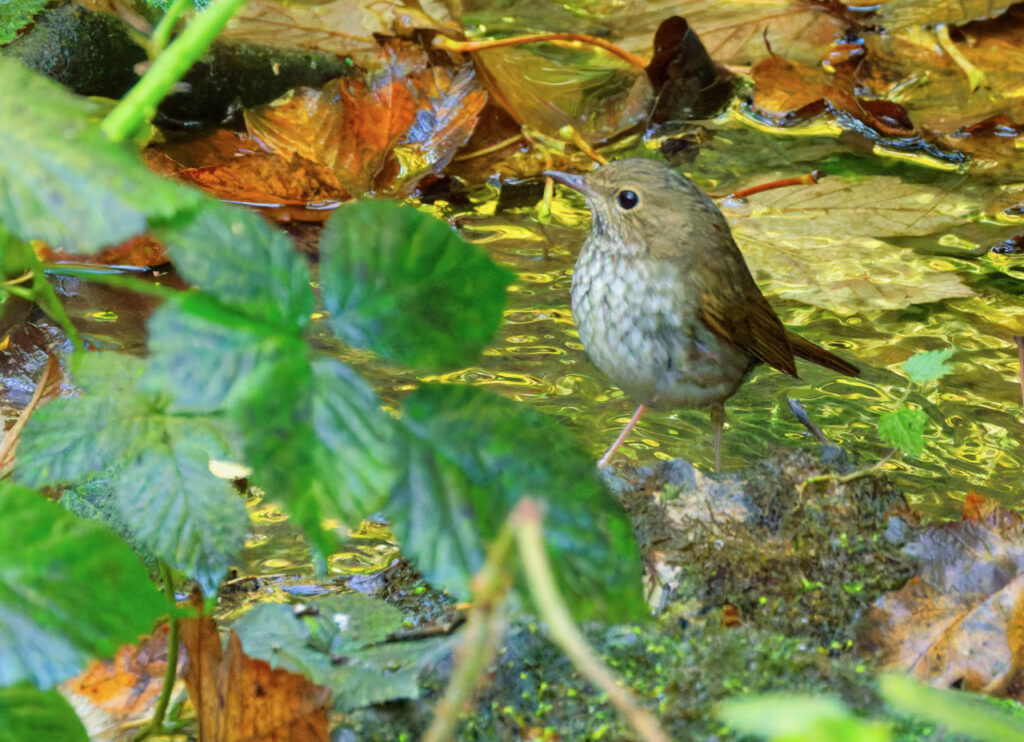
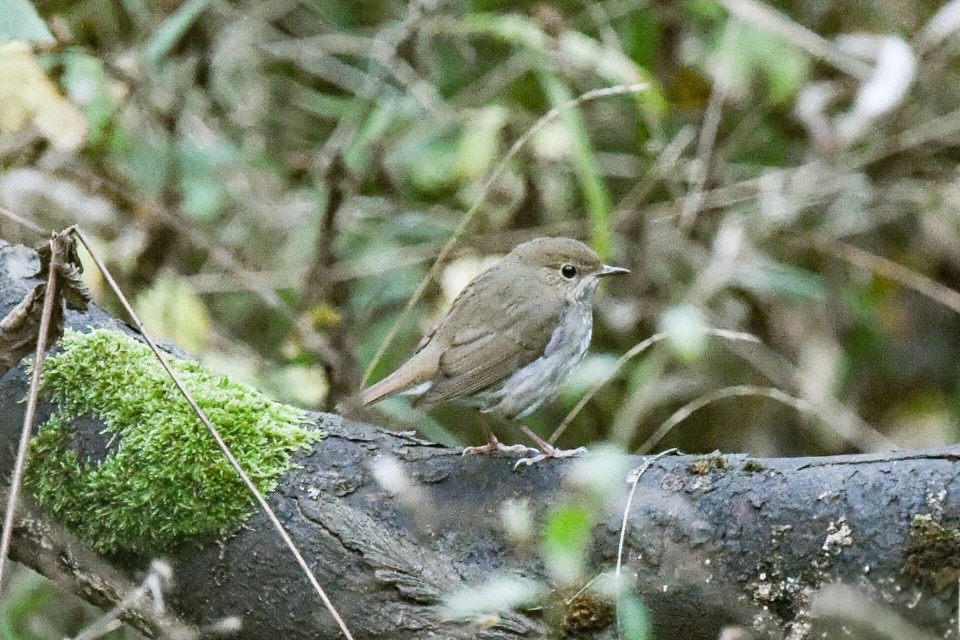
Blustery east-south-easterlies and overcast skies … conditions that initially raised expectation, before providing in spades following the late morning discovery of a Rufous-tailed Robin in South Landing.

It initially showed well, but briefly, only to the finder – who then had to endure an agonising wait of over three hours before it subsquently showed to a select few on three or four more occasions. The bird frequented the thick bramble cover on the slopes down to the stream immediately adjacent to the metal ‘whalebone’ bridge – the latter accessed from the track leading east from the main carpark. The robin appears to be moving under the bramble leaves cloaking the slopes, rendering location even by thermal imagers difficult.

In other news, the day featured impressive influxes of 103 Russian White-fronted Geese, nine Tundra Bean Geese and 15 Firecrests onto the outer head. Two Radde’s Warblers included one of yesterday’s individuals at Thornwick and a new arrival near North Landing. A Great Grey Shrike made landfall at Bay Brambles early morning, but soon filtered inland, while two Red-breasted Flycatchers included a new bird at South Landing.

A Grey Phalarope flew east past South Landing, while two juvenile Long-tailed Skuas headed north past the Seawatch Observatory.

Additional interest was provided by 14 Woodcock, one Jack Snipe, a Little Owl, a Long-eared Owl, four Ring Ouzels, 1680 Starlings in off and west, one Jay, a Siberian Chiffchaff, a Cetti’s Warbler, three Yellow-browed Warblers, ten Black Redstarts, one Mealy Redpoll and a Snow Bunting.

Two Firecrests were trapped and ringed at RSPB Bempton Cliffs, where a late Wood Warbler was fresh in. The Pallas’s Warbler remained on site, with other reserve records including 14 Russian White-fronted Geese, two Woodcock, a Merlin, 20 Chiffchaffs, a Garden Warbler, 30 Goldcrests, four Ring Ouzels and six Redpolls (including five Mealy).

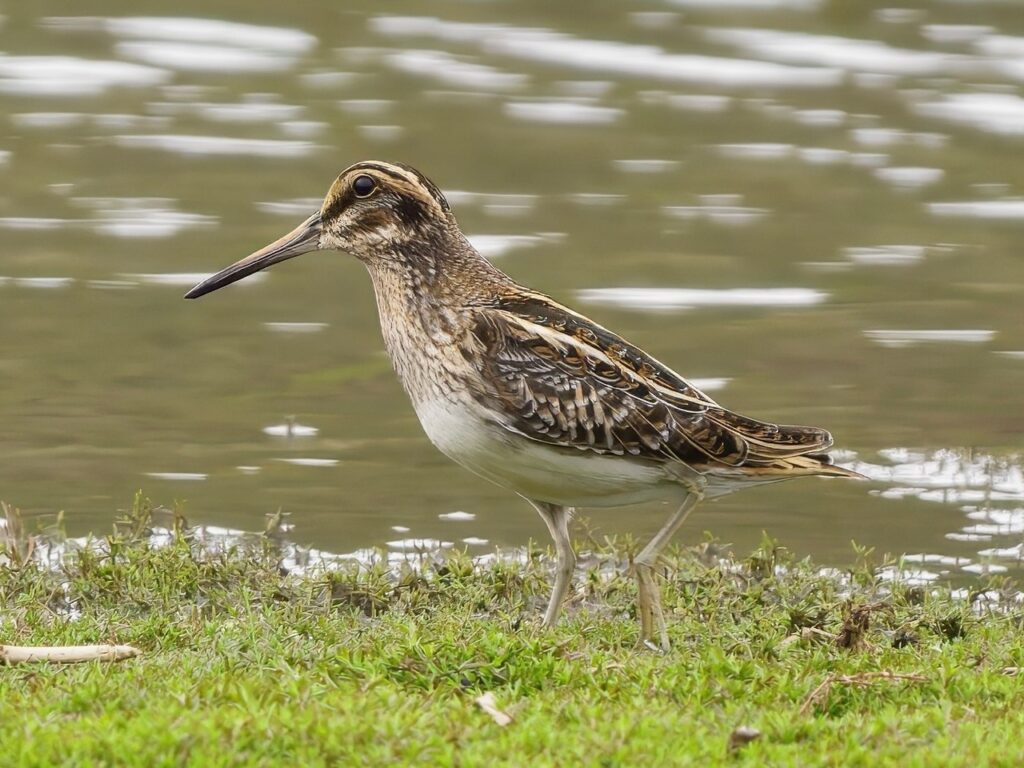
Jack Snipe, Thornwick Pools (Ian Howard)
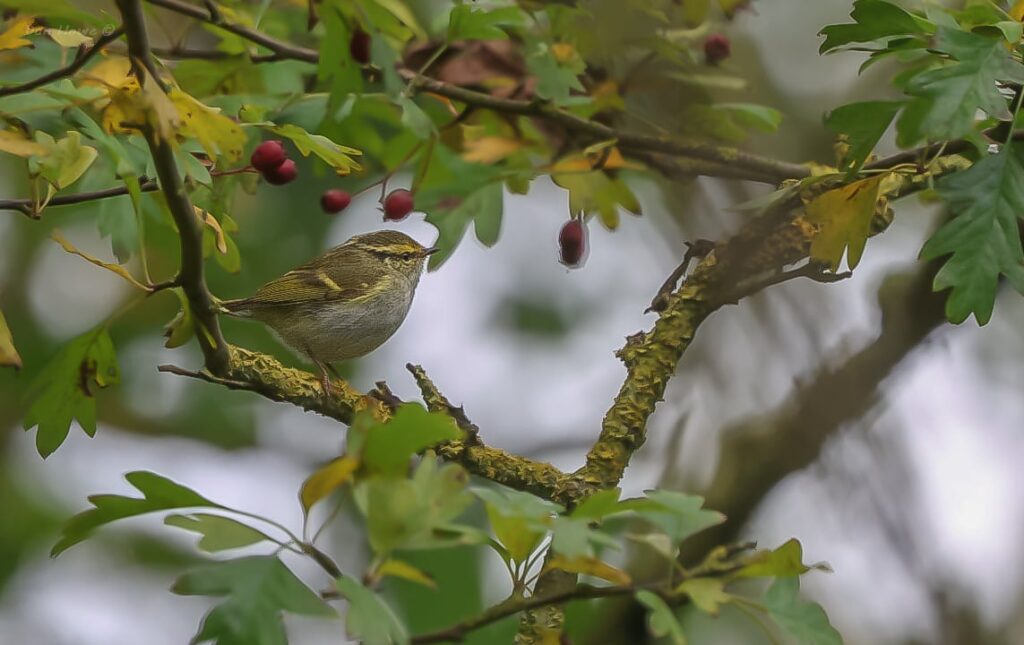
Pallas’s Warbler, RSPB Bempton Cliffs (Dan Howe)
Radde’s Warbler, Thornwick (Ian Howard)

21st October 2026

A bright morning before overcast skies returned; winds were from the south/west and temperatures reached 15 degrees C. Most attention remained on South Landing where the ever elusive Rufous-tailed Robin continued to tantalise would-be admirers, albeit the majority managed brief views eventually.

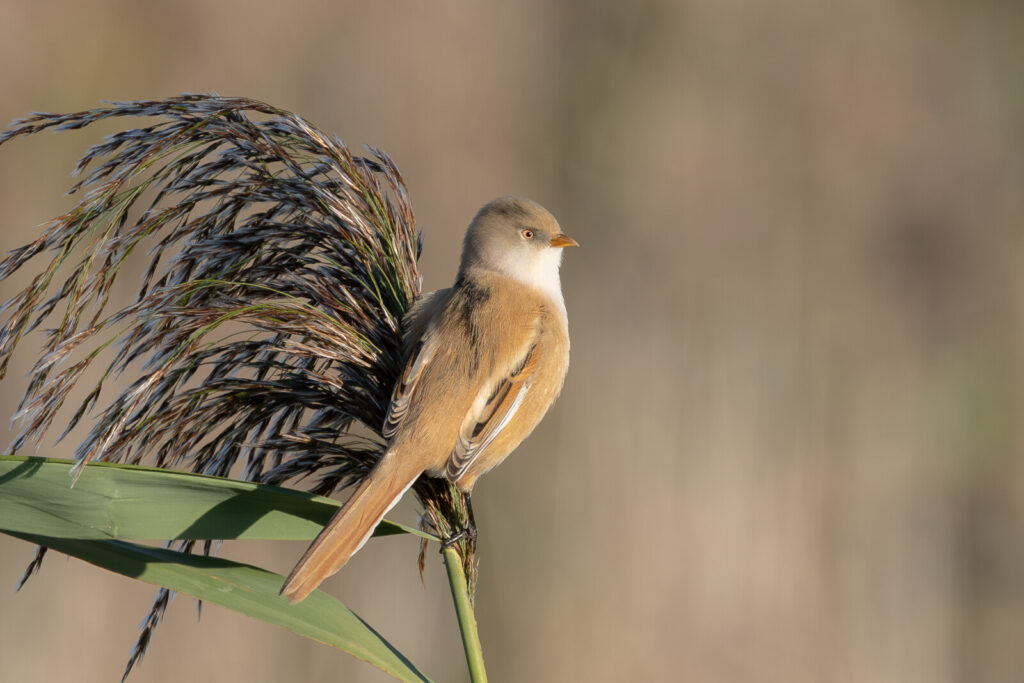
The goose-influx continued, with 22 Tundra Beans and 58 Russian White-fronts recorded along with eight Whooper Swans. An Avocet on Thornwick Pools was unusual, where it was joined by a single Bearded Tit. Nearby, the Radde’s Warbler continued its stay at Thornwick, remaining in the small plantation of trees immediately north of the red brick house. Also notable were 11 Great White Egrets, an ‘eastern’ Lesser Whitethroat and three Siberian Chiffchaffs. Other migrants included 21 Lapwings, 11 Woodcock, four Jays, three Yellow-browed Warblers, eight Firecrests, 83 Goldcrests, 60 Song Thrush, 460 Redwing, six Ring Ouzels, a Northern Wheatear, two Black Redstarts, 63 Siskins and three Mealy Redpoll.

Six of the aforementioned Great White Egrets flew south past RSPB Bempton Cliffs, where both the Pallas’s Warbler and Wood Warbler remained. Other reserve sightings included 26 Lapwing south, two Woodcock, a Yellow-browed Warbler, two Siberian Chiffchaffs, 40 Goldcrests, two Lesser Whitethroats, four Ring Ouzels, a House Martin and three Mealy Redpolls.

Rufous-tailed Robin, South Landing (Lee Johnson)

22nd October 2026

Sunny intervals, light/moderate south-west winds and a high of 13 degrees C. The Rufous-tailed Robin at South Landing continued to show on occasion throughout the day, more especially in the afternoon. While not everyone was lucky, the vast majority left the site having had some views.

A Richard’s Pipit flew east from the cliff top at South Landing late morning, while the Radde’s Warbler remained at Thornwick. Wildfowl interest included four Pale-bellied Brent Geese, 42 Russian White-fronted Geese and eight Tundra Bean Geese. A Great Egret flew north-east over the village, three Water Rails included two in South Landing, and two Short-eared Owls hunted cliff top fields. Passerine migrants included 130 Skylarks, three Jays, a Ring Ouzel, one Bearded Tit at Thornwick Roost, four Yellow-browed Warblers, a Lesser Whitethroat, seven Firecrests, six Black Redstarts, 16 Redpolls, 65 Siskins, four Twite and a Lapland Bunting.

The Pallas’s Warbler lingered at RSPB Bempton Cliffs, where other records included two Ravens, a Siberian Chiffchaff, two Firecrests, a Lesser Whitethroat and two Ring Ouzels. Elsewhere, a Yellow-browed Warbler was at Bridlington Links GC.

Bearded Tit, Thornwick Roost (Dave Aitken)
Rufous-tailed Robin, South Landing (Andy Hood)
Tundra Bean Geese (Andrew Allport)

23rd October 2026

The day began with rain and strong south-east winds, but after a brighter interlude ended with very light winds and thunderstorms. The Rufous-tailed Robin continued to delight and frustrate at South Landing proving ever elusive. Nearby, three Tundra Bean Geese continued to feed on Beacon Hill, although occasionally visited fields further east, while the four Pale-bellied Brents remained on the shore at Hartendale.

A Short-eared Owl flew in off the sea during a morning seawatch that also featured three Great Northern Divers and a Sooty Shearwater. Other notable records from the outer head included eight Grey Partridges, one Water Rail, a Marsh Harrier, two Swallows, three Ring Ouzel, a Black Redstart, a Siberian Chiffchaff, three Firecrests, six Redpoll, ten Siskin, five Twite at North Marsh, a Lapland Bunting and two Corn Buntings.

Elsewhere, the Pallas’s Warbler lingered at RSPB Bempton Cliffs along with single Yellow-browed Warbler and Firecrest.

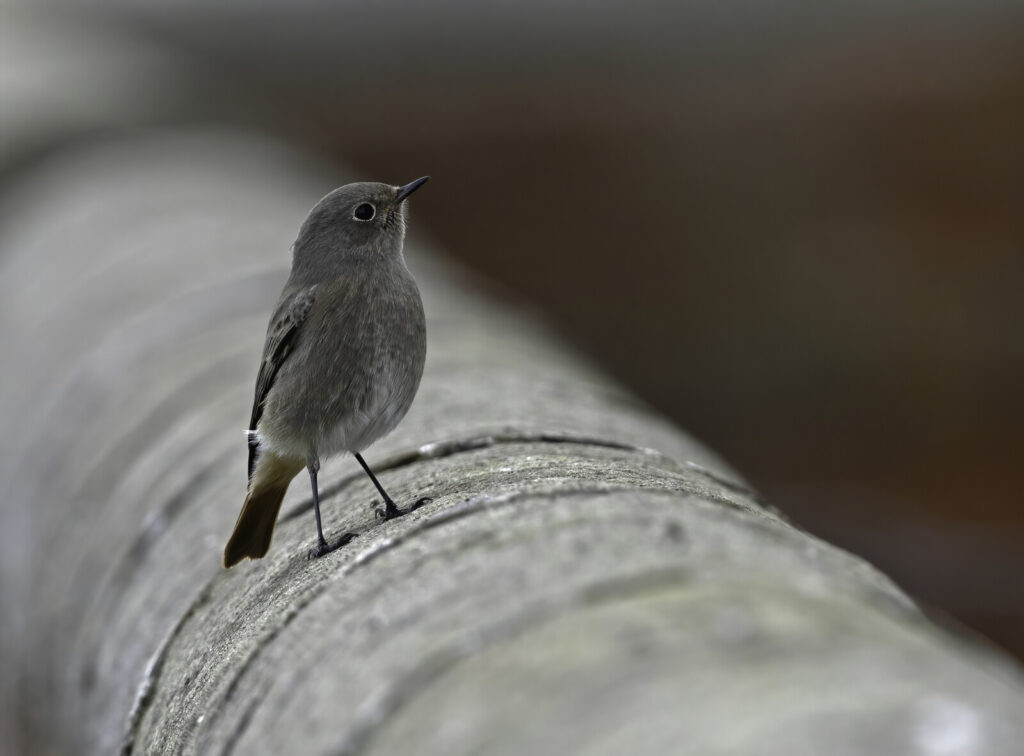
Black Redstart, lighthouse (Craig Thomas)