The day started with very strong north-westerly winds and rain; wind speeds dropped as the low pressure moved away across the North Sea and sunny intervals eventually prevailed. Such conditions were promising for both seawatching and an arrival of passerines around the top of the low pressure and so it proved, with the first appreciable arrival of passerines of the autumn. Two Great Shearwaters flew south during the seawatch which also featured an significant northerly passage of wildfowl including four Brent Geese, 11 Whooper Swans, four Shoveler, 1162 Wigeon, a Pintail, 179 Common Scoters and a Red-breasted Merganser. A total of 133 Red-throated Divers also moved south together with two Great Northern Divers, 17 Little Gulls, two Mediterranean Gulls, 76 Bonxies and six Arctic Skuas; 16 Sooty Shearwaters headed north.
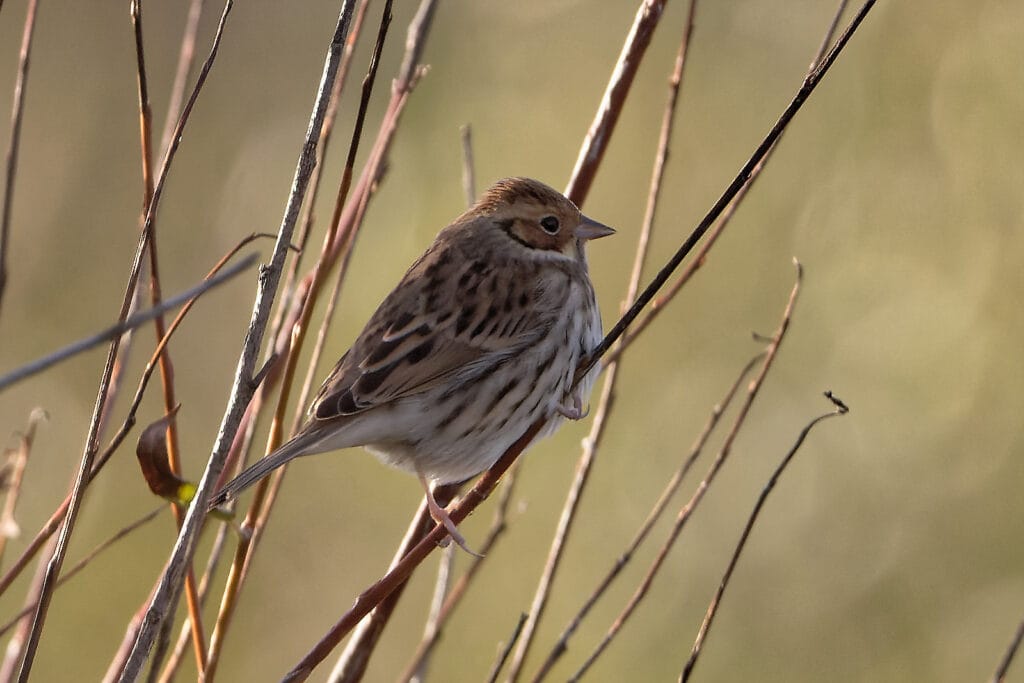
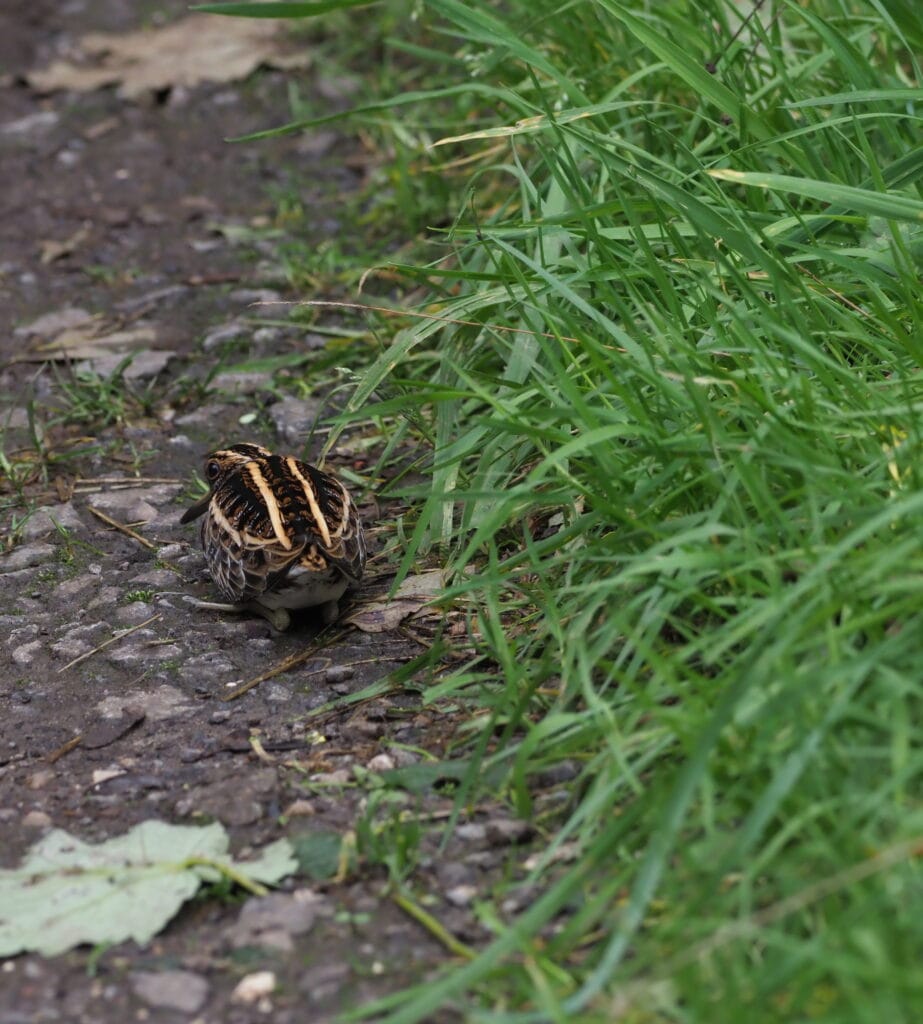
A Little Bunting at the southern end of the Lighthouse Grassland headlined along with four Yellow-browed Warblers (including birds at RSPB Bempton Cliffs & Buckton), two Red-breasted Flycatchers (RSPB Bempton & Thornwick), a Siberian Chiffchaff (Bay Brambles) and a Barred Warbler (RSPB Bempton). Other notable records included a Merlin at North Marsh, a Short-eared Owl in off the sea and then in the Gorse Field and two Jack Snipe (outer head & Bridlington Links GC). Passerine totals included 505 Redwing, 20 Song Thrush, two Fieldfare, four Ring Ouzels, seven Goldcrests, three Blackcap, 14 Chiffchaff, two Willow Warblers, a Garden Warbler, one Lesser Whitethroat, two Pied Flycatchers, a Spotted Flycatcher, a Redstart, two Wheatear, six Grey Wagtails, 75 Meadow Pipits, 165 Brambling, 65 Chaffinch, 23 Siskin and a Lesser Redpoll. Additional sightings from RSPB Bempton Cliffs included a Merlin, 74 Redwing, a Fieldfare, four Goldcrests, one Willow Warbler, 15 Chiffchaff, ten Blackcap, a Lesser Whitethroat (prob. eastern), single Spotted Flycatcher and Pied Flycatchers and ten Brambling.